Home Theater
Best Premium Soundbar Systems 2026: Eight Flagship Setups Compared
Eight premium soundbar systems from $1,000 to $4,000 tested for vocal clarity, sound stage, surround effects, height performance, and bass.
Introduction
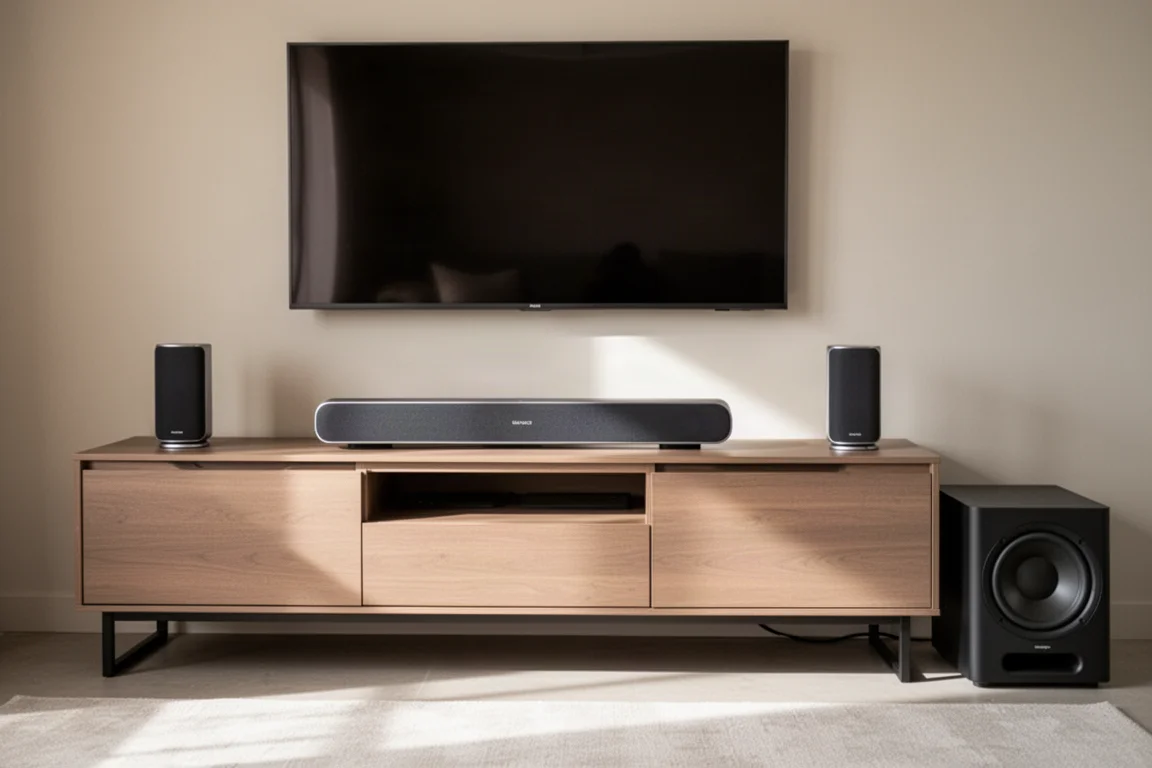
How many extra speakers can a soundbar system have before it stops being a soundbar? That question sits at the heart of this comparison of eight premium soundbar systems ranging from $1,000 up to $4,000. Each system was tested head-to-head for vocal clarity, front sound stage separation, surround and height effects, low-frequency performance, and overall room-filling ability.
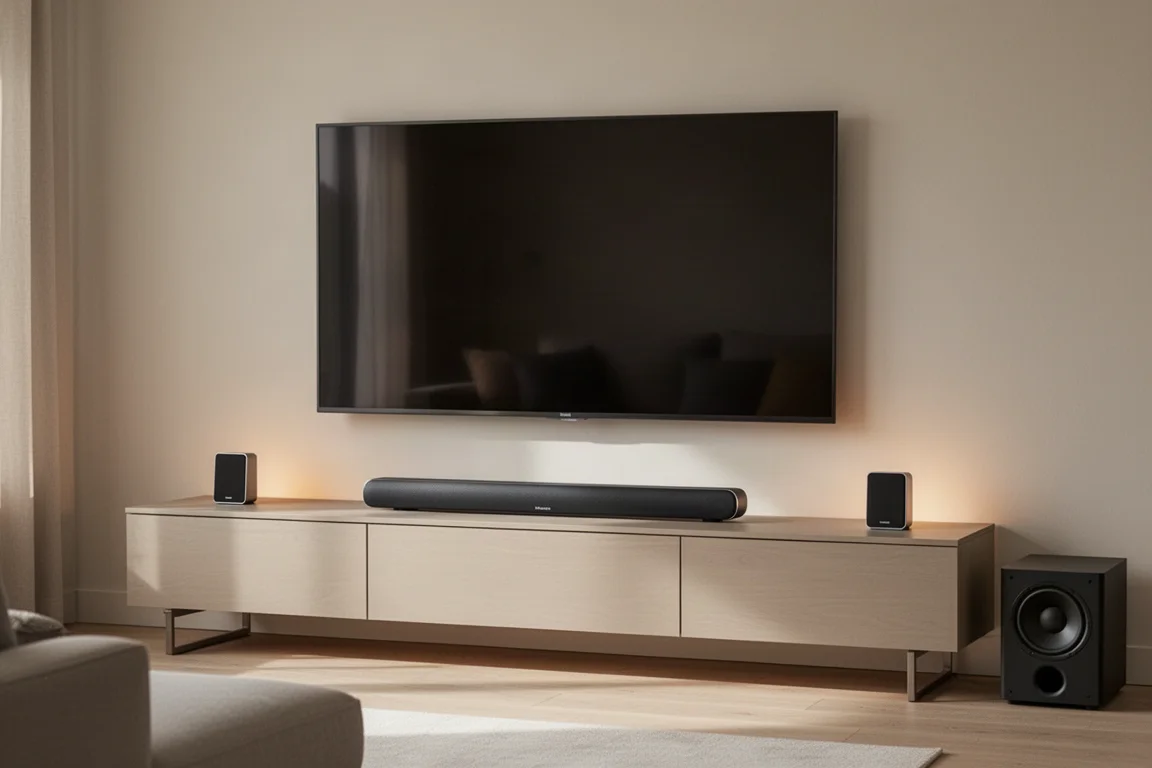
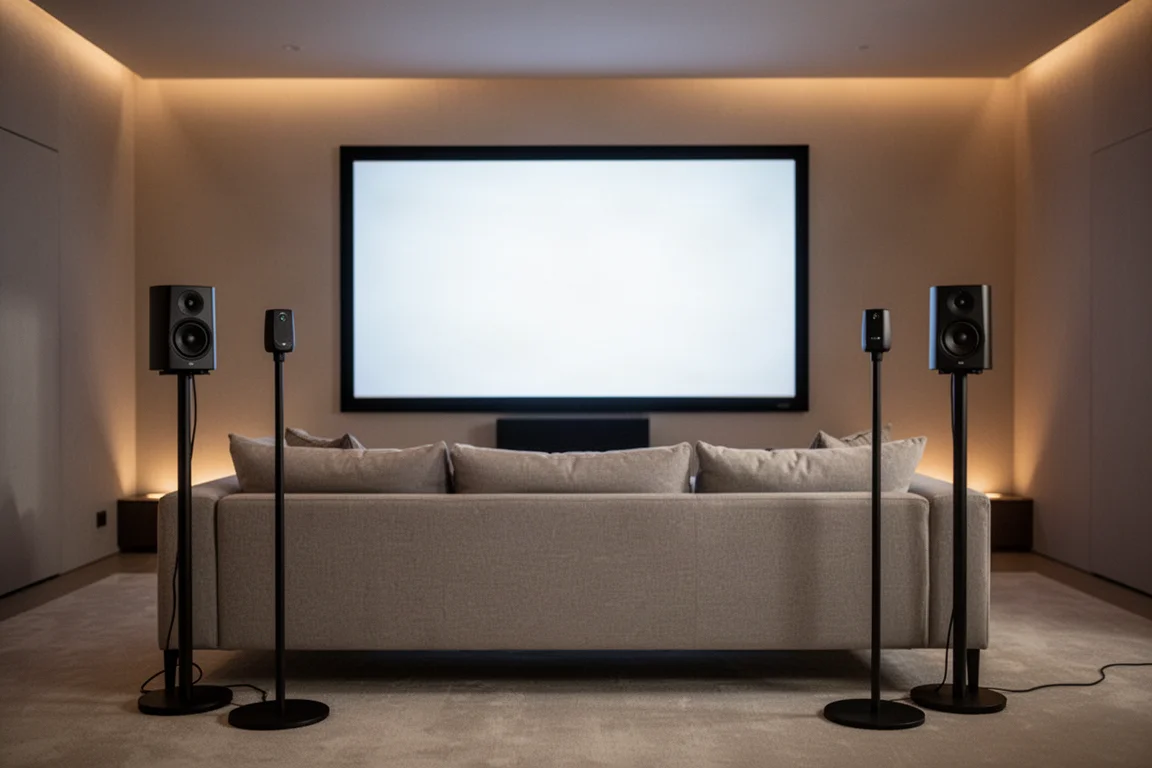
The systems were also compared against a traditional 5.1.4 home theater setup using separate speakers and an AV receiver. For anyone who prefers a simpler setup, the bar-only options are evaluated separately at the end.
Ultimia Skywave X100
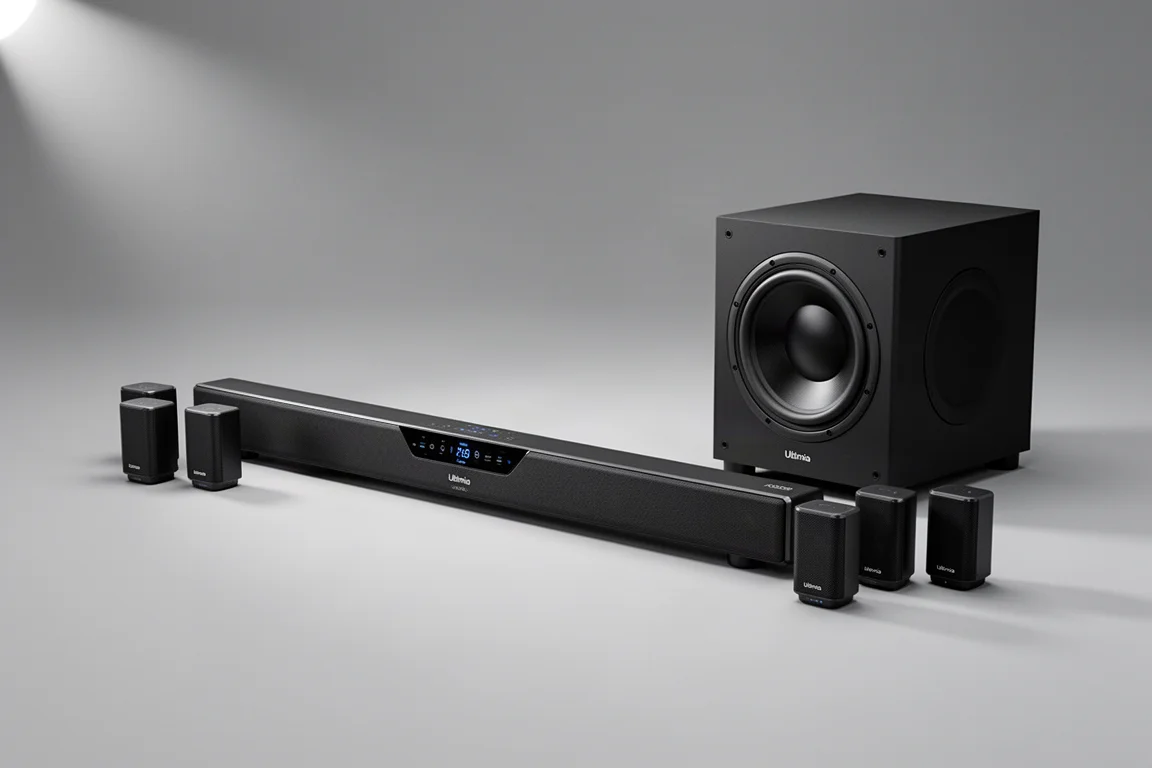
The Ultimia Skywave X100 is the least expensive system in this comparison at $999, and it includes a single 10-inch subwoofer. Ultimia claims this is a 9.1.6 channel system, meaning nine discrete ear-level speakers, one subwoofer, and six discrete height channel speakers. The soundbar itself has five ear-level channels and two up-firing channels, while four identical wireless surrounds each contribute one ear-level channel and one height channel.
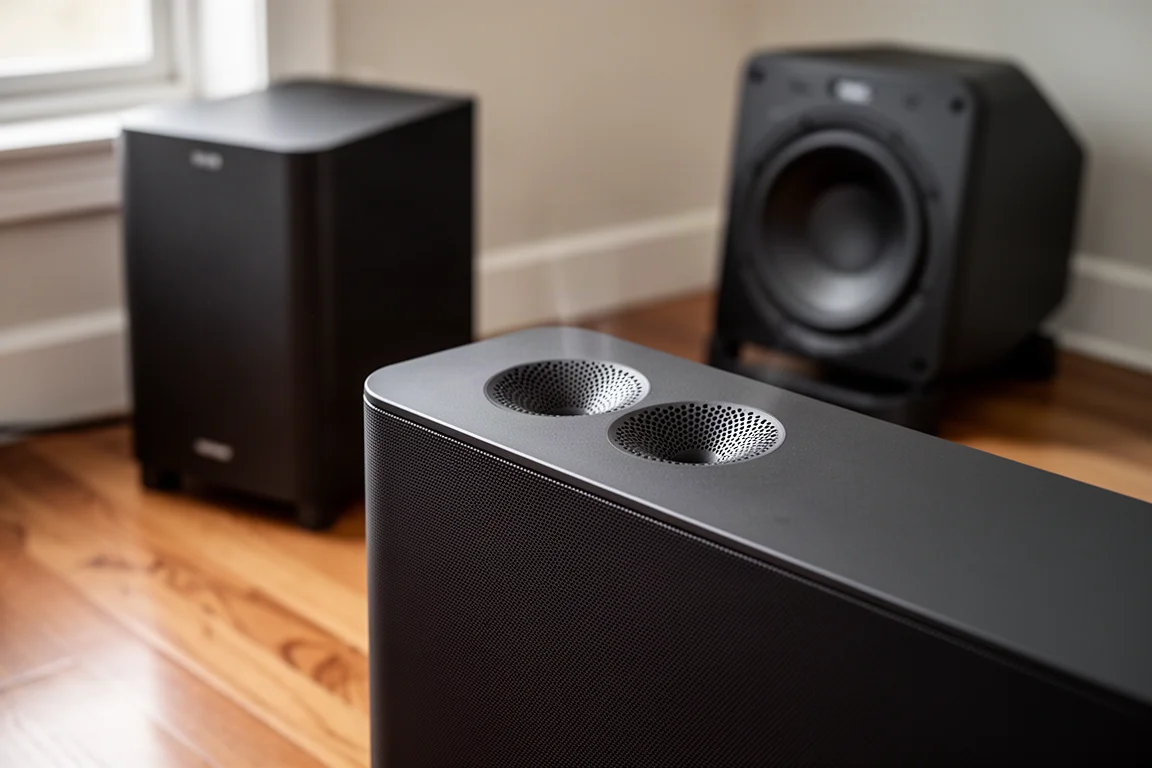
The 10-inch subwoofer performs admirably, producing sound as low as 20 Hz, though it reaches its full potential around 30 Hz before gradually falling off near its 80 Hz crossover. The default EQ settings on both standard and theater modes were not impressive, and upmixing was enabled even when feeding true 7.1 audio. Turning off upmixing and switching to game mode improved audio quality dramatically. The system has good directional audio and spatial performance, and the subwoofer punches well above its weight for the price. However, the audio quality from the four surround speakers is lacking, described as similar to having TV speakers placed around the room.
HighSense HT Saturn
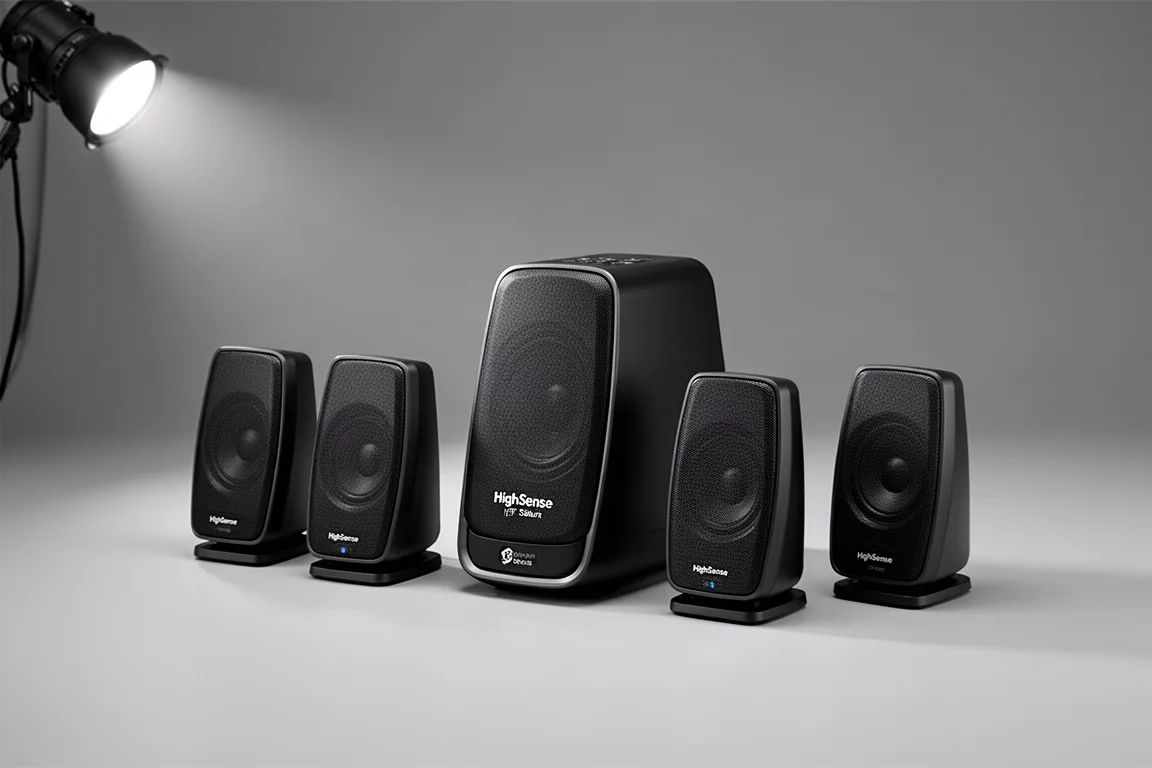
The HighSense HT Saturn is not technically a soundbar, but it earned its place here by winning a previous wireless surround sound system comparison. Instead of a central soundbar, it uses a small wireless receiver unit and four wireless satellite speakers placed in the four corners of the room, making it a 4.1.2 system with the four upward-firing drivers combining into two height channels.
The 6.5-inch ported subwoofer does not reach nearly as low as the Ultimia and produces no meaningful sound pressure below 38 Hz, so it will not provide room-shaking bass. However, it remained free of distortion even at high volumes. The HT Saturn produced extremely convincing height effects, possibly because it only attempts to create two height channels with DSP instead of four. Its performance in climax moments is one of its biggest strengths, and it punches well above its price in terms of spatial effects and DSP.
Samsung Q990H
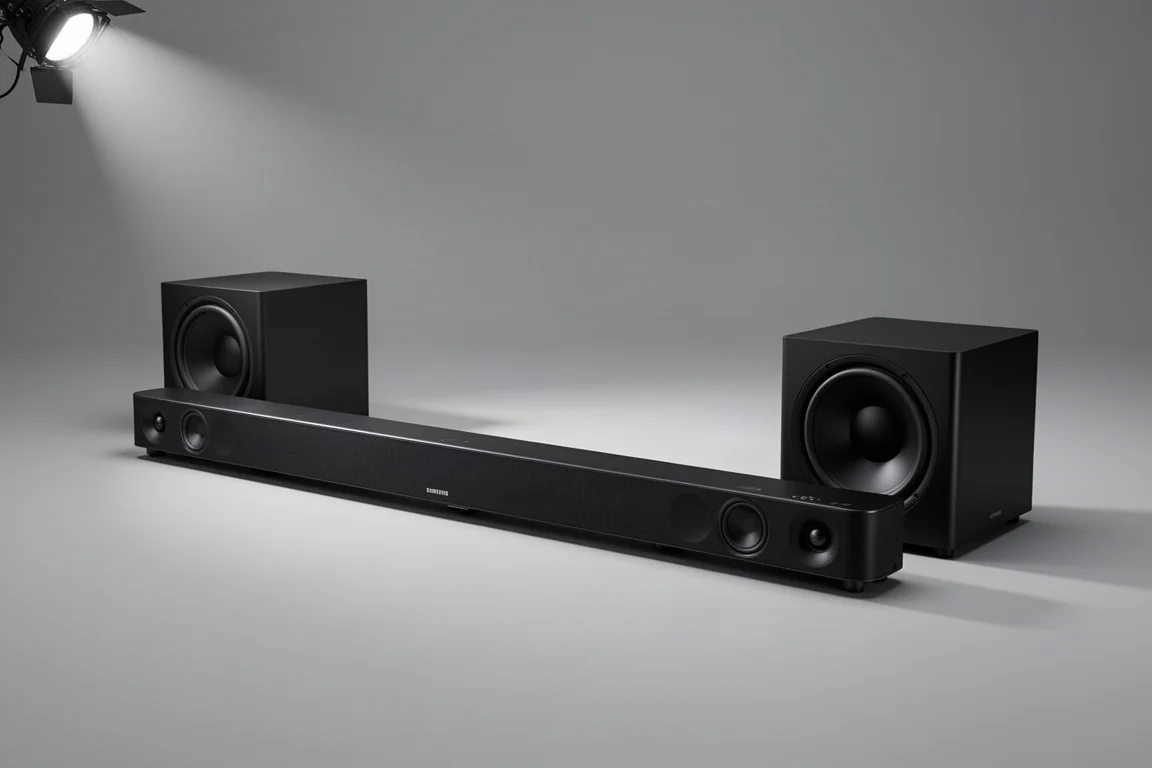
The Samsung Q990H is Samsung’s latest flagship soundbar, advertised as an 11.1.4 channel system. The main soundbar has left, center, and right channels, plus four front wide channels and two up-firing height channels. The two wireless surround speakers each have one side surround channel, one rear surround channel, and one up-firing height channel.
The included subwoofer has dual 8-inch side-firing drivers, with performance falling between the 6.5-inch HighSense and the 10-inch Ultimia. It shows some signs of life around 24 Hz but does not kick into high gear until around 32 Hz, with a steep drop-off around 100 Hz that is not picked up by the rest of the system. Activating voice amp pro and speech enhancement makes dialogue sound like everyone is shouting, which may not suit all viewers. The Q990H is a good system, but it costs almost twice as much as both the HighSense HT Saturn and the Ultimia while not performing as well in spatial audio or bass.
Bose Lifestyle Ultra
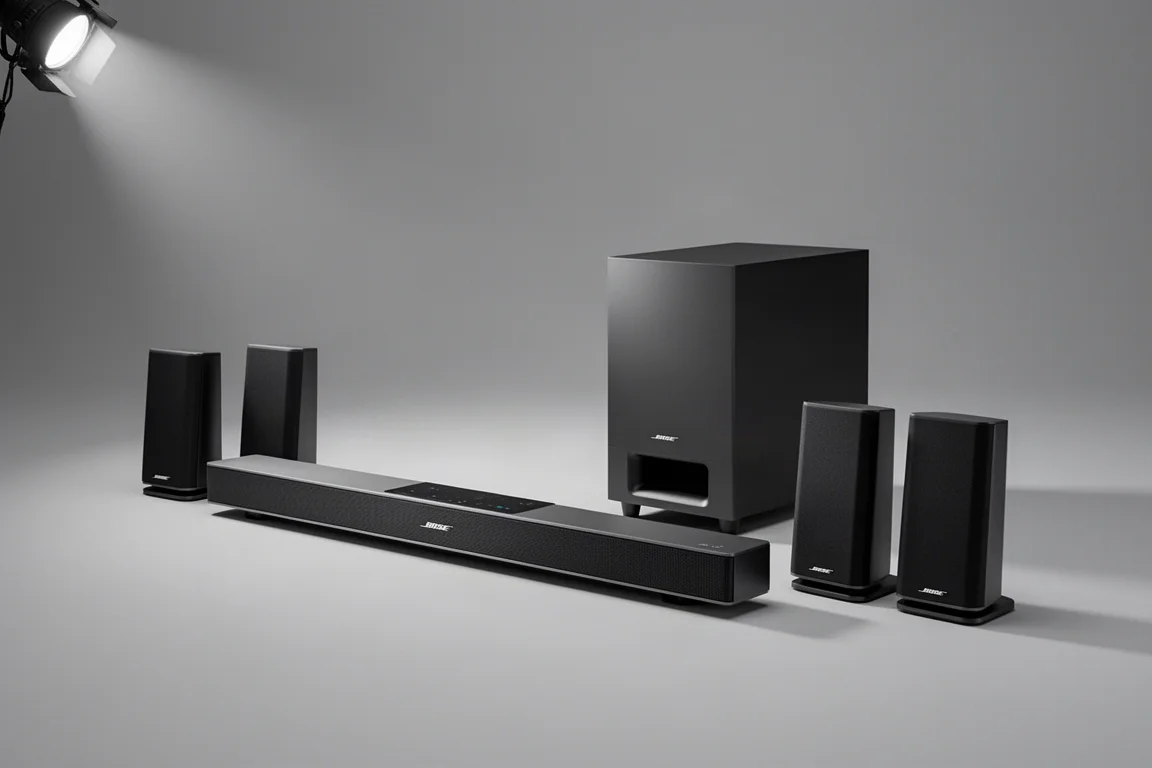
The Bose Lifestyle Ultra package is a bespoke system consisting of the $1,999 Lifestyle Ultra soundbar, two Lifestyle Ultra speakers at $299 each, and the Lifestyle Ultra subwoofer for $899, resulting in a 5.1.2 system with a total price of $2,596.
The main bar has four front-firing full-range drivers, two up-firing drivers, and a central tweeter. Each rear speaker has a single up-firing driver and a woofer-tweeter combo for the ear-level channel. The subwoofer uses a single 8-inch up-firing driver with a bass response similar to the Samsung around 24 Hz, but without the steep drop-off at 100 Hz. It is more powerful from 25 to 35 Hz, where room-shaking bass usually lives, though not quite low enough to feel in the chest. One strange behavior noted was that the system seemed to play some left and right front audio through the rear speakers, which is not ideal.
Nakamichi Dragon
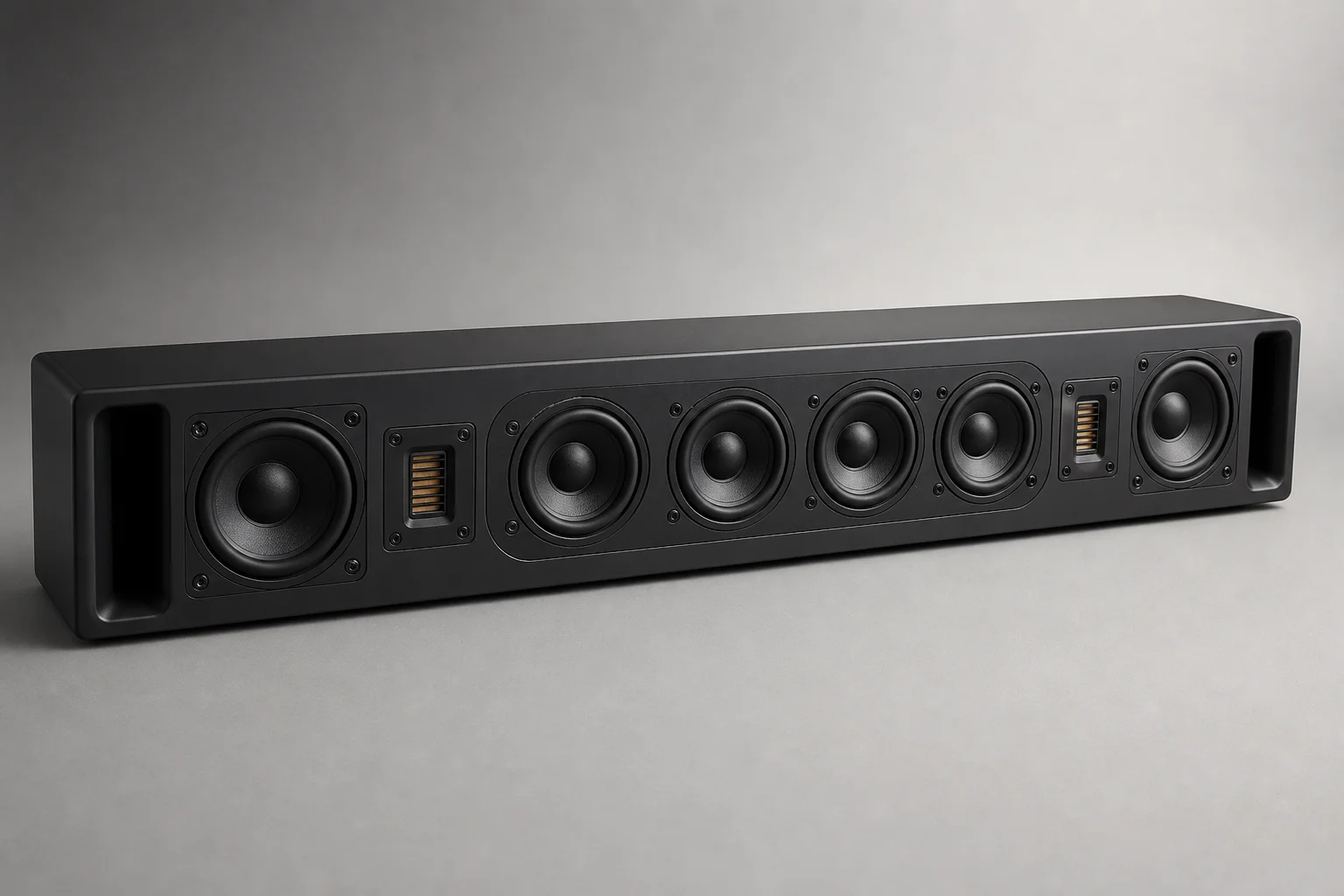
The Nakamichi Dragon costs $2,877 and includes a single 12-inch subwoofer. It is absolutely massive and pumps out 11.1.6 surround sound with an impressive driver count: 14 woofers plus three AMT style tweeters in the main bar, two large surrounds with woofer-tweeter combos for separate side and rear surround channels, and an aimable up-firing height channel.
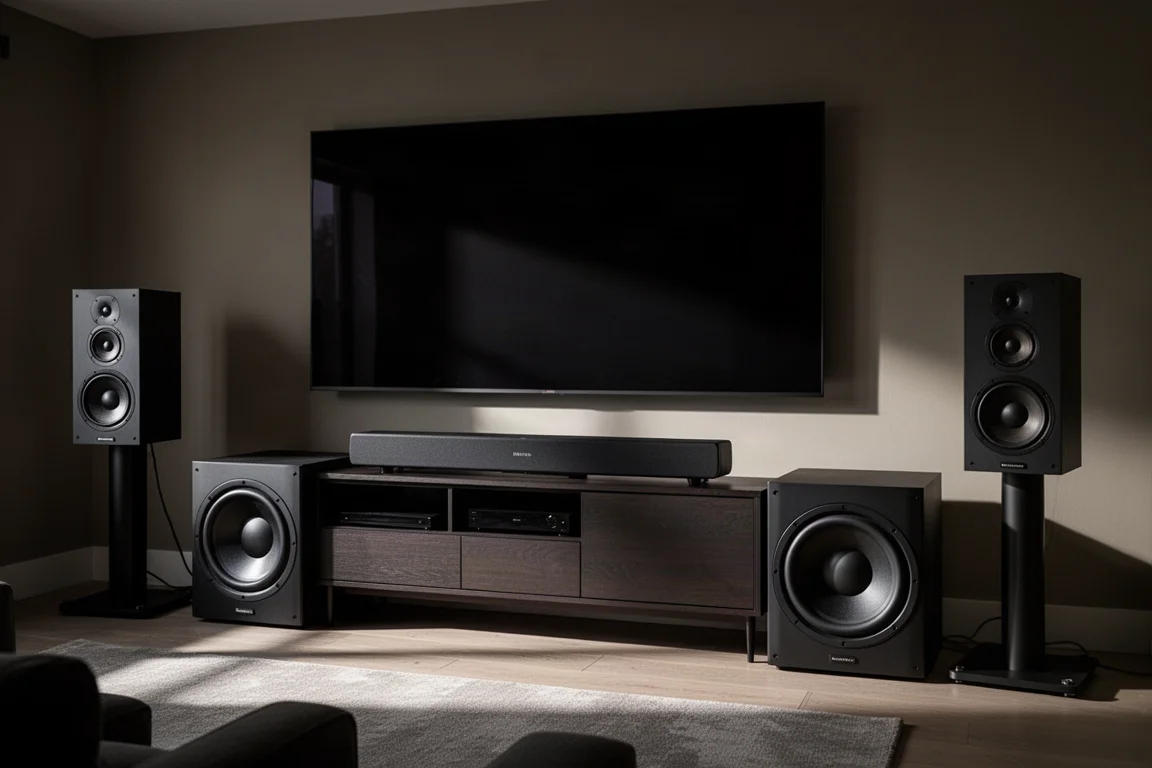
The Dragon’s 12-inch sub is massive and heavy, producing room-shaking bass that can be felt in the bones. It has similar sound pressure to the Ultimia 10-inch around 18 Hz but quickly comes into its power band around 22 Hz. The Dragon outclassed every other soundbar in this comparison, with strong center presence, vocal separation, and excellent surround effects. The AMT tweeters are bright and energetic, but the overall sound can be tiring for extended listening sessions. It should be considered more of a home theater system replacement than a living room soundbar.
Sonos Arc Ultra
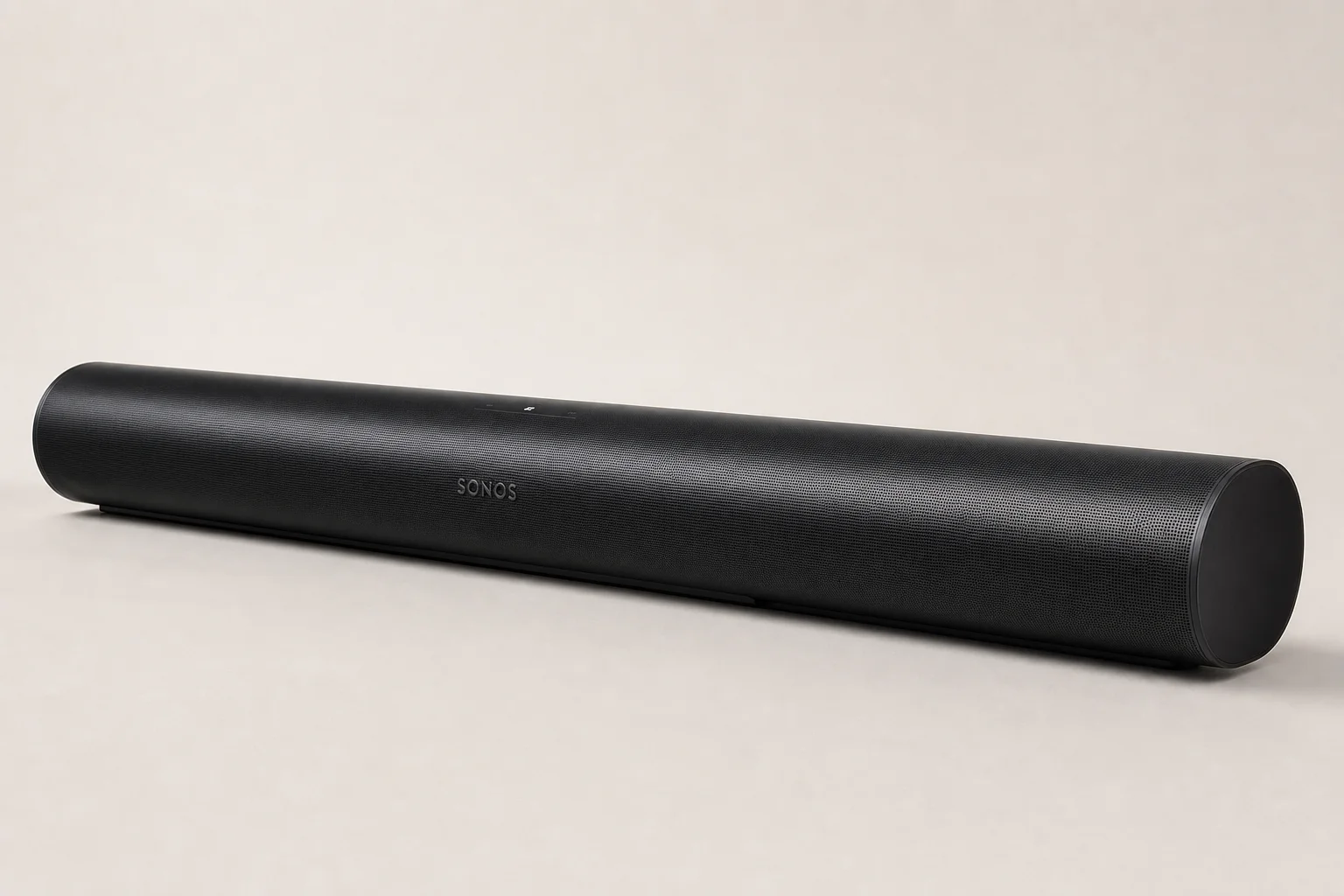
The Sonos Ultimate Immersive Package consists of the $1,999 Sonos Arc Ultra soundbar, two Era 300 wireless rears for $958, and the $899 Sonos Sub4, for a total of $2,956. This is technically a 9.1.4 system, but those channels are mostly created through DSP and beam forming rather than discrete drivers.
The dual 5x8 inch elliptical subwoofers deliver a very similar bass response to the Samsung from 20 to 30 Hz, coming in a bit stronger above 30 Hz. The bass is incredibly clean throughout its entire frequency range, even at high volumes, without the steep drop-off the Samsung has at 100 Hz. The Sonos speech enhancement provides an excellent boost to the vocal track without compromising the rest of the audio. The Arc Ultra is comfortable to listen to for long periods, working well for music, movies, TV, and news. It is never overbearing and is always pleasant.
Sony Bravia Trio
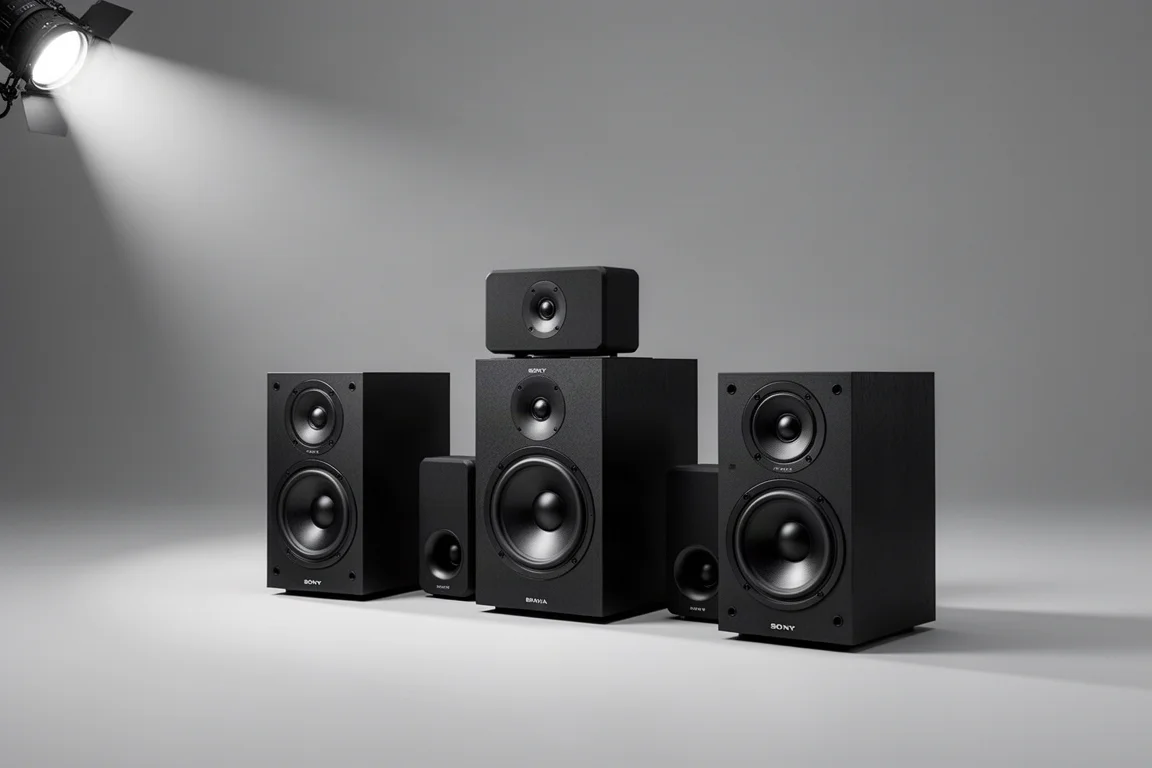
The Sony Bravia Trio is the most expensive soundbar in this comparison at $2,198 for just the soundbar and left and right satellites. Completing the package requires the $748 Sony Rear 9 and the $898 Sony Sub9, bringing the total to $3,844 for a 5.1.4 system.
Unlike the Sonos, these channels are based on discrete drivers rather than DSP. Each corner speaker has a woofer-tweeter combo for ear level and an up-firing full-range driver, while the center channel has two woofers and a single tweeter. The Sub9 has dual 8-inch drivers in a sealed enclosure and performs well for its size, though the single 10-inch sub from Ultimia had the same or slightly better bass response. The front sound stage performed extremely well, essentially functioning as an LCR system. However, surround effects were disappointing, with sounds jumping abruptly from one speaker to another. The center soundbar portion was described as very poor quality, sounding like a budget speaker. Connectivity issues included regular dropouts, and the Sub9 stopped working entirely during testing before being revived with a factory reset.
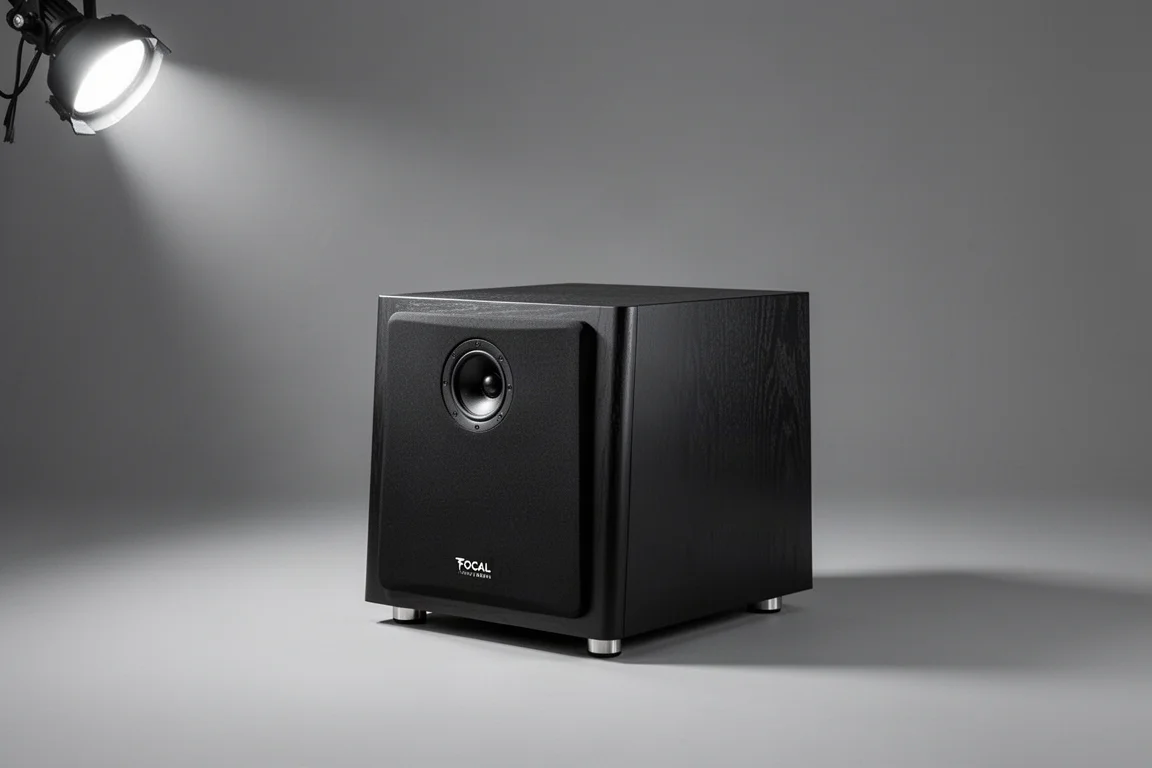
Focal Muso Heeka
The Focal Muso Heeka is an ultra high-end $3,600 bar-only solution, a 12-inch deep, 35-pound slab of glass and metal. It is the only bar-only option that comes close to the spatial effects and tonal range of a full multi-speaker system.
In vocal clarity and front sound stage, there was not a huge difference between the Heeka and the other bar-only options. But the Focal absolutely dominated in terms of spatial effects, and its low-frequency performance reached slightly lower than the HighSense HT Saturn sub, considerably lower than the Sonos and Bose bar-only options. The main complaint, other than its massive size and price, is that it does not seem to leave anything in the tank for climax moments, lacking the same impact that the HighSense, Nakamichi, and separate speaker systems can deliver.
Buying Advice
For anyone looking for an easier way to get a home theater style setup with big, exciting sound, the Nakamichi Dragon is the only pick. The performance for $2,877 is remarkable, considering that an AV receiver capable of delivering a similar channel count costs $2,800 by itself.
For a bar that is simple to set up with a great ecosystem, room correction, voice assistance, and a very pleasing sound, the Sonos Arc Ultra is the way to go. It is very capable on its own for $1,999, and additional pieces can be added later if needed. Given the choice between the Sonos and its direct competitors, the Bose Lifestyle Ultra and Sony Bravia Trio, the Sonos is the clear winner.
For big room-filling sound on a budget, the HighSense HT Saturn punches well above its price in spatial effects and DSP, aside from an undersized subwoofer. For those who crave extra bass on a budget, the Ultimia Skywave X100 performed decently well, though running power cables for four separate surround speakers, a soundbar, and a sub feels more like a home theater in a box.
The Focal Muso Heeka is for those who absolutely want a bar-only solution, have a console table or TV stand large enough to fit it, and do not mind the $3,600 price tag. No other bar-only solution comes close to its spatial effects and tonal range.
Conclusion
The Nakamichi Dragon delivers performance that rivals a traditional home theater setup, but its energetic sound can be tiring for everyday use. The Sonos Arc Ultra offers a comfortable, well-rounded experience that suits most living rooms. The HighSense HT Saturn provides exceptional value for budget-conscious buyers, while the Ultimia Skywave X100 offers strong bass for the price. The Sony Bravia Trio, despite its premium price, struggles with a weak center channel and connectivity issues. Ultimately, the best choice depends on whether you prioritize excitement, comfort, or value.
Further reading
Related Reviews
Home Theater
Best Home Theater Receivers 2026: Three Strong Contenders for Music and Movies
Three capable AV receivers that balance home theater performance with music listening, each with distinct strengths in power, connectivity, and room calibration.
Home Theater
Best Wireless Surround Sound Systems 2026: Three Options Compared
We compare three wireless surround sound in a box systems from Highense, Valyrian, and Sony to see which offers the best home theater experience without the hassle of running speaker cables.
Home Theater
Blu-ray Players vs Game Consoles, 70-Inch TVs, and HDMI eARC Explained
Why dedicated 4K Blu-ray players differ from game consoles, whether 70-inch TVs are worth buying, and how eARC and HDMI 2.1 actually work together.