Powered Speakers
Best Powered Speakers Over $1,000: Six High-Performance Pairs Compared
Six powered speaker pairs above $1,000 compared on inputs, amplification, streaming support, and how well each fits a real room.
Introduction
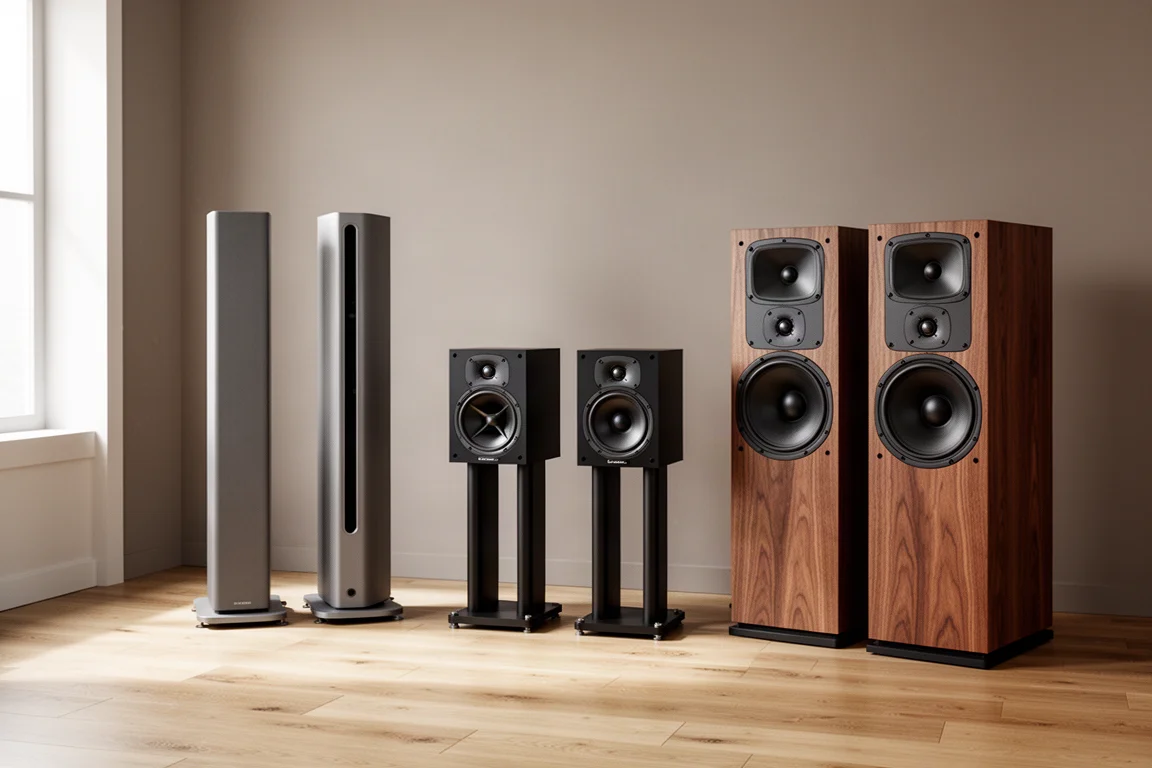
Powered speakers have been a staple of professional audio for decades, where total accuracy matters more than convenience. More recently they have become a serious option in the home, because a well-designed pair can absorb several separate components into the cabinets themselves and still deliver performance that rivals a traditional Hi-Fi system.
This guide covers six high-performance powered speaker pairs priced above $1,000, listed in ascending price order. Each one bundles the amplification, crossover design, and connections you would otherwise need a rack of separates to achieve, so the differences come down to driver quality, inputs, streaming support, and how much output your room actually needs.
What Separates High-Performance Powered Speakers
The clearest technical difference between a high-performance powered speaker and an inexpensive desktop pair is the crossover. In a serious design, an active electronic crossover sends each driver only the exact frequencies it was built to reproduce. That requires a dedicated amplifier for every driver, which is why these systems are built in one of two ways.
Some pairs, including the Klipsch models here, run a multi-conductor cable from the primary speaker, which houses all the electronics and inputs, across to the secondary cabinet. Others, including the JBL and KEF systems, give each cabinet its own wall connection and its own amplifiers. Both approaches deliver the same core benefit: driver-specific amplification with precise frequency matching.
Most of these speakers also let you flip a switch on the back to choose which cabinet acts as the primary, which is useful when your source components sit closer to one side of the room than the other.
Resolution is worth checking as well. Several models here support 24-bit/192kHz playback, and some reach their highest resolution only when the two cabinets are linked by the included Ethernet cable rather than running wirelessly.
Klipsch The Sevens: Heritage Looks With HDMI ARC
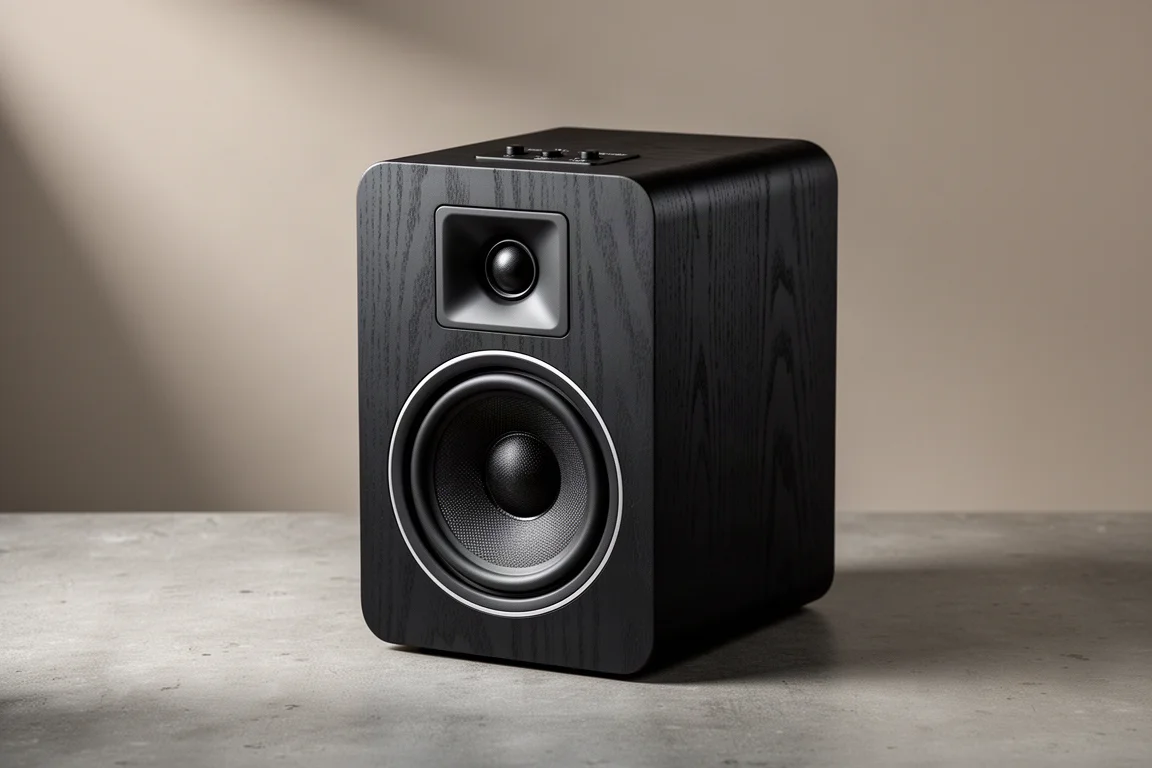
The Sevens pair a one-inch titanium tweeter with a Tractrix horn and a 6.5-inch woofer. The right speaker carries all of the electronics, inputs, and amplifiers, and connects to the second cabinet through an included proprietary four-conductor cable, with an extension cable also supplied.
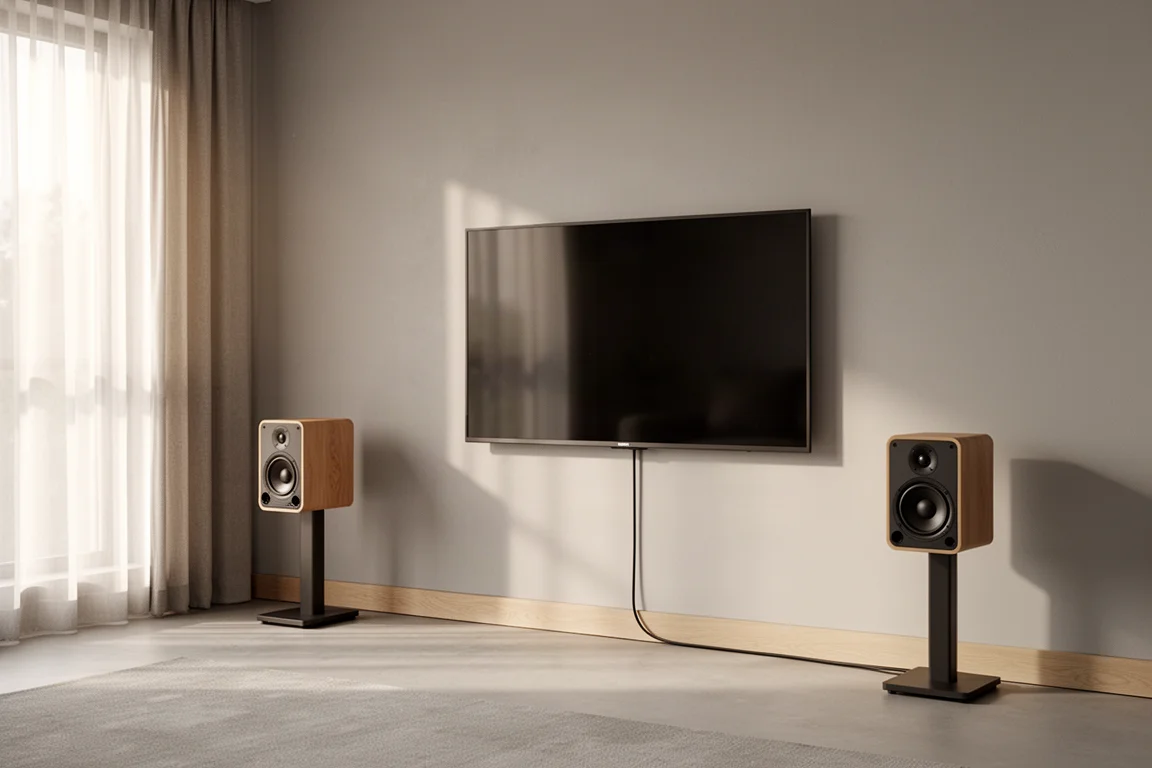
Connectivity covers Bluetooth, HDMI ARC, optical, USB, analog RCA, and a 3.5mm jack, and the system plays high-res audio at 24-bit/192kHz. The HDMI ARC input makes the Sevens straightforward to run from a television, and compared with the Klipsch Cinema Soundbar 600, which also offers HDMI ARC, they deliver noticeably more power and a larger soundstage.
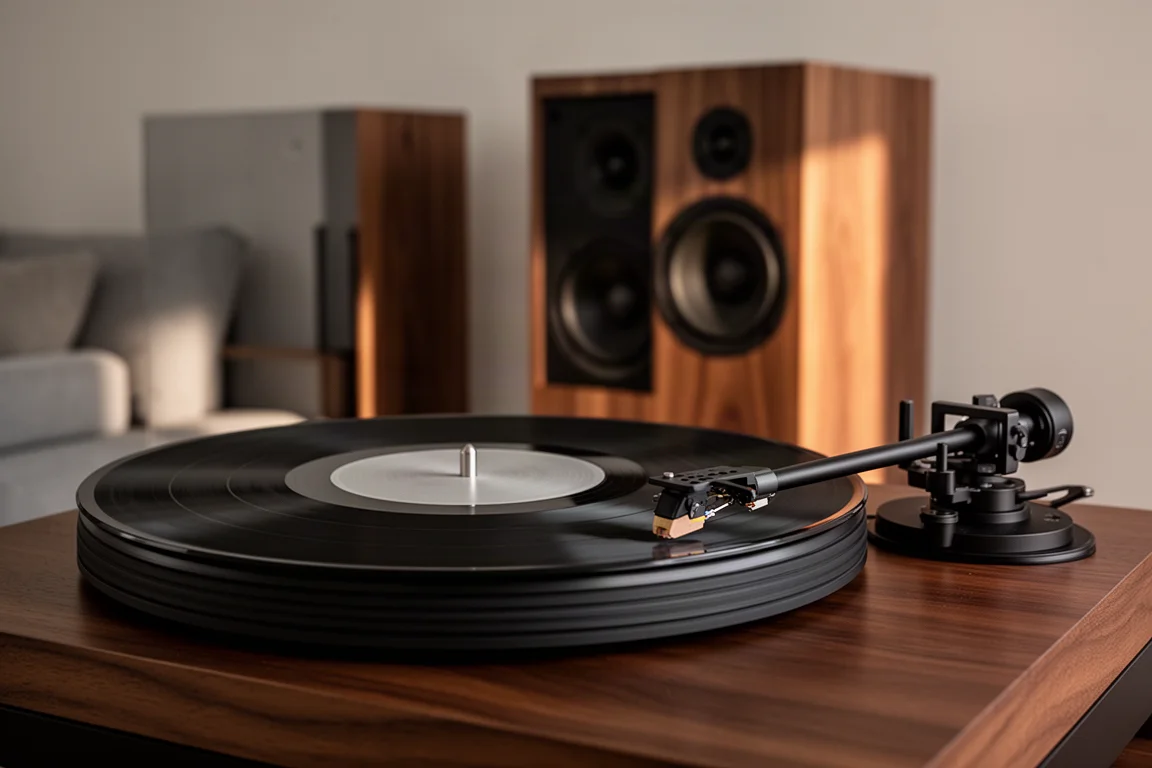
A phono input means a turntable can connect directly without a separate phono stage, and adding a subwoofer automatically engages a 60Hz crossover so the deepest bass is handled by the sub while the remaining frequencies play through the speakers.
One thing to check before buying: the Sevens use Bluetooth for wireless playback but do not offer Chromecast or AirPlay 2. If those platforms are how you prefer to stream, this is not the right pair. If HDMI and Bluetooth cover your needs, they are a strong option. Finishes are black and walnut, matching the Klipsch Heritage series look, and the price is around $1,299.
Klipsch The Nines: More Output From an Eight-Inch Woofer
The Nines follow the same formula as the Sevens with a step up in output, using an eight-inch woofer in place of the 6.5-inch unit for more bass. The inputs, HDMI ARC control, 24-bit/192kHz playback, phono input, and 60Hz subwoofer crossover all carry over, as does the choice of black or walnut finish. At around $1,499 they are the natural pick if you like the Sevens but want more headroom.
In a smaller room the Sevens will already fill the space comfortably, and the extra output of the Nines matters most in open-plan or high-ceilinged rooms.
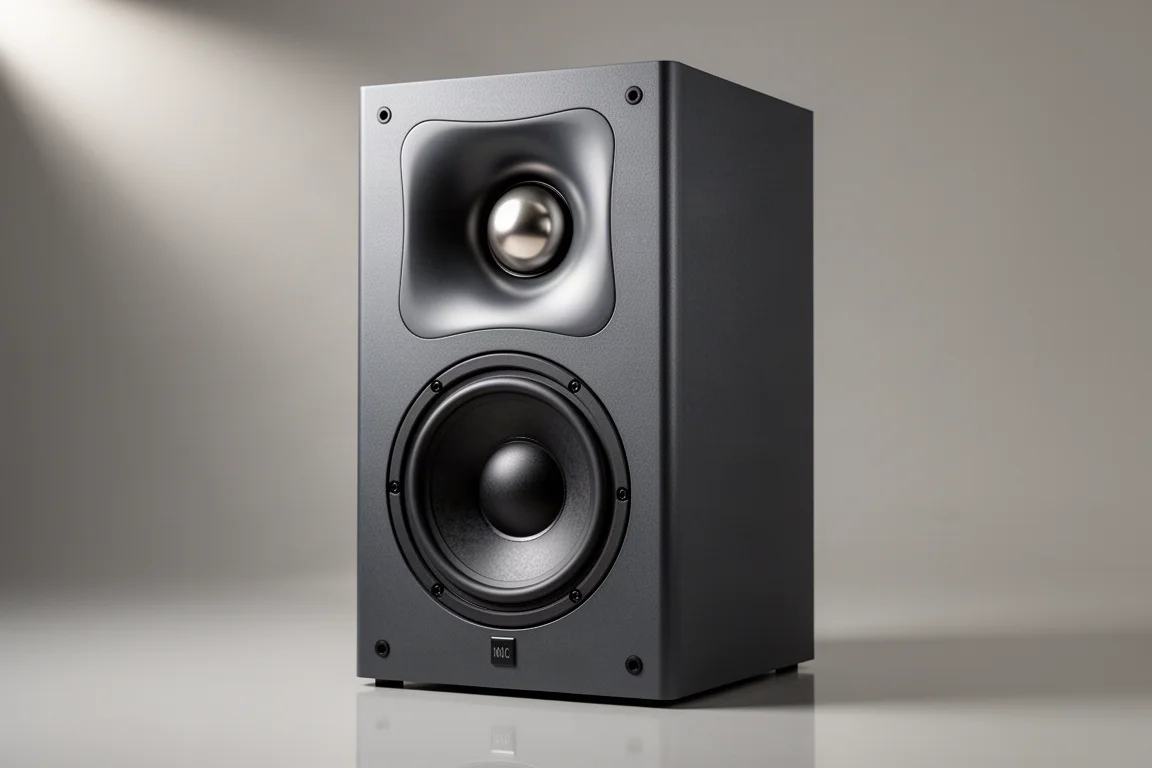
JBL 4305P: Studio-Derived Components in a Compact Cabinet
The 4305P pairs a 2410H compression driver with JBL’s High Definition Imaging horn and a 5.25-inch pure pulp black paper cone woofer on a cast frame. These drivers and their associated amplifiers come out of research at the Harman Northridge facility, and the studio monitors they are based on are used by audio engineers around the world.
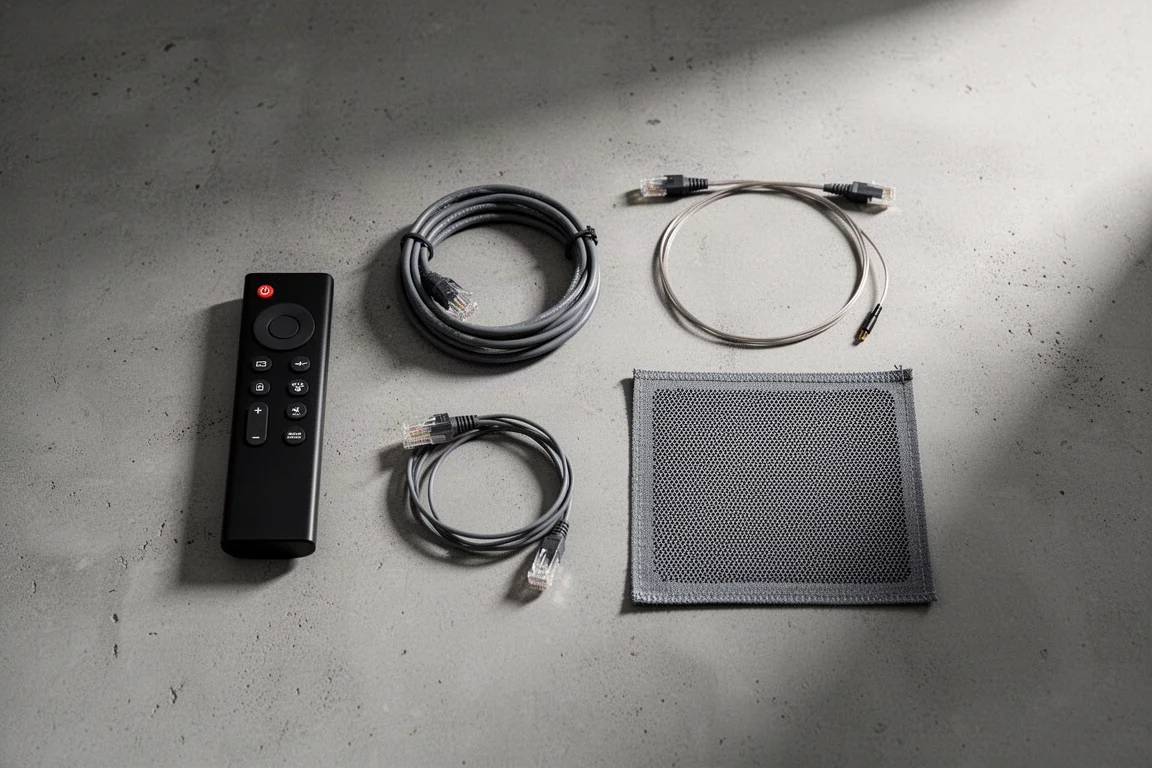
Inputs include a pair of pro-level balanced XLR connections, quarter-inch inputs, a 3.5mm analog input, a Toslink digital input, and an asynchronous USB input for computer audio. Bluetooth 5.1 provides longer range and lower latency than earlier versions, and Apple AirPlay 2 plus Google Chromecast let you stream lossless CD-quality or higher-resolution music over your network. A remote is included, and inputs and volume can also be adjusted from the front of the primary speaker.
Unlike the Klipsch models, each JBL cabinet plugs into the wall and carries its own active crossover and amplifiers. The two speakers can pair to each other wirelessly, so you can place them almost anywhere without a cable running between them, and the included Ethernet cable steps resolution up from 24-bit/96kHz to 24-bit/192kHz. There is a subwoofer output with an 80Hz crossover, though the speakers have enough low-end authority that most listeners will not need one.
The main trade-off is the lack of an HDMI connection. If television audio is a priority, the Klipsch or KEF options here are a better fit, since connecting a TV to the JBLs by optical means changing volume with the remote or on the speaker itself. Finishes are black and walnut, and the price is around $2,200.
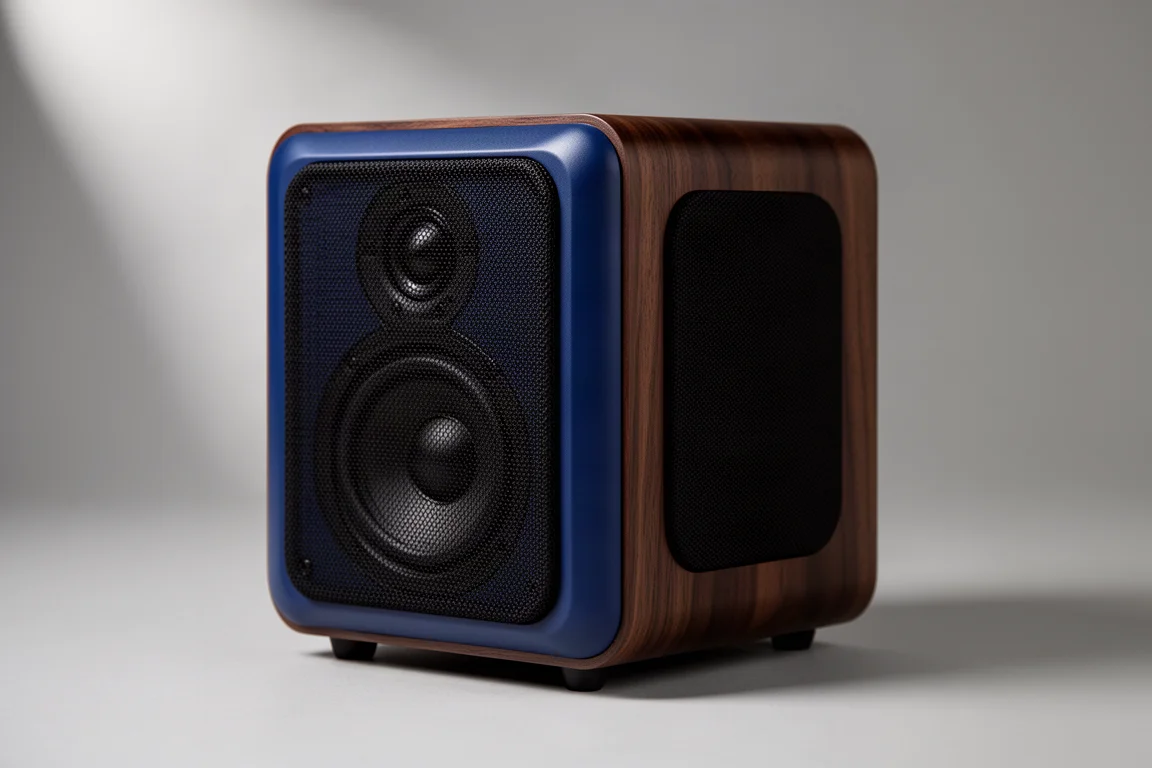
JBL 4329P: Bigger Drivers, Bigger Bass
The 4329P uses the same inputs and electronics as the 4305P, with larger amplifiers and larger drivers. It steps up to a patented 2409H one-inch compression driver and an eight-inch woofer with dual front ports, with bass extension rated down to 28Hz at 6dB down. The result is a flat frequency response across the spectrum, a neutral character, and substantial power that stays controlled.
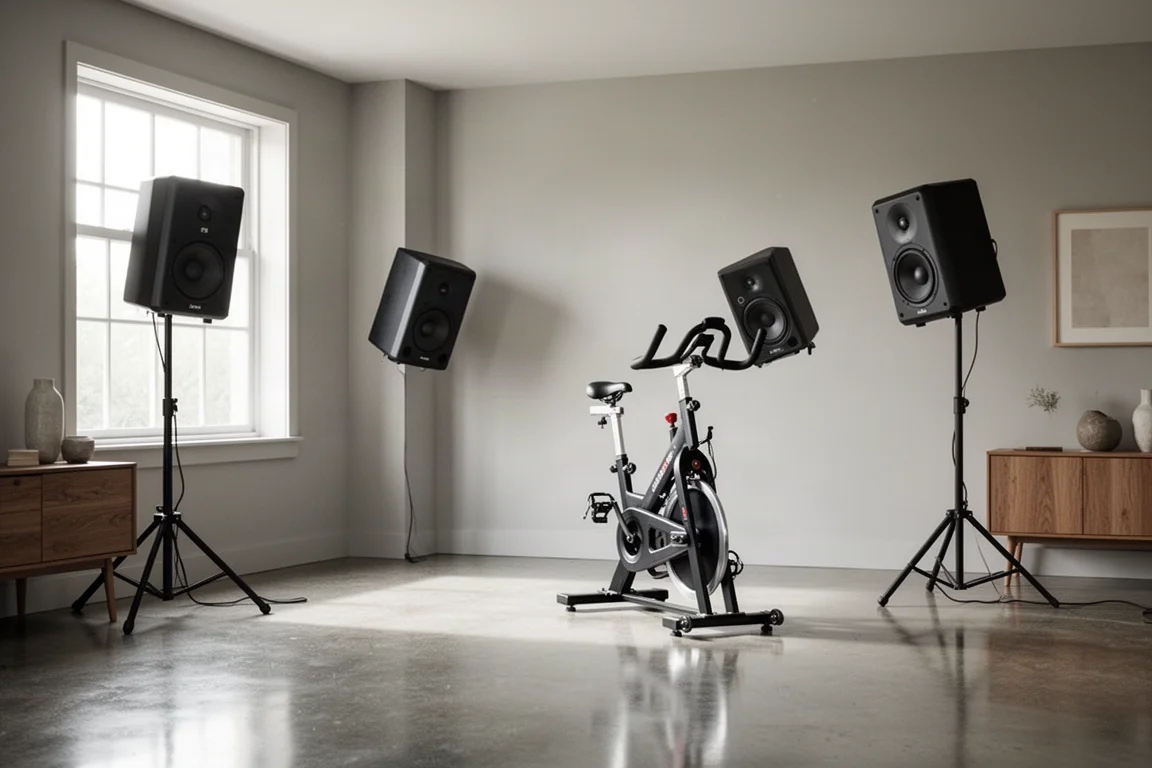
A dedicated low-profile stand angles the 4329P upward toward ear level, which suits seated listening as well as a workout space where the speakers sit low in the room.
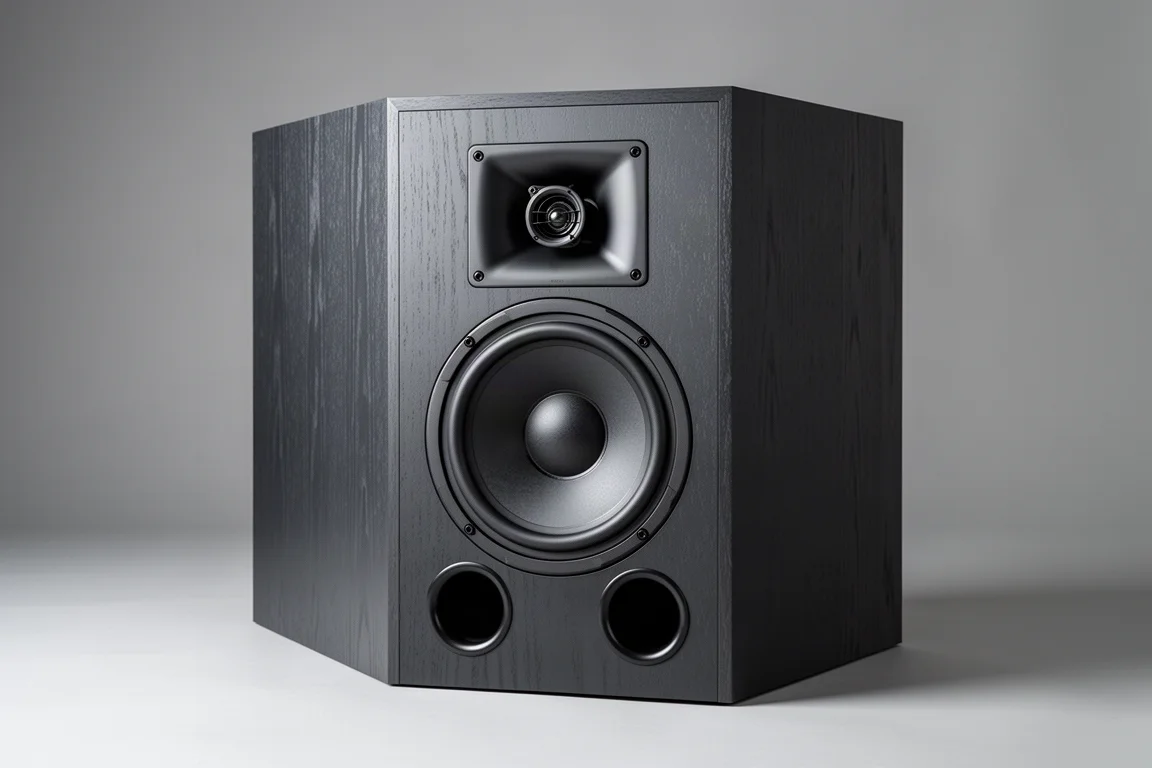
The 4329P is the pair to consider when you want deep bass without adding a subwoofer, and it is priced at around $4,500.
KEF LS60 Wireless: Slim Cabinets With Serious Power
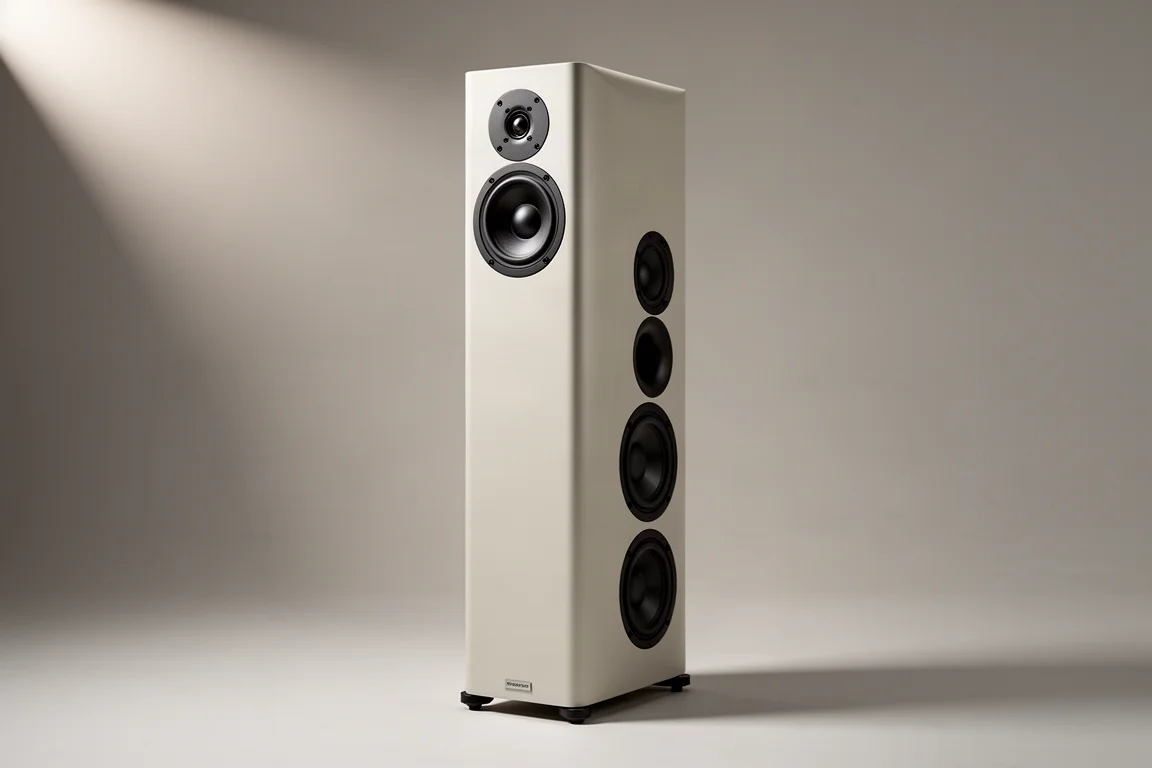
The LS60 Wireless is the most expensive pair here at around $6,999, and the most visually distinct. At just 5.1 inches wide, each cabinet is designed to sit quietly in a modern home or loft, and that shape required some unusual engineering.
Each speaker uses two 5.25-inch Uni-Core force-cancelling drivers per side, which works out to four 5.25-inch drivers in every cabinet. The Uni-Q driver places a 0.75-inch aluminum dome tweeter in the middle of a four-inch aluminum cone midrange driver, creating a single point source for precise imaging. The technology draws on research and development from the KEF Blade One Meta speakers.
Like the JBLs, each LS60 cabinet plugs into the wall and carries its own amplification: a combination of custom Class AB and Class D designs delivering a combined 1,400 watts, with amplifiers dedicated to high, medium, and low frequencies. Wireless operation runs at 24-bit/96kHz and steps up to 24-bit/192kHz over the included Ethernet cable.
Connections include Bluetooth, Toslink optical, digital coax, analog RCA, and a full HDMI ARC input, though there is no built-in phono input. At this level a dedicated phono stage for a turntable makes sense anyway. AirPlay 2 and Chromecast are both on board, and the speakers are Roon Ready.
The KEF Connect app is where the LS60s separate themselves further. Room profiles let you adjust the balance for your space, for example lifting the gain on the speaker that sits farther from your listening position so the image centers properly. A subwoofer output engages the internal crossover automatically, and both the crossover level and slope can be adjusted manually or left to the app. Bass output is strong on its own, with response down 3dB at 31Hz, so a subwoofer is optional rather than essential.
KEF LS50 Wireless II: The Bookshelf Alternative
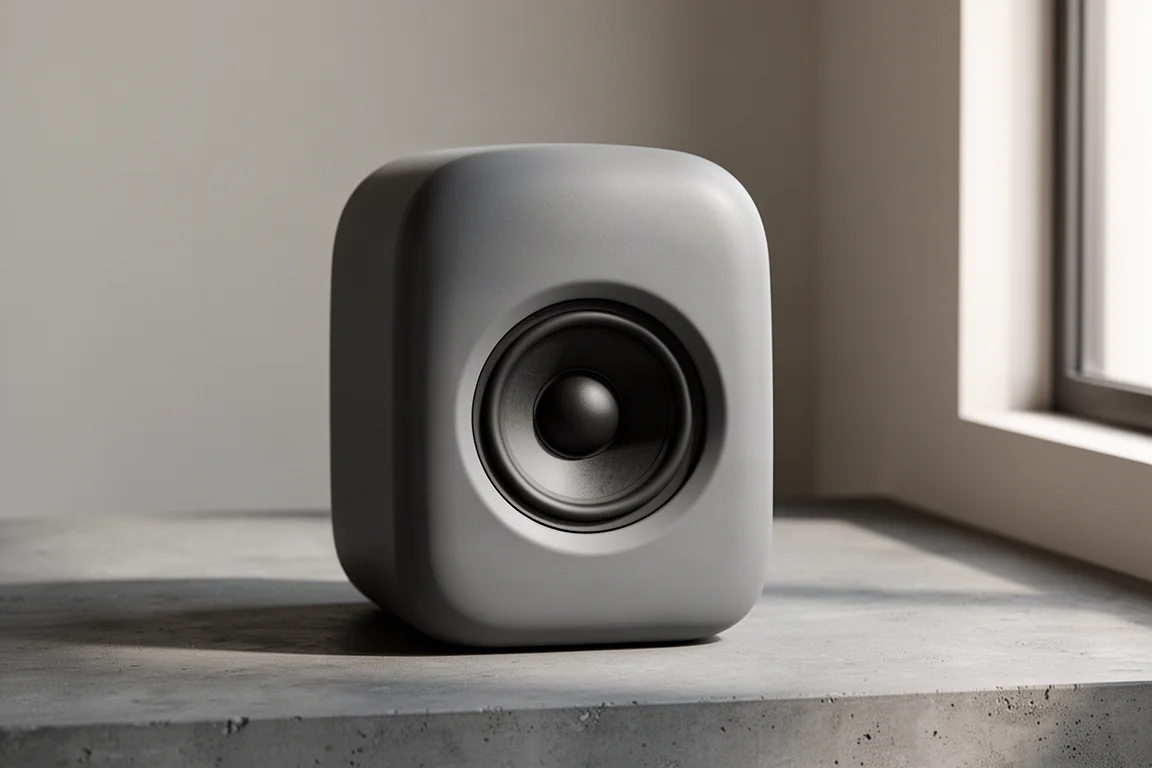
KEF also offers a bookshelf version of this speaker, the LS50 Wireless II, currently around $2,799. It is the option to look at if the LS60 Wireless is out of range on price, or if you need something that sits on a shelf or stand rather than on the floor.
Buying Advice
The right pair comes down to how you will use it rather than which one looks best on paper.
If television audio is a priority, put HDMI ARC at the top of your checklist. The Klipsch Sevens and Nines and the KEF LS60 Wireless all include it. The JBL models do not, so a TV would connect by optical and you would change volume on the speaker or with the remote.
If streaming is your main source, check platform support carefully. The Klipsch models handle wireless playback over Bluetooth only, while the JBL and KEF systems add AirPlay 2 and Chromecast, and the JBL and KEF pairs are Roon Ready.
Budget and room size decide the rest. The Klipsch Sevens and Nines cover small to medium rooms from around $1,299 and $1,499 and include a phono input, which saves the cost of a separate phono stage. The JBL 4305P and 4329P step up in driver and amplifier quality, and the 4329P’s bass extension means most listeners will not need a subwoofer. At the top of the range, the KEF LS60 Wireless brings the most advanced cabinet design, the highest power output, and app-based room profiles that let you tune the sound to your space.
One reassuring detail applies across the whole list: every pair supports an optional subwoofer with an automatic crossover, so low-end output can be added later without replacing the speakers.
Conclusion
Powered speakers above $1,000 make the most sense when you want a complete, high-performance system without a rack of separate components. The Klipsch Sevens and Nines are the value picks and the easiest route to better television sound. The JBL 4305P and 4329P trade HDMI convenience for studio-derived drivers and amplifiers. The KEF LS60 Wireless sits at the top with the slimmest cabinets, the most powerful amplification, and the most flexible room tuning, and the LS50 Wireless II offers a shelf-friendly route into the same design approach for less.
Further reading
Related Reviews
Powered Speakers
AbramTek X50 Review: Powered Speakers With Real Bass and a Full Feature Set
The AbramTek X50 pairs a phono preamp, HDMI ARC, optical, and Bluetooth with genuinely capable sound. Here is what it does well and what to check before buying.
Powered Speakers
Amazon Basics Powered Speaker Review: Useful Features, Compromised Sound
A practical look at the Amazon Basics Powered Speaker: a handy remote and an optical input, held back by shouty upper mids, minimal bass, and erratic pricing.
Powered Speakers
Aperion Audio Alaire Review: Compact Powered Speakers With Serious Bass
A compact two-way powered speaker with genuine low-end punch, excellent imaging, and a control scheme that depends entirely on its remote.