Portable Power
Best Portable Power Stations for Astronomy: Full-Night Power for Mounts, Cameras, and Laptops
Seven portable power stations of 500Wh or more compared for astronomy use, covering capacity, DC output, charging speed, weight, and value.
Introduction
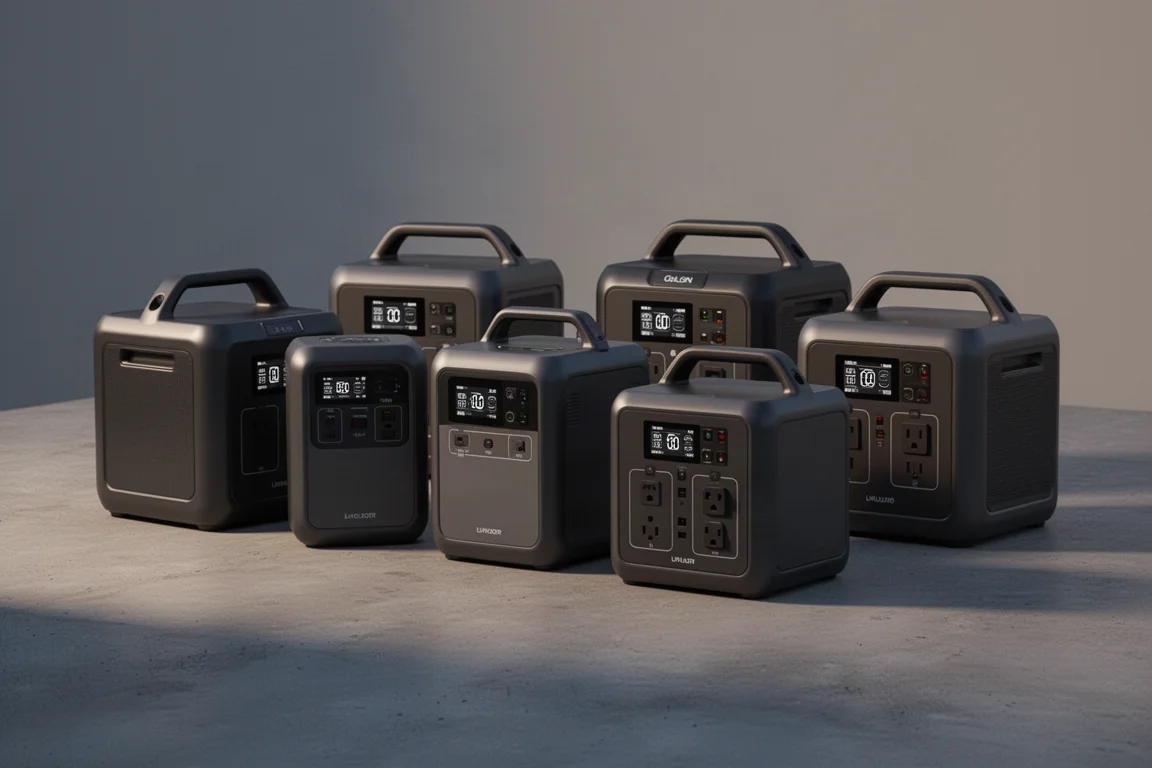
Running a laptop, a telescope mount, and a cooled camera through a 12-hour cold night takes serious battery capacity. Small power banks will not cut it. For this comparison, the focus is on portable power stations with at least 500 watt hours of capacity, enough to keep a full imaging rig alive from dusk to dawn.
At first glance, the options can look bewildering. To narrow the field, three criteria were applied: the unit must supply 12V DC, USB, and 110V AC ports; it must offer a minimum of 500 watt hours; and the goal is to optimize weight, size, and dollars per watt.

Jackery Explorer 500
The Jackery Explorer 500 was a first serious battery in this class, purchased back in 2020 with 500 watt hours of capacity. When a fault appeared a year later, Jackery replaced it promptly with no questions asked, which speaks well of the service.
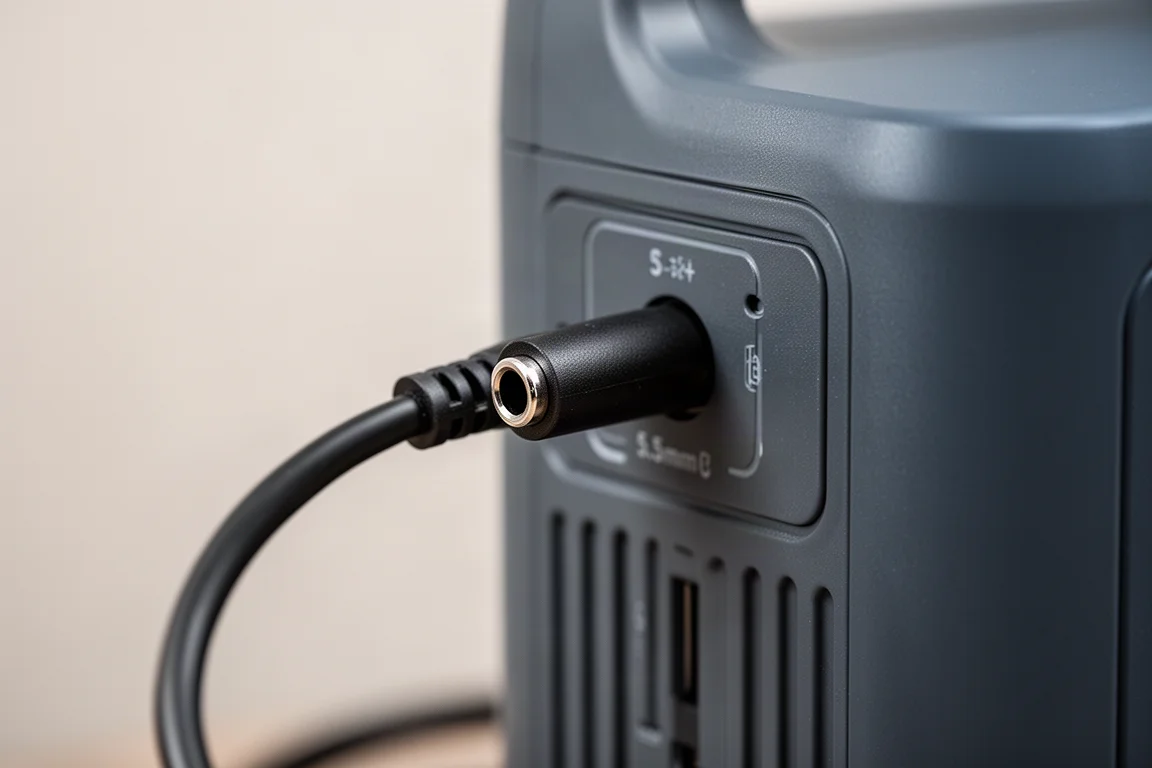
The downside is longevity and compatibility. After three years of occasional use, the unit began dropping suddenly from 64 percent charge to zero and no longer holds a full charge. It also lacks astronomy-compatible 5.5mm x 2.1mm DC jacks, so a car adapter is needed to use the DC output. Not a dealbreaker, but one more adapter to remember.
Jackery Explorer 600 Plus
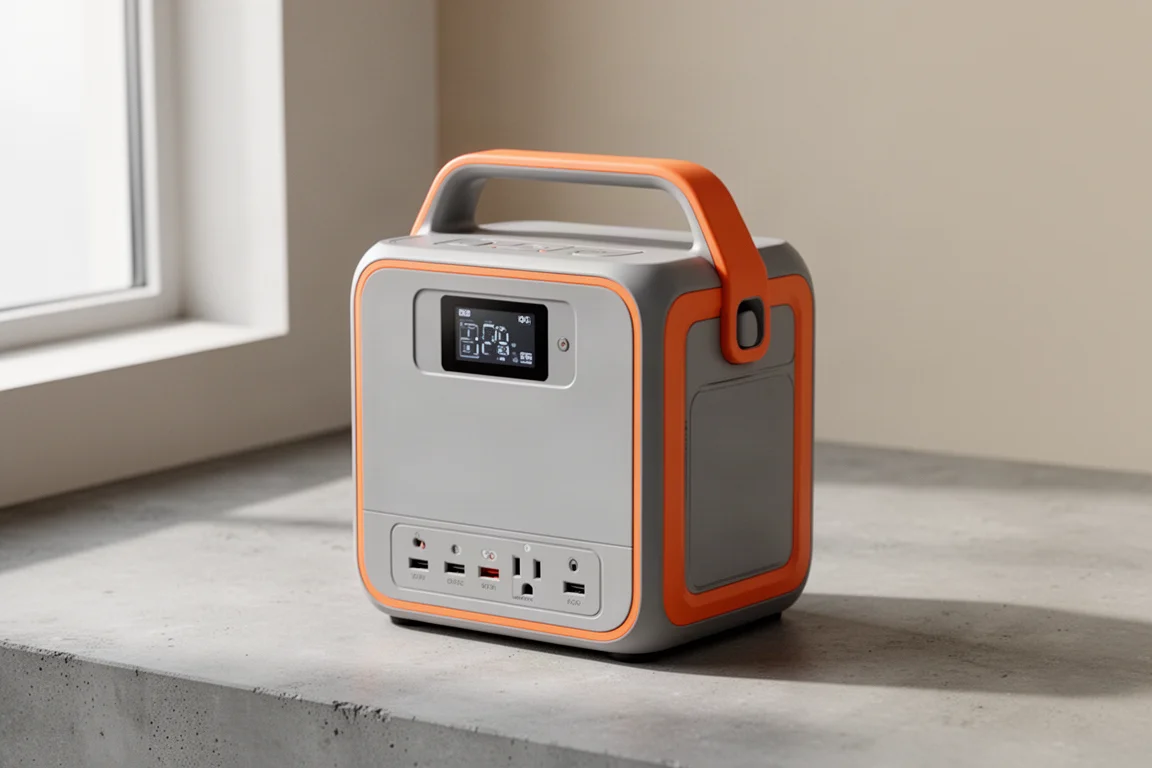
The current Jackery model, the Explorer 600 Plus, is a good battery in its own right. The main caveat is value: compared to what EcoFlow and AllPowers offer at similar capacity, it is not as strong a deal. If you are already comfortable in the Jackery ecosystem, it works, but shoppers prioritizing dollars per watt should read on.
EcoFlow River Pro
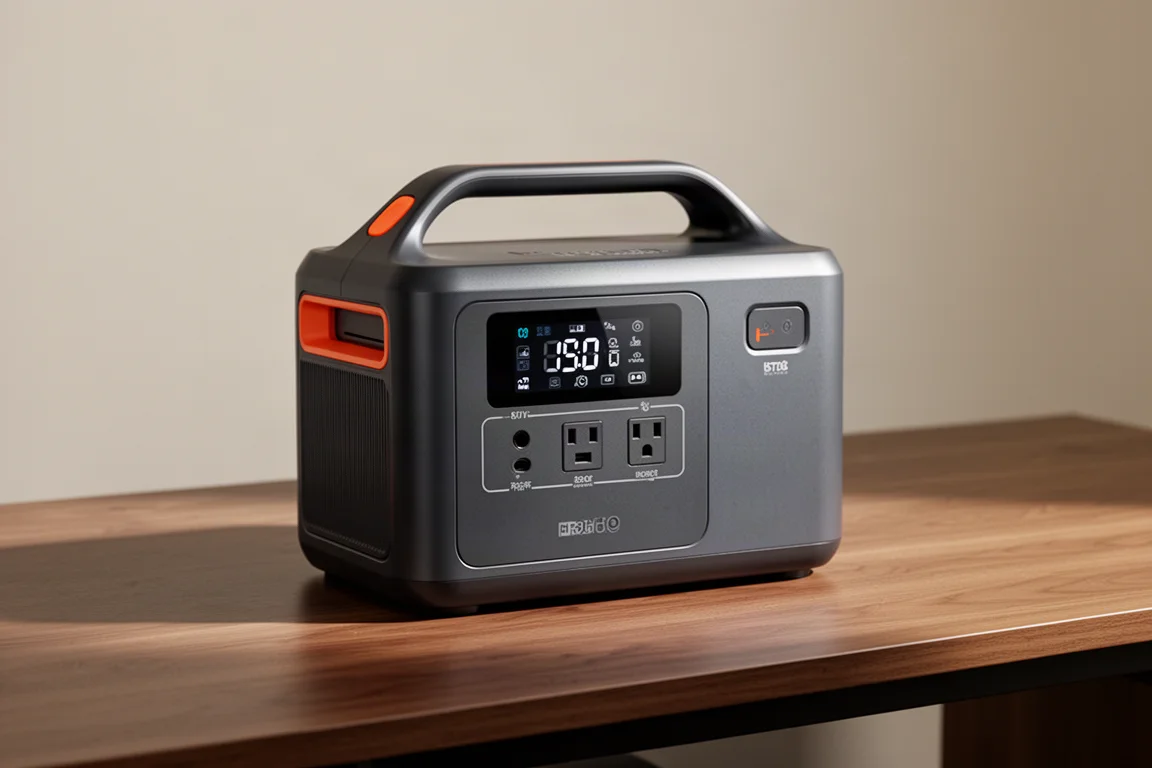
The EcoFlow River Pro delivers 720 watt hours and has proven very reliable and excellent value. It charges roughly eight times faster than the older Jackery unit, has survived well over a thousand use cycles, and can double its capacity with an expansion battery, which was done and works well.
It also offers two DC ports with standard astronomy-compatible jacks, plus USB and AC ports. The model has been discontinued, though some units can still be found online. For anyone who can find one in good condition, it remains a compelling option.
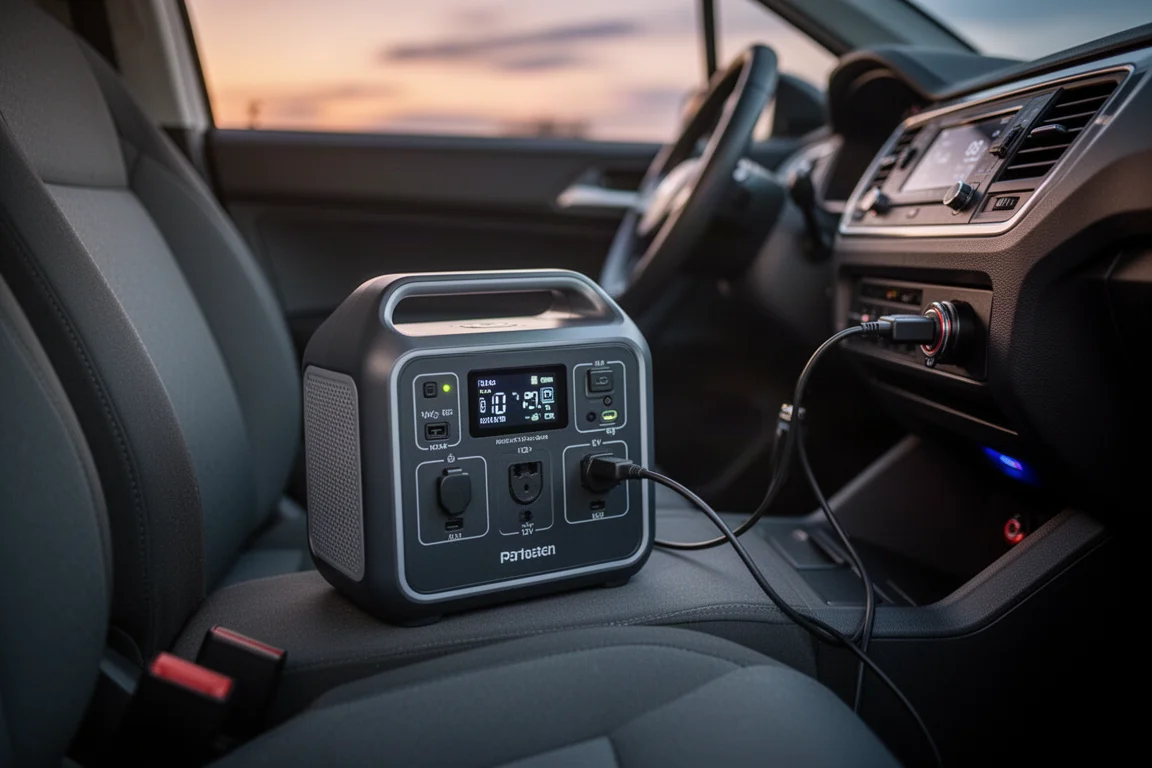
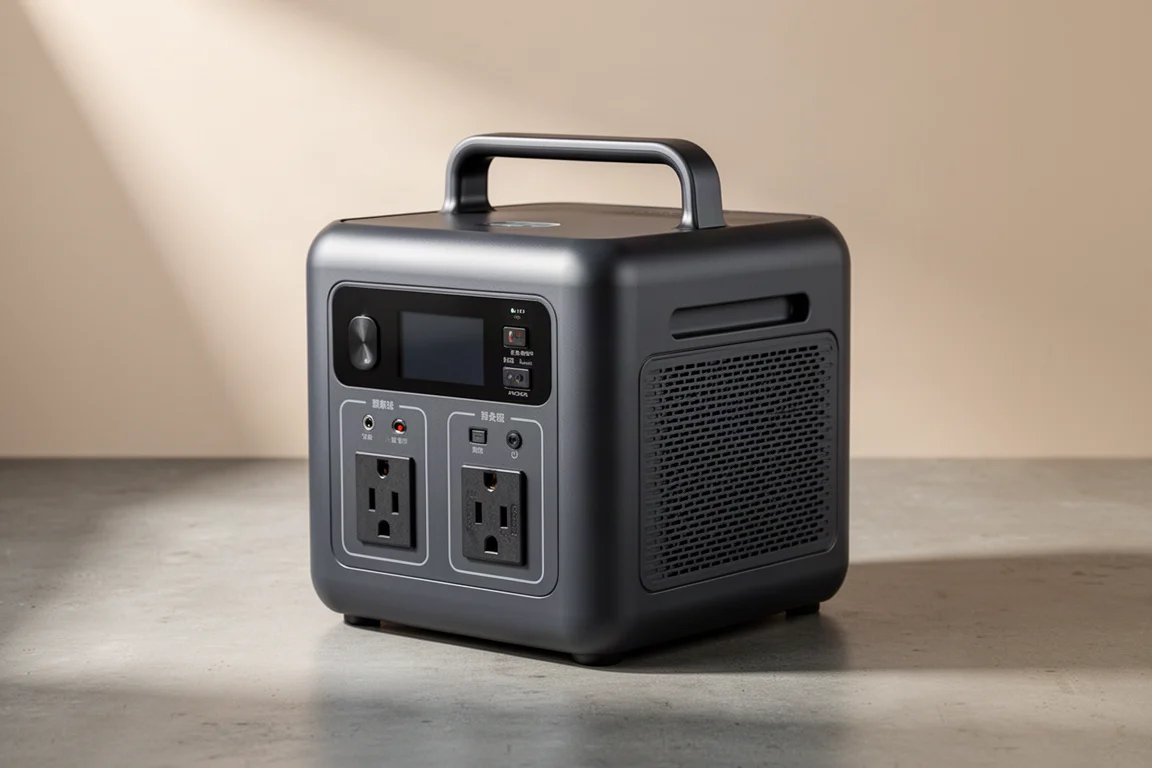
AllPowers R500
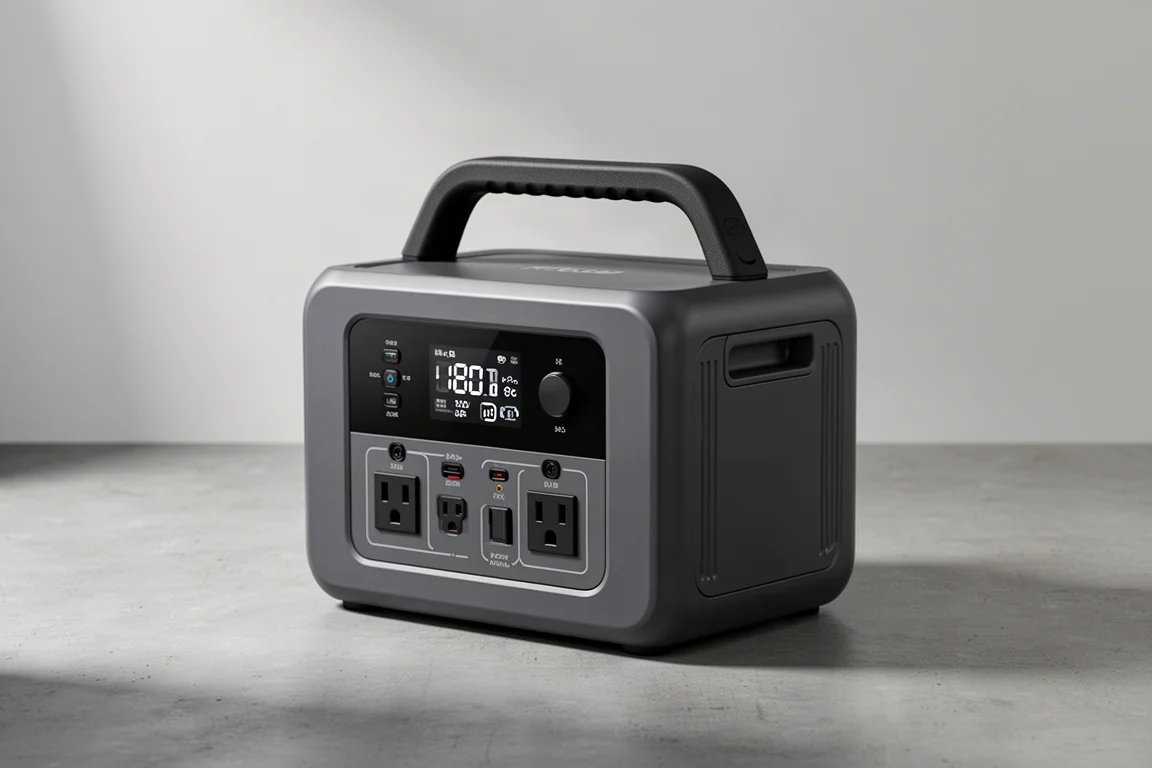
The AllPowers R500 is easy to like. It is an excellent value and delivers one of the best dollars-per-watt ratios in the comparison, making it worth serious consideration if capacity per dollar is your priority.
The main trade-off is weight: at 37 lbs it is particularly heavy for its class. That was the deciding factor in going with another brand instead, but as an alternative it is entirely worthy of consideration.
EcoFlow Delta 2
The EcoFlow Delta 2 was nearly the choice in the latest round of buying, and for good reason. It offers an amazing dollars-per-watt ratio and is one of the few units in the comparison that can deliver over a kilowatt of output. It was also on sale at the time of purchase.
The only reason it was not bought is that two other 720 watt-hour batteries in good condition were already owned. If you are starting fresh and want serious output headroom, this is a standout pick.
The Pick: EcoFlow River 2 Pro 700
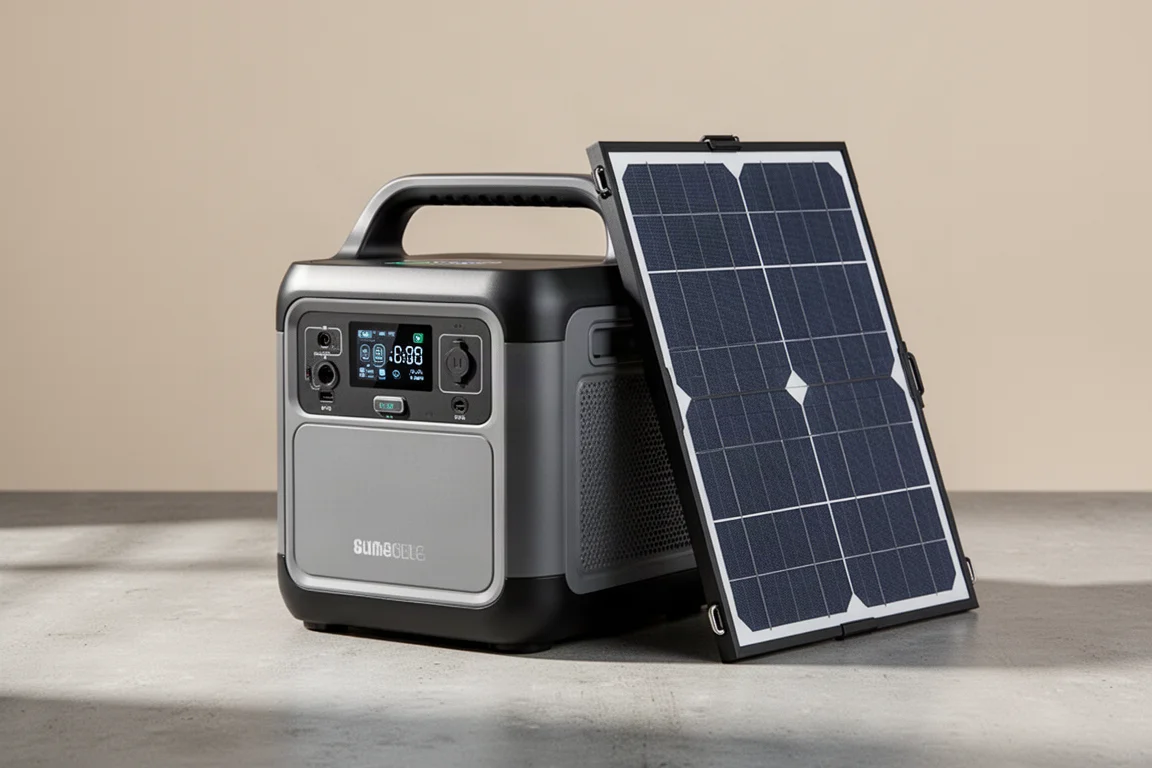
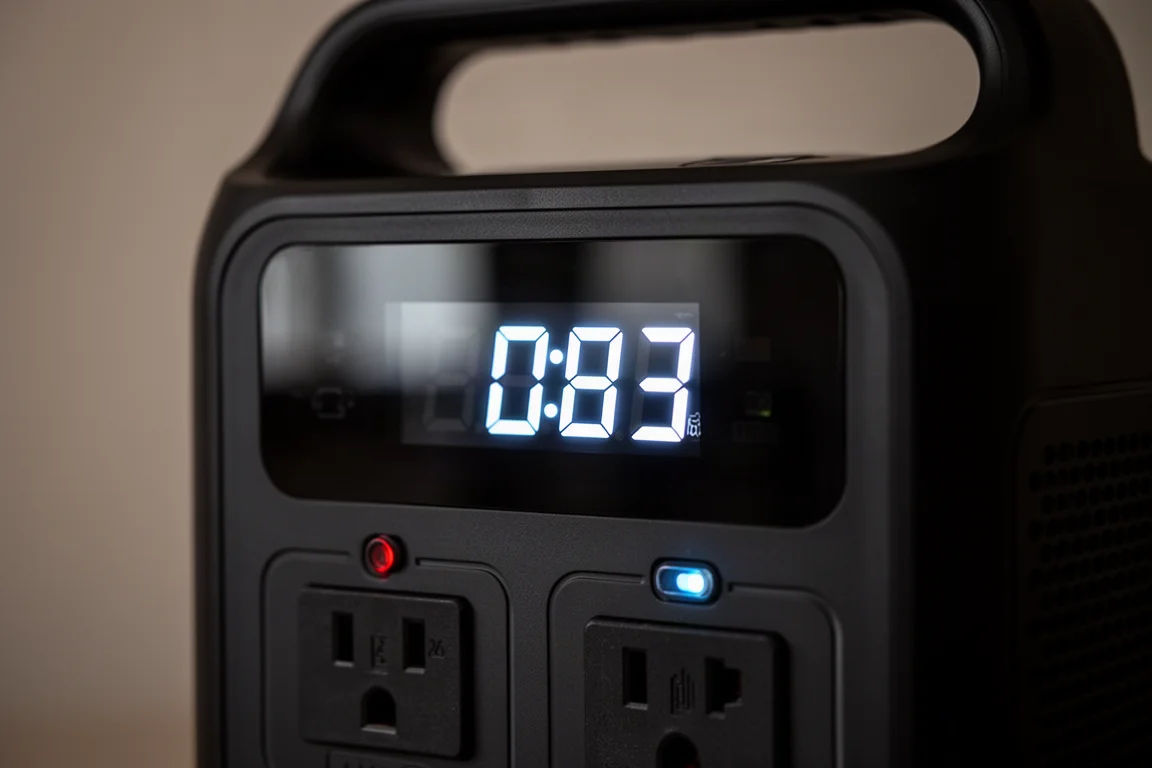
The EcoFlow River 2 Pro 700 is the unit chosen for the most recent purchase, and it earns its place. The display is excellent, showing hours remaining based on the current draw, remaining battery percentage, and both input and output power at a glance.
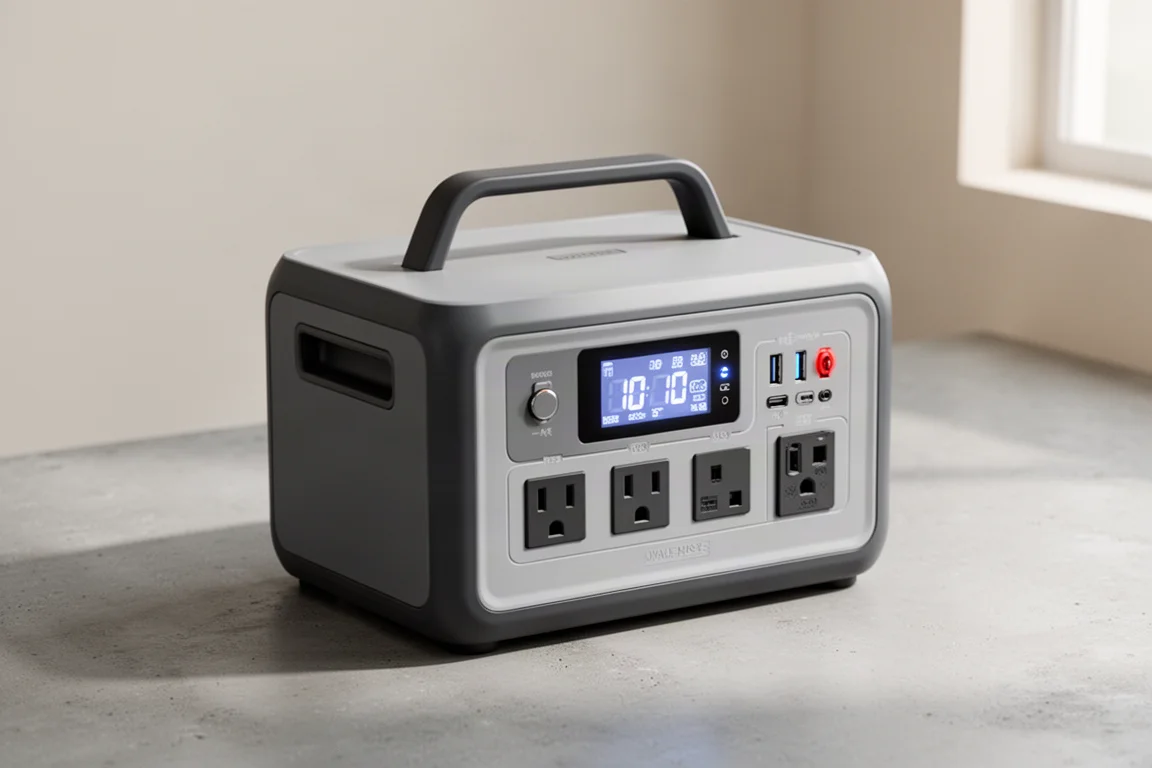
Port selection is generous: three USB-A ports, one USB-C port, four AC ports, and three DC ports, which is where astronomy gear connects. The standard cigarette lighter output delivers 10 amps, while each of the two smaller DC ports delivers 3 amps. The flat top is handy for stacking gear, and there is a carry handle. On the back is the AC input, and you can also charge from a car’s cigarette lighter, which is genuinely useful for topping up on the way to a dark site.
The one thing missing compared to the older Jackery is a front-facing light, which was occasionally handy when packing up in the dark. Most astronomers carry headlamps anyway, so it is not an important issue.
Also Considered: Apura
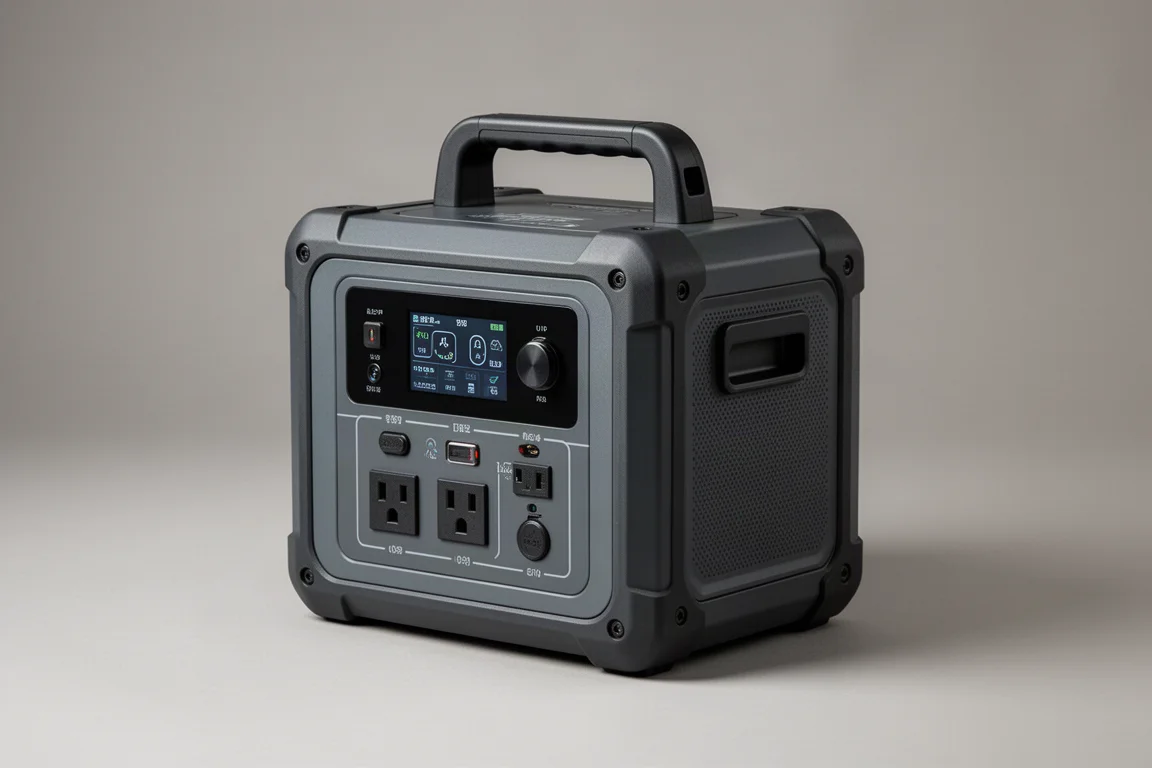
Apura makes an appearance here because it is the only battery designed specifically for astronomy applications. However, a look at the comparison shows it falls well behind the other options on charging cycles, battery technology, charging time, warranty, and dollars per watt. On balance, it is hard to recommend over the alternatives above.
Buying Advice
A few patterns emerge from this comparison. EcoFlow’s current models offer the strongest combination of charging speed, port selection, and value, and the River 2 Pro 700 is the standout all-rounder for astronomy use. The Delta 2 is the pick if you need over a kilowatt of output or are starting from scratch. The AllPowers R500 is the value play if you can live with the 37 lb weight, and a used or remaining-stock River Pro is still a great buy if you can find one.
One final note: when you are out in the dark, you can never have too much power. Telescope mounts and cameras shutting off suddenly at 3 a.m. because the battery was undersized is a frustrating way to end a session. Plan for more capacity than you think you need, and watch for seasonal sales, which can make these already strong values even better.
Conclusion
For a full night of imaging with a mount, cooled camera, and laptop, any of the 500 watt-hour and larger units here will do the job, but the EcoFlow River 2 Pro 700 offers the best overall package, with the Delta 2 and AllPowers R500 close behind depending on your priorities for output and value.
Further reading
Related Reviews
Portable Power
Best Portable Power for Camping and Remote Work: Six Power Banks and Solar Panels Compared
A practical comparison of six portable power options, from a 500W solar generator for car camping to a one pound solar power bank built for backpacking.
Portable Power
Best Portable Power Stations 2026: Nine Models Compared for Real-World Use
We compared nine portable power stations across output, capacity, charging speed, noise, and UPS performance to find the best value and the best overall pick.
Portable Power
Best Portable Power Stations and Power Banks for Blackouts and Travel
Five portable power solutions compared: two EcoFlow power stations, a flight-friendly Zendure power bank, a see-through Shargeek, and the feature-packed Omni 20c+.