Automotive
Best Portable Jump Starters: 10 Units Put Through Real-World Testing
From a $70 budget pack to a $339 premium unit, we compare cranking power, capacity, cold weather behavior, and value across ten popular jump starters.
Introduction
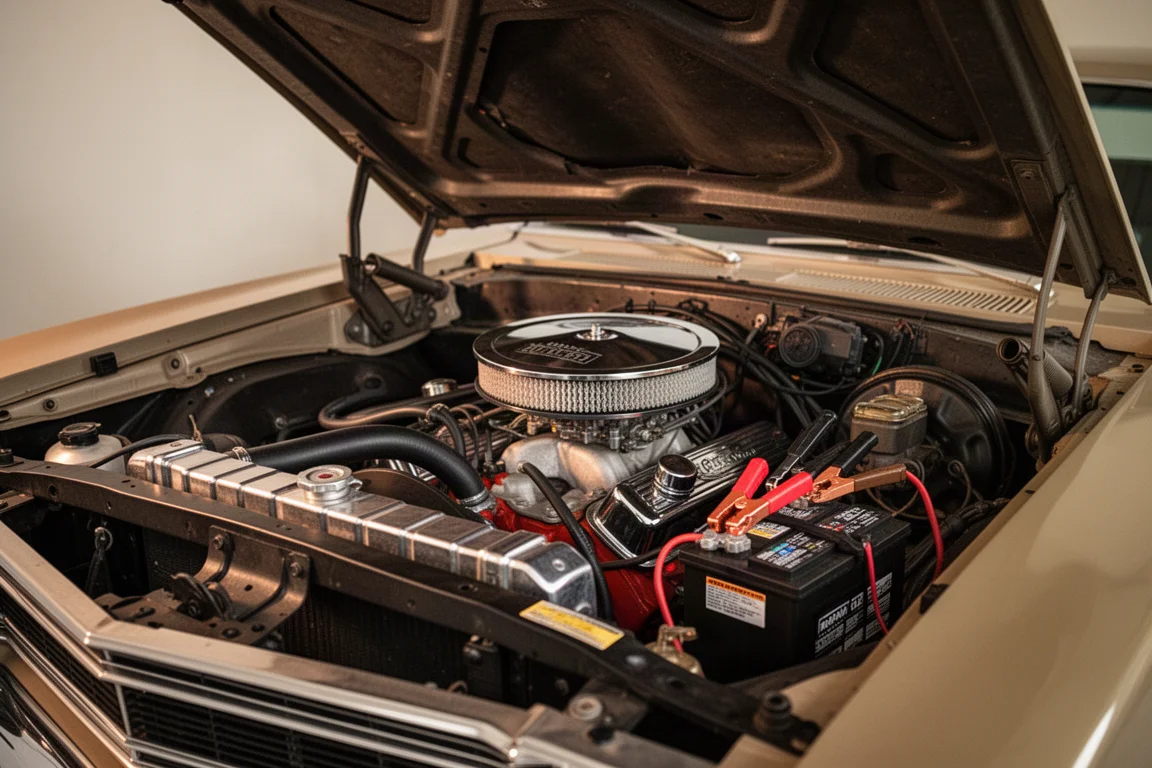
A jump starter is one of those items you forget about until the day your battery is completely dead and there is no one around to help. The real question most buyers face is simple: does a $70 unit do the job, or do you need to spend $340? To find out, ten jump starters were put through the same gauntlet: starting a small block V8 with a dead battery, cranking a big block 7.4 L gasoline engine, attempting a 5.9 L diesel with no help from the truck’s batteries, a 0°F cold soak, a bench test on a carbon pile load tester, and a power bank capacity check.
The Contenders at a Glance
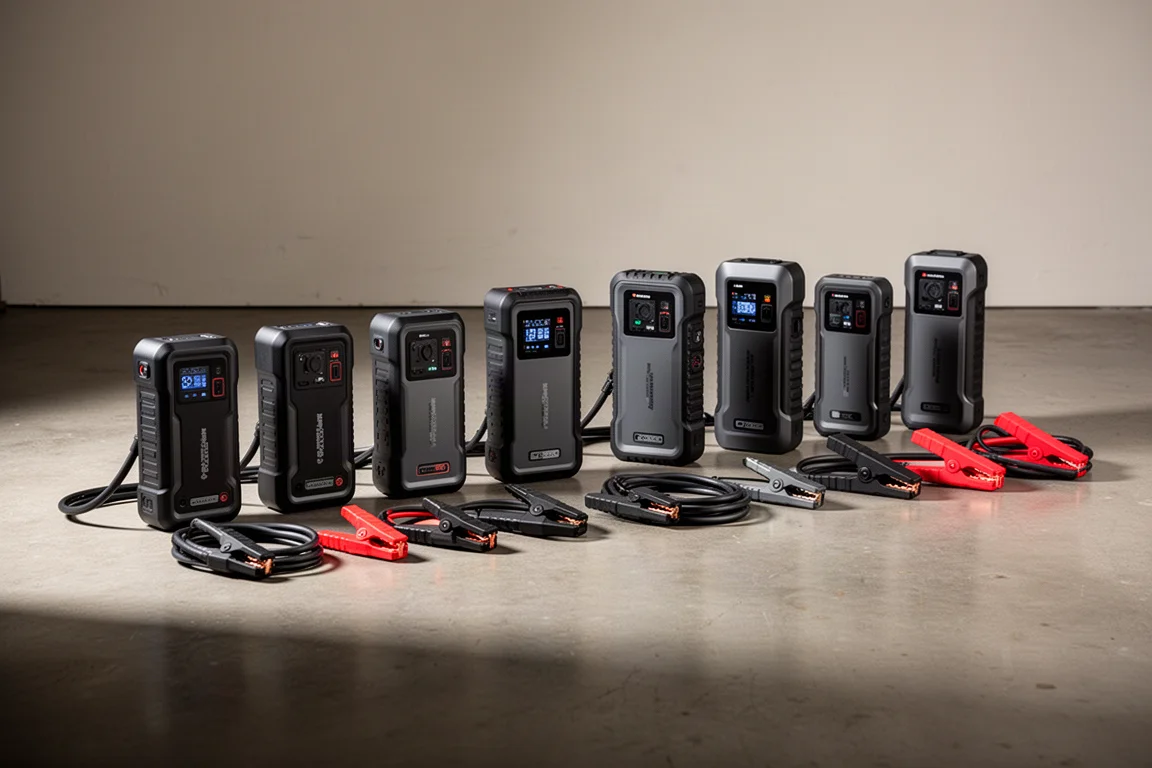
The lineup spans a wide price range: Burpum ($70), Fox Speed ($70), Povoocy ($90), Yesper ($90), Lokithor ($170), Aweevapow ($170), Autogen ($180), Yesper Armor Pro 2 ($200), Gooloo GT4000S ($200), and NOCO Boost X GBX155 ($339). Keep in mind that some brands offered notable discounts at the time of purchase, so street prices can vary.
How the Testing Worked
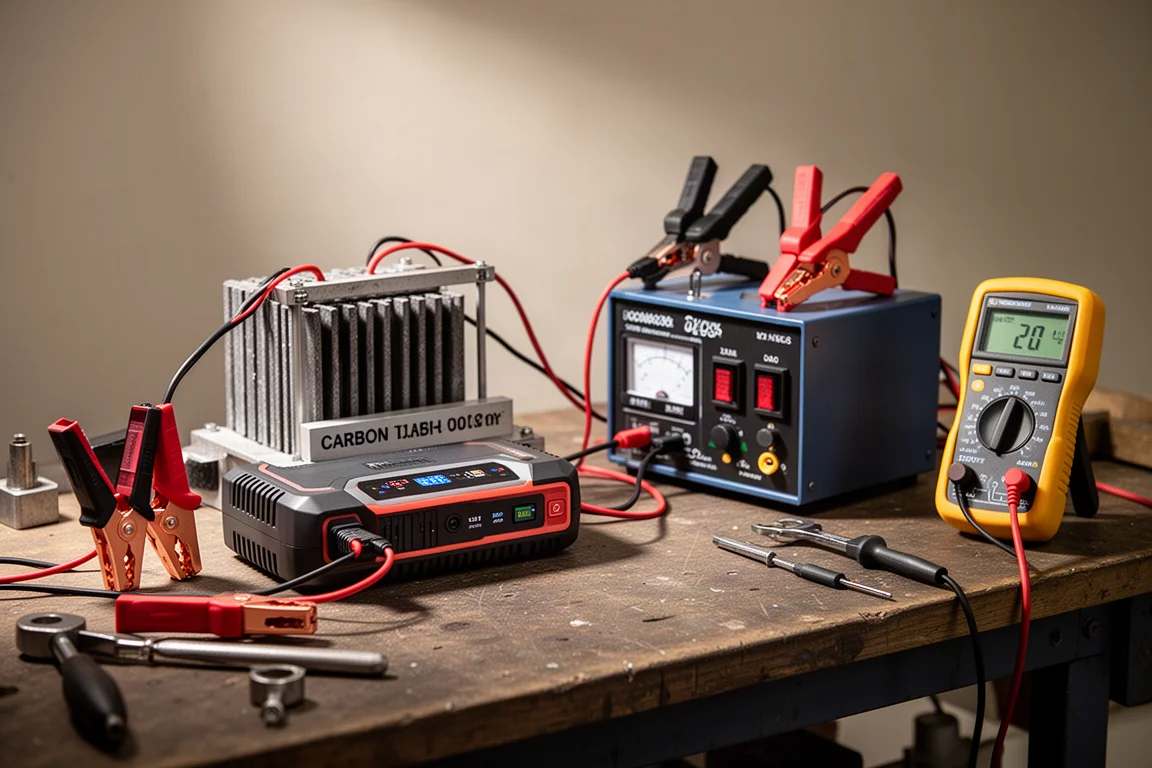
Each unit faced the same sequence. First, a small block 5.3 L V8 with a completely dead battery. Then the big block. Then a diesel, with jump starters asked to do all the work themselves. After that came a bench test using a carbon pile tester to measure real watts delivered, a power bank capacity test with a 7 amp load, and a 12-hour freeze at roughly 0°F followed by a warm-up and retest.
Bench Test Results: Real Power Output
The most revealing test measured actual watts (amps times volts) delivered under load. The NOCO Boost X GBX155 dominated at 6,720 W, roughly 1,200 W ahead of second place. The Lokithor took second at 5,566 W, followed by Aweevapow (4,803 W), Gooloo (4,475 W), Autogen (4,422 W), Yesper (3,502 W), Povoocy (3,348 W), Burpum (3,102 W), Yesper Armor Pro 2 (2,958 W), and Fox Speed (2,722 W).
Notably, several units fell well short of their advertised peak amp claims, and every unit also delivered less usable power bank capacity than advertised. The Yesper standard came closest on capacity, hitting 71 Wh against its 88.8 Wh rating, while several others delivered only about half of what the label promised.
Budget Picks: Burpum, Fox Speed, and Povoocy
The Burpum is the least expensive at $70, claiming 3,000 peak amps even at -20°C, a 10 L gas or 8 L diesel rating, 23,800 mAh, an LED flashlight, two USB outputs, and type-C fast recharging at 605 g. It spun the small block V8 easily, but it struck out on the big block 7.4 L, failed the diesel, and delivered only 46.1 Wh of its claimed 88.1 Wh capacity. A capable small-engine starter at a low price, but with clear limits.
The Fox Speed, also $70, is rated at 2,500 amps and 21,000 mAh, claiming 8 L gas and 6.5 L diesel capability, with USB in and out, a DC output, and an LED light at 608 g. It turned the small block slightly faster than the Burpum, and it was the only budget unit to start the big block 7.4 L, though just barely. It could not handle the diesel and measured 44.9 Wh of capacity, 42% short of its rating.
The Povoocy at $90 claims 3,000 peak amps, all-gasoline and 8 L diesel capability, and operation down to -22°F, with 23,800 mAh, DC out, two USBs, and USB-C in the lightest body of the group at 542 g. It spun the small block the fastest of the first three units, made short work of the big block on the first attempt and two repeats, but was in way over its head on the diesel. Capacity measured 44.1 Wh, about half of its advertised 88 Wh.
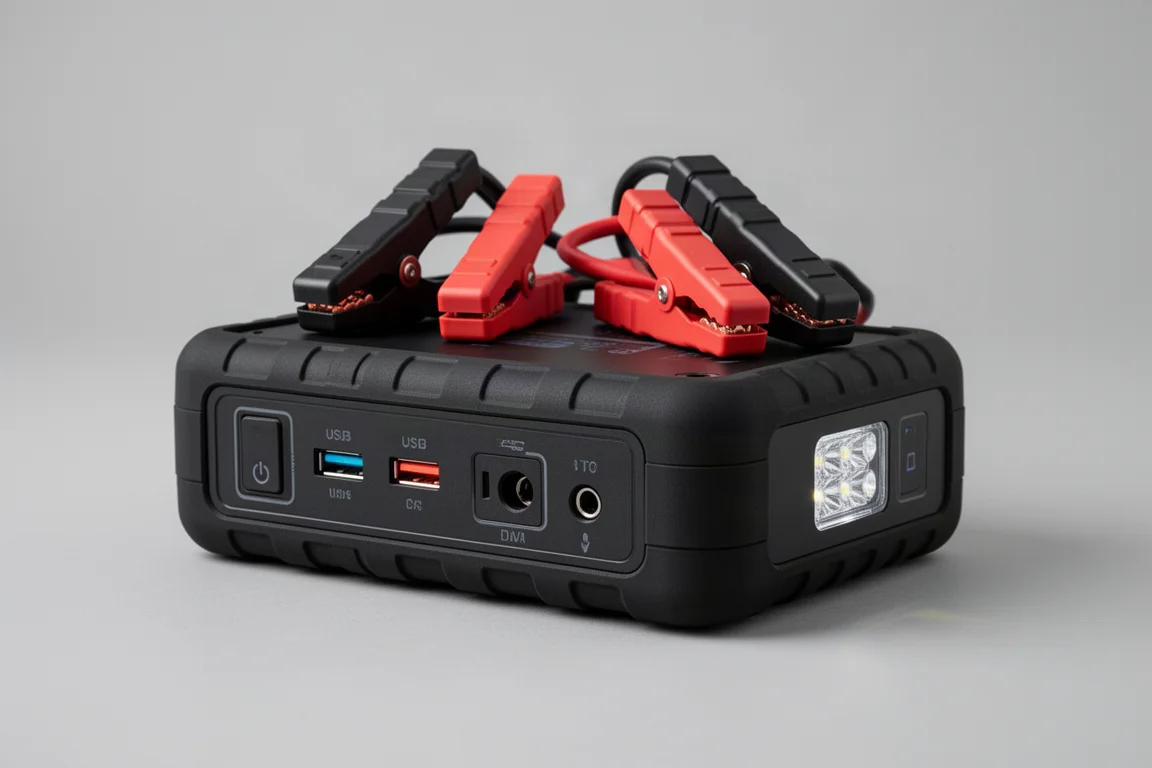
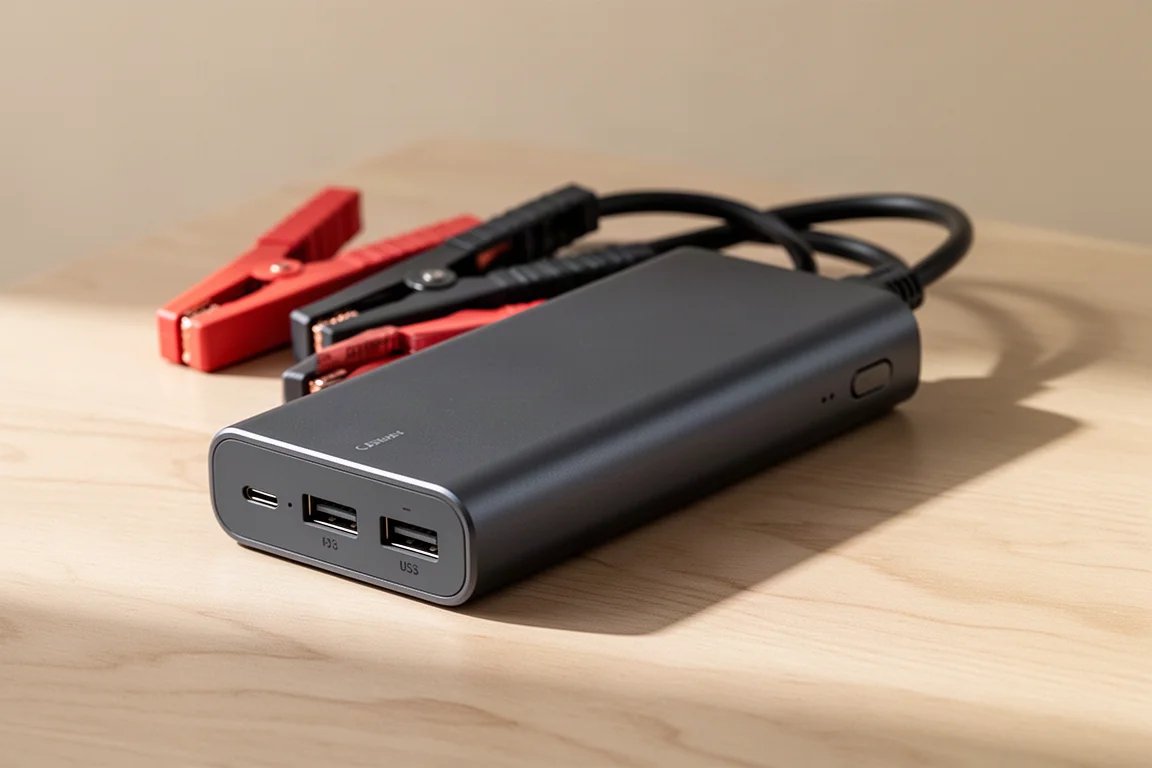
The Value Champion: Yesper ($90)
The $90 Yesper claims up to 4,120 peak amps, all-gasoline and 10 L diesel capability, a 24,000 mAh pack, LED light, USB-C, two USBs, and a 10 amp DC output at 820 g. What sets it apart is a boost button that lets you choose when to activate the unit, which proved useful on completely dead batteries. It produced the strongest small block crank of the early testers, handled the big block on three back-to-back attempts, delivered 71 Wh of power bank capacity (the best among standard-size units), and hit 3,502 W on the bench test.
Its weak spots: it could not start the diesel unassisted, and in the 0°F cold test it only managed one successful start on the big block before giving out. Still, overall, this is the best value in the group.
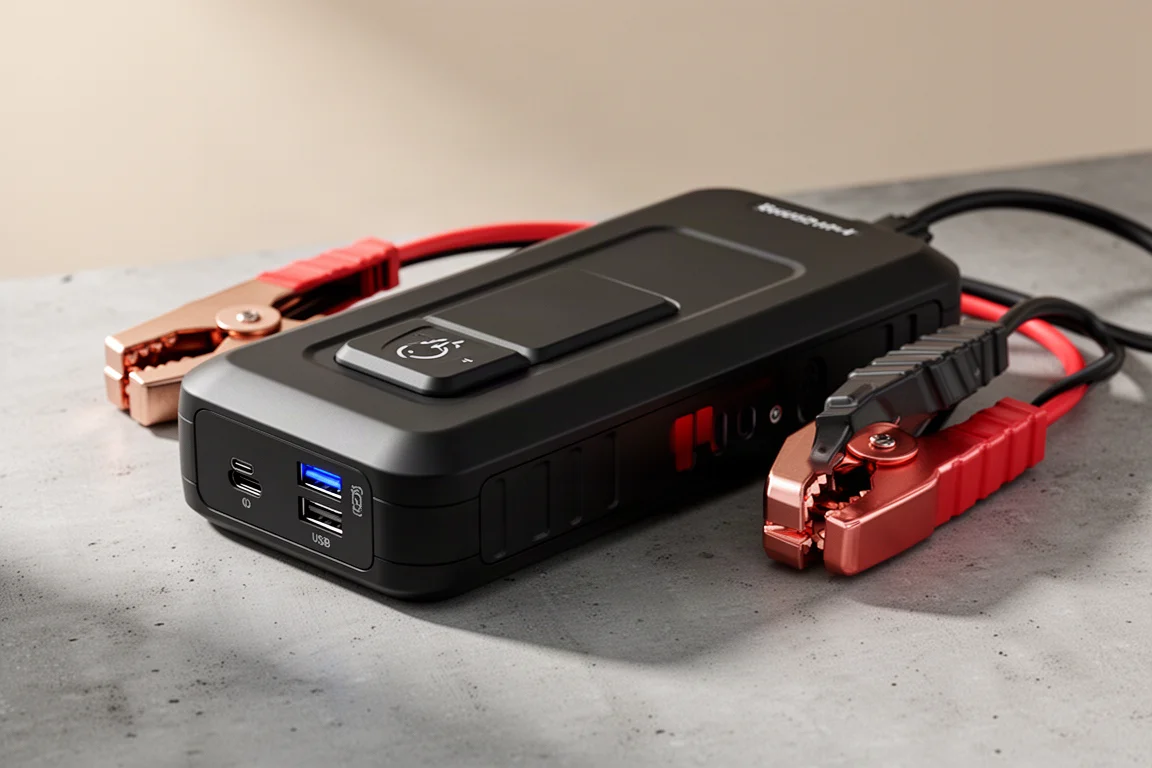
Mid-Price All-Rounders: Lokithor and Autogen
The Lokithor at $170 claims a 1,500 A starting current and 2,500 A peak, 20,000 mAh, 60 W two-way fast charging, and 8.5 L gas / 6.5 L diesel ratings. It is the only unit here without a storage case, but it includes a built-in voltmeter, which is a genuinely handy feature. It weighs 1,072 g.
On performance, it was the surprise of the test. It made 5,566 W on the bench, second only to the NOCO, started the big block effortlessly three times in a row, and was one of only two units able to start the 5.9 L diesel unassisted. The drawbacks are a 57.2 Wh capacity (23% under its rating), a single USB port, and no DC output. In the freeze test it powered down after 1.5 seconds, though it worked fine after warming up.
The Autogen at $180 claims 4,500 peak amps, 32,000 mAh, two USB outs, a 12 V 10 A output, and operation down to -4°F at 899 g. Like the Yesper, it has a boost button for dead batteries. It spun the small block very quickly, handled the big block on all three attempts, delivered 4,422 W on the bench and 70.7 Wh of capacity, and performed without issue in the cold test. Its shortfall was the diesel, where it lacked the cranking amps to get the job done.
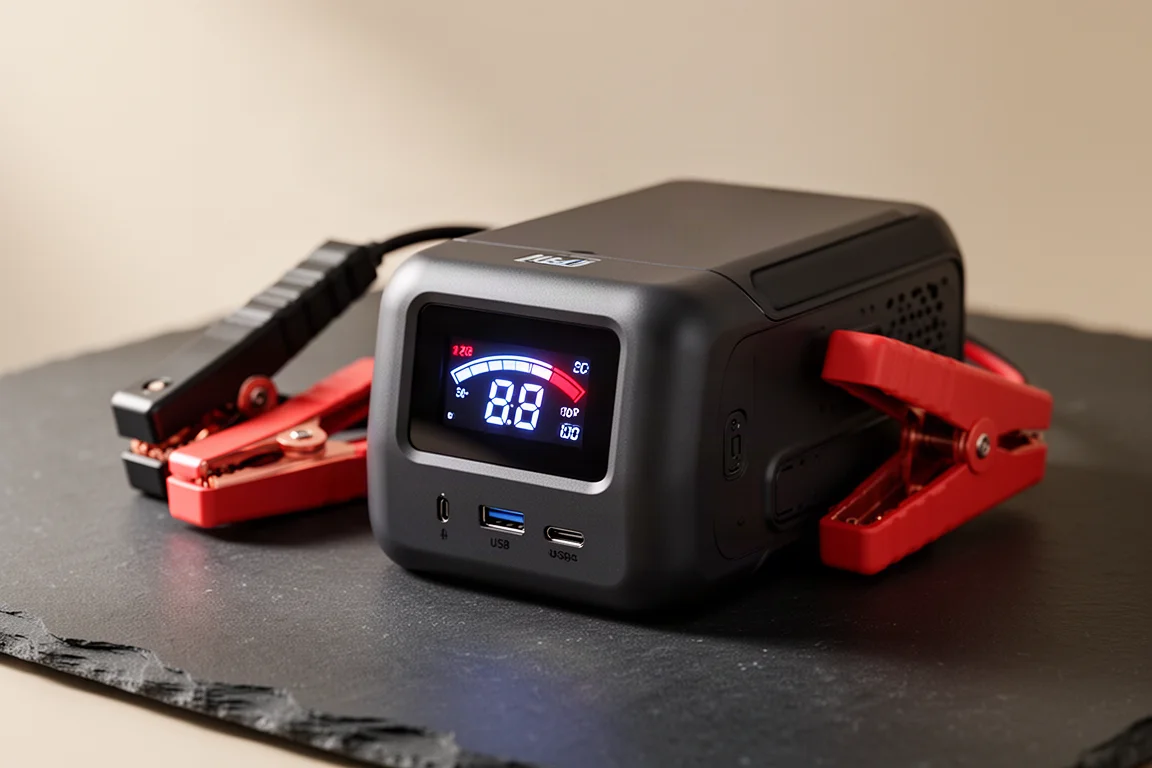
The Problem Child: Aweevapow 6,000 Amp
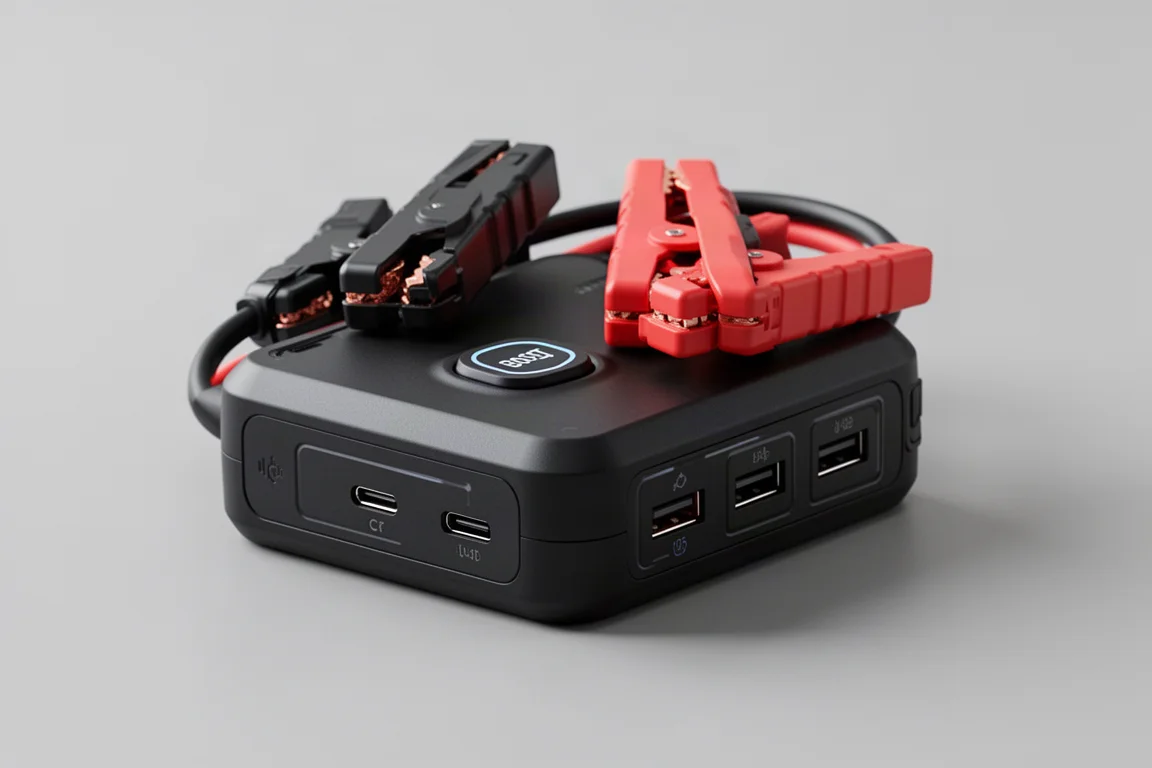
The Aweevapow at $170 claims a headline 6,000 peak amps and the ability to start all gasoline and diesel engines, with an ultra-bright LED light, type-C, two USBs, and a DC output at 1,240 g. On paper, that looks strong. In practice, it has a serious flaw: the jump starter mode would not activate on a completely drained battery, and there is no boost button or way to override it. It needed another jump starter to wake it up.
Once activated, it started the big block easily and ranked fourth on the bench at 4,803 W with 63 Wh measured capacity. But the activation quirk alone is disqualifying for an emergency tool, and it powered down after 1.3 seconds in the freeze test.
Big Capacity and Fast Charging: Yesper Armor Pro 2 and Gooloo GT4000S
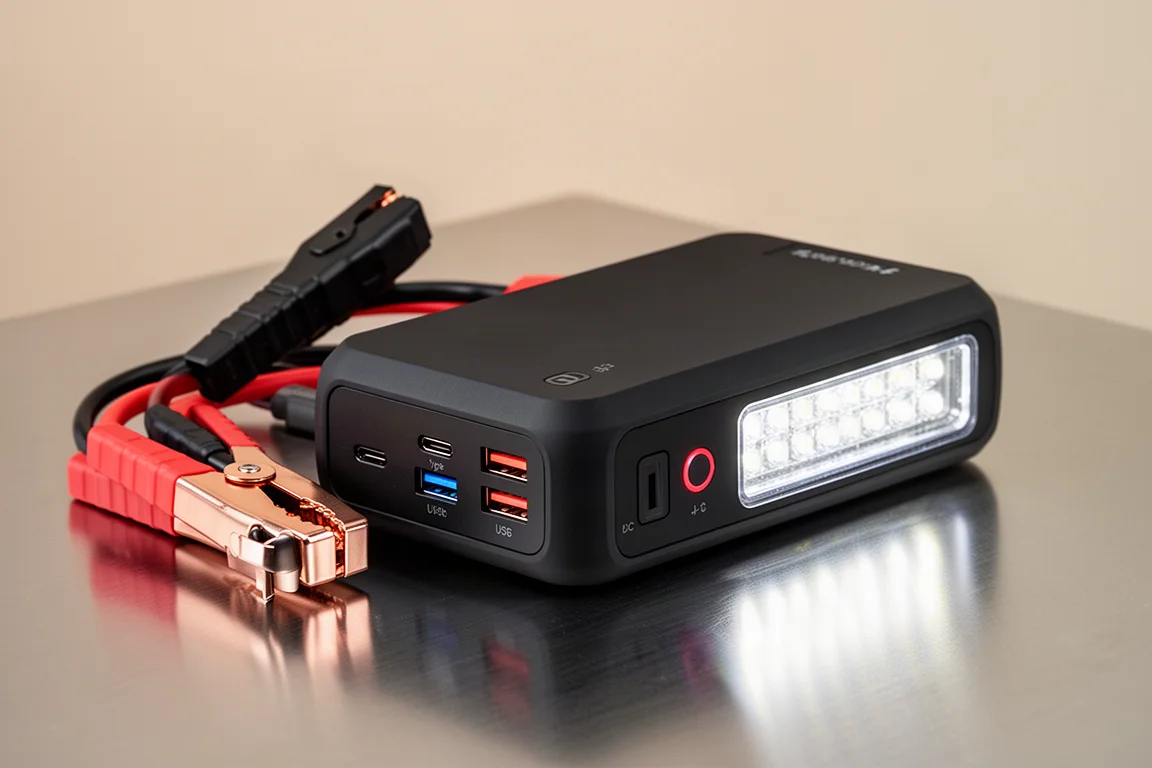
The Yesper Armor Pro 2 at $200 is a different class of unit entirely: over 83,000 mAh claimed capacity, 3,000 peak amps, 0-100% charging in 3 hours, operation down to -40°F, instructions printed on the side, and a box designed to double as a storage case. It is by far the heaviest standard format here at 2,387 g.
It won the power bank capacity test outright at 220.5 Wh, started the small block with ease and the big block on the first attempt, and performed acceptably in the cold. It could not start the diesel unassisted, and its bench result of 2,958 W was low relative to the rest of the field. Choose it if backup power capacity matters more than maximum cranking punch.
The Gooloo GT4000S, also $200, claims 800 A starting and 4,000 A peak current, 26,800 mAh, up to 100 W charging, and a full recharge in just 1.2 hours. It includes DC out, two USB outs, USB-C, on-unit instructions, and weighs 1,051 g. It has a boost button, and it works properly on dead batteries.
It delivered 4,475 W on the bench, started the big block three times back-to-back, performed very well in the freeze test, and measured 69.2 Wh of capacity. Like most of the field, the diesel was beyond it.
The Premium Pick: NOCO Boost X GBX155
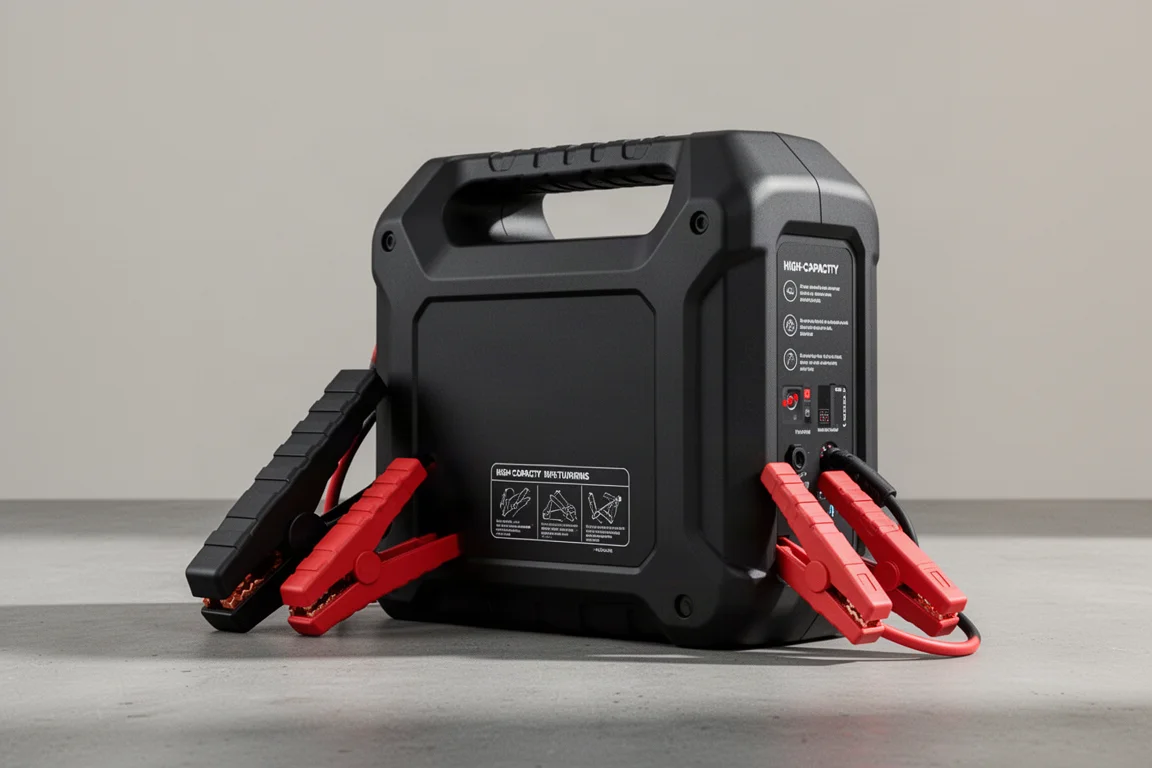
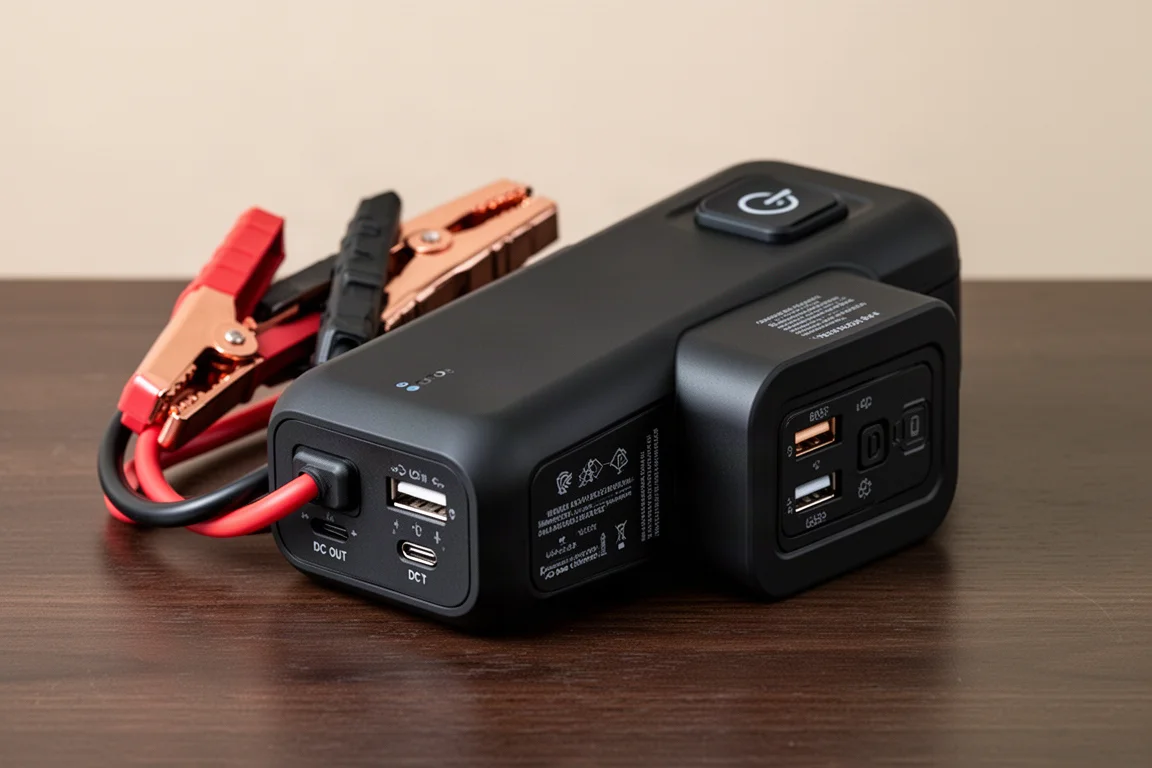
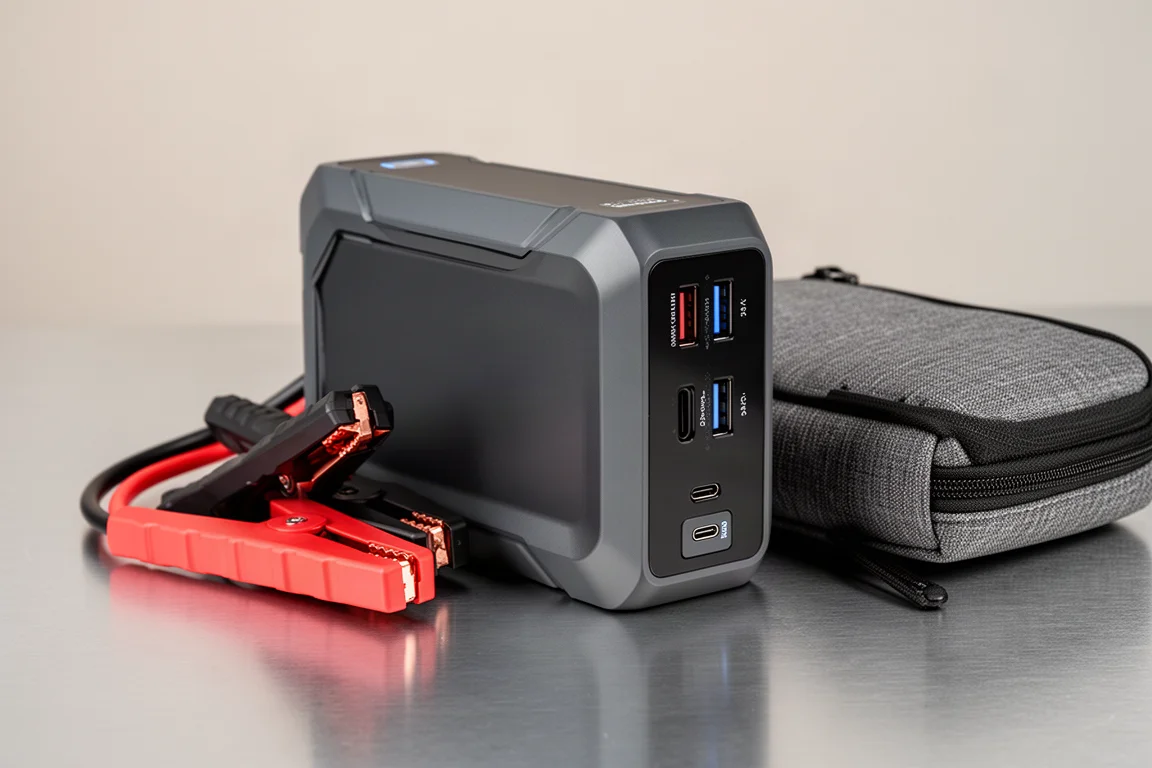
The NOCO Boost X GBX155 is the most expensive at $339, claiming 4,250 amps and a 99 Wh lithium battery, with two USB ports, a USB-C port, a carrying bag, 12 V adapter, and USB cable included. It is made in Vietnam rather than China, unlike every other unit tested, and it is the heaviest at 2,545 g.
It was the standout performer. It spun the small block the fastest of any brand, made 6,720 W on the bench test by far the best result, and was the only other unit besides the Lokithor to start the 5.9 L diesel unassisted, doing so three times back-to-back with no hesitation. In the cold test it cranked the fastest as well. Its power bank capacity of 78.4 Wh took second place. The only real drawback is the price.
Cold Weather Reality Check
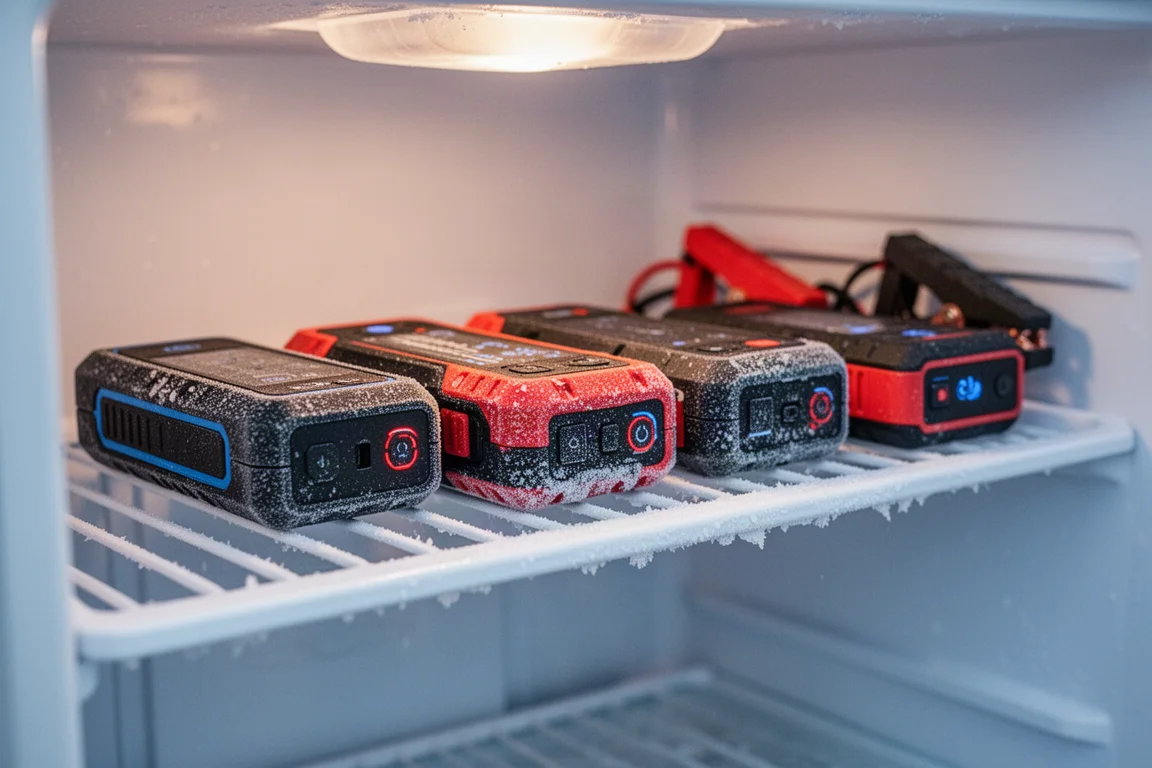
Every unit was frozen at roughly 0°F for 12 hours. With the packs still at that temperature, none of them could start the big block. After a 30-minute warm-up, most worked on the small block V8: the NOCO cranked the fastest, the Yesper spun the engine notably harder than the Povoocy, and the Autogen and Gooloo performed without issues. The Lokithor and Aweevapow powered down within seconds until warm. The lesson: in deep cold, keep the unit inside the cabin, not the trunk.
Buying Advice: Which One Should You Get?
The $90 Yesper is the best value overall: it easily started the big block V8, delivered the best standard-size power bank capacity at 71 Wh, and produced 3,502 W on the bench. If you can spend more, the Gooloo GT4000S is a strong step up with nearly 4,500 W on the tester, 69 Wh of capacity, and 1.2-hour fast recharging. If pure jump performance is the priority and budget is not a concern, the NOCO Boost X GBX155 is in a league of its own, and the Lokithor is the only other unit that started the diesel unassisted.
Match the unit to your vehicle: drivers of small gasoline engines are well served by the budget trio, diesel owners should look hard at the Lokithor or NOCO, and anyone planning to use the pack as a serious power bank should consider the Yesper Armor Pro 2.
Conclusion
Every jump starter here could start a small block V8, but the differences emerged fast. The Yesper at $90 delivers the best all-round value, the Lokithor punches far above its price on cranking power, the Gooloo offers the fastest recharge, and the NOCO Boost X GBX155 is the outright performance leader if you can justify the cost. Whichever you choose, a jump starter is cheap insurance against the day your battery lets you down.
Further reading
Related Reviews
Automotive
Best Brake Parts Cleaner 2026: 14 Brands Tested for Speed, Cleaning Power, and Residue
We tested 14 brake parts cleaners for evaporation speed, grease removal, sludge breakdown, and residue to find the best value for your garage.
Automotive
Escort ZR6 Laser Jammers: A Hands-On Look at Features and Performance
The Escort ZR6 laser jammers offer compact heads and flexible integration, but the interface leaves room for improvement.
Automotive
LiPower Solid-State Car Battery Review: A Lighter, Longer-Lasting Upgrade
A practical look at the LiPower solid-state car battery, covering its specs, real-world performance, and how it compares to a traditional AGM battery.