Backpacking Gear
Best Pocket-Sized Backpacking Gear: Small Essentials Worth Carrying
A practical roundup of pocket-sized backpacking gear, from repair patches and blister care to headlamps, power banks, and camp hygiene.
Introduction
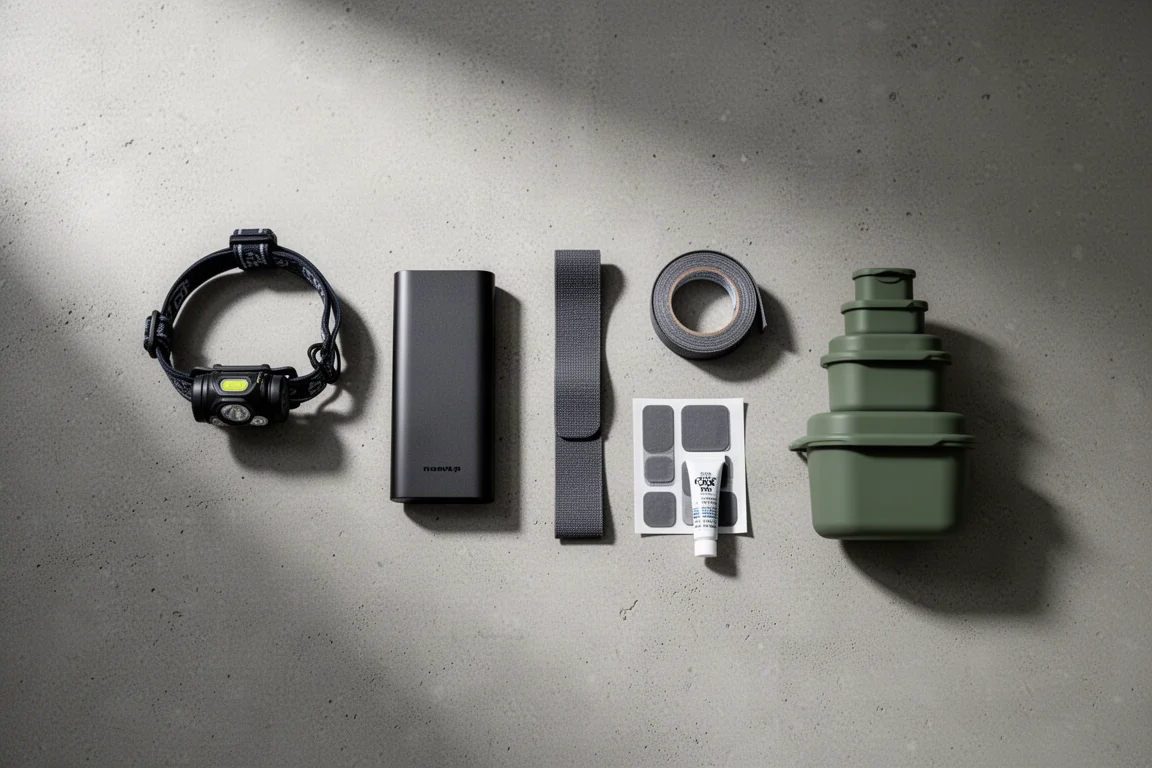
Backpacking gear lists tend to focus on the big four, but the items that quietly save a trip are usually the ones you barely notice in your pack. A patch that closes a burn hole in a down jacket, a strip of tape that stops a hot spot from turning into a blister, or a light that clips to a hat instead of a headband can matter more than a few grams of pack weight.
This roundup groups pocket-sized items by the problem they solve: first aid and repair, navigation and electronics, lighting, power, and trail hygiene. Some are essentials, some are nice to have, and a couple are small luxuries that make camp more comfortable.
What Makes Pocket-Sized Gear Worth Carrying
Three questions decide whether a small item earns space in a pack. First, does it solve a problem that cannot be fixed with what is already in the bag? Second, is it small and light enough to disappear into a hipbelt pocket or a stuff sack? Third, does it do more than one job?
Multi-function items tend to win. A tape that handles both blister care and light joint support, or an ointment that works on chafing and dry lips, replaces two items with one. Reliability matters just as much, because small gear is often used at the worst possible moment, in bad weather or at the end of a long day, so it needs to work the first time.
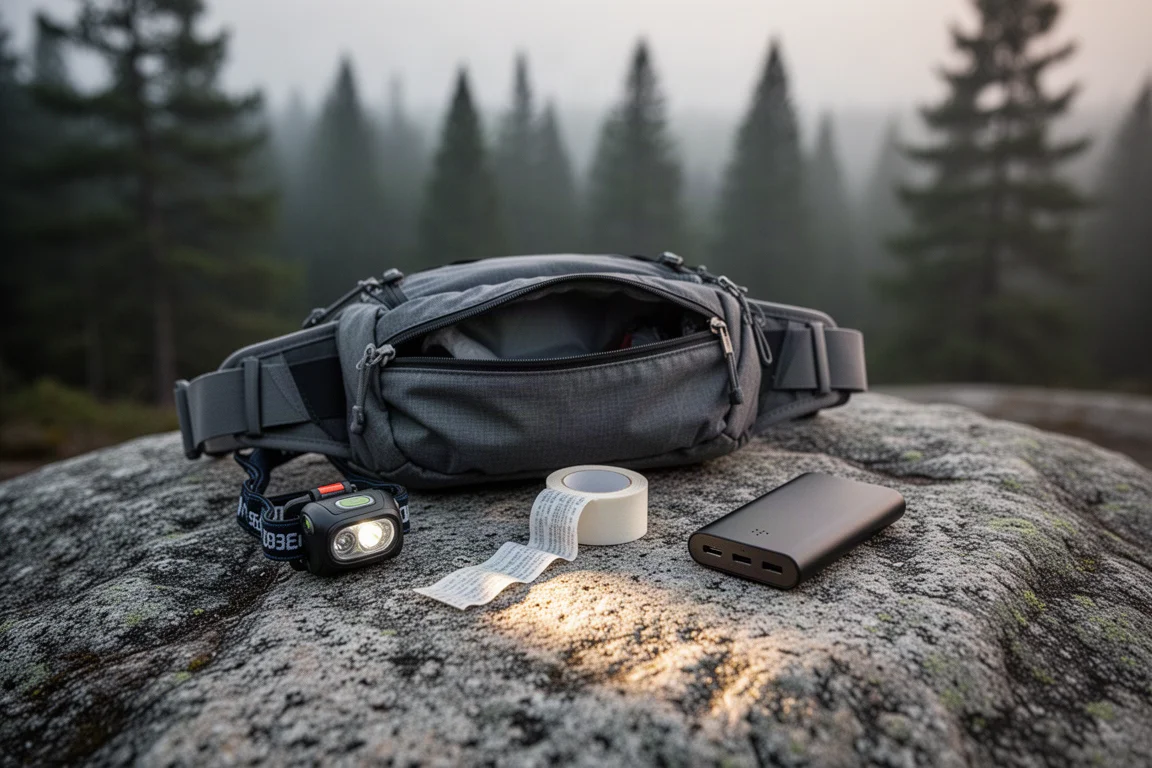
Most of the picks below cost far less than core gear, which makes them easy to test on a single trip before committing to a full season of use.
First Aid and Repair Essentials
A first aid kit is the most commonly overlooked part of a backpacking setup, and it is also where small items pay off fastest. The four items below cover the two most frequent trail problems: damaged gear and damaged feet.
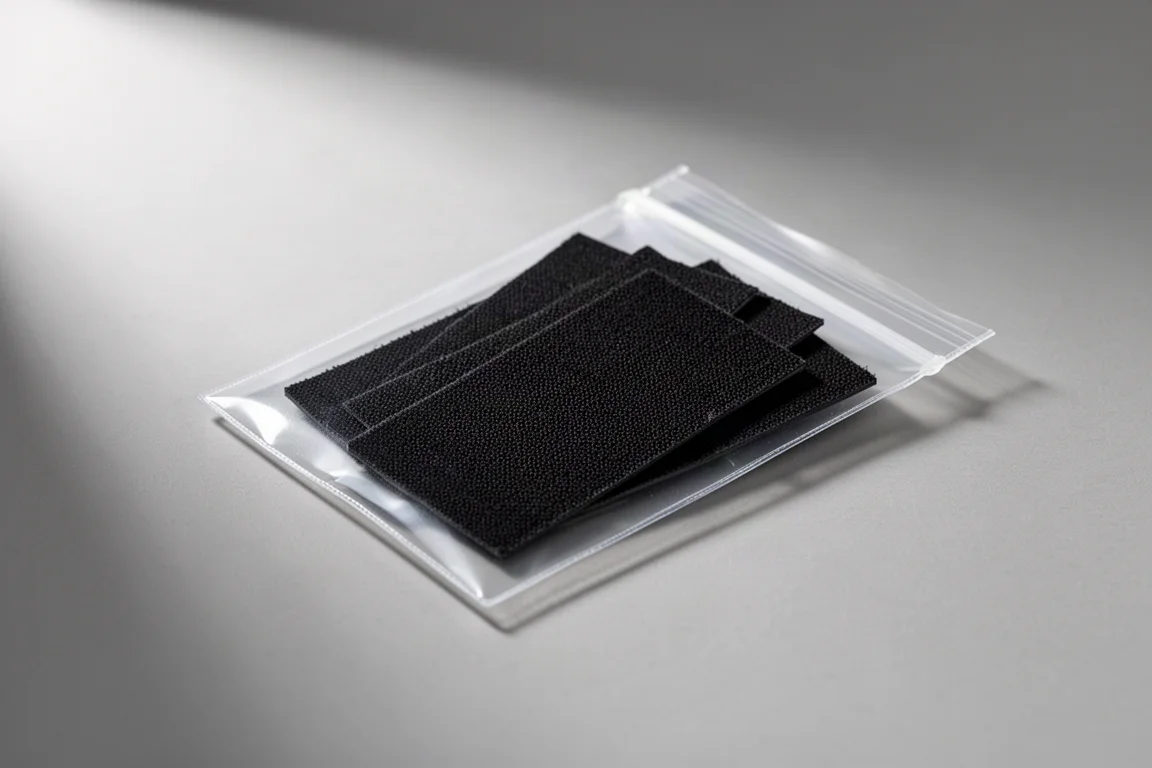
Gear Aid Tenacious Tape Gear Patches
Pre-cut repair patches are the fastest way to deal with a torn shell. They bond over burn holes in down and synthetic jackets, and they can patch a sleeping pad that has picked up a puncture. They take up almost no room, which makes them easy to keep in a first aid kit rather than at home. They suit small holes and tears rather than large repairs.
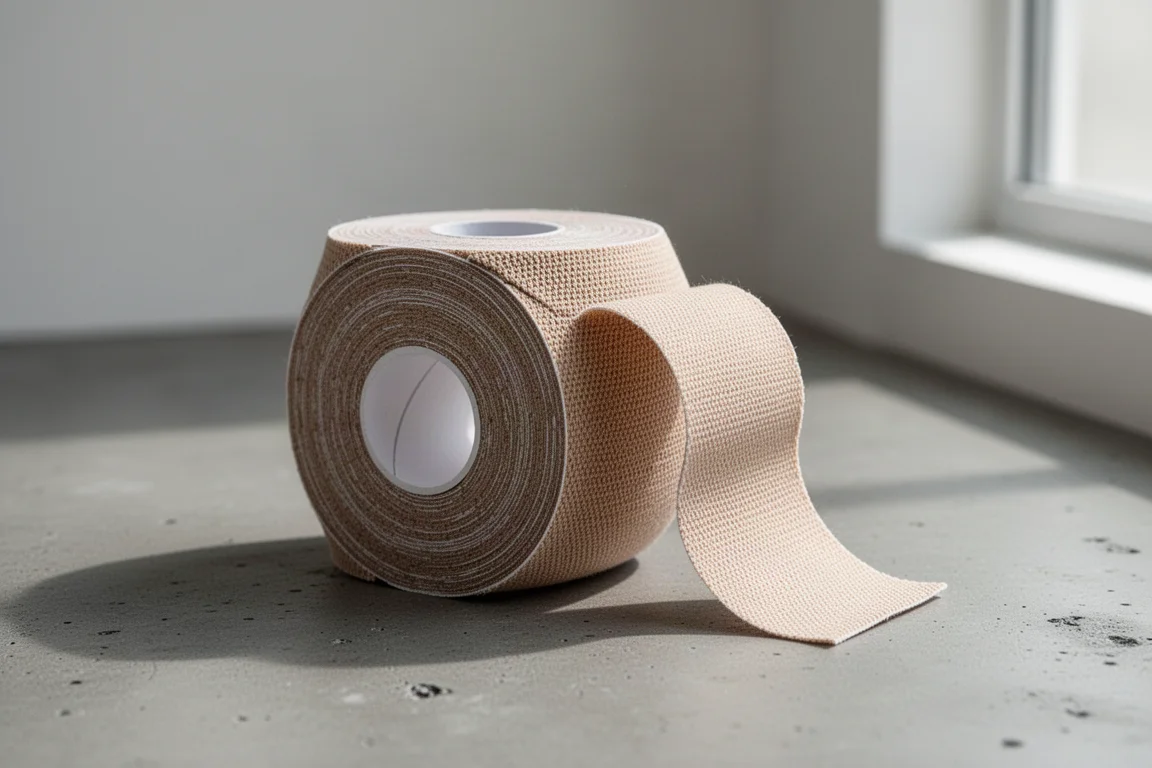
KT Tape
Elastic kinesiology tape is useful in a backpacking kit because it covers two jobs. It can be applied around a heel or toe for blister care, and it can support a knee, IT band, or another area that starts complaining partway through a trip. The stretch makes it more adaptable than rigid tape on joints that move.
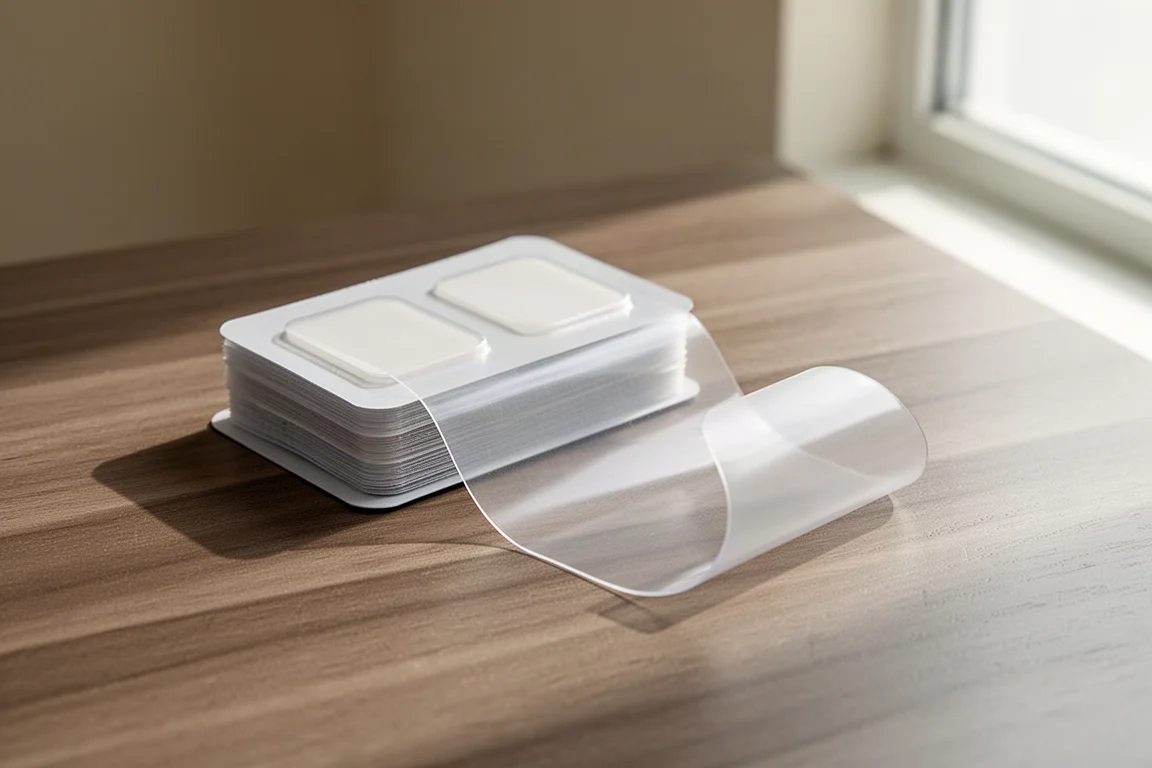
My Medic Super Skin
Super Skin strips are designed to stop hot spots before they turn into blisters. They adhere over heels, the ball of the foot, and around toes, and they stay put better than athletic tape or moleskin in hot conditions when shoes do not breathe well. Many hikers treat them as a first step and keep moleskin as a backup.
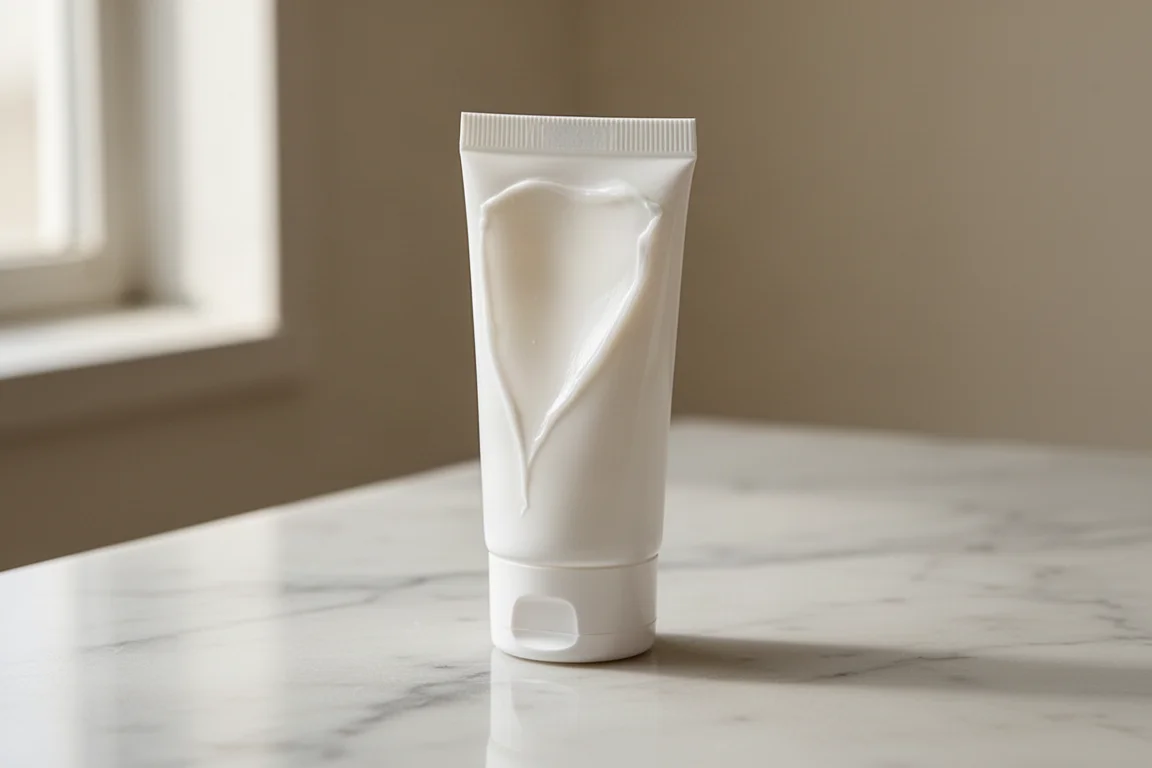
Aquaphor
Once chafing has progressed past the point where a lubricant helps, a healing ointment is the next line of defence. It protects irritated skin, reduces dryness, and calms the area while it recovers. The same tube doubles as a lip balm, which is why it tends to travel in a hipbelt pocket rather than deep in a pack.
Navigation and Electronics
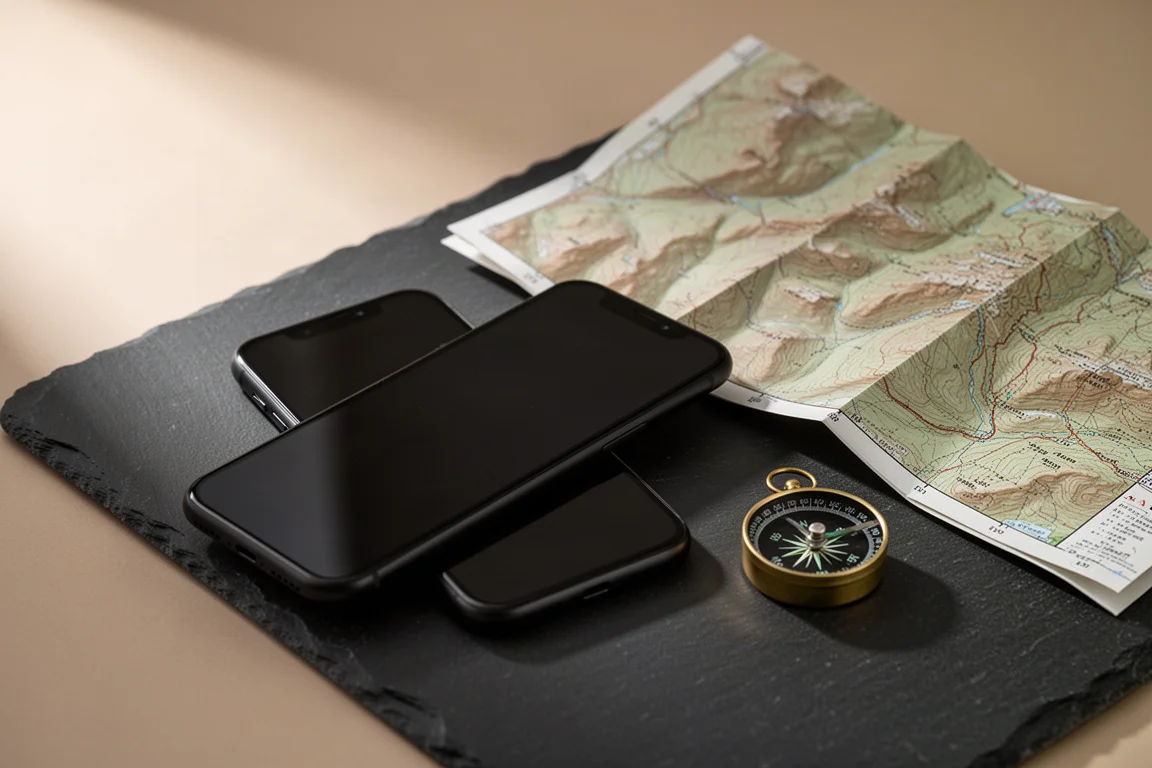
Phones have quietly become the most capable piece of pocket-sized gear on the trail. They document trips, hold notes and reading material, and, with the right app, replace a dedicated GPS unit. The two items here support that role.
OnX Backcountry
OnX Backcountry is a backcountry navigation app that puts GPS positioning and route planning on a phone. Routes can be planned before a trip and followed on the trail, which is most valuable where trails are faint, overgrown, or damaged. That kind of terrain is where a live position on a planned route makes the difference between a rough day and a wrong turn.
It is not a substitute for skill. A paper map and compass still work well for anyone who has learned to use them, and an app has to be learned the same way. The advantage is convenience, since the device is already in a pocket, and a free trial makes it easy to test on a real trip before committing.
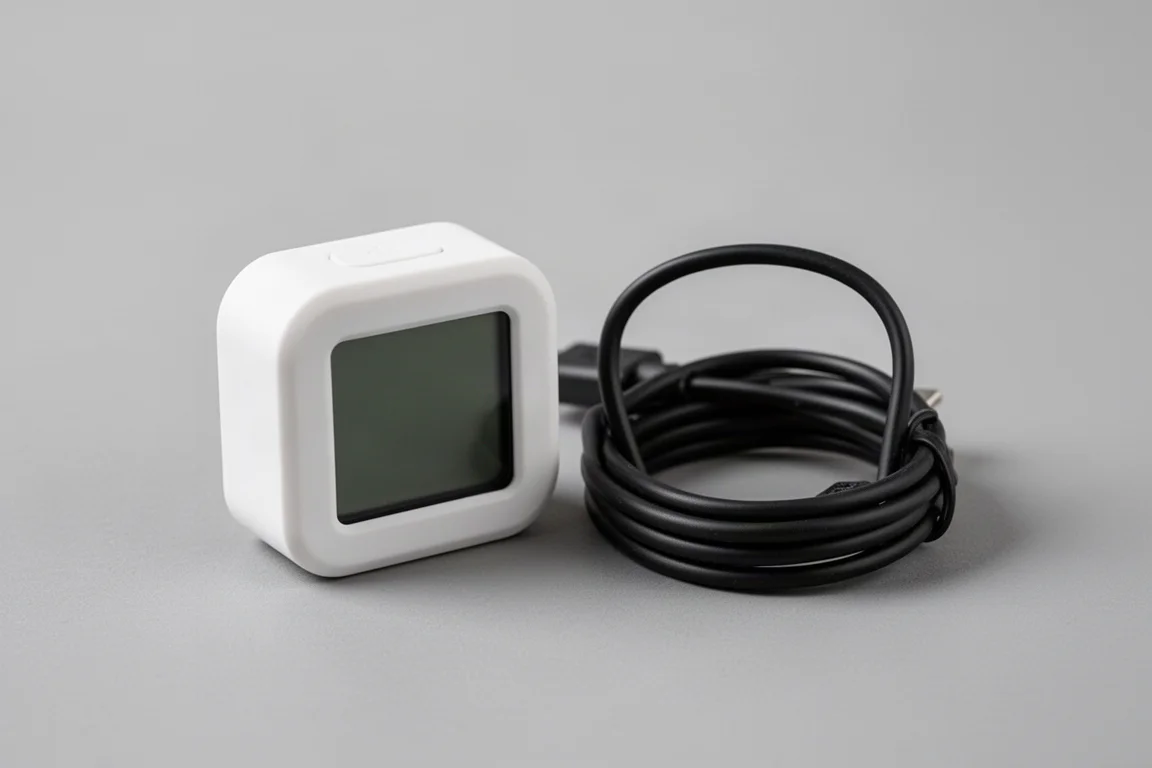
Govee Bluetooth Thermometer
A small Bluetooth thermometer reports real-time temperature while you are out, along with overnight lows and daily highs. That data is genuinely useful for judging how a sleep system performs, because a bag that felt cold at 2 a.m. looks different once you know the actual low. Over a few trips, the numbers make gear decisions much less of a guess.
Lighting
Lighting is one area where small items have improved a lot. A headlamp remains the standard choice, but clip-on lights and lanterns now cover the same ground in a different form. Either way, the goal is the same: enough light to cook, read, and move around camp without waking anyone else.
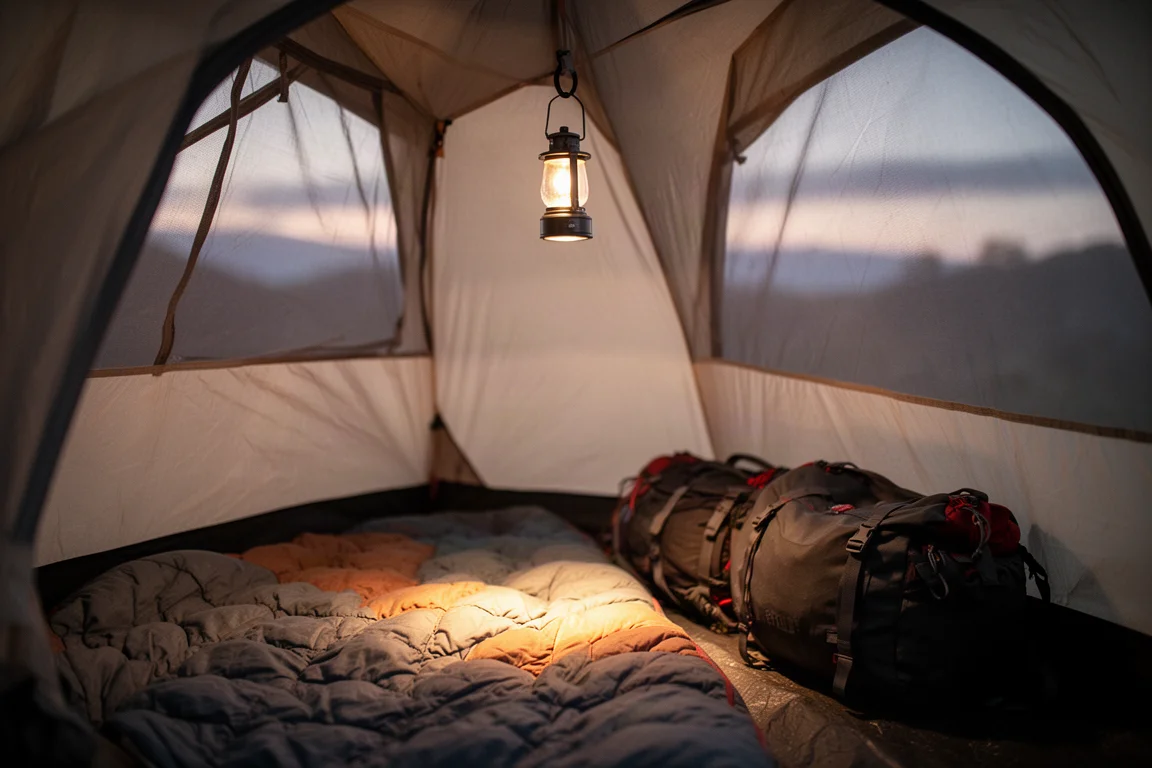
Most hikers use a light far less than they expect. A lamp that lives in a pack pocket and comes out three or four times a year still earns its place, because the alternative is navigating in the dark.
Claymore Capon 40B
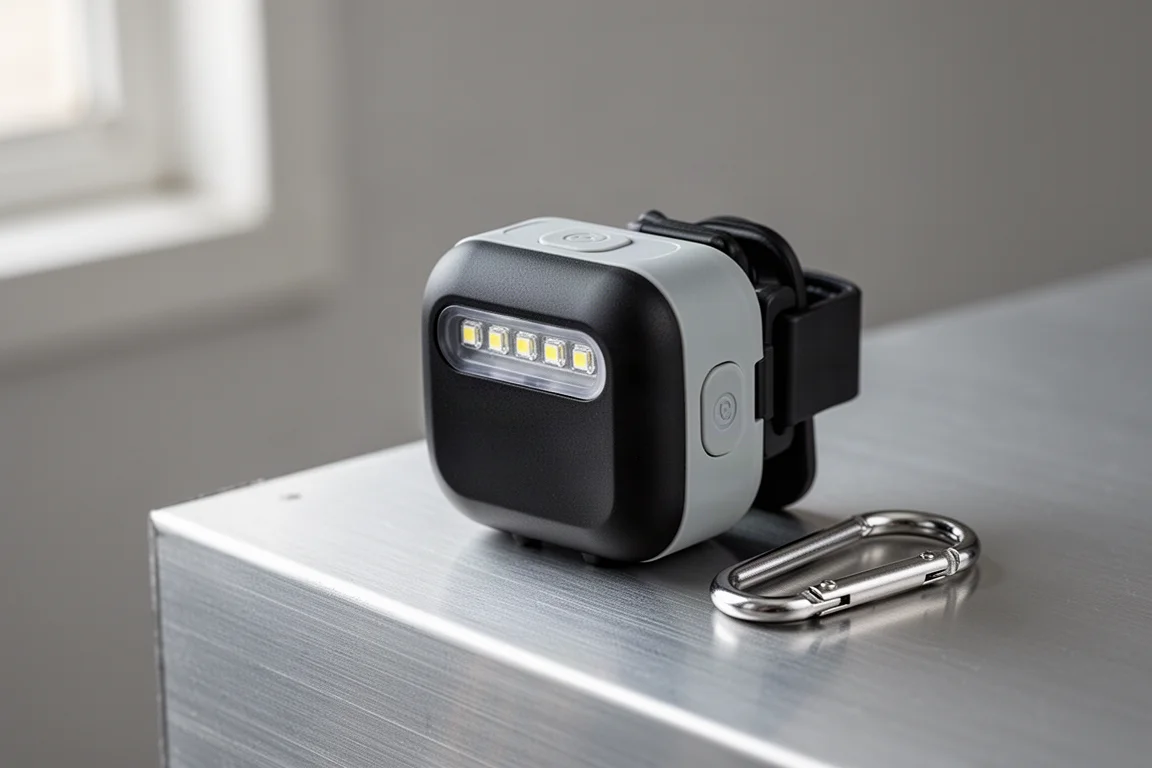
The Capon 40B is a clip-on light that attaches to the brim of a hat instead of using a headband. The main body has a flashlight beam and a red front light, and the detachable mini unit on top works as a dimmable lantern that can be clipped to a tent loop. That combination covers close-range tasks around camp as well as overhead lighting inside a shelter.
Nitecore NU21
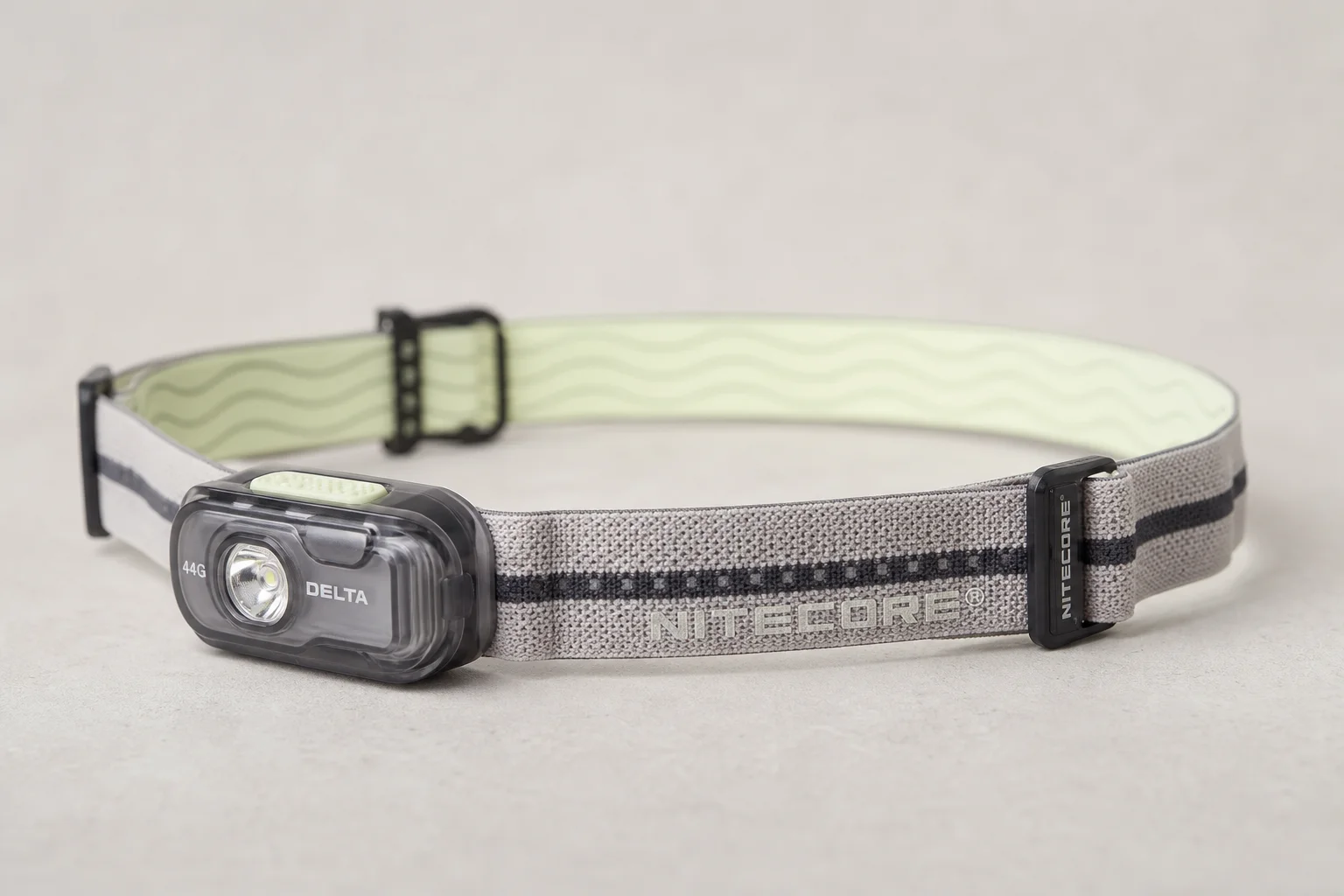
The NU21 is the lighter, lower-cost option in this pair, with lower maximum output and an elastic headband. For hikers who mainly carry a headlamp as a safety item and rarely switch it on, the reduced weight and price make more sense than a brighter model.
Nitecore NU25
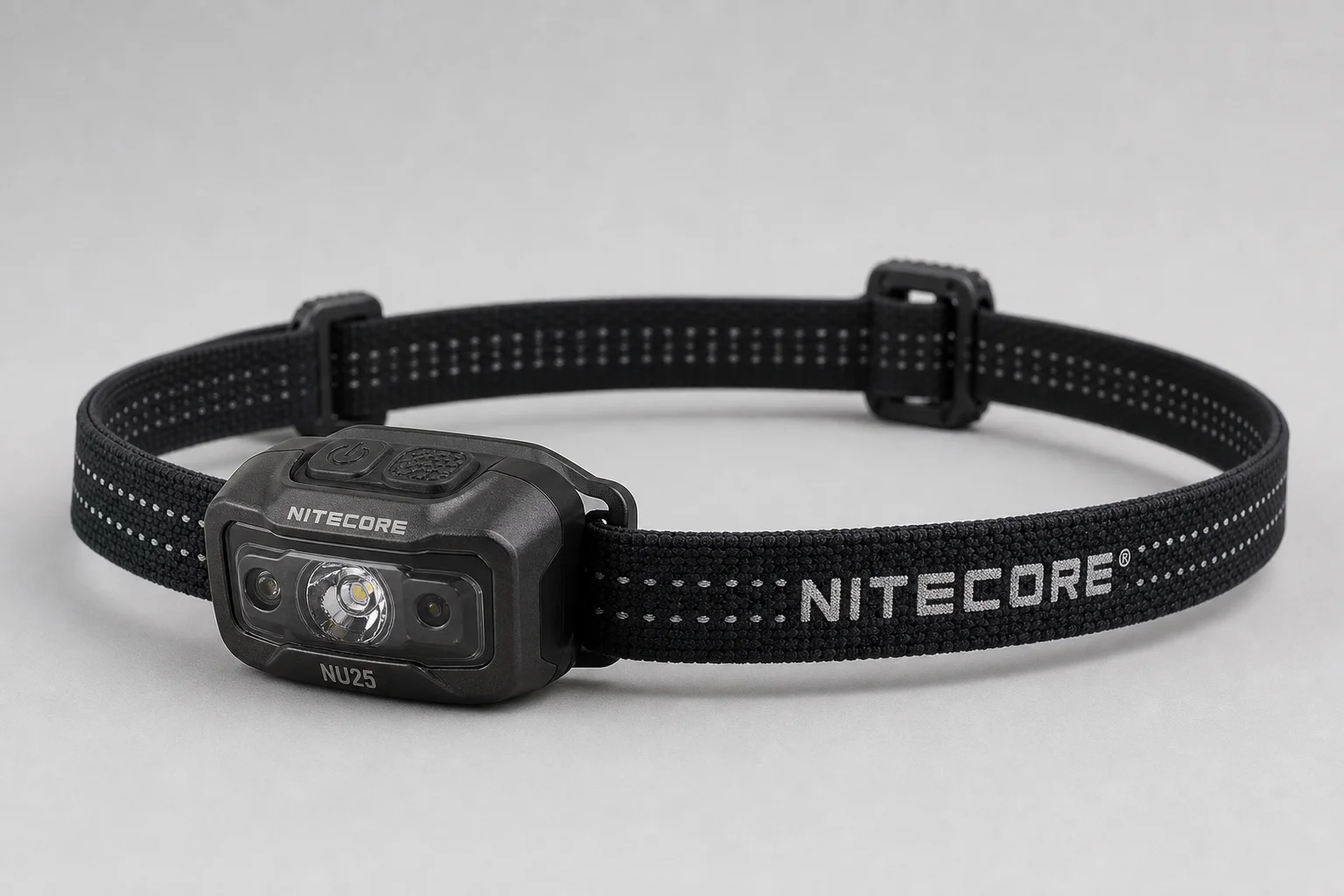
The NU25 is the better known of the two and remains a popular choice. It offers more output and costs more than the NU21, so it suits hikers who actually use a headlamp for early starts, late finishes, or night hiking.
Power Banks and Charging
Phone photography, video, and navigation all draw on the same battery. A power bank is what keeps that battery alive, and capacity should match how the phone is used. A few short cords and small adapters matter just as much, because they let one cable type cover several devices.
Nitecore Carbo 20000
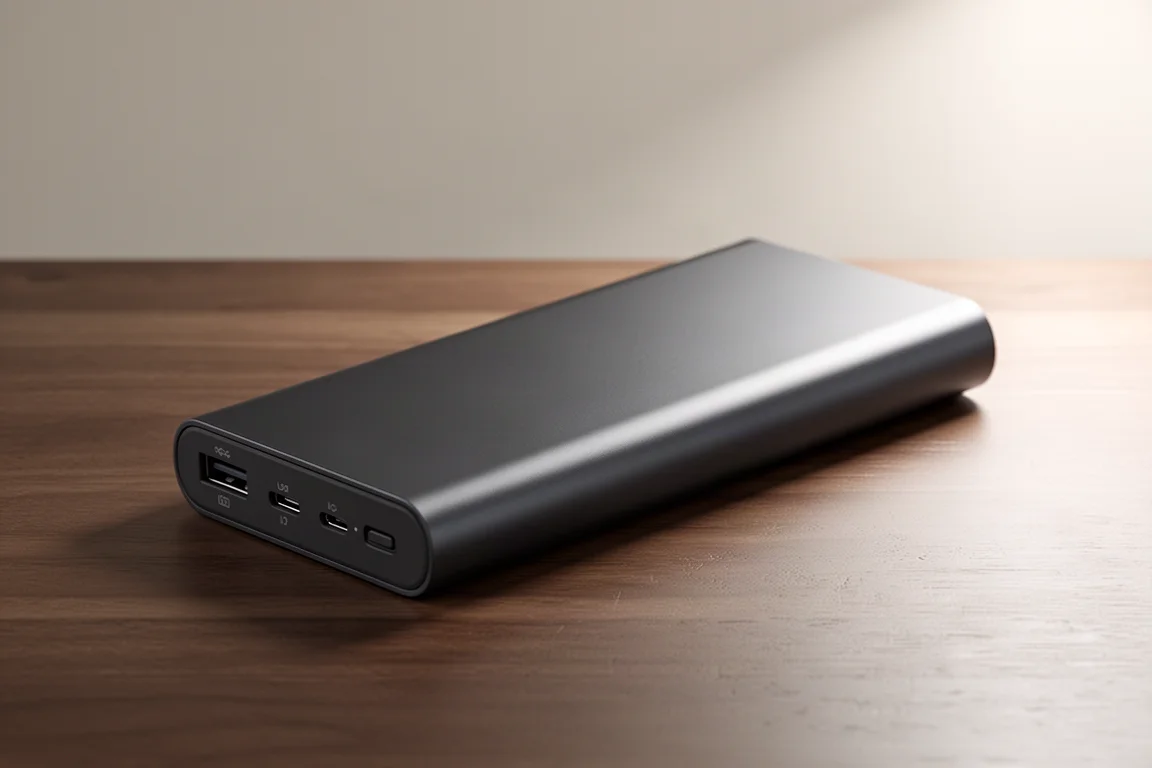
The Carbo 20000 is a 20,000 mAh power bank with a compact body, quick charging, and solid build quality. It is the right pick for trips where the phone is used heavily for photos, video, or navigation. It costs more than many competing banks, but capacity and size are the trade-off.
Nitecore Summit 10000
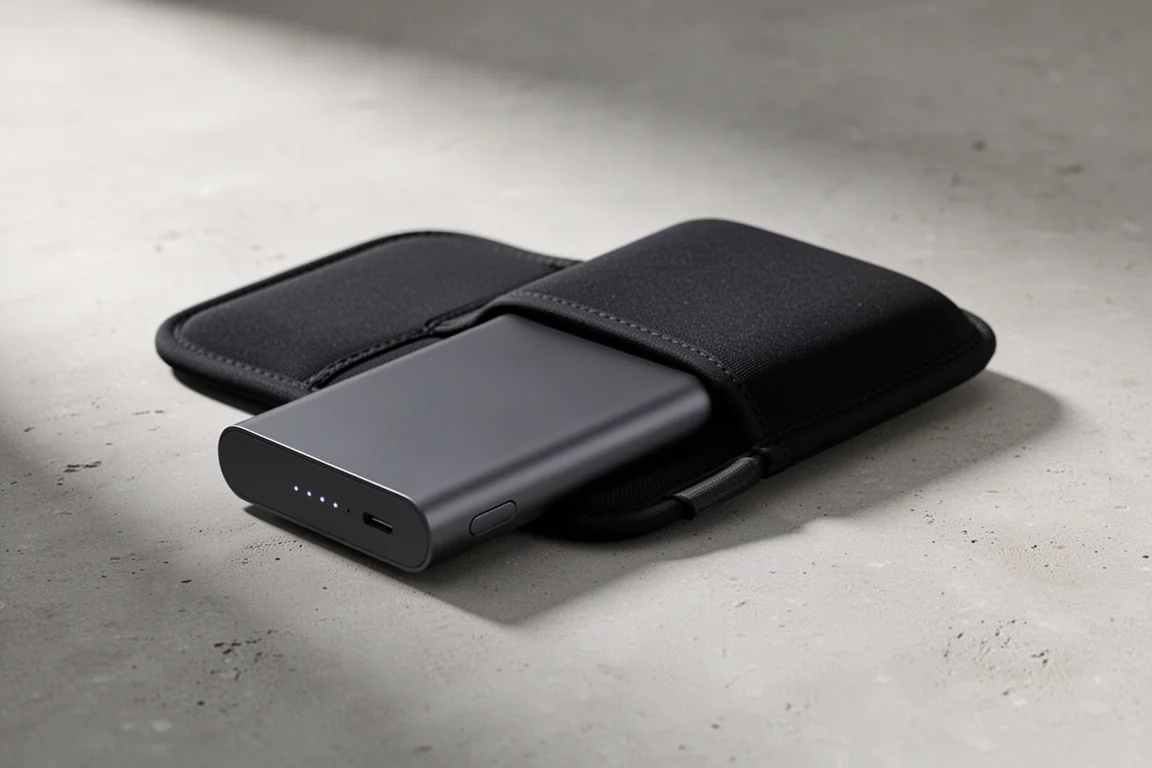
The Summit 10000 is a 10,000 mAh bank built to work better in cold conditions. Cold weather is where power banks typically lose the most performance, so this is the one to reach for on shoulder-season and winter trips.
Nitecore NB10000 Gen 2
The Gen 2 version of the NB10000 pairs a 10,000 mAh capacity with both USB-A and USB-C ports. That mix is handy for older accessories and cables, and it means fewer adapters are needed when the rest of the kit is not USB-C only.
Nitecore NB10000 Gen 3
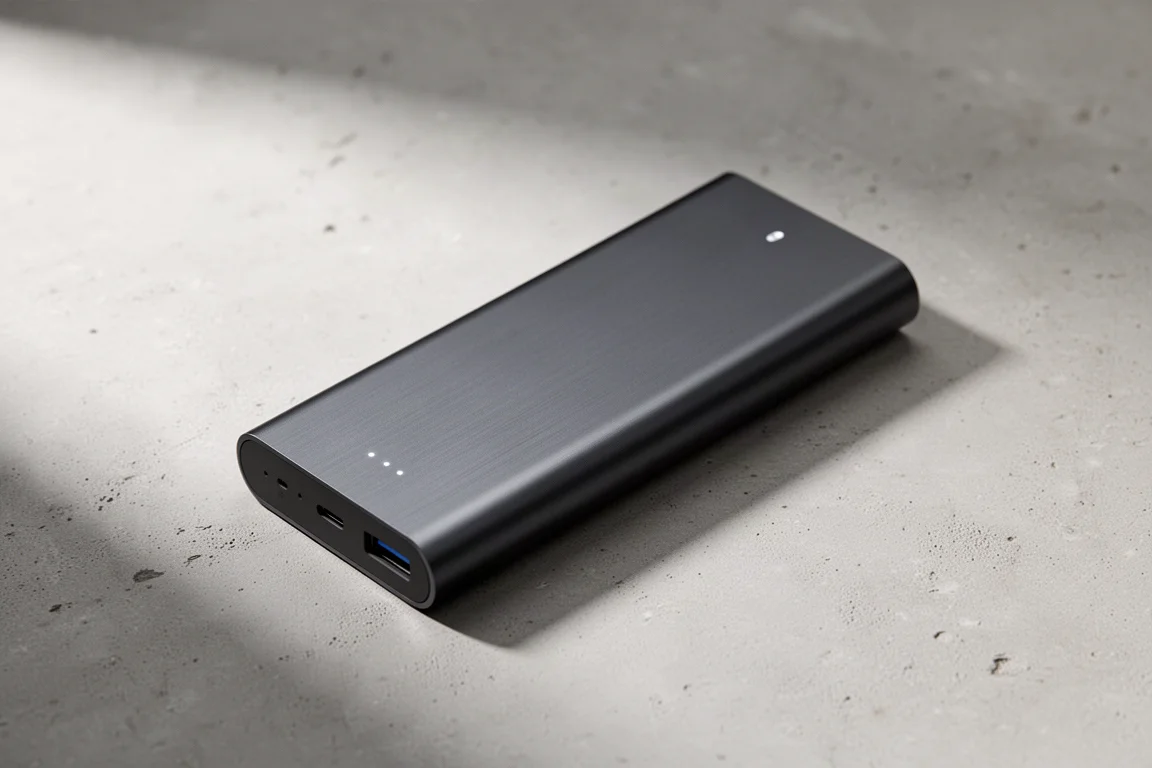
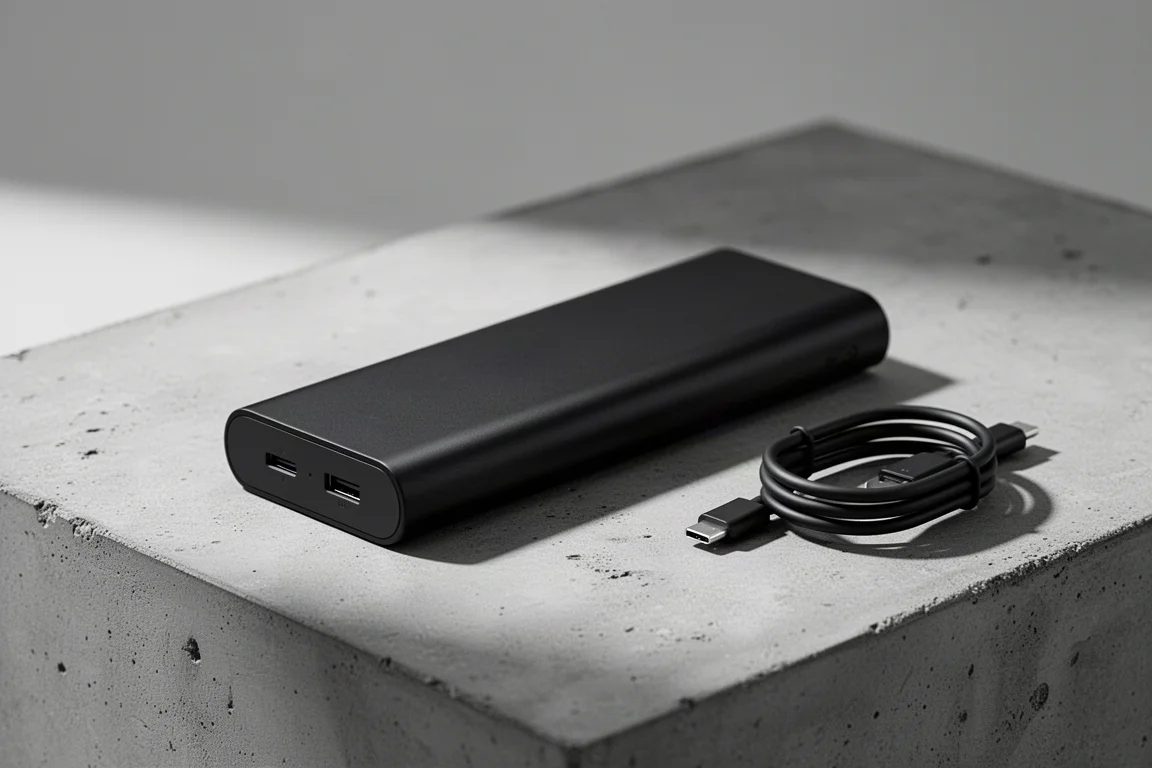
The Gen 3 NB10000 keeps the same 10,000 mAh capacity but moves to USB-C for both input and output. The upside is a single cable for charging and discharging, while the trade-off is that older USB-A cables need a small adapter.
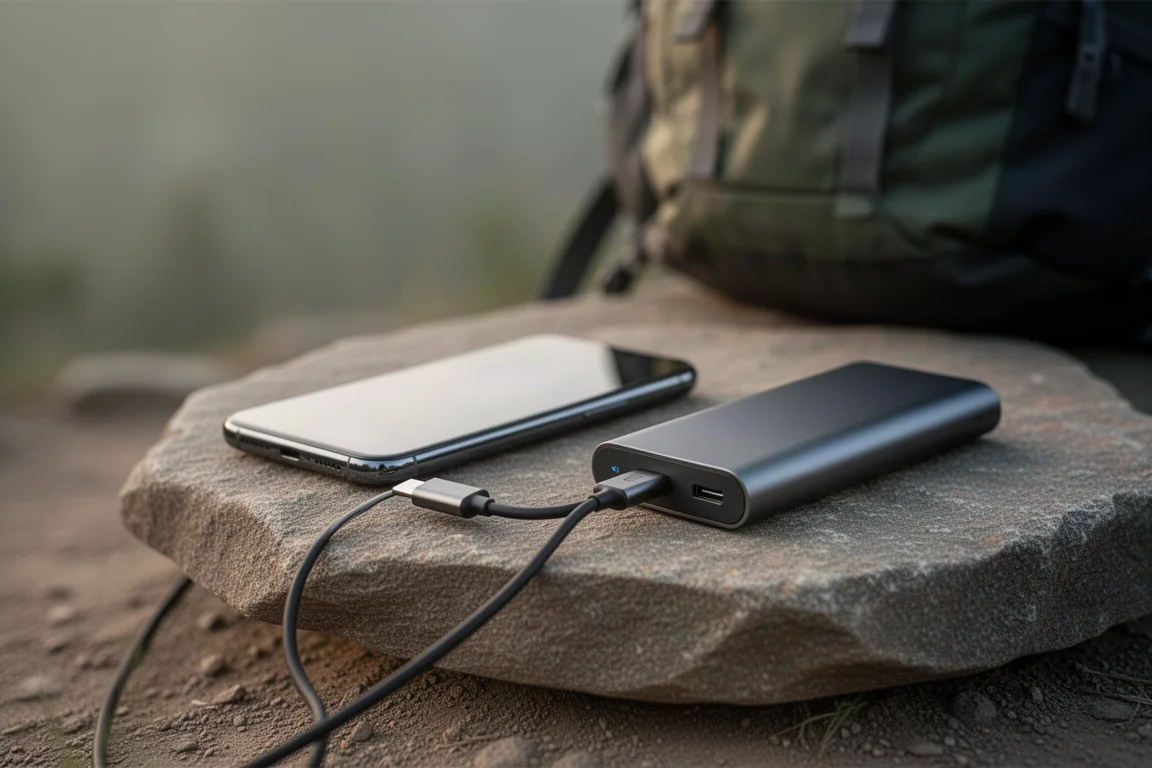
If most of the kit has already moved to USB-C, the Gen 3 is the simpler of the two to pack, and short stubby USB-C cables keep the whole setup tidy.
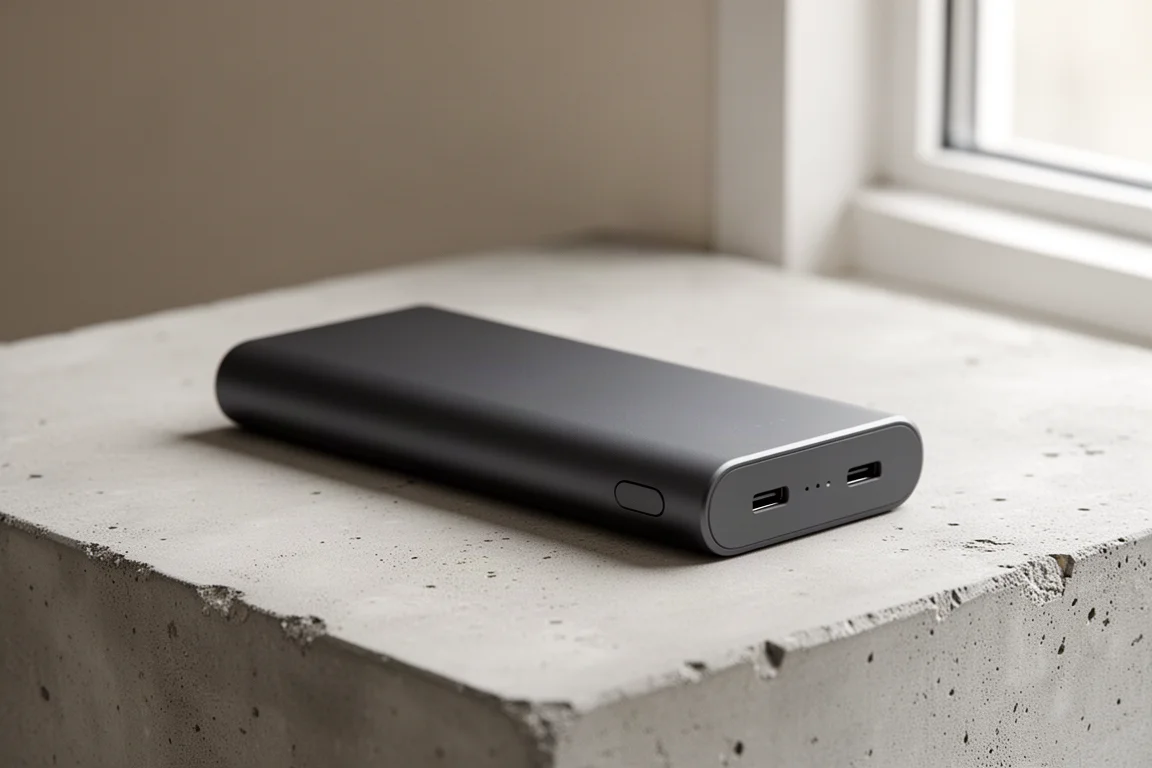
Nitecore NB Air
The NB Air is the smallest bank here at 5,000 mAh. It is the one to carry when the goal is simply keeping a phone topped up on a short trip, and it disappears into a pocket alongside the rest of the electronics.
Trail Hygiene and Odds and Ends
The last group covers the items that keep a trip comfortable rather than safe. A pocket knife, sunscreen, a toothbrush and toothpaste, a lighter, and a few strong rubber bands all fit this category, and each one solves a small problem that becomes annoying over several days.
Sawyer Picaridin
Picaridin repellent is a good fit for backpacking because it does not damage waterproof gear the way some formulas can. Buying it in bulk and decanting into a small bottle keeps the carried volume low while still covering a full trip.
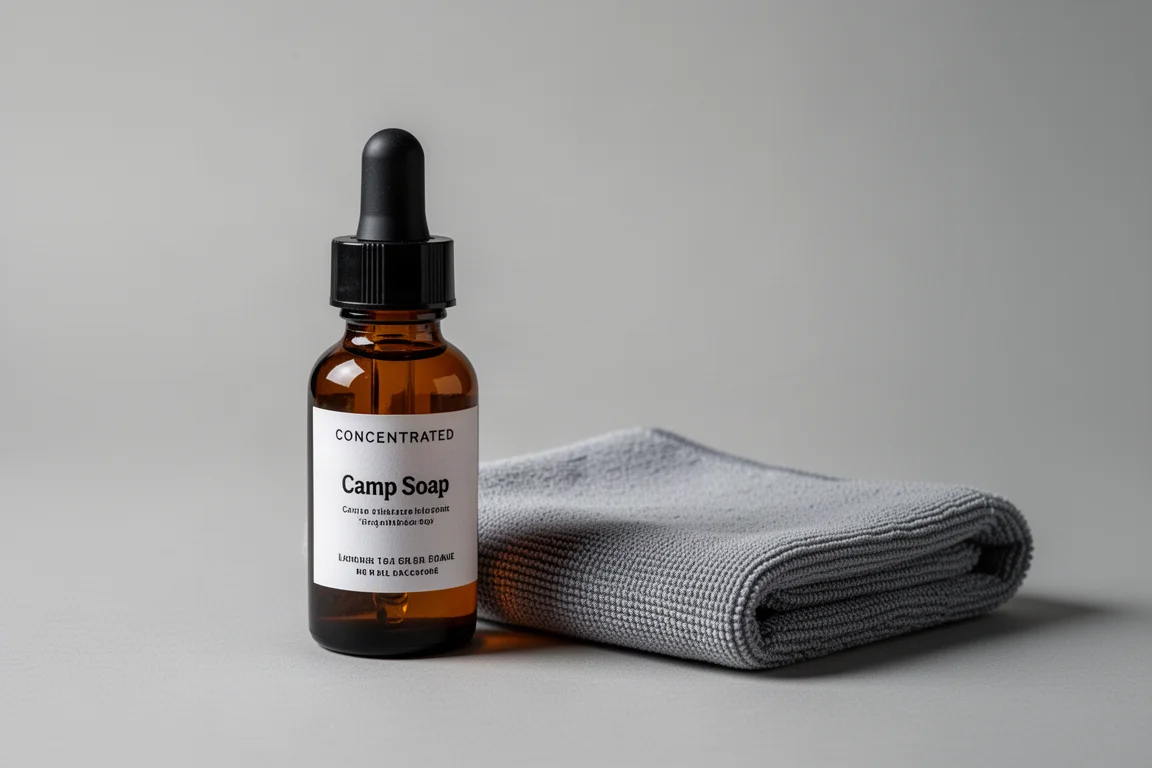
PAH Outdoors Summit Suds
Summit Suds is a concentrated camp soap for washing hands and cleaning up in the field. It is most useful when chafing or grime needs managing mid-trip, since clean skin heals faster than skin that stays dirty and irritated.
HumanGear Stax
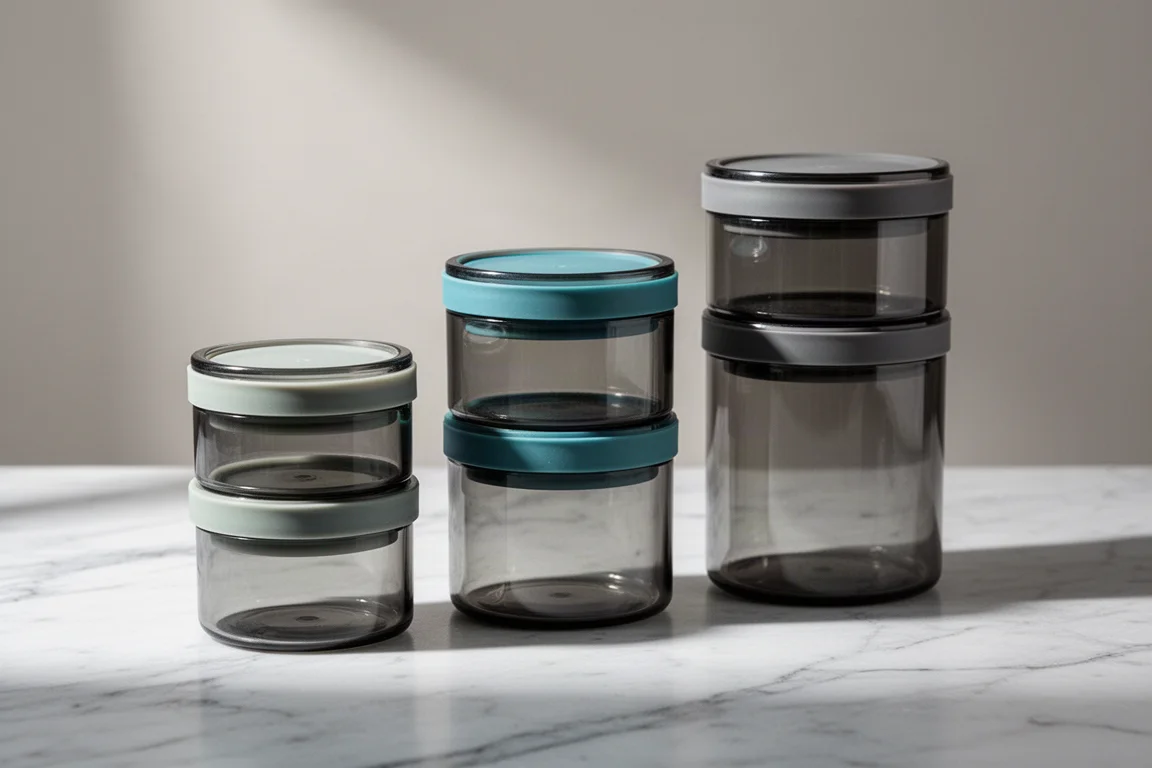
Stax containers are a small luxury rather than an essential. A silicone gasket helps them carry liquids such as olive oil for real cooking, or medicine, and the containers separate and clip together for flexible packing. They come in small, medium, and large sizes.
Buying Advice
Start with the problems you have actually run into. A hiker who has torn a jacket on a branch will use repair patches, while a hiker who has never had a blister may not need a full blister kit. Small items are cheap enough to test one at a time, and the ones that prove useful on a trip tend to stay in the pack permanently.
Weight adds up, so it is worth reviewing the kit once a season. Items that have not been used in a year can usually be left behind, while anything that saved a trip should be replaced as soon as it runs out.
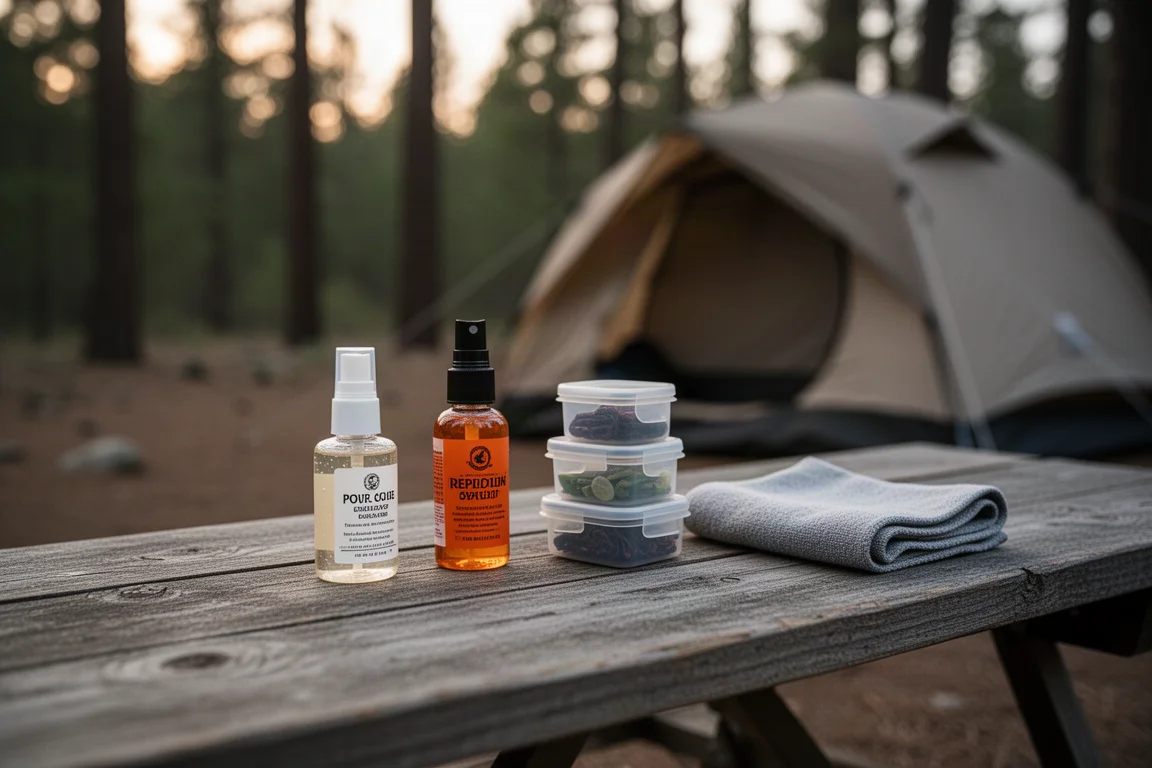
Buying in bulk and decanting is one of the simplest ways to cut both cost and weight. Soap, repellent, and ointment all work well in small refillable bottles, and that approach keeps the carried size genuinely pocket friendly.
Conclusion
Pocket-sized gear earns its place by solving specific problems without adding meaningful weight. The strongest picks here cover repair, blister care, navigation, lighting, power, and hygiene, and each one is small enough to carry without thinking about it. Choose the items that match the trips you actually take, test them on a short outing, and build the kit from what proves useful.
Further reading
Related Reviews

Backpacking Gear
Building a 10 lb Base Weight: An Ultralight Backpacking Gear List
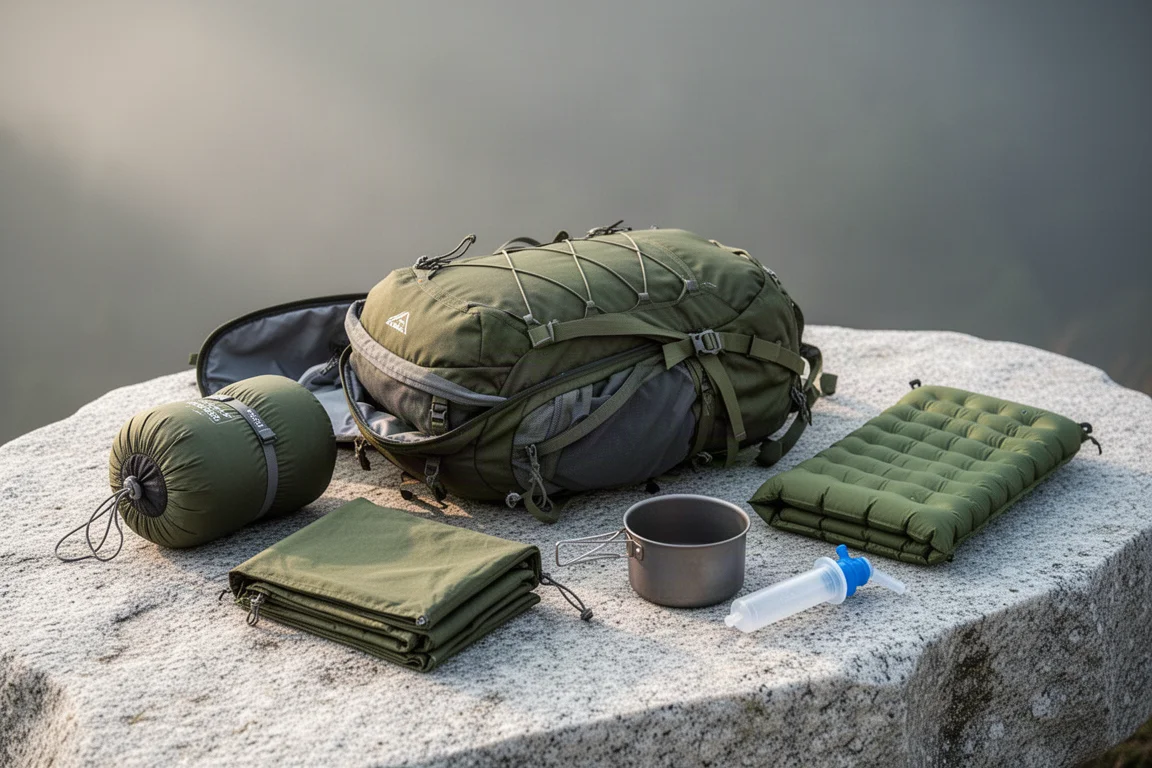
A practical walkthrough of the ultralight pieces behind a 10 lb base weight, from a 765 g pack and a roomy one-person tent to a full camp chair and a dependable water filter.
Backpacking Gear
A 15-Pound Lightweight Backpacking Gear List for Solo Trips
A beginner-friendly 15-pound backpacking setup built from easy-to-find gear, with notes on what each piece does, how it packs, and where to spend your attention.
Backpacking Gear
8 Ultralight Backpacking Gear Upgrades Worth Carrying
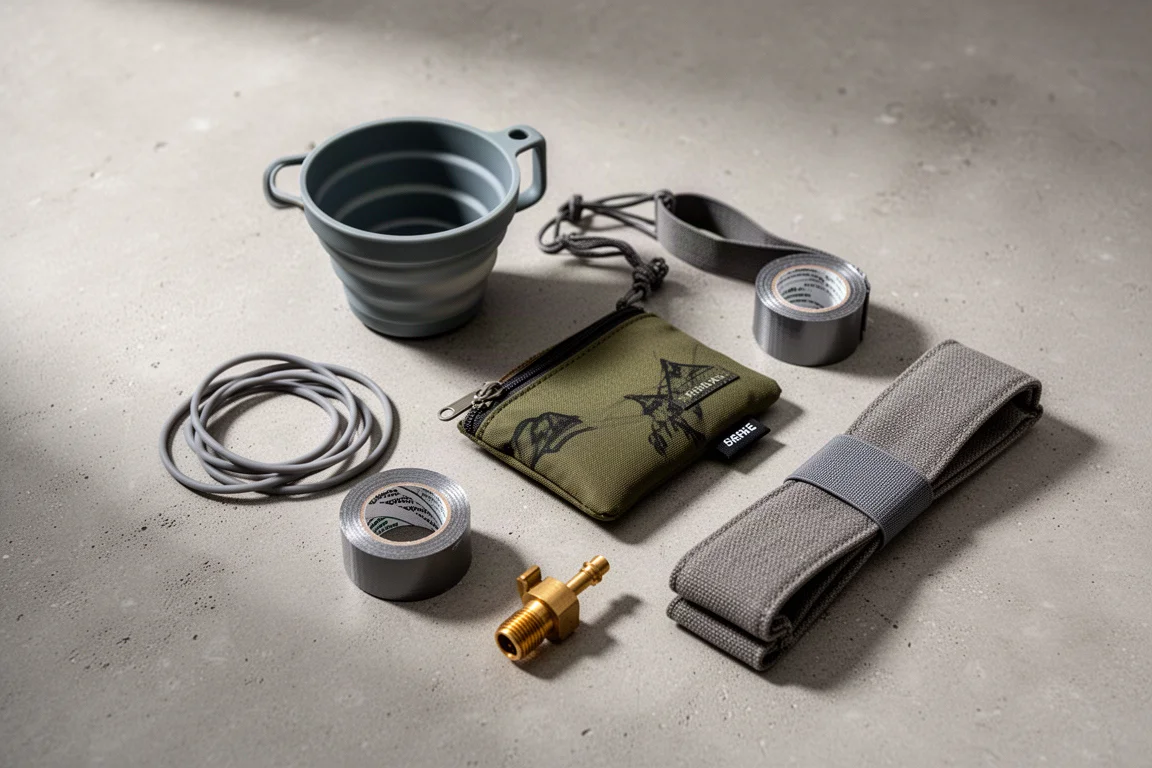
Eight small, affordable backpacking upgrades that solve real trail annoyances, from a pillow that stays put to a fuel valve that rescues leftover canister gas.