Aviation
Top Personal Rotorcraft You Can Buy Now: Gyroplanes and Kit Helicopters Worth a Look
From the AR-1 gyroplane to the turbine-powered Mosquito XET, five kit-built rotorcraft with real specs, prices, and build paths.
Introduction
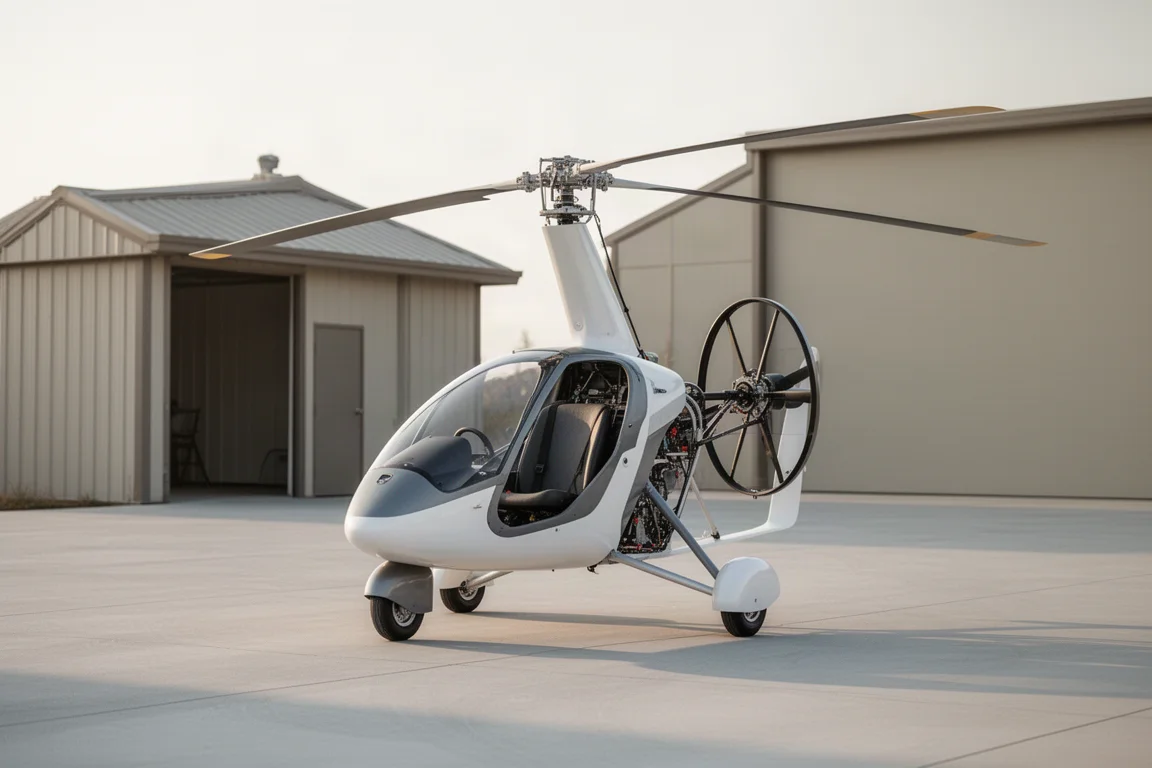
If you prefer your wings spinning overhead, the kit rotorcraft market has quietly become one of the most interesting corners of personal aviation. From gyroplanes that cannot stall or spin, to single-seat ultralight helicopters, to a genuine turboshaft machine, there is now something for nearly every budget and build ambition.
This roundup covers five machines currently available: the Silverlight Aviation AR-1 gyroplane, the Rotor X Phoenix A600 Turbo helicopter, and three models from the Composite FX Mosquito family.
How a Gyroplane Flies
Before comparing the aircraft, it helps to understand what makes a gyroplane different. Unlike a helicopter, a gyroplane’s rotor blades are not connected to the engine except during pre-rotation just before takeoff. The blades auto-rotate as they travel through the air under load, so the engine does not need to be in control for the machine to fly.
In the event of an engine-out, a gyroplane simply starts to lose altitude and can land with almost zero roll, touching down gently and coming safely to a stop. It needs roughly three to six hundred feet for takeoff, and even less for landing.
Gyroplanes cannot stall or spin, even at zero indicated airspeed. The controls stay responsive when losing altitude behind the power curve, and you remain in command with the ability to fly out of it. They fly slowly, handle strong wind and midday turbulence with comfort and ease, and are compact enough to stow in a relatively small hangar or garage.
Silverlight Aviation AR-1 Gyroplane
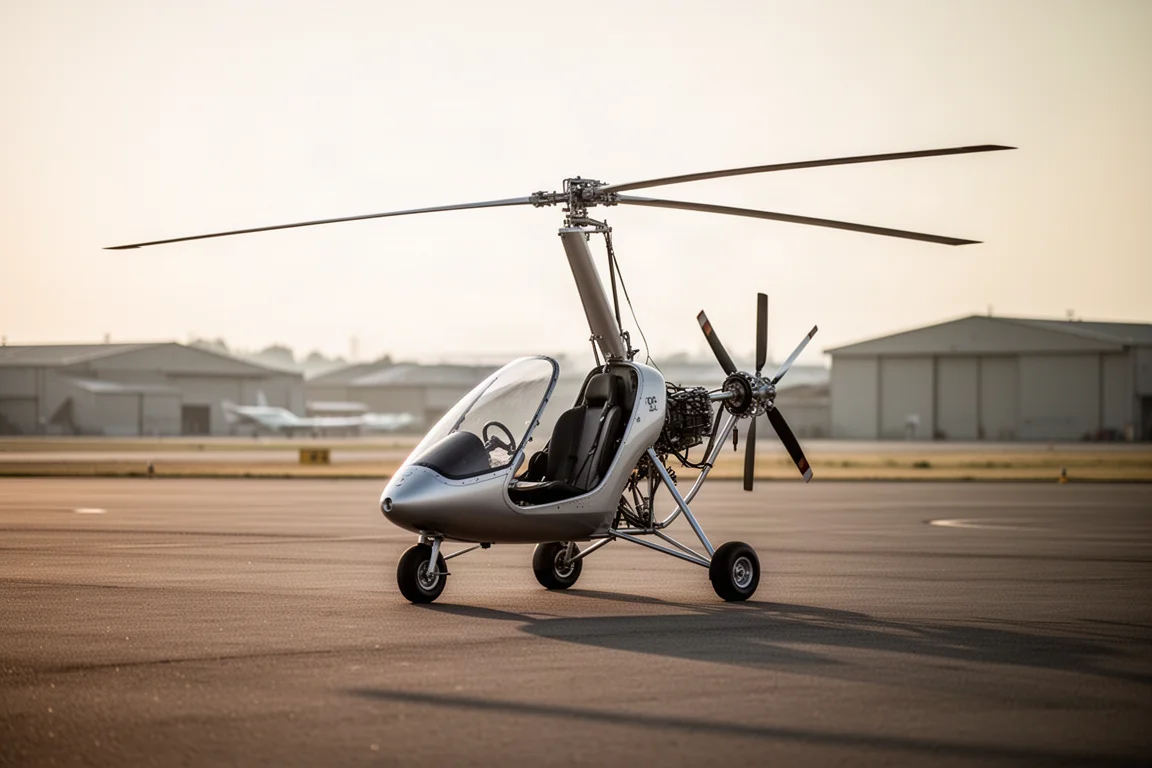
Silverlight Aviation, maker of the American Ranger One (AR-1) gyroplane, is currently based at Zephyrhills Municipal Airport in Central Florida. The AR-1 also has a convertible variant, the AR-1C, offering a choice between a fully enclosed canopy or a pair of windshields. That is a rare option in this class and price range, letting you fly with a semi-open cockpit in warm months or with a fully enclosed canopy and cabin heat in winter.
Specs vary with engine choice. Empty weight using the Rotax 912 through 915 range runs from 646 to 697 pounds, and gross weight ranges from 1,200 to 1,260 pounds depending on the engine. Cruising speed is generally between 55 and 100 mph. The basic builders kit starts at $39,500.
Rotor X Phoenix A600 Turbo
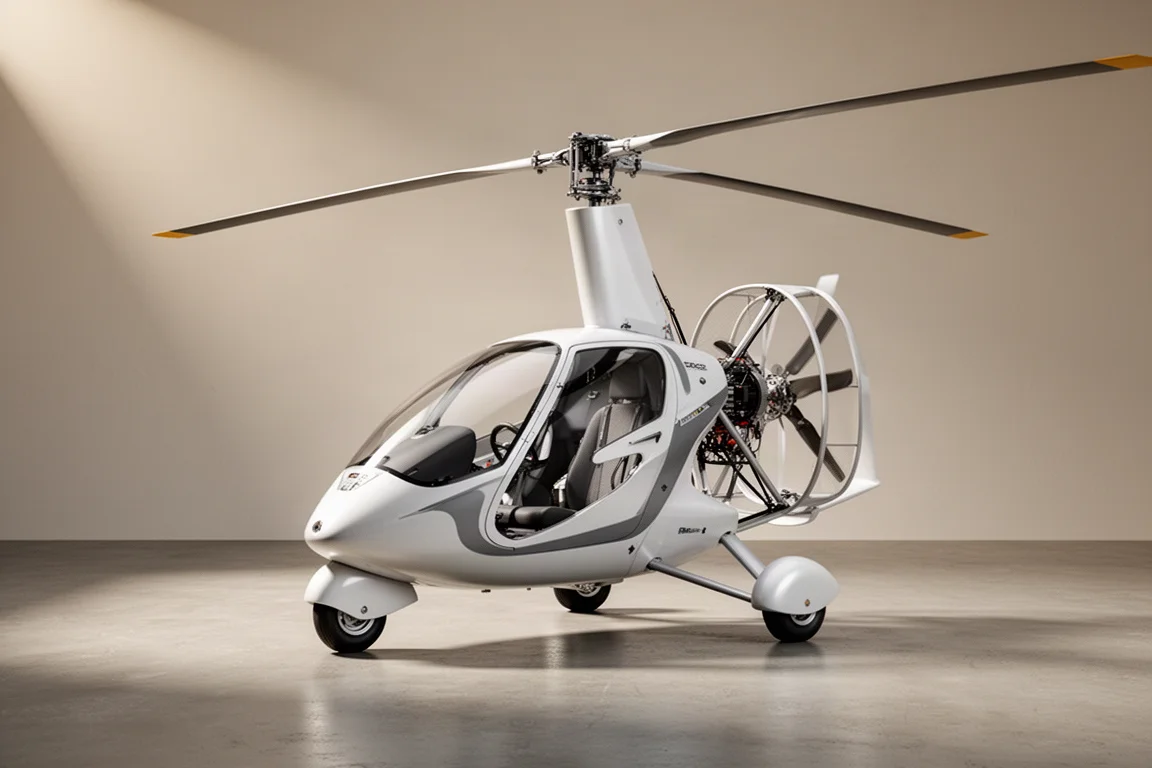
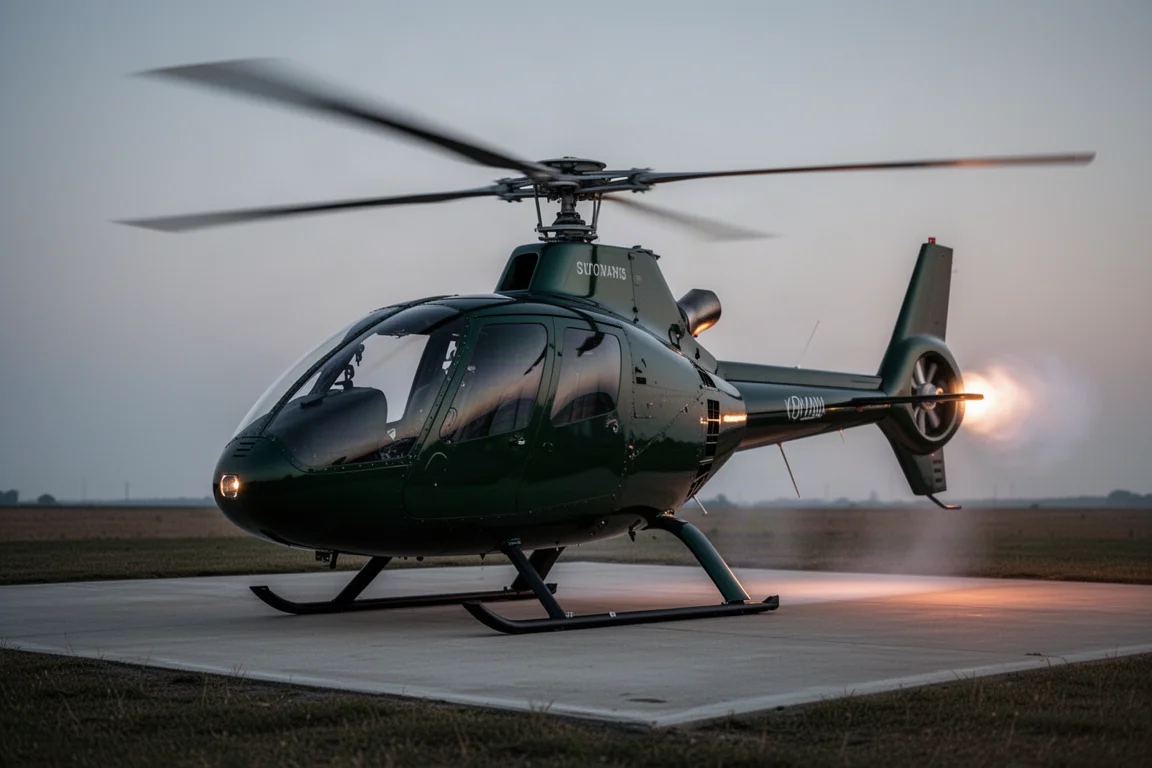
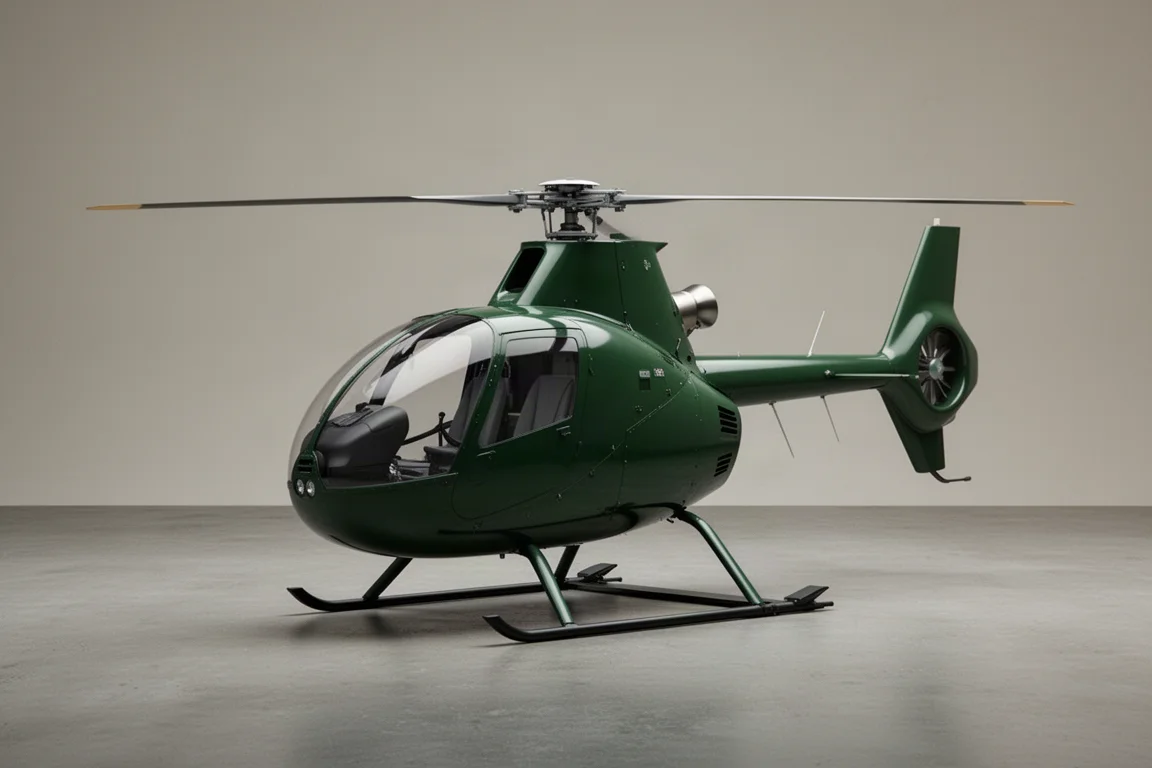
Rotor X Aircraft, located in Chandler, Arizona across from Stellar Air Park, manufactures the popular Phoenix A600. Although Rotor X is not affiliated with Rotorway helicopters, the company continues to support the roughly 2,500 existing Rotorway helicopter owners worldwide with parts and maintenance.
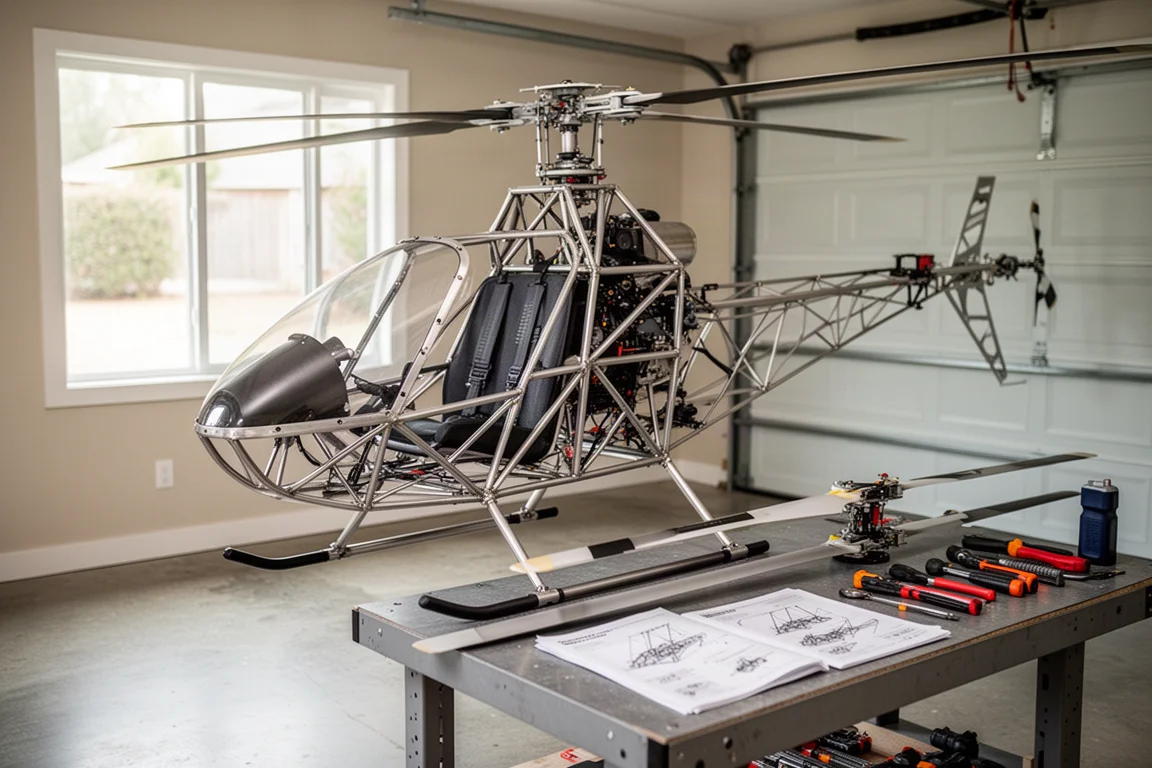
The classic Phoenix A600 Turbo kit starts at $115,000. It features a 168-horsepower turbocharged, water-cooled engine with a cruise speed of about 95 mph and a max speed of 115 mph. It carries 17 gallons of fuel for a 170-mile range, with an 11,500-foot service ceiling and a 655-pound useful load.
The new premium Phoenix A600 Turbo goes for $124,000 and includes a 180-horsepower turbocharged engine, with the same 95 mph cruise, 115 mph max speed, 11,500-foot ceiling, and 655-pound useful load.
This is a self-build kit organized into four construction groups. Group one includes the 4130 chromoly steel airframe, tail boom, landing gear, engine mount, and cyclic and collective, with a suggested build time of four to six months. Group two covers the rotor system, main shaft assembly, hardware, battery, and body components, estimated at two months. Group three is the secondary drive system, tail rotor drive, engine cooling, cog belt system, and oil system, also two months. Group four is final assembly: main rotor blades, engine, and turbo (a Fadec system), with optional upgrades adding two months. All told, you can be flying in about 12 months.
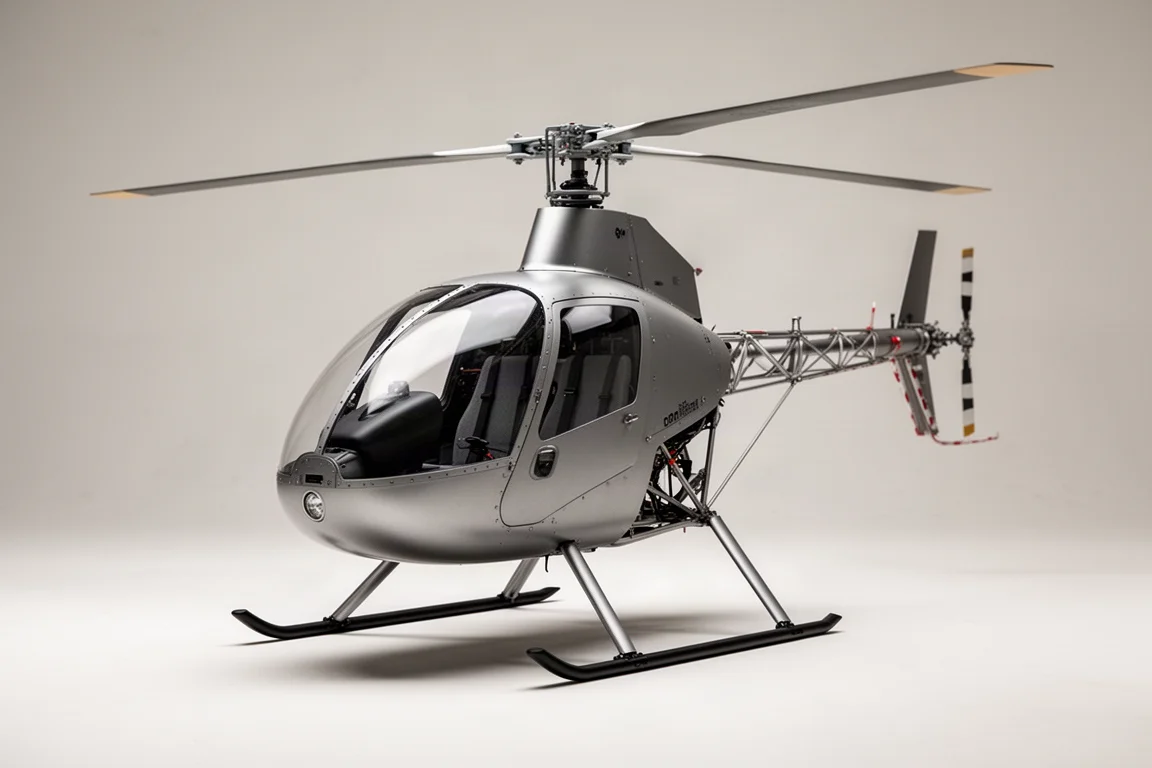
Composite FX Mosquito XEL
The Composite FX Mosquito is one of the most searched personal helicopters online today, spanning two-stroke-powered models all the way to the turbine-powered XET, with an all-electric concept also under exploration for several applications. Composite FX has built four models of the XC platform, and over 400 kits in various versions have been delivered, either factory finished or in kit form. The single-seat platform has accumulated tens of thousands of flight hours, countless testimonials, and an enthusiastic owners group.
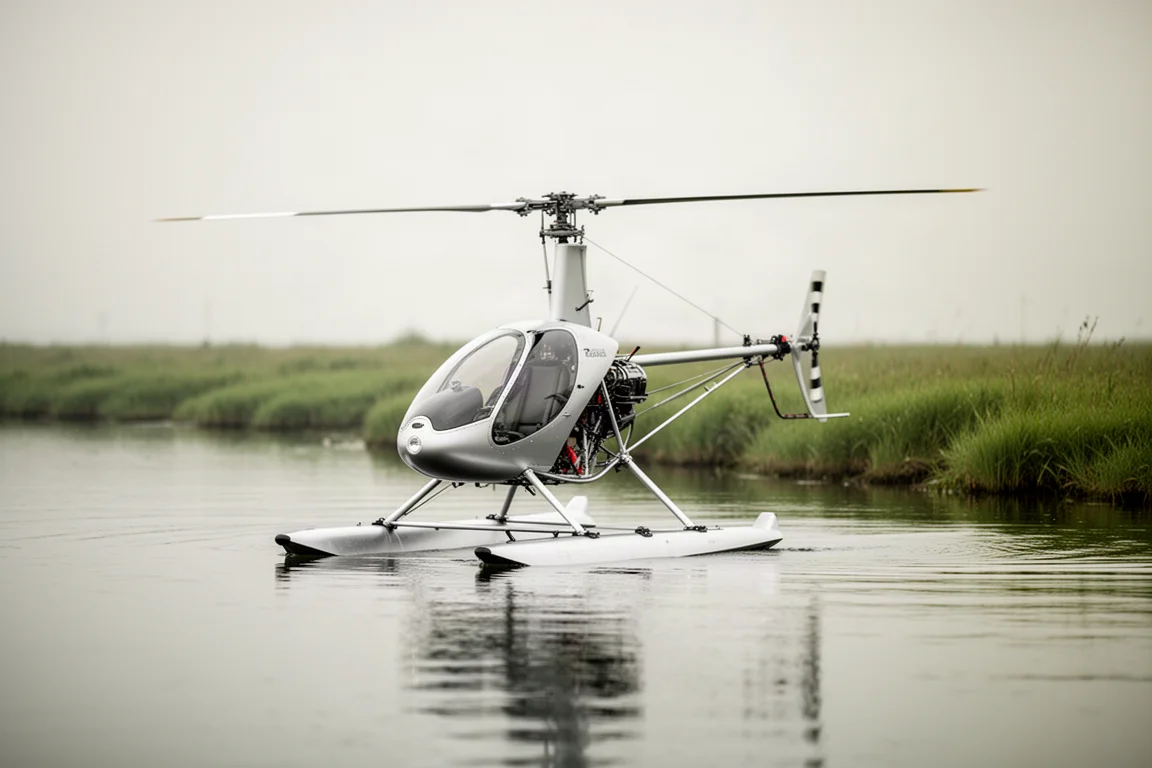
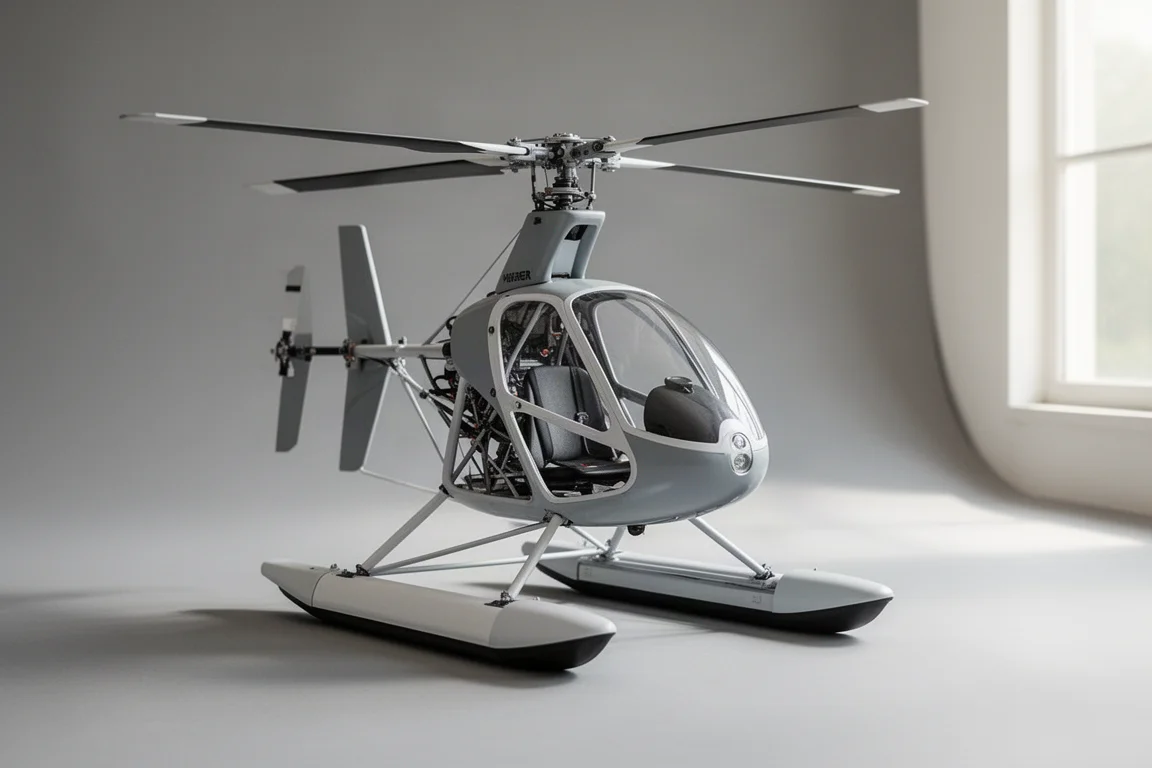
The XEL qualifies as an ultralight aircraft in the United States under Part 103 of FAA regulation. Powered by an MZ-202 engine and equipped with floats, it weighs in at 312 pounds. The kit starts at $47,000, and factory finished is $60,000 plus options.
Composite FX Mosquito XC 290
The XC 290 is the workhorse of the Mosquito family. It is a piston-powered experimental helicopter with a water-cooled, oil-injected, fuel-injected 800cc engine producing 90 horsepower and electronic programmable ignition. Years of development went into the transition from the smaller air-cooled engine to this powerplant. At 7,000 RPM, the engine is running at only half of its potential, which points to extended service life and dependability.
Fuel consumption on 93 octane is about 7 gallons per hour, delivering exceptional economy, range, and performance. The XC 290 starts at $55,000 as a kit, or $70,000 factory finished.
Composite FX Mosquito XET
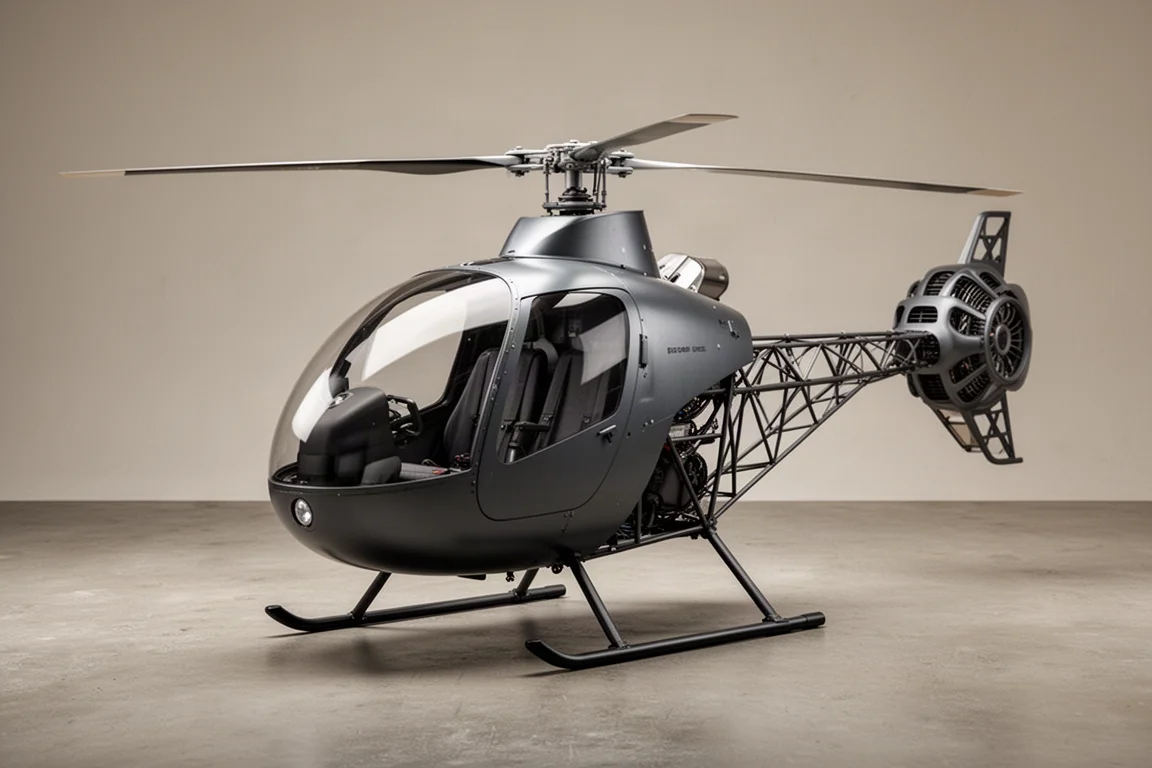
The XET is the flagship of the XC models, powered by a modified T62-T2A Solar turbine engine. It sounds as impressive as it looks, with the quintessential turbine whine, and it runs on Jet A fuel. It is very powerful too, delivering a steady 95 horsepower.
The XET kit starts at $60,000, with factory finished at $77,000, engine not included at that price.
Buying Advice
Choosing between these machines comes down to how you want to fly. If you value forgiving flight characteristics, slow-speed handling, and minimal storage needs, the AR-1 gyroplane is the most approachable entry point at $39,500 for the basic kit. If you want a two-seat, enclosed helicopter with turbine-like performance from a turbocharged piston, the Phoenix A600 Turbo is the premium pick, though it demands the biggest investment and roughly a year of building.
Among the Mosquito models, the XEL is the only one that qualifies as an ultralight under Part 103, which makes it especially appealing for US-based pilots who want minimal regulatory overhead. The XC 290 offers the best balance of power and economy for serious utility flying, while the XET is the dream machine for anyone who wants the sound, smell, and power of real turbine flight.
Conclusion
Kit rotorcraft have matured into a genuinely accessible path to personal rotary-wing flight. Whether you want the stall-proof simplicity of a gyroplane or the head-turning whine of a turbine helicopter, one of these five machines is likely to fit your mission and your budget. As always with experimental aircraft, do your training, follow the build instructions closely, and connect with the enthusiastic owner communities that surround each of these platforms.
Further reading
Related Reviews
Aviation
Aero Technics ACH 212 Solo Review: A Carbon Fiber Solo Kit Aircraft You Can Build Fast
A nearly 30-year-old Czech design still offered only as a kit: 90% carbon fiber, quick-release wings, a 350 to 400 hour build, and performance that surprises.
Aviation
Aeropilot: The 80% Scale Cessna-Style Light Sport Aircraft Winning Over Flight Schools
A full-carbon, two-seat light sport aircraft modeled after the Cessna 182, with a larger cabin, big climb performance, and fuel burn that flight schools love.
Aviation
Aeropro A22 and A32: Two Light Sport Aircraft Worth a Close Look
A side-by-side look at the Aeropro A22 and A32, covering performance, pricing, customization, and what buyers should know before ordering.