Outdoor Knives
Best Outdoor and EDC Knives 2026: Eight Blades Worth Carrying
Eight field-tested fixed blades and folders for hiking, backpacking and everyday carry, with honest notes on size, weight and trade-offs.
Introduction
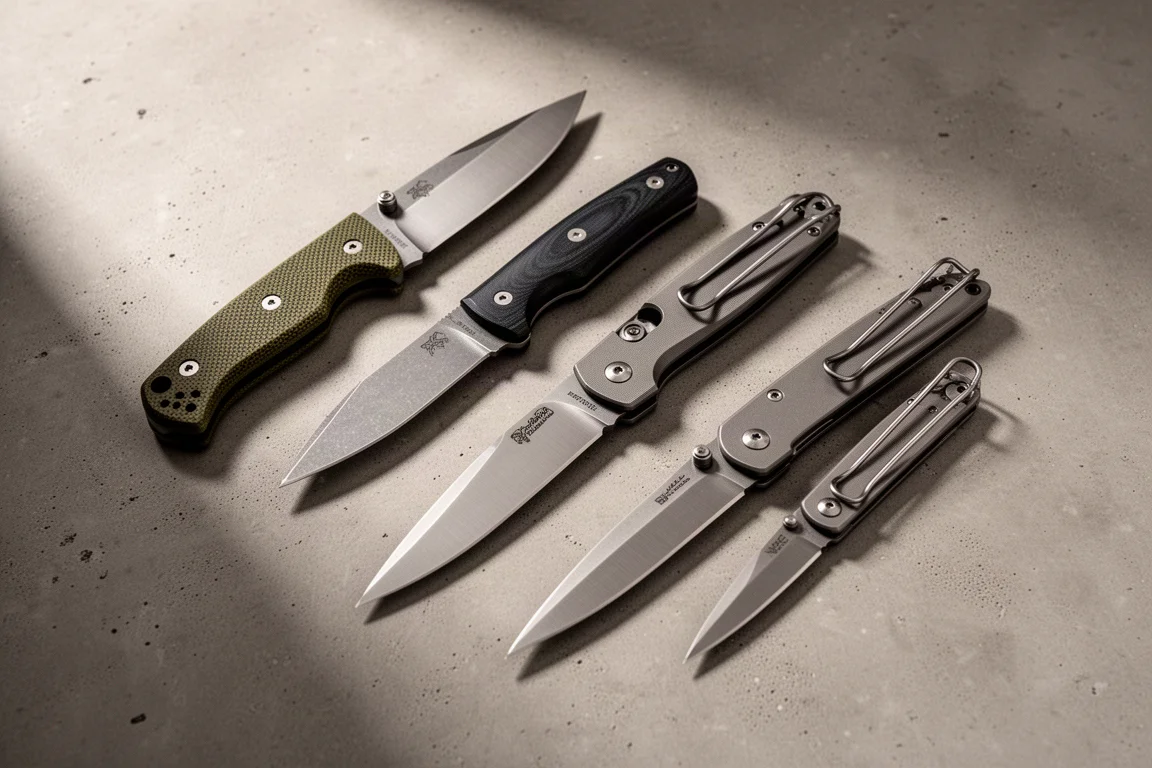
Some knives earn a place in a pack because they disappear into a pocket and still handle real work when they are needed. The eight blades below cover that spread: full-tang fixed blades for camp tasks, a compact hunter built around field dressing, and slim folders that live in a pocket every day. They range from budget-friendly picks to more expensive investments, and each one has a clear reason to be on this list.
This is a practical selection rather than a laboratory comparison. What matters most here is how a knife feels in hand, how it carries, and whether the blade shape suits the jobs it is likely to meet: prepping food, shaving tinder for a fire, breaking down a fish, or opening a box at a desk.
What to Look For in an Outdoor or EDC Knife
Blade steel is worth understanding at a basic level, but it is rarely the deciding factor. A knife priced anywhere from roughly sixty dollars to three hundred dollars tends to be a capable tool, and the difference between a good mid-range steel and a premium one shows up more in edge retention over long use than in day-to-day cutting.
Handle material matters more than most shoppers expect. Micarta scales, for example, provide a warm, grippy surface that stays comfortable during extended use and handles moisture well. Jimping, the small notches cut into the spine or handle, adds control when fingers are wet or when a cut needs to be precise.
The next decision is fixed versus folding. A fixed blade with a full tang is the stronger, simpler tool and the better choice for batoning or heavy camp work. A folding knife with a pocket clip is easier to carry every day and, in a lightweight design, is often the blade that actually ends up in a pocket on a hike.
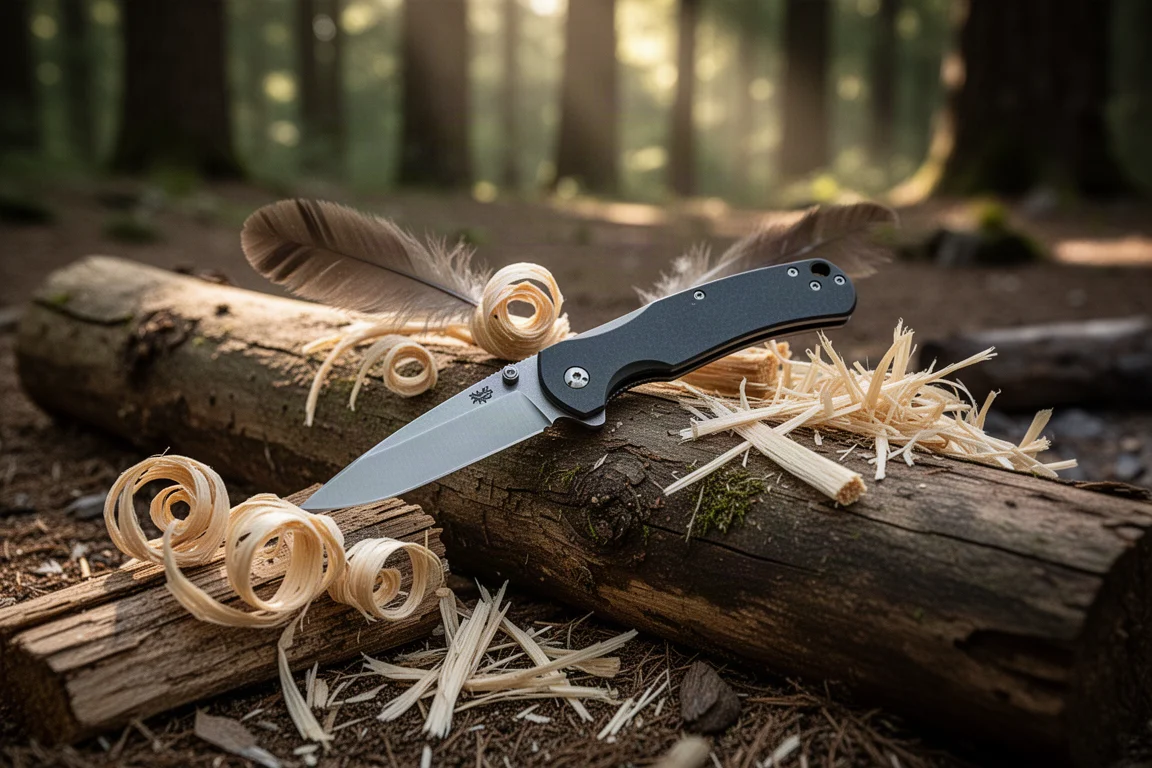
Finally, look at the spine. A rounded, polished spine is comfortable in the hand but offers very little edge to strike against a ferro rod, so it will not throw sparks well. If fire lighting with a striker is part of your routine, a squared spine matters more than an extra few dollars of steel.
Giant Mouse GM F2
The GM F2 is a fixed blade built around comfort. The full tang runs the length of the handle, the green micarta scales feel substantial without being bulky, and the rounded spine keeps the knife pleasant to hold for long stretches. It is a nicely designed, genuinely ergonomic tool.
The blade is a useful size for camp work. It handles food preparation, feather sticks for fire lighting, light batoning and gutting fish. There is jimping near the top of the handle that gives a finger a secure place to sit during wet, slippery jobs, and a lanyard hole at the back of the handle adds a little carry flexibility. Additional jimping along the back of the handle adds feel in the hand.
One trade-off is worth knowing before buying. Because the spine is rounded off rather than squared, there is no sharp edge to strike against a ferro rod, so this is not the knife to rely on for spark-based fire starting. Everything else about the package is aimed squarely at comfort and control during sustained outdoor use.
Benchmade Hidden Canyon Hunter
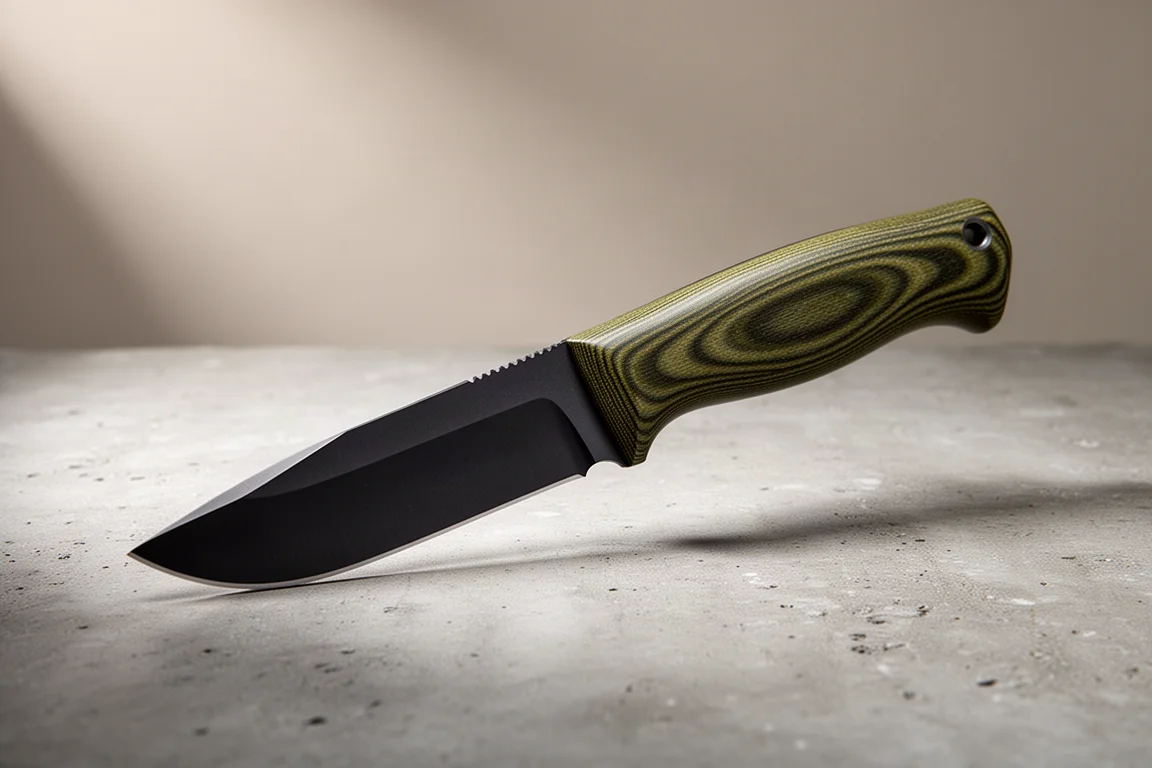
The Hidden Canyon Hunter is smaller and more specialized. It is a fixed blade with a shorter cutting edge in S30V steel and a little more belly than the GM F2, which makes it well suited to hunting tasks: breaking down an animal after a successful hunt and skinning it.
It is not a single-job knife, though. The same shape works fine for general camp chores, including prepping wood for a fire, which is how it tends to get used outside of hunting season. Buyers who want a compact fixed blade that stays useful in a pack will find it easy to justify, while anyone who needs a long cutting edge for heavy batoning should look at the larger fixed blade above.
Giant Mouse Nimbus V2
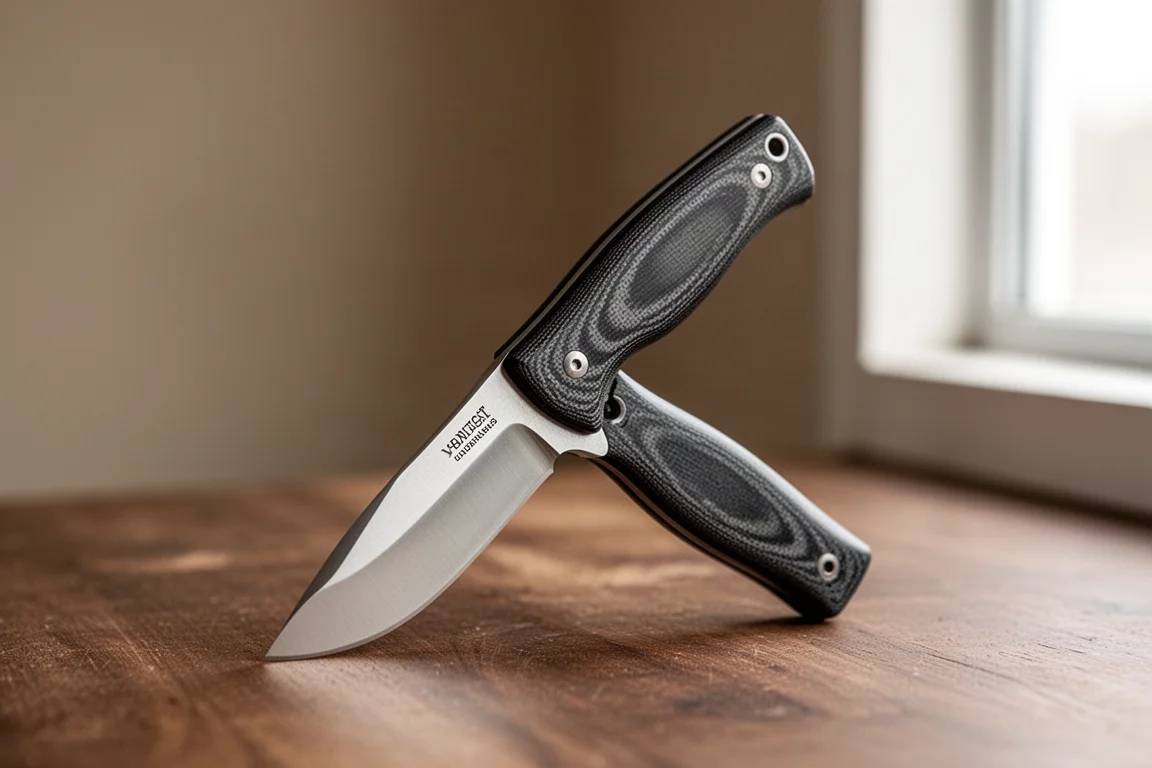
The Nimbus V2 is the second generation of Giant Mouse’s folder, and it is the knife here that has seen the most everyday carry use. Green micarta scales give it a warm, secure grip, and the wire-style pocket clip sits deep enough in a pocket that it stays out of the way without being a true deep-carry design.
Opening is handled by a hole in the blade rather than thumb studs. The action is smooth, and the blade has a generous belly that makes it useful for real slicing rather than just opening packages. The handle includes a finger choil on the left side that breaks up the line of the handle but provides a notch for the finger, and the liner lock closes from that same position.
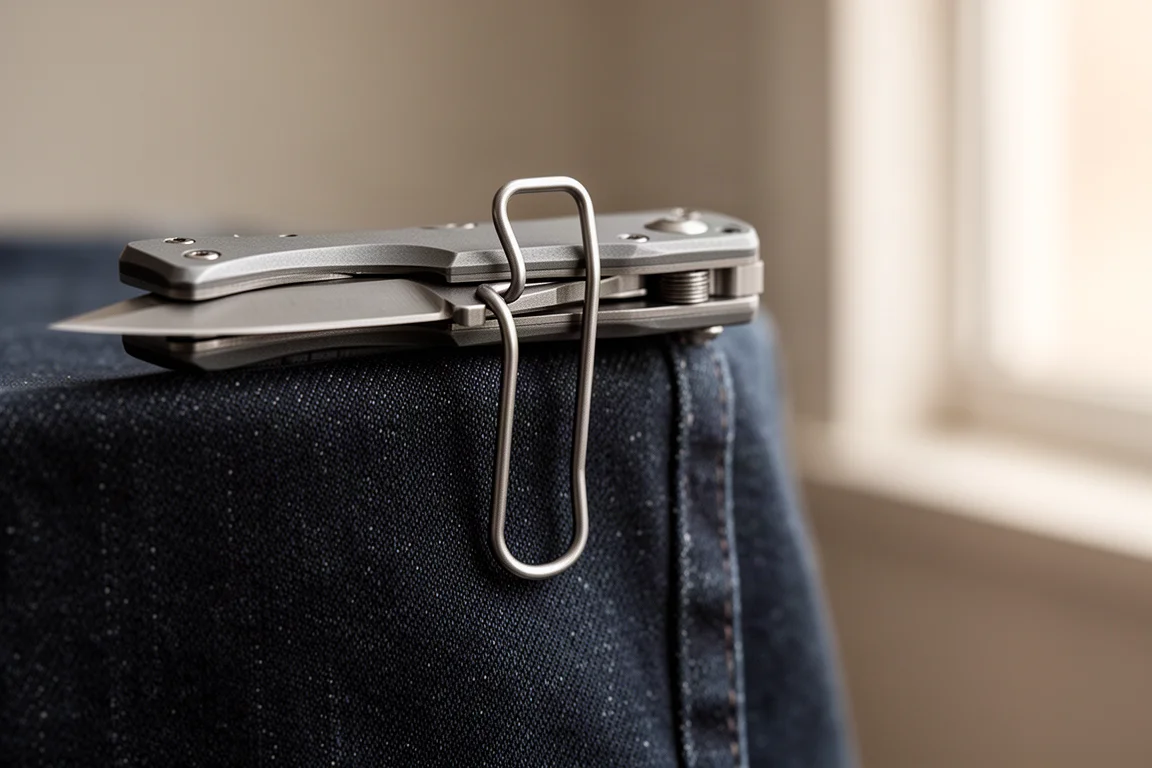
It is a fairly lightweight folder with a rounded spine and a little jimping on top, and it feels well considered in the hand. For anyone building a small collection around outdoor use rather than pure office carry, this is one of the strongest all-rounders in the group.
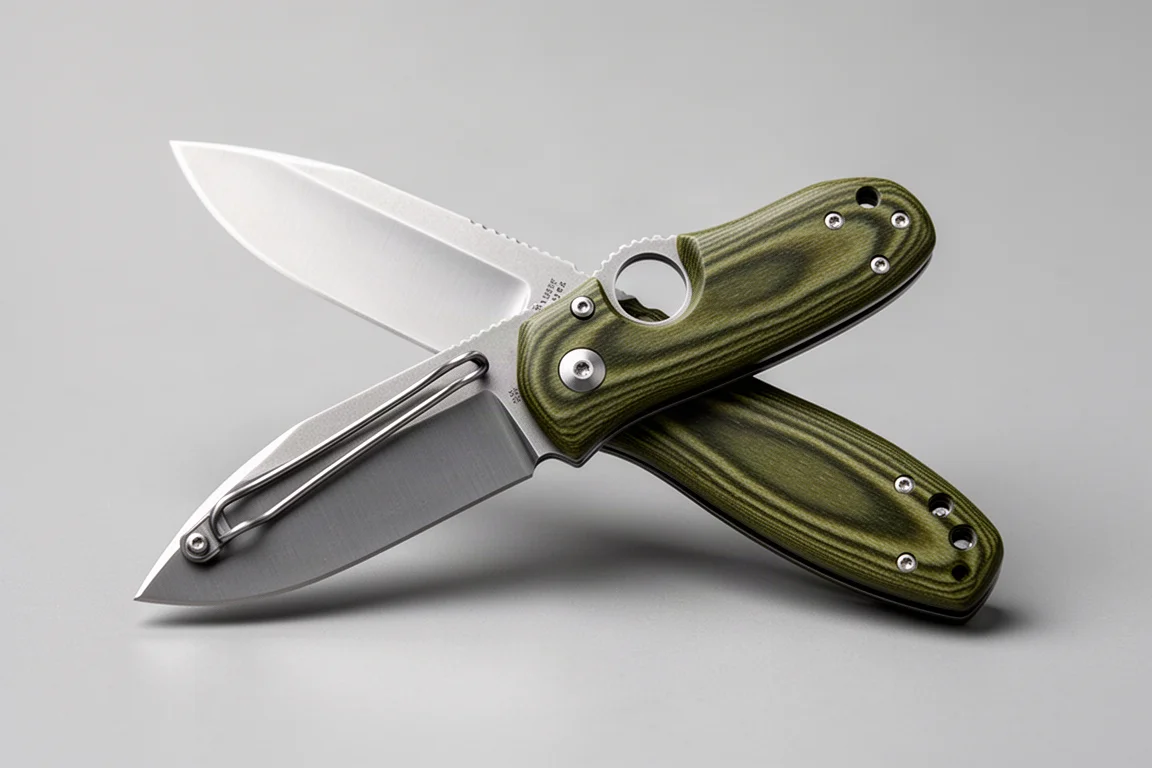
Civivi Elementum
The Elementum is the value pick, and it is one of the most enjoyable everyday carry knives here. It uses a liner lock with a flipper-style opening, runs on D2 steel, and comes with green micarta scales. There is jimping at the top of the handle, a deep carry pocket clip, and a size that works both at work and on the trail.
It is genuinely versatile. It handles everyday carry, backpacking and hiking, and it is more than capable of the most common camp kitchen job of all: cutting cheese and salami. The combination of price and performance makes it an easy recommendation for anyone who wants one dependable knife rather than a collection.
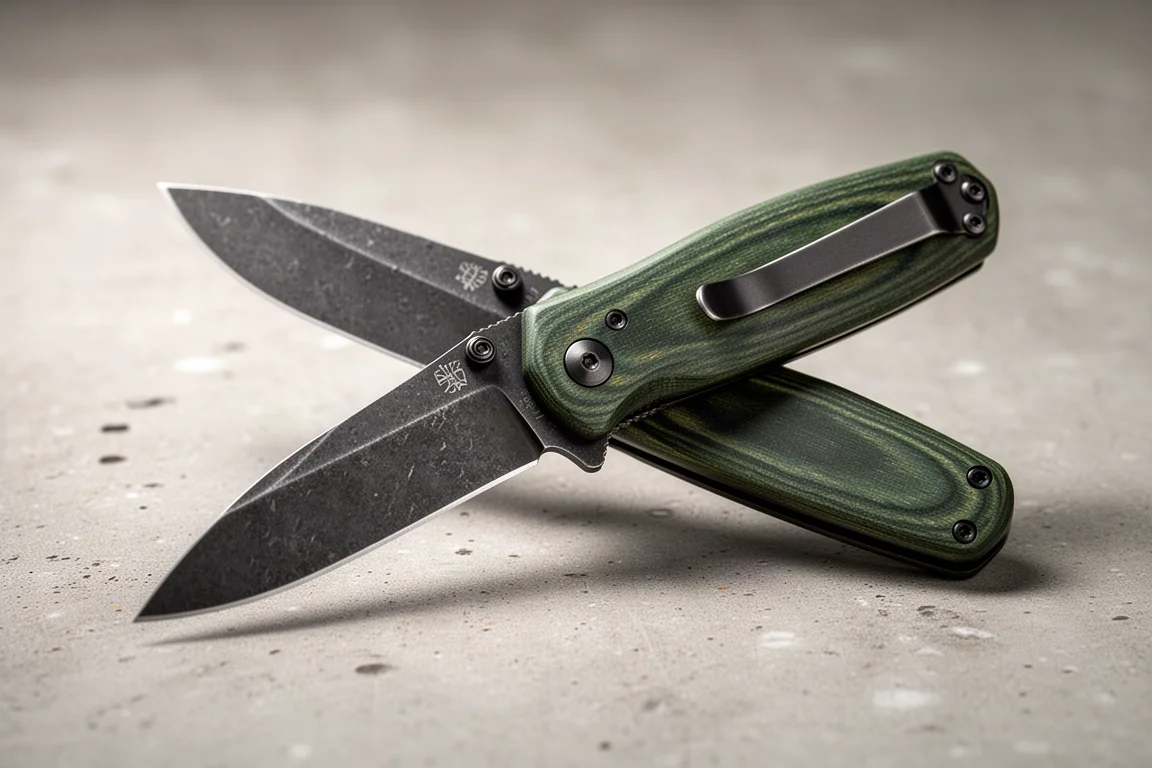
Benchmade Bugout
The Bugout is one of the best outdoor-focused folders available. It is very lightweight, which is the main reason it ends up in a pack on long trips, and the blade shape handles a wide range of cutting jobs: food preparation, prepping wood, feather sticks, a little light batoning and gutting fish.
This particular example is a customized version with different handle scales and 20CV steel, an upgrade over the S30V that Benchmade commonly uses. A deep carry pocket clip keeps it low in the pocket. Buyers who want the standard configuration will find the same lightweight, simple design; the custom touches here are a bonus rather than a requirement.
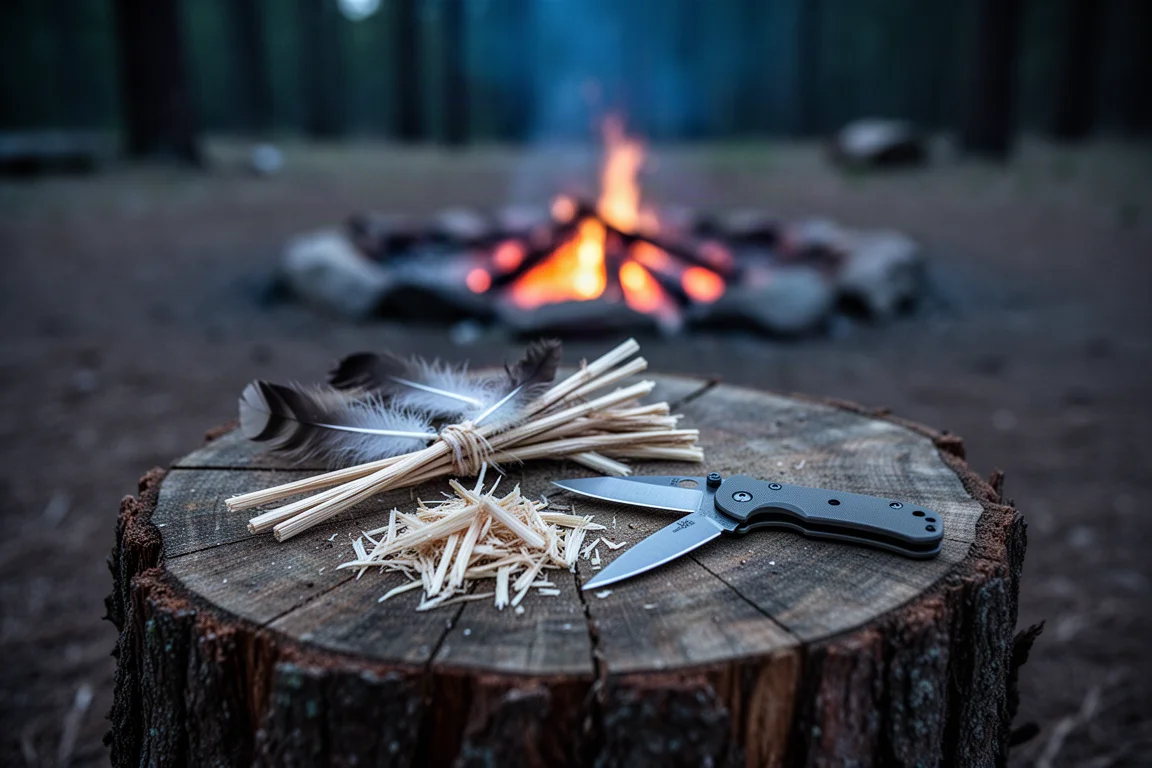
It is a knife that has seen heavy use and held up, which is the most useful thing that can be said about any blade in this category.
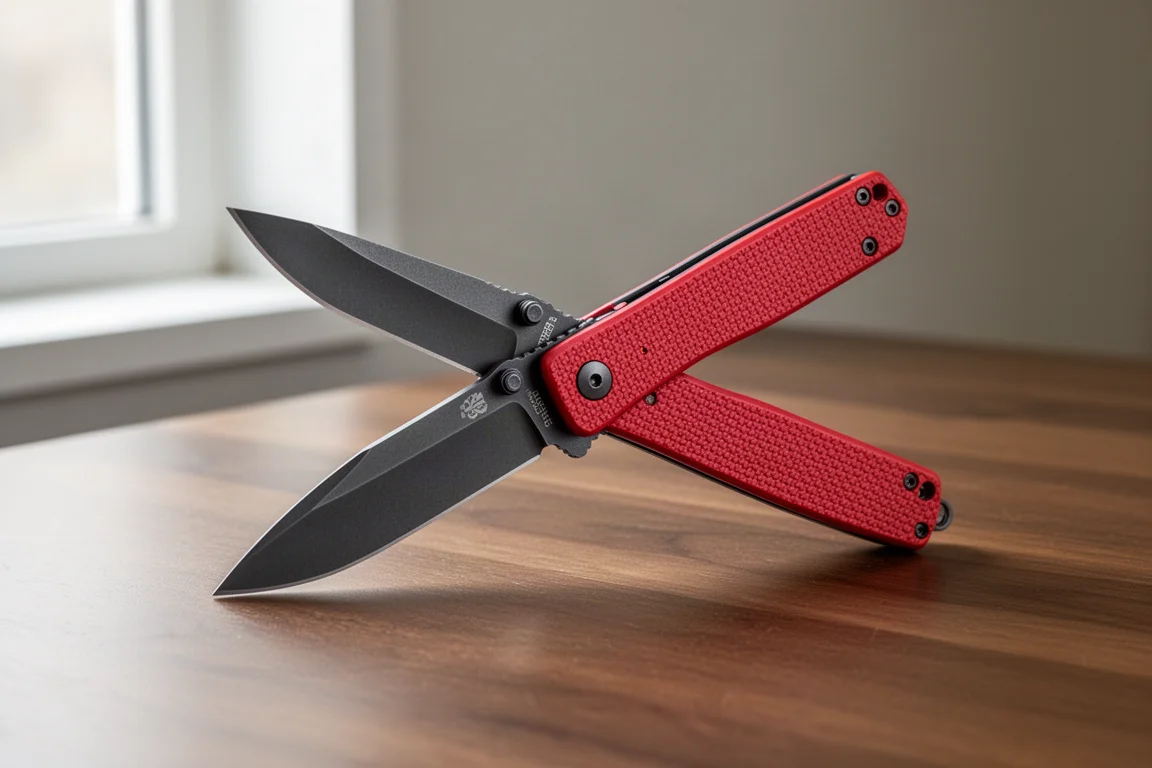
Benchmade Mini Bugout
The Mini Bugout is the smaller sibling, and it is a favorite for the same reasons: it is very light, simple to drop into a pocket, and equipped with a deep carry pocket clip. The AXIS lock is a Benchmade signature and it works well here.
This version is the CF Elite model, which uses a different handle material, and it happens to be a first production example. The smaller size suits anyone who wants capable cutting performance without noticing the knife in a pocket all day. For buyers who find the full-size Bugout more knife than they need, this is the natural alternative.
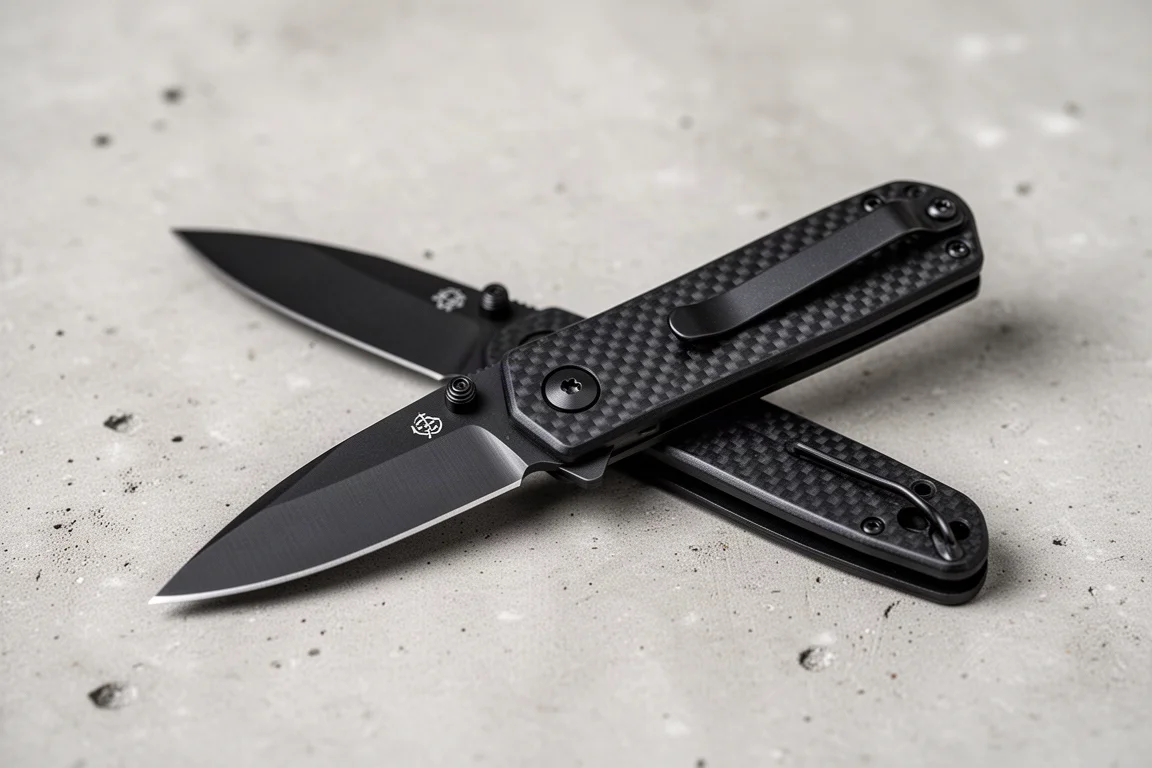
Benchmade Mini Griptilian
The Mini Griptilian is on the list because it is a classic, and because it was the first knife that felt like a real investment rather than a starter purchase. It offers better steel and a better overall design than the gifted budget blades many people begin with, and it remains a reference point for what a dependable everyday folder should feel like.
It is not the lightest or the most specialized knife here, but it is a well-rounded design that has stayed relevant for a long time. Buyers who want a first serious folder, or a gift for someone moving up from a starter knife, will find it a sensible choice.
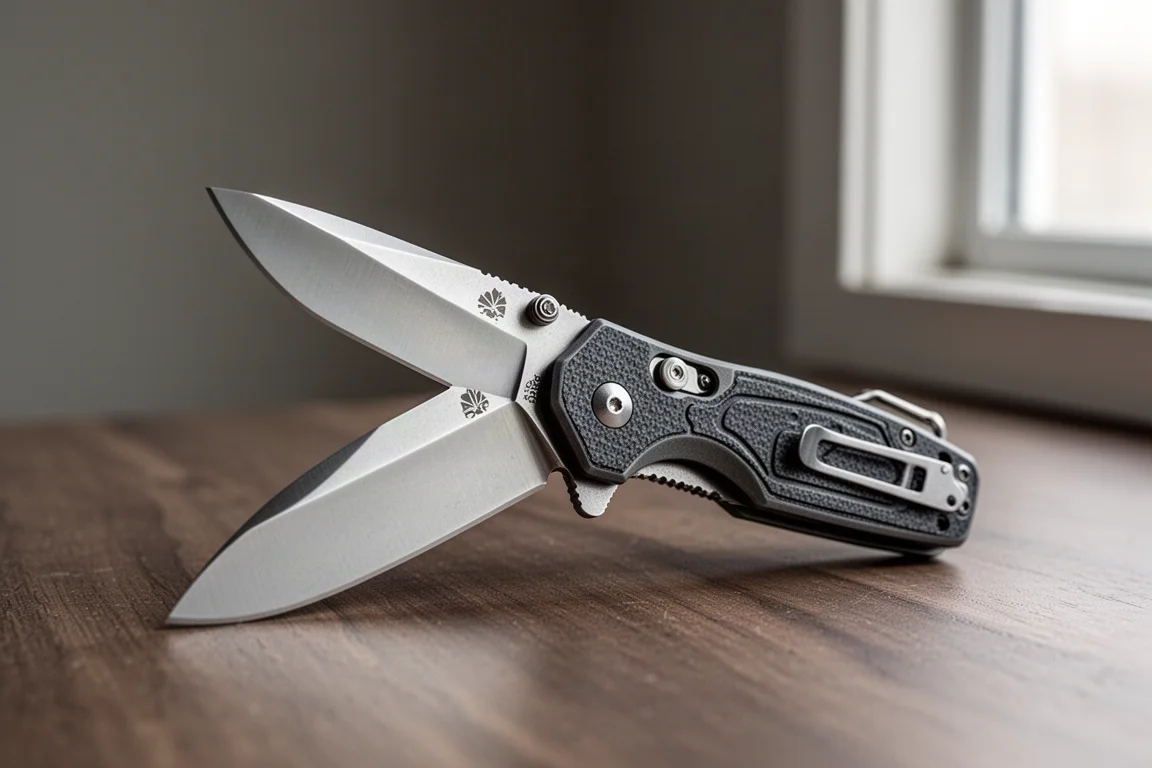
Civivi Baby Banter
The Baby Banter is the small version of the original Banter. The original is made by WE Knives and costs over a hundred dollars, while Civivi is the budget-minded brand under the same ownership. This model brings the same design idea to a much lower price.
It is genuinely tiny. The cutting edge is dramatically shorter than the Bugout’s, which makes it best understood as a lightweight utility blade rather than a general-purpose outdoor knife. A small choil near the blade gives the finger a little more grip closer to the edge, which helps on detailed cuts. At the sixty-dollar price point it is an excellent value and an easy recommendation for anyone who wants a compact folder that disappears into a pocket.
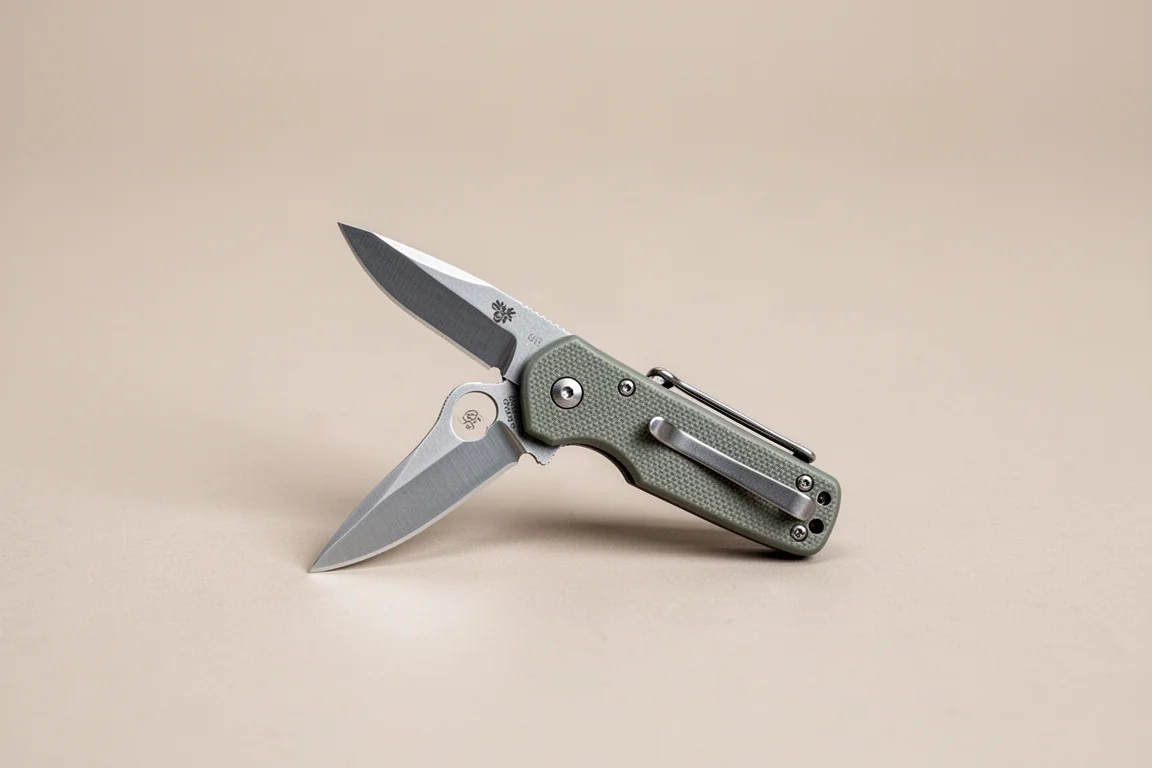
Buying Advice
Start with the job. If the knife will be used for batoning, food preparation and camp chores, a full-tang fixed blade such as the GM F2 or the Hidden Canyon Hunter is the more capable tool. If it will mostly ride in a pocket and handle slicing, a lightweight folder is the better answer.
Weight matters more than most people expect on multi-day trips. The Bugout and Mini Bugout are the lightest options here, and that difference is felt over a long hike. The Elementum and Baby Banter make the strongest case for buyers who want to spend less; both deliver dependable everyday performance at budget-friendly prices.
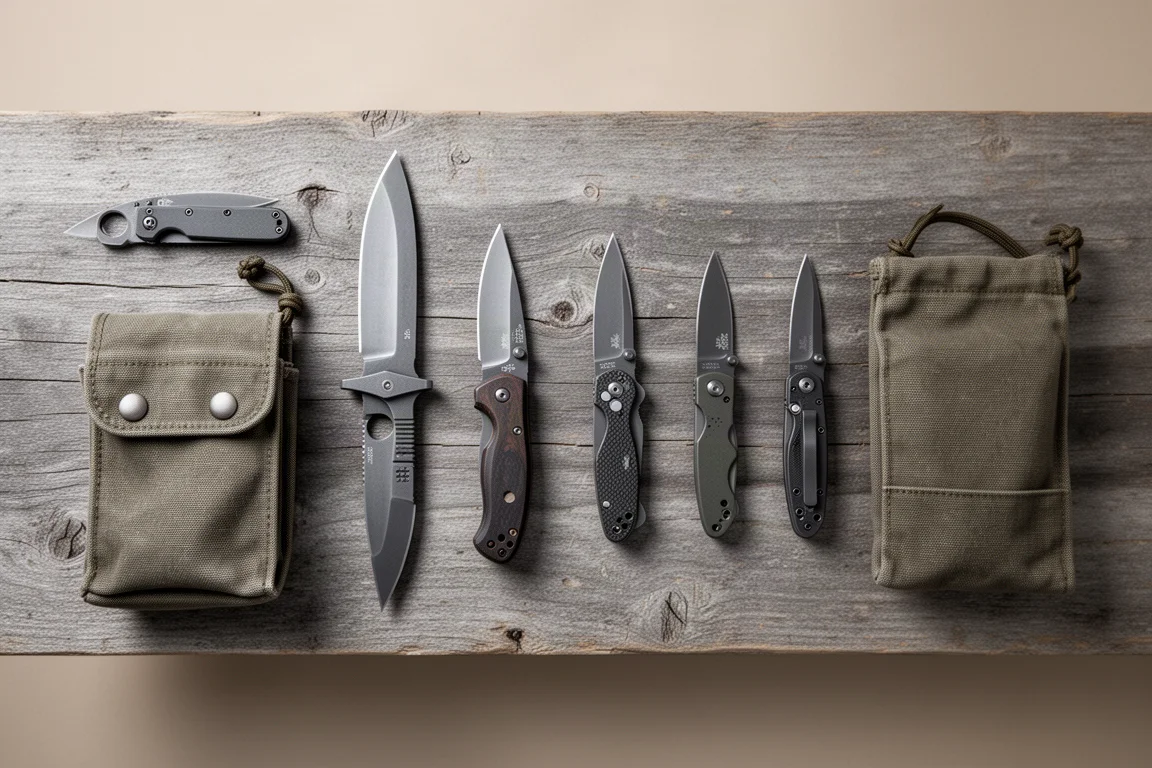
Handle material and lock type are worth checking in person if possible. Micarta is comfortable and grippy, liner locks and the AXIS lock each have their own feel, and the way a knife opens is a personal preference rather than a specification. Buyers moving up from a starter blade will notice the difference in steel and design, but the practical gain shows up gradually rather than immediately.
Conclusion
The eight knives here cover the realistic range of outdoor and everyday carry needs, from full-tang fixed blades for camp work to tiny folders for pocket duty. The strongest advice is to match the blade to the task, choose a size you will actually carry, and accept that a well-made knife anywhere in this price range will serve as a dependable tool for years.
Further reading
Related Reviews

Backpacking Gear
Building a 10 lb Base Weight: An Ultralight Backpacking Gear List
A practical walkthrough of the ultralight pieces behind a 10 lb base weight, from a 765 g pack and a roomy one-person tent to a full camp chair and a dependable water filter.

Road Bikes
10 New Road Bikes Worth Watching: Aero, Titanium, Steel and Endurance Standouts
A practical roundup of 10 new road bikes, from aero flagships chasing single-watt gains to titanium, steel and endurance platforms built for real roads.
Bikepacking Gear
11 Bikepacking Essentials for Long-Distance Cycling
Eleven bikepacking essentials for long-distance cycling, from a steel gravel frame and a two-person tent to helmet lights, packable gloves, and a frame bag that puts weight in the right place.