Creator Audio Gear
Best On-Camera Microphones for Creators, Plus the Zwift Play Controller
A practical roundup of three shotgun microphones, a compact on-camera mic, and a handlebar controller for indoor training, with the trade-offs that matter before you buy.
Introduction
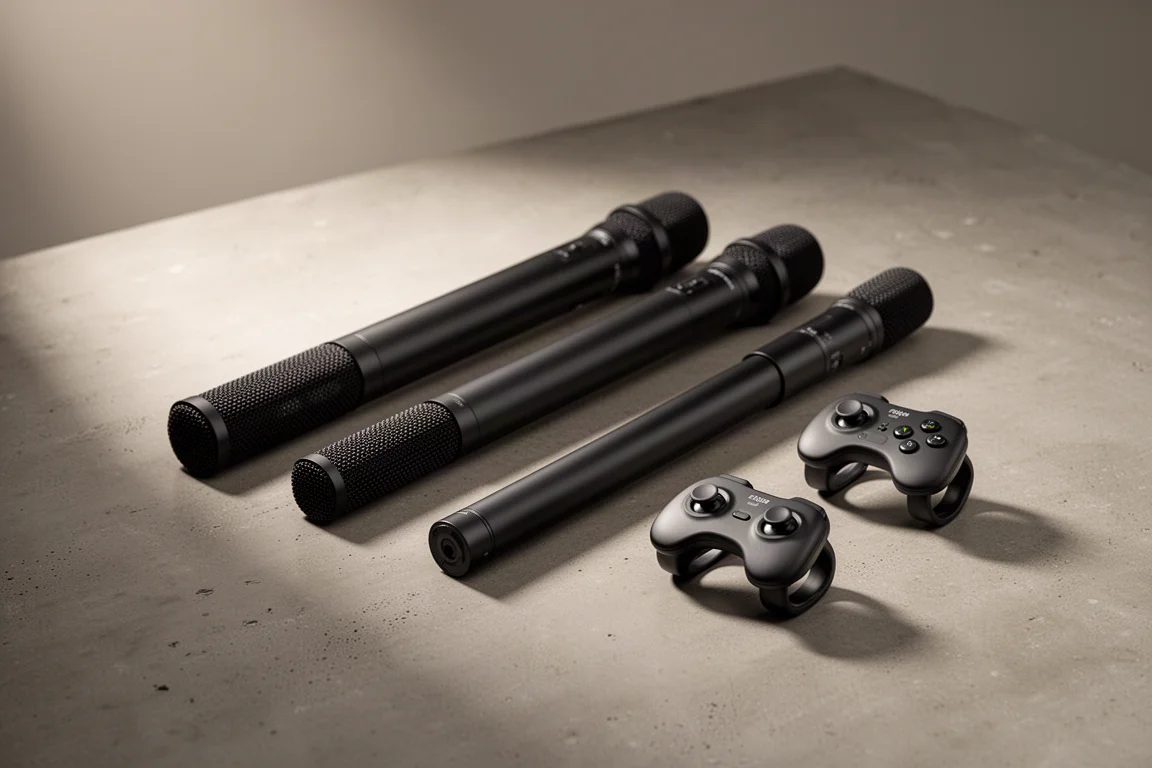
Not every gear drop fits neatly into one category, and this one mixed creator audio with indoor training. The items that earned a closer look were three shotgun microphones, a compact on-camera microphone already in daily use, and a handlebar-mounted controller for Zwift. Each was assessed in a real room with real acoustic problems rather than a treated booth.
The result is a short, practical roundup. If you record interviews, travel pieces, or training footage, the microphone notes below explain where each option earns its price and where it does not. If you ride indoors on Zwift, the controller section covers what it adds and what it still cannot do.
How These Products Were Assessed
Two things mattered most. First, whether the product solved the specific problem it was bought for: steering a virtual rider, or capturing clean speech in a room with an audible echo and background air conditioning. Second, how much friction it added, including cables, mounting, charging, and the small daily annoyances that decide whether gear stays in the bag.
Nothing here was judged on specifications alone. A microphone that measures well but refuses to pass audio through a camera is not useful, and a controller that is fun for ten minutes but fights your hands on the bars is not either. The notes below reflect how each item behaved in normal use, including the compromises.
Zwift Play: Handlebar Control for Indoor Training
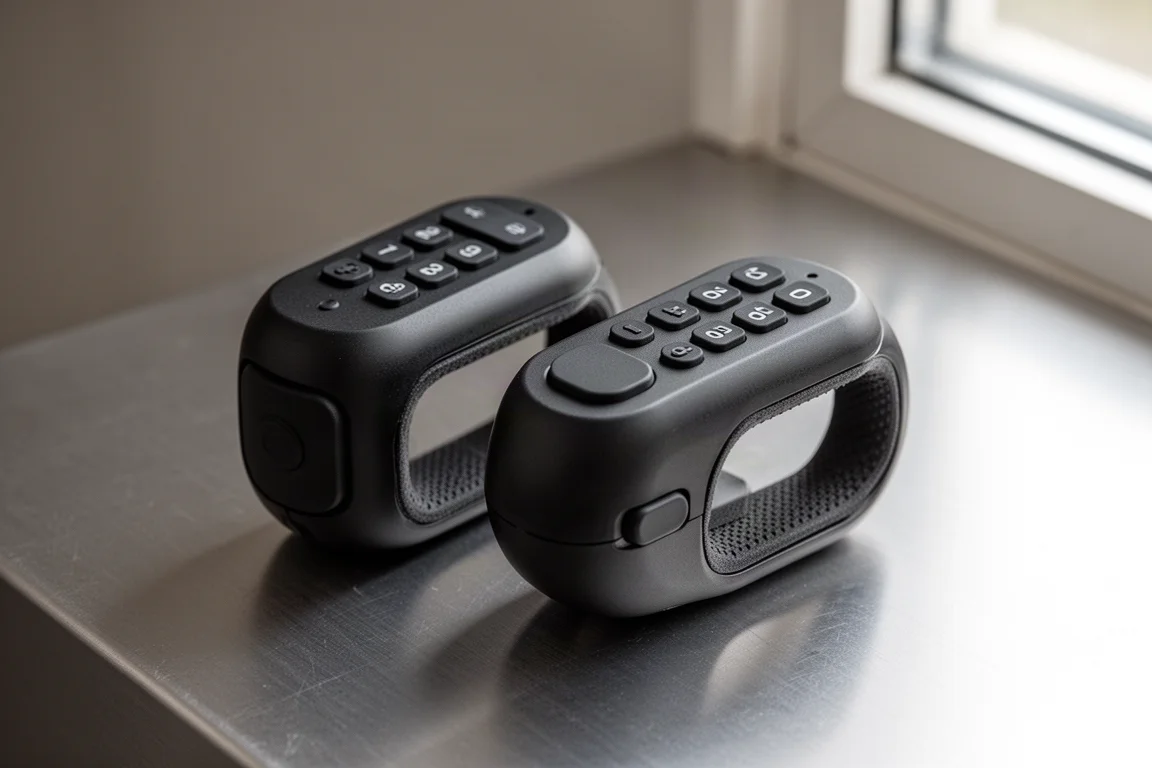
Zwift Play is a pair of handlebar-mounted remotes that let you steer and control your character in Zwift without reaching for a keyboard, phone, or companion app. Steering lives on hidden buttons tucked under the drops and the hoods, so left and right are reachable from either hand position. An extra button sits on the side of each unit, and the buttons on the top face handle in-game menus.
In use it is well designed. The units feel solid, install quickly, and do not get in the way of pedalling. The main caveat is scope. At launch the feature set is narrow, and in-game chat input is limited, so anyone hoping for deeper gameplay control will be waiting on future updates. It also assumes you already pay for a Zwift subscription, which is a meaningful ongoing cost on top of the hardware.
Pricing is another consideration. It launched at around £100 and is set to rise to around £150, which makes it an easy recommendation for committed Zwift riders and a harder one for casual users.
Sennheiser MKE 600: A Long-Barrel Shotgun for Interviews
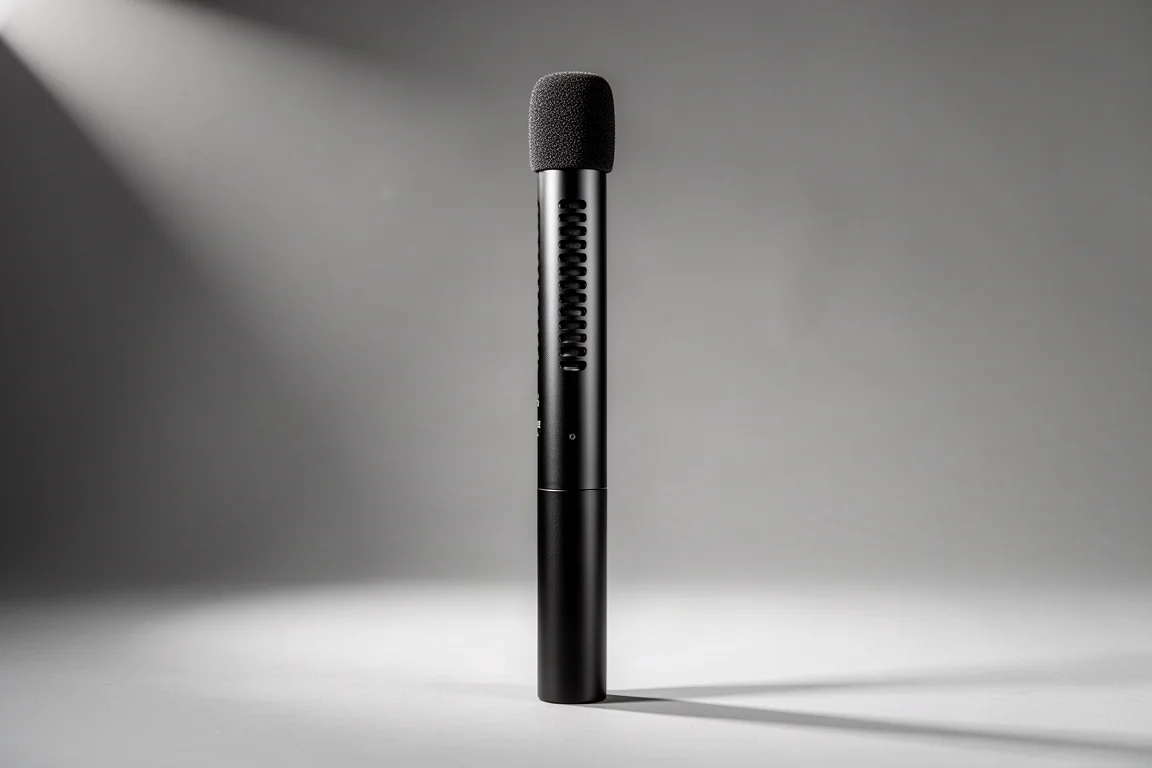
The MKE 600 is a professional shotgun microphone aimed at video journalists. Its longer barrel makes it more directional than a short on-camera microphone, which should help reject room tone and steady background noise such as air conditioning. That directionality is exactly what a reverberant room needs, and it is why this model was the most anticipated of the group.
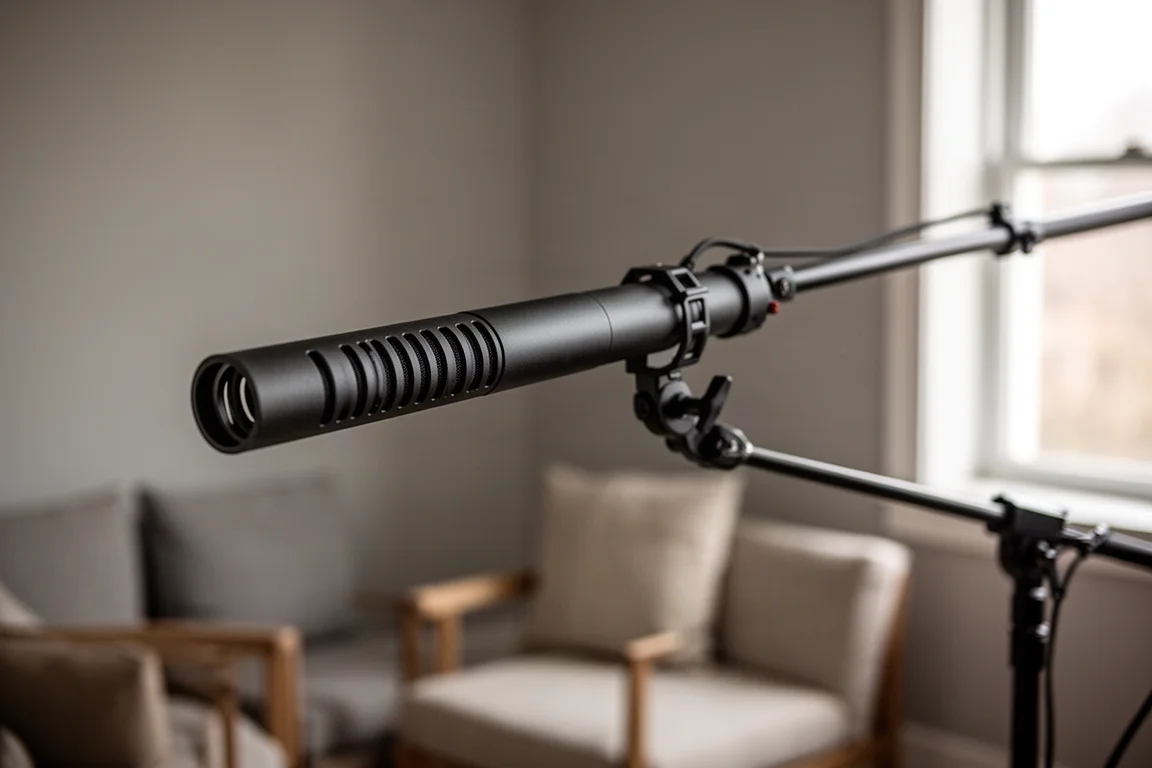
The practical experience was mixed. The microphone did not pass audio through the camera in the first test, which is a frustrating start for a premium unit. It also ships with a smartphone-style 3.5mm cable that has three bands on the connector rather than a camera cable, on the assumption that a journalist might record straight into a phone. That is a defensible design decision, but it means many buyers will need to supply their own cable before the microphone is usable on a camera.
At around £300, the MKE 600 sits at the top of this group on price. Buyers should budget for the extra cable and confirm compatibility with their camera before committing.
Sennheiser MKE 400: A Compact Step Down
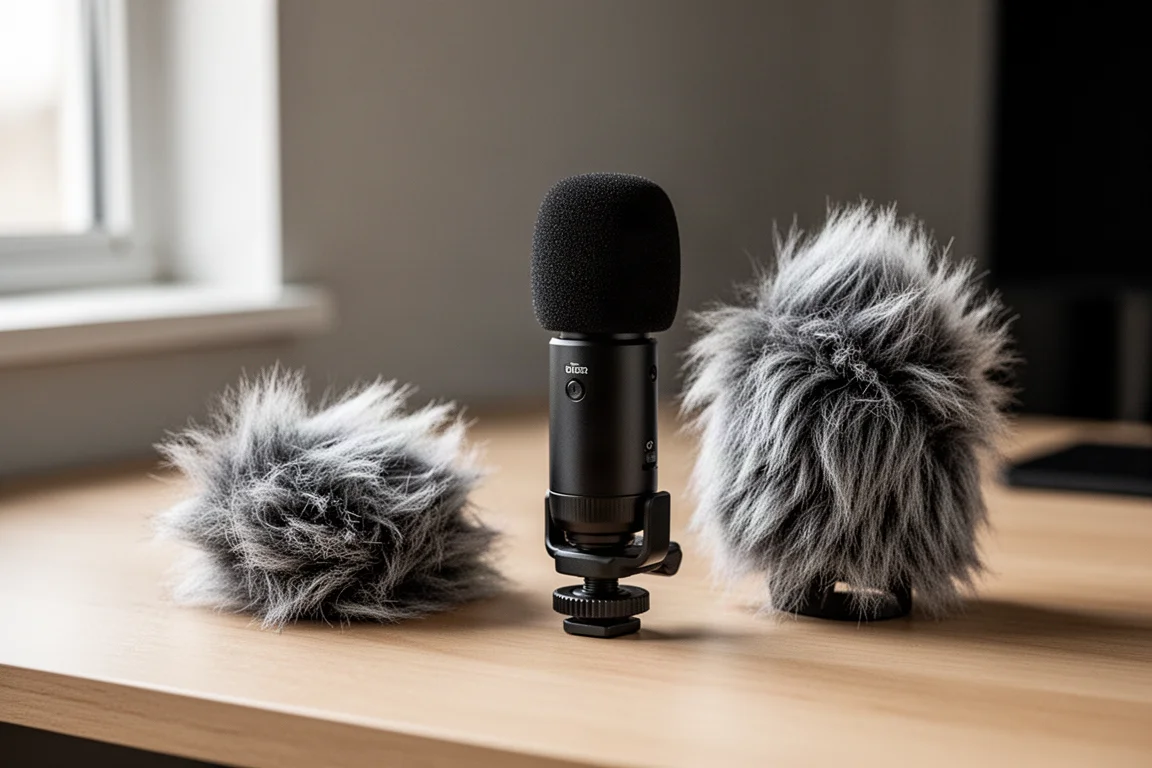
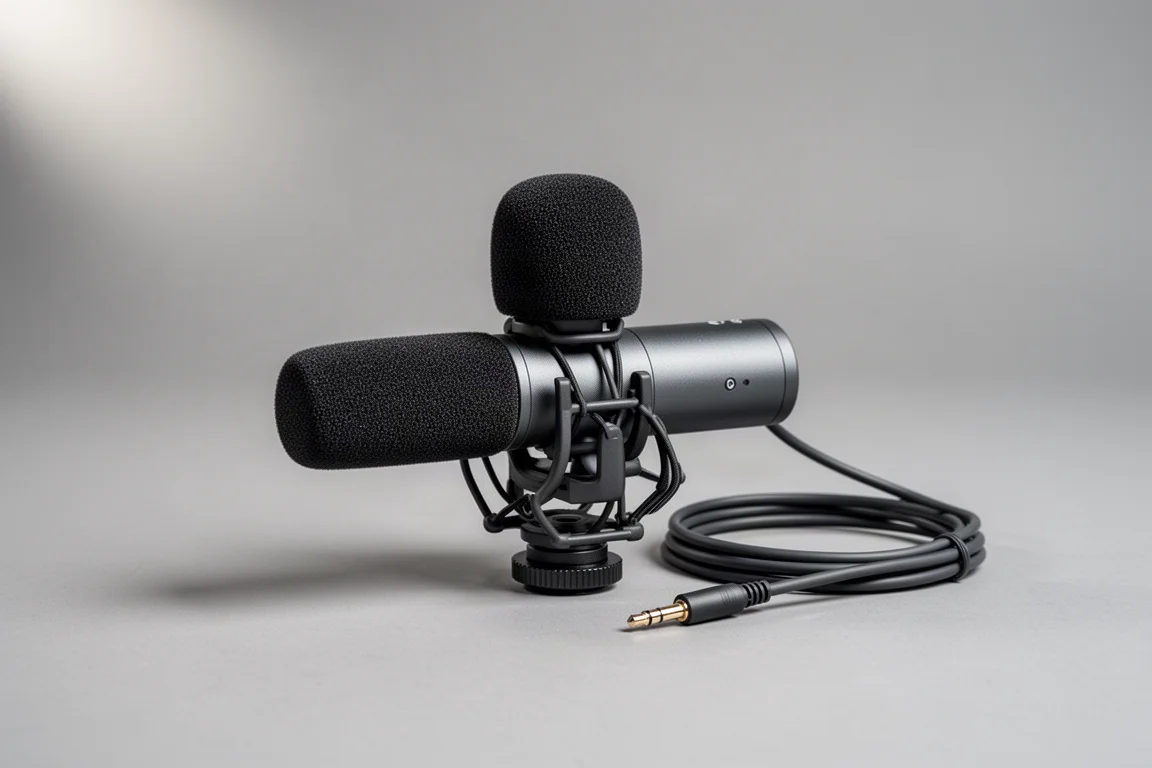
The MKE 400 is the lower-tier model in Sennheiser’s on-camera range, and it was the one that worked immediately when connected. It is compact, mounts neatly on top of a camera, and arrives with a furry windshield included for outdoor use.
For creators who want a straightforward on-camera microphone without a long list of accessories, that simplicity is the appeal. It will not match a long-barrel shotgun for rejecting room echo, and it is not positioned as a broadcast tool, but it does the basic job without drama.
Sony ECM-B1M: Cable-Free Hot-Shoe Audio
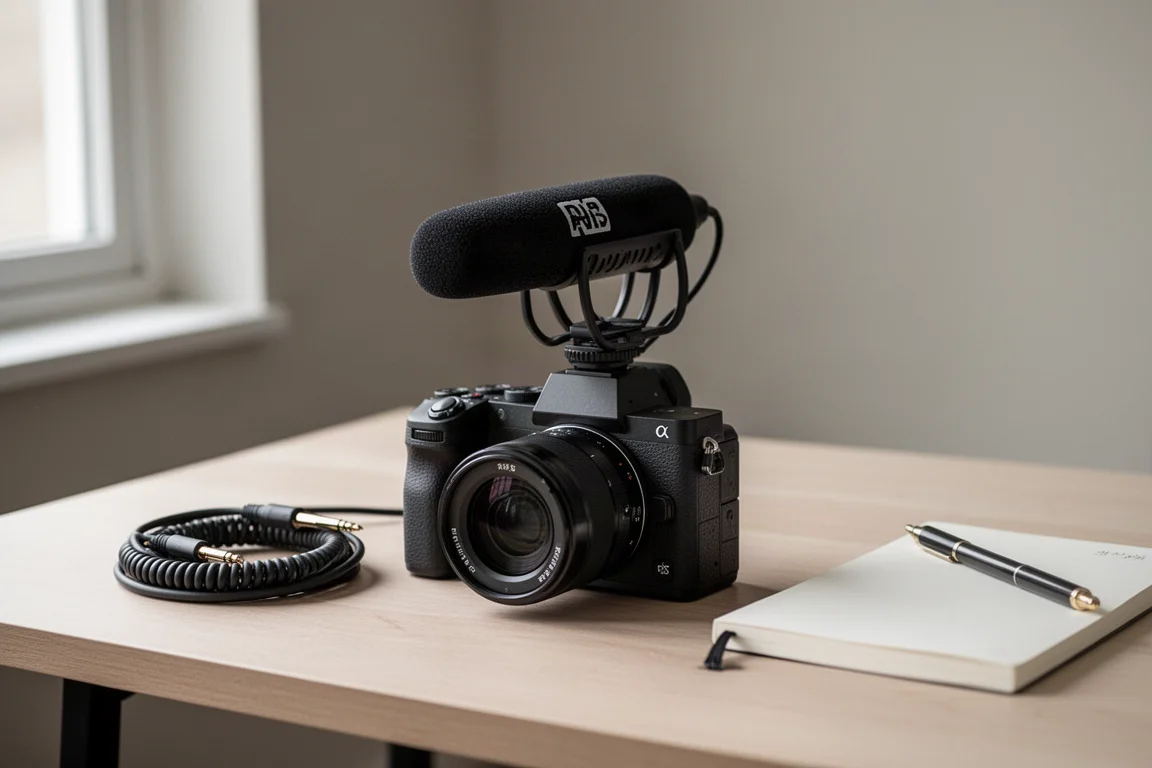
The ECM-B1M takes a different approach. Instead of a cable, it mounts through the camera’s hot shoe and communicates digitally with the camera body. Because it is made by Sony and the camera used here is also a Sony, the pairing is designed to work cleanly together. It includes an attenuator, and it was tested at the zero decibel setting.
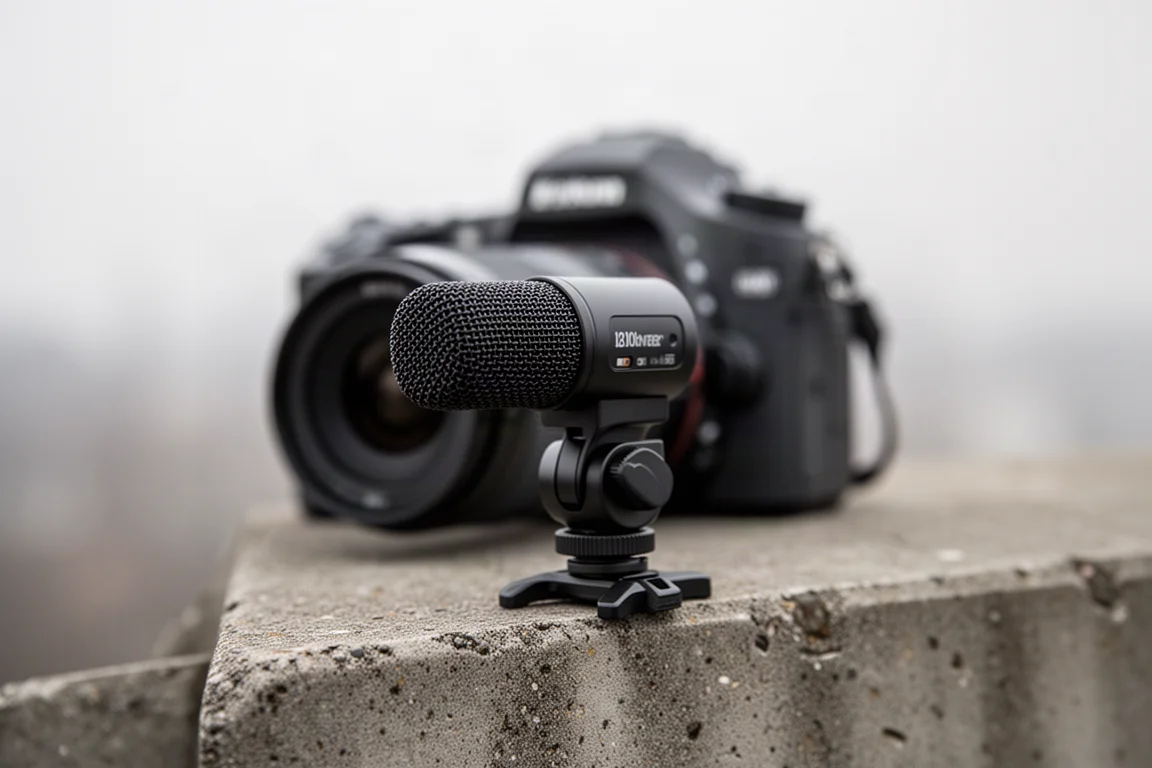
Removing the cable matters more than it sounds. A conventional 3.5mm plug sticking out of the side of a camera is vulnerable to knocks, and damage to that socket means a repair to the camera itself rather than a cheap cable swap. A hot-shoe design sidesteps that risk entirely, which is a genuine long-term benefit for anyone who moves a camera in and out of a bag all day.
It is also significantly more expensive than the compact microphone it was compared against, and because it is still a short microphone, it does not eliminate room echo on its own.
Rode VideoMic Go 2: The Compact Reference Mic
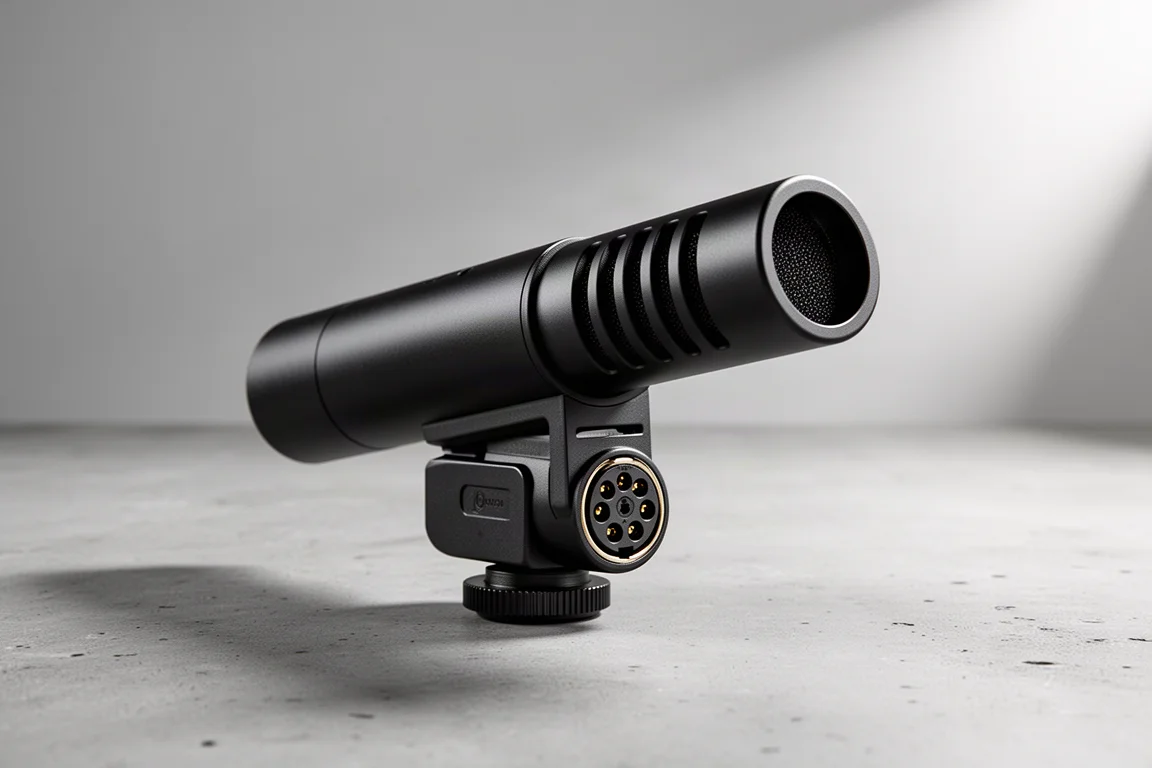
The VideoMic Go 2 was already the everyday microphone in this setup, and it remains a strong baseline. It is the latest version of the Go, and outdoors it performs very well, with a compact body that travels easily.
The limitation is indoor acoustics. It is a short shotgun, so it picks up more of the room than a longer barrel design, and in a space with audible echo that shows up quickly. Its cable also plugs into the side of the camera through a standard audio jack, which leaves the camera’s socket exposed to accidental knocks.
None of that makes it a bad microphone. It sets a sensible reference point for the group: dependable outdoors, simple to use, and clearly outclassed indoors by designs built for tighter pickup.
Buying Advice: Matching the Microphone to the Room
The single biggest factor here is the room, not the badge on the microphone. If you record in a space with echo and constant background noise, a longer, more directional shotgun is the most effective upgrade. If you mostly shoot outdoors or in quiet rooms, a compact on-camera microphone such as the VideoMic Go 2 or the MKE 400 will cover most needs at a much lower cost.
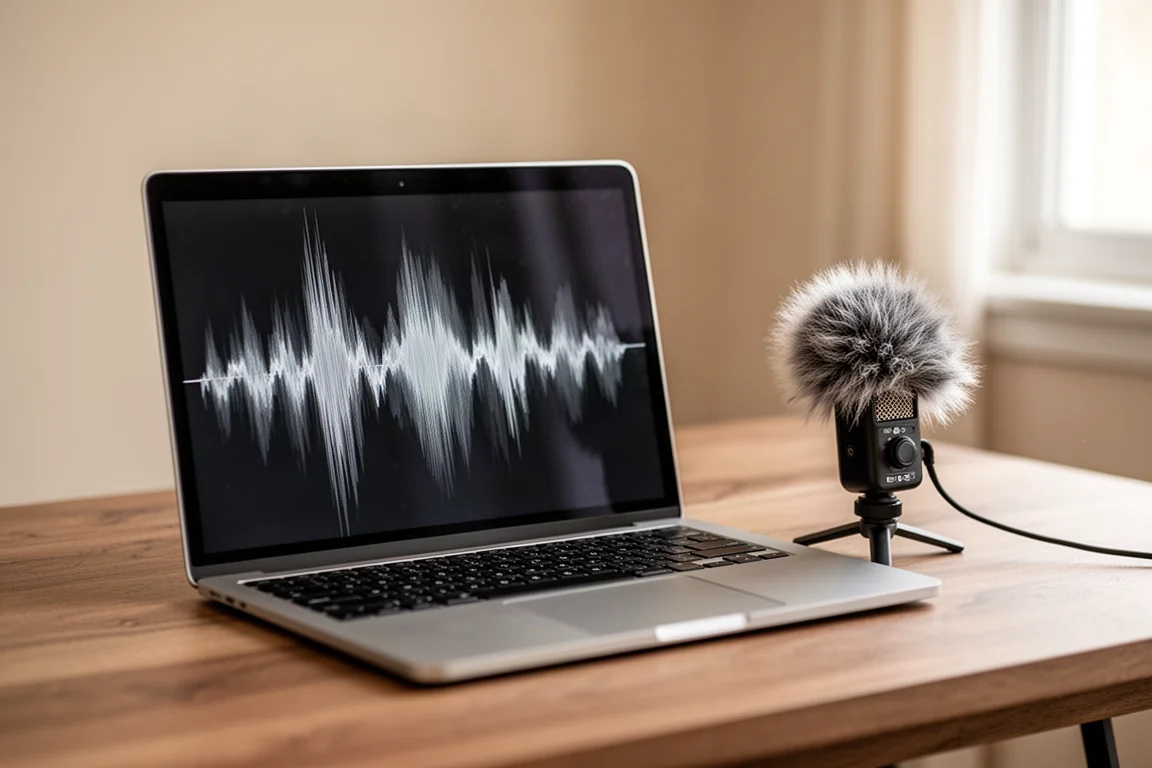
Cabling deserves more attention than it usually gets. A hot-shoe microphone removes the most fragile connection in the chain, which is worth paying for if you handle a camera constantly. A supplied smartphone cable, on the other hand, may mean an extra purchase before you can record at all, so check what is in the box and what your camera accepts before you buy.
For the Zwift Play, the decision is simpler. If you already subscribe and ride indoors several times a week, handlebar controls remove a small but constant friction from every session. If you ride occasionally, the subscription cost and the limited launch feature set make it an easy one to postpone.
Conclusion
Five products, three clear conclusions. Long-barrel shotgun microphones are the right answer for difficult rooms, compact on-camera microphones remain the sensible default for most outdoor work, and cable-free mounting is a real quality-of-life improvement worth paying for when the budget allows. The Zwift Play is a well-made accessory with genuine potential, best suited to riders who are already committed to indoor training.
Further reading
Related Reviews

Backpacking Gear
Building a 10 lb Base Weight: An Ultralight Backpacking Gear List
A practical walkthrough of the ultralight pieces behind a 10 lb base weight, from a 765 g pack and a roomy one-person tent to a full camp chair and a dependable water filter.

Road Bikes
10 New Road Bikes Worth Watching: Aero, Titanium, Steel and Endurance Standouts
A practical roundup of 10 new road bikes, from aero flagships chasing single-watt gains to titanium, steel and endurance platforms built for real roads.
Bikepacking Gear
11 Bikepacking Essentials for Long-Distance Cycling
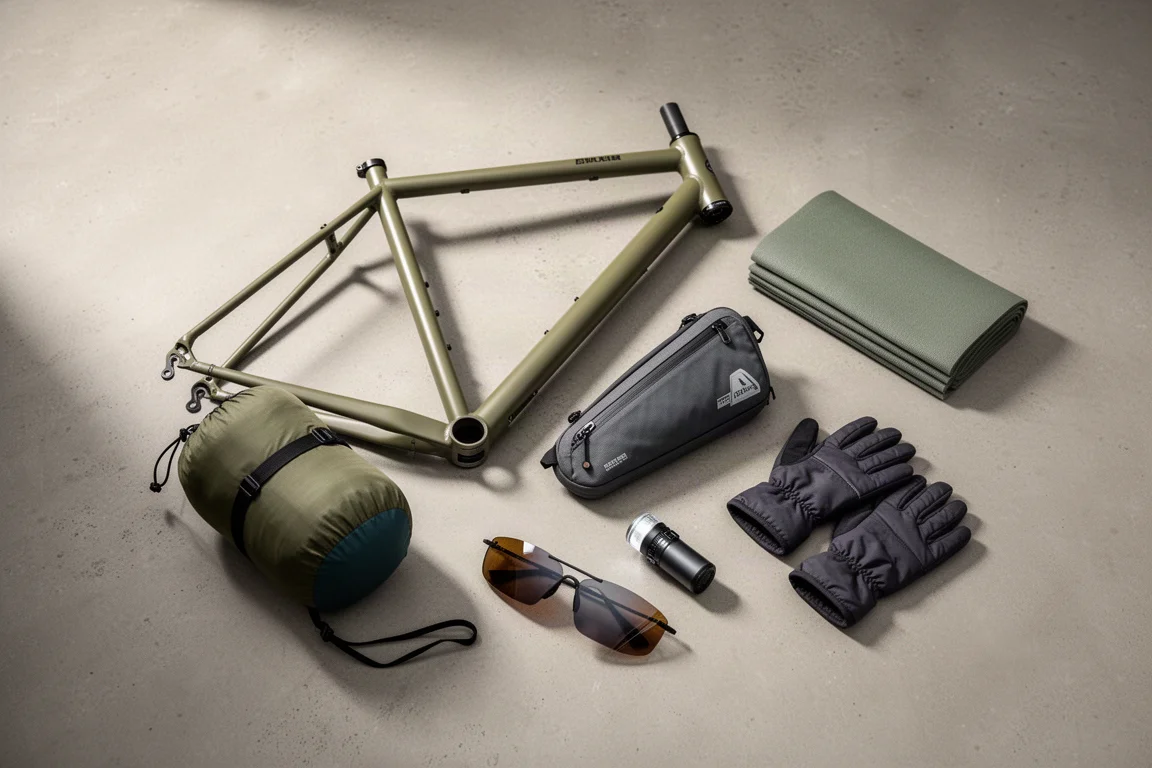
Eleven bikepacking essentials for long-distance cycling, from a steel gravel frame and a two-person tent to helmet lights, packable gloves, and a frame bag that puts weight in the right place.