Ski Resorts
The Best Northeast Ski Resorts, Ranked: 25 Mountains Worth More Than a Day Trip
From hidden Quebec gems to the biggest mountain in the East, here's how 25 major Northeast ski resorts stack up for overall mountain experience.
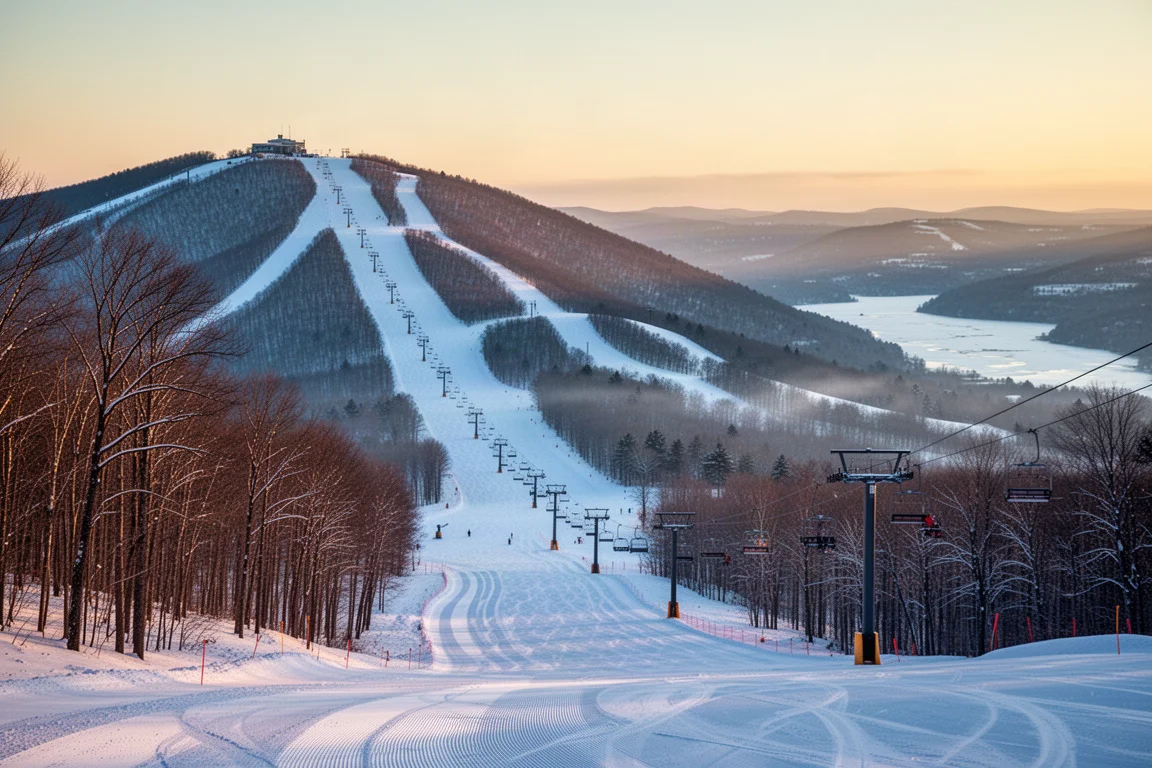
Introduction
Most people in North America who ski without getting on a plane do it in the Northeast. Tens of millions of skiers and riders show up every year, and not just because the resorts are convenient. The region has some genuinely excellent mountains, even if they don’t have the flashy peaks of the Rockies.
This ranking covers the major Northeast ski resorts that are worthy of more than a day trip, ordered by overall mountain experience. Each entry covers the strengths and the weaknesses you should weigh before booking.
25. Gore Mountain
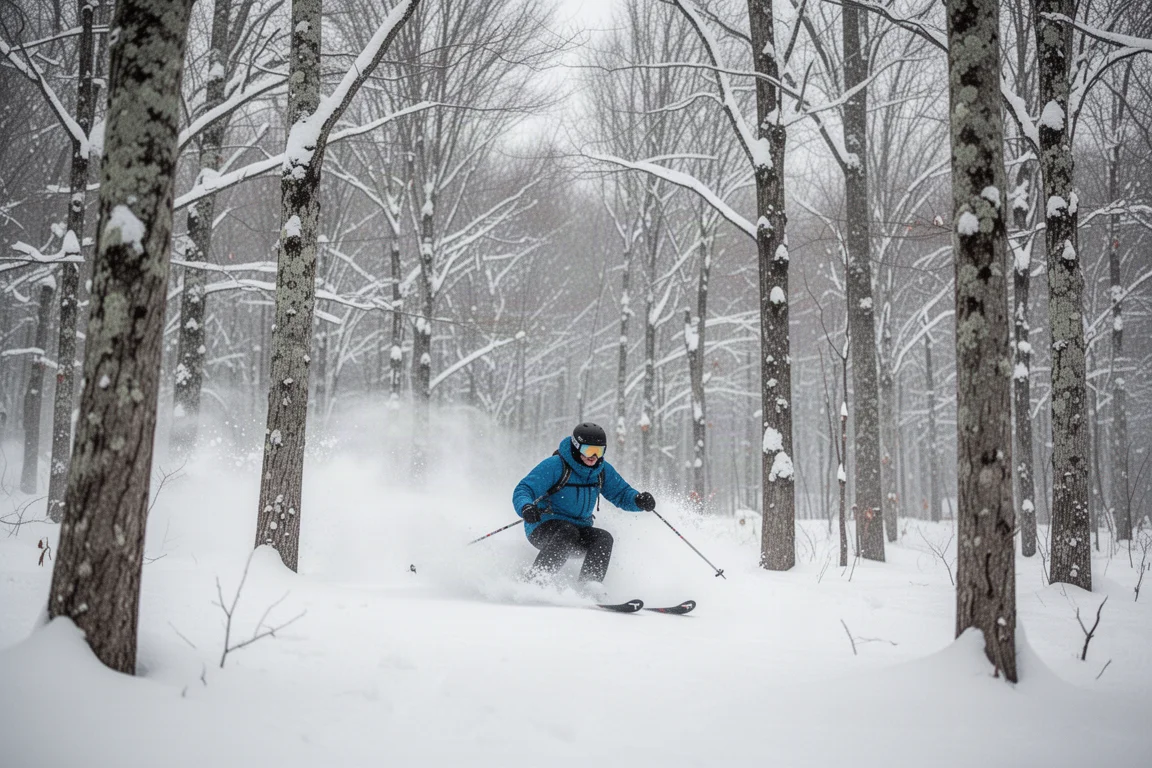
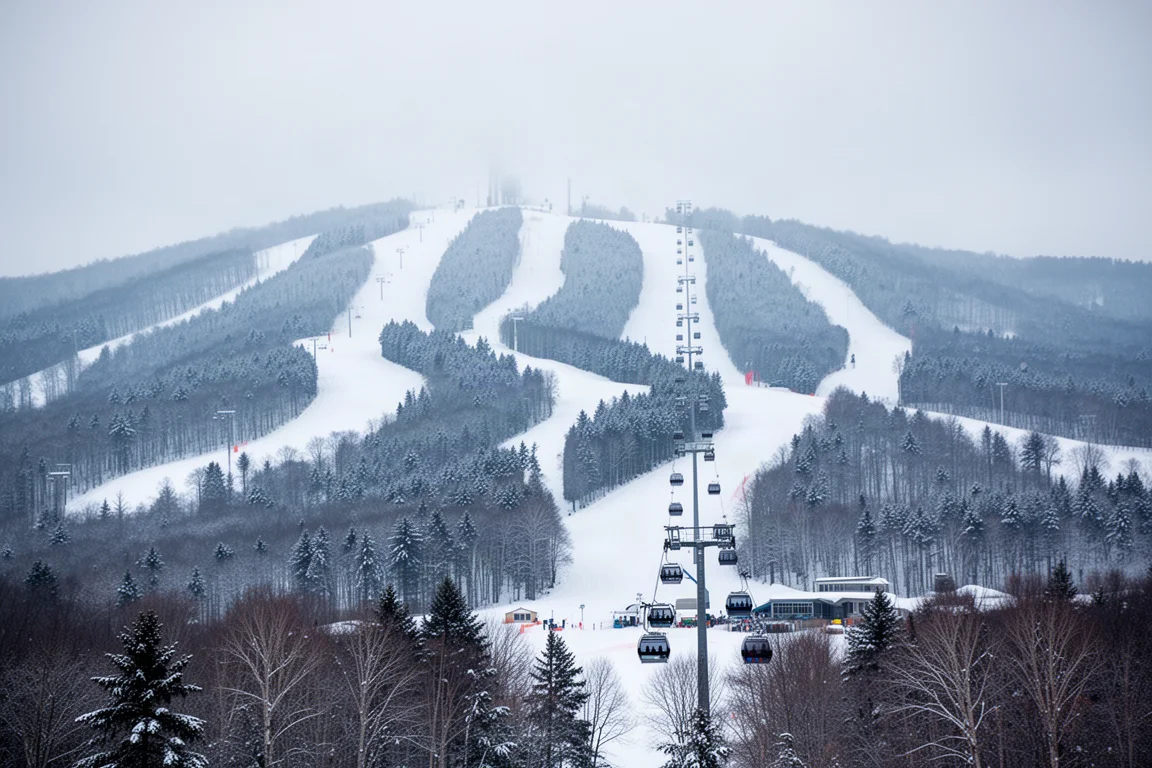
New York State’s Gore Mountain might be one of the most underrated resorts in the East for the right visitor at the right time. It offers a very competitive 2,600 ft vertical drop, several distinct pods of terrain, some of the best free skiing in the East when conditions allow, and a strong lower mountain lift setup including an out-of-base gondola. It also tends to stay less crowded than many regional competitors, partly due to the lack of on-site lodging.
The downsides are real, though. The layout is strange, with individual areas that feel disjointed and poorly connected, so achieving that full vertical involves an aggressive amount of traversing. Gore also doesn’t see the same natural snow as its Vermont competitors, and snowmaking and maintenance aren’t always consistent, leading to patchy or icy slopes even in the core season. It’s not on any major mega pass, but advance off-peak weekday tickets are pretty economical.
24. Mont Orford
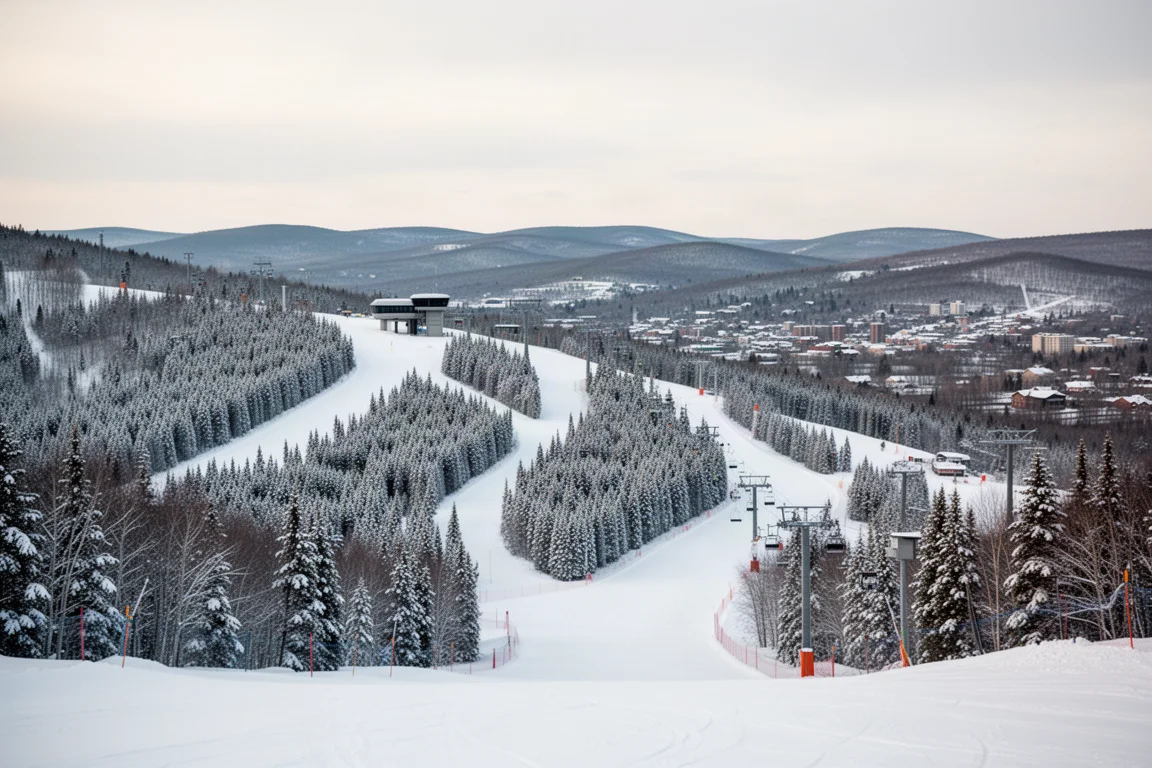
Quebec’s Mont Orford, in the Eastern Townships, stands out for its lack of crowds, absorbing even busy weekends well. It has a unique layout with fantastic glades for advanced and expert skiers and distinctive views for its size, and ticket prices are very reasonable, especially coming from the States with current exchange rates.
The biggest drawback is size. At about 245 skiable acres, it’s considerably smaller than most well-traveled resorts in the region, and there’s no on-site lodging. Outside its signature Chondela, the lift setup is underwhelming with slow lifts in every other pod, and much of the best terrain relies heavily on natural snow, so thin cover, bare spots, and rocks are regular occurrences on advanced runs.
23. Wildcat
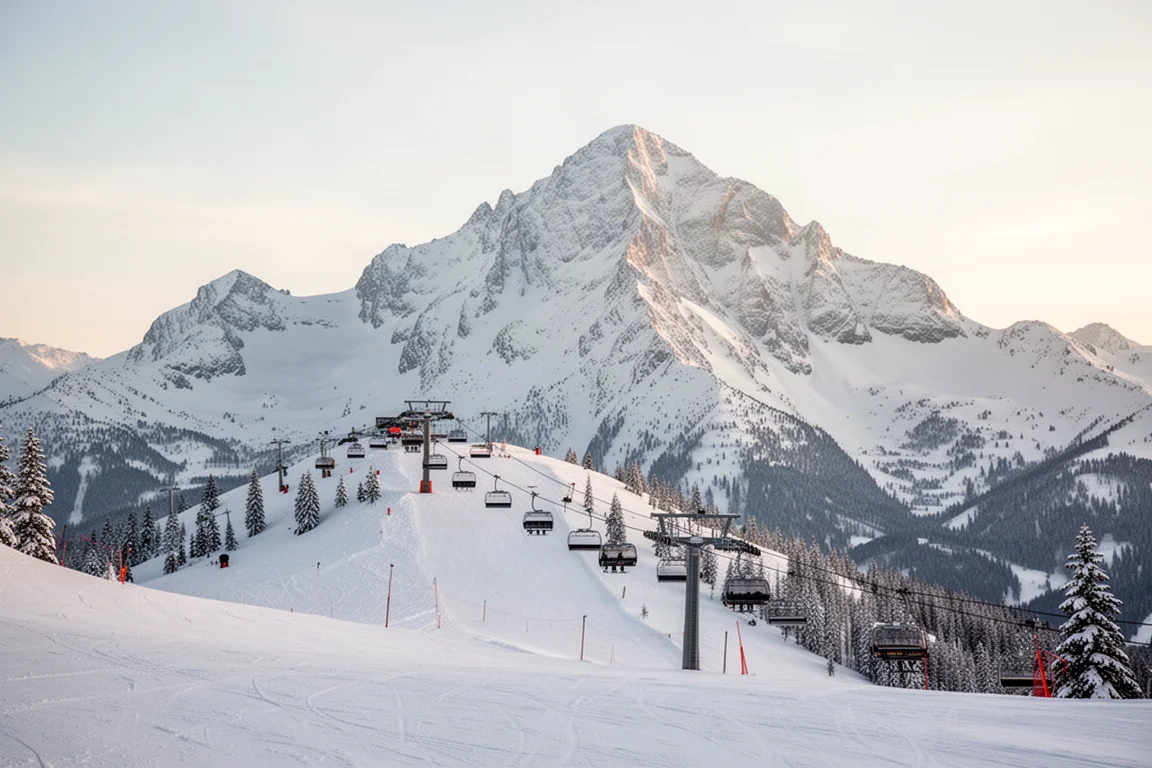
New Hampshire’s Wildcat may have the most imposing views on this list. Sitting directly adjacent to the notorious Mount Washington, it offers one of the most unique backdrops you’ll find anywhere in the East, a competitive vertical drop with reasonably sustained pitches, and, when conditions allow, access to high-quality lift-accessible backcountry.
But Wildcat is tall, not big. With just 225 skiable acres, there’s not much beyond the main face, and the mountain’s extreme wind exposure makes wind holds frustratingly common on the base-to-summit quad, often forcing reliance on mid-mountain triples several times a week. There’s no on-site lodging, and weekend and holiday tickets get steep if you don’t buy in advance. Wildcat is a member of the Epic Pass suite of products, including the Northeast Value and Midweek passes, which are the cheapest means of access if you bought one before they went off sale.
22. Mount Snow
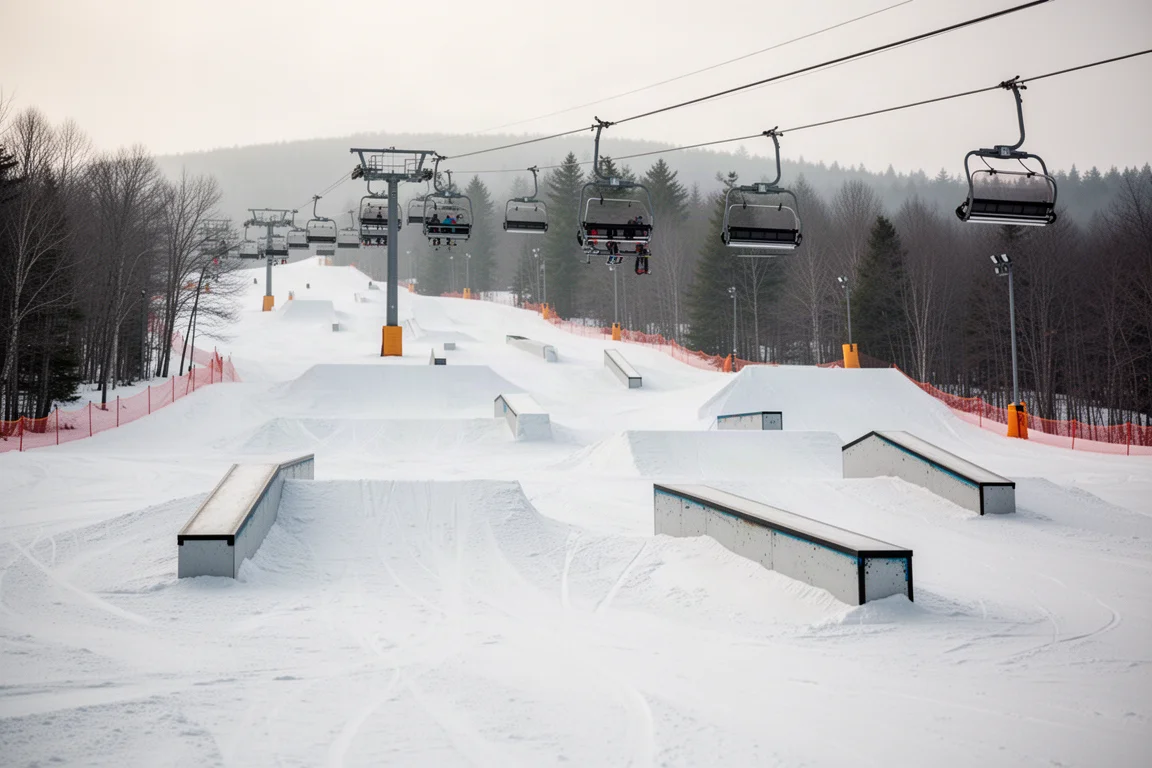
Mount Snow’s popularity in southern Vermont comes down to convenience for the terrain it offers. You get challenging terrain for the southern part of the state, including a fairly steep backside and a unique freestyle mountain face often built up entirely with terrain park features across several trails, plus a single summit layout that’s hard to get lost on and recent lift upgrades providing strong uphill capacity.
Convenience brings crowds, though. Expect longer lift lines than many other Eastern resorts on weekends. Most trail pods have runs that feel quite similar to one another, so it’s easy to get bored after a day or two, and the warmer southern Vermont weather can produce more variable conditions despite strong snowmaking. Same-day holiday tickets now top out at an absolutely ridiculous $200, so the Epic Pass suite of products is the best value option if you happen to have bought one.
21. Okemo
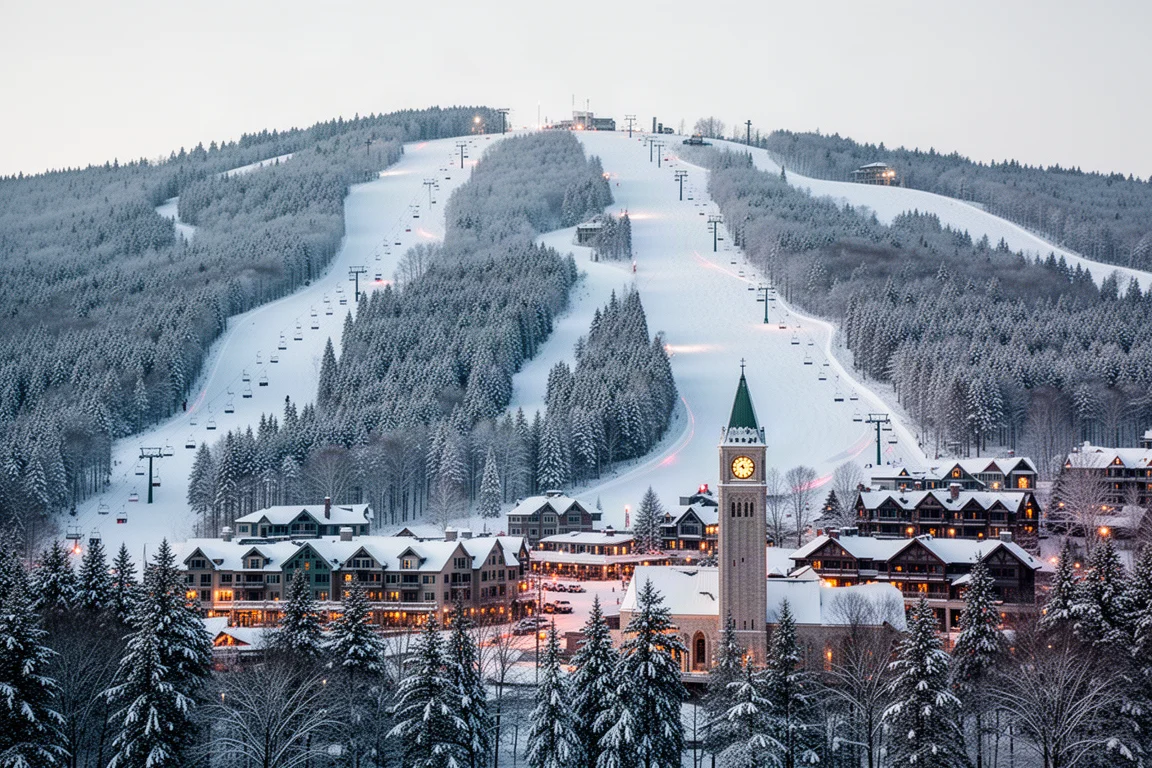
Okemo has been a go-to for families for years, and the reputation is earned. Every mountain pod has an easy way down from the top, high-speed lifts serve nearly all key areas, grooming is a significant priority, and the resort is generously sized for southern Vermont with several distinct pods that make the experience feel interesting.
Its biggest problem is a lack of difficult terrain. Mogul runs can be almost impossible to come by, the steeper advanced runs are usually groomed, and the genuinely challenging glades are more often than not closed due to variable conditions. Lift lines can be a serious problem on weekends and holidays, the main base lift setup is a mess, and lift tickets are incredibly steep, especially on weekends and holidays, making an Epic or applicable Northeast Pass product the best way in.
20. Burke
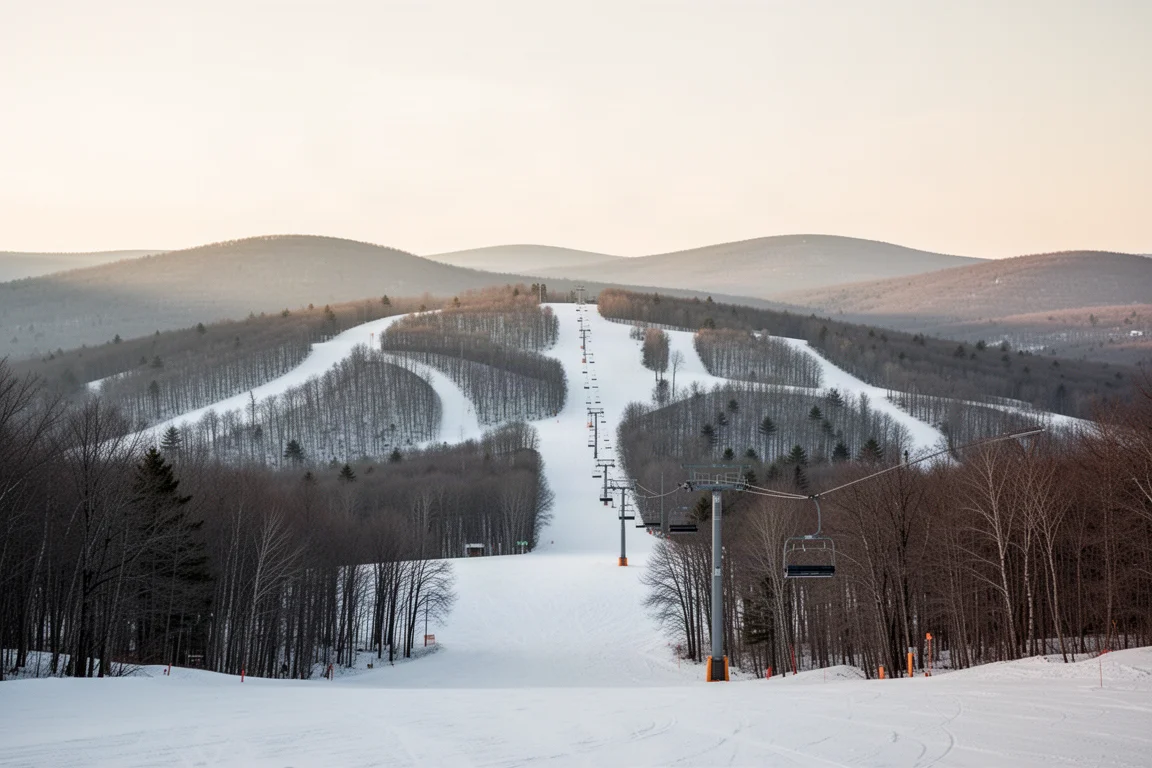
Burke, in Northeast Vermont, provides a welcome reprieve from crowds. Significant lift lines are quite rare even during peak times, and thanks to high-speed lifts the resort may offer the fastest lap-able access to terrain in the whole East. The footprint is intuitive, ability levels are well separated, the upper mountain has distinct glade terrain, and on-site lodging is some of the most affordable for its quality in the East.
The trade-off is that Burke is simply too small and ordinary to rank higher. At 178 acres, most trails feel fairly similar beyond those upper glades, the resort is remote and a long drive from major Northeastern cities, and despite its northern location it only sees about the same snow as the resorts in south-central Vermont. Tickets top out at just $104, one of the cheapest options in the state, and Burke is a member of the Indie Pass with no blackouts on either tier.
19. Cannon Mountain
Cannon, owned and operated by the state of New Hampshire and located within Franconia Notch State Park, has far more character than many resorts on this list. Striking peaks surround the mountain, the lack of development contributes to a local feel, and the terrain footprint is distinct and varied with a wide range of trails and glades. When they’re open, the expert runs are among the toughest available in the East.
That “when they’re open” matters a lot. Cannon suffers some of the most unreliable terrain openings of any Northeast resort, and even open trails are commonly icy and windswept, so dress and equip appropriately. Many lifts stay closed on weekdays, the iconic aerial tram is offline for at least the next two seasons for rehabilitation work, and there’s no on-site lodging. Lift tickets are reasonably priced even close to the day of, and the resort is a two-day member of the Indie Pass, albeit with severely restrictive weekend and holiday blackouts on the base tier.
18. Pico
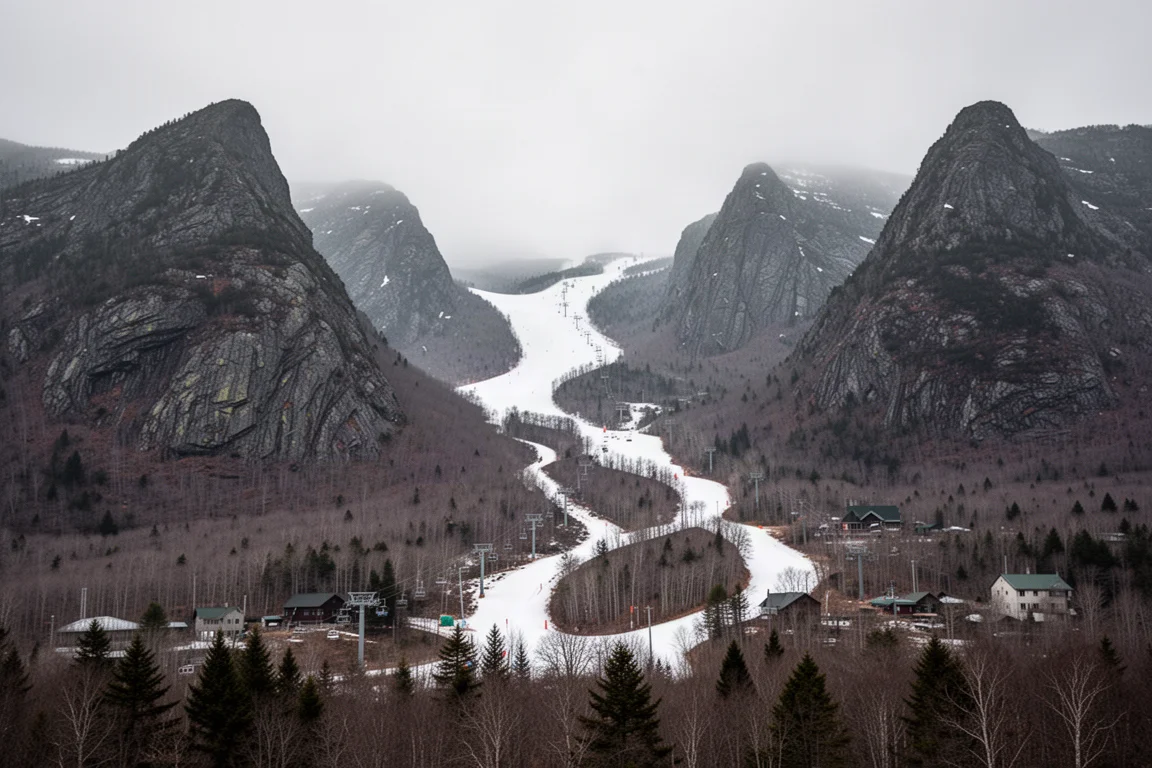
Pico is often overshadowed by its much bigger neighbor Killington, and that overshadowing comes with benefits. Crowding is rarely a significant problem, it’s one of the few central Vermont resorts with that trait to also be an Ikon Pass member, high-speed lift service covers much of the terrain, there’s a good mix of intermediate through advanced trails in a family-friendly footprint, and ski-in/ski-out lodging is convenient.
The catch is size. With only 265 acres, Pico is fairly coverable in a single day, and the resort is closed most Tuesdays and Wednesdays, making a non-holiday weeklong trip nearly impossible to plan. Secondary lifts don’t always operate consistently, and flow at the top of the Summit Express could use work. Ticket rates are pretty reasonable for Vermont, especially on off-peak weekdays, and the resort is on the Ikon Pass suite of products, though days there are shared with Killington.
17. Smugglers’ Notch
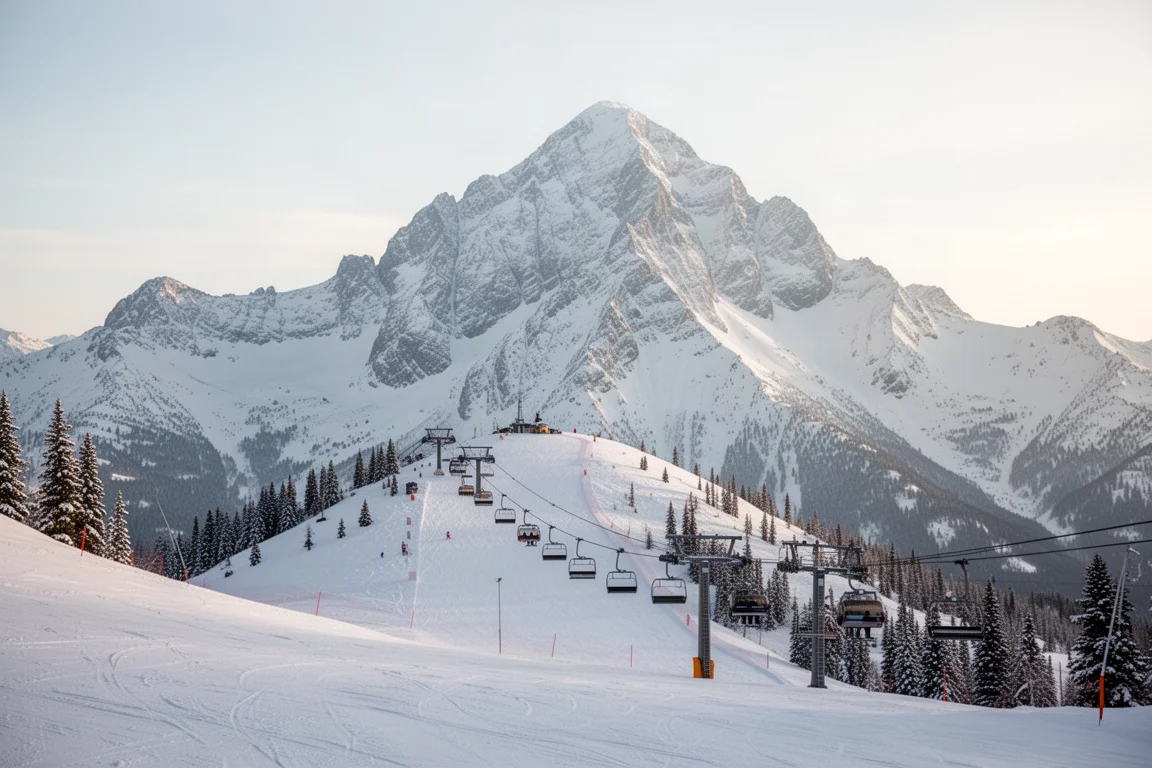
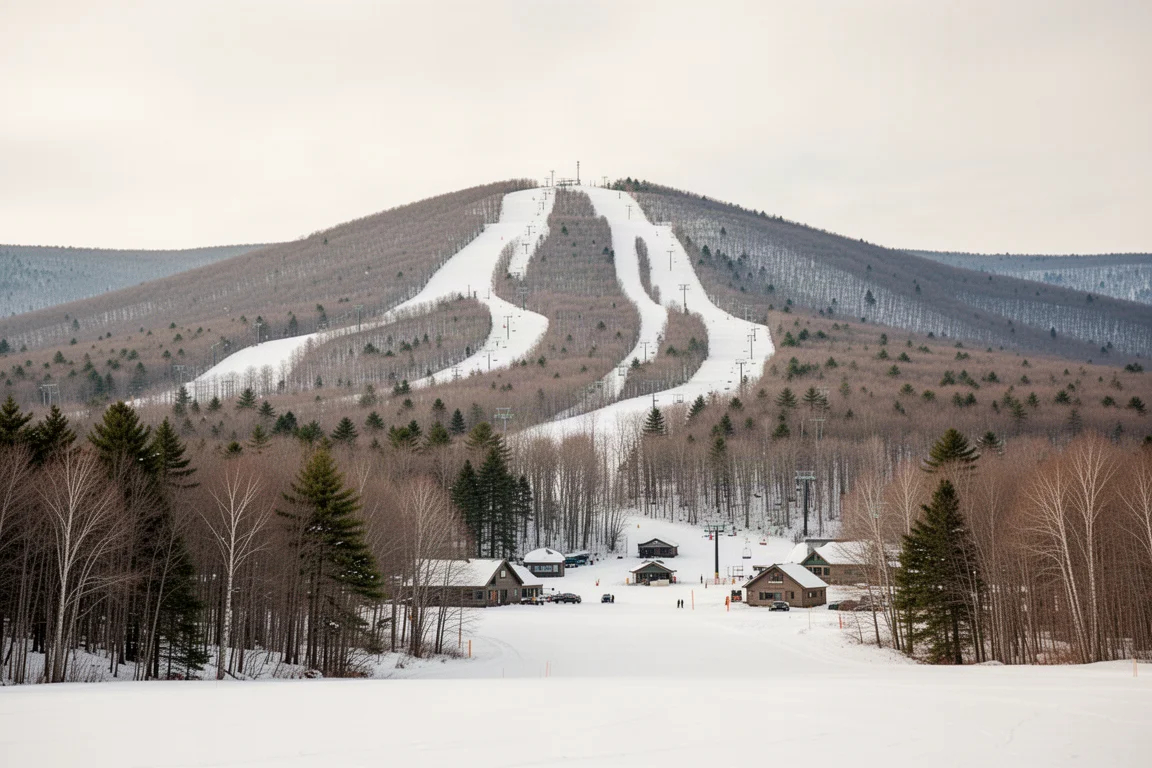
Smugglers’ Notch, in Northern Vermont, is perhaps the most old-school resort on this list, and it feels like a time capsule from 50 years ago in the best way: local character, narrow Vermont trails, and some of the most impressive natural scenery in the East. Natural snow is excellent for the region, the demanding steeps are serious, and it’s one of only two resorts on this list with a triple black diamond trail, a noteworthy technical glade challenge.
The lift network holds it back badly. Every major lift is a fixed-grip double chair, and the base-to-summit Madonna chair spans over 6,700 ft and takes 13 and a half minutes to ride. The beginner area is completely separate from the main terrain with slow traversing between them, and snowmaking lags more modern competitors. The good news is value: advance off-peak weekday tickets go for as cheap as $69, and the resort isn’t on any major multi-resort pass product.
16. Mont Sutton
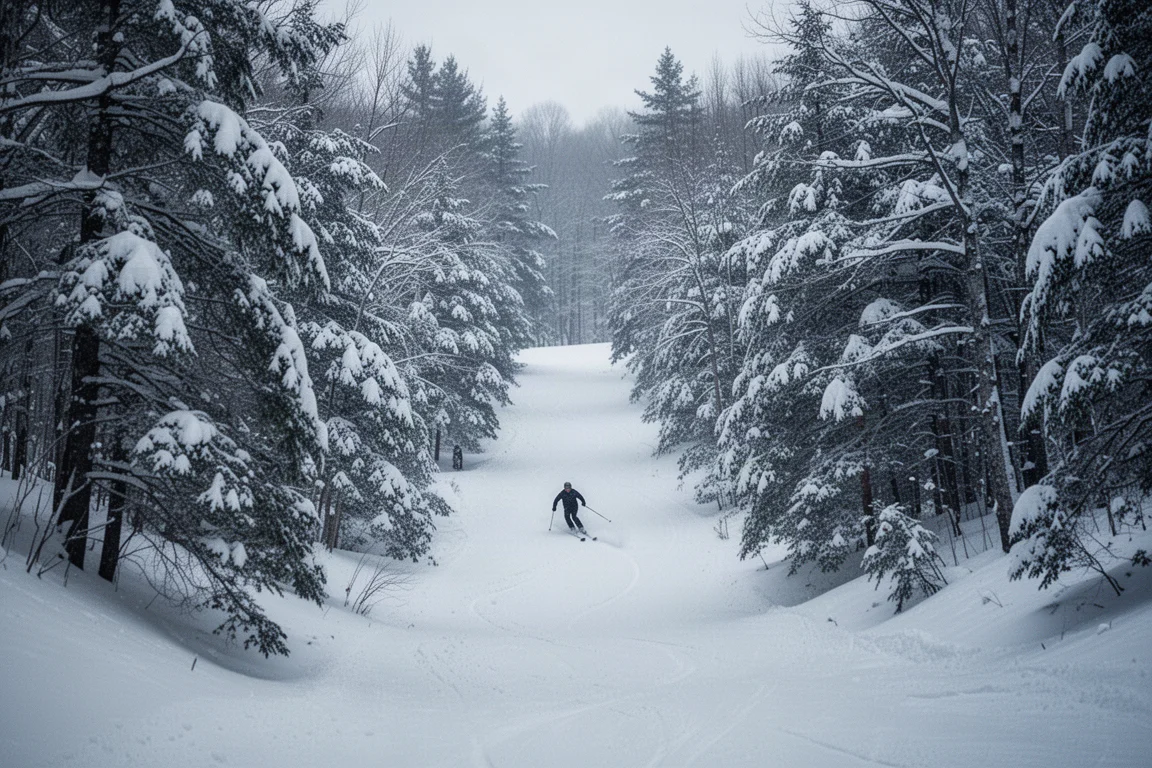
Mont Sutton has historically flown under the radar, but the Eastern Townships resort offers some seriously unique terrain. The glades are the headline, with options for a range of ability levels and some of the most demanding and technical tree skiing anywhere in the East, including triple black diamond runs loaded with drops, blind and committing turns, and straightline sections. Crowds are thin, and the French Canadian charm can feel genuinely exotic for the typical American traveler.
Two things hold it back. The vertical drop is just under 1,500 ft, and with traversing required, most guests only lap 1,000 to 1,100 ft per run, making the mountain feel even shorter. All but one lift is slow and universally outdated, with the last new chairlift installed in 1988, and early-season glade reliability can be an issue. On the flip side, it’s one of the best value ski resorts in the East, with holiday one-day tickets at $102 CAD (about $73) and off-peak weekdays dropping as low as $51 CAD (about $37). It’s also a two-day member of the Indie Pass, with some weekend and holiday blackouts on the base tier.
15. Waterville Valley
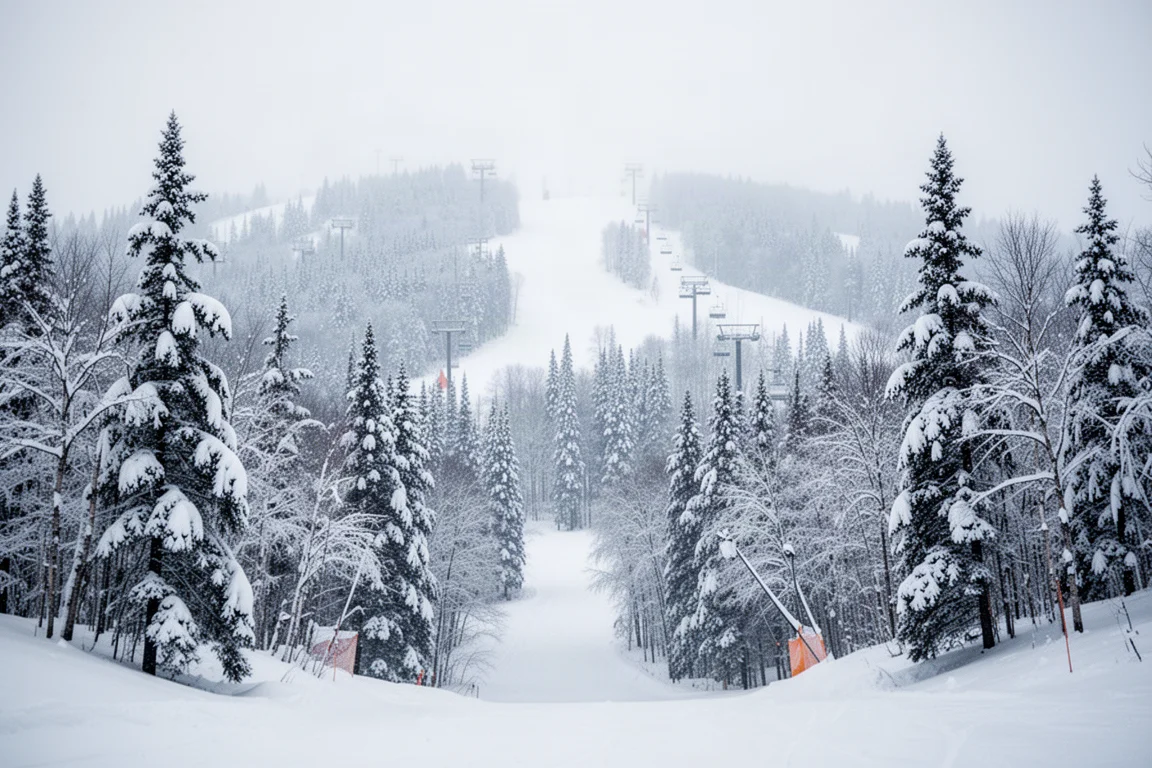
Waterville Valley is a storied New Hampshire resort with a long racing history, and it shows in a good way. You get a competitive 2,000 ft vertical drop, an extensive variety of blue-rated cruiser runs, and a uniquely wide-open upper mountain best described as a snowfield. There’s a strong on-mountain facility setup, a simple footprint that’s hard to get lost on, and a small village a few miles away with plenty of family-friendly activities.
The resort is too modest in size to compete with the best, though. Its 265-acre footprint is a fraction of the region’s largest resorts, and the beginner and expert experiences suffer most. The lift setup was clearly designed with racing in mind: the flagship bubble six-pack is welcome, but a T-bar is the only access to the upper mountain, and crowding depends heavily on whether racers are training. Despite a claimed 100% snowmaking coverage, the infrastructure is too outdated to achieve that metric most of the time. Window rates get expensive, advance discounts are significant, and Waterville is a member of the Indie Pass with two days of access and no blackouts on either tier.
14. Owl’s Head
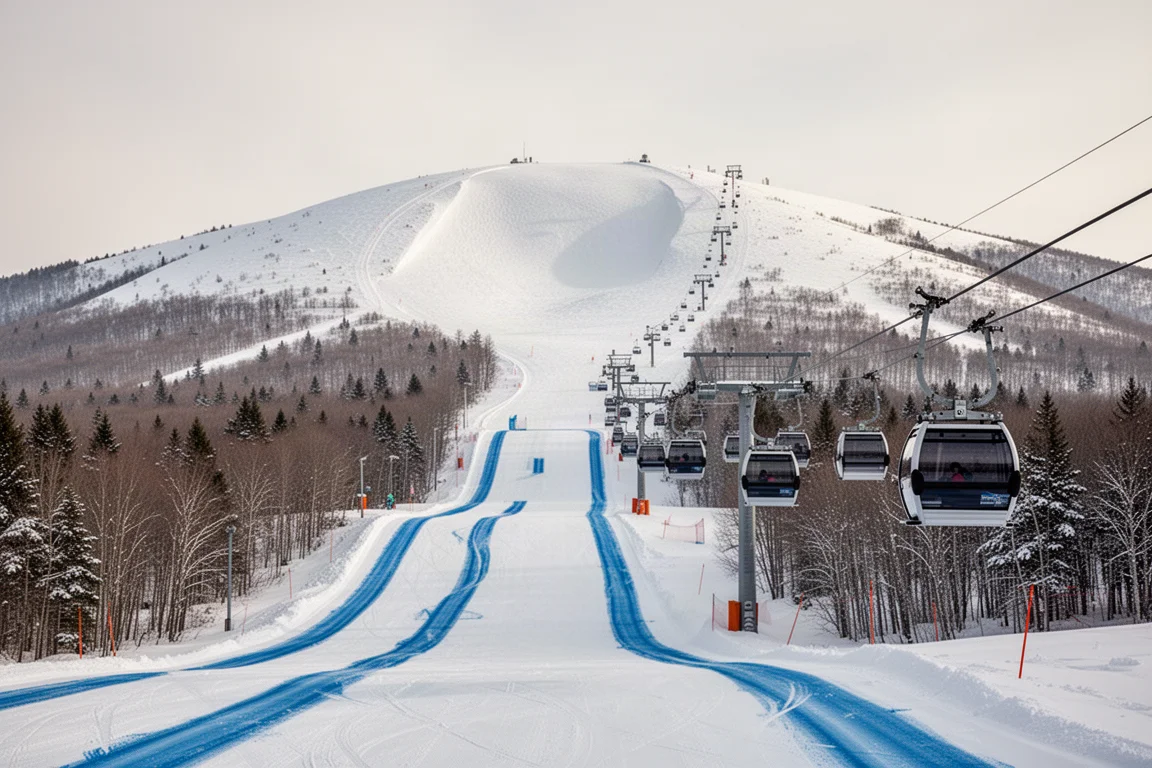
Owl’s Head, back in Quebec’s Eastern Townships, is a hidden gem for view chasers. The resort directly overlooks a massive lake, making for one of the most spectacular backdrops of any East Coast mountain, especially when the lake is unfrozen. You also get a simple, family-friendly footprint, nearly empty slopes, and fast lifts in most areas.
The reason you may never have heard of it is size: just 163 skiable acres, much smaller than every true destination in the East, and really only a day’s worth of terrain. There’s limited beginner terrain above mid-mountain and a lack of truly difficult expert slopes. Ticket rates are some of the most reasonable in the East, topping out at $97 CAD (about $69) at the window on a weekend or holiday and dropping to $73 CAD (about $52) in advance on off-peak weekdays. Owl’s Head is a two-day member of the Indie Base and Indie Plus passes, with December holiday blackouts on the lower tier.
13. Whiteface
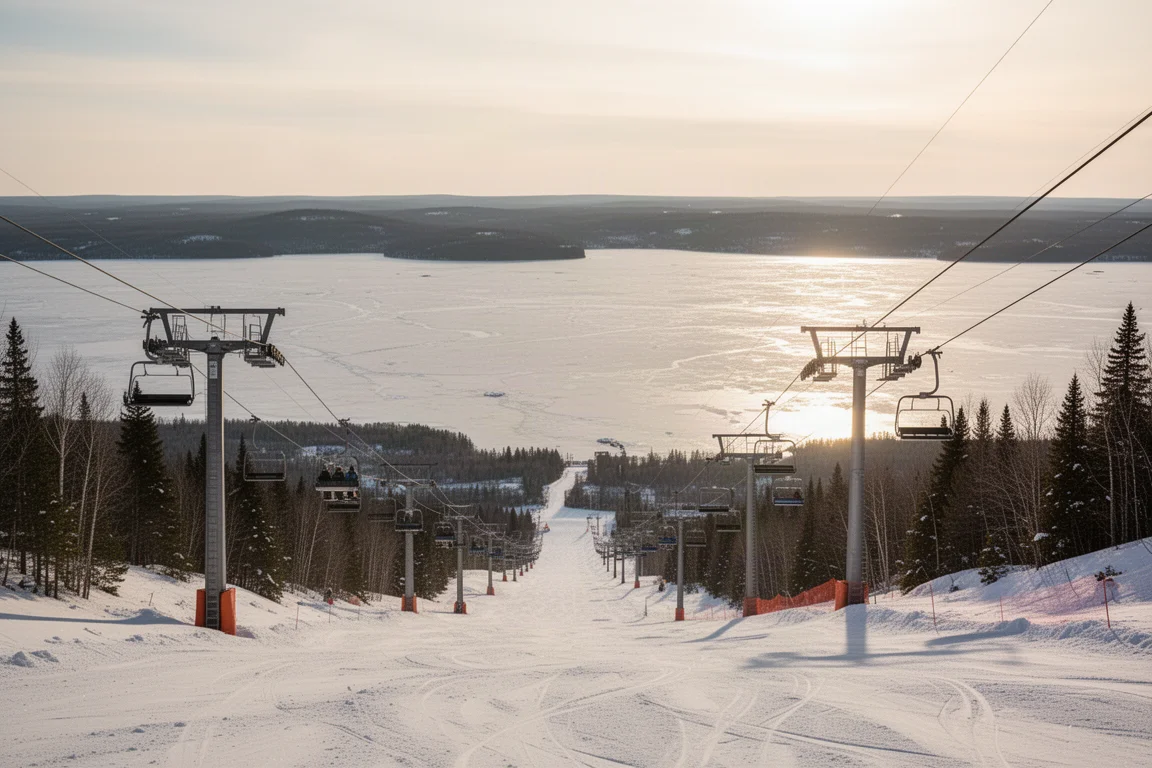
Whiteface, in the Adirondacks of upstate New York, has the longest vertical drop in the East, and on paper it looks like a top-tier mountain. The 3,430 ft vertical includes 3,150 directly lift-served, making for incredibly long runs that are rare outside the Rockies. The expert-only Slides area offers some of the most unique extreme terrain in the East, and the sustained vertical delivers some of the best views in the region.
Reality is more frustrating. The mountain’s prominence makes for some of the worst wind problems at any Northeast resort, with wind-scoured slopes common even in the core season and inconsistent trail openings; you can go years without the Slides opening once. Upper mountain lifts are long and slow and miserable when windy, and wind chill makes the resort notably cold. Book at the last minute with advance notice of conditions, buy in advance for discounts, and note that Whiteface is now a member of the Mountain Collective pass with two days of access and no holiday blackouts.
12. Stratton
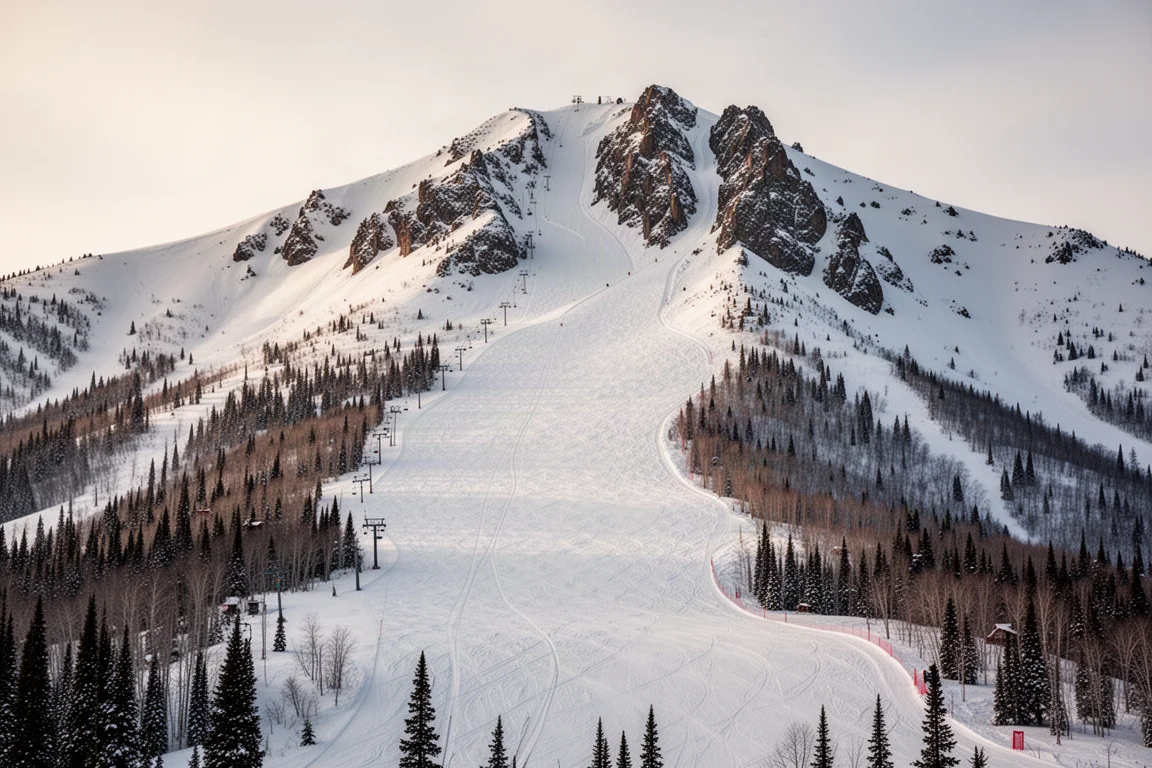
Stratton, in southern Vermont, has advertised heavily across the New York metro area, and there’s a reason: the layout is straightforward and easy to access with terrain for all abilities even off the summit, the skiable footprint is large, high-speed lifts serve nearly every area, and extensive snowmaking and grooming keep trails in good shape when nature doesn’t cooperate.
What’s largely devoid of hassles is also largely devoid of charm. The terrain is more vanilla than other mountains on this list, neighboring trails feel similar, the resort is perennially crowded on weekends and holidays, and there’s a commercialized feel you’d expect from the advertising. Many trails stay closed well into the core season despite the grooming work. Pricing is the biggest drawback: one-day rates often exceed those of better resorts a few hours north, going as high as $299 on weekends and some holidays. Lift ticket specials are available if you buy before early December, and the Ikon Pass suite is really the only form of access that makes sense.
11. Sunday River
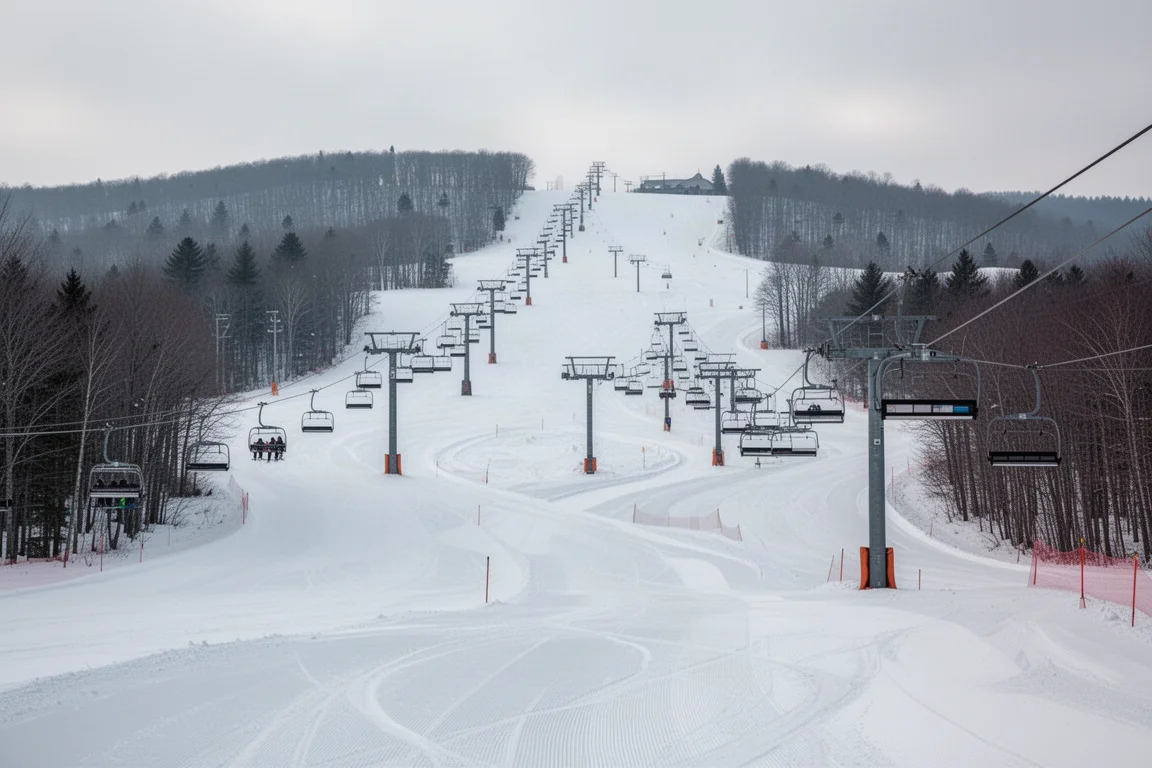
Sunday River, in Maine, is one of the biggest ski resorts in the East, and the size is the standout. Eight separate peaks span 870 skiable acres, the areas feel fairly distinct with a range of trail difficulties, and significant recent lift investments have delivered two bubble lifts and a chondela, providing some of the best weather isolation available at a resort in the East.
Despite the footprint, Sunday River falls short of the best for a couple of reasons. The on-paper 2,300 ft vertical comes from width rather than height, with no individual peak rising further than 1,700 ft. Some critical resort areas still rely on slow, long lift rides, and the expert terrain doesn’t match the more technical mountains in the region. Weekend and holiday tickets get pretty steep, advance off-peak weekday rates are more reasonable, and the resort is a partner on the Ikon and Mountain Collective pass products.
10. Saddleback
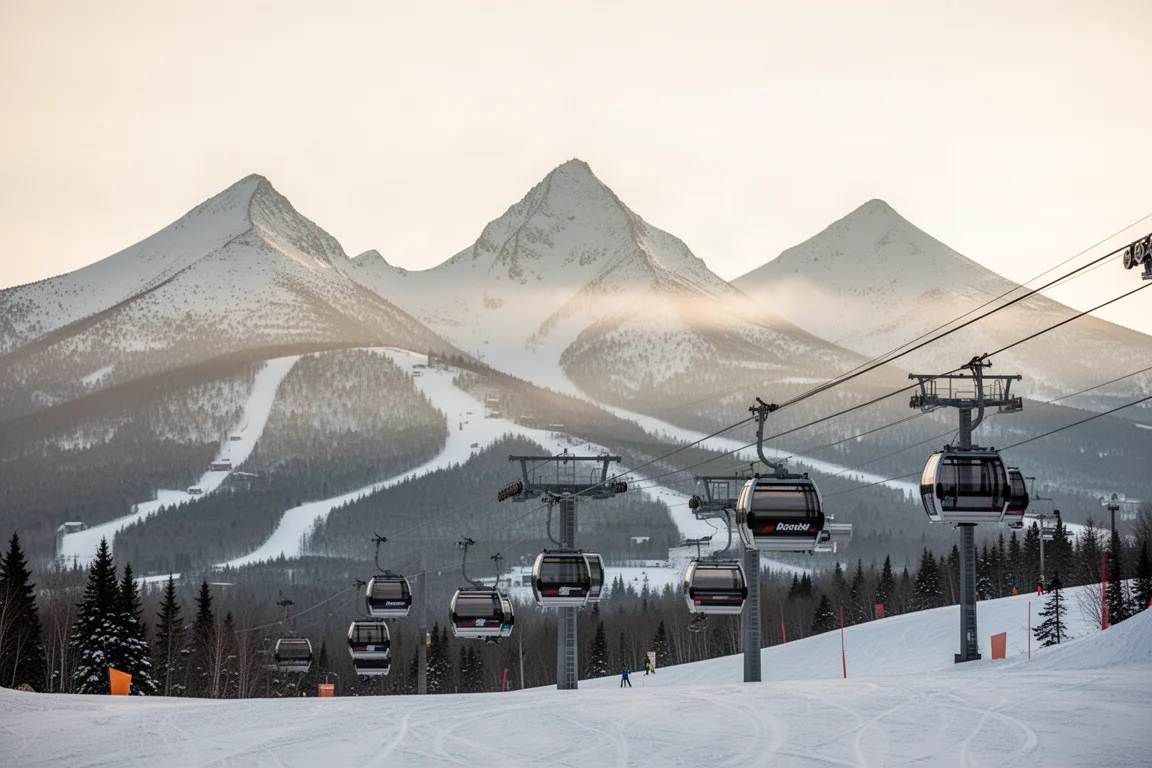
Saddleback has one of the great comeback stories in recent years. Forced to shut down in the mid-2010s over capital issues it couldn’t address, the Rangeley, Maine resort was reborn in 2020 with a new high-speed quad and several other investments. Today it stands out for a unique, remote feel, stunning wilderness views that might feel too wild for the Northeast, very limited crowds even on peak weekends and holidays, and a terrain layout that effectively insulates guests of different ability levels from one another.
It’s still smaller than most resorts higher on this list, and many guests will feel skied out after a day or two. Beyond the high-speed quad, the infrastructure is dated compared to the best in the East, and the logistics are tough: a long, backroad-heavy drive from most major cities, with very limited large condo rentals as the only on-site option. Window tickets get somewhat steep, advance off-peak weekday rates are a much better deal, and Saddleback is a two-day member of the Indie Pass with no blackouts on either tier.
9. Bretton Woods
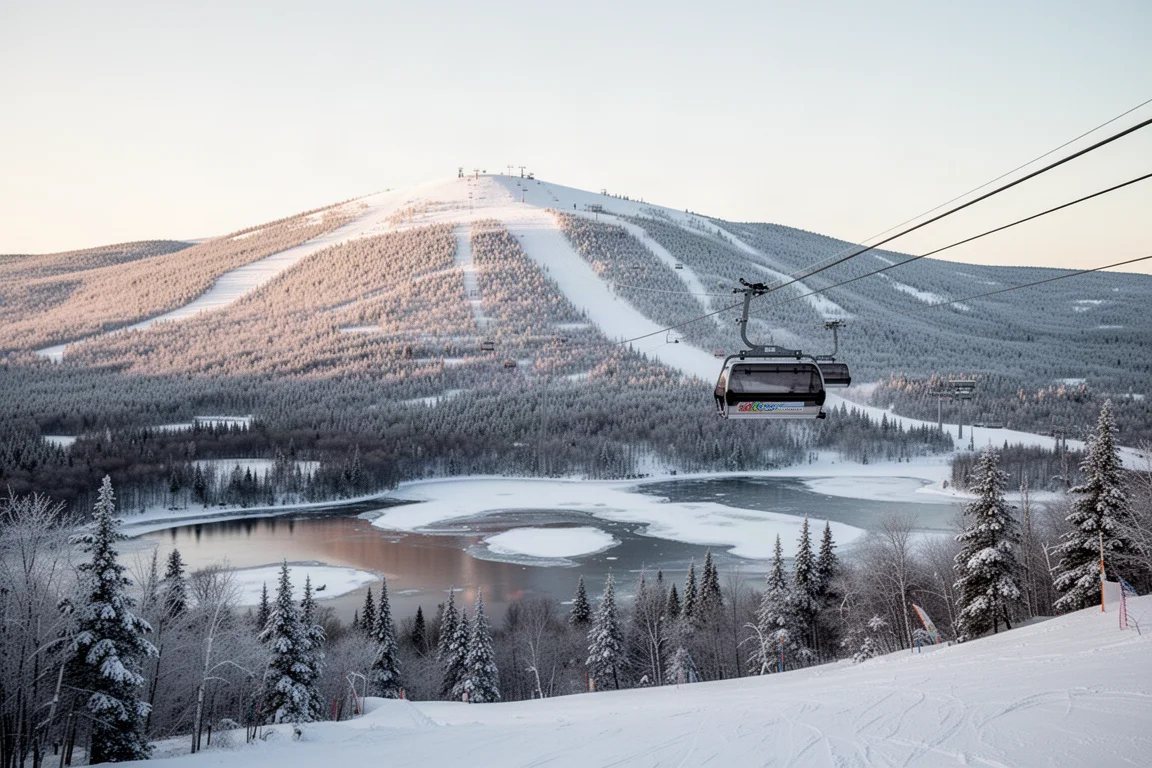
Bretton Woods is the final New Hampshire resort on the list and a great pick for an upscale, family-friendly experience. Grooming is strong, the lift network is among the most modern in the East with several high-speed quads and an eight-passenger gondola, glade terrain is solid, and the on-mountain lodges are incredibly nice. The backdrop, with views of the Presidential Range including Mount Washington and the resort’s iconic hotel, is one of the best in the Northeast.
The vertical drop is the weakness. A top-to-bottom descent measures less than 1,400 ft, and there isn’t much endurance terrain even ignoring that. Black diamonds feel more like blues at other resorts, mogul terrain is very limited, and raw snow totals don’t usually match nearby Vermont. The resort isn’t on any multi-resort pass products, one-day tickets get very expensive on holidays, but advance off-peak weekday rates are more reasonable.
8. Sugarloaf
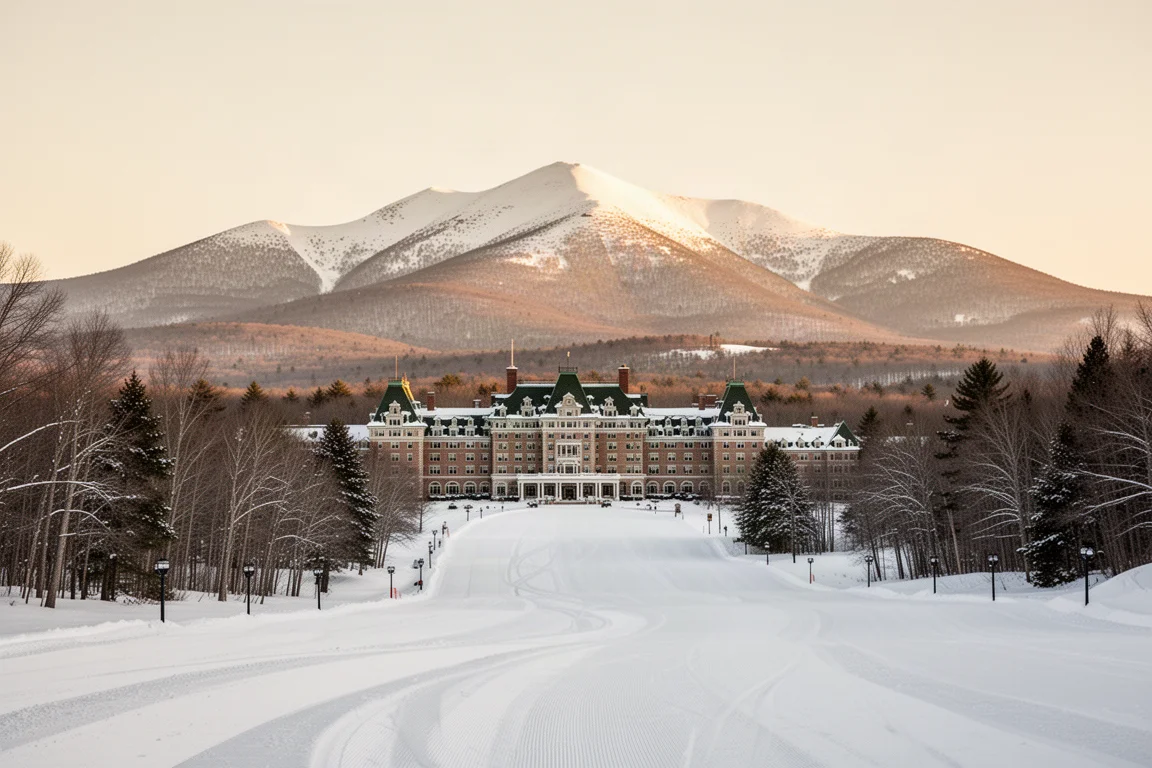
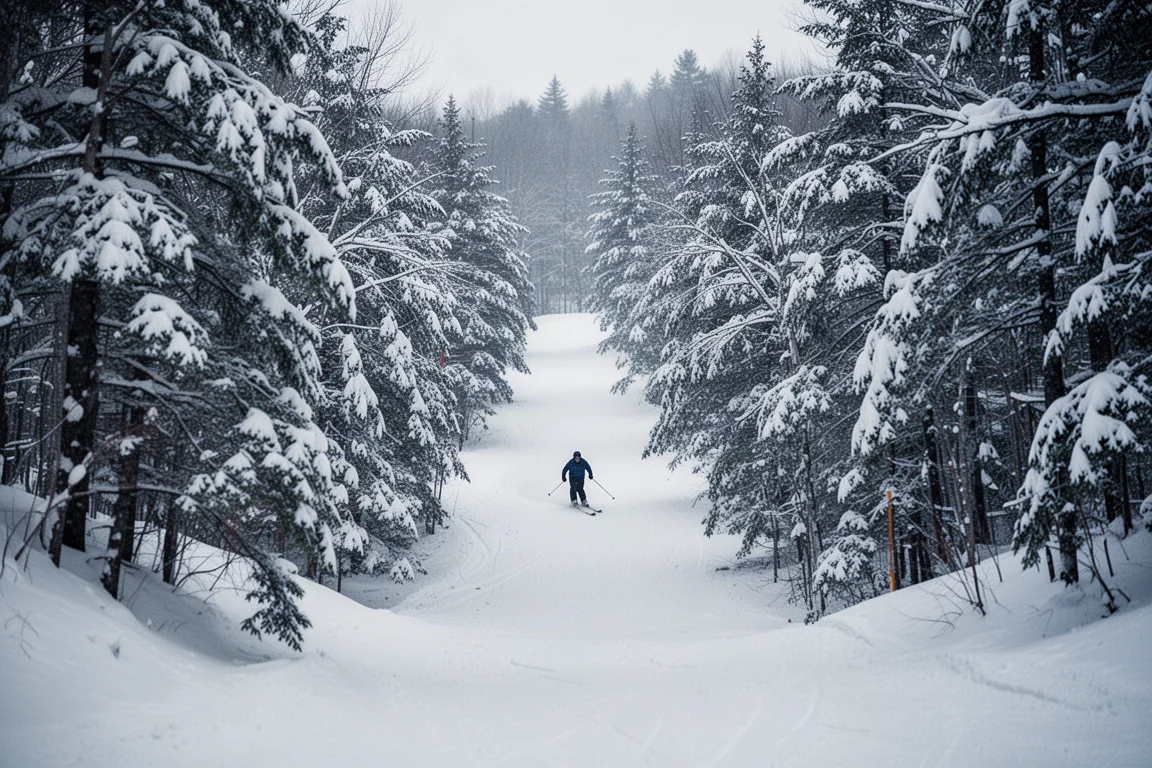
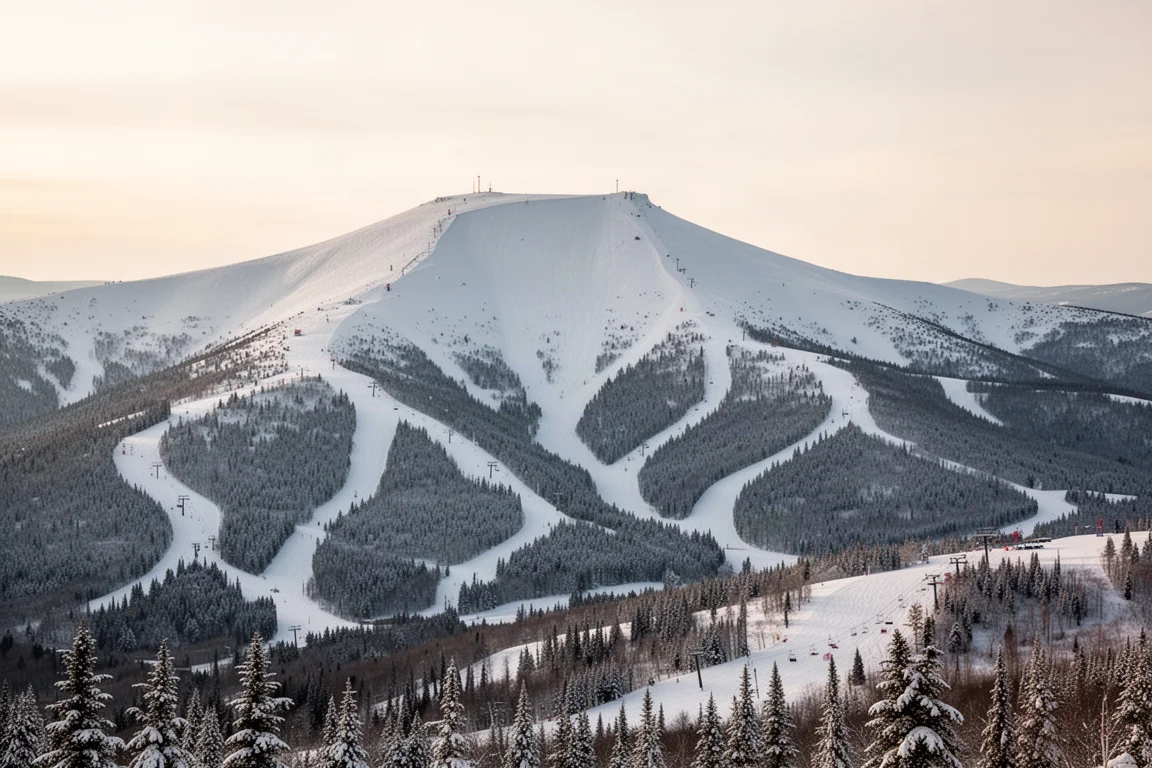
Sugarloaf, in Maine, sits far further north than most resorts on this list, and it has a lot going for it. The 1,360-acre skiable footprint is huge for the East, with more than double the terrain of all but a handful of regional competitors. It’s home to some of the most exotic terrain east of the Mississippi, including expansive sidecountry glades on Burnt Mountain and Brackett Basin, and the East’s only above-treeline lift-served terrain in its snowfields. On the right day, it’s almost surreal.
The caveat is the right day part. The most unique terrain takes significant snow cover to open, so in a bad season or an early visit it may be mostly or entirely closed, and if the sidecountry is affected, the rest of the resort, whose runs feel fairly similar to one another, feels smaller than it is. Wind holds are a problem in upper mountain areas, which are also served by slow lifts that are annoying on frigid days. Tickets are quite reasonable for such a large mountain, and Sugarloaf is a member of both the Ikon and Mountain Collective passes.
7. Sugarbush
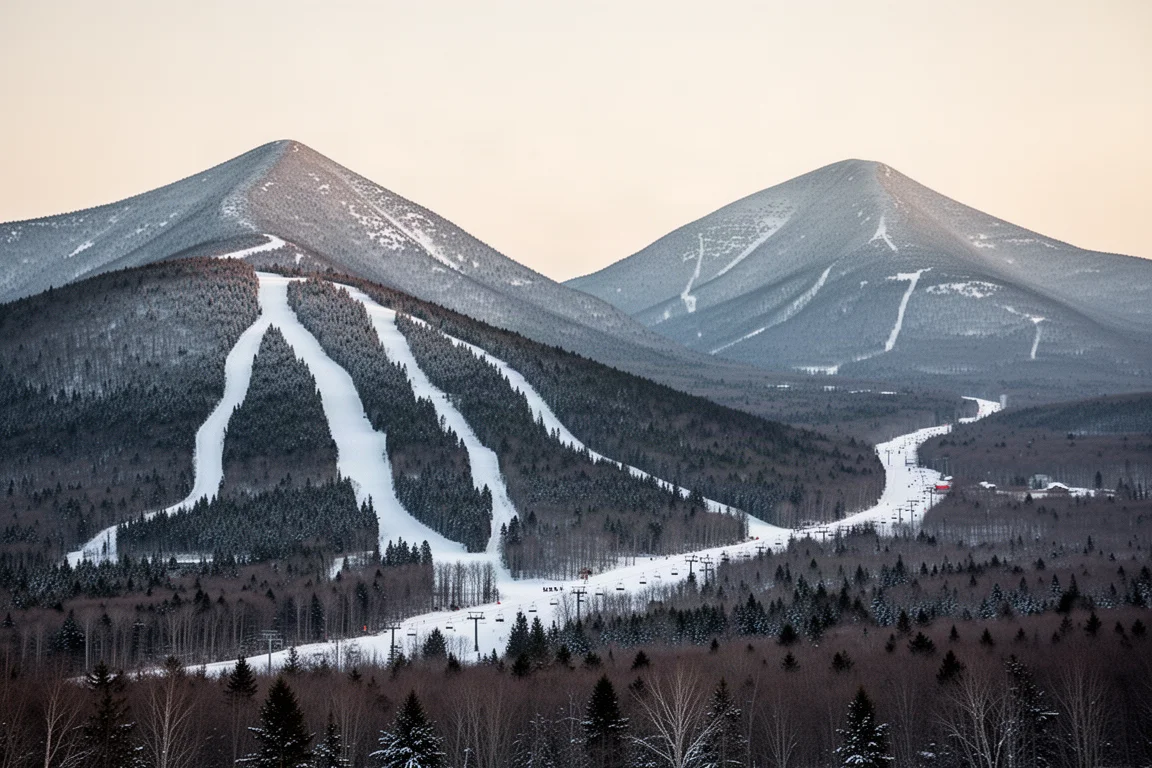
Sugarbush, in central Vermont’s Mad River Valley, stands out for a distinct, genuinely big mountain feel. Despite an average footprint for the region, it boasts a strong vertical drop and multiple distinct peaks that sit miles apart, making for some of the best views and isolation in the East. The expert experience is distinctive too: tight, steep, narrow terrain, plus the expert-only Castle Rock area, a relentless suite of ungroomed, often thin-covered trails you can’t bail on until at least halfway down.
The drawbacks are structural. The resort consists of two areas, Lincoln Peak and Mount Ellen, several miles apart, connected only by an incredibly long chairlift that’s almost never open or a shuttle bus. Upper mountain lifts are slow, much of the expert terrain lacks snowmaking and may be closed if you mistime your visit, and tickets are among the steepest in the East, going as high as $249 on a holiday. Sugarbush is a member of the Ikon Pass, and flexible $99 lift tickets are available before the core season, going off sale December 11th.
6. Jay Peak
Jay Peak, at the tippy top of Vermont, is famous for its incredibly favorable snow patterns, and the reputation is deserved. It reliably gets the highest snow totals of any major ski resort east of the Mississippi, making it more likely to deliver a powder day than any other resort on this list. The natural snow base feeds some of the best glades in the East, and the tram provides direct access to the jagged summit face, where the Face Chutes are among the hardest runs you’ll find anywhere.
Ironically, reliability is one of its biggest drawbacks. The same prominence that brings the snow brings substantial wind, so windswept slopes and upper mountain wind holds are common throughout the season, and grooming and snowmaking lag competitors. The tram is the only summit access and sees substantial weekend and holiday lines, the only high-speed quad passes through a wind funnel and makes for a frigid ride, every other chair is slow and outdated, and the drive is an extra hour or so versus even central Vermont resorts. Online lift tickets are fairly reasonable, and Jay Peak is a two-day member of the Indie Pass with no blackout dates on either tier.
5. Stowe
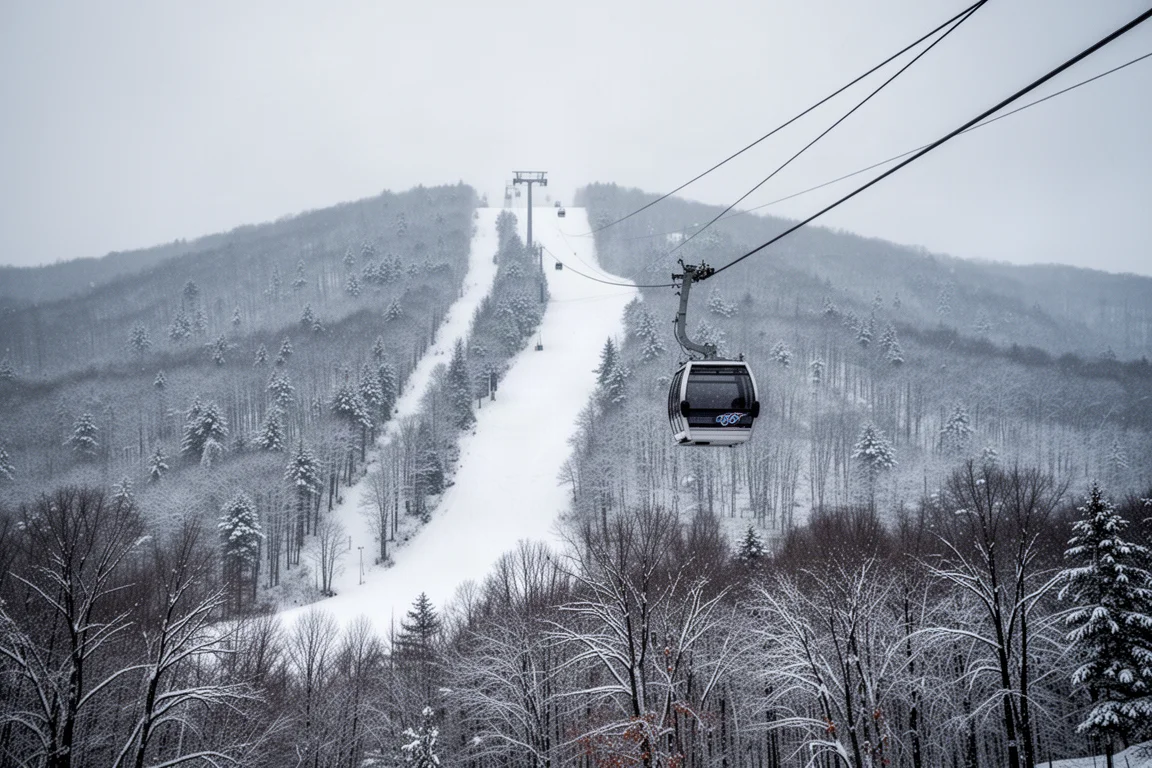
Stowe is one of the oldest and most storied resorts in the Northeast, and it’s earned the reputation. The classic New England backdrop with Mount Mansfield’s jagged, often snowcapped presence looms over trails that feel distinct despite the resort’s moderate size. Expert terrain is among the most demanding in the East with steep, long, narrow trails along the front face, plus easy access to backcountry off the top of Mansfield. Snow totals are competitive with the best in Vermont, and significant recent capital investments have made the lift setup one of the most modern in the East.
The biggest drawback is that Stowe is a known entity. Terrain doesn’t always cover weekend and holiday demand, the crowds extend to the access road, and restrictive paid parking policies now apply at most convenient lots. Base lodges on the Mansfield side are still a bit awkward to stop in at, and you can’t ski off the summit without hiking into the backcountry. Pricing is steep: advance core-season tickets start at $165, and a same-day holiday adult ticket goes for an unconscionable $261. Stowe is a member of the Epic Pass suite of products, and you should make sure you have one for access.
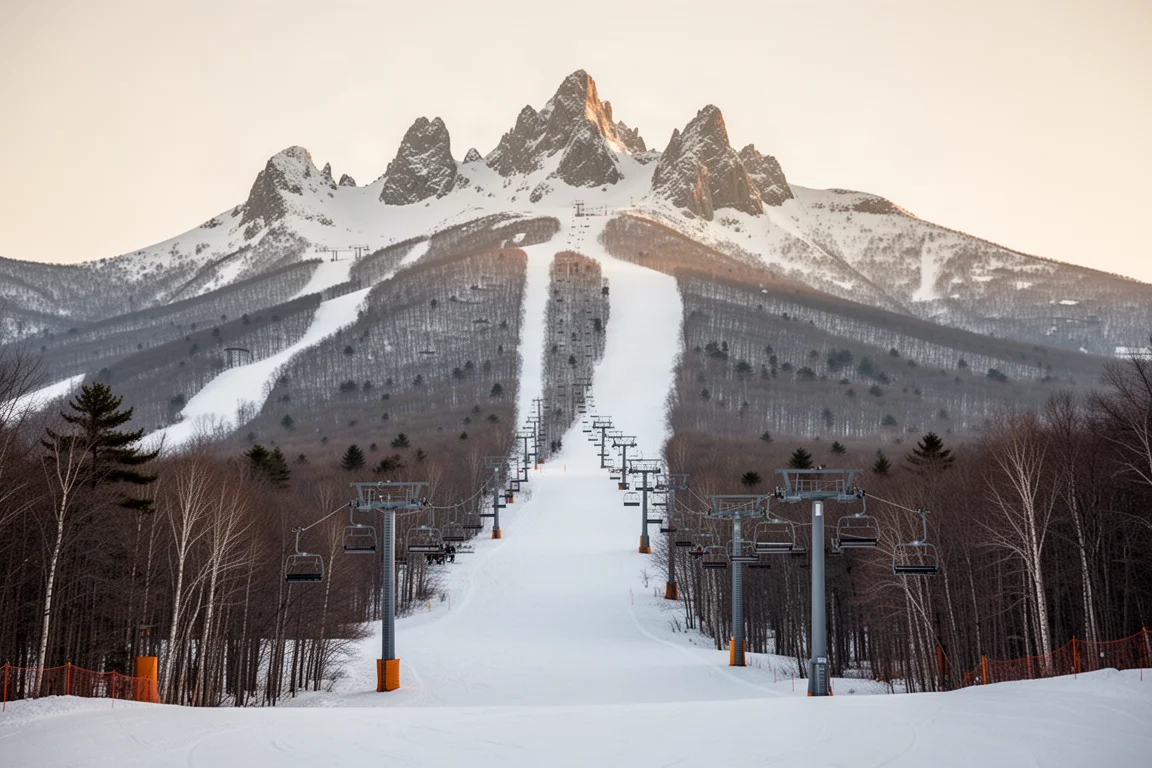
4. Mont-Sainte-Anne
Mont-Sainte-Anne, a short drive from Quebec City, stands out for well-rounded terrain across abilities, several distinct mountain pods, and a 360-degree skiable footprint from the summit. The lift setup is fairly fast, including a gondola and bubble chair for weather isolation, the views of the nearby St. Lawrence River are distinctive, and it’s one of the few decently sized East Coast mountains to offer night skiing, with up to 19 illuminated trails most Thursdays through Saturdays plus select holidays.
A couple of factors keep it off the podium. The south-facing front side, which includes all of the resort’s true expert terrain, is heavily susceptible to freeze-thaw cycles and variable conditions. The lifts are fast but not modern, with some high-profile reliability issues in recent years. And for travelers from the States, it’s a true haul from most major Northeastern cities, taking several hours longer than the Vermont, New Hampshire, and New York mountains. On the value side, it offers some of the best lift ticket pricing for the quality in the East, even at peak times, and it’s a member of the Epic Pass, albeit only with the full pass and 4 to 7-day versions of the highest tier Epic Day Pass.
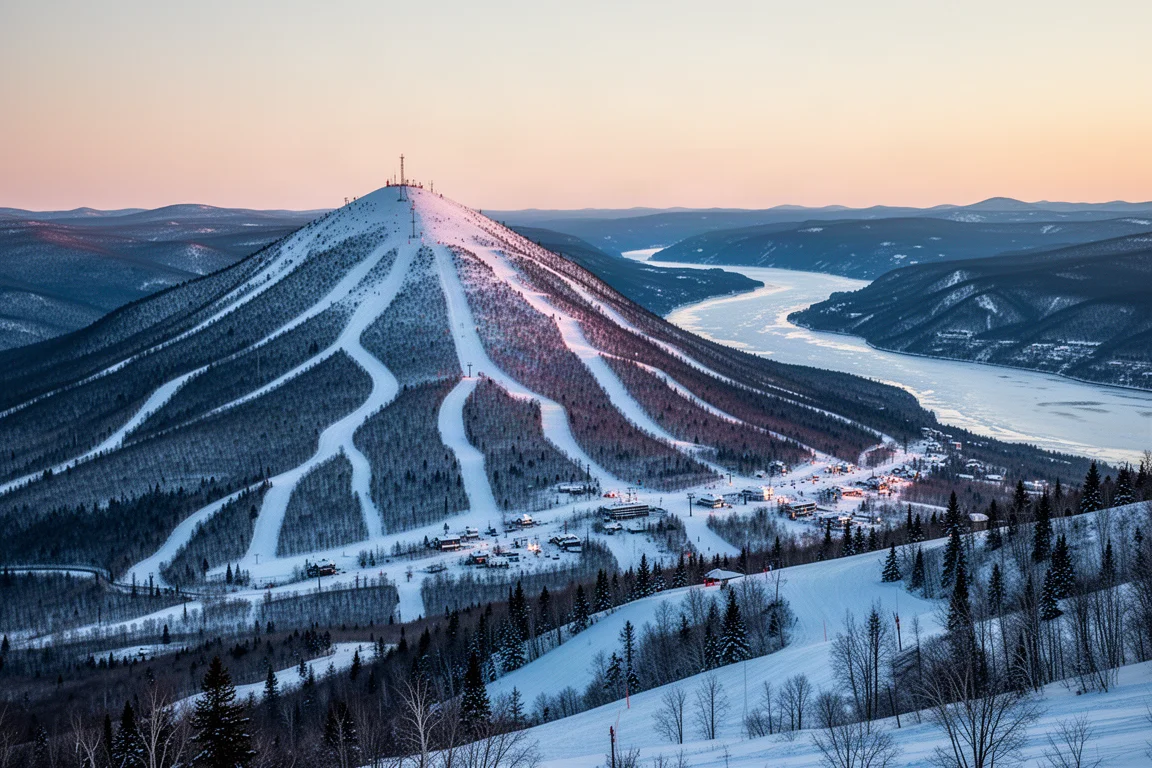
3. Mont-Tremblant
Our bronze medalist is Mont-Tremblant, in Quebec’s Laurentians, and it stands out for combining size with a hassle-free experience. The resort boasts a generous 755-acre skiable footprint, high-speed lifts in all but a handful of areas including a flagship gondola that really comes in handy on cold days, and an easy-to-navigate layout with access to the vast majority of terrain directly from the summit. Terrain variety ranges from mellow groomers to expert tree trails, and the base village is by far the best of any East Coast mountain, a walkable setup that actually delivers a resort experience you usually only get out west.
Tremblant is a known entity, though, and it gets quite crowded during peak times. Snow totals are good but not as standout as some Vermont mountains, and given how much colder Tremblant often gets, not everyone will want to sacrifice temperature comfort for little to no snowfall benefit. Lift tickets have gotten more expensive but remain a good deal if bought in advance for an off-peak weekday, and the resort is a member of the Ikon Pass suite of products.
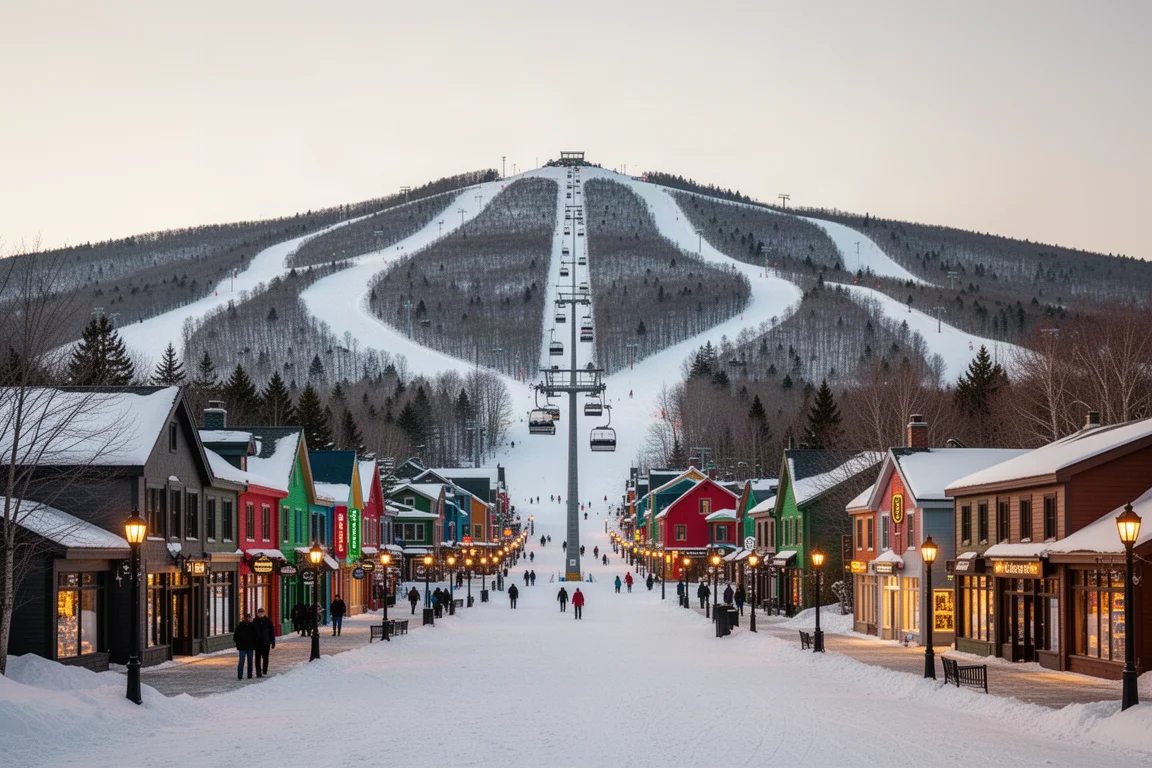
2. Killington
Killington’s biggest asset is, first and foremost, its size. With a 1,500-acre footprint, it’s by far the largest resort in the East, offering a wide variety of trails and a modern lift fleet including two gondolas, one bubble lift, and several other high-speed chairs. Despite being so big, it also stands out for reliability: an extensive snowmaking arsenal keeps trails open consistently through even bad weather events, and on a few select trails it allows operations as late as May or even June.
A handful of factors keep it from the top spot. The resort is a pain to navigate, with high-consequence junctions that leave you at the wrong lift and flat areas requiring prolonged traversing. Despite a 3,000 ft vertical on paper, some base lodges sit nearly halfway up that rise, and trails aren’t always as long or technical as expected. It’s a known entity that still gets very crowded on weekends and holidays, and lift tickets are very expensive, especially on weekends and holidays. Killington is a partner on the Ikon Pass, with days shared with Pico, and bundle deals are available before the core season starts.
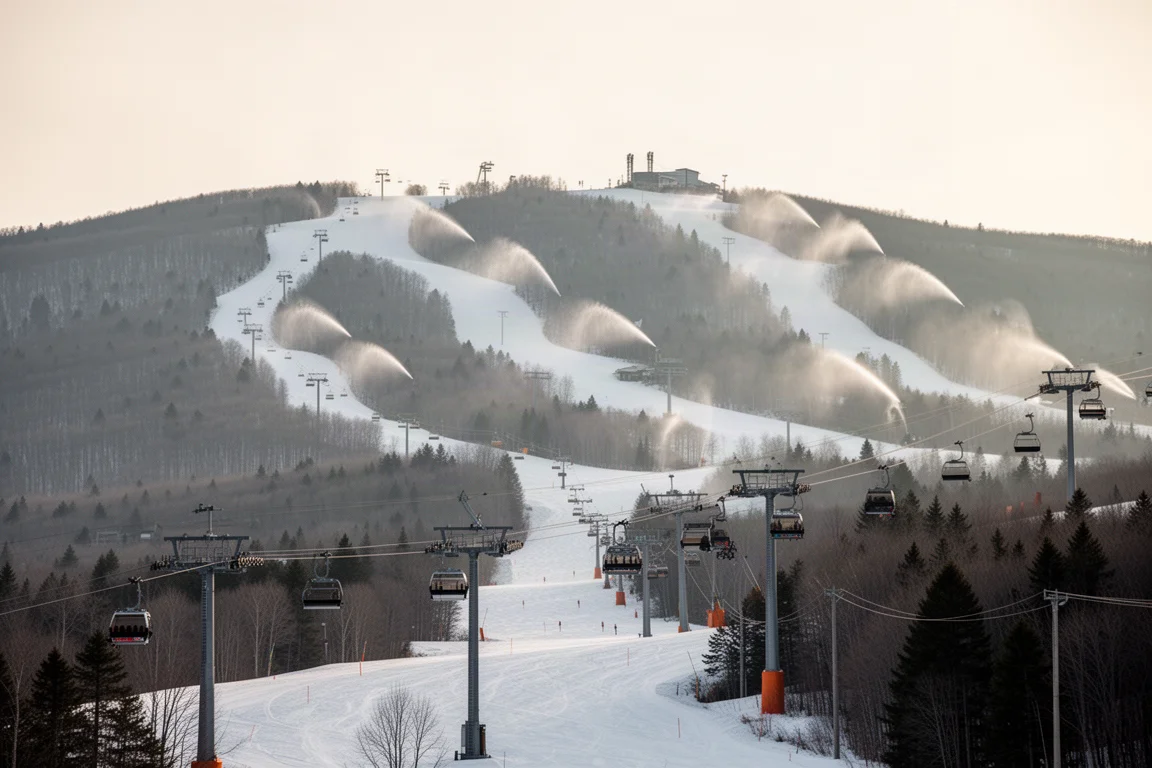
1. Le Massif de Charlevoix
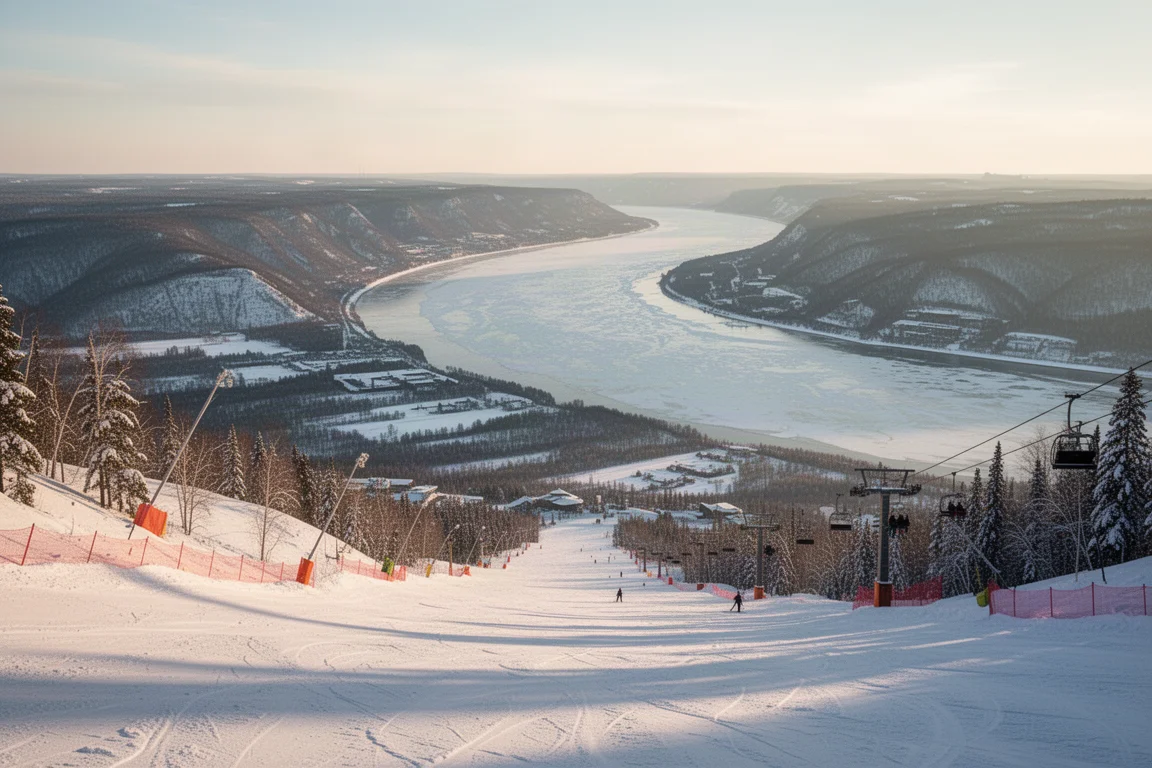
Our top pick for an East Coast ski vacation isn’t as well known as many resorts on this list, but so many things go right at Le Massif de Charlevoix, near Quebec City, that it wasn’t even close. The terrain is the headline: a very competitive 2,500 ft vertical drop, and a consistent one, with a range of groomed cruisers and demanding mogul runs. The resort already has an upside-down layout, meaning you can get on the slopes as soon as you get out of your car, and a fast lift fleet including a gondola that nearly spans the entire vertical, all without the horrendous crowds of similarly sized competitors. If the traditional trails aren’t adventurous enough, a sizable sidecountry area offers some of the best glade terrain east of the Mississippi, albeit with a little hiking required for parts of it.
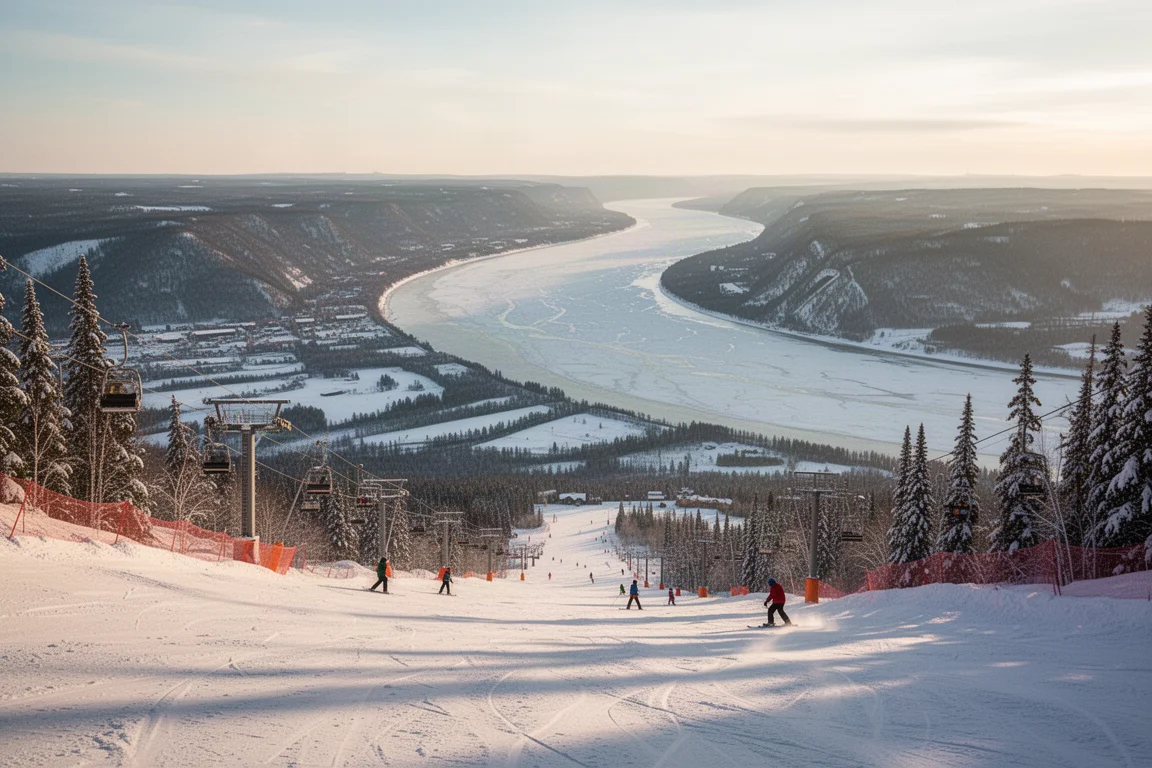
The single defining feature that makes Le Massif feel downright exotic is that it directly overlooks the St. Lawrence River, a massive body of water visible from almost everywhere at the resort, and it can feel surreal to be looking at it. It’s not a perfect mountain: the 566-acre footprint including sidecountry isn’t the biggest, and with much of the terrain facing south and east, reliability in lower mountain areas near sea level can be an issue, even with the northern latitude helping. The location is also the reason it doesn’t get crowded, sitting about an hour northeast of Quebec City but roughly 7 hours from Boston and 9 hours from New York, where a drive may simply not be practical. One-day lift tickets are more expensive than many other Eastern Canada competitors, but still a solid deal for those used to US destination rates, and after many years independent, Le Massif is now a member of both the Ikon and Mountain Collective suites of passes.
Conclusion
The Northeast has some reliability issues and can’t match the terrain scale of the Rockies, but if you know where to look, there are surprisingly incredible mountains in this part of North America. Vermont is often viewed as the place to be east of the Mississippi, yet heading up to Maine or Quebec delivers some incredible options that are far less well known. If you can time your trip to the core winter season, there are East Coast resorts absolutely worth the drive.
Further reading
Related Reviews
Ski Resorts
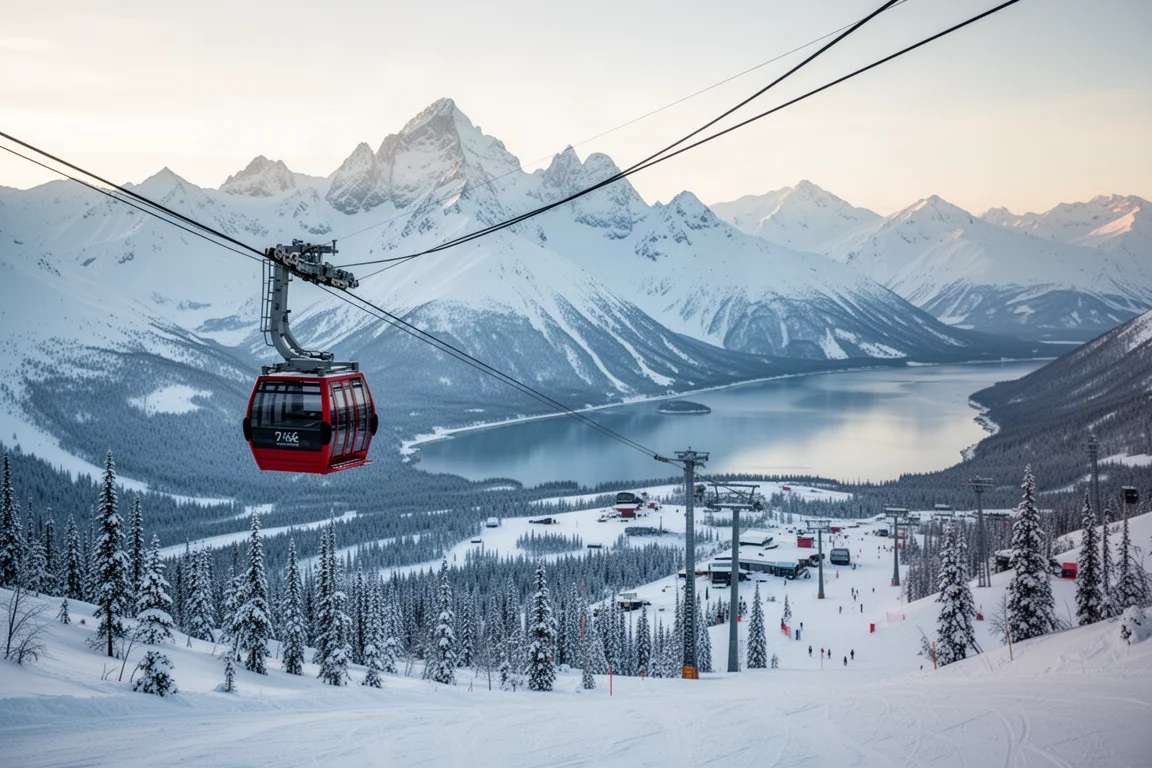
Alyeska Resort Review: Alaska's Largest Ski Resort, Worth the Journey?
A deep look at Alyeska Resort: heavy snowfall, expert terrain, an Icon Pass connection, and the trade-offs of a near-sea-level mountain in the Last Frontier.
Ski Resorts
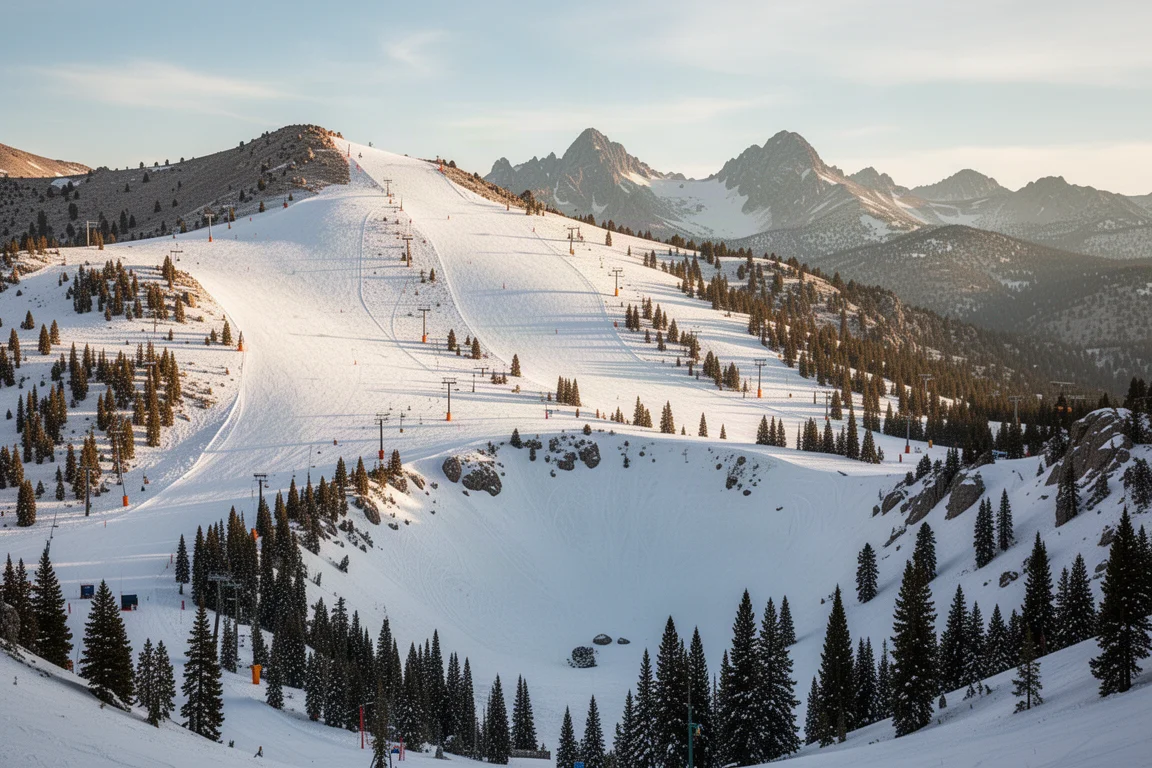
Bear Valley Ski Resort Review: Northern California's Quiet Sierra Alternative to Tahoe
A lesser-known Sierra resort with over 1,300 skiable acres, surprisingly strong expert terrain, and crowd levels Tahoe can only dream of. Here is what to know before you go.
Ski Resorts
Colorado Ski Resorts Ranked: The Best Destination Mountains for Overall Experience
A ranked guide to Colorado's destination ski resorts, covering terrain, snow, logistics, crowds, and cost so you can pick the right mountain for your trip.