Backpacking Gear
Best New Backpacking Gear: Six Ultralight Upgrades Worth Knowing
Six new pieces of backpacking gear, from a Dyneema single-wall tent to a quieter sleeping pad, with the real strengths and trade-offs to weigh before you buy.
Introduction
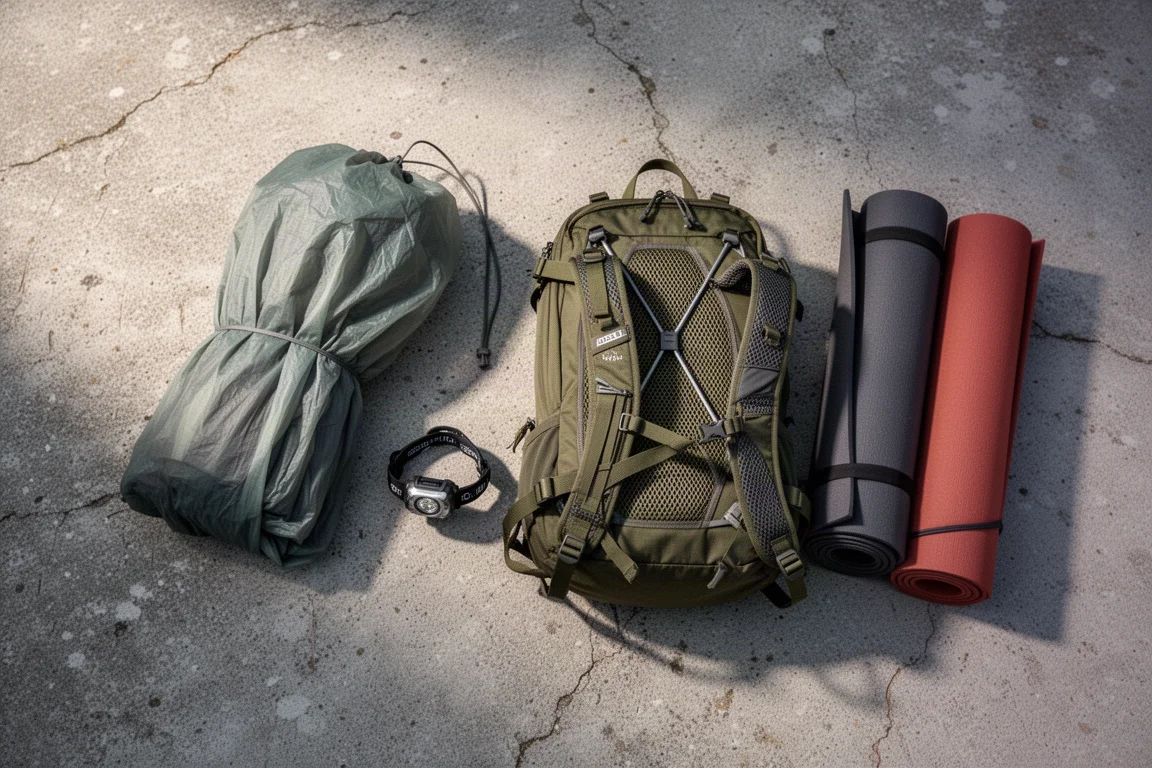
Every hiking season brings a wave of revised tents, packs, pads, and lights, and most of it is incremental. Once in a while a brand does something genuinely different, and that is what makes this batch of new backpacking gear interesting: a Dyneema single-wall tent that rethinks a familiar silhouette, an ultralight pack from a company better known for traditional load haulers, and a headlamp that adopts a modification weight-conscious hikers were already making themselves.
There are also a couple of updates worth approaching with realistic expectations, including a sleeping pad whose official warmth rating has not matched every field report. Here are six pieces of new gear, what each one actually changes, and who each one suits.
How We Evaluated This Gear
Three questions shape how we look at new backpacking gear: what did the brand actually change, does that change matter on a real trip, and what does it cost you in weight, money, or convenience? A lighter tent is only an upgrade if it still pitches quickly and stands up to weather. A warmer pad is only an upgrade if it keeps you warm on the ground you actually sleep on.
Published specifications are the starting point, not the answer. Claimed weights, R-values, and noise reductions are useful because they let you compare products on paper, but they are measured under specific conditions. Where a claim and real-world behaviour line up, that is worth saying. Where they do not, that matters just as much to a buyer.
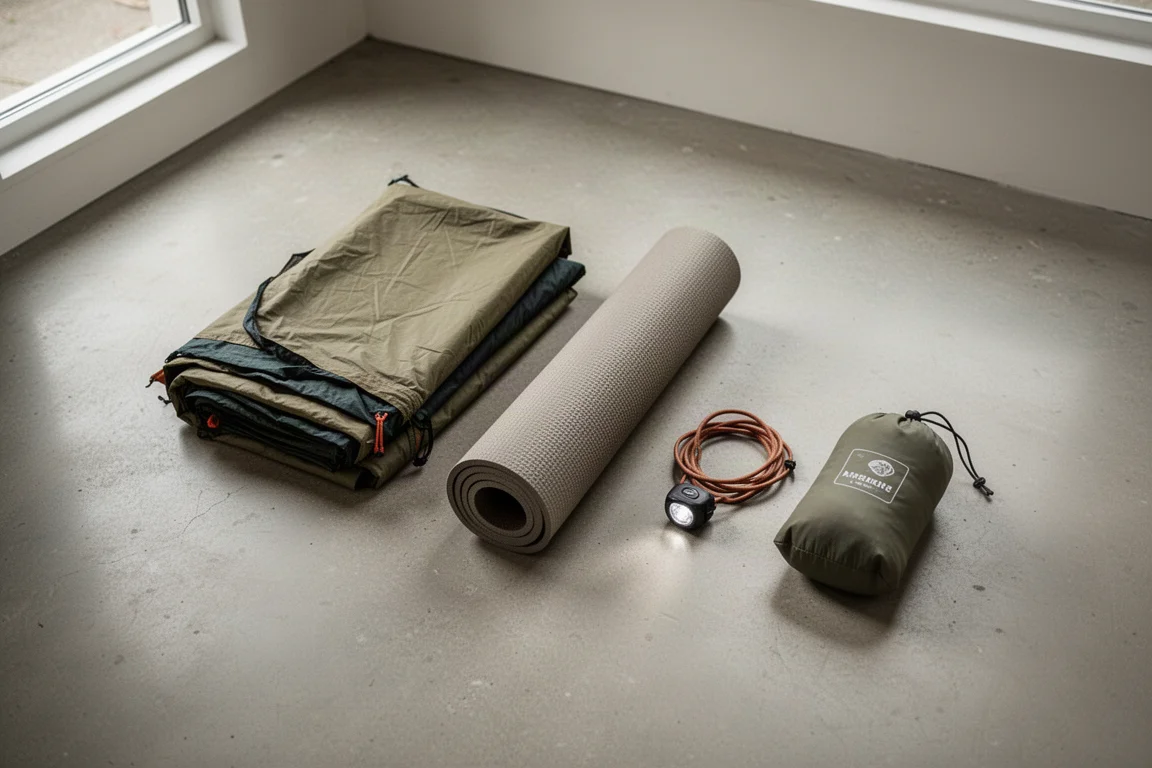
One more note on framing: gear that leads a list of new releases is not automatically gear you need. The most useful purchase is the one that fixes a problem you have actually noticed, whether that is a pack that runs hot on your back, a shelter that takes too long to pitch, or a pad that wakes you up every time you roll over.
Durston Gear X-Mid Pro 1: A Dyneema Single-Wall Tent
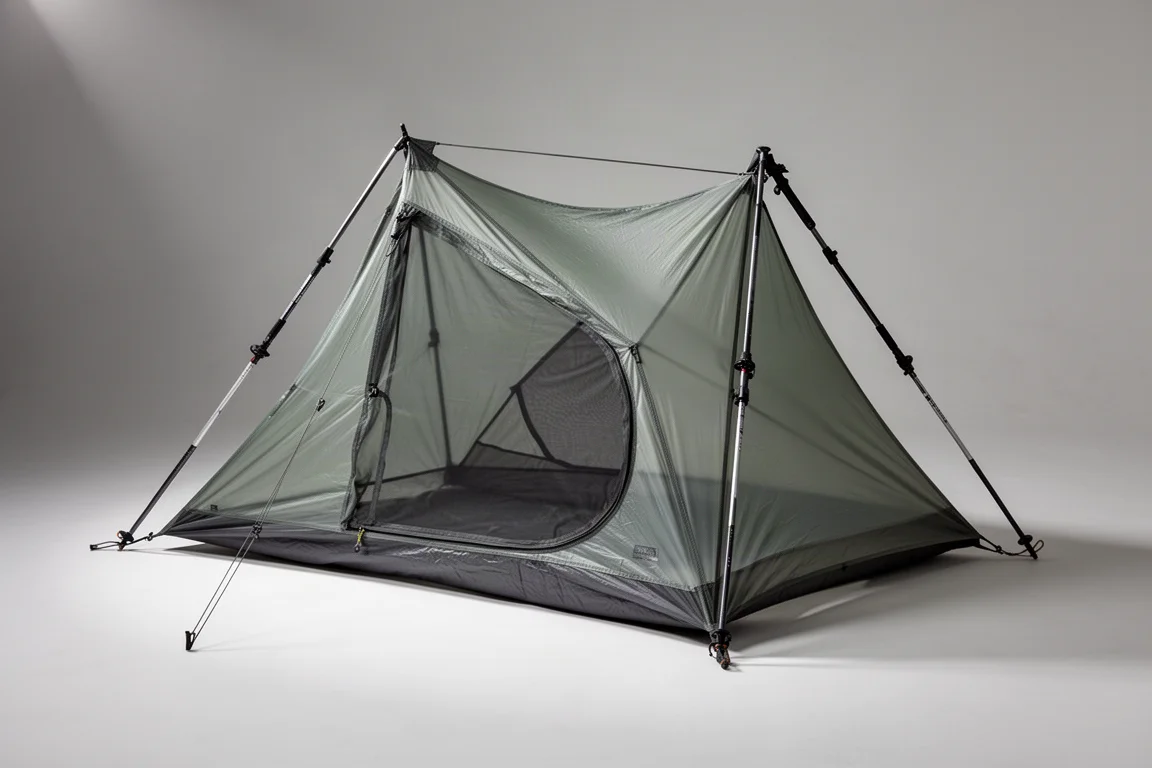
Durston Gear keeps a deliberately small lineup, and its tents share one core design. That design is one of the simplest in backpacking: it offers generous interior space for its footprint, pitches quickly, and handles wind and rain well. The X-Mid Pro 1 takes the same approach and rebuilds it as a single-wall shelter in Dyneema, which is what makes it one of the most anticipated tents of the season.
The payoff is weight. The Pro 1 comes in at just over a pound, and that figure excludes trekking poles and stakes, which the design requires. For a single-person shelter with this much interior room, that is a striking number, and it is the main reason the tent stands apart from the many near-identical options on the market.
Dyneema is the trade-off. It is an expensive material, and the X-Mid Pro 1 is priced at $600. If you want the lightest possible version of a proven design, that cost is part of the package. If your budget is tighter, the standard X-Mid remains the more sensible entry point.
Osprey Exos Pro 55: Ultralight From a Traditional Brand
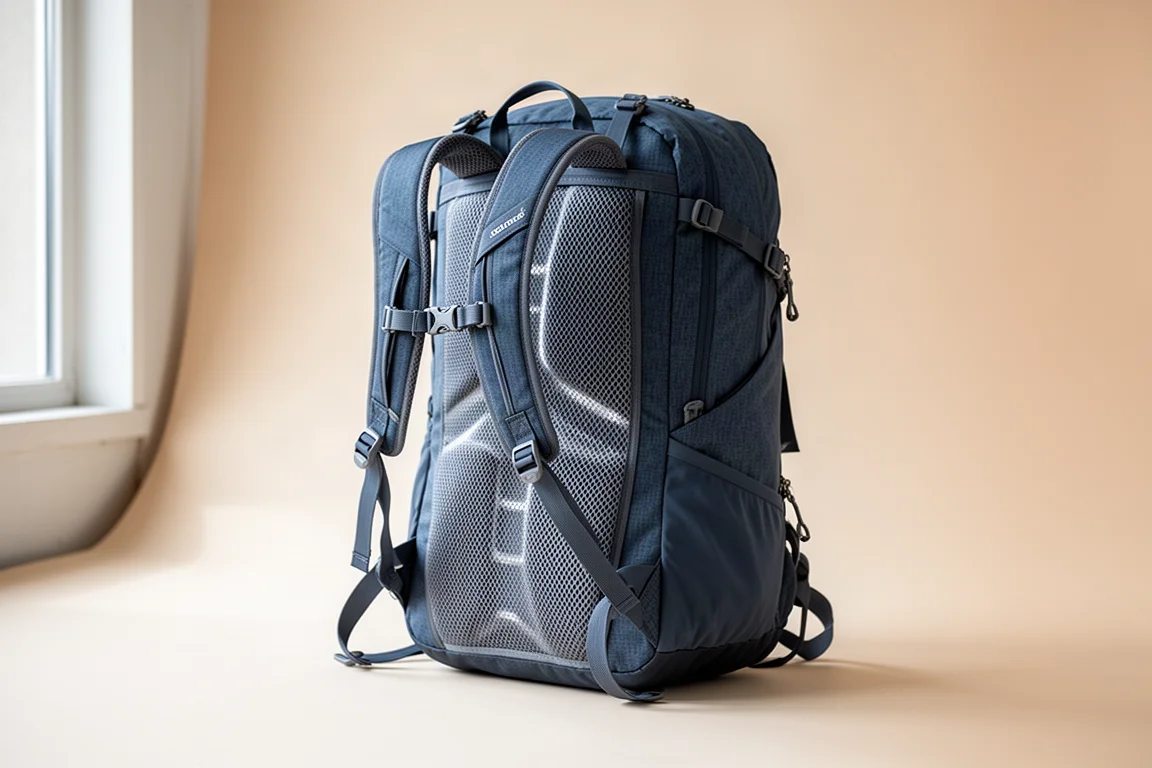
Osprey is not the first name that comes to mind for ultralight packs, which is exactly why the Exos Pro 55 is worth a look. It is one of the few genuinely light offerings from a mainstream brand, and it carries a claimed weight of 2.1 lb while keeping the fit and comfort features that make traditional packs easy to live with.
Those features are the point. The pack has an adjustable torso, a suspension system that carries weight comfortably, and back ventilation that is genuinely effective on warm climbs. The removable hood and a small flap let you strip additional weight without leaving the pack unusable, so you can tune it between fast and light trips and more conventional loads.

That flexibility is what separates it from the minimalist end of the ultralight market. You are not giving up an adjustable fit or a ventilated back panel to get the weight down, and for a lot of hikers that combination is easier to recommend than a stripped-down pack that saves grams but demands compromises.
Nemo Hornet Three-Person Tent: Space Without the Weight
The Nemo Hornet three-person tent is built on the same platform as the long-running Hornet Elite, with one significant change: a 60-inch wide floor. That width is what makes the tent feel genuinely roomy rather than merely rated for three.
The more interesting number is the weight. The Hornet three-person comes in at just over 3 lb, which puts it in the same weight class as popular two-person tents while offering more interior space. If you have been carrying a two-person shelter for a partner or a dog and wishing for more room, that comparison is the one to focus on.
Three-person tents often get treated as two-person tents in practice, and it is fair to expect a manufacturer to be honest about usable capacity. This one is honest in a different way: it delivers three-person space at a weight that plenty of two-person tents would be happy to claim.
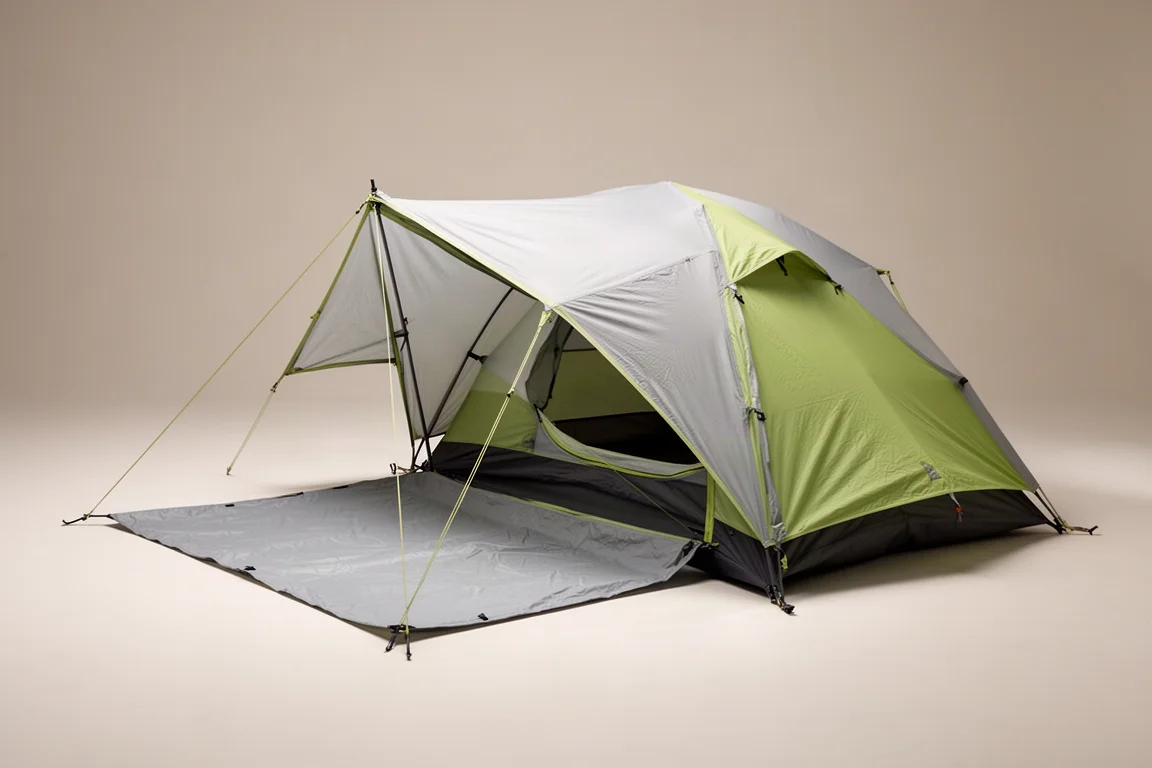
Nitecore NU25: A Tiny Headlamp Gets Small Updates
The NU25 has been a fixture in ultralight kits for years, and it weighs just over an ounce as it comes. Plenty of weight-conscious hikers still swapped the standard elastic band for a length of cord to shave a few more grams, and Nitecore has now adopted that modification at the factory.
The twist is that the new cord-equipped version is slightly heavier than the older band version, by about 0.1 oz. In exchange you get a modest increase in output and USB-C charging, which removes one more cable type from your kit. The cord band is the headline change, but the charging port is the practical one.
If you already own the original NU25, there is little reason to replace it. If you are buying a headlamp for a new setup, the updated version is a straightforward choice: sub-two-ounce weight, simple charging, and enough output for camp chores and night hiking.
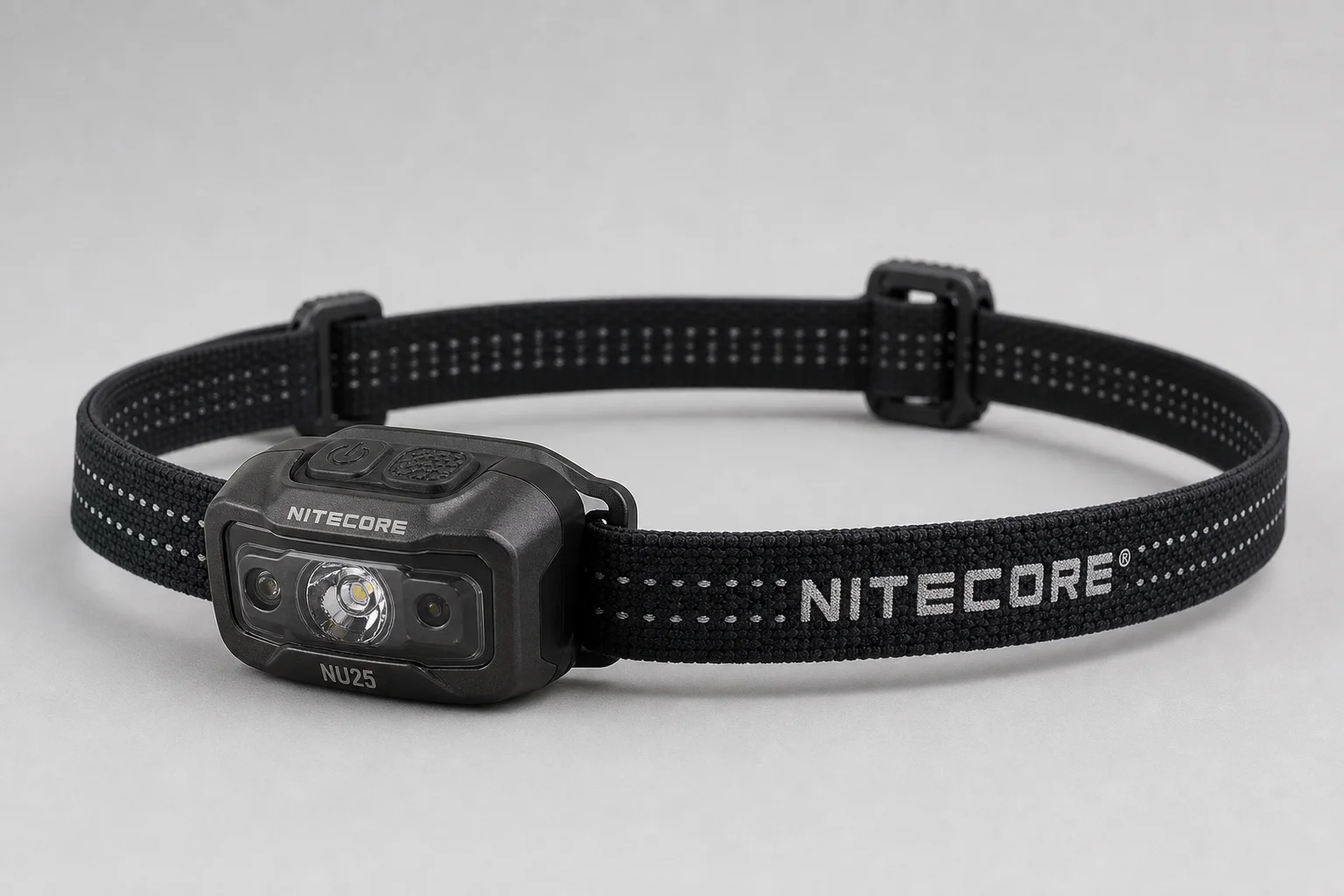
Big Agnes Zoom Pad: Light on the Scale, Mixed on Cold Ground
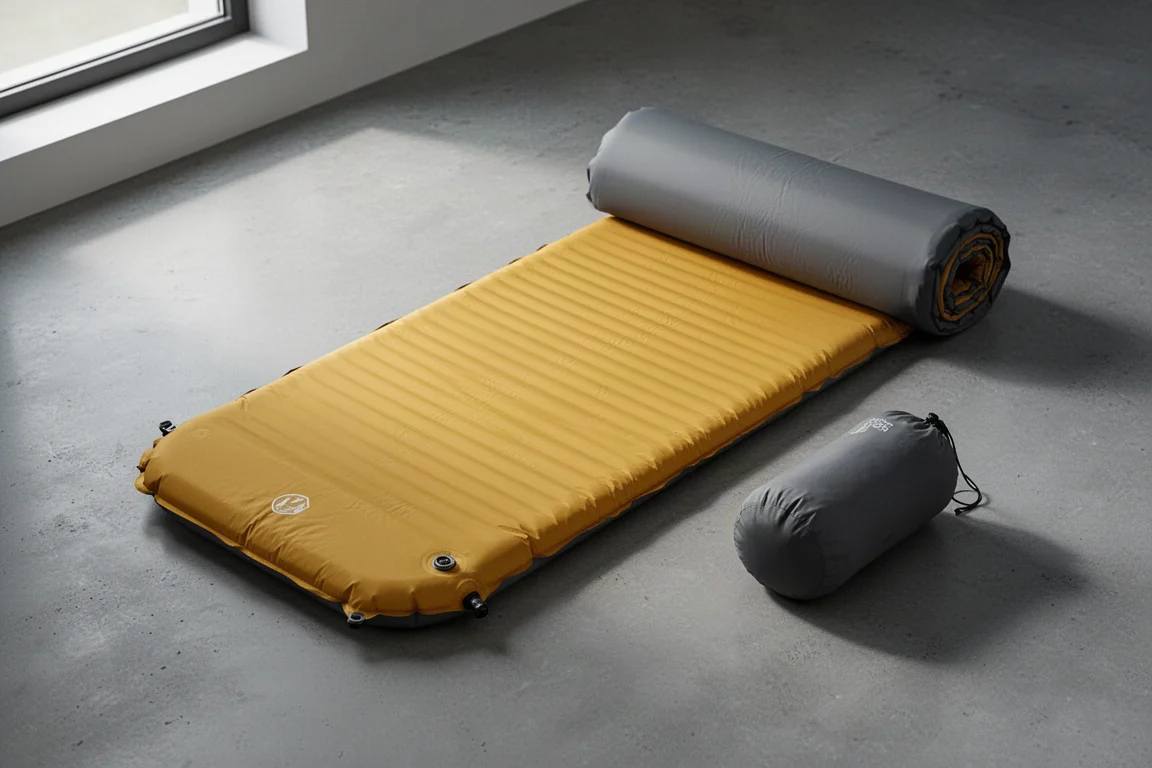
The Big Agnes Zoom pad arrives with an appealing spec sheet. It shares its comfort-oriented design language with the Q-Core, weighs around 15 oz, and carries an ASTM-certified R-value of 4.2, which should make it a solid three-season pad for most backpackers.
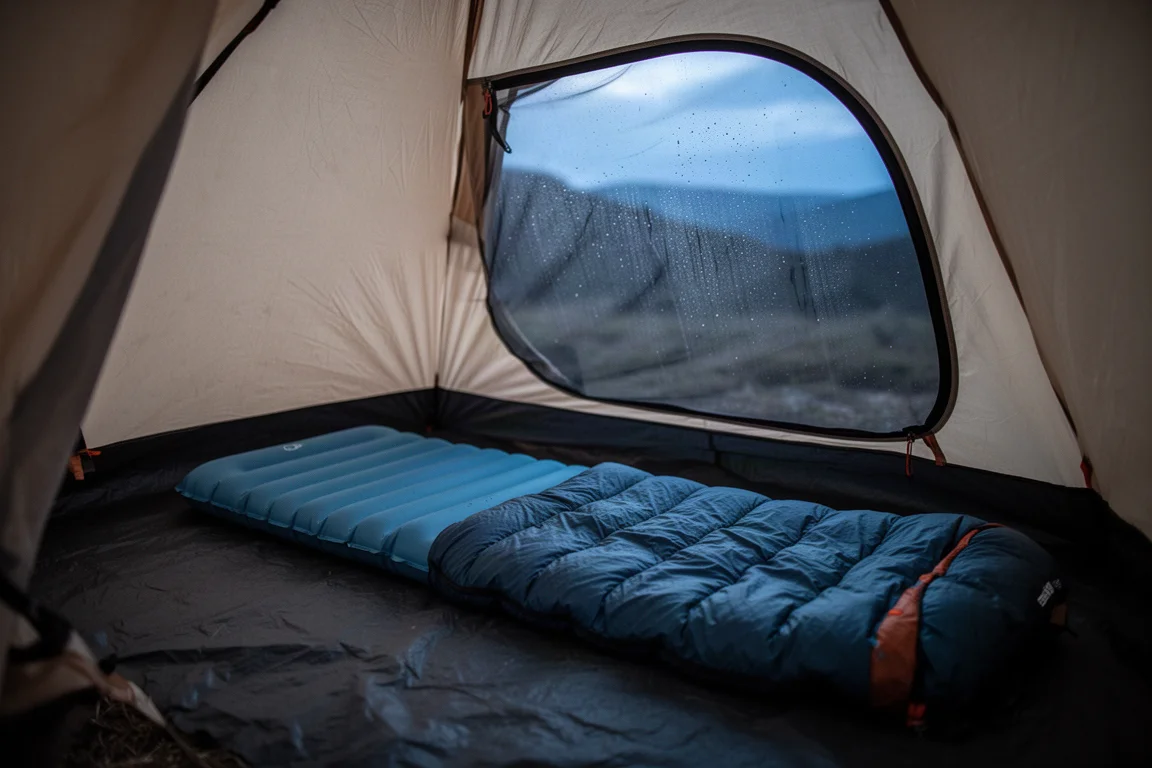
Field experience has been less tidy. Cold has been noticeable coming up through the mattress on cold ground, which is unexpected for a pad with that rating, and thermal imaging shows areas across the surface where insulation appears thinner. Comparing it against another pad with the same R-value did not reveal a dramatic difference, which leaves the question open rather than answered.
That does not make the Zoom a bad pad. It makes it a pad to buy with your eyes open: excellent weight and a comfortable feel, with a warmth question that is not fully settled. If most of your trips are in milder conditions, it is easy to recommend on weight and comfort alone.
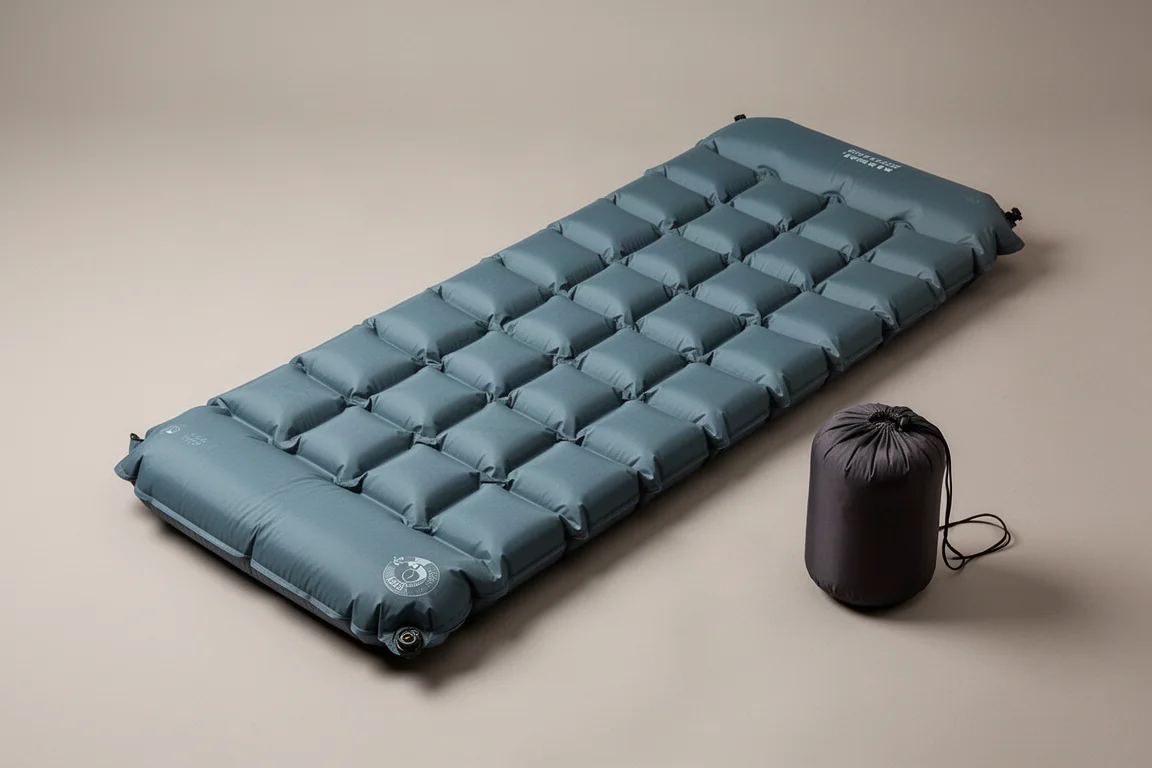
Therm-a-Rest XLite NXT: Thicker, Warmer, and Quieter
The XLite has been the default backpacking pad for a long time, and the NXT redesign goes after its most common complaint. Therm-a-Rest reports that the new construction eliminates 83.4% of the noise of the previous version, making it six times quieter, which addresses the long-running comparison to sleeping on a bag of crisps.
The measurable changes are easier to pin down. The pad is half an inch thicker, moving from 2.5 inches to 3 inches, and the R-value rises from 4.2 to 4.5, so you get more cushioning and a little more warmth. Those are meaningful improvements to a pad that was already well regarded.
The noise claim deserves nuance. Decibel readings taken in the field showed a difference of roughly four to five decibels outdoors and one to two decibels indoors, smaller than the headline figure would suggest. The most likely explanation is pitch rather than volume: the NXT crinkle sits lower, which reads as quieter even when the measured level is close.
None of that makes the NXT a poor choice. It is a better pad than the version it replaces, and if the crinkling never bothered you, the added thickness and warmth are pure gain. If noise was your main reason to upgrade, set expectations accordingly.
Buying Advice: Matching Gear to Your Trip
The right purchase depends on which problem you are solving. If weight is your priority and budget is secondary, the X-Mid Pro 1 is the standout of this group: just over a pound for a single-person shelter, with the caveat that Dyneema is what drives the $600 price.
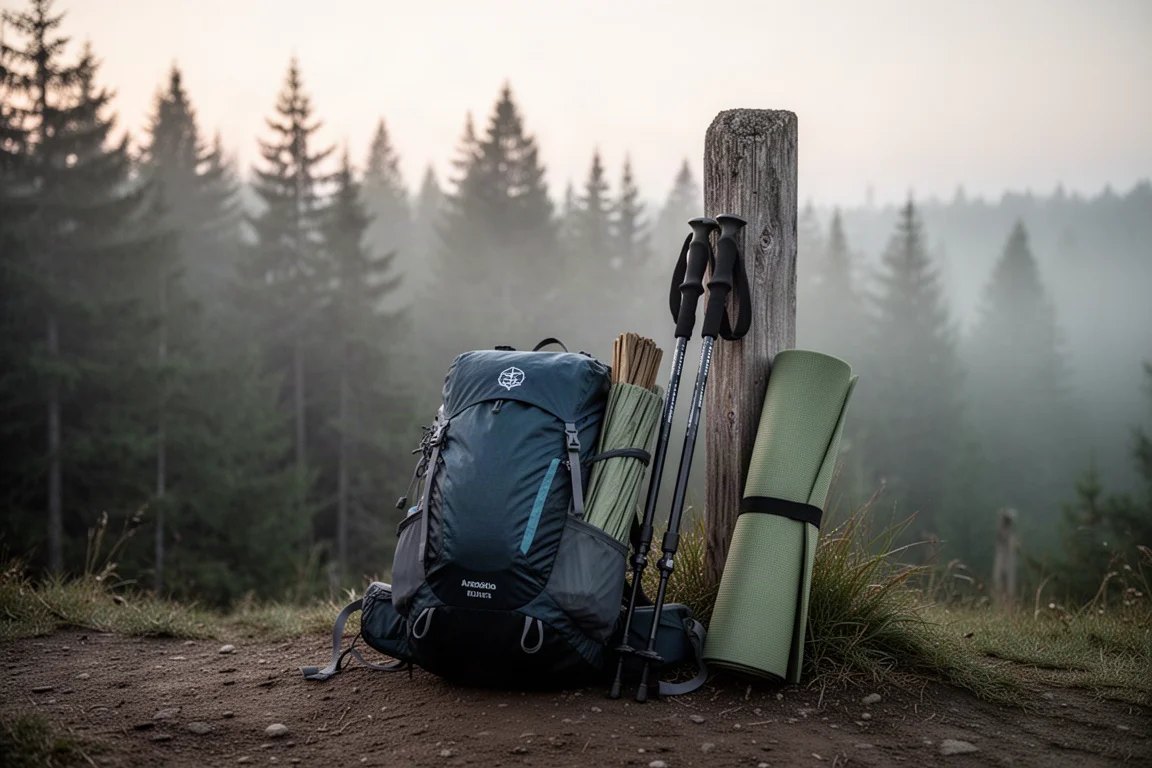
For most hikers, the pack is the easier recommendation. The Exos Pro 55 brings ultralight weight together with an adjustable torso, comfortable suspension, and strong back ventilation, which makes it a low-risk way to cut weight without changing how you carry a load.
Shelter and sleep gear come down to your own trips. The Hornet three-person makes sense if you need room for three or simply want more space at a weight that competes with two-person tents. On the pad side, the XLite NXT is the safer bet for cold-weather use thanks to its 4.5 R-value and extra thickness, while the Zoom pad is a strong lightweight option for milder conditions as long as you accept that its warmth has raised questions.
Finally, consider whether you need to buy at all. The headlamp is the clearest example: the updated NU25 is a good light, but the differences over the previous version are small enough that an existing unit is still perfectly serviceable.
Conclusion
This season’s new gear is, on the whole, genuinely good, and even the weaker entries are products many hikers would happily carry. The X-Mid Pro 1 pushes single-person shelters forward, the Exos Pro 55 shows what a mainstream brand can do when it commits to low weight, and the Hornet three-person delivers three-person space at a two-person weight. The NU25 is a modest refinement of a proven design, the Zoom pad pairs excellent weight with an open warmth question, and the XLite NXT improves on a pad that was already the default for good reason.
Match any of these to a problem you have actually run into on the trail, and you will get far more out of the upgrade than you would from chasing the newest thing.
Further reading
Related Reviews

Backpacking Gear
Building a 10 lb Base Weight: An Ultralight Backpacking Gear List
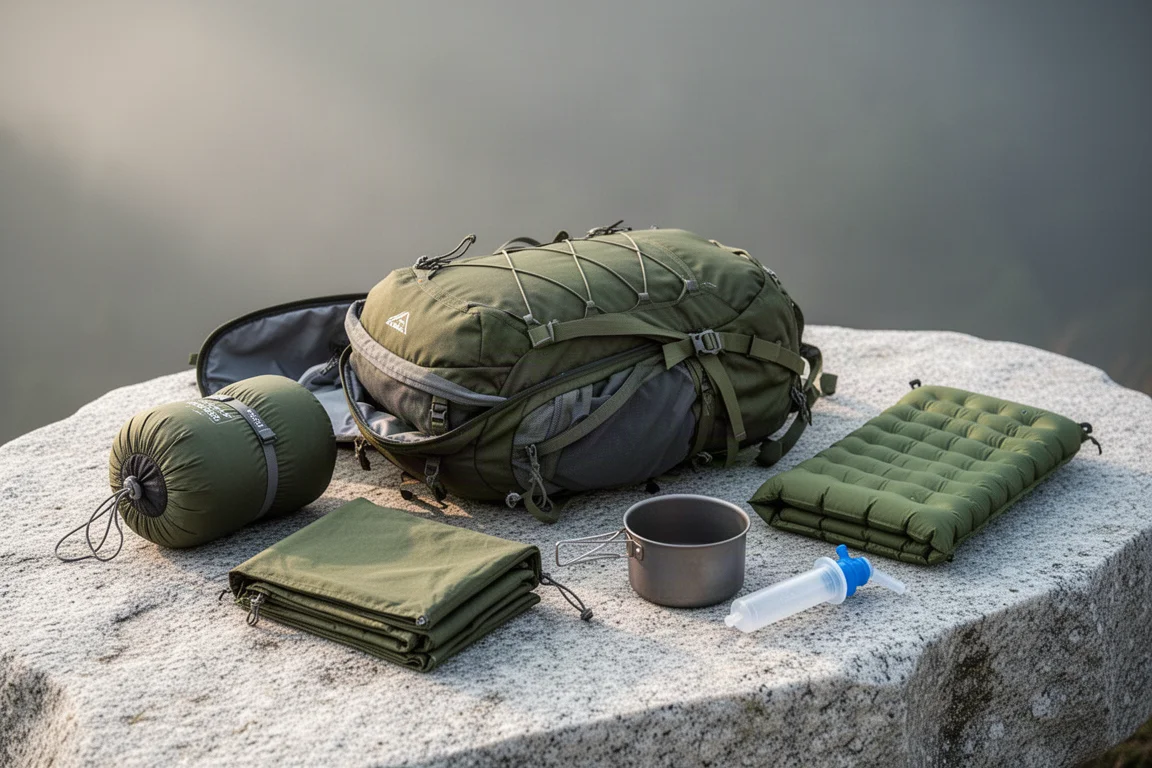
A practical walkthrough of the ultralight pieces behind a 10 lb base weight, from a 765 g pack and a roomy one-person tent to a full camp chair and a dependable water filter.
Backpacking Gear
A 15-Pound Lightweight Backpacking Gear List for Solo Trips
A beginner-friendly 15-pound backpacking setup built from easy-to-find gear, with notes on what each piece does, how it packs, and where to spend your attention.
Backpacking Gear
8 Ultralight Backpacking Gear Upgrades Worth Carrying
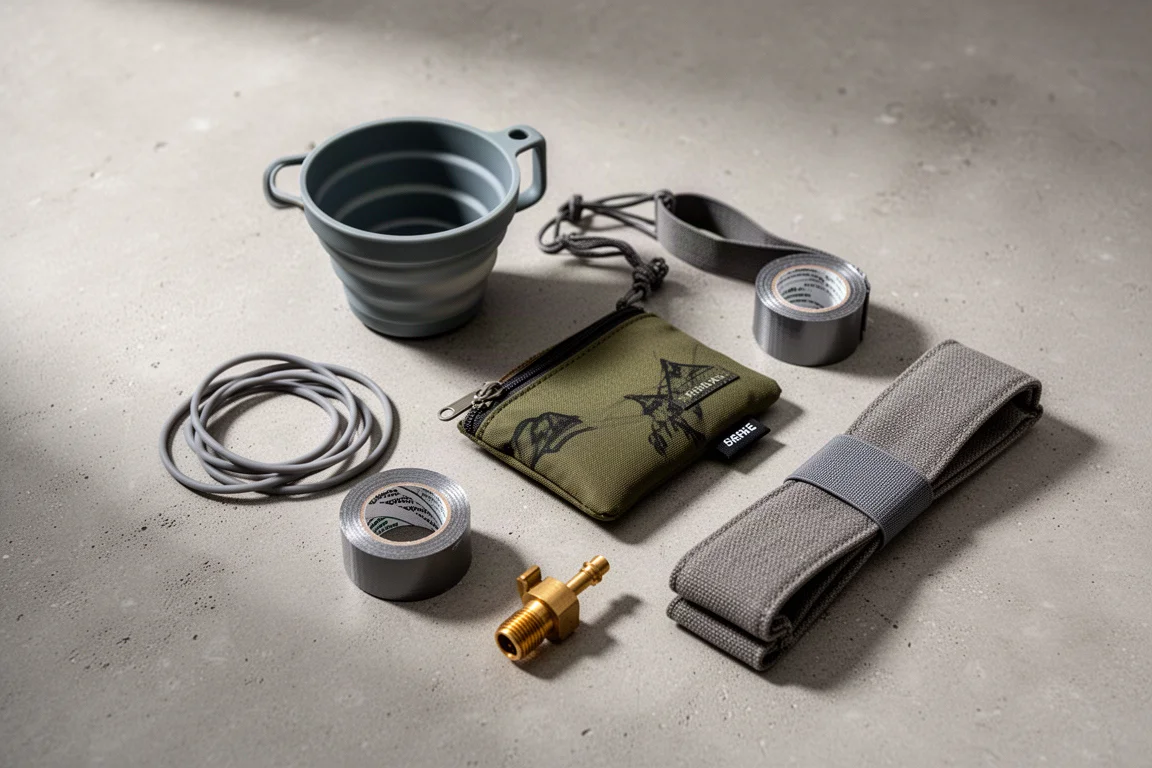
Eight small, affordable backpacking upgrades that solve real trail annoyances, from a pillow that stays put to a fuel valve that rescues leftover canister gas.