Backpacking Gear
Best New Backpacking Gear 2022: 10 Standout Items Worth Knowing
A practical look at ten new backpacking items for 2022, from a USB-C satellite communicator to the lightest fully enclosed tent and two lightweight packs.
Introduction
The 2022 season brought a mix of careful refinements and genuinely new designs to backpacking gear. Some of the most interesting items here are updates to proven products, including a satellite communicator that finally moved to USB-C and a sleeping pad that gained warmth without gaining weight. Others are new to the market entirely, including an ultralight one-person shelter, a fresh squeeze filter, and a lightweight pack that arrives alongside a long-running favorite.
This roundup covers ten items across shelters, sleep systems, packs, footwear, and electronics, with the practical details that matter when you are deciding where to spend your money. A few of these products were still unreleased at the time they were announced, so availability can vary.
Best Satellite Communicator: Garmin inReach Mini 2
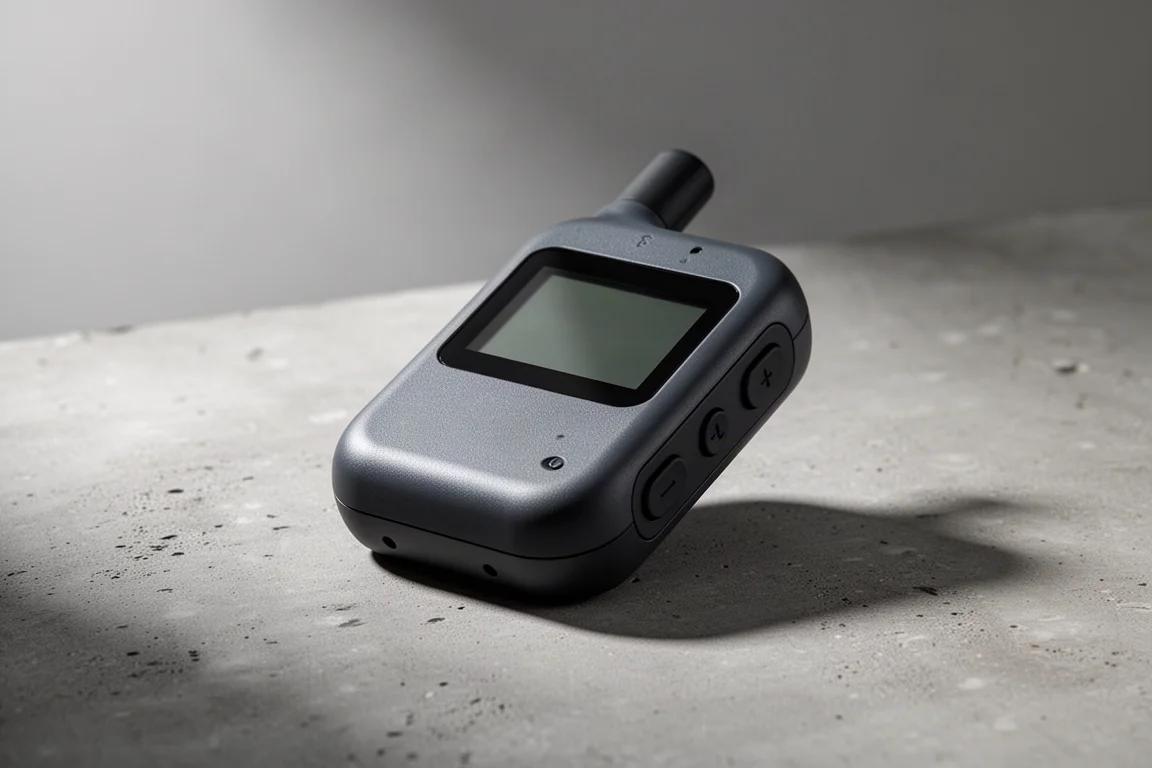
The inReach Mini 2 keeps the compact footprint of the original while adding USB-C charging, better battery life, and a quicker, more intuitive interface. When the device is tethered to a phone through the Explore app, the overall app experience is noticeably improved over the first generation.
If you already own the first-generation inReach Mini, the case for upgrading is weaker than you might expect. For anyone buying a satellite communicator for the first time, though, the Mini 2 is the more current and better-rounded choice.
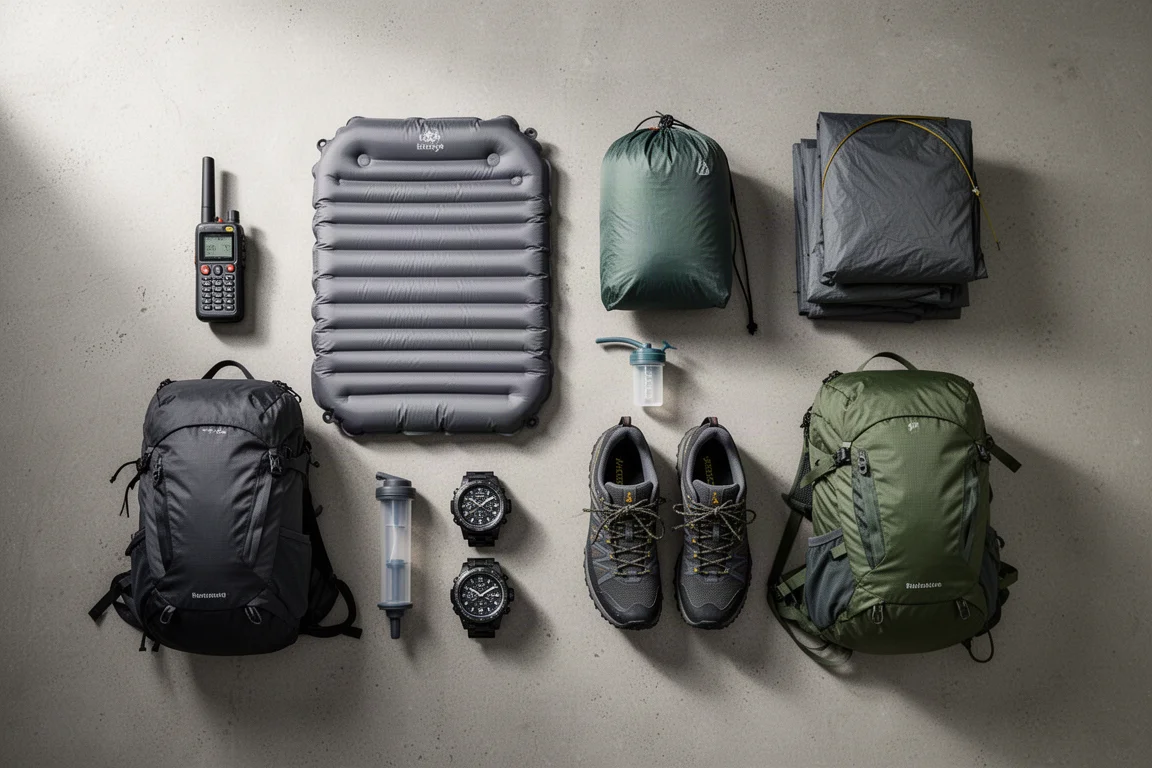
For backpackers, the appeal is straightforward: a small, light device that handles communication and location awareness on trips where phone coverage is not guaranteed. The move to USB-C also means one less cable to carry, since the same charger can serve a phone, a headlamp, and the communicator.
Best Sleeping Pad: Nemo Tensor
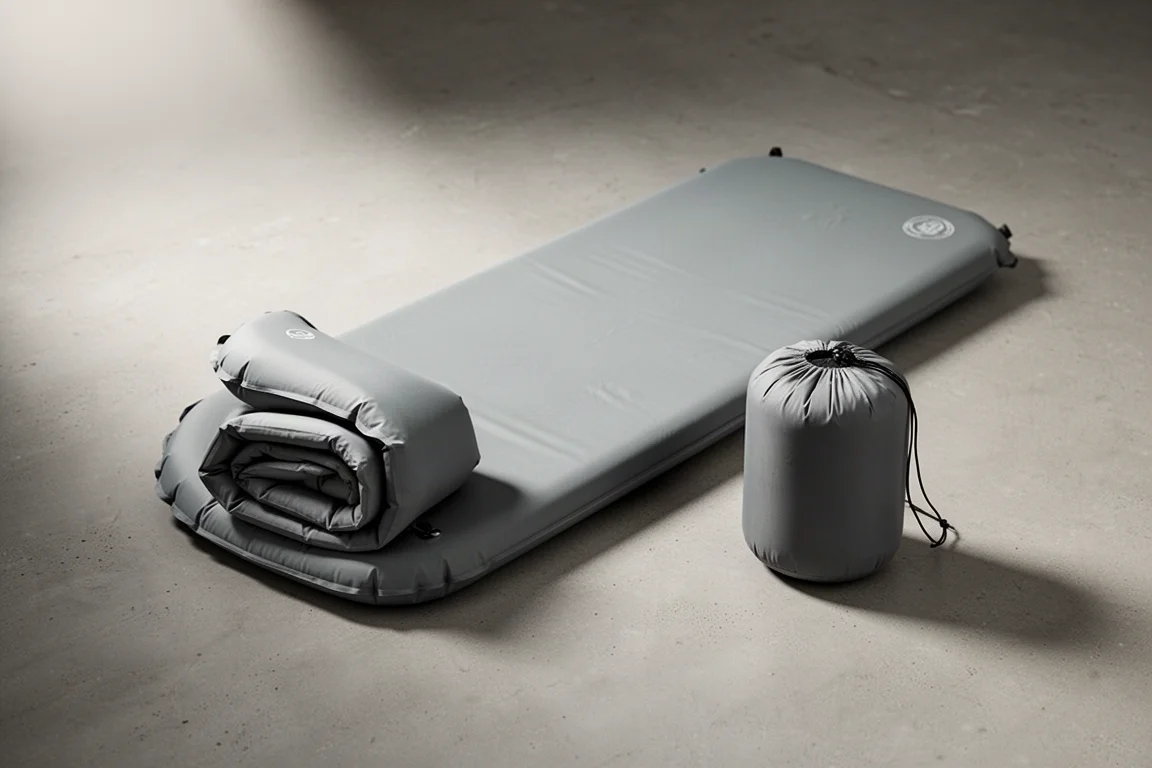
The Tensor has been one of the most popular sleeping pads at REI for the past couple of years, and the 2022 version pushes the design further. The R-value rises from 3.5 to 4.2 without any increase in weight, which brings it into the same conversation as well-established insulated pads.
Sustainability is the other headline. The entire pad is made with 100 percent recycled, bluesign certified materials, which is a meaningful step for a category that is usually built from petroleum-based foams and films. If you want a warmer pad without paying for it in pack weight, this is one of the clearest examples of a worthwhile generational update.
Best Semi-Freestanding Tent: MSR FreeLite
The 2022 FreeLite is MSR’s answer to popular semi-freestanding shelters, and it is a complete redesign rather than a small revision. The result is a very lightweight semi-freestanding tent that can still fit two real-life people, which is a harder combination to achieve than the spec sheet suggests.
It does have some finicky aspects. At this weight, every manufacturer has to pick and choose which features and specifications to prioritize, and the FreeLite makes those trade-offs visible in its pitching and handling details. Buyers who value a fuss-free setup should weigh that against the low packed weight.
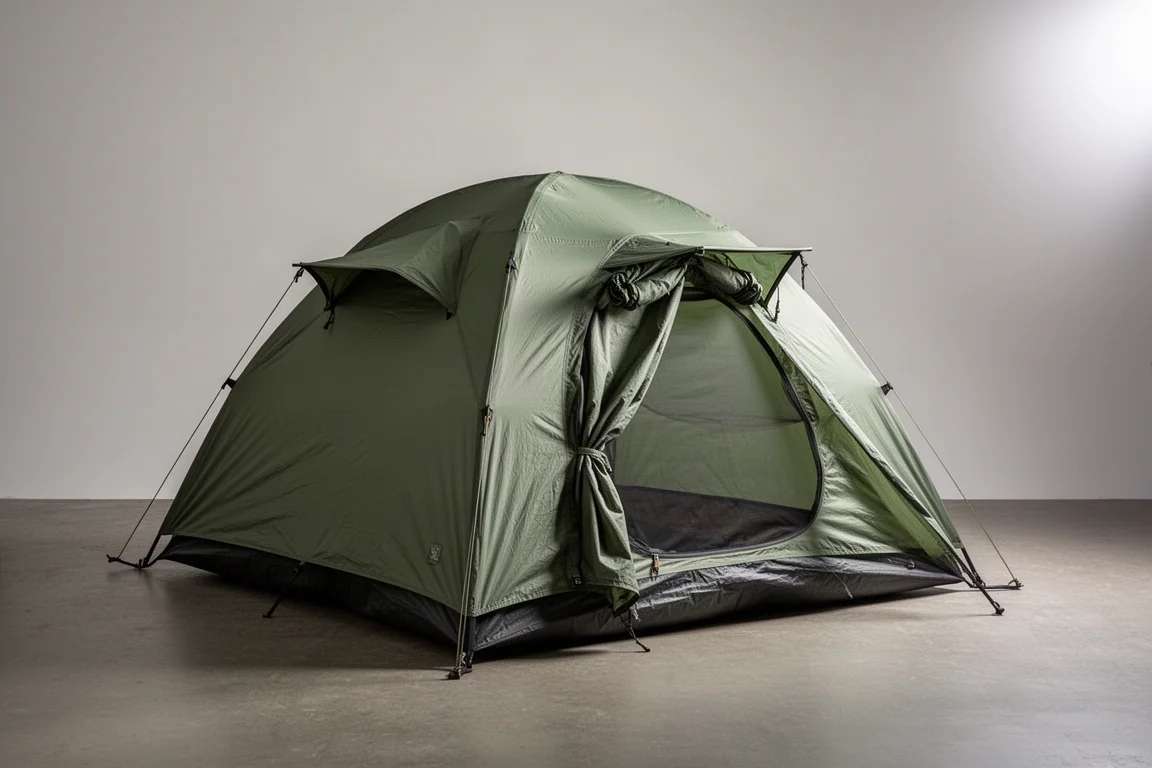
Lightest Fully Enclosed Tent: Zpacks Plex Solo
At 389 grams, the Plex Solo is the lightest fully enclosed tent you can buy. What makes it more than a weight record is that it stays relatively roomy for a one-person shelter, so the low number does not come with a cramped, unusable interior.
It would be easy to assume the Plex Solo is simply a shorter version of an existing ultralight design, but it carries distinct design features that set it apart. For anyone under six foot two who is building an ultralight kit, this is the tent to look at first.
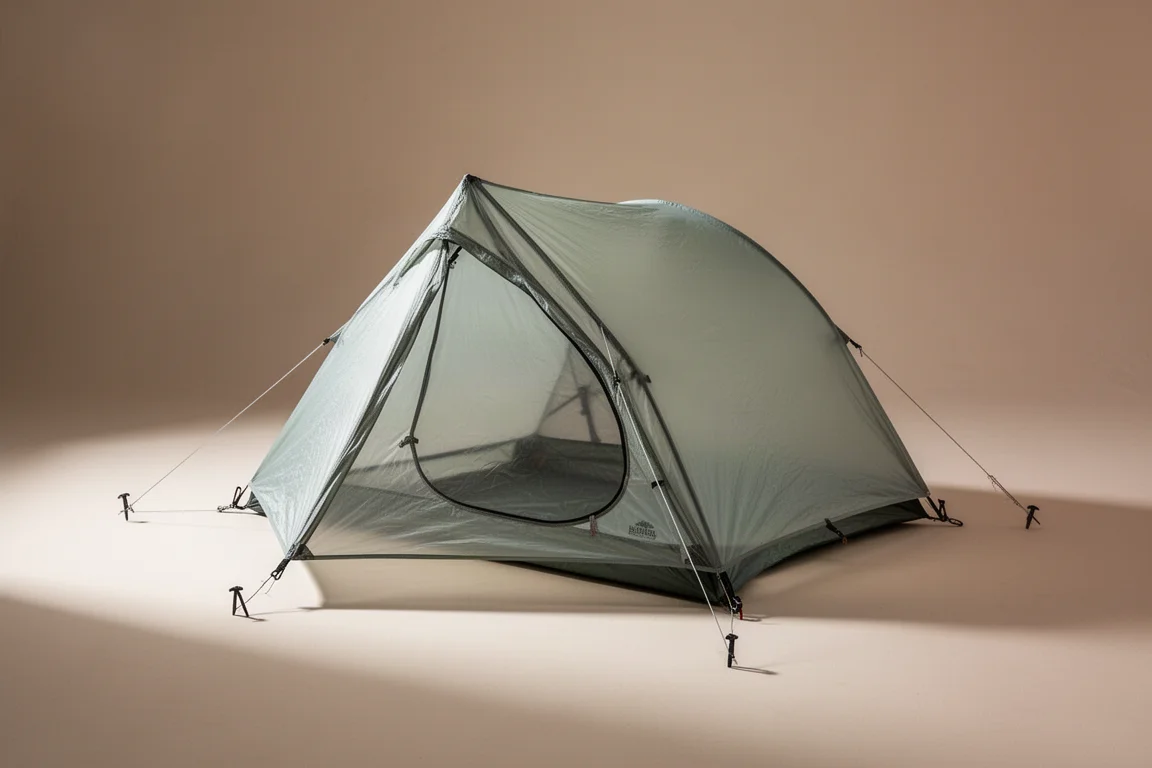
Ultralight Squeeze Filter: LifeStraw Peak Series Squeeze
The Peak Series Squeeze is a one-liter filter, and it moves a full liter of water through in around 20 seconds. That is fast enough to change how you plan water stops on a long, dry stretch of trail.
Historically, LifeStraw filters have been the least favored option in this category, and the Peak Series is the company’s attempt to change that. A few of the design choices are worth examining before you commit, but the performance is promising enough that it could give the established squeeze filters real competition.
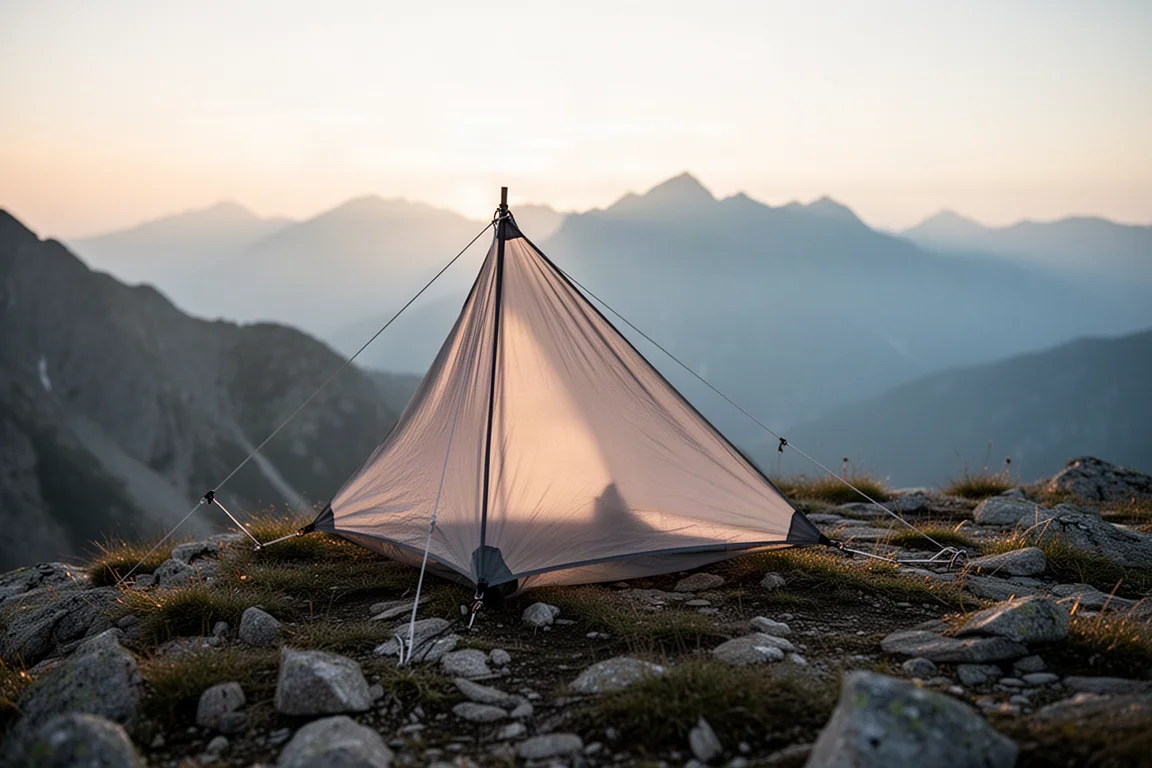
For backpackers, the practical question is not only speed but reliability across a long trip. A one-liter capacity reduces the number of fills needed at a source, and a quick flow rate means less time standing still when the weather turns. If the durability holds up over a full season, this filter becomes an easy recommendation.

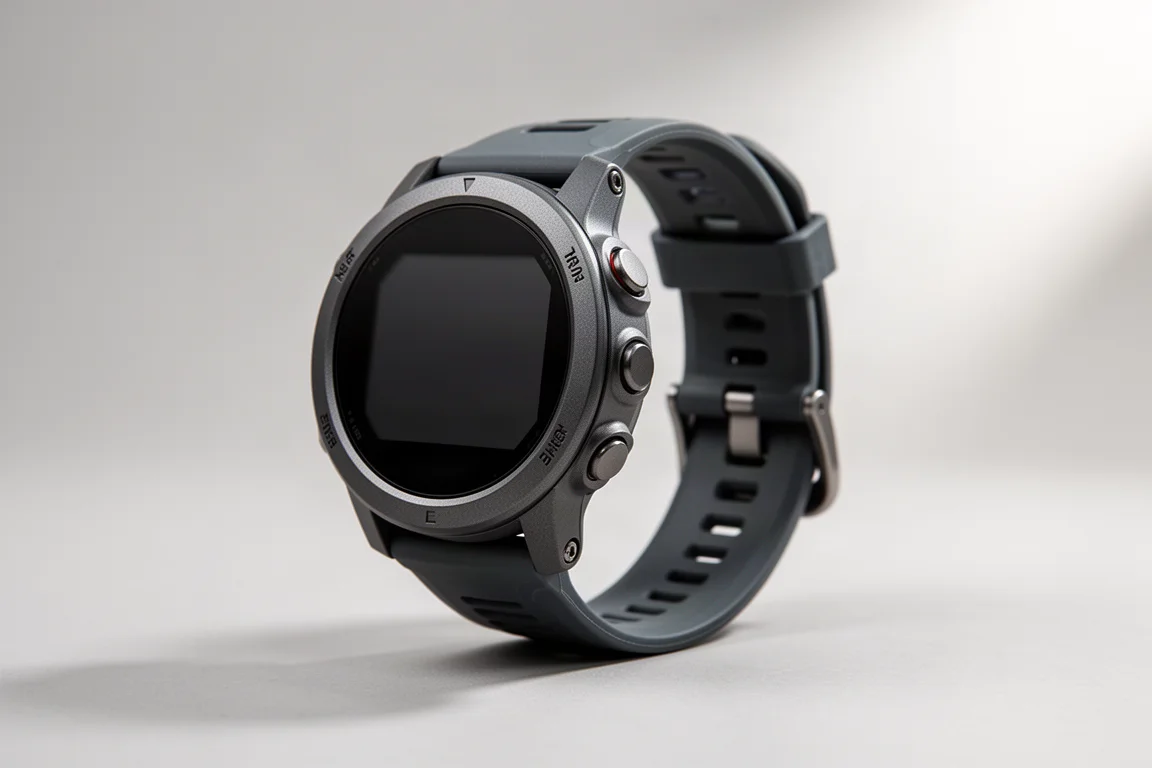
Best Rugged Outdoor Watch: Garmin Instinct 2
Garmin’s Instinct series is one of the better options available if you want a super rugged and capable watch for outdoor adventures. The Instinct 2 is a solid upgrade over the original, with a much longer list of trackable activities and better fitness capabilities overall.
The solar capability is the standout addition, because it allows for unlimited battery life in some circumstances. That matters most on multi-day trips where charging opportunities are scarce and a dead watch means losing your track, your timers, and your evening alarm.
Best Trail Running Shoe: Hoka Speedgoat 5
The Speedgoat line has earned a strong following among long-distance hikers and trail runners, and the fifth version keeps the qualities that built that reputation: a great fit, plenty of cushion to help prevent foot fatigue, and a really sticky Vibram Megagrip sole.
The 2022 shoe also addresses durability, particularly in the sole, where earlier versions could develop lifting at the sole and the heel. The upper is more breathable and slightly stretchier than before, which improves comfort over long days without changing the overall ride.
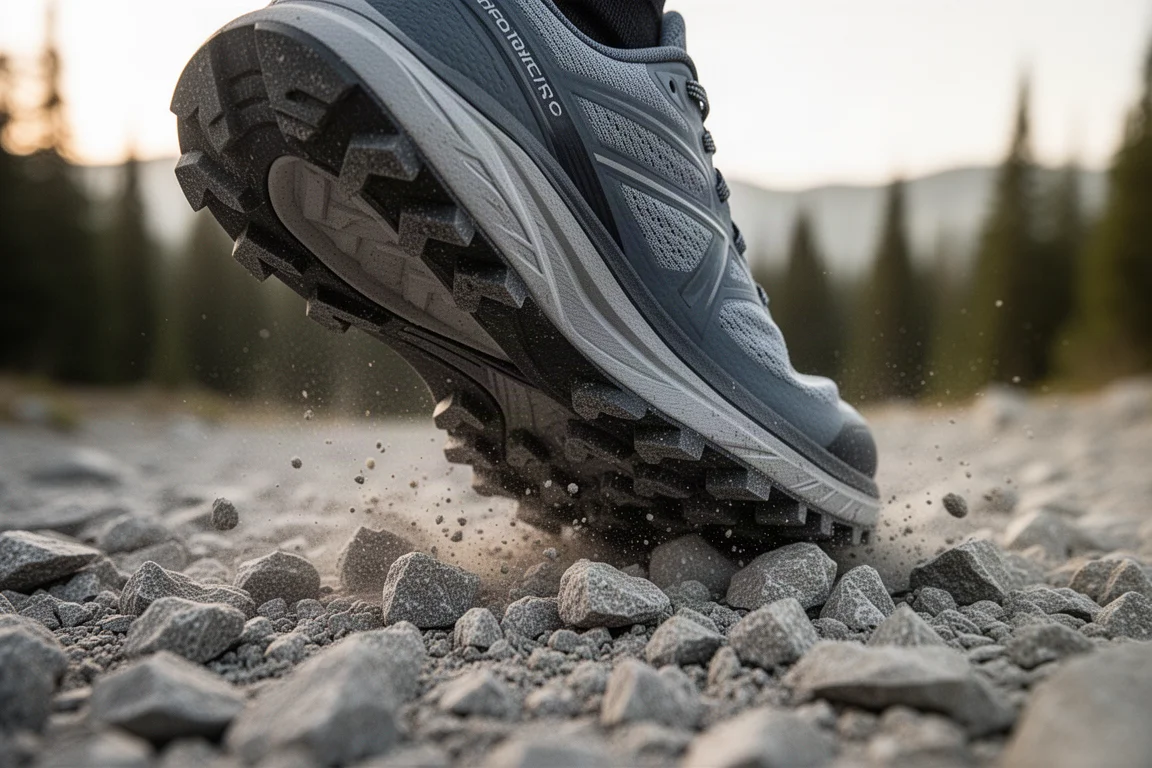
That combination of cushioning and grip is what makes the Speedgoat 5 relevant for hikers as well as runners. On rocky, technical ground the outsole does most of the work, while the stack of foam keeps the legs fresher over repeated long days. It is a shoe that rewards high mileage rather than short, fast efforts.
Lightest Long-Distance Shoe: Altra Mont Blanc
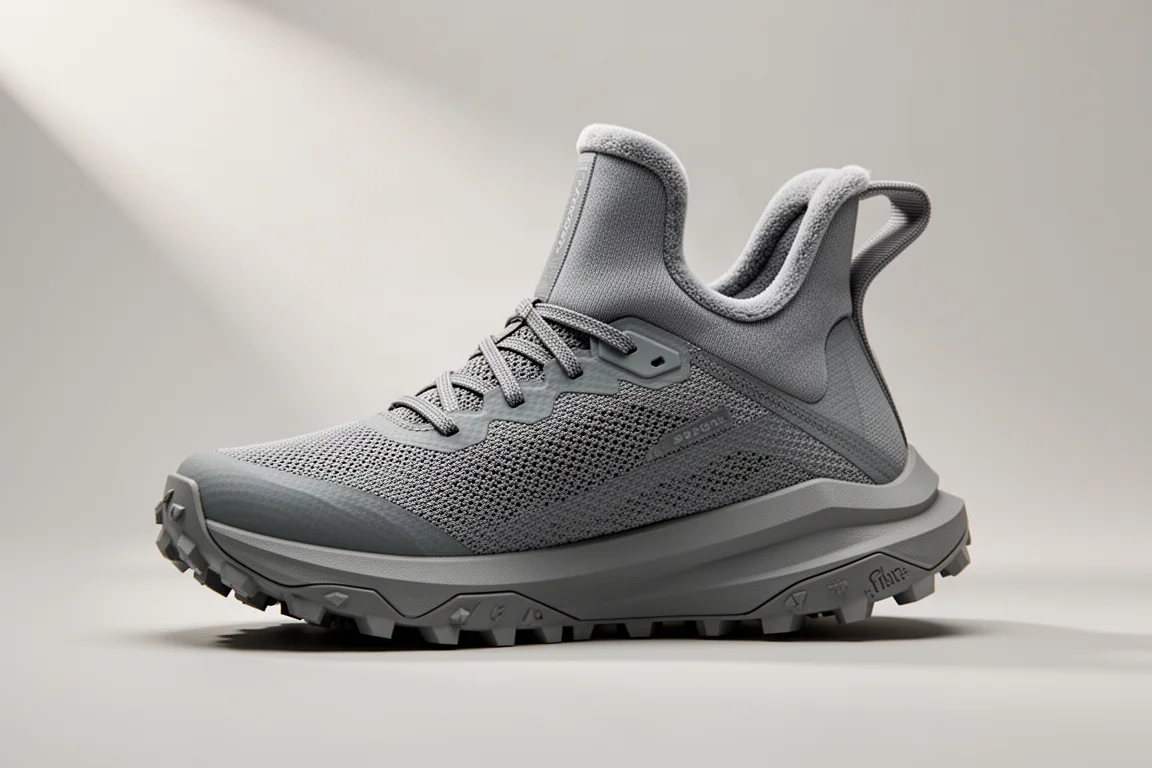
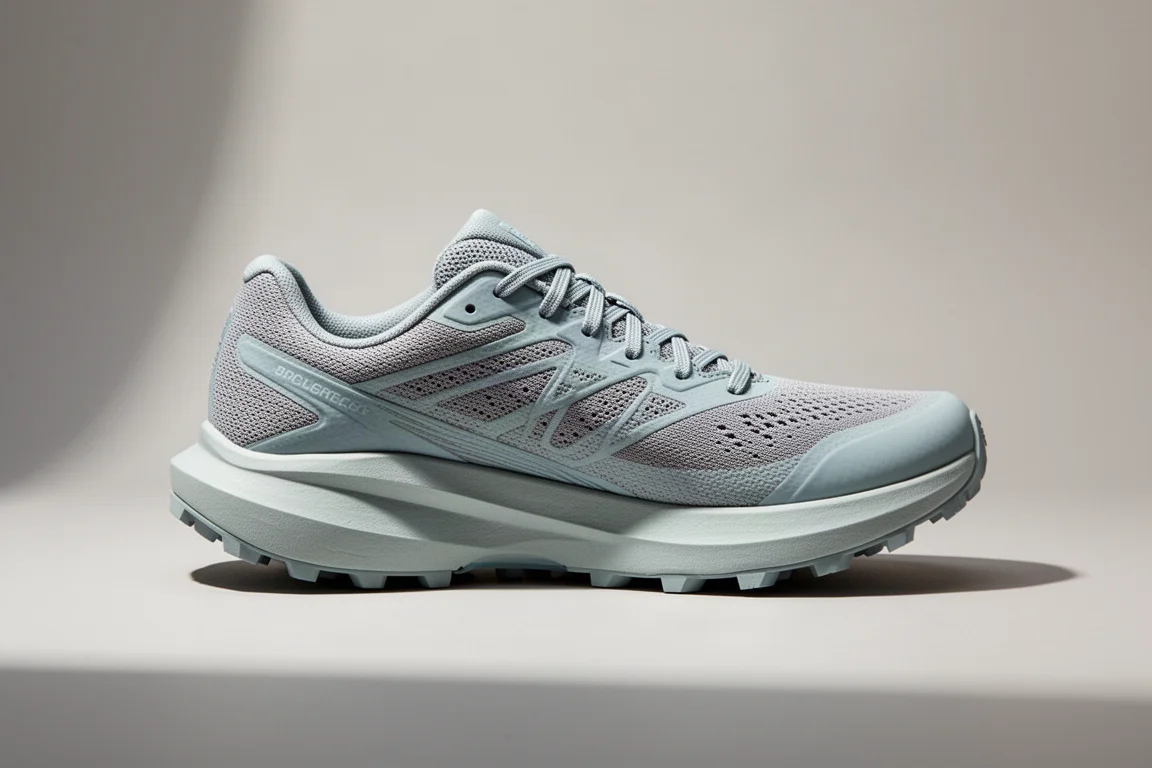
The Mont Blanc is completely new to the market. Like the Speedgoat, it is a cushioned shoe, and in intent it sits close to the Altra Olympus. Where it differs is weight: it is lighter than both the Speedgoat and the Olympus, and it is built for really long days of trail running or hiking.
The interesting question is whether it works as a zero-drop alternative to the Speedgoat, or whether it sacrifices too much durability to reach that low weight. Runners who already prefer a zero-drop platform will want to watch how it holds up over a full season.
Best Ventilated Lightweight Pack: Gregory Focal
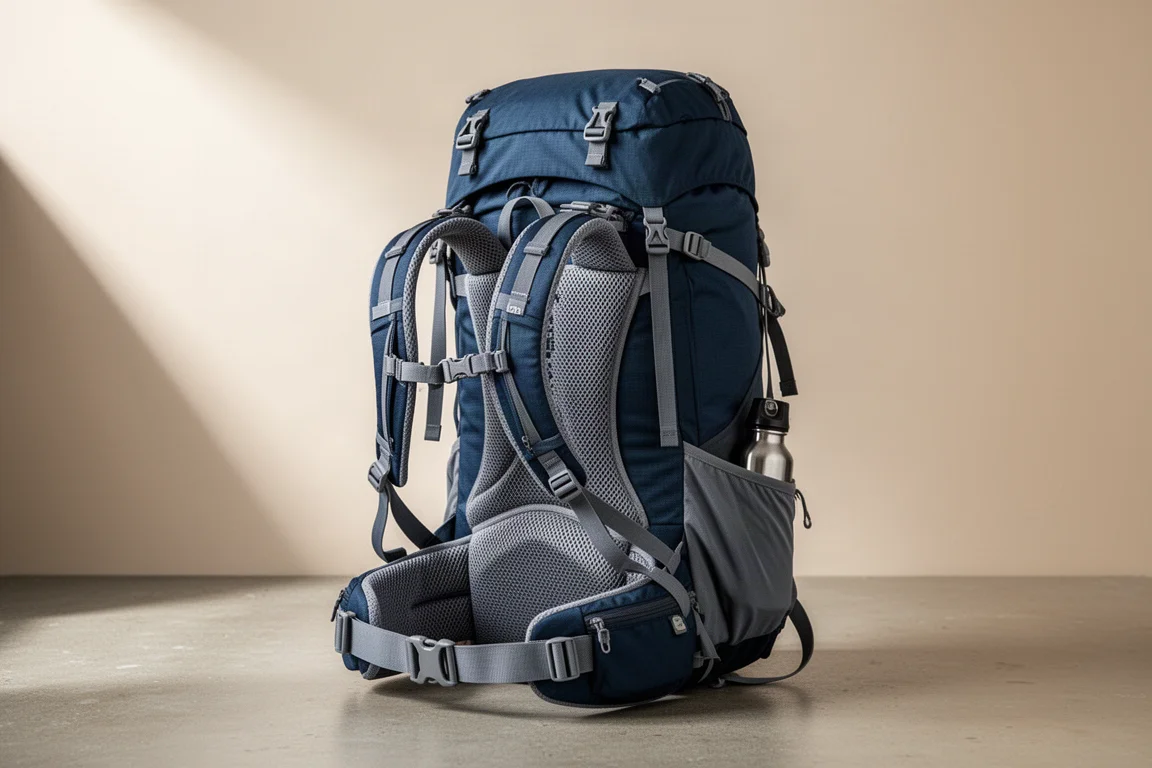
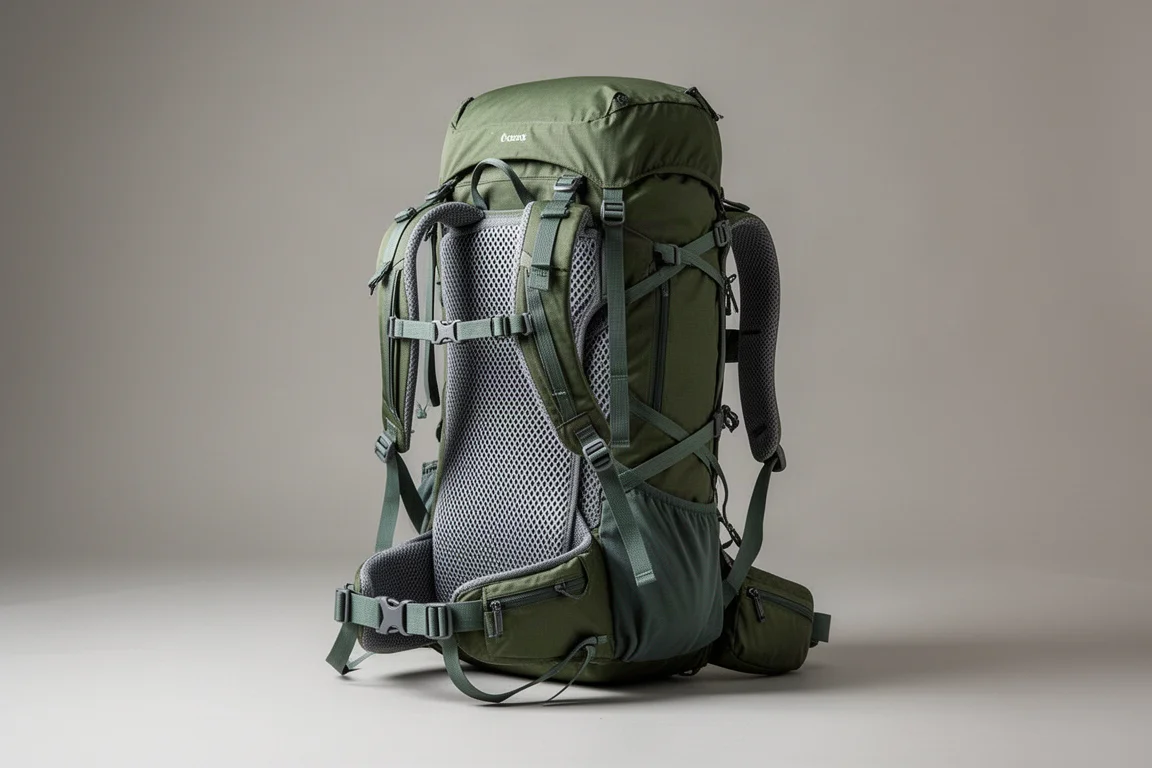
The Gregory Focal weighs just over a kilogram while still being a full-featured pack. It pairs a long list of features and high carrying capacity with a genuinely light package, which is a combination that is harder to find than the marketing suggests.
The feature that stands out most is the trampoline back panel. Suspended mesh back panels provide a lot of ventilation, which is a real benefit in hot conditions, and they are rarely seen on lightweight packs. If you hike in warm, humid places, that airflow can matter more than a few grams of weight.
Most Popular Lightweight Pack: Osprey Exos
The Exos is probably the most popular lightweight backpack on the market, and the 2022 version brings back the hip belt. That change alone will matter to returning buyers who preferred the earlier configuration.
The Focal and the Exos look very comparable, with a lot of the same features, and both manufacturers back their packs with a lifetime warranty. Picking between them is going to be genuinely difficult, and it will come down to fit and the specific features you value most rather than any obvious gap in quality.
Overall Buying Advice
The right way to approach this list is to separate refinements from new designs. The inReach Mini 2, the Nemo Tensor, and the Speedgoat 5 are updates to products that already worked, so the improvements are incremental but easy to justify if you are buying in that category for the first time. The Plex Solo, the Mont Blanc, and the LifeStraw Peak Series Squeeze are newer to the market, which means there is less long-term track record to lean on.
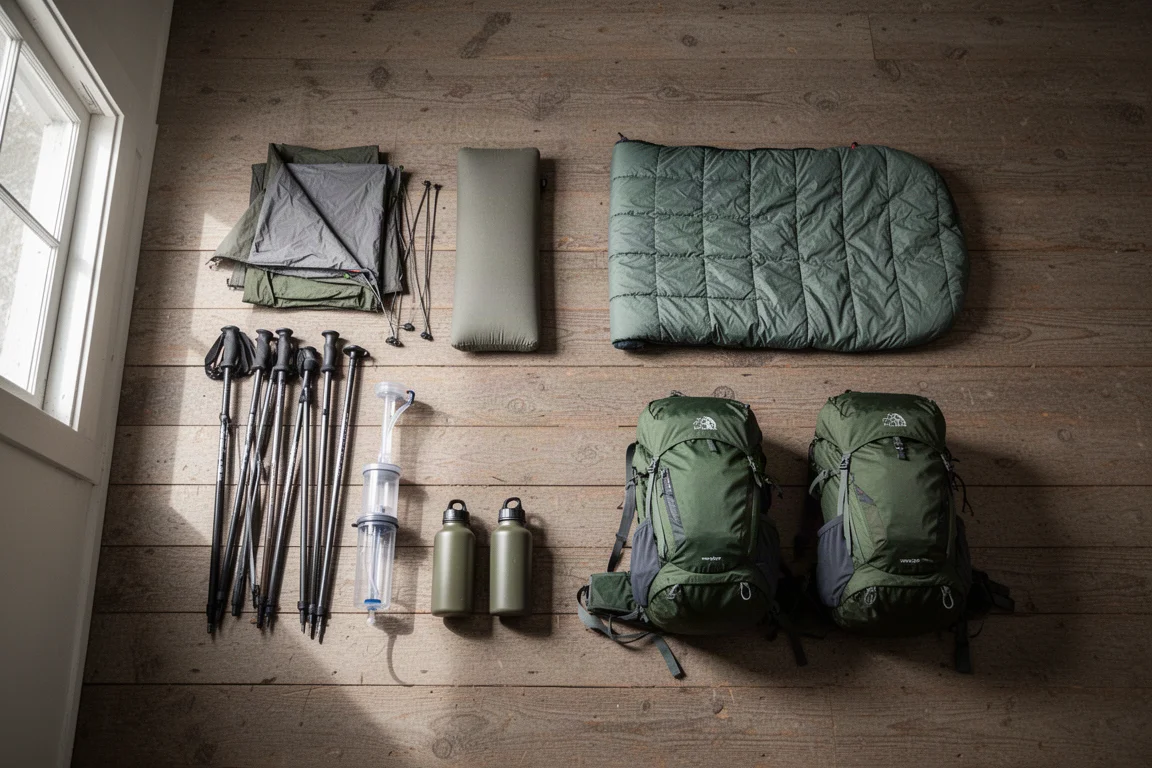
Start with the items that determine whether a trip is comfortable: your shelter, your sleep system, and your pack. Shelter weight and interior space are a direct trade-off, so decide which one you are unwilling to give up. For sleeping pads, the Tensor shows how much difference a warmth increase at the same weight can make. For packs, the Focal and the Exos both offer ventilation and a full feature set at low weight, so fit and hip belt comfort should be the deciding factors.
Footwear and electronics come next. Trail shoes are personal, and the choice between a cushioned, grippy design like the Speedgoat 5 and a lighter zero-drop option like the Mont Blanc depends on your terrain and how your feet handle long days. On the electronics side, the Instinct 2 covers training and navigation on your wrist, while the inReach Mini 2 covers communication where there is no signal at all. Together they remove two of the most common sources of uncertainty on remote trips.
Conclusion
The 2022 lineup rewards buyers who know what they are optimizing for. If you want warmth without extra weight, the Nemo Tensor delivers it. If you want the lightest possible enclosed shelter, the Zpacks Plex Solo is the clear answer. If you want a light pack that still carries well and breathes, the Gregory Focal and the Osprey Exos are both strong, closely matched options.
For everything else, the Garmin inReach Mini 2 and the Garmin Instinct 2 cover communication and tracking, the Speedgoat 5 and the Mont Blanc cover two different philosophies of trail footwear, and the LifeStraw Peak Series Squeeze adds a fast one-liter option to the water treatment category. Match each item to a real need in your kit, and any of these ten will earn its place in your pack.
Further reading
Related Reviews
Backpacking Gear
Building a 10 lb Base Weight: An Ultralight Backpacking Gear List
A practical walkthrough of the ultralight pieces behind a 10 lb base weight, from a 765 g pack and a roomy one-person tent to a full camp chair and a dependable water filter.
Backpacking Gear
A 15-Pound Lightweight Backpacking Gear List for Solo Trips
A beginner-friendly 15-pound backpacking setup built from easy-to-find gear, with notes on what each piece does, how it packs, and where to spend your attention.
Backpacking Gear
8 Ultralight Backpacking Gear Upgrades Worth Carrying
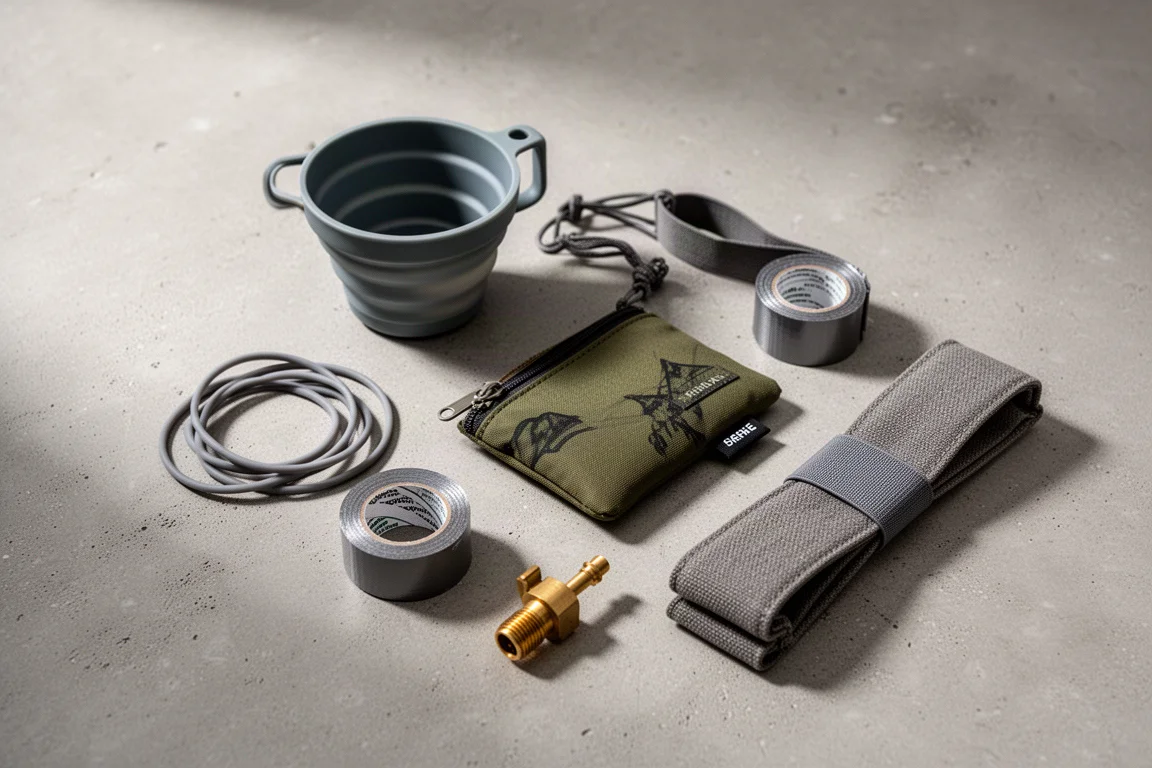
Eight small, affordable backpacking upgrades that solve real trail annoyances, from a pillow that stays put to a fuel valve that rescues leftover canister gas.