Astrophotography
Optolong L-eNhance vs L-eXtreme vs Antlia ALP-T: Three Dual-Band Filters Compared
Three dual-bandpass narrowband filters for color cameras tested side by side from a heavily light-polluted sky. Here is how they stack up.
Introduction
Dual-bandpass narrowband filters have become a fixture in the amateur astrophotography community, letting color camera owners capture emission nebulae even from light-polluted cities. They work with DSLRs as well as dedicated astronomy cameras, and they have opened up nebula imaging to people who cannot travel to dark skies.
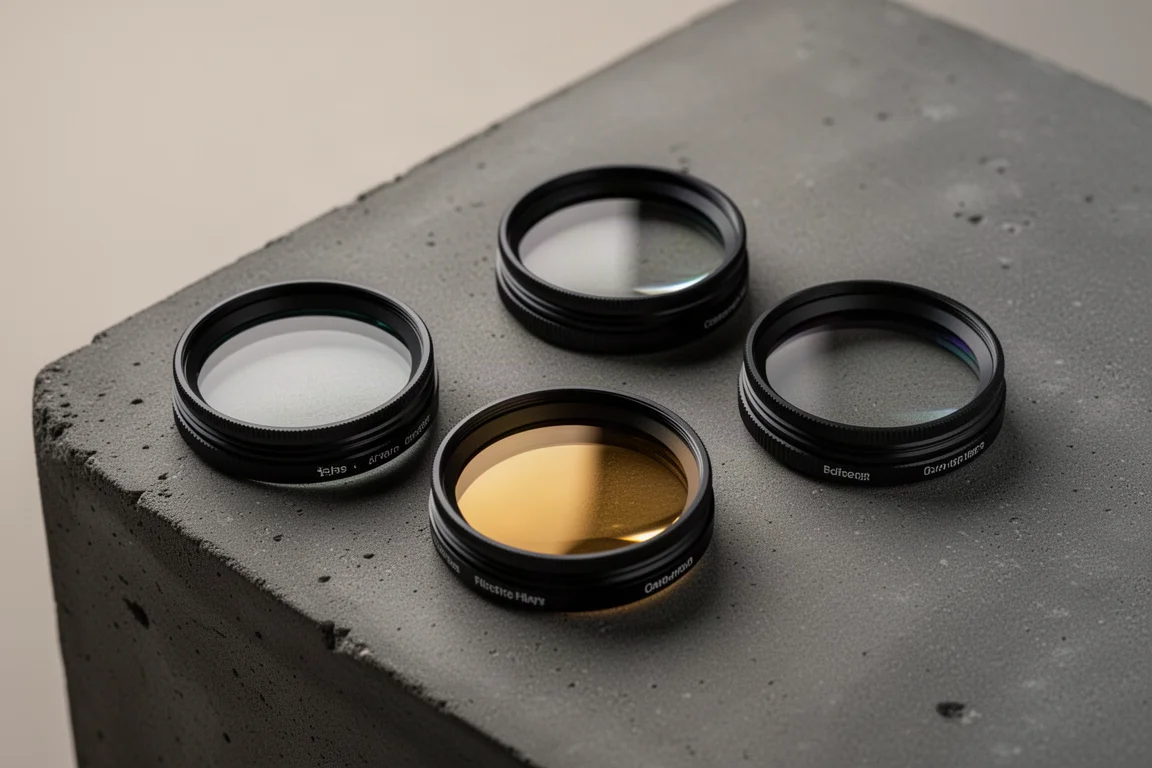
This comparison looks at three options: the well-established Optolong L-eNhance and Optolong L-eXtreme, and the newer Antlia ALP-T. All three are two-inch filters aimed at the same job, at stepped price points of $229, $309 and $380 respectively.
What These Filters Are For
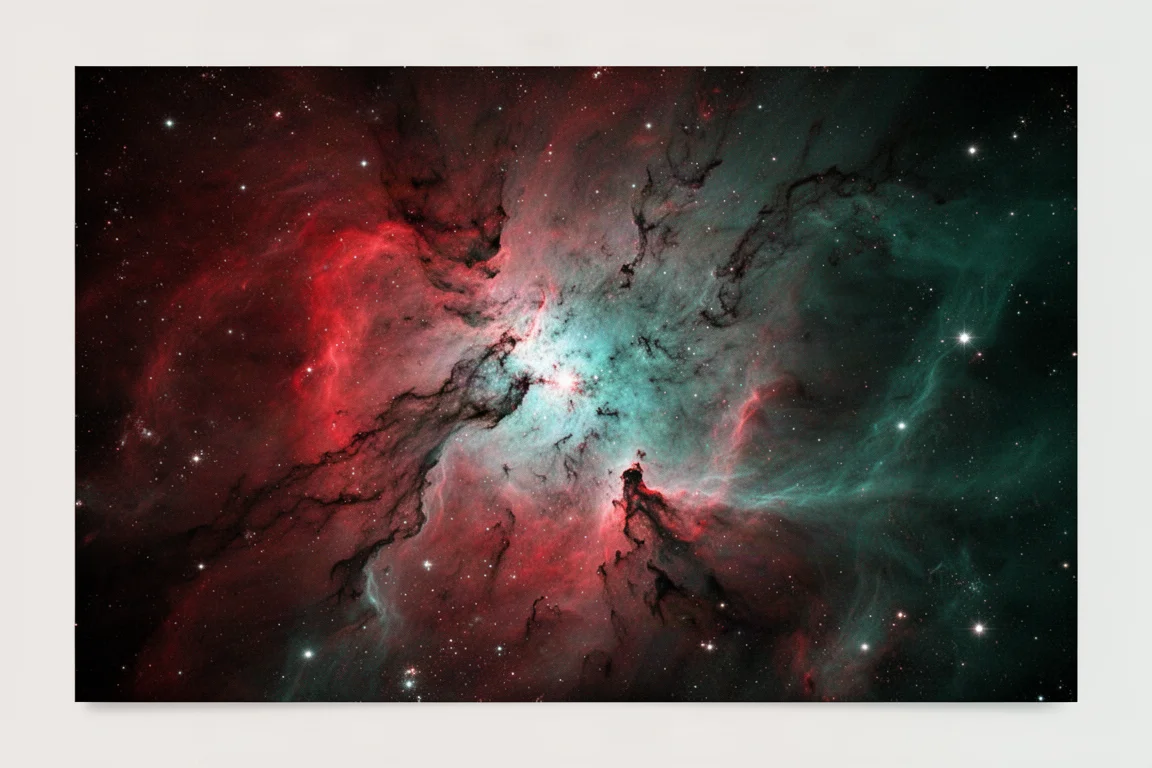
All three filters do essentially the same thing: they isolate the light from emission nebulae by passing the O3 (oxygen) and H-alpha (hydrogen) emission lines. Light outside those narrow band passes is reflected away and blocked from reaching the sensor. That makes them excellent not only for capturing nebulae but also for blocking light pollution, which is exactly how they were tested here, from a Bortle 8-ish yard just outside downtown Boston with bright houses, schools, street lamps and businesses all around.
Just as important is knowing what these filters are not good for. They are not designed for natural star color, reflection nebulae, or typical galaxy imaging. The one exception: galaxies rich in emission nebulae, like M33 or the Magellanic Clouds, can produce interesting results with these filters, though it would not be your typical galaxy photo. Their main use case is emission nebulae, gas clouds that emit their own light from ionized atoms at very specific wavelengths the filters can pass.
How They Measured
Each filter was measured at home with a spectrometer and a suitable lamp. All three are well centered on the emission lines as they should be, and the pattern is predictable: the more expensive filters have tighter band passes.
The Antlia ALP-T uses 5nm band passes on both lines. The L-eXtreme uses 7nm on both. The L-eNhance is wider, with a 24nm pass on O3 and 10nm on H-alpha.
Comparing measured transmission against manufacturer curves, the L-eNhance showed accurate full-width half-maximum and good centering, with peak transmission in the high 80s, only a few percent below the advertised figures. The L-eXtreme’s O3 pass was well centered and peak transmission measured in the mid 80s on both lines, slightly below the published low-90s figures. The Antlia tested well: passes well centered at the right 5nm width, H-alpha peak transmission above 90 percent, and O3 transmission a touch under the advertised 85 percent, closer to 80 percent on the sample tested.
Physical Differences
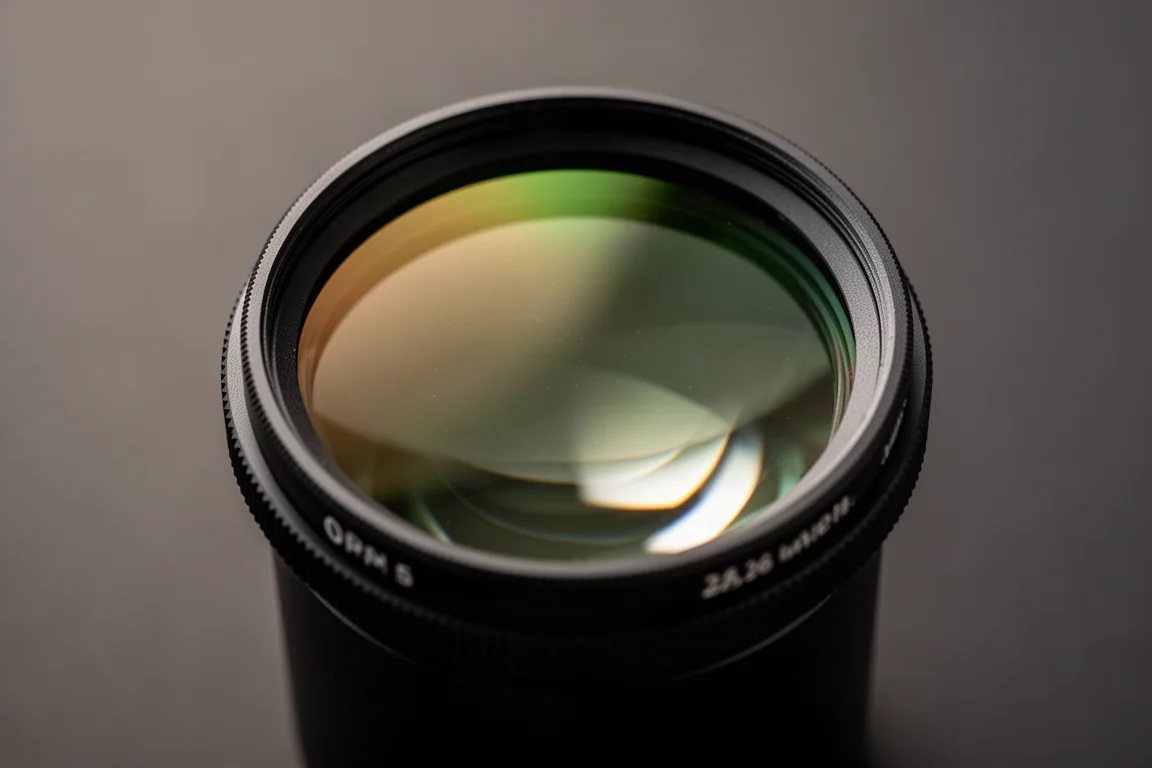
The L-eNhance gets points for format flexibility: it is the only one of the three available in two-inch, 1.25-inch and a Canon clip-in version. The two-inch version ships in a semi-clear plastic box with a foam insert, and the cell has minimal knurling on top with smooth sides. It measures 6.93mm thick including threads and 4.97mm above the threads, with the glass itself 45.93mm wide.
The L-eXtreme is essentially identical in every way except that it is not available as a clip-in filter.
The Antlia ALP-T, where ALP stands for anti-light pollution, is also called the golden filter because its coating makes it appear gold on one side. It comes in a sturdy plastic box with a magnetic cover and a waxed sleeve inside. It measures 7.2mm thick with threads, 5.02mm above the threads, with the glass 46.46mm wide.
Real-World Imaging Tests
All real-world shots were taken on the same night from the light-polluted yard, with a waxing gibbous moon overhead, at f/5.4 and 464mm focal length on the Flaming Star and Tadpoles nebulae in Auriga.
The baseline is clear: with a stock Canon T7, a half-hour integration from this sky is overwhelmed by light pollution. Adding the L-eNhance produces a dramatic improvement, and the L-eXtreme and Antlia ALP-T improve on that further. With a full-spectrum modified Canon 60D, which stands in for a dedicated astronomy camera, the difference is even more pronounced, with both tighter filters delivering notably cleaner, higher-contrast results against the moonlit Bortle 8 sky.
Noise, Halos and Star Quality
The side-by-side crops reveal the trade-offs. With the stock Canon T7, the reflection nebula around the Flaming Star actually comes through a bit even from a Bortle 8 sky, and the L-eNhance’s wide 24nm O3 pass keeps some of it visible. The tighter band passes of the L-eXtreme and Antlia suppress reflection nebulae, which is expected.
On the Tadpoles region, which contains genuine O3 signal, all three filters performed really well with both the stock and full-spectrum cameras.
Because the L-eNhance lets in more light pollution, its images are noisier even at identical integration times; after you subtract the light pollution gradient, residual photon noise remains. The L-eXtreme and Antlia ALP-T are well matched here, with lower noise and higher contrast, plus tighter stars thanks to their narrower band passes. The only halo observed in the entire comparison appeared on the brightest star in the field through the L-eXtreme, a faint halo not present with any other filter or with no filter at all.
Which One Should You Buy?
If you want the most affordable entry into dual-band imaging and value format flexibility, the L-eNhance is the logical pick, especially since it is the only one offered as a Canon clip-in. Its wider band passes mean more signal but also more light pollution and noise, a fair trade at $229.
If you want tight 7nm band passes and stronger light pollution rejection at a mid-tier price, the L-eXtreme is the established choice, with the caveat of the faint halo observed on the brightest star in the test field.
If you want the tightest 5nm band passes, the best measured H-alpha transmission above 90 percent, and no halos in testing, the Antlia ALP-T justifies its $380 price as the newest and in several ways the strongest performer of the three.
Conclusion
All three filters do their core job well: pulling emission nebulae out of badly light-polluted, moonlit skies. The choice comes down to budget and priorities. The L-eNhance is the value and flexibility option, the L-eXtreme is the proven mid-range performer, and the Antlia ALP-T is the premium pick with the tightest band passes and excellent measured transmission. Any of the three can transform city-sky nebula imaging with a color camera.
Product link
View more details for Optolong L-Enhance Filter
This product is mentioned in the review. Check the specifications, options, and compatibility before buying.
View more details for Optolong L-Enhance FilterFurther reading
Related Reviews
Astrophotography
ASKAR FRA400C Review: A Versatile 400mm Refractor for Astrophotography and More
The ASKAR FRA400C is a compact 72mm refractor that balances reach, versatility, and portability for astrophotographers and visual observers.
Astrophotography
Askar SQA106 Review: A Premium 106mm Astrograph With Exceptional Optics
The Askar SQA106 is a premium 106mm quintuplet astrograph with impressive sharpness across full-frame sensors, though its price and weight demand careful consideration.
Astrophotography
Astro Imaging Gear 2026: Eight New Products Worth Watching
A look at the most interesting new astrophotography and astronomy products announced this year, from fast telescopes to smart cameras and wireless accessories.