Music Streaming
Best Music Streaming Services Compared: Apple Music, Tidal, Qobuz, Spotify and SoundCloud
A practical comparison of five music streaming services across sound quality, network integration, interface and catalogue, so you can pick the one that fits the system you already own.
Introduction
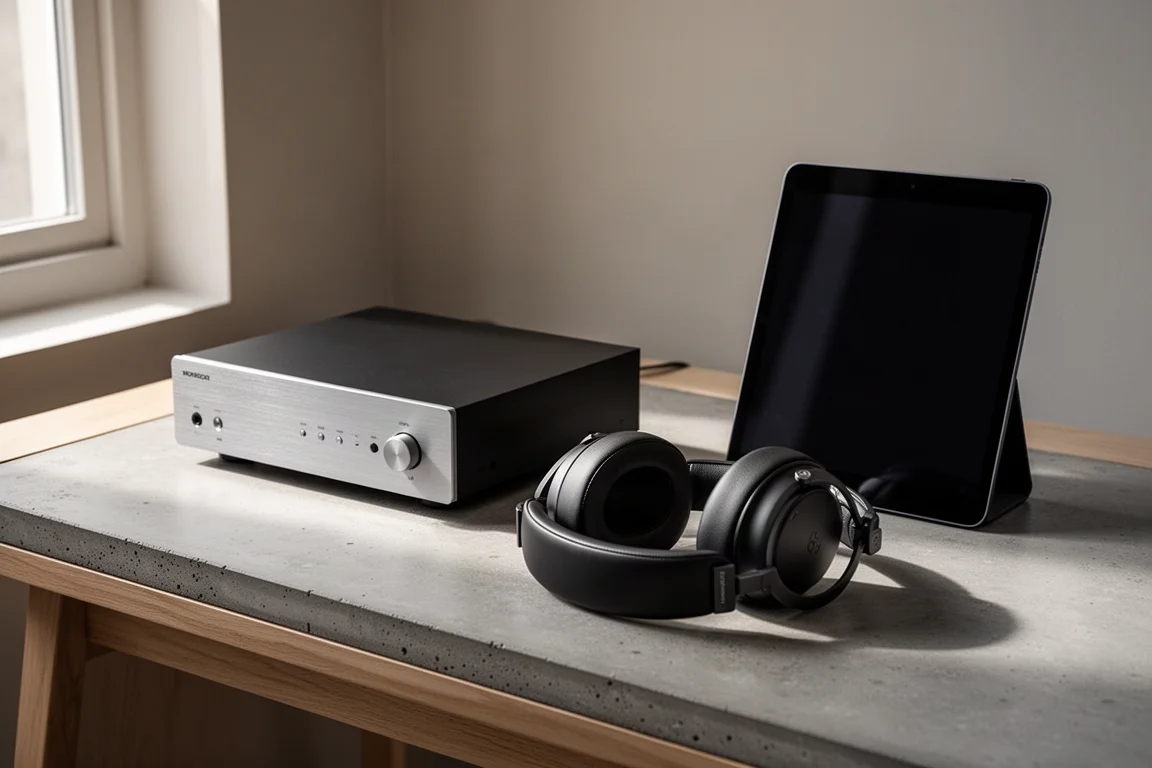
No single streaming service does everything well. Each of the five services compared here leads in at least one area, and each carries at least one compromise that becomes obvious once you live with it. The point of this comparison is not to crown an overall winner but to match a service to the way you actually listen: the resolution you want, the hardware already sitting in your rack, the interface you open every day, and the catalogue you care about.
Two of these services are built for people who want the highest available resolution without managing settings. One is built around tight integration with a network audio ecosystem. One wins on interface and playlist workflow. One works best as a supplement rather than a primary subscription.
How These Services Were Evaluated
Four criteria do most of the work in deciding which service suits a given system. The first is resolution handling: whether high-resolution audio is a separate paid tier or a simple switch that stays on, and how often the highest rates actually arrive. The second is network integration: whether a stream can be handed off to a network endpoint in the rack from within the service’s own app, and whether the service works inside Roon.
The third is the interface, including the big-screen app. A television app that keeps music at the centre of the experience behaves very differently from one that replaces music with music videos, and that difference matters if the main system doubles as a living room setup.
The fourth is catalogue completeness, and it is the criterion that surprises people most. A service can sound excellent and still leave two or three tracks missing every time a playlist is copied across from another platform. Genre has a lot to do with how noticeable that becomes.
Apple Music: High-Resolution Without the Fuss
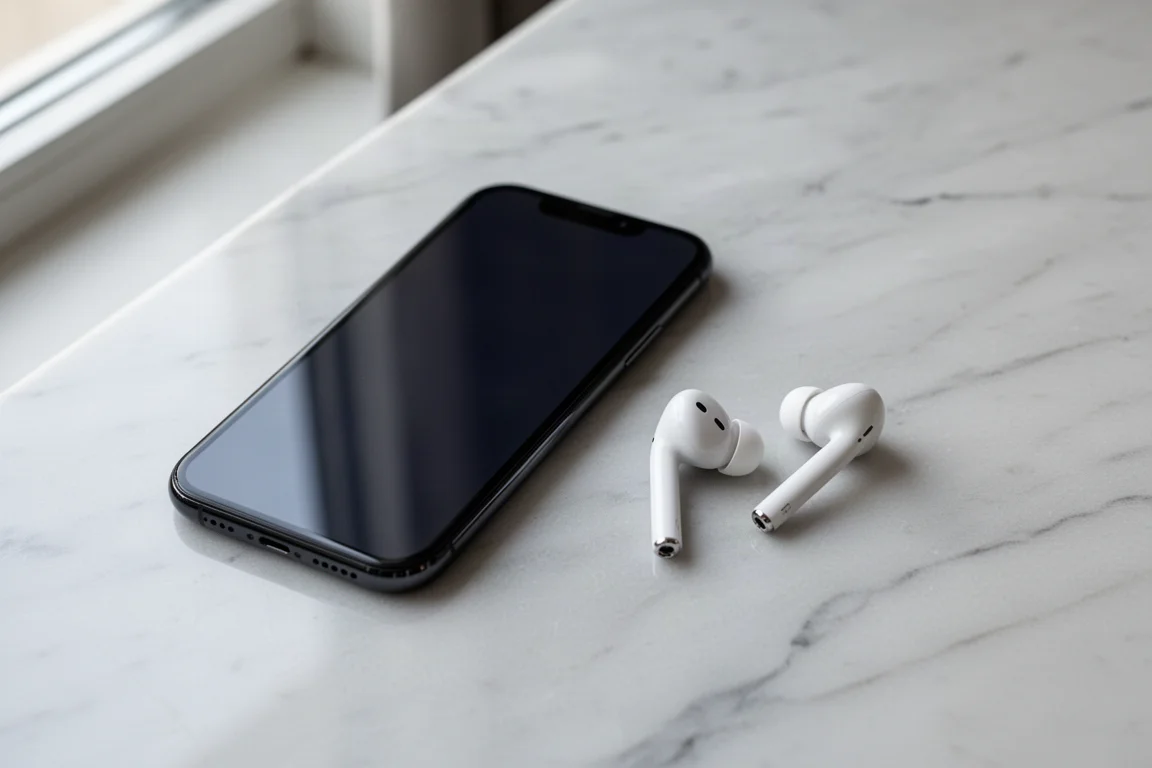
Apple Music treats high-resolution lossless audio as a single setting rather than a separate purchase. Once high-resolution lossless is enabled in the app settings, it stays on, and the service delivers the highest resolution available for each track. In most cases that means 16-bit/44.1 kHz, in other words CD quality, but some tracks arrive at 24-bit/48 kHz, 24-bit/96 kHz or even 24-bit/192 kHz. There is no tier decision to make and no surcharge for the higher rates. A subscription costs EUR 10.99 per month in Germany, and pricing varies by country.
Spatial audio, the name Apple uses for its Dolby Atmos content, is the second draw. The catalogue of spatial mixes is small and not everything suits the format, but a handful of Brian Eno albums, Peter Gabriel’s IO and the Talking Heads catalogue show what it can do. Spatial streams are heavily compressed to travel over Bluetooth, yet the audible step up from lossless stereo is more pronounced than the move from CD quality to a high-resolution format. It is closer to a super stereo effect than to true surround sound, since the image stretches wide and forward rather than wrapping behind the listener. On Peter Gabriel’s IO, the spatial mix also carries noticeably greater dynamic range than the loud stereo mixes.
The television app is a real advantage, because it keeps music at the centre of the experience and lets browsing, playback and volume all run from the same remote. One limitation is worth knowing before you commit: the streaming box resamples all audio to 48 kHz before it leaves the HDMI output, which effectively rules out high-resolution playback from that device. In practice the audible cost of resampling CD quality to 48 kHz is small next to the influence of room acoustics, loudspeaker position and the amplifier in use.
Apple Music has also been adding DJ mixes from sources including Mixmag, Boiler Room and Beats in Space, and many of those mixes are unavailable elsewhere. More recently it added a pair of hard-to-find mixes from the mid-2000s.
Tidal: FLAC Streaming With Connect and Roon Support
Tidal’s appeal comes down to two things: how it delivers high-resolution audio and how easily it hands that audio to the rest of a system. The service now prioritises native FLAC over MQA for its high-resolution streams, which makes it a logical choice for listeners who want a service that fits inside Roon.
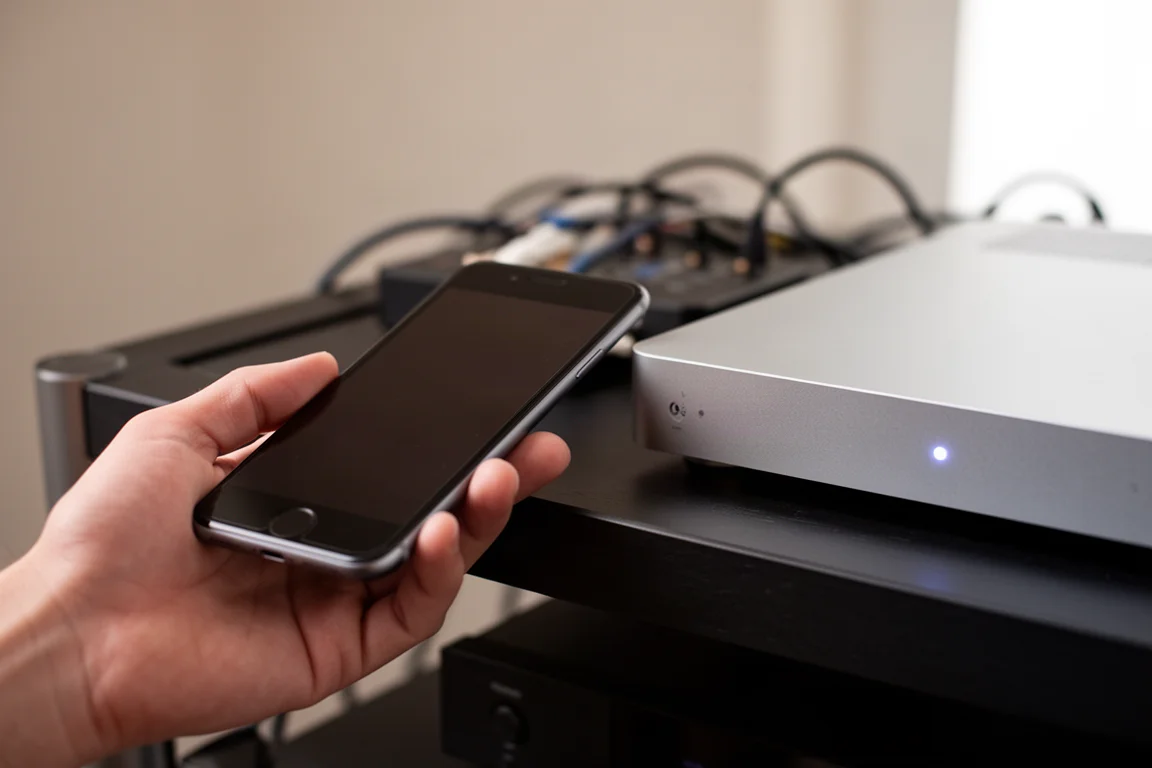
Tidal Connect is the second piece of the puzzle. It lets a stream be handed off to a network endpoint in the rack from directly within the Tidal app, without switching to a third-party controller. For anyone not running Roon, that combination of Roon support and a native connect feature covers a lot of ground.
The trade-offs are practical rather than sonic. The interface is clunky compared with the competition, and the television app does not maintain the same music focus as its phone and desktop counterparts, substituting music videos for the music itself. Higher-resolution tiers also cost extra compared with Apple Music’s single price.
Qobuz: Excellent Sound, Narrower Catalogue
Qobuz integrates with Roon, which makes it attractive to listeners who already run a Roon core. The complication is everything around it. There is no ideal way to stream Qobuz across a home data network at the moment: AirPlay is not always lossless, Chromecast is not gapless, Roon works but adds cost, and Android-based touchscreen streamers are the remaining route. A Qobuz Connect feature is expected, but it is not here yet.
Catalogue is the more contentious issue. Building a playlist on Spotify and copying it across to other services consistently leaves the Qobuz version one, two or even three tracks short, and those tracks appear not to be available in all territories. Genre plays a part. Listeners who lean towards modern electronic, techno, new wave and indie rock are more likely to notice gaps, while Qobuz looks better suited to traditional repertoire, classical in particular, and to classic rock.

Spotify: The Best Interface, Still Not Lossless
Spotify still has the most well-crafted user interface of the group and a decent television app, and it remains the most convenient place to assemble a playlist before copying it to other services.
What it does not offer is lossless streaming, and that single gap is why it cannot serve as the only subscription in a high-fidelity system.
SoundCloud: A Paid Subscription With Mix Gaps
SoundCloud is best understood as a supplement rather than a primary hi-fi service. It has a paid subscription tier and it is one of the services that tends to be maintained alongside a main lossless provider. Its limitation runs in the opposite direction to the others: the DJ mixes that Apple Music has been adding are not available on SoundCloud either, which is one more reason listeners end up running more than one subscription.

Overall Buying Advice
Start with the hardware you already own, because that decides more than any specification sheet. If your system is built around Roon and you want a native handoff to a network endpoint, Tidal is the closest fit, with Qobuz as the alternative for listeners whose library leans classical and traditional. If you would rather not think about sample rates or tiers at all, Apple Music delivers the highest resolution it has without extra charges, and pairs that with the strongest music-focused big-screen app of the group.
If playlists sit at the centre of your listening, Spotify’s interface remains hard to beat, and SoundCloud works well as an add-on for material the main services do not carry. Many listeners settle on two subscriptions rather than one, because no single service covers resolution, network integration, interface and catalogue equally well.
Conclusion
The honest answer is that there is no perfect streaming service, only a best fit for a particular system and library. Apple Music suits listeners who want maximum resolution without tier management and a television app that stays music-first. Tidal suits anyone who wants FLAC high-resolution streams, a connect feature and Roon integration in one package. Qobuz rewards listeners with classical and traditional tastes who already run Roon. Spotify remains the reference for interface and playlist work, with lossless still absent. SoundCloud rounds out a multi-service setup rather than replacing any of them.
Further reading
Related Reviews
Music Streaming
Apple Music vs Amazon Music Unlimited vs Tidal: Which Music Streaming Service Fits Your Setup
A practical comparison of Apple Music, Amazon Music Unlimited, and Tidal covering plan structures, discovery quality, spatial audio support, and hardware compatibility.
Music Streaming
Best Music Streaming Services 2026: Five Platforms Compared
A practical comparison of Qobuz, Tidal, Spotify, Amazon Music, and Apple Music, covering audio quality, discovery, apps, and value.
Music Streaming
Rune Arc Review: Your Music Library, Wherever You Are
Rune Arc brings a Rune Core library to iOS and Android, with streaming from Tidal and Qobuz, four quality settings, and offline downloads for the albums you already own.