Music Streaming
Apple Music vs Amazon Music Unlimited vs Tidal: Which Music Streaming Service Fits Your Setup
A practical comparison of Apple Music, Amazon Music Unlimited, and Tidal covering plan structures, discovery quality, spatial audio support, and hardware compatibility.
Introduction
Streaming has replaced the trip to the record store, and three services cover most of the ground for listeners who care about sound quality and catalog depth: Apple Music, Amazon Music Unlimited, and Tidal. All three carry a very large share of recorded music, all three offer free trials, and all three now support immersive formats such as Dolby Atmos. The real differences show up in plan structure, how well each service recommends music you have not heard before, and how easily it fits the hardware you already own.
This comparison looks at the factors that change day-to-day listening: plan flexibility, discovery quality, spatial audio support, and compatibility with streamers and hi-fi gear.
What Actually Matters in a Music Streaming Service
Catalog size is rarely the deciding factor. Every major service carries most recorded music, and the gaps tend to be obscure outliers rather than the albums most listeners search for.
Start with the plans. All three services offer a free trial, and several run regular promotions, so the cost of finding out which one suits you is low. The longer-term cost depends on whether you need a family plan, a student rate, or a single-device option for a hi-fi streamer.
Then consider discovery. The recommendation engine determines whether you keep hearing the same familiar tracks or get pushed toward deeper cuts, and the three services behave noticeably differently here.

Finally, check hardware support. Immersive audio formats only matter if the device you listen on can decode them, and the official compatibility lists are not always clear, so it pays to confirm support before paying for a premium tier.
Apple Music: Best for Apple Device Owners
Apple Music’s strongest argument is the bundle. Buying a new Apple device can unlock six months of the service at no cost, which is enough time to decide whether the library and interface suit you. If you already own recent Apple hardware, checking whether that offer applies is the cheapest way to evaluate a premium streaming service.
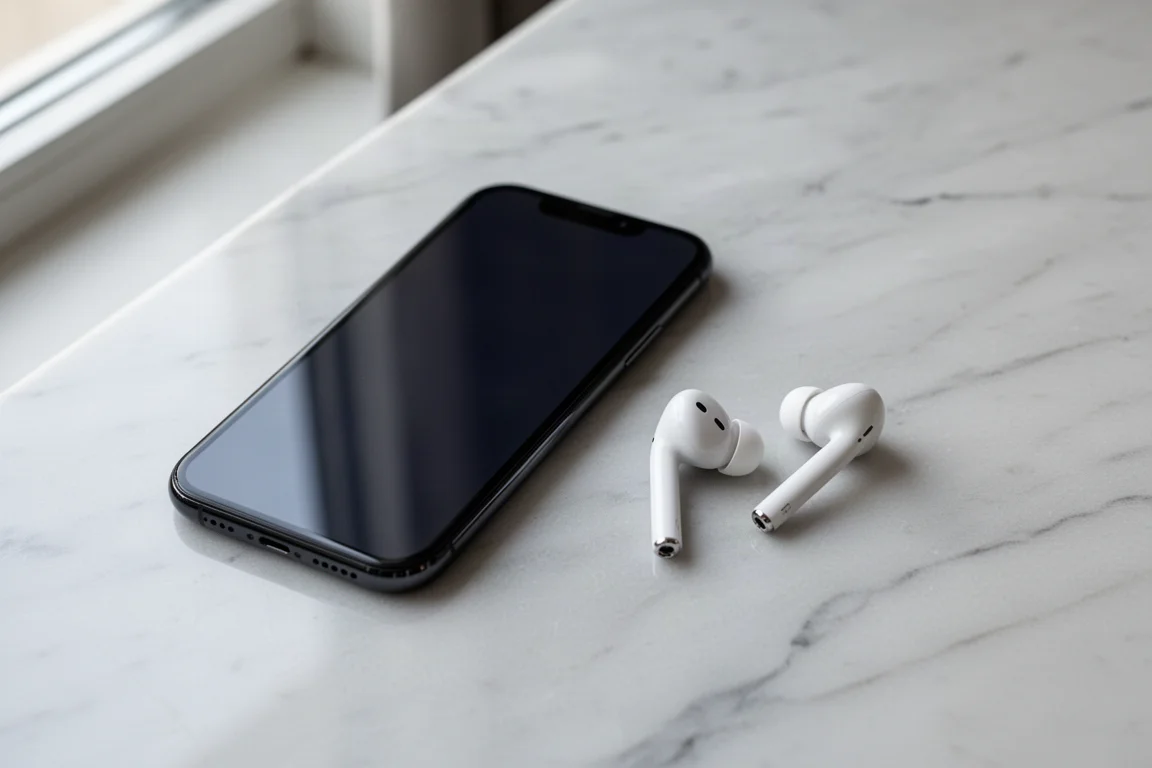
Spatial audio is the standout feature. Paired with AirPods Pro, the immersive mixes sound genuinely impressive, and the effect is one of the more convincing implementations of the format on headphones.
The recommendation engine is solid as well. It surfaces music that fits what you already listen to, and the suggestions improve the longer you use the service.
Two things are worth weighing before committing. First, Apple Music fades tracks in and out, similar to radio-style transitions, which can cut off the opening seconds of a song. Second, hardware support is the narrowest of the three. Apple Music is available on Sonos, but many dedicated streamers leave it out. The exception is streamers built on an Android operating system, where the Apple app can be installed directly.
Amazon Music Unlimited: Flexible Plans Inside the Amazon Ecosystem
Amazon Music Unlimited is the most flexible of the three on price, provided you are a Prime member. Prime membership unlocks the main pricing tiers, and a limited free tier is also available to Prime members. That free tier streams at low resolution, below 320 kbps, so it works better as a sample than as a long-term listening option.
The plan structure is unusually accommodating. Paying for a full year effectively adds two extra months compared with monthly billing. The family plan supports up to six accounts and works through email invitations to people who have an Amazon account. There is also a single-device plan for an Amazon streaming device connected to a hi-fi system, and that tier supports high-resolution audio up to 24-bit/192 kHz, which makes it one of the more affordable routes into hi-res listening.

Spatial audio is available and can be selected when a track supports it, although the quality of Dolby Atmos mixes varies from track to track. The main technical caveat is exclusive mode. On a computer, Amazon Music does not offer it, which means the service changes the resolution and bit rate natively on the connected digital-to-analog converter. If that does not matter to you, it is not an issue.
Discovery is the weakest point. Recommendations tend to circle back to music you already know rather than pushing into unfamiliar territory.
Tidal: The Strongest Pick for Discovery and Hi-Fi Streamers
Tidal takes the opposite approach to Amazon on discovery. It is the best of the three at recommending new and different music, and it is more willing to surface deep cuts, including tracks you may not immediately like. The more you listen, the more the recommendations sharpen.
It is also the only one of the three that integrates with Roon, which matters if you keep a local library on a server and want streaming and owned music organized in one place.
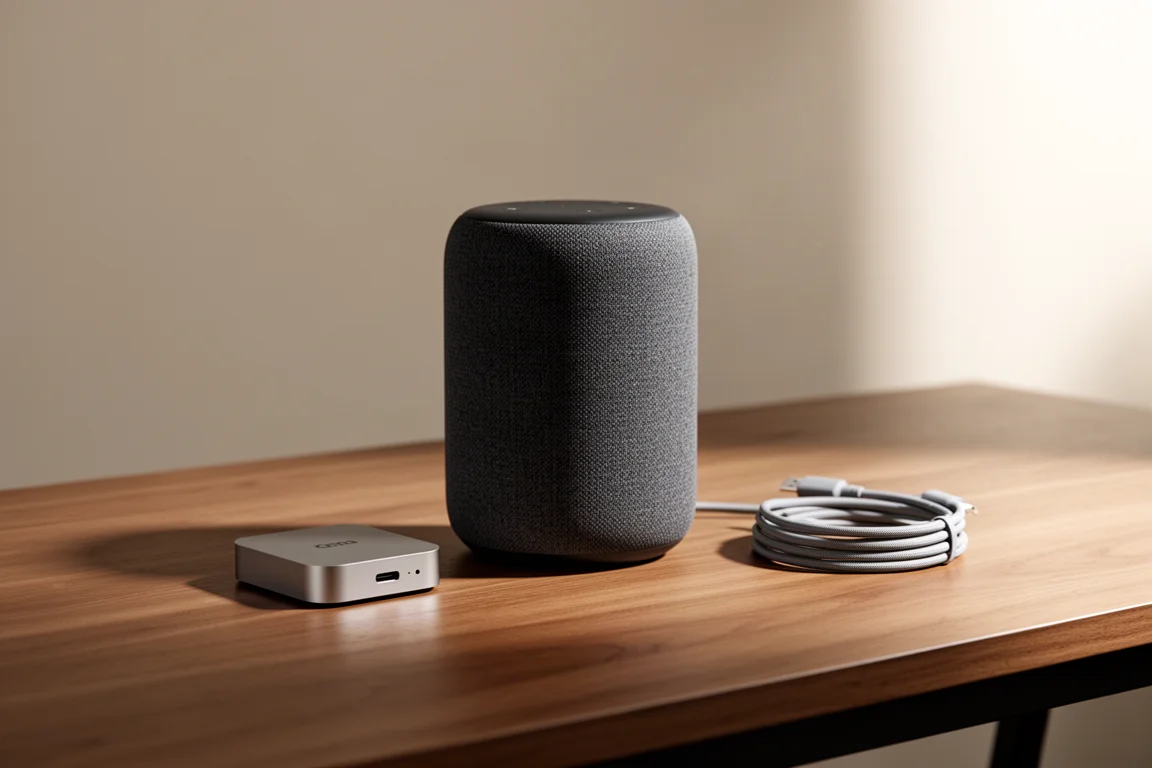
Hardware support is Tidal’s other advantage. It is the most widely accepted service across dedicated streamers, and Tidal Connect lets you control playback from the Tidal app on a phone or tablet and send it straight to the source.
On formats, Tidal covers Dolby Atmos and Sony 360 Reality Audio, so it is not tied to a single immersive standard. Listening in a car, the low end feels noticeably reinforced.
The structure is two tiers. The Hi-Fi tier delivers CD-quality 16-bit/44.1 kHz audio, and a higher tier reaches 24-bit up to 192 kHz for listeners who want the maximum resolution available. A family plan supports up to six members.
Sound Quality, Spatial Audio, and Hardware Support
Comparing streaming services on sound alone is difficult, and honest comparisons tend to produce small differences rather than dramatic ones. Resolution has improved substantially across the board in recent years, yet the audible gap between the top tiers remains modest. Each service appears to apply its own processing, and none of them disclose exactly what that processing does, which is why the same album can sound slightly different on each platform.
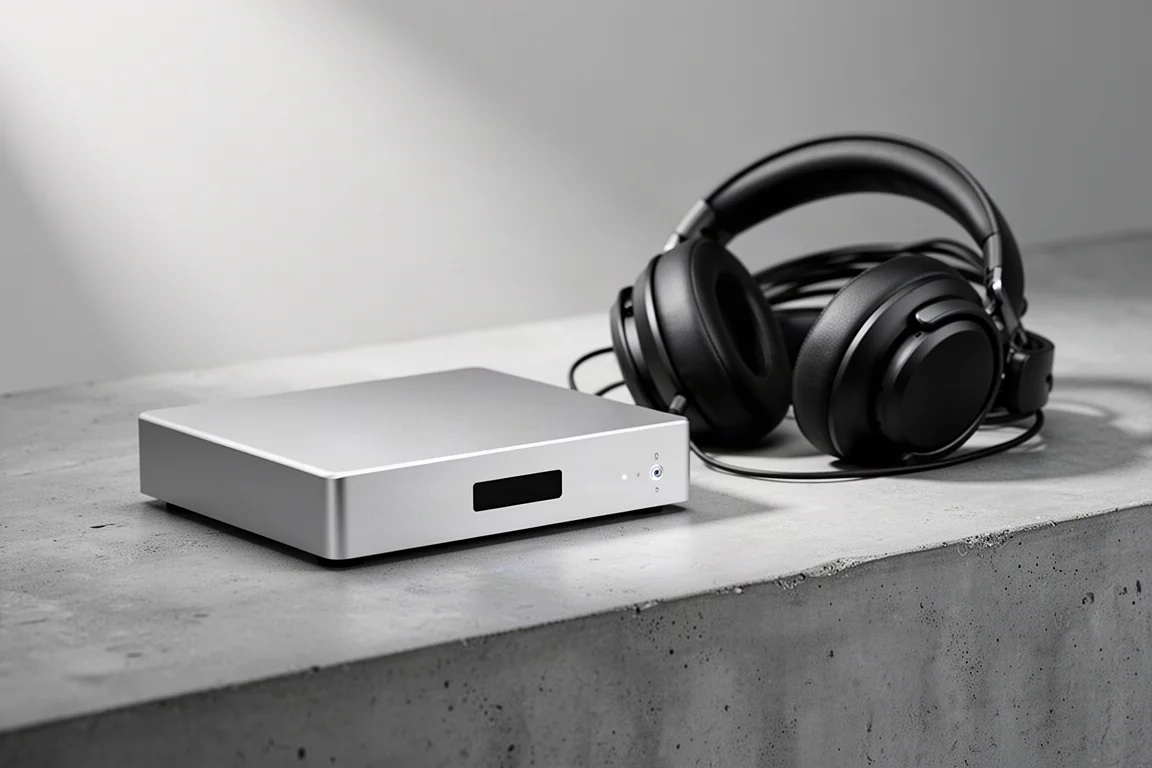
Immersive audio is now table stakes. All three services support Dolby Atmos and spatial mixes, and Tidal additionally supports Sony 360 Reality Audio. The catch is device compatibility. Not every device can decode these formats, and the official compatibility information is not always clear, so it is worth checking your specific receiver or headphones before paying for a tier that includes immersive audio.
With a home theater receiver, an Atmos music mix can be a genuine upgrade over a standard stereo presentation. On headphones, AirPods Pro handle spatial audio particularly well, and that pairing is one of the strongest reasons to consider Apple Music.
The practical takeaway is that the device matters more than the badge. A well-supported service on capable hardware will beat a premium tier running on hardware that cannot decode it.
Pricing and Plan Structures Compared
All three services offer free trials, and all three run promotions from time to time, so the cost of finding out which one suits you is low.
Tidal splits its offering into two clear tiers: CD-quality Hi-Fi at $10.99 per month and a high-resolution tier at $19.99 per month, with a family plan covering up to six members at $29.99 per month.
Amazon Music Unlimited requires Prime membership for its main pricing. Paying annually is equivalent to getting roughly two extra months. The family plan supports up to six accounts at $16.99 per month, and a single-device plan is available at $5.99 per month with high-resolution audio support.
Apple Music’s simplest entry point is a new Apple device, which can include six months of the service at no cost.
Buying Advice: Matching a Service to Your Setup
The right choice depends less on brand preference than on what you already own and how you listen.
If you are inside the Apple ecosystem and use AirPods or AirPods Pro, Apple Music is the natural fit, and the six-month offer on a new device removes most of the risk from trying it. Its main limitations are radio-style fades between tracks and narrower support among dedicated streamers.
If you are a Prime member who wants the lowest entry cost and the most flexible plans, Amazon Music Unlimited is the value pick. The free tier and the $5.99 single-device plan are genuinely useful, especially for a hi-fi setup built around an Amazon streaming device. Be aware of the weaker recommendation engine and the lack of exclusive mode on computers.
If discovery and hardware flexibility matter most, Tidal is the strongest all-rounder. It is the best of the three at surfacing new music, it is the most widely supported across streamers, it integrates with Roon, and it offers both major immersive audio formats. It is also the only one of the three with a high-resolution tier priced above the standard plan.
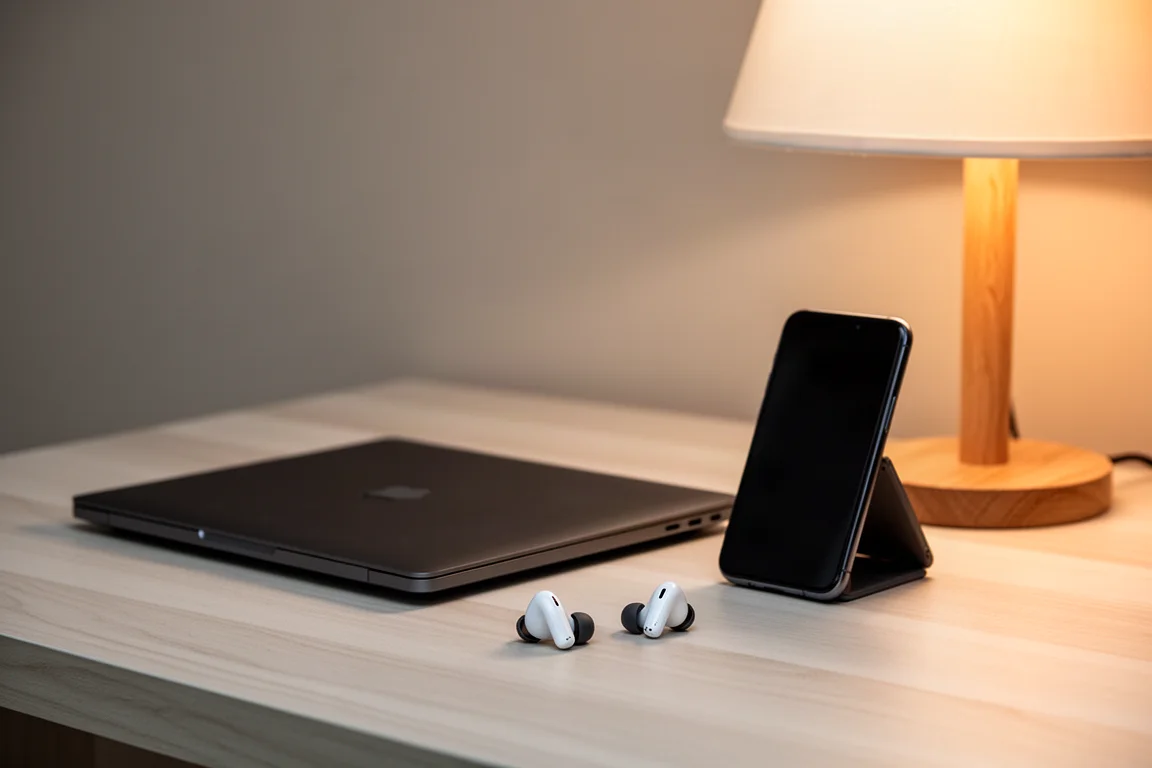
Whichever service you choose, start with a free trial, test it on the hardware you actually use, and confirm that the immersive formats you care about are supported by your devices.
Conclusion
Apple Music, Amazon Music Unlimited, and Tidal all deliver large catalogs, free trials, and immersive audio support, so none of them is a poor choice. Apple Music suits Apple hardware owners, especially with the six-month offer on a new device. Amazon Music Unlimited wins on plan flexibility and entry cost for Prime members. Tidal leads on discovery, Roon integration, and the broadest hardware support. Pick the one whose strengths match your setup, and let the trial period settle the rest.
Further reading
Related Reviews
Music Streaming
Best Music Streaming Services 2026: Five Platforms Compared
A practical comparison of Qobuz, Tidal, Spotify, Amazon Music, and Apple Music, covering audio quality, discovery, apps, and value.
Music Streaming
Best Music Streaming Services Compared: Apple Music, Tidal, Qobuz, Spotify and SoundCloud
A practical comparison of five music streaming services across sound quality, network integration, interface and catalogue, so you can pick the one that fits the system you already own.
Music Streaming
Rune Arc Review: Your Music Library, Wherever You Are
Rune Arc brings a Rune Core library to iOS and Android, with streaming from Tidal and Qobuz, four quality settings, and offline downloads for the albums you already own.