Mountain Bikes
Best Mountain Bikes 2026: Four Rides From Budget Hardtail to Flagship Trail Bike
A practical look at four mountain bikes across four price points, from an entry-level aluminium hardtail to a carbon flagship with wireless shifting.
Introduction
Mountain bike prices now stretch across a range that would have seemed implausible a decade ago. A dependable aluminium hardtail can cost less than a set of premium tyres, while a flagship trail bike can run into five figures. The more useful question is not which bike is best, because that answer changes with every rider and every trail. It is what each step up in price actually adds.
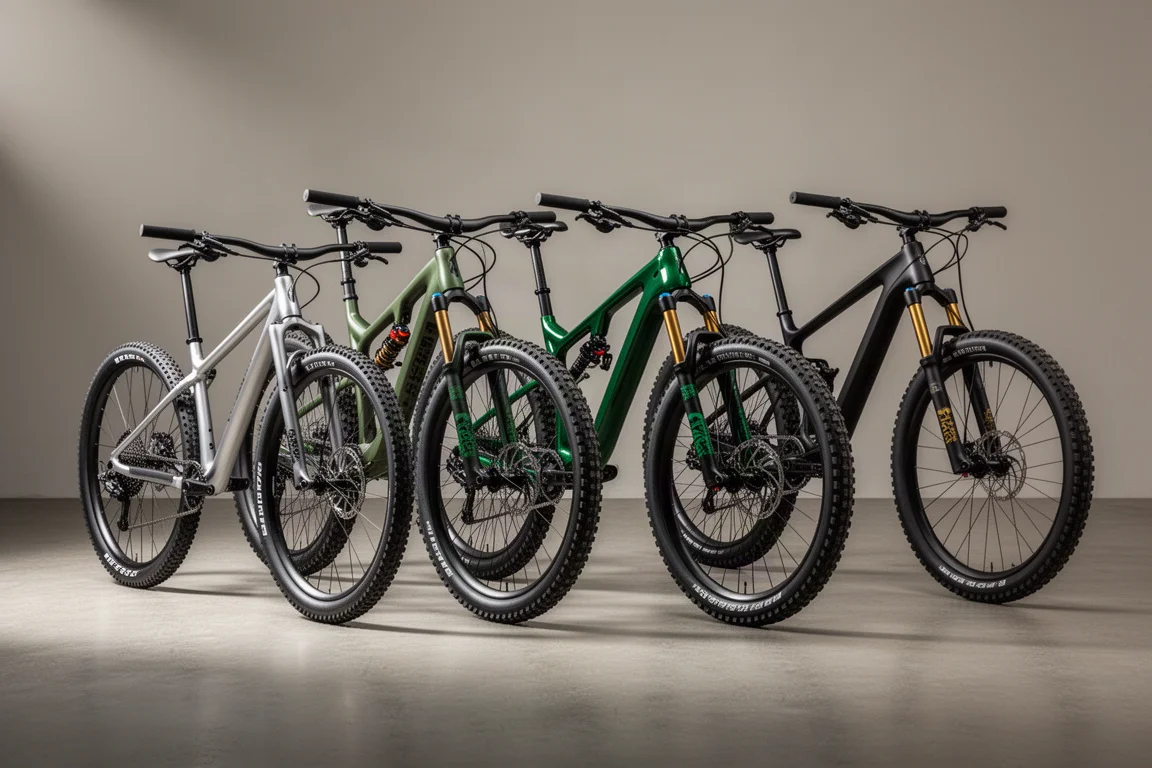
This roundup covers four mountain bikes at four clearly separated price points: an aluminium hardtail, a full-suspension 29er, a carbon trail bike with a dropper post, and a flagship build with wireless electronic shifting. Between them they map out most of the modern mountain bike market, and each one was judged on the same long climb and the same technical descent.
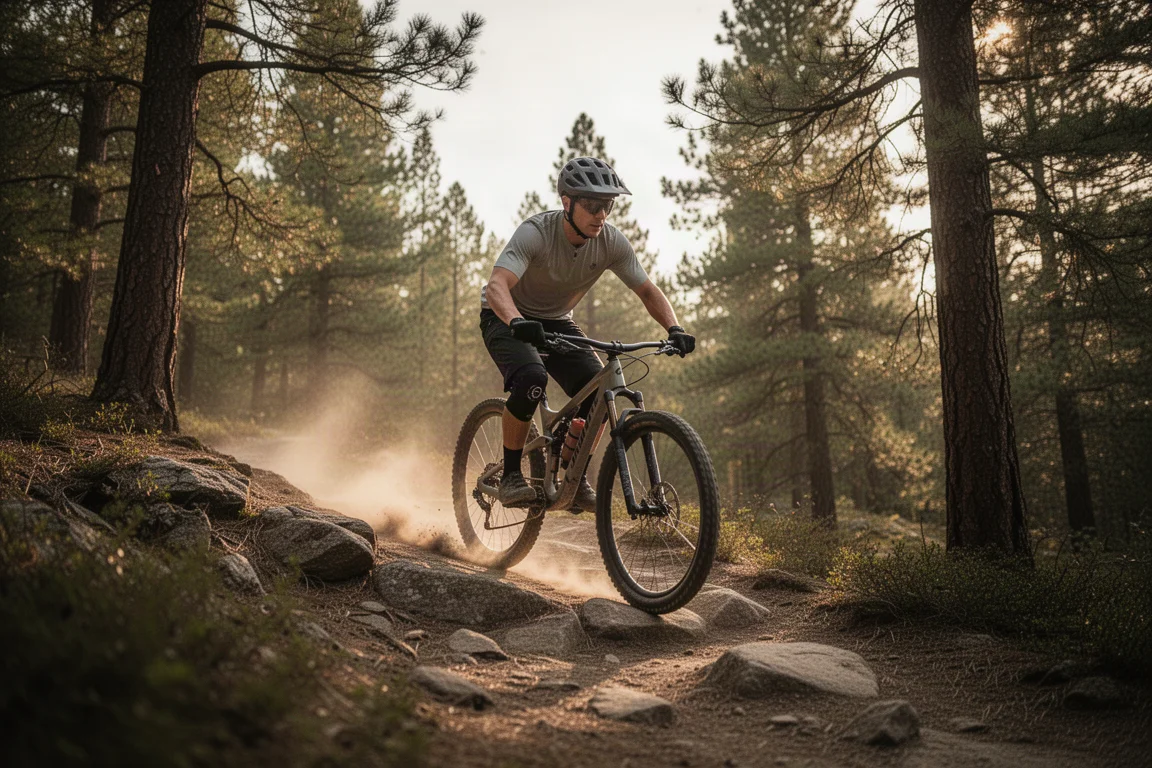
Riding a bike up a sustained fire road climb and then down something steep and rocky exposes far more than a spec sheet does. Suspension quality, braking power, tyre grip and frame geometry all matter much more on the way down than they do in a showroom, and weight and pedalling efficiency matter most on the way up.
What to Look For in a Mountain Bike
A few fundamentals separate a bike that flatters a rider from one that fights them.
Suspension travel and quality sit at the top of the list. Fork travel and rear travel set how much the bike can absorb, but damping quality decides how controlled that travel feels. A hardtail with a well-damped fork can easily outperform a cheap full-suspension bike that wallows under pressure.
Wheel size changes the character of a bike. Smaller 27.5-inch wheels feel quick and nimble, while 29-inch wheels roll over obstacles more easily and carry speed better on rough ground. Most modern mountain bikes have settled on 29-inch wheels for that reason.
Brakes deserve real attention. Hydraulic disc brakes are the baseline, and rotor size plus the number of pistons in the caliper determine how much stopping power arrives for a given squeeze of the lever. A large front rotor adds useful leverage.
Drivetrains have largely moved to a single front chainring, usually paired with a clutch-equipped rear mech that keeps the chain in place over rough ground, and a wide cassette that provides a broad spread of gears for steep climbs. Frame material and weight round things out: carbon fibre reduces weight and adds stiffness, but it costs a great deal more than aluminium.
Best Budget Entry Point: Calibre Rake 27
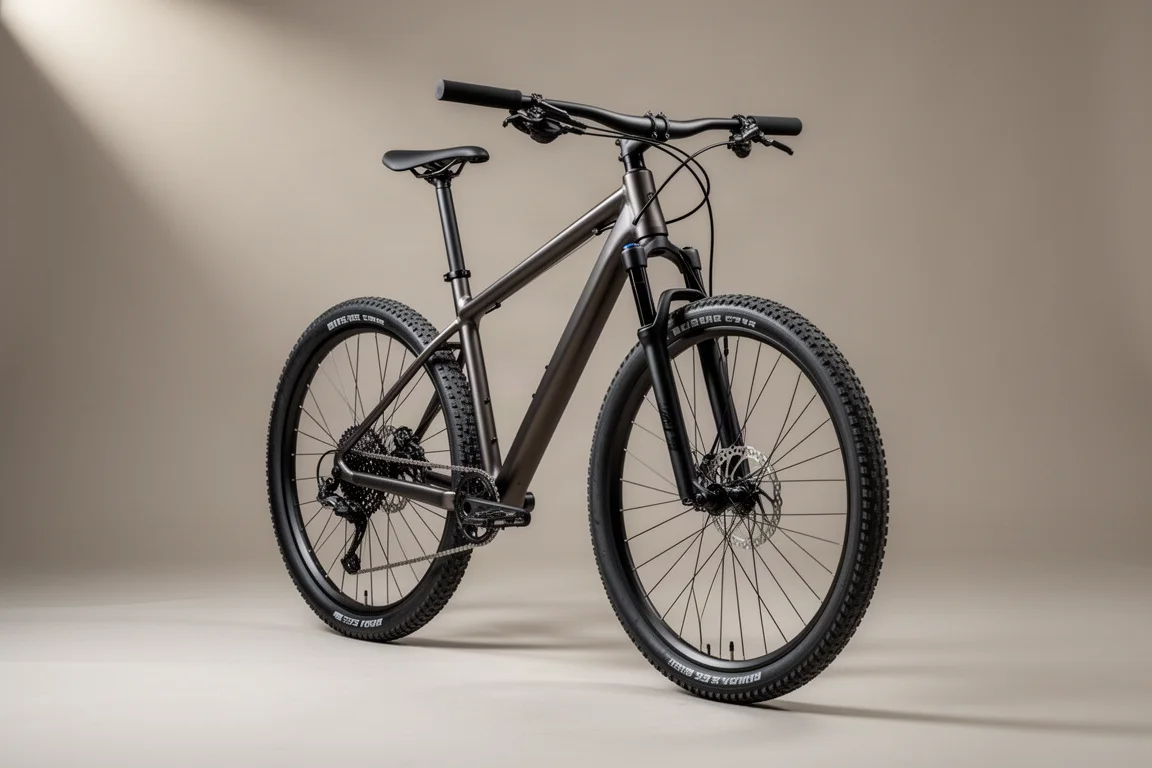
The Calibre Rake 27 is the least expensive bike here, and it is a hardtail: an aluminium frame, a RockShox Judy suspension fork with 100mm of travel, and Clarks M2 hydraulic disc brakes with a large 180mm rotor at the front. There is no rear suspension, which keeps weight and cost down while giving riders a straightforward start in mountain biking.
On the climb, the hardtail feels light. Power goes straight from the pedals to the rear wheel with no suspension movement soaking up effort, so it is quick on smooth and steady gradients. The trade-off is comfort: every bump travels up through the frame, and rougher climbs demand more attention from the rider.
The surprise comes on the descents. Despite small 27.5-inch wheels and tyres that look almost slick at first glance, the Rake 27 handles steep, rocky terrain far better than its price suggests. A reasonable reach and a slack head angle give it a stable, confidence-inspiring stance, the wide handlebar adds control, the fork damping works well, and the tyres hook up more effectively than their profile implies. The front rotor provides plenty of braking leverage. The real limit is grip and ground clearance from those smaller wheels and smoother tyres, and riders who want to be aggressive on drop-offs will need a little more finesse than a full-suspension bike requires.
Best Value Full Suspension: Marin Rift Zone 1
The Marin Rift Zone 1 costs around $1,699, more than three times the price of the hardtail, and it answers the obvious question of where that money goes. It brings more aggressive geometry, a 130mm full-suspension frame, a larger 140mm travel fork and 29-inch wheels. The result is more grip, more control and, most importantly, more speed.
The details are well judged for the money. The paint finish looks sharp, internal cable routing keeps the frame clean, and the single-chainring drivetrain uses a rear mech with a one-way clutch so the chain stays put. Boost hub spacing and an oversized crank axle are there to add stiffness under pedalling load.
On the climb the Rift Zone carries a little more weight than the hardtail and it is noticeable, but the large cassette gives a wide spread of gears and an easy option for steep pitches. Rear suspension adds meaningful traction, so the back wheel no longer skips about the way it can on a hardtail. Two things stand out as worth upgrading early: the bike does not come with lock-on grips, which matters in wet weather, and it has no dropper post, so lowering the saddle for a descent means stopping first.
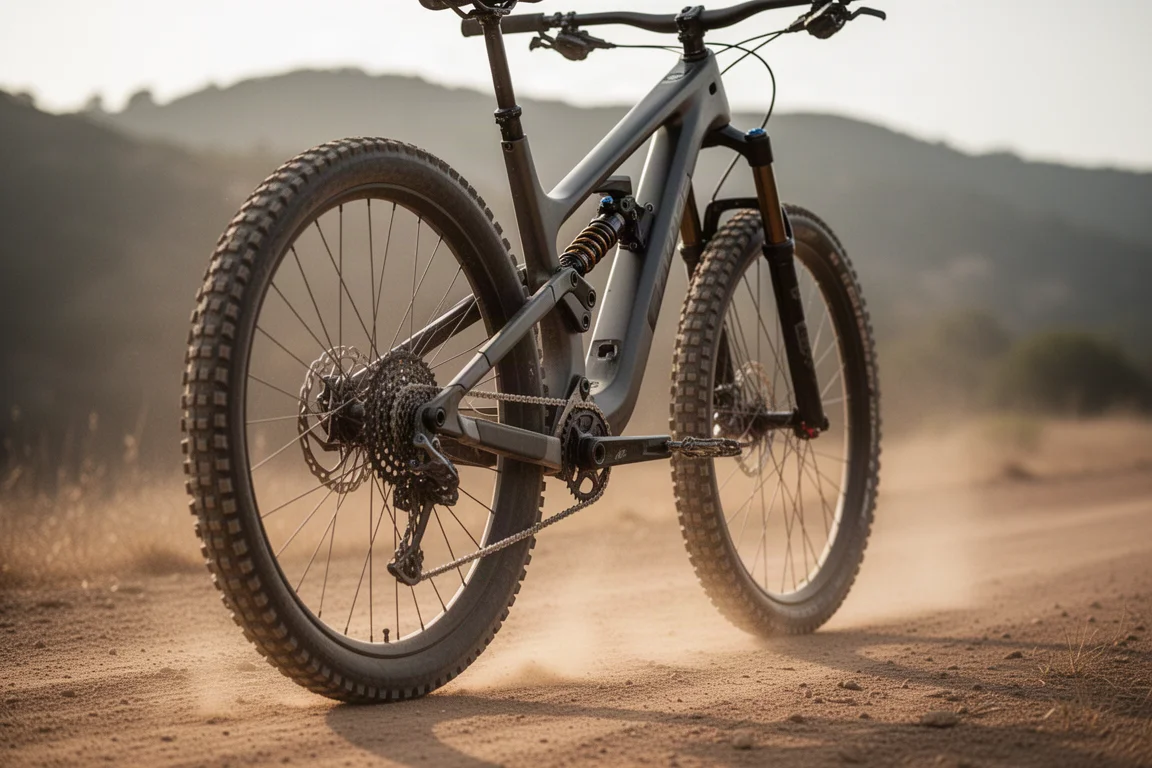
Point it downhill and the extra travel, wider tyres and bigger wheels do exactly what they should. The Rift Zone feels more stable than the hardtail, with more weight behind it and far more traction, so barrelling into rough ground without worrying about what is underneath becomes much easier. Riders stepping up from an entry-level hardtail will feel the difference immediately.
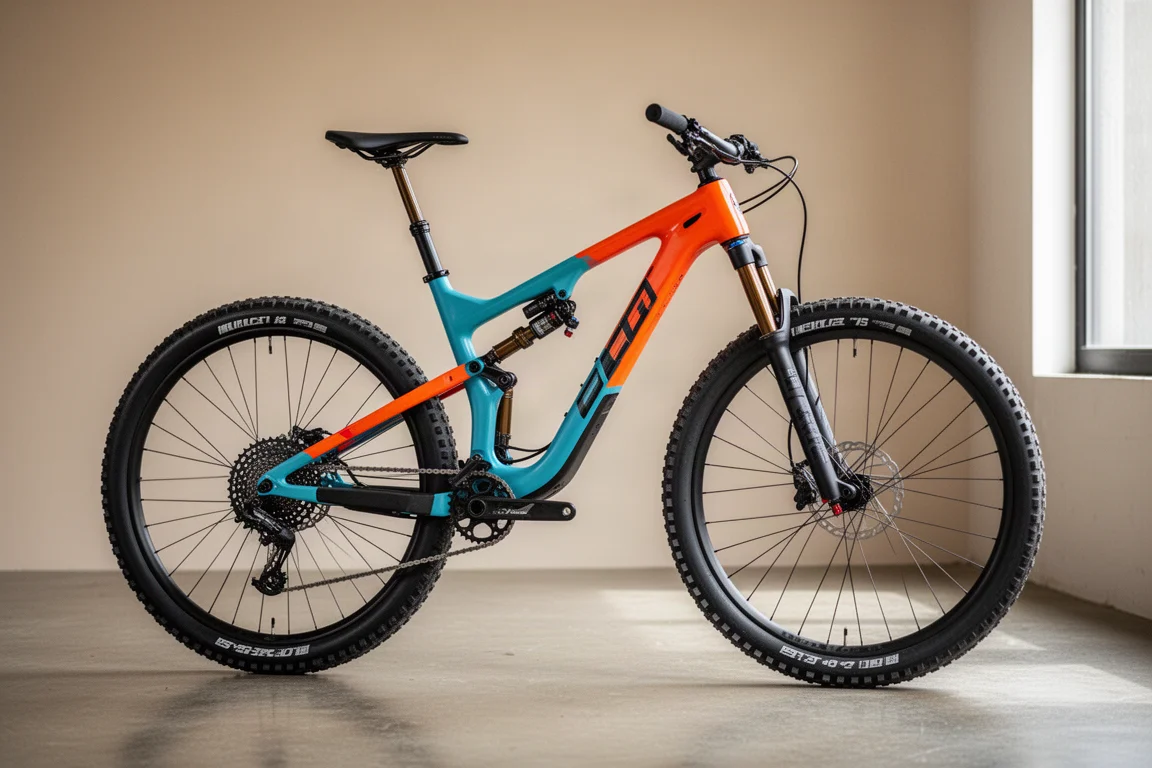
Best Serious Trail Bike: Cannondale Habit LT 1
The Cannondale Habit LT 1 sits at around $5,500, and the LT stands for long travel. Under the paint is a carbon fibre frame, which cuts weight and adds stiffness compared with aluminium. The build is genuinely aggressive: larger disc rotors and four-piston brakes for serious stopping power, a burly fork and a piggyback rear shock with adjustable damping front and rear, plus a lockout lever on the rear shock to save energy on climbs.
Two features define the ride. The first is the dropper post, which works much like an office chair: press a lever and the saddle drops out of the way for descents, then returns for climbing. The second is the tyre specification. The Maxxis tyres use a triple compound construction, with hard rubber under the centre knobs for support, a medium compound on top of the centre knobs, and soft rubber on the shoulders for cornering grip. At around $106 each, they are a serious component in their own right.
On the way up, closing the rear shock lockout produces efficient pedalling, and the progressive geometry with its steep seat tube puts the rider’s weight forward, which helps on steep pitches. On the way down the quality of the suspension is the headline. Traction and control are on another level compared with cheaper forks and shocks, the bike moves around under the rider in a controlled way, and it arrives at braking zones noticeably quicker. The suspension feels almost bottomless, the four-piston brakes need only a light brush of the levers, and the aggressive geometry and extra travel make steep step-downs feel routine.
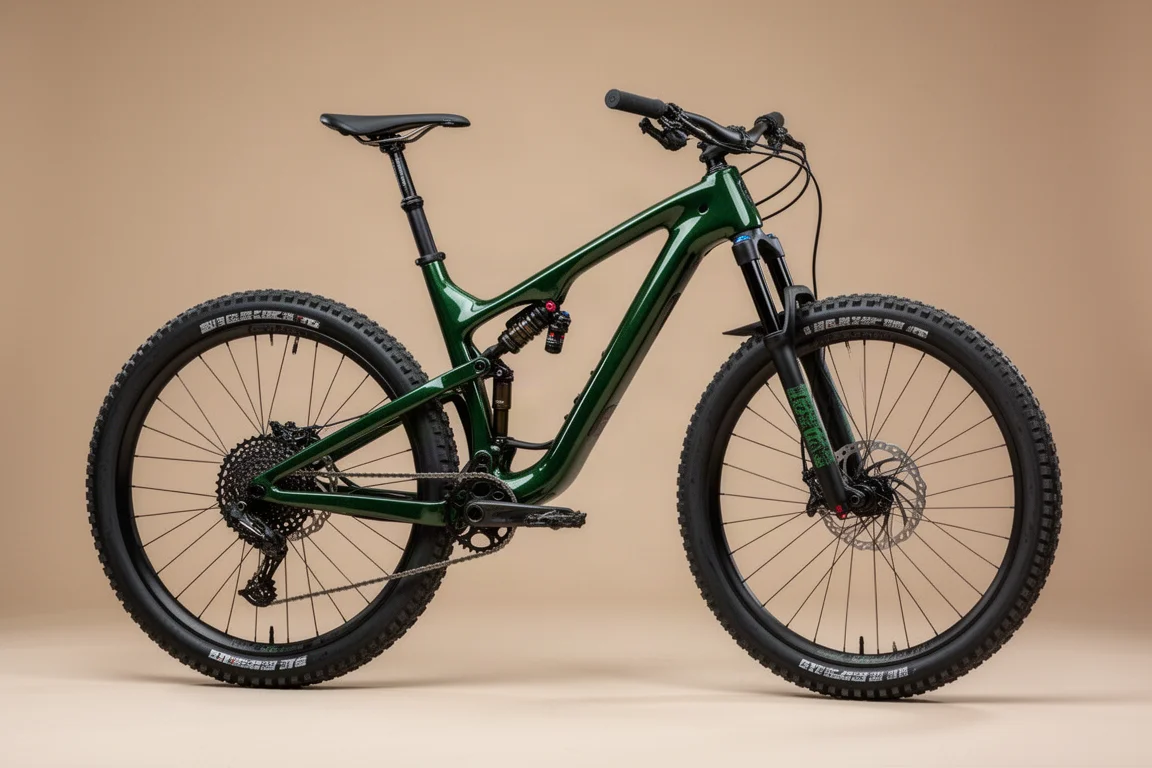
Best Premium Build: Specialized S-Works Stumpjumper T-Type
The Specialized S-Works Stumpjumper T-Type is the flagship here at around $11,000, and it is specified accordingly. Carbon fibre is used extensively across the frame, wheels, handlebars and cranks, bringing the complete bike to just over 27.8 lb. A cassette costing around $600 includes a huge 52-tooth climbing cog, which makes almost any gradient manageable. The Fox suspension components are coated in a slick gold finish that keeps movement exceptionally smooth.
The most distinctive feature is that the gears and the dropper post are activated electronically and completely wirelessly. An electric motor does the shifting instead of a cable, so there are no sticky gear cables to contend with, and the dropper post is triggered by a button rather than a lever. There is even a small multi-tool tucked into the frame.
Out on the trail the bike is smooth, quiet, light and intuitive. The electronic gears swap cogs quickly and almost silently, the shock lockout is easy to operate, and the whole package feels responsive rather than fragile. It is very light to lift over obstacles, the tyres grip well, and the suspension puts power into the ground efficiently. The brakes are powerful, the absence of cables combined with sound deadening in the frame keeps everything quiet, and the low weight flatters the rider’s fitness.
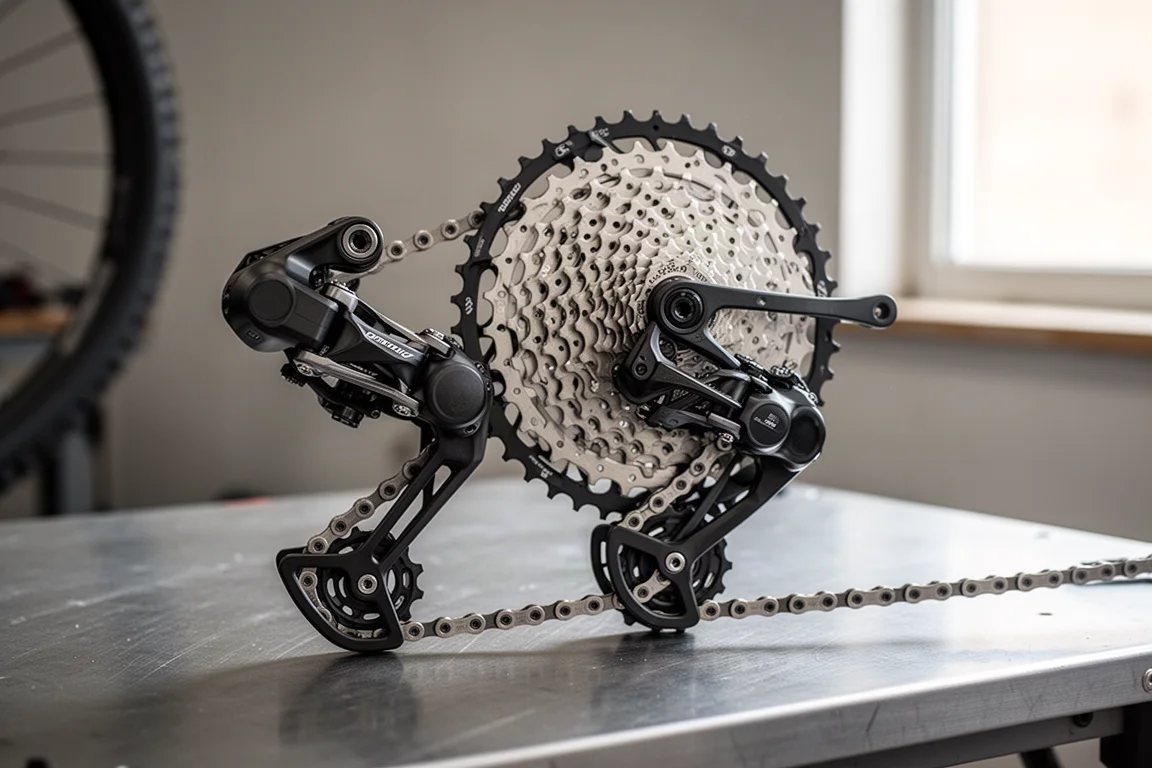
It is worth being clear about what that money buys. Carbon fibre and electronic shifting do not make anyone a faster rider, but they do make the bike a pleasure to operate and to set up, and the attention to detail is evident in every touchpoint.
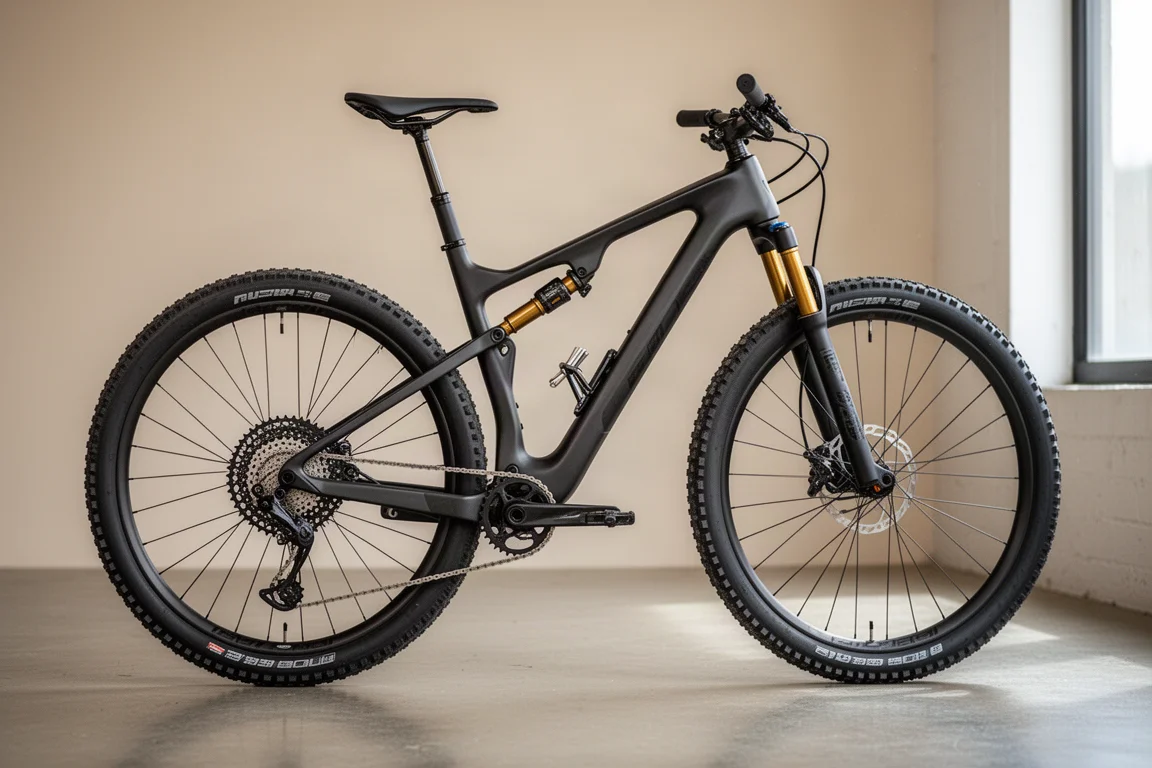
How Much Bike Do You Actually Need?
It is tempting to assume that the most expensive bike in a group is the one that makes a rider better. It is not. Skills, line choice and familiarity with a bike matter far more than frame material or wireless shifting, and no amount of technology replaces time on the trail.
What the price steps genuinely deliver is capability and convenience. A hardtail teaches smoothness and rewards good technique, while a full-suspension bike adds traction and confidence on rough ground and lets riders carry more speed with less effort. A high-end trail bike with a dropper post and quality damping removes a lot of the physical work from technical descents. A flagship build with electronic shifting and a very low weight makes all of that easier and quieter, but it does not change who is steering.
Overall Buying Advice
The encouraging conclusion from riding all four of these bikes is that value exists at every price point, and each one delivered on its promise.
At around $650, the Calibre Rake 27 is basic, as expected, but it is well specified and its geometry is properly sorted. It is a cost-effective entry into mountain biking and a lot more fun than its price suggests. At around $1,700, the Marin Rift Zone 1 steps things up with bigger wheels, a higher-spec fork and rear suspension, all of which help a rider go faster and tackle difficult terrain with more ease.
At around $5,500, the Cannondale Habit LT 1 offers essentially everything a serious mountain biker needs: burly components, high-quality suspension, grippy tyres, a dropper post and a light overall weight. It is the complete package. At around $11,000, the Specialized S-Works Stumpjumper T-Type is the wish-list bike, with every gadget a rider could want in a light and impeccably performing package.
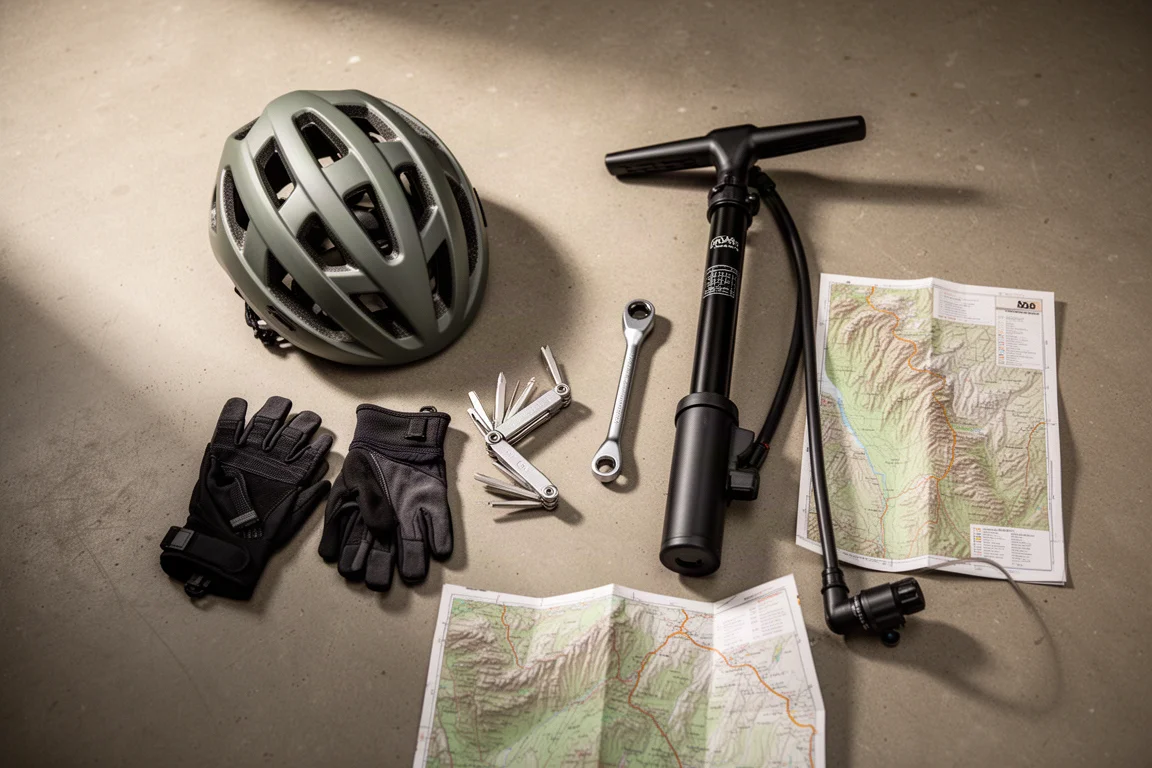
Whatever the budget, the sensible approach is the same. Choose a bike that suits the terrain you actually ride most often, spend time getting to know how it behaves, and prioritise the upgrades that matter for your conditions, whether that is grips, tyres or a dropper post. A well-understood bike is always faster than an unfamiliar one.
Conclusion
Four bikes, four price points, and four genuinely different experiences. The hardtail is light, quick and remarkably capable for the money. The full-suspension 29er adds grip and composure. The carbon trail bike with a dropper post is the complete package for hardcore riding. The flagship build is a lightweight, quiet, impeccably finished machine with every convenience available.
None of them replaces skill, and that is worth remembering. Spend within your means, learn the bike you have chosen, and enjoy the riding itself. That is what mountain biking is for.
Further reading
Related Reviews
Mountain Bikes
Atherton AM.130 Review: 3D-Printed Titanium Lugs and a 130mm Trail Bike That Descends Like a Bigger Machine
The Atherton AM.130 pairs 3D-printed titanium lugs with carbon tubes and a DW6 suspension platform. Here is how it rides, what the build delivers, and who it suits.
Mountain Bikes
Beginner Mountain Bike Buying Guide: What to Look For in a Trailworthy Hardtail
A practical framework for evaluating beginner mountain bikes, whether new or used, by examining key components that indicate real trail capability.
Mountain Bikes
Best Aluminum Mountain Bikes 2026: Five Alloy Bikes Worth Your Attention
Five aluminum mountain bikes that show how far alloy has come, from a 120mm trail bike and a versatile machined frame to a 180mm freeride machine.