Mountain Bikes
Best Mountain Bikes 2026: Five Standout Rides for Trail, Enduro and E-MTB
Five standout mountain bikes covering high-pivot enduro, budget full-power electric enduro, lightweight electric trail and two trail all-rounders, with the strengths and trade-offs worth knowing before you buy.
Introduction
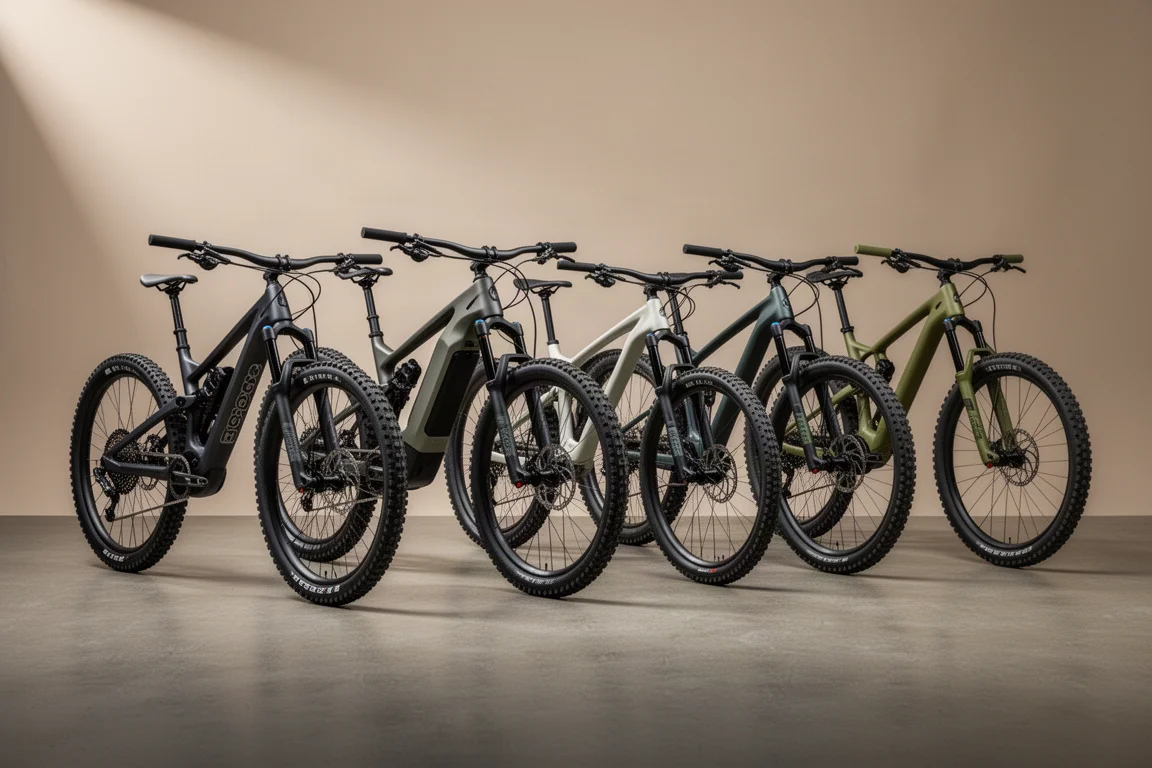
Every riding season reshuffles the mountain bike landscape a little, and this year’s headliner selection covers unusually broad ground. Five machines are featured here: a high-pivot enduro race bike, a full-power electric enduro build aimed at tighter budgets, a lightweight electric trail bike, a carbon trail all-rounder, and an alloy trail platform built around value.
They were ridden through a particularly damp late summer, on everything from boggy, rain-soaked trails to baked-dry dirt, so the notes below should hold up if you ride in mixed conditions.

None of these bikes were pitched directly against each other. Instead, each was rallied back to back with its closest competitors, which makes the comparisons below useful if you are weighing up options in the same category.
Trek Slash 9.9: High-Pivot Speed for Aggressive Riding
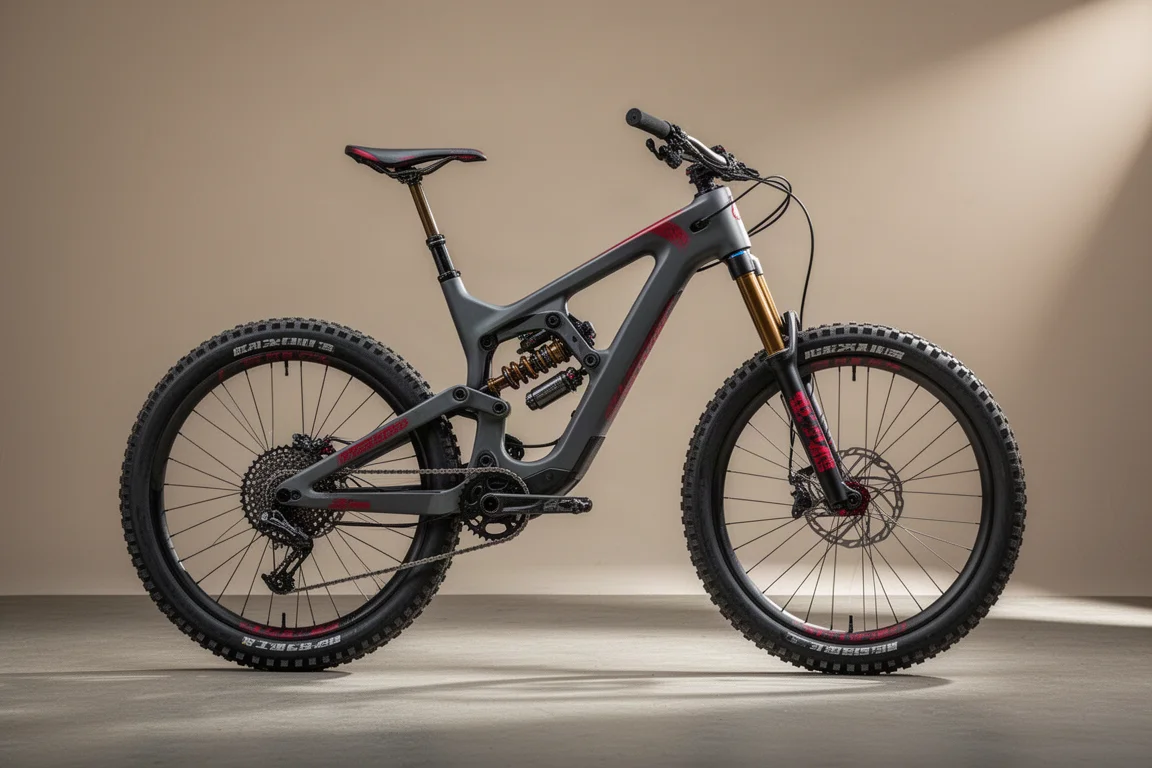
High-pivot rear ends with an idler pulley have been a fixture in downhill racing, and in enduro they have mostly been the preserve of smaller, boutique brands. The Slash 9.9 is a sign that the layout is moving into the mainstream. This build pairs SRAM’s latest transmission with Bontrager carbon wheels, and it is aimed squarely at aggressive riding, enduro racing and bike park days.
On the trail, the Slash pedals better than its numbers suggest. A firm shock tune, low drivetrain friction and fast-rolling Bontrager tires add up to efficient climbing and enough comfort for long days out. Where it really comes alive is on high-speed trails littered with jumps and hard compressions, where the firm setup delivers stability and support.
Two things are worth knowing before you commit. The rear suspension feels less responsive over rough, natural trails than the high-pivot design would lead you to expect, and the stiff carbon wheels and handlebars combined with the firm tune produce noticeable feedback through the hands on extended descents. The flip side is genuine agility: despite its aggressive intent, the Slash stays nimble and balanced and steers through tight turns with precision. A shock retune looks like the obvious route to unlocking more of its potential.
Vitus E-Mythique LT VRX: Full-Power Electric Enduro on a Budget
The E-Mythique LT VRX takes a different route into electric enduro. It pairs a full-power motor with long-travel suspension, and it runs a Bafang motor rather than the more commonly specified units. The frame is alloy, the rear end delivers 160 mm of travel, and the whole package is positioned as one of the more affordable ways into a genuinely capable electric enduro bike.
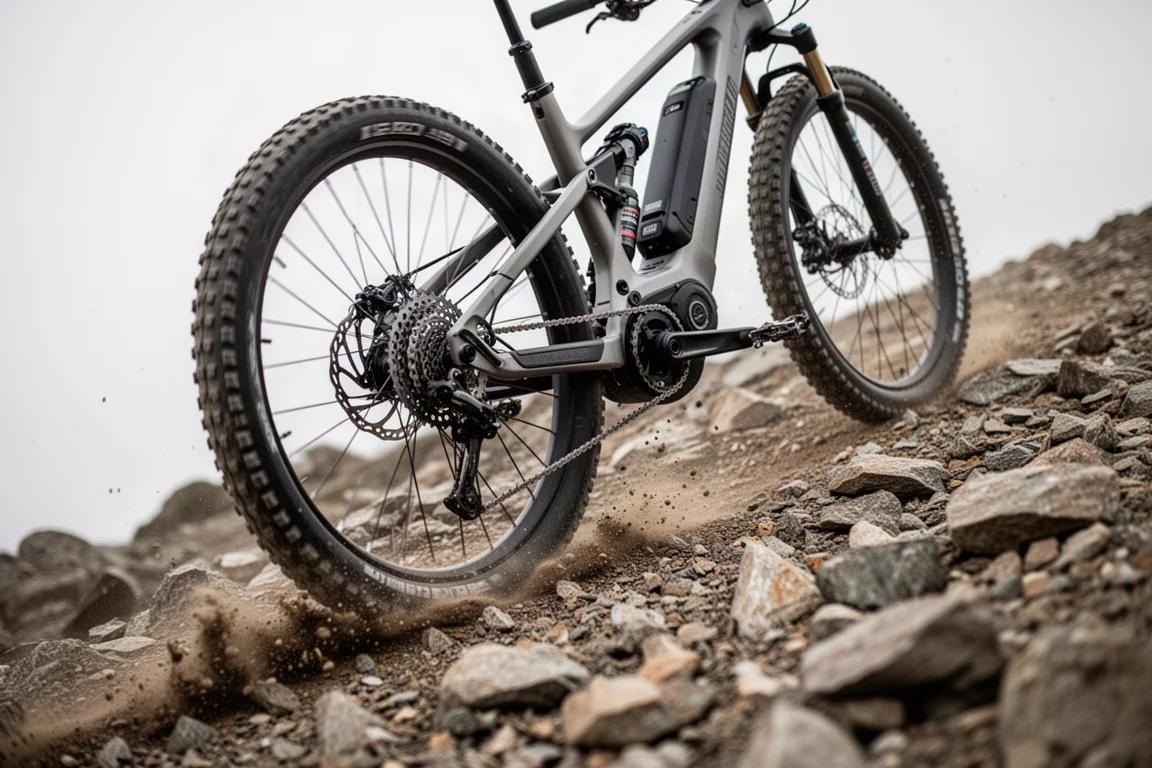
Riding it is easier than the numbers suggest. A slack head angle, a generous 476 mm reach and a long wheelbase make fast, rough and technical terrain feel manageable rather than intimidating, and the dampers are well chosen and simple to set up. The bike swallows choppy ground and isolates the rider from tiring inputs, which keeps long days in the saddle comfortable. Battery life is impressive, and the Bafang motor has plenty of punch, feeling stronger than Shimano’s EP8 while staying just as frugal. It also proved reliable over the test period.
The compromises are small but real. SRAM’s DB8 brakes feel wooden on longer descents, and pulling the lever harder does not add power or bite. The Vee Tire Attack HPL rubber scrabbles for grip on greasier ground, which is entertaining for a skilled rider and potentially a handful for a less experienced one. The motor’s auto power-off kicks in quickly, and the remote mode buttons are easy to press by accident when the trail gets rowdy.
For riders who want an enduro-ready electric bike without a premium price tag, that list of gripes is short and mostly fixable.
Scott Lumen: A Lightweight Electric Trail Bike
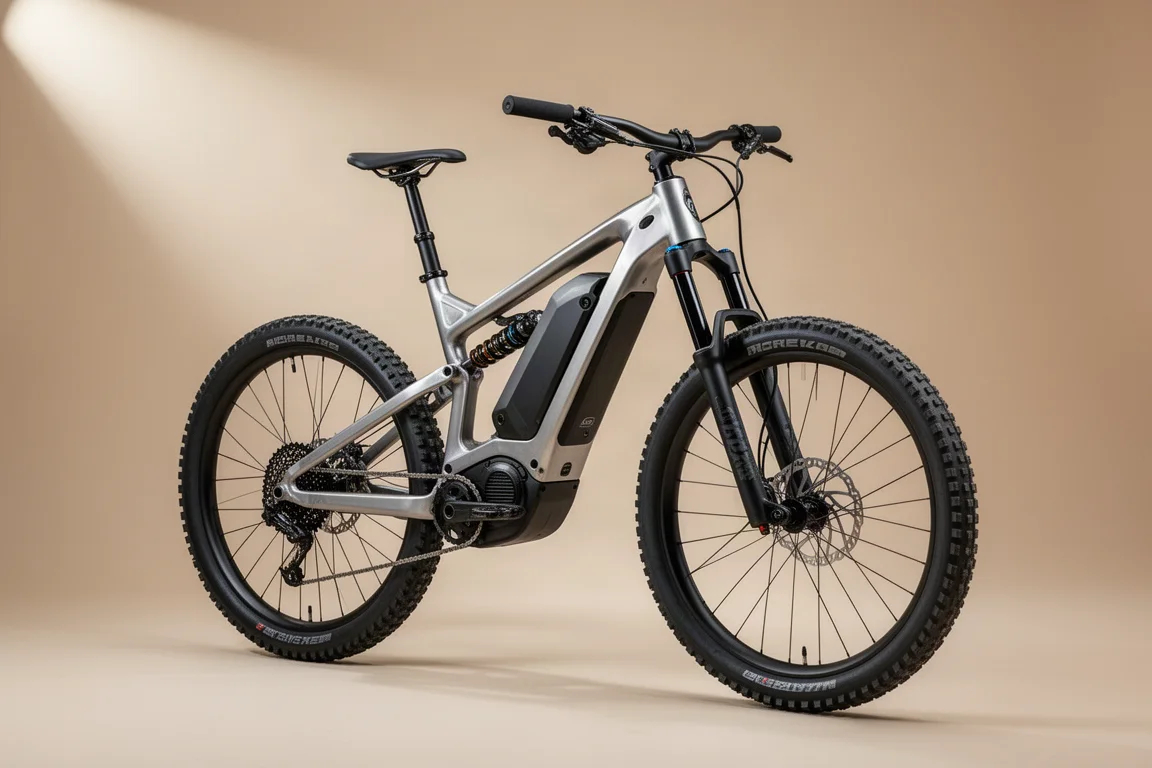
The Lumen takes the sleek lines that come with an internally mounted shock and pairs them with a lightweight motor and a slimline battery, making it one of the most low-profile electric bikes around. Inside sits a TQ HP50 motor with a 360 Wh battery, enough assistance to power a ride without adding bulk, while 130 mm of travel keeps longer days comfortable.
The motor works well for climbing in every mode, which turns technical climbs into fun rather than a chore and makes trail center loops genuinely entertaining. Assistance feels natural. Descending is strong on suitable trails, although the stock tires, head tube angle and fork travel can become apparent once conditions get rough. The 130 mm rear end gives good grip and support, with a smooth feel and no harsh bottom-outs. The bike handles well, and its weight adds stability without making it feel chunky or cumbersome.
There are two practical annoyances. The left thumb ends up juggling the dropper post lever and the motor mode selector, which gets fiddly on technical terrain. The stock tires excel on moderate trails but struggle on steeper or muddier ground, and the frame’s capabilities clearly outrun them. A tire upgrade would add fun at the cost of rolling speed and battery life. Everything else functions without issue, making this a fast trail bike with plenty of untapped potential.
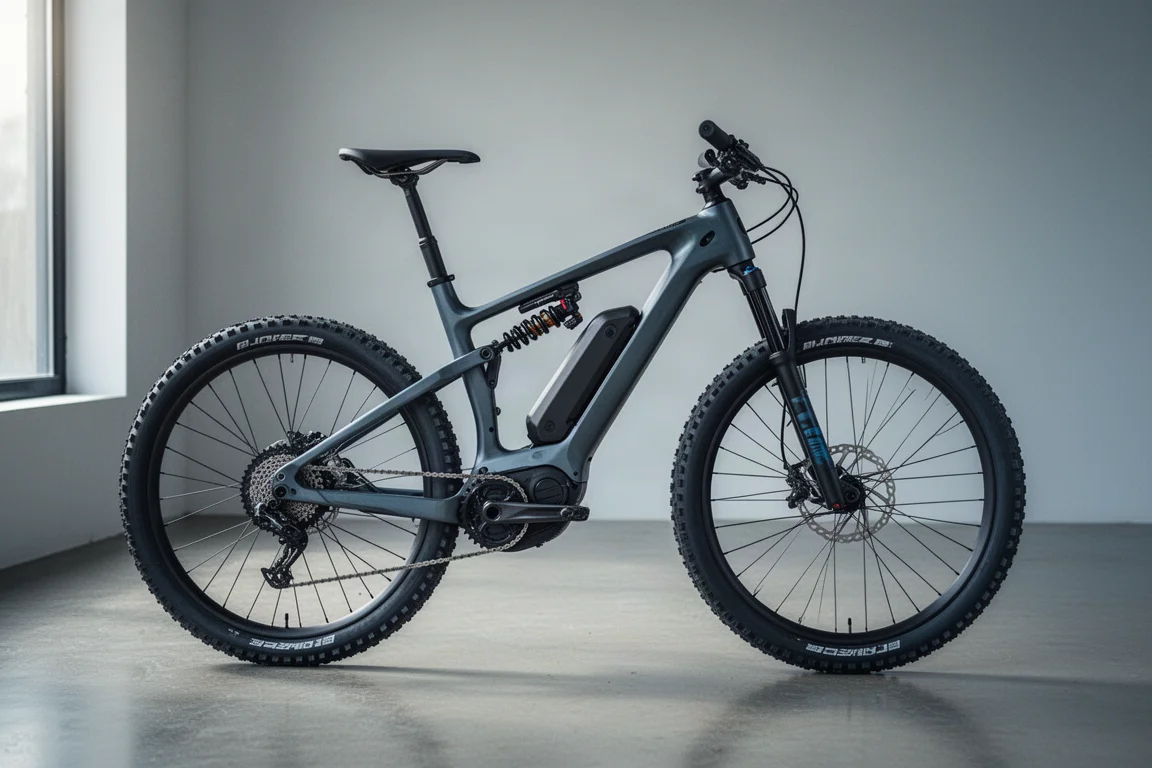
Norco Fluid FS C2: The Confident Trail All-Rounder
Designed in the mountains of British Columbia, the Fluid FS C2 is Norco’s all-rounder trail bike, and it arrives with a distinctly aggressive stance for its travel. Grippy tires, a piggyback shock and low-slung geometry are all there to remove excuses once the trail points downhill. A 65 degree head angle and a 480 mm reach give it a purposeful feel, while a steep 76.7 degree seat angle puts the rider in a comfortable, upright position that inspires confidence from the first pedal stroke.
The low-slung top tube and a very long 200 mm dropper post make it easy to get the saddle out of the way on descents. On the way down, the Fluid combines serene stability from supple suspension and composed geometry with a real appetite for getting airborne, and it is just as adept at plowing through rough ground if that suits your style better, despite having only 130 mm of rear travel.
Climbing reveals a split personality. On technical ascents it is a traction monster, finding grip on the steepest, loosest pitches. On smoother climbs, a 14.7 kg weight and a small amount of suspension bob mean it is not as quick as some trail bikes. SRAM’s G2 RS brakes are the other weak point, lacking a little power.
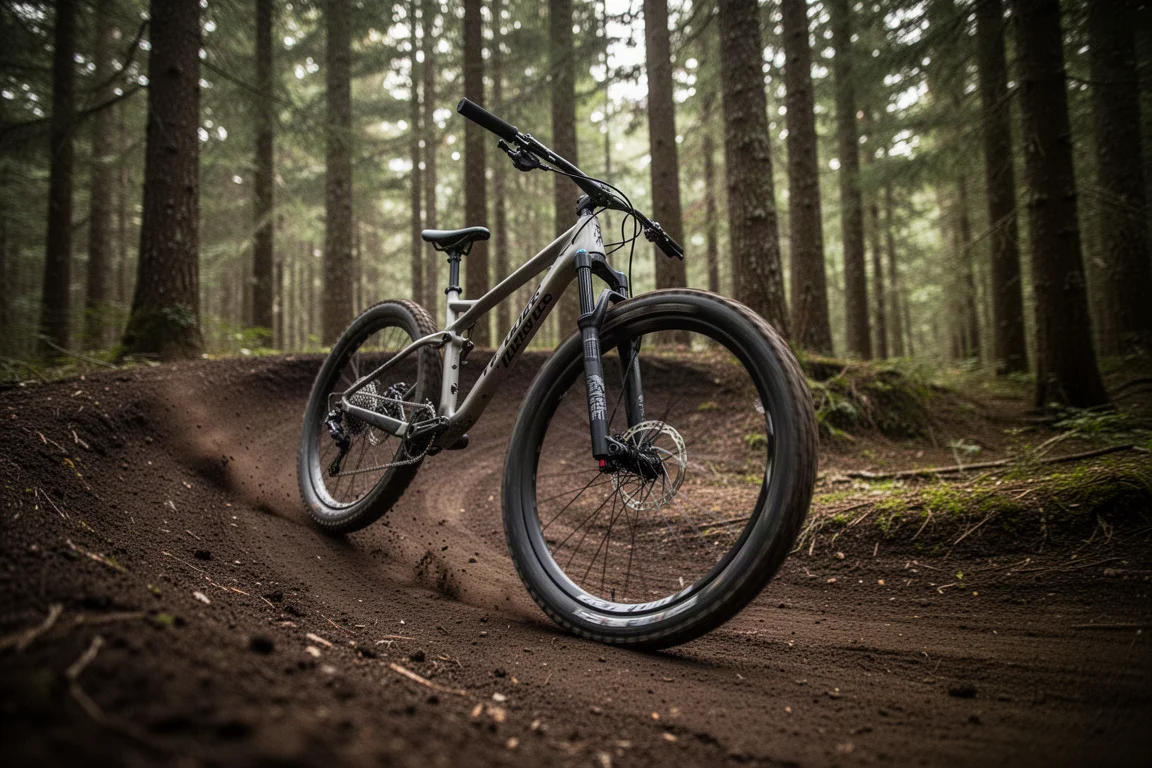
Taken as a whole, this is a fun, capable and comfortable all-rounder that is as happy on an all-day epic as it is shredding trail centers and bike parks.
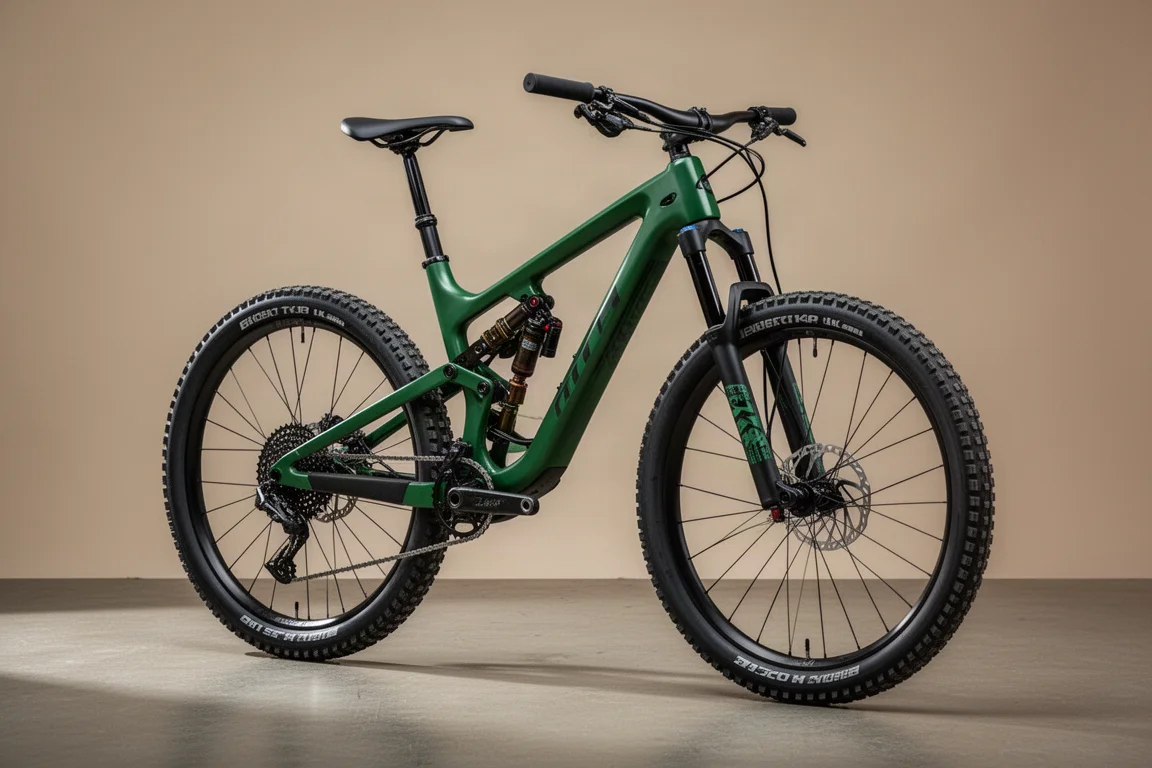
Merida One-Twenty: Alloy Trail Value
The One-Twenty is Merida’s value-focused trail platform, alloy only, with 130 mm of travel at both ends and the P-Flex flex stay suspension layout borrowed from the brand’s longer-travel bikes. It is aimed at riders who want something more agile to complement a long-travel enduro bike, or at newer riders who would rather not spend a small fortune on a first serious mountain bike.
Sizing is generous. The long size gets a 485 mm reach and a steep 78.5 degree seat angle, while a 66 degree head angle sits between the brand’s cross-country race bike and its 140 mm aggressive trail bike. On the climbs it feels sprightly: the suspension stays neutral without reaching for the lockout, and fast-rolling Maxxis Forekaster tires balance grip with rolling speed. The steep seat angle makes sharp, steep climbs noticeably easier.
Downhill, the long front end delivers high-speed thrills while the steeper head angle keeps handling reactive when threading through trees. The suspension is very progressive, which keeps the bike feeling firm rather than soft and forgiving. That suits riders who like a supportive ride and pays off when you hit a trail feature faster than you intended. SRAM’s DB8 brakes are not the most inspiring, although this particular pair is punchy enough, and the fork works adequately rather than impressing.
What to Consider Before You Buy
Start with the riding you do most. If your calendar is built around enduro races and bike park laps, the Slash 9.9 is the most focused option here, provided you accept a firm setup and the feedback that comes with stiff carbon parts. If a full-power electric enduro bike is on your list and price is the deciding factor, the E-Mythique LT VRX delivers the geometry and motor performance first and asks you to live with modest brakes and tires.
For riders who want electric assistance without the weight, the Lumen’s low profile and natural-feeling motor make it a strong match for climbing-heavy days, with a tire swap as the obvious first upgrade. If one bike has to cover everything, the Fluid FS C2 is the most versatile of the group, and its brakes are the one area worth budgeting for.
Newer riders and anyone adding a second, more agile bike should look hard at the One-Twenty. The mid-range 600 build, which runs a Shimano drivetrain and Shimano brakes along with a Marzocchi Z2 fork, looks like the value pick at around £2,500. Across the whole group, brakes and tires are the recurring weak points, and both are straightforward to change later once you know how you ride.
Conclusion
Five very different answers to the same question, and the right one depends on category before specification. The Slash 9.9 rewards riders who chase speed on fast, jump-filled trails. The E-Mythique LT VRX proves that a capable electric enduro bike does not have to be expensive. The Lumen suits riders who want light, discreet assistance on long climbing days. The Fluid FS C2 covers the widest range of terrain in the most relaxed way, and the One-Twenty makes a strong case as an alloy trail bike that punches above its price.
Decide what you ride most, then budget for the one or two components you would want to change. Every bike here is a capable machine in the conditions it was designed for.
Further reading
Related Reviews
Mountain Bikes
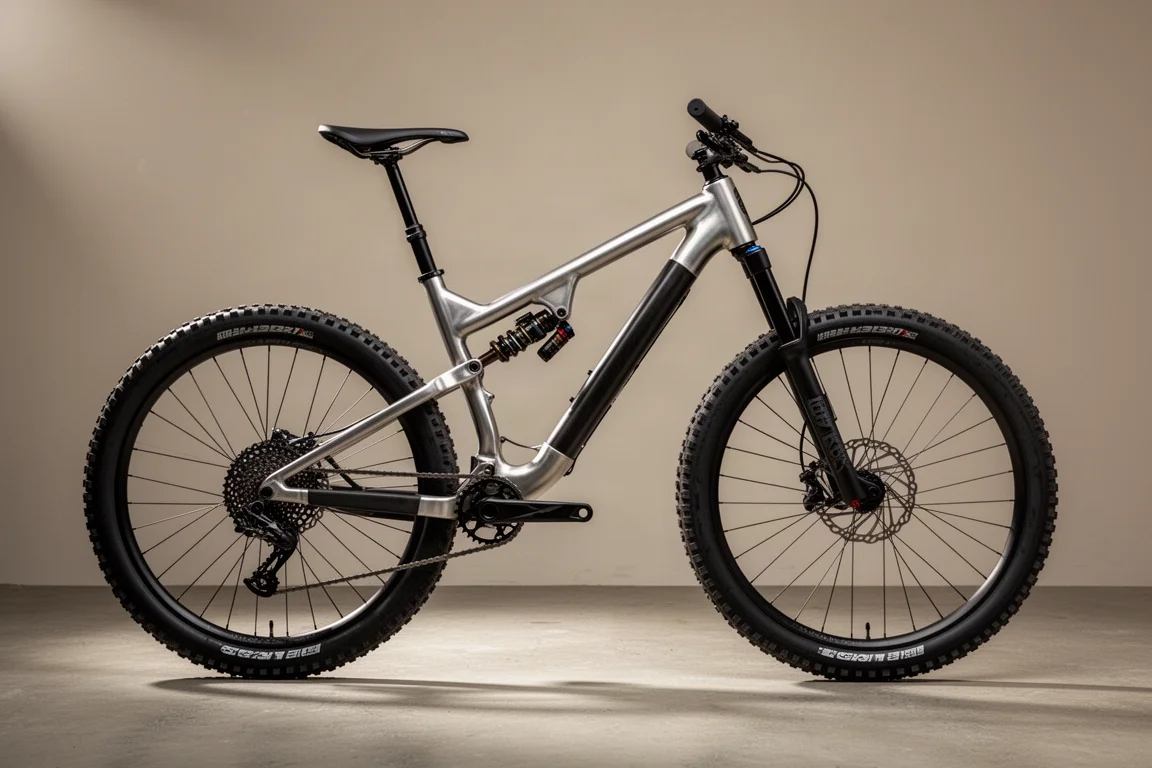
Atherton AM.130 Review: 3D-Printed Titanium Lugs and a 130mm Trail Bike That Descends Like a Bigger Machine
The Atherton AM.130 pairs 3D-printed titanium lugs with carbon tubes and a DW6 suspension platform. Here is how it rides, what the build delivers, and who it suits.
Mountain Bikes
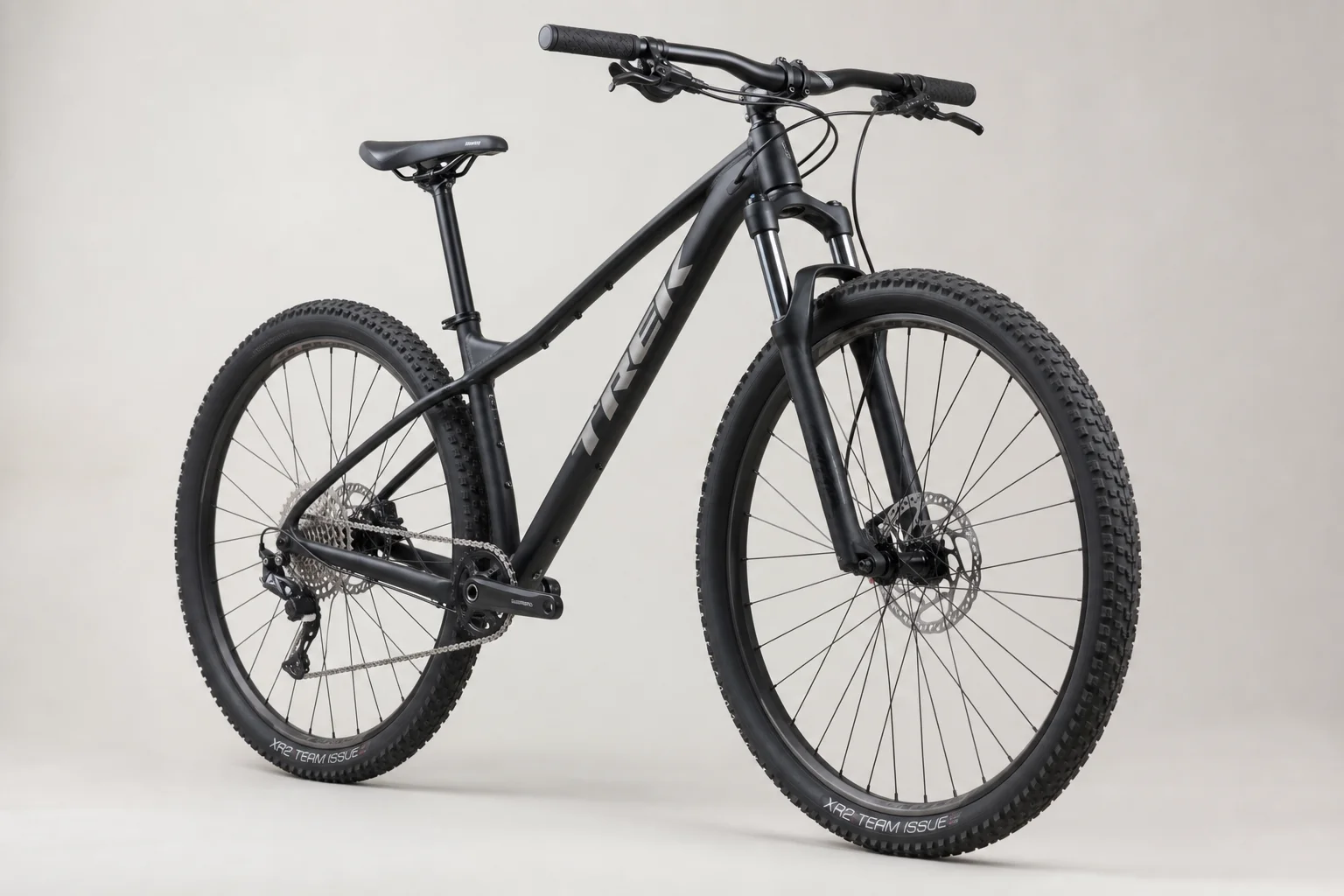
Beginner Mountain Bike Buying Guide: What to Look For in a Trailworthy Hardtail
A practical framework for evaluating beginner mountain bikes, whether new or used, by examining key components that indicate real trail capability.
Mountain Bikes
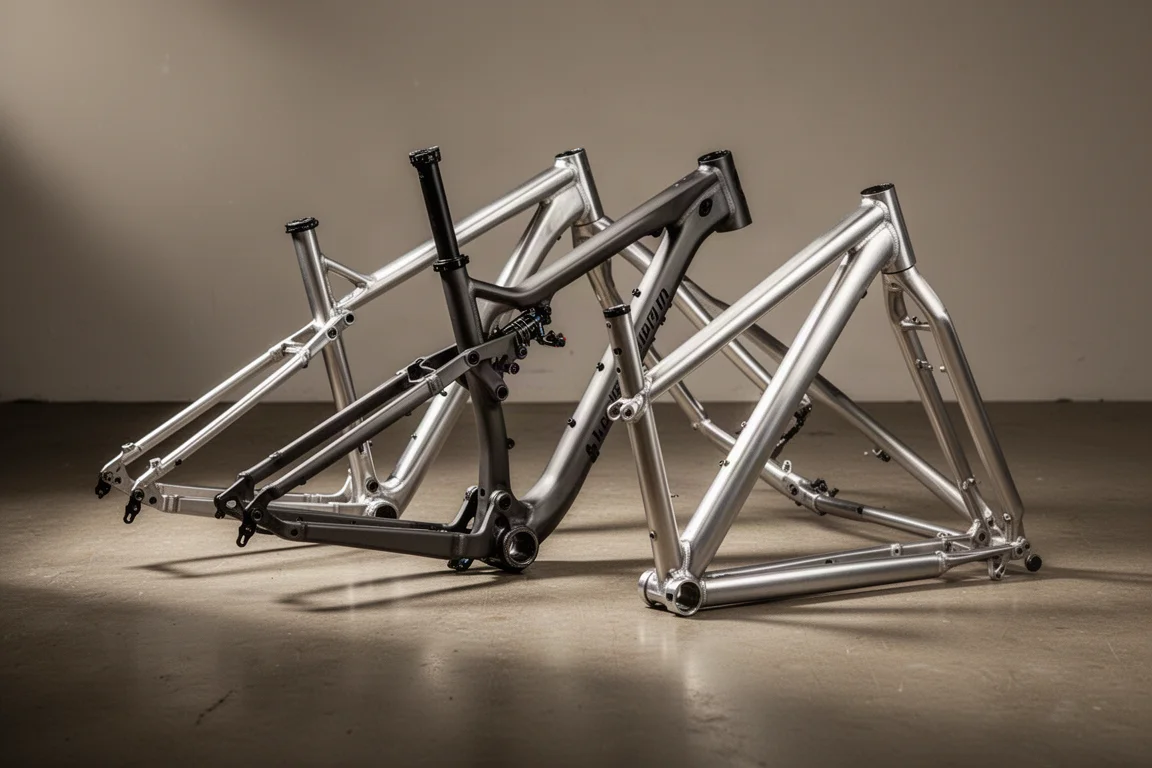
Best Aluminum Mountain Bikes 2026: Five Alloy Bikes Worth Your Attention
Five aluminum mountain bikes that show how far alloy has come, from a 120mm trail bike and a versatile machined frame to a 180mm freeride machine.