Mountain Bikes
Best Mountain Bikes 2023: Seven Models Worth a Closer Look
Seven 2023 mountain bikes, from 120mm cross-country race machines to a 170mm mullet enduro build, with the travel, geometry and price details that matter before you buy.
Introduction
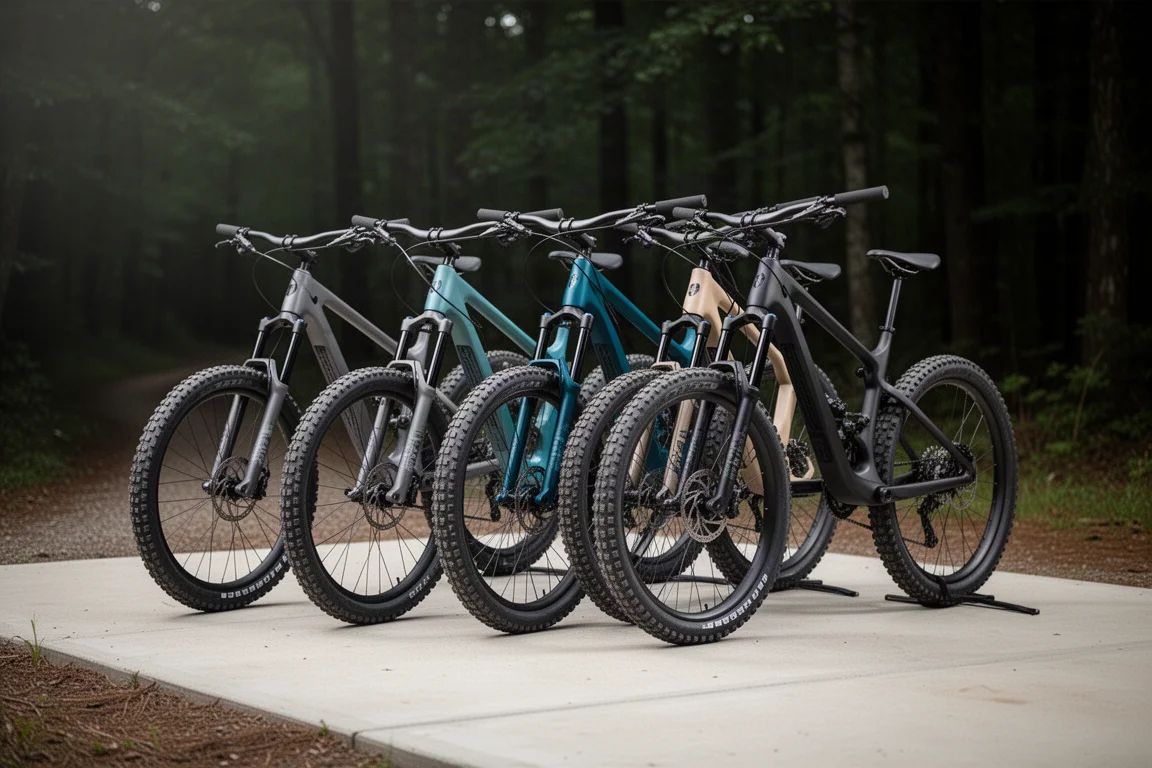
The 2023 model year delivered a genuinely wide spread of mountain bikes, from money-no-object cross-country race weapons to hard-charging enduro machines, with plenty of trail bikes in between. The seven models below cover that range, and each one stands out for a specific reason: a bold suspension layout, a geometry rethink, an aggressive price, or a wheel configuration that divides opinion.
Some of these are race bikes with short travel and efficient geometry. Others are built for descending and carry noticeably more travel. A few sit in the middle and aim to be the one bike that handles most of what a rider encounters. Knowing which category fits your riding is far more useful than chasing the longest travel number or the lightest frame.
What to Look For in a 2023 Mountain Bike
Travel is the first number most riders check, and it is worth understanding what it actually buys you. Cross-country bikes now commonly run 120mm front and rear, a figure that would have looked unusual only a few years ago. Trail bikes tend to sit around 130mm to 140mm, while all-mountain and enduro builds push past 150mm and can reach 170mm at both ends.
Geometry has moved in step with the suspension. Head angles have slackened across the board, with race bikes around 67 degrees and trail bikes dipping to roughly 66.5 degrees. Reach has grown, in some cases by around 15mm across a size range, and seat angles have steepened to around 76.5 degrees to put the rider’s hips over the pedals on climbs. The result is bikes that descend with more confidence without giving up climbing composure.
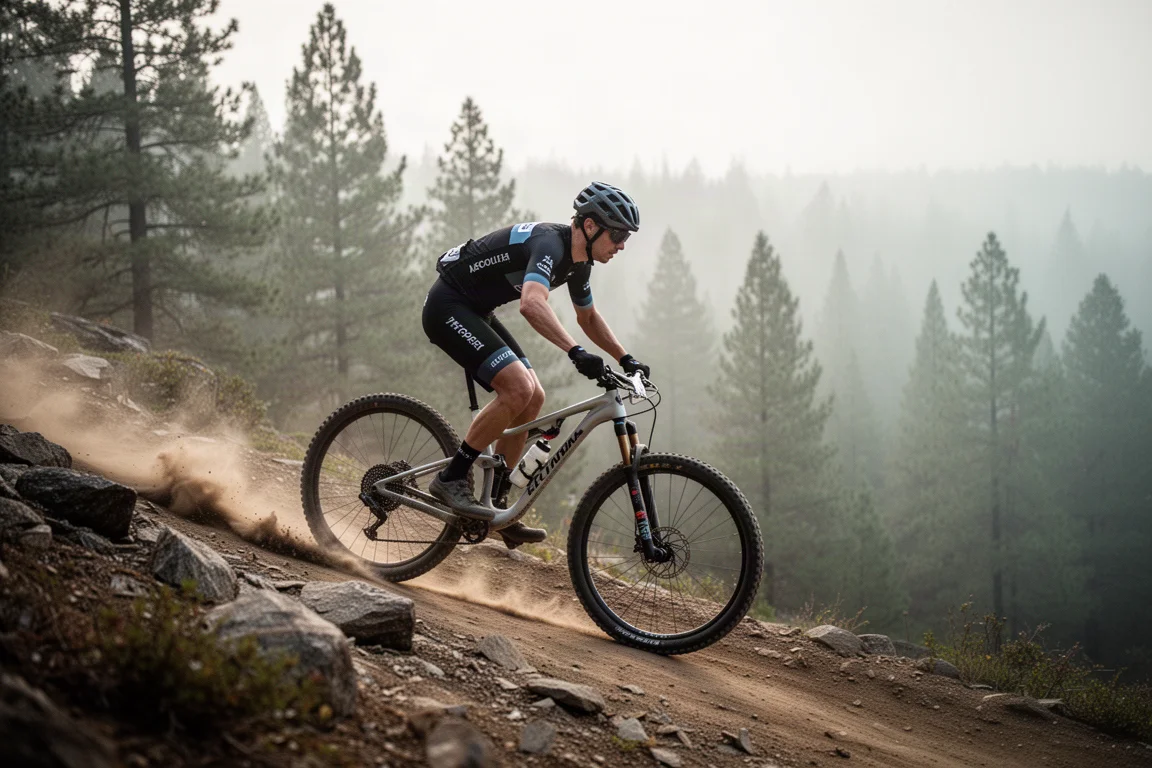
Wheel size is the other decision point. Most bikes now run 29-inch wheels, some still offer 27.5-inch, and a growing number of long-travel models mix the two in a mullet setup. Frame material and component specification follow budget, and it is worth noting that top-tier builds from the biggest brands can exceed $10,000 while genuinely capable trail bikes start well below $2,000.
Scott Spark
Scott released a new version of the Spark, its cross-country race weapon, and the most talked-about detail is the rear shock, which sits hidden inside the frame. That single design decision split opinion. Some riders liked the clean look and the protection it offers, while others were not keen on the added complexity.
The Spark remains the pick for riders whose priority is cross-country racing. It is a bike built around speed over race courses, and the hidden shock is the clearest signal of how far Scott is willing to go in chasing efficiency and a tidy silhouette.
Scott Genius
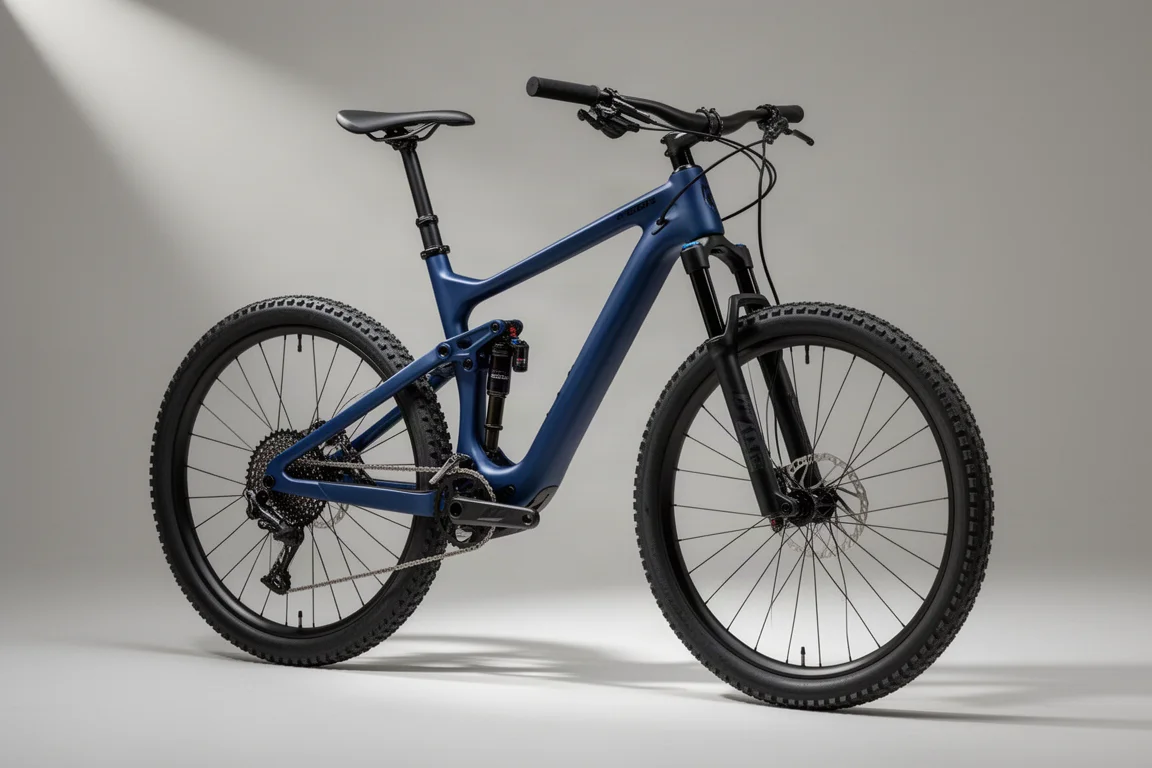
It came as little surprise when Scott brought the same suspension concept to the Genius, its all-mountain platform. Two versions arrived for 2023, and the standard Genius is the more versatile of the pair, with a 160mm fork and 150mm of rear wheel travel.
The rear shock sits inside the frame here as well, and Scott’s reasoning is worth walking through. The design uses large bearings that Scott claims help isolate the shock from lateral forces. Enclosing the shock inside the frame should also protect it from muck and grime. Keeping the weight low in the frame is claimed to help the bike’s center of mass, which in theory improves handling and stability.
Scott Genius Super Trail
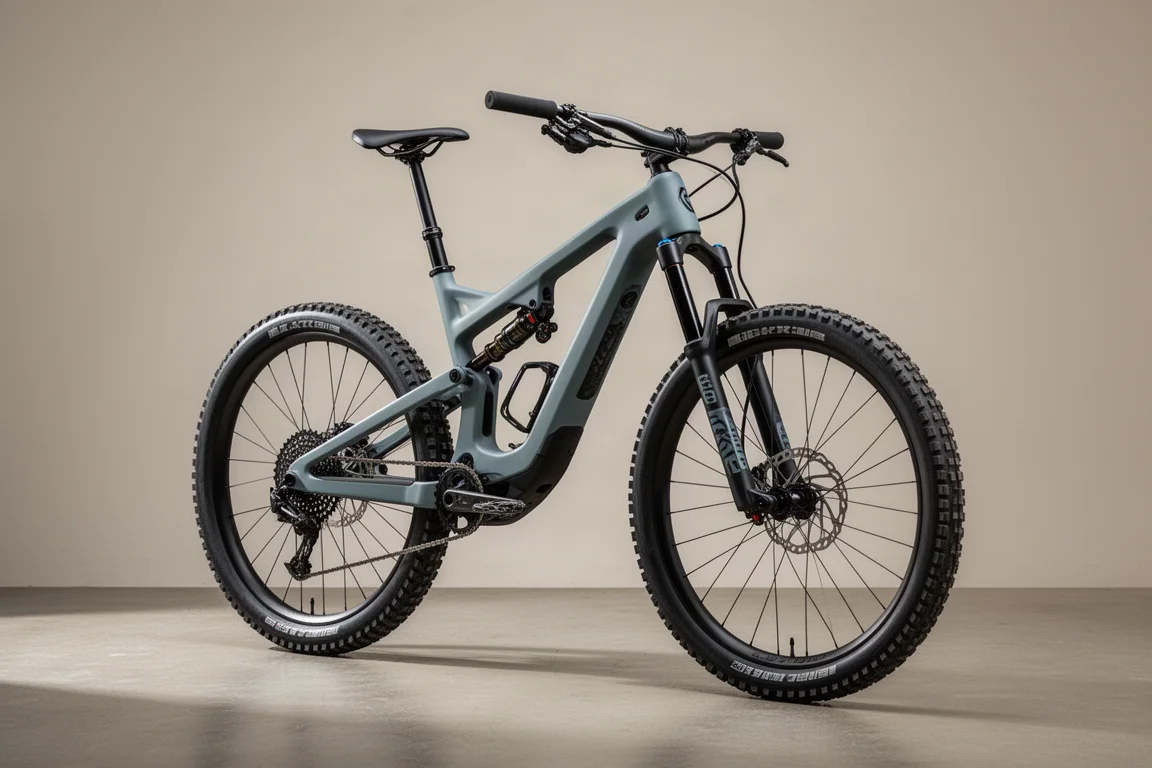
The Genius Super Trail takes the same platform and points it downhill. It runs the same 160mm fork and 150mm of rear travel as the standard Genius, but arrives with tougher components and is designed with descending in mind.
That makes it the choice for riders who want the Genius chassis and suspension layout, but who are willing to accept a build oriented toward harder use rather than all-round versatility.
Orbea Oiz
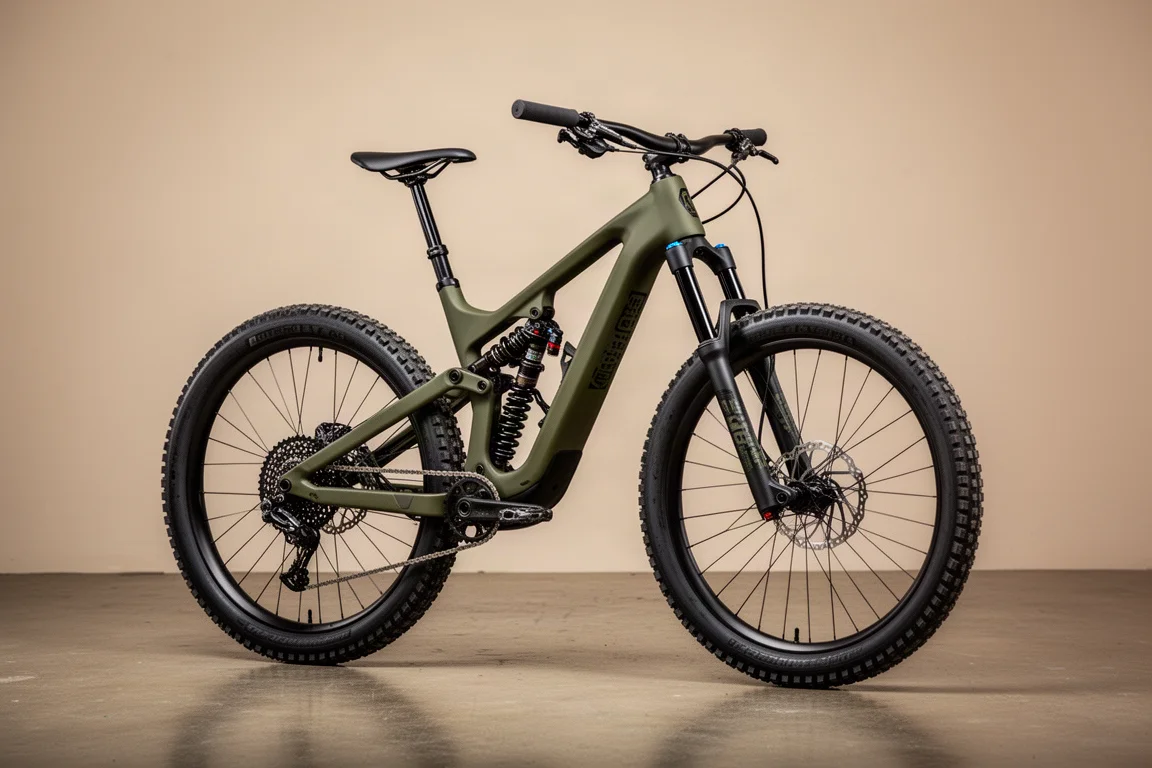
The Oiz shows how far cross-country bikes have moved. It runs 120mm of travel front and rear, a figure that would have been unheard of on an XC bike only a few years ago, and it comes with 34mm stanchion forks from Fox. By earlier standards that combination would have marked it out as a downcountry bike, but Orbea is clear that the Oiz is built for life between the tapes.
Geometry has kept pace with the suspension. Reach grows by roughly 15mm across the sizes, the head angle sits at 67 degrees, and the seat angle has steepened to 76.5 degrees. The slacker head angle should help on tricky descents, while the steeper seat angle is claimed to aid climbing by getting your hips over the pedals.

Price is the part of the Oiz story that riders may be less keen on. Top-spec builds come in at over £10,000, or $10,499, although more affordable builds are available. If you want the best a brand can offer in this category, it is going to cost you.
Yeti SB120
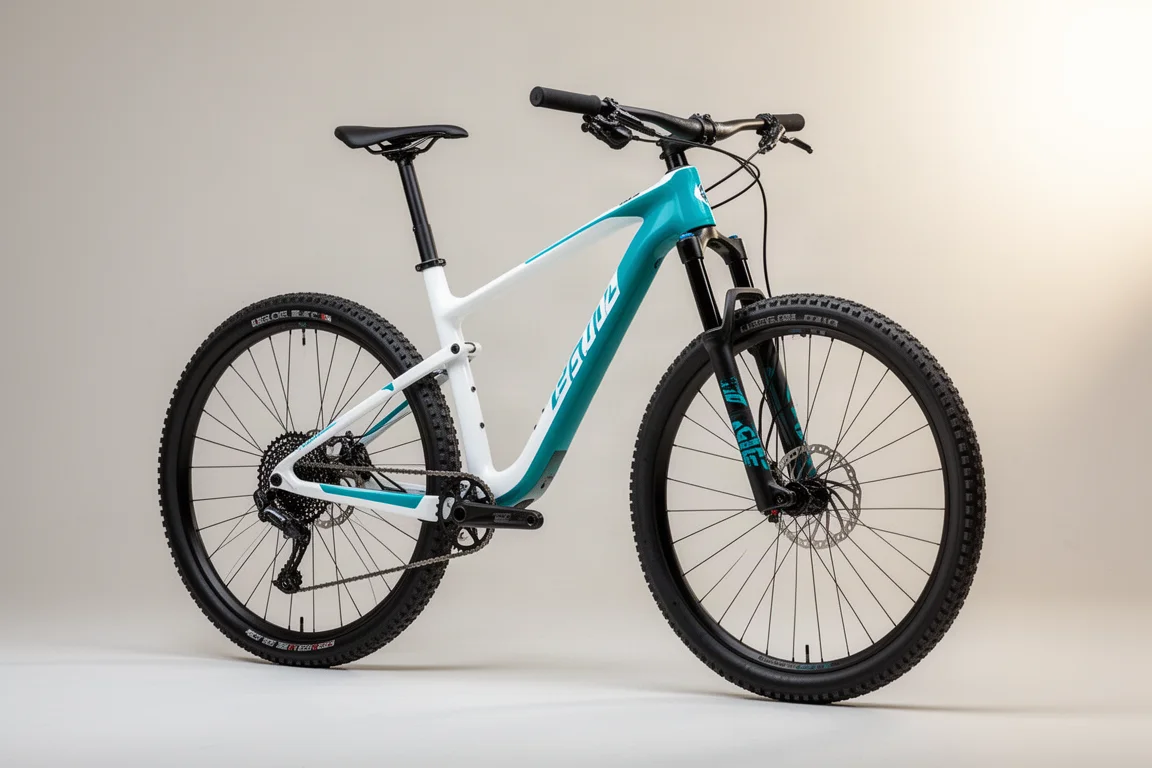
The SB120 carries 120mm of rear travel and is definitely not a race bike, despite sharing that number with dedicated cross-country machines. It is built around Yeti’s Switch Infinity suspension linkage, first seen on the SB160, with 120mm at the rear and 130mm up front.
Four-piston brakes and moderately beefy tires round out a build aimed at trail shredders. Yeti recognized that bikes have been growing and getting slacker, and the goal with the SB120 was to keep up with the times while still providing balanced geometry and ride quality. The head angle has been slackened to 66.5 degrees, and the 130mm fork up front is there to offset the natural drop at the front end that comes with slackening the head angle.
Marin Rift Zone
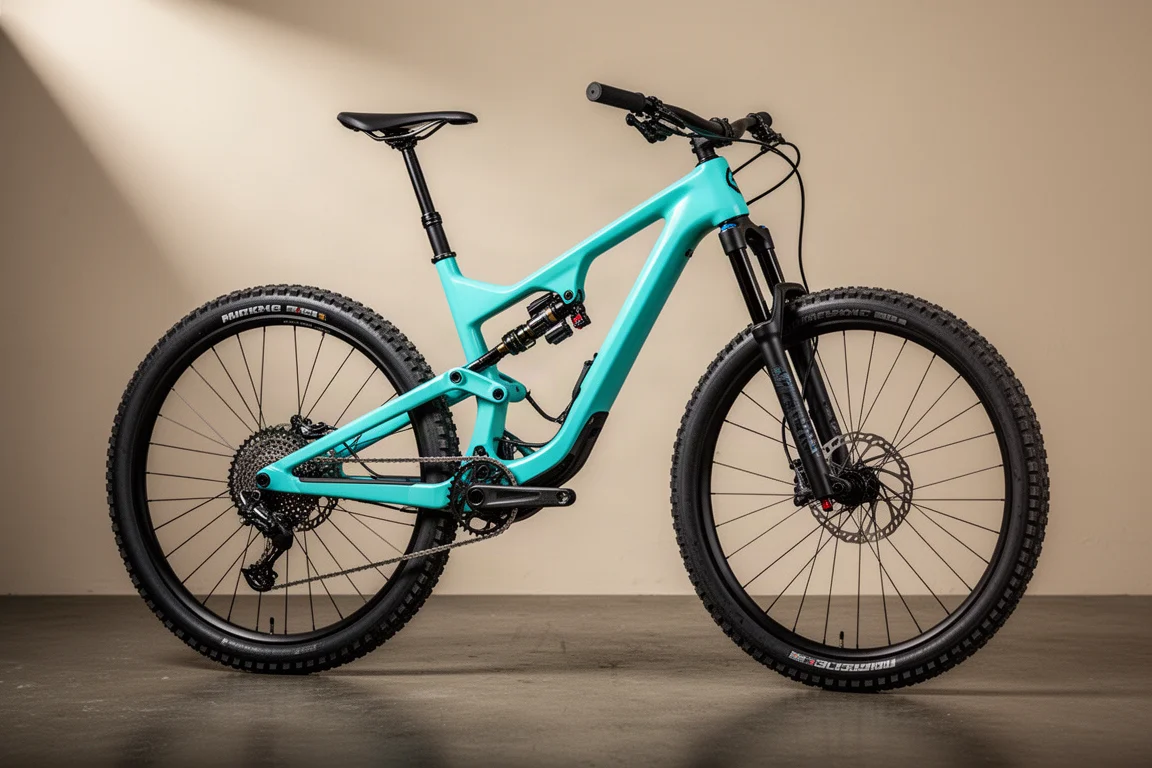
The Rift Zone is the value pick here, and it comes about as close as you can get to an all-round modern mountain bike, or simply a true trail bike. The most affordable option costs £1,695 or $1,799, and a range-topping build comes in at £2,995 or $3,499. In a market where twelve-thousand-pound mountain bikes are becoming common, that is a notable price.
For the money you get an exclusively aluminium build, along with a choice of 29-inch or 27.5-inch wheels, which is good to see at this price. Travel sits right where a trail bike should, with 140mm up front and 130mm at the rear.
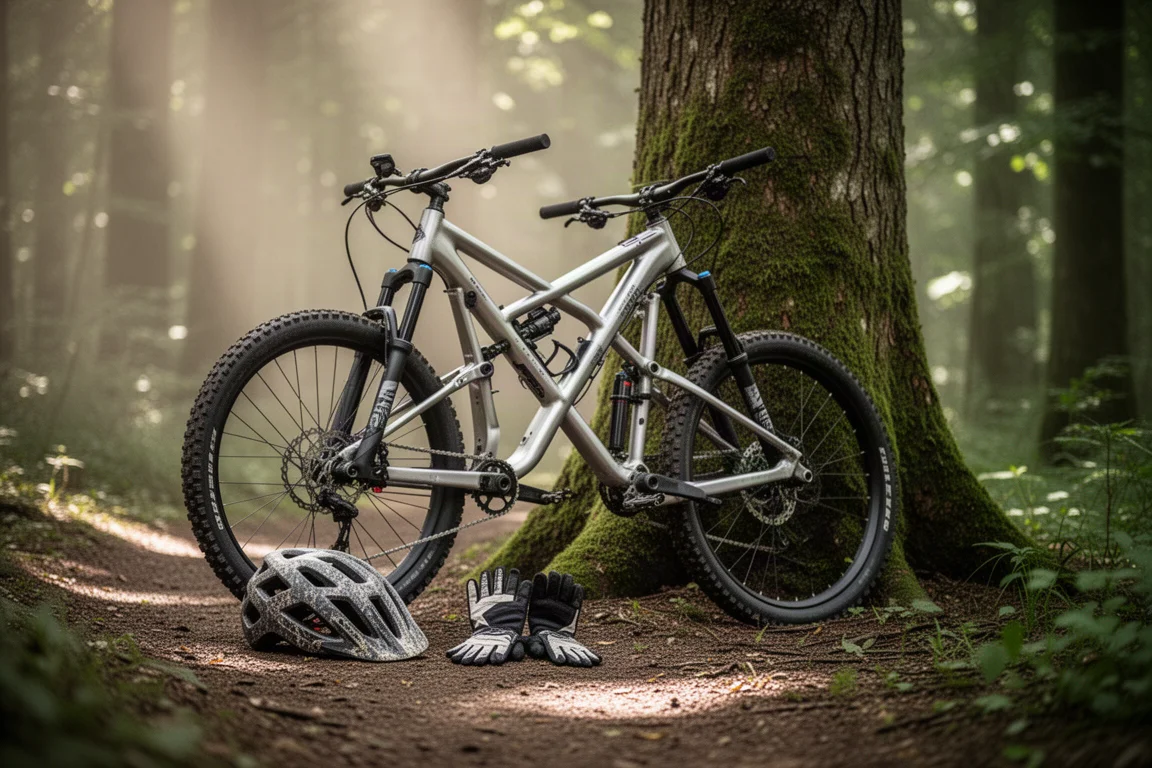
Marin has also catered for junior riders by offering the Rift Zone in 24-inch and 26-inch wheel sizes, which makes the platform a realistic option for a household looking at more than one bike.
Santa Cruz Nomad
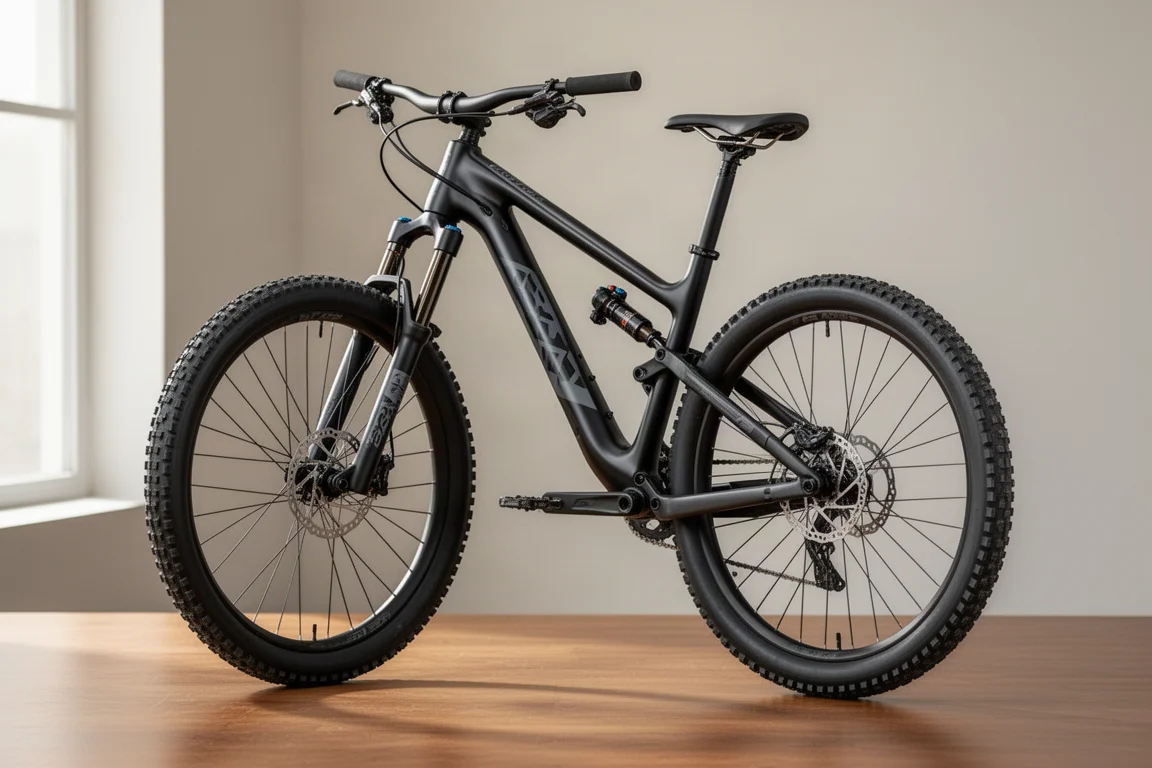
The Nomad differs from every other bike on this list because it uses mullet wheel sizing: a larger 29-inch wheel at the front and a smaller 27.5-inch wheel at the rear. Mullet setups are intended to balance the high-speed stability of a 29-inch front wheel with the sharper handling and reactivity of a 27.5-inch rear.
Travel comes in at 170mm front and rear, just like the previous Nomad, but Santa Cruz claims the suspension kinematics have been updated. The aim is a more supple feel on square-edge hits and a more consistent feel through the stroke. The suspension is based on Santa Cruz’s tried and tested VPP platform, and the brand has stuck with a layout it knows works.
Buying Advice
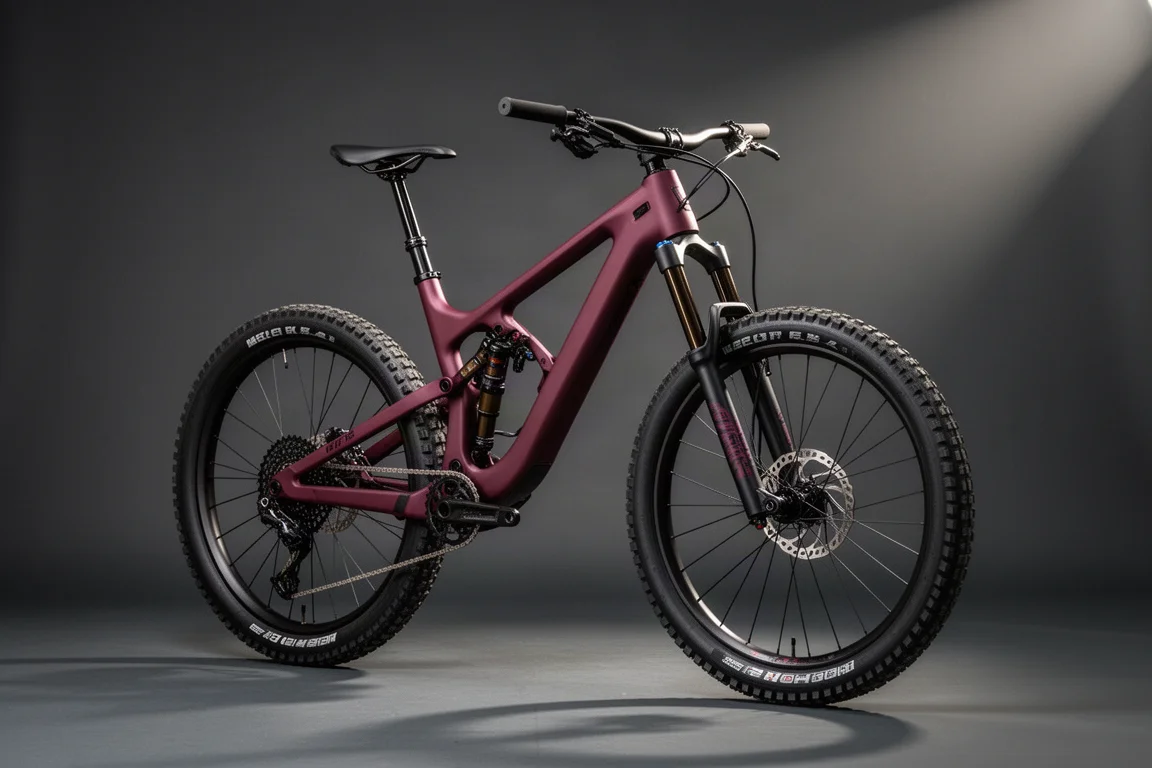
Start with the terrain you actually ride, not the travel figure that sounds most impressive. If your riding is mostly race-pace loops and long climbs, a 120mm cross-country bike such as the Spark or the Oiz will reward you with efficiency, and the geometry on modern XC bikes is far more capable on descents than the category’s reputation suggests.
If you want one bike for a bit of everything, a 130mm to 140mm trail bike like the Rift Zone or the SB120 is the most sensible target. The Rift Zone stands out if budget matters, especially with the option of 29-inch or 27.5-inch wheels and junior sizes, while the SB120 adds a more sophisticated suspension layout for riders who want it.
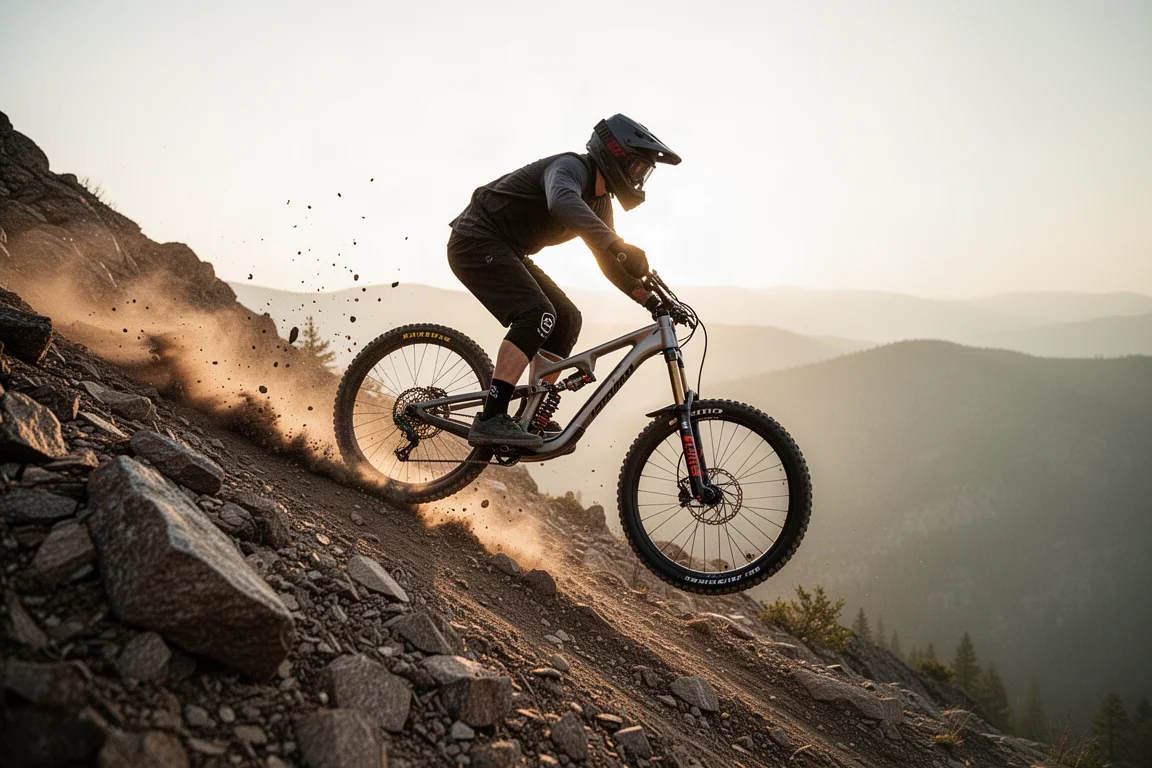
Riders whose priority is descending, whether at a bike park or on steep natural terrain, should look at the longer-travel options. The Genius and Genius Super Trail both bring 160mm forks and 150mm of rear travel, with the Super Trail adding tougher components for harder use, and the Nomad goes further still with 170mm at both ends and a mullet wheel setup. Expect to pay more in these categories, and expect top builds from premium brands to climb well past the $10,000 mark.
Conclusion
The 2023 mountain bike landscape covers a wider spread than ever, and that is good news for buyers. Cross-country bikes now carry travel and geometry that would have raised eyebrows a few years ago, trail bikes at genuinely accessible prices can handle far more than their price suggests, and long-travel platforms keep pushing into more specialized territory.
Pick the category that matches your riding, check the geometry numbers rather than the marketing language, and decide how much you are willing to pay for the top specification. The seven bikes here each make a clear case within their own category, and the right one is simply the one that fits the riding you do most.
Further reading
Related Reviews
Mountain Bikes
Atherton AM.130 Review: 3D-Printed Titanium Lugs and a 130mm Trail Bike That Descends Like a Bigger Machine
The Atherton AM.130 pairs 3D-printed titanium lugs with carbon tubes and a DW6 suspension platform. Here is how it rides, what the build delivers, and who it suits.
Mountain Bikes
Beginner Mountain Bike Buying Guide: What to Look For in a Trailworthy Hardtail
A practical framework for evaluating beginner mountain bikes, whether new or used, by examining key components that indicate real trail capability.
Mountain Bikes
Best Aluminum Mountain Bikes 2026: Five Alloy Bikes Worth Your Attention
Five aluminum mountain bikes that show how far alloy has come, from a 120mm trail bike and a versatile machined frame to a 180mm freeride machine.