Mountain Bike Brakes
Best Mountain Bike Brakes 2026: Budget vs Premium Hydraulic Disc Brakes Compared
Four hydraulic mountain bike disc brakes at very different prices, from a $30 budget pair to a $1,000 boutique set, and where the real sweet spot sits.
Introduction
Brakes are one of the most important parts of a bike, so it makes sense to fit the best set you can justify. The real question is whether a cheap hydraulic disc brake and an expensive one behave differently on the trail, and whether spending more always buys more performance.
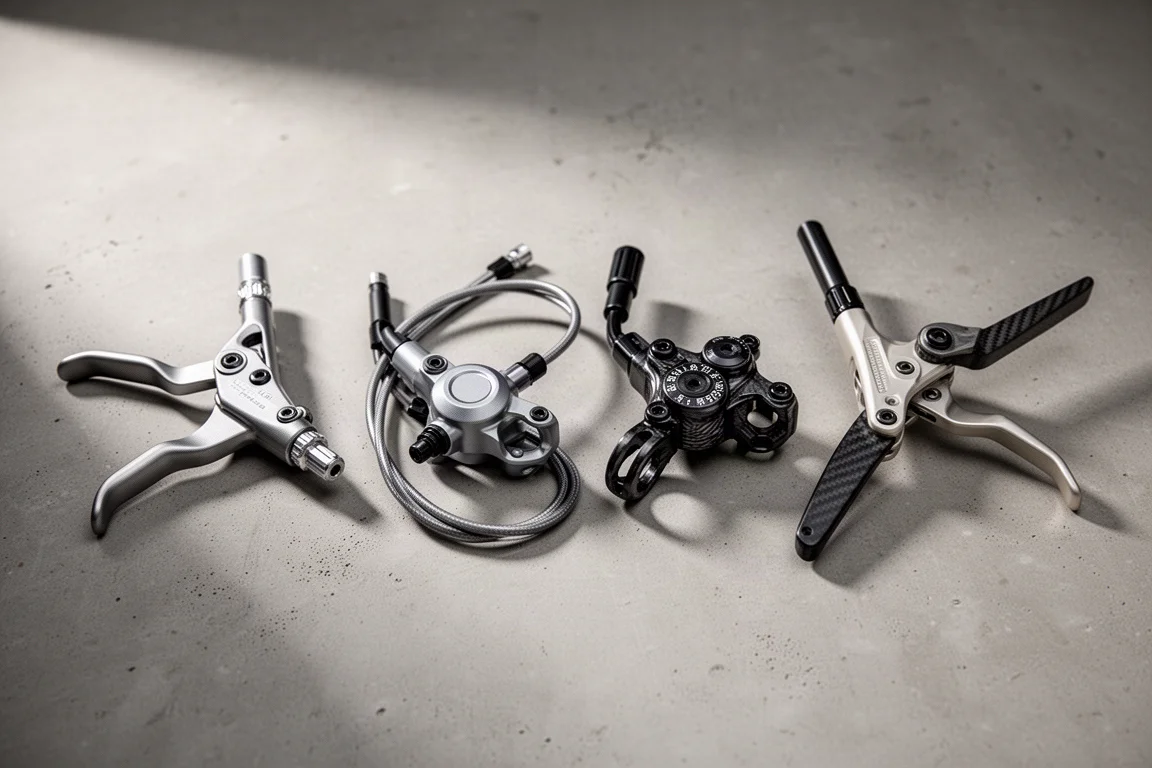
This guide looks at four hydraulic disc brakes at four very different price points: a pair of budget AliExpress Tanker brakes that cost less than $30 including rotors, Shimano’s entry-level MT200, the mid-range Hayes Dominion A2 at around $300 to $400, and the premium Trickstuff Piccola at around $1,000. All four are two-piston hydraulic brakes, with a lever at one end, a caliper at the other, and a hydraulic hose joining the two.
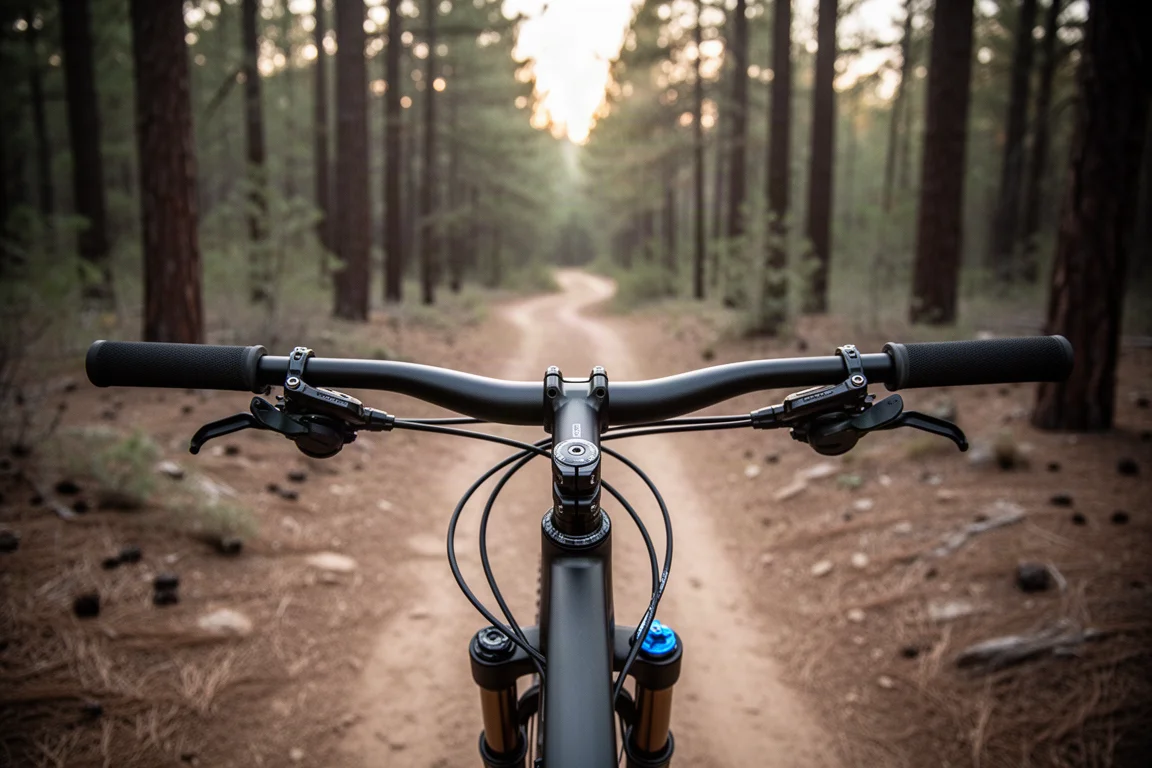
The headline finding is simple. Budget brakes are adequate for most situations, but they are often a little lacking in power, control, and adjustability. The middle ground between roughly $200 and $400 is where most riders find the best balance.
What Changes as the Price Rises
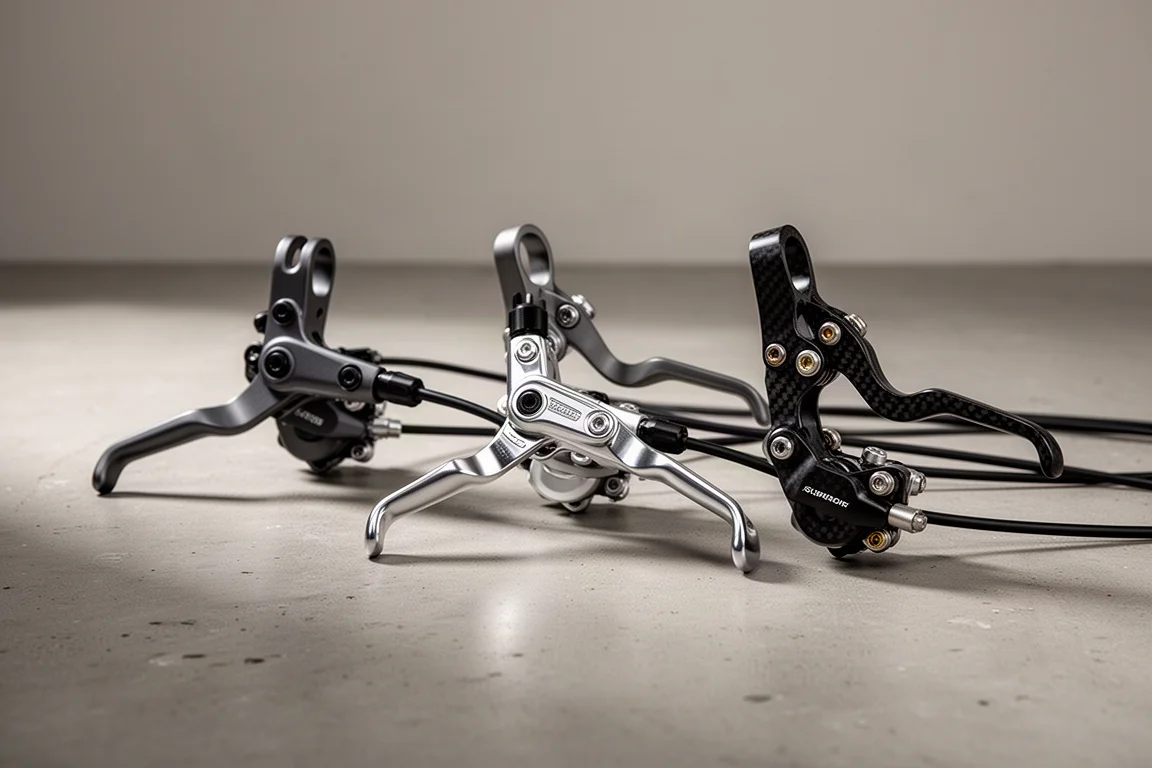
Construction is the first difference you notice. Cheaper brakes use cast aluminium and steel with plain finishes. More expensive brakes move to machined aluminium, titanium bolts, and carbon fibre lever blades, which strips weight and adds a more handmade, exotic look.
Adjustability follows the same curve. Budget levers usually offer reach adjustment that needs a tool. Mid-range and premium brakes add tool-free reach dials, and many mid-range models add a bite point adjuster that changes where the lever’s travel starts to bite on the rotor. Lever pivots also change, from bushings on cheaper brakes to bearings on more expensive ones, which gives a lighter feel and keeps unwanted play and rattling away for longer.
Then there is hardware compatibility. Cheaper brakes often have a fixed lever clamp, so you cannot mount a shifter or a dropper post lever to it. Mid-range brakes commonly allow direct mounting of other handlebar controls, and some offer ambidextrous levers that can be swapped between the left and right side of the bar.
Rotors and pads matter too. Entry-level rotors are often restricted to resin or organic pads, while better quality and sometimes thicker rotors can be used with any pad type and usually ship with metal pads or at least support them as an upgrade. Everything in this comparison uses two pistons. Four-piston equivalents exist at every price level, including Shimano’s non-series MT400 and MT500 and the four-piston Hayes Dominion A4 and Trickstuff Piccola HD, and they simply add a little more power for burlier trail, enduro, and downhill bikes.
Budget Pick: AliExpress Tanker Brakes
The Tanker brakes are the cheapest way into hydraulic disc brakes in this group. A pair costs less than $30 including rotors, which is less than a pair of brake pads alone from some other brands. The compromises are visible straight out of the box. The steel and aluminium construction is rough around the edges, and although the set is advertised as a pair of rotors, two different rotors were supplied.
What you do get is a functioning hydraulic disc brake with lever reach adjustment and pads that are shared with Shimano brakes. The design looks very similar to Shimano’s own brakes, right down to the model name, since these are also sold as an MT200. Feature cuts are the trade-off. There is no split lever clamp, so grips have to come off to fit them, and there is no way to mount gear or dropper post levers to the lever body.
On the trail they deliver a reasonable amount of power and modulation. They slow the bike and hold a line without drama, but they are not going to stop you particularly well when you really need them to, and hand fatigue sets in sooner than it would on a brake you are used to. The main limits are the pads and the rotors, and the rotors are a giveaway item at around $2 each. As a starting point for the money, though, they are not bad at all.
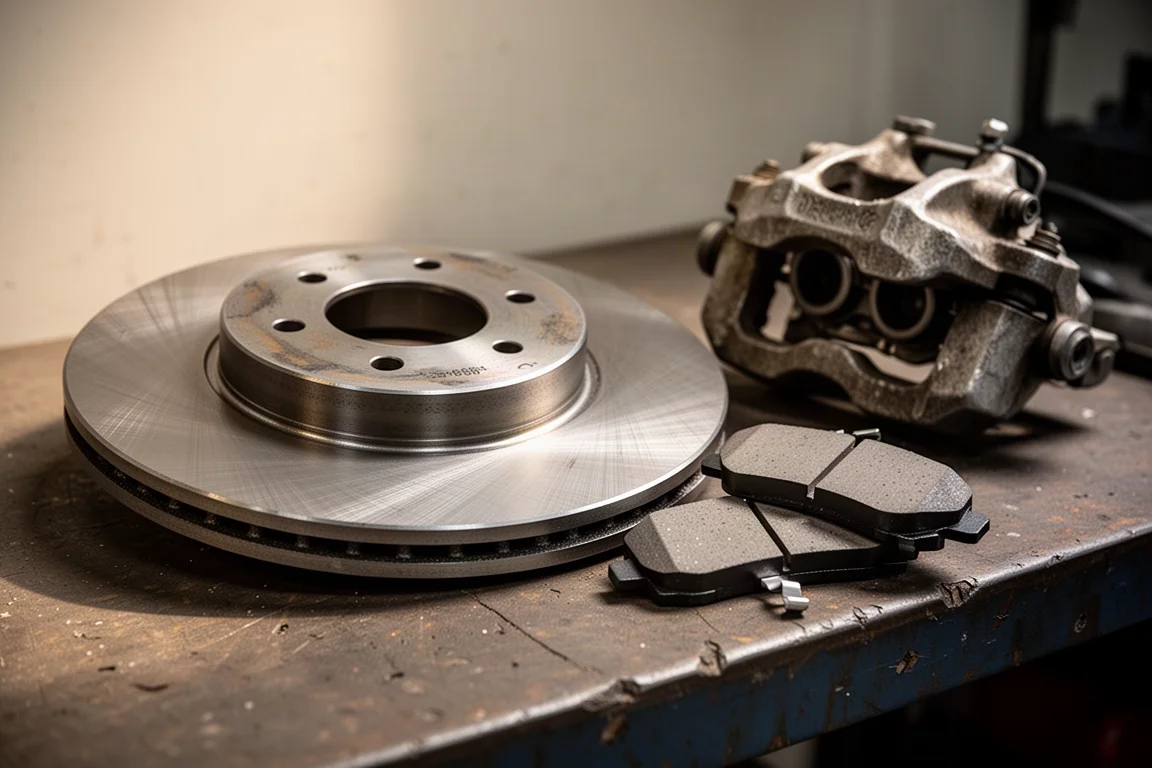
Against the Shimano brakes that follow, the Tankers sit a step below in most regards. They will generally slow you down just fine, but if you push the limits of the bike they are fitted to, they will probably hold you back a little.
Entry-Level Alternative: Shimano MT200
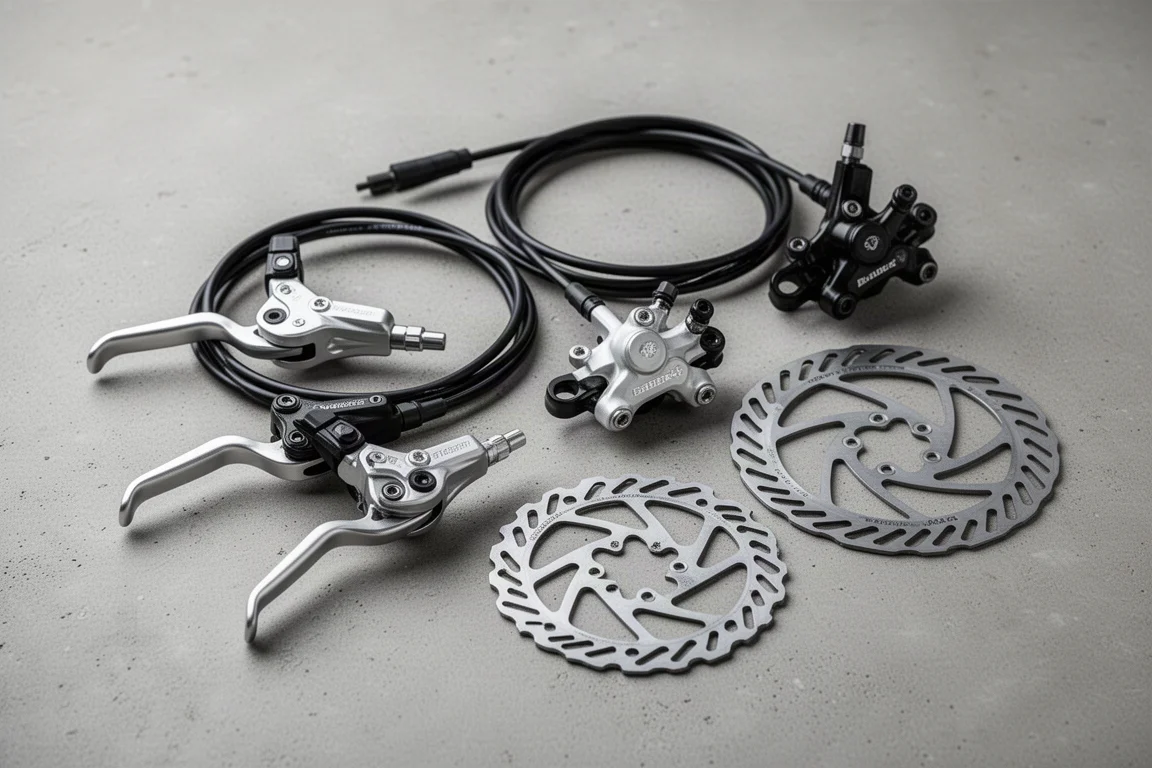
Shimano’s MT200 is the brake you will find on mostly budget hardtails selling for under $1,000. It is built from very standard materials, aluminium and steel, with a plain cast construction and no flashy colours. At 584g for the pair it is fairly heavy, but it is robust and it does the job it is designed for.
The lever offers reach adjustment so you can change how far it sits from the handlebar, but it needs a tool rather than the dial you would find on a more expensive brake. The caliper is much the same story as the Tanker: a basic two-piston construction running resin or organic pads. The matching entry-level rotor is restricted to resin or organic pads only, which is common on cheaper mountain bikes bought in a shop or online.
On the trail, the MT200 is a more refined version of the Tanker. Modulation is a little better, the lever action is definitely lighter, and there is a little more power and a greater sense of control. Your hands are nowhere near as fatigued at the bottom of a descent. These brakes are not spectacularly powerful, but they keep the bike under control. The resin-only rotor is the real weak point. Moving to a rotor that accepts metal pads and fitting metal pads makes a big difference straight out of the box.
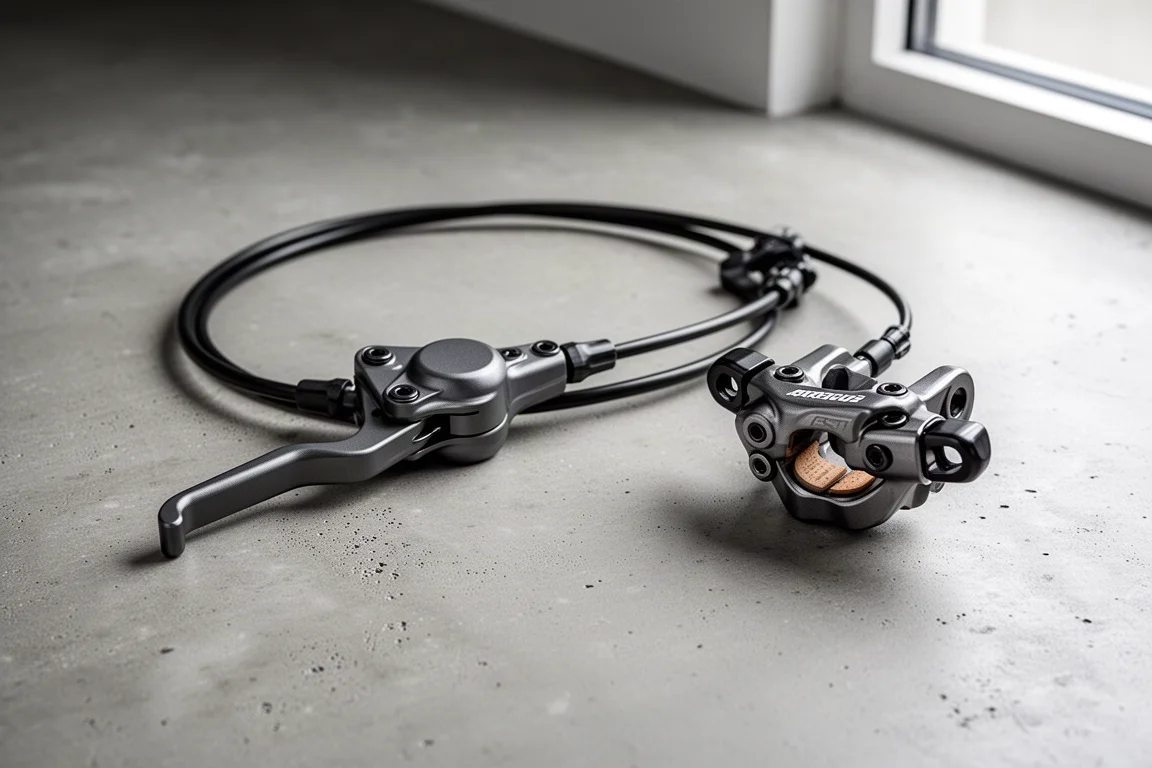
Mid-Range Pick: Hayes Dominion A2
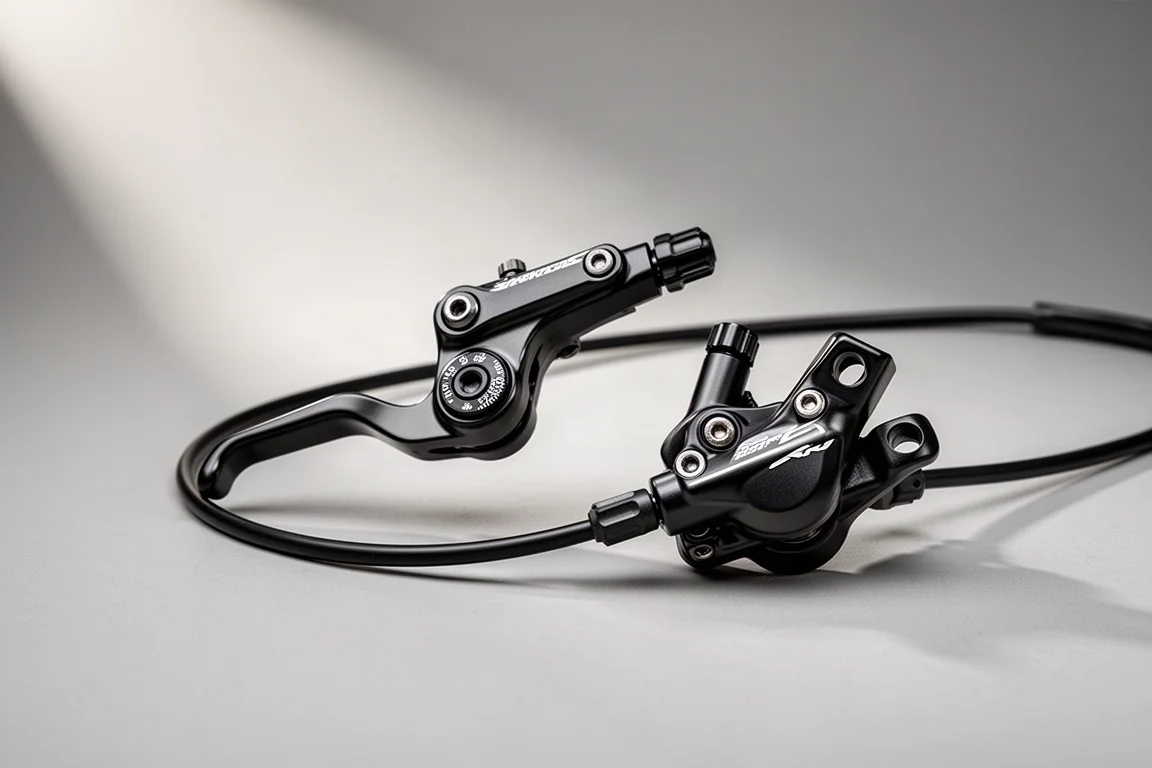
At around $300 to $400, the Hayes Dominion A2 sits in the band that most riders end up shopping in. Brakes at this level appear on more expensive bikes, and they bring a set of practical upgrades. Weight is not always one of them: this set weighs 609g for both calipers, levers, and hoses, which is 25g heavier than the Shimano brakes, because the extra features add material.
The reach adjuster is now tool-free, so you can change it on the fly, and many brakes at this price add a bite point adjuster as well. Finishes are flashier and look more expensive, and levers often pivot on a bearing rather than a bushing, which gives a lighter pull and keeps unwanted play or rattling away for longer. You will likely be able to mount other handlebar controls, such as a shifter or a dropper post lever, directly to the brake lever clamp, and some brakes at this price use an ambidextrous lever that can be swapped to either side of the bar. Rotors are better quality and sometimes thicker, and can be used with any type of brake pad, while the brakes themselves usually come with metal pads as standard or at least offer them as an upgrade.
On the trail, the difference is immediate. Reach and bite point can be set exactly how you want them using the two dials on the lever body, and the result is plenty of power, good modulation, and a lever feel that is very light. That combination is what you notice most on loose, dusty surfaces, where fine control over speed is what keeps the bike upright.
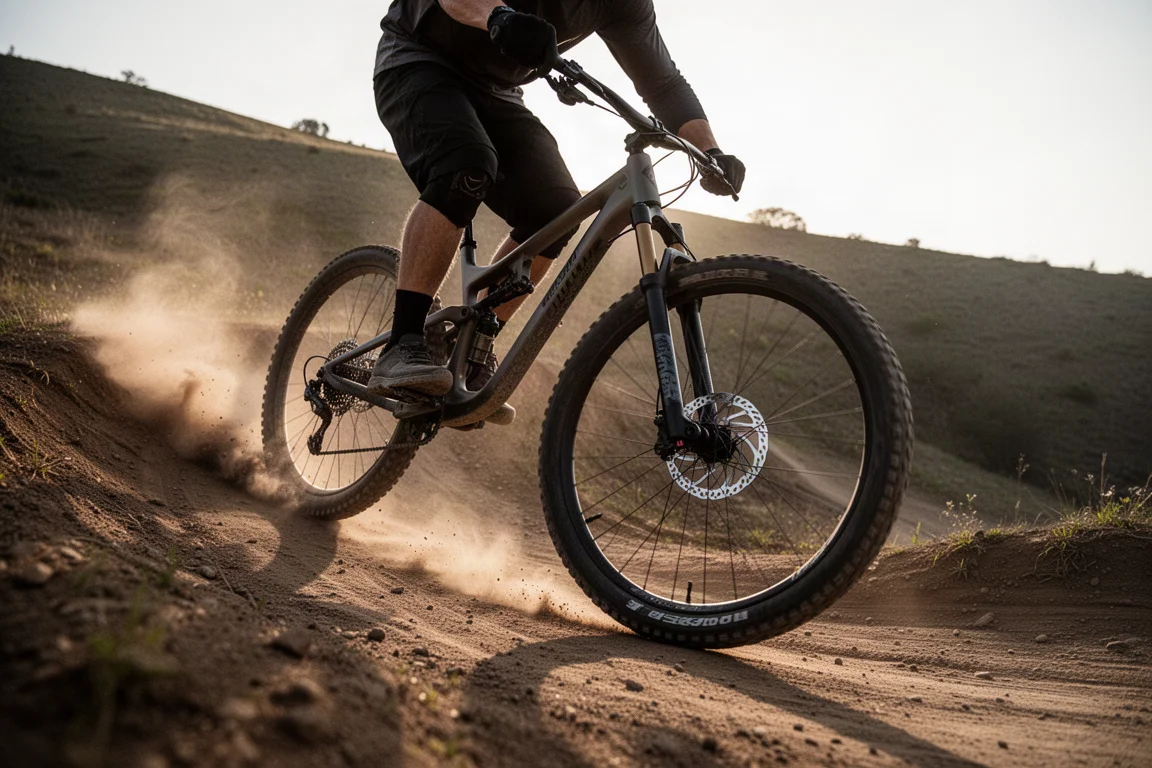
Mid-range brakes are not mid-range in performance. This set is a clear cut above the budget options, and the light lever action plus the adjustability are the reasons why.
Premium Pick: Trickstuff Piccola
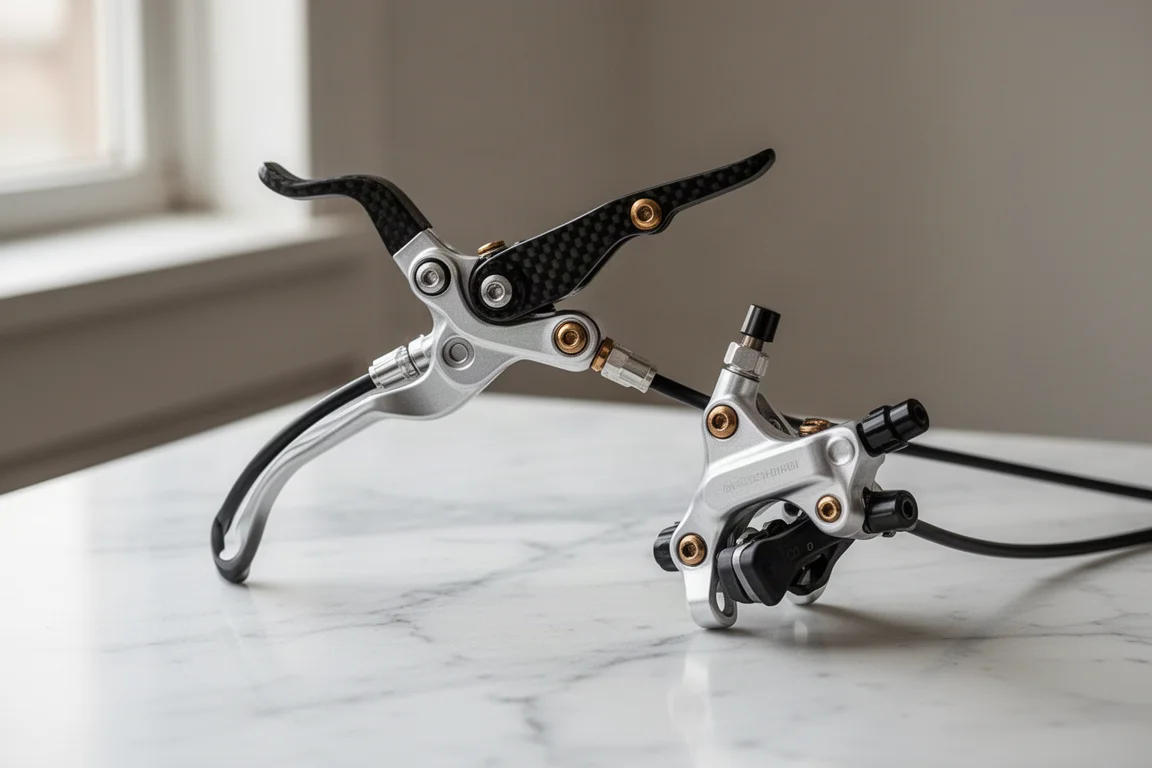
The Trickstuff Piccola is in a different category altogether. It is made in Germany in limited numbers, and there is often a long waiting list to get a set, so you cannot simply walk into a bike shop and buy one. At around $1,000 it is the most expensive brake here, and at 341g for the levers, hoses, and calipers it is one of the lightest you can buy, close to half the weight of the Hayes set. A four-piston Piccola HD with a bigger caliper also exists, but this is the two-piston version.
The construction explains much of the weight. The parts are machined rather than cast, which gives a boutique, handmade look, and anything that can be machined away to save weight has been. The bolts are titanium and the lever blades are carbon fibre. The trade-off is fewer features: there is no bite point adjustment, the reach adjustment needs a tool, and the design is single-sided, so in that sense it is no better equipped than a budget brake. You can mount shifters and dropper post levers directly to it.
On the trail, the Piccola feels more powerful than the Hayes brakes with an equally light lever action. The carbon lever blades are a genuine detail in cold weather, since they do not get as cold as aluminium ones. It is a lovely brake to use, and it is priced accordingly.
Buying Advice: Where the Sweet Spot Sits
The clearest lesson from comparing these four brakes is that spending more does not automatically buy better performance. Budget brakes from some brands outperform mid-range brakes from others, and mid-range stoppers can outperform expensive ones. Price is a guide to features, finish, and weight more than it is a guarantee of outright braking power.
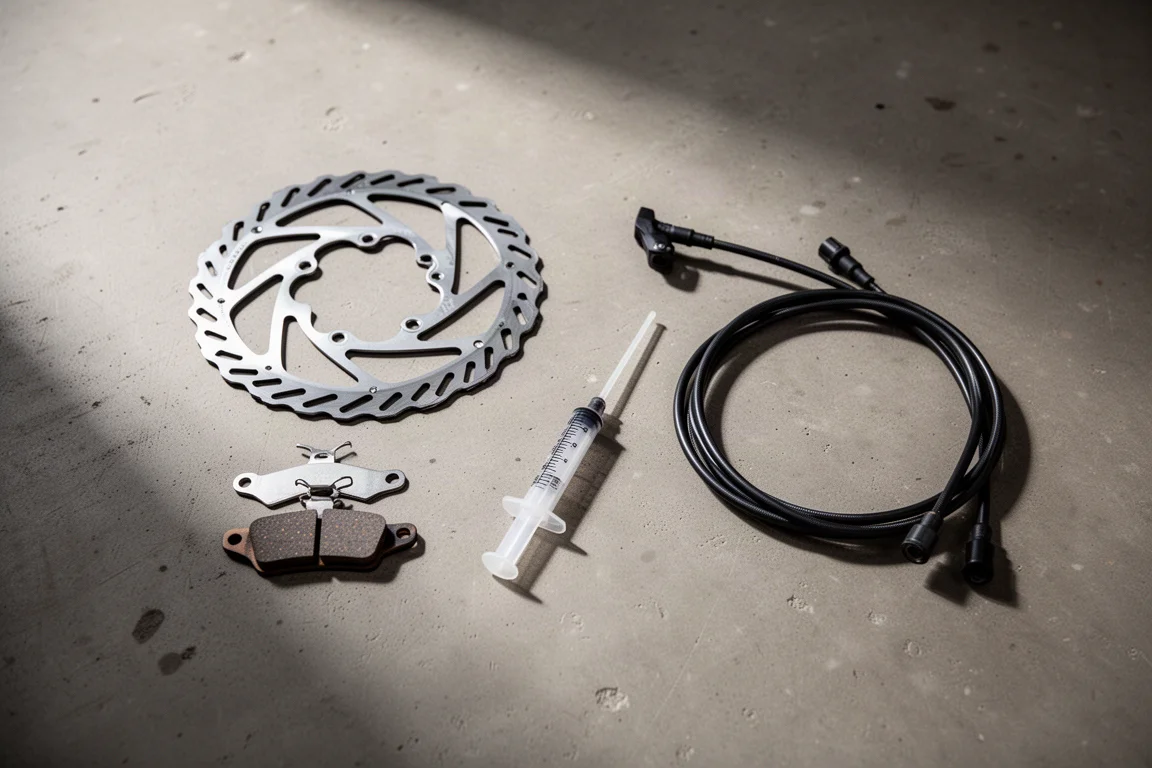
For most riders, the middle ground between roughly $200 and $400 is the sweet spot, whether the bike is a cross-country, trail, enduro, or downhill machine. Brakes in that band offer more power, better modulation in most cases, and plenty of adjustability, so you can dial them in exactly how you like them. There is very little to complain about at that price, and they deliver excellent overall performance without costing a fortune.
At the top end, the most expensive brakes do deliver the nicest components you could ask for, excellent performance, low weight, and a finish to match. If the budget allows, there is no reason not to. For most riders, though, there is simply no need to spend that much.
At the bottom end, a budget brake will get you riding and will slow you down, but expect to feel the limits when you push harder. If you already own a cheap set, pads and rotors are the cheapest meaningful upgrade, and they change the feel more than most people expect.
Conclusion
Brakes are worth thinking about carefully, because they are the part of the bike you rely on most. The Tanker brakes are a remarkable amount of hydraulic braking for under $30, but the rough finish, basic pads, and cheap rotors hold them back. The Shimano MT200 is a more refined budget option, and swapping its resin-only rotor and pads transforms it. The Hayes Dominion A2 shows what the $300 to $400 band buys: light lever action, easy setup, and strong control on loose ground. The Trickstuff Piccola is a beautiful, extremely light, limited-production brake that performs at the top of this group and costs accordingly.
If you are buying new stoppers, the $200 to $400 range is the safest place to spend your money. Above it, you are paying for craftsmanship and weight as much as performance. Below it, you are accepting compromises in power, control, and adjustability that most riders will notice sooner or later.
Further reading
Related Reviews
Mountain Bike Brakes
Budget vs Premium Mountain Bike Brakes: Shimano MT200, Hayes Dominion A2 and Trickstuff Piccola Compared
Three hydraulic mountain bike brake sets at very different prices, compared on materials, weight, adjustability and trail feel.

Backpacking Gear
Building a 10 lb Base Weight: An Ultralight Backpacking Gear List
A practical walkthrough of the ultralight pieces behind a 10 lb base weight, from a 765 g pack and a roomy one-person tent to a full camp chair and a dependable water filter.

Road Bikes
10 New Road Bikes Worth Watching: Aero, Titanium, Steel and Endurance Standouts
A practical roundup of 10 new road bikes, from aero flagships chasing single-watt gains to titanium, steel and endurance platforms built for real roads.