Outdoor Protection
Best Mosquito and Tick Repellents for Hiking: Sawyer Picaridin, Sawyer Permethrin, and Thermacell
Three practical insect protection options for hiking and backpacking, tested against mosquitoes and ticks, with honest notes on what each one can and cannot do.
Introduction
Bears and mountain lions get the attention, but they are not what makes the outdoors statistically dangerous. Bears kill fewer than one person a year, and mountain lions kill roughly one person every five years. Mosquitoes are the deadliest animal in the world by a wide margin.
Worldwide, malaria kills around half a million people every year, most of them children. Dengue comes next: it kills roughly 25,000 children a year and sickens millions more, putting people in hospital and out of work or school. Those numbers have long felt distant from North America, but dengue is now circulating in the southern United States, including Florida and South Texas, with a risk of introduction further west and into California. West Nile virus remains present as well. Ticks carry a different set of risks, and Lyme disease alone sickens thousands of people in the United States every year.
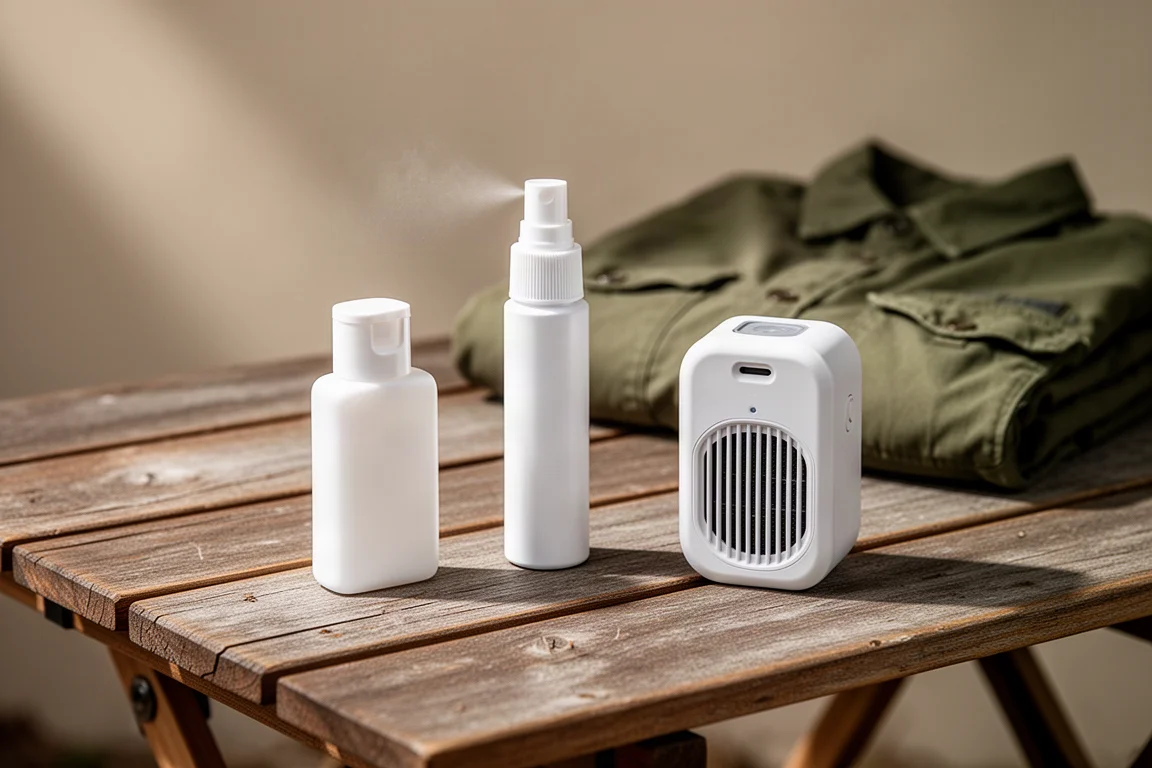
That is the case for taking repellents seriously. Three products cover most of the practical options: a picaridin lotion for skin, a permethrin spray for clothing, and a portable Thermacell device for a camp area. All three went through controlled tests at New Mexico State University’s mosquito research lab, following procedures from the EPA and the World Health Organization. Two of the three products are made by Sawyer, which funded the testing but had no say in the outcome.
How These Repellents Were Evaluated
Two separate protocols were used, one for mosquitoes and one for ticks, both following EPA and World Health Organization guidelines. A 7% DEET formulation was run through the same mosquito protocol as a benchmark, since DEET remains the most common insect repellent on the market.
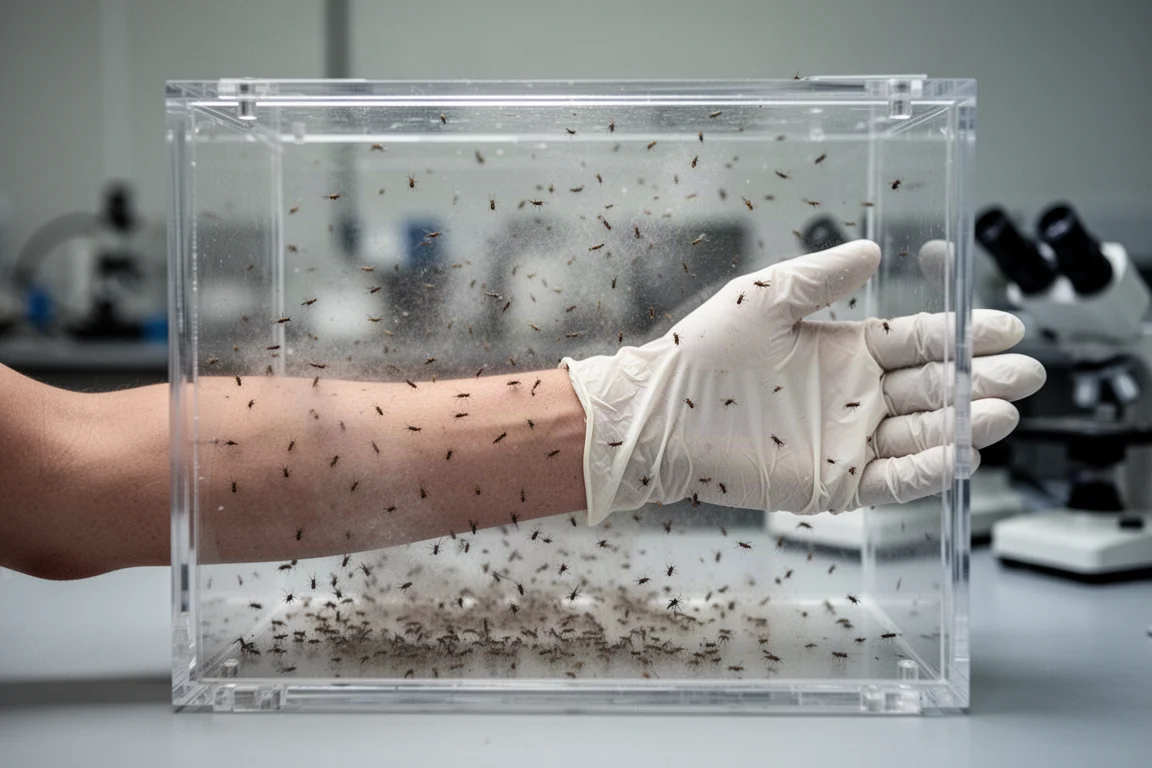
The mosquito test used a 12-inch cube holding 2,500 female mosquitoes with an opening for a forearm. A glove limited the biting area to about 3.5 inches so bites could be counted accurately. An untreated arm went in first as a control. The treated arm then went in for five minutes every hour until a bite occurred. A single bite was not enough to end the test: a second confirmed bite within 30 minutes was required, which ruled out one stray insect.
The tick test was more straightforward. Four lines were drawn on the arm. Ticks were released between the first and second lines, an area left untreated, while the repellent was applied above the second line. At least five ticks were released every hour, and the test continued until a tick crossed the treatment line by more than 2 cm. Two crossings within 30 minutes meant the repellent had stopped working.
A few limitations are worth stating plainly. The tests used a single host, so the sample size was not statistically reliable. More dependable results would need multiple hosts and multiple species of both mosquitoes and ticks. The mosquito work also used only Aedes aegypti, the most aggressive species in the study. Because it is the hardest species to deter, a repellent that holds up against it would be expected to last even longer against less aggressive mosquitoes.
It is also worth knowing that the EPA’s definition of “repellent” is broad. It covers any product that makes you less attractive to pests, which means a product could reduce bites by a single bite and still legitimately call itself a repellent. That gap between the regulatory definition and what most people expect, which is zero bites, explains a lot of the confusion around these labels.
Best for Mosquito Protection: Sawyer Picaridin Lotion
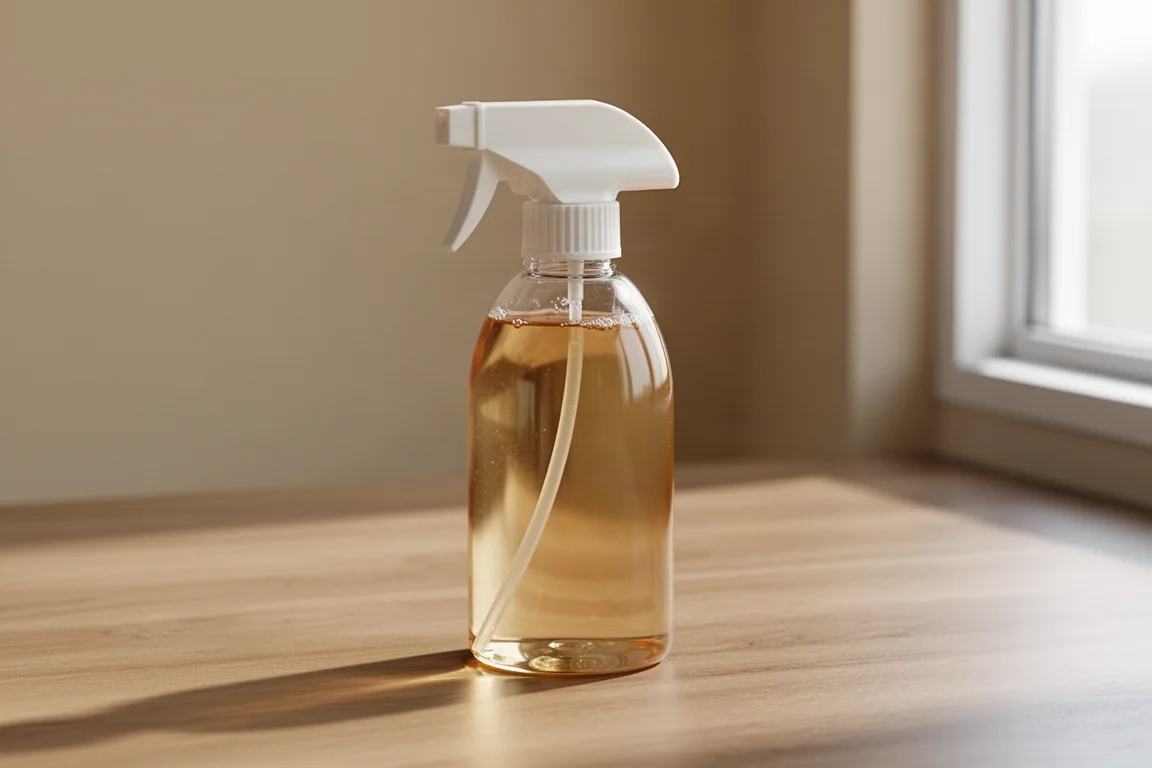
Sawyer’s picaridin lotion is a 20% formulation, the lowest concentration available for sale at the time of testing. Against mosquitoes it protected for about five hours, essentially matching the 7% DEET benchmark. Picaridin is offered as a less greasy, better-smelling alternative to DEET, and on this evidence it performs in the same range at a comparable concentration.
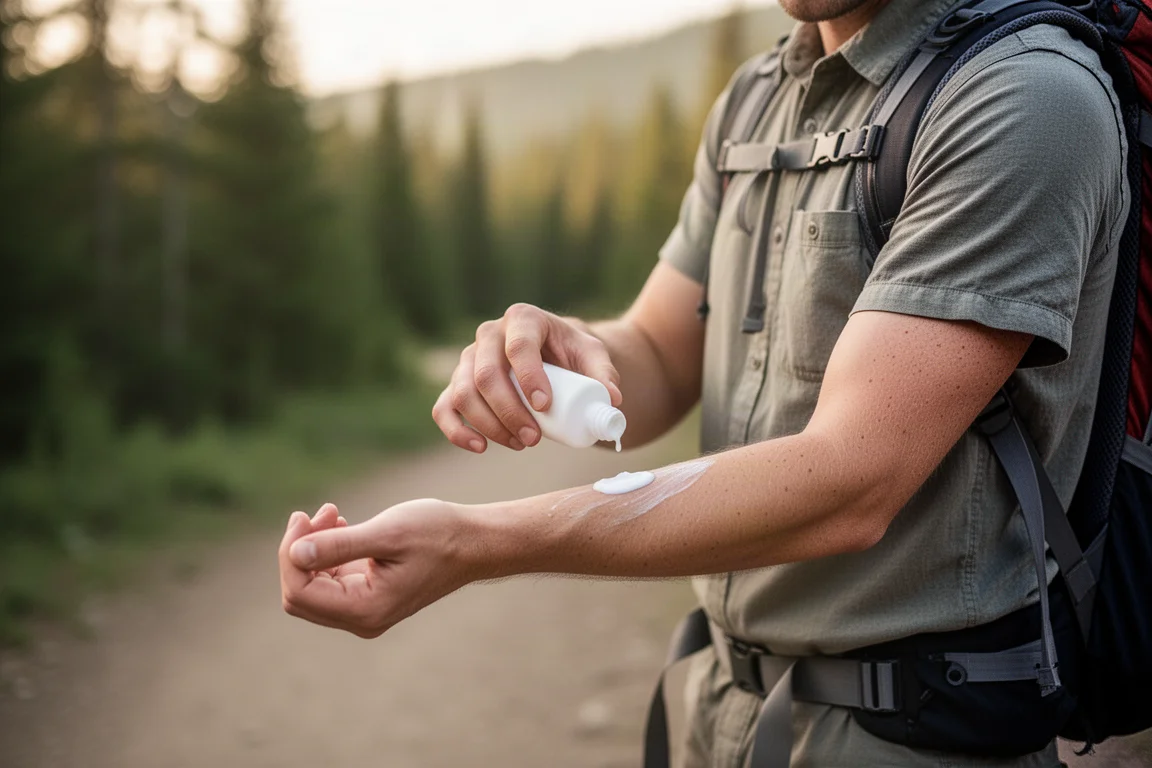
The label claim is where the gap appears. The bottle states 14-hour protection against both mosquitoes and ticks. In testing, two confirmed mosquito bites arrived at around the five-hour mark, which ended the mosquito portion. The tick portion was stopped at eight hours because of time constraints, so the longer claim was neither confirmed nor disproven for ticks. The 14-hour figure is also an average drawn from eight different mosquito species, not all of them as aggressive as the one used in these tests.
For most hiking and backpacking, five hours of solid protection per application is a reasonable working number. Keep the label limit in mind, though: it advises no more than two applications in a single day.
Best for Treating Clothing: Sawyer Permethrin Spray
Permethrin is a clothing treatment rather than a skin product, and the label states that treated clothing repels and kills both mosquitoes and ticks for up to 42 days. In testing, shirts treated at home before the trip did not appear to repel either mosquitoes or ticks. A control shirt soaked freshly in permethrin was no different on that front: mosquitoes still bit through it, and ticks still crawled up the arm.
What the treated fabric did do was kill. After the bites on the freshly treated shirt, at least eight dead mosquitoes were found in the cage, and the ticks that crawled up the treated shirt were later found dead. The mosquitoes in question are skip feeders, biting once and returning for a second or third attempt. After one bite on treated fabric, they are unlikely to come back.
That distinction matters. Permethrin-treated clothing did not prevent bites in these tests, and a mosquito that bites and does not finish its blood meal can still transmit a virus. What it may do is reduce the number of insects around you over time, especially at camp. It is also possible that treated clothing could kill a tick before it embeds, since a tick can take an hour or more before it bites and settles in, but that was not tested here.
Best for a Camp Perimeter: Thermacell
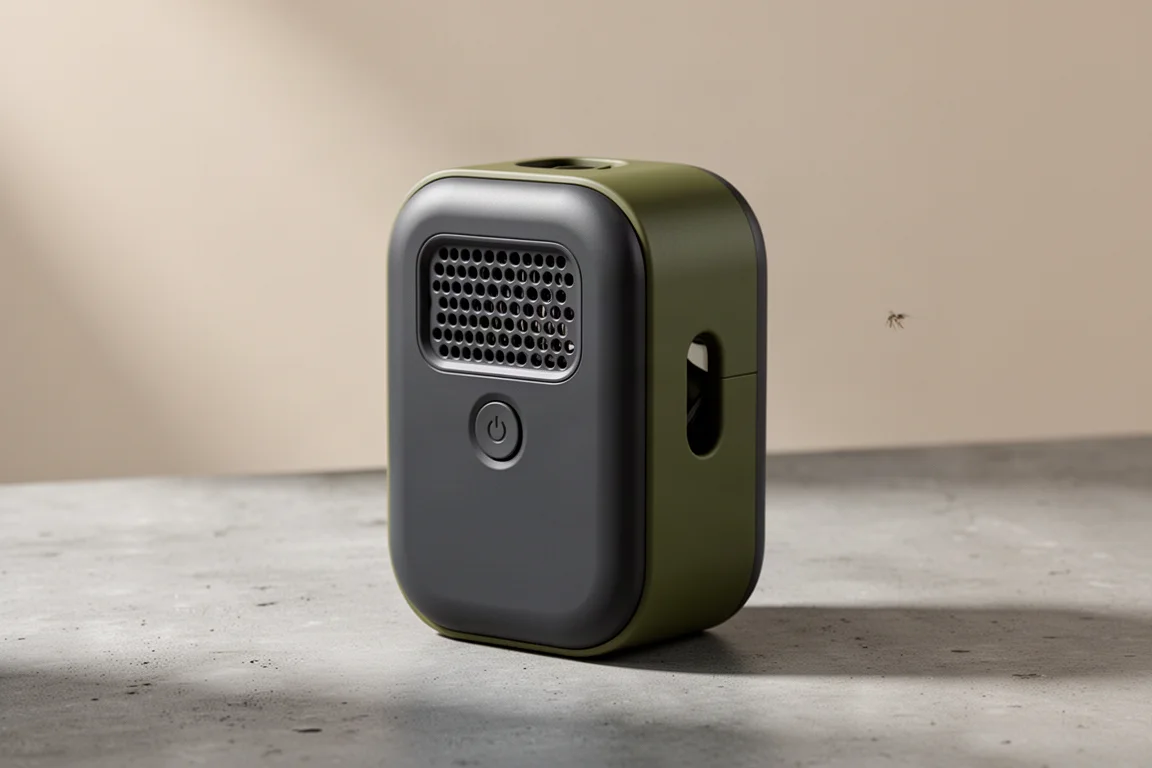
A Thermacell device works differently from the other two. It fills the surrounding air with an insecticide rather than treating your skin or your clothing, which is why it was tested outdoors instead of in the lab, where it would have affected the mosquitoes used for every other test.
The setup placed the device between a host and a group of mosquitoes held in a long tube with a divider in the middle. If the mosquitoes flew toward the device, it was not working. If they flew away once it was switched on, it was. That never happened. What happened instead was that the mosquitoes began to act drunk or sick and eventually dropped dead, taking about 30 minutes, which matches the package’s stated time to become effective.
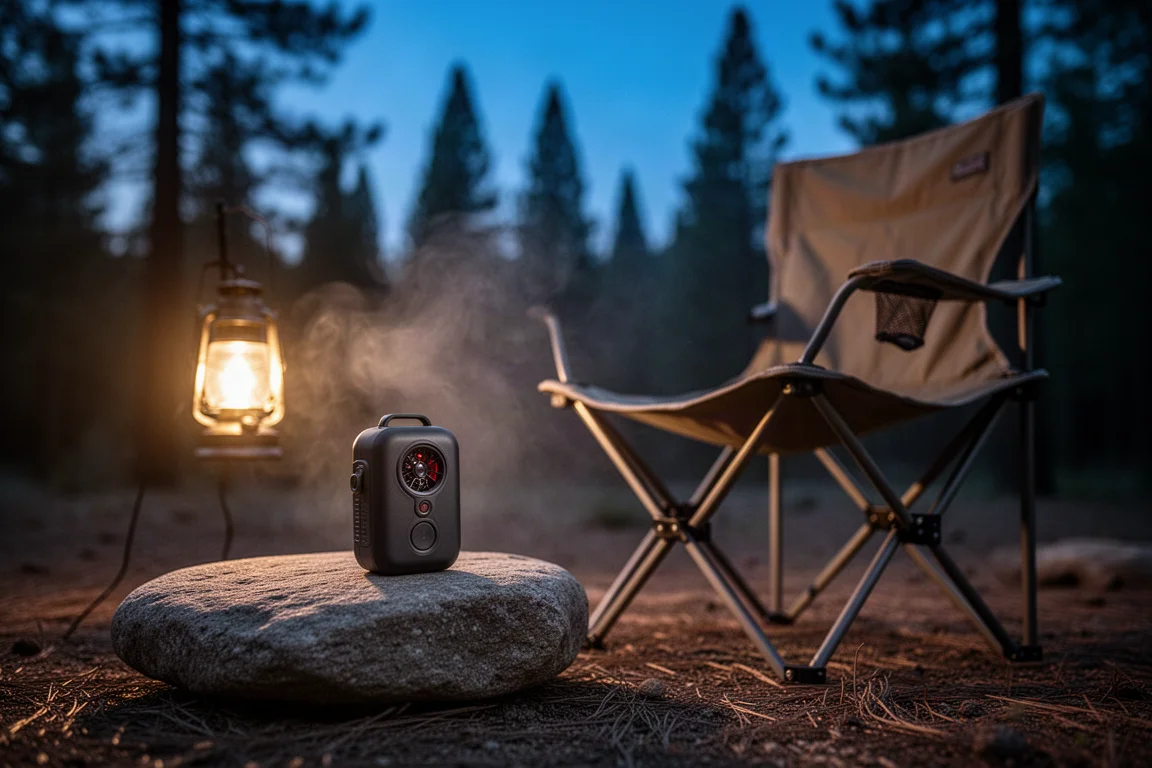
So the honest description is that Thermacell did not repel mosquitoes outright in this test, but it did make it harder for them to fly and eventually killed them. In practice that points to a cleared sitting area that builds over about half an hour, rather than instant personal protection you can carry on the move.
What the Test Results Mean for Real Trips
None of these products delivered zero bites indefinitely, and that is the expectation worth resetting before a trip. Both DEET and picaridin can provide complete protection for a period, and after that period they tend to keep reducing bites without eliminating them. That is the point to reapply.
Reapplying has its own constraints. The picaridin label advises no more than two applications in one day, and DEET labels advise against over-application. Treat the label as the ceiling rather than the target.
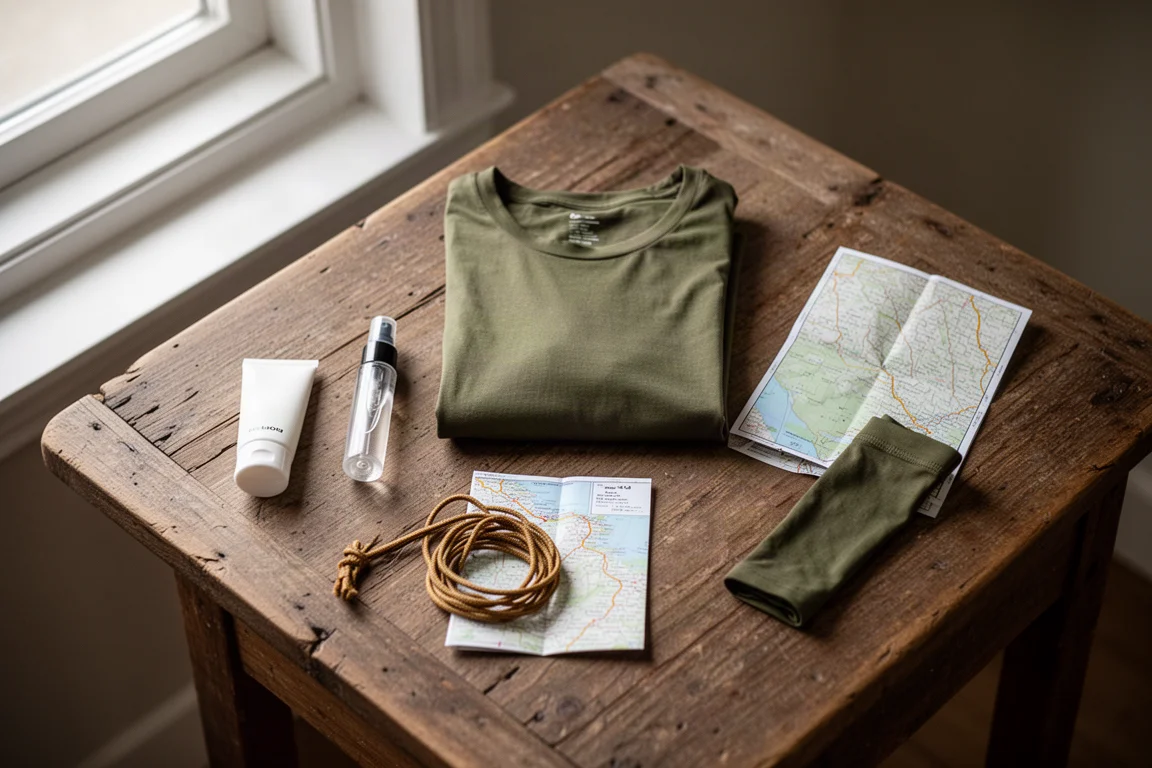
The practical takeaway is layering. A picaridin lotion covers exposed skin for a few hours at a time. A permethrin treatment on clothing adds a second barrier that kills insects on contact, even though it did not stop bites in these tests. A Thermacell device clears an area around camp once it has had about half an hour to work. None of them replaces the others, and each has a clear job.
Two caveats are worth carrying forward. First, the testing here involved a single host, and brands cannot make the claims on their labels without statistically reliable results behind them, so the overall picture is more complete than any one-person test can show. Second, Sawyer’s products, like all repellents using the same active ingredients, are tightly regulated by the EPA, including what can and cannot be printed on the bottle. The mismatch is less about one company and more about what a repellent is allowed to mean.
Conclusion
Mosquitoes and ticks deserve more attention than the predators that dominate trail conversations. For skin, Sawyer’s picaridin lotion delivered roughly five hours of mosquito protection in testing and is a reasonable option for anyone who dislikes the feel of DEET. For clothing, Sawyer’s permethrin spray kills mosquitoes and ticks that contact treated fabric, but it did not prevent bites. For a camp area, Thermacell cleared the air around a host over about 30 minutes rather than driving insects away immediately. Match the product to where you need protection, and reapply within label limits.
Further reading
Related Reviews

Backpacking Gear
Building a 10 lb Base Weight: An Ultralight Backpacking Gear List
A practical walkthrough of the ultralight pieces behind a 10 lb base weight, from a 765 g pack and a roomy one-person tent to a full camp chair and a dependable water filter.

Road Bikes
10 New Road Bikes Worth Watching: Aero, Titanium, Steel and Endurance Standouts
A practical roundup of 10 new road bikes, from aero flagships chasing single-watt gains to titanium, steel and endurance platforms built for real roads.
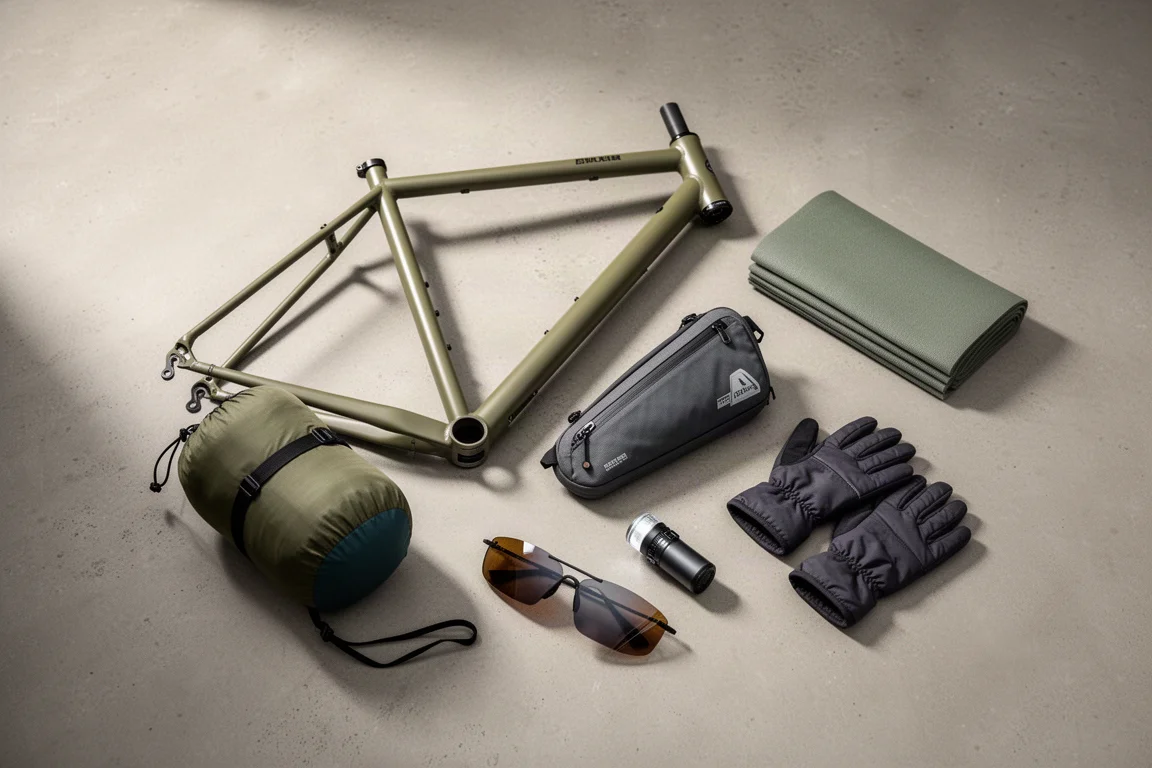
Bikepacking Gear
11 Bikepacking Essentials for Long-Distance Cycling
Eleven bikepacking essentials for long-distance cycling, from a steel gravel frame and a two-person tent to helmet lights, packable gloves, and a frame bag that puts weight in the right place.