Hi-Fi Amplifiers
Best Mid-Tier Integrated Amplifiers: Four Picks Worth Hearing
Four mid-tier integrated amplifiers, from direct-sold solid state to British minimalism and Chinese valves, with the strengths and trade-offs to weigh before buying.
Introduction
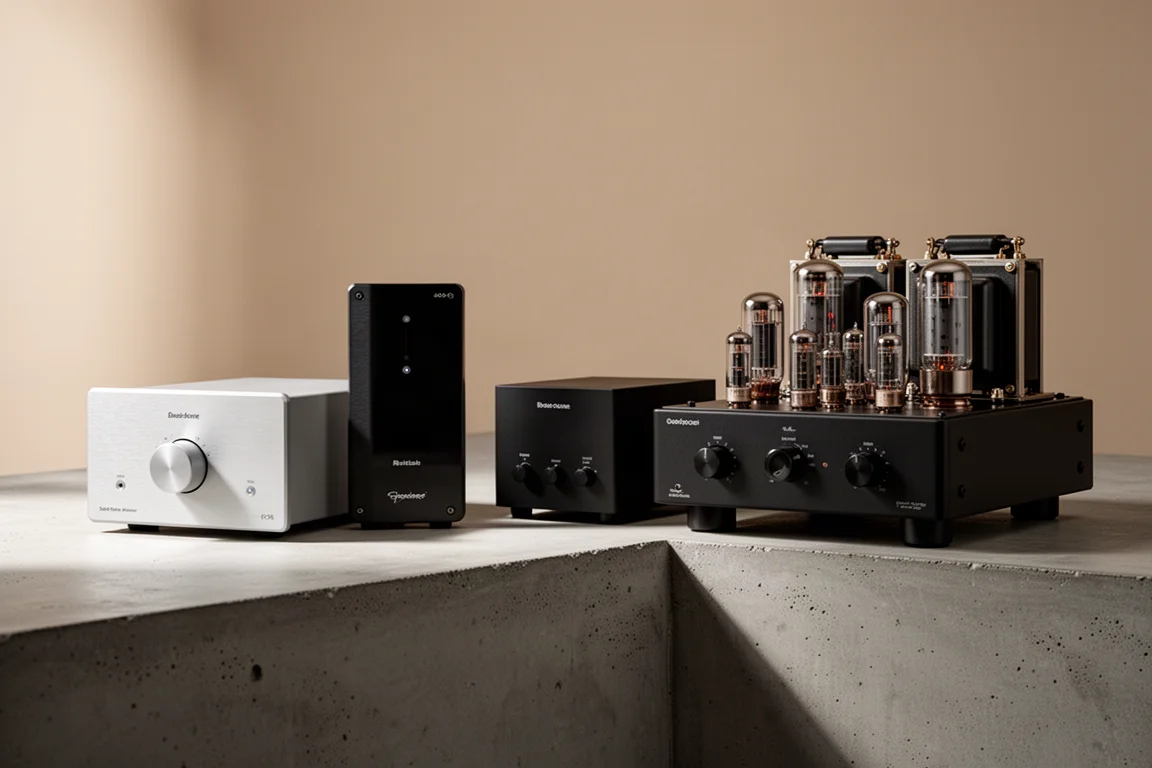
Mid-tier is a slippery term in hi-fi. For this roundup we are treating it as roughly £1,500 to £2,500, a band where genuinely serious circuit design starts to appear without the six-figure jewellery pricing that sits at the very top of the market. The four integrated amplifiers below all land in or near that window, and each takes a different route to get there: direct-sold solid state, a purist British design with a passive preamp stage, a tiny one-man British brand, and a Chinese valve amplifier sold direct.
None of them is the most powerful amplifier you can buy, and none of them pretends to be. What they share is a clear sense of what matters at this price: good parts, thoughtful circuits, and a sound that keeps you listening.
What Defines a Mid-Tier Amplifier Today
The most useful thing to understand about this price band is that it is no longer defined by dealer margins. Several of the strongest options here are sold direct, which means the money goes into the chassis, the transformers and the parts count rather than into distribution. That is why a £1,500 amplifier can now sound like something that would have cost considerably more a decade ago.
It also means the usual shortcuts apply. Power output is often modest, phono stages are sometimes the weakest link in an otherwise strong package, and features vary wildly from one design to the next. Deciding what you actually need, rather than what looks impressive on a specification sheet, matters more here than at almost any other price.
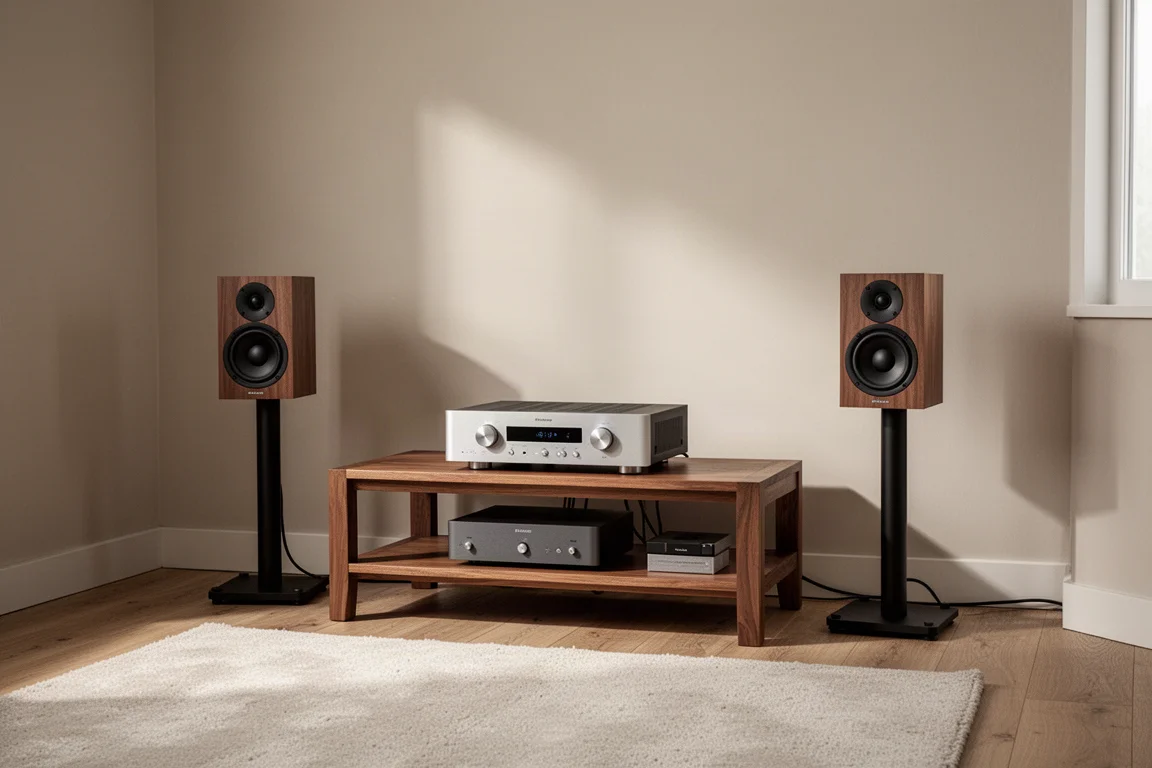
Valve and solid state designs also sit side by side in this bracket, and the difference between them is not really about which is better. It is about how much maintenance and heat you are willing to live with, and how much grip you want at the bottom end.
Schiit Ragnarok 2: Direct-Sold Flexibility With a Built-In DAC
The Ragnarok 2 is a well-designed, well-thought-out integrated amplifier built in the United States and sold direct, which explains how it lands at around £1,450 in the UK and roughly $1,700 in the US. The specification is unusually broad for the money: balanced inputs and outputs, a USB input, and a built-in DAC that is essentially the circuitry of the company’s entry-level multi-bit converter.
Power is the trade-off. It is not the most powerful integrated amplifier around, and with demanding panel speakers the volume dial has to be pushed a long way up to get real output. With most bookshelf speakers, and with most affordable floorstanding speakers, there is enough on tap. The presentation is full and slightly forward, and with some sources and systems it can sound a little incisive rather than warm.
Two practical details are worth knowing. The built-in phono stage is the weakest part of the package, and the money is arguably better spent on a modest external phono stage instead. The volume control is a stepped relay design, so every adjustment produces an audible click, which is charming or irritating depending on who else is in the room. The supplied remote, on the other hand, is excellent. Long-term reliability has been solid, with years of hard use and no faults.
Exposure 2510: Tonality First
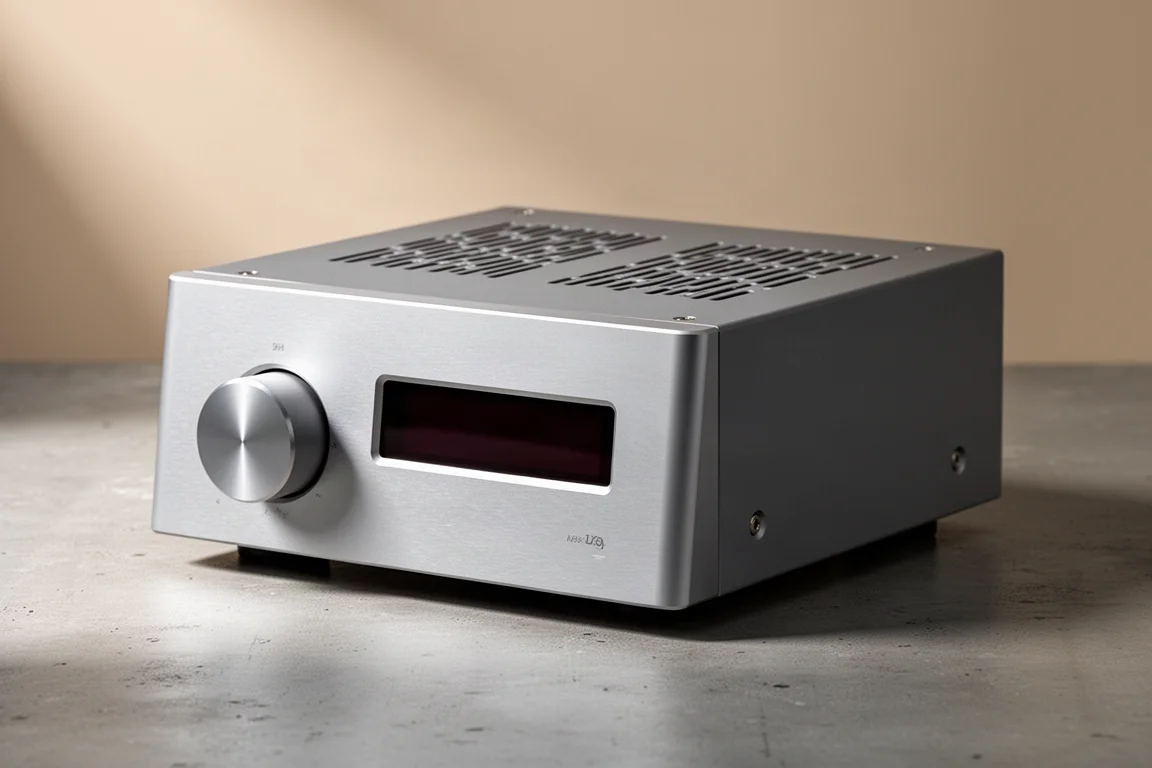
The Exposure 2510 sits at around £1,600 and is about as pure a piece as you can buy at this price. It is effectively a power amplifier with a passive preamplifier stage, plus a built-in phono stage that is well regarded, although a digital-only system will never use it.
Tonality is where it earns its place. It sounds completely natural, and it scales up well when partnered with more expensive equipment, holding its character rather than collapsing under the comparison. It is very detailed, fairly neutral, and just slightly on the romantic side, which adds up to a seductive rather than a clinical sound.
The limits are about scale and dynamics. At 75 watts it is reasonable rather than generous, and it will not compete with much more expensive amplifiers on grip and control at the bottom end, nor will it play as loudly. Listeners who want to rock out should look for something beefier at the same money. For vocals, acoustic instruments, jazz and classical, there is very little solid state at this price that gets close. It is also the closest thing to a valve-like liquid midrange that a solid state amplifier is likely to deliver.
The brand itself is not widely covered in the United States, partly because of distribution. A new distributor is now based in Canada, but the practical result is that fewer dealers stock it and fewer buyers get the chance to hear it. That is a shame, because the sound is genuinely competitive with the more heavily promoted names in this bracket.
Croft Acoustics Phono Integrated: Minimal Circuits, Maximum Character
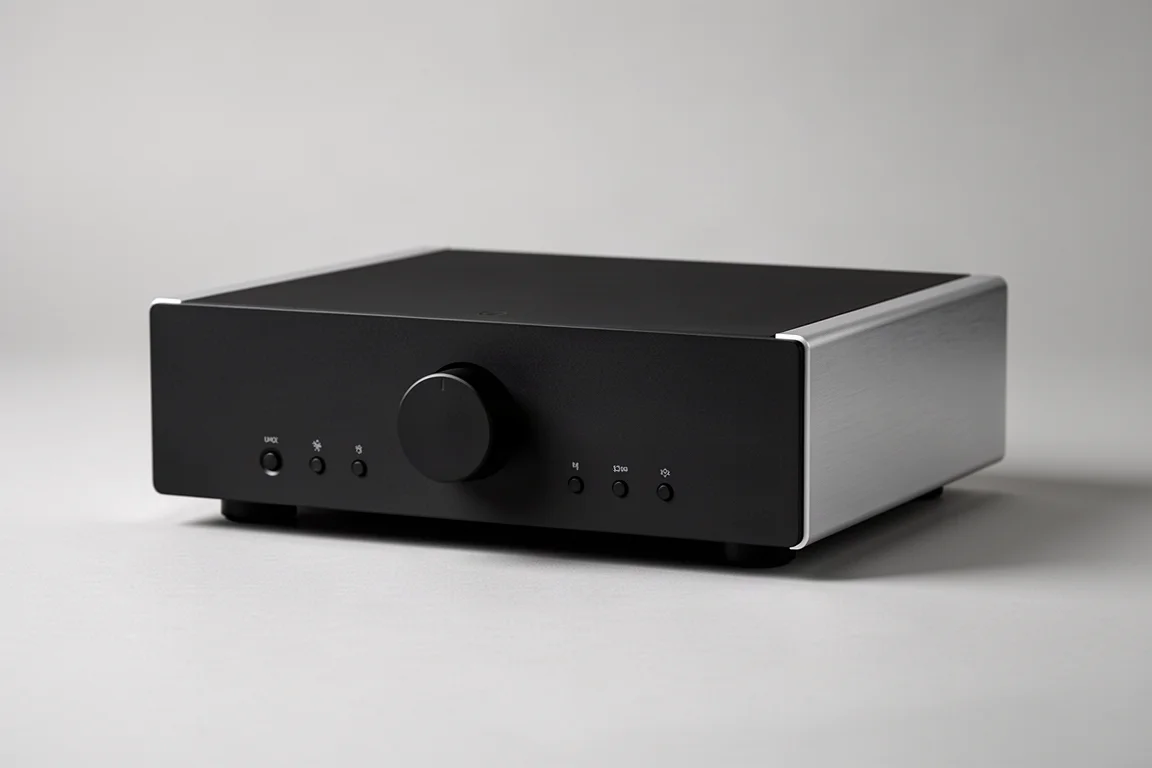
Croft Acoustics is a tiny British brand built around the circuit designs of Glenn Croft, and the Phono Integrated is the model that best captures what the company does. The casework is deliberately utilitarian, a thin, plain box that spends almost nothing on presentation. Open it up and much of the interior looks empty. What you are paying for is the circuit design and the quality of the parts, not the metalwork.
The moving magnet phono stage is the headline. It is a magnificent phono preamplifier, though a little noisy, and it rewards careful cartridge matching. The gain stage uses dual triode valves, and there is a valve in the line level input as well. A line-level version without the phono stage is available for around £1,100 and still keeps a valve front end.
Two details stand out in daily use. The amplifier has dual volume controls, which some listeners find annoying and others simply get used to. And it is stable down to very low impedance loads, so it will drive demanding electrostatic speakers without drama. It also pairs naturally with British loudspeakers, from ProAc and Spendor to Harbeth, Wharfedale, older KEF models and Q Acoustics.
Availability is the real obstacle. Croft has never been widely distributed in the United States, and there are only one or two places to buy it there. The company is essentially a one-man workshop, which is part of the appeal and also the reason it can be difficult to track down.
Willsenton R8: Tube Value With Room to Grow
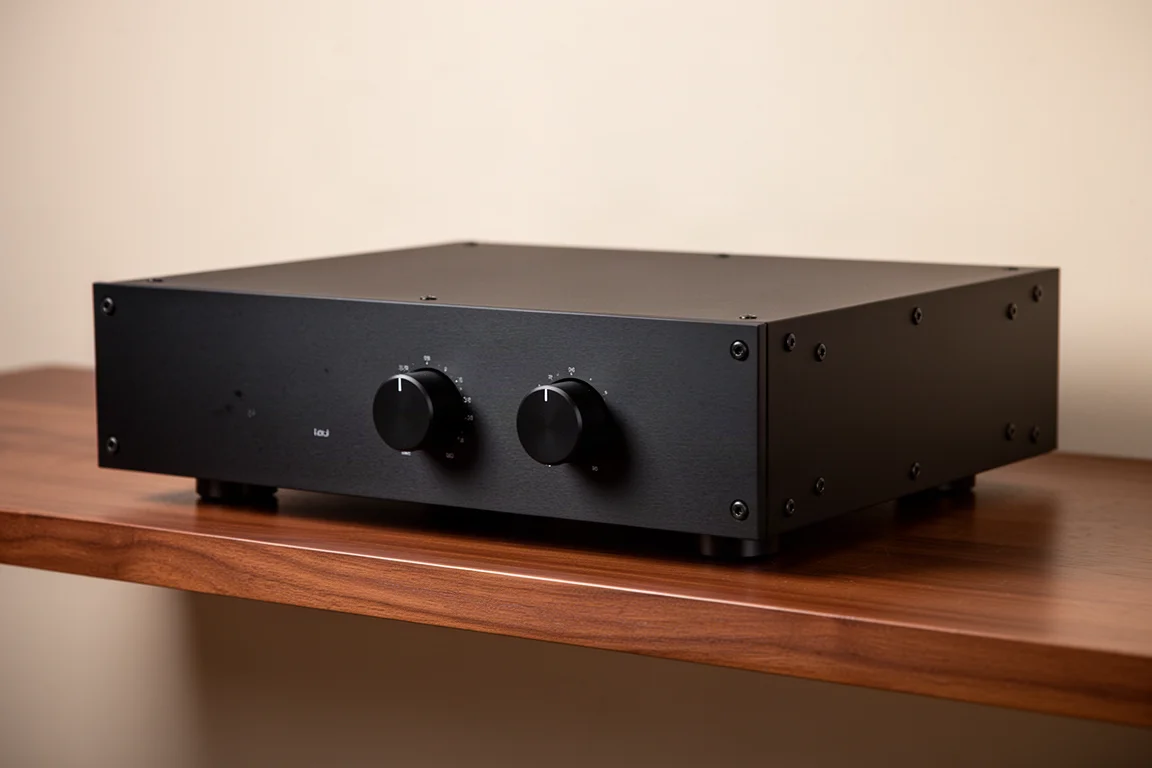
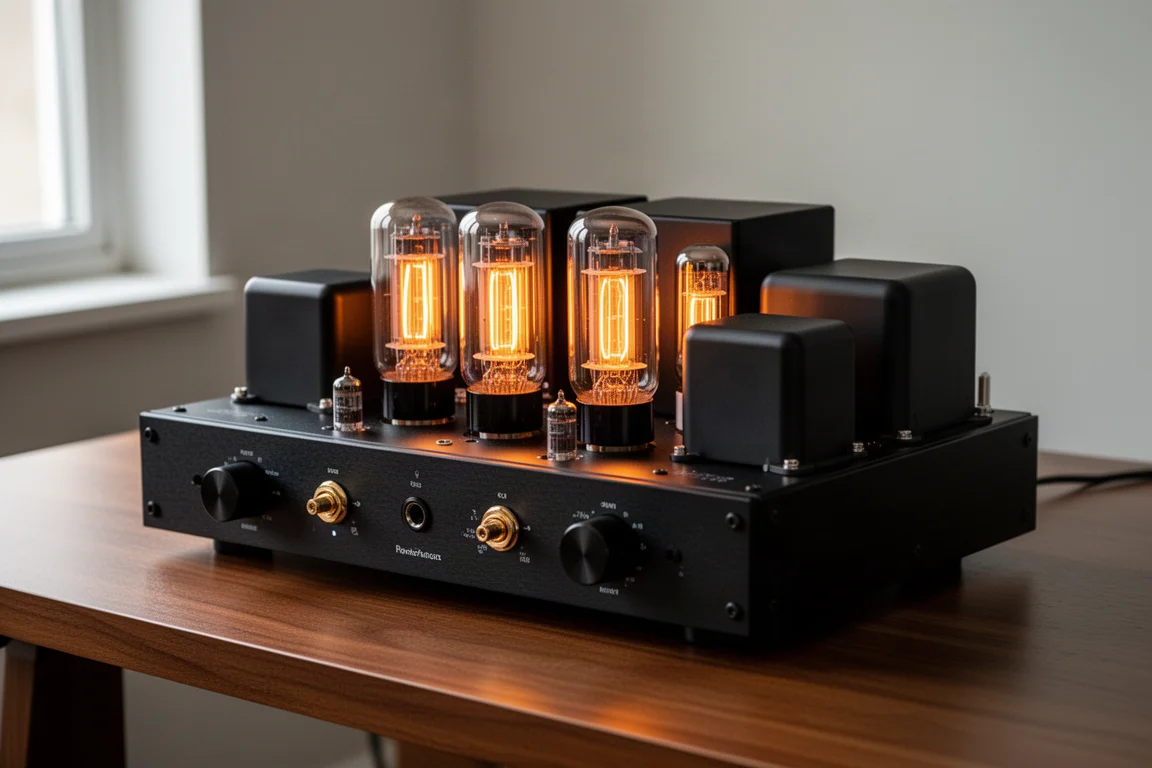
The Willsenton R8 is a large, heavy valve integrated amplifier built in China and sold direct, weighing in at around 30 kg. It arrives with stock Willsenton valves, but it moves to an entirely different level once the valves are upgraded, with a 6SL7 type in the voltage gain stage replaced by a CV181, and a choice of EL34 or KT88 output valves.
KT88s are the better option for most listeners. EL34s are slightly warmer, but they give up grip, control and dynamics. The amplifier can be run in ultra linear or triode modes, and it is based on an old Leak design that has been revised for modern use. With upgraded valves and UK shipping and taxes included, it lands at roughly £1,500.
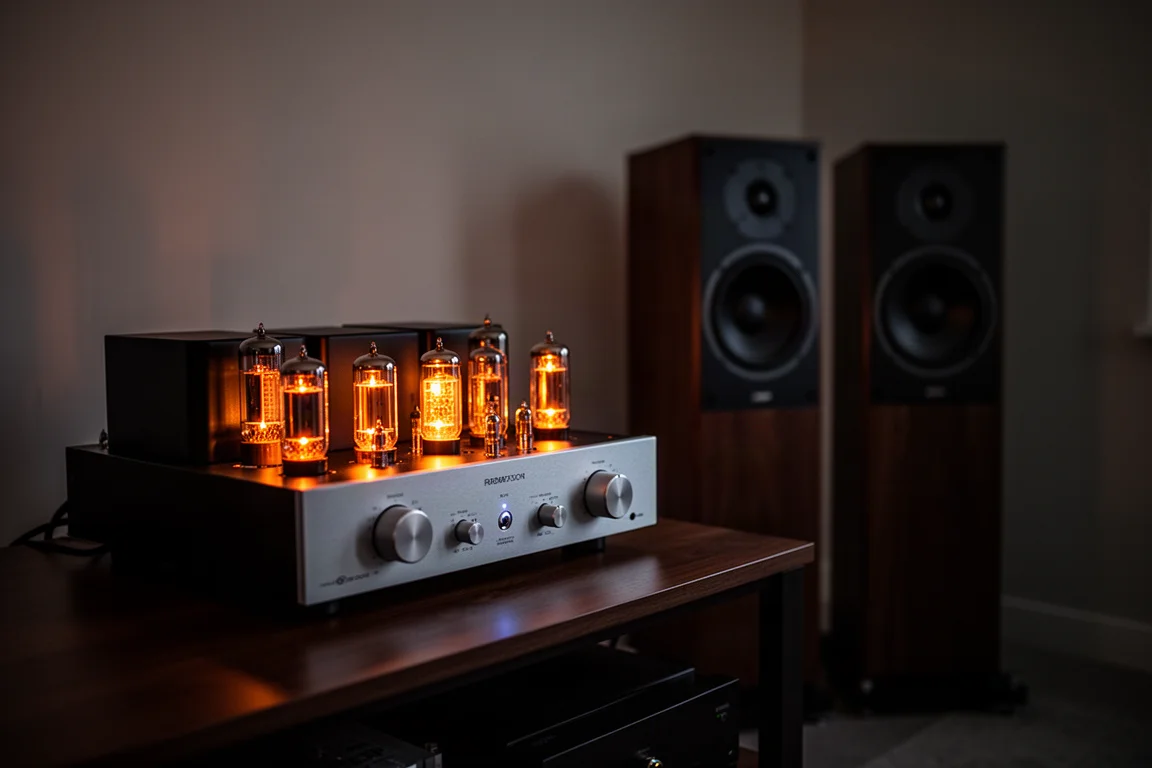
For a 45 watt amplifier it sounds big. The presentation is warm, rich and muscular, with reasonable grip and control and a large soundstage. With the stock valves it works well with price-appropriate gear, and with upgraded valves it can comfortably sit in front of a considerably more expensive DAC and pair of speakers. Buying the standard version saves around £500, but the upgraded version is the one that shows what the design can do.
It is also one of the most talked-about direct-sold products in its class, which is worth treating with a degree of caution. The good news is that the reputation holds up on its own merits rather than on hype alone.
Matching an Amplifier to Your Speakers and Room
Every amplifier here has a limit, and most of them show up in the same place: difficult speakers in a large room. The Ragnarok 2 needs care with low-sensitivity panels. The Exposure 2510 gives away scale and bottom-end grip to more expensive designs. The Croft and the Willsenton both make their case on character and midrange rather than on raw output.
The practical approach is to match on sensitivity and impedance first, then on sound. A modestly powered amplifier that is comfortable with your speakers will always beat a more powerful one that is not. If your speakers are easy to drive and your room is not enormous, all four of these designs have enough on tap.
Where the Money Actually Goes at This Price
It is easy to assume that spending more guarantees a better system, and this price band is where that assumption starts to break down. Some of the most expensive systems in the world, well into the upper six figures, are underwhelming when you actually sit down and listen to them. At that point you are often buying jewellery rather than a hi-fi system.
The argument for mid-tier gear is not that it is a compromise. It is that the returns flatten out quickly above it, while the essentials of good circuit design, good parts and a well-matched system are all available here. A carefully assembled system at a fraction of the cost of an extreme one can be genuinely revelatory, and the four amplifiers above are proof that the money does not have to be spent at the very top to get a result worth living with.

What separates these designs is not price but intent. Each one has been built around a clear set of priorities, and those priorities will matter far more in your room than the number on the receipt.
Buying Advice
Start with your speakers and your sources, not with the amplifier. If you need a built-in DAC and balanced connections, the Ragnarok 2 covers more ground than anything else here. If tonality and a natural midrange matter more than volume, the Exposure 2510 is the purist choice. If you want a phono stage at the heart of the system and a sound that is anything but clinical, the Croft is worth the effort of tracking down. If you want the scale and warmth of valves and are happy to upgrade the tubes, the Willsenton R8 delivers a lot for the money.
Two smaller pieces of advice apply to all four. Budget for an external phono stage if vinyl matters to you, because that is where several of these designs make their compromise. And do not assume that a higher price guarantees a better result. Match the amplifier to the speakers you own, listen before you commit where you can, and spend the difference on records.
Conclusion
Mid-tier amplification is in a genuinely strong place right now. Direct-sold manufacturing and small specialist workshops have made it possible to buy real circuit design for a fraction of what it once cost, and the four amplifiers here each make a convincing case in a different way. Decide what you need, match it carefully, and any of them can anchor a system you will keep for years.
Further reading
Related Reviews
Hi-Fi Amplifiers
Accuphase E-280 Review: Entry-Level Accuphase With Flagship Attention to Detail
A close look at the Accuphase E-280 integrated amplifier, covering its champagne build, AAVA volume control, sound quality, and the speakers and sources that suit it best.
Hi-Fi Amplifiers
Advance Paris A10 Classic vs Yamaha A-S301: Two Integrated Amplifiers Compared
A practical comparison of a $350 integrated amplifier and a $2,500 reference model, covering the differences that matter and the ones that do not.
Hi-Fi Amplifiers
Affordable Chinese Amplifiers Worth Buying: Five Budget Hi-Fi Amps Compared
A practical look at five affordable amplifiers, what each one does well, and the trade-offs to weigh before you buy.