Cycling Lights
Best MagicShine Bike Lights: Building the Ultimate Night Riding Setup
A practical look at five MagicShine lights for commuting, fast unlit roads, and group rides, plus how bright to go, how many lights you need, and how to aim them.
Introduction
Long summer evenings are behind us, and rides that used to finish in daylight now finish under streetlights or, on country lanes, under nothing at all. A lighting setup is the single upgrade that decides whether those rides stay enjoyable or become a gamble.
Bike lights have moved on from being simple, dumb pieces of tech. Remote controls, radar alerts, and rear lights that talk to each other are now genuinely useful rather than gimmicks, and they change how confident you feel in traffic.
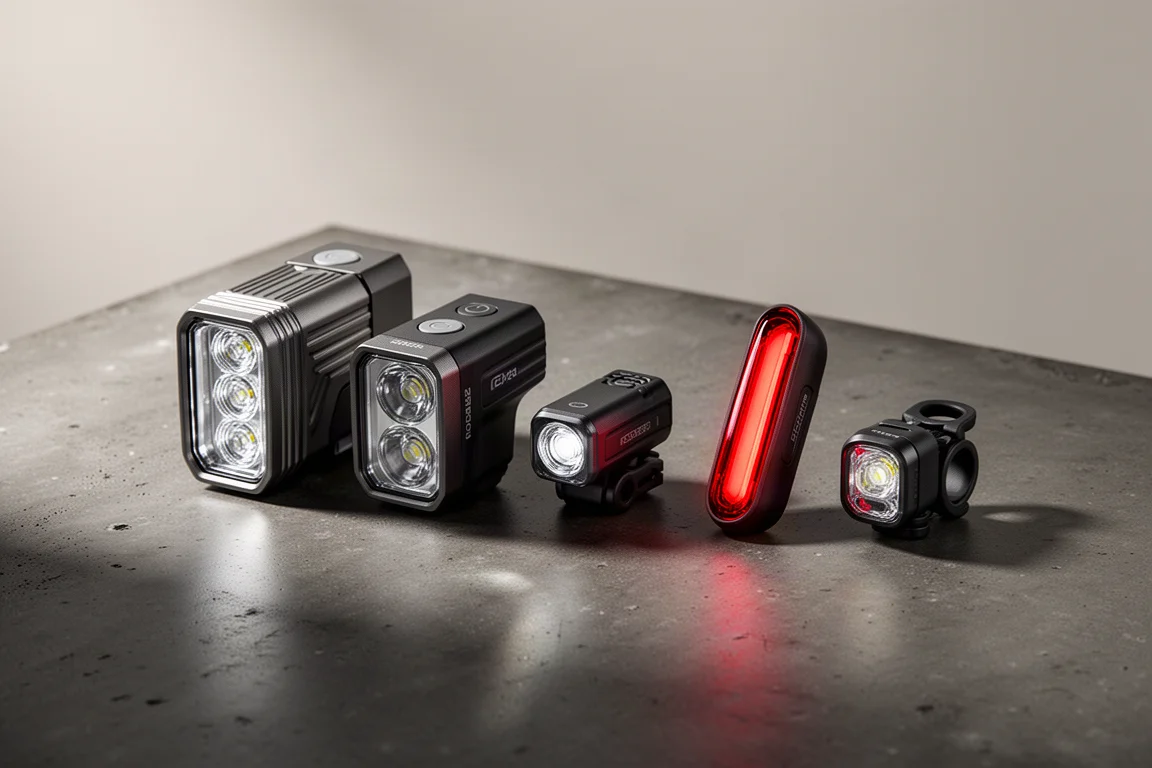
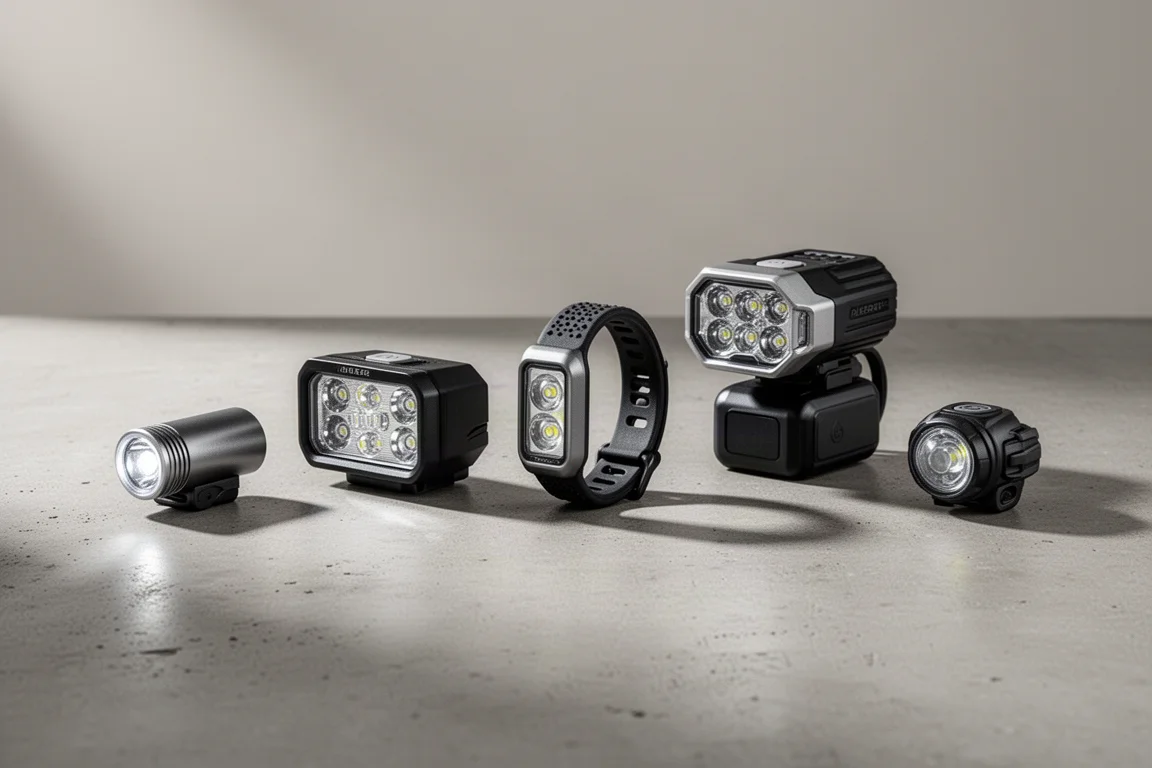
This guide looks at five lights from the MagicShine range, from a high-output 2,600 lumen front light to a rear light built for group riding, and then covers the practical questions: how bright you actually need to go, how many lights make sense, and how to aim them so you see the road without blinding everyone else.
One thing is worth stating early. More light is not automatically better. The goal is a setup that lets you ride at your normal speed while staying predictable to drivers and considerate to other cyclists. Every recommendation below works towards that.
What to Look For in a Modern Bike Light
Two features are worth prioritising on a front light. The first is a remote control mounted on the bars. Just as you would dip a car headlight when something comes the other way on a narrow road, you should be able to drop to a low beam quickly. Reaching down to the light body is not ideal, particularly when the light is mounted underneath your head unit where it is hard to see and harder to reach. MagicShine’s FTR technology is one answer, a wireless remote that turns both front and rear lights on and off with a single press.
The second is rear awareness. Radar systems have improved to the point where many riders will not head out without one. They alert you to the presence and position of a vehicle behind you, and some display that information on a compatible head unit, which means you can know a car is there before you hear it. That matters more than it used to, because electric cars are quiet and easy to miss until they are close.
Rear lights have become smarter as well. Some models automatically dim when they sense another cyclist behind, and others respond to changing light conditions and braking forces. The C50 v2.0 uses Peloton Sync Flash, a mode that synchronises with other compatible lights nearby so a whole group flashes together instead of in a random scatter of patterns.
MagicShine Evo 1700 SD: Di2 Control and Wireless Remote
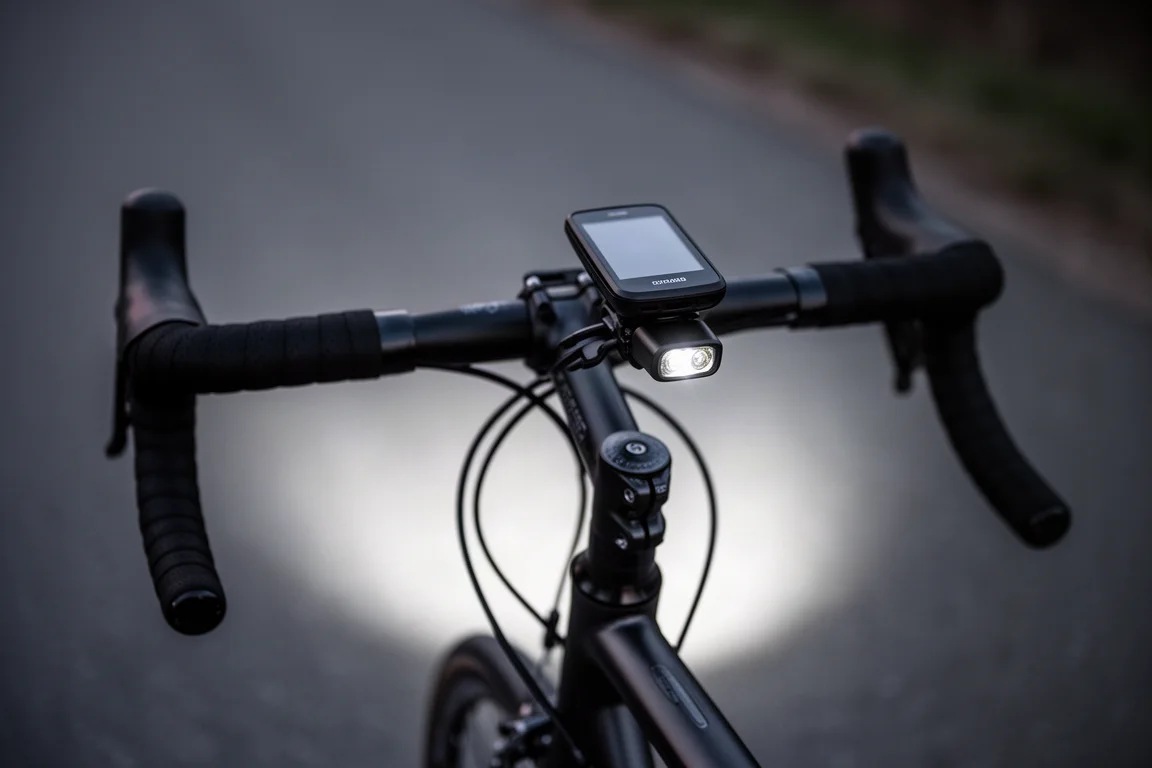
The Evo 1700 SD offers the cleanest control solution in this group. It can be connected to a Shimano Di2 system, which lets you use the hood buttons to toggle between high and low beam with a click. No extra remote on the bars, no reaching for the light body.
That integration is currently limited to Shimano and to Di2 specifically, which is worth knowing before you buy. The direction of travel is clear, though. Electronic groupsets keep becoming more affordable, and auxiliary hood buttons are now appearing on the latest SRAM Red AXS groupset, so this style of integration is likely to make sense to more riders over time.
The Evo 1700 SD is also one of the larger lights here, and that size buys battery range. Run it on the 1,200 lumen setting and it will last well beyond a typical commute.
Because the output is higher than most riders will use on a lit road, the practical case for the Evo 1700 SD is a rider who wants one light that covers fast unlit roads and still has enough runtime left for the ride home when the weather turns.
MagicShine Ray 2600B: Big Output, Long Battery Life
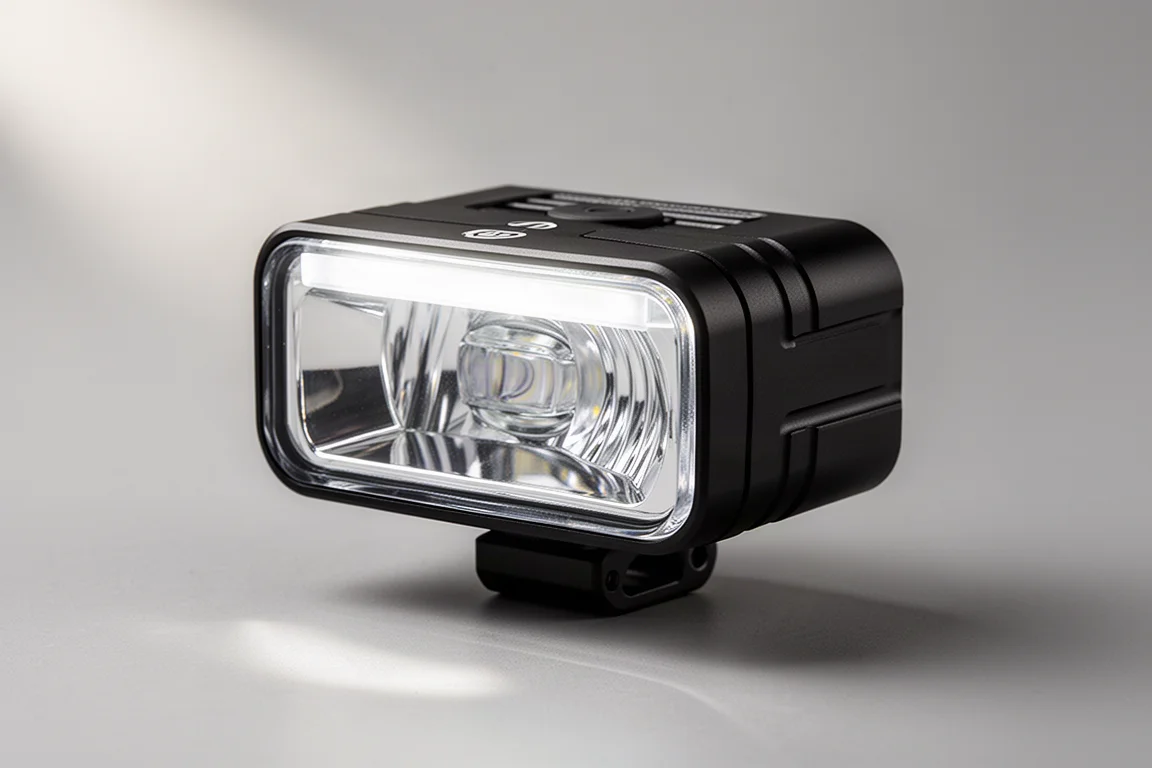
The Ray 2600B sits at the top of this group in raw output, and like the Evo 1700 SD it carries a bigger battery than the smaller lights. That combination is less about riding around on maximum power and more about headroom.
The reasoning is simple. If your most-used mode is 1,200 lumens, a light with more capacity and a larger battery will run that mode for far longer than a light that tops out near your target. Buying more power than you strictly need is a battery range decision as much as a brightness one.
Running out of charge with even a kilometre to go is a bad outcome. You walk, in the cold and dark, and the situation is not especially safe either. Checking battery life for the mode you will actually use, against the duration of your longest regular ride, is the single most useful spec check you can make.
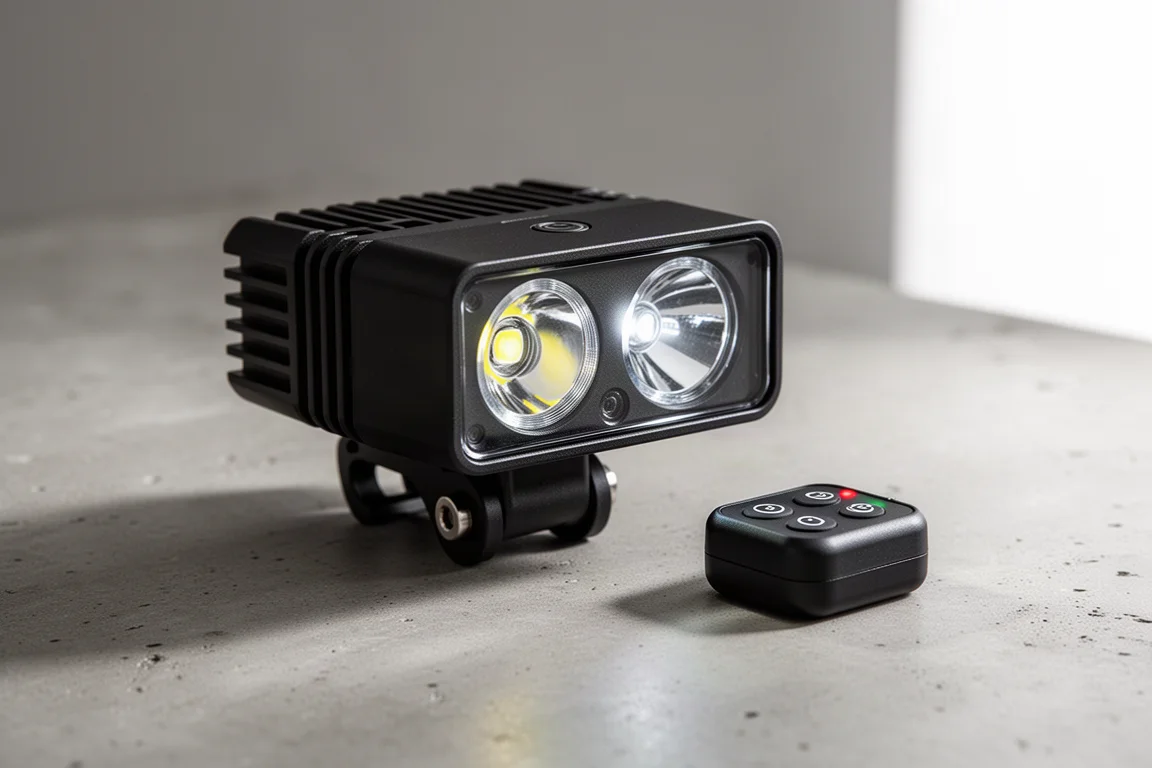
MagicShine Ulti 1500S: A Practical 1,500 Lumen Commuter Light
The Ulti 1500S tops out at 1,500 lumens, which is comfortably above the 1,200 lumens that suits fast country roads with no street lighting. For a lot of commuters and mixed urban riders, that is plenty.
Its battery is smaller than the two larger lights above, so the trade-off is runtime on the highest settings rather than peak brightness. If your rides are short and mostly lit, that trade-off is easy to live with, and it keeps the light smaller on the bar.
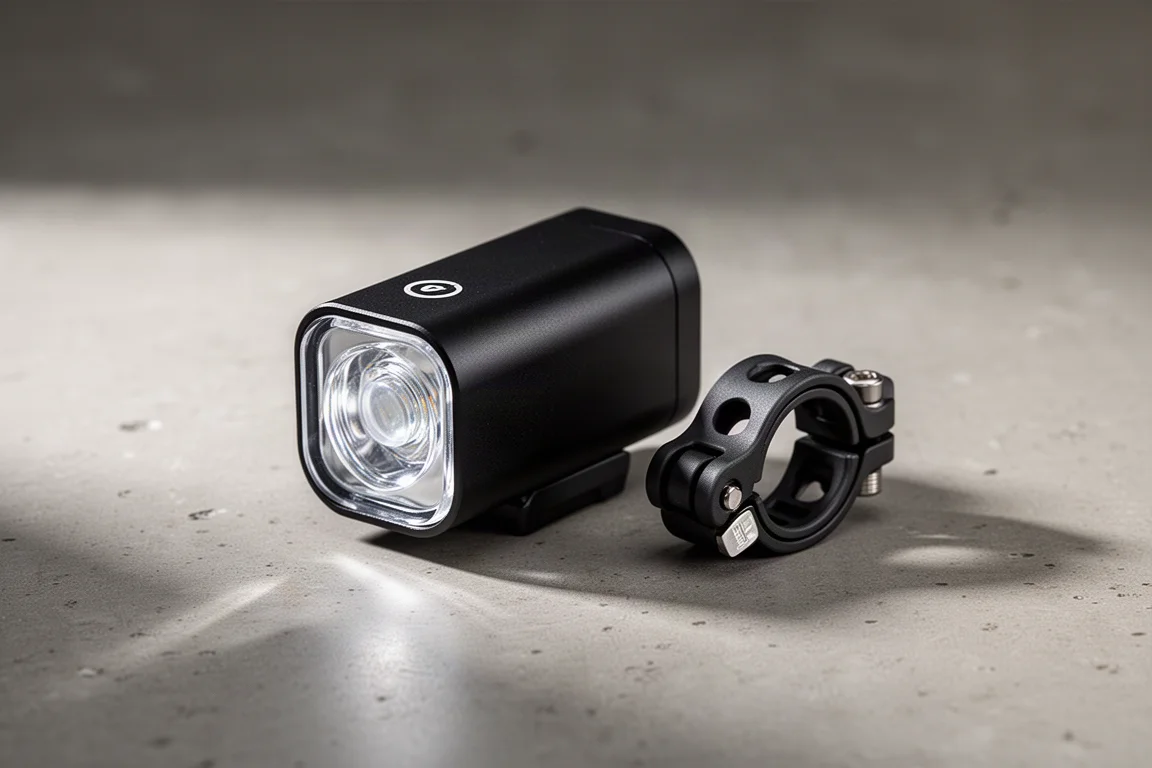
MagicShine LT 1 1200: Designed for Clean Under-Bar Mounting
The LT 1 1200 is a good example of why mounting deserves attention before you buy. It comes in a standard version and a special U version intended for mounting underneath the bar, so the version you order should match the position you plan to use.
That detail matters because most light lenses include anti-glare technology along the top edge, shaping the beam downward onto the road. Mount a light upside down and that shaping works against you, sending light where it should not go. Choosing the correct variant keeps the beam pattern doing what it was designed to do.
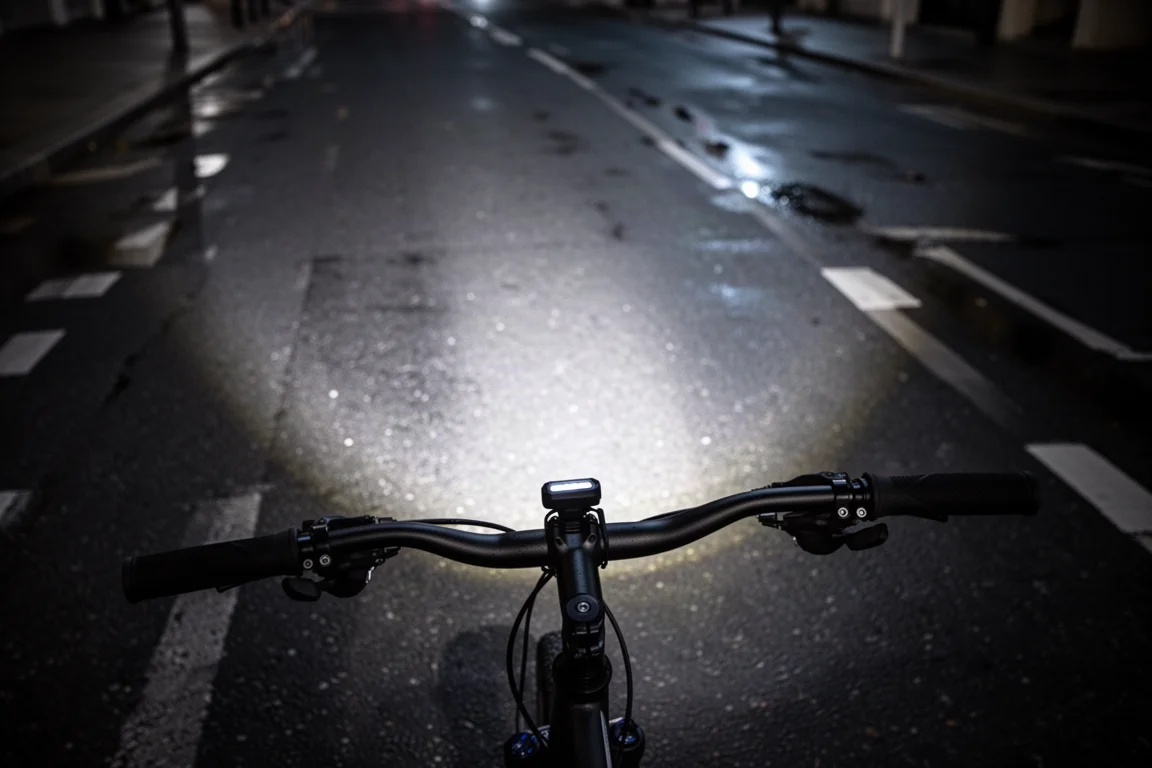
Under-bar mounting remains the tidiest option for riders who want a clean cockpit, and it keeps the light body out of the way of bar bags and accessories. The important thing is to decide on the position first, then buy the version built for it.
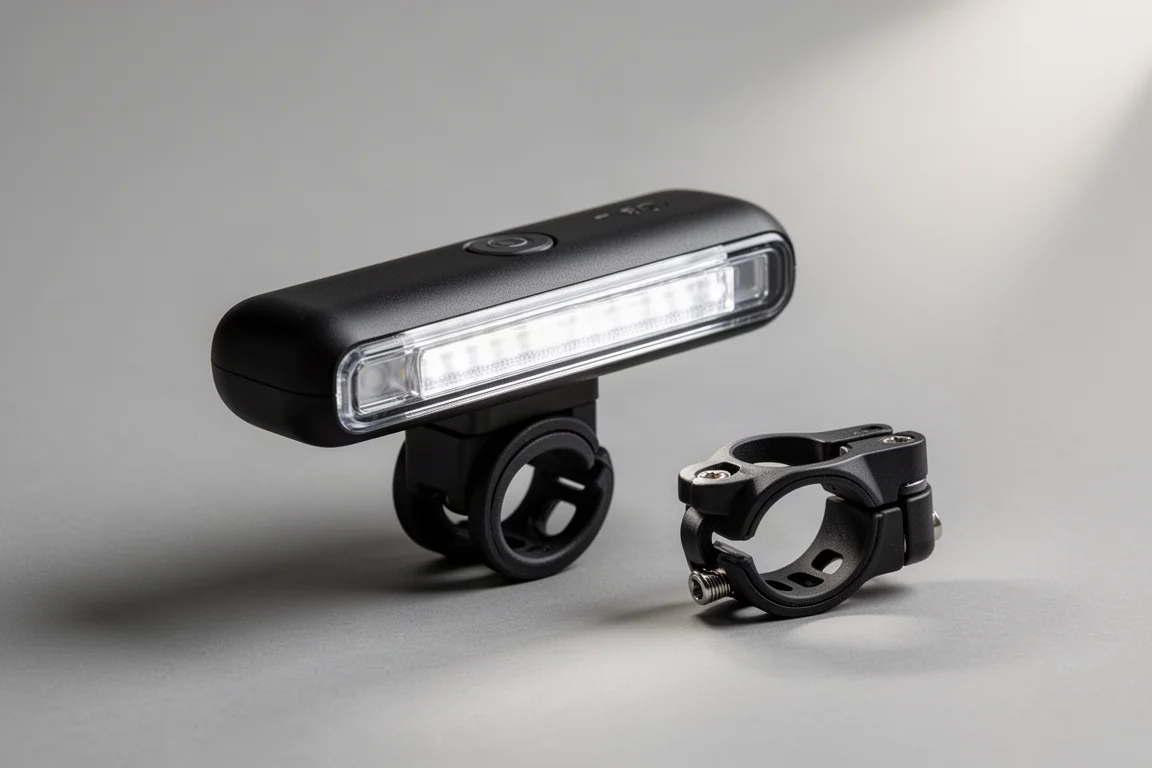
MagicShine C50 v2.0: A Rear Light for Group Visibility
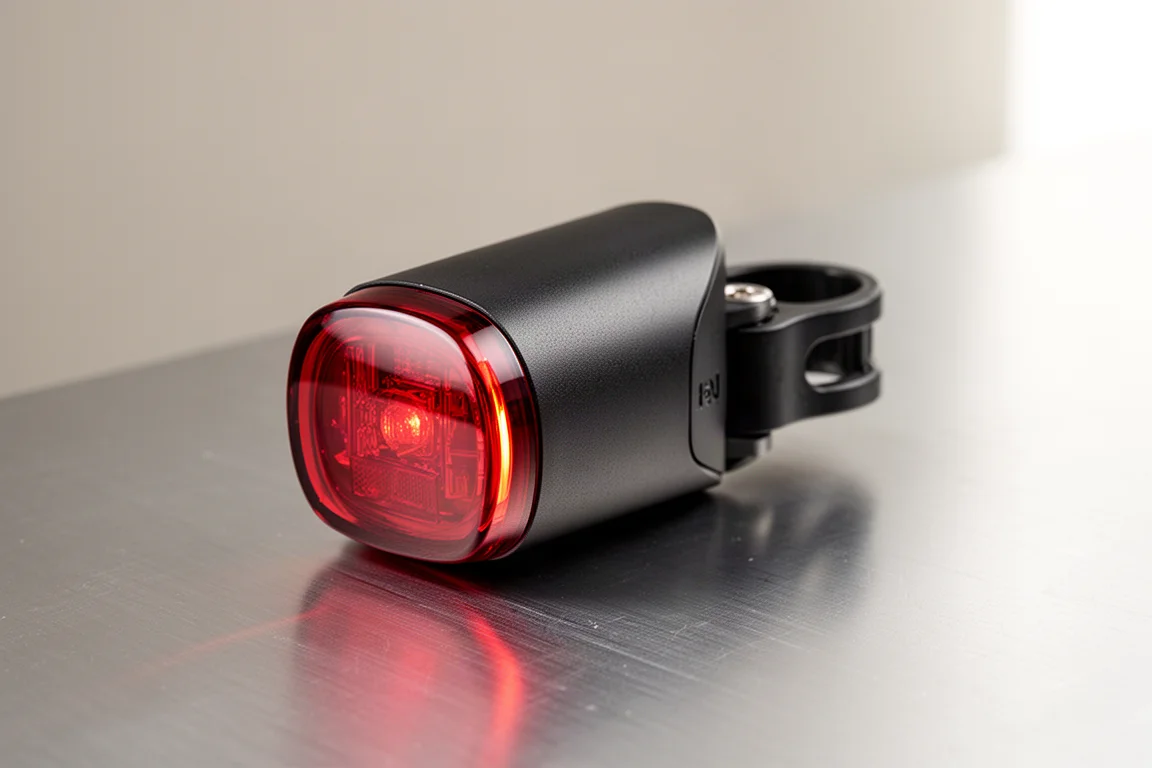
The C50 v2.0 is a rear light with Peloton Sync Flash. In that mode it synchronises with other compatible lights around it so the whole group flashes together, which makes every rider in the group easier to pick out.
It is a feature that pays off in group rides and club runs more than solo commuting, since it needs other compatible lights nearby to do anything at all. For riders who regularly head out in a bunch, though, synchronised flashing is a meaningful visibility gain over a scatter of independent blink patterns.
How Bright Do You Need to Go?
Lumens are not a case of more being better all the time. Running full power constantly dazzles other road users and shortens your runtime, so the useful question is which mode you will actually use and for how long.
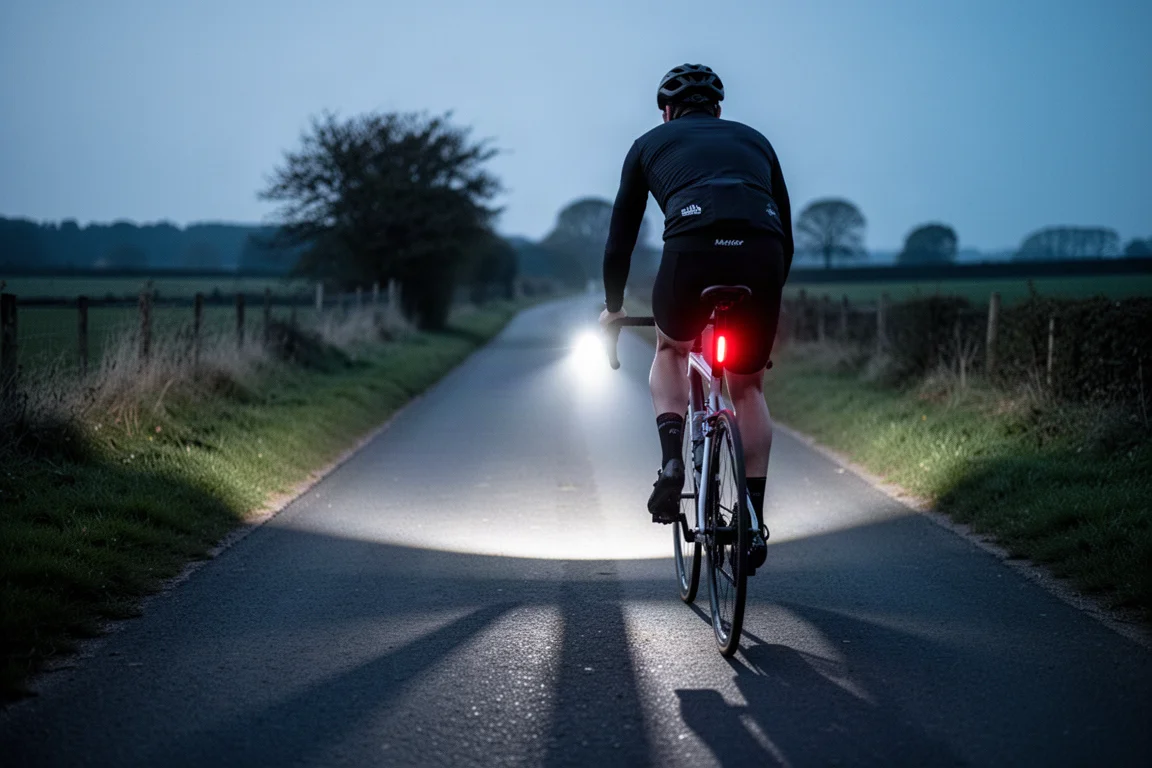
As the roads you ride get darker and your speed increases, you need more output. For a front light, 1,200 lumens covers fast country roads with no street lighting. Rear lights work differently. Red rear lights are easy to see at night, so 100 to 200 lumens is more than enough for most riders, while a rear light intended for daytime visibility can go up to around 450 lumens.
How Many Lights Do You Actually Need?
Four is the number that covers the widest range of riding. That means a front and a rear light mounted on the bike, plus a smaller front and rear light on your helmet.
The bike-mounted pair does the heavy lifting. A constant front beam handles your vision, and a constant rear light gives drivers a fixed point to judge distance by. In the UK, a front and rear light are a legal requirement after dark, and riding without them can attract a fine as well as putting you in real danger.
The helmet pair adds visibility and cornering light. A flashing helmet rear light is easier for drivers to identify as a cyclist, while a constant bike rear light helps them judge how far away you are, so running both gives you the strengths of each. Up front, a low-power flash on the helmet catches the eye of a driver pulling out of a side street in the city, and a constant mode on rural lanes lights the corners as you lean in.
It is worth resisting the urge to light yourself up like a Christmas tree. Too many lights dazzle drivers and other cyclists, which makes the road less safe for everyone rather than more.
Aiming, Mounting, and Beam Shape
Where you mount a front light is a matter of preference. The bar, the computer mount, or underneath the computer mount all work. Underneath is the cleanest and least cluttered, and it keeps the light in a position many riders find tidier.
Aiming is not guesswork. Prop the bike against a wall so it is roughly straight, then take ten big steps forward. That point is where the centre of your beam should land for city riding and steady speeds. If you ride unlit roads at faster speeds, make it fifteen to twenty steps. If you can, angle the beam a fraction towards the curb, which is the left side in the UK.
Beam shape matters as much as output. A good beam spreads wide enough to light the sides of the road, which is what lets you spot obstacles and stay aware of your surroundings. Too narrow and you get a tunnel vision effect that is genuinely unpleasant at speed. Too scattered and light is wasted in every direction, making it harder to focus on what matters. The ideal is a focused but broad beam with a clean cutoff at the top so oncoming traffic is not blinded.
Buying Advice
The right choice depends on where and when you ride rather than on the biggest number on the box.
If you already run a Shimano Di2 groupset and want the simplest possible control, the Evo 1700 SD is the natural pick, since the hood buttons handle high and low beam. If your priority is maximum output with the battery headroom to run a lower mode for a long time, the Ray 2600B is the one to look at. The Ulti 1500S suits commuters and mixed urban riders who want 1,500 lumens in a smaller package, while the LT 1 1200 is the pick for riders who want a clean under-bar setup and are happy to choose the matching U version. For group riding, the C50 v2.0 adds synchronised flashing to the rear of the bike.
Whatever you choose, check two things before you commit: that the mode you will use most lasts as long as your longest regular ride, and that the light is designed for the mounting position you have in mind.
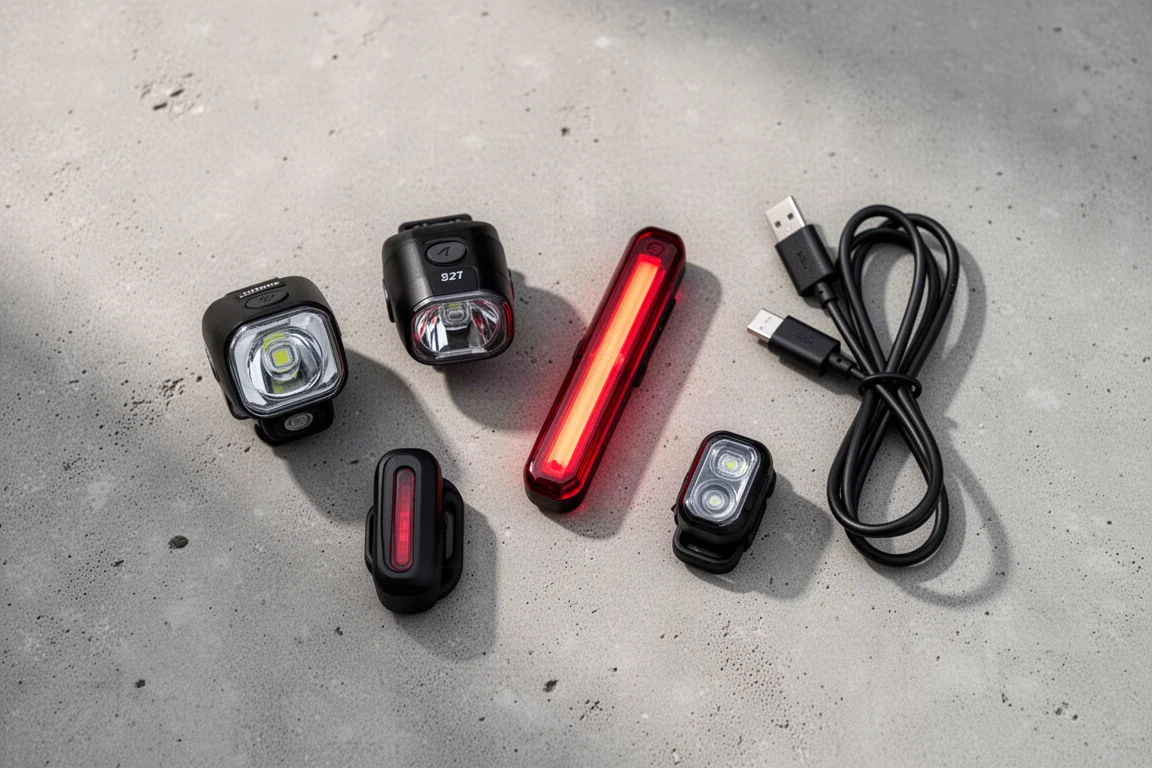
A final note on setup. Spending a few minutes aiming the beam properly and choosing sensible modes will do more for your safety and your battery life than buying the most powerful light available. A well-aimed 1,200 lumen light that runs all ride beats a 2,600 lumen light that dies halfway home.
Conclusion
A good winter lighting setup comes down to four things: enough output for the roads you ride, enough battery for the length of your ride, a beam that lights the road without blinding others, and controls you can reach without taking your hands off the bars.
MagicShine covers that ground with lights that approach it from different angles, from Di2 hood button control on the Evo 1700 SD to synchronised group flashing on the C50 v2.0. Match the light to the riding you actually do, set it up with care, and the darker months stop being a reason to leave the bike at home.
Further reading
Related Reviews
Cycling Lights
Best Magicshine Bike Lights: Four Front and Rear Options Explained
A practical guide to choosing bike lights, with four Magicshine front and rear options covering beam shape, output, mounting, and smart features.
Cycling Lights
Best Rear Bike Lights 2026: Five Options for Low-Light and Night Riding
Five rear bike lights compared on brightness, runtime, mounting and charging, with clear guidance on which setup suits commuting, group rides and daytime visibility.
Cycling Lights
Best Trail Lights 2026: 10 Night Riding Lights Compared
Ten trail lights that clear the 1,500-lumen mark, compared on beam pattern, mounting options, controls, and measured runtime at maximum power.