Lunch Boxes
Best Lunch Boxes Tested: From Budget Bags to Premium Coolers
Sixteen lunch boxes went through leak, insulation, drop, handle, and fabric tests. These are the ones worth your money.
Introduction
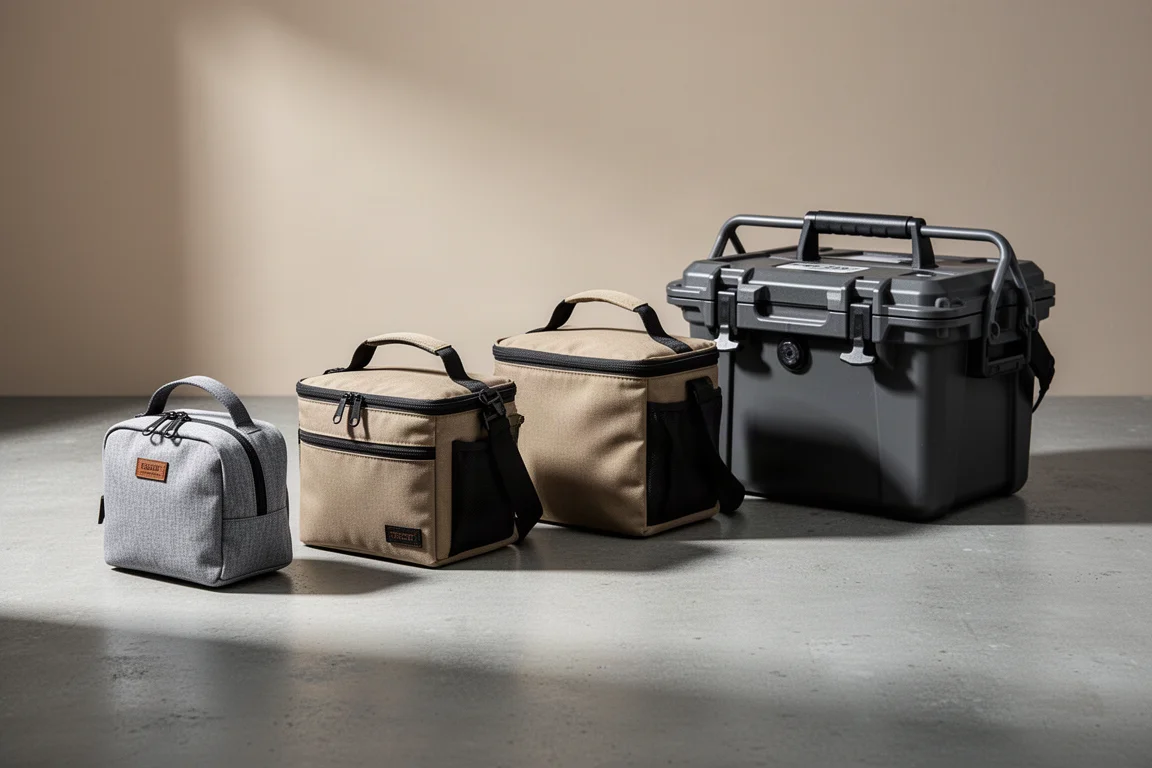
Lunch boxes cost anywhere from $10 to over $200, which raises an obvious question: is a cheap lunch bag just as good as the one that costs $200? To find out, we compared a wide field of lunch boxes, from budget fabric bags to heavy-duty work coolers, across leak resistance, insulation, durability, handle strength, fabric strength, and zipper quality. The short version: only two lunch boxes proved completely leak proof even when tipped over, a handful survived every drop and impact test, and price did not always predict performance. Here is what matters before you buy.
How We Tested
Each lunch box went through the same series of tests. First, a cup of water inside each bag to see which ones actually held a leak claim, both upright and tipped over. Second, a temperature test: a bottle of water in every lunch box, frozen at -40°C for 24 hours, then left to thaw for 5 hours at 77°F to see how much ice survived. A control bottle left outside a lunch box ended with 376g of melted ice, so every result above that line means real insulation.
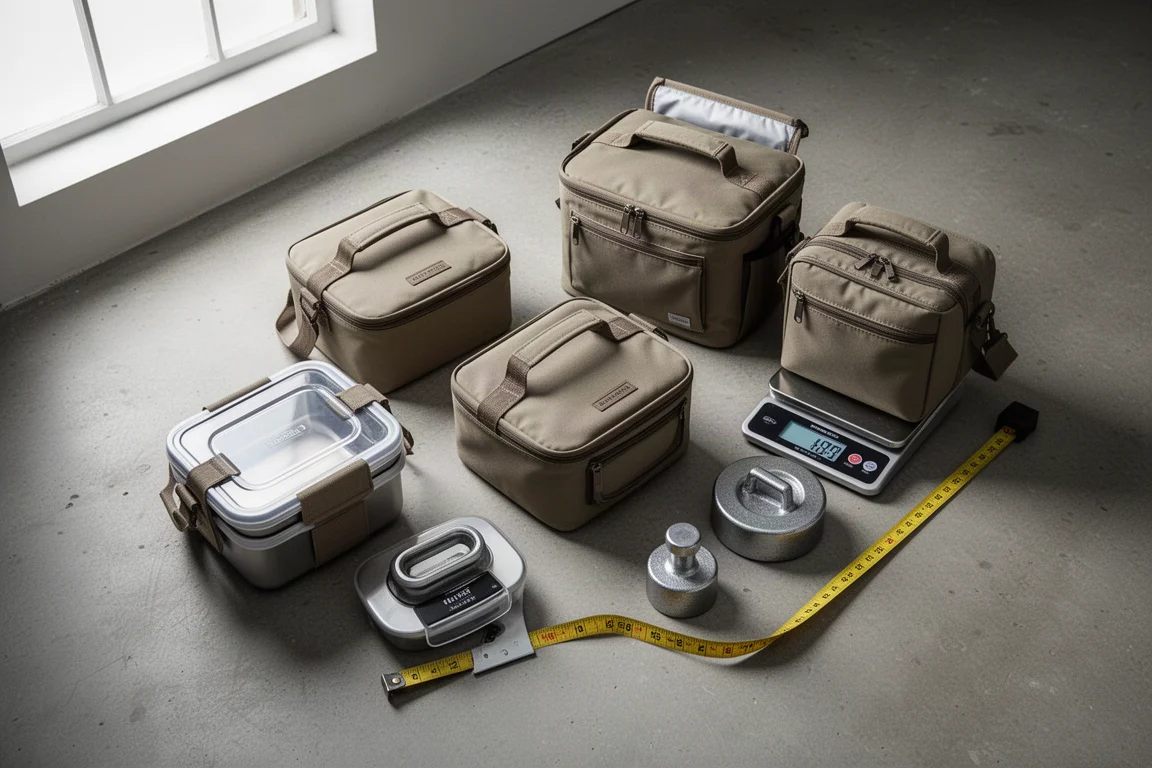
We also froze an apple in each lunch box for two hours and measured the internal temperature, dropped a boiled egg from about 1 meter to test impact protection, dropped a 10 lb steel bar from a foot above to check crush resistance, loaded handles up to 96 lb, and tore into the fabric with a pick to measure tear resistance. Several budget bags leaked badly through the liner or zipper, and only the two most expensive models passed the tipped-over leak test completely.
Best Budget Performers
Among the cheapest options, a $10 Dinda bag and a $12 Kubo bag both claimed to be leak proof but leaked in several places during testing. A $16 Extra Charm bag with a three-layer insulation design performed better, with only a very small leak, though water still passed through the zipper when tipped. A $17 Femur bag held water well in the upright position but its zipper could not hold it back. A vintage metal-style lunch box under $20, much like the old Scooby-Doo lunch boxes many of us grew up with, offered very little insulation and its handle failed at just 38 lb. These bags are fine for light, careful use, but none of them handled the tougher tests.
Best for Leak Protection and Ice Packs: Coleman Lunch Box
The Coleman lunch box at $23 impressed for the price. Its exterior is made of recycled polyester fibers, the TempBlock insulation claims up to 12 hours of cold retention, and the welded seams hold up: the inner plastic liner is genuinely leak proof. Water did pass through the zipper when tipped, so it is not a bag you want to lay on its side, but in the upright position it does the job. It holds up to 16 cans and includes zippered front and inside mesh pockets, plus an adjustable padded sling strap. In the ice test it finished second overall among the non-premium bags, which is a strong showing.
Smart Built-In Cooling: PackIt Freezable Lunch Box
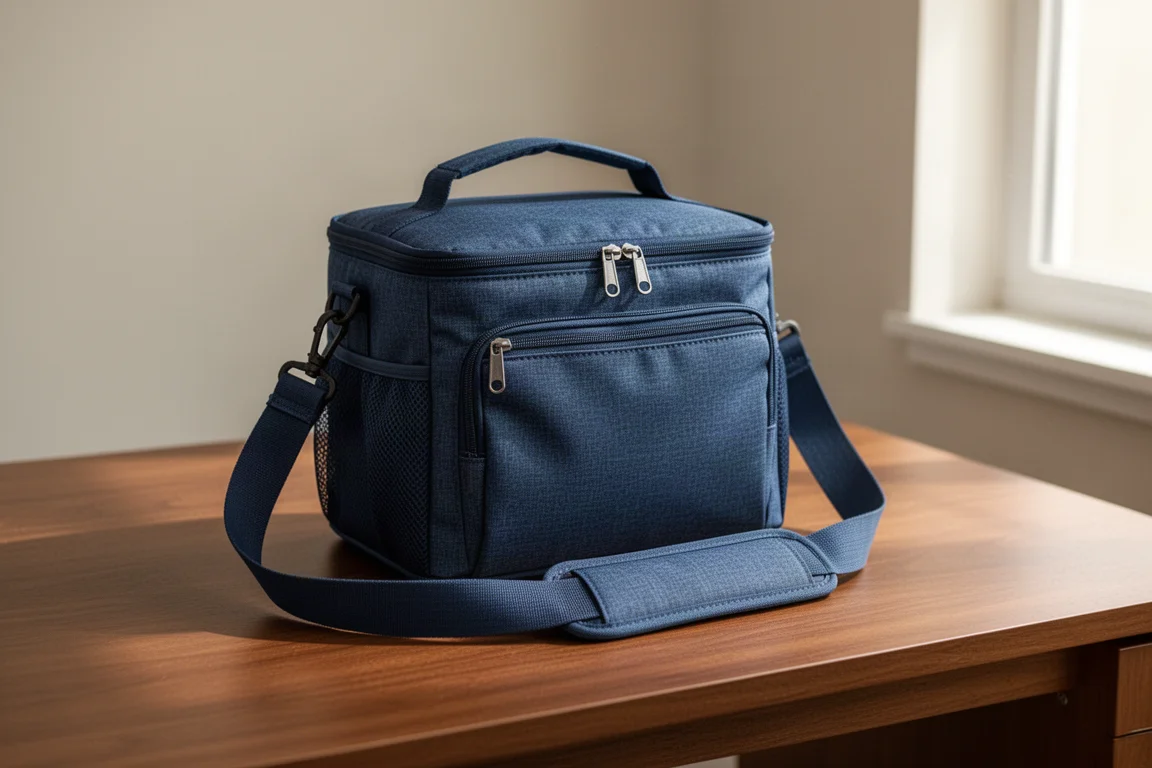
The PackIt at $24 takes a different approach: freezing gel is built directly into the walls of the bag, so you never need to fumble with separate ice packs. It is made from non-toxic poly canvas with a food-safe, water-resistant lining. That built-in cooling paid off in the temperature tests, where it finished near the top of the entire field, and the unfrozen gel packs also cushioned a dropped egg perfectly. At 1.55 lb it is one of the heavier fabric options, and water still passes through the zipper if tipped, but as a self-cooling lunch bag it is hard to beat for the price.
Best Fabric Strength in the Mid-Range: Carhartt Lunch Box
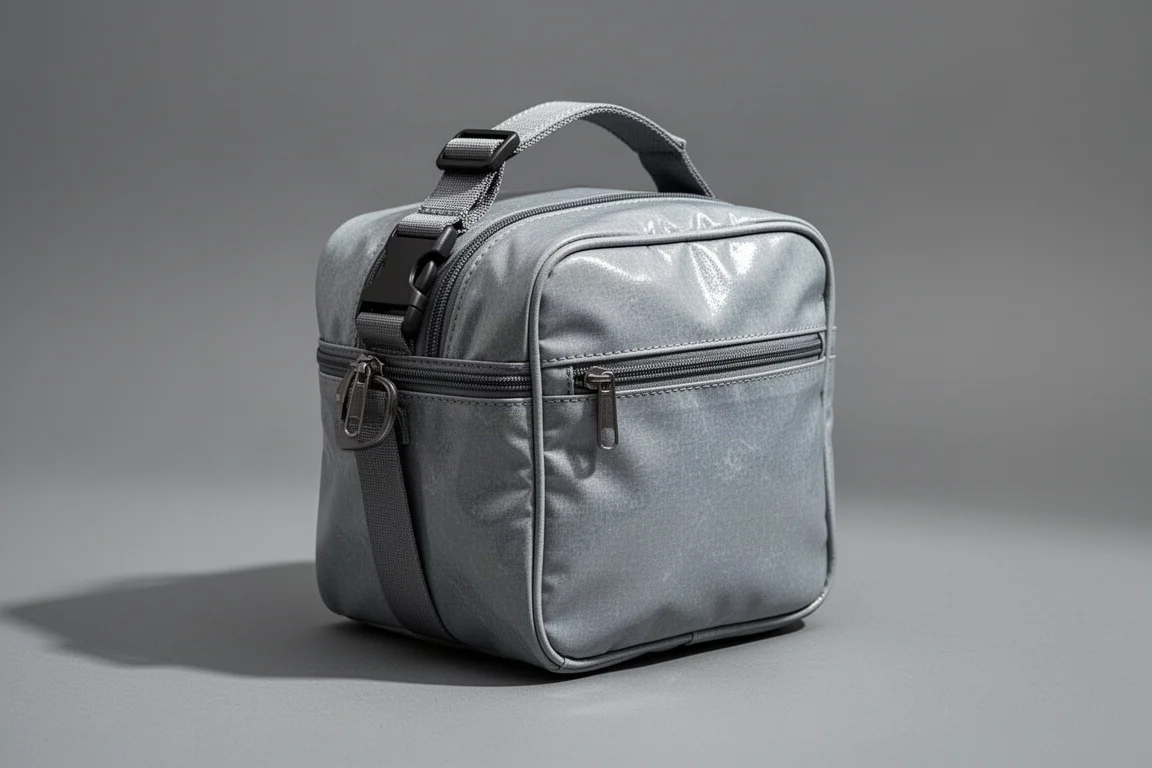
At $30, the Carhartt deluxe dual-compartment insulated lunch box stood out immediately. It is 100% synthetic with a Rain Defender durable water repellent finish, a separated insulated top compartment, and a YKK zipper, which has a well-earned reputation. Made in Indonesia, it weighs just under 3/4 of a pound, yet in the fabric tear test it was the strongest mid-range performer by a wide margin, starting to tear at 47 lb and peaking at 67 lb of force. It held water upright, the zipper slowed water noticeably better than most rivals, and the egg drop test passed without a crack. The non-removable shoulder strap is a small limitation worth knowing about.
Best for Industrial Settings: Husky Lunch Box
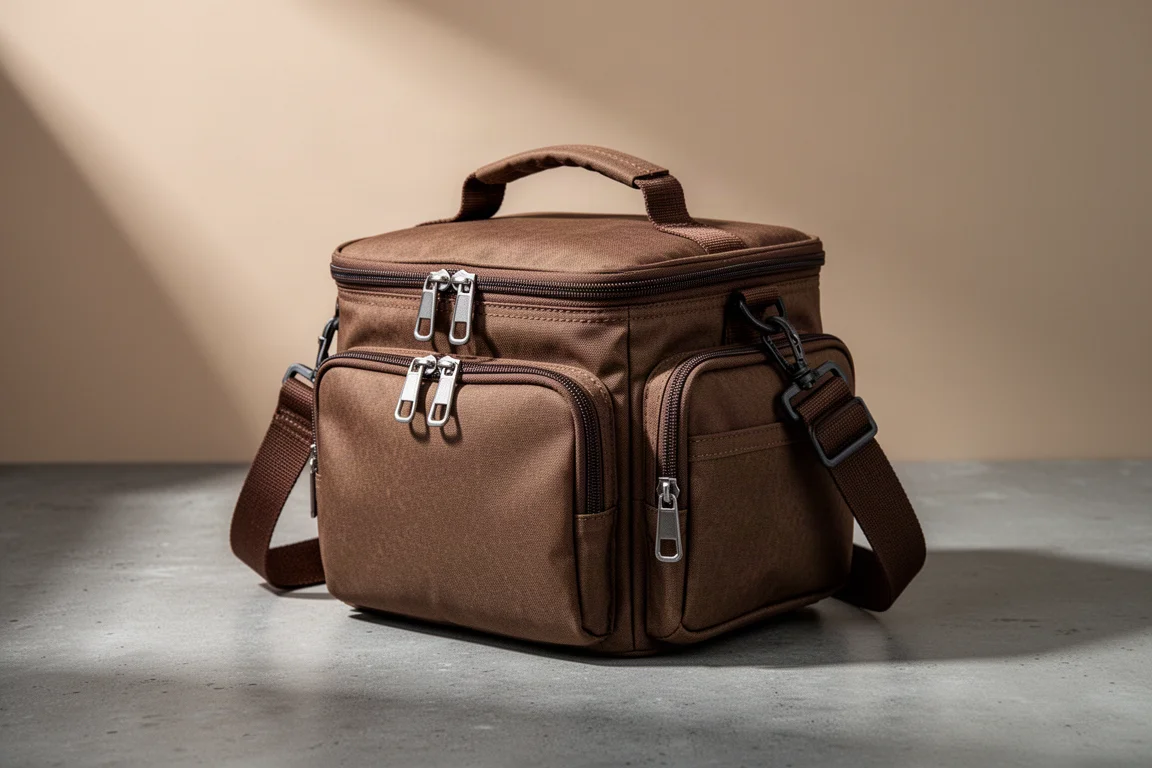
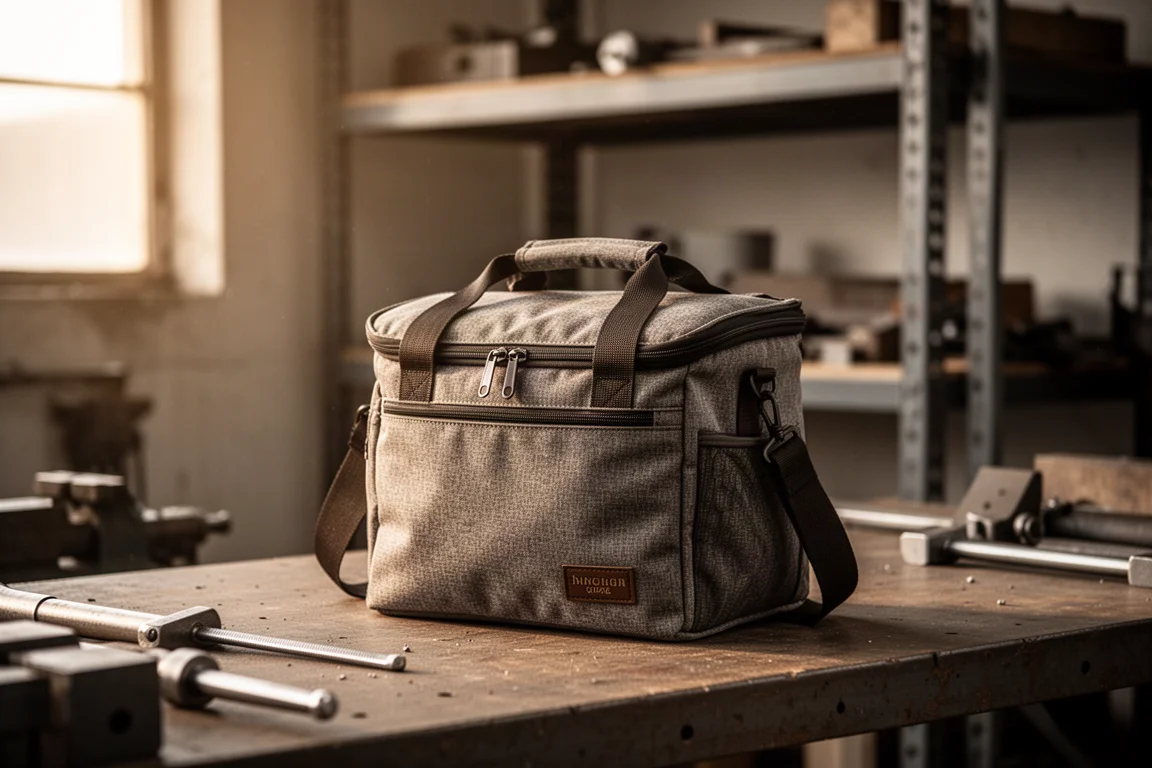
If you need a lunch box that survives a real work site, the Husky at around $30 is our pick. It is constructed from 600-denier water-resistant material with a 25 lb load rating, a padded top handle, and a removable shoulder strap, weighing 1.91 lb total. It has a spacious fully insulated internal pocket plus an external insulated pocket for keeping items hot or cold separately. In testing it behaved like a tank: the seamless liner held water with no issues, the egg survived every drop unharmed, the 10 lb steel bar bounced off both times, and the handles lifted the full 96 lb without damage. Fabric tear resistance peaked at 59 lb. Water does leak through the zipper when tipped, but for upright daily use in a rough environment, it is excellent value.
Best for the Office: Arctic Lunch Box
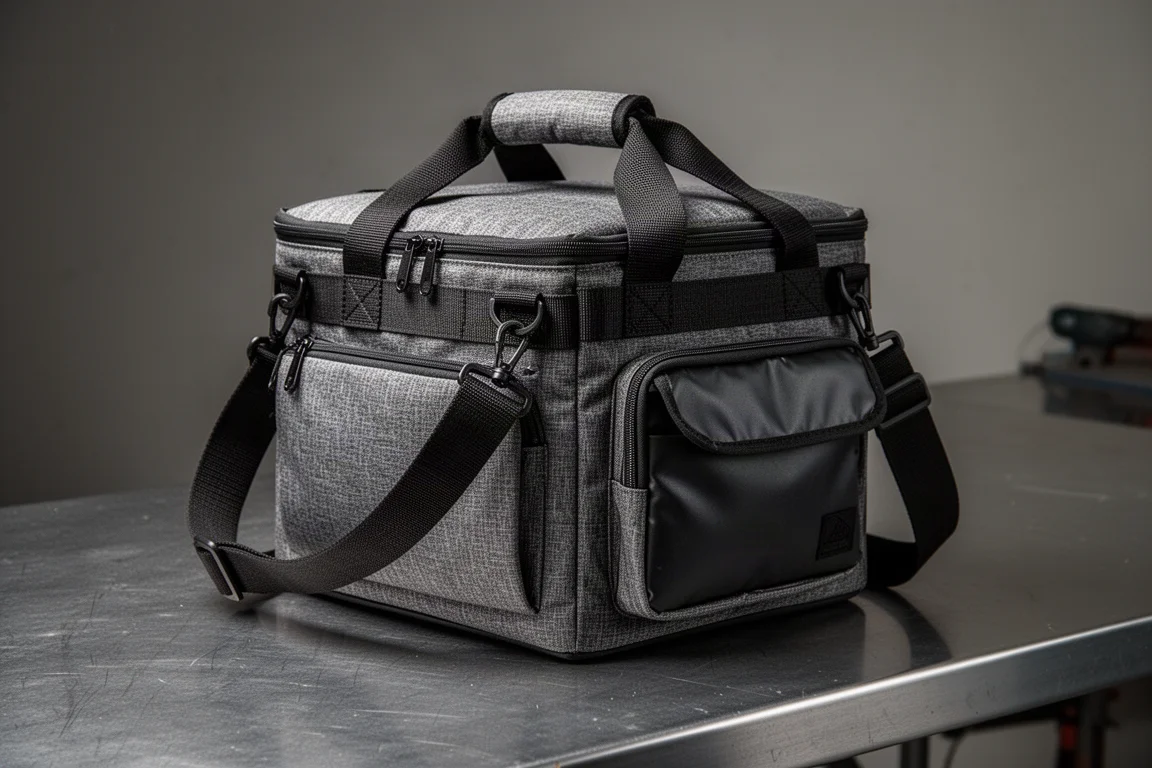
At around $35, the Arctic lunch box is the compact pick for office settings. It holds up to eight cans, uses closed-cell foam insulation, includes a removable stainless steel bottle opener, several storage pockets, and a shoulder strap, all at 1.45 lb. It earned top marks in just about every category: the seamless liner held water, the egg came through both the drop and steel bar tests without damage, handles and strap lifted 96 lb easily, and fabric tear resistance peaked at 47 lb. Like most bags, the zipper is not a barrier against tipped-over water, but for everyday commuting it is very well constructed.
Best Tool-System Lunch Box: Milwaukee Packout
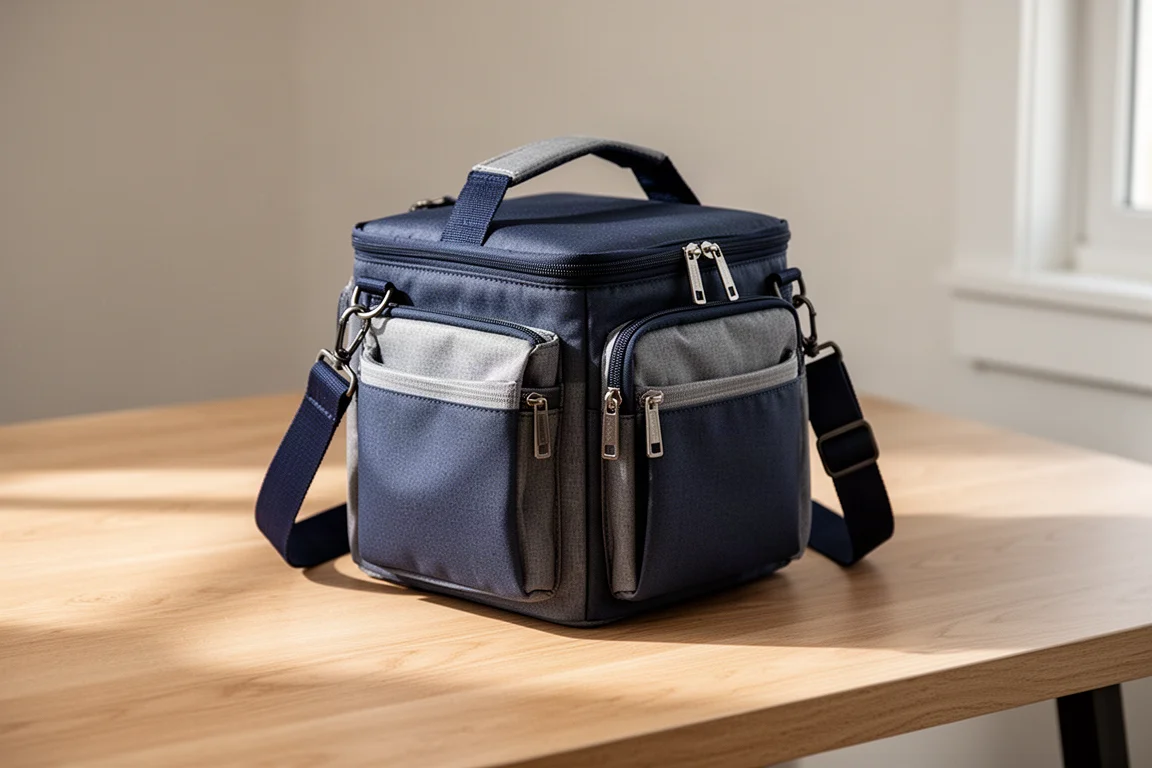
The $75 Milwaukee Packout lunch box makes sense mainly if you are already invested in the Packout modular tool storage system. It holds ice for up to 24 hours, uses tear-resistant ballistic material, has an impact-resistant molded base, a food-grade leak-proof liner, six exterior pockets, and a padded shoulder strap. At 4.25 lb it is heavy, but the liner held water, the egg survived both the drop and the steel bar impact thanks to generous interior cushioning, and the handles lifted the full test load without trouble. The zipper does pass air and water when tipped, so it is best used upright.
Premium Picks: Yeti vs Veto Pro Pac
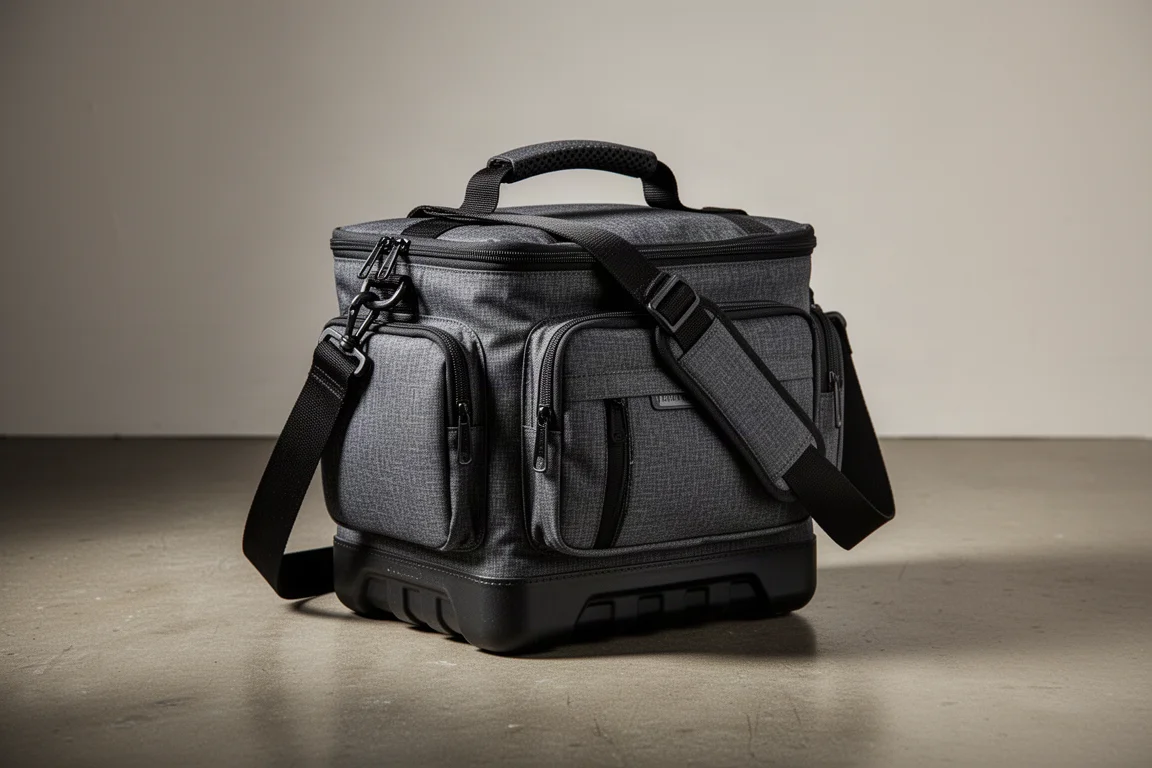
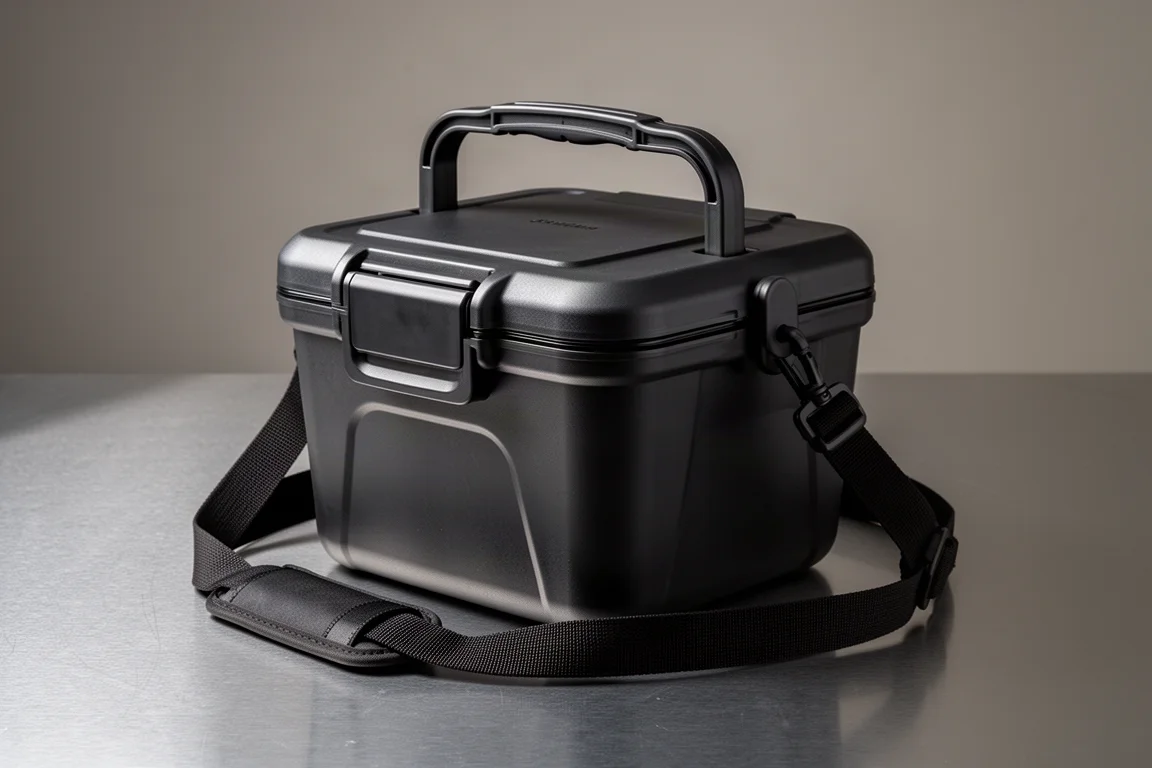
At $200 each, the Yeti Hopper Flip 8 and the Veto Pro Pac were the only two lunch boxes that were completely leak proof, even tipped over. The Yeti uses a HydroLock zipper and a DryHide shell that is waterproof and resistant to punctures and UV rays, with closed-cell foam insulation and a capacity of about six cans plus ice. It weighed 2.74 lb and protected the egg in every impact test, though its fabric began tearing at 25 lb. The Veto Pro Pac takes a different approach: no zipper at all, just a zipless airtight lid with a magnetic latch, an injection-molded removable liner, and rigid foam insulation, rated to carry up to 25 lb.
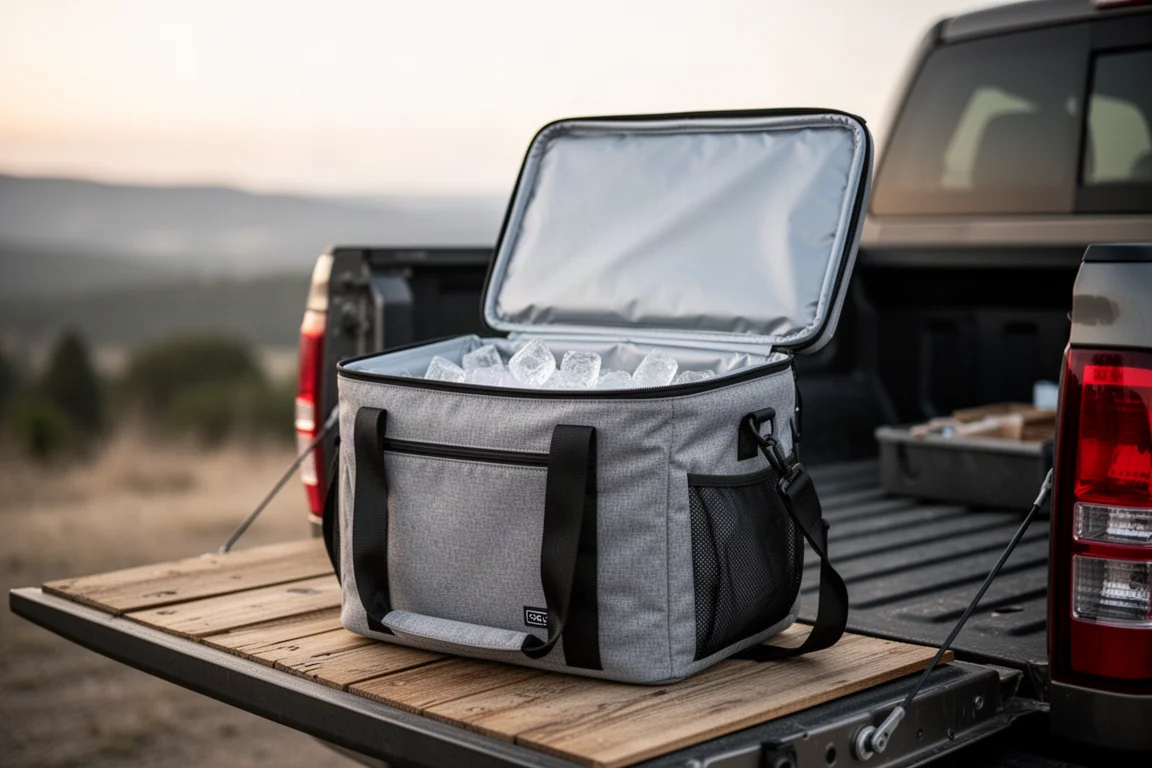
In the head-to-head, the Veto Pro Pac ran circles around the Yeti. It led the entire ice test with only 31g of melted ice, topped the apple temperature test at 47.8°F, and shrugged off both impacts, with enough strength to hold body weight. The main downside is weight: 7.35 lb versus under 3 lb for the Yeti. The Yeti is the better choice if you want something lighter and smaller for personal use; the Veto is the better insulated and more durable overall.
Which Lunch Box Should You Buy
Match the lunch box to your setting. For an industrial or construction environment, the Husky at around $30 keeps food at temperature well and is built to take abuse. For an office, the Arctic at around $35 is lightweight, well constructed, and earned top ratings almost across the board. If you carry tools in the Milwaukee Packout system, the Packout lunch box slots right in. If you want self-contained cooling without ice packs, the PackIt is the standout. And at the premium end, the Veto Pro Pac outperformed the Yeti on insulation and leak protection, though you pay for it in weight.
Conclusion
Price does not buy leak proofing by itself: only the two $200 models stayed sealed when tipped over, while several $10 to $20 bags leaked through seams and zippers. But you do not need $200 for a great daily lunch box. The Husky, Arctic, Carhartt, and Coleman all deliver genuine durability and insulation for under $40. Pick based on where you eat, how rough the ride is, and whether you need it to survive a work site or just a desk drawer.
Further reading
Related Reviews

Backpacking Gear
Building a 10 lb Base Weight: An Ultralight Backpacking Gear List
A practical walkthrough of the ultralight pieces behind a 10 lb base weight, from a 765 g pack and a roomy one-person tent to a full camp chair and a dependable water filter.

Road Bikes
10 New Road Bikes Worth Watching: Aero, Titanium, Steel and Endurance Standouts
A practical roundup of 10 new road bikes, from aero flagships chasing single-watt gains to titanium, steel and endurance platforms built for real roads.
Bikepacking Gear
11 Bikepacking Essentials for Long-Distance Cycling
Eleven bikepacking essentials for long-distance cycling, from a steel gravel frame and a two-person tent to helmet lights, packable gloves, and a frame bag that puts weight in the right place.