Electric Mountain Bikes
Best Long-Travel Electric Mountain Bikes: Three eMTBs Compared
Three aluminium long-travel eMTBs compared on suspension, geometry, motors and spec, with clear guidance on which one suits your riding.
Introduction
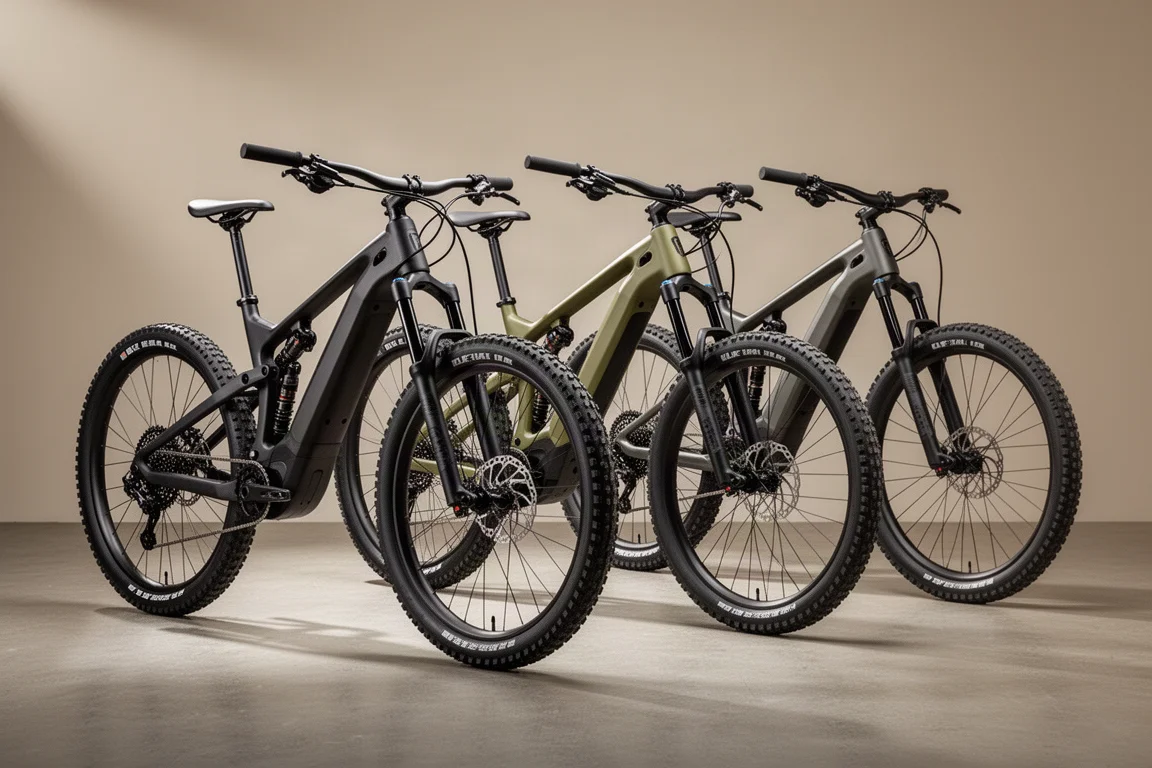
Long-travel electric mountain bikes have settled into a recognisable formula: 170 mm or more of progressive rear suspension, slack angles, and a motor that carries you back up the hill. This comparison covers three aluminium-framed machines that follow that recipe closely, the Nukeproof Megawatt 297 Factory, the Whyte E180 RS and the Mondraker Level R.
All three share a broadly similar brief, yet they behave very differently out on the trail. Progressive long travel suits the e-bike format particularly well, because the extra mass of a motor and battery rewards suspension that starts soft for traction and comfort, then ramps up to stay stable in compressions and corners. Two of these three bikes traded the top spot repeatedly, which says a lot about how close the field is.
How These Three eMTBs Compare
Each bike uses a different rear suspension layout. The Megawatt runs the V4 Horst Link design, with a down tube mounted shock and a top tube swing link. The E180 RS also uses a Horst Link arrangement, where the shock attaches to the top tube and is driven by a rocker. Mondraker sticks with its Zero system, where a floating shock is compressed by twin short links. In every case the start of the travel is soft and fluttery for traction and comfort, support builds through the mid-stroke, and there is plenty of bottom-out resistance.
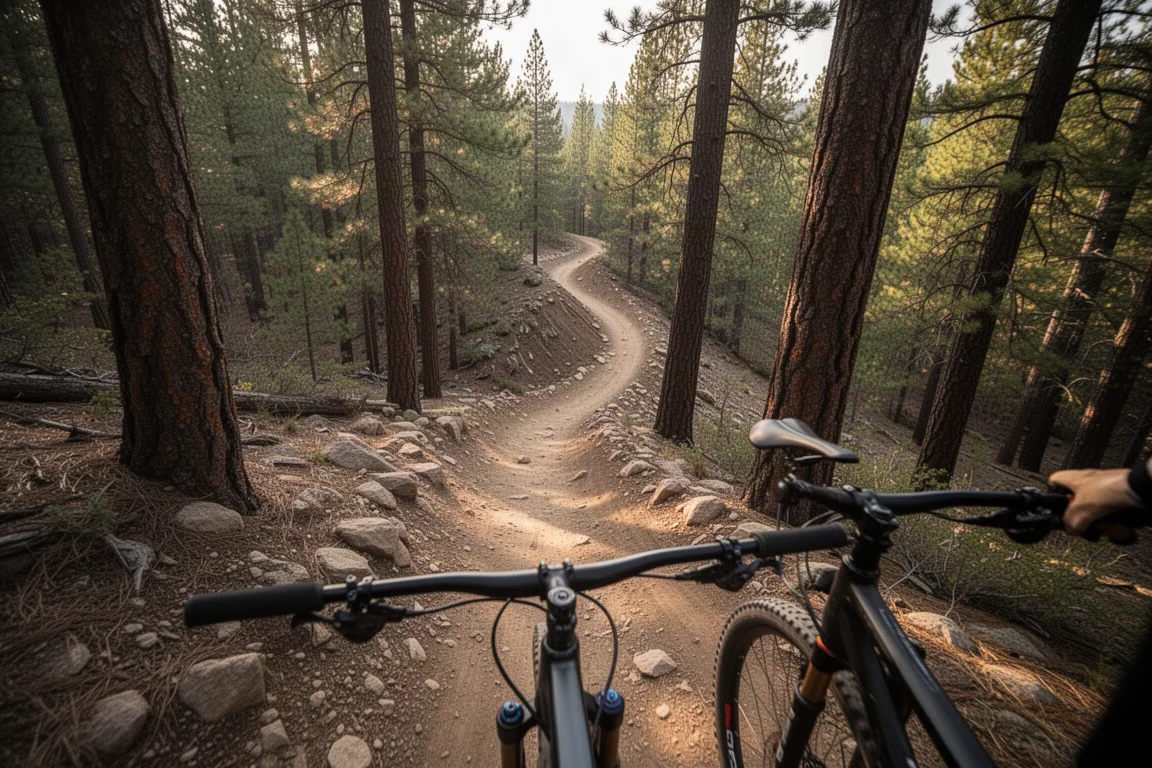
Progression does differ. The Level R has the least progressive 170 mm rear end at 18.67 percent, the Megawatt sits at 21.68 percent with the same travel, and the 180 mm E180 RS is the most progressive at 27.69 percent.
Geometry follows a long, slack and low theme. Reach measures 475 mm on the Megawatt, 480 mm on the E180 RS and 490 mm on the Level R. The mullet-wheeled Megawatt has the most compact figures overall, with a 442 mm chainstay and a 1,264 mm wheelbase. The 650b E180 RS sits in the middle at 444 mm and 1,270 mm, while the 29-inch Level R is the longest bike here at 455 mm and 1,290 mm. Bottom bracket height varies widely, from a low 328 mm on the E180 RS to a relatively high 357 mm on the Level R, with the Megawatt in between.
Angles separate them further. The Megawatt leads with a 78 degree seat tube angle, against 76.5 degrees on the Level R and 75.3 degrees on the E180 RS in its high position. The Whyte and the Nukeproof both use a 64 degree head angle, which slackens to 63 degrees on the E180 RS in the low setting, while the Level R opts for 65 degrees.
All three use aluminium frames rather than carbon, but the details are not skimped. Every bike has integrated chainstay protection and internally routed cables, with the Megawatt running its cables through the headset. All three offer bottle mounts, on the down tube for the Whyte and the Nukeproof and under the top tube for the Mondraker.
Motors are where the three diverge most. Bosch’s Performance Line CX, with 85 Nm of maximum torque, powers the E180 RS and the Level R. The Level R adds the full colour Kiox 300 display and Bosch Smart System functionality with smartphone connectivity, and its 750 Wh battery is larger than the 625 Wh unit in the E180 RS, which uses a more basic Purion controller. Both Bosch systems include the auto-adjusting eMTB mode, and only the Level R adds the lower-powered Tour+ setting for off-road riding. The Megawatt uses Shimano’s STEPS EP8 motor, which also produces 85 Nm and offers Bluetooth smartphone connectivity from a 630 Wh battery stored in its chunky down tube. It has three basic modes rather than the four or five of the Bosch systems, but power output in each can be adjusted through the smartphone app.
Nukeproof Megawatt 297 Factory
The Megawatt stands out as the most complete package here. Shimano’s drive unit makes it the more frugal of the two motor platforms, returning more range from a full charge than the Bosch-equipped bikes on the same terrain and in equivalent modes. Its boost setting can feel more on/off in its output, so hard starts on steep gradients are less straightforward, but the range advantage matters more for riders who want long days in the hills.
The 78 degree seat tube angle puts your hips over the bottom bracket rather than behind it, which improves pedalling efficiency and adds comfort and control on the climbs.
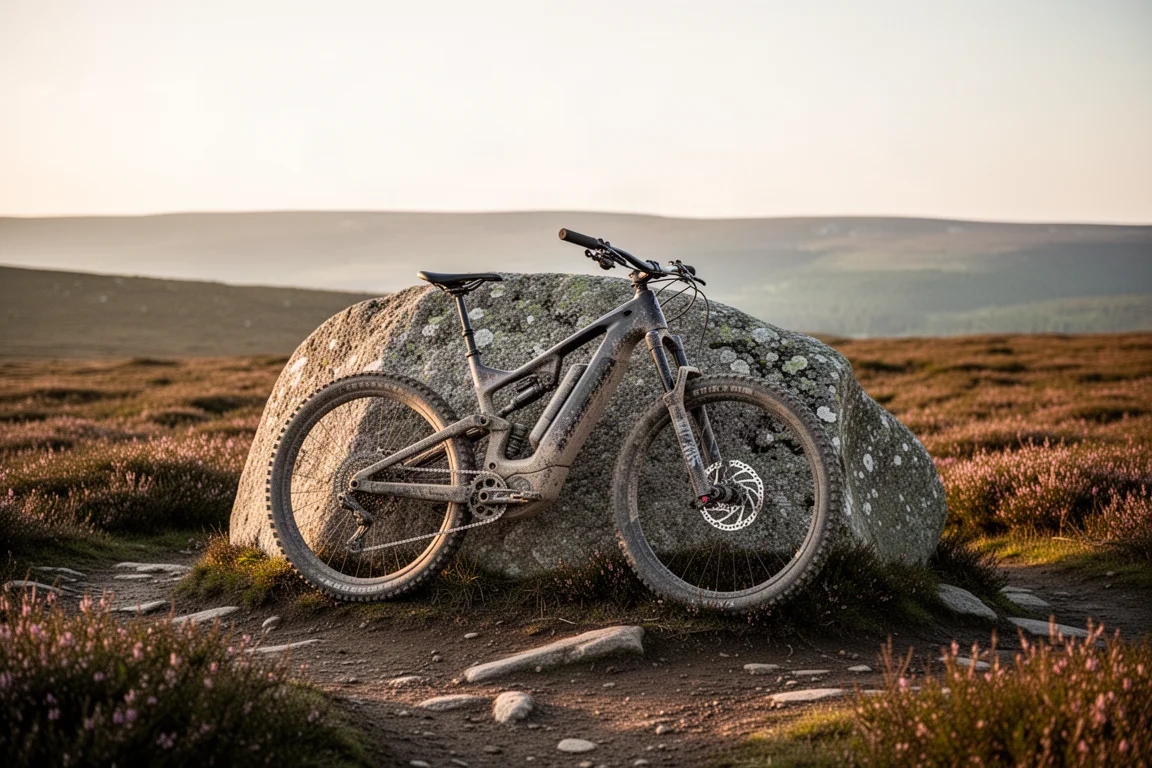
Suspension is smooth at the start of the stroke and progressive enough to resist eating too far into travel through medium-sized compressions, while also preventing the seat tube angle from slackening excessively as the suspension compresses on steep inclines. Unlike the Mondraker, it does not choke up as the terrain gets chunkier, which edges it ahead for feel and performance.
On the descents, the combination of geometry, suspension and spec blends stability with an appetite to bound across the trail. The low centre of gravity and generous stack height make cornering intuitive, so loading the front wheel is confidence inspiring rather than perilous, and the relationship between hands and feet makes the bike feel immediately natural. It is easy to jump on and ride fast, engaging to move across the trail, and its relatively low weight makes it a blast around trail centres or on all-day epics. It is the only one of the three to take the top spot.
Spec includes a Fox 38 Grip2 Factory fork paired with a Fox Float X2 Factory air shock, a Shimano XT drivetrain, and Shimano XT M8120 four-piston brakes with 200 mm rotors front and rear. A Maxxis Assegai 3C Max Grip tyre with a Double Down casing sits up front, backed by a Maxxis High Roller II at the rear.
Whyte E180 RS
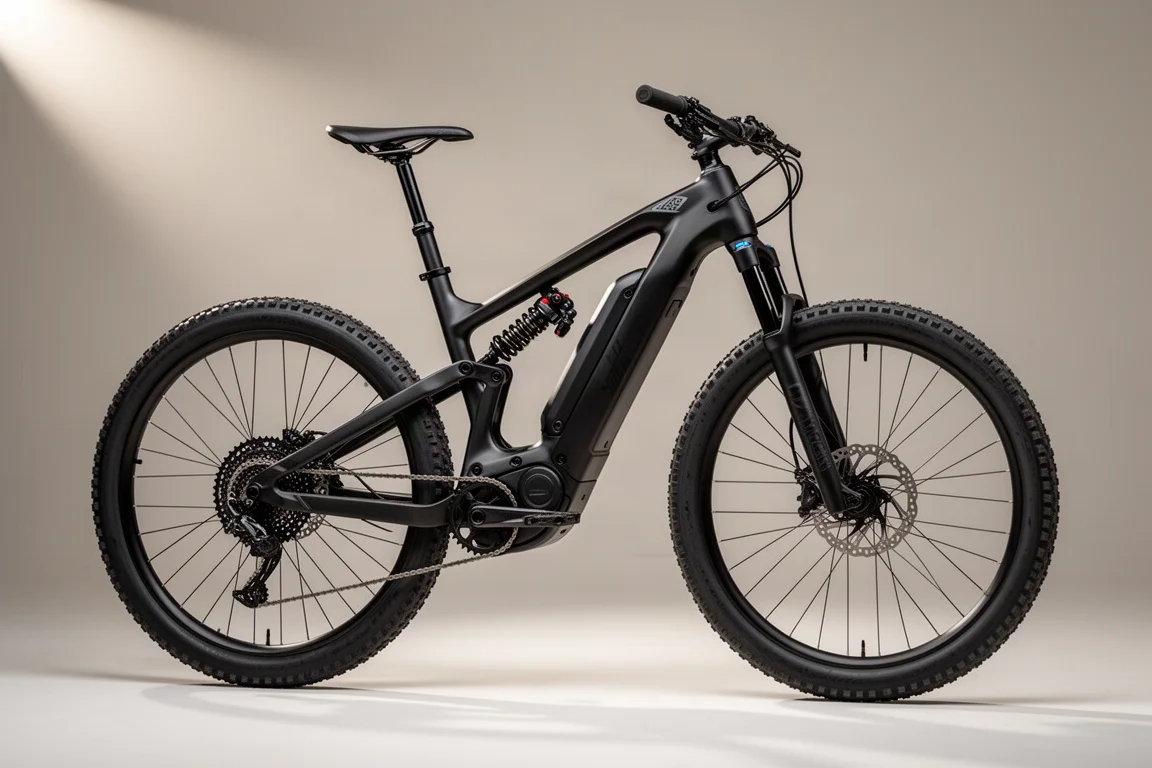
The E180 RS is the most progressive bike here and the best of the three for charging downhill. Bosch’s Performance Line CX motor makes climbing fast and exhilarating, with easy control of wheel spin on steep technical gradients, helped by the immense traction of the Assegai rear tyre.
Its 180 mm rear end is the most progressive of the group at 27.69 percent, and the long-travel suspension is supportive and massively supple. There is an element of softness to the ride: rough terrain is perceptible but not fatiguing, and grip through corners is rich enough to make hammering around turns genuinely exhilarating.
The bike weighs 25.78 kg, and that weight makes itself known. In the low geometry setting it felt like too much to handle unless ridden at 100 percent, tending to run away as speeds increased. Switching to the high position made it easier to control, and once the sweet spot was found the mix of agility and composure became addictive. The weight also helps keep the chassis planted.
There is one geometry caveat worth noting. The seat tube angle could be steeper, and centring the hips required tilting the saddle nose down and pushing it forward in the seatpost clamp.
Spec runs a Fox 38 Grip2 Factory fork and a Fox Float X2 Factory air shock, a SRAM X01 Eagle drivetrain, and SRAM Code RS brakes with a 220 mm front disc and a 200 mm rear. Maxxis Assegai 3C Max Grip tyres are fitted front and rear with an EXO+ casing. The E180 RS is not as much of a generalist as the Megawatt, and its price rose by £450 during the comparison period.
Mondraker Level R
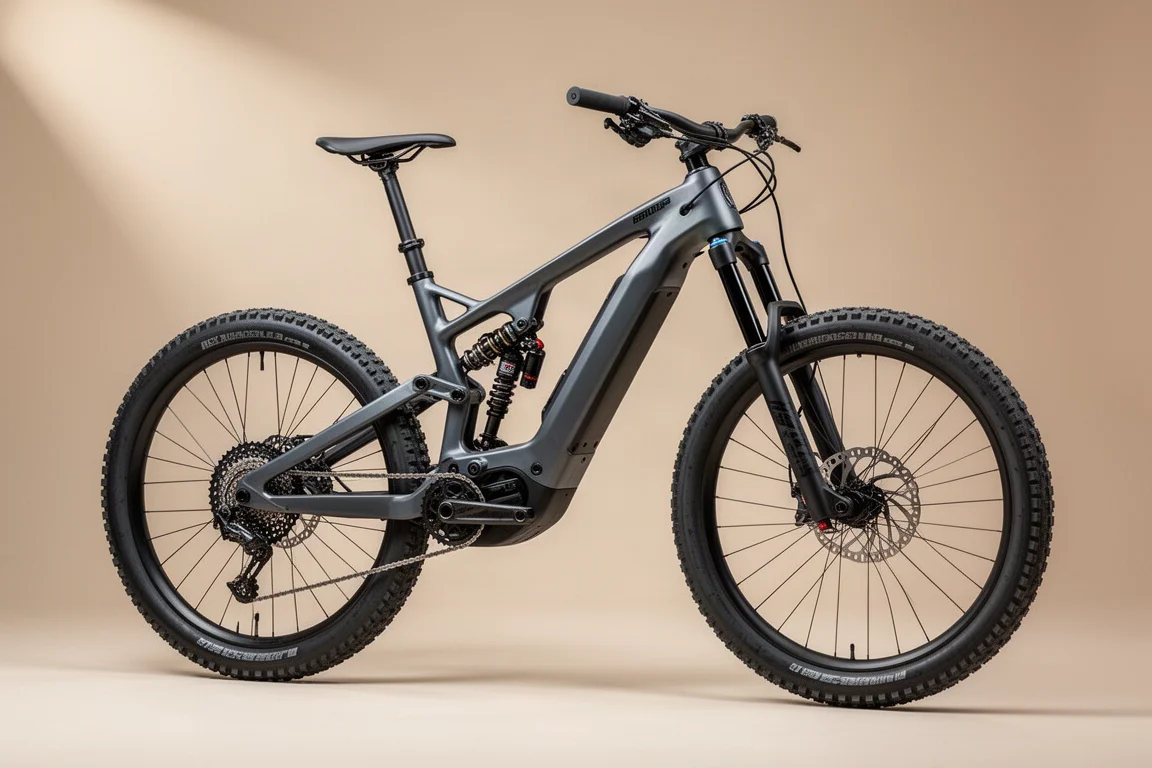
Mondraker’s Zero suspension layout gives the Level R a distinctive feel. Its 170 mm of rear travel is the least progressive of the three at 18.67 percent, yet the initial part of the travel is impressive, absorbing plenty of trail chatter, with plenty of mid-stroke support and bottom-out resistance to match.
The build is long and calm. A 490 mm reach, 455 mm chainstay and 1,290 mm wheelbase make it well behaved and composed on steeper or faster terrain, where less work is needed to stay in control. A short stem and a relatively steep hand angle keep the steering quick and sharp without introducing twitchiness. The long wheelbase and top tube also centralise the ride position, spreading weight more evenly between the wheels.
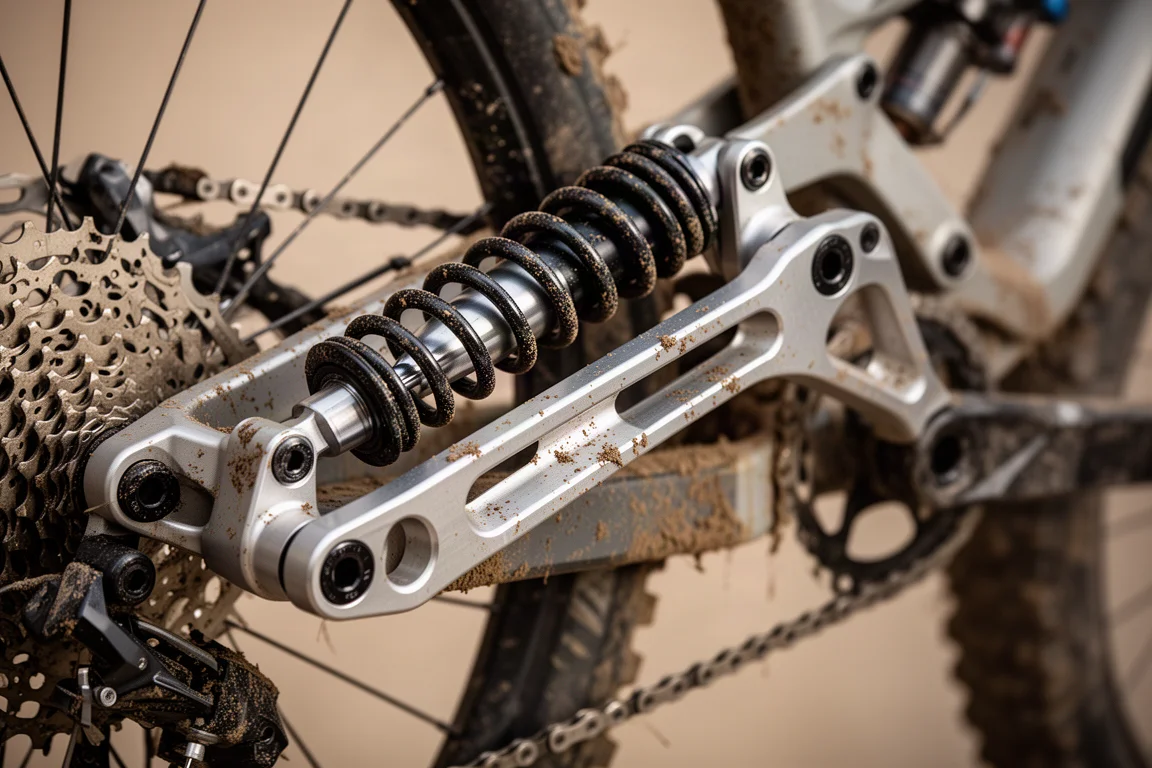
Some riders will feel the trade-offs. Plenty of anti-squat is built in to combat pedal bob, but with the chain under tension the rear wheel does not move out of the way easily enough over roots and rocks, and the bike can feel choked and less eager to absorb larger hits while pedalling. After 60 km of riding, several spokes had loosened. At 27.27 kg it is the heaviest bike here, and combined with shorter battery range it is less of a generalist than the other two, with a real focus on high speed descending performance rather than all-mountain capability.
The motor package is the most feature-rich of the three. Bosch’s Performance Line CX delivers 85 Nm, paired with the full colour Kiox 300 display, Bosch Smart System functionality and smartphone connectivity, a 750 Wh battery, eMTB mode and the additional Tour+ setting. Spec includes a Fox 38 Performance fork with the less adjustable Grip damper, a coil-sprung Fox DHX2 Performance Elite shock, a SRAM GX Eagle drivetrain, and SRAM Code R brakes with 220 mm front and 200 mm rear rotors. Maxxis Assegai 3C Max Grip tyres are fitted front and rear, with DH casings.
Buying Advice
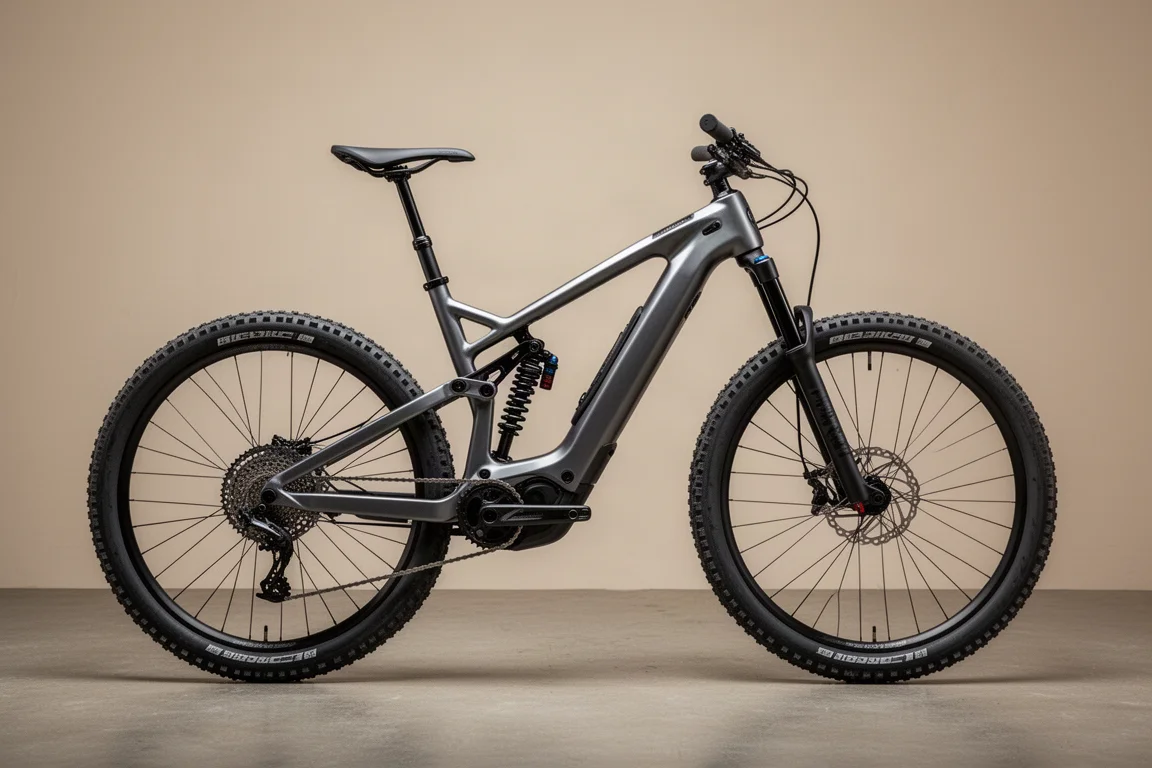
Choose the Megawatt if you want one bike to cover the widest range of riding. Its Shimano motor returns more range from a charge, its 78 degree seat tube angle keeps pedalling efficient, and its relatively low weight makes it enjoyable away from the descents. It delivers stability and outright speed without sacrificing either, and it stands as the strongest value of the three.
The E180 RS makes sense if downhill speed is the priority. Its 180 mm of highly progressive travel and planted chassis are the most capable here when gravity is doing the work, and the Bosch drive unit climbs with real enthusiasm. Riders should be prepared for the 25.78 kg weight, for a slightly softer ride feel, and for a price that moved upward during the comparison period.
The Level R suits riders whose riding is mostly fast and steep. The Bosch Smart System, the Kiox 300 display and the 750 Wh battery give it the most capable motor package of the three, and its long, calm chassis flatters high speed terrain. Its weight, shorter range and occasionally harsh rear end make it a more specialised choice than the other two.
Conclusion
The Nukeproof Megawatt 297 Factory took the top spot. It hides its weight and travel figures until the extra stability is needed, pulls through chunky terrain without drama, and blends an efficient climbing position with a playful, confident and fast ride. The Whyte E180 RS is the downhill specialist of the group, and the Mondraker Level R is a composed, speed-focused descender with the best motor package on paper, but the Megawatt’s balance of range, weight and all-round ability gives it the edge.
Further reading
Related Reviews
Electric Mountain Bikes
Best E-Mountain Bikes: Five Electric Trail and Enduro Bikes Compared
A practical look at five electric mountain bikes, from a lightweight carbon trail build to long-travel enduro machines, with the trade-offs that matter before you buy.
Electric Mountain Bikes
Best Electric Mountain Bikes 2026: Four Price Points Compared
Four electric mountain bikes from £999 to £9,999 compared on motor power, battery capacity, weight, and trail performance.
Electric Mountain Bikes
Best Electric Mountain Bikes: Five E-MTBs Worth Shortlisting
Five full-suspension electric mountain bikes compared, from lightweight trail machines to full-power enduro rigs, with the strengths and trade-offs to weigh before buying.