Cycling Components
Best Lightweight Bike Upgrades: Wheels, Brakes and Tyres Worth Buying
A practical guide to the most effective weight saving upgrades for a road bike, from alloy and carbon wheelsets to rim brake calipers, fast clincher tyres and free savings.
Introduction
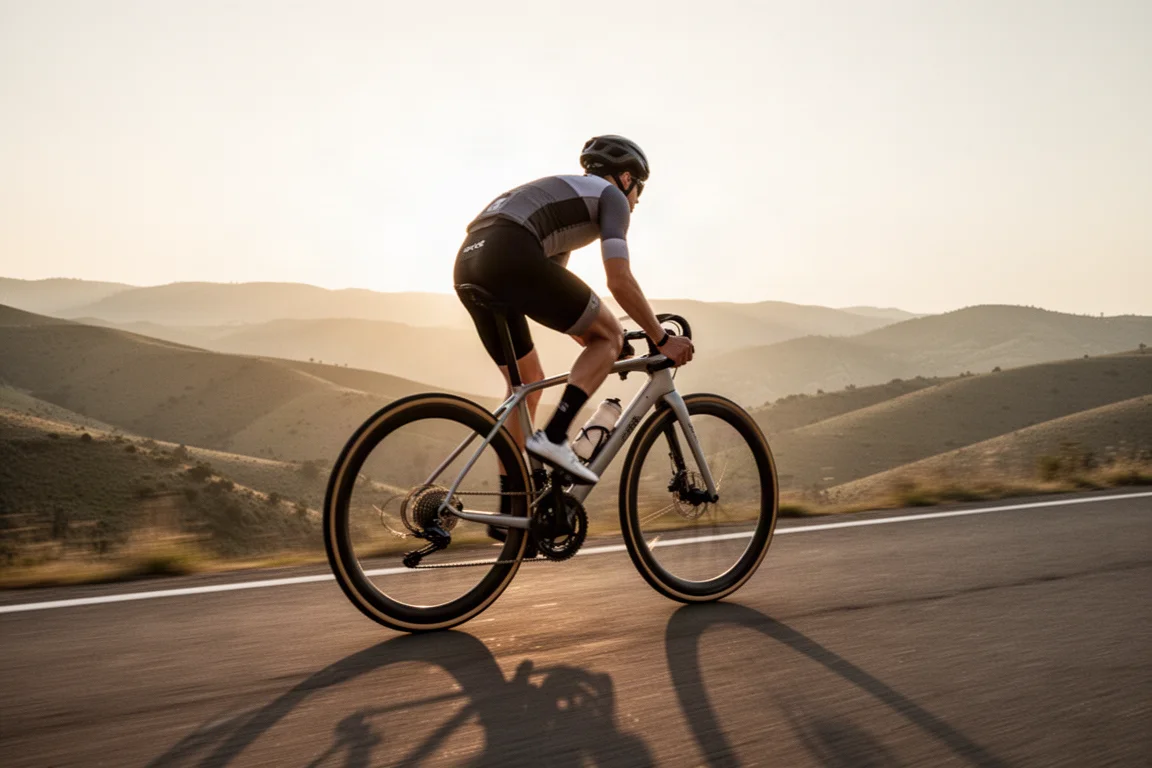
Making a bike lighter is one of the most rewarding things you can do to it. Aero bikes may be faster in a straight line, but shedding grams changes how a bike feels everywhere: on the climbs, out of the saddle, and on every acceleration. The catch is that weight saving always has a price, and the classic engineering rule still applies. Light, strong, cheap: pick two.
The good news is that you do not need to spend a fortune to notice a difference. A few well-chosen upgrades can transform the feel of a bike, and some of the biggest gains cost nothing at all. This guide covers the upgrades that offer the best return on weight saved, starting with the parts that make the most difference.
What to Look For in a Lightweight Upgrade
Weight matters most where it rotates. Wheels and tyres sit at the outer edge of the bike, so every gram saved there has to be accelerated again and again. That is why a lighter wheelset or a faster tyre is usually the first place to look, and why the difference is so easy to feel on a rolling road.
Beyond that, cost per gram is the number worth tracking. Some upgrades deliver large savings for modest money, while others charge a premium for a handful of grams. The sections below split the difference between sensible spending and no-compromise options, so you can choose the level that suits your riding.
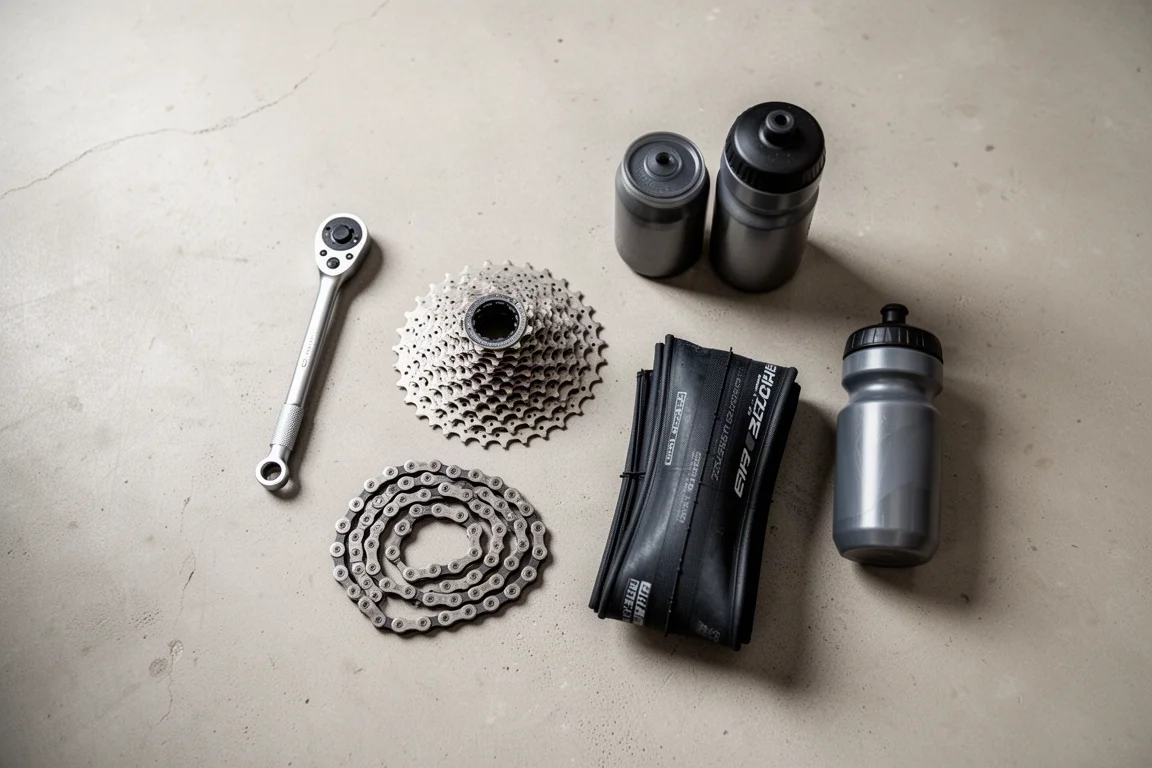
Before fitting lightweight components, one piece of equipment matters more than any other: a torque wrench. Lightweight parts are engineered to tight tolerances, and fastening every bolt to the correct setting is what keeps them intact. Get that right and the bike gets lighter and stays reliable.
Best Budget Wheel Upgrade: DT Swiss 1800 Disc Wheels
Stock wheelsets are one of the most common things holding a good bike back. Upgrading them brings several benefits at once: a better tyre profile for improved ride quality, the option of going tubeless for puncture protection, and, most relevant here, a straightforward drop in weight.
The DT Swiss 1800 disc wheelset is the sensible entry point. At roughly 1,800 g for the pair in its alloy build, it is a respectable weight rather than a remarkable one, and it leaves plenty of room to go lighter later. For riders who want a dependable upgrade without stretching the budget, it is a logical place to start.
Best All-Round Wheel Upgrade: Hunt 32 Aerodynamicist Wheels
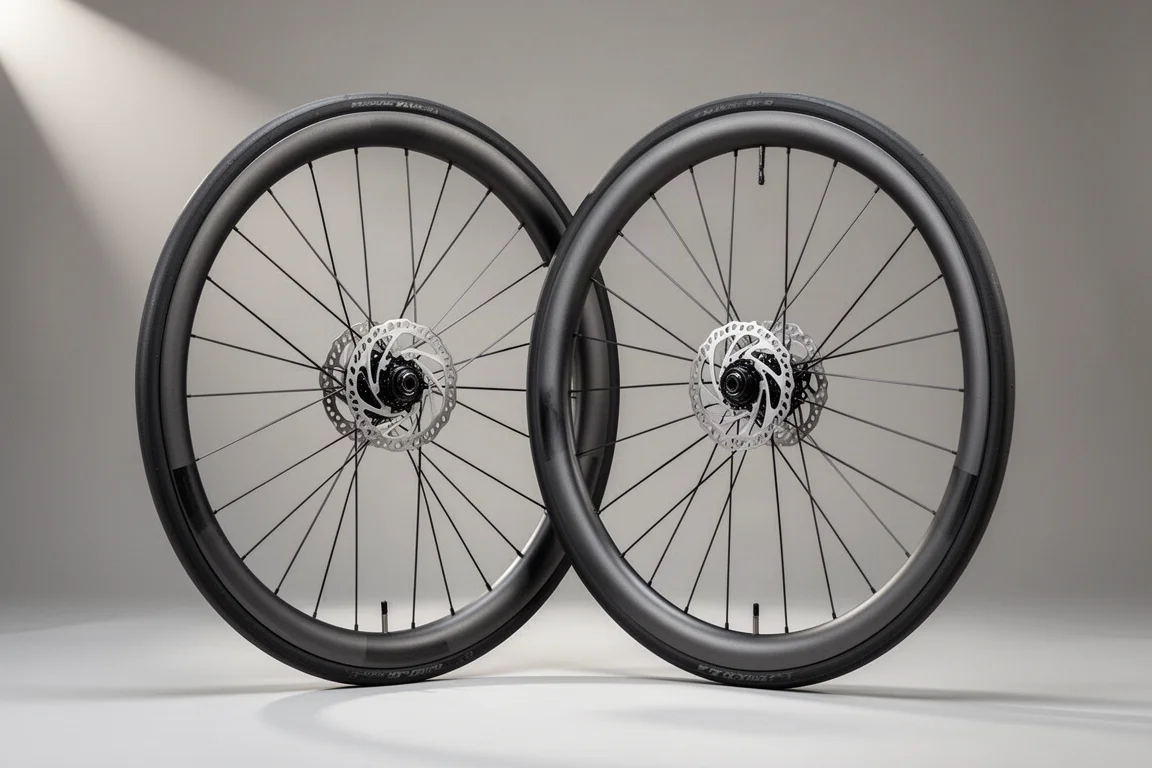
Moving up a step brings a much bigger gain. The Hunt 32 Aerodynamicist wheelset saves nearly 600 g compared with an alloy set of around 1,800 g, and that is a difference you will notice every time the road tilts upwards.
That combination of lower rotating weight and a more efficient rim profile makes this the sweet spot for most riders. It is the kind of saving that changes how eagerly a bike responds, without the cost of the most exotic options on the market.
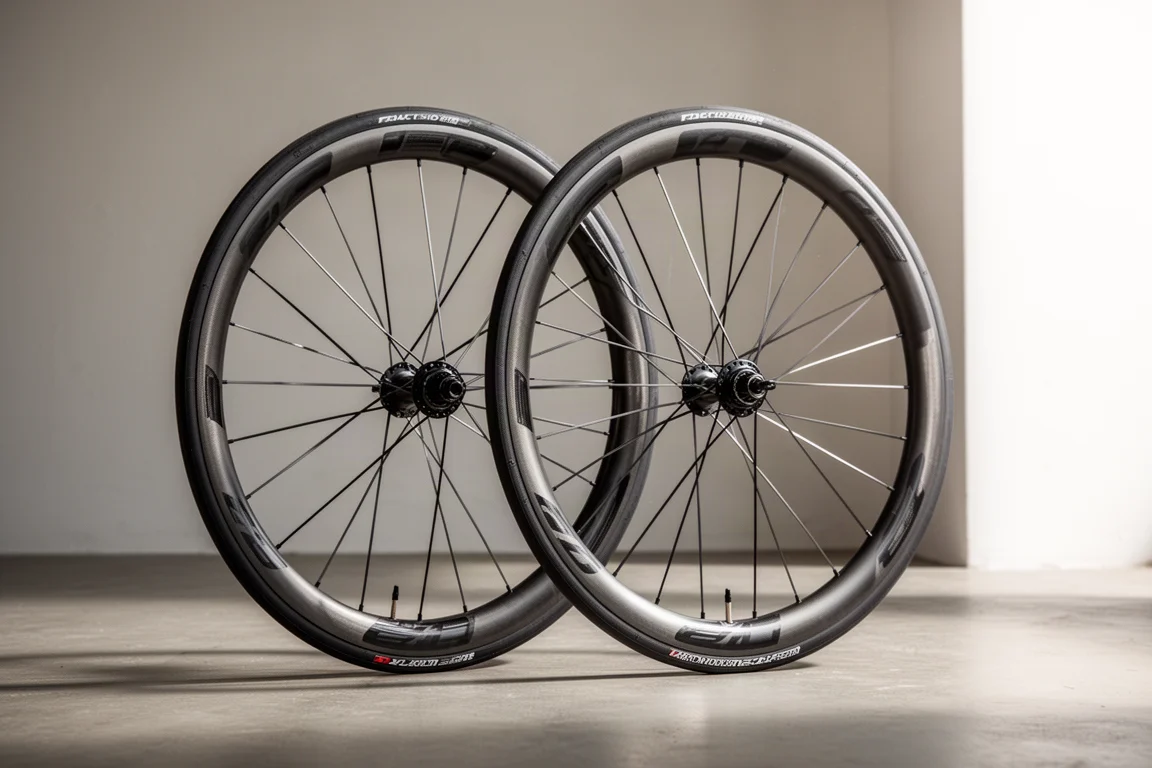
Best Hill Climb Wheels: Hunt 936g Hill Climb SL Wheels
At the other end of the scale sits the Hunt 936g Hill Climb SL, a wheelset built for one purpose: going uphill as quickly as possible. With a weight that low, the gains on a steep gradient are obvious, and it suits riders chasing personal bests on a favourite climb.
It is worth keeping expectations realistic at this level. Spending more does not automatically produce a dramatically faster bike, and the most expensive wheels in the world are not always the ones that suit a given rider or route. If hill climbs are the goal, though, this is the tool for the job.
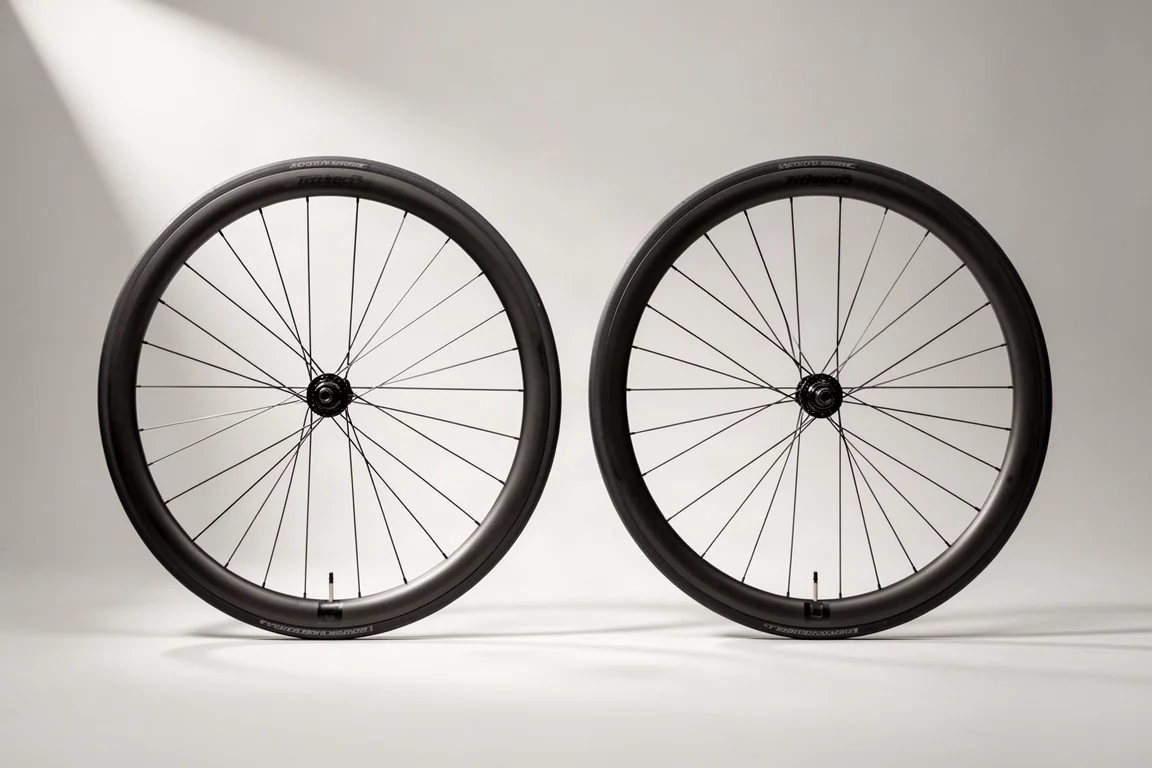
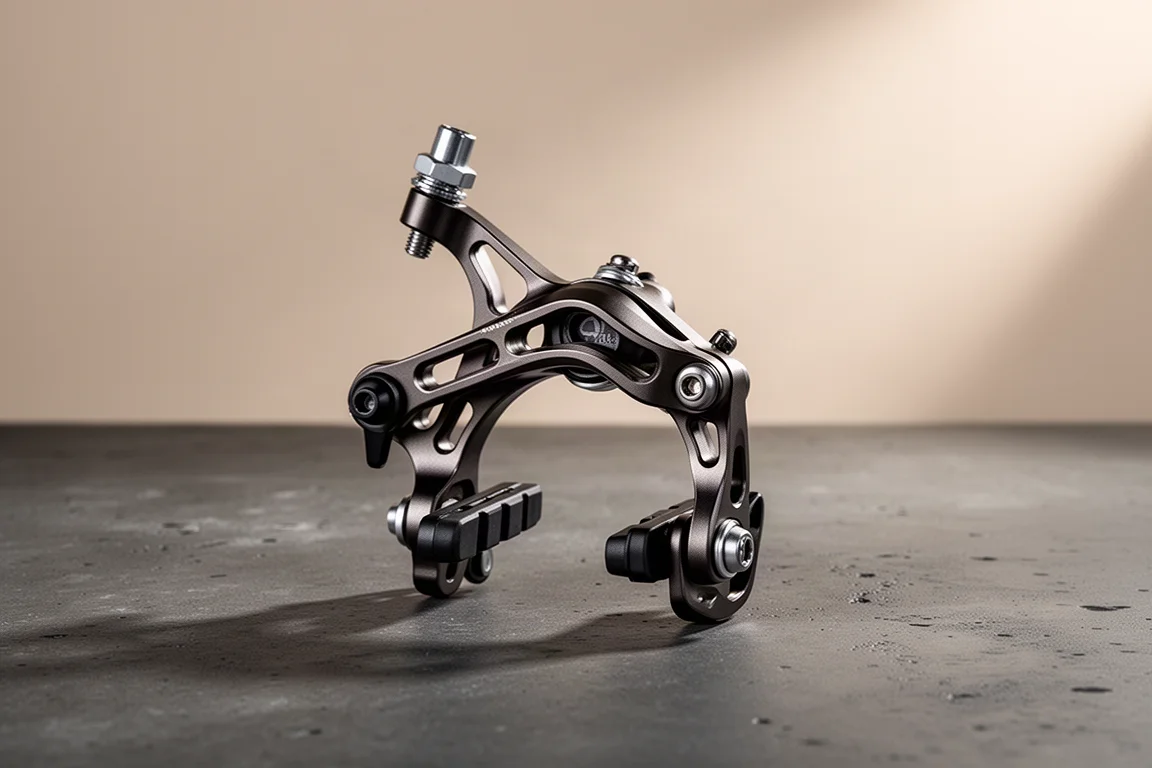
Best Value Rim Brake Calipers: SRAM Red 22 Calipers
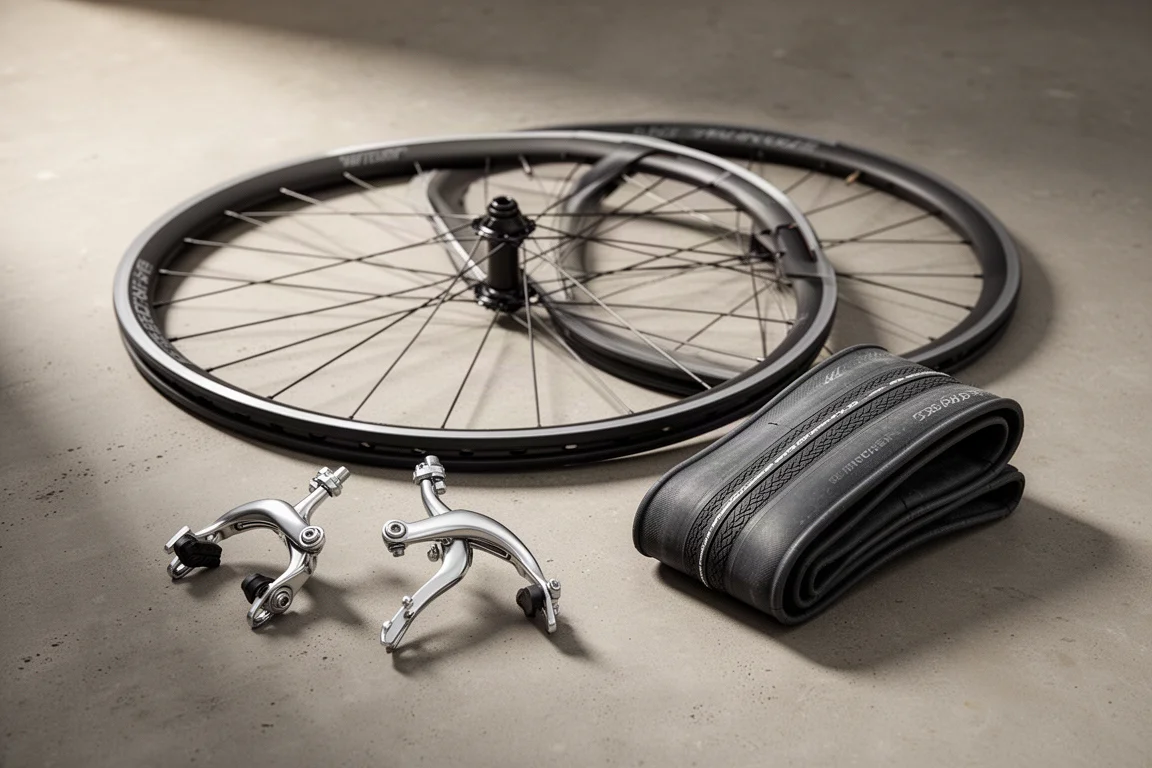
Brakes are an overlooked place to save weight, and rim brake calipers are where the opportunity is greatest. A budget pair can weigh as little as 205 g for both, which makes this one of the cheapest weight savings available, and lighter calipers often bring more stopping power as a bonus.
The SRAM Red 22 calipers sit in the middle of that range. At around 240 g for the pair they are not the lightest option, and at roughly £230 they are not the cheapest either, but they still undercut standard Shimano and SRAM calipers on weight while offering a meaningful upgrade in feel.
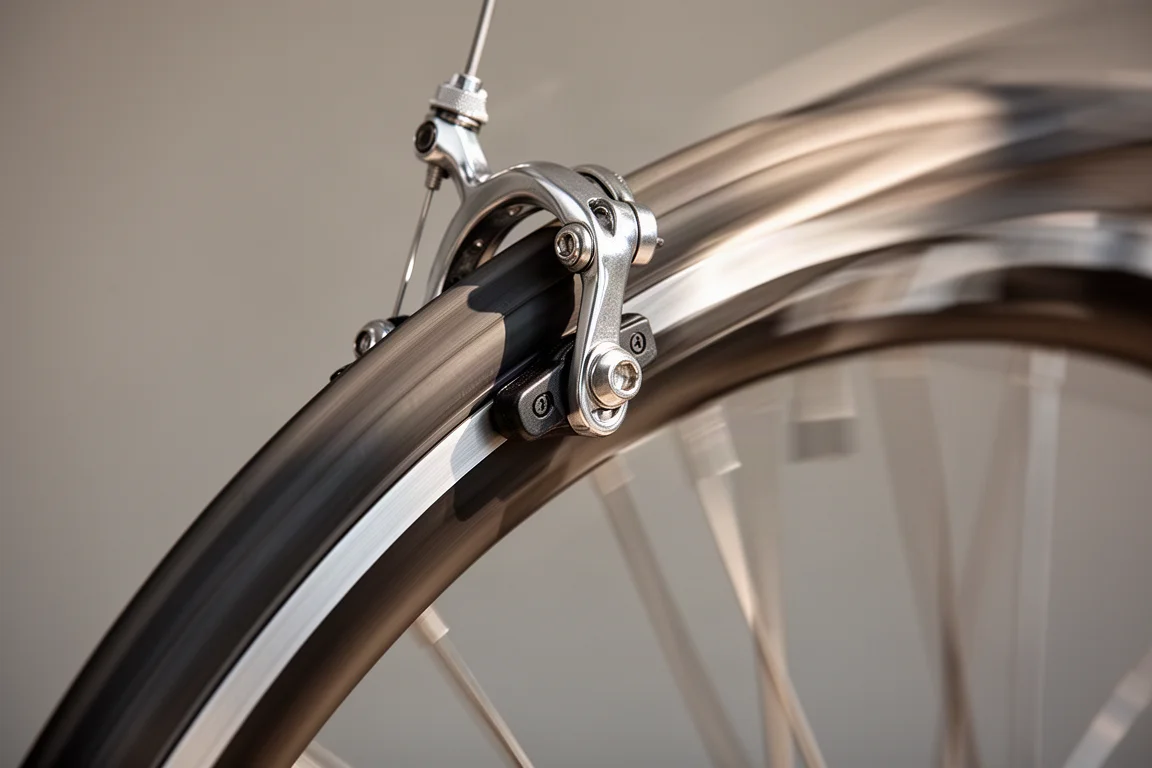
For riders on standard equipment, that is a genuine win: less weight and better braking from the same purchase. Disc brake calipers can be upgraded too, though there is far less room to mix and match than with rim brakes.
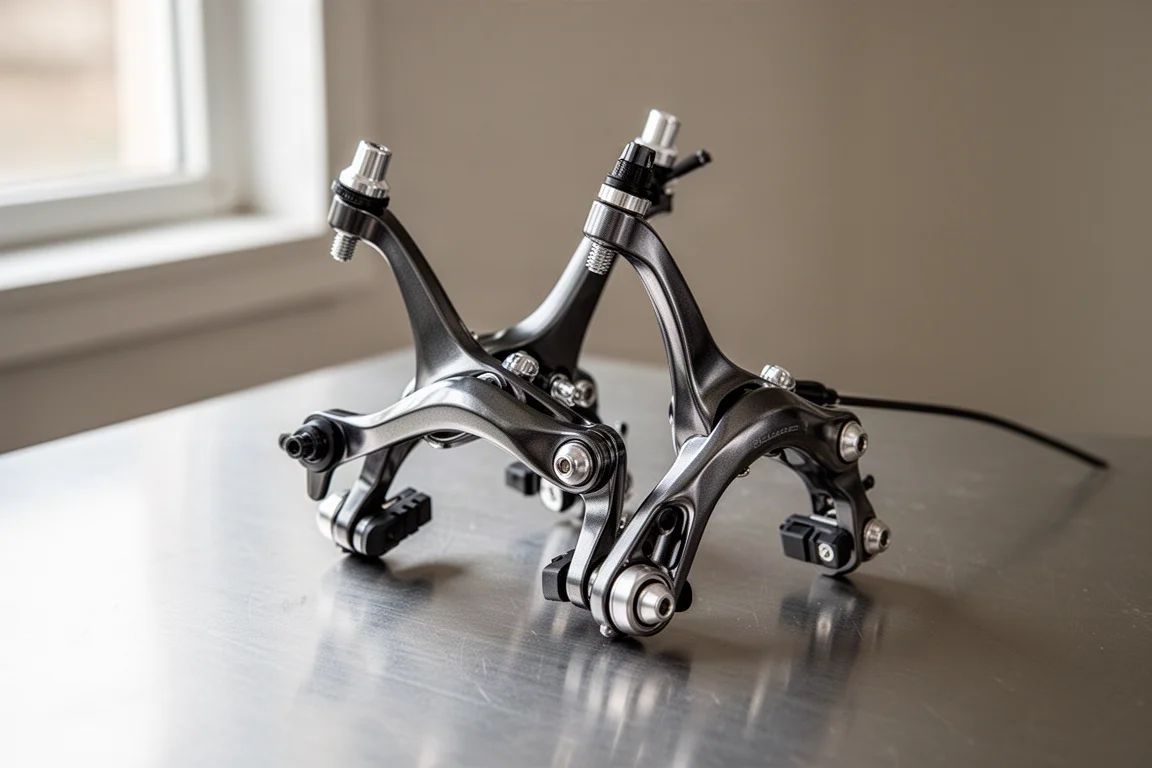
Best Premium Rim Brake Calipers: Cane Creek eeBrakes
If the budget stretches further, Cane Creek eeBrakes are the showcase option. A rear direct mount version weighs just 76 g, an extraordinary figure for a component that has to stop a bike, and the finish is as striking as the numbers suggest.
The price reflects that, at around £370 per caliper. This is a purchase for riders who want the lightest possible rim brake setup and appreciate the craftsmanship involved, rather than for anyone hunting for the best value per gram.
Best Lightweight Tyres: Vittoria Corsa G2.0
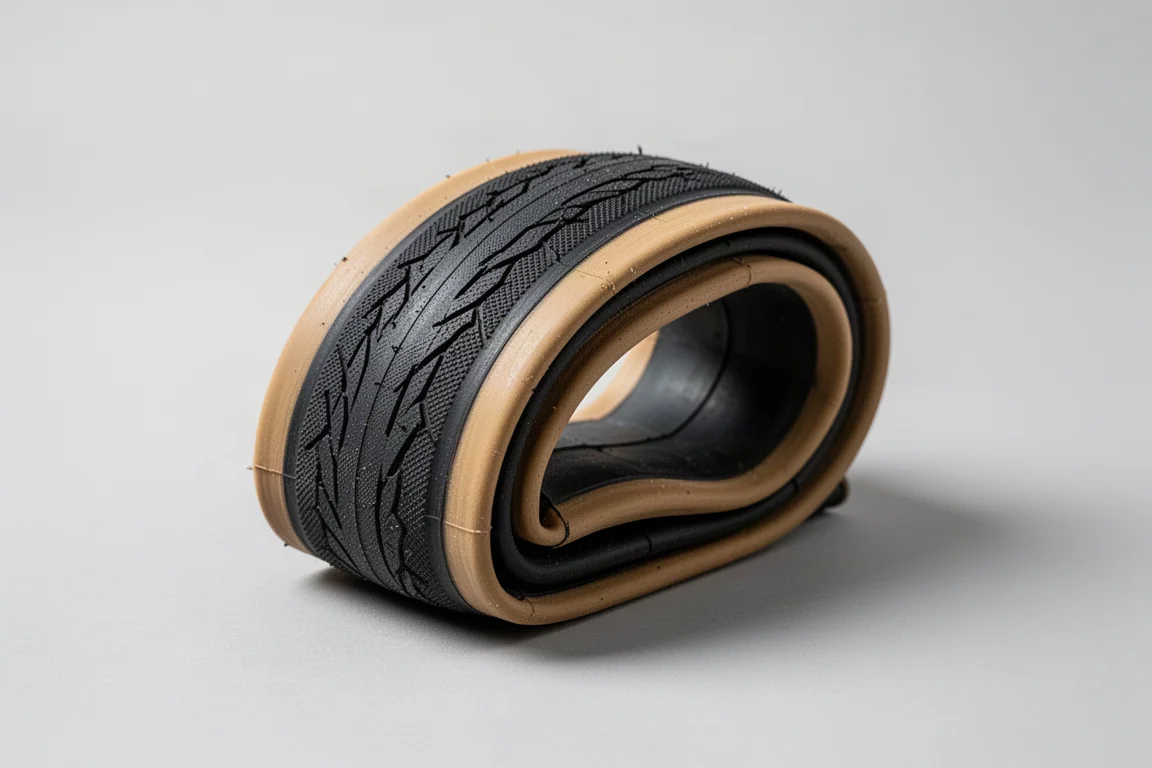
Tyres are rotating weight at its most sensitive, and top-end road tyres remain one of the easiest ways to make a bike feel livelier. Many bikes ship with mid-level stock tyres that add weight and dull the ride, so an upgrade here pays off twice.
Clincher-only tyres are worth a look for this. Without tubeless beads and reinforced sidewalls they can be built lighter, and pairing them with a latex inner tube gives a very light combination. Open tubulars, a specialised form of clincher, are often the lightest of all, and the Vittoria Corsa G2.0 is an excellent choice in that category.
If outright speed matters more than durability, time trial tyres such as the Vittoria Corsa Speed are increasingly used on road stages, and they trade almost all puncture resistance for lower weight and rolling resistance. They reward smooth tarmac and punish anything else, so choose accordingly.
Groupsets, Finishing Kit and Free Weight Savings
A groupset accounts for a large share of a bike’s overall weight, but it is rarely the best value place to save it. Moving from a Shimano 105 groupset to Dura-Ace saves roughly 400 g, and the cost of that change makes it an expensive route to a lighter bike. A smarter approach is to shop for discounts and secondhand parts: 10-speed and 11-speed components are widely available at significant reductions, and they can actually be lighter than their 12-speed replacements. Older mechanical derailleurs and shifters still work very well, and the smaller cassettes that go with them are often lighter too.
Finishing kit tells a similar story. Bars, stems, seatposts and saddles can transform how a bike looks and feels, and you do not need carbon everywhere to save weight. Alloy stems and seatposts from established brands do an excellent job at modest cost, with some lightweight alloy options weighing around 103 g in a 110 mm length for roughly £40. At the top end, specialist carbon brands produce components with weights that are hard to believe, including bars around 140 g, stems around 89 g and saddles around 65 g, though a full set can cost well over £1,700. Whatever you fit, install it with a torque wrench and fasten every bolt to specification.
Clothing counts as well. Moving from heavy leather shoes to a lightweight synthetic upper saves real weight, and lace-up race shoes take it further. Skinsuits weigh less than a jersey and shorts combination, though they are harder to walk around in. Lightweight jackets have largely replaced heavy winter layers, but being cold on the bike is a poor trade for a few grams.
Finally, there is the free option. On a short ride or a hill climb attempt, leave the bottles at home: two 500 ml bottles add up to around a kilogram. Saddle bags and mini pumps can stay behind for a targeted effort too, though they are worth taking on longer rides. What you should not do is drill holes in components. It reduces weight and makes the bike whistle in the wind, but it will also break your bike.
Buying Advice
Where you start depends on what you already own. If the wheels are stock and heavy, a wheelset upgrade is almost always the most noticeable change, and the alloy DT Swiss 1800 gives a solid baseline while the Hunt 32 Aerodynamicist delivers a much larger saving for more money.
Brakes are the next place to look, and the maths is simple. If your bike has budget calipers, an upgrade is worthwhile because lighter calipers usually stop better too. If it already runs decent calipers, be careful: there is only around 15 g between Shimano Ultegra and Dura-Ace calipers, so spending money there rarely makes sense.
Tyres are the cheapest way to change how a bike feels, and the Vittoria Corsa G2.0 is a strong all-round pick for riders who want low rotating weight. Whichever upgrades you choose, budget for a torque wrench alongside them, because lightweight components depend on correct bolt tension to stay safe and reliable.
Conclusion
Lighter is not automatically faster, but a lighter bike is more fun to ride, and the upgrades in this guide deliver savings you can genuinely feel. Wheels and tyres give the biggest return for most riders, rim brake calipers offer some of the cheapest grams available, and a torque wrench protects the whole investment. Start where the gains are largest, spend where it counts, and enjoy the climb.
Further reading
Related Reviews
Cycling Components
A 20,000-Mile Budget Race Bike Build: Five Parts Worth Knowing
A rim brake race bike assembled from low-cost components and ridden for 20,000 miles. Here is what delivered real speed, what caused problems, and what to weigh before copying the formula.
Cycling Components
7 Bike Fit Products Fitters Avoid: What to Check Before You Buy
Seven bike components that regularly cause knee, foot and saddle problems, with the specific concerns behind each one and what to look for instead.
Cycling Components
Four Affordable Bike Upgrades That Improve Ride Feel
Four low-cost cycling products that make a real difference to ride feel, plus the free setup changes worth trying first.