Backpacking Gear
Best Lightweight Backpacking Gear: 8 Essentials That Earn Their Place in Your Pack
A practical guide to lightweight backpacking gear, covering three packs, a pack liner, toothpaste tablets, two trowels, and a sleeping pad worth the investment.
Introduction
Cutting the weight of your kit is one of the quickest ways to make backpacking feel easier, and the pack itself is usually the biggest lever. The bestselling pack at REI weighs 5 lb, which is roughly double what most backpackers actually need. A sensible target for a lightweight pack is about 2 to 2.5 lb. At that weight you avoid the extreme pricing of dedicated ultralight packs while still getting something that carries well on real trips.
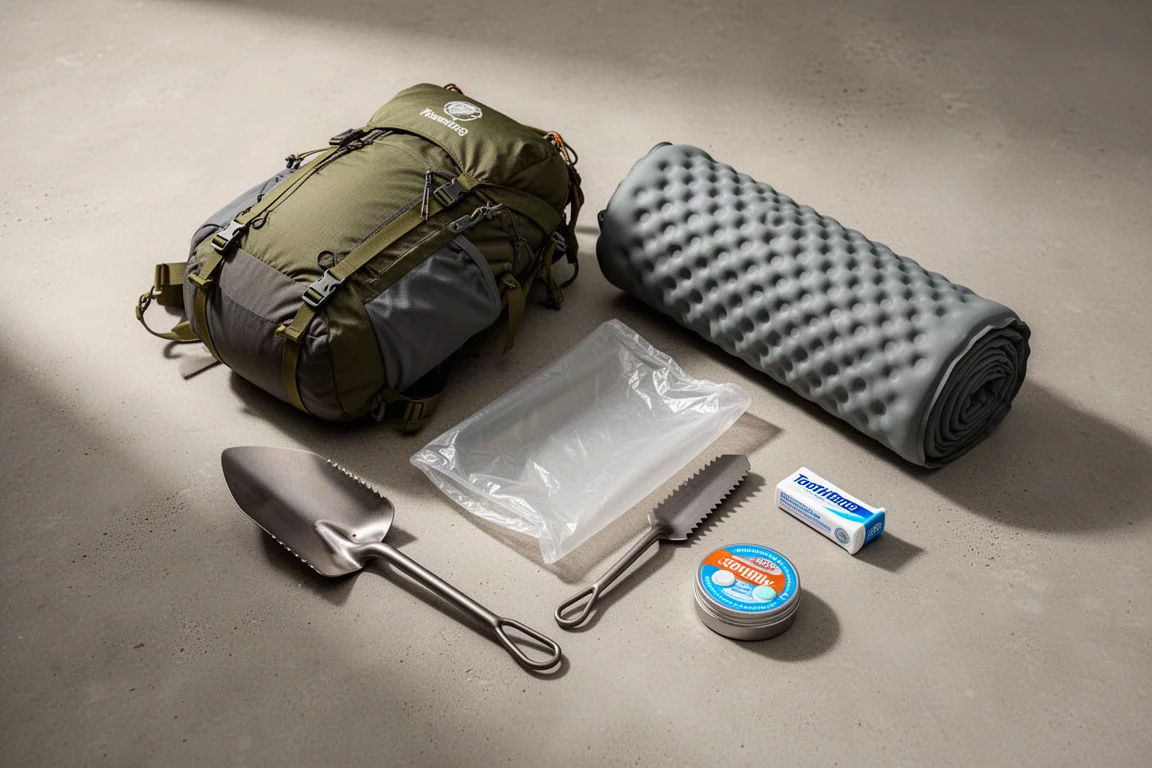
This guide covers the lightweight essentials that change the most: three packs worth shortlisting, a pack liner that genuinely keeps your gear dry, toothpaste that will not freeze, two trowels that dig properly, and a sleeping pad that balances warmth with comfort.
What to Look For in Lightweight Backpacking Gear
Two things separate a 5 lb pack from one that weighs half as much: durability and carrying capacity. A 5 lb pack is effectively bombproof and will carry 50 lb or more without complaint. The catch is that very few backpackers need a pack built to survive the apocalypse, and very few should be carrying 50 lb of gear. For trips up to a week, staying under 40 lb of total gear is entirely achievable, and a lighter pack is the better trade.
Sleeping pads deserve the same scrutiny. Look for an R-value of at least 3 for spring, summer, and fall use, and check that the figure has been tested to a recognised standard. Some major retailers require every pad they stock to be tested that way, while some manufacturers publish numbers that were not, which makes comparisons unreliable.
Comfort comes down to thickness and baffling. A pad at least 2.5 in thick keeps your shoulder or hip from bottoming out against the ground. Baffling determines how well a pad relieves pressure points: dimpled designs tend to work better than horizontal baffles, and the difference matters most if you sleep on your side.
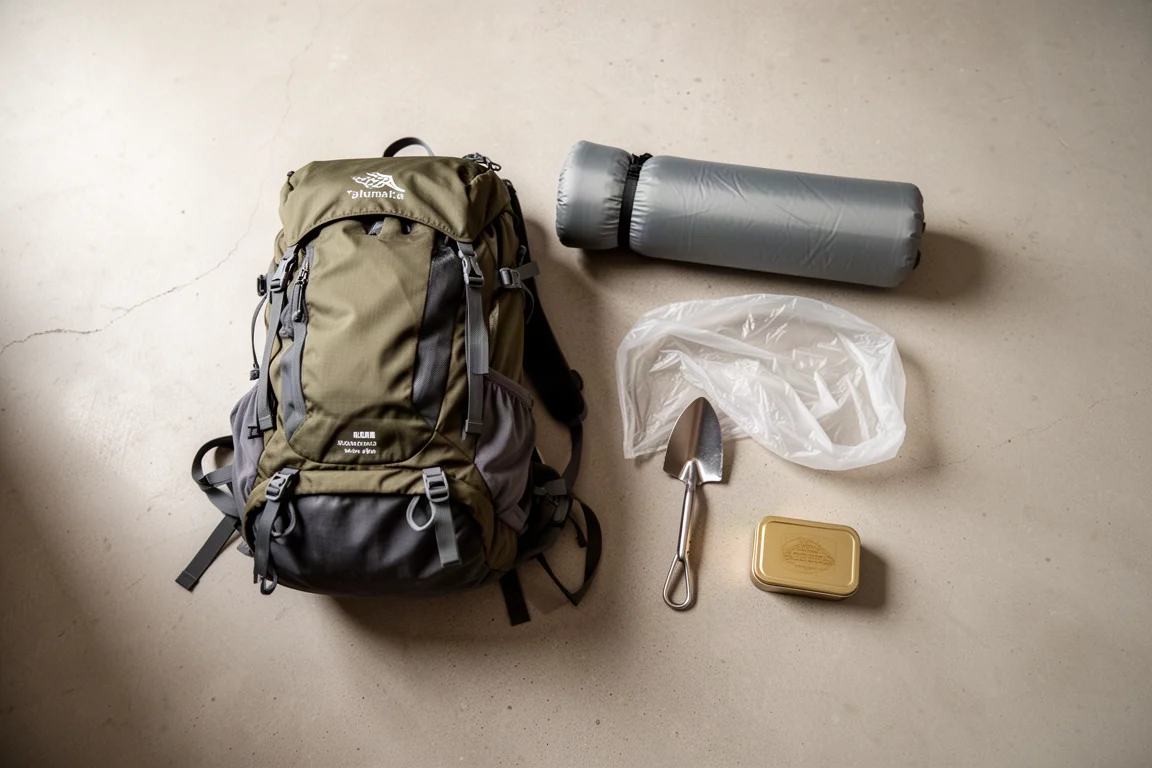
Warmth and comfort are the two attributes worth paying for in a pad, and patents in this category mean that genuinely good options cost noticeably more than entry level models.
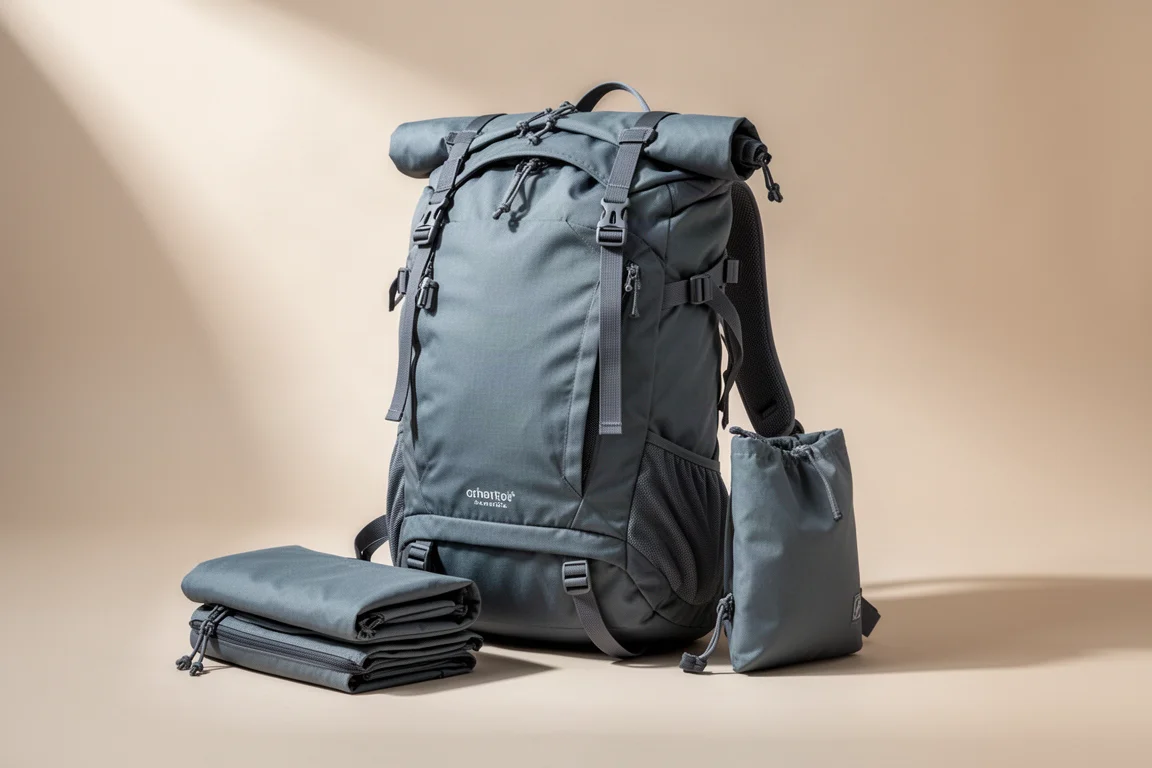
Best Lightweight Backpack: Gregory Focal
The Gregory Focal is one of three lightweight packs worth shortlisting if you want to stay near that 2 to 2.5 lb target rather than carry a 5 lb load hauler. Choosing in this range keeps you well away from ultralight pricing while still getting a pack that performs properly on multi-day trips.
If your trips run up to a week and your total load stays under 40 lb, a pack in this class covers the job comfortably. The heavier, bombproof alternative only makes sense if you genuinely plan to carry 50 lb or more on a regular basis.
Best All-Rounder Lightweight Backpack: REI Flash 55
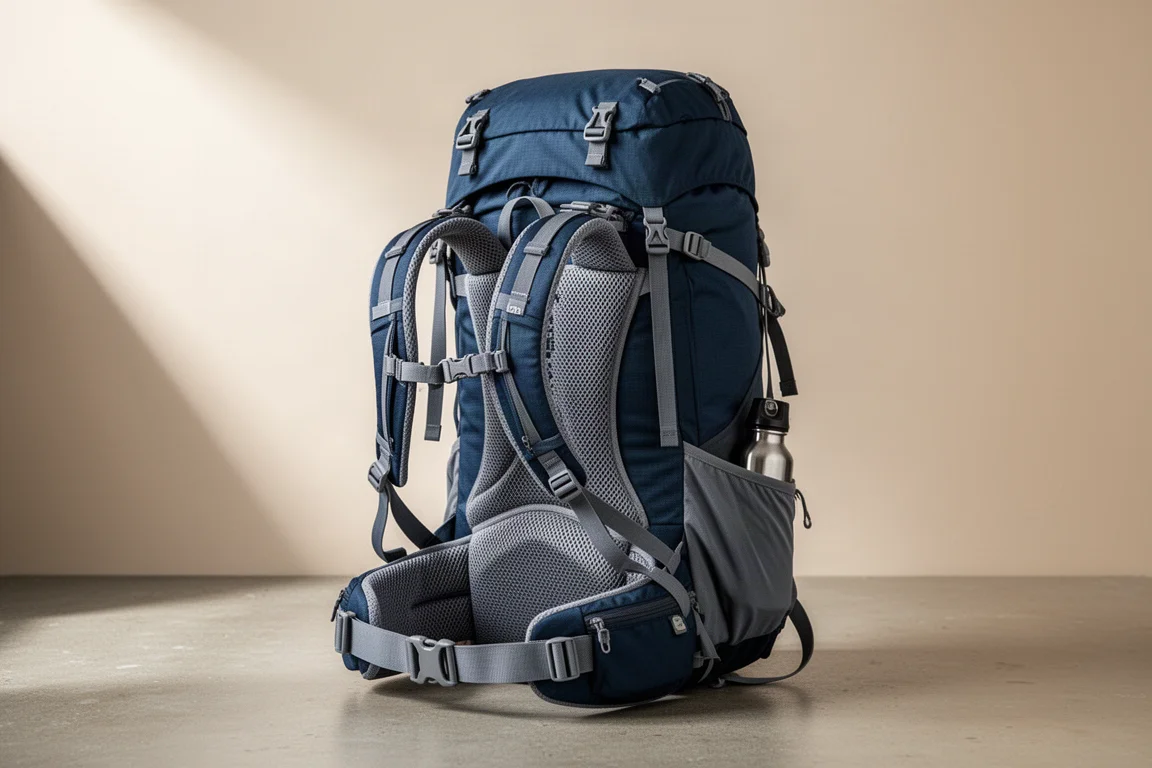
The REI Flash 55 is the second of the three recommended lightweight packs. It sits in the same weight class as the Gregory Focal, which puts it firmly on the right side of the divide between a 5 lb pack and a pack built for typical loads.
For most backpackers the deciding factor between these three comes down to fit and how the pack carries with your own gear list, not outright durability. All three are aimed at the sub-40 lb loads that cover trips of up to a week.
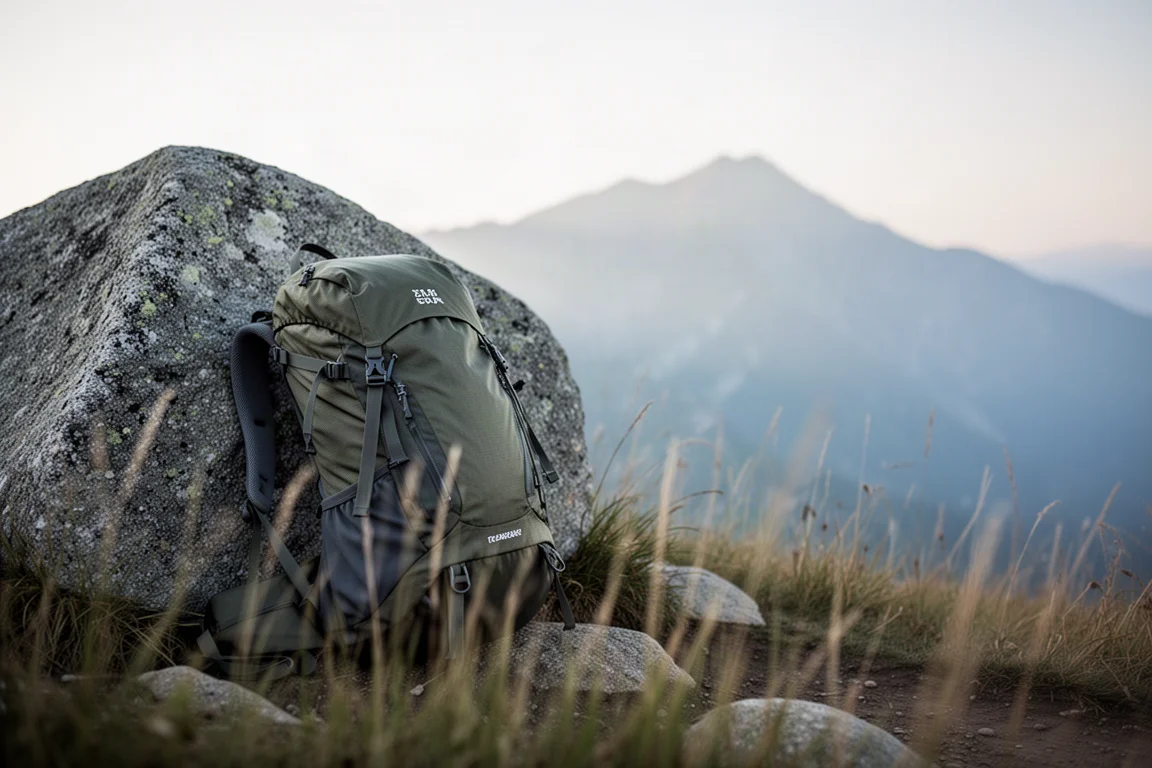
That makes the Flash 55 a reasonable starting point if you are replacing a heavy pack and want to keep the total cost sensible.
Best Budget Lightweight Backpack: Decathlon MT900 Ultralite
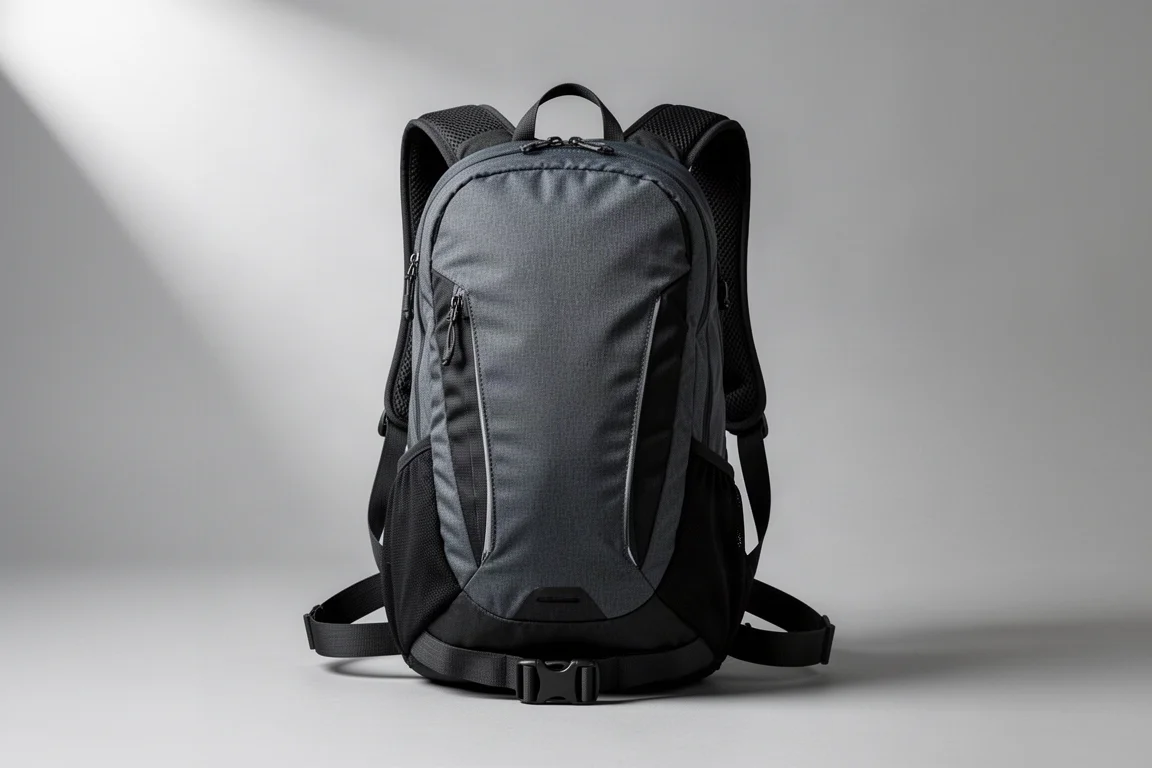
The Decathlon MT900 Ultralite completes the trio of lightweight packs. The name signals the intent clearly: keep the weight down while staying accessible.
The same logic applies here as with the other two. If you do not need to carry 50 lb and you are not heading out for weeks at a time, a lighter pack is the smarter trade. Durability is where a 5 lb pack wins, and for most trips that extra durability is capacity you never end up using.
Best Pack Liner: Nylofume Pack Liner
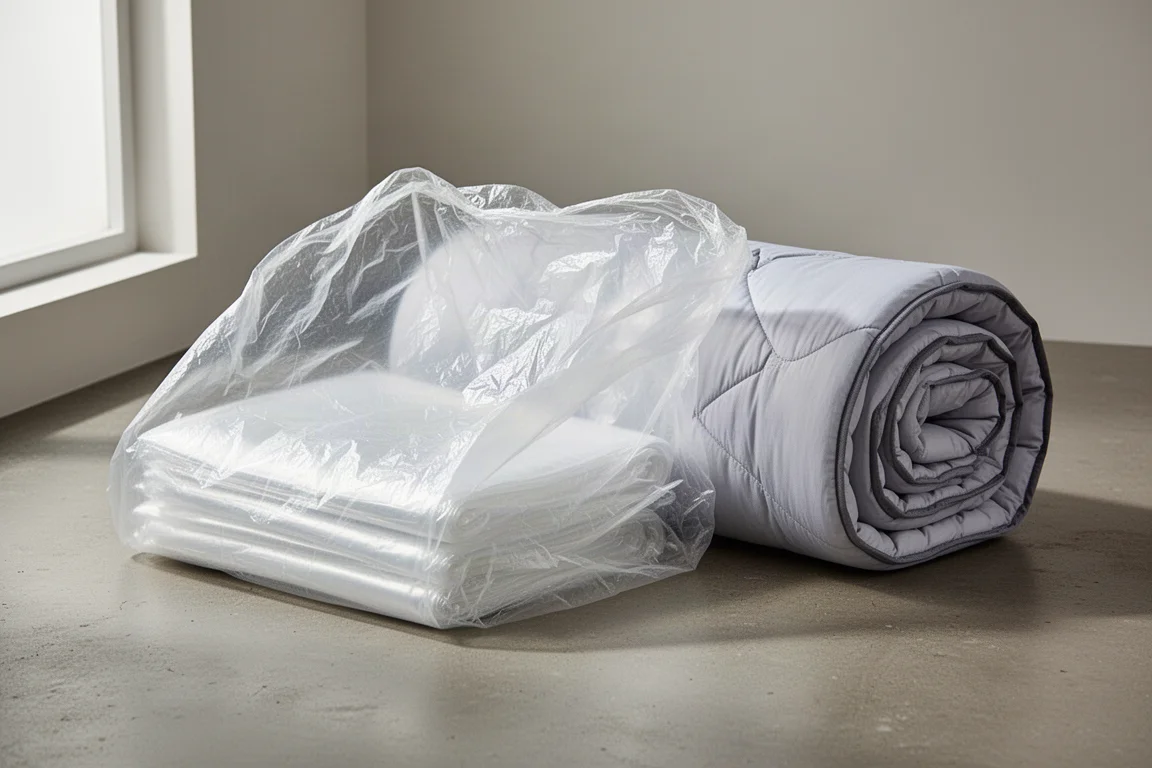
Pack liners are the least glamorous item on this list and one of the most useful. A pack cover, the accessory many shops push hardest, only keeps the outside of your pack dryish. If you want the contents to stay dry, you line the inside of the pack instead.
The method is simple. Push a Nylofume pack liner into your pack, then put anything that needs to stay dry inside it. A heavy duty contractor bag works the same way. No dry bags are needed on top of that, even on trips with sustained rain.
It is also a fraction of the cost. A liner runs around $3, while pack covers commonly sell for $40.
Best Trail Toothpaste: Unpaste Toothpaste Tablets
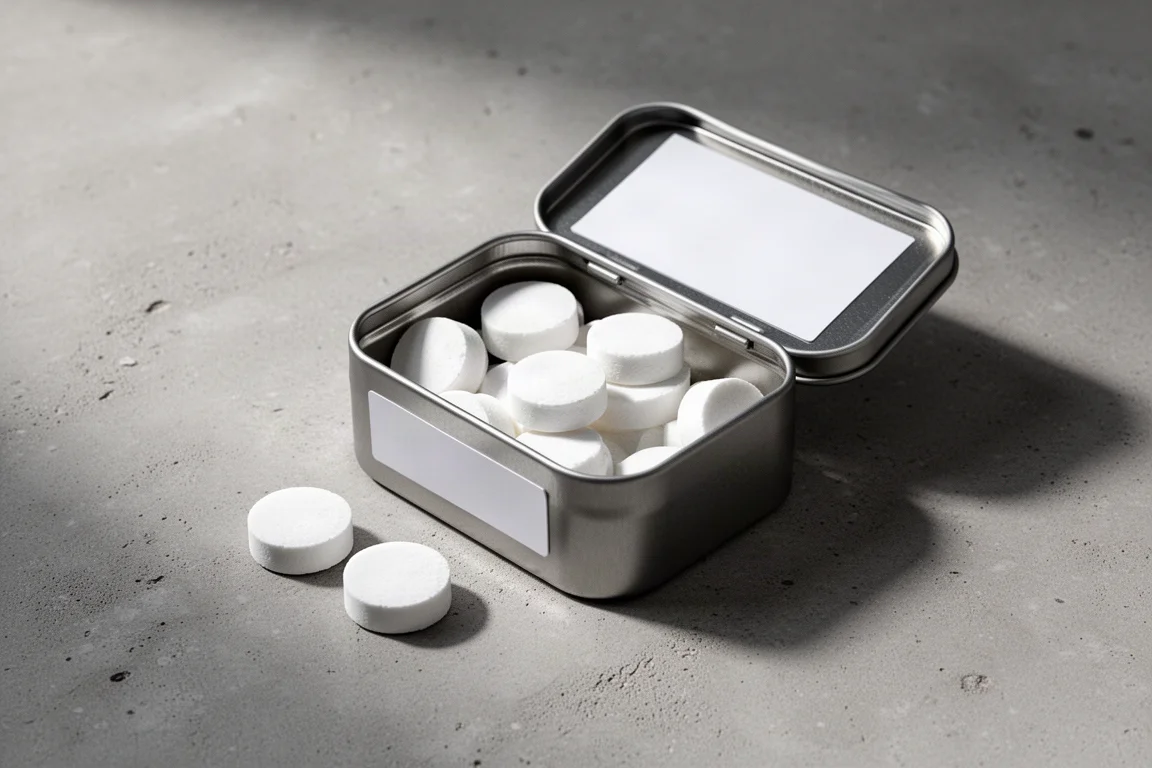
Toothpaste tablets are the practical answer to brushing your teeth on the trail. They are lightweight, they do not freeze in cold conditions, and they make rationing the exact amount you need for a trip straightforward.
Unpaste offers both fluorinated and non-fluorinated versions. The common alternative, a travel-sized toothpaste tube from the drugstore, freezes when it gets genuinely cold, is difficult to ration, and weighs noticeably more than it looks.
Best Trowel for Tough Ground: Vargo Dig Dig Trowel
A trowel matters more than most people expect, especially on mornings when you need to dig a hole quickly. Most backpacking trowels are essentially large spoons, and they struggle to cut through anything firm.
The Vargo Dig Dig Trowel takes a different approach. It is lightweight, ergonomic, and has teeth along the side that cut through ground and roots far more easily. The handle folds over the titanium at the top, so you can push it into the ground without hurting your hand.
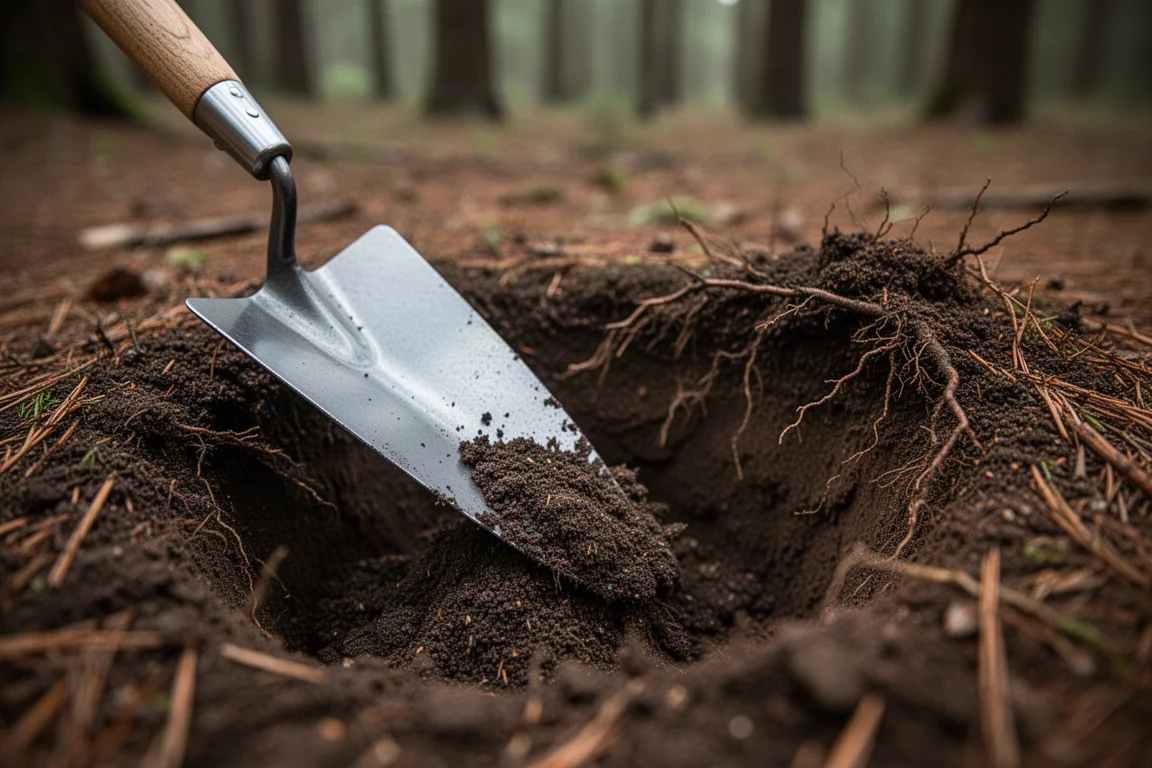
If the ground you camp on is usually hard and rooty, this is the more robust of the two trowels here. The trade-off is that it costs more than the lighter option below.
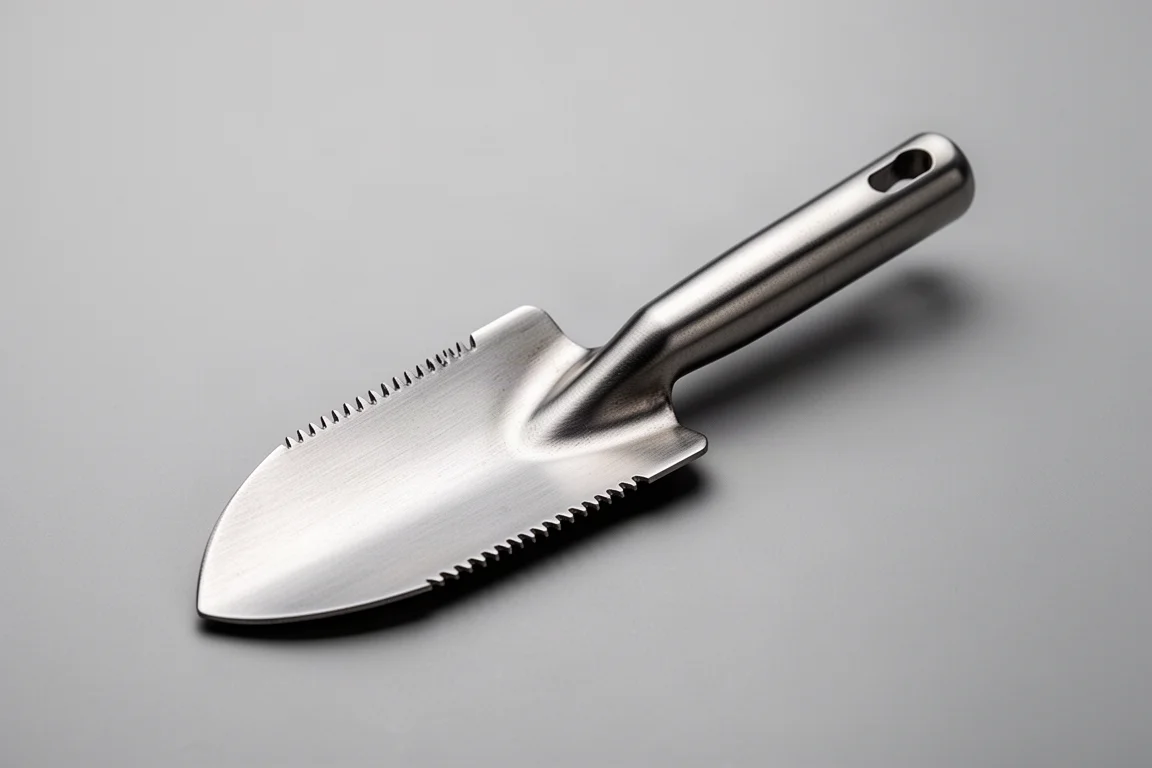
Best Ultralight Trowel: Bogler Code TR
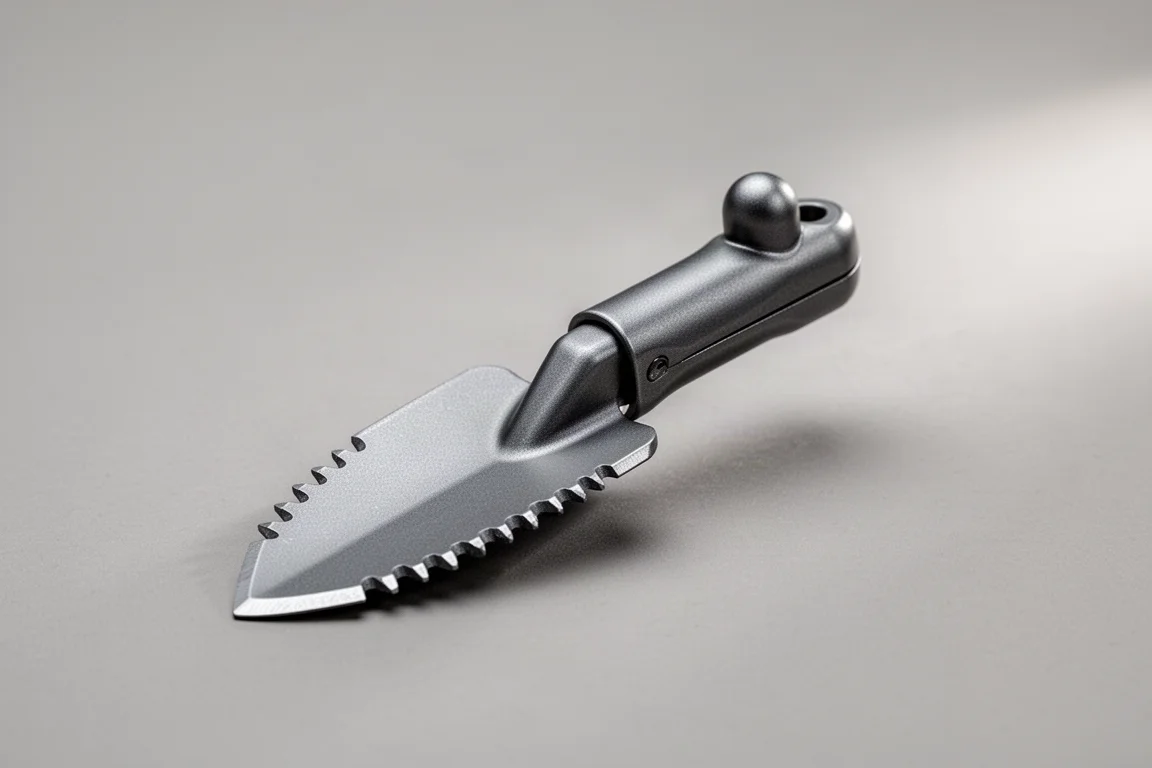
The Bogler Code TR shares the features that make digging easier: low weight, an ergonomic handle, and teeth on the side for cutting through soil and roots. A small nub on top of the handle lets you push it into the ground without discomfort.
The choice between the two comes down to the ground you normally camp on. If it is only moderately hard and moderately rooty, the Bogler trowel is the better pick on weight and price. If you regularly face tough ground, the more robust option above is worth the extra.
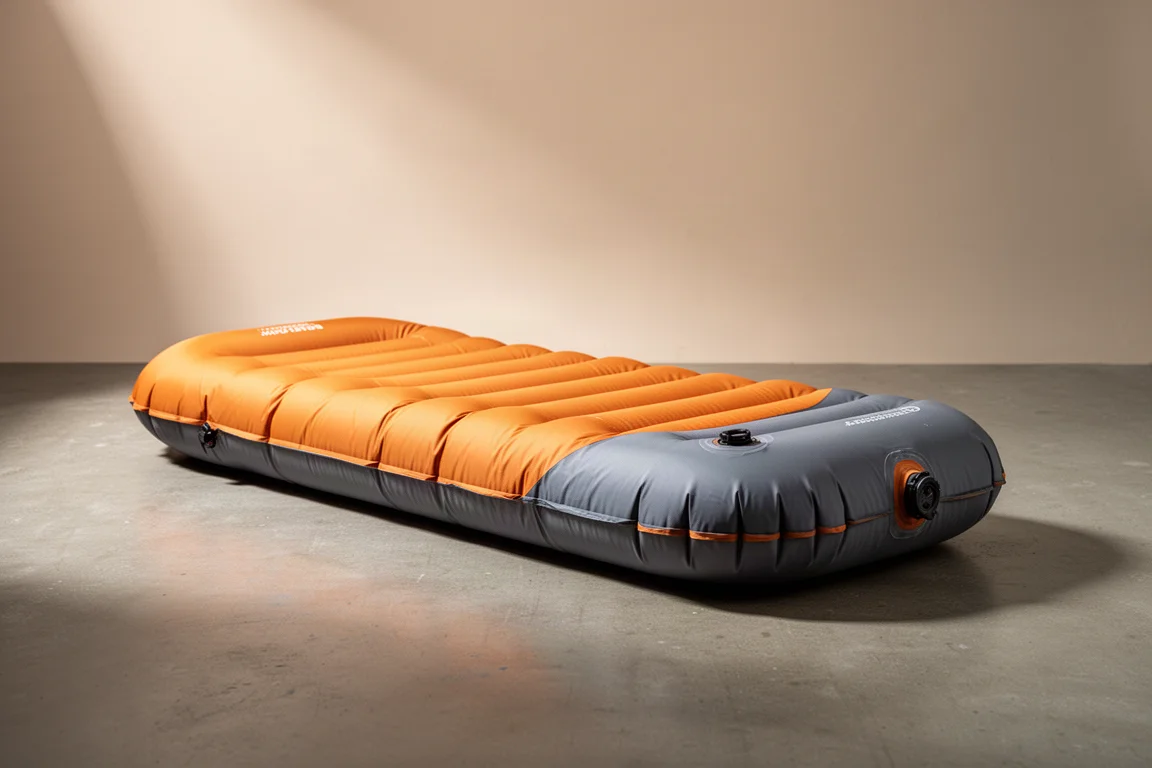
Best Sleeping Pad: Sea to Summit Ether Light XT
Warmth and comfort are the two things new backpackers most often overlook when buying a sleeping pad. For warmth, choose a pad with an R-value suited to the conditions you camp in, at least 3 for spring, summer, and fall. For comfort, look at thickness and baffling.
The Sea to Summit Ether Light XT uses a dimpled baffling system, which relieves pressure points well. Horizontal baffles are less effective here, and side sleepers in particular can end up with an arm that falls asleep. Back sleepers can often trade some of that pressure relief for a lighter, warmer pad.
Good pads in this category are not cheap. Patents in the sleeping pad market mean that warmth and comfort come at a real cost, but this is the piece of kit you will notice every single night.
Buying Advice
If you are rebuilding a kit, start with the pack. Getting from a 5 lb pack into the 2 to 2.5 lb range changes how the whole load feels, and it is the change most backpackers notice first. Then look at the sleeping pad, where warmth and comfort are worth paying for.
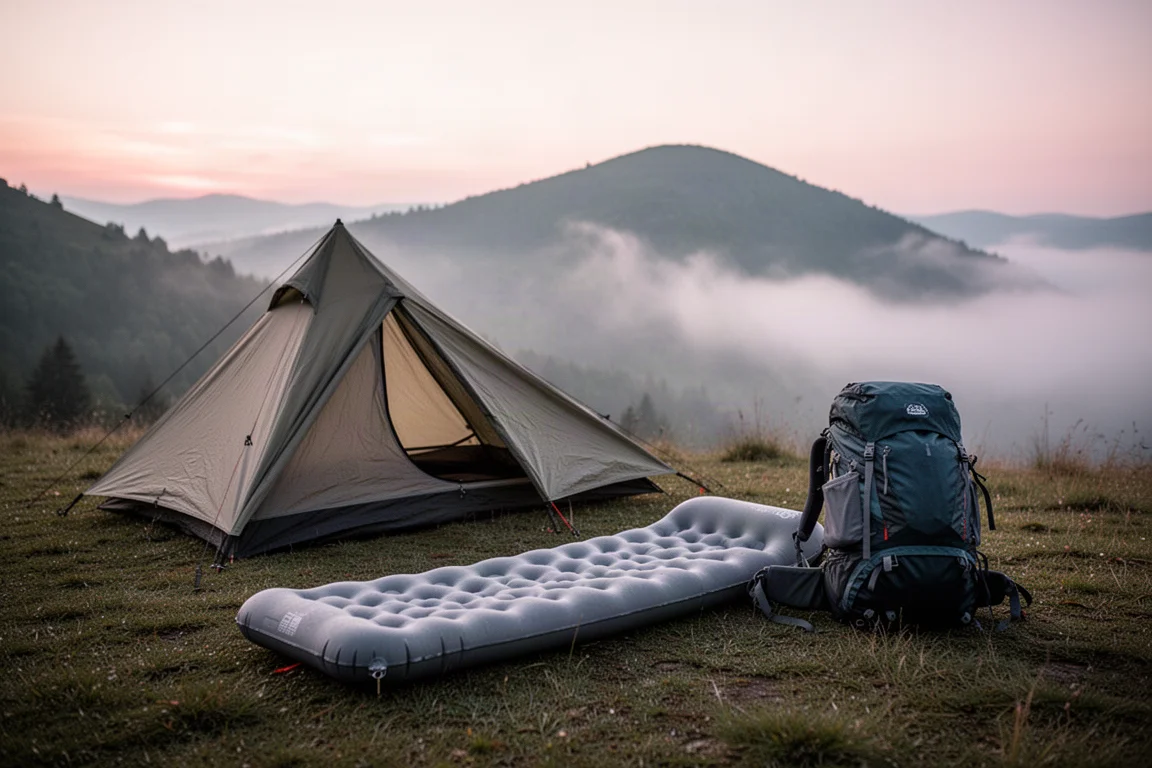
Small items deliver outsized returns for very little money and weight: a pack liner that keeps everything dry, toothpaste tablets that work in freezing conditions, and a trowel that actually digs. They are modest additions next to the packs and pads above, and each one solves a problem you will hit on real trips.
Conclusion
The pattern across all of it is the same: buy for the trips you actually take. A 5 lb pack is the right answer only if you are carrying 50 lb or more. A pack in the 2 to 2.5 lb range covers trips up to a week with gear under 40 lb, and the Gregory Focal, REI Flash 55, and Decathlon MT900 Ultralite are three solid places to start.
Around them, the supporting items do the quiet work. A pack liner instead of a pack cover keeps the contents dry for a fraction of the price. Toothpaste tablets keep working when a tube would freeze. A trowel with teeth and a sensible handle turns a chore into a quick job. And a sleeping pad with a real R-value, enough thickness, and pressure-relieving baffling is what makes the morning feel good.
Further reading
Related Reviews

Backpacking Gear
Building a 10 lb Base Weight: An Ultralight Backpacking Gear List
A practical walkthrough of the ultralight pieces behind a 10 lb base weight, from a 765 g pack and a roomy one-person tent to a full camp chair and a dependable water filter.
Backpacking Gear
A 15-Pound Lightweight Backpacking Gear List for Solo Trips
A beginner-friendly 15-pound backpacking setup built from easy-to-find gear, with notes on what each piece does, how it packs, and where to spend your attention.
Backpacking Gear
8 Ultralight Backpacking Gear Upgrades Worth Carrying
Eight small, affordable backpacking upgrades that solve real trail annoyances, from a pillow that stays put to a fuel valve that rescues leftover canister gas.