Indoor Gardening
LED Grow Lights on Amazon: Three Popular Lights and What the Specs Really Mean
A practical look at the King Plus 1200W, Grove Planner GP 1500, and Mars Hydro 1000W LED grow lights, including what the advertised wattage actually tells you.
Introduction
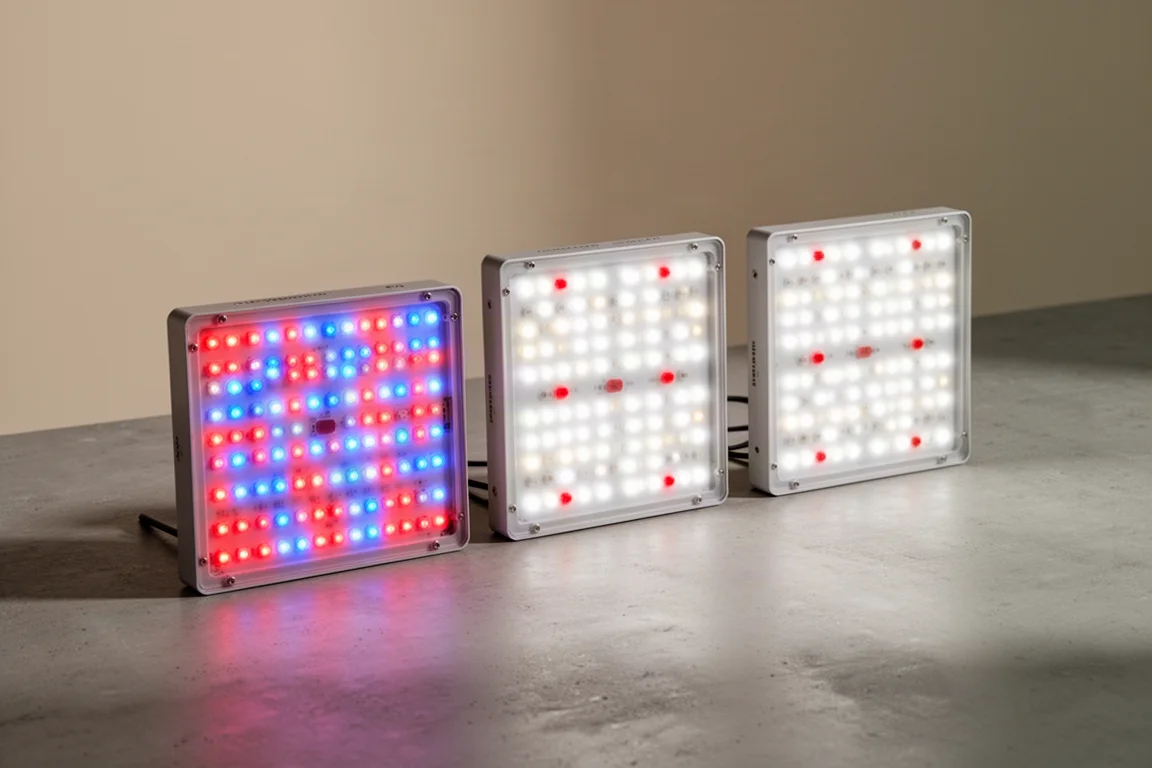
Shopping for LED grow lights can feel confusing because the specs on the box often tell you less than you would hope. Two things matter most: how much light a fixture actually delivers, and the quality of that light, meaning the balance of red, blue, and green. Full spectrum output that looks like natural light is important, but how a light achieves that spectrum matters even more.
Many popular listings advertise wattage figures that do not reflect real power draw. A light labeled 1200 watts may only draw around a tenth of that. Understanding what those numbers really mean helps you avoid disappointment and pick a fixture that actually grows healthy plants.
What to Check Before Buying
Before comparing individual lights, keep two core checks in mind. First, look at the actual light levels across the whole work area. A useful target is roughly 200 to 400 micro-moles over the entire growing space, not just at a single point directly under the fixture. Second, check the usable planting area. A light that covers a three by three foot area lets you grow a meaningful number of plants while keeping light levels and quality consistent.
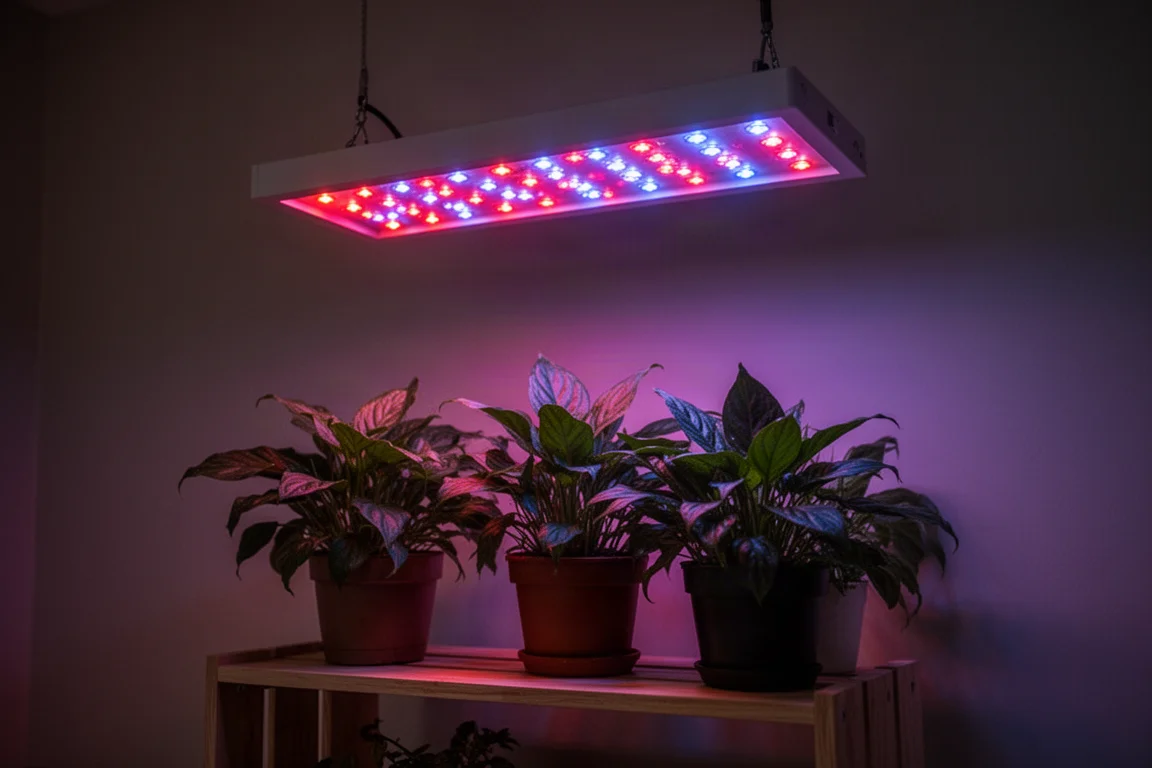
Also be wary of listings that give intensity values only at 12 or 18 inches. Those distances are often too close for growing the kinds of indoor plants most people actually want, and the coverage area is frequently left out of the spec sheet entirely.
King Plus 1200W LED Grow Light
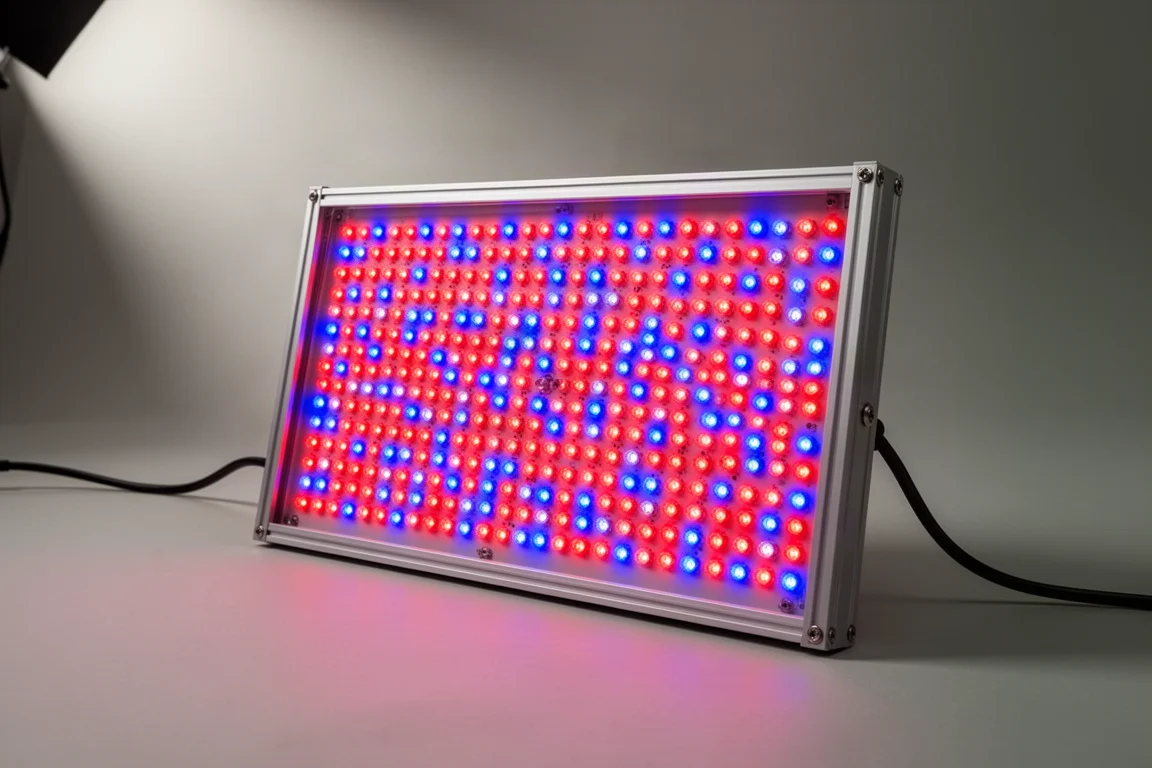
The King Plus 1200W grow light leads with a very large number on the label, but the LEDs almost certainly draw nowhere near 1200 watts, likely closer to a tenth of that figure. The panel is loaded with blue and red diodes, so when it powers on it produces that familiar purple glow, which reflects LED grow light technology from roughly five or six years ago.
The listing also mentions a 10x optical condenser, essentially a lens used to concentrate light into a relatively small space. What the listing does not show is how much area the light actually covers or how high it should be hung. The intensity figures given at 12 and 18 inches are too close to be practical for most indoor growing.
Grove Planner GP 1500
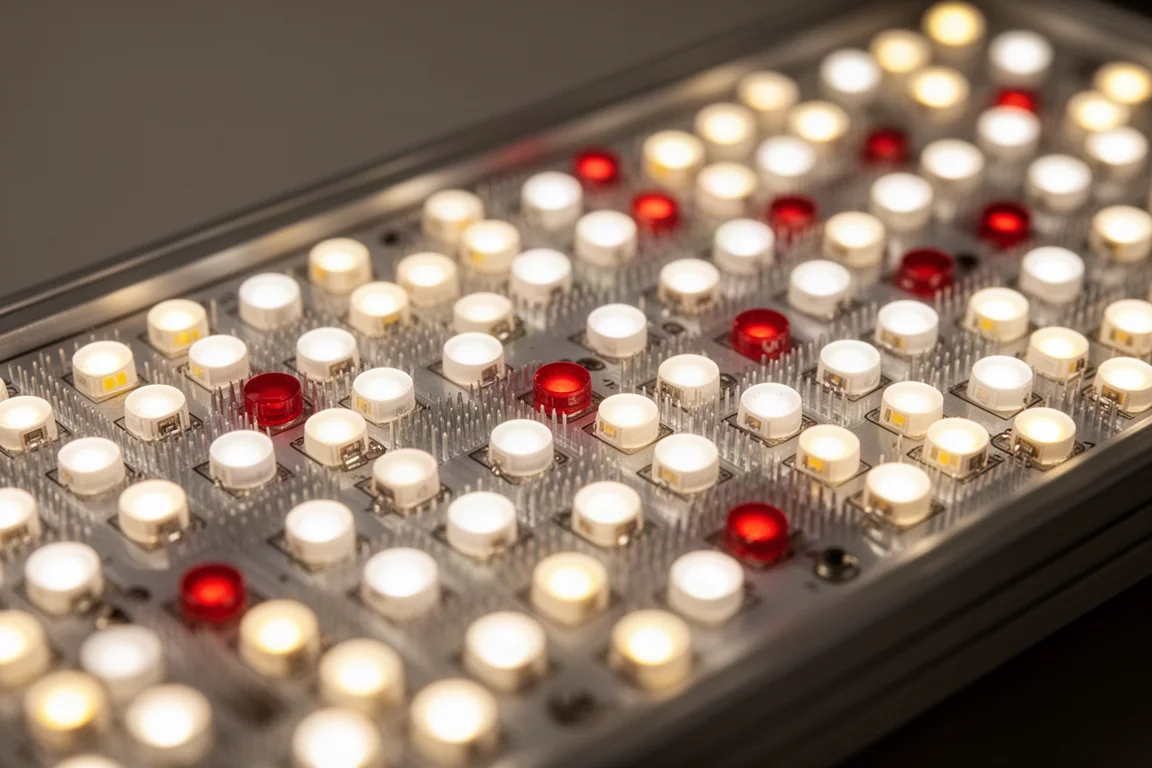
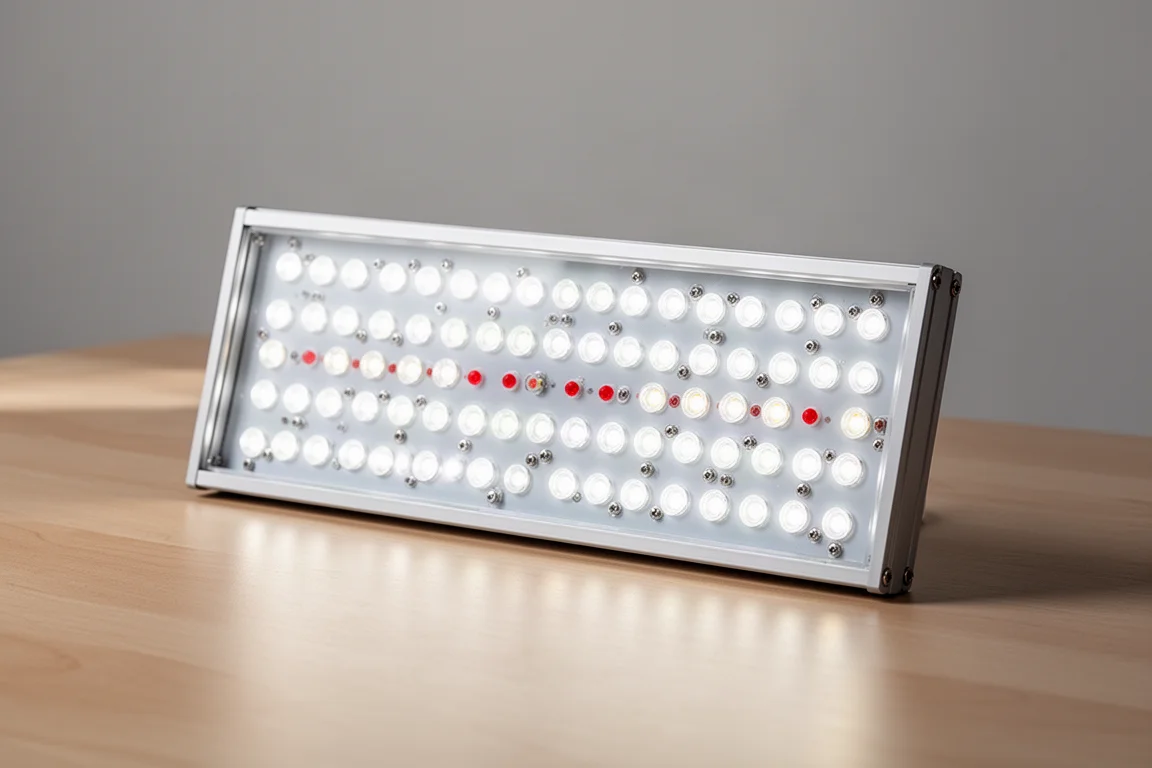
The Grove Planner GP 1500 appears to imply it replaces a 1500 watt light. Unlike the King Plus, it relies primarily on white LEDs, which show up clearly on the spectral graph, with a small amount of red added. Many lights in this category use large numbers of very low-cost white diodes.
The problem with relying on white LEDs alone is that the output is heavy on blue, and too much blue tends to make plants short and stubby rather than producing the plant mass you want for proper growth. It is an inexpensive import-style light, but it is unlikely to deliver the results serious indoor growers are looking for.
Mars Hydro 1000W LED Grow Light
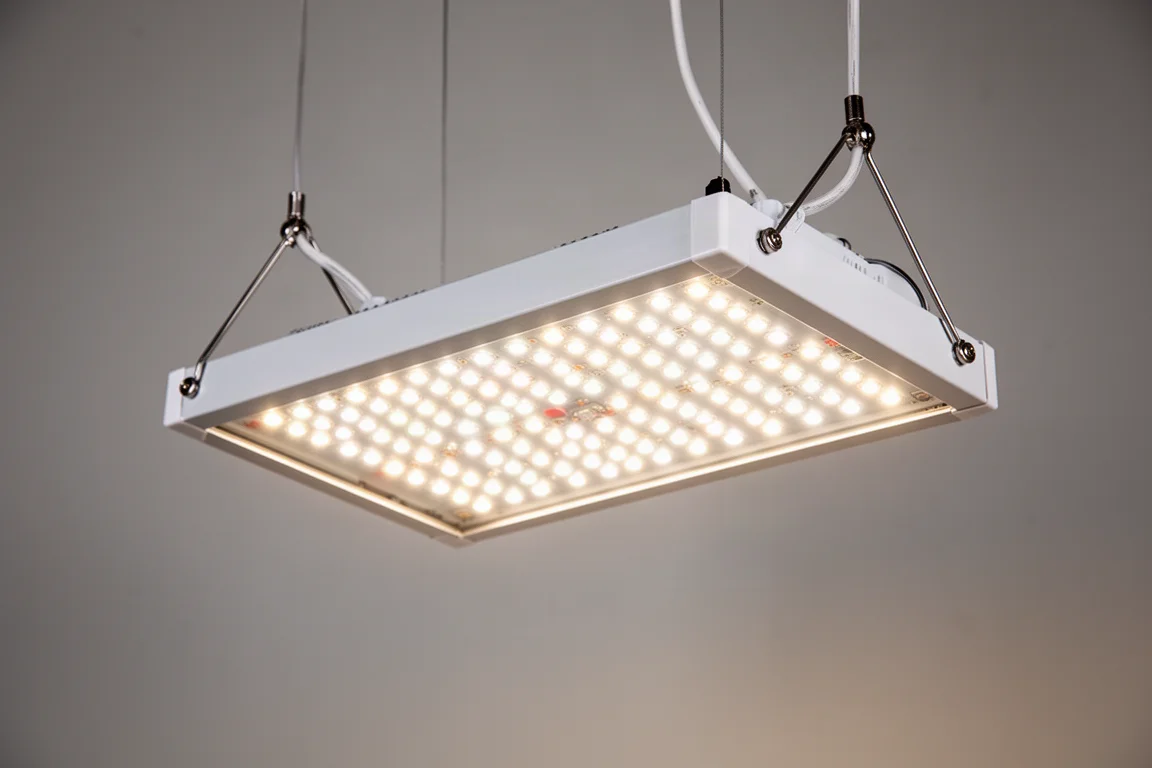
Mars Hydro has been around longer than many of the brands on marketplace listings, which counts for something. Even so, this light implies a 1000 watt equivalent while actually drawing about 150 watts. And once again, it uses all white LEDs, which will not deliver the growth you want.
For reference, a well-balanced grow spectrum is roughly 60 to 70 percent red, 10 to 15 percent blue, and around 20 percent green. That ratio not only produces plants that look excellent, it can deliver around two and a half times, or 250 percent, more growth compared with white LEDs alone.
Overall Buying Advice
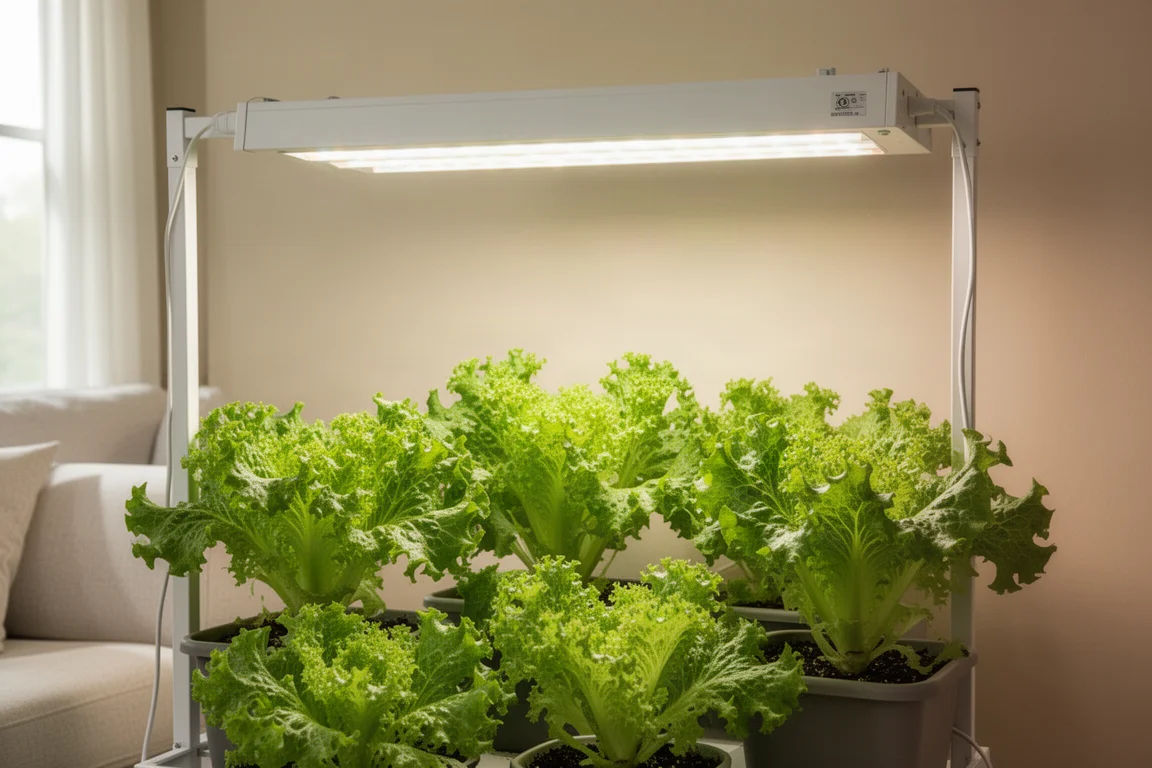
One category worth flagging: all-in-one hydroponic systems that package a light with a growing box often look great in product photos but disappoint in practice. They typically do not state the light levels they produce, the growing area is small so plants start shading each other, they require proprietary pods, and internal pumps and motors run constantly. Images can be touched up easily, and these systems have consistently underperformed in real use.
The most useful takeaway is to buy from someone who will actually help you learn how to grow indoors with their lights. Plenty of lights are available, but knowing how to use them is what turns a purchase into a harvest. Look for honest guidance on light levels, coverage area, and spectrum rather than big wattage numbers.
The Verdict on Popular Amazon Grow Lights
All three lights here share the same core issues: advertised wattage that far exceeds real power draw, and in two of the three cases, a white-heavy spectrum that limits plant growth. The Mars Hydro is the most established brand of the group and draws a stated 150 watts, but the white LED spectrum still falls short of an optimized red-blue-green balance.
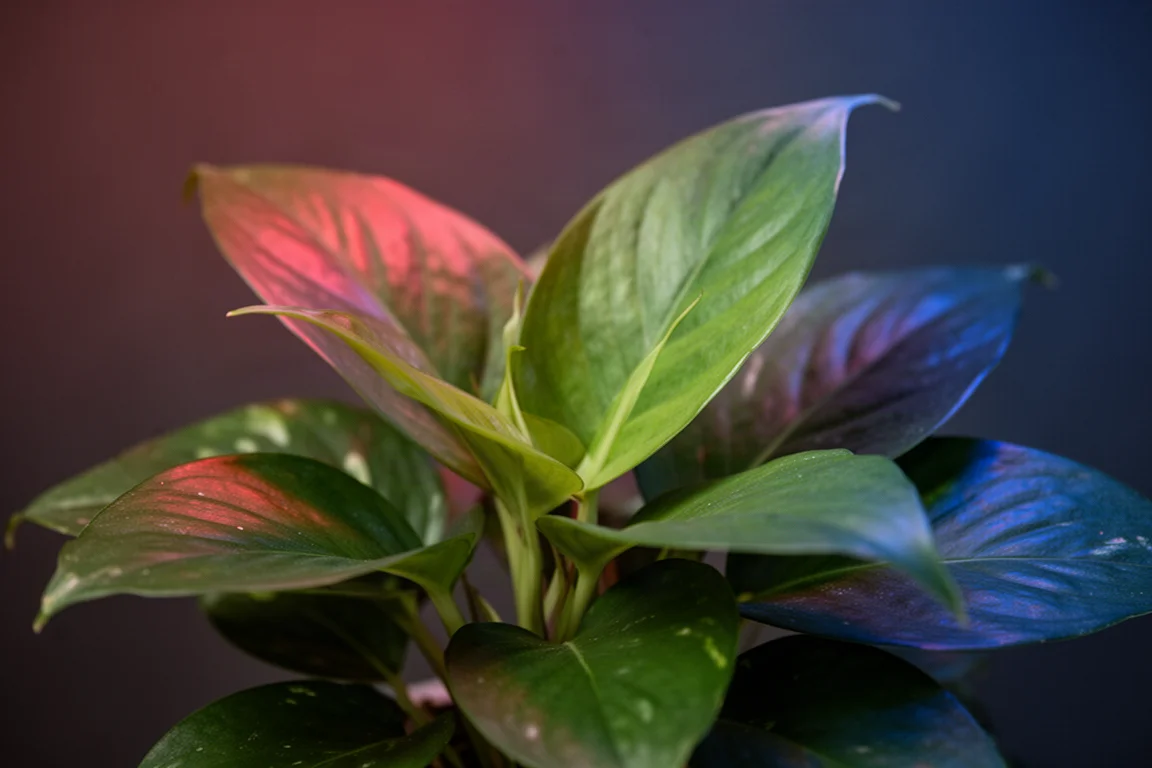
If you want strong results, prioritize a fixture that publishes honest power draw, states a real coverage area, and offers a spectrum in the 60 to 70 percent red, 10 to 15 percent blue, 20 percent green range. That combination, plus a little education on how to use it, is what makes indoor growing genuinely easy.
Conclusion
Popular marketplace grow lights often look better on paper than they perform in practice. Check the actual power draw, the spectrum breakdown, and the true planting area before you buy, and favor sellers who invest in teaching you how to grow, not just in eye-catching wattage labels.
Further reading
Related Reviews
Indoor Gardening
AeroGarden Eight-Pod System Review: A Budget Hydroponic Garden That Works
After a few months of growing dill, a shishito pepper, and micro tomatoes, here is what this eight-pod hydroponic system gets right and what to watch for before buying.
Indoor Gardening
AeroGarden Buying Guide: How to Choose the Right Model for What You Want to Grow
From the 3-pod Sprout to the 24-hole Farm Plus, here is what actually matters when picking your first AeroGarden, plus the growing tips nobody tells beginners.
Indoor Gardening
AeroGarden Farm After 8 Years: What I Wish I Knew Before Buying
A long-term look at the AeroGarden Farm, the 12XL alternative, and why a Rise Garden won out on space efficiency.