Camping Tents
Best Large Family Camping Tents: Five Car Camping Options Compared
A practical comparison of five large car camping tents, from fast-pitching family shelters to modular insulated systems and traditional canvas.
Introduction
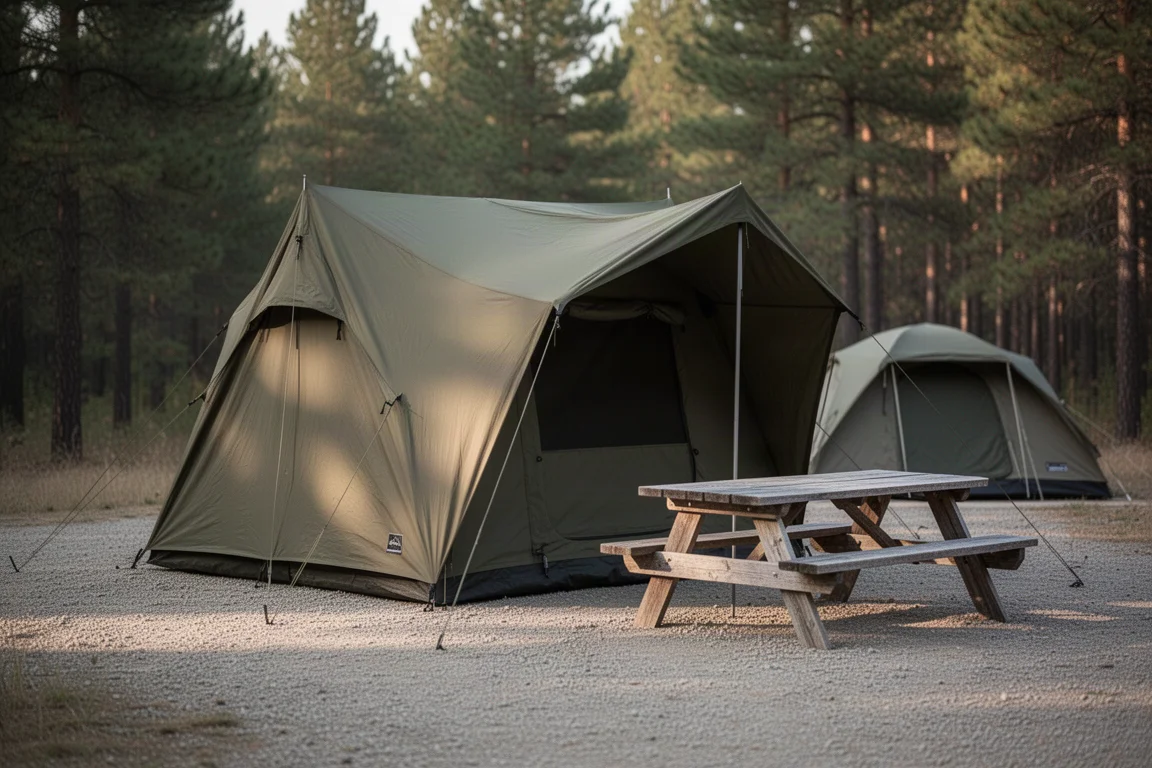
Car camping changes what a tent needs to do. Weight matters far less than it does on a backpacking trip, so you can choose a shelter that prioritizes living space, standing height, and weather protection. The trade-off simply moves elsewhere: packed size in the vehicle, how long setup takes, and whether the tent will still be in good shape after a decade of use.
The five tents here represent four distinct approaches. Two are conventional, easy-to-pitch family tents. One is a modular single-wall system that pairs an outer shelter with an insulated inner tent. The last is a traditional canvas tent built around durability rather than packability. Each has a clear set of strengths, and each comes with a trade-off worth understanding before you buy.
What to Look For in a Large Family Camping Tent
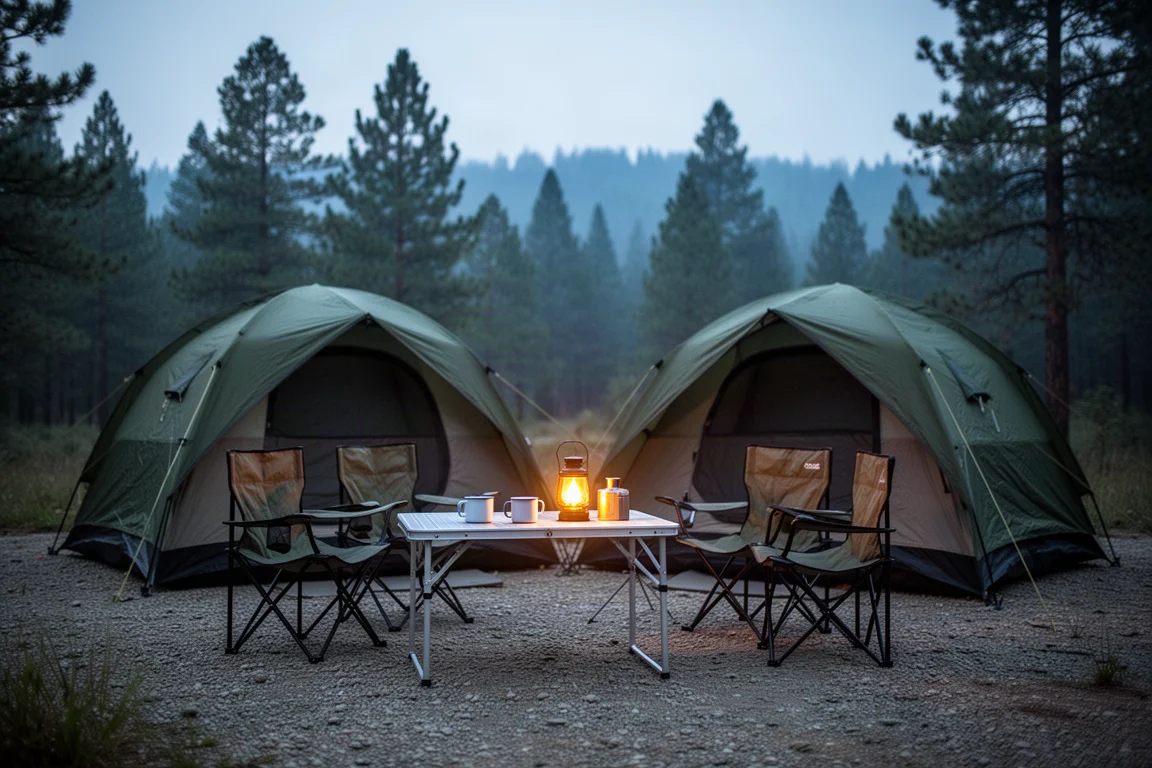
Start with the number of people and the amount of gear you need to house. A family of five plus a dog usually means either a genuinely large tent or two smaller tents pitched side by side. A six-person tent is a reasonable baseline for four occupants plus bags, while a four-person tent stays comfortable for two or three people with gear.
Space at the campsite matters just as much as space inside the tent. Many campgrounds provide tent pads of a fixed size, and a very large tent may not fit on one. In those situations, splitting the group across two smaller tents often works better than forcing a single oversized shelter onto a pad that cannot accommodate it.
Think about the weather you actually camp in. A heavy canvas tent is the more robust option for strong winds, snow, and long-term UV exposure, but it costs you room in the car and demands more care. A lighter synthetic tent packs down far smaller and pitches faster, which suits the majority of summer and shoulder-season trips.
Pole structure and setup time deserve attention too. Aluminum pole systems on well-designed family tents go up quickly and hold their shape, which matters on a first trip or when you arrive after dark. Ventilation is the other quiet factor: generous mesh panels and multiple openings reduce condensation, and they make a tent far more pleasant in warm weather.
One note on budget: very inexpensive cabin-style tents that rely on fiberglass poles are widely available, but they generally do not hold up as well as the options below. If you want a shelter that survives repeated trips, it is worth stepping up to more robust construction.
Nemo Aurora Highrise 6P: The Approachable Family All-Rounder
The Aurora Highrise 6P is the most approachable tent in this group, and for many families it is the obvious starting point. It pitches quickly, uses an aluminum pole structure, and delivers a surprising amount of usable room for its packed size.
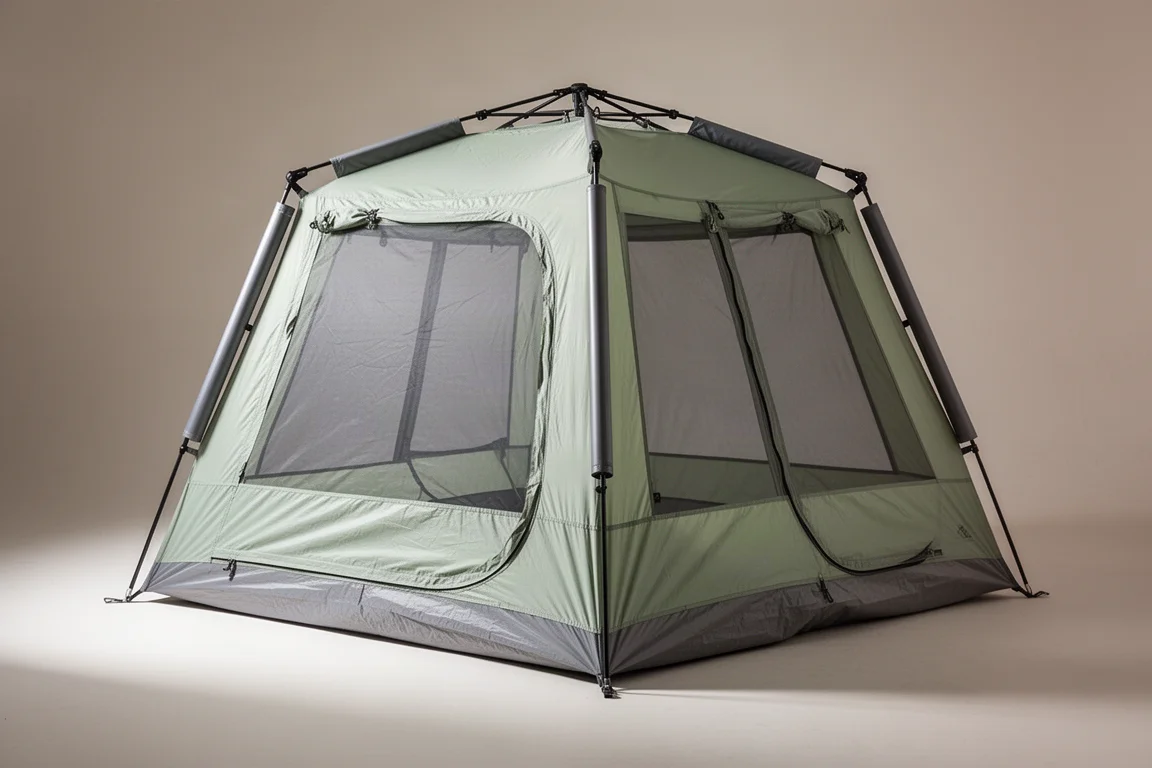
What sets it apart is the shape. The walls are vertical rather than sloping, so the interior stays roomy even with several people standing inside. A person around 5 ft 9 in has several inches of clearance above their head at the center and can still move around comfortably toward the sides. That combination of full standing height and a strong pole structure is unusual in a tent this packable.
The Aurora Highrise is a semi single-wall design. The vertical side walls carry large window panels that are waterproof, so they keep rain out while still allowing serious airflow. Combined with generous mesh elsewhere, the tent vents well and rarely builds up condensation. It is lightweight for a six-person shelter, packs down to a sensible size, and lands at a fairly reasonable cost for what it offers. Families who camp regularly through summer and shoulder seasons tend to get years of use out of it.
Marmot Limestone 4P: A Packable Four-Person Option
If you want the same easy, traditional camping experience in a smaller package, the Limestone 4P is the natural counterpart. It is simple to pitch and carries the features most campers expect: a tall peak height, wide doorways, and very large vestibules for boots, bags, and gear you would rather not bring inside.
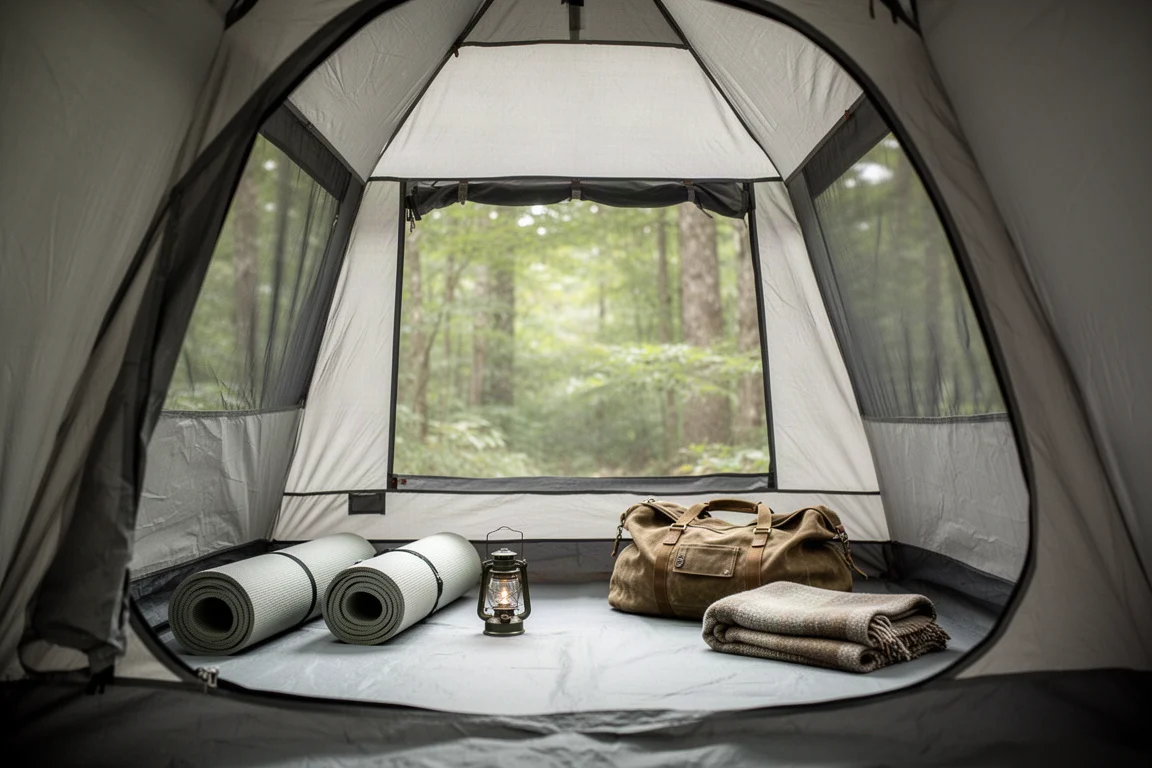
The advantage over a backpacking tent of similar capacity is height. A four-person backpacking tent is typically low at the peak, which makes changing clothes or waiting out rain a chore. A dedicated camping tent like this keeps a much taller ceiling, so two or three people plus gear feel comfortable rather than crowded. The oversized vestibules extend that usable space outward and give you a dry place to stage gear.
The trade-off is simply capacity. It will not house a family of five, and it still needs a reasonably sized tent pad. As a two-to-three-person car camping tent, though, it is one of the easiest recommendations here.
Crua Duo Max: A Modular Single-Wall Shelter
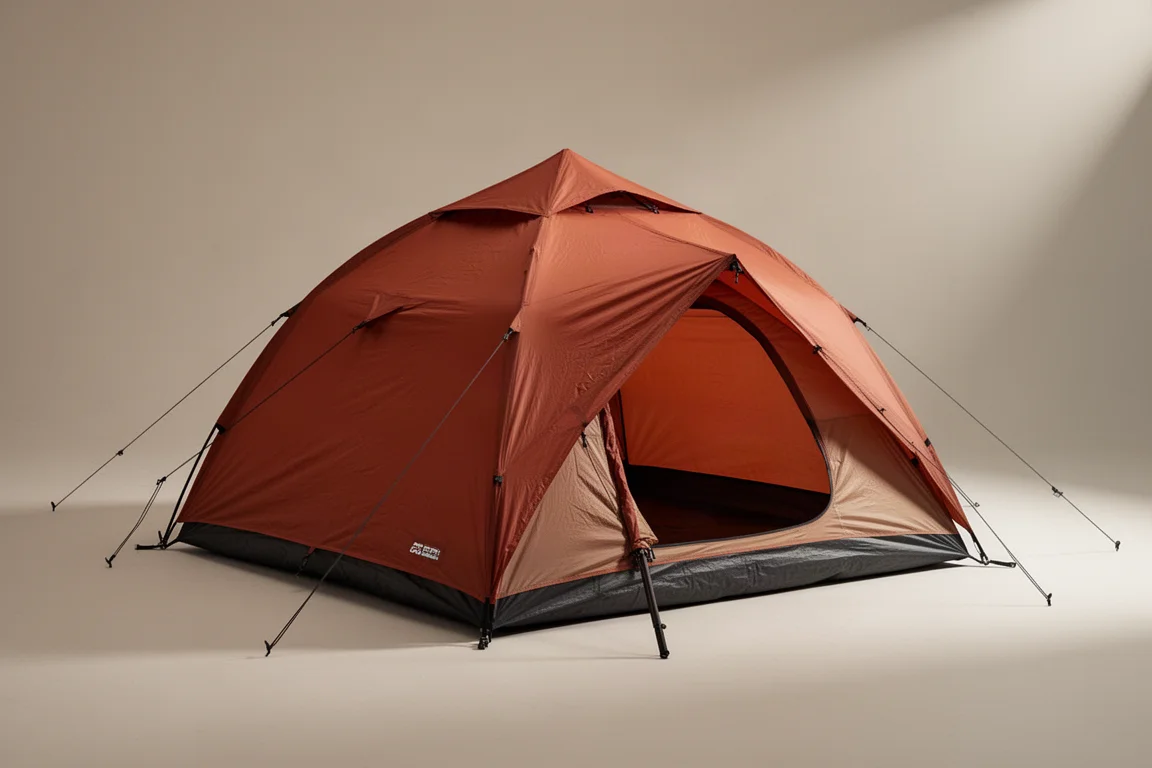
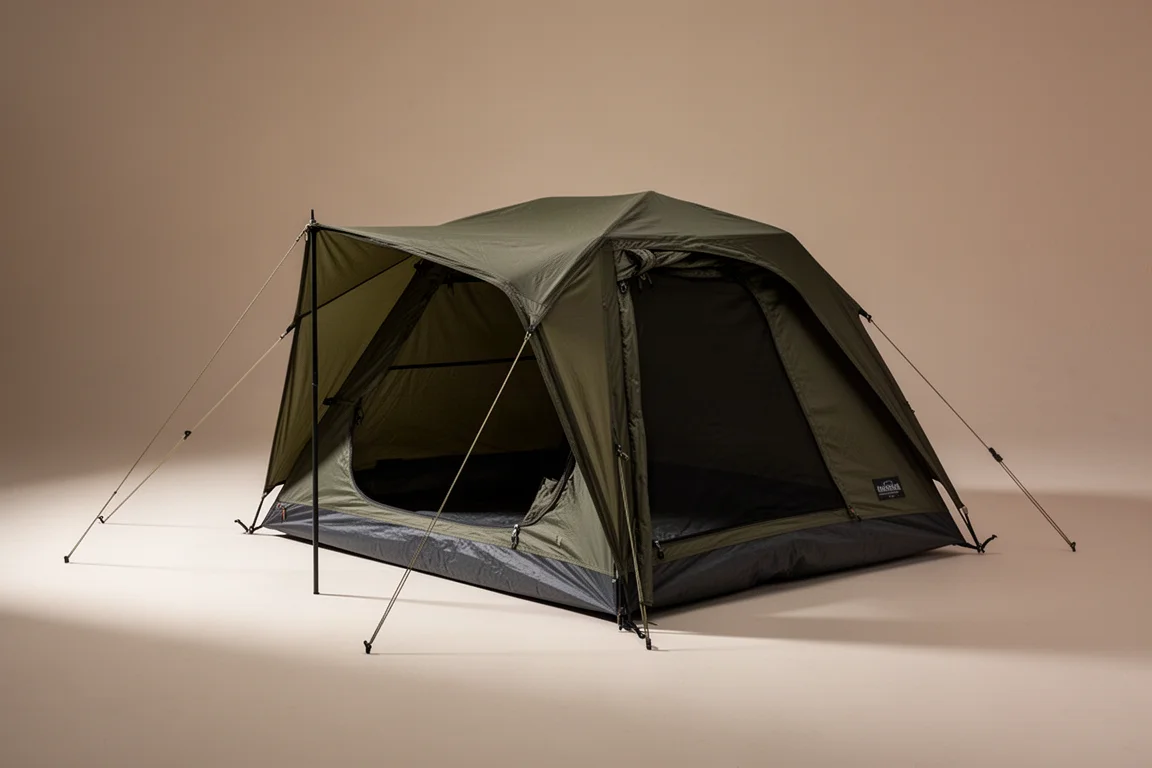
The Duo Max takes a different angle entirely. It is a three-person, single-wall tent with a smaller footprint and a lower profile, built with a strong structure that feels closer to a bunker than a typical dome. That makes it a good fit for solo campers, one adult with a child, hunting trips, and anyone who wants a compact shelter for genuinely rough weather.
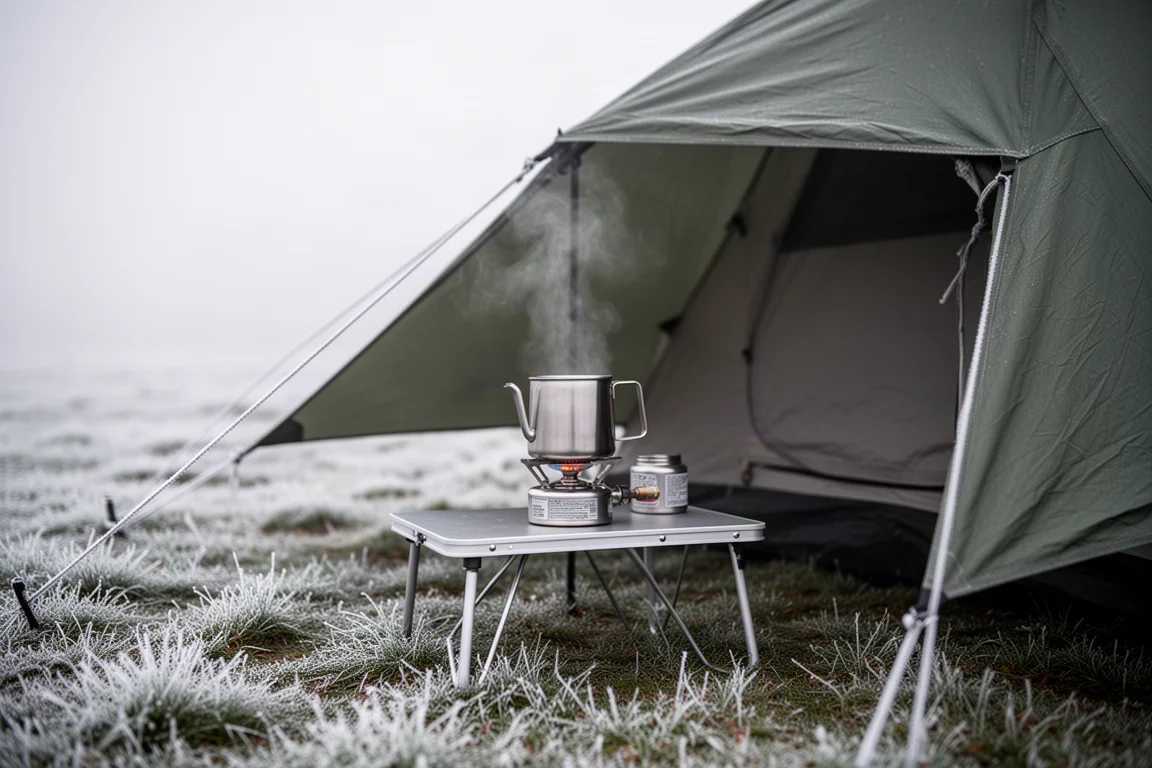
Ventilation is a strong point for a single-wall design, which keeps it comfortable through summer car camping trips. The standout feature, though, is the front vestibule. It is large enough to hang out in, cook in, and make coffee or hot chocolate while rain comes down, so you can stay sheltered without retreating into the sleeping area. That kind of covered living space is something a standard low-profile tent simply cannot offer.
Crua Culla Max: An Insulated Inner Tent for Cold Weather
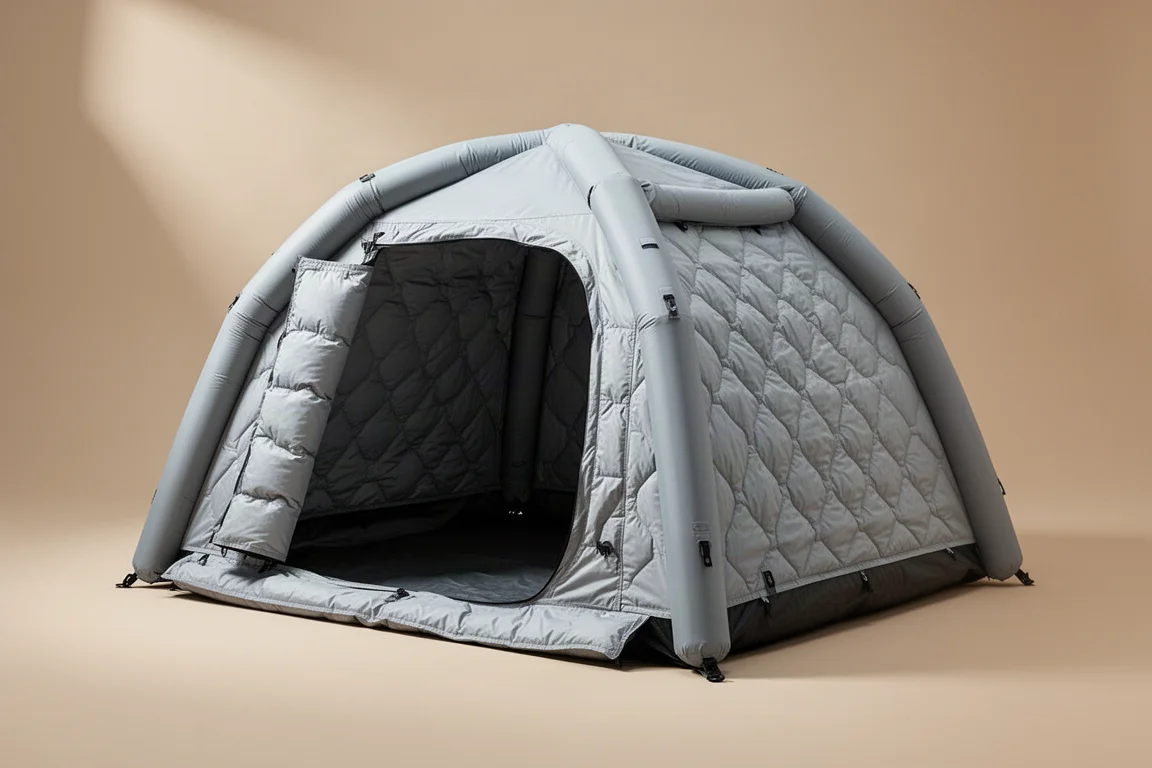
The Culla Max is the piece that turns the Duo Max into a cold-weather system. It is a fully insulated inner tent built with air beam construction, so it sets up inside the outer shelter without any metal poles to thread through the interior.
The insulation covers the whole structure, including the floor. That means protection from cold ground underneath and trapped body heat above, and the temperature difference inside is immediately noticeable. You get that warmth without a wood stove, a tent heater, or any other supplemental heat source. Panels close over the openings to darken the interior, while the fabric remains breathable and ventilated so air still moves through.
Modularity is the real point. You can run the outer tent alone in summer, add the Culla Max when the season turns cold, or take the inner tent and use it inside a larger four-person or eight-to-ten-person tent to extend that shelter into colder months.
For campers who want one system that covers a wide range of conditions, this combination is genuinely unusual.
Kodiak Canvas 9x8: Traditional Canvas Strength
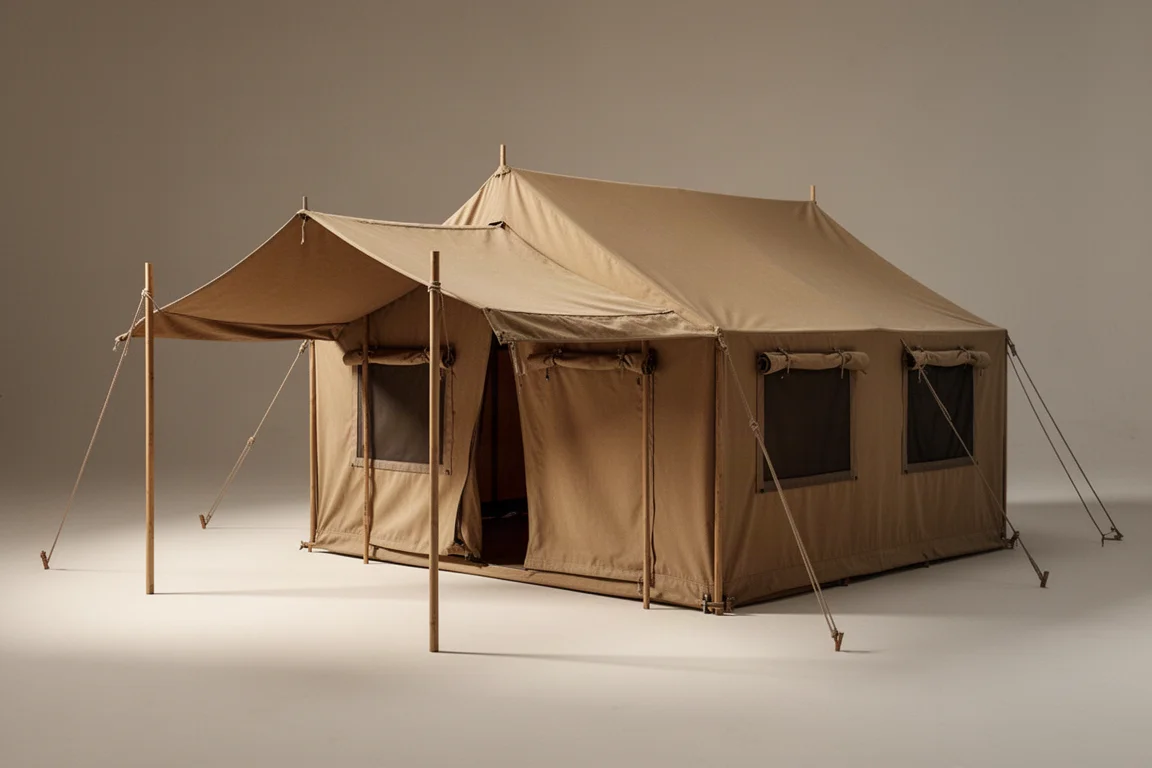
Canvas tents have been used for decades, and many of them are still in service after twenty, thirty, or forty years. The Kodiak 9x8 shows why. It is a four-person tent in practice, comfortable for two adults plus a dog or three children, and it is built around stability and longevity rather than low weight.
Inside, the living space is excellent. You get full standing height across the entire length and width, nearly vertical walls, two doors, and two large windows for ventilation. It is a single-wall design, but the canvas breathes well and vents effectively. The floor is a tarp-style waterproof vinyl that is robust enough to take camp cots without worrying about damage, and it adds a layer of protection from cold ground.
The real strength is weather performance. In strong winds, heavy rain, and snow, a canvas tent like this is about as stable as tents get. Canvas also resists long-term UV wear far better than lightweight synthetics, so the tent holds up over many seasons. A large front awning adds shade on hot days and a dry place to sit when rain sets in.
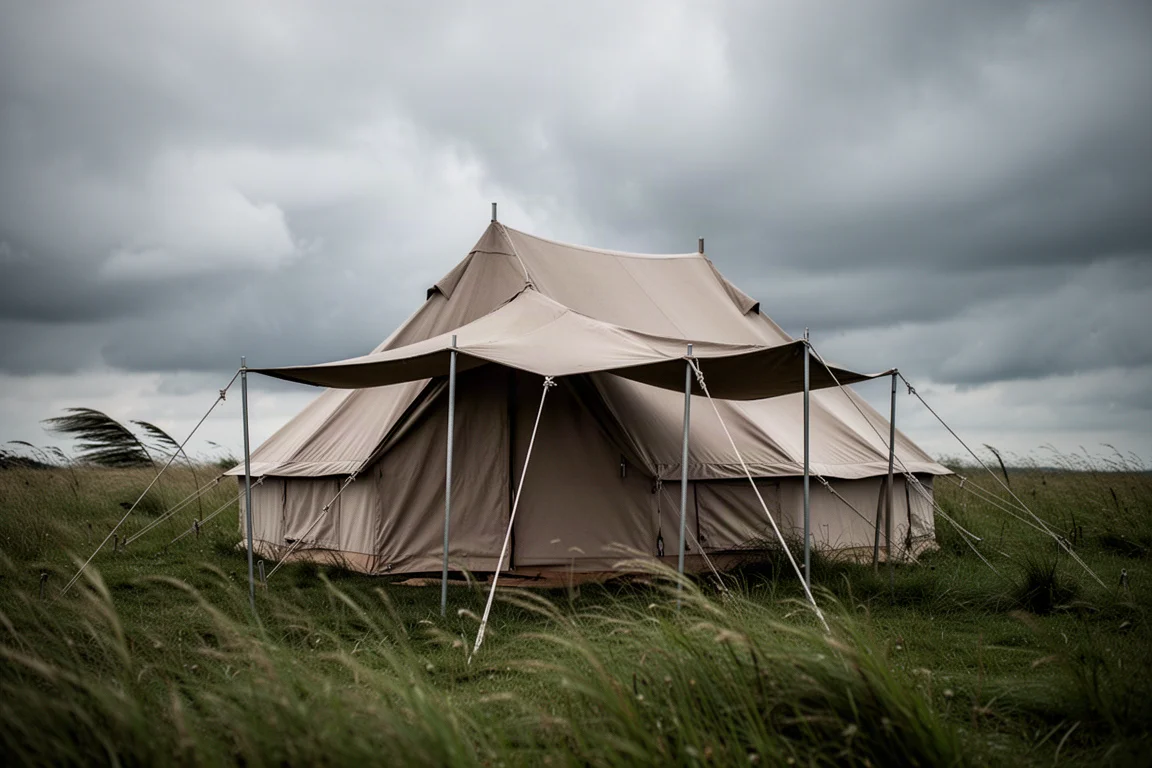
The costs are practical rather than performance-related. Canvas is bulky and heavy, and this tent takes up roughly three times the packed space of a four-person synthetic tent. Canvas also needs care: it must be completely dry before it goes into storage, or the material will suffer. If you can live with the size and the maintenance, it is a tent you buy once and keep for a very long time.
Buying Advice
The right tent comes down to matching the shelter to the way you actually camp.
- For one tent that handles most family trips with minimal fuss, the Aurora Highrise 6P is the most straightforward choice. It goes up fast, gives you full standing height, and packs small enough to stay practical.
- For groups of two or three who would rather keep the load light, the Limestone 4P offers the same easy pitch and generous height in a smaller, more packable form.
- For compact, weather-focused or often solo trips, the Duo Max provides a strong, low-profile shelter with unusually good covered living space. Adding the Culla Max turns it into a cold-weather setup.
- For longevity and storm stability ahead of packed size, the Kodiak Canvas 9x8 is the tent to consider, provided you have room in the vehicle and the patience to dry it thoroughly after every trip.
Before you commit, measure the tent pad you expect to use most often, and be honest about how many people will realistically be sleeping inside rather than just sitting inside. A tent that fits your pad and your group will always outperform a larger one that does not.
Conclusion
There is no single best large camping tent here, only the best match for your situation. The Aurora Highrise 6P and Limestone 4P cover the traditional, approachable end of the market with quick setup and generous interior height. The Duo Max and Culla Max offer modularity that few setups can match, letting you scale from a compact summer shelter to an insulated cold-weather base. The Kodiak Canvas 9x8 trades pack size for stability and decades of service.
Decide what you need the tent to do, then choose the approach that fits: a do-it-all family tent, a lighter four-person option, a modular system, or a canvas shelter built to last.
Further reading
Related Reviews
Camping Tents
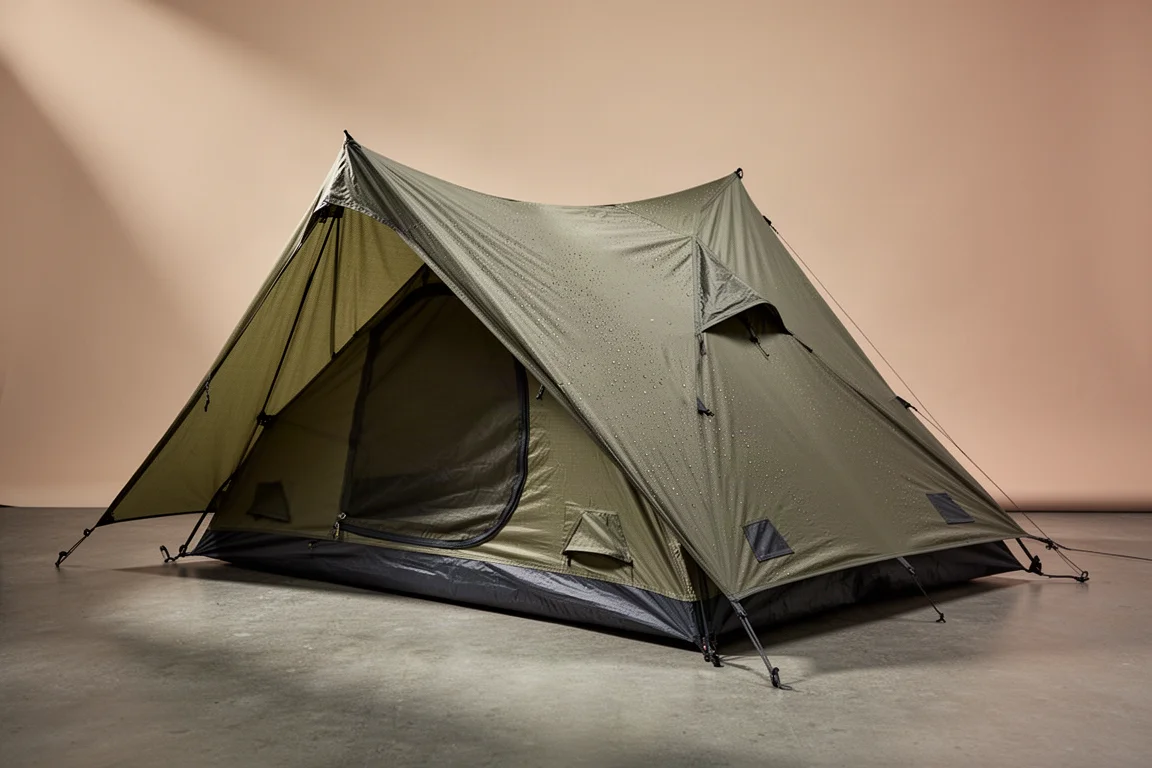
3F UL Gear Taiji Two-Person Tent Review: Field Waterproofing Results and Buying Advice
The Taiji pairs an attached fly with a removable inner, but sustained rain exposed untaped vent seams that need sealing before this shelter can be trusted.
Camping Tents
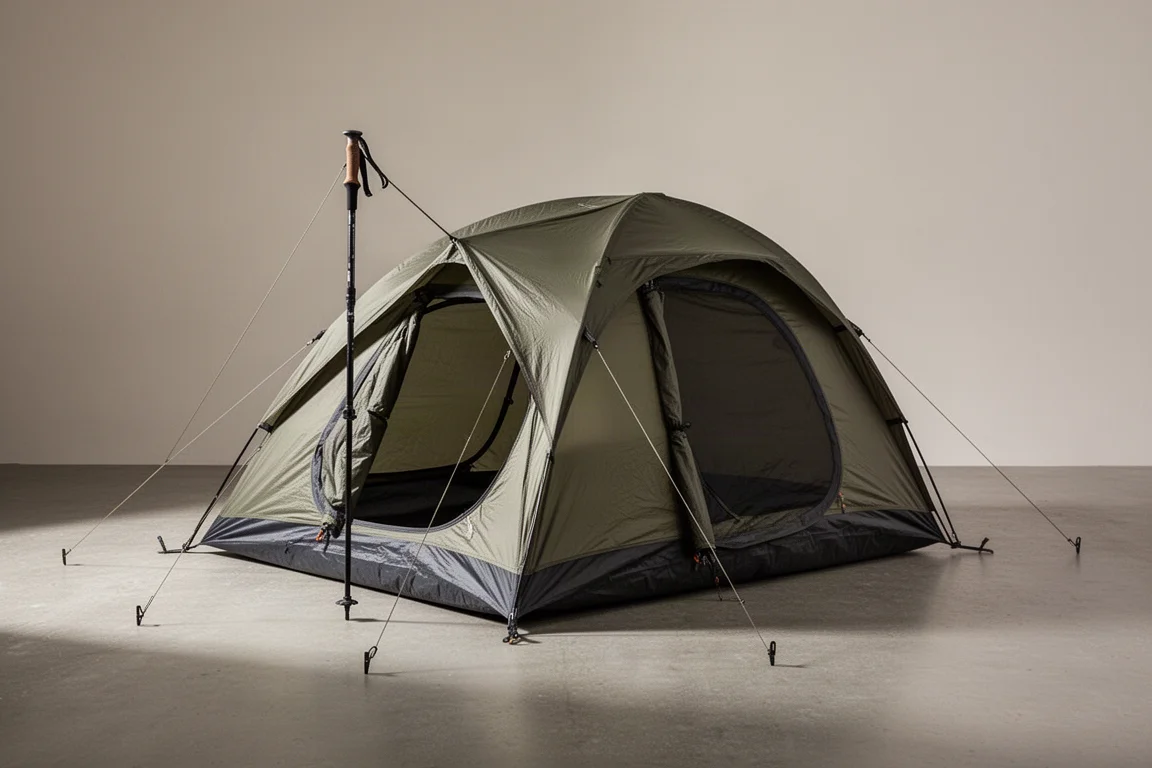
3FUL Gear Lanshan 2 Pro 4-Season Review: A Sub-$200 Single-Wall Trekking Pole Tent
An early look at the 3FUL Gear Lanshan 2 Pro 4-Season, covering its straightforward pitch, generous interior space, and the condensation and seam-sealing questions that come with any single-wall shelter.
Camping Tents
Alps Mountaineering Lynx 1-Person Tent Review: Big Value in a Small Budget Tent
A close look at the Alps Mountaineering Lynx 1-Person Tent, covering real interior dimensions, materials, setup time, ventilation limits, and who should buy it.