Ski Resorts
Best Lake Tahoe Ski Resorts: 10 Destination Mountains Ranked
A ranked guide to ten Lake Tahoe destination ski resorts, covering the terrain, snow quality, crowd flow, and ticket value that separate them.
Introduction
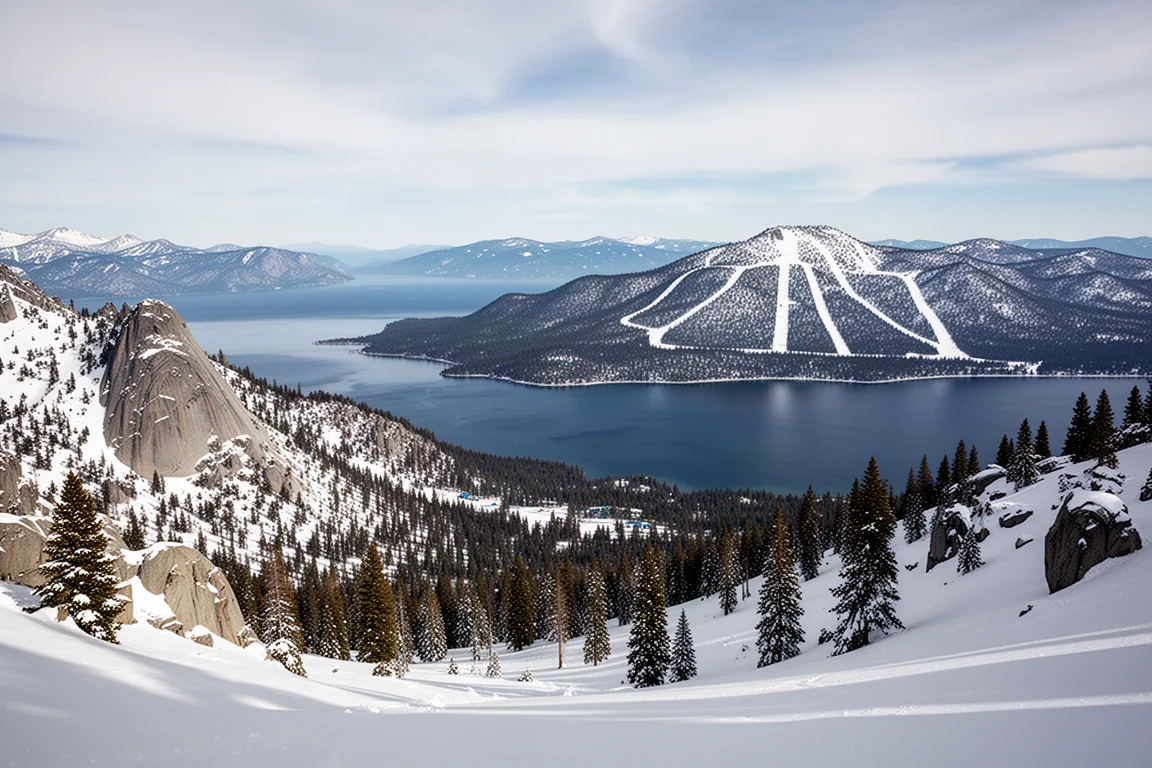
Lake Tahoe is one of the strongest ski destinations in North America. The region pairs striking scenery with distinctive terrain and sits within driving distance of the Bay Area, which makes it an easy choice for a winter trip. What it does not offer is uniformity. The destination resorts around the lake differ enormously in size, snow quality, lift layout, and how gracefully they handle a busy weekend.
This guide ranks ten Lake Tahoe destination mountains by overall mountain experience and calls out what each one does well and where it gives ground. The list covers destination areas built to serve a broad range of abilities and leaves out very small hills. One caveat is worth stating up front: none of these resorts is genuinely bad. Every mountain here sits above average for North American skiing.
How We Evaluated These Tahoe Resorts
Ranking ski areas is not a single-metric exercise. We weighed the whole mountain experience: terrain quality and variety, snow quality and retention, snowmaking, lift infrastructure, footprint size, vertical drop, how easily the resort moves people around, crowd flow, on-mountain facilities, scenery, and the price asked for a ticket.
Terrain carried the most weight. A resort with a narrow footprint and limited variety is harder to recommend than one with broad, distinctive terrain, even when the smaller mountain grooms beautifully. Snow quality and base elevation mattered too, because a low base can mean variable conditions right through the season. We also considered practical friction: catwalks, lifts that sit closed, and how much hiking or traversing is needed to reach the good terrain.
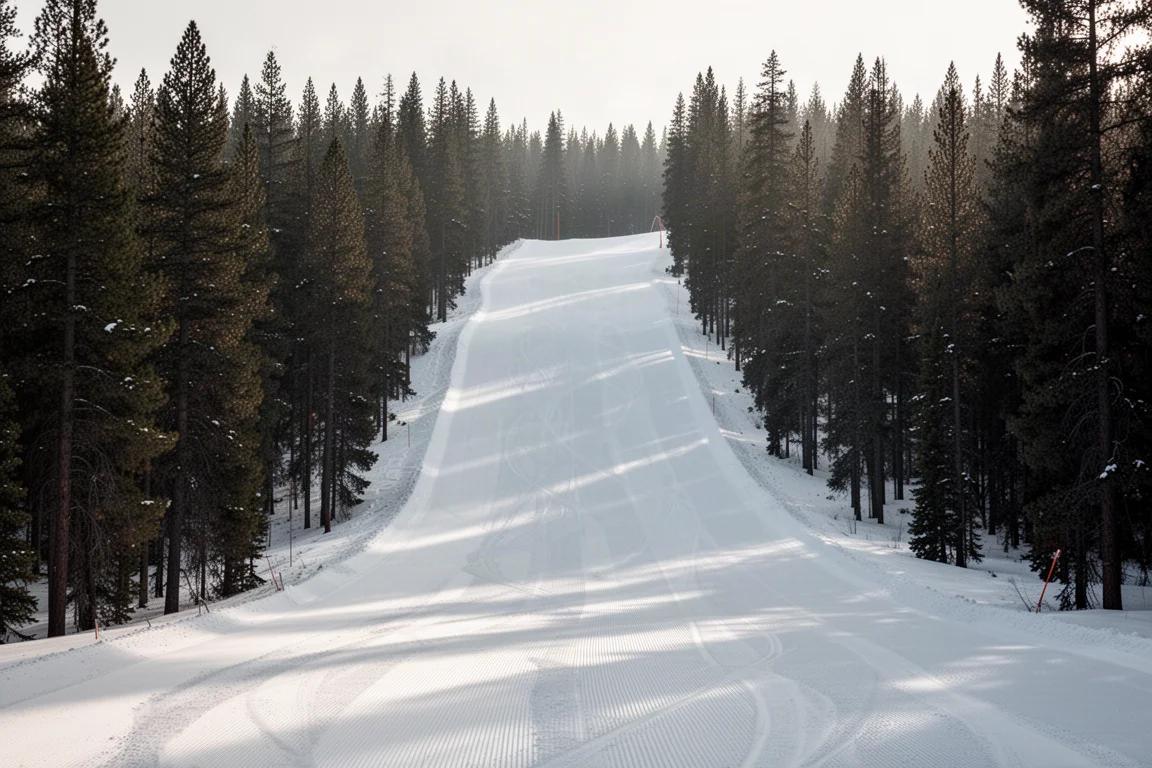
Views count for something in Tahoe, and a few resorts here lean heavily on them, but scenery alone was never enough to move a mountain up the list. Value was the final input, and a ticket price is only reasonable or unreasonable in relation to what the mountain actually delivers.
10. Homewood Mountain Resort: Unbeatable Views, Limited Terrain
Homewood sits right on the edge of Lake Tahoe, and it delivers some of the most astonishing views of any resort in the region. The lake is visible from every area of the mountain, and crowds are essentially a non-issue.
Beyond that, Homewood struggles to compete. It is much smaller than its neighbors, and its low elevation puts it well behind in snowmaking and snow retention. There is one high-speed lift and some genuinely solid tree terrain, but half of the resort’s lifts are typically closed on weekdays. On-mountain facilities are limited, and the catwalks needed to get around a compact mountain are frustrating.
Homewood can still be a good day out if the goal is lake views, and weekday tickets are genuinely cheap. Prices swing widely, though, and the resort becomes very expensive on peak weekends and holidays, particularly at the ticket window.
9. Diamond Peak: Excellent Grooming in a Narrow Package
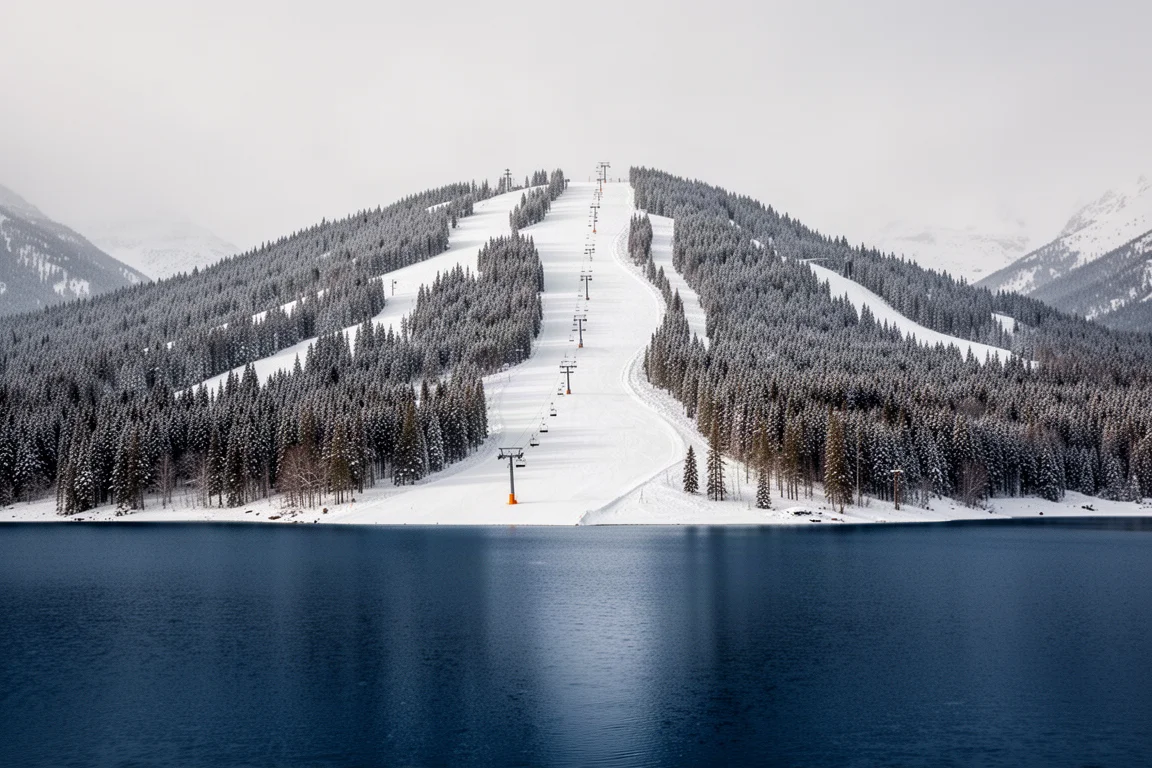
Diamond Peak tells a similar story to Homewood: excellent lake views with a so-so overall mountain experience. The views are not quite as good, but the mountain itself is better maintained. Grooming here ranks among the best in the region, and there is a surprisingly good terrain park, some solid off-piste glade terrain, and a high-speed lift serving the upper mountain.
Size is the limiting factor. At 400 acres, Diamond Peak is the smallest mountain on this list, and its footprint is exceptionally narrow. Low elevation for Tahoe means conditions vary considerably through the season, especially in the glades that make the resort distinctive.
Diamond Peak edges out Homewood, but its terrain and amenities are not a match for the rest of this list. It is also overpriced, charging the same as much better competitors. One day for the views can be worth it, but the asking price is hard to justify for such a small footprint.
8. Mount Rose: Reno’s Closest Mountain
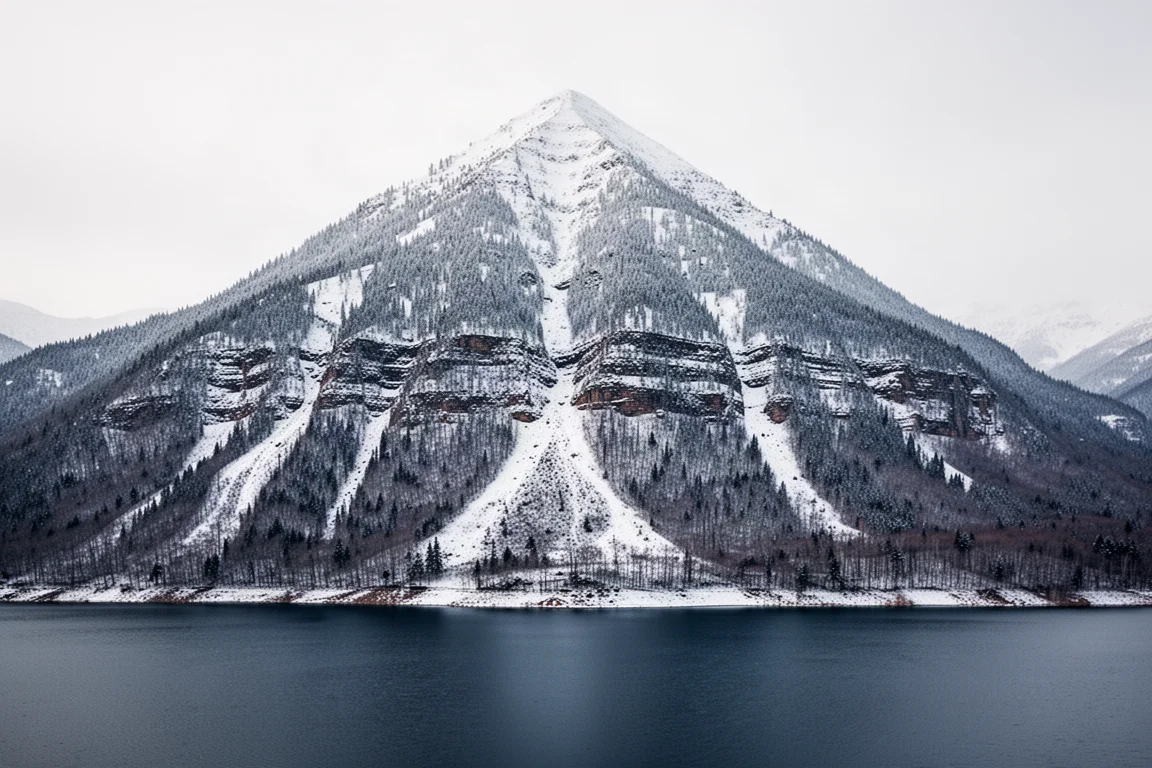
Mount Rose is the most convenient mountain here for anyone coming from Reno. It sits about half an hour from many parts of the city and along the pass that connects Reno with most other Tahoe ski areas.
It also has the highest base elevation of any Tahoe resort on this list, which translates into strong snow quality for the region. The catch is wind. Exposure to wind creates regular holds and scoured slopes, and that is among the worst wind problems in Tahoe.
Mount Rose’s standout terrain is its expert chutes: extremely demanding, unusually varied, and relatively easy to access for their difficulty. The problem is that these lines are rarely open, and the rest of the terrain is fairly mediocre. A modest footprint and limited lake views hold it back as well, though the views down toward Reno, which sits much lower and looks nothing like the resort, are genuinely interesting. Advance weekday tickets are reasonably priced; weekend, holiday, and day-of tickets are steep.
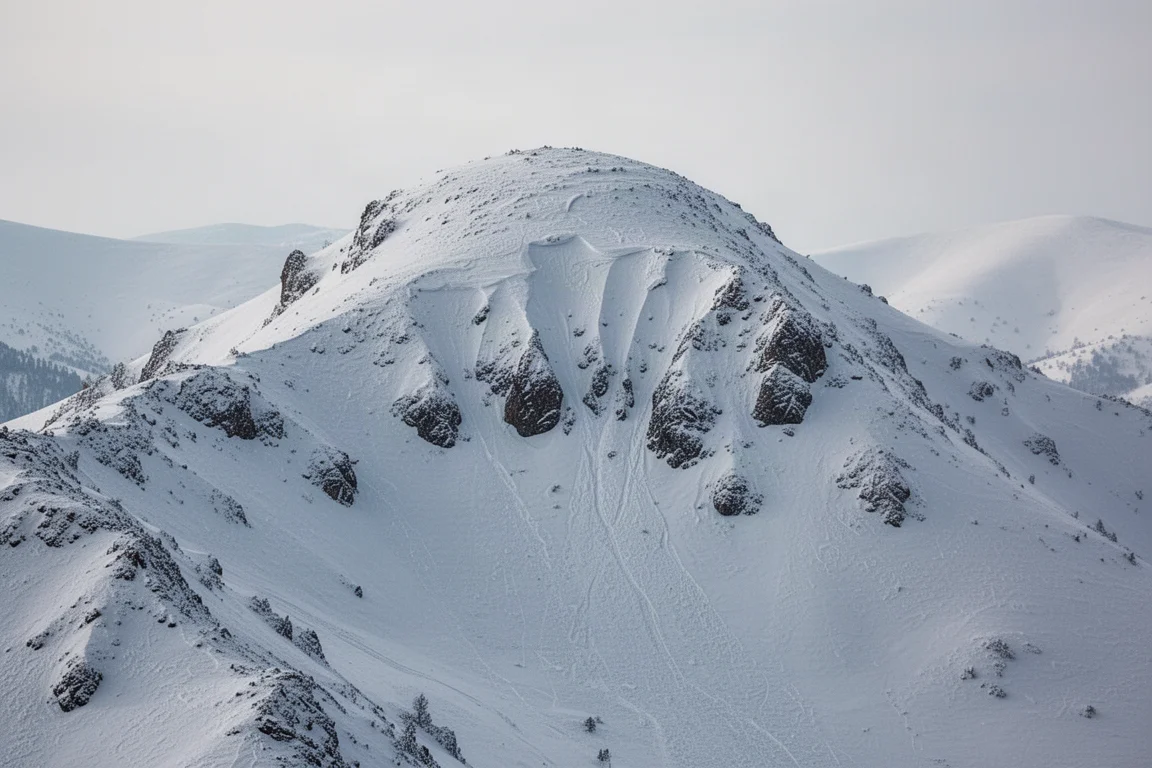
7. Sugar Bowl: All-Ability Terrain Minutes from I-80
Sugar Bowl is one of the most convenient resorts for anyone driving from the Bay Area or Sacramento. It is the first major resort you reach heading up Interstate 80.
Its footprint is genuinely well rounded, covering family-friendly green and blue runs through to true extremes, and the snow quality is among the best in Tahoe: nearby Donner Lake produces a lake-effect pattern that regularly pounds the mountain. Most areas are served by high-speed lifts.
The resort is modest in size, though, at just over a thousand acres, and it is especially short on vertical with a 1,500-foot drop from top to bottom. Some of the best expert lines are almost never open, with certain runs staying closed for entire seasons, and there are a couple of genuinely annoying catwalks. Sugar Bowl is a well-rounded mountain, just not a big enough one to beat the better-known Tahoe resorts. It is not cheap, but it is generally more reasonable than its better-known North Lake Tahoe competitors.
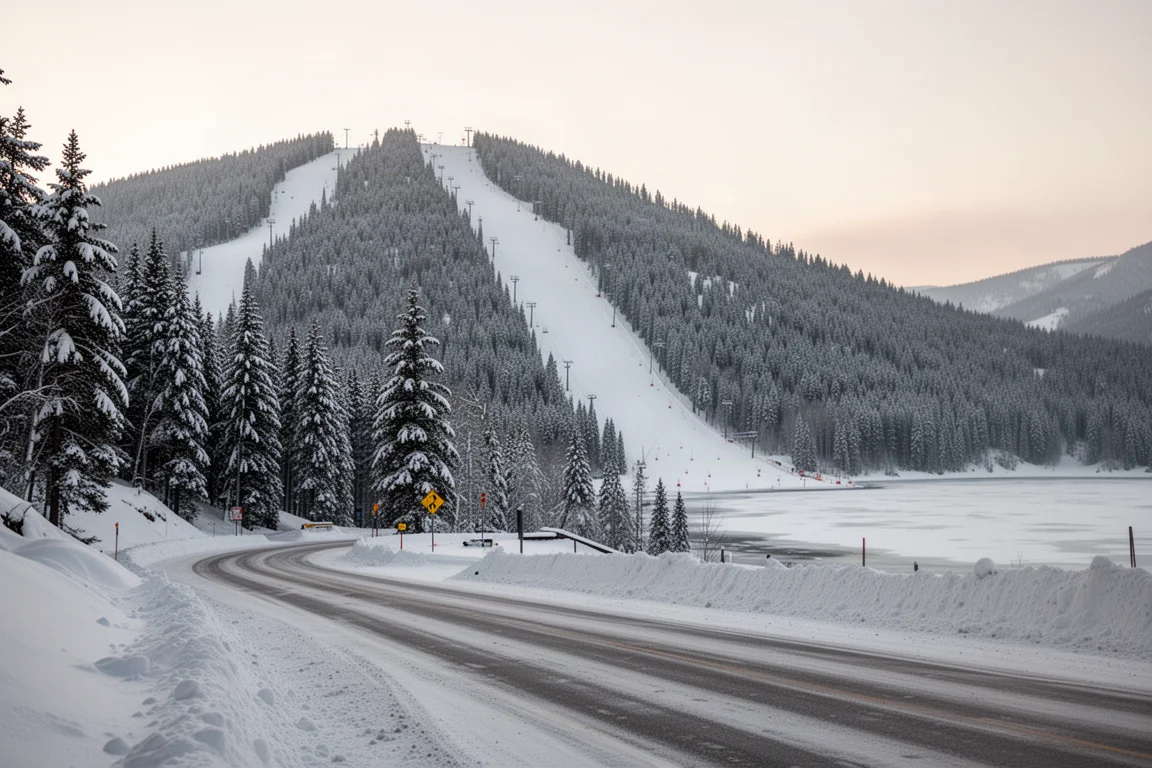
Sugar Bowl’s appeal is easy to understand for travelers who value access and balanced terrain over scale. Riders who want long, sustained descents will feel the short vertical more than most.
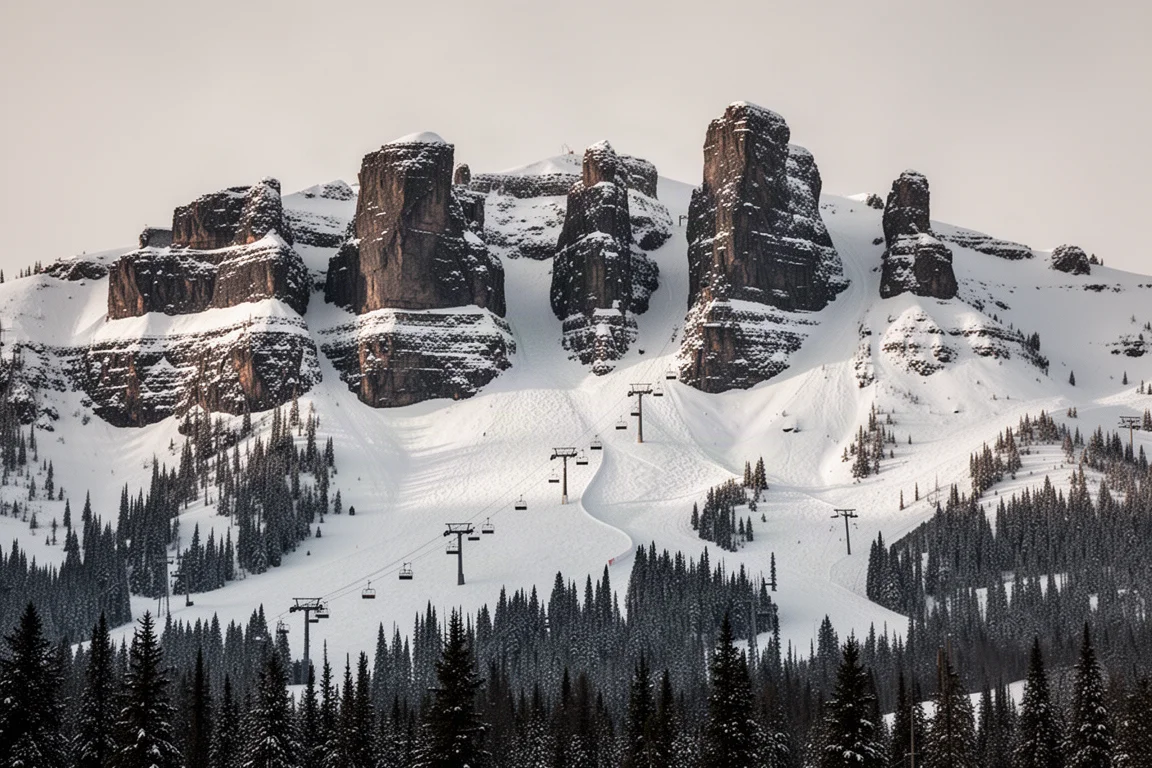
6. Northstar: Big, Convenient, and Commercial
On paper, Northstar looks appealing: high-speed lifts, more than 3,000 acres of terrain, and a fully dedicated freestyle mountain zone.
In practice, the terrain feels ordinary for a mountain of its size. The trees are a highlight, but there are no true bowls, and most neighboring trails feel similar to one another. There are also no expert runs, which leaves Northstar well behind the world-class steeps offered elsewhere in Tahoe. The resort itself feels commercialized and lacks the natural beauty of most other Tahoe mountains, with very little in the way of lake views. Crowds have also worsened in recent seasons.
Northstar does have real advantages: normal below-tree-line terrain that is naturally resistant to wind holds, and a reliable early-season snow base. If that is what you want from a mountain, it works. Otherwise, most riders are better served elsewhere. Advance weekday tickets are hefty, and weekend and holiday pricing is higher still, and arguably hard to justify for the experience.
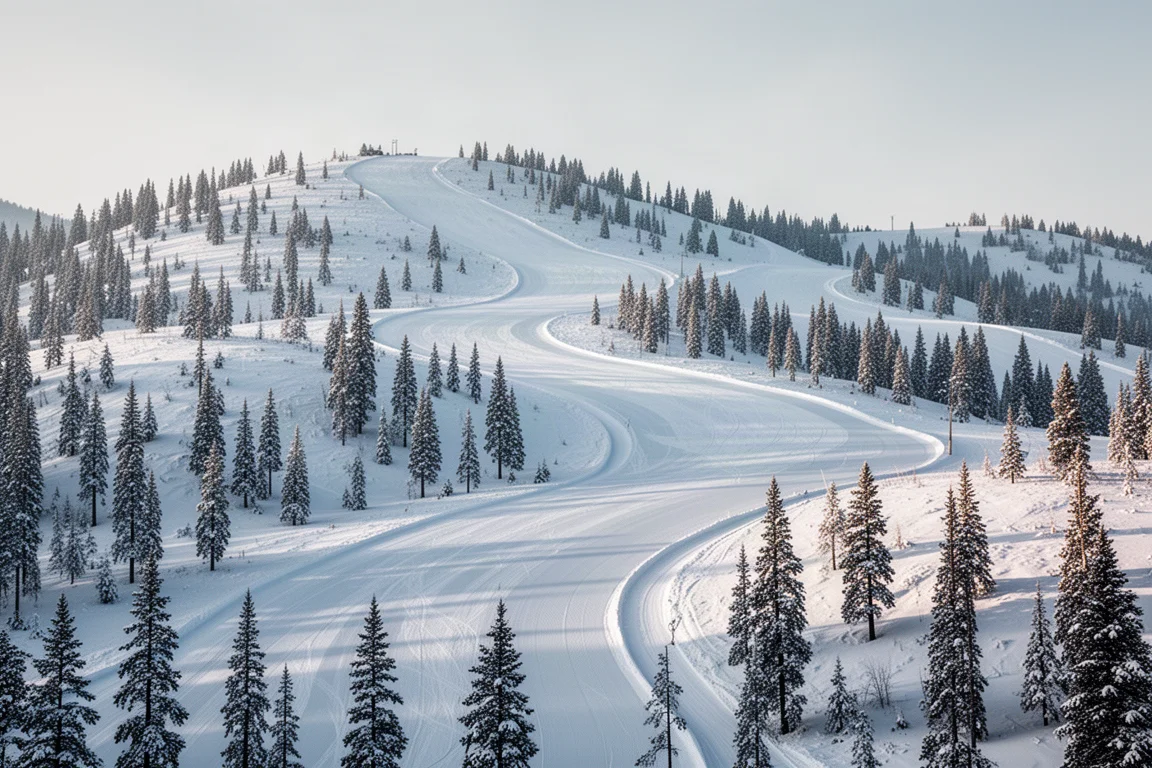
5. Sierra-at-Tahoe: Local Character and Freestyle Strength
Sierra-at-Tahoe is not the biggest resort on this list, but it stands out for its local feel. It has historically specialized in tree terrain, including distinctive obstacles such as rocks on some of the tougher trails. Freestyle terrain is among the best in Tahoe, with parks for all abilities, and lift redundancies at all major junctions help on busy days.
The biggest downside is the inconsistent opening schedule for expert terrain. Huckleberry Canyon is formidable, with steep cliffs, glades, and cornices, but it is rarely open and has sometimes gone an entire season without the rope dropping.
A note on recent history: Sierra-at-Tahoe sustained significant fire damage and was effectively unable to open for the 2021-22 season. The resort has worked to restore its footprint and stated that it expected to fully open for 2022-23. This placement reflects the terrain as it existed before the fire and could change if the experience differs significantly after reopening.
On price, Sierra did not release tickets for the 2021-22 season, but ticket prices in prior seasons were quite reasonable, undercutting every other Tahoe resort offering a comparable experience when bought in advance. That makes it arguably the best value on this list.
4. Kirkwood: Remote, No-Frills Extremes
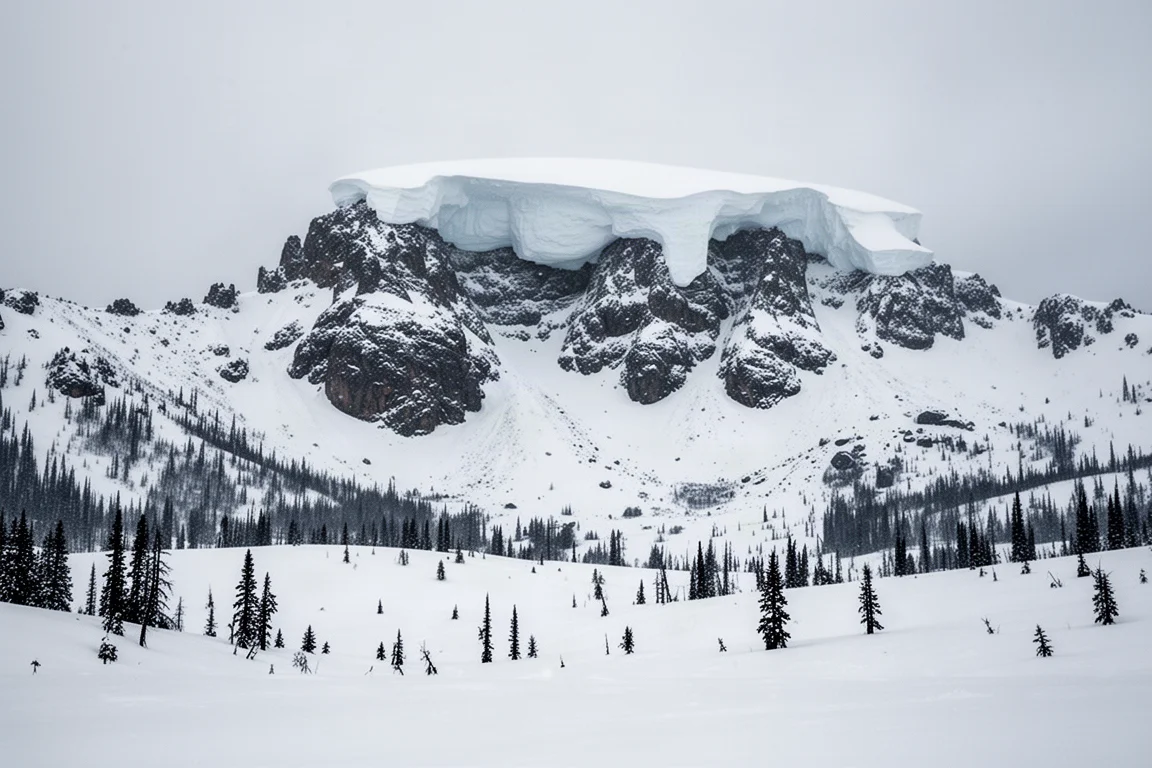
Kirkwood is the prime Tahoe area for something no-frills. There is minimal buildup, it sits in an incredibly remote spot, and most lifts are slow. What it offers instead is a striking footprint, with remarkable peaks lining the resort, which is especially impressive given that Kirkwood is an hour south of the lake and has no lake views at all. A general lack of crowds heightens the feeling of remoteness, and the snow is lighter and drier than at most competitors.
The terrain is not to be taken lightly. Kirkwood holds the best extreme terrain in the southern half of Tahoe, with extraordinary chutes, cliffs, and couloirs available right off the lifts. The hardest runs require mandatory straight-lining or jumping to get down in one piece.
That focus comes at a cost. Beginner and intermediate offerings fall short, and a 2,000-foot vertical drop means there are no truly long trails. Wind exposure is also a major problem, with holds regularly affecting the entire resort. Kirkwood is hard not to love for riders who appreciate extremes and natural beauty, but it is not big or logistically capable enough to beat the rest of this list. Tickets are affordable relative to many Tahoe resorts, closer to the smaller mountains here than to the other destinations.
3. Heavenly: The Best Lake Views in Tahoe
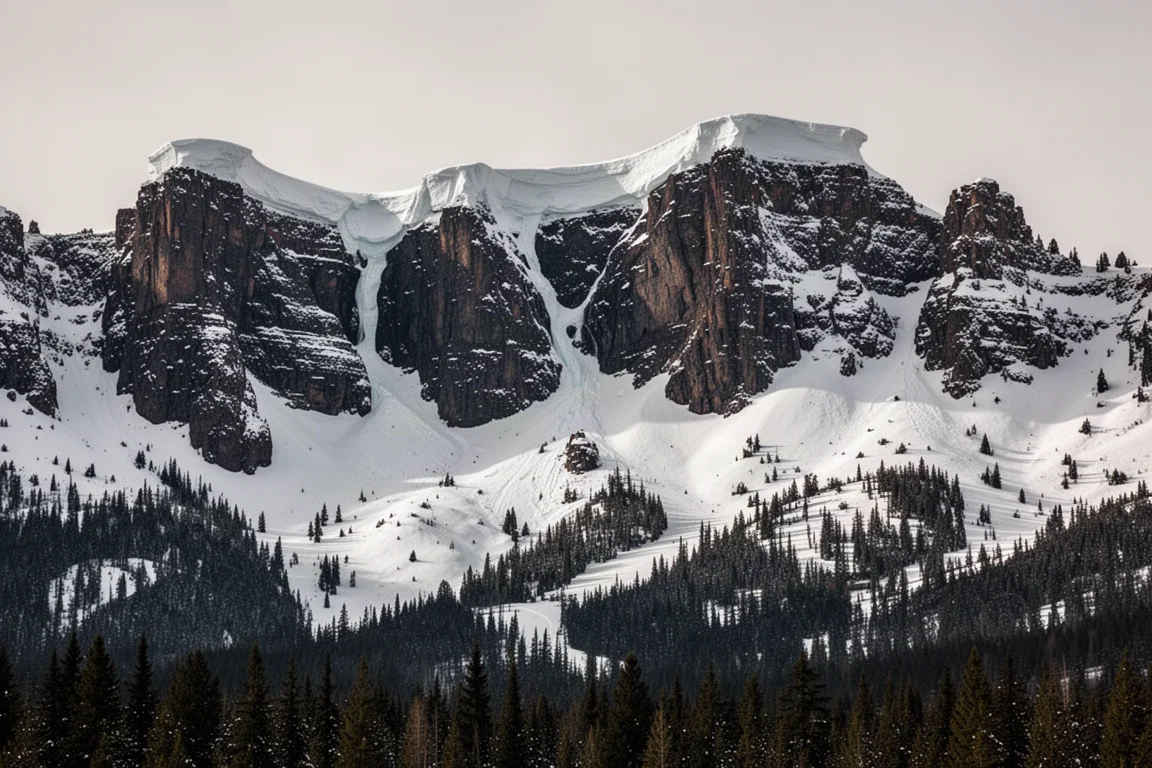
If the goal is the best lake views in Tahoe, Heavenly is the clear choice. The resort directly overlooks the lake, producing vistas that feel unlike anything at any other ski resort.
It is also a sizeable mountain, with enough terrain to keep most guests busy for several days. The glades stand out, especially in the upper mountain areas, along with the expert Mott and Killebrew Canyon zones when conditions allow.
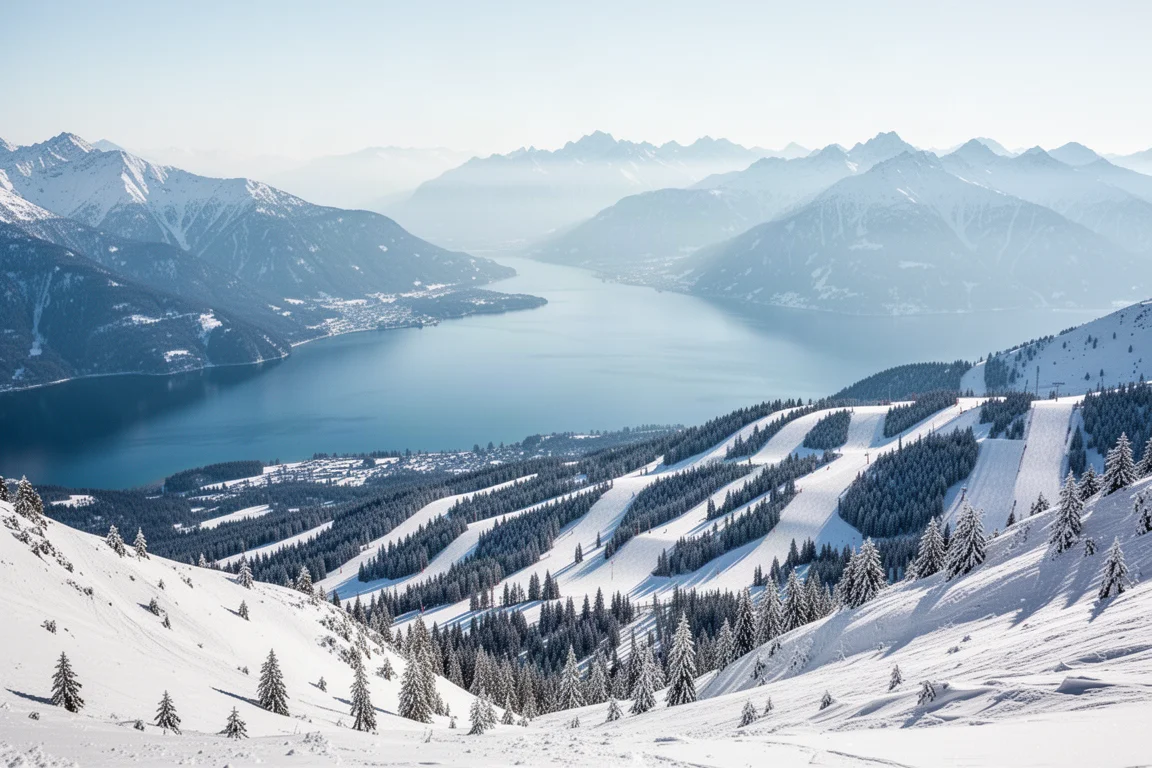
Heavenly is far from perfect. The footprint is difficult to navigate, there is very little in the way of bowls, and lower mountain conditions are particularly variable. In some circumstances guests have to ride the lower mountain lifts back down to leave the resort. The mountain can also get genuinely crowded during peak periods, with a few especially bad choke points. The views are one of a kind, but they cannot carry the resort to the top of this list. Heavenly is not cheap, and those late-day views come at a premium.
2. Alpine Meadows: Uncrowded and Surprisingly Steep
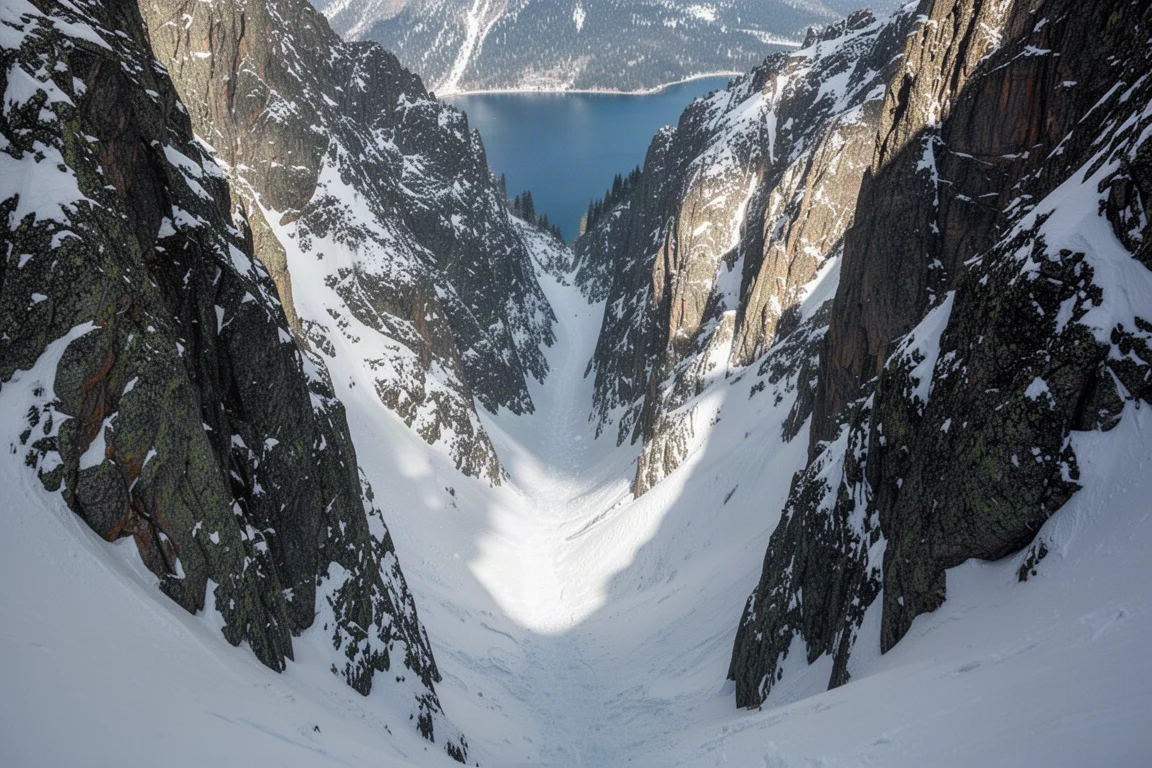
Alpine Meadows may not be the largest mountain in Tahoe, but several factors make it a strong choice. It sees fewer crowding issues than competitors and feels significantly less built up. Each lift serves hundreds of acres of terrain, which means powder can stay untracked longer than you might expect when the weather stays consistent. Despite a short vertical drop, the resort offers surprisingly extreme terrain, including some of the hardest lines anywhere in North America.
Alpine is not immune to Tahoe’s variability, and its upper mountain areas are highly exposed to wind. A considerable portion of the terrain is not easy to reach: an entire third of the resort requires hiking, and several other areas require traversing. Beginners are an afterthought here, with only two green runs at the whole resort. There is also no on-site lodging, which makes it a tough sell for anyone wanting a ski-in, ski-out vacation.
Even with those drawbacks, Alpine Meadows has the snow, the extremes, and the crowd flow to beat every other ski area in Tahoe except one.
1. Palisades Tahoe: The Most Complete Mountain in Tahoe
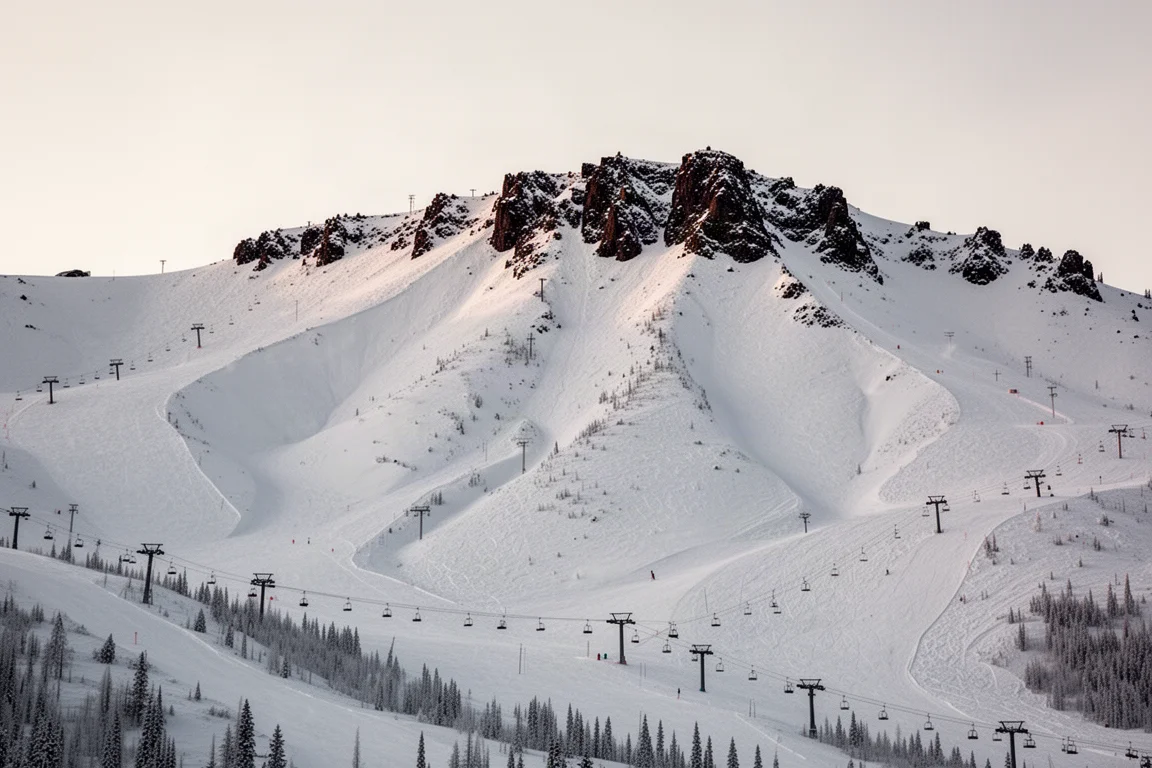
The Palisades Tahoe areas take the top two spots in this ranking, and the Olympic Valley side is the best resort in Tahoe. It is a completely separate mountain from Alpine Meadows, and the two share a single lift ticket.
This is a formidable area with world-class extremes across every part of the mountain: expert chutes, cliffs, and couloirs spread over varied topography. It may not match Heavenly for lake views, but the footprint itself is exceptional, with striking landscapes, rock formations, and high alpine bowls. Spring skiing is another strength, with seasons typically extending through May and the best years running into July.
Beginners and intermediates will find better slopes elsewhere, and the resort is no secret, so lines are a problem on weekends and holidays. No Tahoe resort is perfect, and it is hard to find a better overall choice than this one. Both Palisades Tahoe areas sit on the same lift ticket, and it is the most expensive ticket in Tahoe. You are paying for the best, and it is hard to argue with that.
Buying Advice: Matching the Mountain to Your Trip
Choosing among these resorts comes down to what you want from a trip rather than which mountain is objectively best. Travelers chasing scenery should start with Heavenly and Homewood, the two resorts where the lake itself is the headline. Riders who want the steepest and most technical terrain will get the most out of Palisades Tahoe, Alpine Meadows, and Kirkwood.
Families and mixed-ability groups are better served by Sugar Bowl, which covers green and blue terrain through to genuine extremes, or by Sierra-at-Tahoe, whose parks suit a wide range of freestyle ability. Northstar makes sense for anyone who wants a large, wind-resistant mountain with dependable early-season coverage and does not mind a commercial feel. Diamond Peak and Mount Rose are more situational: Diamond Peak for a groomed day with lake views, Mount Rose for Reno-based riders who want the shortest possible drive.
Value deserves careful thought, because Tahoe ticket pricing is inconsistent. Homewood is inexpensive on weekdays but swings widely and gets expensive on peak weekends and holidays. Sierra-at-Tahoe has historically undercut comparable resorts on advance tickets, and Kirkwood prices closer to the smaller mountains than to the destinations. Diamond Peak charges destination-level prices for the smallest footprint here, while Northstar and Heavenly sit at the top of the range. Palisades Tahoe is the most expensive ticket in Tahoe, and it covers both of its areas.
Conclusion
Lake Tahoe rewards a little planning. The region’s destination resorts are close enough in quality that the right pick depends on the trip you have in mind: lake views at Heavenly and Homewood, technical steeps at Palisades Tahoe, Alpine Meadows, and Kirkwood, balanced all-ability terrain at Sugar Bowl, freestyle and value at Sierra-at-Tahoe, and convenient, wind-resistant cruising at Northstar.
Every resort on this list is above average for North American skiing, and none of them is a bad choice outright. Match the mountain to your ability, your tolerance for crowds, and your budget, and Tahoe delivers.
Further reading
Related Reviews
Ski Resorts
Alyeska Resort Review: Alaska's Largest Ski Resort, Worth the Journey?
A deep look at Alyeska Resort: heavy snowfall, expert terrain, an Icon Pass connection, and the trade-offs of a near-sea-level mountain in the Last Frontier.
Ski Resorts
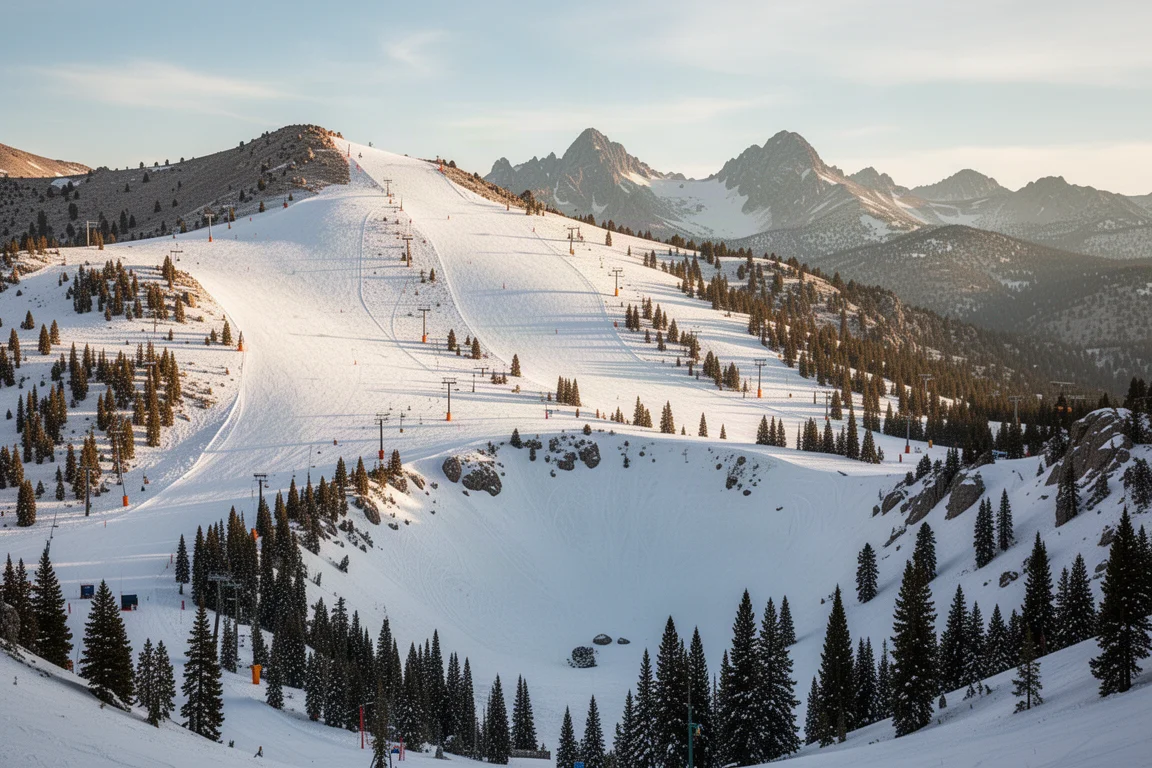
Bear Valley Ski Resort Review: Northern California's Quiet Sierra Alternative to Tahoe
A lesser-known Sierra resort with over 1,300 skiable acres, surprisingly strong expert terrain, and crowd levels Tahoe can only dream of. Here is what to know before you go.
Ski Resorts
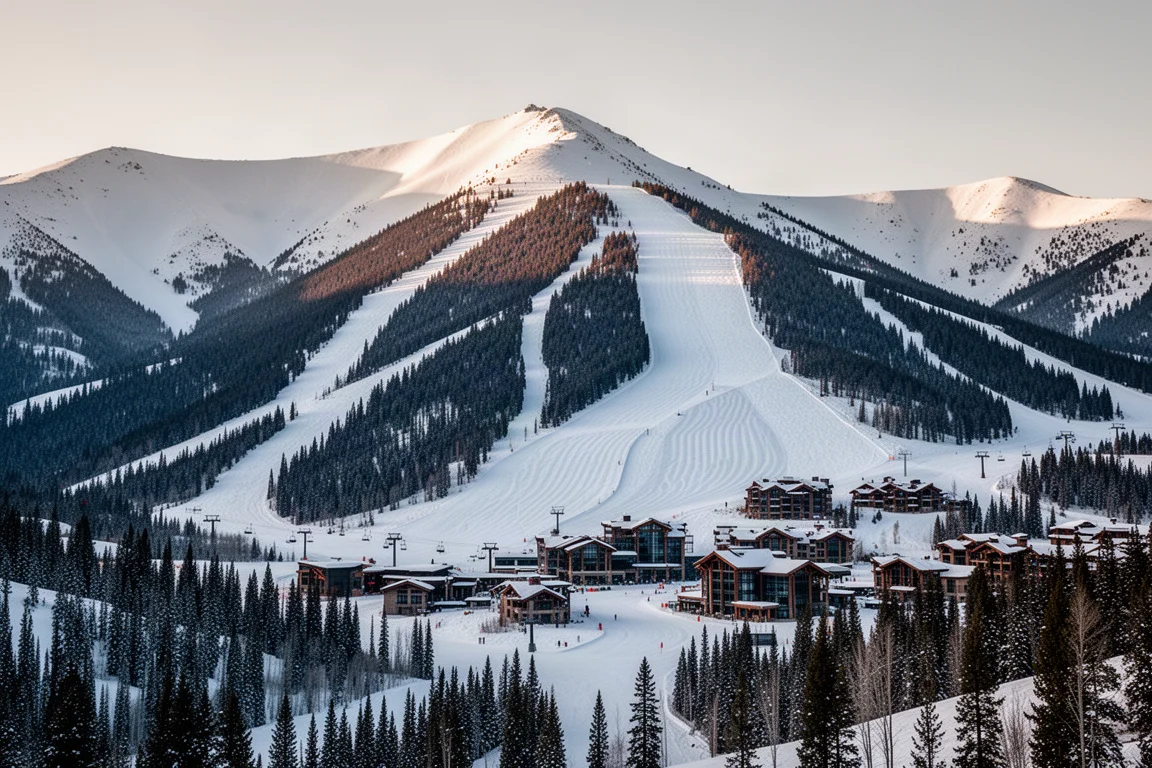
Colorado Ski Resorts Ranked: The Best Destination Mountains for Overall Experience
A ranked guide to Colorado's destination ski resorts, covering terrain, snow, logistics, crowds, and cost so you can pick the right mountain for your trip.