Ski Resorts
Best Lake Tahoe Ski Resorts for Experts: A Ranked Guide
A ranked look at nine Lake Tahoe ski resorts by how well they serve expert skiers and riders, from wide gladed tree runs to cornice-crowned chutes.
Introduction
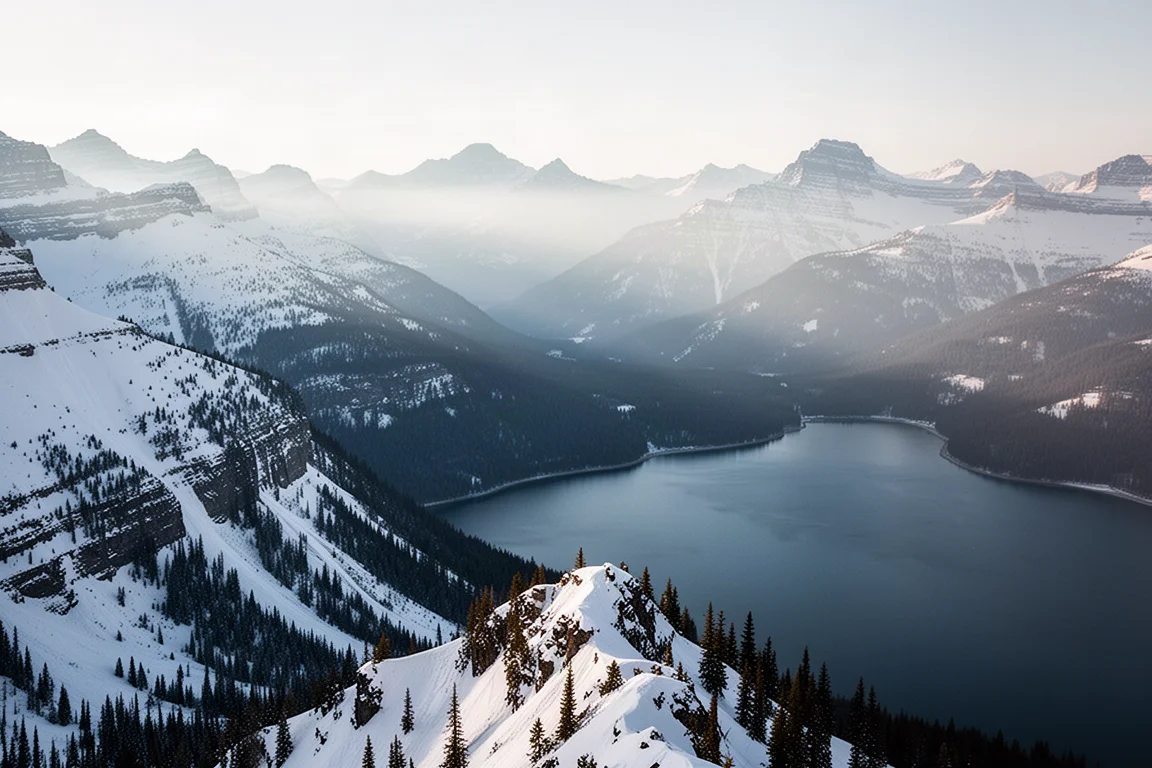
Lake Tahoe has a reputation built on sunny slopes, wide views, and easy access from the Bay Area. What that reputation sometimes undersells is how serious the skiing gets. The region is home to formidable lines, natural obstacles, and cliff drops that will test even the most seasoned skiers and riders, and some of the most legendary snow sports athletes have come out of this area.
The catch is that Tahoe’s mountains are not created equal. A handful of resorts concentrate genuinely extreme terrain across large sections of their footprint, while others offer little beyond steep groomers, glades, and moguls. This guide ranks the region’s major resorts by how well they serve expert-level guests, and it flags where each one falls short.
How These Resorts Were Ranked
Three things separate a resort that is fun for strong skiers from one that genuinely rewards experts. The first is the technical demand of the hardest terrain: cornices that must be cleared, mandatory straightlining, tight chutes, hidden rocks, and cliff drops. The second is reliability, meaning how often the hardest zones actually open. The third is practicality, or how easily those zones can be reached and lapped once they are open.
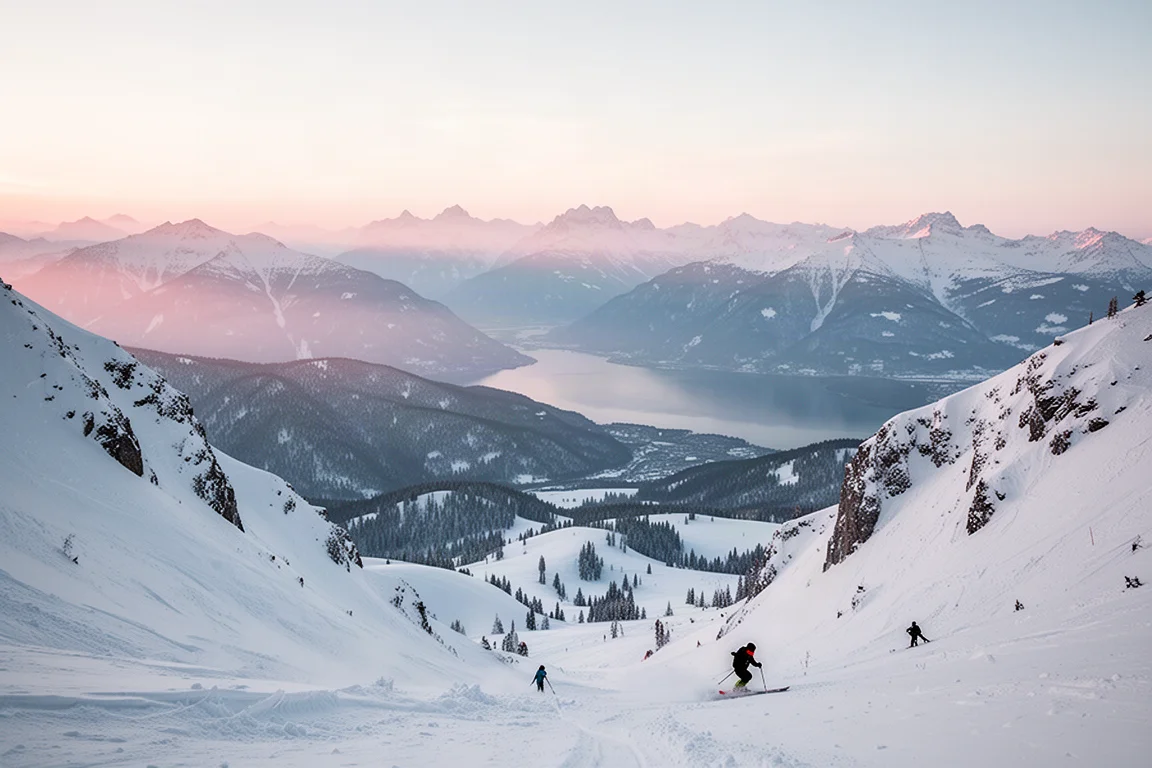
A resort that opens its most demanding terrain every season ranks higher than one that keeps it roped off for months or skips it entirely in lean snow years. Hike-outs and long traverses also count against a mountain, because terrain you can only reach once a day is terrain you cannot really learn.
Northstar: Wide Footprint, Limited Expert Challenge
Northstar lands at the bottom of this list. It is not completely lacking in challenge, but it delivers a far less technical experience than its Tahoe counterparts.
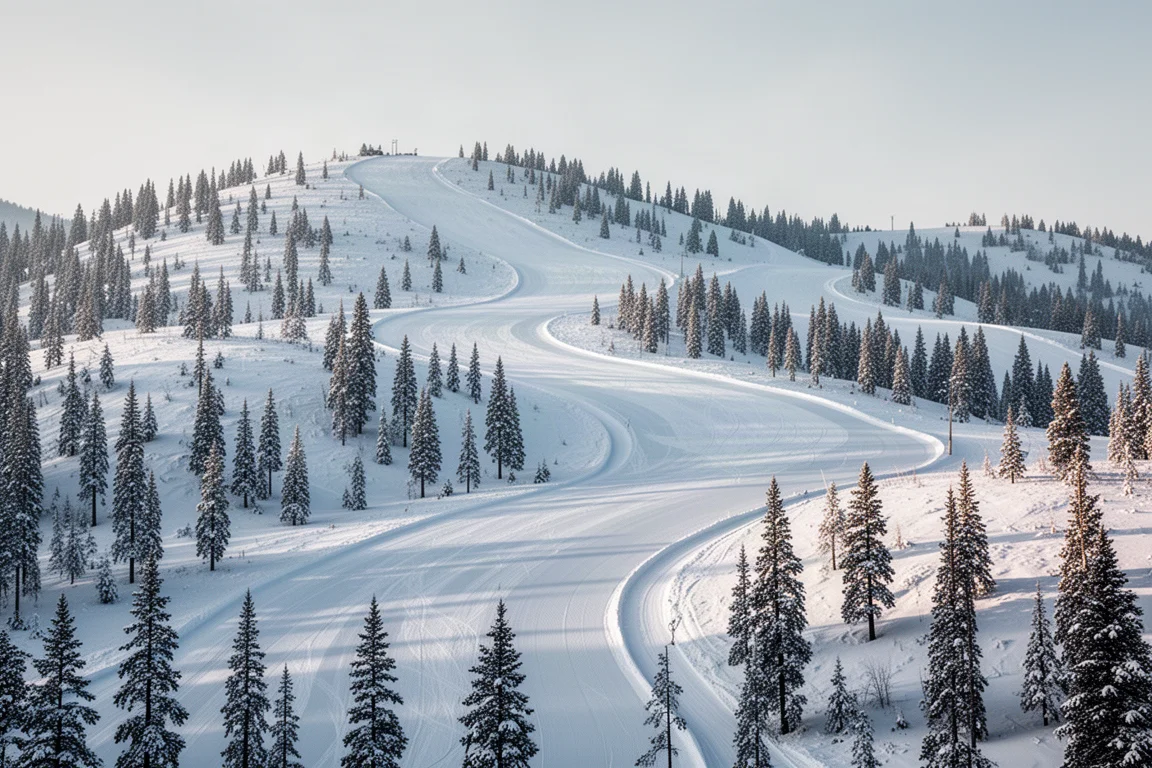
The Backside and Lookout Mountain zones host long, demanding mogul runs, though anywhere from a third to half of them tend to be groomed depending on the day. The woods hold steep glades and plenty of tree terrain across a sizable footprint. What Northstar does not have is a single double black diamond run, and its most challenging runs, while steep and somewhat long, never reach truly precipitous pitches. Advanced skiers and riders should be able to handle essentially everything at the resort in reasonable conditions.
The expert experience has thinned out over time. Up until 2022, the most technical pitch was arguably the Corridor run down the Comstock Express lift line, which included rocks, tree stumps, and narrow segments that required quick decisions. When the Comstock quad was replaced with a six-pack, Corridor was combined with a much wider groomed alley, removing much of that technicality.
Northstar has great glades and a large footprint, but experts can essentially write it off. It already draws crowds, so if double black diamonds are your preferred form of descent, leave this one to the Bay Area families.
Diamond Peak: Small Footprint With Real Expert Terrain
Diamond Peak is much smaller than the other resorts here, with a Tahoe-adjacent 400-acre skiable footprint that is heavily vertically oriented. It has a few solid mogul runs, but like Northstar it stands out for its woods. As long as snow conditions allow, the fairly steep upper mountain is skiable as glade terrain, and depending on the base the trees can hide significant obstacles such as rocks. Much of the footprint will be manageable for advanced skiers and riders.
What lifts Diamond Peak clearly above Northstar is Solitude Canyon. This zone often takes months to accumulate enough snow to open, but once it is good to enter, it features steep, narrow lines across numerous obstacles including rocks, tree stumps, and cliffs.
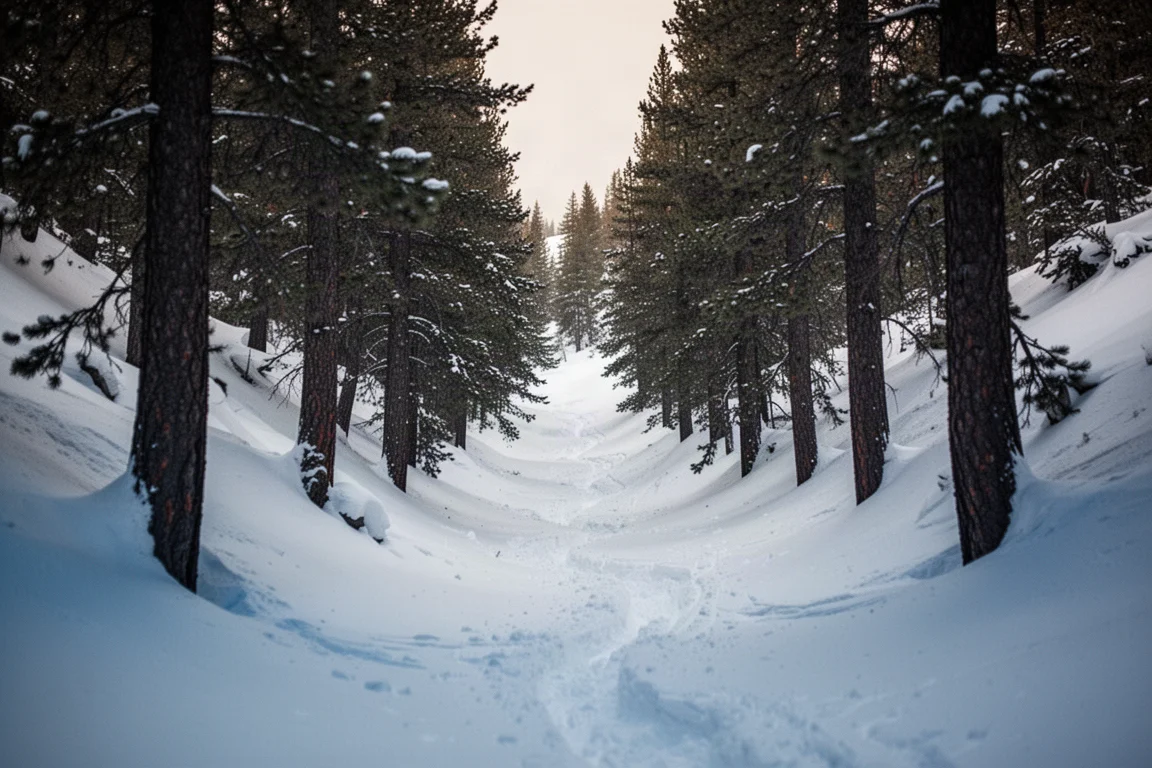
Most of Solitude Canyon can be lapped directly via the Crystal lift, while a few of the uppermost lines require a brief hike. Diamond Peak may not be as tough as the resorts higher on this list, but when conditions allow it offers genuinely expert-oriented terrain that should keep advanced visitors busy for a while.
Homewood: Mellow Slopes and One Standout Face
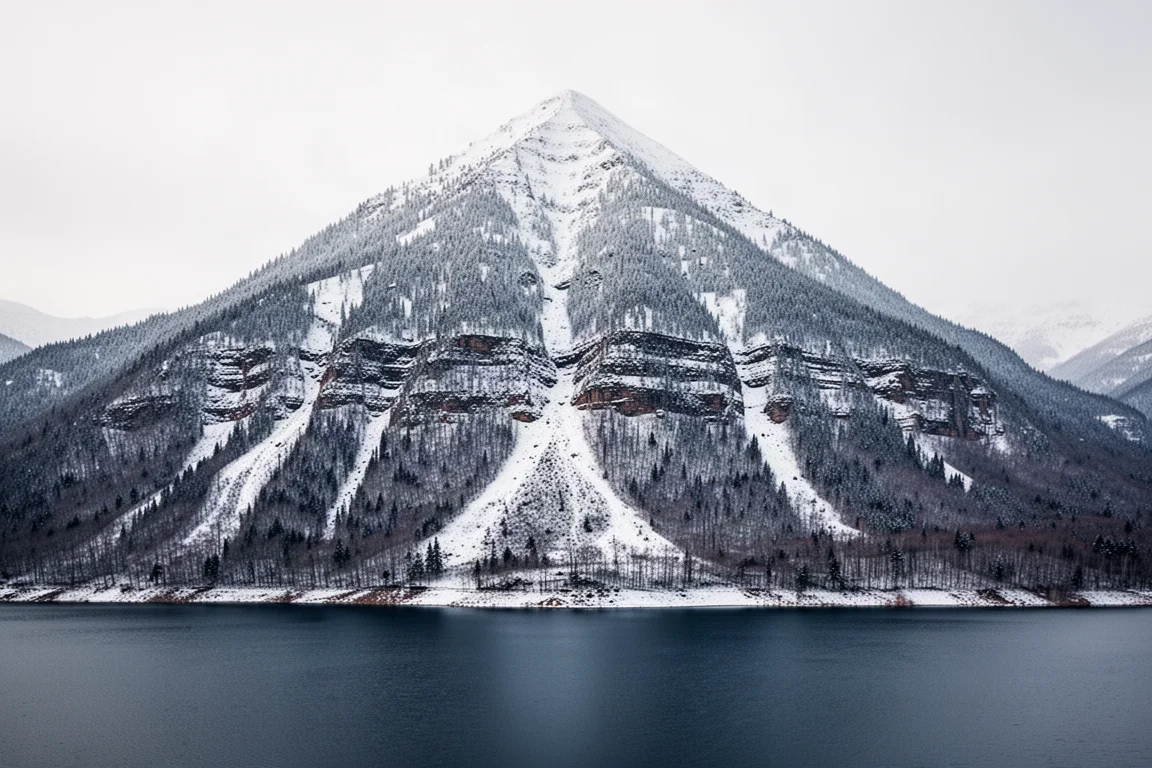
Homewood is the closest ski resort to Lake Tahoe and one of the most stunningly beautiful on the continent. Many of its slopes look mellow, and all of its lift-served terrain is within reach of advanced-level guests.
The wild side sits in the southern reaches of the resort, at Quail Face. This area holds a consistent, truly expert-level pitch of greater than 50 degrees, and it does so while offering an extraordinary, almost entirely comprehensive view of Lake Tahoe. Getting to and from Quail Face requires prolonged traversing, so it is not for anyone unprepared for a real adventure.
Elsewhere on the mountain there are no cliffs or chutes, and the woods and mogul runs will probably be enough to keep advanced guests busy after the hike out from that run. Homewood does not offer the same quantity of expert slopes as the resorts ranked above it, but Quail Face alone can justify a day, conditions permitting.
Sierra at Tahoe: Huckleberry Canyon and a Fire-Altered Landscape
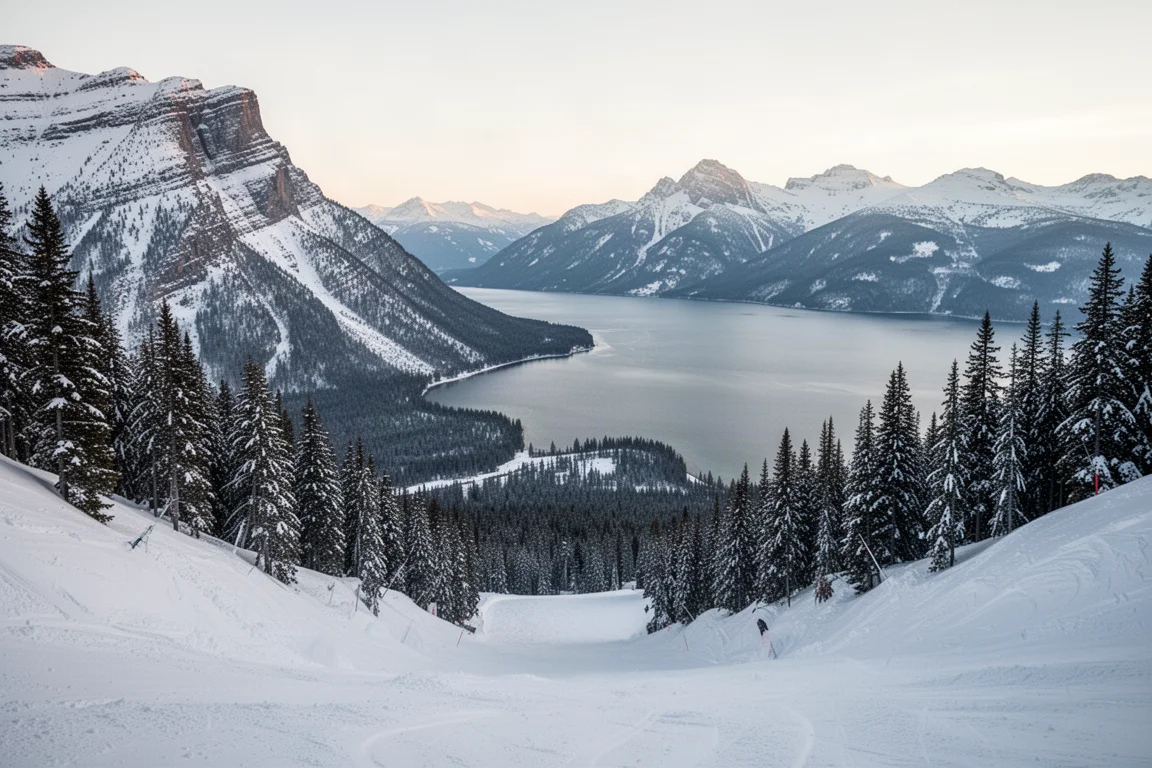
Sierra at Tahoe was historically known for its woods terrain, but a massive wildfire caused a footprint shift that turned many of those woods into wide open bowls. The area chiefly spared was Huckleberry Canyon, a terrain zone that hosts what are probably the first truly extreme lines on this list.
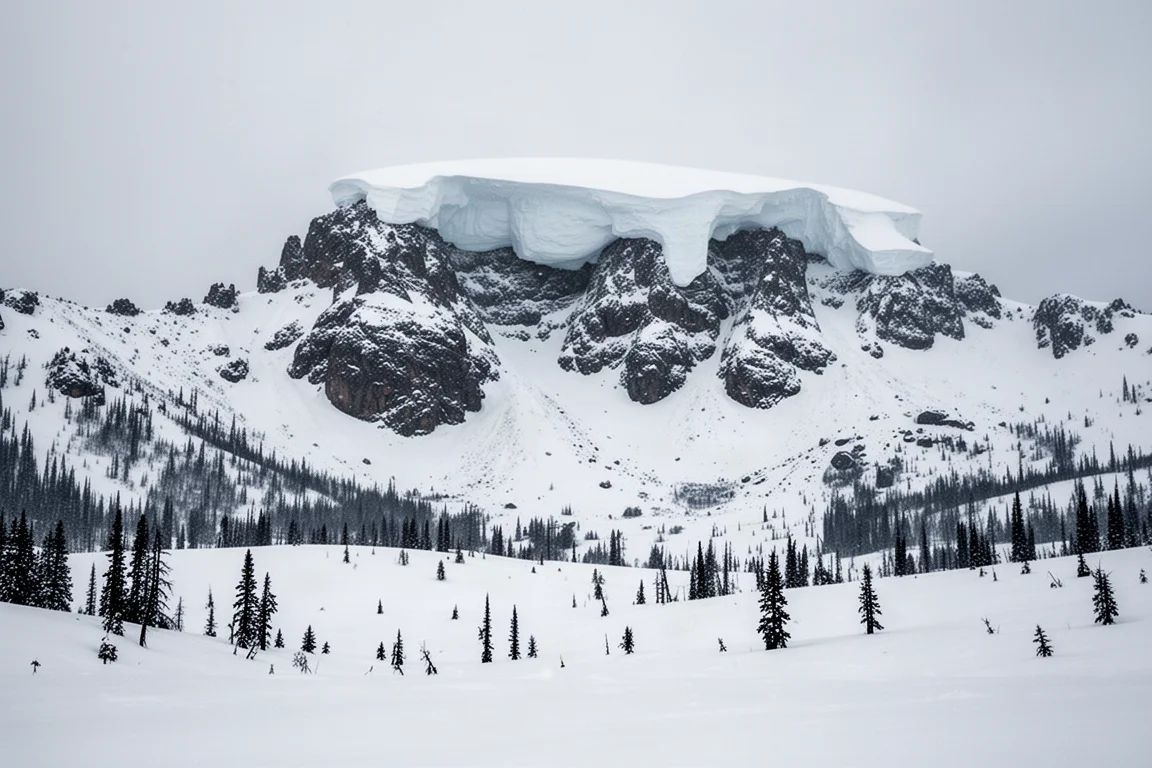
Huckleberry Canyon is a rock-riddled area crowned by a massive cornice. Entering the upper gates usually means clearing that cornice to get anywhere else on the run, and reaching it requires a very brief hike. Getting down mandates tight technical turns at minimum, and for particularly adventurous guests it offers plenty of opportunities for mandatory straightlining or cliff drops when conditions allow.
The substantial downside is that Huckleberry Canyon is perennially closed. It takes a huge amount of snow to fill in, the resort can go months without opening it, and in particularly bad seasons it may not open at all. Even when the gates stay shut, Sierra offers a couple of expert-oriented trees and bowls in upper mountain areas, with unique boulder formations in the ground that keep the runs from being bland. Expert terrain here is less abundant and less reliable than at the resorts ranked higher, but on the right day it delivers.
Heavenly: Concentrated Expert Zones Above the Lake
Heavenly sits immediately adjacent to Lake Tahoe and comes with outstanding views. At first glance, its challenge footprint looks like a near carbon copy of Northstar: most of the mountain offers tough trees and mogul runs, but not much that advanced skiers and riders cannot handle.
The standout sits at the far northeastern reaches of the resort, in the experts-only, gate-accessed Mott Canyon and Killebrew Canyon areas. Mott Canyon is the shorter and easier of the two, but it is still no joke, with every path down involving very steep, narrow terrain that requires steady composure. Killebrew Canyon takes everything at Mott and turns it up a notch, with precipitously demanding lines ranging in technicality from expert to truly extreme. Severely tight turns and hidden elements such as rocks are standard, and depending on which gate you enter you may face mandatory straightlining, steep cliff drops, or a combination of both. Complete one extreme feature and another can appear in quick succession.
Heavenly’s expert challenges are much more concentrated than some competitors’, and at Killebrew the long, time-consuming hike-outs make the area impractical to lap. North-facing aspects help preserve snow, though openings remain somewhat variable. For experts who find themselves at Heavenly, the hardest terrain zones are considerably tougher than most people give the resort credit for.
Mount Rose: The Chutes and Easy Lapping
Mount Rose is the closest ski resort to Reno and tends to attract a budget-conscious, family-oriented crowd from that area. The bulk of the footprint is among the most mellow in Tahoe, with both the front side and the Winter Creek backside hosting very little terrain above advanced-level difficulty.
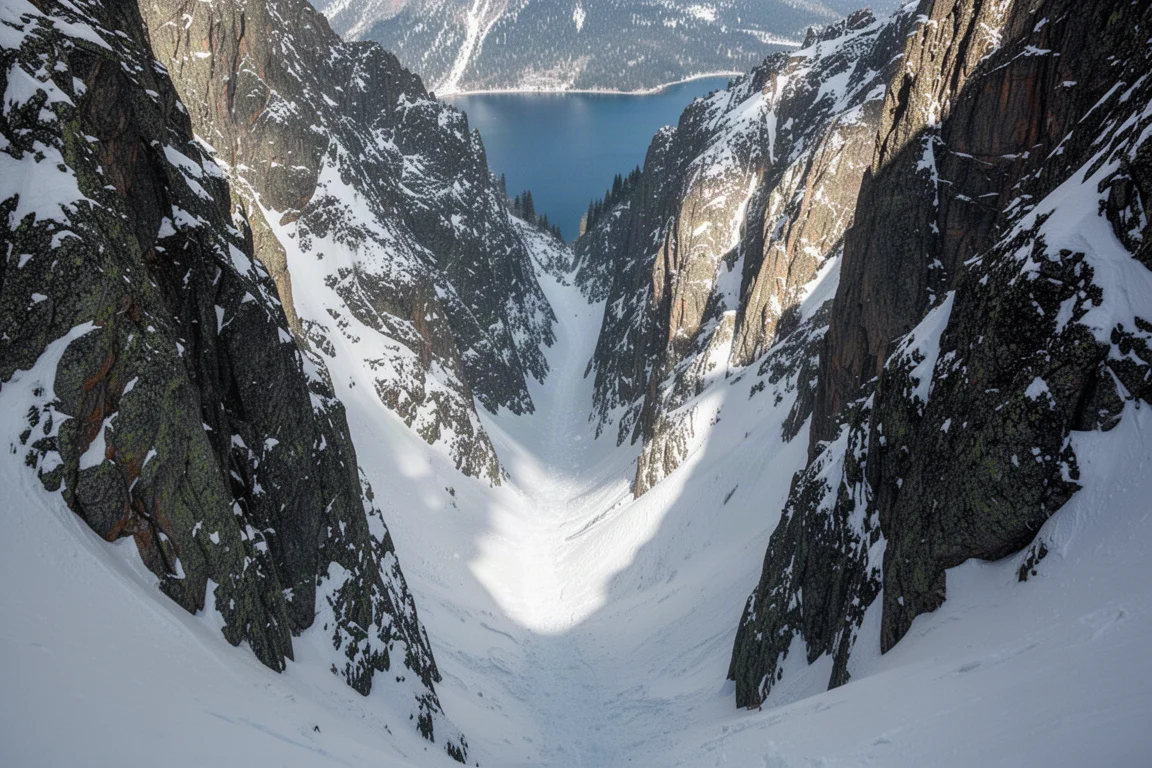
The challenge level gets a jarring boost from the Mount Rose Chutes, home to some of the most technically pitched terrain in the region when they are open. These lines are not for the faint of heart, and depending on which path you take, the ground can feel like it has given out entirely below you. You will not find 50-foot cliff drops in the chutes, but short sections of straightlining are required on the hardest runs.
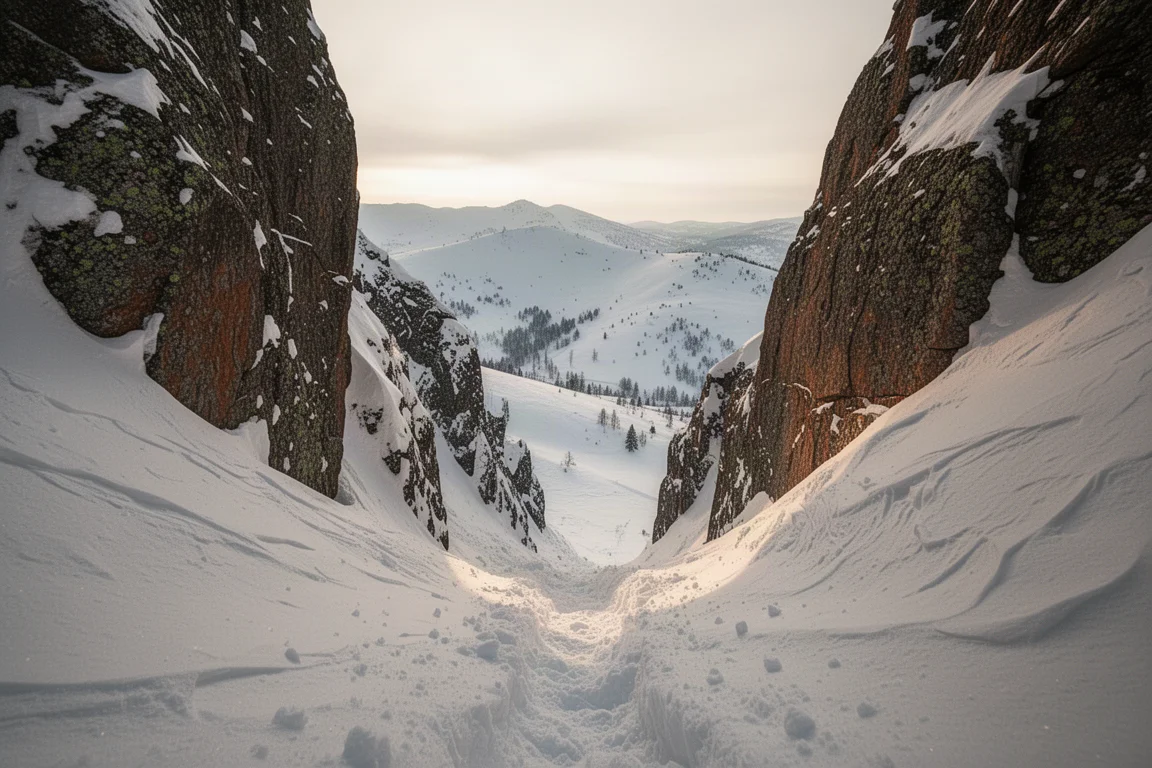
The chutes are also among the easiest expert runs in Tahoe to lap, with just two lift rides needed to get back to any of them. The trade-off is variable openings. They will not be closed for an entire season, but they take a few months to fill in during bad seasons, and when they are closed Mount Rose’s expert terrain offerings are essentially nil. The chutes make up only about 10 percent of the resort’s footprint, but they are extensive, accessible, and perilous enough to beat out more than half of the destination competitors on this list.
Sugar Bowl: Rock-Formed Extremes Close to the Lifts
Sugar Bowl is one of the oldest ski resorts in Tahoe, and at first glance it does not seem like it belongs this high on an expert list. The resort is known for a family-friendly vibe and a Disney-influenced history. Expert visitors should not underestimate it.
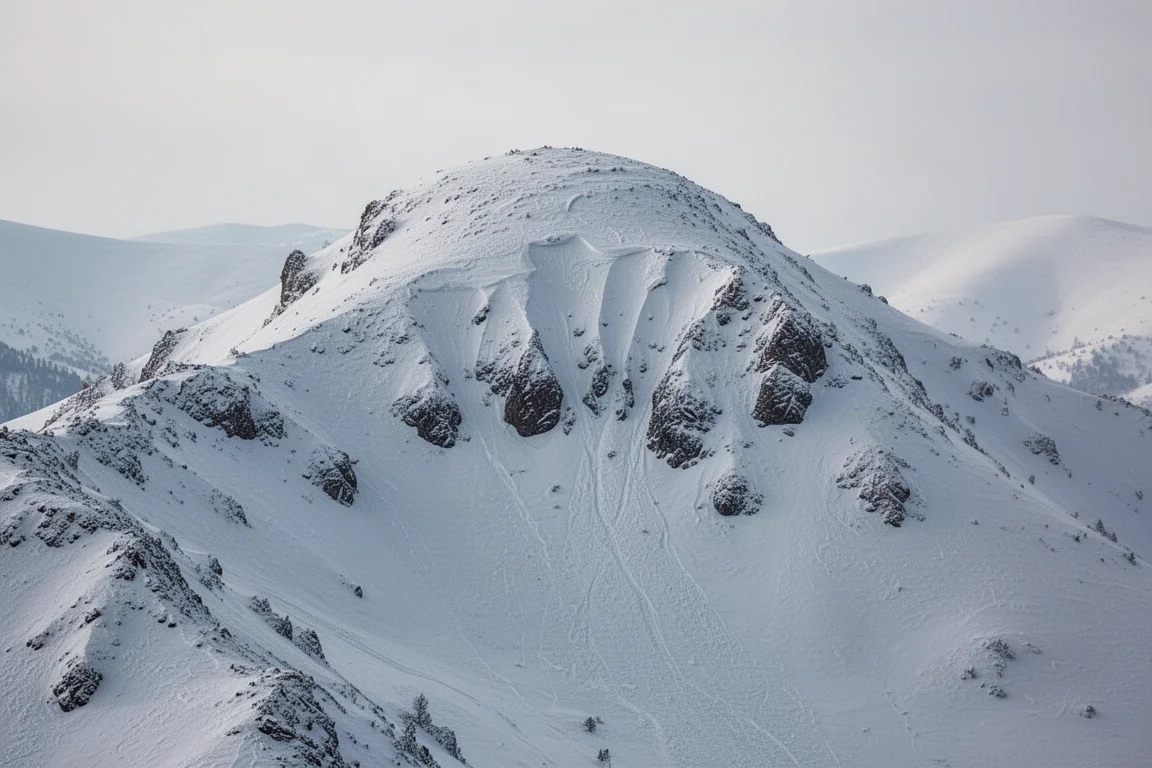
Sugar Bowl may not offer the longest vertical drop, but its expert terrain is some of the most technical in the region. There are areas with typical steep pitches and leg-burning moguls, but the resort stands out for rock-formed extremes: cliffs, couloirs, and chutes, some of them directly off the lifts depending on where you end up. Expect mandatory straightlining in places.
As with several other resorts here, a number of Sugar Bowl’s expert areas are subject to extremely variable opening schedules. Sugar Bowl’s own Palisades host blood-curdling extreme terrain, but they are so inconsistently open that the resort fails to drop the rope at all in many seasons. The expert-oriented Summit chair also rarely spins, though you can occasionally hike to it. Unlike some resorts on this list, at least some variety of seriously technical terrain does tend to open over the course of the season. Sugar Bowl flies further under the radar for experts, but if you want a challenge and access to extremes that are even easier to lap than Mount Rose’s, it is a strong choice.
Kirkwood: A Dense Concentration of Extreme Lines
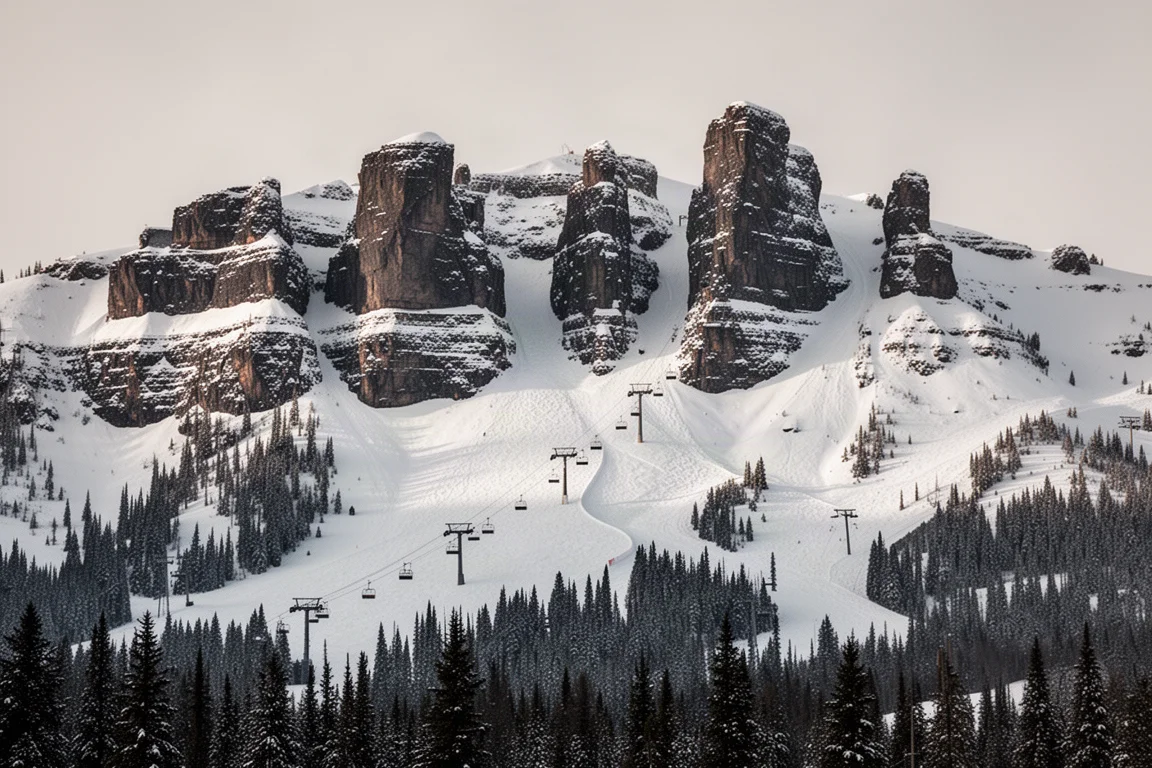
Kirkwood offers only a 2,000-foot vertical drop, but its daunting, rock-formed footprint makes it a formidable playground for experts looking to push their limits.
Chutes, couloirs, and cliffs exist across multiple resort areas, and in some cases these technical obstacles materialize in places you would least expect. The vast majority of double black diamond runs require dropping in from a cornice or navigating perilously steep mogul fields at minimum, and with less effort than feels instinctively right, guests can find lines that demand prolonged mandatory straightlining, aggressively colossal cliff drops, or a combination of both.
Kirkwood is not tall enough to offer true endurance runs, but it is an expert’s paradise, with more opportunities to get into profound trouble than all the other mountains covered above, by a long shot.
Palisades Tahoe: The Region’s Benchmark for Experts
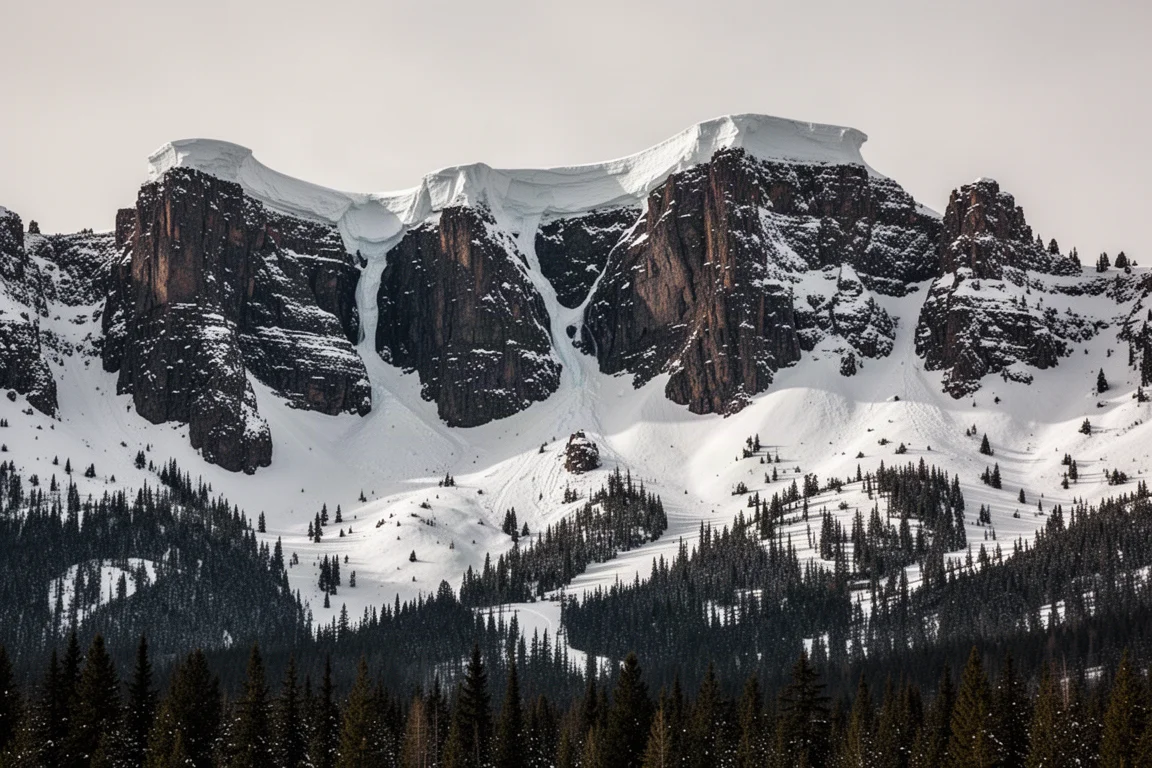
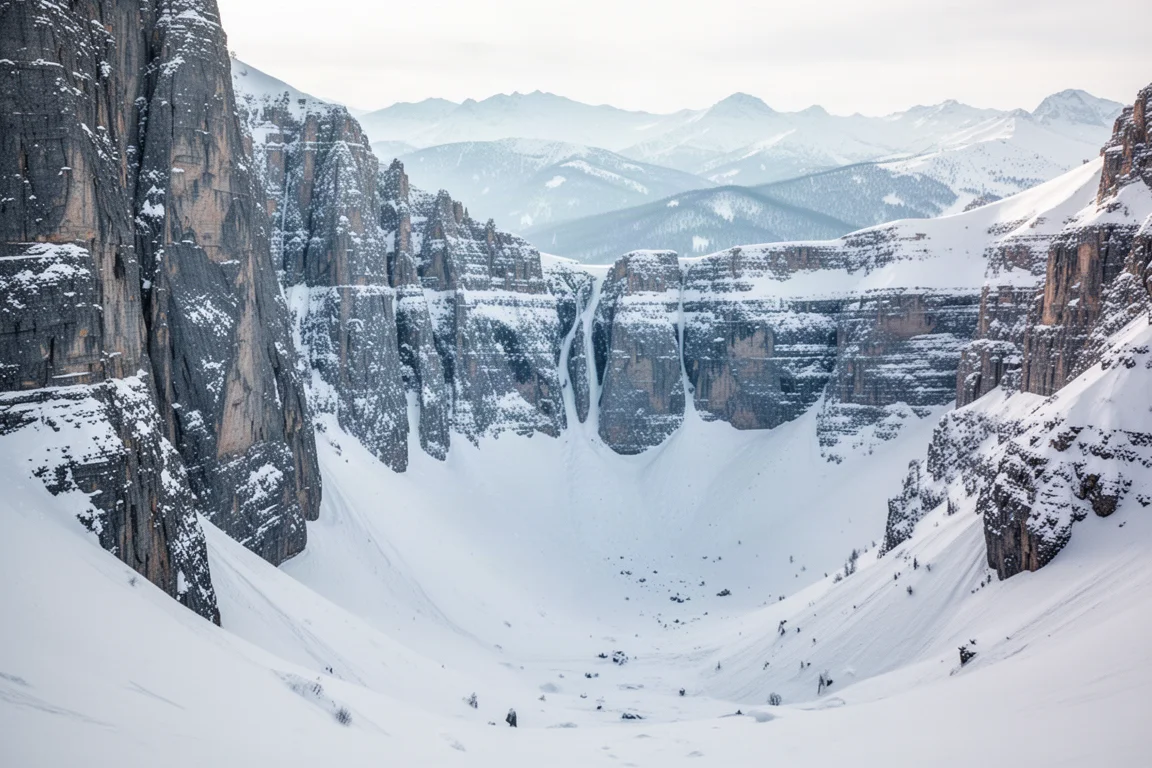
Plenty of Tahoe mountains offer impressive expert terrain, but no resort does it better than Palisades Tahoe. The resort posts stunningly extreme inbound slopes, including cliffs, chutes, and couloirs that one could only dream of skiing or riding at a typical resort. More importantly, these prohibitively intense slopes span extensive sections of the mountain rather than sitting in one or two areas, so guests have access to extremes almost wherever they find themselves, provided conditions allow.
Palisades Tahoe does not have the longest vertical drop, but it is no slouch on traditional expert runs. Skiers and riders who would rather avoid rocks, mandatory straightlining, and cliff drops can find traditional double black diamond runs all across the mountain. The resort introduced a double black diamond rating for the first time in 2022, after holding off on doing so for decades.
The expert and extreme terrain is not limited to the bigger, better-known Palisades side. It also has a real presence on the Alpine Meadows side, which is now physically linked by the base-to-base gondola. Alpine Meadows has a shorter vertical drop than the Palisades side, but its toughest runs are nearly as extreme, with prolonged mandatory straightlines and multi-drop cliff drops comparable to those elsewhere at the resort. If Alpine Meadows were still a separate entity, it would rank just below Kirkwood, which edges it out on concentration of extreme-level lines.
Like other mountains in the region, Palisades Tahoe’s expert and extreme offerings are subject to somewhat variable opening schedules, and in below-average snowfall seasons several of the most daunting routes may not open at all. Hit it at the right time, though, and the resort has enough catastrophically difficult lines to beat out all the other mountains on this list combined.
Buying Advice: Matching the Mountain to Your Ability
The best resort for you depends on what kind of expert you are. If reliable access to extreme terrain matters most, Kirkwood and Palisades Tahoe are the strongest picks in the region, though even they depend on the season. If you want a concentrated dose of technical terrain without committing an entire trip, Mount Rose’s chutes and Sugar Bowl’s rock-formed extremes are the easiest to lap when they are open.
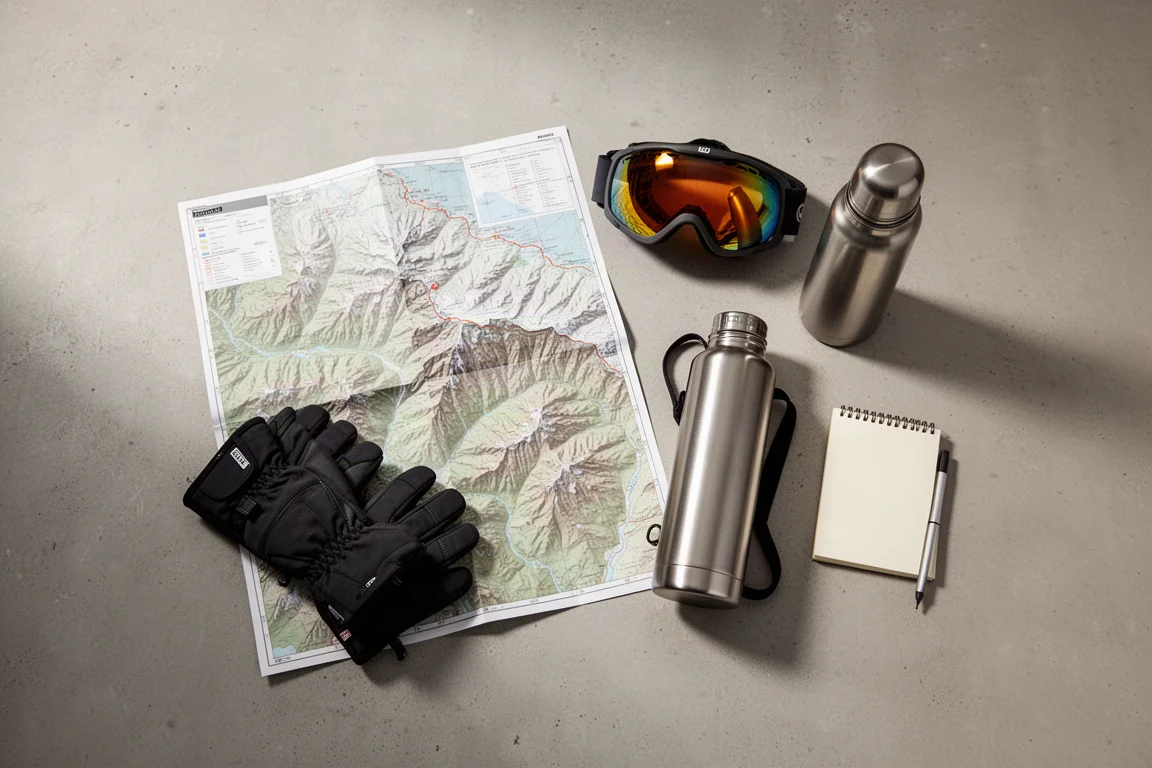
Timing matters as much as the mountain. Several of the toughest zones in the region, including Solitude Canyon, Huckleberry Canyon, the Mount Rose Chutes, Sugar Bowl’s Palisades, and parts of Palisades Tahoe, open late or not at all in lean snow years. Planning around a season with a healthy base gives you a much better chance of actually skiing the terrain you came for.
Access is the other half of the decision. Heavenly’s Killebrew Canyon involves long hike-outs, Homewood’s Quail Face requires prolonged traversing, and Diamond Peak’s uppermost lines need a brief hike. Resorts where the extremes sit close to the lifts, such as Sugar Bowl and Mount Rose, are simply easier to lap, which matters if you want repetition rather than a single memorable run.
Conclusion
Tahoe is a formidable region for strong skiers and riders, and the differences between its mountains are real. Northstar and Diamond Peak sit at the accessible end, with Homewood, Sierra at Tahoe, and Heavenly offering narrower but genuine expert terrain. Mount Rose and Sugar Bowl deliver technical challenges that are easier to lap, while Kirkwood and Palisades Tahoe stand apart for the sheer quantity and severity of their hardest lines.
If you are a truly seasoned skier or rider, the region’s drawbacks are probably worth overlooking for a taste of what these mountains offer. Plan around snow conditions, respect the opening schedules, and the top of this list will reward you.
Further reading
Related Reviews

Ski Resorts
Alyeska Resort Review: Alaska's Largest Ski Resort, Worth the Journey?
A deep look at Alyeska Resort: heavy snowfall, expert terrain, an Icon Pass connection, and the trade-offs of a near-sea-level mountain in the Last Frontier.

Ski Resorts
Bear Valley Ski Resort Review: Northern California's Quiet Sierra Alternative to Tahoe
A lesser-known Sierra resort with over 1,300 skiable acres, surprisingly strong expert terrain, and crowd levels Tahoe can only dream of. Here is what to know before you go.

Ski Resorts
Colorado Ski Resorts Ranked: The Best Destination Mountains for Overall Experience
A ranked guide to Colorado's destination ski resorts, covering terrain, snow, logistics, crowds, and cost so you can pick the right mountain for your trip.