Kitchen Appliances
Best Kitchen Scales 2026: Which Models Deliver Accuracy Without Breaking the Bank
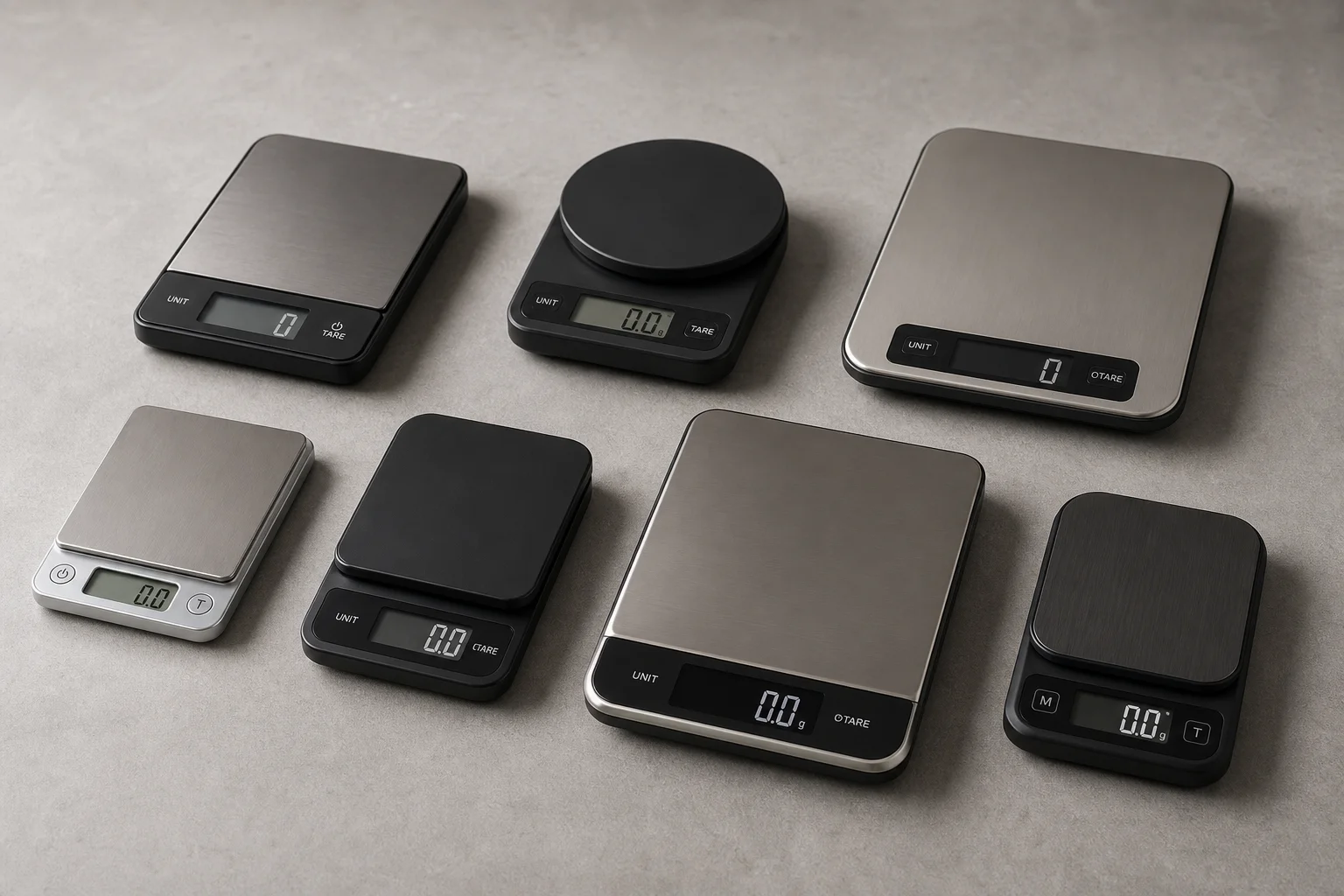
We tested seven kitchen scales from budget to premium, measuring accuracy, durability, and usability. Here's which ones are worth buying.
Introduction
Kitchen scales range from budget models under $15 to premium options exceeding $100. The question is whether the expensive ones deliver meaningfully better results, or if a cheaper scale works just as well for everyday cooking and baking.
To answer this, we tested seven of the highest-rated kitchen scales across a range of prices and brands. We measured accuracy using calibration weights from 1 gram to 100 grams, tested durability through drop tests and repeated button presses, evaluated display visibility in different lighting conditions, and assessed how easy each scale is to clean. Here’s what we found.
Testing Methodology
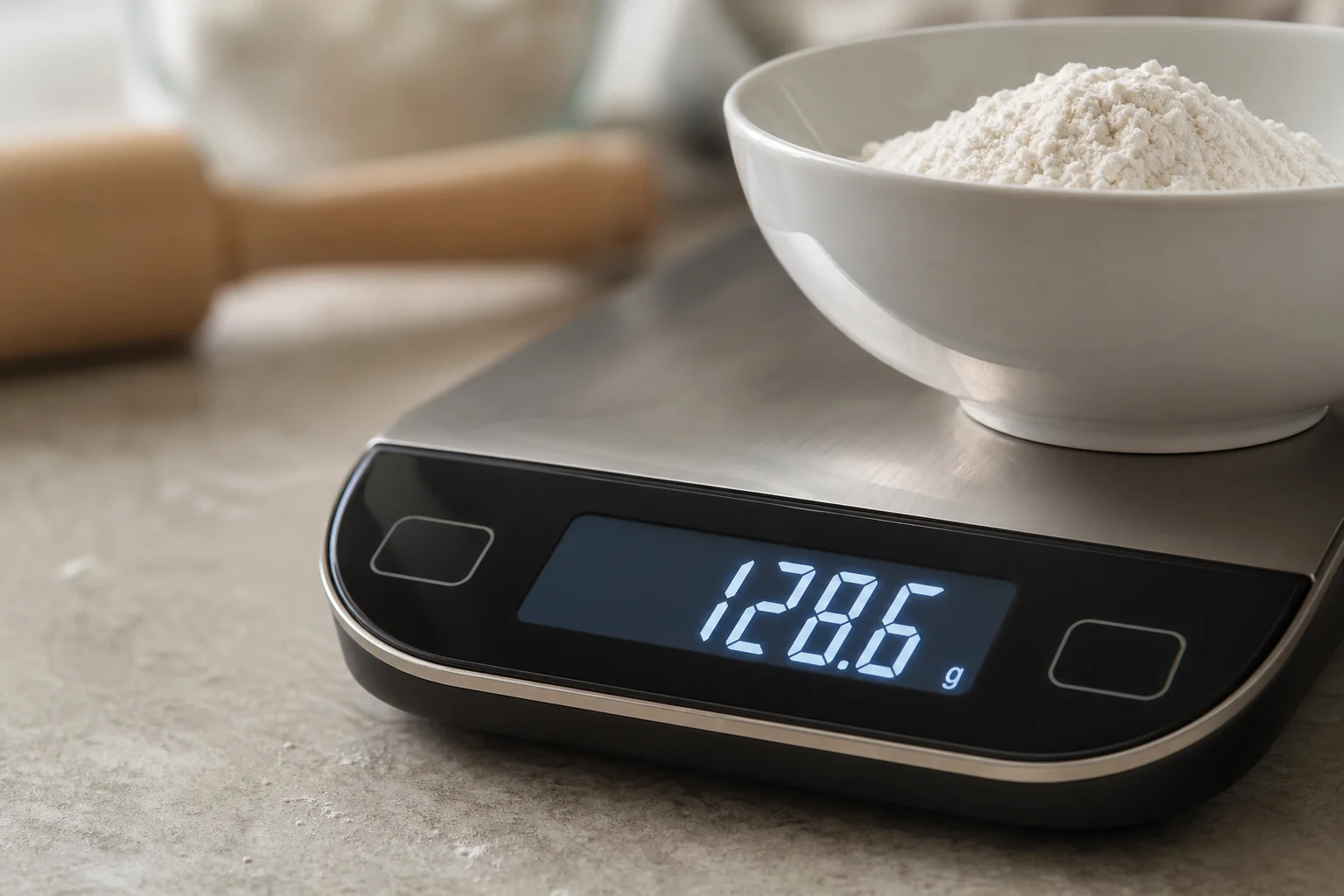
We tested each scale for accuracy by placing calibration weights in the center, at all four corners, and on an uneven surface. We also measured how long the display stays on before shutting off automatically, tested button responsiveness with wet fingers, and compared screen visibility in bright and low light conditions.
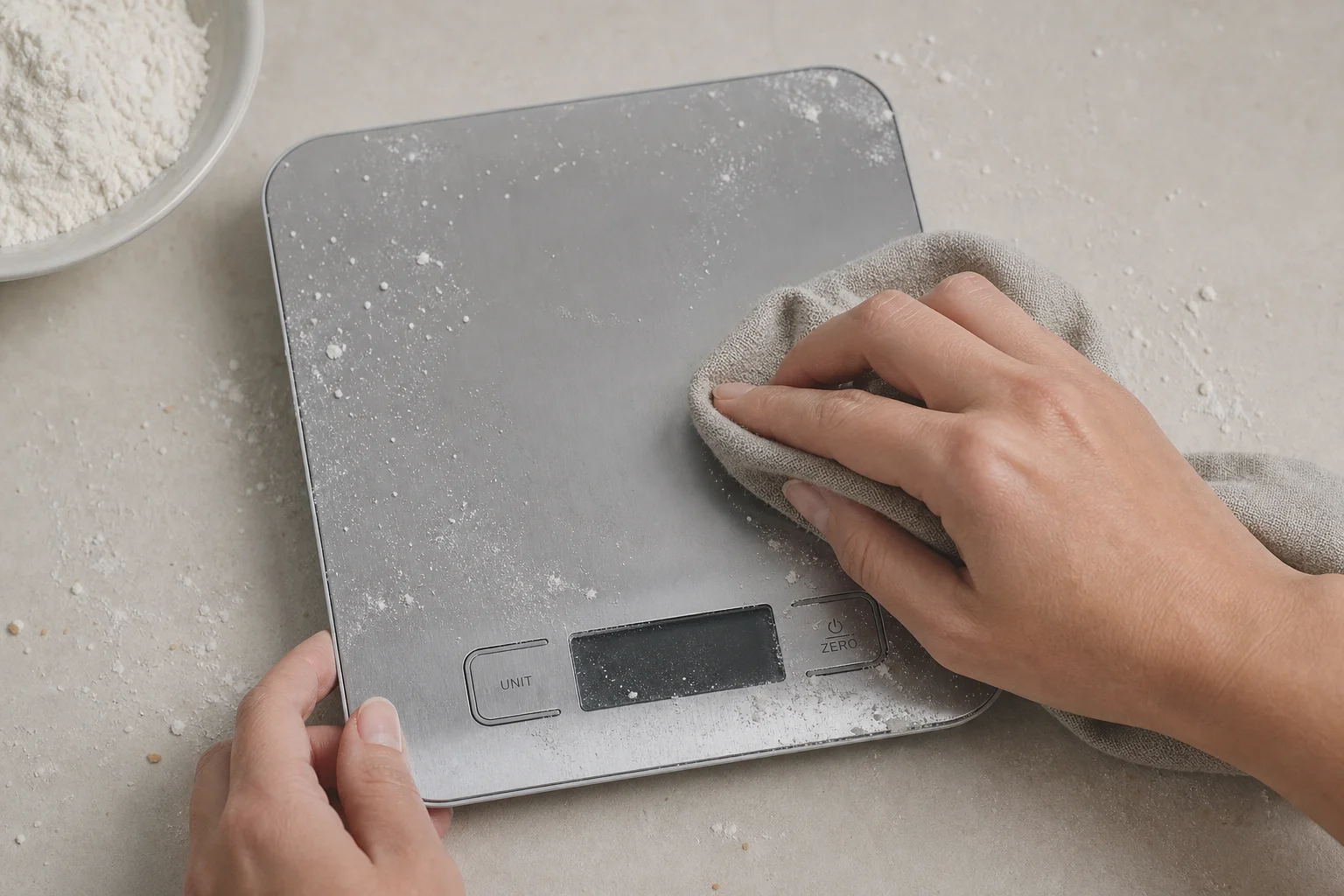
For durability, we dropped each scale 30 times from 2 inches high to simulate the impact of regular drawer storage. We pressed the tare and unit buttons 200 times each to test how well they hold up to repeated use. To evaluate cleaning, we covered each scale in flour and brushed it into the buttons and seams, then attempted to clean it thoroughly. After all stress tests, we retested accuracy to see if anything had changed or broken.
Ultrean Kitchen Scale
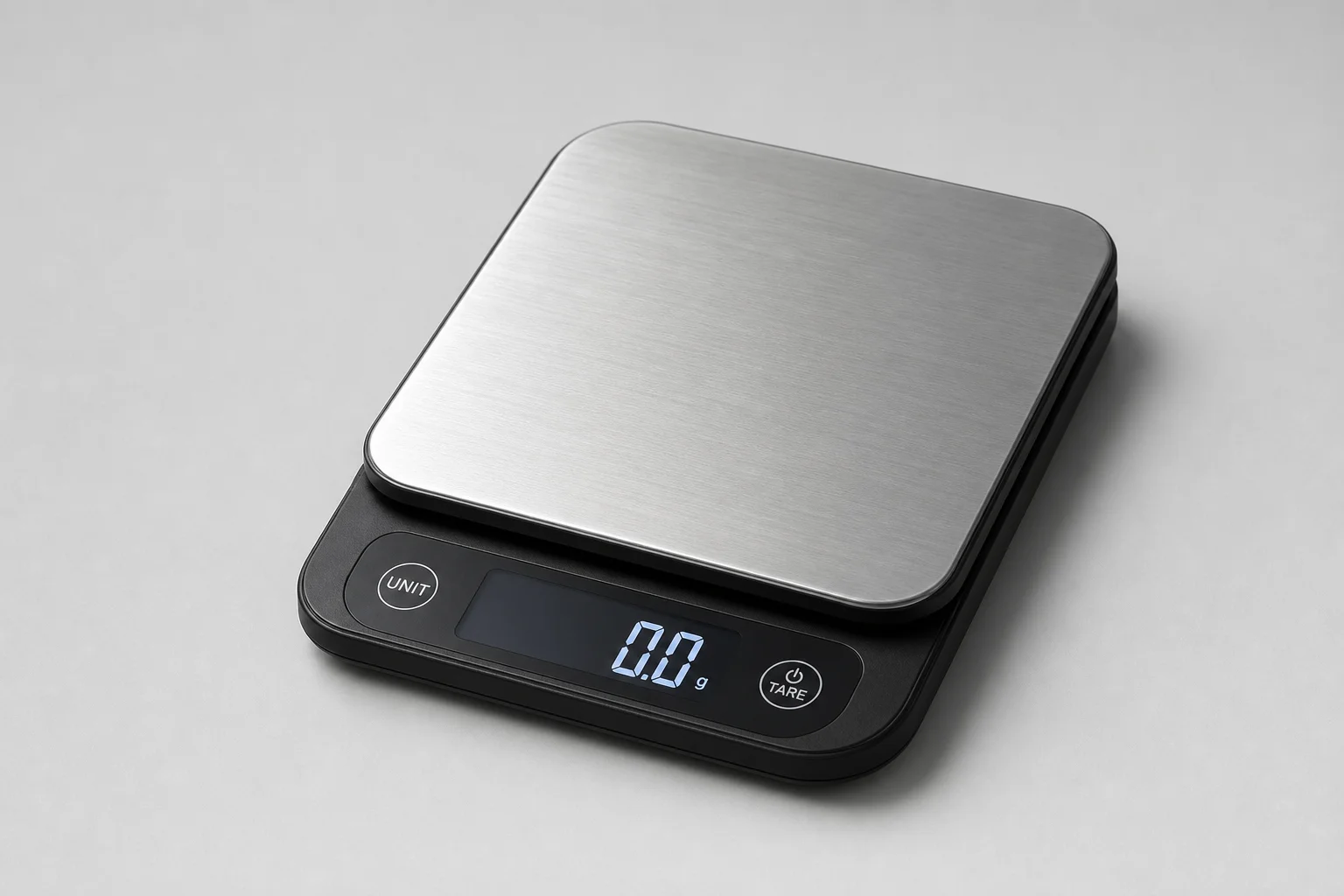
The Ultrean is the cheapest, lightest, and smallest scale in this test. It has an easy-to-read display that performs well in low light, and it shuts off automatically after three minutes.
The main usability issue is that pressing the tare or unit button registers as weight, causing the display numbers to jump slightly each time you interact with the buttons. This is not a dealbreaker, but it does make the scale feel less polished.
Accuracy is a concern at lower weights. The scale failed to register 1 gram, and 2 grams sometimes showed as 1 gram. However, it was accurate with 10 grams and above, including measurements taken at the corners. The scale passed both the drop test and the 200 button-press durability test without issues.
Cleaning proved to be a hassle. Small gaps around the buttons and where the metal top meets the plastic bottom trapped flour even after thorough wiping. Additionally, the button labels and logo were already faded and hard to read straight out of the box.
Amazon Basics Kitchen Scale
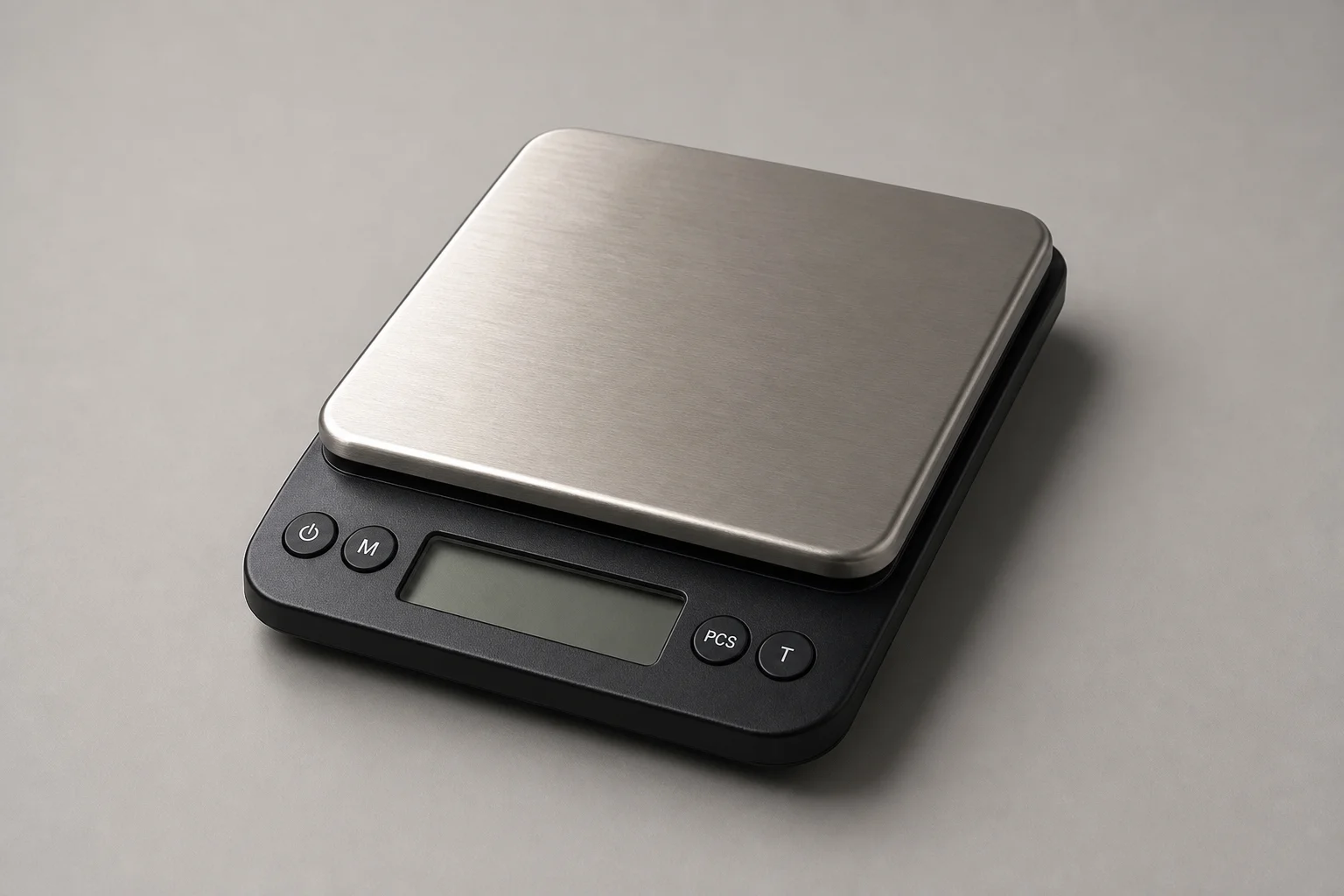
The Amazon Basics scale features a stainless steel platform and a simple design with physical buttons and a round surface.
In testing, accuracy was inconsistent, especially with weights under 20 grams. If you place a weight on the scale and remove it too quickly, the scale sometimes misses the measurement. Even with slow, deliberate placement, results were not always precise. The scale had no issues with drops or button durability, but the display shuts off after just 2 minutes, the fastest of all models tested, which feels too quick for practical use.
The display lacks backlighting, making it very difficult to read in low light. Cleaning is problematic because seams around the buttons and gaps between the platform and base trap flour and crumbs.
KitchenAid Dual Platform Scale
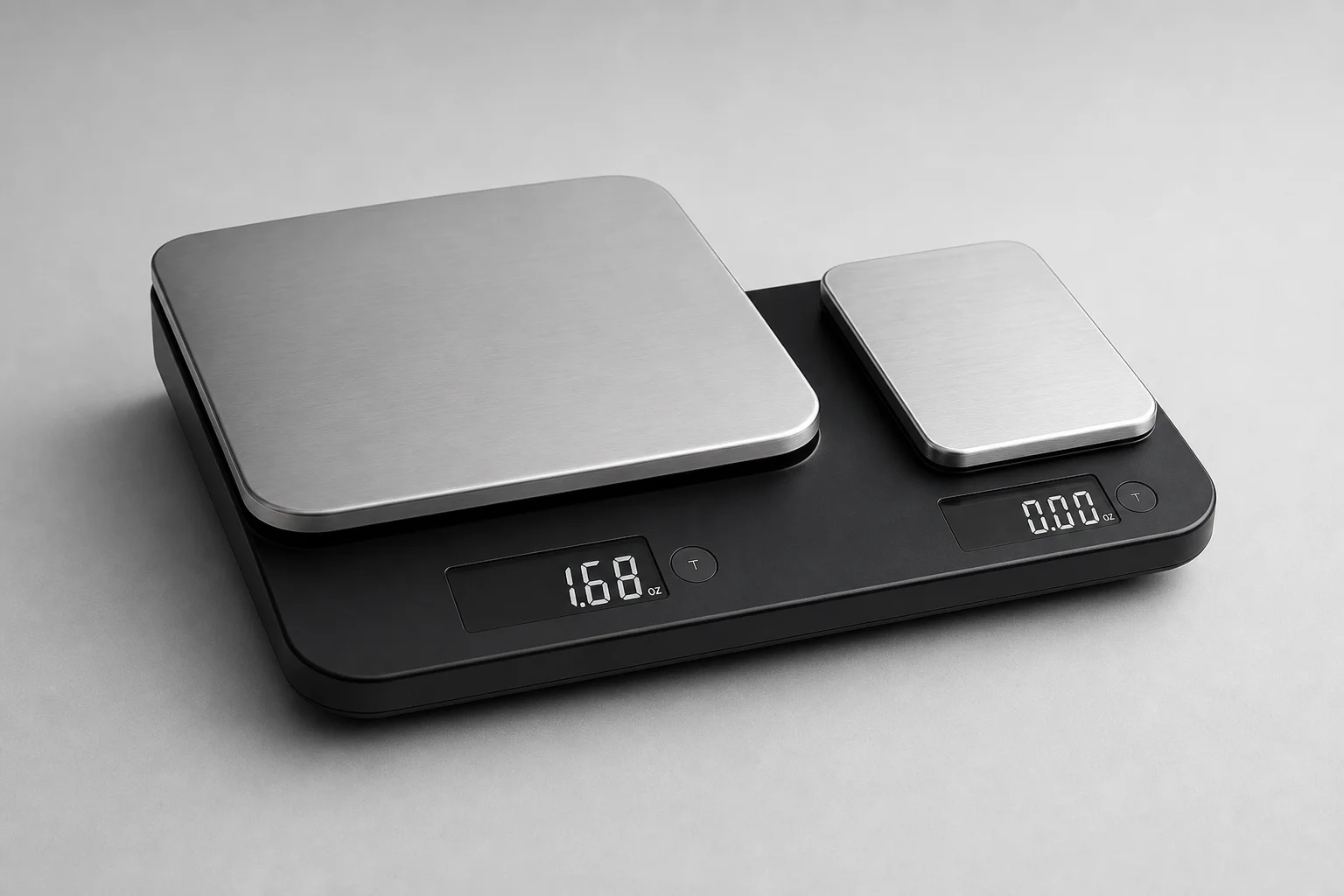
The KitchenAid is the only scale tested with a dual platform setup: one large scale and a smaller scale for precision measurements. While this sounds useful in theory, the large scale consistently read 1 gram lower than actual weight. The smaller scale was more accurate, though placing weight on the larger platform sometimes triggered unwanted readings on the small one.
The scale has a dedicated power button that requires only a simple tap to turn on or off, rather than holding it down. However, the display layout is confusing, with the top number corresponding to the larger scale even though it sits directly under the smaller one.
During cleaning, flour became trapped under both platforms and around the buttons, requiring repeated pressing to clear completely. The scale passed durability tests, and while the large scale was never very accurate, it did not degrade further after stress testing.
Escali Primo Digital Scale
The Escali Primo is one of the most recommended kitchen scales on the market and holds the distinction of being The New York Times top pick and Serious Eats’ best budget option.
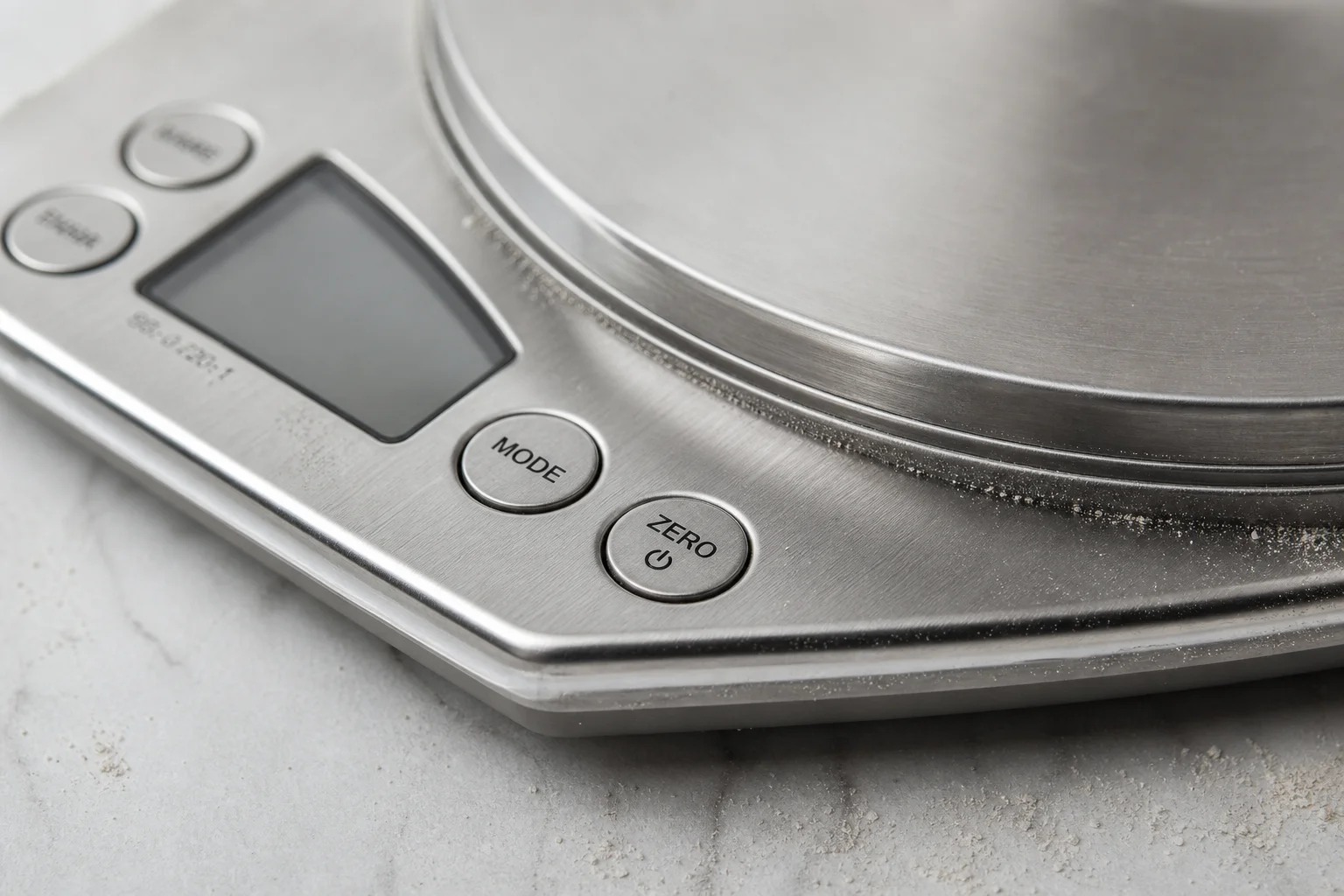
The display stays on for 4 minutes and 30 seconds, longer than most competitors which shut off after 3 minutes. In testing, the Escali Primo was the only scale that nailed every weight perfectly, including the challenging 1 gram weight, regardless of where it was placed on the platform. This accuracy held up on uneven surfaces and after all drop and durability tests.
The buttons are physical and laminated, so there are no seams for flour or grime to collect. Some flour did accumulate between the platform and the bottom of the scale, but overall cleaning was straightforward.
Minor drawbacks include a plastic platform that looks like metal but feels cheaper than most competitors. The display lacks backlighting, making it harder to read in dim lighting. The unit label on the screen is squeezed so far to the right that it is slightly cut off.
Etekcity Kitchen Scale
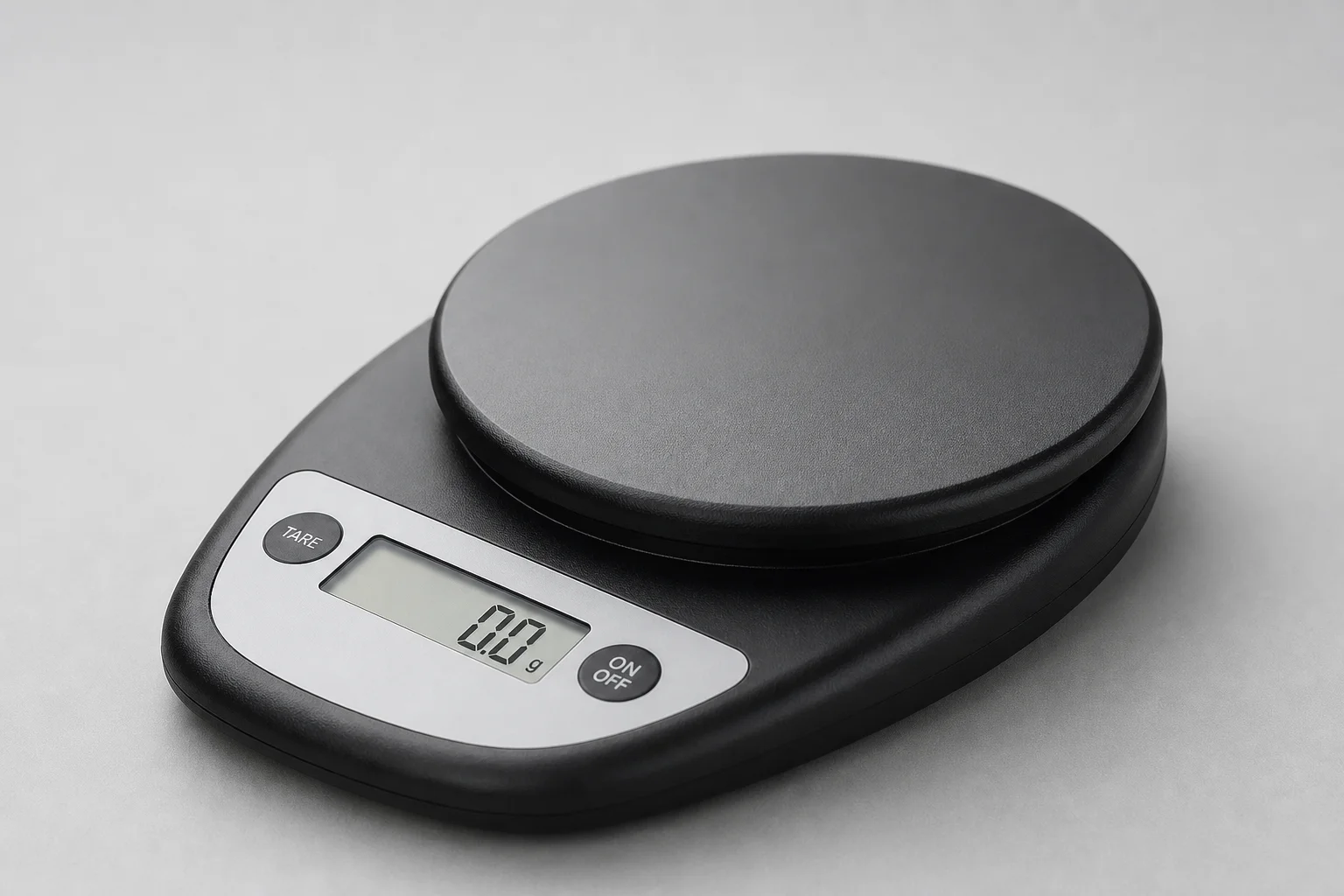
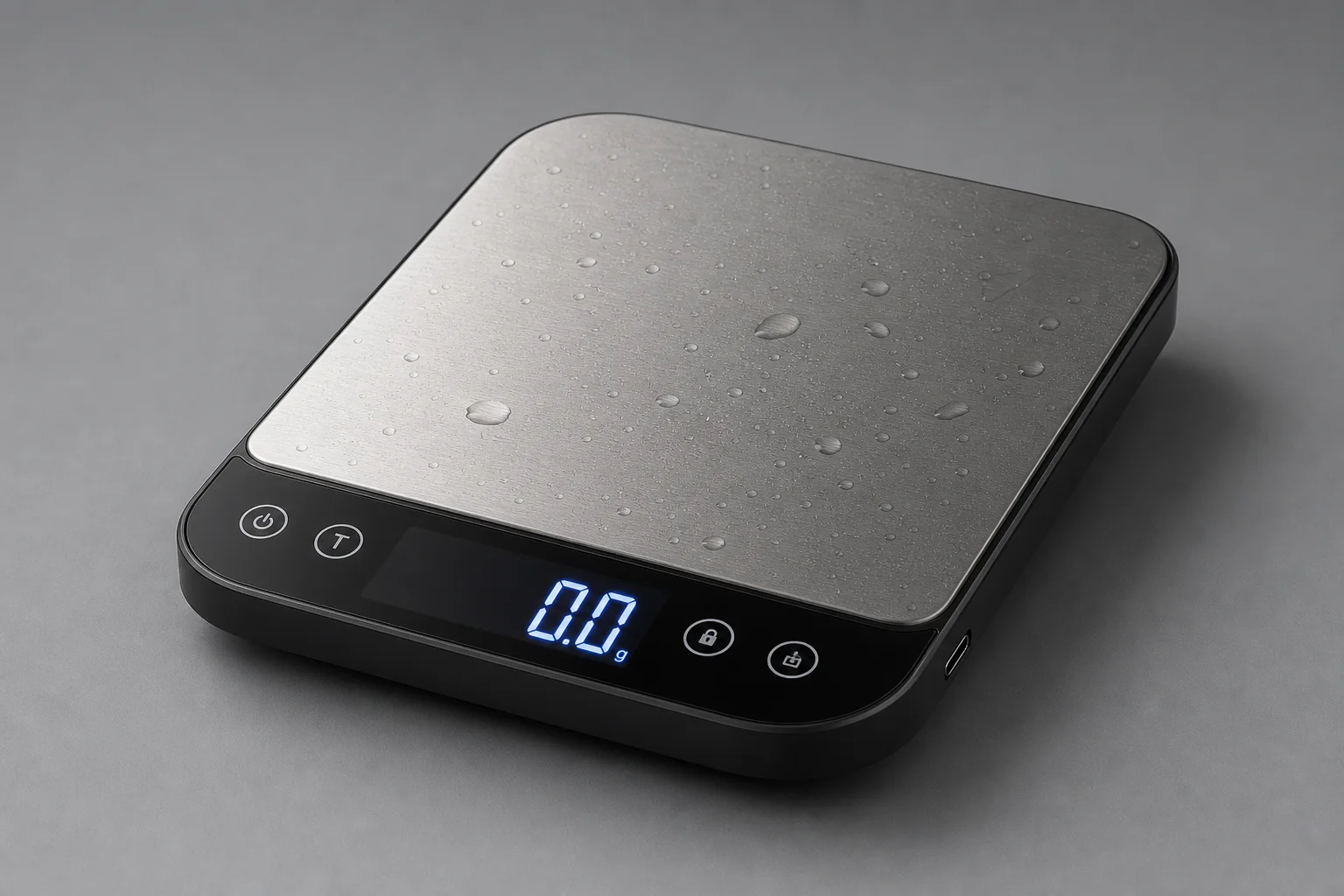
The Etekcity scale features a rechargeable battery and an IPX6 rating, meaning it can be rinsed in the sink rather than just wiped with a damp cloth. It has a bright LED display that is among the easiest to read in low light, and it includes a hold feature to lock the weight on screen if your bowl blocks the display.
Accuracy was inconsistent. The scale failed to register 1 or 2 grams, and it was often off by 1 gram in the center, though oddly the edges were sometimes more accurate. Performance did not change after the drop test or rapid button pressing.
The seamless steel surface and touch buttons make it easy to wipe clean. However, touch buttons lack the tactile feedback and feel of physical buttons, which some users may find less satisfying.
OXO Good Grips Food Scale
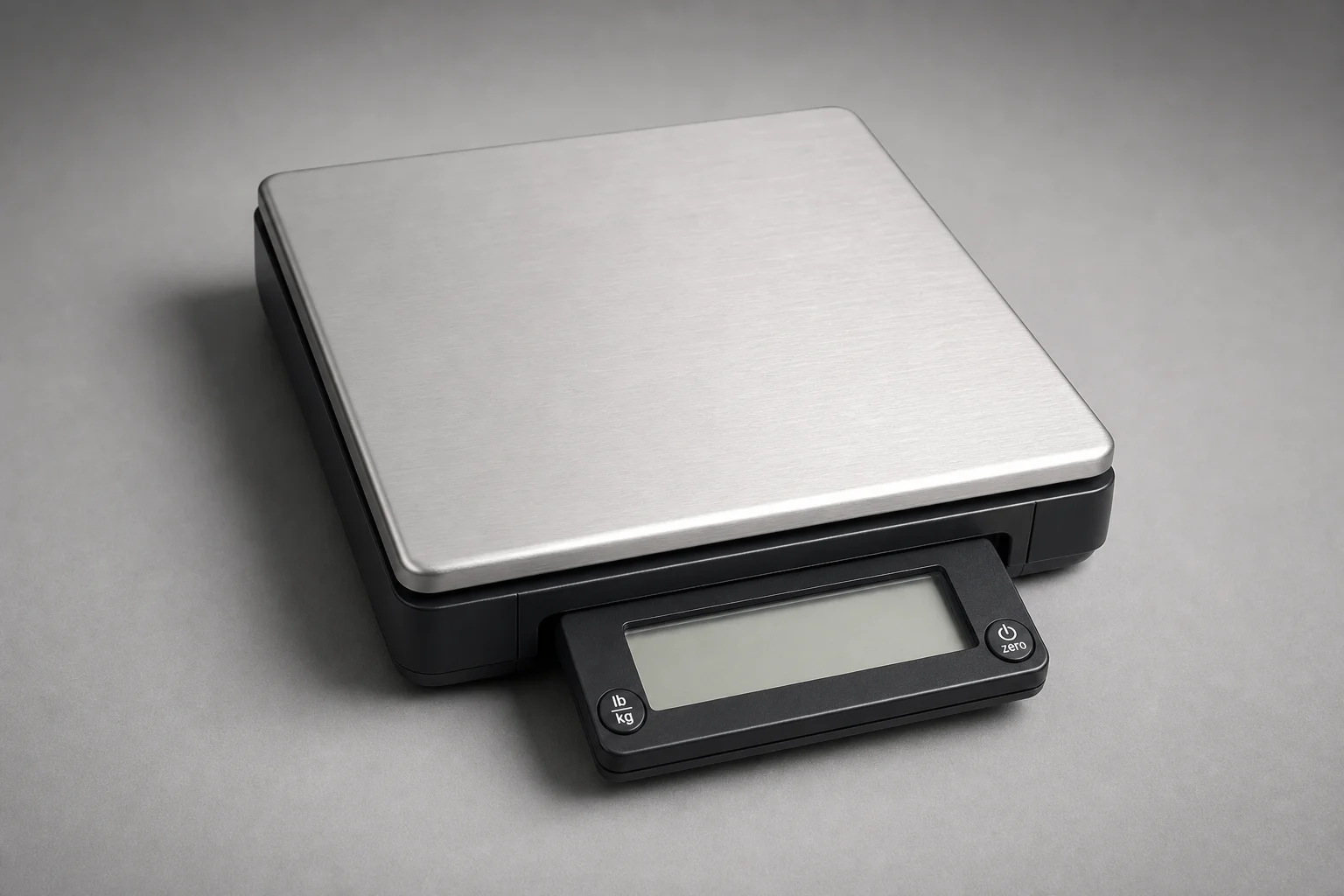
The OXO Good Grips was named best overall by America’s Test Kitchen, and the reasoning becomes clear during testing. It is the only scale tested with a pullout display that extends about 4 inches, allowing you to see the numbers clearly even when using a large bowl that would otherwise block the screen.
The display stays on for 30 minutes, providing plenty of time to prep without it shutting off mid-recipe. Accuracy was solid. While the scale did not register the 1 gram weight on its own, it was accurate with all other weights tested.
The pullout display adds more components to clean, but the removable platform simplifies the process. The buttons are laminated, so nothing gets stuck around them. An onscreen icon shows how close you are to the maximum weight limit, though it would be more helpful if it displayed battery life instead.
Zwilling Enfinigy Kitchen Scale
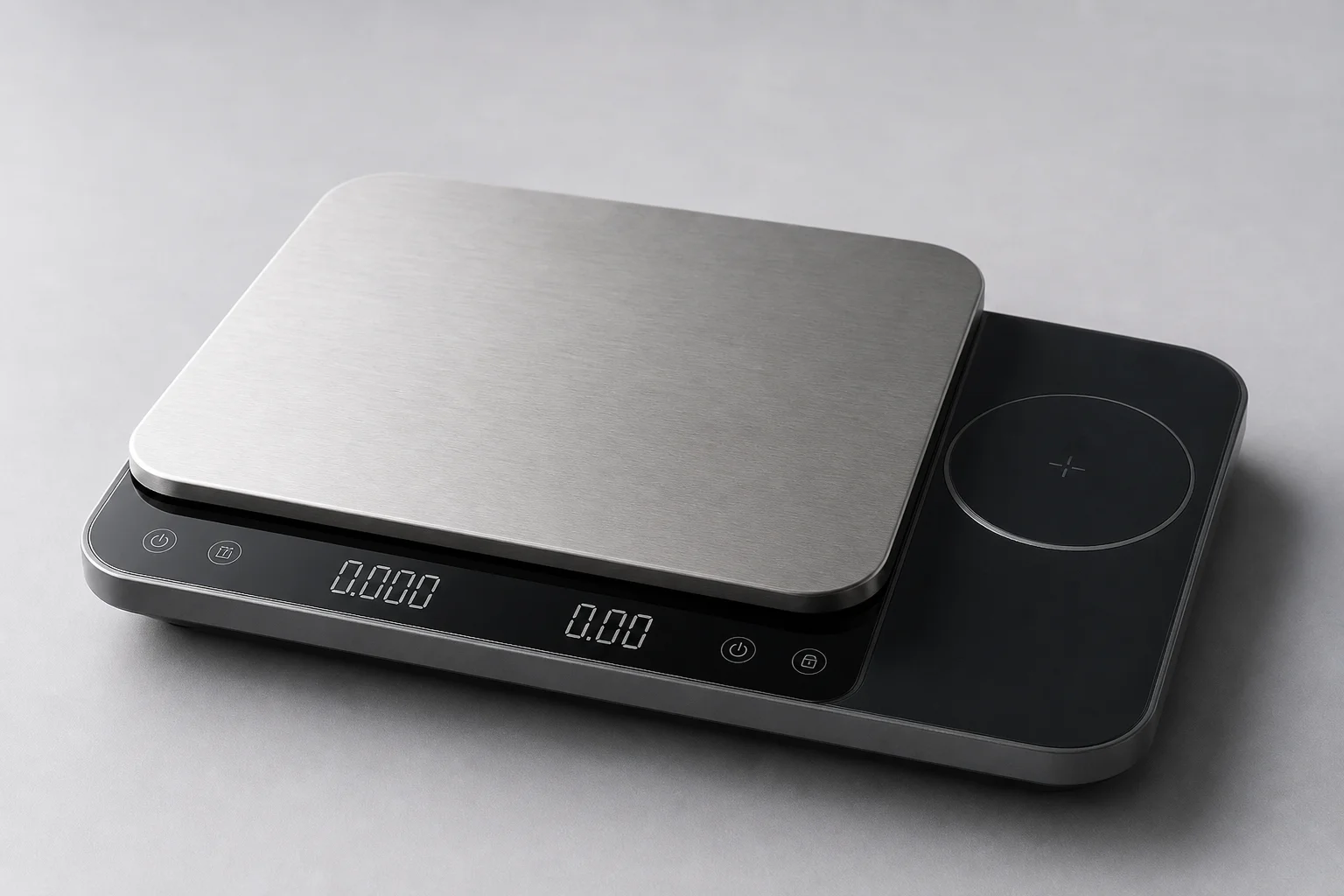
The Zwilling Enfinigy is the most expensive scale tested. It features a rechargeable battery and doubles as a wireless phone charger. While this sounds appealing, placing a dirty phone where you weigh food is not an ideal design choice.
Accuracy-wise, the scale did not register the 1 gram weight but performed well with all other weights. It was also one of the easiest to clean, with a flat glass surface that has no seams or gaps, allowing flour to wipe right off.
The major usability complaint is button placement. The power and tare button is a flat touch sensor on the front edge, which is easy to miss since you cannot see or feel it unless you crouch down. Worse, the unit button is on the bottom, requiring you to lift the entire scale to change measurement units.
Conclusion
All of these scales are capable of providing accurate weights and helping you become a better cook or baker. Even if a scale is off by 1 gram, it will not make a major difference for most recipes. What matters more are features like platform size, weight capacity, and overall usability, including how easy the buttons are to press, how readable the display is, how simple cleaning is, and whether the display stays on long enough.
Based on comprehensive testing, the OXO Good Grips is the best overall scale. The pullout display is a feature no other scale in this test offers, and it makes a significant difference when using large bowls. The removable platform also simplifies cleaning.
For those seeking a more affordable option, the Escali Primo is the best cheaper alternative. It is simple, accurate, and has laminated buttons that are easy to clean. Just be aware that the platform is relatively small compared to some competitors.
Further reading
Related Reviews
Kitchen Appliances
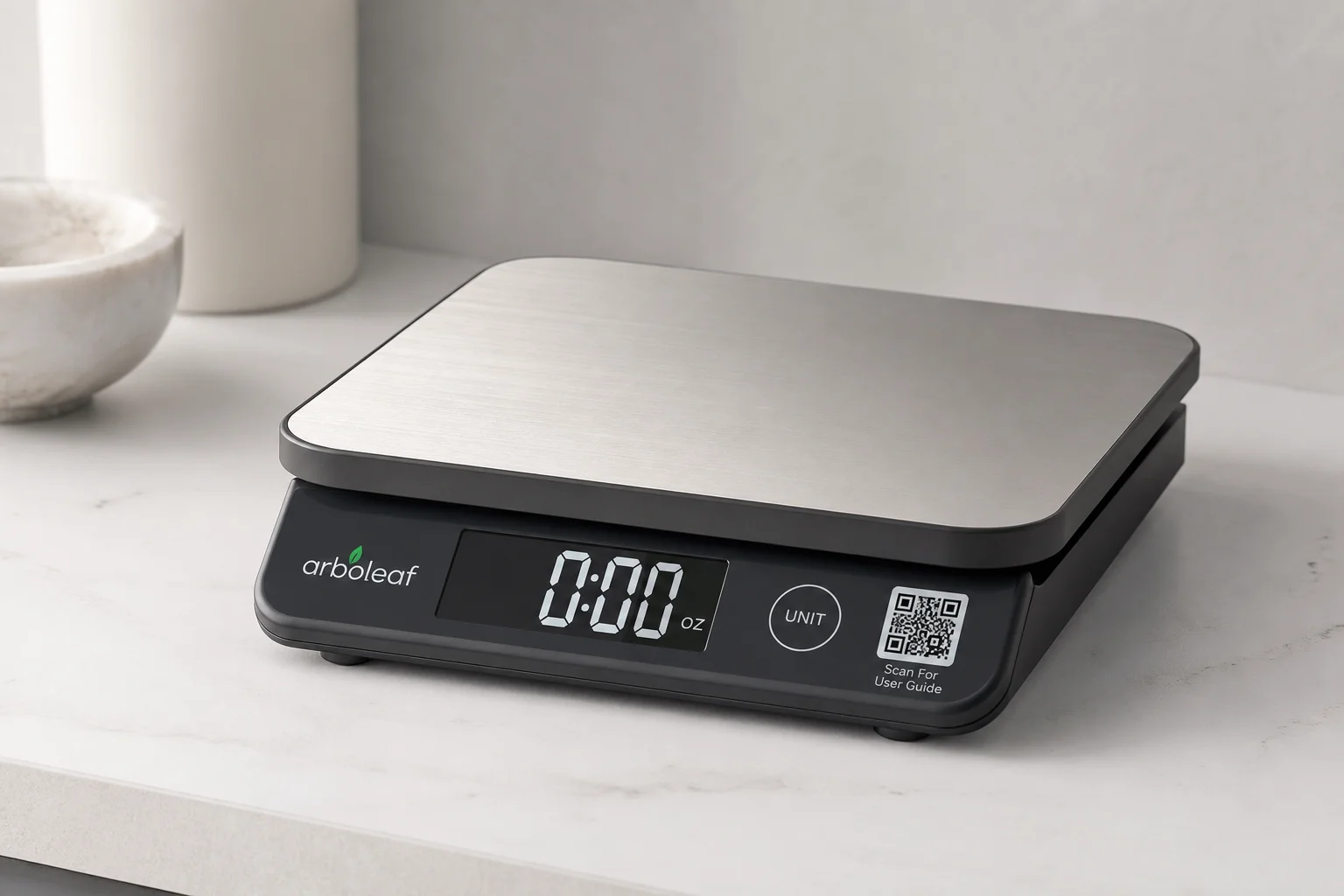
Arboleaf Smart Kitchen Scale Review: Connected Cooking Made Simple
A Bluetooth-enabled kitchen scale that syncs with a nutrition-tracking app, offering real-time weight monitoring and recipe guidance for home cooks.
Kitchen Appliances
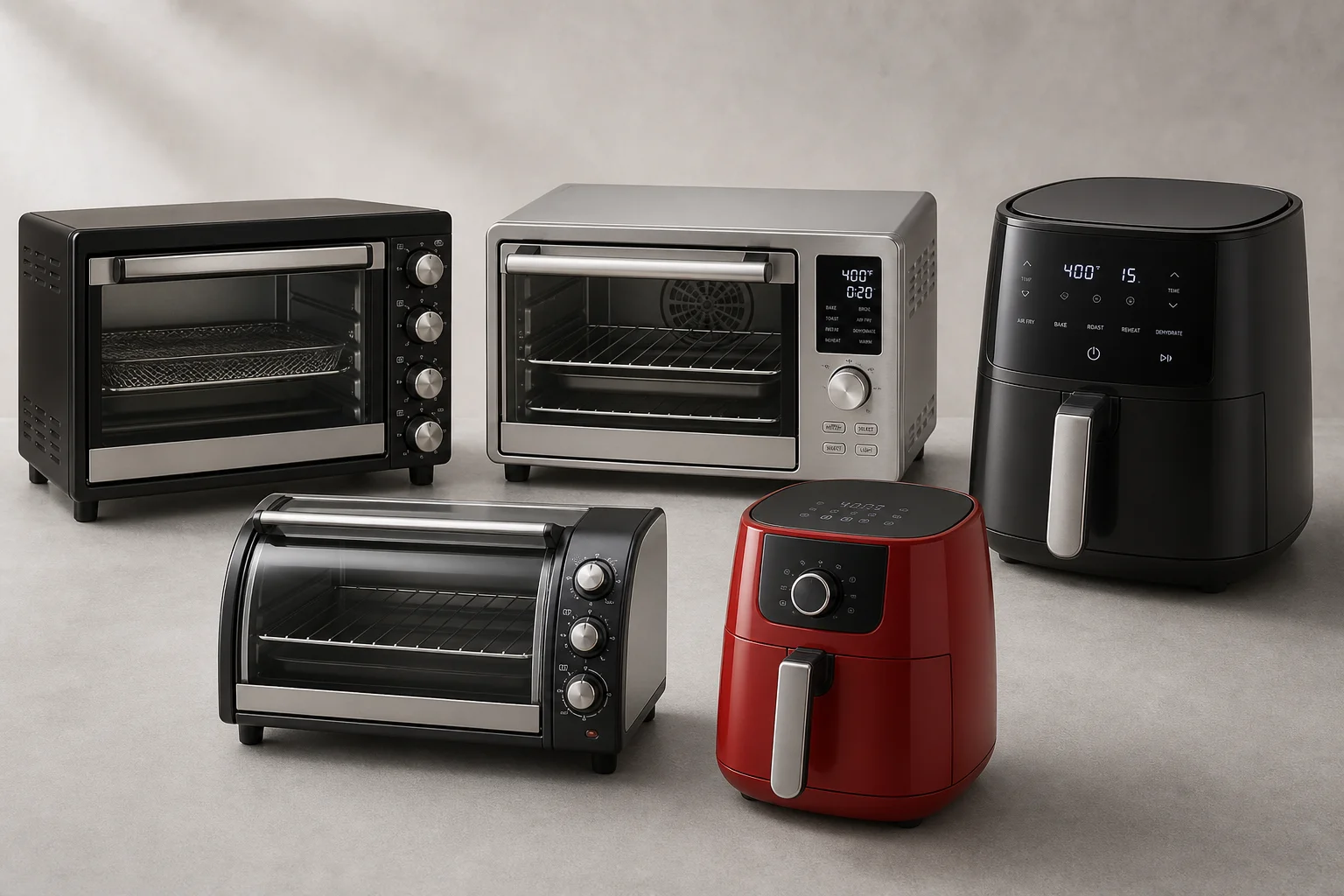
Best Air Fryer Toaster Ovens Under 100: Five Practical Options for Budget-Conscious Kitchens
Five air fryer and toaster oven combinations that deliver real cooking performance without breaking the bank, each with distinct strengths for different kitchen needs.
Kitchen Appliances
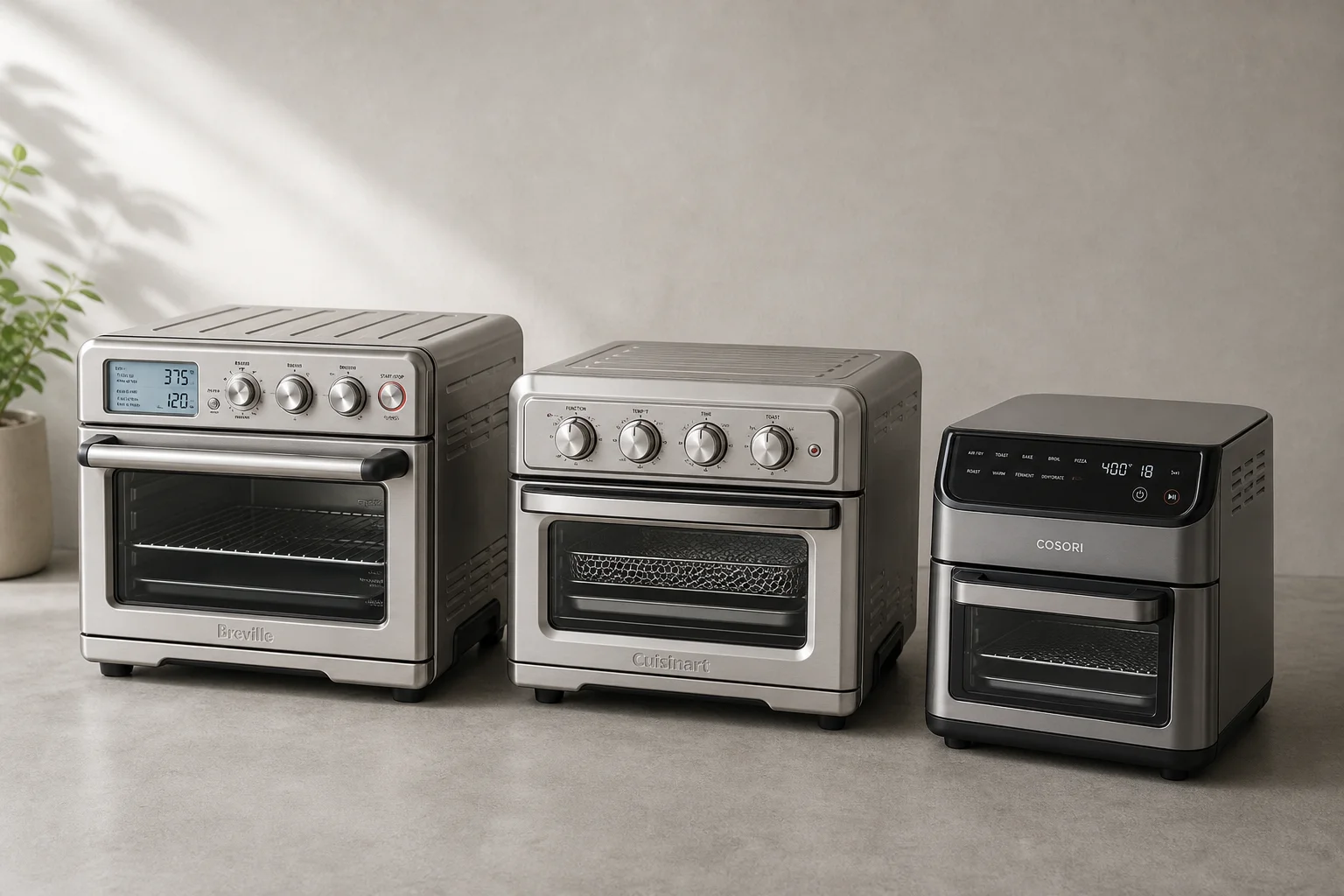
Best Air Fryer Toaster Ovens: Three Top Picks for Multi-Function Cooking
Three high-performing air fryer toaster ovens tested for versatility, ease of use, and real-world cooking results. Find the right fit for your kitchen.