Kitchen Cleaning
Best Kitchen Cleaning Gear: Handheld Vacuums, Spray Mops, Bottle Brushes and More
Eight kitchen cleaning products that earned their place after hands-on testing, plus practical tips for ovens, vinegar cleaning and dishwasher loading.
Introduction
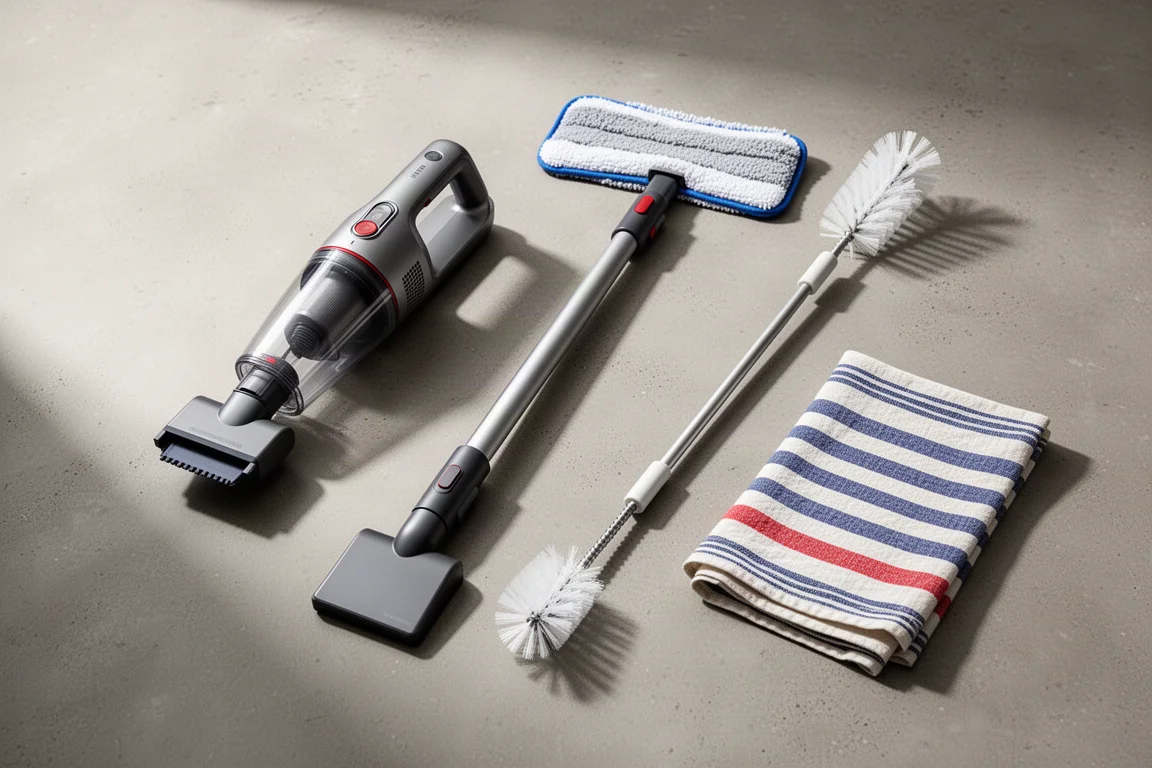
Where there is food, there is mess. Cleaning is an unavoidable part of home cooking, but the right gear makes it far less miserable. After testing a wide range of kitchen cleaning products, a handful of standouts emerged, from handheld vacuums and spray mops to bottle brushes, countertop dishwashers and dish towels. Here is what earned a place on the list, along with the details that separated the winners from the rest.
Handheld Vacuums
The best handheld vacuums prioritize portability and convenience without sacrificing suction power. They are ideal for small to moderate messes and for reaching awkward spots, and most run cordless with a charging base or cord. That cordless requirement mattered: one model that had to stay plugged in at all times was essentially a micro vacuum and did not last long.
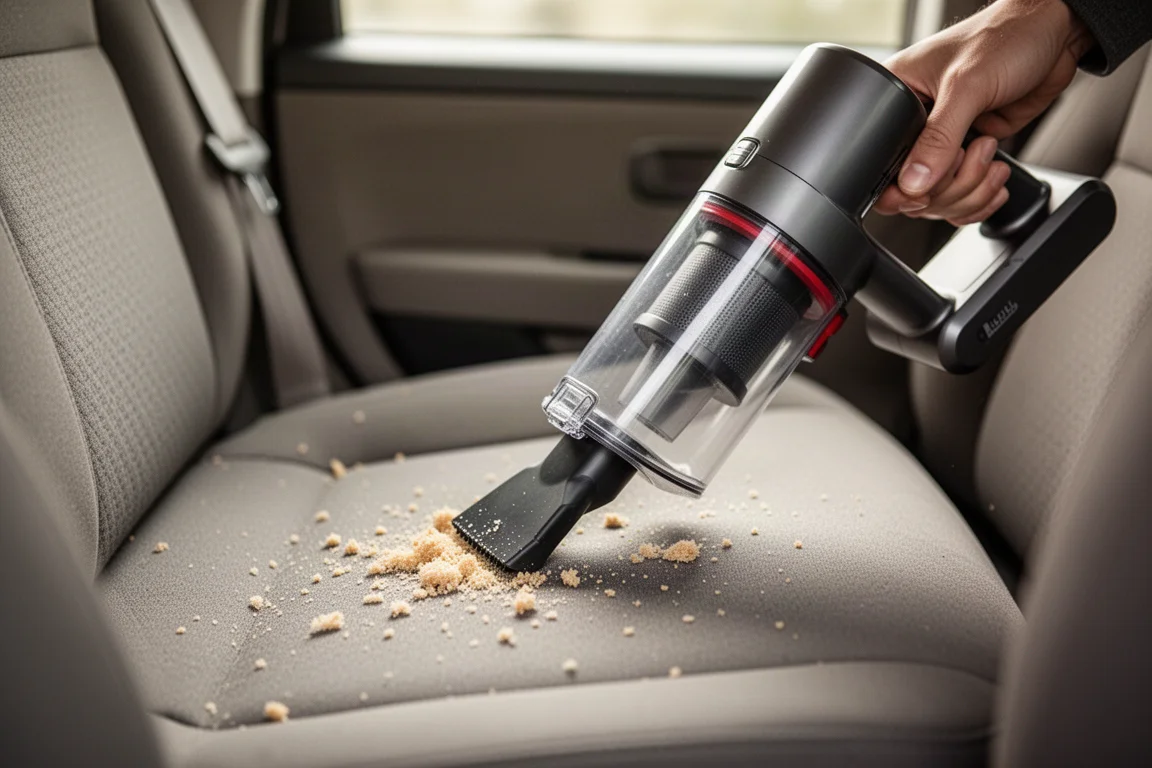
Suction was the first factor tested. A mixture of dirt, pet hair, uncooked rice and onion skins was sprinkled on carpet, and the time each model needed to pick it up was recorded. The best models finished in about 30 seconds. Collection bin design mattered too: a bin big enough to finish the job in one go, with a single-latch opening that avoids multiple steps and dust clouds. Size, weight and a customizable nozzle were also key, and bristle attachments attached to the machine or base proved best for scraping up pet hair, since you always know where they are.
Top Pick: Black+Decker Pivot
The Black+Decker Pivot was the fastest model tested and the overall winner. Its nozzle pivots an impressive 220 degrees, which helps you get into hard-to-reach areas without straining your wrists or arms. It folds up to store really small and can be folded in different ways to get behind and under things. It costs roughly 10 to 20 dollars more than the budget-friendly alternative depending on the pricing of the day.
Best Value: Black+Decker Dustbuster
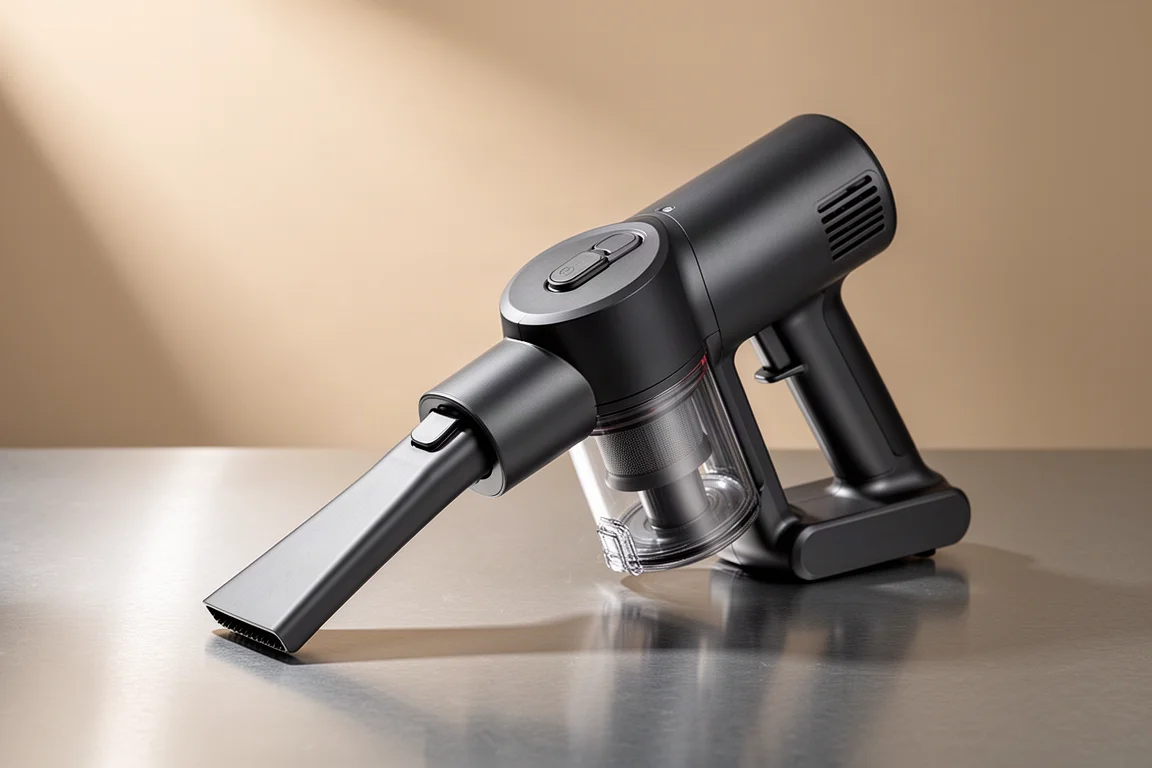
The Black+Decker Dustbuster was also excellent and takes the value spot. It weighs five ounces less than the Pivot, which makes a real difference if light weight is your top priority. If power is what you want most, the Pivot is the slightly better machine, but this one delivers most of the same performance for a bit less.
Spray Mops
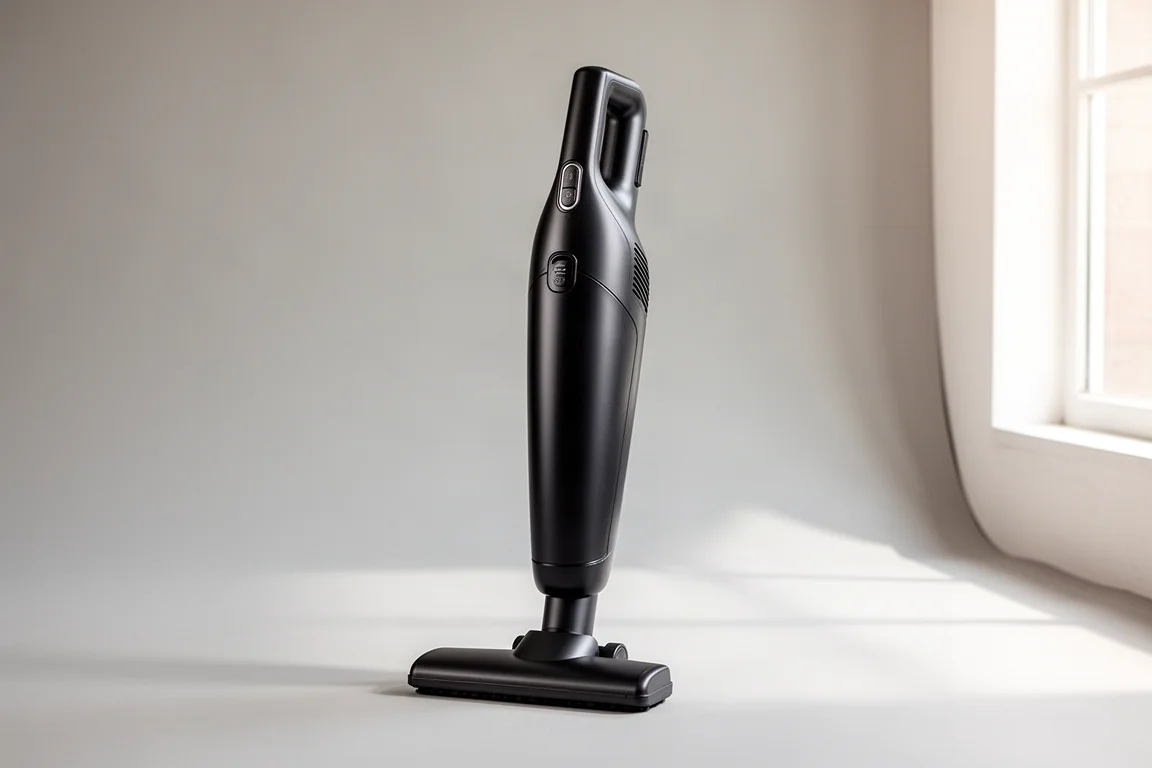
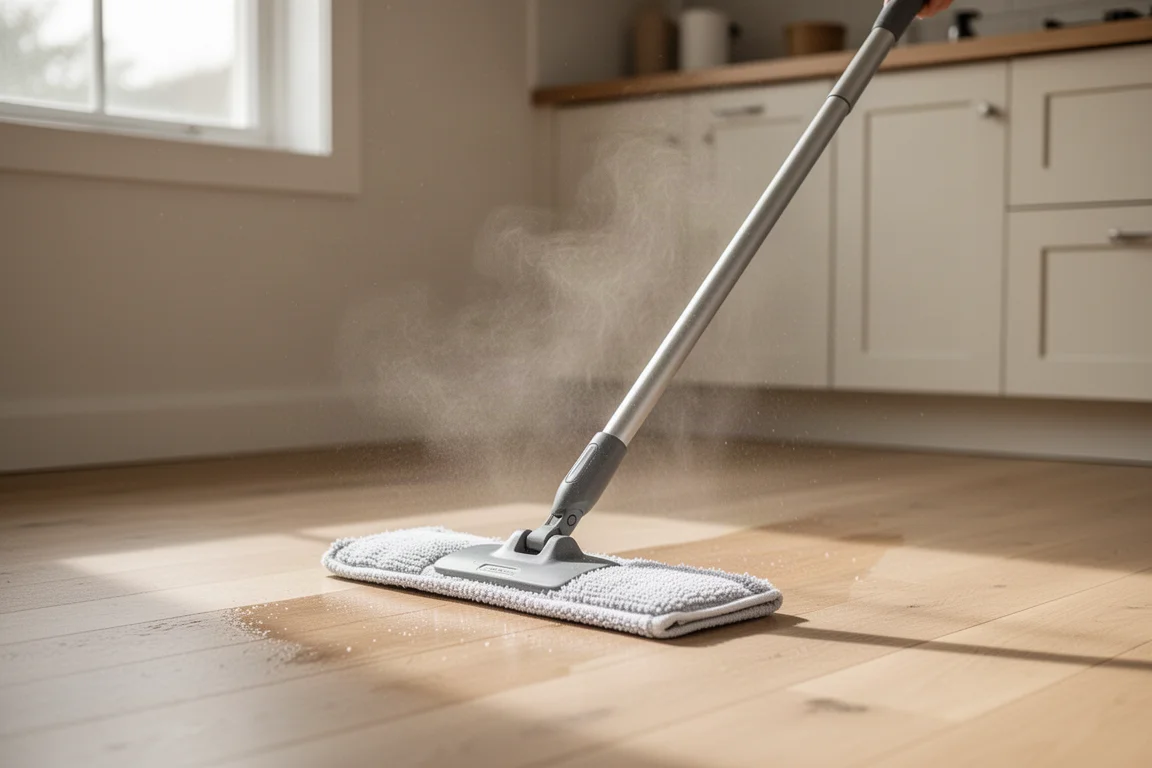
If you want clean floors but lack the room for a bulky mop and bucket, a spray mop is worth considering. Because they cannot be rung out, even the best spray mop does not match the cleaning capacity of a traditional mop, but they are great for smaller spaces, touch-ups and quick cleaning. Swiffer popularized the category in the early 2000s with push-button convenience and spray-out cleaning solution, though most spray mops today use a trigger style that works like a spray bottle.
Top Pick: O-Cedar Spray Mop
The O-Cedar spray mop won thanks to its refillable chamber, which you can fill with any cleaning solution you prefer. That means no expensive proprietary bottles, and real freedom over what you clean with and what you spend. It also has a large reusable microfiber pad, and two-sided plush pads proved much more effective at picking up dirt. The whole pad is machine washable.
The customizable trigger is the other standout. Pull it lightly for a small spray, or pull it all the way back and it sprays three times further than any other model tested, roughly eight feet of coverage. That kind of quick coverage cuts your overall cleaning time significantly. The mop itself is lightweight yet sturdy at three to four pounds, with a comfortable roomy grip.
The Caution Pick: Swiffer Spray Mop
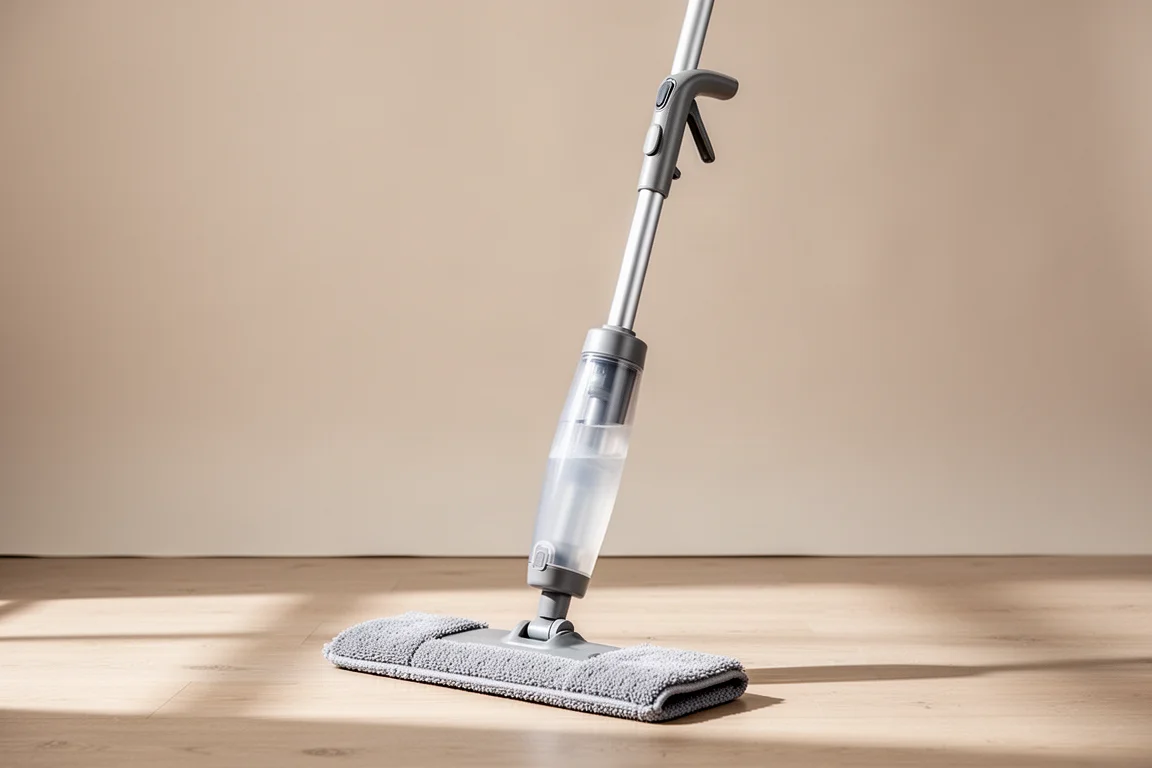
The Swiffer works, but the consumables model is the problem. The cleaning pads are single use, so you buy them again and again, and the cleaning solution must be Swiffer’s own bottle so it clicks into the mop. That makes it wasteful and locks you into repeat purchases. If choosing again from scratch, skipping Swiffer entirely in favor of a refillable option is the easier call.
Bottle Brushes
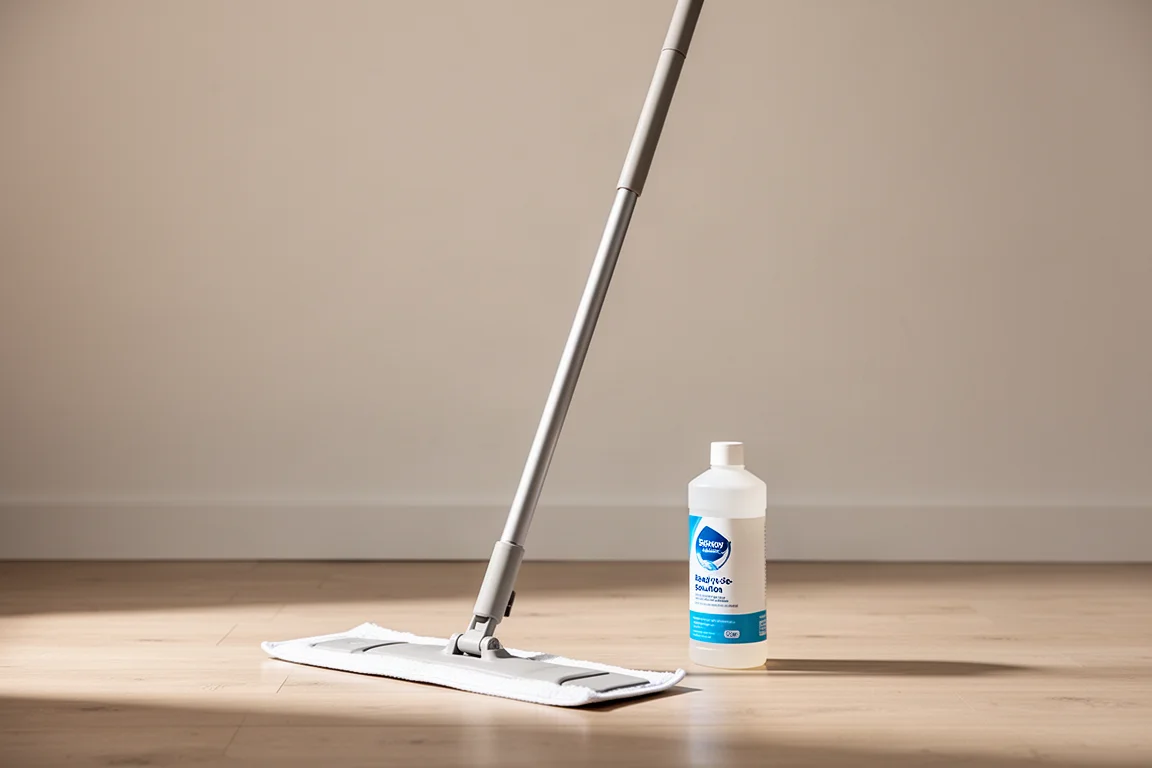
A good bottle brush is a long, slim brush on a stem that reaches into narrow spaces like a coffee carafe, water bottle or baby bottle, scrubbing where your hand cannot. It is a small tool that makes a huge difference in everyday kitchen cleaning.
Top Pick: Quickie Bottle Brush
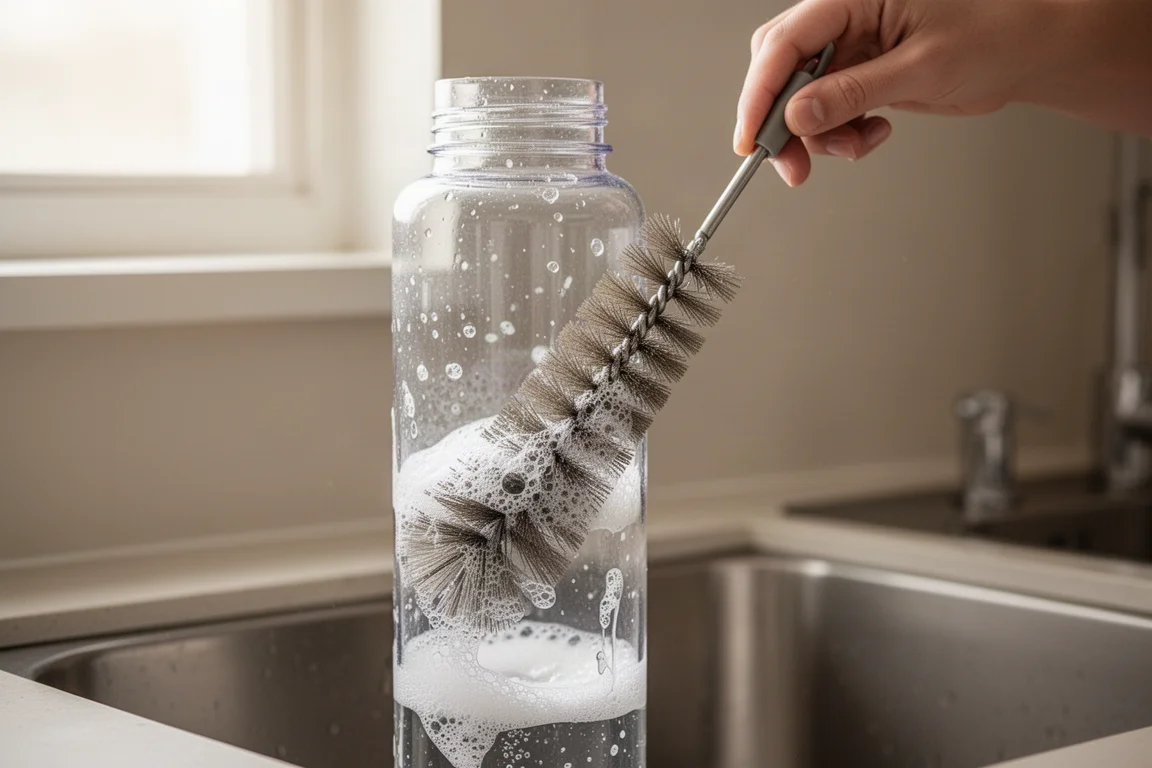
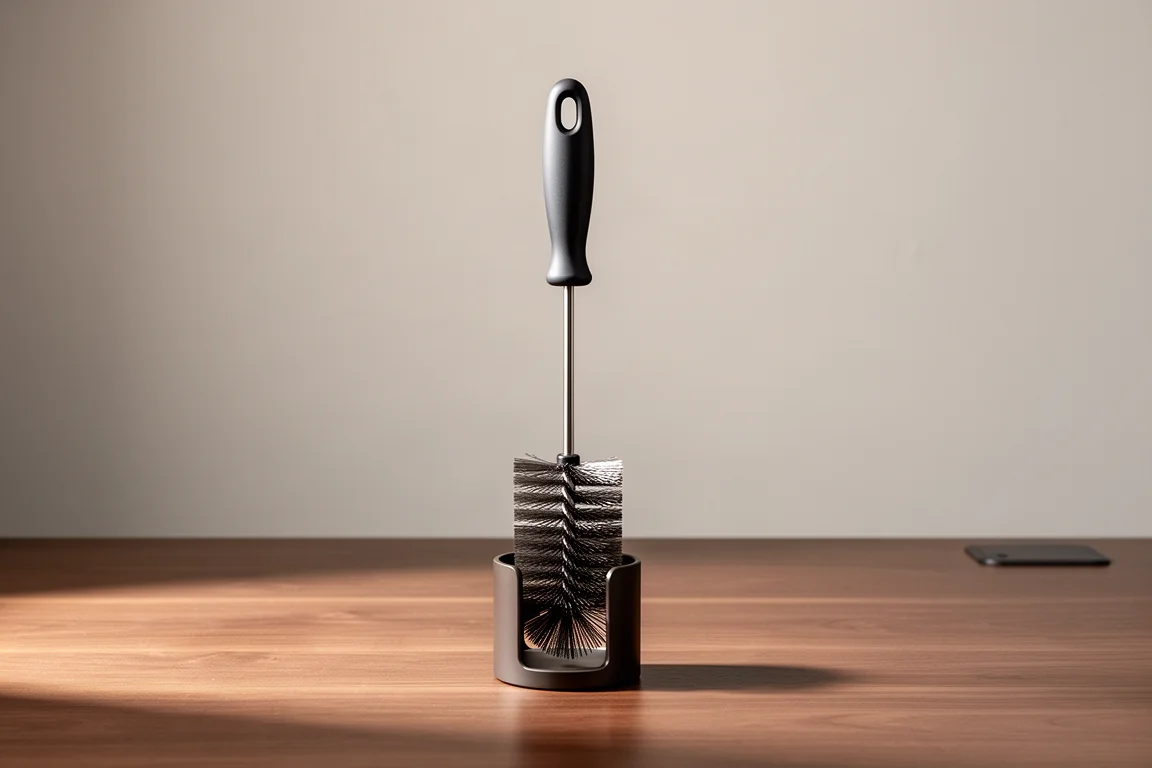
The Quickie bottle brush is the favorite here. It hangs on a hook by the sink and gets used almost daily. The medium-length bristles, roughly under an inch long, are the sweet spot: longer bristles flatten out and flop around, while very short ones just scratch at messes. The bristle texture works up a real lather, scrubs effectively and holds the soap on the brush.
The handle length is just right for reaching the bottom of a tall carafe, stiff enough for good leverage, with a grippy area at the top. Unlike some lookalike brushes made from materials that are not dishwasher safe, this one goes in the dishwasher and comes out completely clean, looking brand new. Well-spaced bristles release food particles instead of trapping them, so you are not turning your cleaning tool into a bacteria reservoir.
Alternative: Oxo Bottle Brush
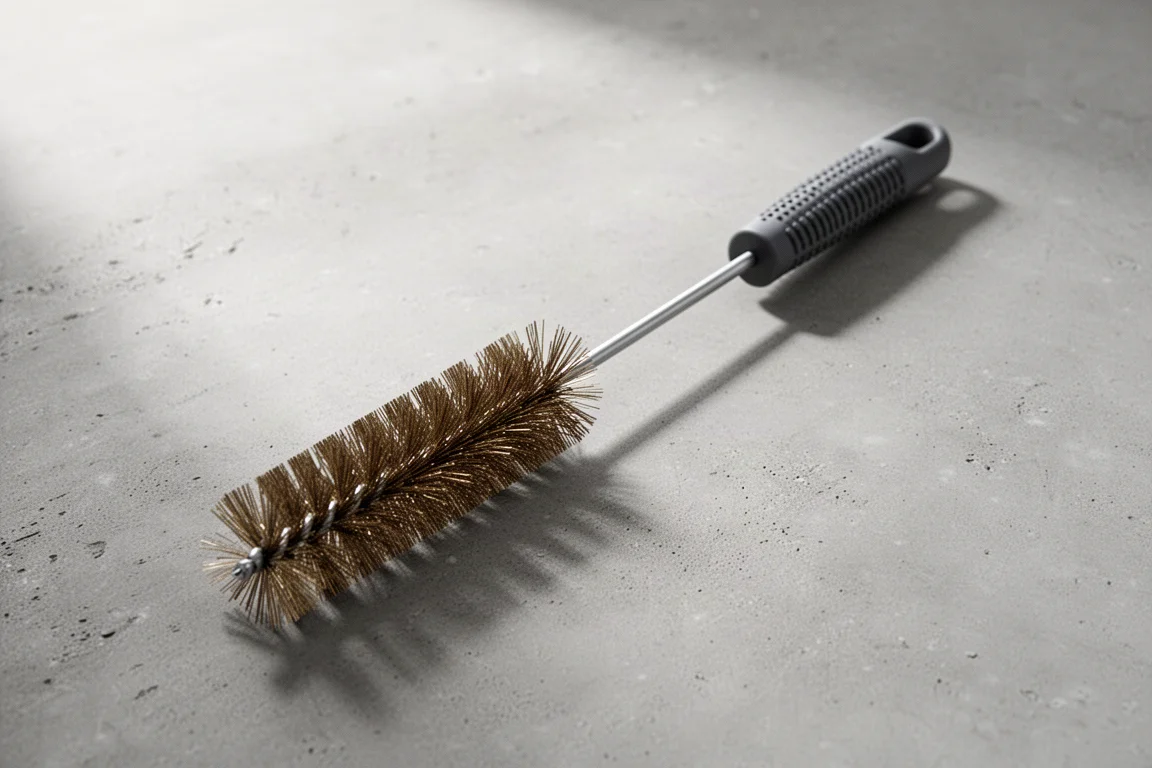
The Oxo bottle brush looks very similar to the Quickie but does not perform at the same level. If you already own one it is not a bad tool, but side by side, the Quickie’s bristle texture, handle stiffness and dishwasher-safe construction make it the clearly better pick.
Countertop Dishwashers
If you live in an apartment, RV or vacation home without a dishwasher, a countertop dishwasher is worth a serious look. They come in two sizes: smaller units that do not need to be hooked up to a sink, and larger ones that do, monopolizing your sink for the length of a cycle, an hour or more. The small versions hold about two full five-piece place settings, and the larger ones hold twice that.
Cycles vary: glass, short rapid and eco cycles are common, and some offer a baby care cycle. That baby cycle is not recommended if you actually need to sanitize or sterilize bottles. In testing with a dishwasher thermometer, these compact machines reached 160 degrees, well above the 140 degrees the USDA says is needed to activate detergent and clean properly, while larger models reached 150 degrees. They also use only about a tablespoon of detergent per wash and, per the Department of Energy, cost between 15 and 30 dollars a year to run, using far less water than washing by hand with the tap running. One loading tip that applies to any dishwasher: bowls and cupped items face down, knives never go in, butter knives go point down, forks and spoons go handle down, nothing pinched together, and never overcrowd. And clean the food trap at the bottom every week or two to avoid odors and poor results.
Top Pick: Comfee Countertop Dishwasher
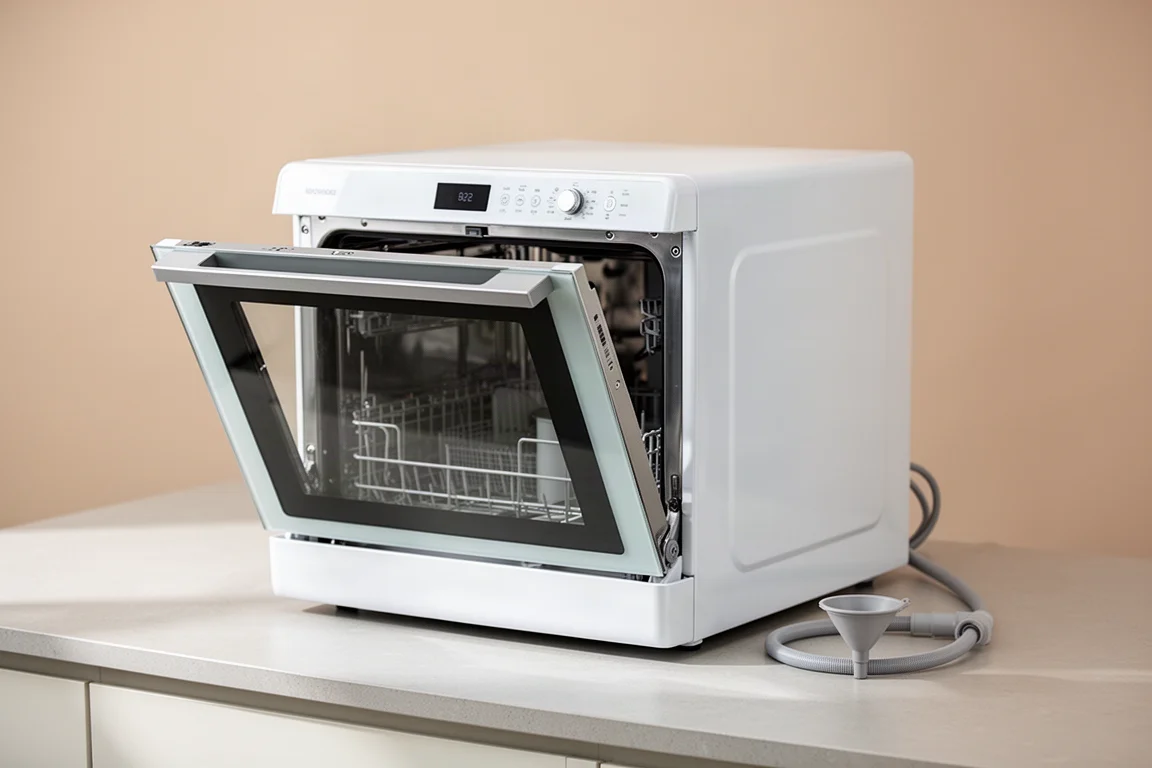
The Comfee was the overall favorite because it does not need to be hooked up to a sink. You fill the reservoir three times, it beeps when full, and it can also drain into a bucket using the included handy little funnel, so you get no puddle of stray water. Setup near a sink is simple: the hose screws onto the back with a suction cup to keep it aimed, the spray is gentle, and it runs quietly.
A nice extra is that the door pops open slightly at the end of the cycle, venting moisture so the dishes come out drier. It is very economical to run, works well with pods on regular hot cycles, and delivers genuinely clean dishes.
Dish Towels
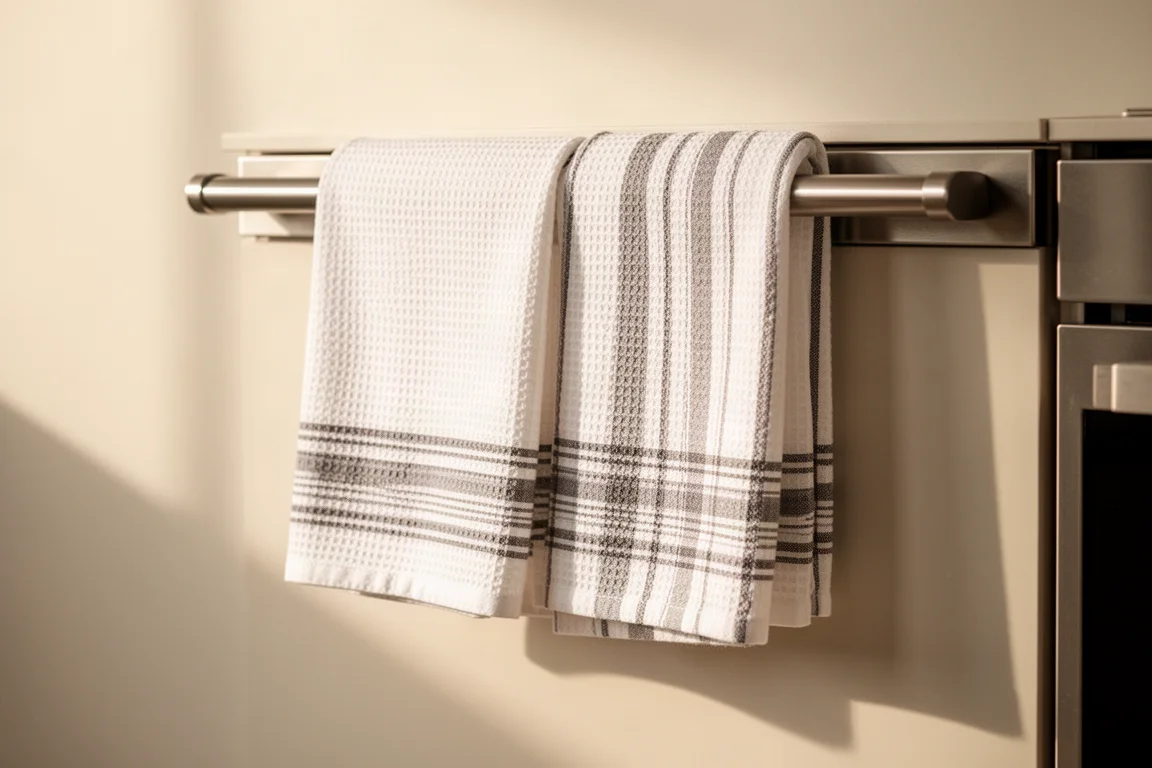
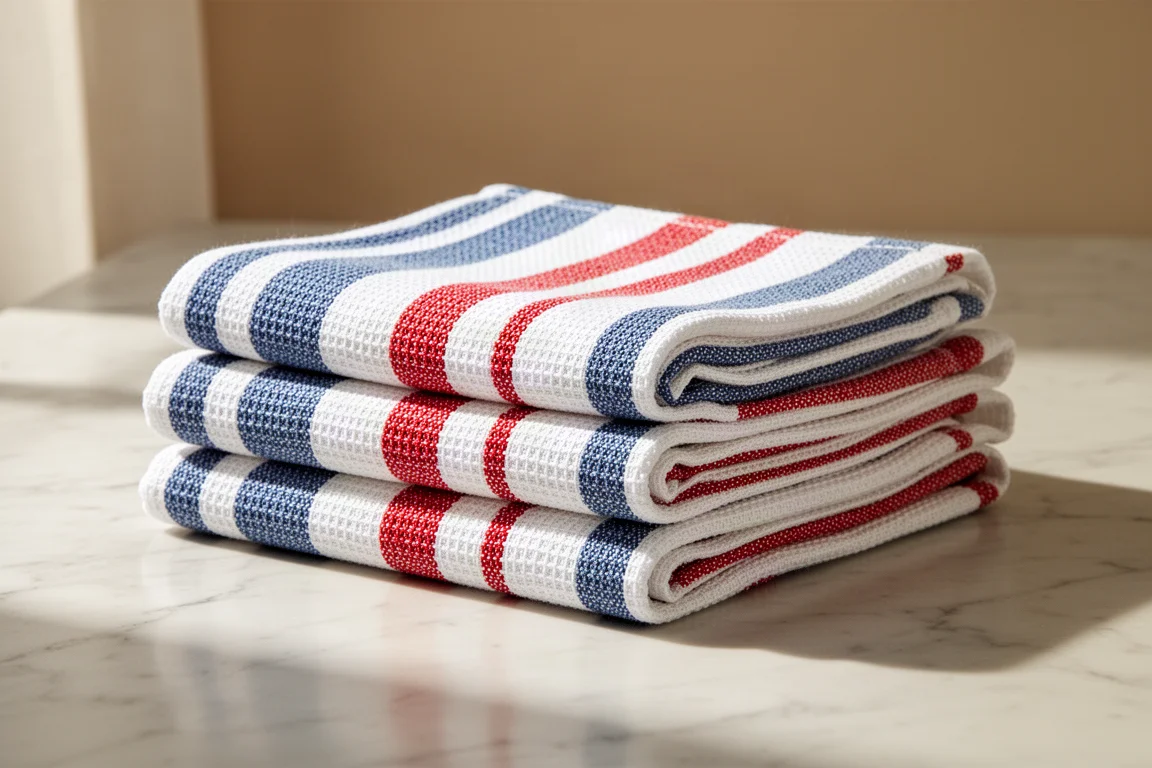
The dish towel is one of the most important tools in your cleaning arsenal, and after testing absorbency, flexibility and durability, the Williams Sonoma dish towels stood out. They come in a package of four in a range of stripes including blue and red, wrapped with a bow, which makes them a genuinely good gift.
They are all-cotton with a lattice weave that breaks in beautifully, getting softer and more absorbent over time. The size is generous without being enormous: thick enough to use as a potholder, yet nimble enough to dry the inside of a champagne flute. Microfiber towels were absorbent but melt when used as a potholder and feel unpleasant to many people, while these cotton towels hold a ton of liquid and shrug off heavy use. Thickness is the Goldilocks factor: too thick and they are clumsy in small spaces, too thin and they cannot absorb enough. These are just right. To keep them in top shape, skip fabric softener entirely, since its silicone oils coat the fibers and seal stains in, and soak out stains with Oxyclean first using a simple detergent.
Bonus Cleaning Tips
A few extra tricks rounded out the testing. For ovens, never leave the self-cleaning mode unattended, remove racks first, ensure good ventilation, keep pets and kids out of the room, and never combine the self-cleaning mode with oven cleaning products, which can void the warranty. For manual cleaning, wear gloves, an old apron and floor covering, and read the product instructions since some cleaners need hours to sit or work best on a warm oven.
White distilled vinegar is a cheap, powerful multitasker. Mix one part vinegar with four parts water as a countertop spray (it cleans but does not disinfect), microwave a quarter cup of vinegar with a quarter cup of water to loosen stuck-on grease, use one part vinegar to three parts water to rinse produce, and pour half a cup of baking soda followed by a cup of vinegar down drains, plug for 10 minutes, then rinse with hot water.
Conclusion
Good cleaning gear does not need to be complicated. A fast, pivoting handheld vacuum, a spray mop with a refillable tank, a dishwasher-safe bottle brush, a sink-free countertop dishwasher and cotton dish towels that only get better with age cover nearly every daily mess a kitchen can produce. Match the tool to the mess, keep filters and pads maintained, and kitchen cleanup stops feeling like a chore.
Further reading
Related Reviews
Backpacking Gear
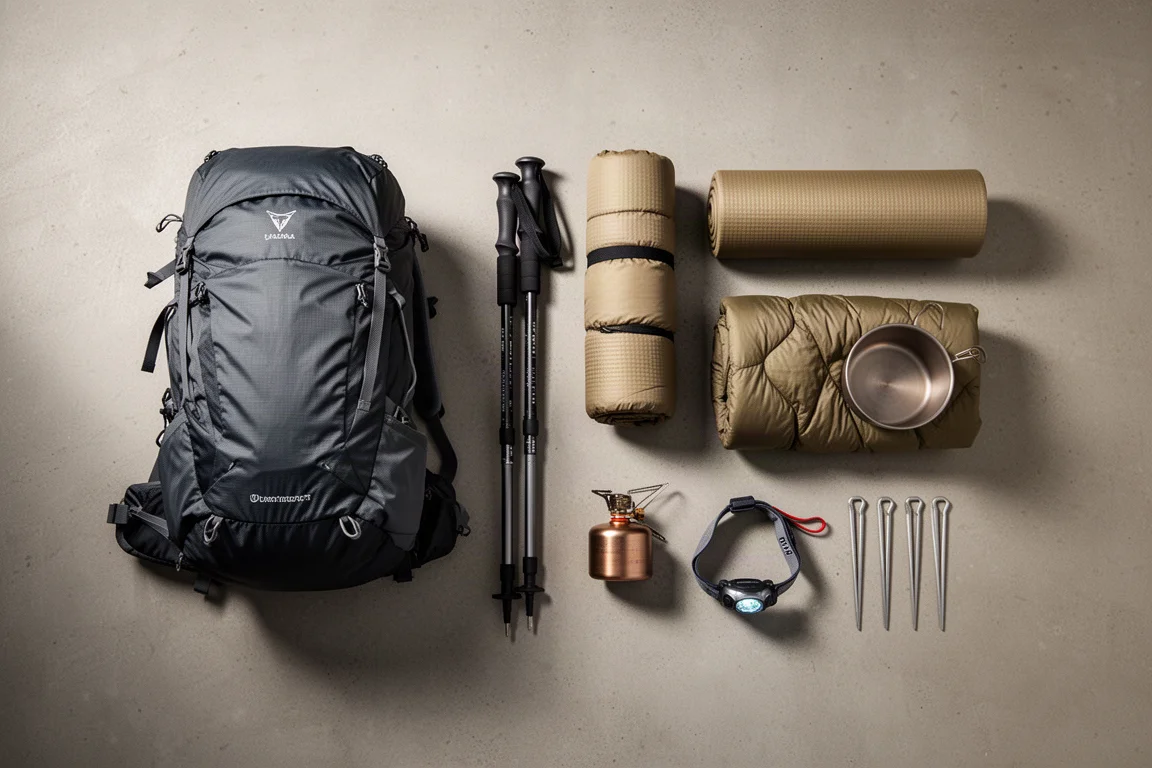
Building a 10 lb Base Weight: An Ultralight Backpacking Gear List
A practical walkthrough of the ultralight pieces behind a 10 lb base weight, from a 765 g pack and a roomy one-person tent to a full camp chair and a dependable water filter.

Road Bikes
10 New Road Bikes Worth Watching: Aero, Titanium, Steel and Endurance Standouts
A practical roundup of 10 new road bikes, from aero flagships chasing single-watt gains to titanium, steel and endurance platforms built for real roads.
Bikepacking Gear
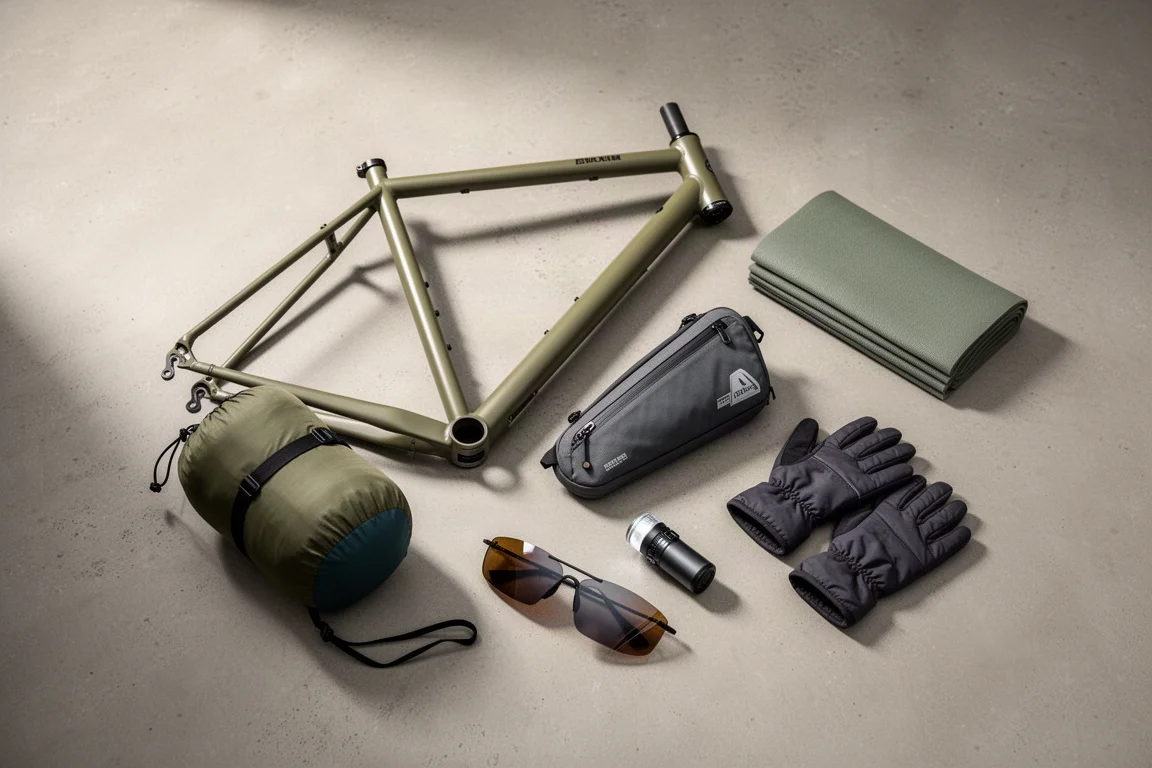
11 Bikepacking Essentials for Long-Distance Cycling
Eleven bikepacking essentials for long-distance cycling, from a steel gravel frame and a two-person tent to helmet lights, packable gloves, and a frame bag that puts weight in the right place.