Kids' Outdoor Gear
Best Kids' Backcountry Gear: 10 Pieces Worth Packing for Families
Ten kid-focused pieces for hiking, backpacking, and car camping, from a snap fleece and small daypacks to 48-inch sleeping pads and a kid carrier.
Introduction
Every parent who takes a child into the backcountry runs into the same set of worries. Kids grow fast, they may only use a piece of gear for a season or two, and the cost adds up quickly. The bigger risk, though, is a child who is cold, tired, or uncomfortable, because that is what turns a family trip into a one-time experiment.
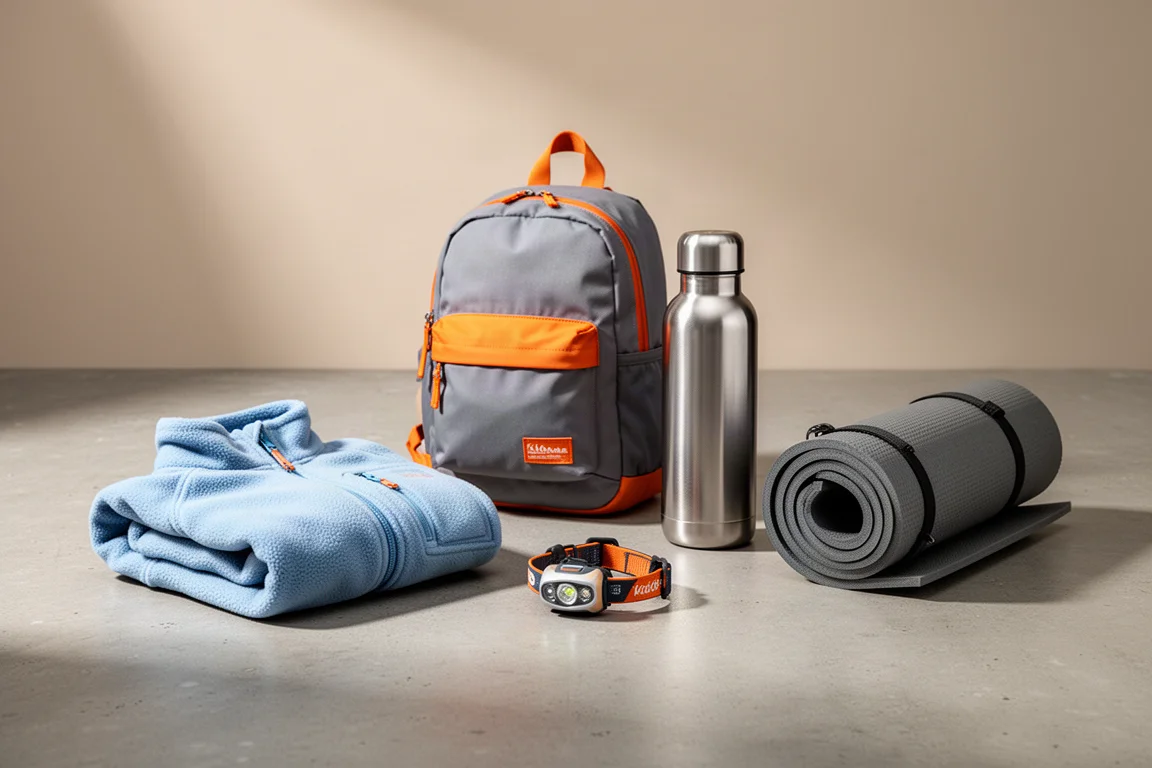
The ten items below are the ones that consistently make hiking, backpacking, and car camping easier with kids. Each one is chosen for a specific job: a light layer for cool mornings, a pack small enough for a child to carry, water that stays cold, light that does not blind the whole camp, and sleep systems that keep small bodies warm and settled through the night.
What to Look For in Kids’ Backcountry Gear
Comfort comes first, and everything else follows from it. A child who sleeps well and stays warm will want to go again. A child who spends the night shivering on a thin foam mat will not.
Sizing matters more than specifications at this age. Sleeping pads around 48 inches long and 20 inches wide fit small children well, and they line up with the pad sleeves found on kids’ sleeping bags. Once a child is taller than about four feet, a longer pad becomes the better choice.
Let kids carry something. A small daypack with a water bottle pocket and room for snacks, lunch, and a jacket gives a child a real role on the hike, and it keeps the load light enough that they are not miserable.
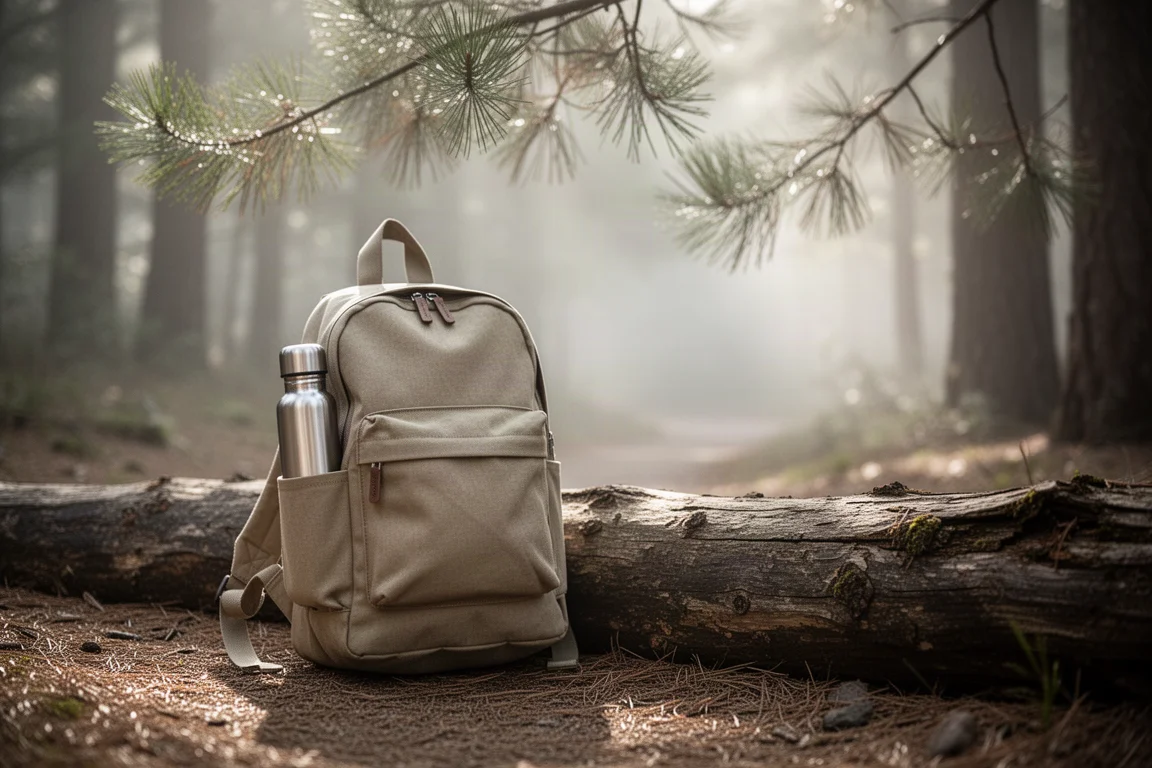
Buying out of season helps. Kids’ gear is frequently discounted, and previous-year models in particular tend to sell for much less than the original retail price. Since children outgrow gear quickly, a discounted purchase carries less risk than paying full price for something that fits for one summer.
Patagonia Micro D Fleece: The Layer Kids Reach For
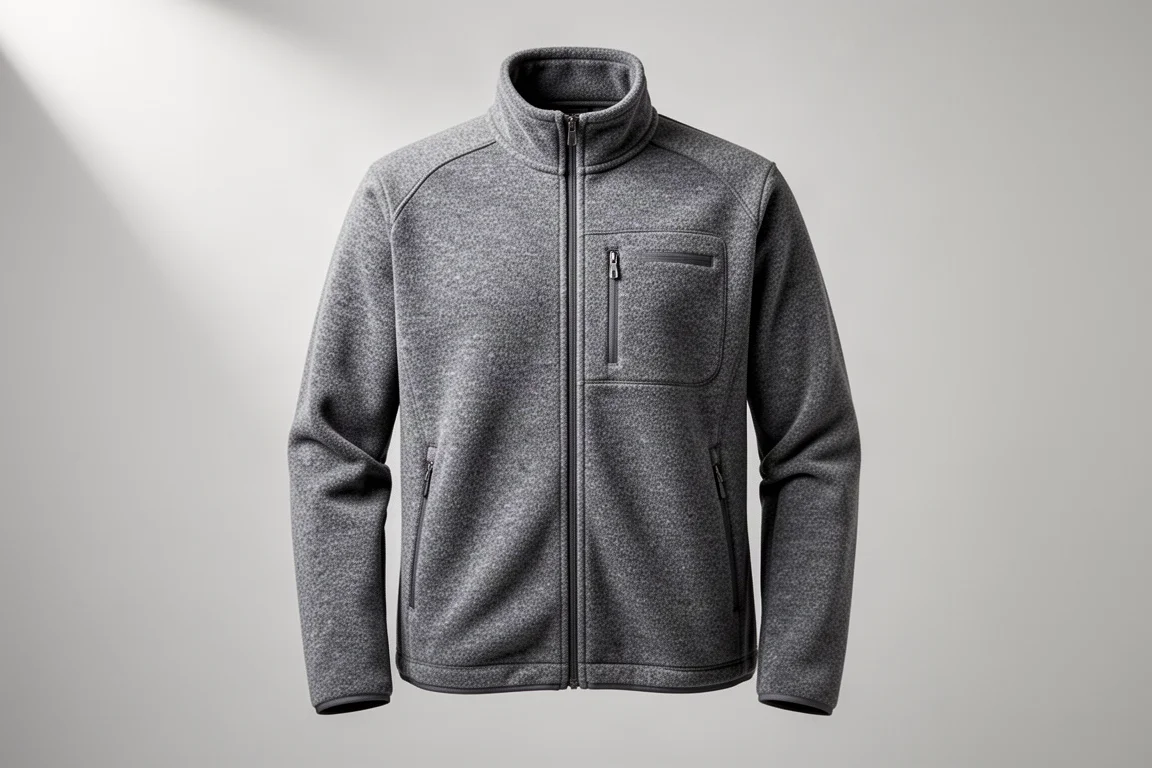
The Micro D Fleece is a snap-front kids’ fleece that handles the in-between moments: a chilly summer morning, an evening after the sun drops, or a storm that pushes the temperature down in the middle of the day.
It is a light, simple layer rather than a technical shell, which is exactly why it gets worn. It is fairly inexpensive to begin with, and it turns up on sale often enough that outfitting several children does not become a project.
Osprey Daylite: A First Daypack for Short Hikes
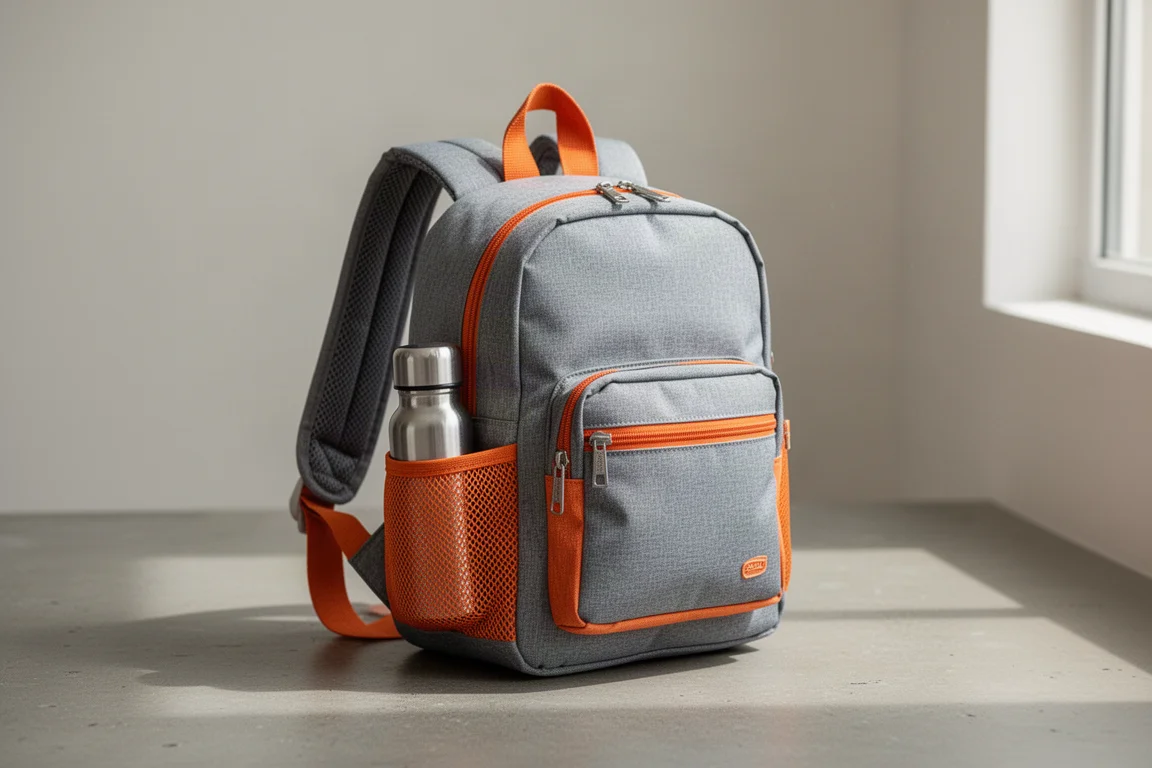
The Daylite is a small kids’ daypack with a side pocket that holds a water bottle upright. There is room for snacks, a lunch, and a jacket, and not much else, which is the point. The pack stays light enough that a child can carry it for a full day without complaining.
It gives a child a job on the trail and a sense of being part of the trip rather than cargo, and it does not require a large investment to get there.
Osprey Jet 12: Enough Capacity for a First Overnight
When a day hike turns into a first backpacking trip, the Jet 12 is the step up. It holds a small sleeping pad, a sleeping bag, snacks, and the one item that matters most to a child, which on one first trip meant a stuffed animal tucked into the mesh pocket on the outside of the pack.
The pack also has small hip belt wings that add comfort on the trail, which helps on the days when the walk turns out to be longer than expected.
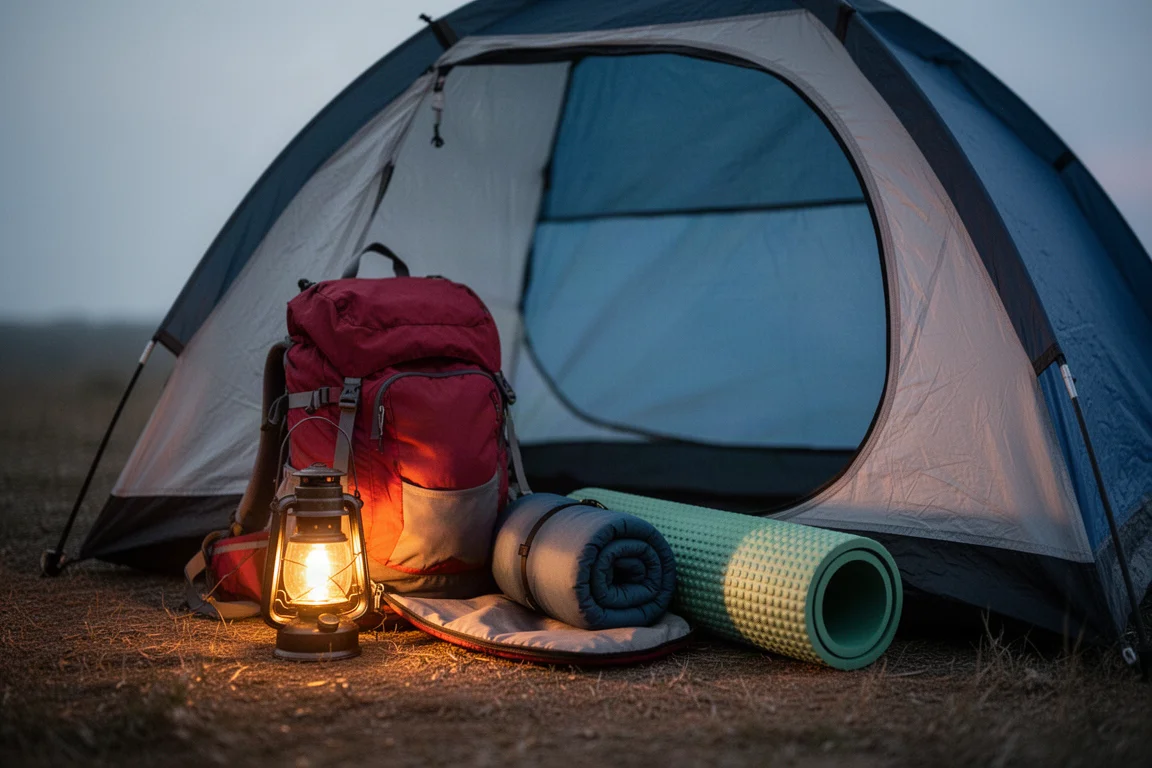
Capacity is still modest, so this is a pack for younger children carrying their own sleep gear rather than a pack that takes a share of the family load.
Hydro Flask Kids Bottle: Water That Stays Cold and Stays Closed
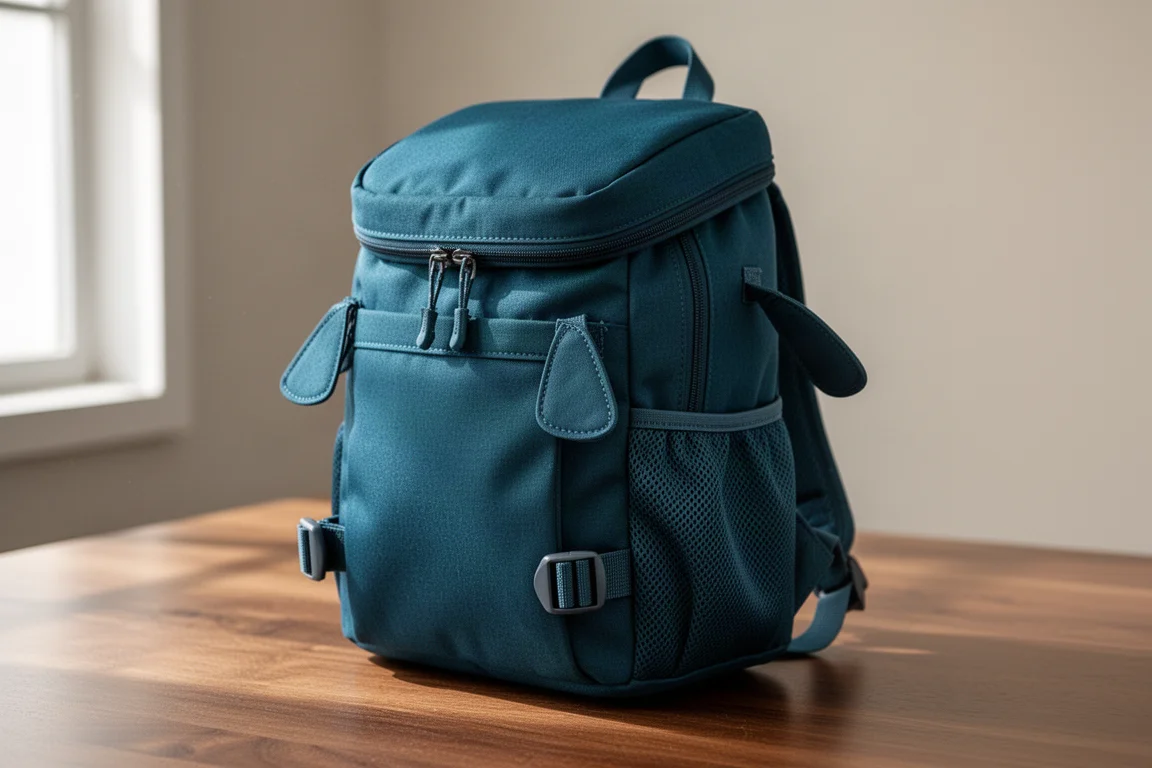
A kids’ insulated bottle is one of the few places where spending a little more pays off. These bottles keep water cold, which matters on warm hikes, and they are durable enough to survive being dropped, dragged, and handed around.
The straw lid is effectively spill proof, so a bottle can go into a pack without soaking a jacket, and the bottle is easy to clean at the end of a trip. It is heavier than an ultralight bottle, and that is a fair trade for a child who will actually drink from it. Stickers are a bonus.
Black Diamond Wiz Headlamp: Light Without the Glare
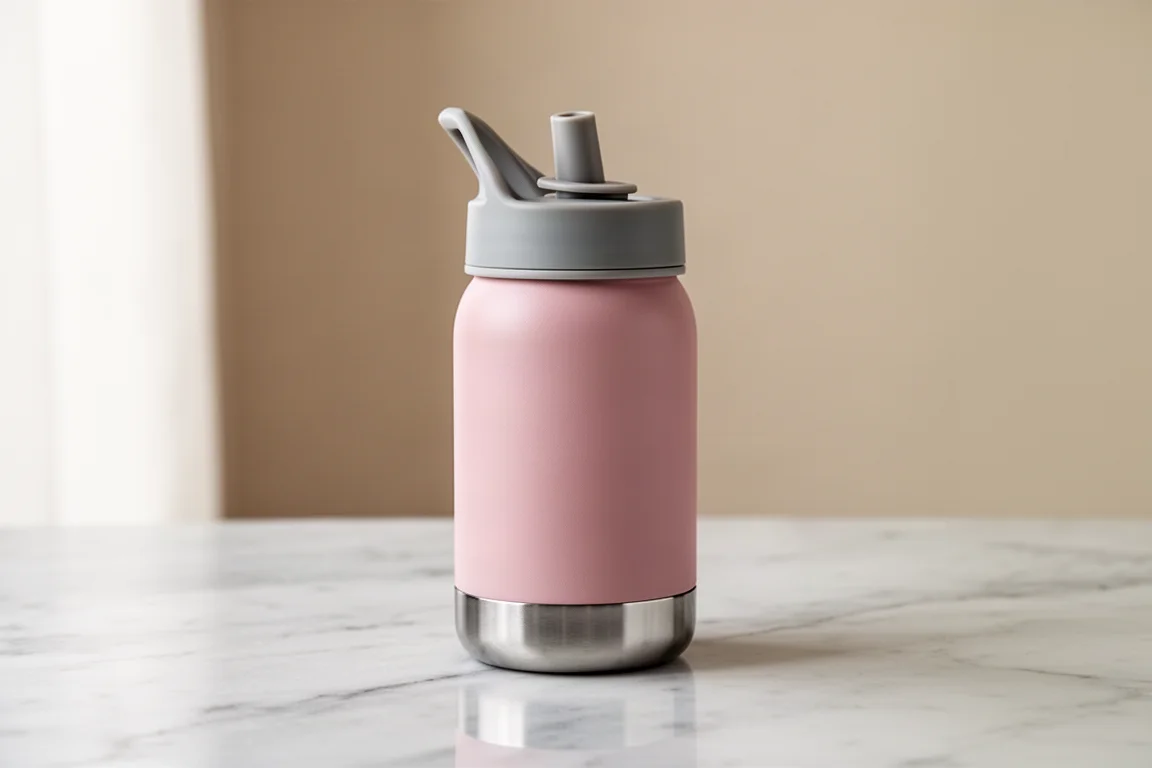
Kids want the same gear their parents have, and a headlamp sits at the top of that list. The Wiz gives a child their own light for walking around camp, finding a water bottle in the dark, or reading inside a sleeping bag.
What makes it work for families is the diffuser that spreads the beam across a wide area. That wide, soft light makes it much harder for a child to blind a parent or a sibling, which is the usual failure mode of a kid with a bright light.
UGQ Youth Quilt: Down Warmth That Packs Down Small
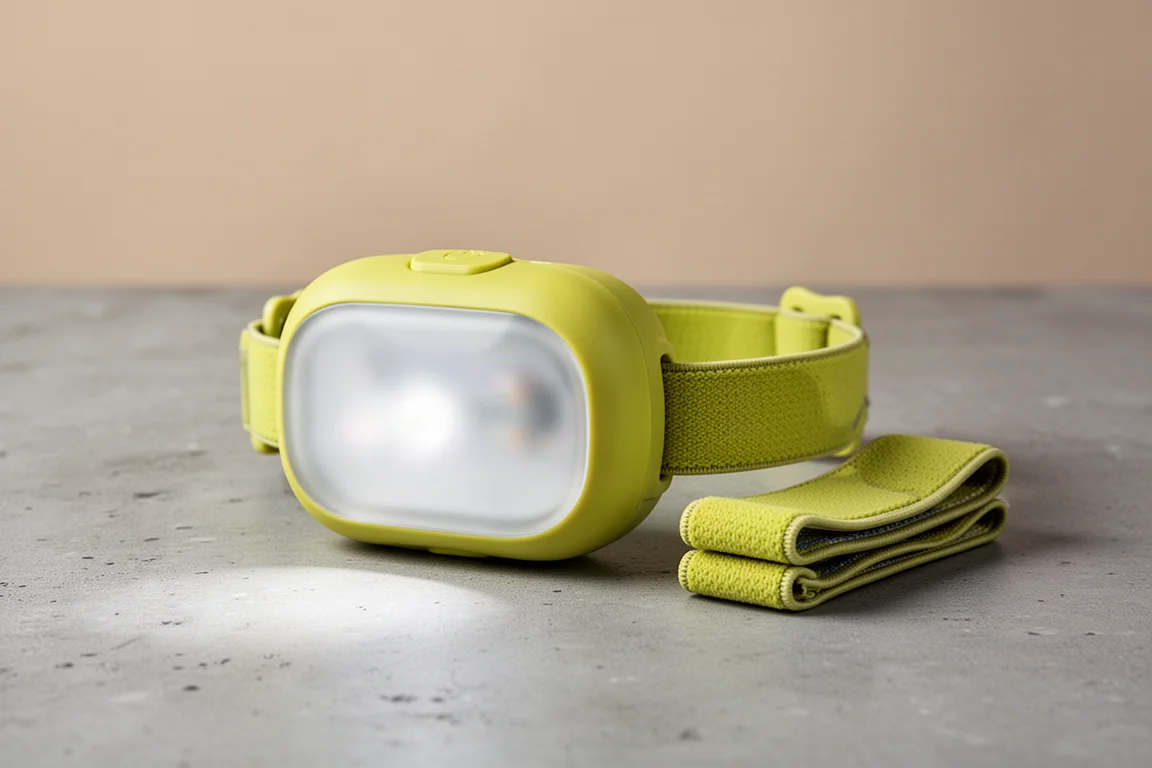
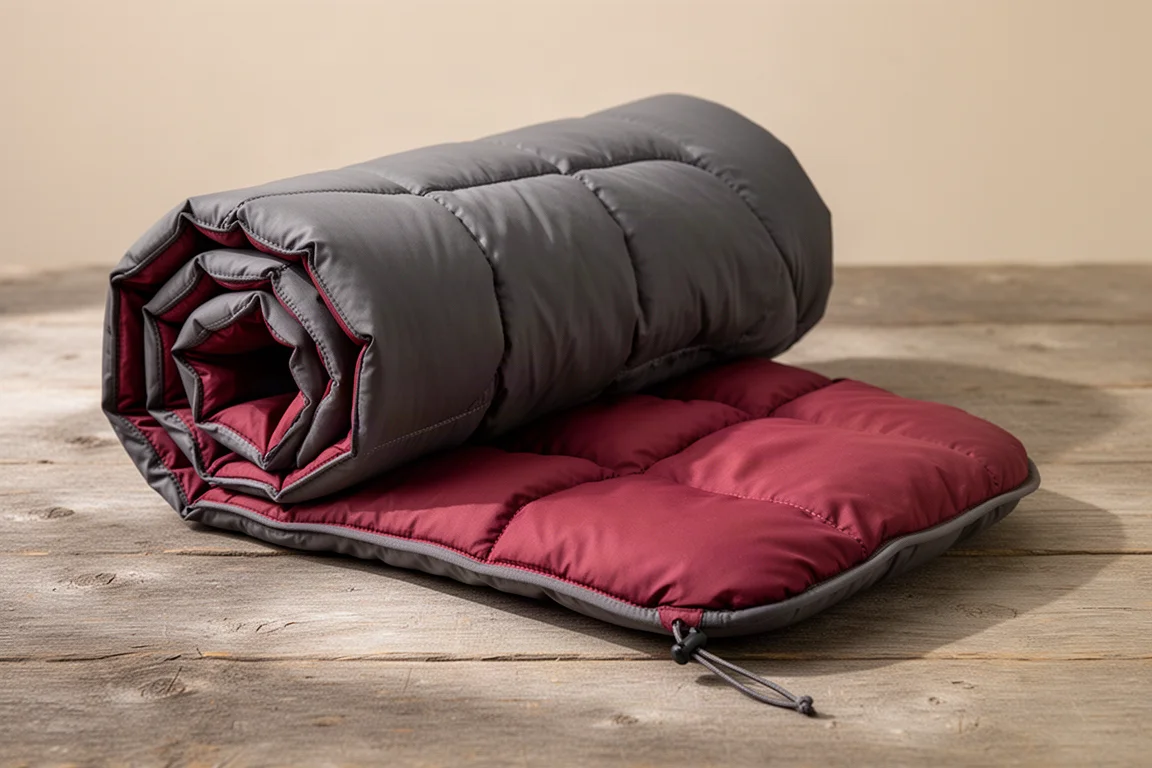
Most kids’ sleeping bags are synthetic, and synthetic fill takes up space. The youth quilt from UGQ takes the opposite approach, using down fill that compresses into a much smaller package.
For a child who is carrying their own sleep system, that difference in packed volume is meaningful. Down quilts for children are not common, which makes this one worth knowing about if pack size is a priority.
Big Agnes Little Red: A 15-Degree Bag That Stays on the Pad
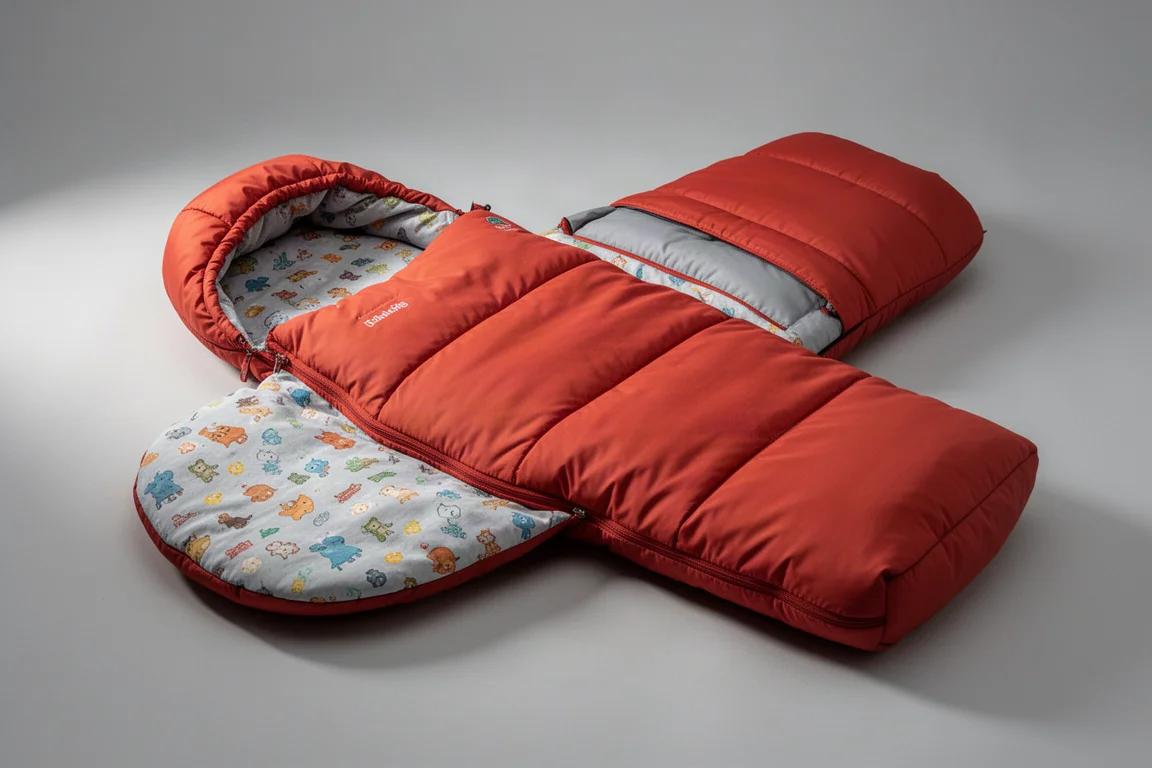
The Little Red is a 15-degree kids’ sleeping bag with an integrated pad sleeve. That sleeve is the feature that matters most. Children move around a lot in their sleep, and a sleeve keeps the bag on top of the pad instead of sliding off it in the middle of the night.
The fill is synthetic, so the bag is bulkier and a little heavier than a down quilt. In exchange it packs down reasonably small, comes in kid-friendly designs, and has held up over almost three years of regular use.
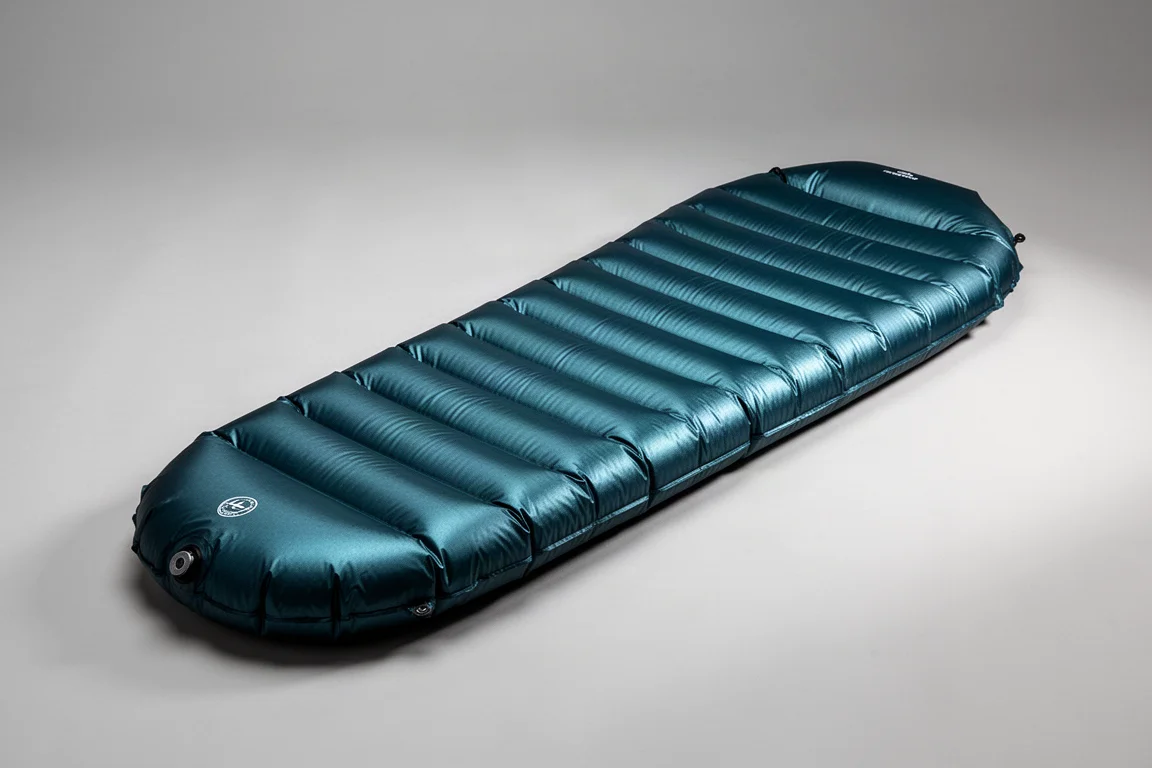
Big Agnes Air Core Ultra: A Short Pad Sized for Small Sleepers
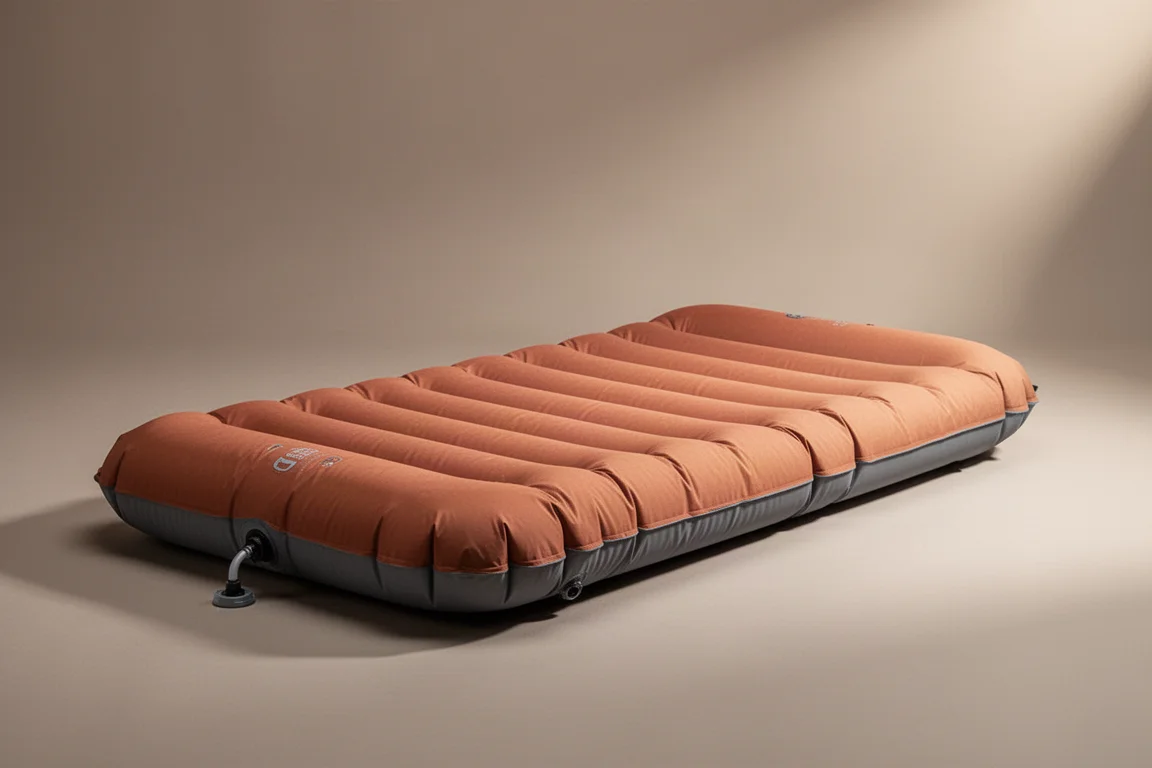
A child deserves a real sleeping pad, not a closed-cell foam mat that is treated as good enough. The Air Core Ultra comes in a 48 inch by 20 inch size that fits small children and lines up with the pad sleeve on a kids’ bag.
It is available in insulated and non-insulated versions, which makes it easy to match the pad to the season and the trip.
Nemo Tensor Insulated Short Mummy: Insulated Comfort at 48 Inches
The Tensor Insulated Short Mummy takes a similar approach with an insulated build at 48 inches long and 20 inches wide. It fits the same pad sleeves and the same short bags and quilts that small children use.
For cold-weather trips, the insulated construction is the reason to choose it over a basic pad. Parents who have spent a night on a cold, thin mat tend to be the ones most willing to get this right for their kids.
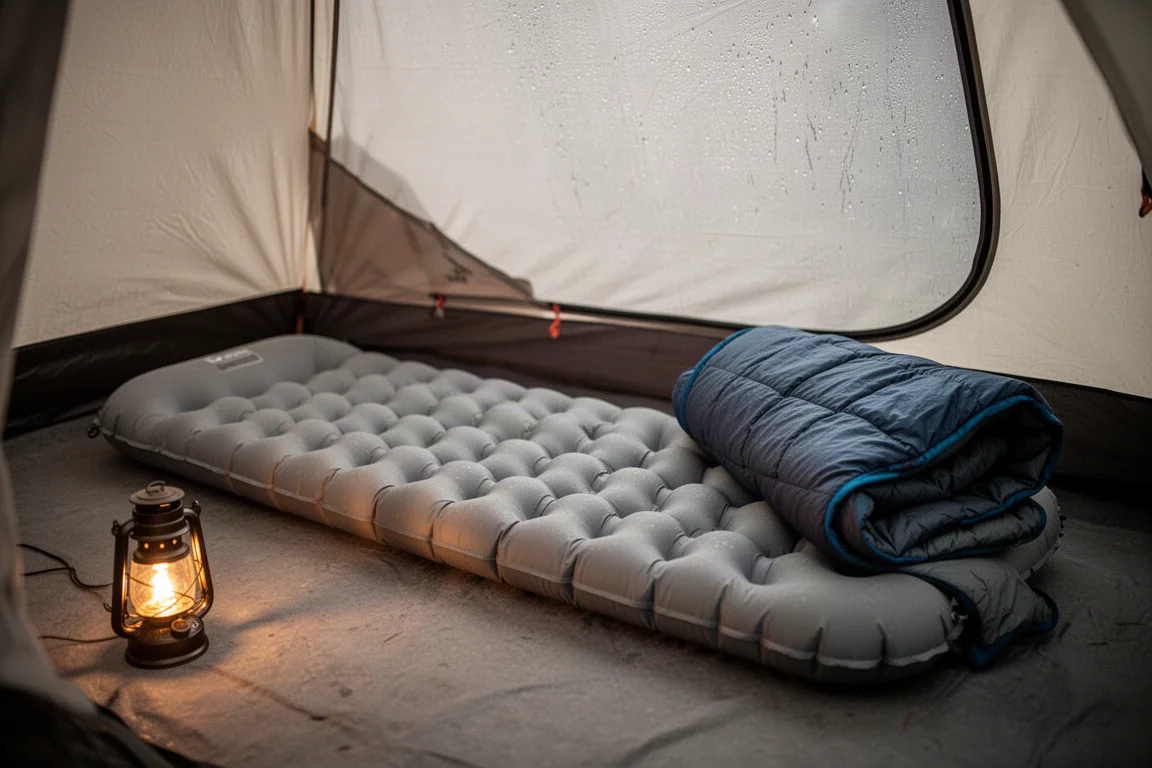
Both of these pads are the right length for smaller children. Once a child passes about four feet, moving to a longer pad keeps the sleep system comfortable.
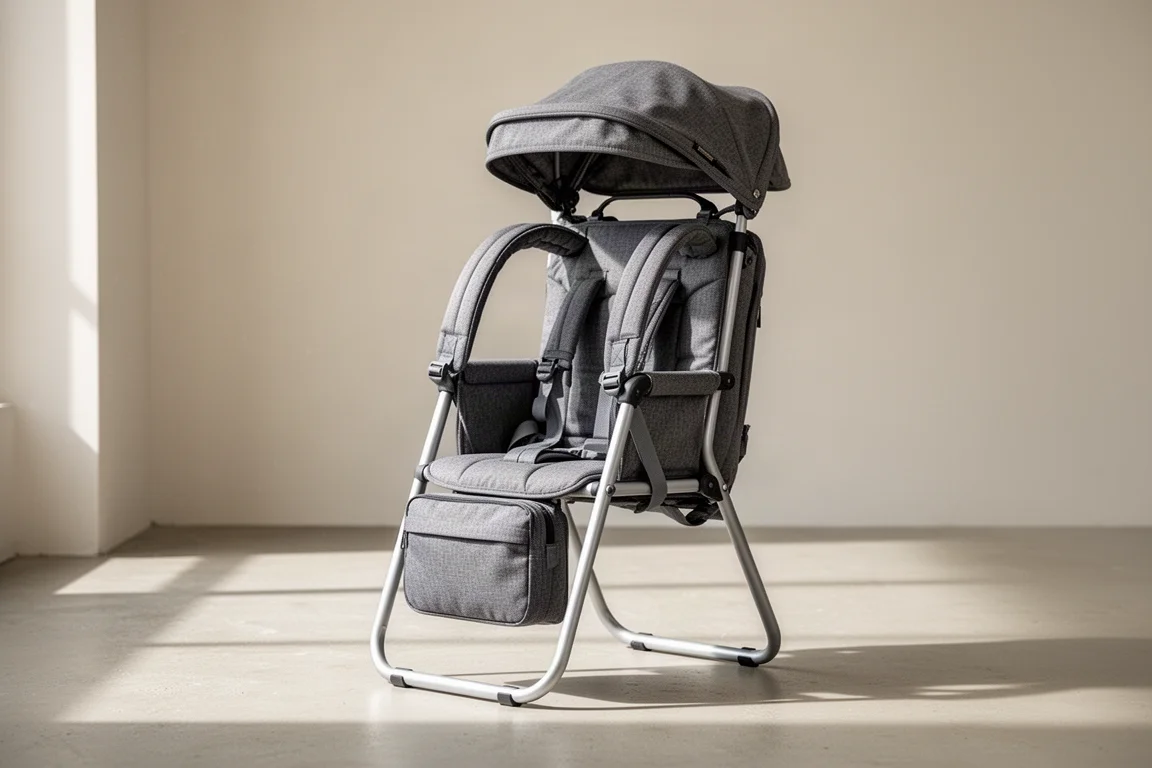
Deuter Kid Comfort: Carrying Kids Before They Can Walk
The last piece of the puzzle is for families whose children are not walking yet, or who need a better way to carry a toddler on a longer hike. A framed kid carrier is the answer, and the Deuter Kid Comfort has covered a lot of miles on family trips.
Storage underneath the seat varies by model, and a canopy can be pulled over the top to shade or shelter the child. It is a real investment, and children do outgrow it, but it is often what makes family backpacking possible in the years before a child can hike on their own.
Building a Kids’ Backcountry Kit Without Overspending
The most useful habit is to buy out of season. Kids’ gear is heavily discounted at the end of a season, and previous-year models are often the same design at a much lower price. Since children outgrow gear quickly, a discounted jacket or bag carries far less risk than paying full price.
Gear that is still in good condition can also be passed along or gifted to another family, which stretches the value of a purchase even further.
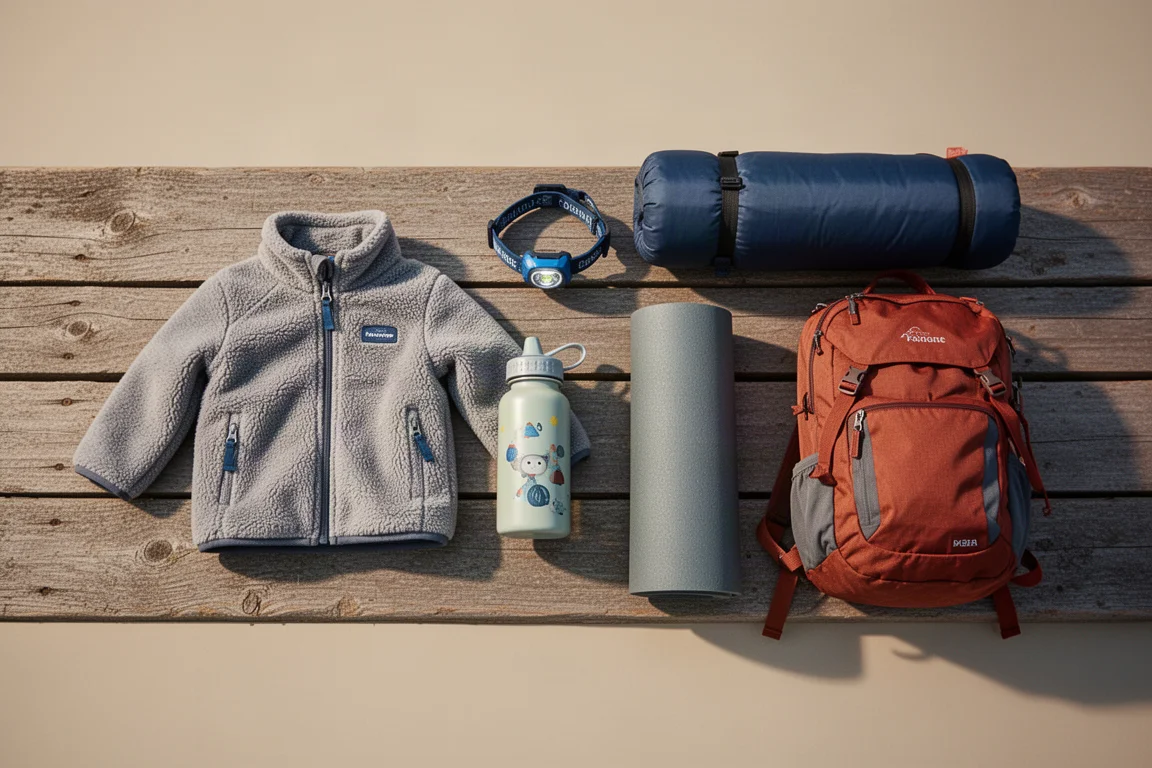
Spend where comfort is at stake. The sleep system and a child’s own water bottle are the two places where a little more money buys a noticeably better experience, and a small daypack that a child can carry themselves is worth having from the very first hike.
Conclusion
Kids’ backcountry gear does not need to be expensive or complicated. A light fleece for cool mornings, a small pack that lets a child carry their own snacks, a bottle that keeps water cold, and a sleep system that keeps them warm and on the pad cover most of what matters.
Match the gear to the child’s size and to the trips you actually take, buy out of season where you can, and the result is usually the same: children who are comfortable enough to want to go again.
Further reading
Related Reviews
Camping Tents
Best 10-Person Tents 2026: Six Large Cabin Tents Compared
A practical comparison of six 10-person tents covering setup speed, headroom, ventilation, rain performance, and value.
Camping Tents
Best 6-Person Tents 2026: 7 Family Camping Tents Tested and Compared
We tested seven 6-person tents for setup, space, ventilation, weather protection, and build quality. Here are the standout picks for families and groups.
Camping Tents
Best Cabin Tents 2026: Ten Cabin Tents Compared for Space, Setup, and Rain Protection
A practical comparison of ten cabin tents covering peak height, wall slant, setup times, ventilation, and rain performance, with clear picks for budget, instant setup, and maximum interior space.