Insulated Jackets
Seven Insulated Jackets for Hiking and Backpacking: Lightweight Layers to Winter Down
Seven insulated jackets for hiking and backpacking compared on fill weight, outer fabric and real-world value, from a budget down bargain to serious winter pieces.
Introduction
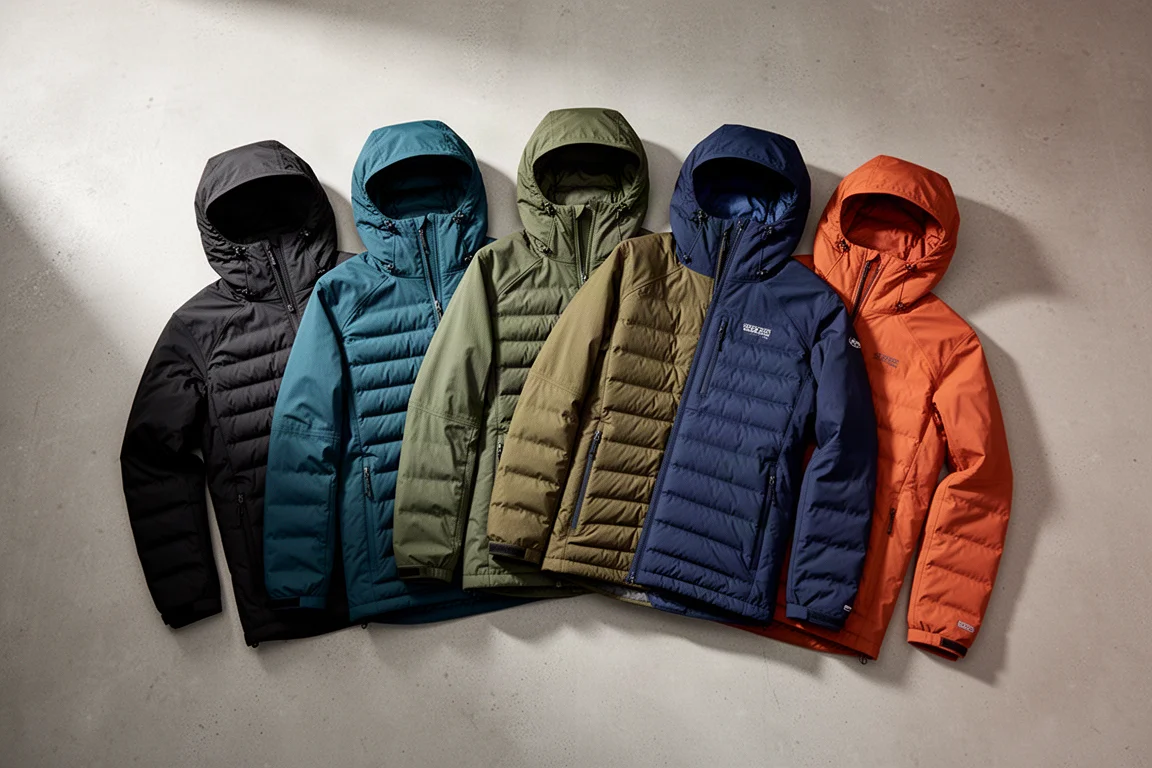
Insulated jackets for hiking and backpacking are not one product category so much as several. Some weigh less than 400g and sit somewhere near a warm fleece in real-world warmth, while others are heavyweight winter pieces built around 300g of down. This roundup covers seven jackets spanning roughly £22 to £350, comparing insulation type, fill weight, outer fabric and the features that make a difference once you are on the hill.
Prices reflect the UK market and can move quickly, so treat every figure here as a guide rather than a fixed number.
How to Judge an Insulated Jacket
Two figures tell you more than any marketing copy: fill power and fill weight. Fill power describes how much loft a given weight of down provides, while fill weight tells you how much insulation is actually inside the jacket. An 800 fill power jacket holding 90g of down will feel far cooler than a 700 fill power jacket holding 300g. That single distinction separates the lightweight layers in this group from the genuine winter jackets.
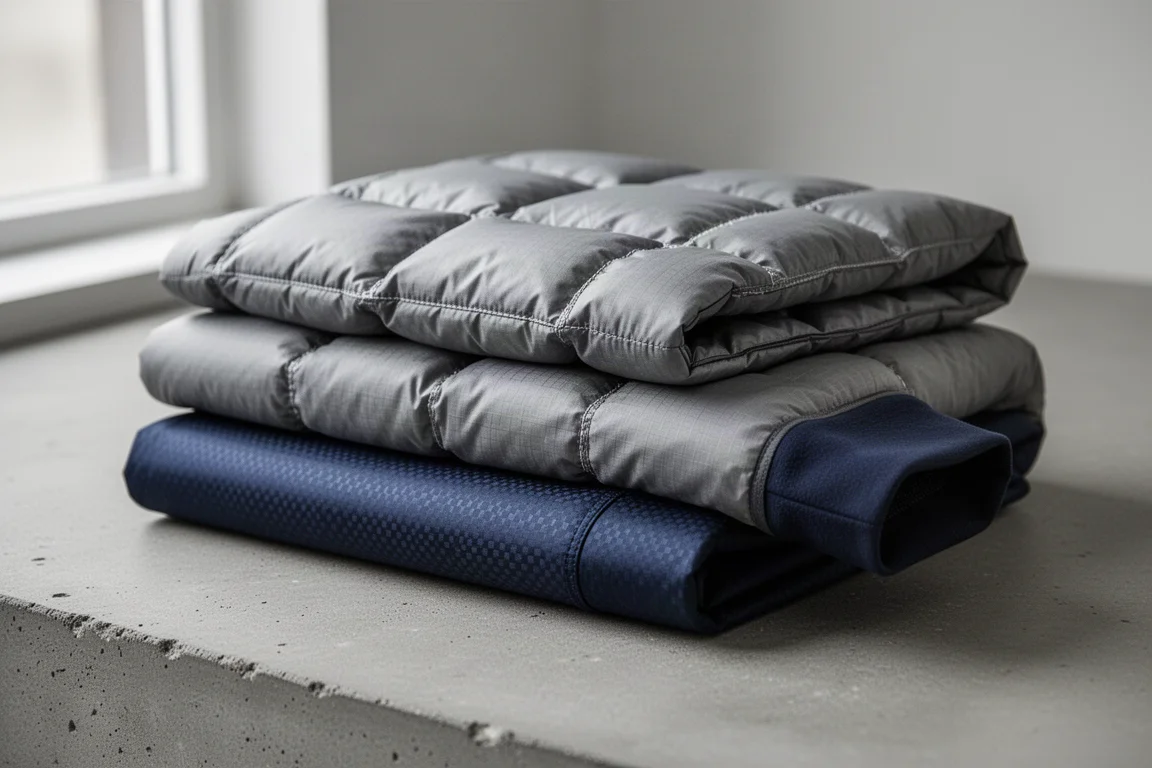
Insulation material matters too. Synthetic fills such as PrimaLoft handle damp conditions better and keep more of their warmth when wet, while down delivers more warmth for the same weight. The outer fabric is the third variable: a ripstop nylon shell with a durable water repellent finish shrugs off light rain and a bit of abrasion, and a windproof liner can transform how warm a jacket feels on an exposed ridge. Beyond that, look at hood shape, hem adjustment, pocket layout and packed size, because the jacket you actually carry is the one that keeps you warm.
Peter Storm Tack Light Alpine Down Jacket: The Budget Standout
At the bottom of the price range sits a jacket with 700 fill power down, two large internal stash pockets, standard hand-warmer pockets and a weather-resistant finish. The compromises are honest ones. The fit is the least flattering in this group, the shell can look a little loud in some light, and the fabric does not feel as refined as the more expensive options. It is also firmly not a winter jacket: it works while you are moving, but you will cool down quickly once you stop.
What makes it remarkable is the price. The list price is around £110, yet it is routinely discounted to roughly £22.50, which is extraordinary for a down jacket that packs small enough to live at the bottom of a pack. At that money it is easy to treat as a spare layer you do not need to baby.
Rab Cirrus Jacket: A Synthetic Layer for Spring and Autumn
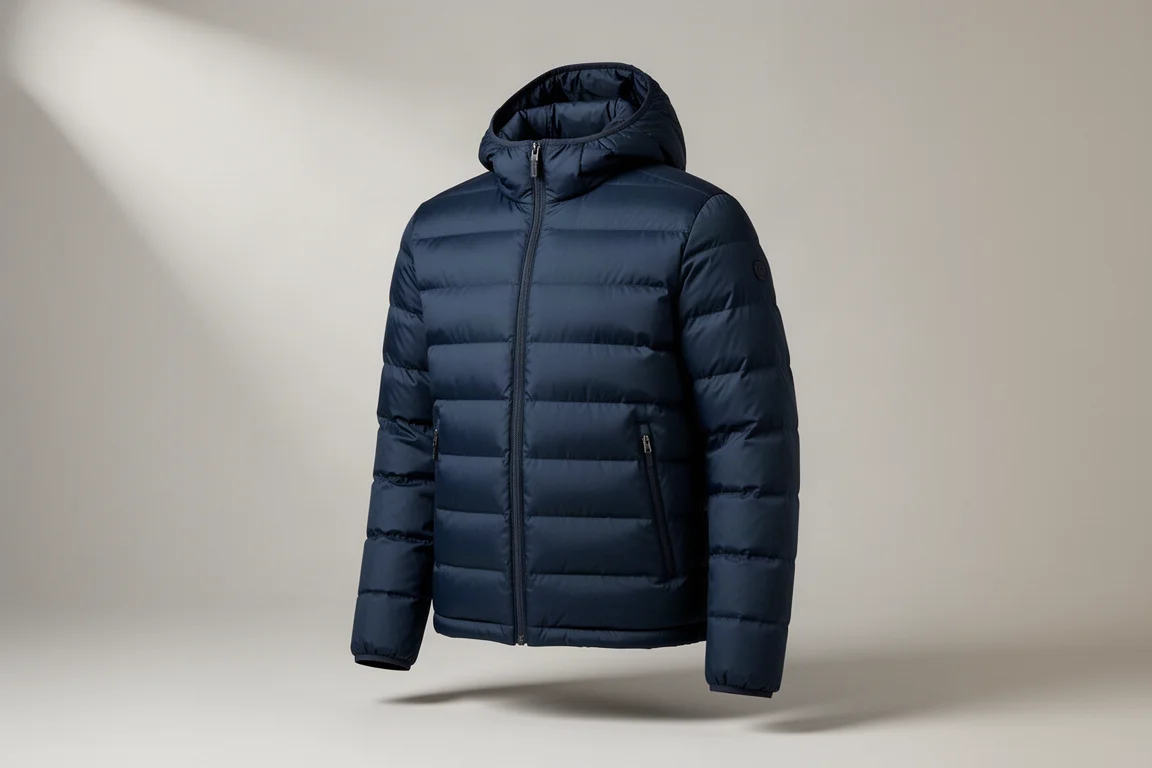
The Rab Cirrus is a 461g synthetic jacket built around PrimaLoft Silver insulation with a Pertex Quantum ripstop outer that resists light weather. It has a zipped internal pocket, zipped hand-warmer pockets and a muted beluga colourway that is easy to wear.
Warmth is modest. It performs well while you are moving and cools noticeably when you stop, which puts it squarely in spring and autumn territory rather than deep winter. At £155 it is a fair price for a light, damp-friendly layer that also works as a general-purpose jacket away from the trail.
Cotopaxi Fuego Jacket: Light Down With Everyday Appeal
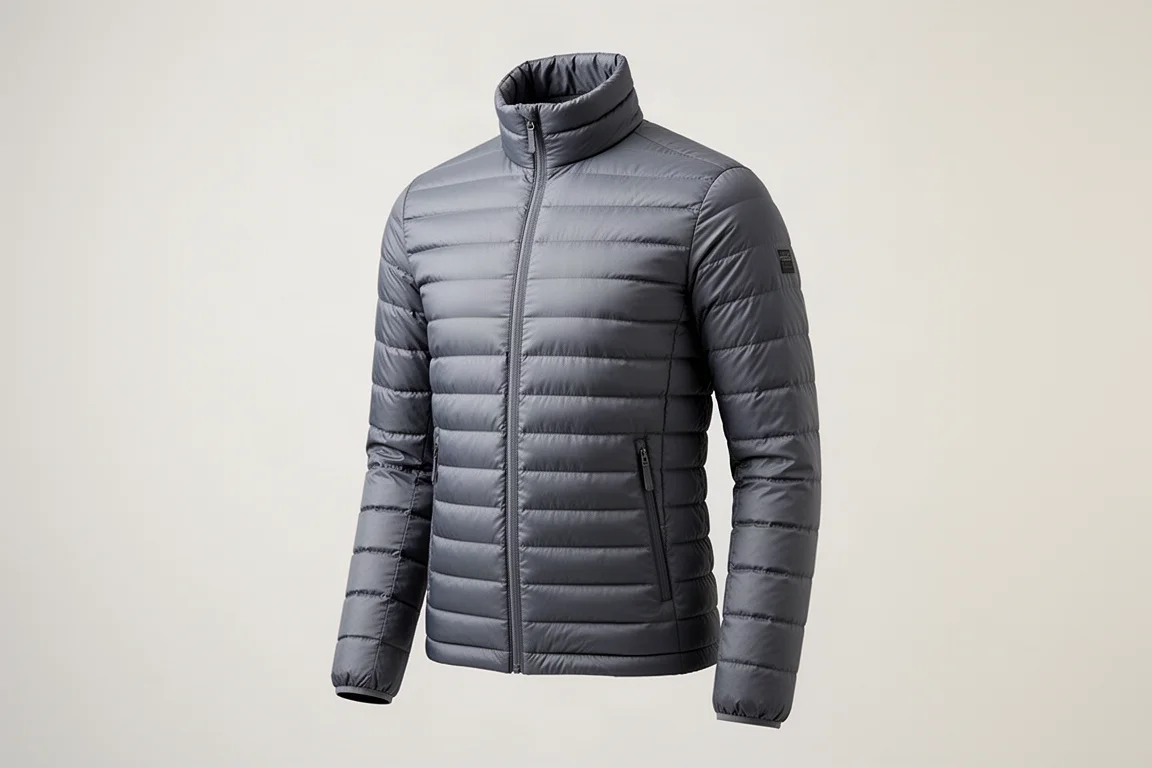
The Fuego takes a similar lightweight brief but swaps synthetic fill for 800 fill power down, keeping the weight down to just 374g. It uses recycled down and a recycled ripstop nylon outer with a durable water repellent finish, and it offers a large dump pocket plus zipped pockets inside and out.
It is not a particularly warm jacket, and at £220 it costs more than the synthetic alternative for comparable real-world warmth. Where it earns its place is versatility: it looks good enough to wear on a walk, around camp and out in the evening, which means it gets used far more often than a strictly technical layer.

If your insulated jacket only ever leaves the house for summit days, that versatility is worth less. If you want one light layer that covers hill walks and everyday wear, the Fuego is the more appealing of the two lightweight down options here.
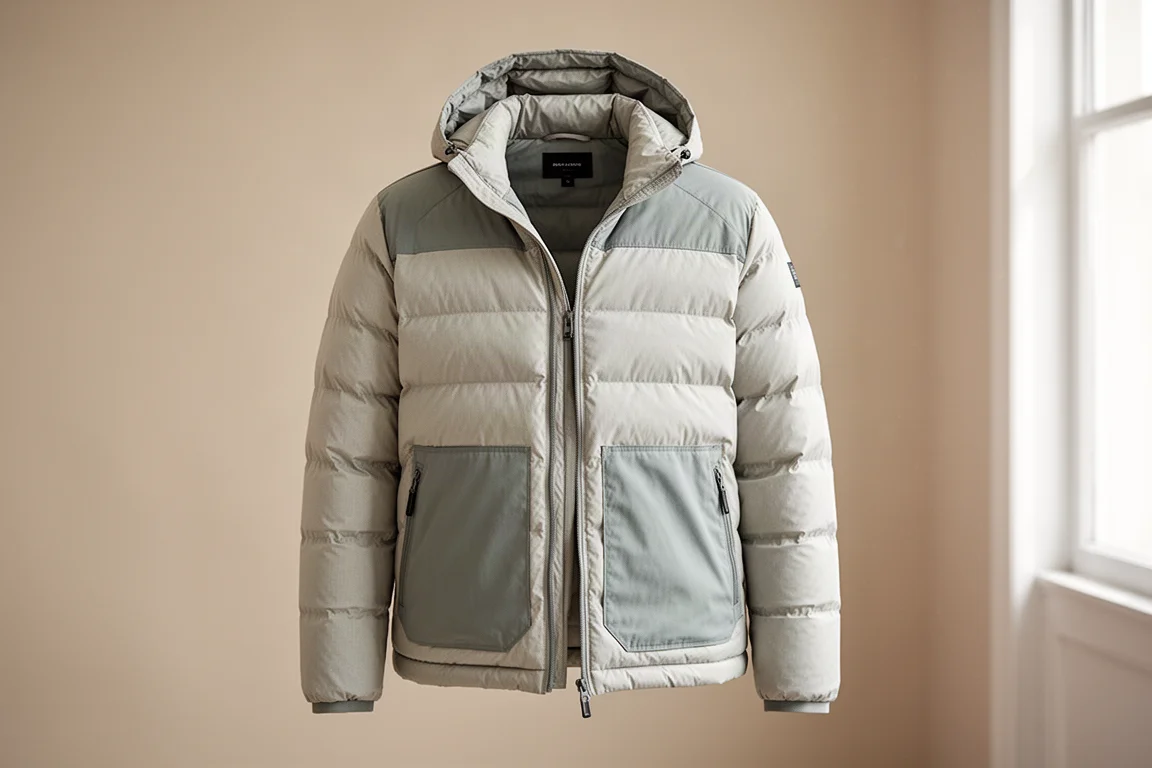
Fjällräven Expedition Pack Down Hoodie: Comfortable but Feature-Light
This hoodie uses 700 fill power down, but only 110g of it, in a 490g package that costs around £300. On paper that is a thin amount of insulation for the money.
In the hand it is one of the nicest jackets here. The fit is excellent, the cut is longer than most, the hem is adjustable and the high neckline holds warmth in around the collar. There is an internal zipped pocket, plus a small amount of synthetic insulation in the shoulders to help with weather resistance. What it does not have is any particularly advanced fabric or a long feature list, which is what makes the price hard to justify on performance alone.
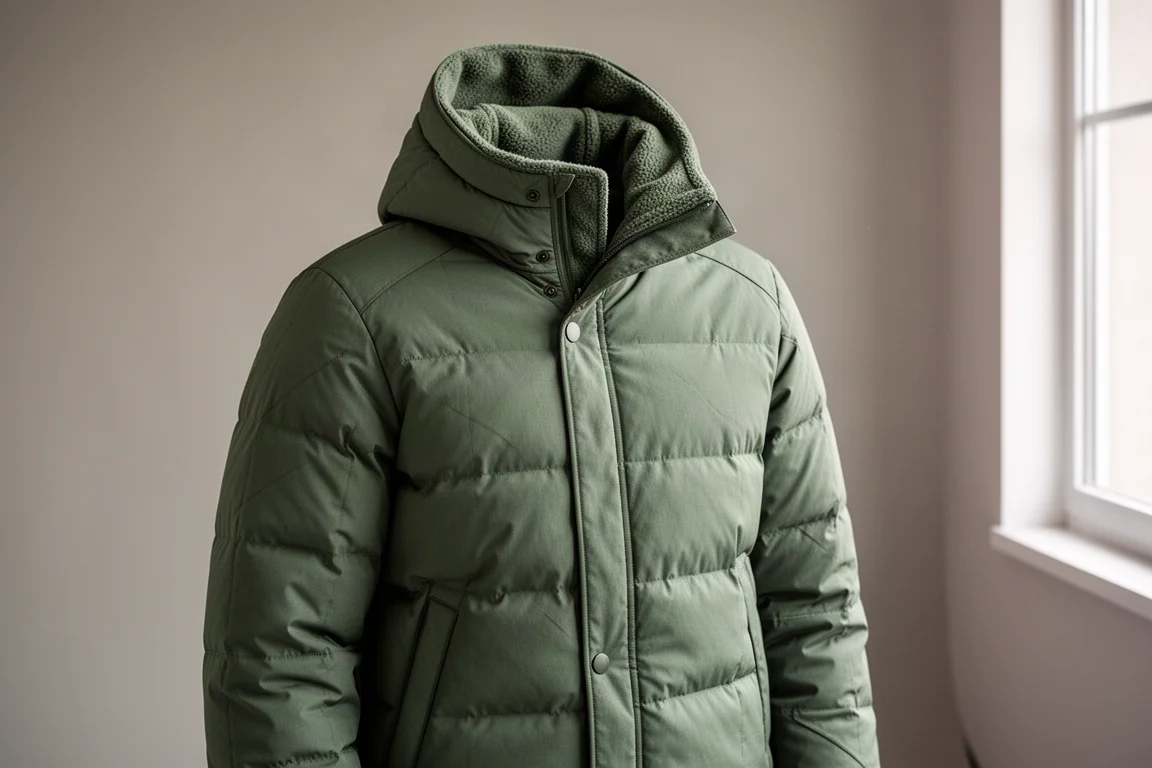
Rab Infinity Light Down Jacket: Serious Winter Warmth
This is where the roundup moves into proper winter territory. The Infinity Light carries 190g of 800 fill power down in a 555g jacket, and the key ingredient is a fully windproof Gore-Tex Infinium liner. Wind is what strips warmth out of a jacket on an exposed ridge, and this one simply does not let it through. The down is Nikwax treated, so it is hydrophobic, and the whole jacket still packs down small.
At £350 it is expensive, and the styling is more functional than striking compared with some down jackets on the market. It is also worth knowing that this model has since been replaced in the range, so availability can vary.

For cold, windy days where you want maximum warmth for the weight, it is a very effective piece of kit. Just be clear about what you are paying for: a windproof winter layer rather than a fashion-forward jacket.
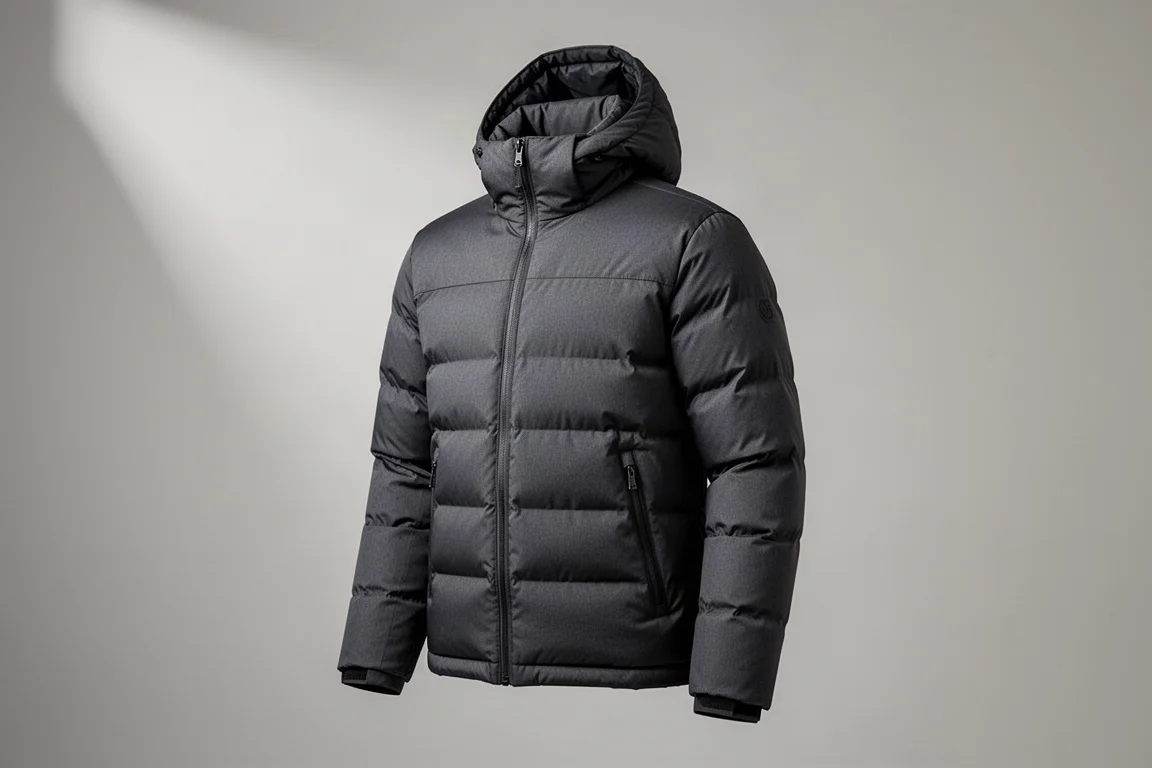
Montane Lightline Down Jacket: The Best Value Winter Jacket
The Lightline is a heavyweight winter jacket at 740g, and most of that weight is insulation: 296g of 700 fill power down, which the brand describes as a technical duvet. That is roughly triple the fill weight of the Fjällräven hoodie, and it shows in how warm the jacket feels.
The details are well judged. There is an internal zip pocket, hand-warmer pockets, a long body with a high neckline and a large chunky hood that adds real protection in bad weather. The 40D Dry Light outer is more weather resistant and harder wearing than the lightweight shells elsewhere in this group. The list price is around £240, but it has been widely available closer to £159 in recent months, which makes it the strongest value in this roundup by some distance.
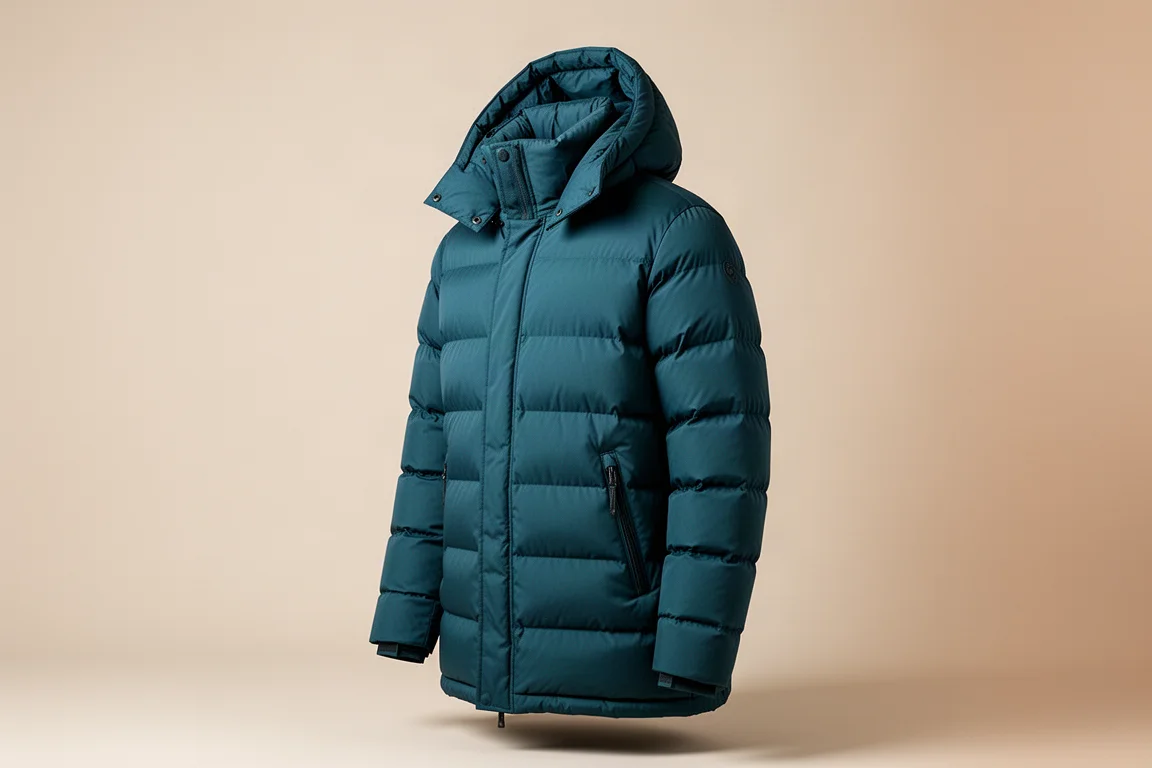
Rab Valiance Down Jacket: Waterproof Winter Protection
The Valiance is unusual because it is a fully waterproof down jacket. It has fully taped zips, a 10,000mm hydrostatic head rating and a Pertex Shield 30D outer, which puts it in the same league as a proper hardshell for water resistance while keeping down insulation inside.
The down is Nikwax treated, and the soft lining is positioned higher up the jacket so that any water finding its way in has less chance of reaching the insulation. There is 205g of 700 fill power down, so warmth is substantial. The trade-offs are feel and sound: the shell is firmer and noisier than the softer jackets here, and at £330 it is a serious purchase. For wet winter conditions where carrying a separate shell is not practical, though, there is very little else like it.
Overall Buying Advice
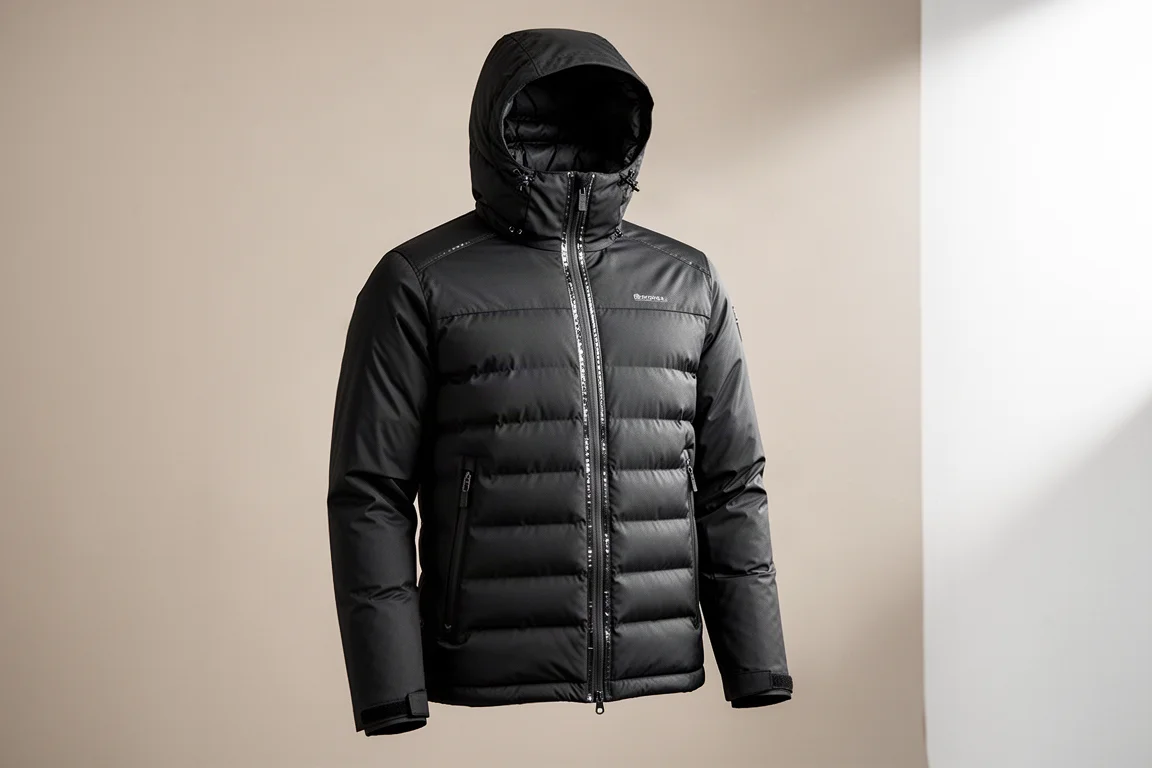
The clearest lesson from this group is that lightweight insulated jackets are best understood as warm mid-layers. Compared with a mid-to-heavyweight fleece, they offer a similar level of warmth, better packability and a smarter look, but they are not winter jackets. Judged purely as winter insulation, some of the lighter and pricier options here offer limited value.
Real value sits with the heavyweight down jackets, and the Montane Lightline is the standout at its typical discounted price: a genuine winter jacket with close to 300g of down for around £159. The Rab Infinity Light is the pick if windproof warmth is the priority and the budget stretches. The Rab Valiance makes sense if you specifically want waterproof insulation. And the Peter Storm remains a remarkable bargain at around £22.50, light and cheap enough to carry everywhere without worrying about it.
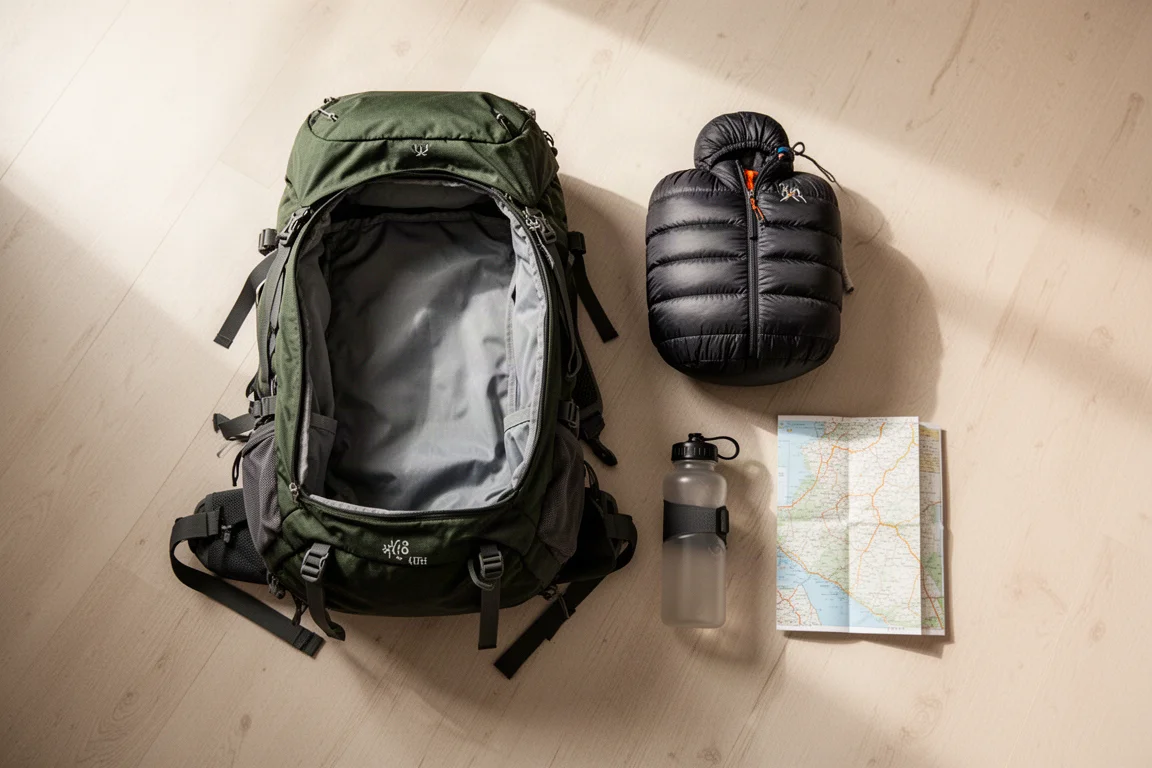
The practical advice is to handle these jackets before buying if you can. Puffy insulated jackets all look warm on a rail, but fill weight varies enormously between them. Check the numbers, feel the fabric and try the fit, because the warmest jacket in the world is no use if you leave it at home.
Conclusion
For most hikers the sensible combination is a cheap packable layer for mild days and a proper winter jacket for the cold: the Montane Lightline at its discounted price, the windproof Rab Infinity Light, or the waterproof Rab Valiance. The lighter down and synthetic jackets remain excellent shoulder-season and everyday pieces, as long as you expect fleece-level warmth rather than winter performance.
Further reading
Related Reviews
Insulated Jackets
Aerogel vs Down Insulation: Two Aerogel Jackets Compared
Aerogel is the lightest solid on record, but two aerogel jackets measured against a comparable down jacket tell a more complicated story about warmth.
Insulated Jackets
Arc'teryx Atom LT vs Decathlon Trek 50: Does the Premium Synthetic Jacket Earn Its Price?
A side-by-side look at two synthetic insulated jackets at very different prices, covering fit, weight, insulation, features, and warranty.
Insulated Jackets
Big Agnes Shovelhead Jacket Review: Does Treated Down Stay Warm When Wet?
A close look at the Big Agnes Shovelhead jacket and its bluesign approved, PFAS-free DownTek insulation, including what happened when it was soaked twice in near-freezing conditions.