Inspection Cameras
Best Inspection Cameras Compared: From $20 Budget Borescopes to the Milwaukee M-Spector 360
Twelve inspection cameras put through focus, light control, coin readability, and retrieval tests to find out whether a cheap borescope is really enough.
Introduction
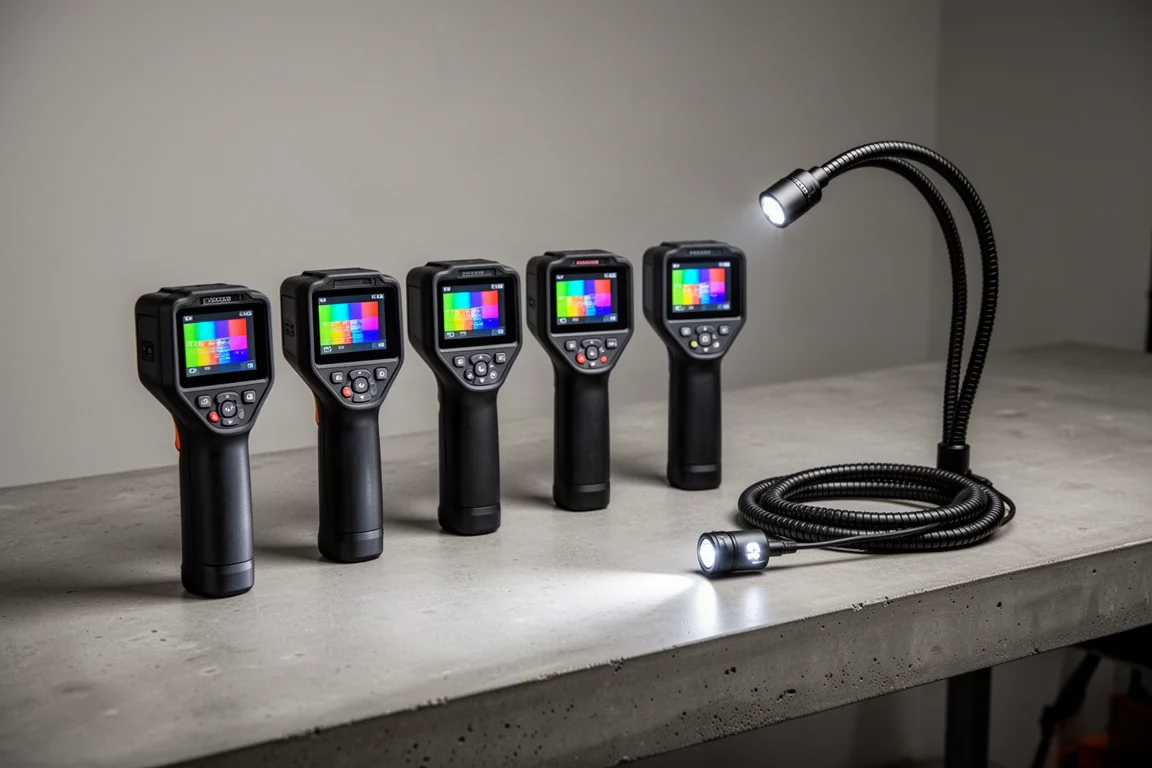
A good inspection camera can save a serious amount of time and money, whether you are retrieving a dropped fastener inside an engine or checking a wall cavity. But is a $20 borescope just as good as one that costs $279? This comparison looks at twelve inspection cameras ranging from budget phone-attachment models to articulating professional tools, evaluating video quality, focus at distance, light control, readability of fine detail, and retrieval ability.
How the Cameras Were Evaluated
The cameras were compared across several practical tests: video clarity at distances from half an inch to nine inches, the ability to read fine printed text, readability of letters and numbers stamped inside an engine piston (using coins placed on top), and retrieval of a nut from inside an engine using a magnet accessory. Light reflection and glare proved to be the biggest differentiator, and screen resolution alone told only part of the story. Camera diameter also matters: the Klein Tools probe is the smallest at 6 mm, while most other brands sit just under 8 mm.
Akaso Dual Lens 1920p Borescope
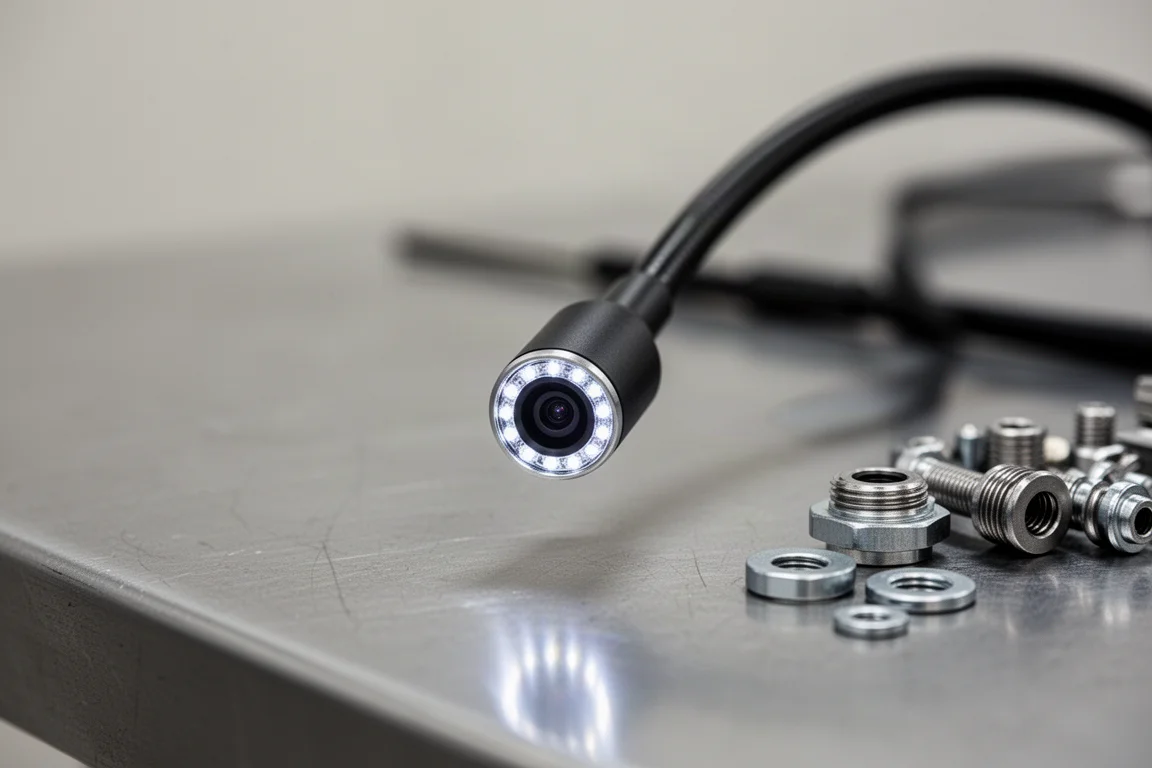
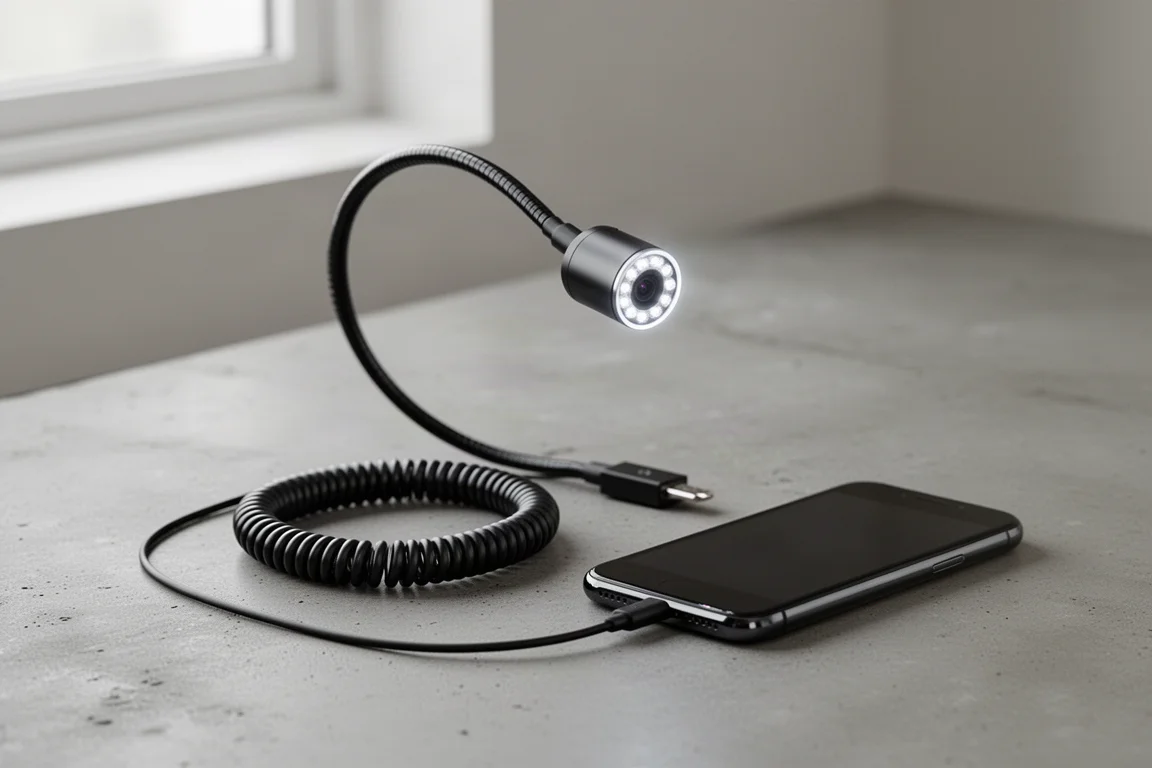
At only $20, the Akaso dual lens 1920p HD borescope is the least expensive camera in this comparison. It has two cameras, one at the front of the probe and one on the side, eight adjustable LED lights, a 16.4 ft cable, and an IP67 waterproof rating. It attaches to your phone and uses an app, with the phone powering the LEDs.
In use, the image is noticeably blurry at 3 inches and beyond, with frame lag and buffering on the live view, though recorded video at 1 inch looks reasonably good. It successfully retrieved a nut from inside an engine, although the magnet obstructed much of the field of view. For the price it works, but the limited focus range and light reflection problems show quickly.
BlueFire Inspection Camera
The BlueFire costs $26 and claims up to 1920p resolution with nine adjustable LED lights and a 16.4 ft semi-rigid cable. It works with both iOS and Android, lets you control both the front and side lights, and uses the same app as the Akaso.
Performance is very similar to the Akaso: blurry at 4 inches, slightly soft even at 1 inch, and recorded video is only marginally better than the live display. On coins and stamped piston text, even the lowest light setting produced too much reflection. It did make quick work of the nut retrieval, but the magnet blocked even more of the view than the Akaso.
Camhi Inspection Camera
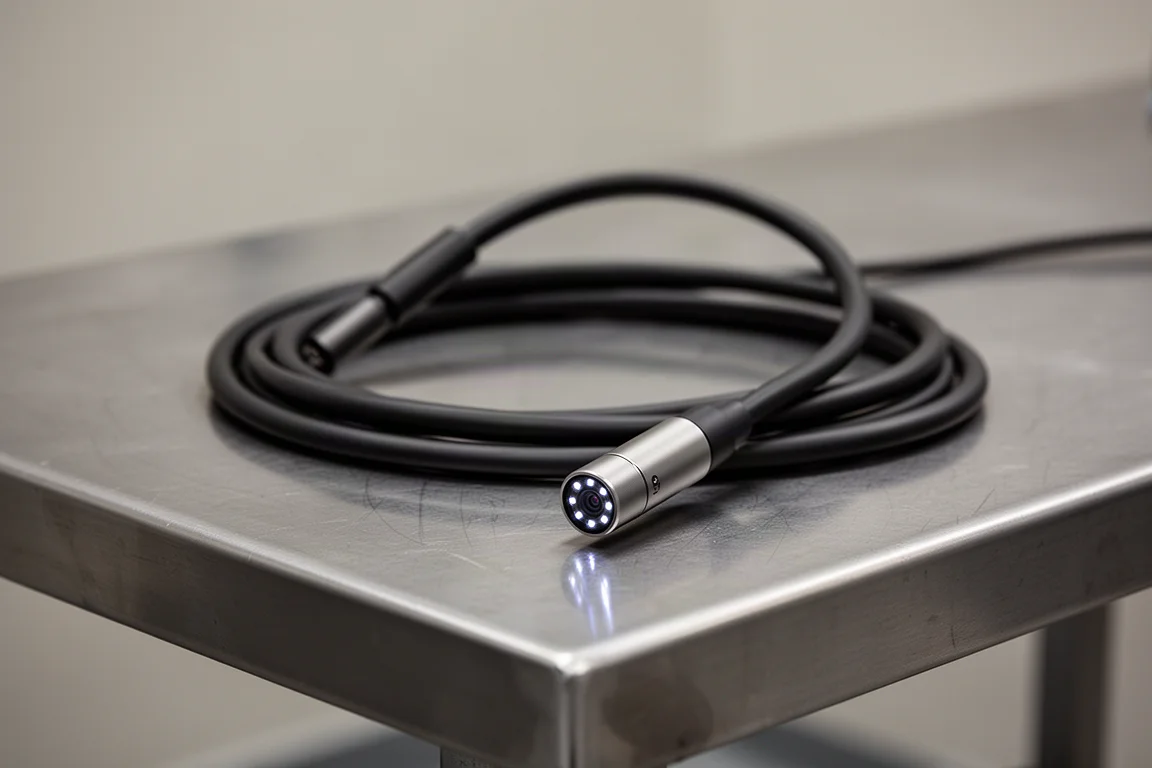
At $27, the Camhi is another phone-attached dual lens camera, claiming HD 1920p with a stated clarity sweet spot between 1.2 and 4 inches. It records video and photos, uses a wheel to control light brightness, and runs on the iCamera app. A nice touch: it uses the entire phone screen rather than half of it.
The Camhi was clearly better than the Akaso and BlueFire, with better focus at 3 inches, less frame lag, and noticeably less light reflection, though coin text still was not fully readable. It handled the nut retrieval with ease. For an affordable phone-based inspection camera, this is the strongest of the three budget options.
HopeFox 5-Inch Dual Lens Endoscope
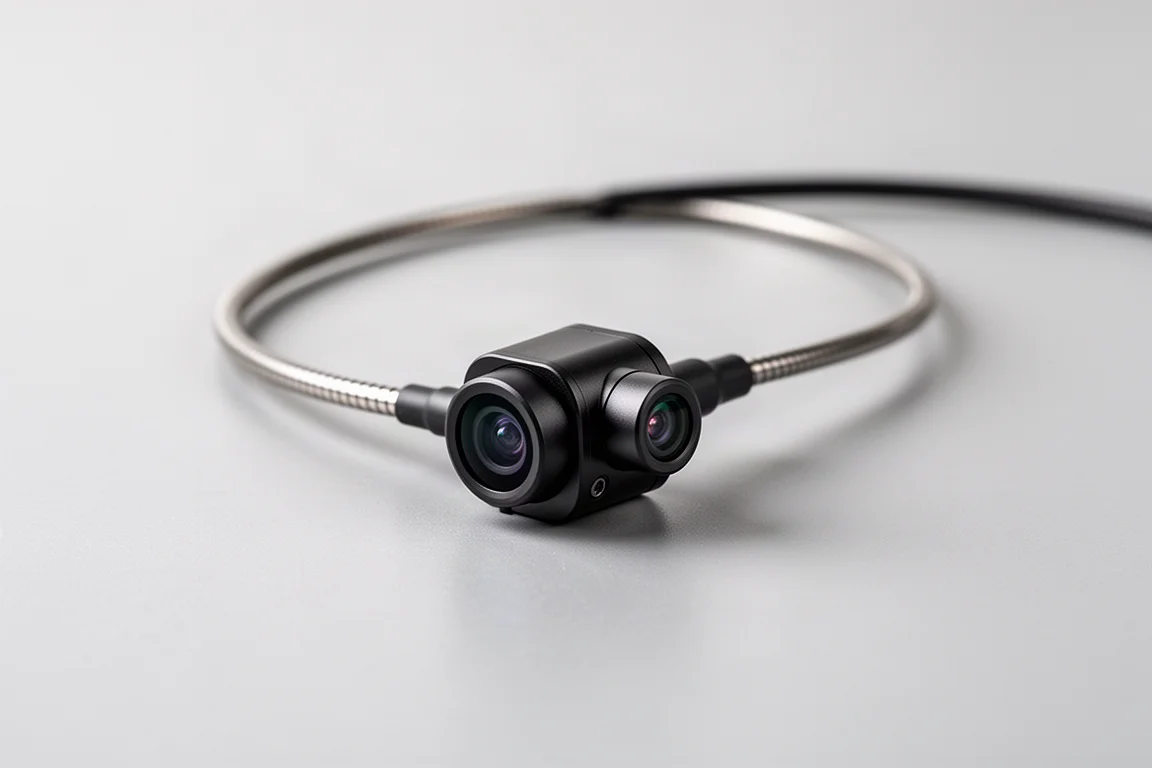
The HopeFox costs $40 and steps up to a self-contained design with a 5-inch IPS screen, a memory card slot, and a rechargeable battery. It claims 1920 by 1080p resolution and a 170-degree horizontal viewing angle, with both front and side cameras.
Its video recording was the best seen up to that point in the comparison, noticeably sharper than its own live display, and light interference on coins was much lower than the phone-based models. However, the camera head is too large to fit through a spark plug hole, which limits engine work. Still, it represents a solid jump in quality over the phone-attached cameras.
Bobo Po Dual Lens Endoscope
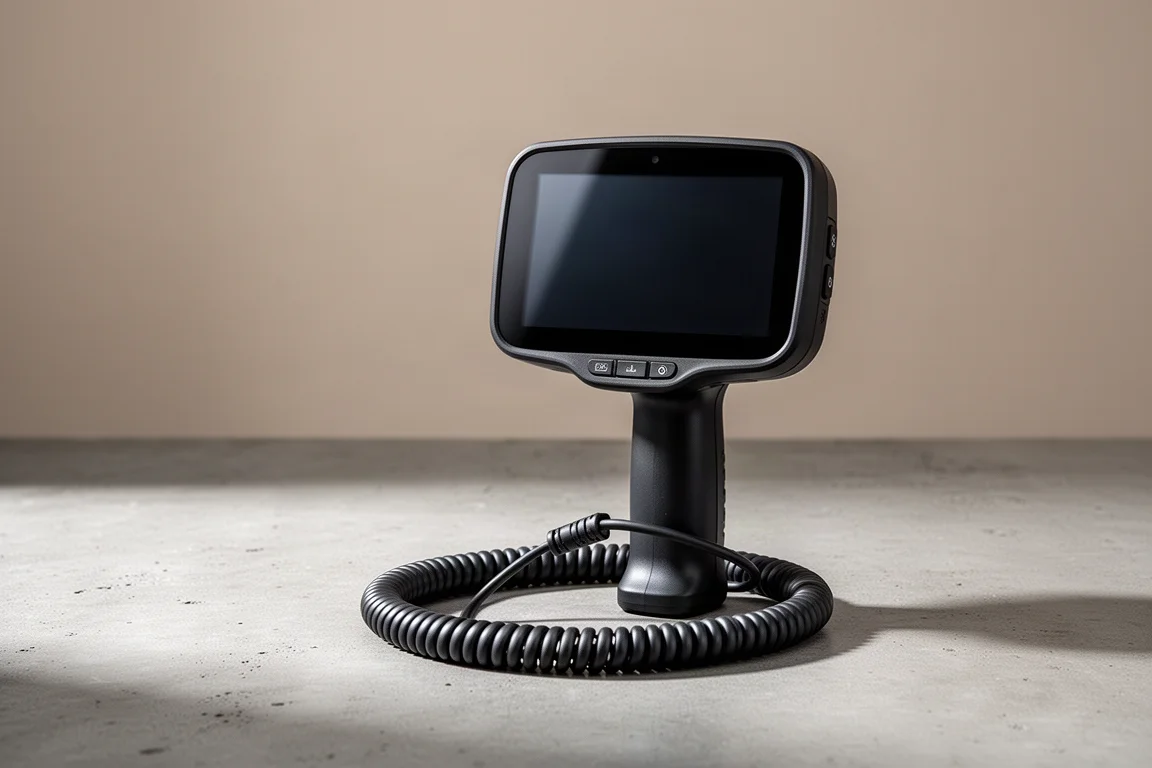
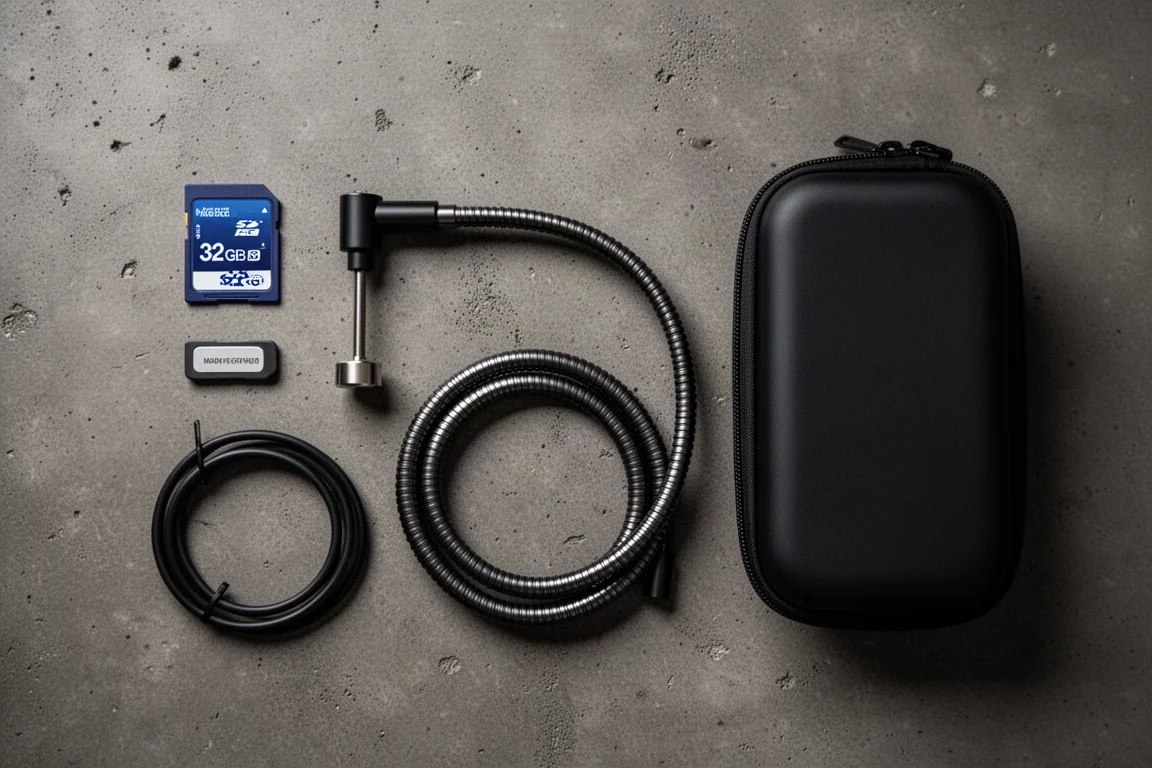
Priced at $50, the Bobo Po is a dual lens 1080p HD borescope with a 4.3-inch IPS screen, a memory card slot, and an included 32 GB SD card. It claims a 2,000 mAh battery good for 3 to 4 hours of continuous use and USB-C fast charging, marketed toward engine inspection, pipe cleaning, wall cavity checks, and HVAC work.
In practice, it struggles with light reflection even on the lowest setting, image sharpness trails the HopeFox, and video footage shows screen flicker. At 1 inch the image is simply too blurry to use. Like the HopeFox, it is also too large to pass through a spark plug hole.
Veewer 1080p HD Digital Borescope
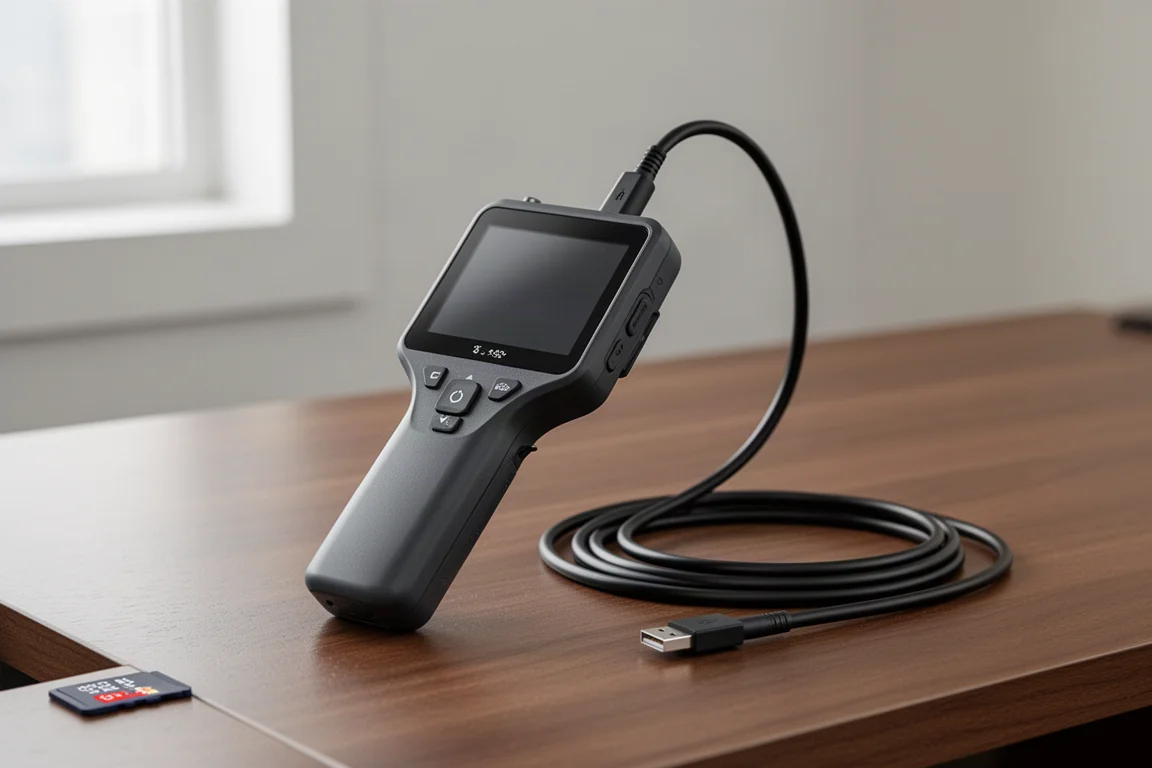
The Veewer at $60 is the first three-lens camera here, claiming 1080p HD with a 4.5-inch screen, an IP67 waterproof snake camera, eight LED lights, and a 16.5 ft semi-rigid cable. The screen resolution is 854 by 450, the battery is rated at 2,860 mAh for up to 3.5 hours, and a 32 GB SD card is included.
This camera is a genuine overachiever for the price. It delivered the best display image seen so far, stayed sharp at close range, produced excellent video recording with strong focus and resolution, and managed light very well, staying readable even on shiny coins where others washed out. It also retrieved the nut with crisp, in-focus footage.
Depstech Inspection Camera
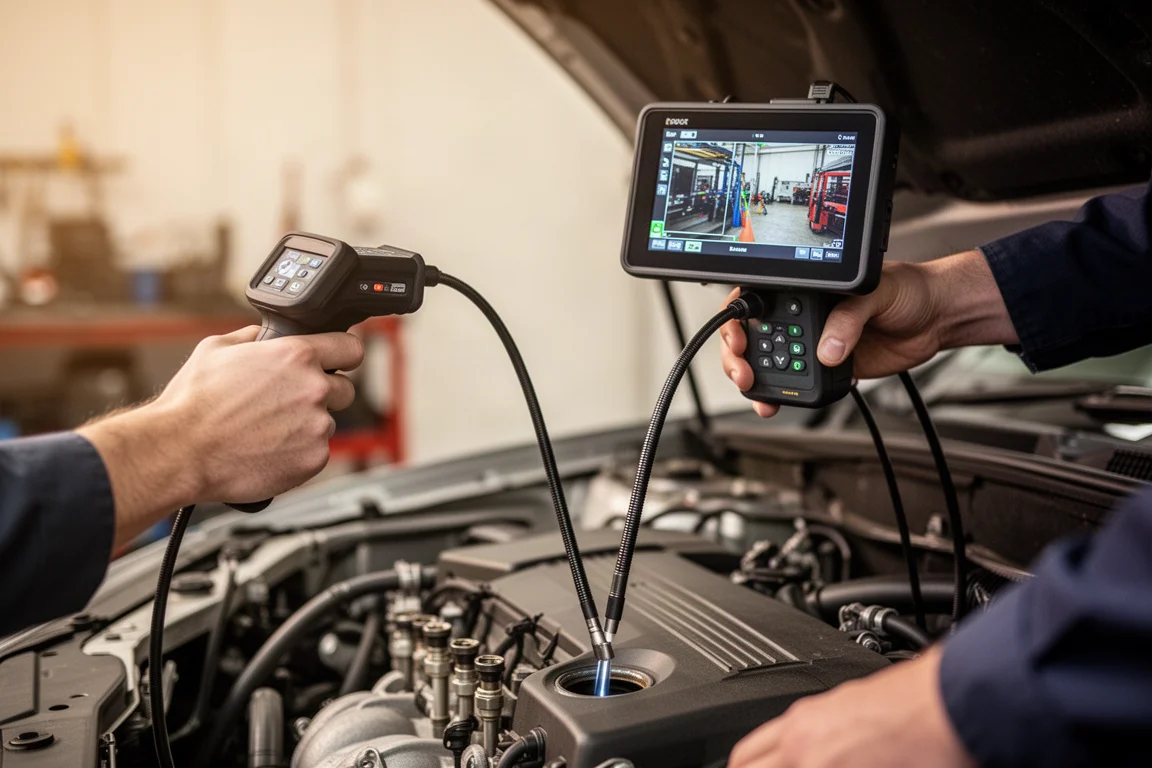
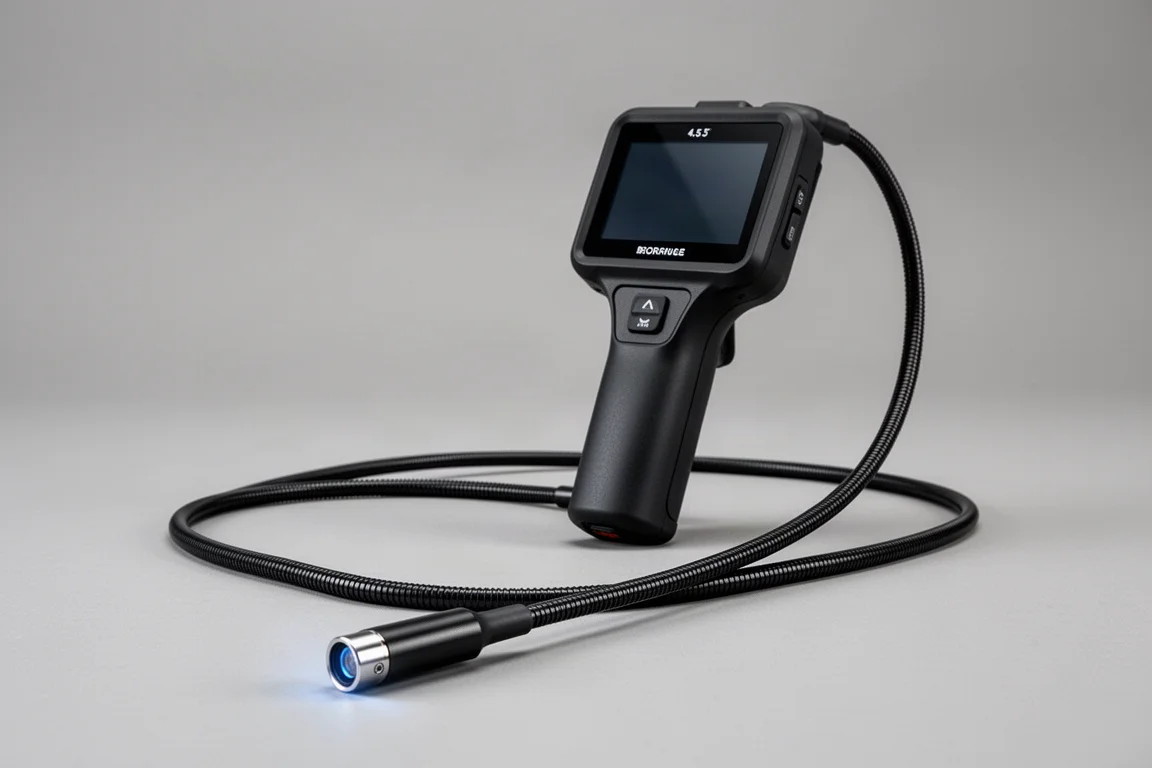
At $63, the Depstech has a 4.3-inch screen, an included 32 GB SD card, a claimed 170-degree horizontal viewing angle, 2 MP stills, and 1080p video. It also features a 180-degree rotating camera.
The live display is its weak point, struggling to produce a clear image at 3 inches, and the Veewer looked considerably better side by side. Interestingly, its recorded video is much better than its live view, with improved color and image quality. Light reflection on the magnet accessory was noticeable, but it still retrieved the nut without difficulty.
Hillisen Articulating Borescope
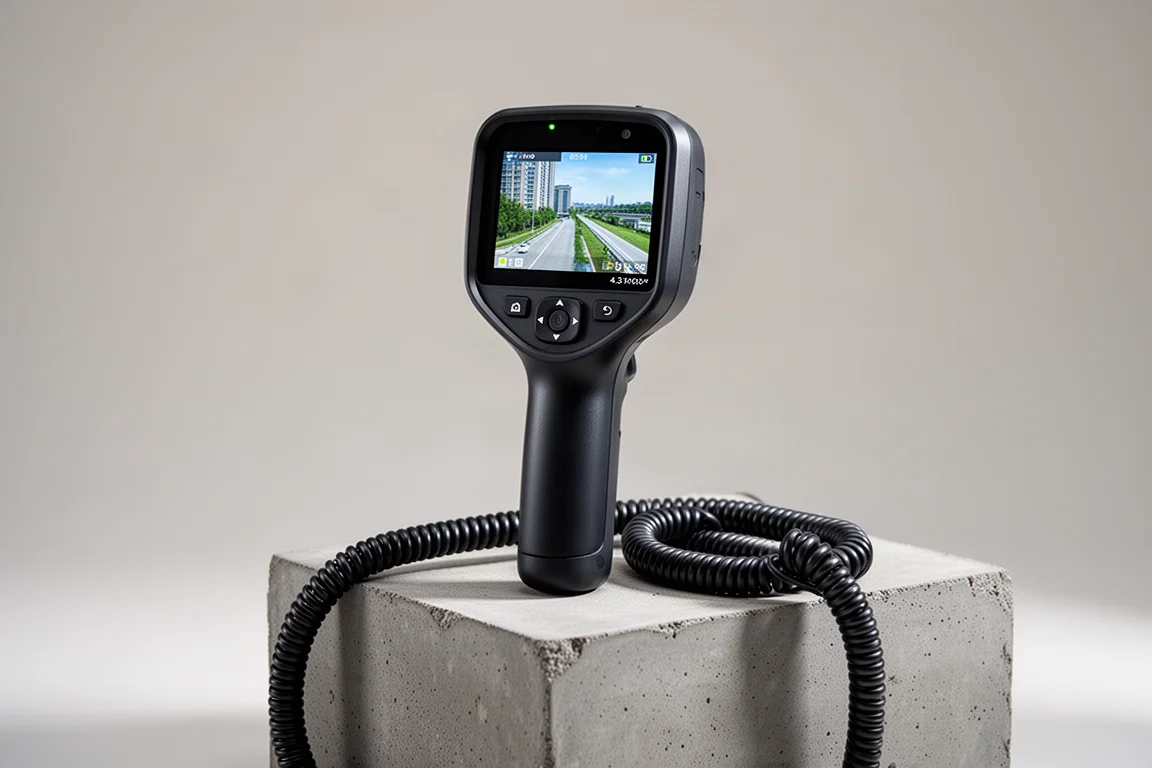
The Hillisen costs $100 and introduces an articulating borescope to the lineup, with 360-degree rotation, a claimed 2 MP sensor with 2x magnification, a 2,000 mAh battery, a 32 GB memory card, and even audio recording. It comes in a carrying case. Note that its reach is shorter than most at 5.5 ft.
Articulation makes positioning much easier, and the zoom is genuinely useful at 2 to 3 inches. However, light glare was a persistent problem on coins and stamped surfaces, and the display was not as sharp as the cheaper Veewer. It retrieved the nut easily despite some magnet-related light reflection and a somewhat obstructed view.
Klein Tools Inspection Camera
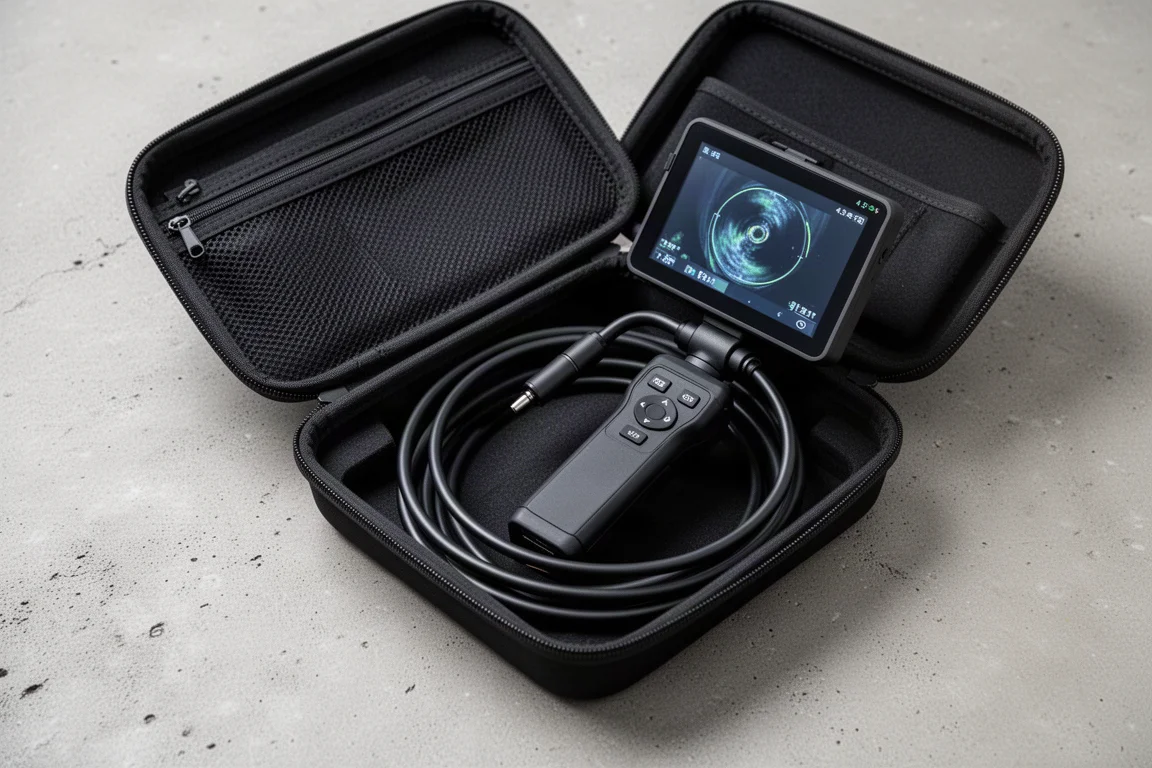
At $120, the Klein Tools camera is designed with plumbers in mind. It has a 4.3-inch LCD screen with a kickstand, a 4.9 ft armored waterproof gooseneck, a claimed 854 by 480 screen resolution and 1280 by 720 camera resolution, plus 2 GB of built-in storage instead of an SD card. Its 6 mm probe is the smallest diameter here.
Despite the brand reputation, it struggled in this comparison: soft focus at 3 inches, a less sharp display than the Hillisen, and too much light reflection even on the lowest setting. One inch appeared to be its sweet spot. It also does not include a magnet, so nut retrieval is out of the question. The small probe diameter remains its main selling point.
Teslong Articulating Borescope
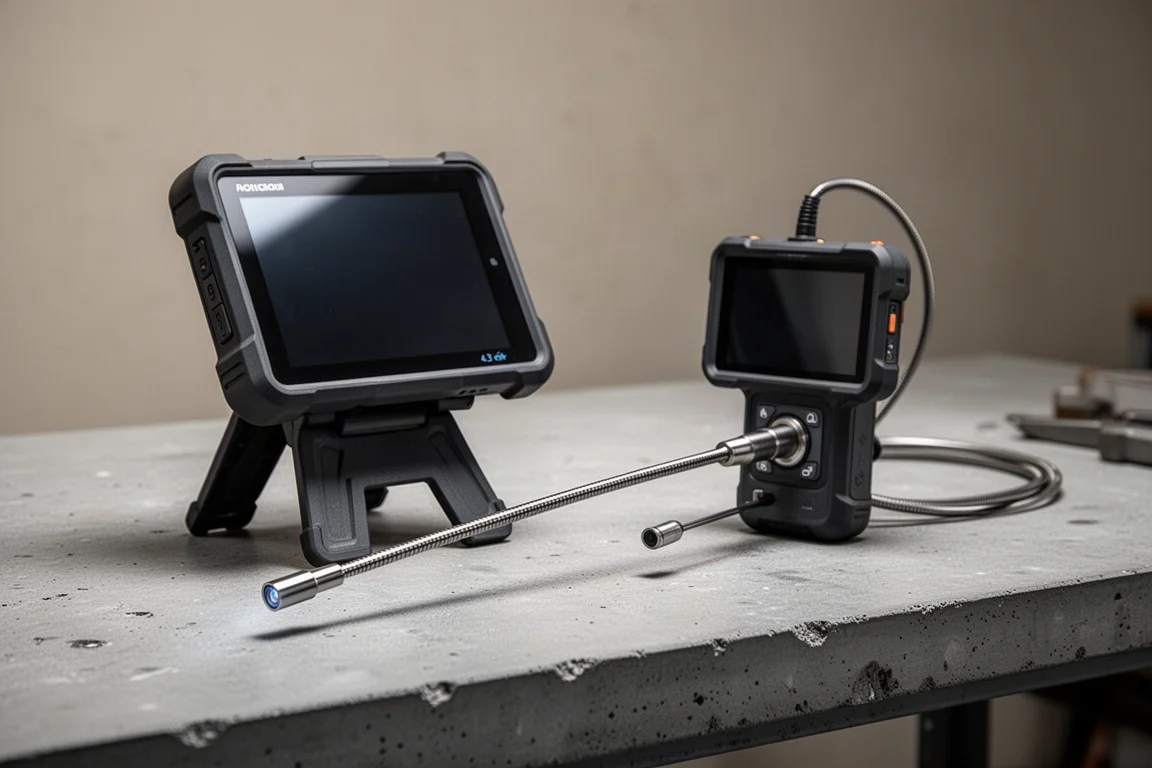
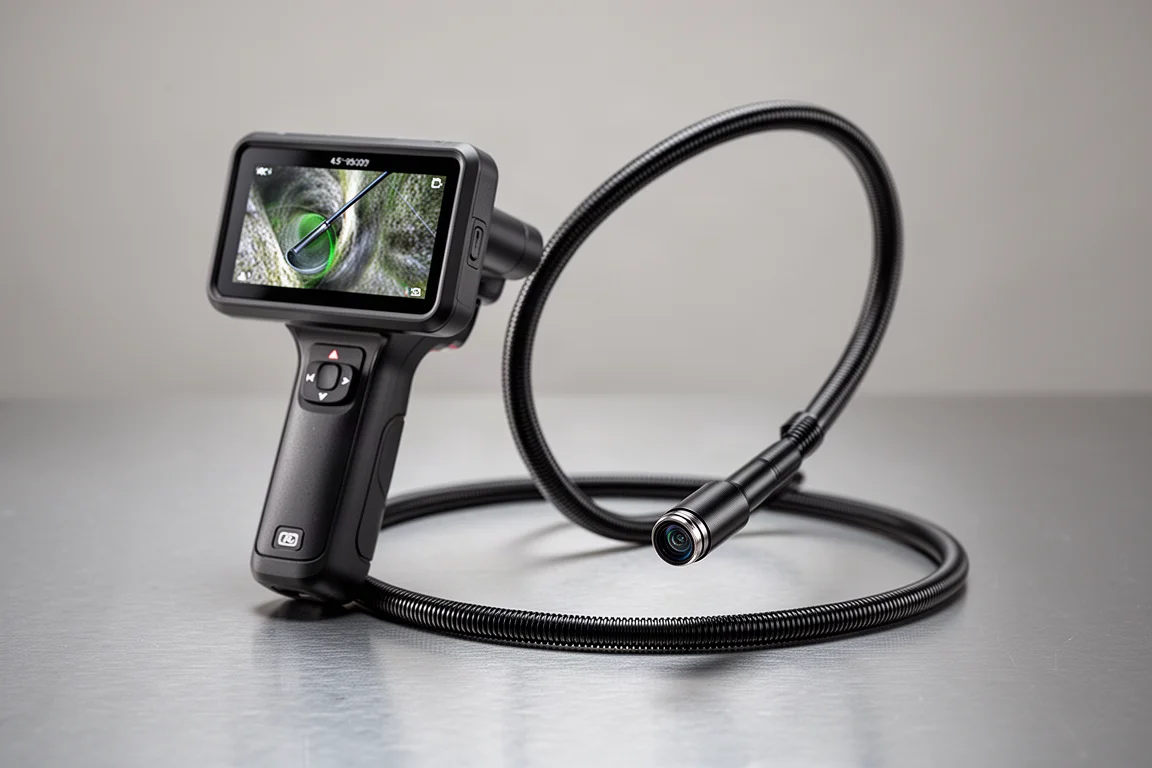
The Teslong costs $130 and is an articulating borescope with a 5 ft semi-rigid gooseneck, a 4.5-inch IPS LCD screen, claimed 1280 by 720 resolution, 1.5x zoom, a dedicated record button on the back of the screen, and an included 32 GB SD card.
It delivered the best display image seen up to that point: very crisp at 3 inches and 2 inches with useful zoom, strong at 1 inch, and very close to the Veewer with arguably better color. Video recording was high quality across distances. It made the nut retrieval look easy, though light reflecting off the magnet was noticeable; flat black paint on the magnet would likely fix that.
DXZT Articulating Industrial Borescope
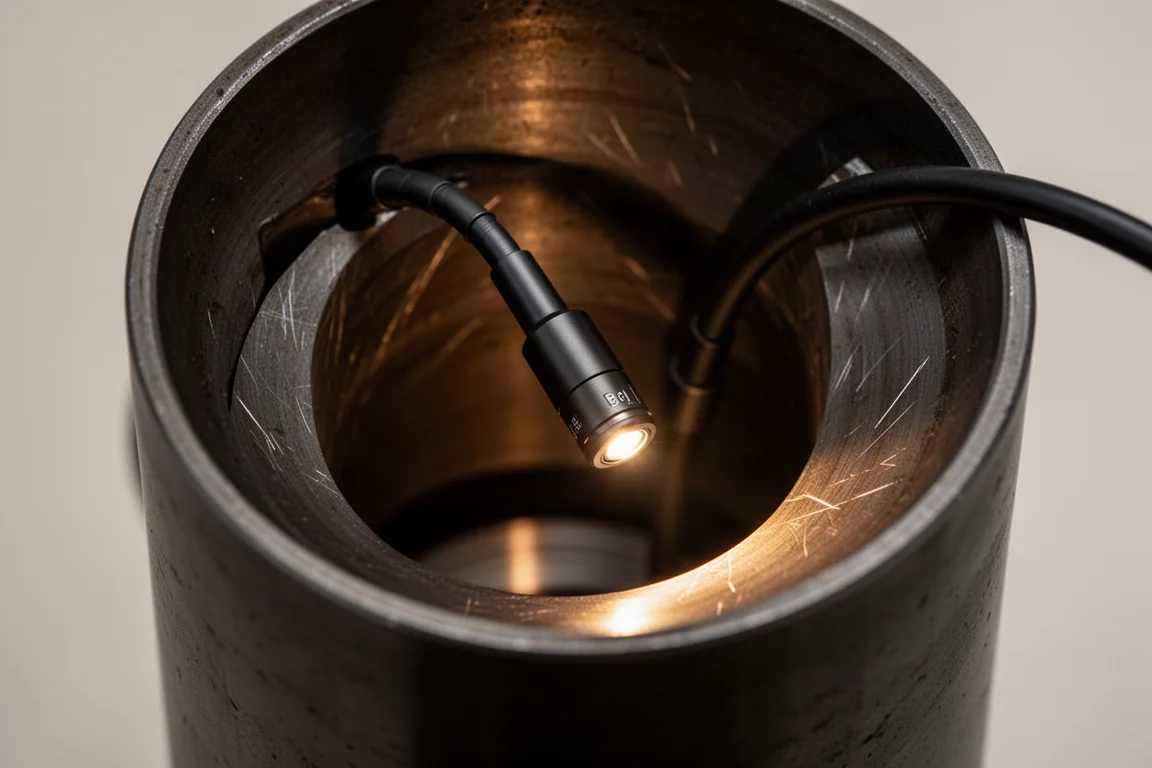
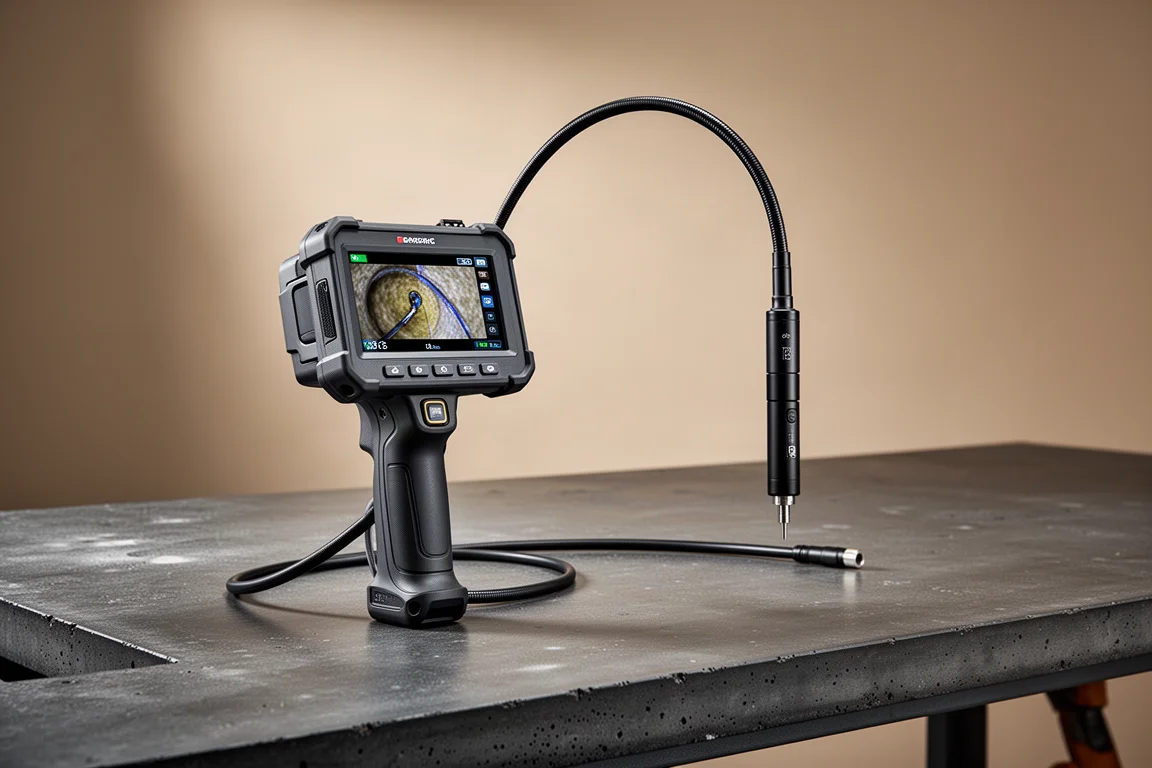
Priced at $140, the DXZT is an articulating industrial borescope with a claimed professional two-way 180-degree steering lens, a 4.3-inch IPS monitor, a 5.5 ft waterproof rigid gooseneck, up to 4 hours 15 minutes of battery life, a 2 MP image, up to 8x zoom, a 180-degree image rotation button, and a 32 GB SD card.
This camera finished on top overall, with the best average score in the comparison. It produced the sharpest, most legible images of the group, making coin text and even cylinder wall scratches easy to see, with the zoom adding genuinely useful close-up capability. It offered the best field of view with minimal light reflection on the magnet, and its recorded video matched the Teslong. The main downside is the price.
Milwaukee M-Spector 360
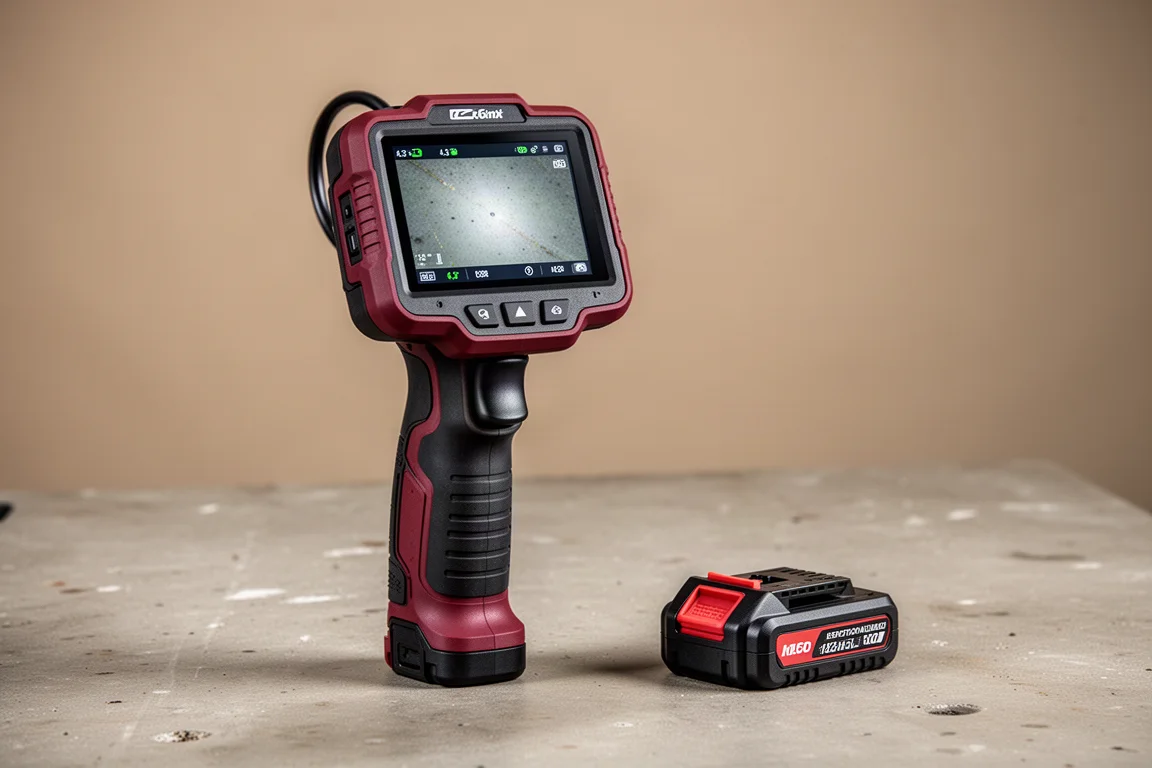
At $279, the Milwaukee M-Spector 360 is the most expensive camera here, sold with an M12 REDLITHIUM 2.0 battery and charger. It features a 10 mm camera head for easier access, a cable balancing flexibility and rigidity, a 4.3-inch LCD screen, a 720p image, five LED brightness settings, up to 4x zoom, and a 32 GB SD card.
Its performance was better than average but not the best. At 3 inches the image was out of focus and zoom did not help, and a dark area in the corner of the frame suggested a camera defect. It focused well at 2 inches, matched the Teslong closely there, and excelled at half an inch with 4x zoom. Video footage was excellent, though the Teslong held a slight edge in close-up quality. On the piston test there was noticeable glare, though recorded footage captured the characters well. Ironically, during nut retrieval it was blinded by its own light, making the search a guessing game.
Overall Buying Advice
Across all tests, light control turned out to matter far more than spec sheets suggest. The DXZT earned the best overall average score at around $140, delivering crisp images, strong zoom, and excellent retrieval performance, but it is a significant investment. The Teslong scored well too and remains a great articulating option, though it is also fairly expensive.
The value pick is the Veewer at around $60, which performed surprisingly close to cameras costing twice as much, with excellent focus, sharp video, and the best light management of the affordable group. If you just need a basic phone-based camera, the Camhi at $27 is the best of the entry-level trio. A few practical notes before buying: the HopeFox and Bobo Po are too large for spark plug holes, the Klein Tools lacks a magnet and has the smallest 6 mm probe if diameter matters, and articulating probes like the Hillisen, Teslong, and DXZT offer much easier positioning in tight spaces.
Conclusion
Price does not track cleanly with performance in this category. The premium Milwaukee M-Spector 360 is capable but was outperformed in several tests by cheaper competitors, while the mid-priced DXZT and the budget-friendly Veewer delivered the strongest all-around results. Match the probe diameter, reach, and articulation to your actual use case, and prioritize light control over headline resolution numbers.
Further reading
Related Reviews

Backpacking Gear
Building a 10 lb Base Weight: An Ultralight Backpacking Gear List
A practical walkthrough of the ultralight pieces behind a 10 lb base weight, from a 765 g pack and a roomy one-person tent to a full camp chair and a dependable water filter.

Road Bikes
10 New Road Bikes Worth Watching: Aero, Titanium, Steel and Endurance Standouts
A practical roundup of 10 new road bikes, from aero flagships chasing single-watt gains to titanium, steel and endurance platforms built for real roads.
Bikepacking Gear
11 Bikepacking Essentials for Long-Distance Cycling
Eleven bikepacking essentials for long-distance cycling, from a steel gravel frame and a two-person tent to helmet lights, packable gloves, and a frame bag that puts weight in the right place.