Smart Home
Best Indoor Security Cameras 2026: 9 Plug-In Options for Homes and Shops
Nine indoor security cameras compared, from budget picks that skip the subscription to polished premium ecosystems.
Introduction
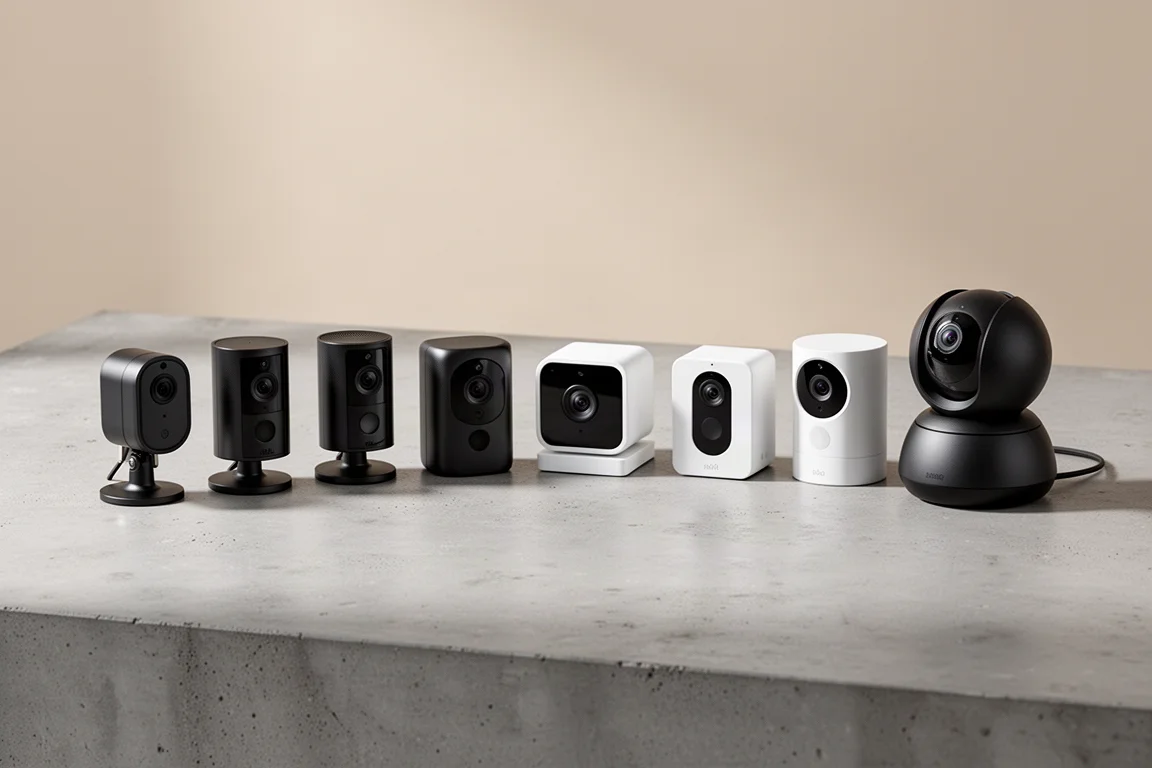
Indoor security cameras have come a long way from the old DIY setups with cables running to a noisy network box humming in the corner. Modern plug-in Wi-Fi cameras stream straight to your phone, set up in minutes, and range from under twenty dollars to well over a hundred.
This roundup covers nine indoor cameras for homes and shops. Every camera here is an indoor model; outdoor variants exist for most of them, but that is a deeper rabbit hole best saved for its own comparison.
One thing to understand upfront: most subscription-based cameras record events only, not continuous streaming. That means motion detection has to catch the action before recording starts, and it does not always succeed. Some cameras here let you avoid that entirely with local memory card storage.
How These Cameras Were Evaluated
The main criteria were video quality, setup simplicity, subscription requirements, local storage options, and smart assistant support. Nearly all of these cameras are 1080p HD, which is enough to recognize a face at reasonable range. None will read a license plate from sixty or eighty yards; that requires 4K.
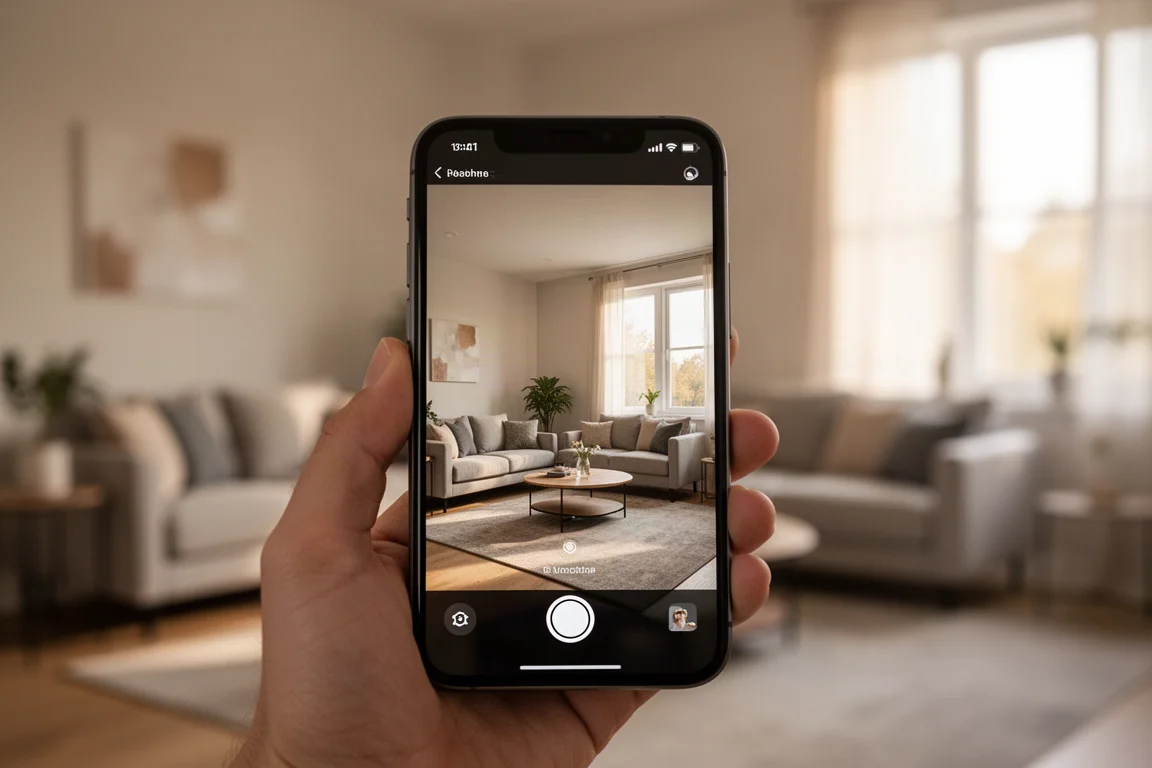
Setup is remarkably simple across the board. The typical flow has you open the app, which displays a barcode on your phone screen. You show the barcode to the camera, it reads your Wi-Fi credentials from it, and the camera is on your network in seconds.
Two-way audio is standard on essentially all of these, so you can listen in and talk back. Most also work with voice assistants, letting you say something like “show me the front door” on a compatible smart display.
Nest Cam Indoor
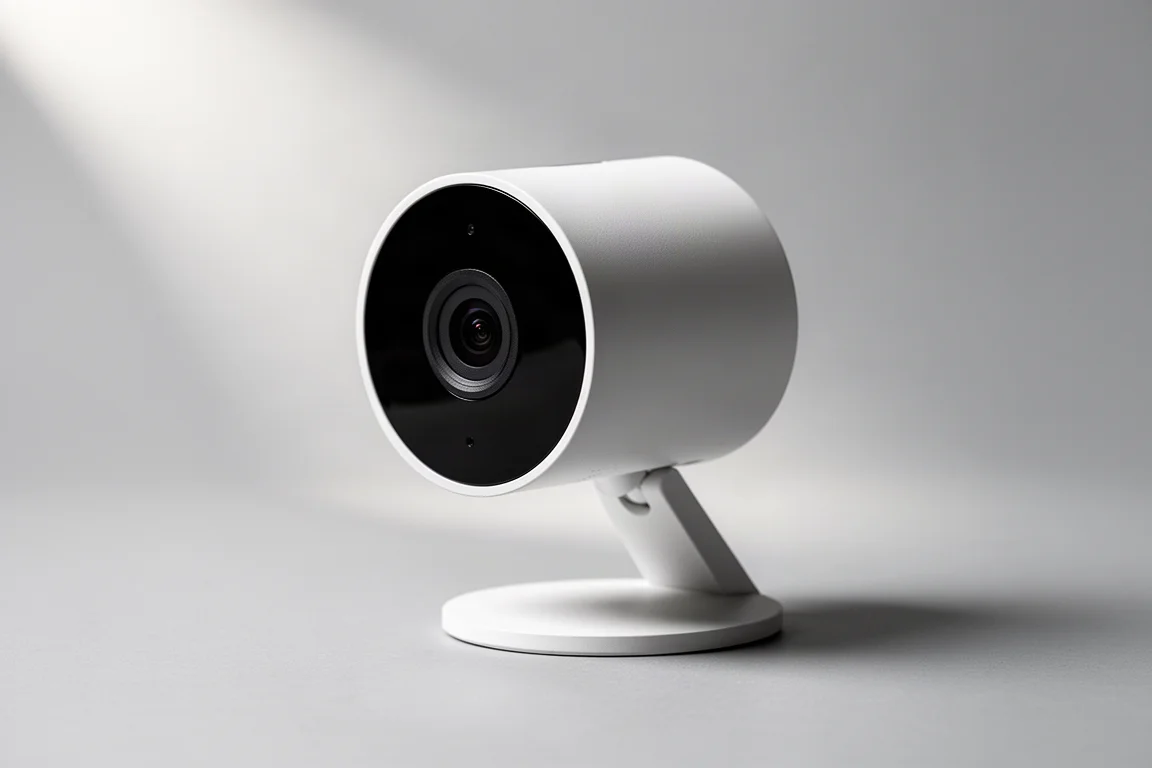
The Nest Cam Indoor is the camera that popularized the plug-it-into-power, stream-to-the-cloud model. At $120 to $130 for one camera, it delivers 24/7 live video with night vision, accessible anywhere through the app.
The trade-off is that you need a subscription to get the most out of it, which is precisely why the cloud model works for the company selling it. It supports voice control through smart displays and speakers, so asking a connected device to show a camera feed works as expected.
This is the pick for people who want the most polished, hands-off ecosystem and do not mind paying monthly for it.
Blink Indoor Camera
Blink is Amazon’s answer to Nest, and the pricing shows it. Launched at $35 and frequently on sale around $19.99, it is hard to beat at twenty bucks. You can sprinkle these all over a home without thinking twice.
The build quality is fairly cheap and the camera is fairly basic, but it does the core job: motion detection via image comparison, two-way audio, app control, and voice assistant support. Like Nest, a subscription is where the real cost lives, which is how the company can sell the hardware so cheaply.
If you want maximum coverage for minimum spend and accept the subscription, this is the obvious value play.
Ring Indoor Camera
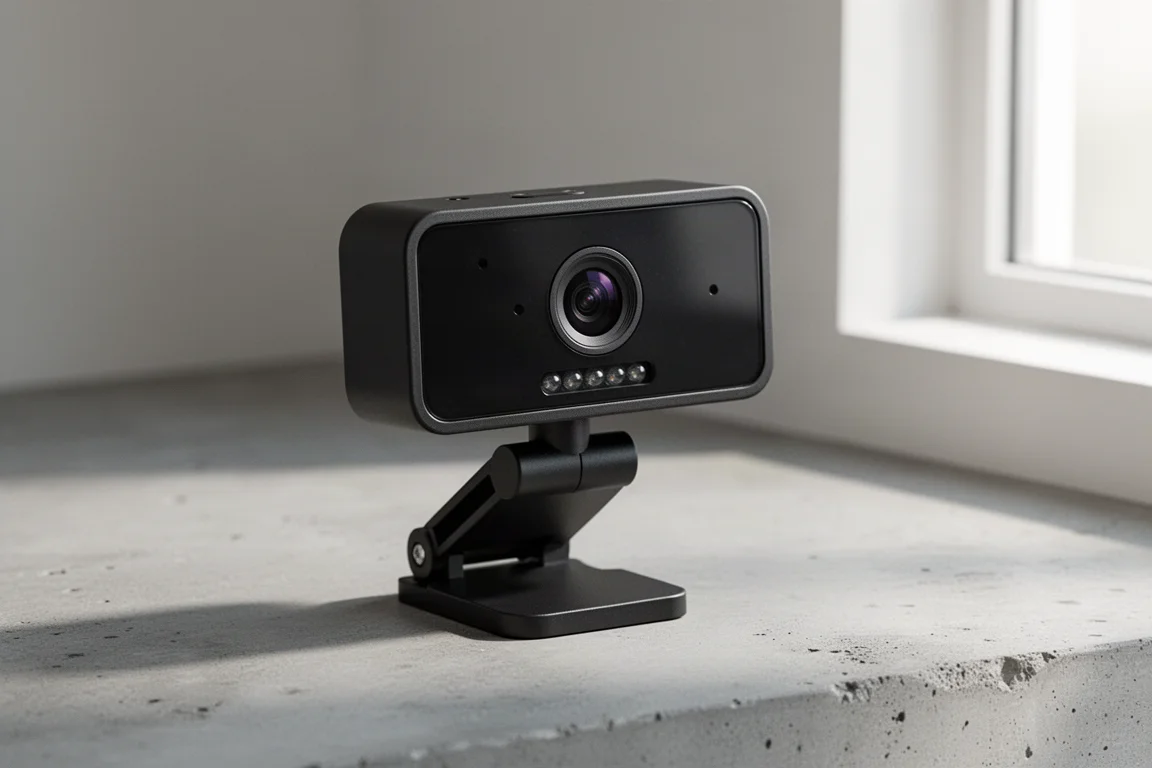
Ring built its reputation on the smart doorbell and then expanded into camera systems. Its plug-in indoor camera runs $100, with a cheaper, smaller version also available that was not evaluated in detail.
Video is 1080p HD, consistent with most of this list, good for identifying someone who gets close enough to the lens. Two-way audio, easy app setup, and voice assistant integration are all present.
The important caveat: Ring requires a subscription. Without one, you will not get recording out of the camera, so factor that into the true cost of ownership.
Arlo Indoor Camera
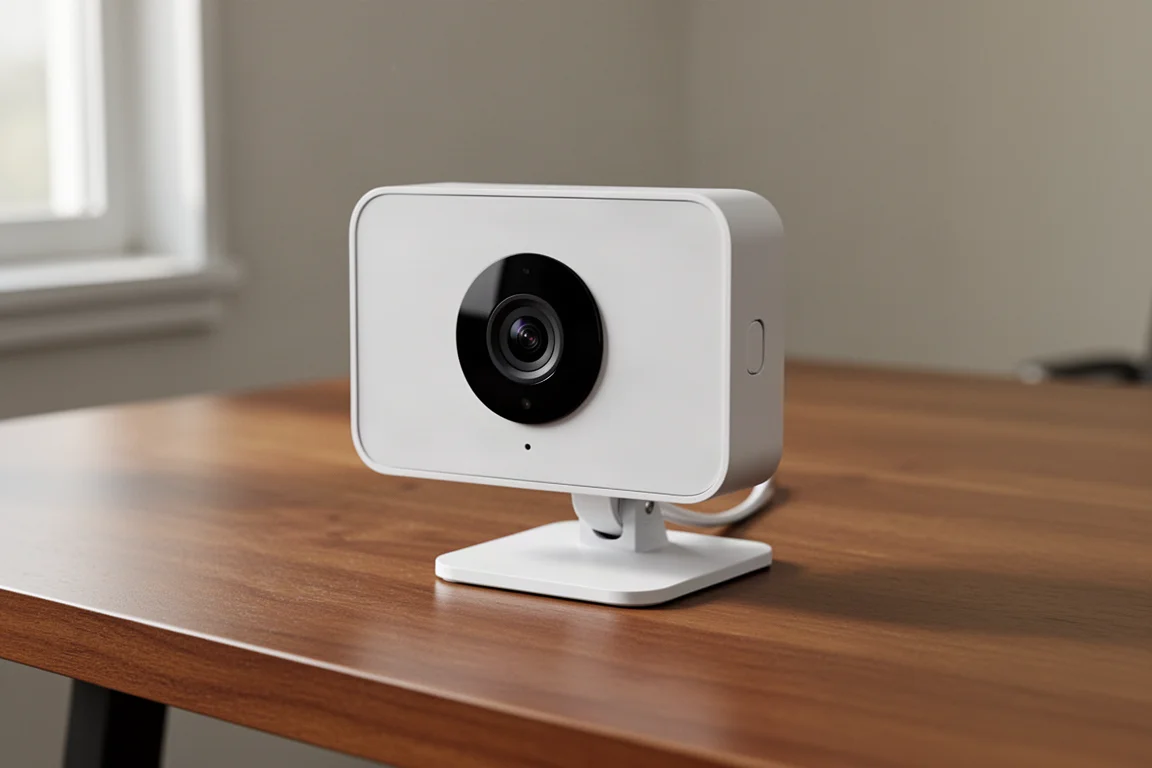
Arlo made its name with rechargeable battery-powered cameras, and its systems are genuinely well made. The interface is one of the better ones in this space, and the hardware feels solid at its $100 price point.
Two-way audio, multi-camera setups, and privacy features such as a physical camera guard are all part of the package. Setup follows the same simple barcode flow as the others.
The same subscription caveat applies: without a plan, you get little out of the system. If you are comfortable with that model, Arlo is one of the more refined subscription ecosystems available.
Wyze Cam v3
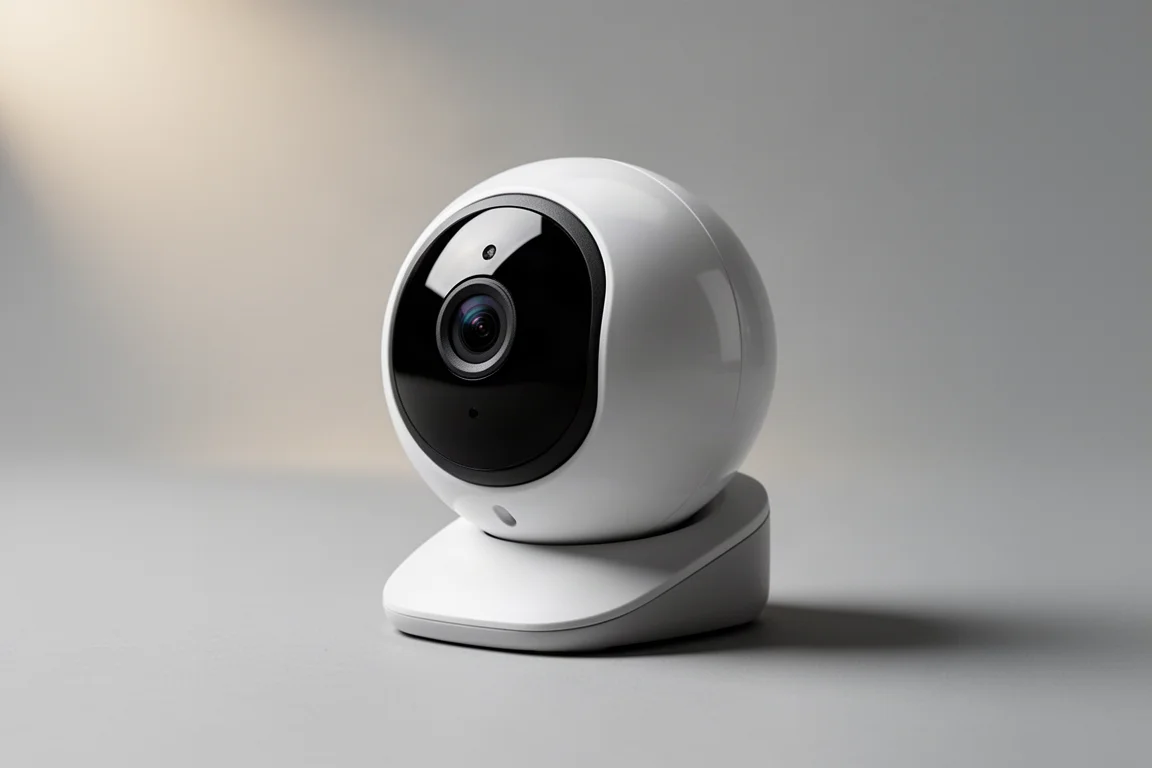
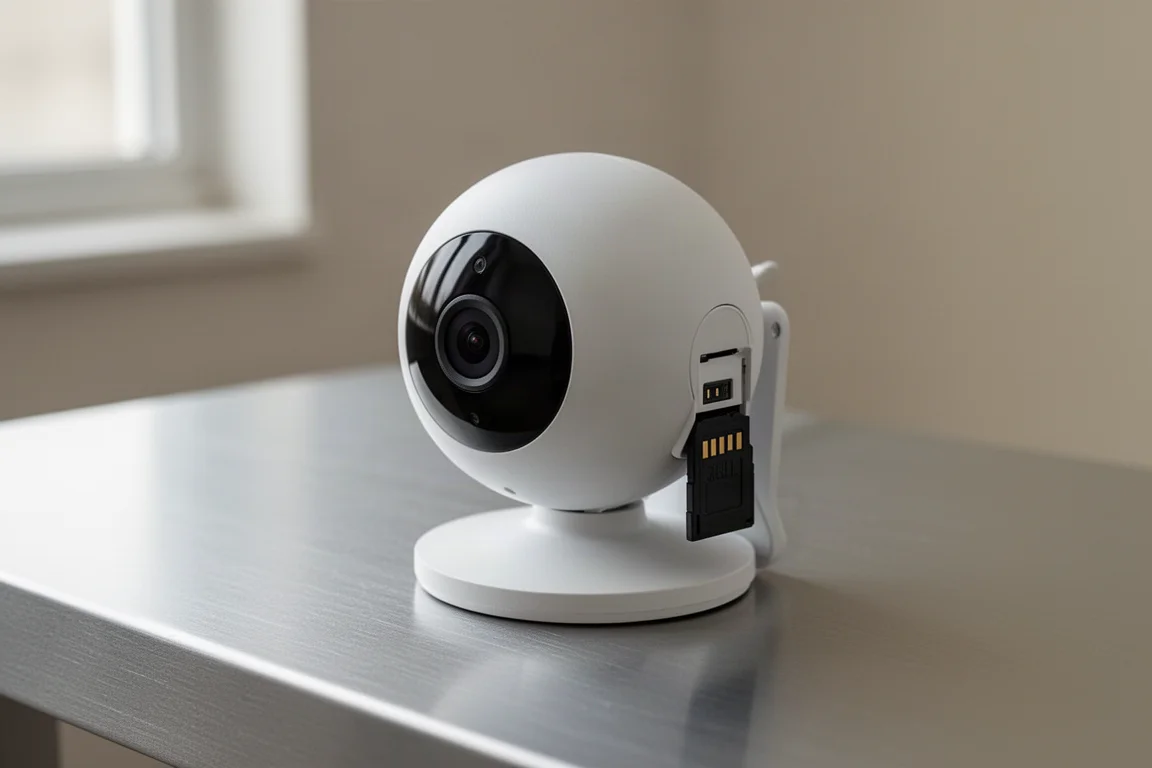
The Wyze Cam v3 is the standout value in this roundup. At $35.98 standard price, it offers wired 1080p video, color night vision in low light, IR night vision in near-total darkness, a magnetic base with a pivoting head for flexible mounting angles, and indoor/outdoor versatility.
The big differentiator is local storage: a memory card slot sits under the removable camera head, so the camera can record directly to the card. That means the subscription is optional, not required, though there is also a free 14-day rolling cloud storage option. The trade-off with local-only recording is physical: if someone grabs the camera, they take your footage with it.
In practical testing, image quality held up well at distance in low light, and the app experience is similar to most competitors. It also supports voice commands on compatible smart displays, making it easy to pull up a live view hands-free. It is an easy recommendation.
Eufy Indoor Security Camera (Anker)
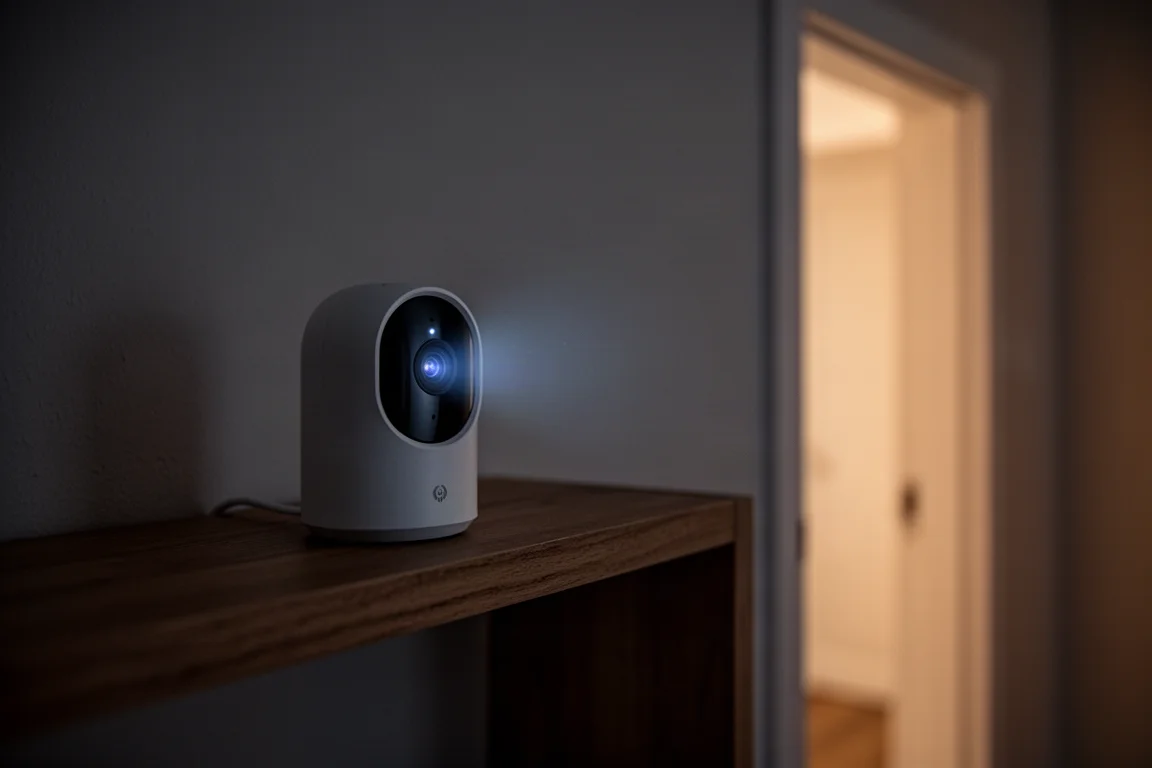
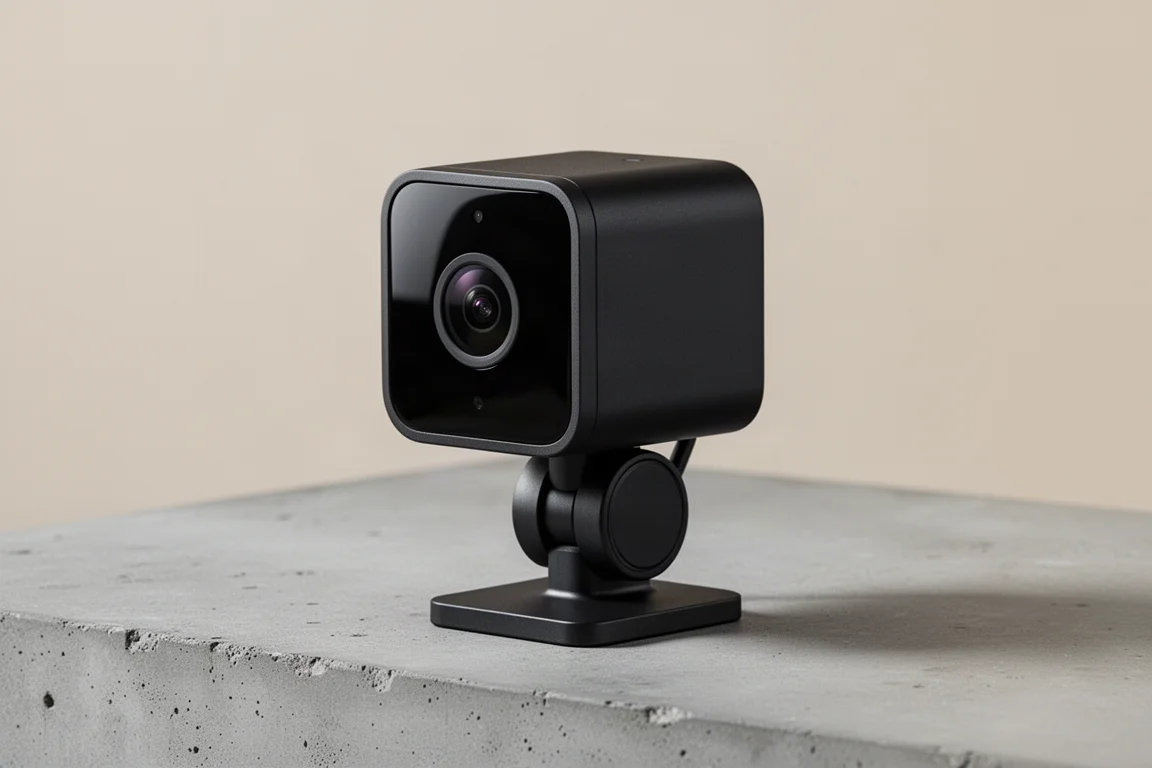
The Eufy indoor camera comes from Anker, one of the most reputable names in USB power gear. At $39.99, it brings 2K resolution, which is a step above the 1080p standard across most of this list.
Feature highlights include a memory card slot, human identification that distinguishes people from other motion, and pet detection with an auto response. It connects with Apple HomeKit and Google Assistant; Alexa support was not confirmed.
This one was not tested hands-on at the time of writing, so consider it a promising spec sheet rather than a proven pick. It is worth watching if you want 2K and HomeKit on a budget.
YI IP Camera (2-Pack)
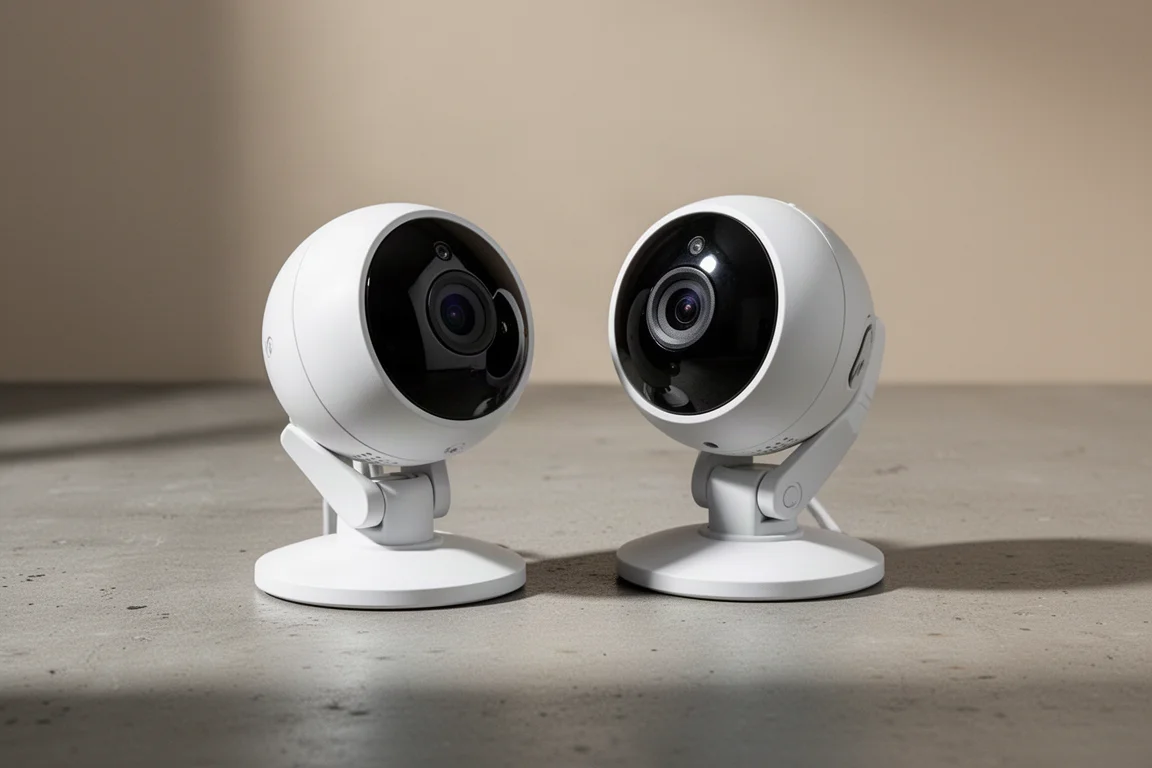
YI started out as a budget GoPro alternative and now applies the same value formula to IP cameras. The two-pack costs $50, which works out to $25 per camera, making it one of the cheapest per-unit options here.
Each camera supports memory card storage up to 128GB, human detection, motion detection, and baby crying detection, which is why many people use these as baby monitors. A subscription plan exists but is not required to use the camera.
For anyone wanting two rooms covered on a tight budget without a mandatory subscription, the YI 2-pack makes a lot of sense.
Kasa (TP-Link) Indoor Camera
Kasa is TP-Link’s smart home brand, and TP-Link has spent over a decade in home networking, evolving from budget gear into some genuinely well-regarded Wi-Fi routers. This is their take on the indoor camera.
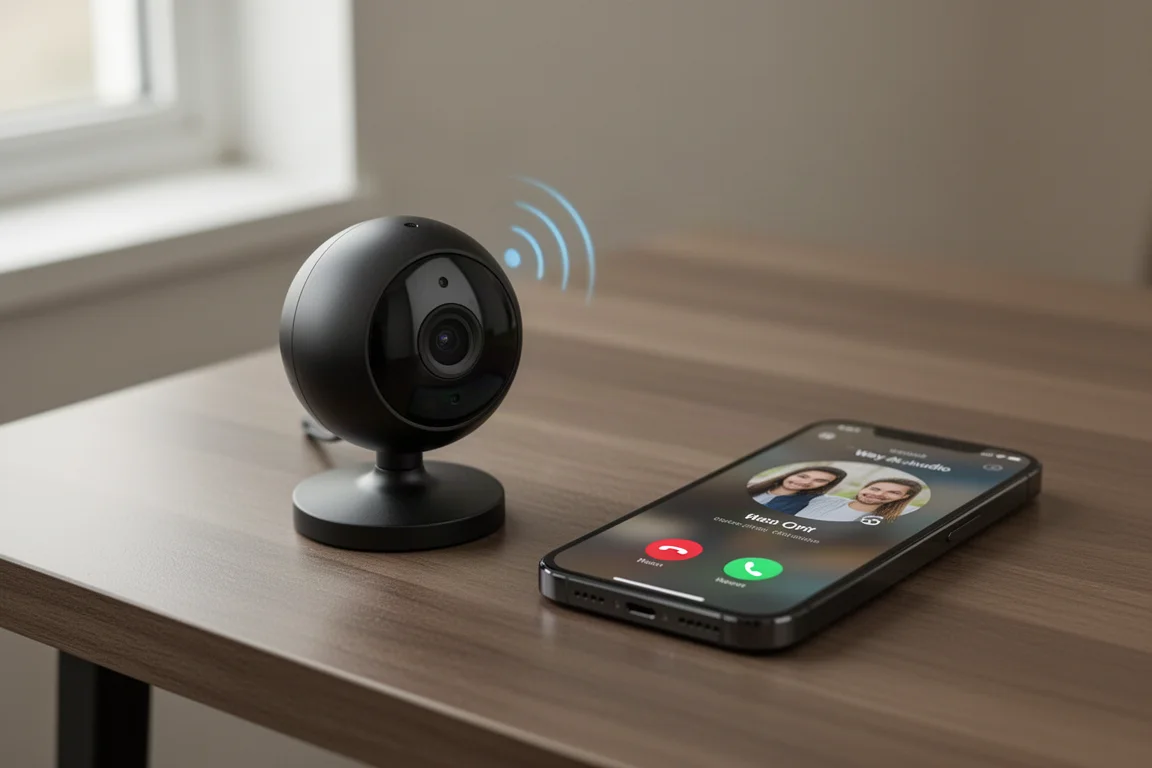
It offers 1080p video, a 130-degree field of view, night vision up to 20 feet, two-way talk, night vision, and app control. It works with both major voice assistant ecosystems and can double as a pet or baby monitor.
At $70 it is not the cheapest option, but the memory card slot means no subscription is required, and TP-Link’s track record for reliable, well-supported budget hardware lends confidence. A sensible pick for subscription-averse buyers who want a known brand.
Reolink Indoor 360 Camera
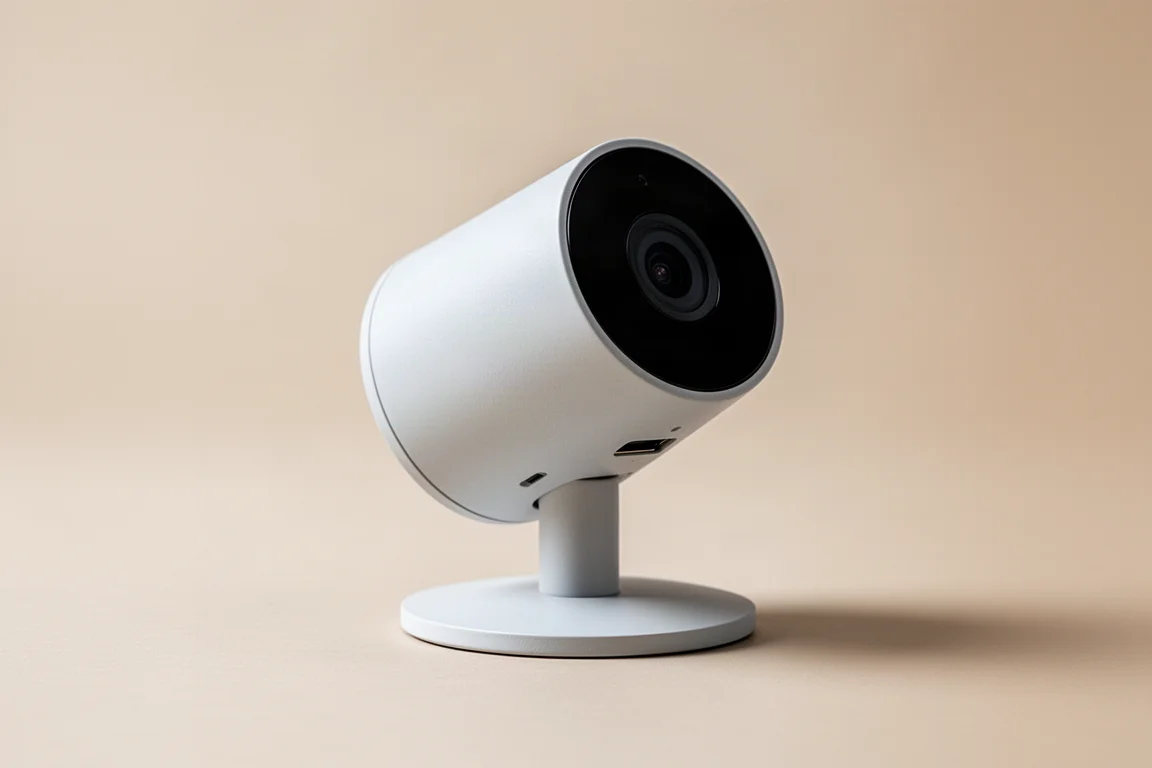
Reolink’s indoor camera stands out with full 360-degree pan and tilt, all controllable from the phone app, so one camera can cover an entire room. At $50, with an extra 10 percent off via coupon, it is competitively priced for the coverage it offers.
It takes a memory card for local recording and claims 2K color video with decent night vision. The motion software is a genuine strength: human tracking is notably good, with the camera following a person and flagging their movement.
Reolink also makes a 360-degree outdoor version with a solar panel at $289, which was being tested in cold-weather conditions separately. The indoor model shares the promising software, and it is the most fun-to-use option here if you want that sweeping, pan-across-the-room coverage.
Overall Buying Advice
The subscription question is the biggest fork in the road. Nest, Blink, Ring, and Arlo all require a subscription to deliver real value, and recurring fees add up quickly across multiple cameras. Budget-conscious buyers should lean toward the subscription-optional picks.
Local storage is the other key differentiator. The Wyze Cam v3, Eufy, YI, Kasa, and Reolink all take memory cards, putting you in control of your footage. Remember the physical risk: a card in a camera can be taken with the camera.
For pure value, the Wyze Cam v3 remains the safest all-around recommendation. For the cheapest multi-room coverage, go with the YI 2-pack. For polished ecosystems and you do not mind paying monthly, Nest, Ring, and Arlo are all solid. For 2K and HomeKit on a budget, keep an eye on the Eufy.
Conclusion
There is no single best indoor camera, only the best match for how you want to own one. Decide first whether you accept a subscription, then whether local storage matters to you, and the shortlist narrows fast. Any camera on this list will let you check in on your home or shop from anywhere; the differences come down to cost structure, video resolution, and how much control you want to keep.
Further reading
Related Reviews
Smart Home
Amazon Echo Hub Review: A Smart Home Dashboard That Finally Gets It Right
The Amazon Echo Hub puts smart home controls front and center with a fast, simple interface. Here is how it performs as a family-friendly dashboard.
Smart Home
15 Amazon Smart Home Automations: Practical Ideas for Every Room
Fifteen practical Amazon Alexa routines and automations that solve real household problems, from pet care to security and entertainment.
Smart Home
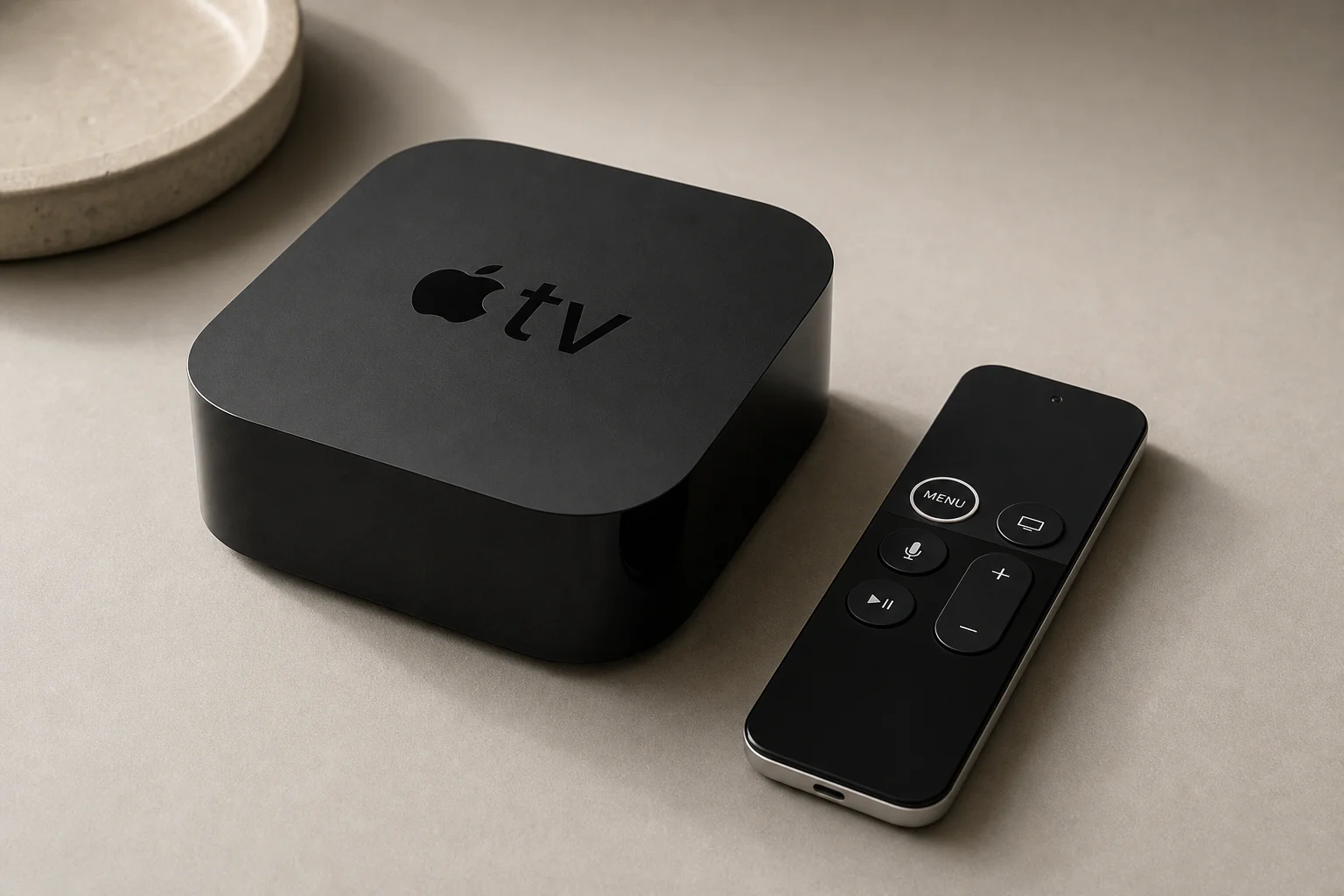
Apple TV as HomeKit Hub: Why It's Your Best Choice for Home Automation
The Apple TV combines HomeKit hub functionality with a display, camera viewing, and local automation control. Here's what makes it stand out from iPad and HomePod Mini alternatives.