Indoor Cycling Gear
Indoor Cycling Gear Roundup: Trainers, Gradient Simulation, and Watches
A practical look at eight indoor cycling essentials, from wheel-on and direct-drive trainers to a gradient simulator and three very different training watches.
Introduction
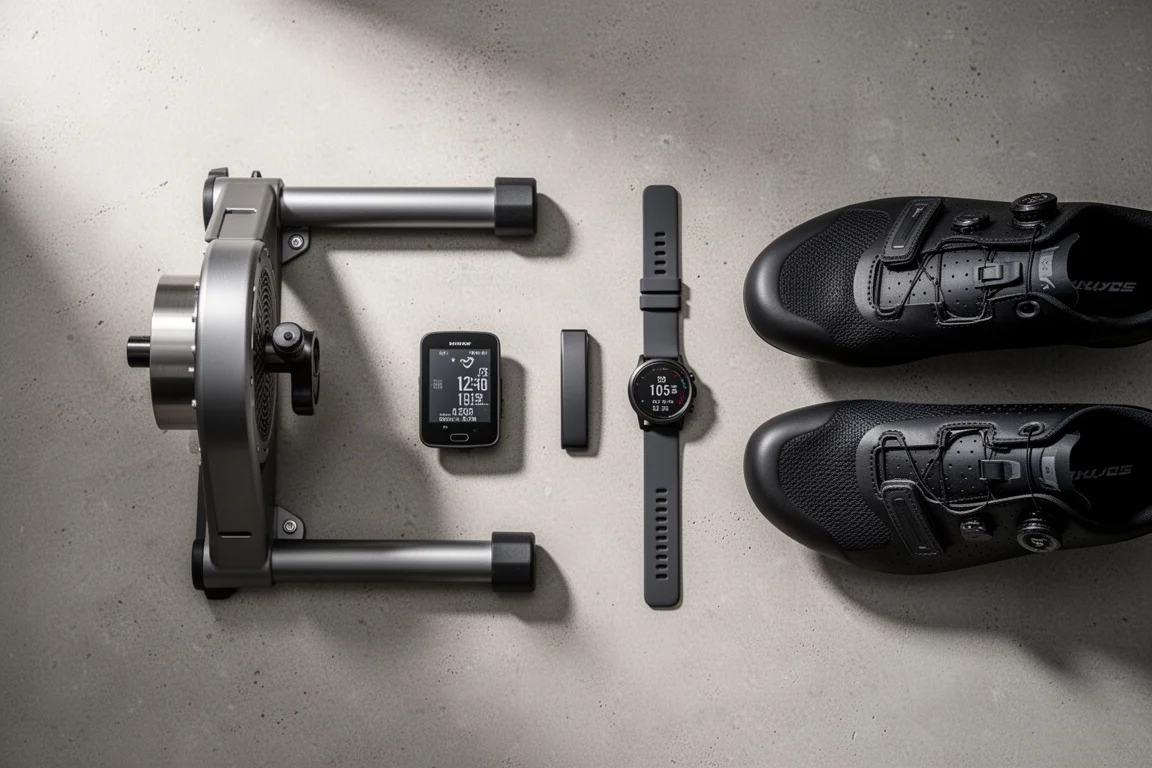
Indoor training gear has quietly become as personal as bike fit. Two riders can own the same trainer and end up with completely different setups, because the decisions that matter are practical ones: how much space you have, how often the bike goes on and off, whether you want the trainer to move with you, and how much you care about data.
This roundup covers eight pieces of equipment that show up again and again in real indoor setups, from direct-drive trainers and wheel-on options to a gradient simulator and three very different watches. Some are luxuries, and some are the difference between a session you actually do and one you skip.
How These Setups Were Evaluated
Rather than ranking on specifications alone, the focus here is on how each item behaves in daily use. That means setup time, how easy a unit is to move, how the ride feels over an hour or more, and how well it fits into a space that is probably doing at least two jobs.
Comfort and practicality carry real weight. A trainer that moves with the pedal stroke feels less harsh than a completely rigid one, a handle makes a heavy unit far easier to reposition, and a watch that feels invisible on the wrist gets worn more often than one that does not.
Tacx Neo 3M: Premium Direct-Drive With Real Movement
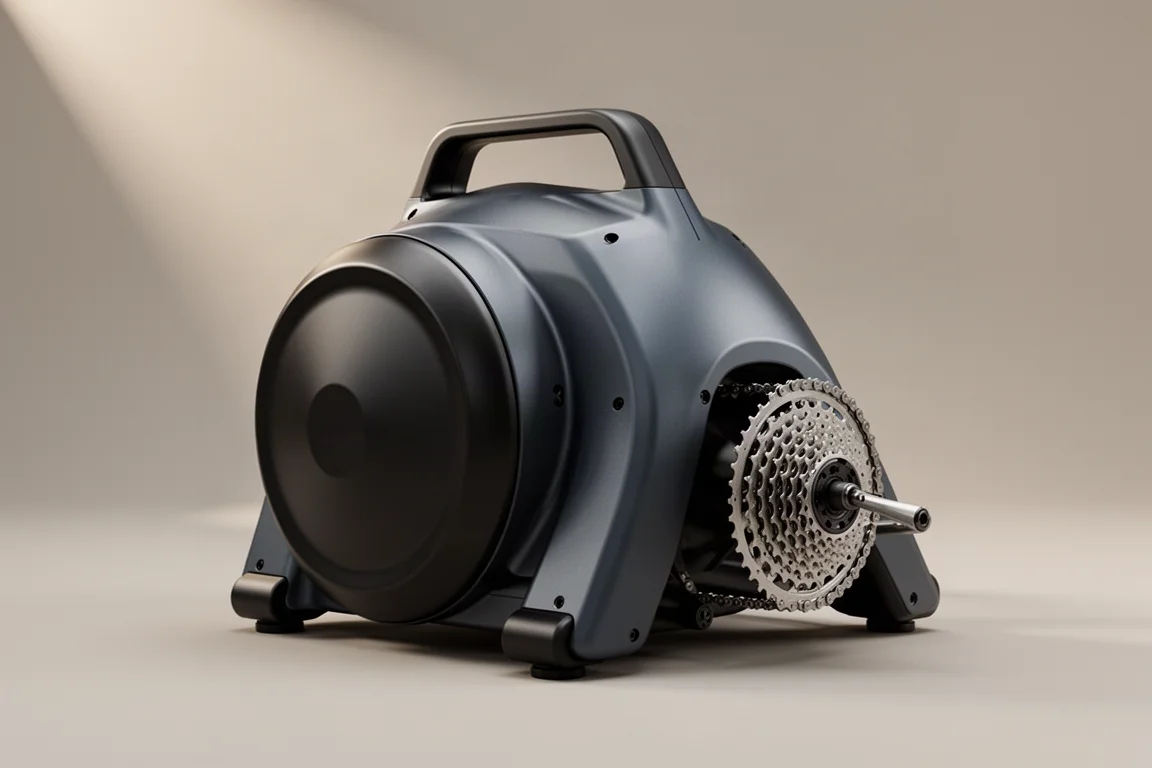
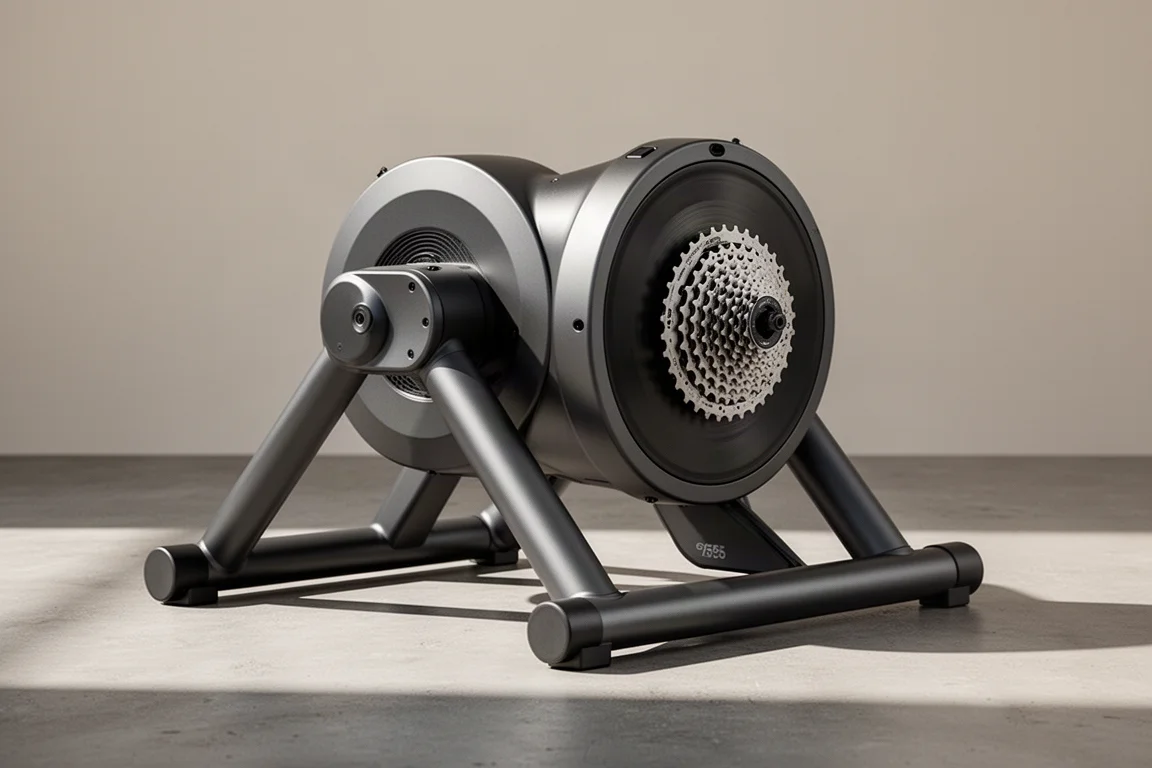
The Neo 3M is a direct-drive trainer, so the rear wheel comes off and the bike mounts straight onto the unit. Its defining feature is movement: the body slides forward and backward through the pedal stroke, and there is a small amount of sideways motion as well. Riders who have spent years on rigid setups describe the difference as noticeably less harsh, particularly over longer sessions.
It can also run fully wireless. Without a power cable it still delivers full power readings, and the trade-off is a small loss of momentum rather than a loss of function. That matters in a garage or spare room where every extra cable is another trip hazard. The built-in handle is a genuinely useful detail, because moving a direct-drive trainer without one is more awkward than most people expect.
Tacx Boost: The Easy Wheel-On Option
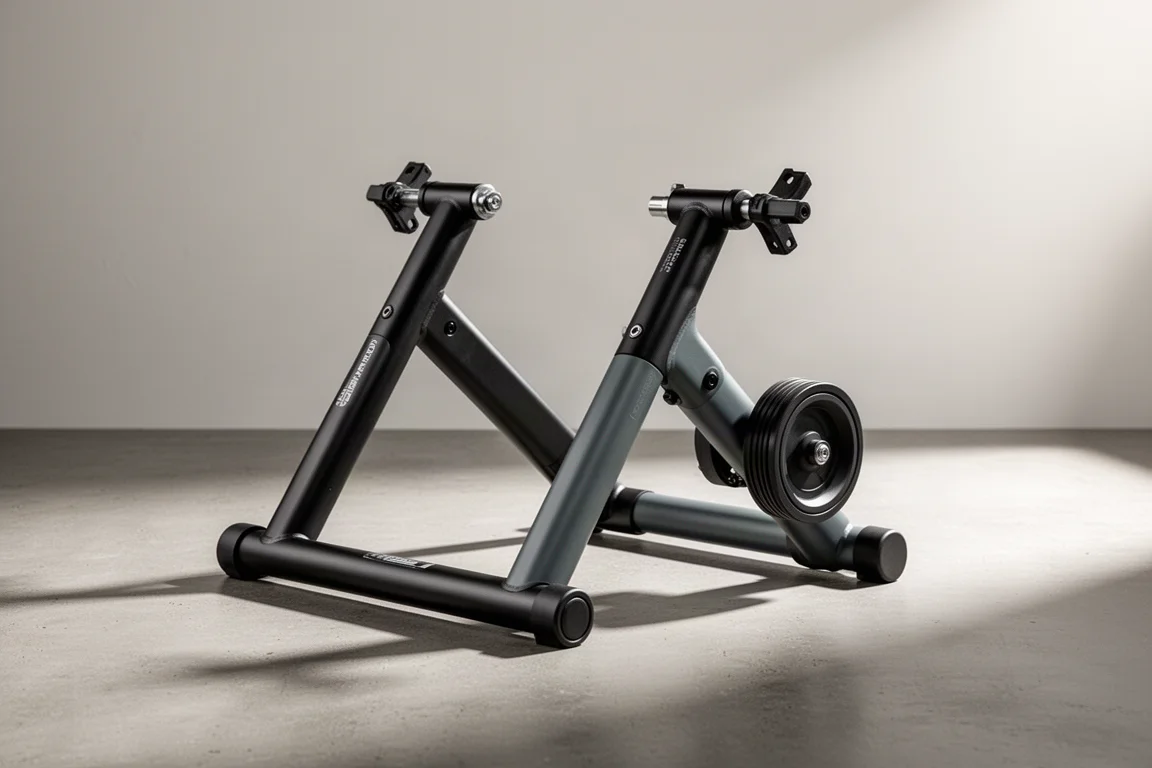
The Boost takes the opposite approach. It is a wheel-on trainer, which means the bike stays complete and the rear wheel simply rests against the resistance unit. Setup is quick enough that taking the bike on and off between sessions is not a chore, and that alone makes it a sensible choice for anyone sharing one bike between indoor and outdoor riding.
Fit is broad: it works with pretty much any bike, and all the adapters needed for different axle standards come in the box. The resistance unit is built in, so there is nothing extra to buy before the first session.
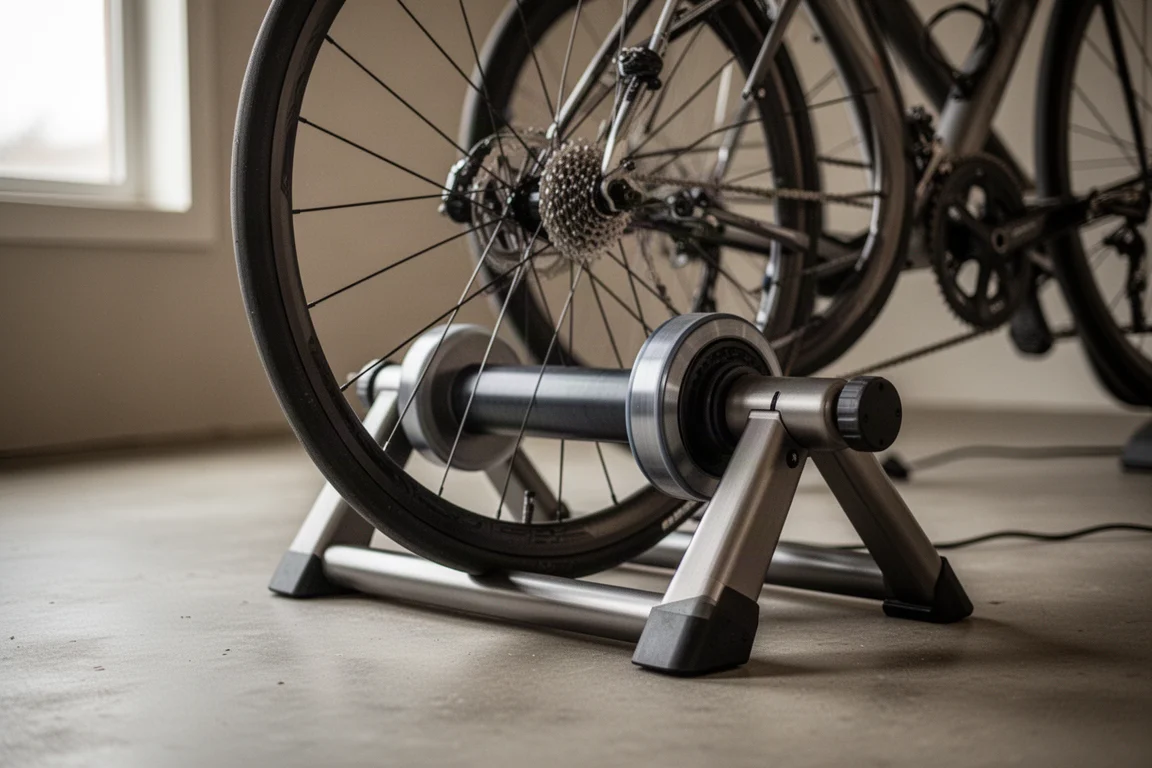
The main trade-off is tire wear. A wheel-on design presses the rear tire against a roller, so tires wear faster than they would outdoors. It is the one thing worth planning for before committing.
Tacx Flux S: A Direct-Drive Workhorse
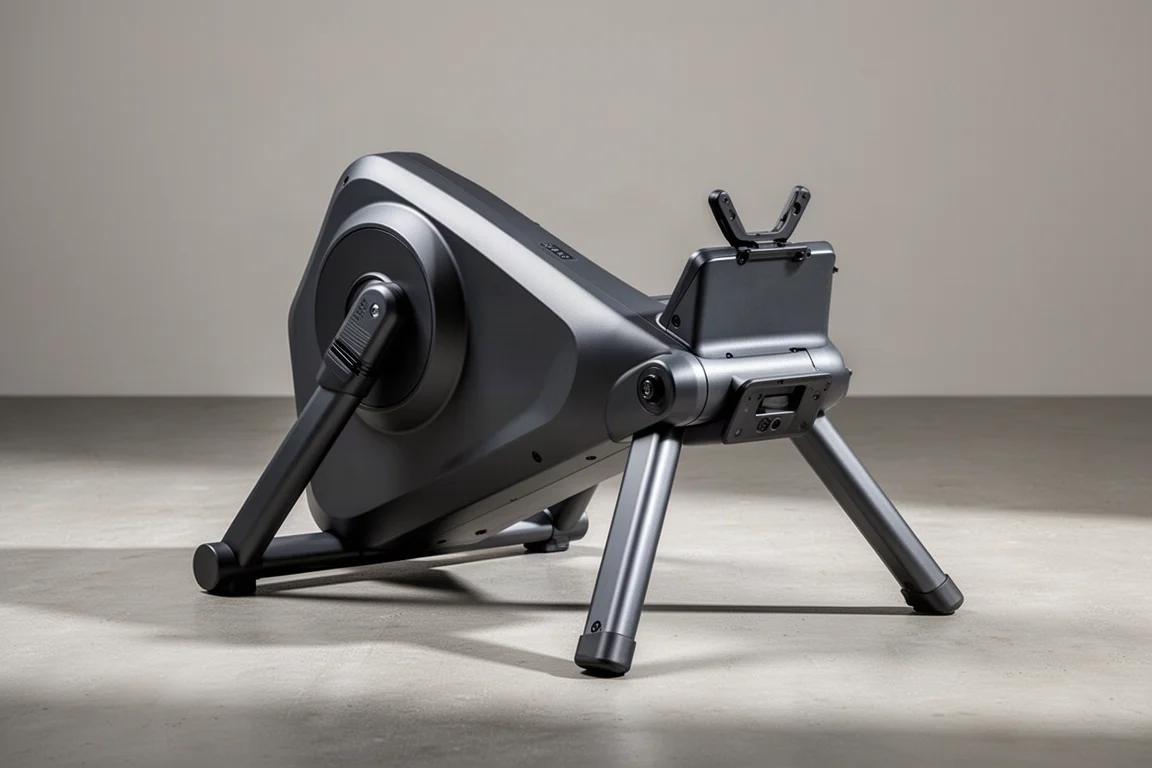
The Flux S sits in the middle ground. It is a direct-drive trainer, so the drivetrain connects to the unit and the rear wheel comes off, which avoids the tire wear that comes with wheel-on designs. It is commonly paired with a dedicated head unit, and the Edge 1040 is a natural match for riders who want structured sessions, live data, and workout control in one place.
For riders who want the core benefits of direct drive and nothing more elaborate, it is a straightforward pick.
Tacx Neo 2T: Rocking Motion and Single-Speed Support
The Neo 2T is a direct-drive trainer that can rock back and forth, but the rocker clips that make it happen are bought separately rather than included. Once fitted, the side-to-side movement takes some of the harshness out of long intervals and makes steady riding feel less static.
It is also unusually adaptable. An aftermarket adapter allows a single-speed or fixed-gear bike to run on it, which is useful when the bike you ride most is not geared for hills. With limited gearing, riders typically lean on ERG mode, where the trainer adjusts resistance to hold a target power so cadence can stay comfortable.
Tacx Alpine: Gradient Simulation for Indoor Climbing
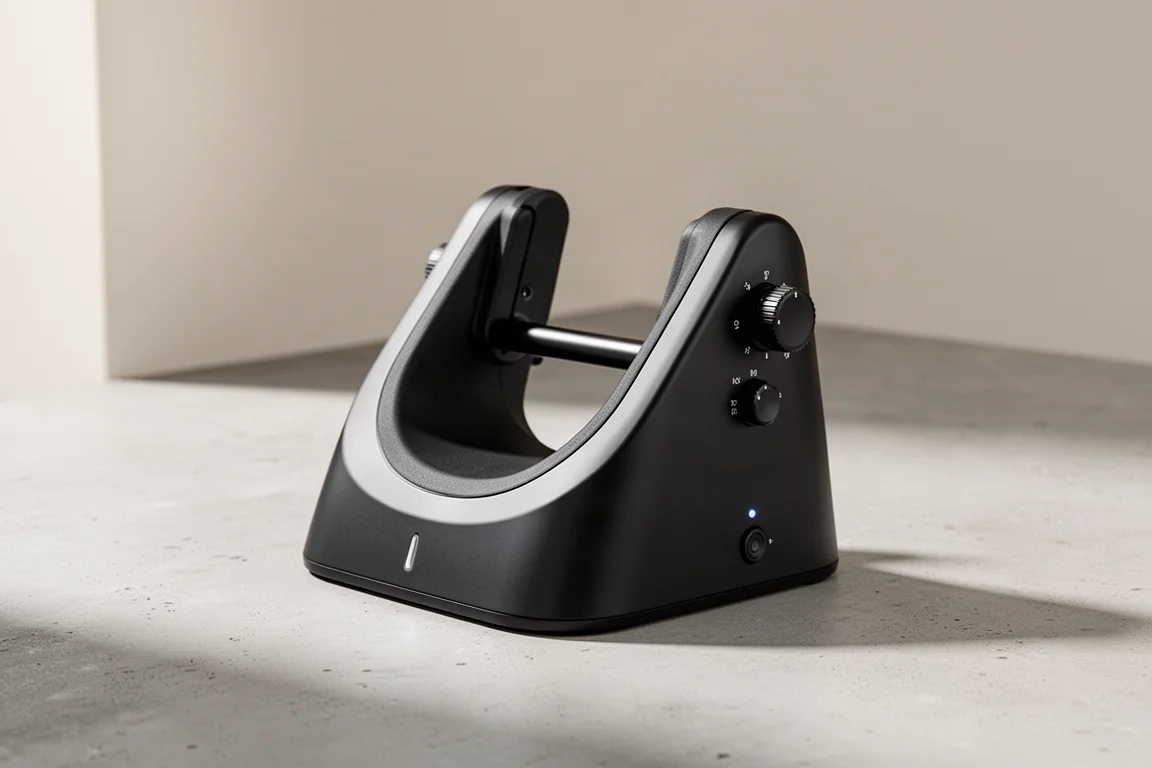
The Alpine is a gradient simulator. It raises and lowers the front of the bike to mimic the pitch of a climb or a descent, so the ride position changes with the terrain instead of staying flat. Because the Neo 3M moves as well, the two work together: the bike rocks side to side and tilts up and down at the front. It also allows steering input in Zwift.
That combination is more than a novelty. Slow, out-of-the-saddle climbing is a skill many riders avoid indoors because it feels unstable, and practicing it on a setup that tilts and moves builds the confidence to stay smooth at low cadence on a real climb.
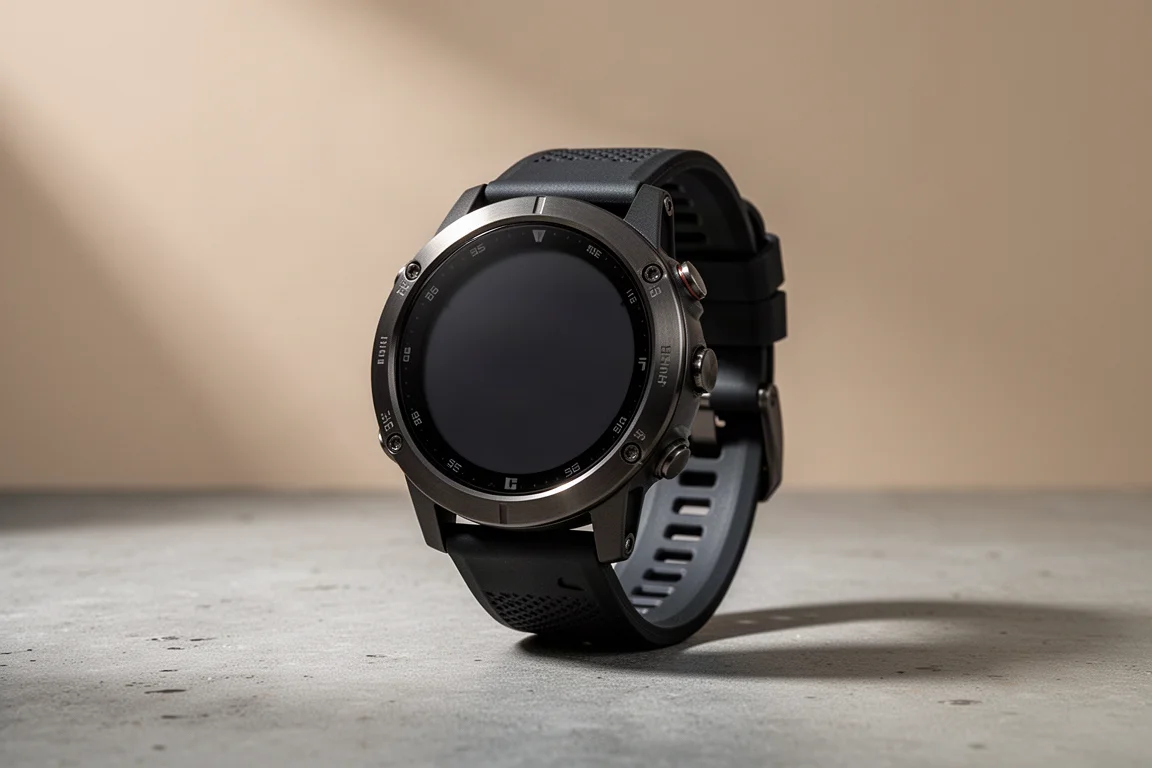
Garmin Fenix 8 Pro: Built for Rides Without Signal
The Fenix 8 Pro is the watch that gets chosen for the rides where phone signal disappears. It includes inReach functionality, which is the specific reason it is picked for remote routes, and it is the model riders reach for when they know they will be far from coverage.
That capability is the point of the watch. Riders who stay inside reliable coverage may never need it, but for long days in the middle of nowhere it is the feature that earns its place on the wrist.
Garmin Venu X1: Thin, Light, and Easy to Live With
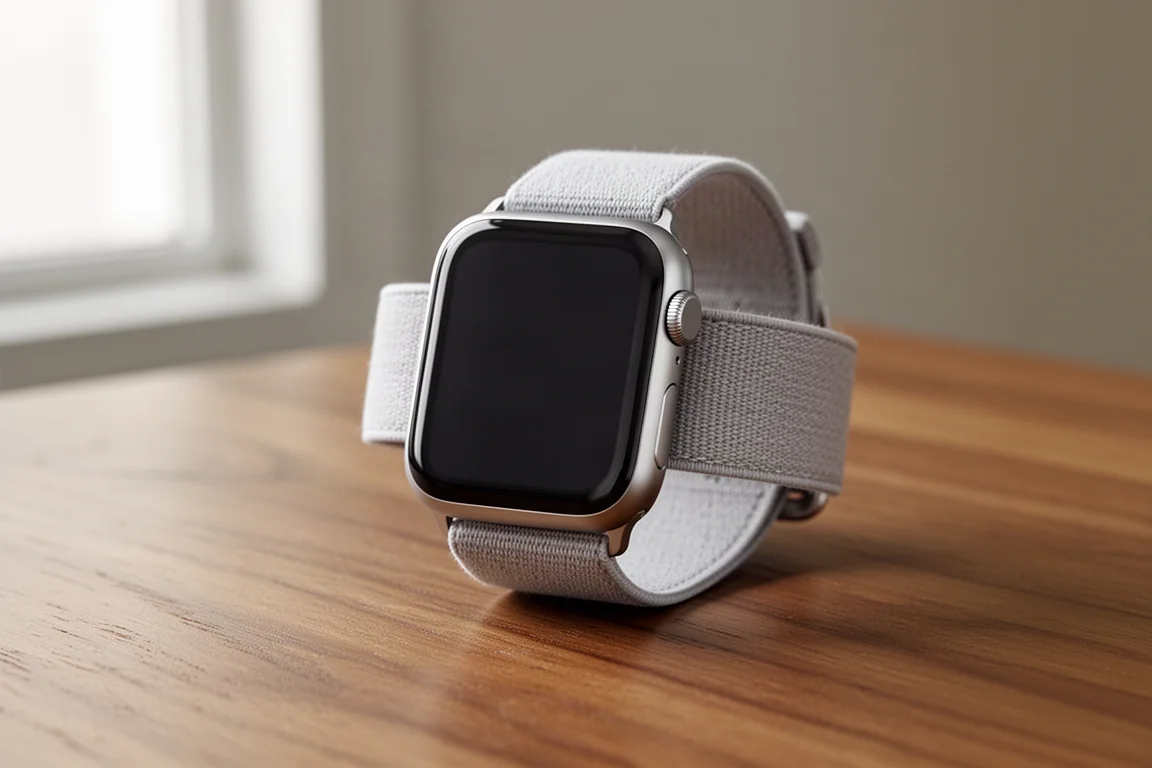
The Venu X1 is the watch that ends up on the wrist most often. Its case is rectangular rather than round, and it is remarkably thin and light, so it feels small on the wrist even though the screen is a good size for reading data at a glance. That combination is what makes it easy to wear all day rather than only for training.
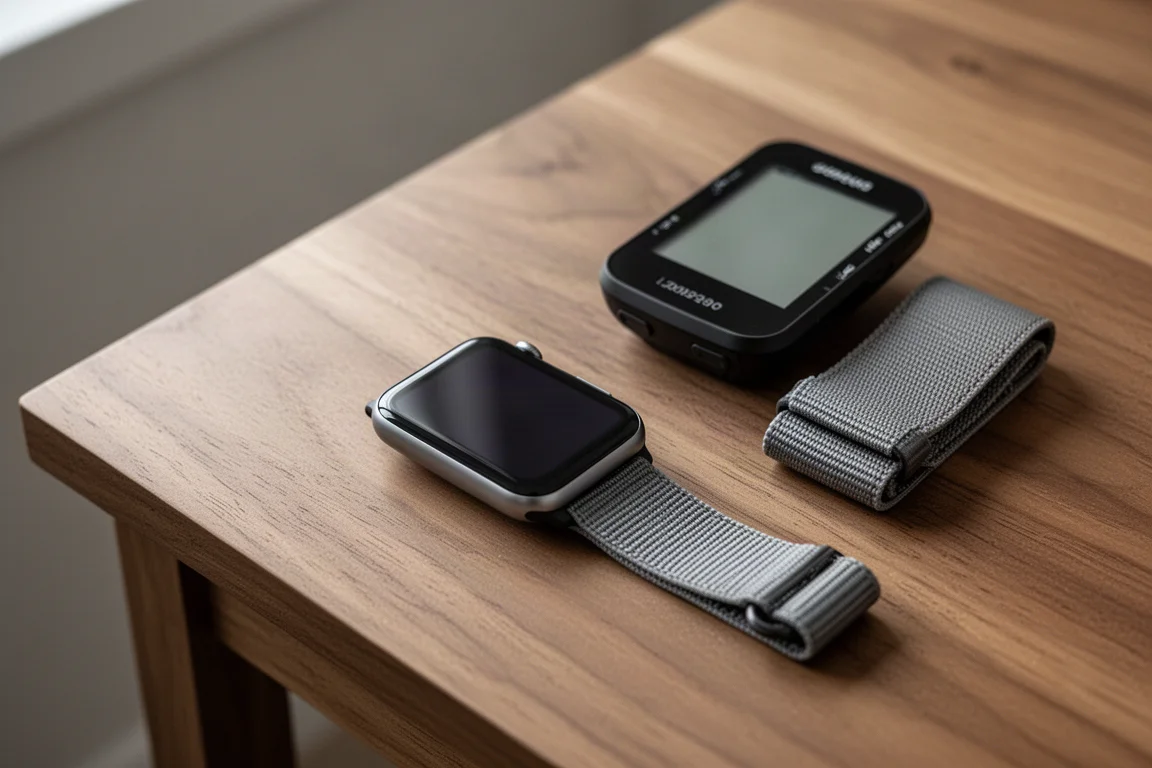
For riders who want training metrics without a bulky watch, the Venu X1 is the low-friction option. It is not the model for remote rides, but it is the one that rarely gets left on the charger.
Garmin Marq Aviator: An Aviation Watch That Tracks Training
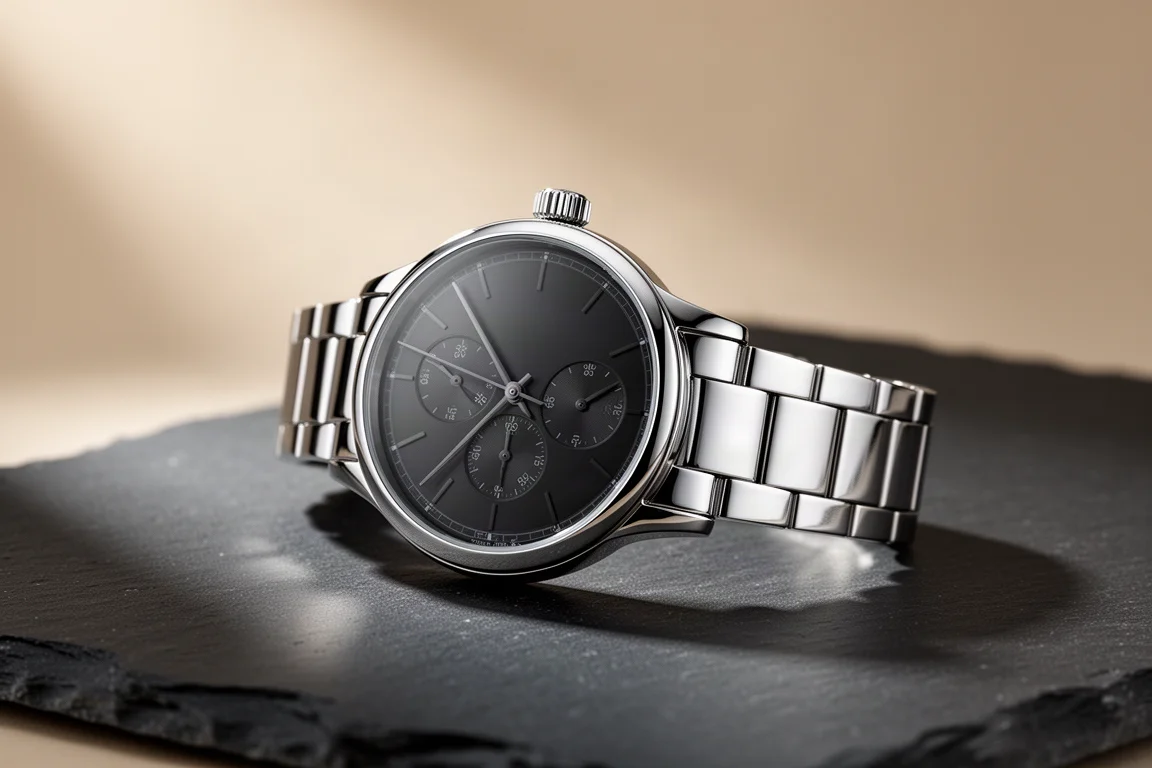
The Marq Aviator is designed for pilots, which is exactly why it works so well as a gift for someone starting flight training. It pairs aviation-oriented tools with the everyday data a rider expects: time, UTC time, daily calorie burn, temperature with conditions, and moon phase as part of the watch face theme.
The bracelet and minimalist styling make it easy to leave on. Charging is needed only around every two weeks in normal use, and that is usually the only time it comes off. It is a specialised premium watch that happens to be a capable training companion.
Buying Advice: Matching Gear to Your Setup
Start with the trainer, because it shapes everything else. A wheel-on trainer like the Boost is the quickest to live with if the bike comes on and off regularly, and it fits a wide range of bikes with the adapters supplied in the box. The trade-off is tire wear, so plan for rear tires if you ride indoors often. A direct-drive unit such as the Flux S or the Neo 2T removes that concern entirely.
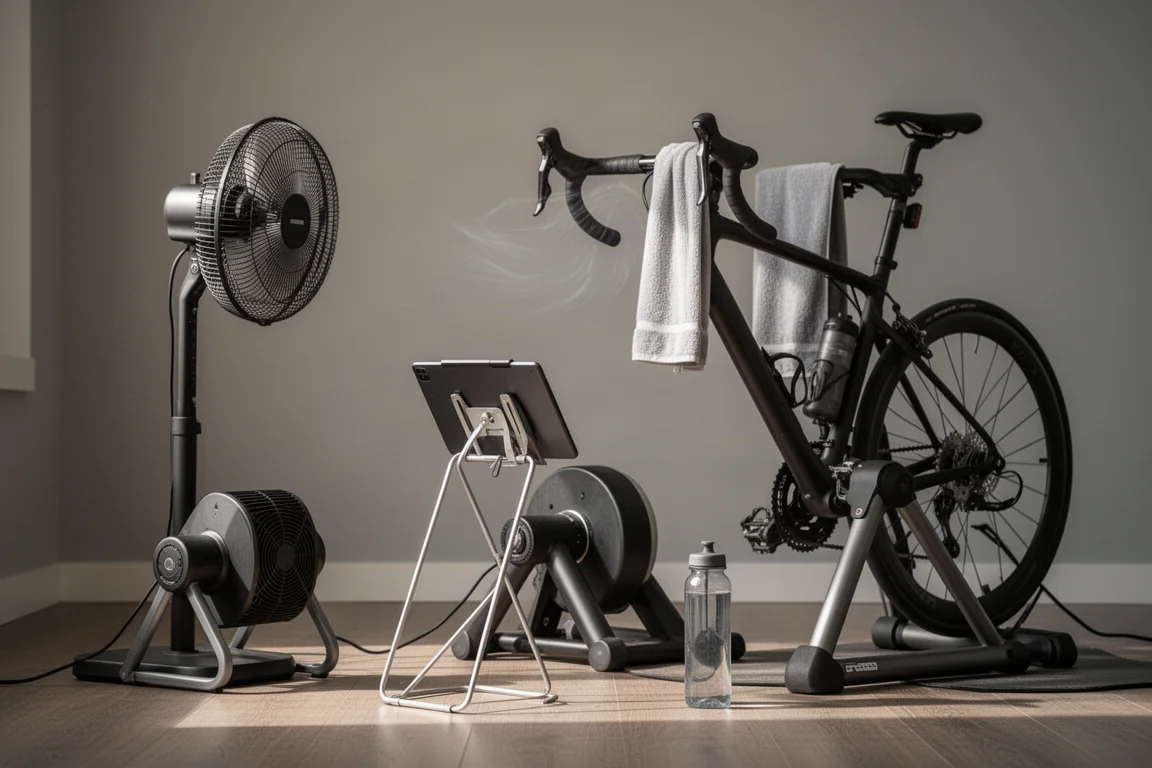
Movement is the next decision. Rocking and gradient simulation are luxuries rather than necessities, but they change how long sessions feel, and they make skills like slow out-of-the-saddle climbing easier to rehearse. Check what is actually included: on the Neo 2T, the rocker clips are a separate purchase.
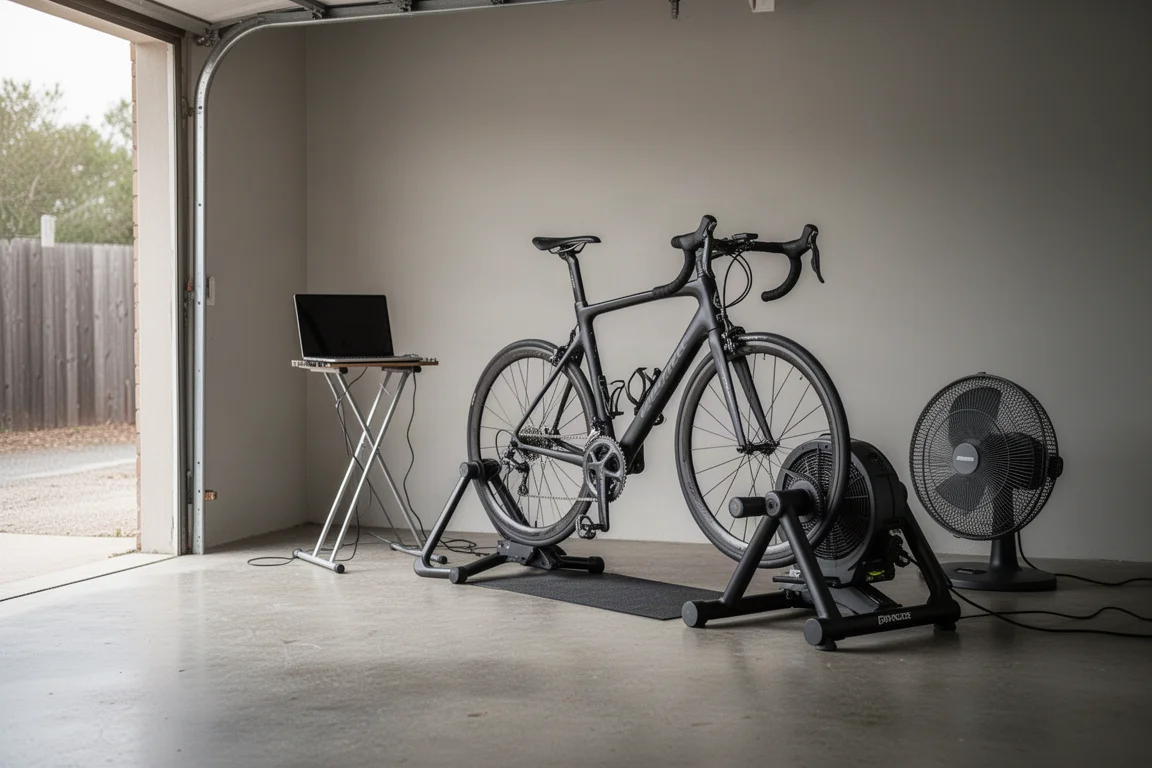
Then think about airflow and space. A fan is close to essential, even in a garage with the door open, and a music stand or similar small table makes a laptop or tablet far easier to use than balancing it on a shelf. If the room has to serve other purposes, a trainer with a handle is easier to move out of the way.
Finally, match the watch to the job. If you ride where there is no phone signal, inReach functionality is the feature worth paying for. If you want something thin enough to forget you are wearing it, a light rectangular case is the better daily choice. And if your training sits alongside another pursuit such as flying, an aviation-focused watch covers both.
Conclusion
There is no single correct indoor setup. The trainers here range from quick to mount to fully featured, the gradient simulator adds movement and climbing practice, and the watches cover remote safety, everyday wear, and aviation. Choose the pieces that solve the problems you actually have, and the setup is far more likely to get used.
Further reading
Related Reviews

Backpacking Gear
Building a 10 lb Base Weight: An Ultralight Backpacking Gear List
A practical walkthrough of the ultralight pieces behind a 10 lb base weight, from a 765 g pack and a roomy one-person tent to a full camp chair and a dependable water filter.

Road Bikes
10 New Road Bikes Worth Watching: Aero, Titanium, Steel and Endurance Standouts
A practical roundup of 10 new road bikes, from aero flagships chasing single-watt gains to titanium, steel and endurance platforms built for real roads.
Bikepacking Gear
11 Bikepacking Essentials for Long-Distance Cycling
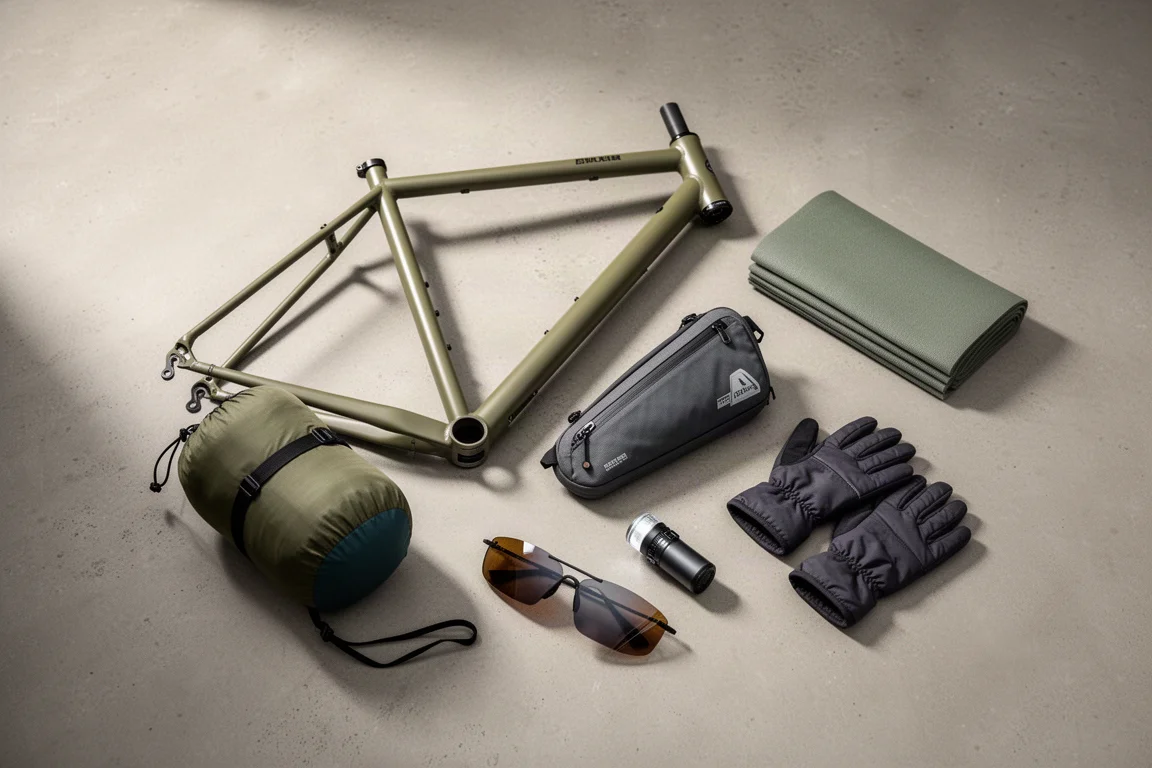
Eleven bikepacking essentials for long-distance cycling, from a steel gravel frame and a two-person tent to helmet lights, packable gloves, and a frame bag that puts weight in the right place.