Home Theater
Best Home Theater Receivers: Seven Picks From Entry Level to Reference Sound
A practical look at seven home theater receivers, from an entry-level 8K model to a reference-grade flagship, with the features and trade-offs that matter most.
Introduction
The receiver is the component that decides how many speakers you can run, how your sources connect, and how much of a movie soundtrack actually reaches your ears. It is also the piece most people replace last, which makes choosing it carefully worthwhile.
This roundup covers seven receivers across a wide spread of budgets, from an entry-level 8K model to a flagship that sits at the top of what we have tested. Each one earns its place for a different reason: value, amplification, room correction, channel count, or outright sound quality.
Whatever you choose, the goal is the same: a system you can enjoy now and still expand later.
How These Receivers Were Evaluated
We looked at a consistent set of features that separate a capable receiver from a compromised one. Channel count and preamp outputs determine how far a system can grow. Dolby Atmos support, watts per channel, and the quality of the amplifier section shape how it sounds in the room.
On the video side, we considered HDMI input counts, HDCP 2.3 support, 8K and 4K/120 pass-through, Dolby Vision, and eARC. On the usability side, app control, Bluetooth and network music streaming, voice control, and the quality of the room correction system all matter more than most spec sheets suggest. A phono section is a bonus for anyone still spinning vinyl.
One theme runs through this entire list. The further up the range you go, the more the money goes into amplification, processing, and room correction rather than voice assistants and streaming extras. Both approaches are valid. Which one suits you depends on whether you value convenience or sound quality more.
Best Entry-Level Pick: Denon AVR-X1700H
The AVR-X1700H is a 7.2-channel 8K receiver that covers an unusually complete feature list for its price. It supports 8K and HDCP 2.3 on the video side, along with Dolby Vision, and there are six HDMI inputs on the rear panel.
Dolby Atmos is available by assigning the rear surround amplifier channels to a pair of height speakers, which is a sensible way to add overhead effects without stepping up to a more expensive model. The receiver connects over Wi-Fi or a wired connection, which unlocks app control and music streaming through HEOS, with Bluetooth, AirPlay, and Spotify Connect also on board. A Bluetooth transmitter can send audio to wireless headphones for late-night listening.
Room correction comes from Audyssey MultEQ XT, which includes dynamic volume options and tools for tuning two subwoofers individually. There is also a front-panel USB jack that decodes lossless files up to 24-bit/192kHz, including ALAC, FLAC, and WAV, plus DSD at 2.8MHz and 5.6MHz. Voice control works with Siri, Alexa, and Google Assistant, and the unit is Roon tested. At under $750 with Dolby Atmos included, it is the strongest entry point on this list.
Best Under $1,000: Yamaha RX-A2A
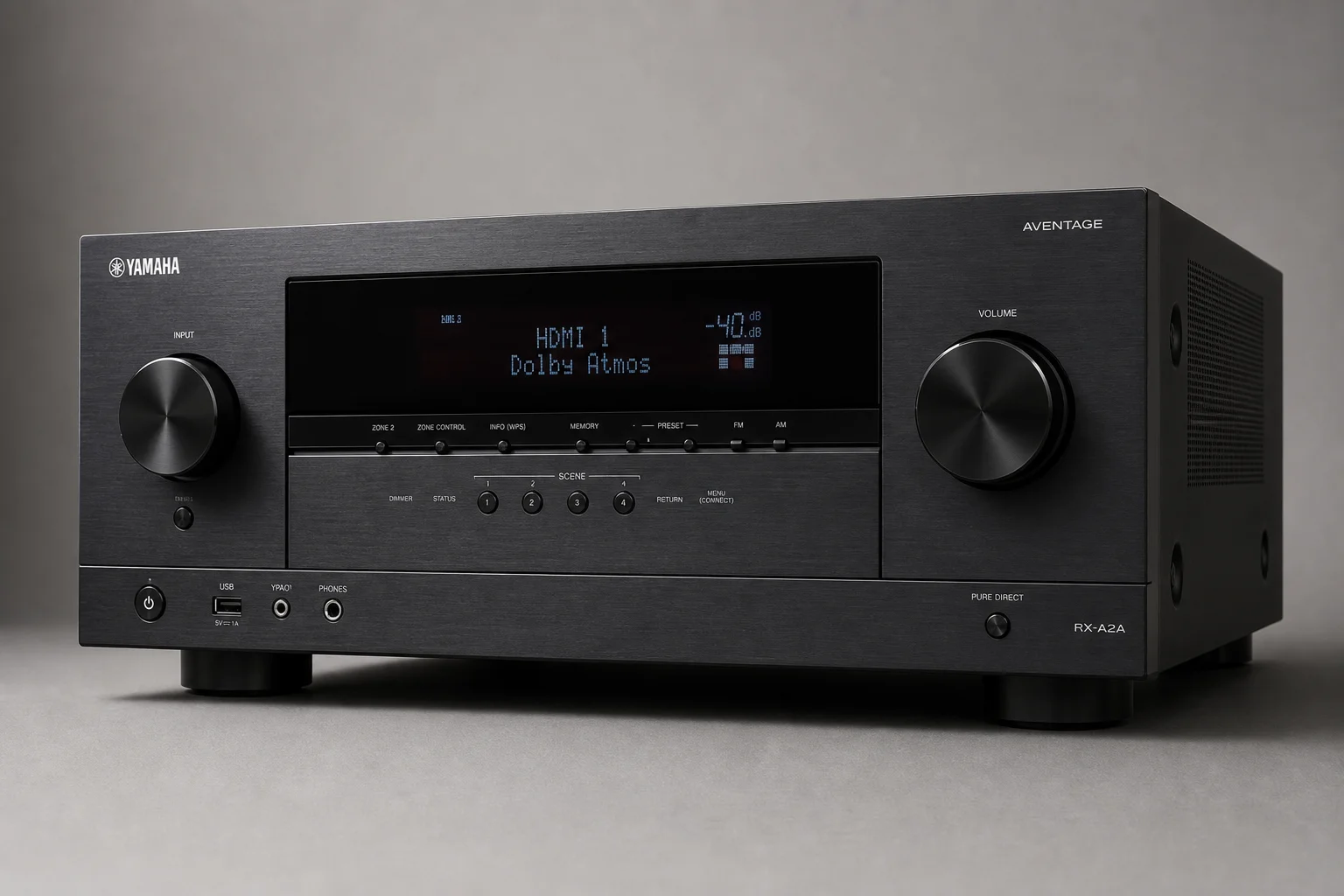
The RX-A2A is a 7.2-channel receiver and the entry point into Yamaha’s top-tier receiver series, where the design focus is squarely on audio performance. The digital-to-analog converters run at 384kHz/32-bit, and Yamaha’s engineers treat every component and electrical path as a chance to improve the sound.
Yamaha’s surround heritage shows up in the feature set. Dolby Atmos and DTS:X are both supported, alongside 17 DSP programs. Where ceiling speakers are not an option, the included virtualization technology can create a comparable sense of height without running cables into the room above.
Video support covers seven HDMI inputs, Dolby Vision, HDR10+, HDCP 2.3, and 8K at 60 frames per second. YPAO room correction measures speaker characteristics and room reflections and applies the result automatically. MusicCast handles streaming and can extend music to other MusicCast products around the home, and AirPlay 2 and Bluetooth are included. Voice control is the one clear omission, because that part of the budget went into audio components instead.
Best Value Dolby Atmos Receiver: Marantz SR5015
The SR5015 sits just above the $1,000 mark and is built around a genuinely strong amplifier section. The seven amp channels can be configured freely, including for a second room, and all seven channels have preamp outputs so larger amplifiers can be added later. There are eight HDMI connections split between the front and rear panels, with 8K input and output support.
Streaming and control are well covered with AirPlay 2, Bluetooth, HEOS for music services, and voice control from Apple, Google, or Amazon. HDR and Dolby Vision are supported, and a moving magnet phono section is included for turntable owners. For late-night viewing, dynamic volume reduces the impact of loud effects without burying dialogue.
What sets the SR5015 apart is the sound. A large power supply and discrete components give it a rich, full character and notably firm control over speakers. The on-screen setup walks through every step, and the Audyssey room EQ test finishes the job by optimizing the speakers to your room. Other receivers at this price may offer more channels or features, but none of them match this amplifier.
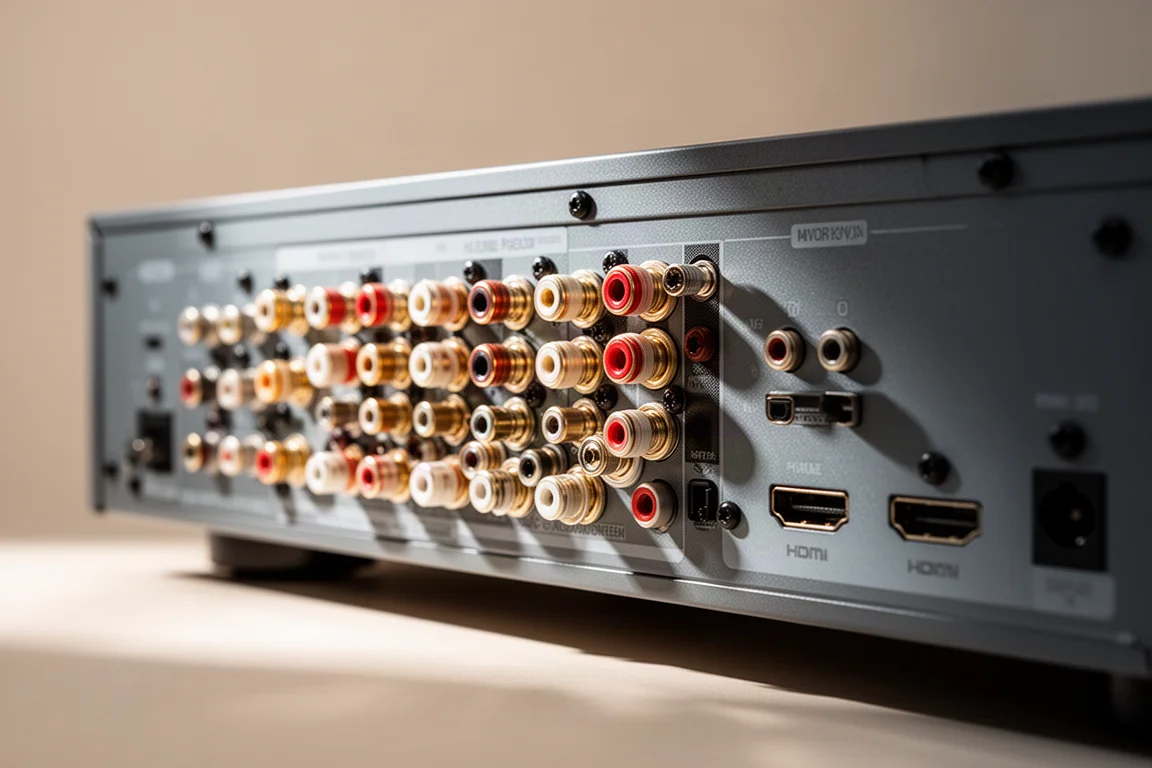
That combination of amplifier quality, guided setup, and room correction is what makes it our pick for the best value Dolby Atmos receiver in this group.
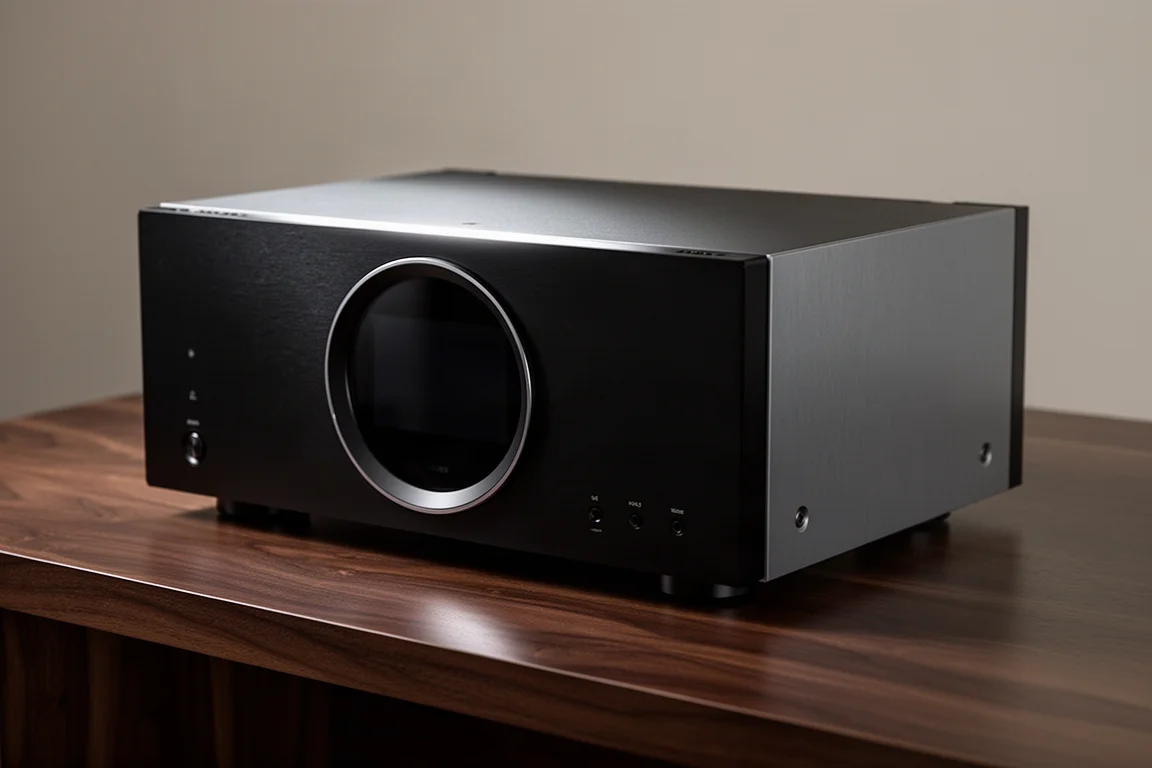
Most Feature-Packed Mid-Tier Receiver: Onkyo RZ50
The RZ50 has nine powered channels and preamp outputs for 11 channels plus two subwoofers, which is enough to build a full 7.2.4 Dolby Atmos layout. All six HDMI inputs are 8K and HDCP 2.3 compatible, and there are two independent outputs that are both 8K capable unless one is assigned to Zone 2, in which case the second is limited to 4K. The main output supports eARC.
Feature coverage is broad: app control, several voice control options, music streaming, and bi-directional Bluetooth that can send audio to a pair of headphones for late-night listening. A particularly neat addition for Sonos users is the ability to connect a Sonos Port, which then appears in the Sonos app, and up to three ports can be added.
The headline feature is Dirac Live. Dirac has been a favorite room correction system among audio enthusiasts for close to a decade, but it has normally been reserved for far more expensive components. Having it included here is remarkable. A microphone is supplied for setup, though a calibrated aftermarket microphone is worth considering if you want to get the most from Dirac.
Best Sound-First Receiver: Anthem MRX 740
In the $2,500-and-up range, priorities shift. Manufacturers here tend to spend on parts rather than voice assistant licensing, and the MRX 740 is a clear example. Anthem builds its receivers around the same approach used in its separate power amplifiers, with large power supplies that give speakers substantial current reserves.
On the digital side, a quad-core processor handles object-based surround decoding, and the signal passes through premium 32-bit/768kHz differential-output DACs. The result is a sound that envelops the room rather than simply filling it. The MRX 740 has seven power channels and preamp outputs for a 7.2.4 system, and it weighs more than any other receiver on this list up to this point.
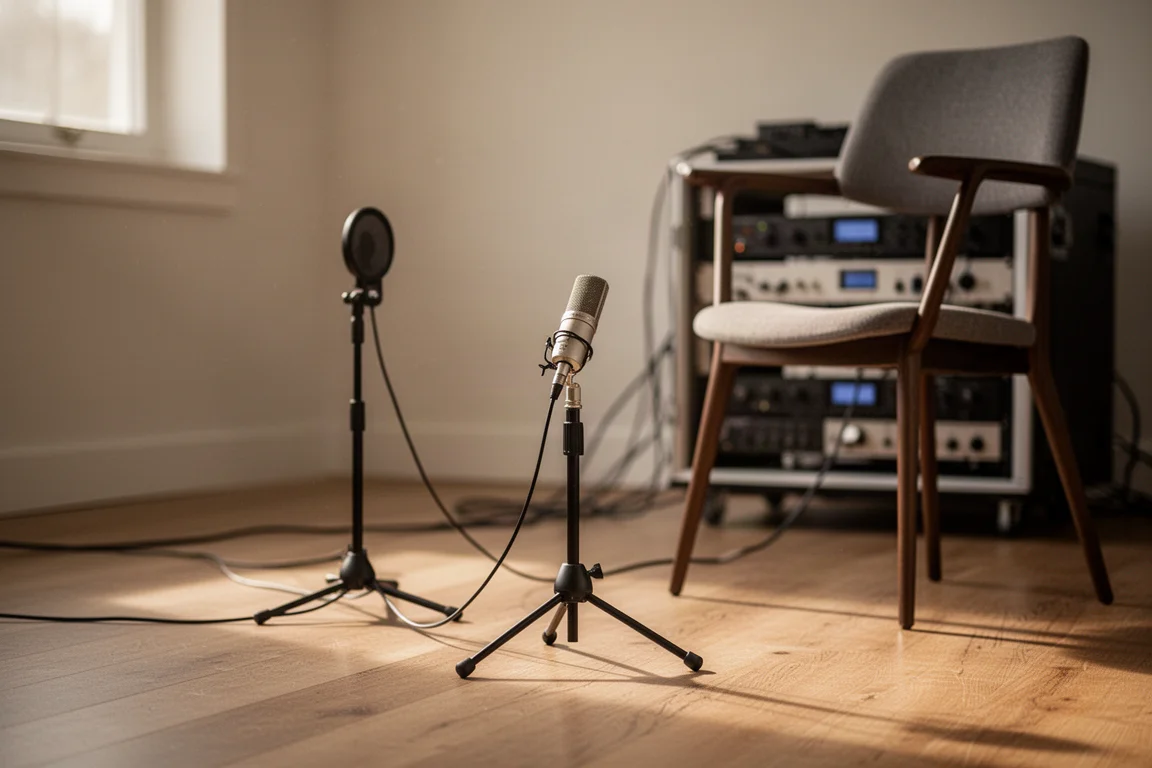
Anthem Room Correction, known as ARC Genesis, comes with a professional-style calibrated microphone and a calibration file matched to that specific unit, so no aftermarket microphone is needed. It blends subwoofers and sets levels and delays, and four separate profiles can be stored for different listening situations. Amp channels can also be reassigned, so adding a two-channel power amplifier for the main speakers frees up onboard channels to drive two more.
Video support covers Dolby Vision, HDR, IMAX Enhanced, and 4K at 60 frames per second. This model is not 8K or 4K/120 ready, though a games console can be connected directly to the TV for uncompressed Dolby Atmos over eARC. AirPlay 2, Chromecast, and Bluetooth are included, with a Roon update in the works. For anyone who wants the most convincing sound from seven channels, with room to grow, this is the one to consider.
Best Full 11-Channel Atmos Receiver: Anthem MRX 1140
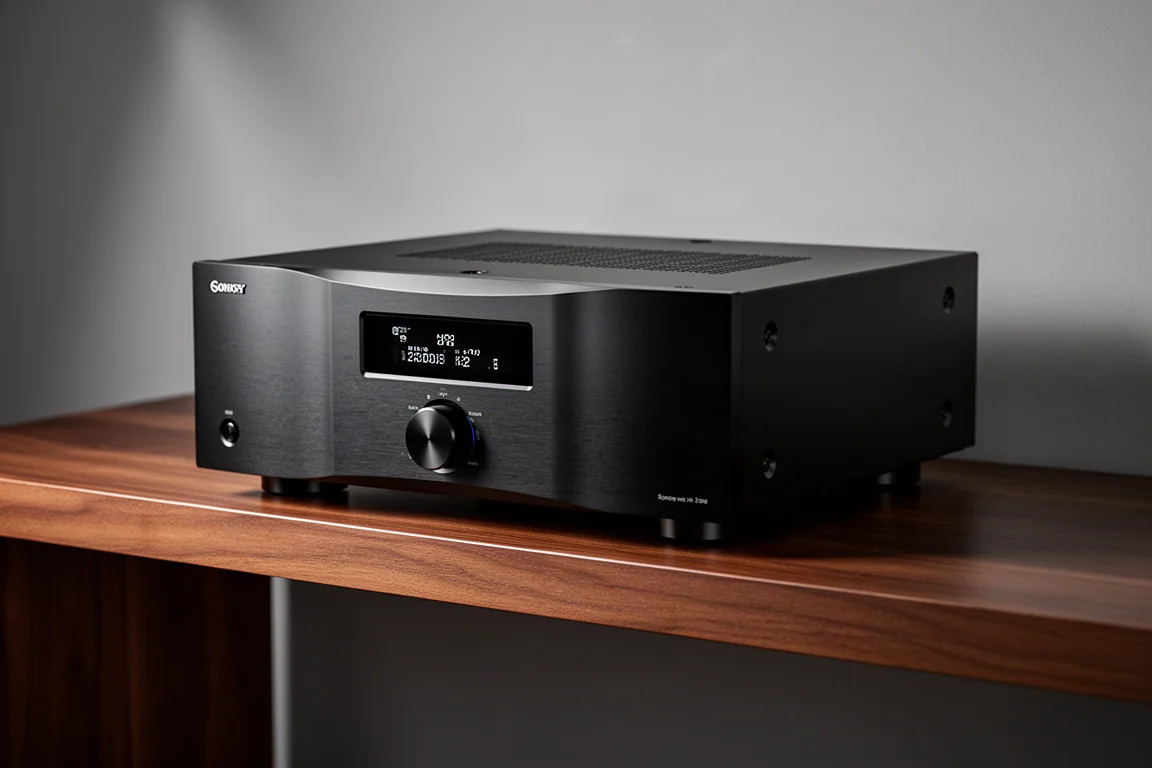
The MRX 1140 takes the same foundation as the MRX 740 and adds four amplifier channels, an upgraded toroidal power supply, and a modest step up in sound quality. Those extra channels are what allow a complete Dolby Atmos system to be installed with left, center, right, surrounds, rear surrounds, top front, and top rear speakers all driven from the receiver itself.
Internally there is processing for 15 channels, so the system can be expanded as far as 9.2.6 by adding a four-channel power amplifier. Two fully independent subwoofer outputs are tuned individually through the latest version of ARC Genesis, which blends each subwoofer correctly regardless of where it sits in the room. For a system with multiple subwoofers, that is a significant advantage.
For anyone planning a full Dolby Atmos build now or later, the MRX 1140 delivers the whole package in a single chassis, avoiding the extra space that additional amplifiers would take up. At under $5,000 it is our clear choice for an 11-channel Atmos system.
Best Overall: Arcam AVR31
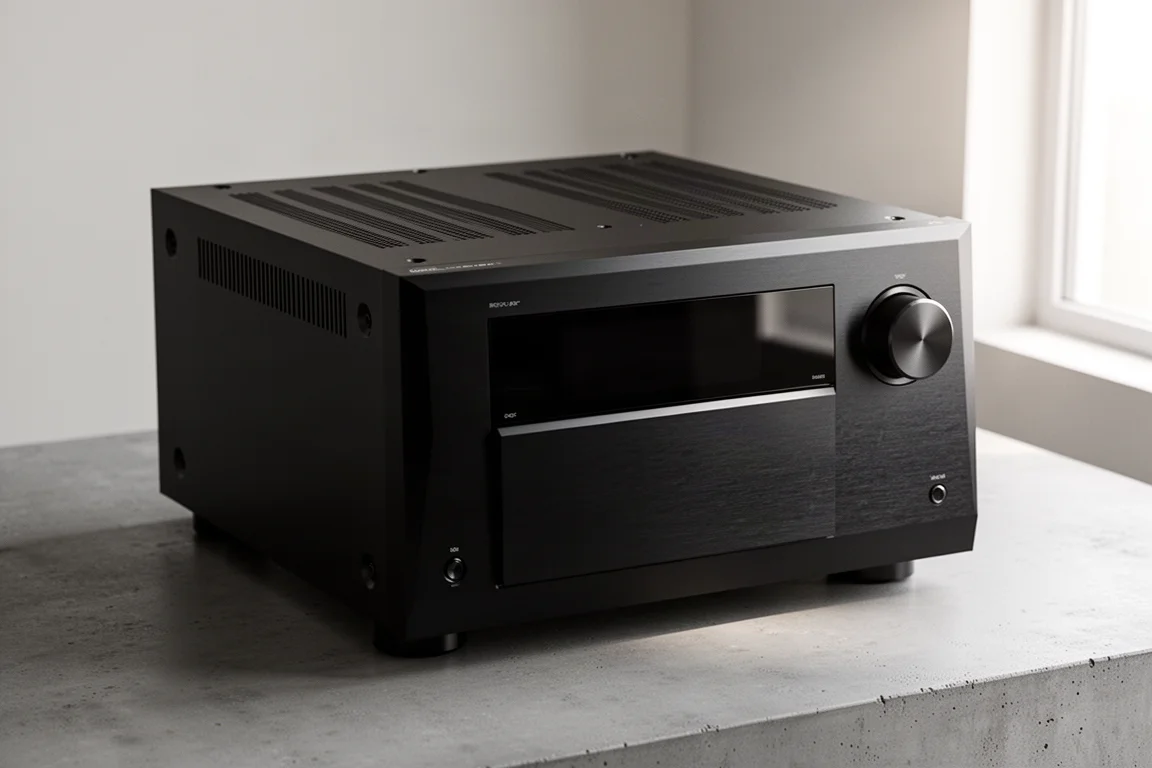
The AVR31 is the best-sounding receiver we have tested to date. It has seven powered channels built in, but processing for 15 channels, which leaves plenty of room for expansion. Four outputs can be assigned as individual subwoofer outputs if you are not running a 9.1.6 layout, and each one can be calibrated independently.
At the heart of the design are two ESS 9026 PRO audiophile-grade DACs with ESS reference voltage regulators, parts that cost considerably more than those used in the receivers lower down this list. The amplifier stage uses Class G topology, which runs in pure Class A up to a point before switching to Class AB, avoiding the heat of a pure Class A design at higher power. At 40 pounds it is by far the heaviest unit here, and it sounds closer to separate components than an all-in-one.
Connectivity includes HDMI 2.1 with 8K at 60 frames per second and 4K at 120 frames per second, plus Dolby Vision, HDR10+, HDR10, and HLG. AirPlay 2 and Google Chromecast are present, and it is the only receiver in this group with the higher-quality version of Bluetooth, aptX HD. The Music Life app handles streaming, Roon is supported, and the unit decodes Dolby Atmos, DTS:X, and Auro-3D. Room correction comes from Dirac Live, with the option of Dirac Live Bass Control for blending subwoofers to the main speakers. It is not cheap, but nothing else in this roundup combines the same sound quality and expansion options.
Buying Advice: Planning for the Next Five Years
The most useful question to ask is where you want your system to be in a few years, not just what you need today. Preamp outputs and channel processing are the two specifications that determine how far a receiver can grow, and they are worth paying attention to even if you have no immediate plans to add amplifiers or speakers.
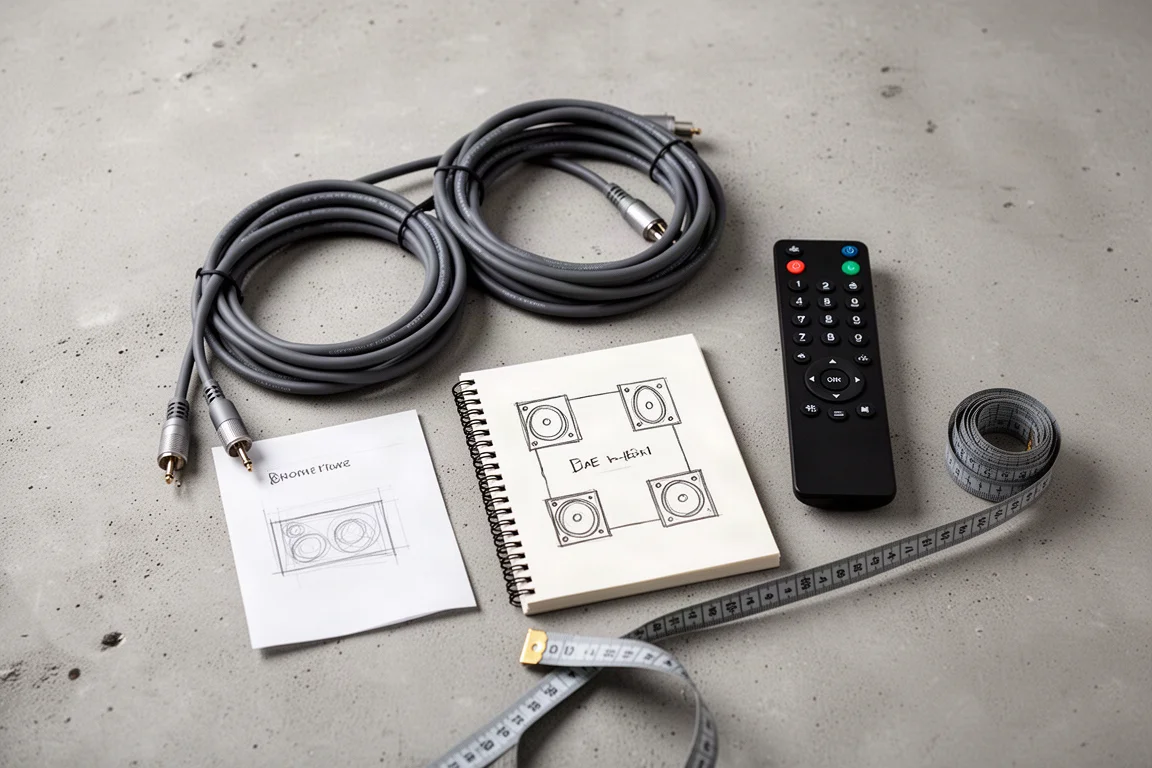
Budget allocation matters too. If voice assistants and streaming apps are important to you, an entry-level or mid-tier receiver covers those needs well and leaves money for speakers. If sound quality is the priority, spending more on a model with a stronger amplifier section and better room correction will pay off every time you sit down to watch something.
Room correction deserves particular attention. A good system can noticeably improve how a receiver performs in a real room, and the difference between a simple automatic setup and a more advanced one is often more audible than a small gap in rated power.
Conclusion
Each receiver here earns its place for a different reason. The Denon AVR-X1700H delivers an unusually complete feature set at an entry-level price. The Yamaha RX-A2A puts its budget into audio quality. The Marantz SR5015 offers the best amplifier value in the group. The Onkyo RZ50 brings Dirac Live to a much lower price than usual.
Above that, the Anthem MRX 740 and MRX 1140 focus on amplification, processing, and room correction, with the 1140 adding the channels needed for a full 11-speaker Atmos layout. And the Arcam AVR31 stands at the top for anyone who wants the best sound we have heard from an all-in-one receiver.
Match the receiver to the system you actually plan to build, and the upgrade will feel worthwhile for years.
Further reading
Related Reviews
Home Theater
Anthem AVM 90 Review: A 15.4-Channel Flagship Preamp Processor
A close look at Anthem's flagship preamp processor, covering its dual ESS DAC architecture, 15.4-channel layout, ARC Genesis calibration and four independent subwoofer outputs.
Home Theater
Apple TV 4K With AirPods: A Best-Value Home Theater Setup
An Apple TV 4K paired with AirPods over Bluetooth makes a compact home theater setup for movies, spatial music and late-night viewing, and it can be assembled for as little as $300.
Home Theater
Arcam AVR15, AVR25, AVR35, and AVP45 Compared: Which AV Amplifier Fits Your System?
Four new Arcam home theater components share nine-channel amplification and Dirac Live, but differ in power, processing ceiling, and channel flexibility.