Home Theater Receivers
Best Home Theater Receivers Under $1,000 in 2026: Five Picks Worth Considering
Five home theater receivers at or around $1,000, compared by channel count, HDMI 2.1 support, room correction and everyday usability.
Introduction
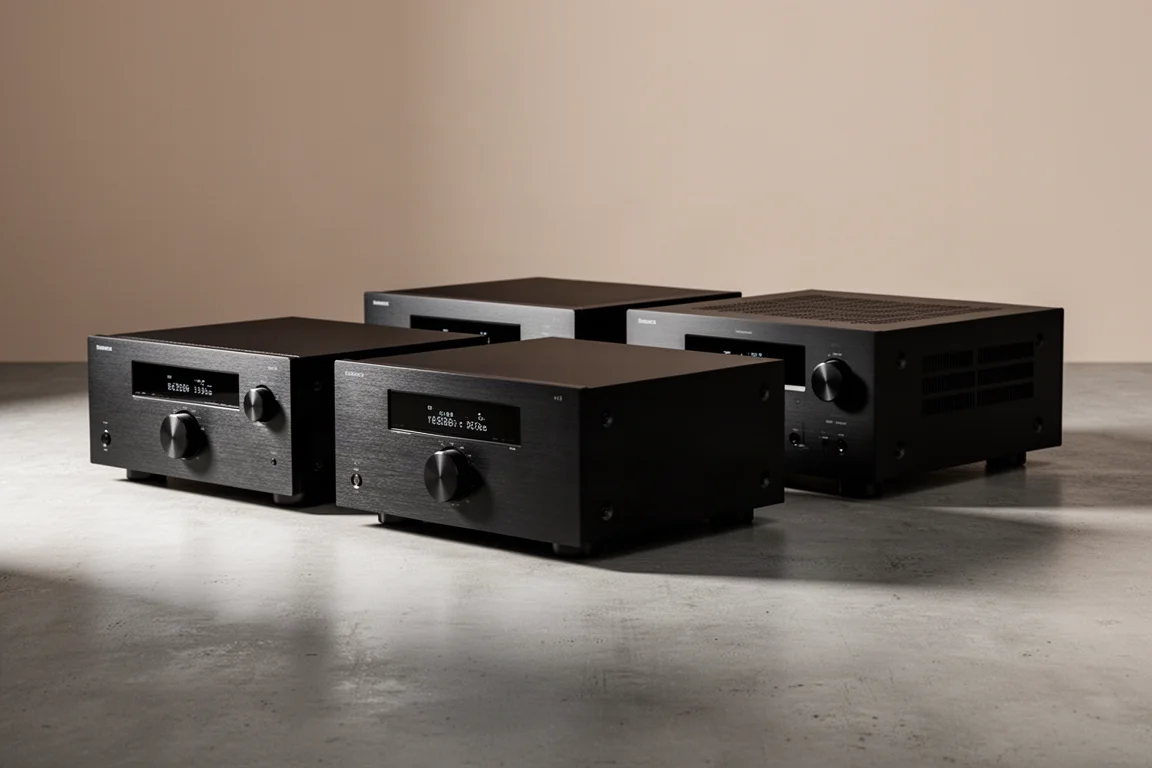
Building a real home theater no longer requires a huge budget. In 2026, the sub $1,000 receiver category has become one of the strongest and most competitive parts of the entire home theater market, and even affordable AV receivers now deliver genuine Dolby Atmos processing, HDMI 2.1 support for modern consoles and 8K video signals, solid amplifier sections, and room correction systems that actually change how a system sounds.
If you are stepping up from TV speakers or a basic soundbar, or replacing an older receiver that is missing modern features, the jump in clarity, dynamics and immersion is easy to hear. Setup has become far friendlier too. Most models guide you through speaker wiring with on-screen instructions, run automatic calibration, and handle input detection without much fuss.
This guide covers five receivers at or around $1,000 that stand out for different reasons. They share the same fundamentals, so the right choice comes down to your room, your speakers, and the way you want to watch and listen.
What Matters in This Price Range
A few fundamentals separate a good receiver from a compromise.
Power and channel count determine how immersive a system can be and how comfortably it drives your speakers. HDMI 2.1 support matters if you own a newer TV or a current game console. Room correction plays a large role in clarity and bass control, since many of the problems listeners hear come from the room rather than the speakers themselves. Streaming features affect how often you actually use the system for music, and everyday ease of use decides whether you enjoy living with it.
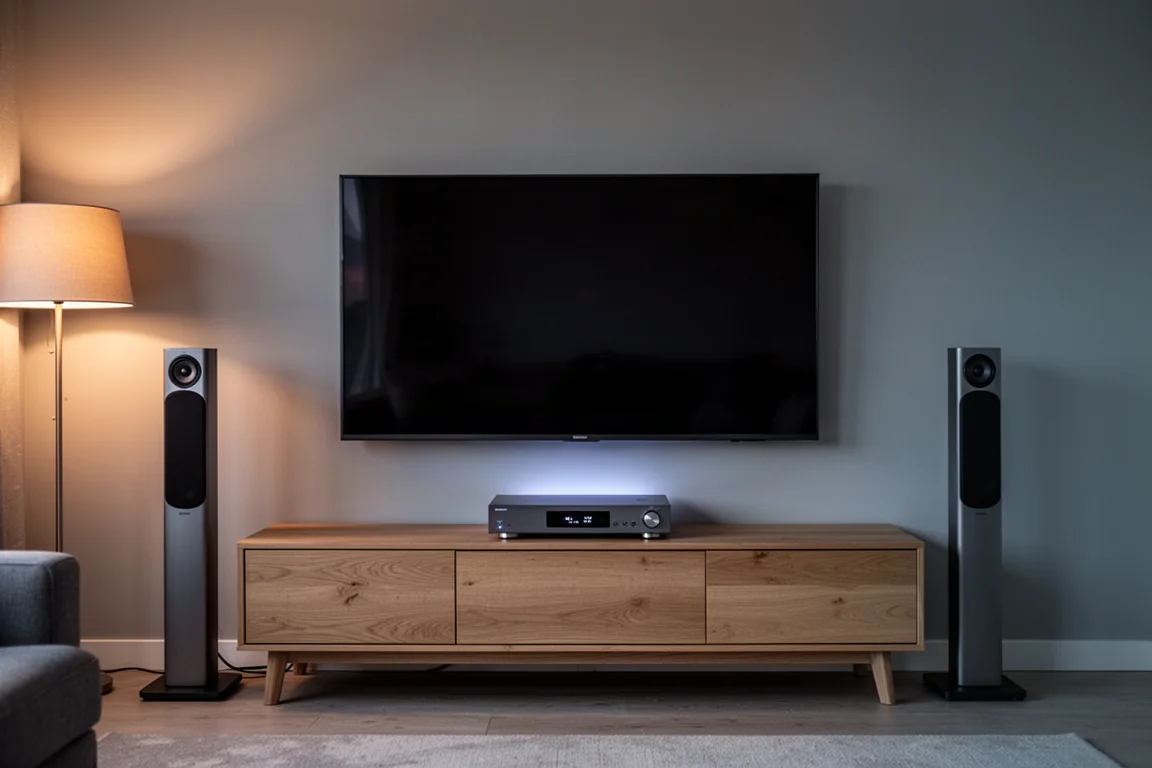
Keep those fundamentals in mind and matching a receiver to your room, your speakers and your listening habits becomes much more straightforward.
JBL MA310: The Most Affordable Way Into Real Surround Sound
The MA310 is designed for one type of buyer above all else: someone who wants to move past TV speakers or a basic soundbar into genuine surround sound without spending much up front. It is a true 5.2 channel receiver, covering front left, center, right and surround speakers, with support for up to two subwoofers, though those outputs are not independently controlled.
For small rooms, apartments, bedrooms and bonus rooms, that is more than enough to create a substantial step up in immersion. The MA310 focuses on simplicity rather than a long feature list. Amplification is clean and pairs well with compact bookshelf speakers or smaller towers. Dialogue comes through clearly, sound effects carry real impact, and bass feels fuller and better controlled than you might expect. There are no complicated menus to work through, which is exactly what many first-time buyers want.
Video support is straightforward, with full 4K and HDR compatibility for streaming boxes, cable boxes, game consoles and disc players. Bluetooth is included for quick music playback from a phone when guests come over. An on-screen setup guide walks through speaker wiring, and JBL’s own room calibration gets everything configured correctly.
If the goal is the most affordable legitimate surround sound system from a trusted brand, the MA310 is an excellent place to start. If you like the approach but want more power and more channels, JBL’s wider MA lineup covers several price points.
Denon AVR-S770H: The Well-Rounded Choice for Gaming and Vinyl
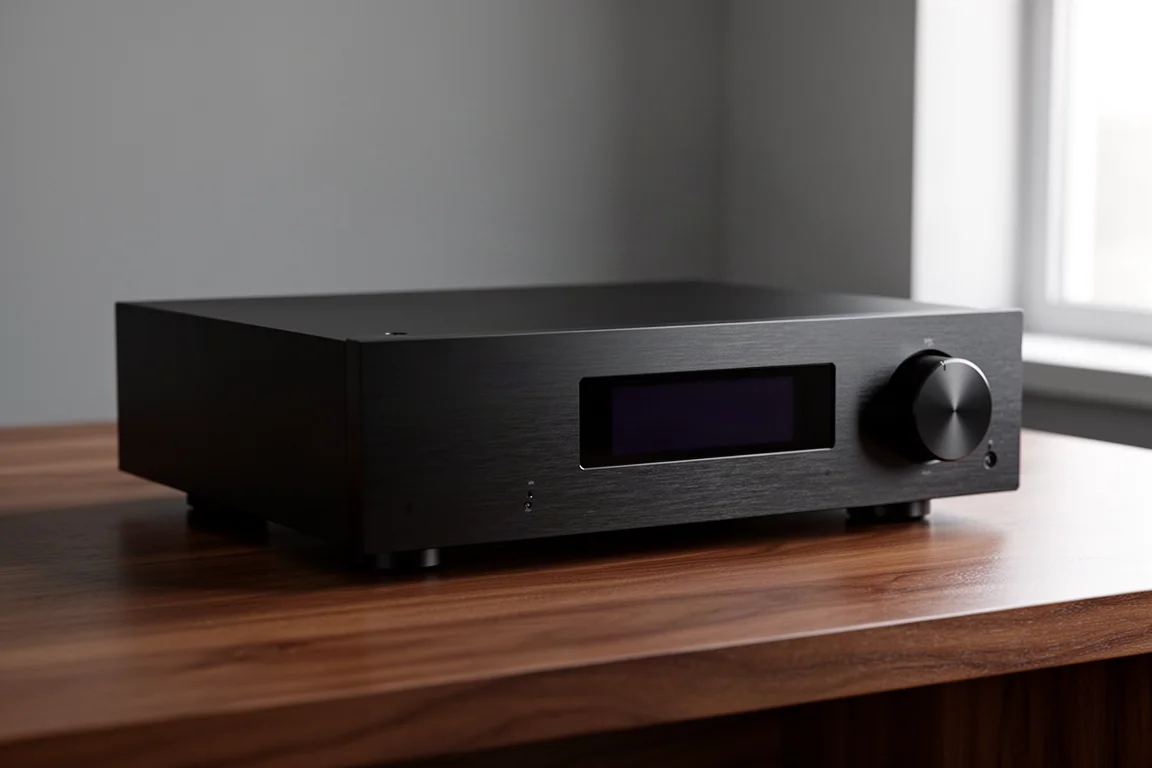
The AVR-S770H steps up to seven powered channels and two subwoofer outputs, again without independent control. That opens the door to a Dolby Atmos layout using a 5.2.2 speaker configuration or a traditional 7.2 surround system, and either arrangement delivers a noticeable increase in immersion over a basic five channel receiver.
Denon receivers are known for clean, balanced sound, and this model continues that tradition. It has enough power for most living rooms and media rooms with typical speakers, action scenes hit with authority, and music playback sounds full and controlled.
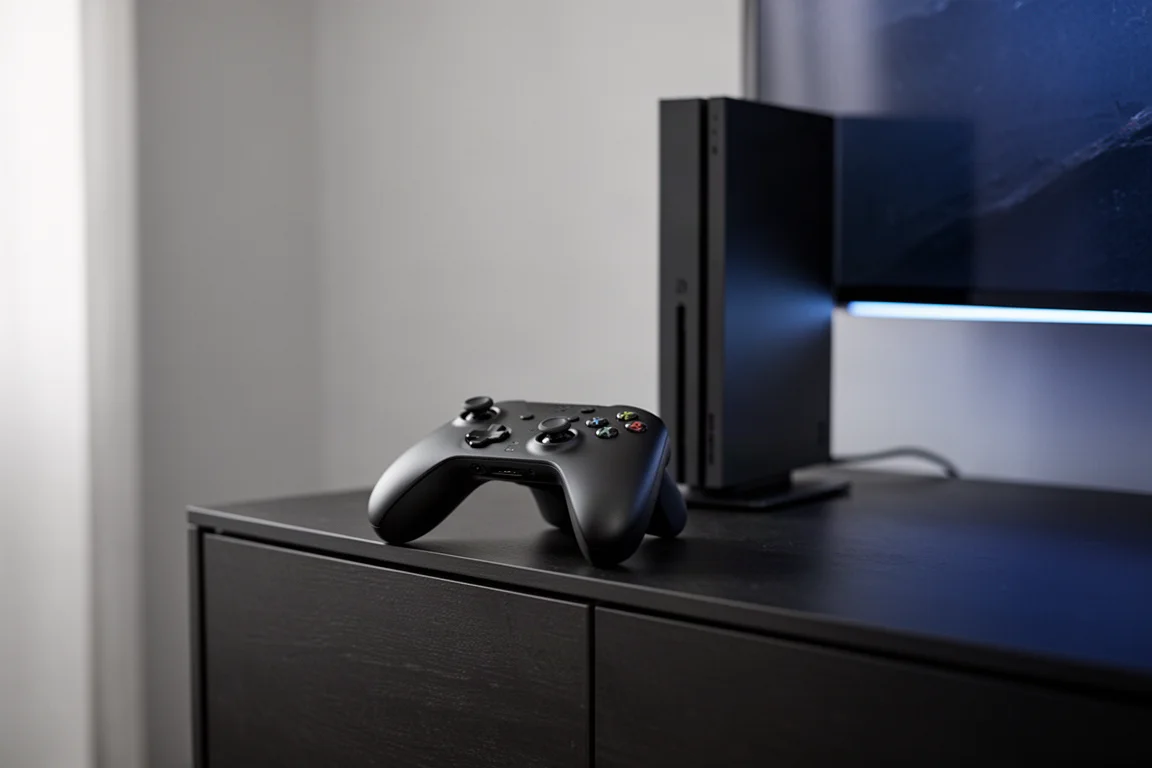
It is also one of the strongest budget options for gaming. Multiple HDMI 2.1 inputs support high frame rate gaming, so 4K at 120 frames per second runs without compromise. Instead of plugging consoles directly into a TV and dealing with audio workarounds, you can connect several consoles to the receiver and switch between them instantly.
Audyssey MultEQ room correction ties the system together by balancing speaker levels and tightening bass automatically, and it makes a clear improvement in most rooms with minimal effort. A built-in phono input makes it easy to add a turntable without buying a separate phono preamp.
For a system that has to handle movies, gaming, streaming and vinyl in one affordable package, this is one of the best values available at the price.
Sony STR-AN1000: The Immersion Specialist
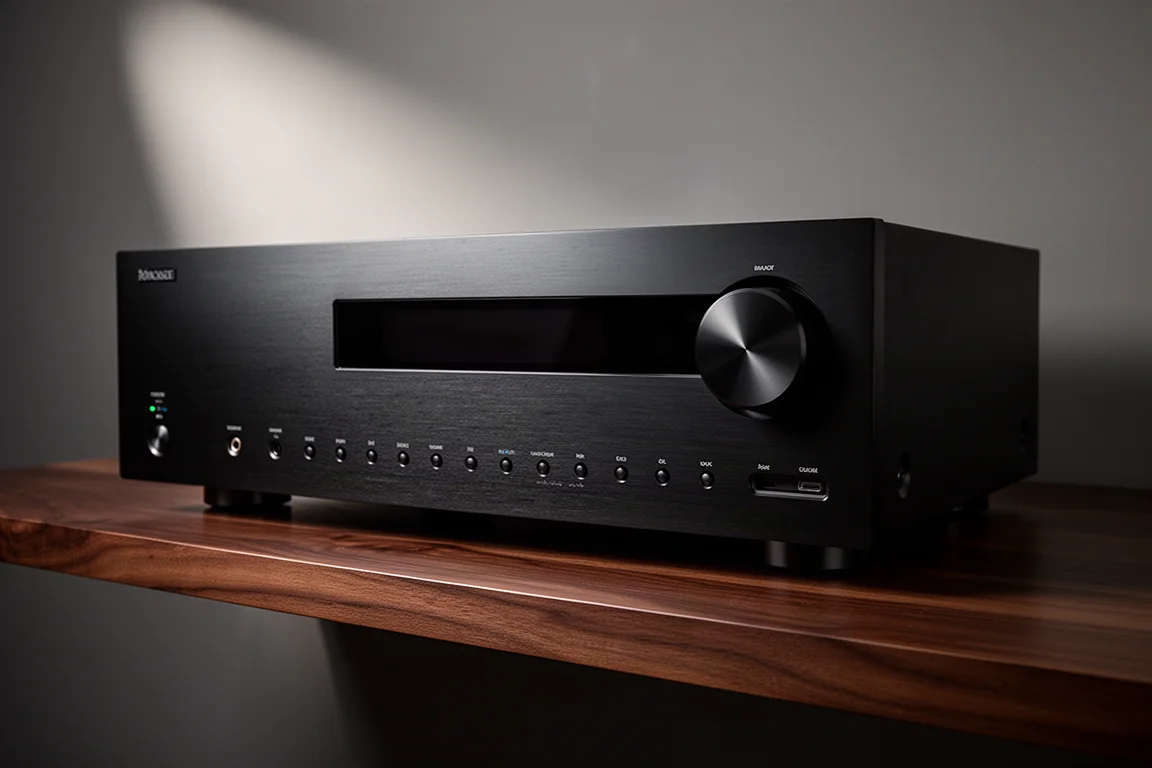
The STR-AN1000 is all about immersion. It offers seven powered channels and two subwoofer outputs that carry the same signal, supporting a 5.1.2 Dolby Atmos setup or a traditional 7.1 layout. Plenty of receivers can decode Atmos and DTS:X, but this Sony stands out for what it does with that information afterwards.
Sony’s DCAC EX calibration and 360 Spatial Sound Mapping are built to create a wider, more seamless sound field. Instead of hearing effects jump from speaker to speaker, the space between speakers feels filled in and the room around you starts to disappear. That shows up in scenes with plenty of ambience and motion, such as storms, crowds, large open spaces, and action sequences where effects travel all the way around the listener. The result is a more continuous bubble of sound placed in the room rather than fired at you from a handful of boxes.
Setup is genuinely straightforward as well. Calibration is quick, and you can reach an exciting, immersive result without spending an entire weekend tweaking settings or teaching the family how to use it.
What this receiver is not trying to be matters just as much. It is not built for advanced system expansion or serious dual subwoofer tuning. The two subwoofer outputs carry the same signal, and there are no multi-channel preouts for adding external amplification later. Think of it as the receiver for someone who wants maximum immersion from a clean, straightforward seven channel home theater build.
Yamaha Aventage RX-A2A: Balanced for Movies and Music
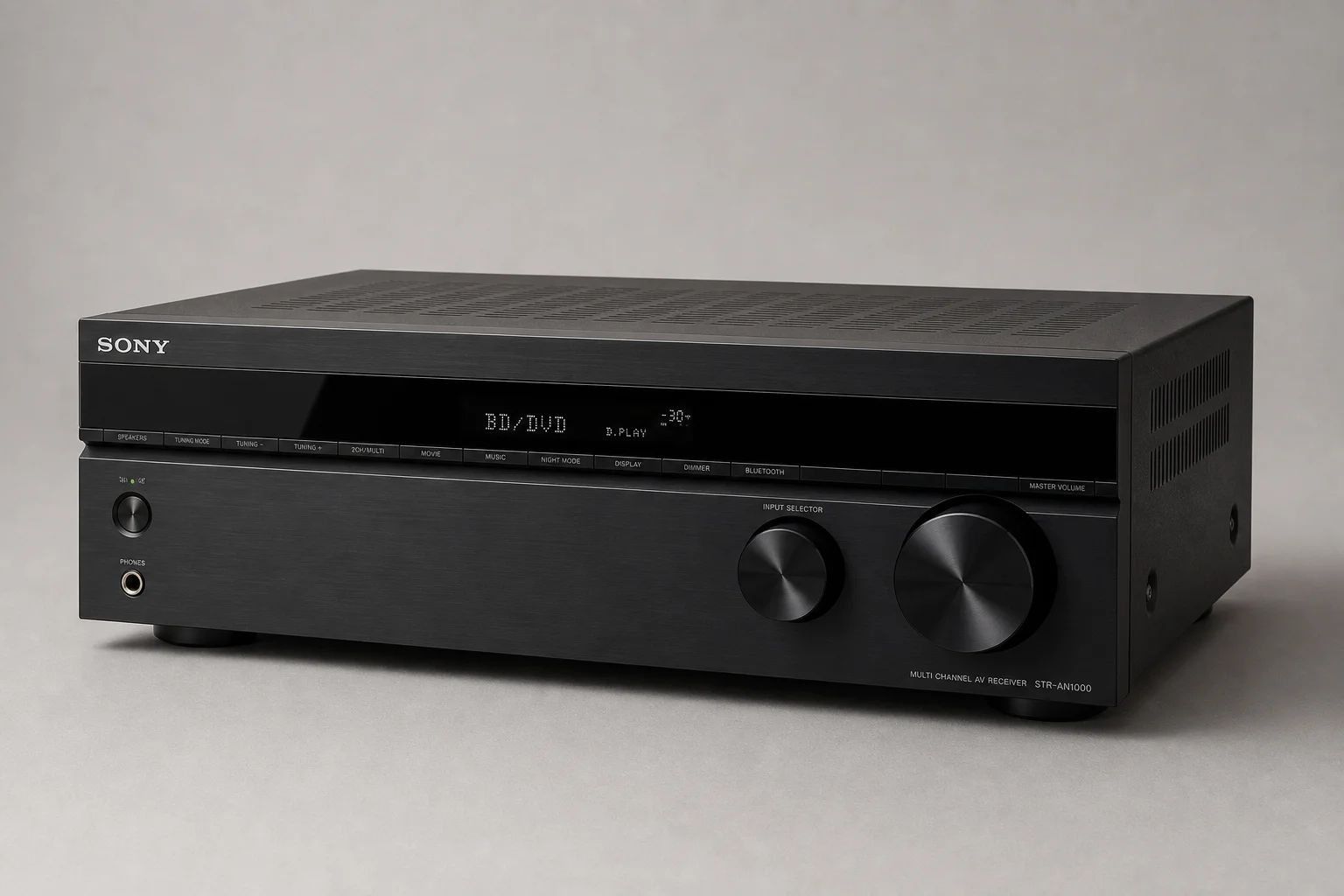
Some receivers in this price range lean hard in one direction. They either feel like a home theater machine that treats music as background noise, or they sound great in stereo but lose confidence when a movie soundtrack turns big and dynamic. The RX-A2A stays balanced, and neither side feels like an afterthought.
It has seven powered channels and two subwoofer outputs that are not independently controlled, giving a strong foundation for a Dolby Atmos setup. Dialogue is very clear, effects carry real weight, and when an action scene becomes loud and chaotic the receiver keeps everything organized instead of collapsing into a harsh wall of sound. Switching over to music, it stays composed and detailed with a natural presentation that is easy to listen to for hours.

YPAO room calibration does much of the heavy lifting here. Most rooms are not perfect, and most of the problems listeners hear come from the room rather than the speakers. YPAO balances levels, smooths out the bass and cleans up overall tonal balance quickly, delivering a solid baseline without requiring you to become an acoustics expert.
The feature set is built to last: a phono input for a turntable, the MusicCast app for streaming and multiroom audio, Zone 2 output for audio in another space, and front left and right preouts that provide a realistic upgrade path to a dedicated stereo amplifier later. Most of these receivers sit at or under $1,000, and this Yamaha is sometimes just above that mark. On sale at or below $1,000 it is outstanding value, and even slightly above that price it earns its place, because the improvement shows up in daily ownership rather than on a spec sheet.
Onkyo TX-RZ30: The Most Advanced Option at This Price
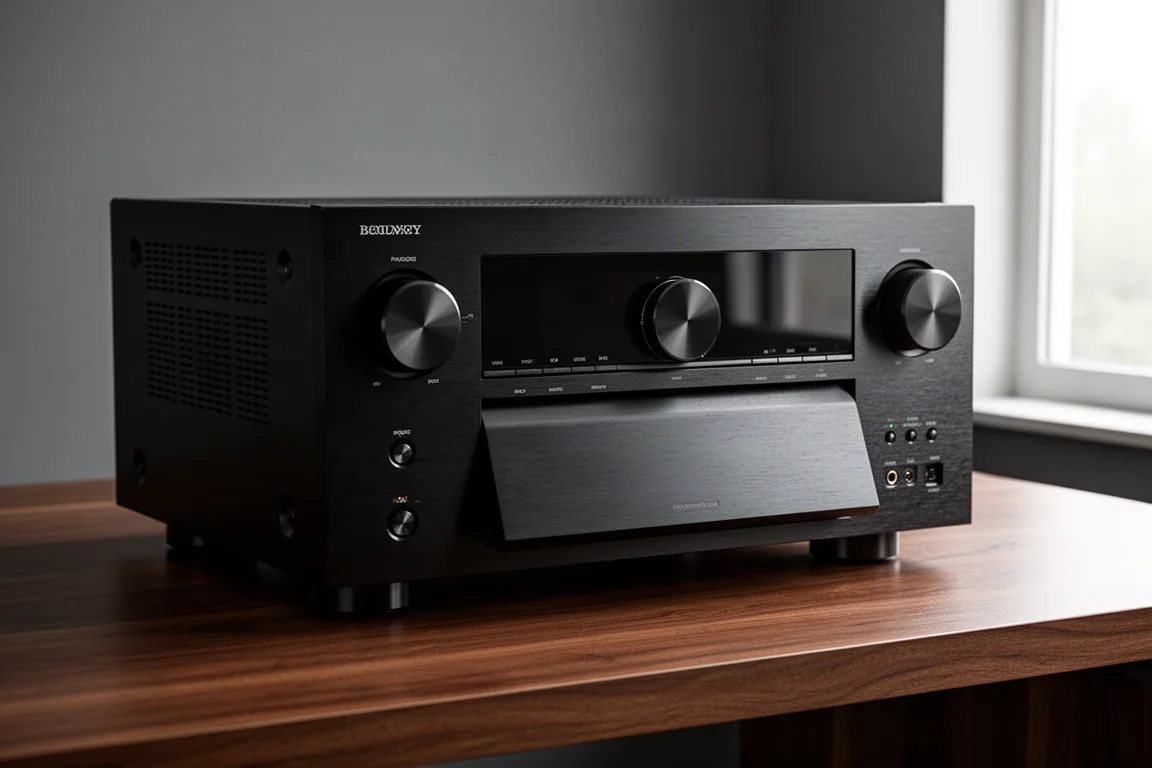
The TX-RZ30 is aimed at listeners who want theater level performance without stepping into luxury pricing. It steps up to nine channels of amplification with two independently controlled subwoofer outputs, which is remarkable to see at this price point. This is where surround sound starts to feel cinematic rather than merely immersive.
Dirac Live room correction is included at no additional cost, and it is widely regarded as one of the most advanced room correction systems available. Adding it to a receiver that does not include it typically costs a few hundred dollars. The system measures the room across the full frequency range and allows precise control over how speakers and subwoofers interact with the space. In challenging rooms it can dramatically improve clarity, imaging and bass control. Audyssey MultEQ XT is also available for listeners who prefer a simpler setup path.
Dual discrete subwoofer support is another major advantage. Each output has its own level, distance and EQ control, which allows proper time alignment and smoother bass response across the room, a capability usually reserved for much more expensive processors.
Build quality is a clear step up as well. The amplifier section is more robust than most in this group, the power supply is larger, and sound stays composed at higher listening levels. Full multi-channel preamp outputs make adding external amplification easy later, and power amp matrixing allows flexible system configurations. With HDMI 2.1 support, advanced streaming features and a built-in phono section, it can anchor a serious home theater today and still make sense years down the road.
Buying Advice
Match the receiver to the room and the speakers first. In a small room or apartment, the five channel JBL MA310 covers the essentials and keeps the budget intact. A living room with a full Atmos layout benefits from the seven channel options, and the Denon AVR-S770H is the most well-rounded of those for mixed movie, gaming and vinyl use. The Sony STR-AN1000 makes the most sense when an enveloping, seamless sound field is the priority, while the Yamaha Aventage RX-A2A suits households that split their time evenly between films and music.
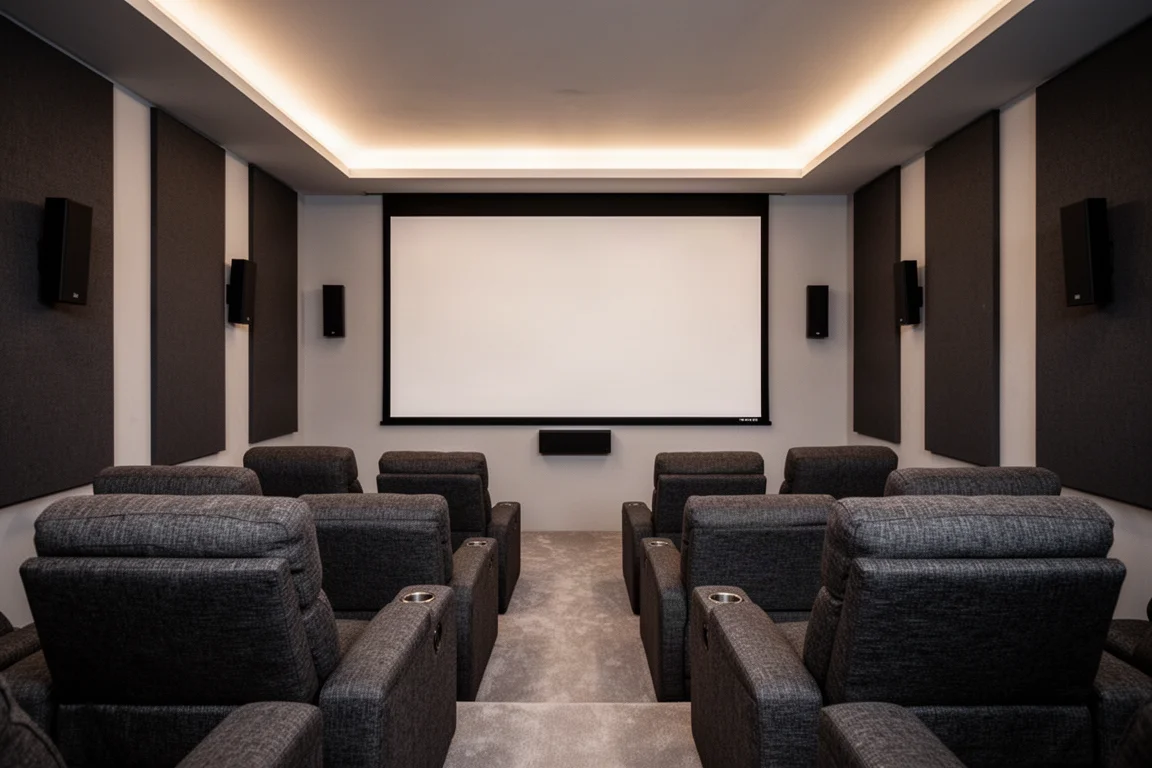
If you want the most capability at this price, the Onkyo TX-RZ30 is the clear step up, with nine channels, independent subwoofer control and Dirac Live included. Its room correction is the kind of feature that pays off in real rooms rather than on paper, and it leaves the most headroom for a system that grows over time.
Conclusion
Choosing a home theater receiver comes down to your room, your speakers and how immersive you want the result to be. The good news is that every model here is a legitimate upgrade over TV speakers or a soundbar, and each one leaves some room to grow. Decide what matters most to you, whether that is a low entry price, strong gaming support, a seamless Atmos bubble, balanced music performance, or the most advanced room correction available at this price, and the shortlist narrows quickly.
Further reading
Related Reviews
Home Theater Receivers
Arcam AVR11, AVR21, AVR31 and AV41: Inside the Current Home Theater Lineup
Three AV receivers and one surround processor share Arcam's house sound and a complete modern feature set. Here is how they differ and which one fits your room.
Home Theater Receivers
Best Home Theater Receivers 2026: Ten Picks From Entry Level to Flagship
A practical roundup of ten home theater receivers, from an affordable 5.1.2 model to a 15-channel flagship, with the features that matter most before you buy.
Home Theater Receivers
Best Home Theater Receivers: Eight Picks From Entry Level to Audiophile
Eight home theater receivers compared on channels, amplifier headroom, room correction, subwoofer outputs, and expansion, from an entry-level pick under $750 to audiophile flagships.