Hiking Socks
Best Hiking Socks for Long-Distance Trails: Farm to Feet, Darn Tough, Smartwool and Injinji Compared
A practical comparison of four long-distance hiking sock brands, covering comfort, durability, lifetime guarantees and blister control.
Introduction
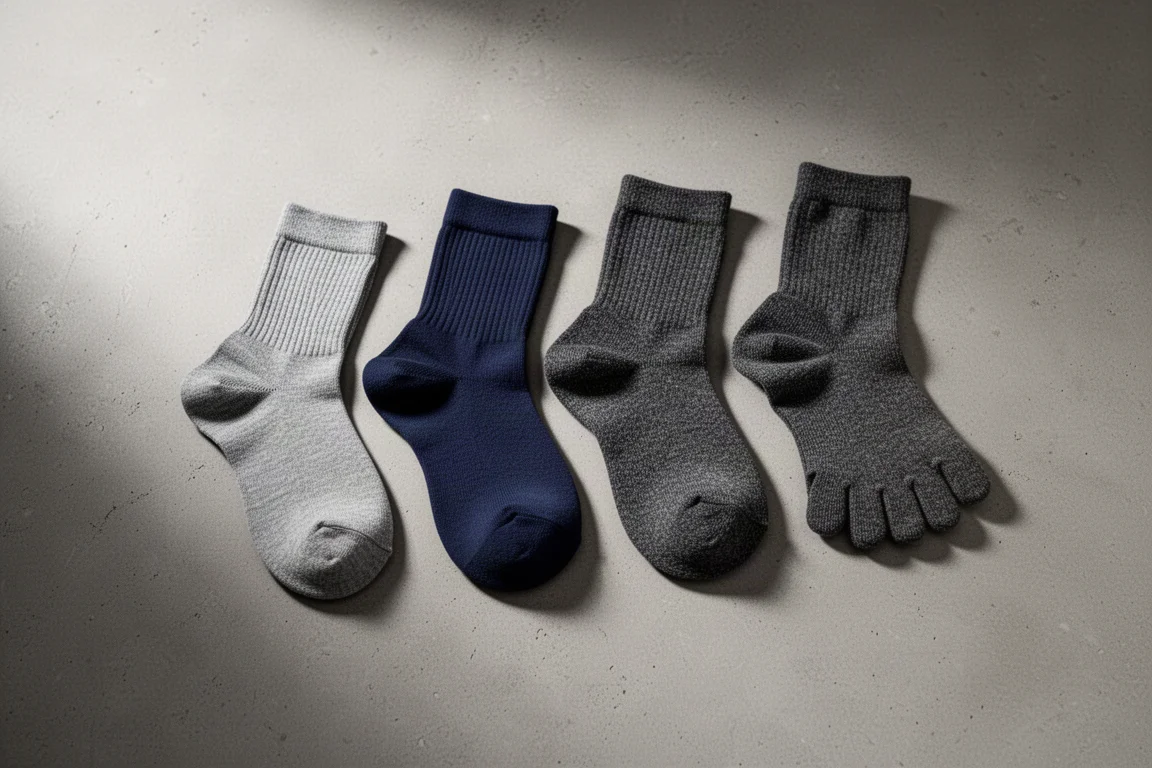
Long-distance hiking is hard on socks. Moisture, grit, heat and hundreds of miles of repeated friction all work against the fabric, and the wrong pair can turn a good day into a painful one. The four brands below represent the main approaches hikers choose between: soft cushioning backed by a lifetime guarantee, dense durability built to survive a full thru-hike, pure comfort with a shorter lifespan, and toe-separated designs aimed squarely at blister control.
What Matters Most in a Hiking Sock
Four things decide whether a hiking sock earns a place in your pack. The first is comfort: how the sock feels on day one and, just as importantly, how it feels on day four without a wash. Socks that turn stiff and funky quickly become the thing you dread putting on.
The second is durability. On a long-distance route, a pair that fails at 100 miles means carrying replacements, resupplying mid-trail, or hiking on damaged fabric. A pair that lasts an entire thru-hike removes an entire category of logistics.
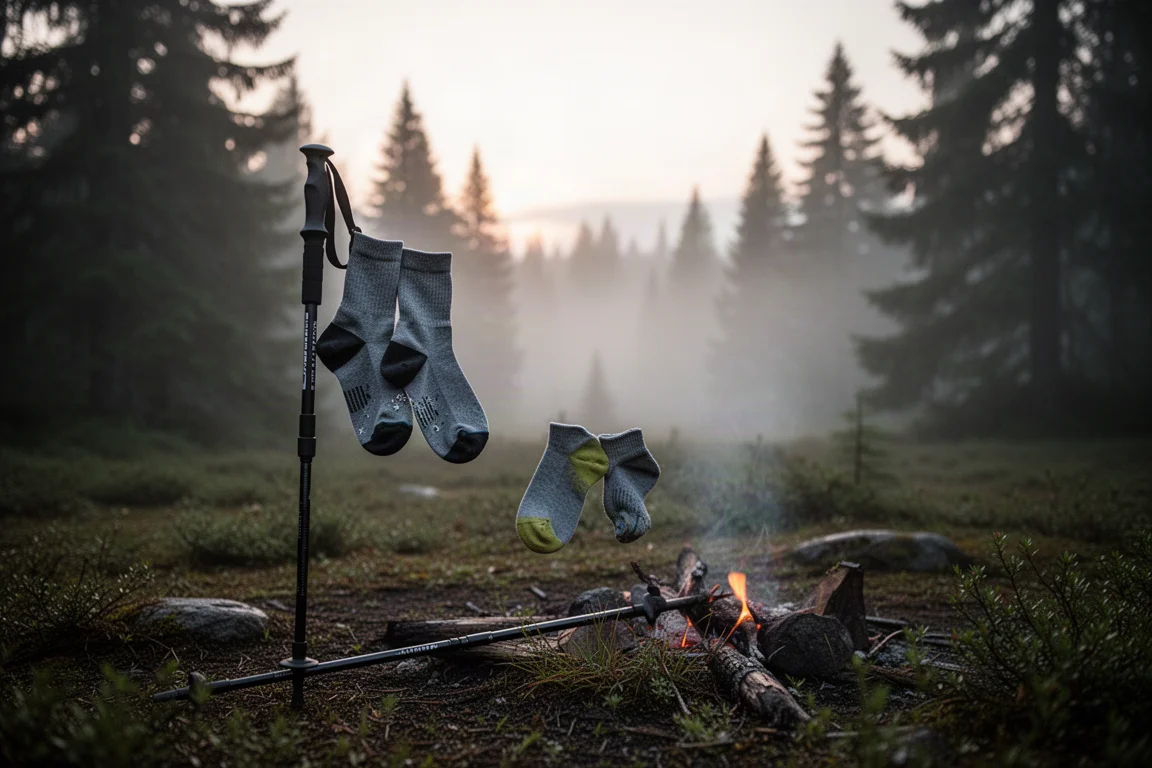
The third is the guarantee. Two of the brands here back their socks with a lifetime satisfaction guarantee that covers holes, and at least one of them makes exchanges easy through retailers. The other two offer no such cover.
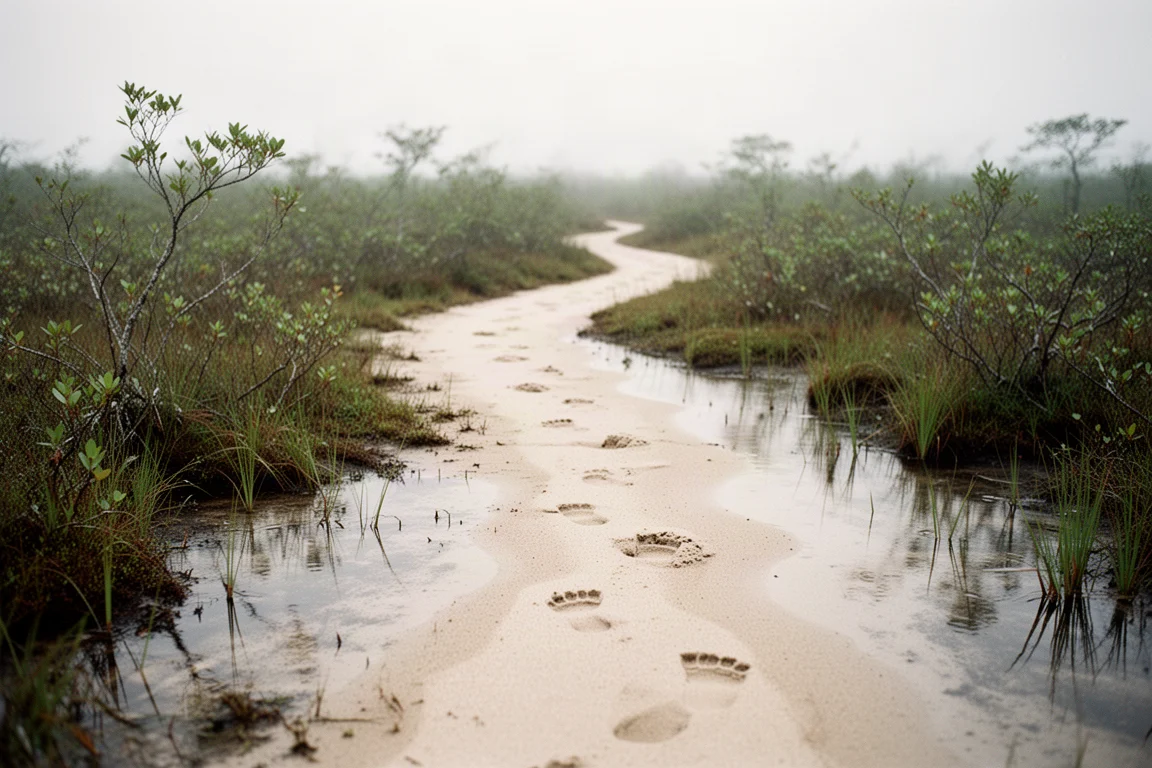
The fourth is blister management, which matters most on wet, sandy terrain where grit works its way into the sock and creates friction against the skin.
Farm to Feet Damascus Lightweight Elite Hiking Sock
Farm to Feet’s Damascus Lightweight Elite is a lightweight hiking sock made in the USA and covered by a lifetime satisfaction guarantee, the same level of cover offered by Darn Tough. That combination is unusual: softness and a replacement policy that covers holes in one sock.
In extended field use across roughly 175 miles of long-distance trail, this sock has felt softer and more comfortable than a comparable cushioned pair, and it has stayed less stiff and less funky after consecutive days of wear. The material blend feels comfortable against the foot rather than scratchy or bulky.
The open question is long-term durability. Roughly 175 miles is a solid start, but a full thru-hike is a different test, and the brand is still being evaluated on wetter, sandier terrain where socks degrade fastest.
Darn Tough: A Long-Standing Benchmark
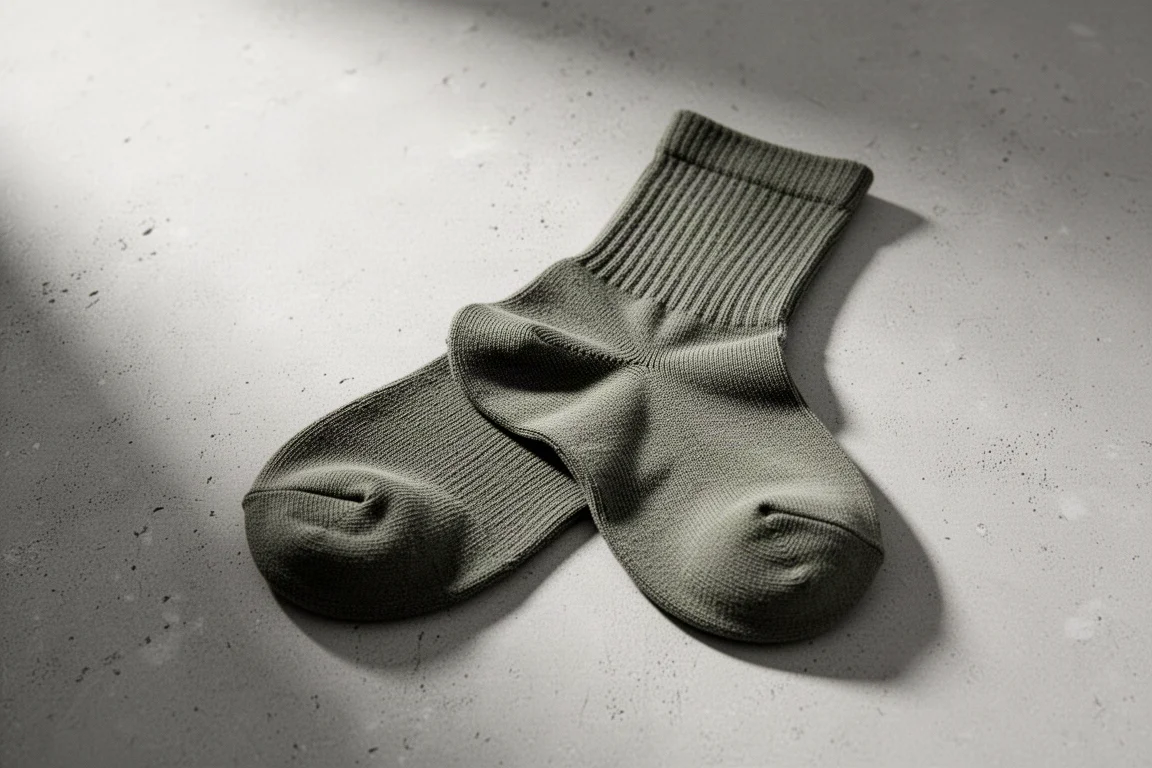
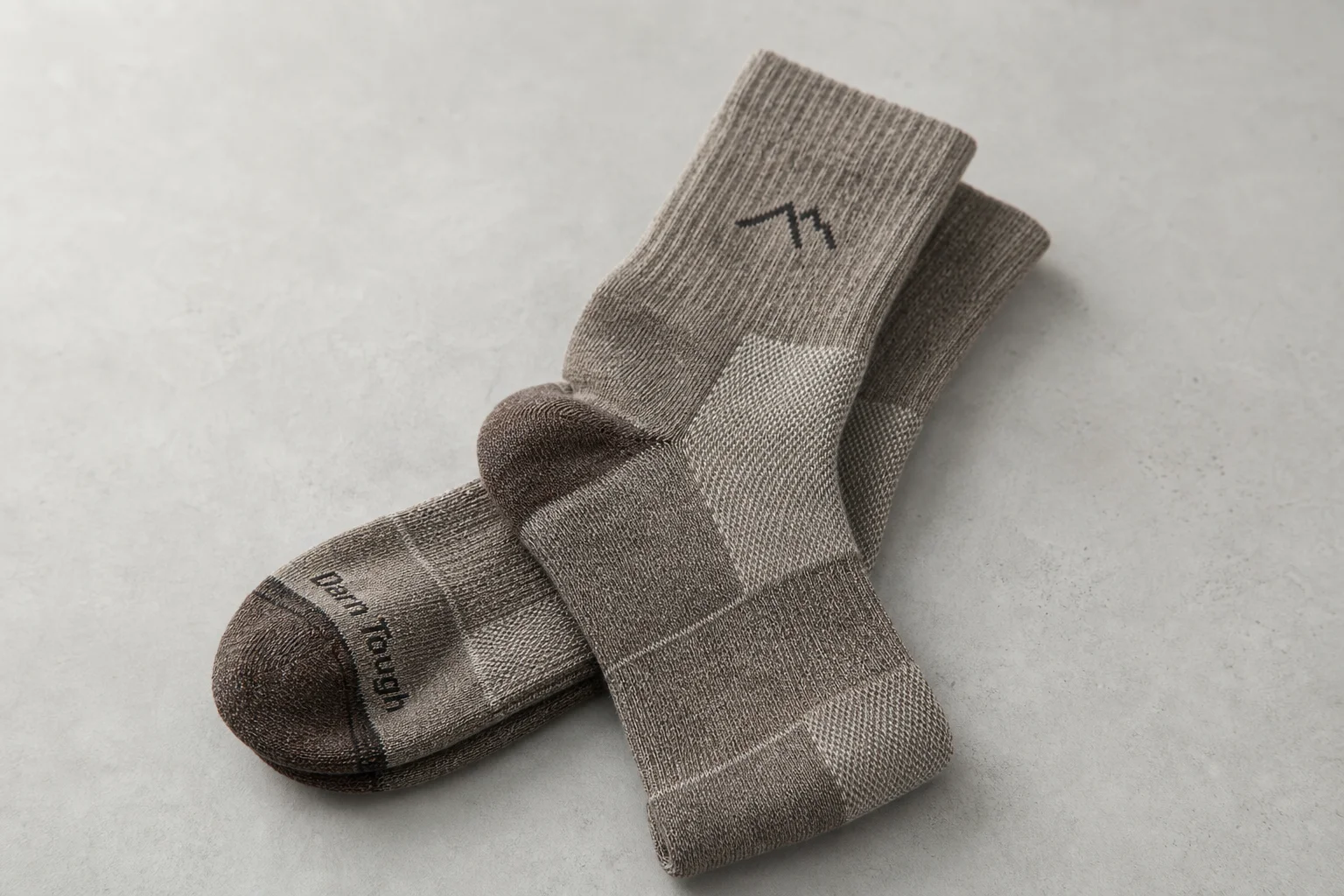
Darn Tough has been the reference point for durable hiking socks for years. Pairs are made in the USA, carry a lifetime satisfaction guarantee, and are widely available, which makes replacing a worn pair straightforward. Many stockists handle exchanges in store, and the replacement process itself has proven simple in practice.
The performance case is straightforward: a single pair can last an entire thru-hike, which is why so many long-distance hikers treat Darn Tough as the default. Where it gives ground is feel. Compared with softer options, Darn Tough socks come across as firmer and stiffer, particularly after several days of continuous wear.
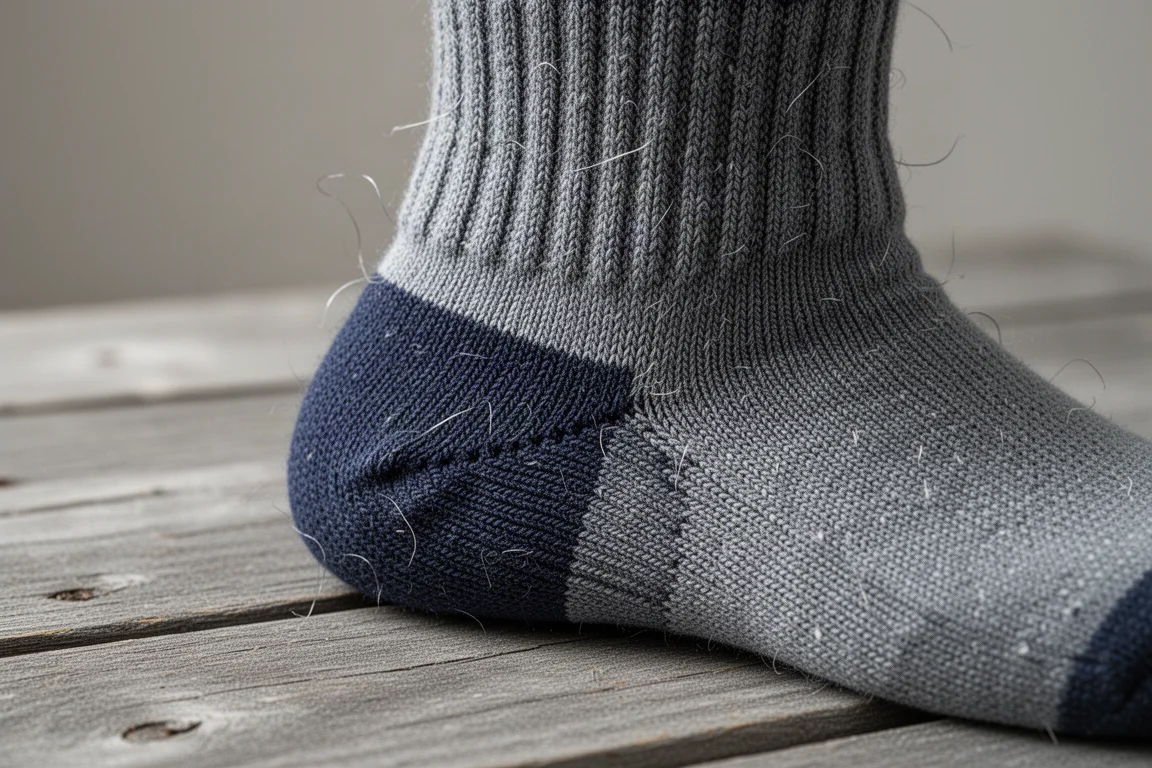
That trade-off is worth naming clearly: you are buying mileage and a guarantee, not the softest hand feel on the shelf.
Smartwool: Comfort With a Durability Trade-Off
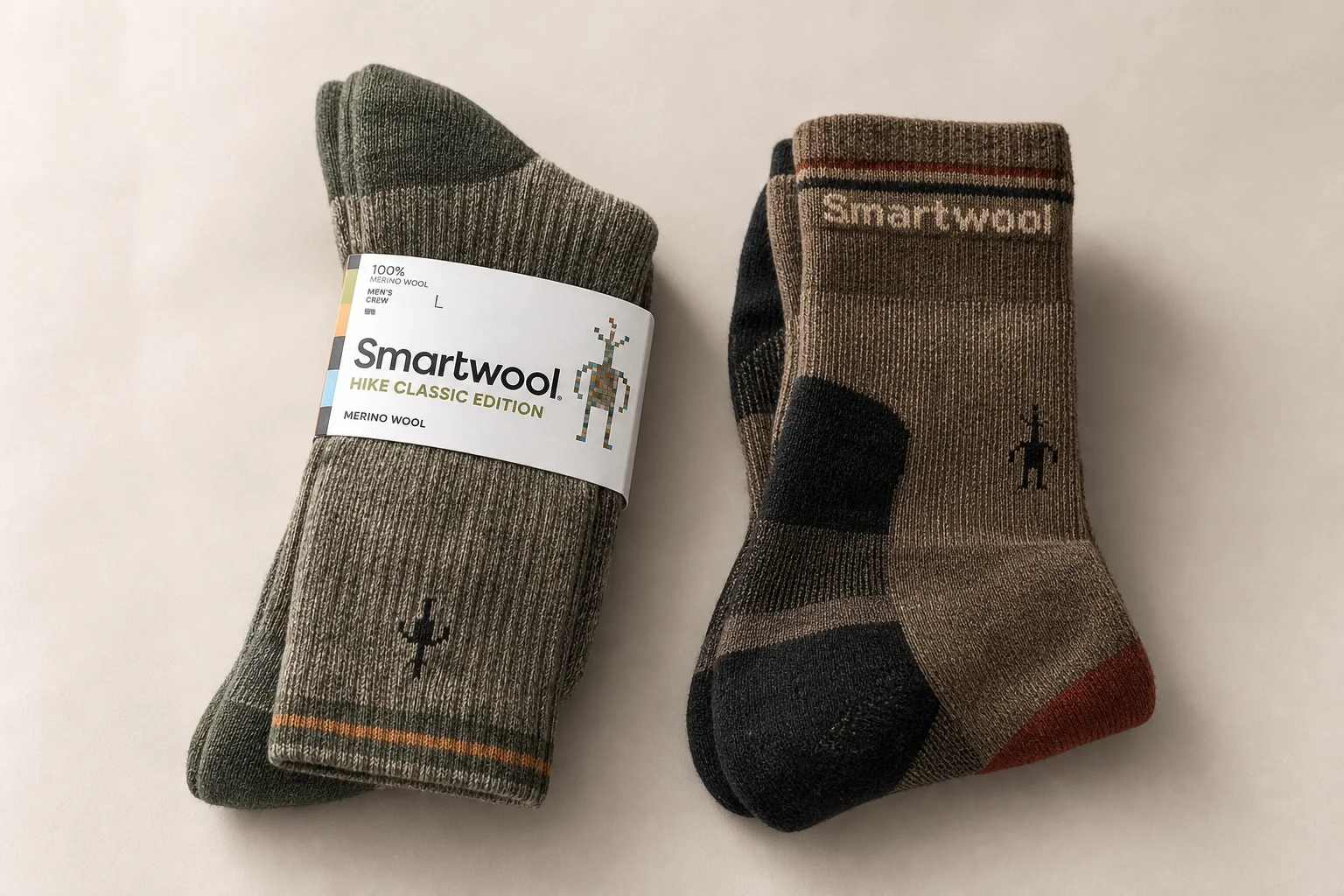
Smartwool is the comfort pick. On the foot it feels better than anything else in this group, with a soft next-to-skin feel that holds up well during a long day.
Durability is where it falls short. Smartwool does not offer a lifetime guarantee, and pairs tend to wear out noticeably faster than Darn Tough socks, with one pair giving out at around 100 miles. On a long-distance hike that means replacing socks along the way, which is exactly the problem a durable pair solves.
Injinji: Best for Blister Control
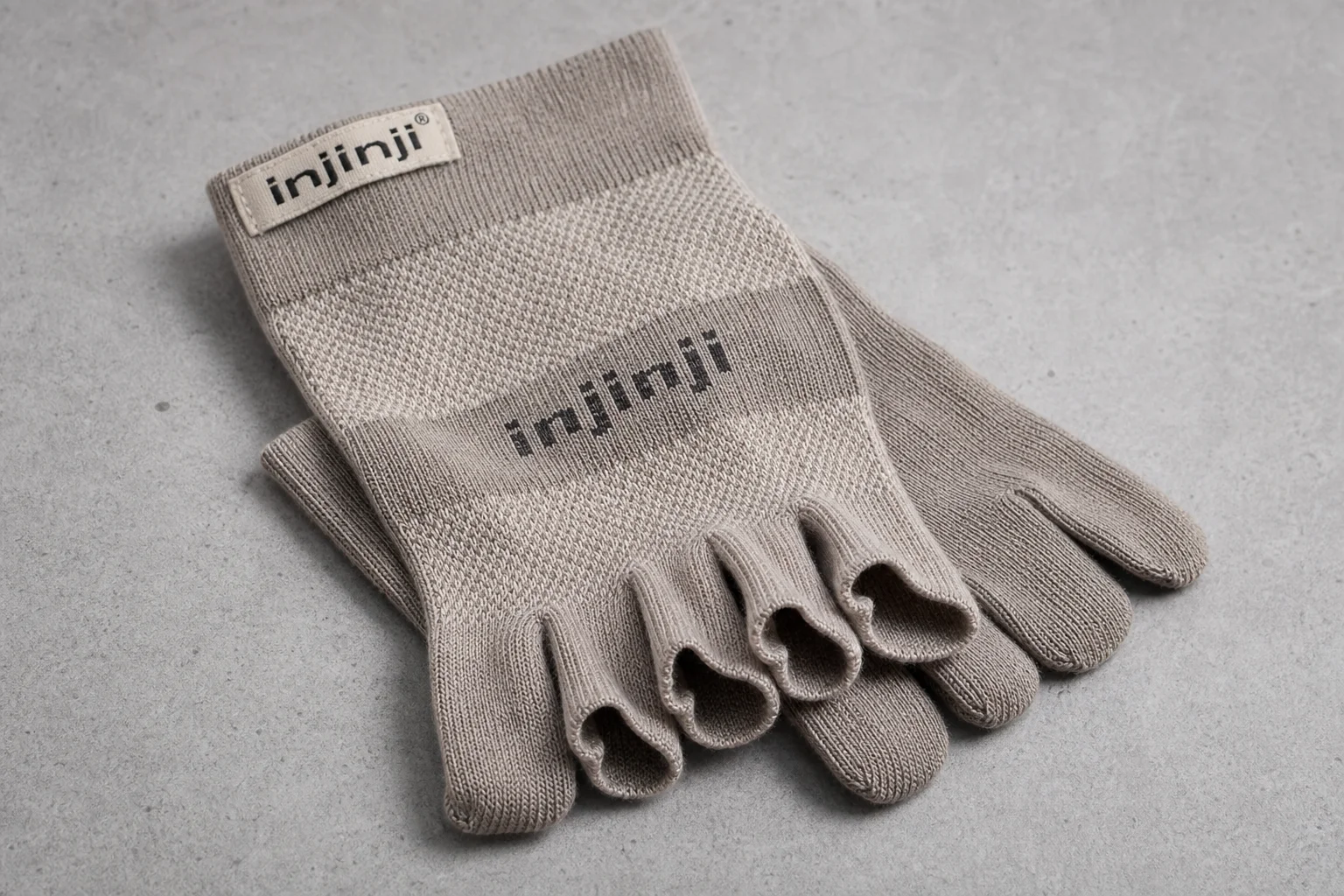
Injinji takes a different approach: each toe sits in its own fabric pocket. The result is that friction happens between two layers of material instead of between two toes, which is the most direct way to reduce blisters on the trail. Once the socks are on, the separation is easy to forget, and they are not uncomfortable to wear.
The trade-offs are durability and cover. Injinji socks wear out faster than Darn Tough pairs and carry no lifetime guarantee, so they need replacing more often.
The price is the counterweight: Injinji costs a little less than the other brands here, which softens the cost of a shorter lifespan.
Comparing Durability and Guarantees
Two brands here back their socks with a lifetime satisfaction guarantee: Farm to Feet and Darn Tough. Smartwool and Injinji do not.
On durability, Darn Tough is the benchmark, with pairs capable of lasting an entire thru-hike. Farm to Feet is still building its record but has matched the guarantee. Smartwool and Injinji both wear faster, with Smartwool pairs reported to fail around 100 miles.
On comfort, Smartwool leads, Farm to Feet runs close behind and adds the guarantee, and Darn Tough trades some softness for longevity. Injinji sits apart as the specialist option for blister-prone feet.
Buying Advice: Matching Socks to the Trail
If your priority is one pair that survives a whole thru-hike and can be replaced without argument, Darn Tough is the safest choice. If you want that same guarantee with a softer, less stiff feel, Farm to Feet is the more comfortable route, provided you accept that its long-term record is still being established.
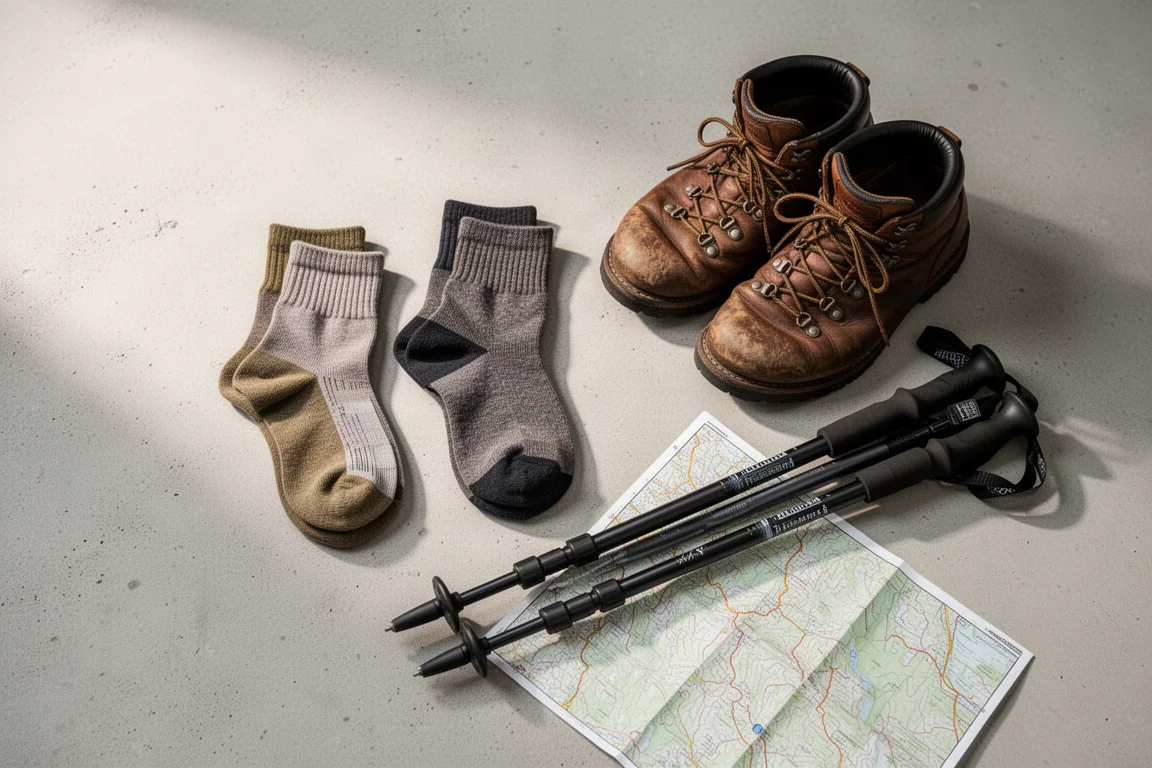
If comfort matters more than longevity and you are happy to swap socks along the way, Smartwool delivers the best feel on the foot. If blisters are your main problem, especially on wet and sandy sections where grit gets into the fabric, Injinji’s toe-separated design is the most targeted fix, and its lower price makes rotating several pairs more affordable.
A practical approach is to rotate: carry more than one pair, keep the wet pair drying on the outside of your pack, and let each pair recover between days. Rotation also spreads wear, which matters most with the softer, faster-wearing options.
Conclusion
There is no single best hiking sock, only the best match for how you hike. Darn Tough remains the durability benchmark and the easiest to replace. Farm to Feet matches the lifetime guarantee while feeling softer underfoot. Smartwool wins on comfort but asks you to replace pairs more often. Injinji is the clearest answer for blister control. Choose the one that solves your biggest problem on trail, and the miles get a little easier.
Further reading
Related Reviews
Hiking Socks
Best Hiking Socks Compared: Farm to Feet, Darn Tough, Smartwool, and Injinji
A practical comparison of four hiking sock options, covering comfort, durability, blister control, and which brands back their socks for life.
Hiking Socks
Best Hiking Socks for Backpacking: Five Brands Worth Knowing
A practical guide to choosing hiking socks by height, fabric, cushioning, and fit, plus five brands worth knowing for backpacking.
Hiking Socks
Best Hiking Socks for Backpacking: Five Brands Worth Knowing
A practical look at sock height, fabric, cushioning, and fit, plus five hiking sock brands and the trade-offs worth weighing before you buy.