Hiking GPS
Best Hiking GPS Devices 2026: Six Units Tested on the Grand Canyon's South Kaibab Trail
Six GPS devices, from handhelds and watches to phones, tracked the same Grand Canyon climb. Here is how each one held the trail and which stayed accurate.
Introduction
A GPS track looks flawless on an open fire road and far less convincing the moment a trail starts climbing a cliff wall. To see how modern receivers cope with that, six devices recorded the same climb out of the Grand Canyon: starting at Skeleton Point at the bottom, up the South Kaibab Trail, past O’Neal Butte and Cedar Ridge, and through the tight switchback section known as the Corkscrew.
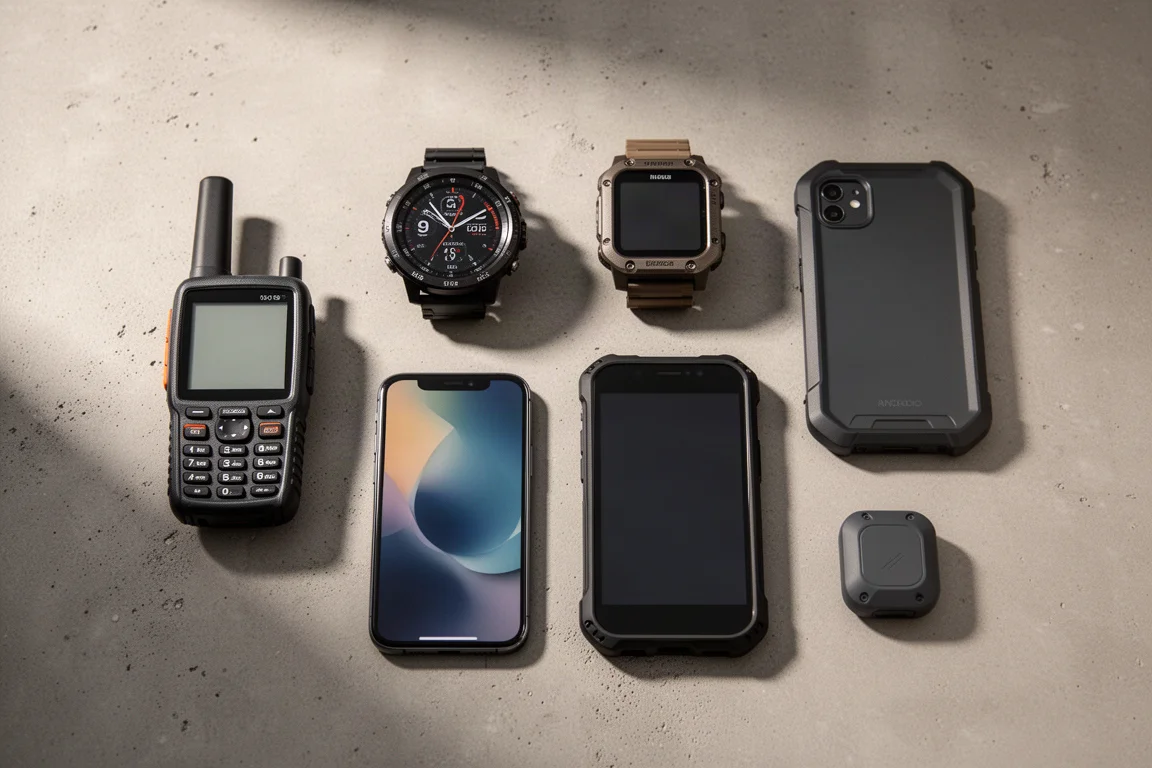
The devices were a Garmin GPSMAP 67i, a Garmin Epix Pro 51mm, an Apple Watch Ultra 2 running the WorkOutDoors app, an iPhone 15 Pro Max running Gaia GPS, a Ulefone Armor 23 Ultra running Gaia GPS on Android, and a Garmin inReach Mini 2 with activity recording set to high detail.
Five of the six use multiband, multi-GNSS positioning. The inReach Mini 2 is multi-GNSS only. To keep the comparison fair, the units were spread across several hikers so they would not interfere with one another.
How the Devices Were Tested
The route begins in a relatively open area at the bottom of the climb, where every unit has a clear view of the sky. From there the trail rises steadily, and the difficulty ramps up considerably once it reaches the canyon wall. The hardest section is the Corkscrew, which runs almost straight up the cliff face, and that is where the differences between the devices become obvious.
Tracks were compared against satellite base imagery of the canyon. It is worth remembering that this reference layer is not perfectly accurate either, so small offsets of a few metres may reflect the map rather than the device.
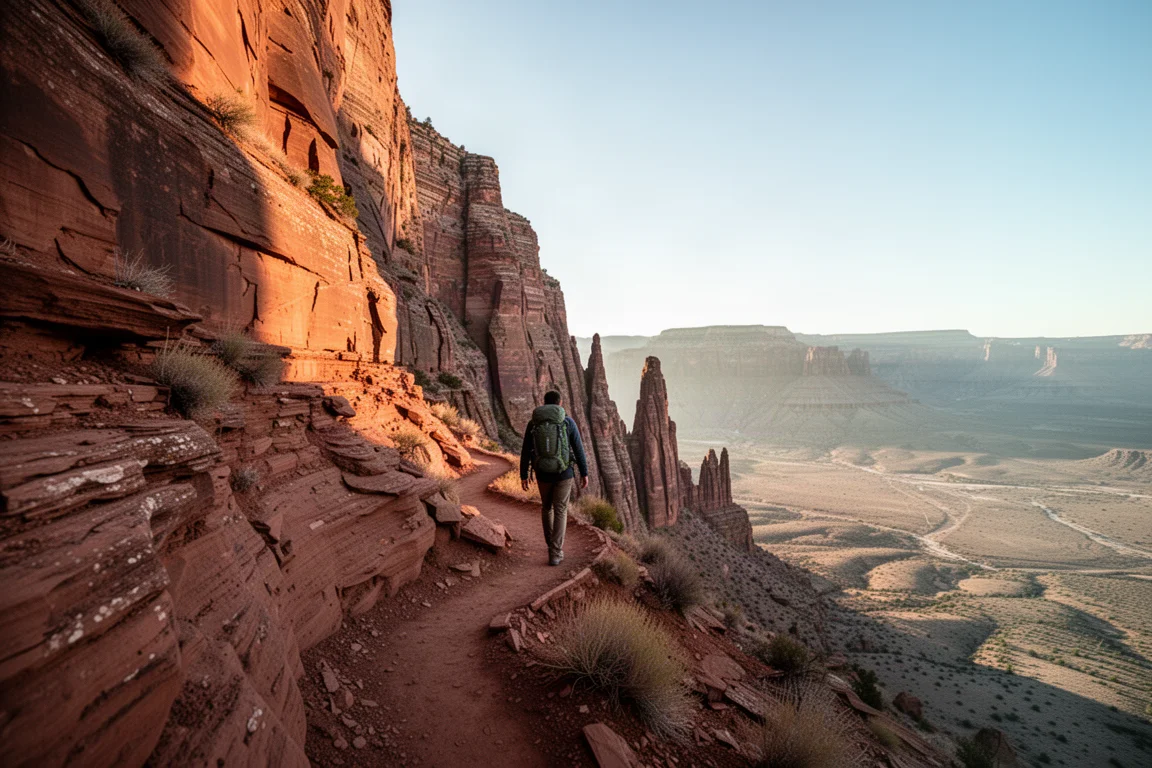
Most units held a tight line through the open sections and stayed together well through Cedar Ridge. The separation started later, on the steeper switchbacks and along the cliff wall, where the trail narrows and the sky view shrinks.
Garmin GPSMAP 67i: The Cleanest Track
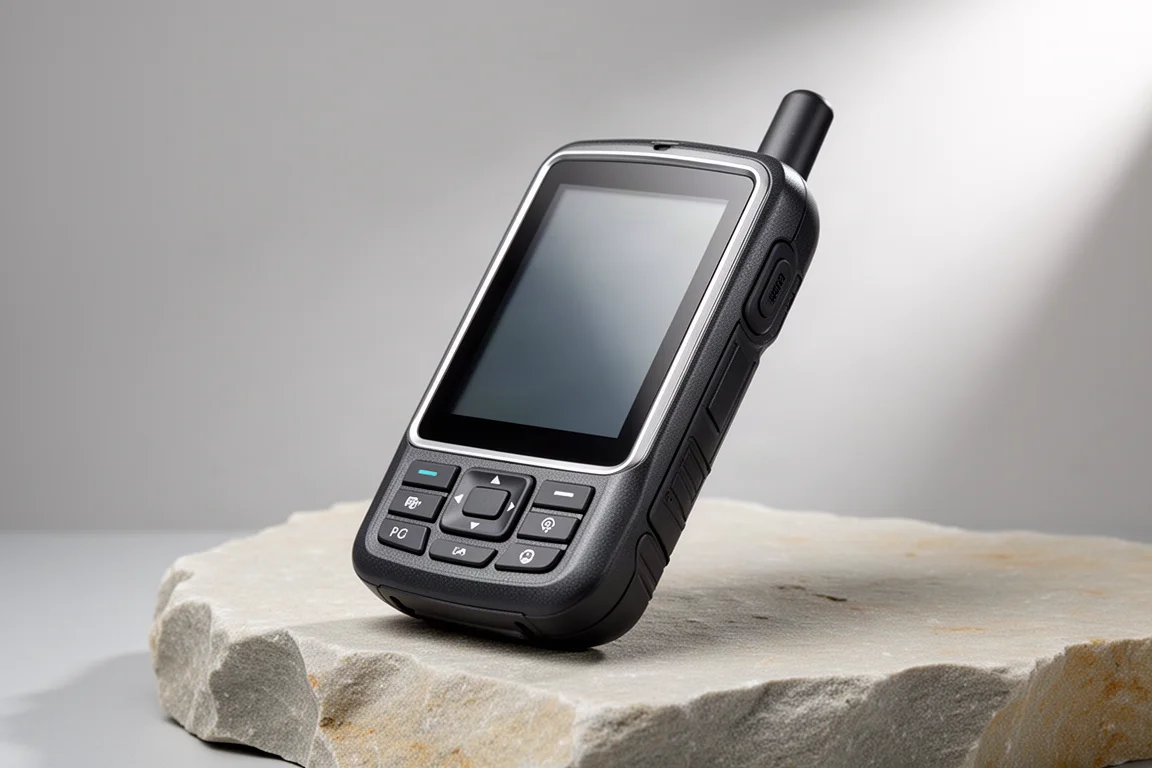
The GPSMAP 67i runs multiband, multi-GNSS positioning, and it produced one of the tidiest tracks of the group. Even through the Corkscrew, its recorded line follows the switchbacks closely enough that the individual turns stay readable rather than blurring into a smoothed curve.
That level of detail matters on a trail where the gap between the path and the edge is measured in steps. If you want a device that behaves like a dedicated navigation tool first and a fitness tracker second, this is the unit that looked most confident on the hardest terrain of the climb.
Garmin Epix Pro 51mm: Strong Watch Performance
The Epix Pro 51mm also uses multiband, multi-GNSS reception, and it finished as one of the two strongest performers overall. On one of the switchback sections it dropped off the trail line briefly before snapping back within moments, which is the kind of error that is easy to forgive on a wrist-worn device.
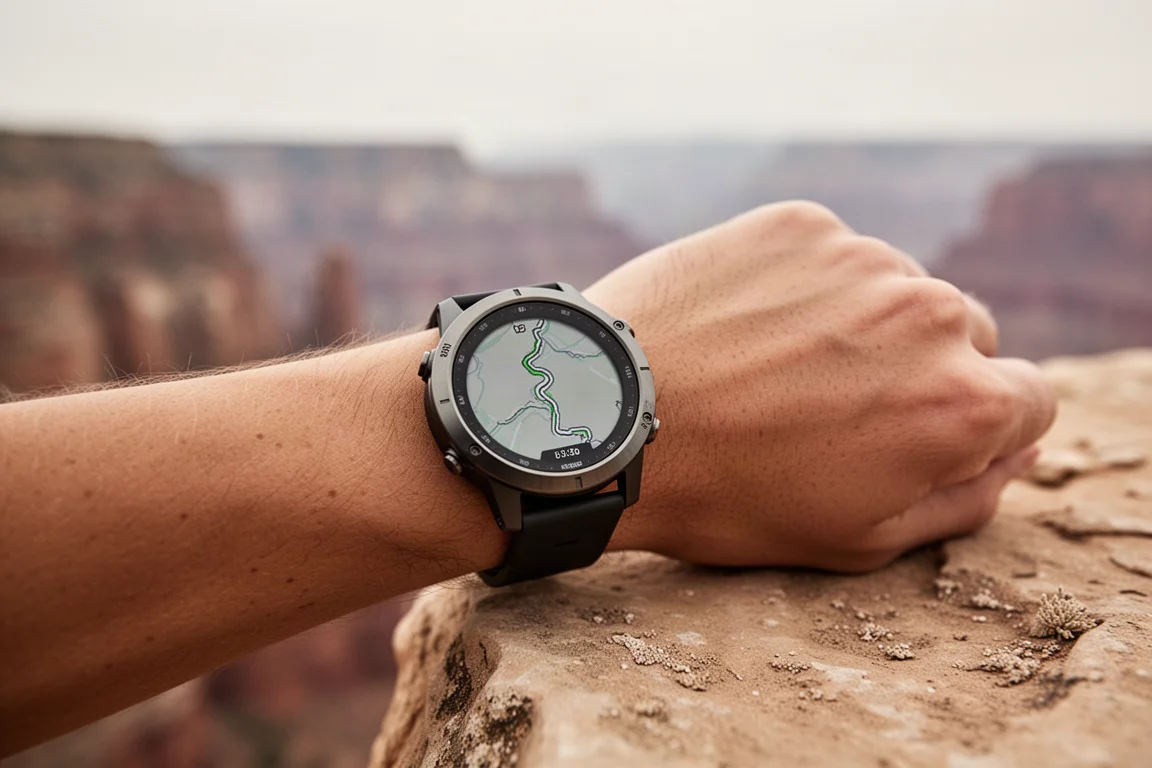
Across the rest of the climb it tracked cleanly, and the Corkscrew was the only place where the line wandered noticeably. For hikers who want a watch that can double as a training device without giving up navigation accuracy, it keeps performance close to the top of the group.
Apple Watch Ultra 2: Respectable in the Hardest Section
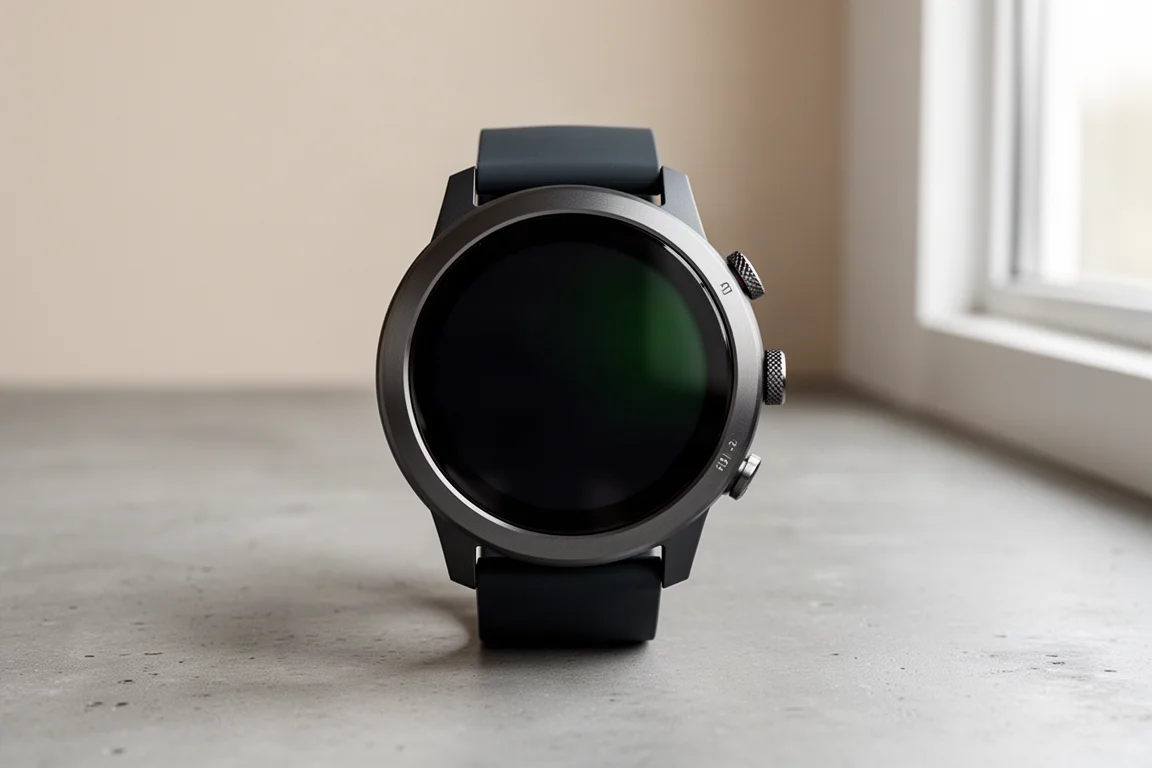
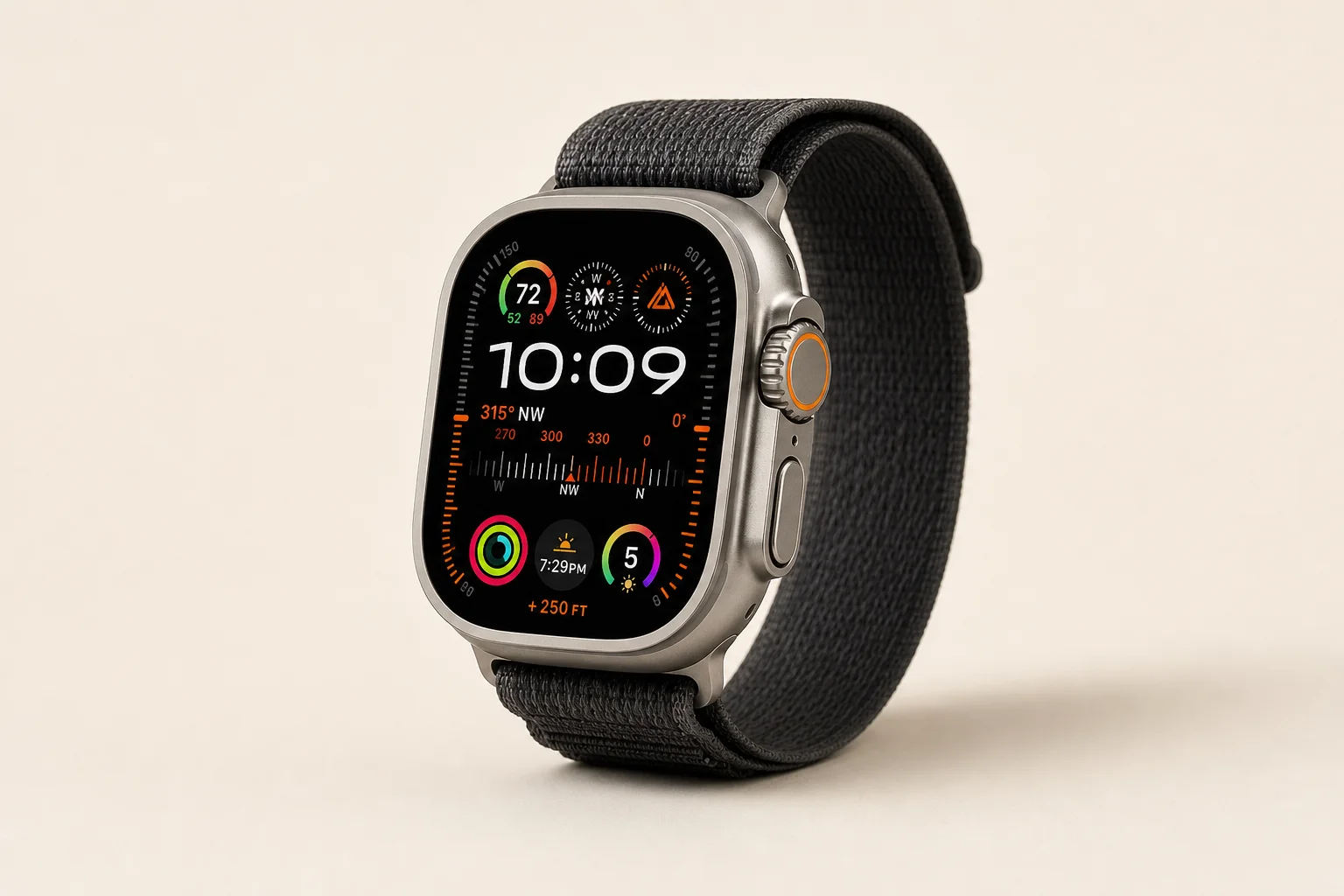
The Apple Watch Ultra 2 recorded with multiband positioning through the WorkOutDoors app, and it ended the climb as the other standout performer. It had a visible wobble in the Corkscrew section, drifting away from the trail line before recovering, but the overall shape of the track stayed close to the real route.
For a watch that is also a daily smartwatch, that is a solid outcome. The trade-off is that its accuracy reflects the recording app as much as the hardware, so results can vary depending on the software you choose.
iPhone 15 Pro Max: Good, With Some Drift
The iPhone 15 Pro Max used multiband positioning through Gaia GPS. It drifted in a few places, most noticeably on the switchbacks and as the trail approached the canyon walls, but through the Corkscrew it was broadly comparable to the dedicated handheld, which is a genuinely strong result for a phone.
If you already carry an iPhone and want navigation without buying another device, that is encouraging. The caveat is that phone accuracy also depends on the app and on the phone’s location settings, so the result reflects that combination rather than the hardware alone.
Ulefone Armor 23 Ultra: The Clear Outlier
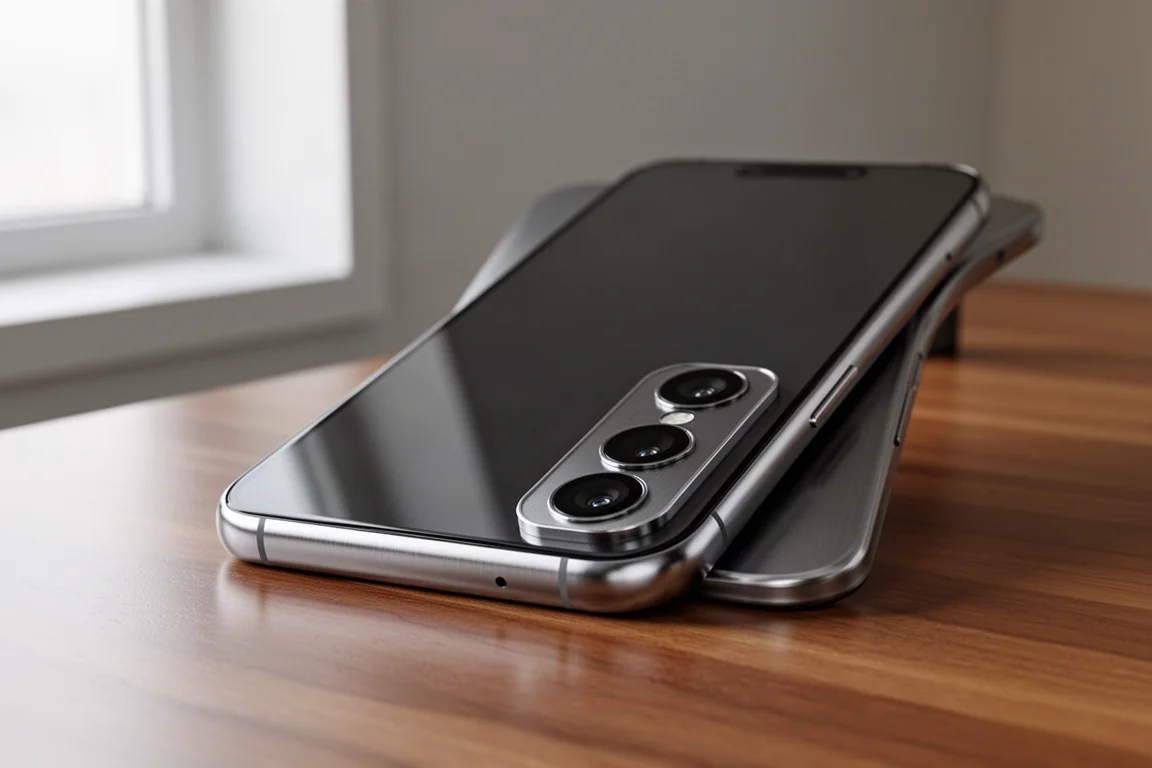
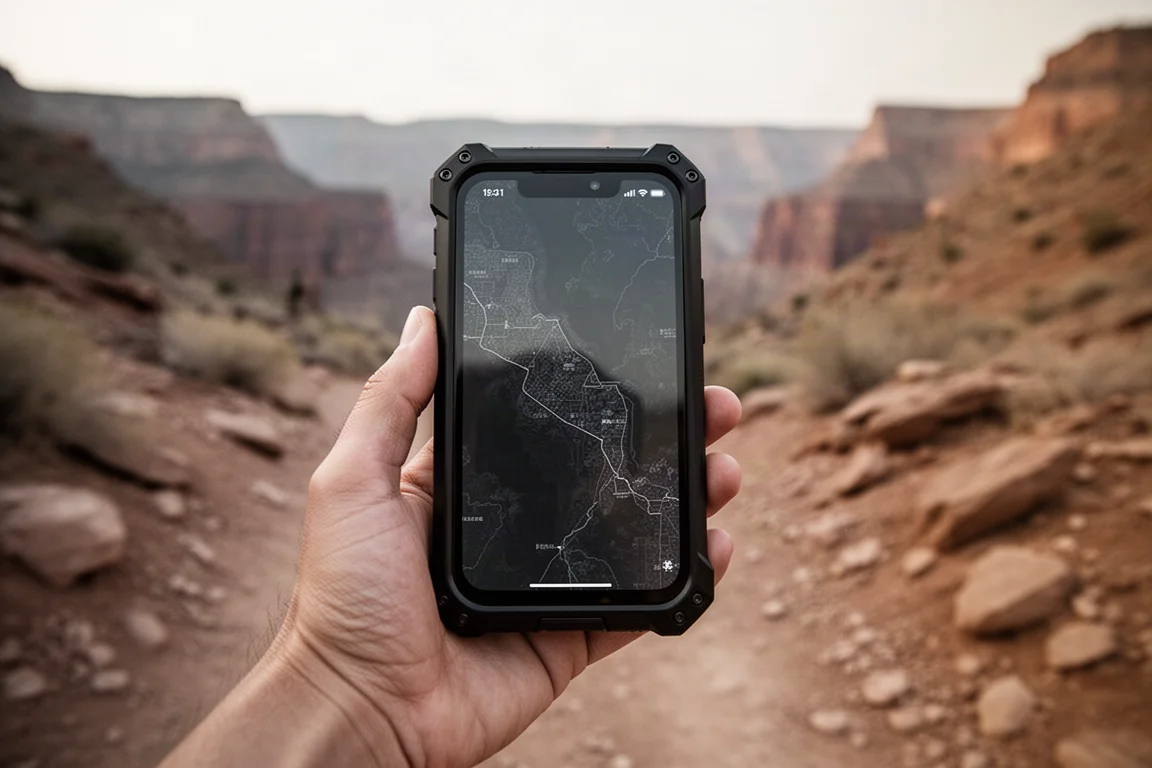
The Ulefone Armor 23 Ultra is a multiband, multi-GNSS Android phone running Gaia GPS with location services set to precise. On paper that should be enough for a clean track. In practice it was the one device that never settled.
It started drifting early, in an open area with a clear view of the sky where every other unit was holding a tight line. It lost the trail badly near O’Neal Butte, wandered again through the switchbacks, and was scattered all over the cliff wall at the Corkscrew. Its recorded distance came out at 3.5 miles, while the other five units clustered between 2.93 and 3.05 miles.
It is not possible to say from this test alone whether the fault lies with the phone or with how Android location services handled the data, since Gaia GPS simply reads what the operating system provides. Either way, if dependable track recording is the priority, this is the unit to approach with caution.
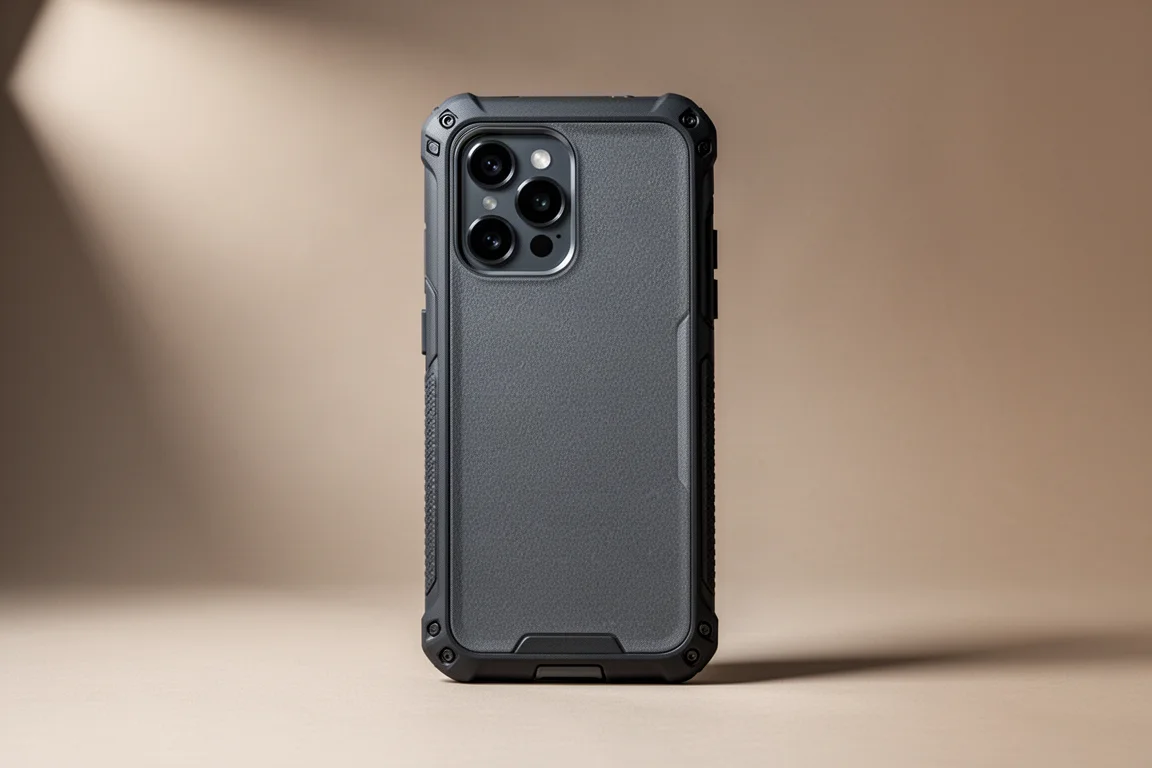
Garmin inReach Mini 2: Not Multiband, Surprisingly Solid
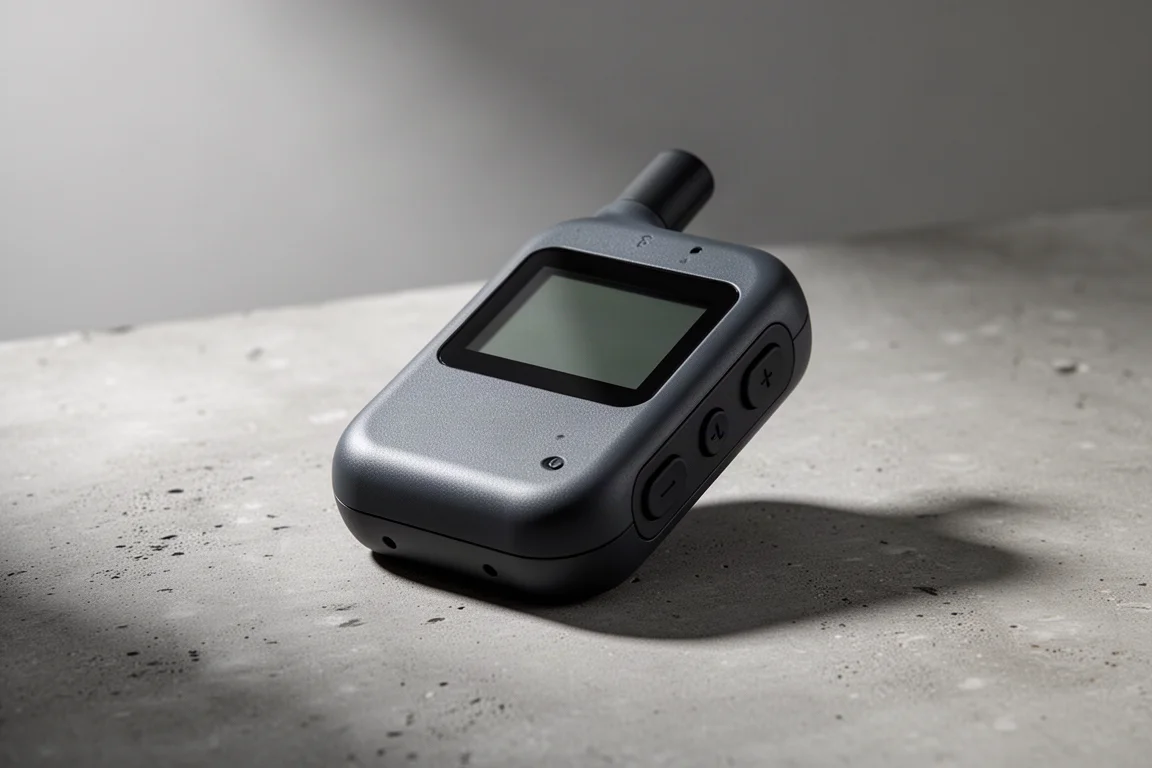
The inReach Mini 2 is the odd one out on paper. It uses multi-GNSS positioning without multiband reception, and it was configured with activity recording set to high detail. It drifted slightly on a couple of switchbacks, as most units did.
Then came the Corkscrew. On the hardest section of the climb the Mini 2 held the trail line very well, arguably better than the Apple Watch Ultra 2 and clearly better than the Epix Pro at that point. It is a useful reminder that multiband reception is not a guarantee of accuracy, and that a well-behaved multi-GNSS receiver can still be excellent on difficult terrain.
Overall Buying Advice
Five of the six devices produced tracks that would be perfectly acceptable for measuring a hike. Distances from those five landed between 2.93 and 3.05 miles, a spread small enough that any of them would serve as a dependable record of the route.
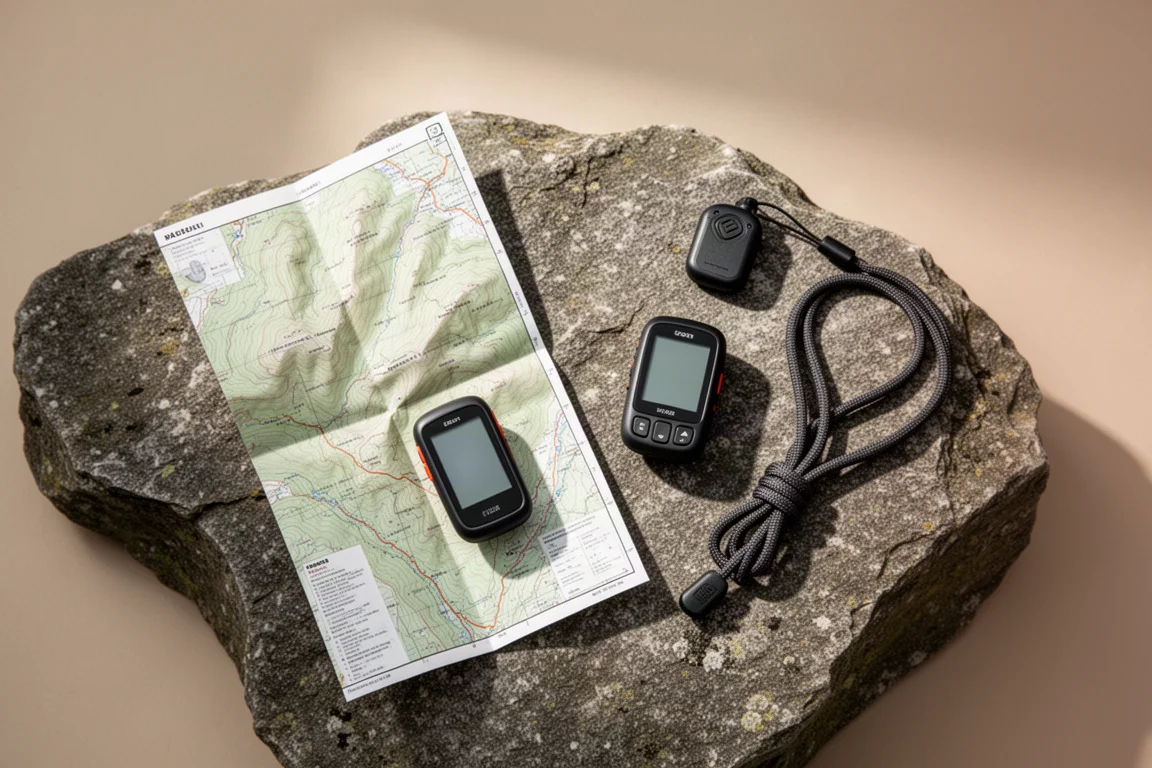
If you want the most reliable line on technical ground, the Garmin GPSMAP 67i, the Garmin Epix Pro 51mm and the Apple Watch Ultra 2 all stood out, with the iPhone 15 Pro Max close behind. The inReach Mini 2 deserves particular mention for matching or beating several multiband units in the toughest section. The Ulefone Armor 23 Ultra is the one to approach with caution if accurate tracking is what you are buying it for.
Keep the reference caveat in mind as well. Satellite base imagery is not flawless, so treat small differences of a few metres as inconclusive and focus on the devices that held the trail shape from bottom to top.
Conclusion
Trail accuracy is not decided by a spec sheet alone. A device without multiband reception outperformed several multiband units on the hardest part of the climb, and one multiband phone struggled in open ground where it should have had an easy time. If your hikes take you onto exposed switchbacks and cliff-side trails, the practical takeaway is to choose a device with a track record of holding the line, and to treat the newest positioning standard as a starting point rather than a promise.
Further reading
Related Reviews

Backpacking Gear
Building a 10 lb Base Weight: An Ultralight Backpacking Gear List
A practical walkthrough of the ultralight pieces behind a 10 lb base weight, from a 765 g pack and a roomy one-person tent to a full camp chair and a dependable water filter.

Road Bikes
10 New Road Bikes Worth Watching: Aero, Titanium, Steel and Endurance Standouts
A practical roundup of 10 new road bikes, from aero flagships chasing single-watt gains to titanium, steel and endurance platforms built for real roads.
Bikepacking Gear
11 Bikepacking Essentials for Long-Distance Cycling
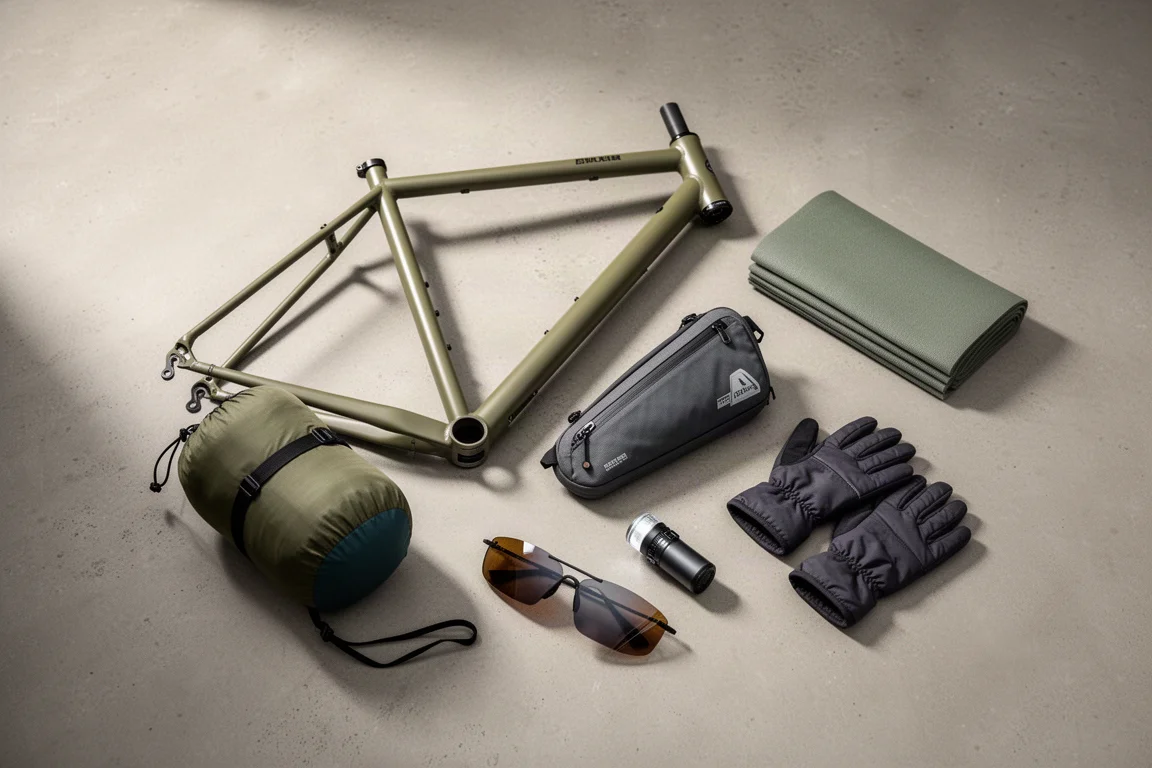
Eleven bikepacking essentials for long-distance cycling, from a steel gravel frame and a two-person tent to helmet lights, packable gloves, and a frame bag that puts weight in the right place.