Hi-Fi Speakers
Zu Audio Soul 6, Klipsch Cornwall IV and Zu Audio Soul Supreme: Three High-Sensitivity Floorstanders Compared
A practical look at three high-sensitivity floorstanding speakers, led by the compact Zu Audio Soul 6 and its unusual coaxial driver design.
Introduction
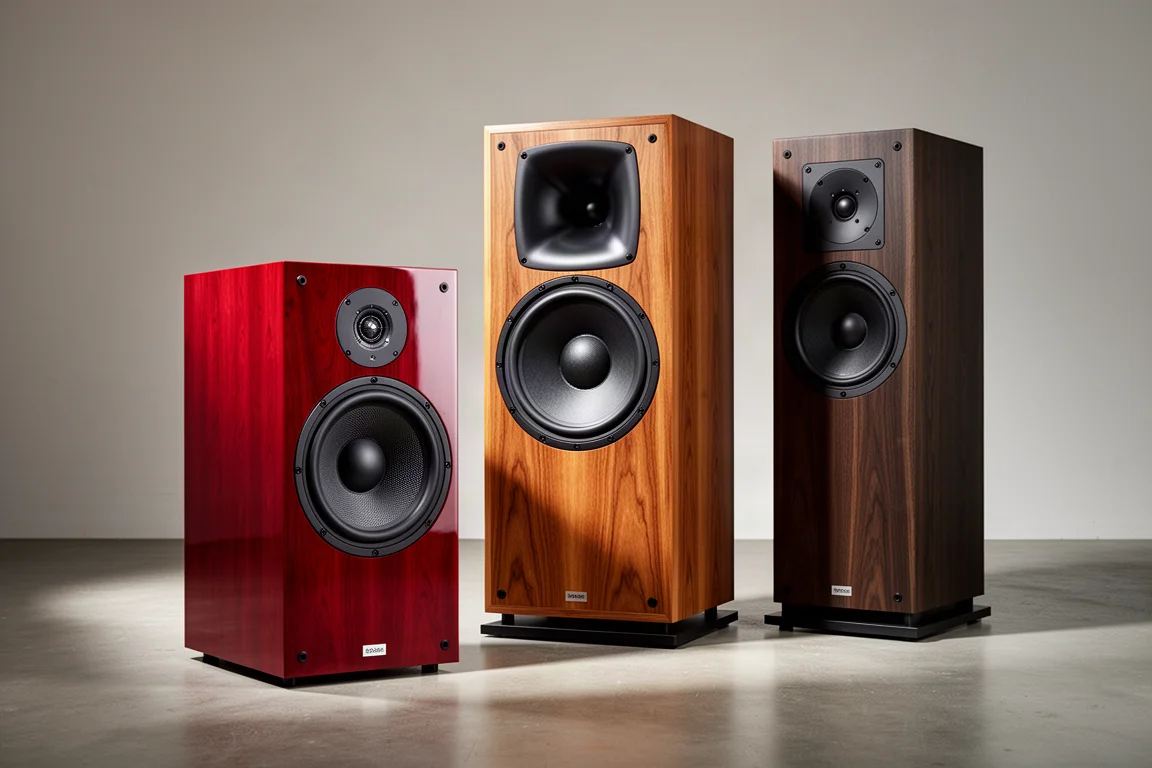
Some speakers arrive with a reputation that precedes them, and a new floorstander from a brand with an unusually devoted following is one of them. The Zu Audio Soul 6 is a compact floorstanding speaker built around a single 10-inch full-range driver with a coaxial tweeter, and it sells for $5,999 a pair in standard finishes. It is also a speaker that asks for patience, because room, listening height, and placement all shape what you hear.
This guide looks at the Soul 6 alongside two other high-sensitivity speakers that came up during extended listening: the Klipsch Cornwall IV and the Zu Audio Soul Supreme. Each takes a different route to an easy, dynamic, amplifier-friendly sound.
What These Three Speakers Have in Common
All three are high-sensitivity designs that make life easy for modest amplifiers. The Soul 6 is rated at 100 dB and 8 ohms, while the Cornwall IV is rated at 102 dB. That efficiency is why these speakers feel alive even at low volume, and it is also why amplifier matching matters more than raw wattage.
They also share a priority on dynamics over absolute bass extension. None of them is a substitute for a dedicated subwoofer, and each rewards a room that suits it.
What separates them is scale and character. One is compact and immediate, one is large and effortless, and one is a long-term reference for listeners who prefer to live with a single pair for years.
Zu Audio Soul 6: The Compact Coaxial Floorstander
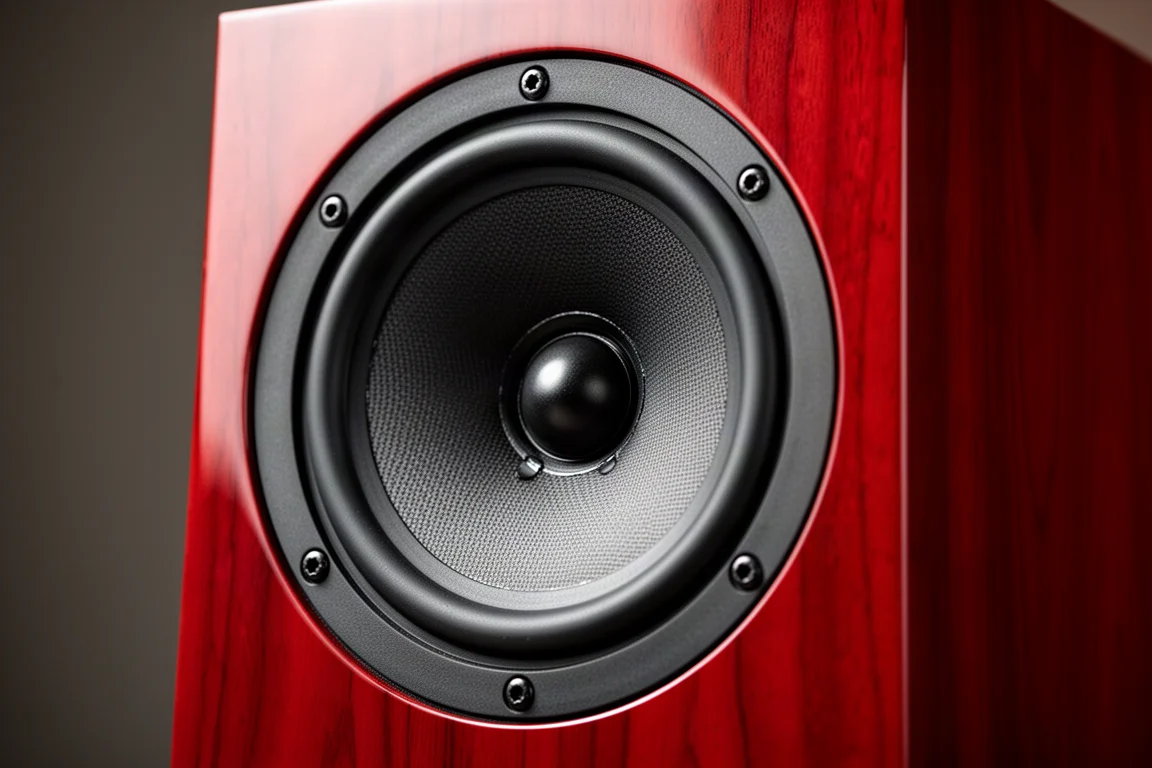
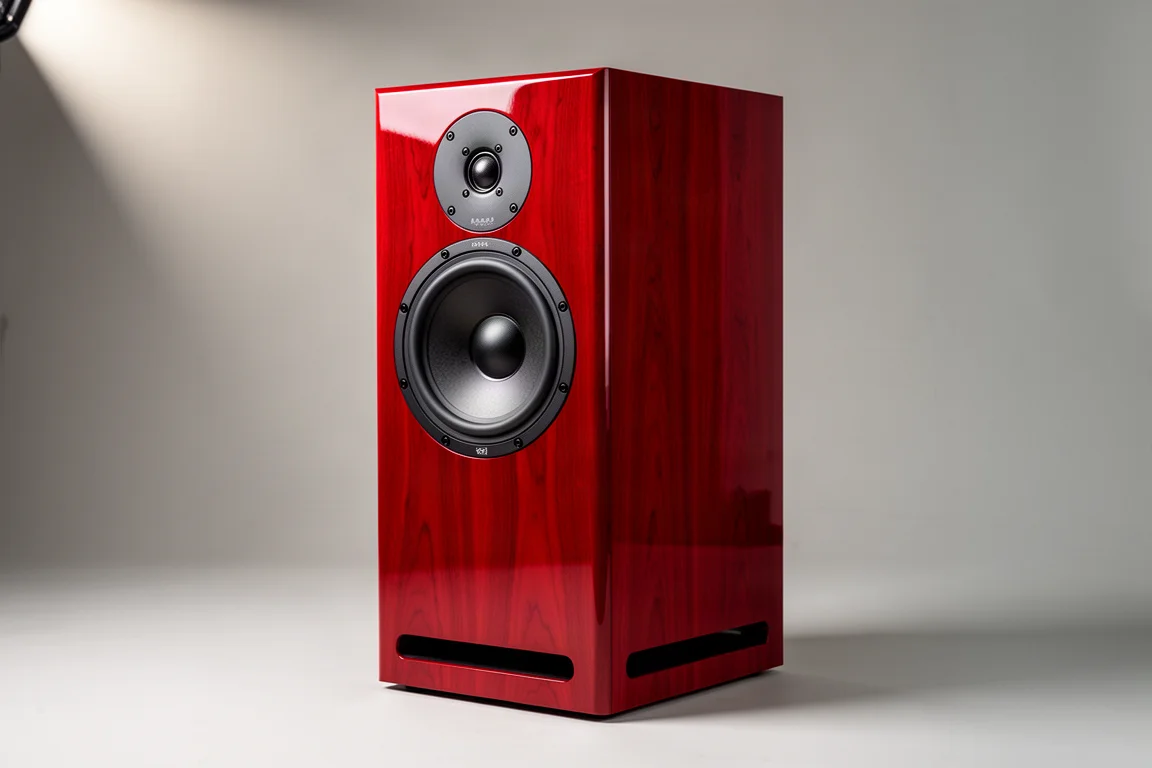
At 32 inches tall, the Soul 6 is small for a floorstanding speaker. The driver layout is unusual: a 10-inch full-range unit runs without a crossover in front of it, while a coaxial tweeter in the centre of the driver acts as a super tweeter, crossed over at 10 kHz with a capacitor in front of it. There is no conventional crossover network in the usual sense.
The cabinet is made from okoume plywood rather than MDF, a choice aimed at reducing cabinet resonance, and it is a bass reflex design with slots underneath the cabinet so the port stays out of sight. Around the back you get nickel-plated binding posts plus a speakON connector for owners who want to use a matching speaker cable.
In listening, the Soul 6 is articulate, fast, and lively, with excellent transient response and precise imaging. The midrange is forward and immediate, which suits acoustic music and high-energy rock, though it does not produce much soundstage depth. Bass needs work: without careful placement the response rolled off noticeably around 57 Hz, and moving the speakers into a smaller, more enclosed room filled the sound in considerably. Tilting the cabinet back, using the tall spikes at the front only, helped with a higher listening chair, and low bass down to roughly 45 Hz is achievable with the right room and positioning.
One pairing note worth knowing: a 2.3-watt-per-channel amplifier produced a recessed, hollow result, while a more capable solid-state amplifier brought out the best in the speaker. Heavily compressed, heavily processed recordings also expose their faults here, so this is not a forgiving speaker for aggressive mastering.
Klipsch Cornwall IV: Big Horn-Loaded Sound
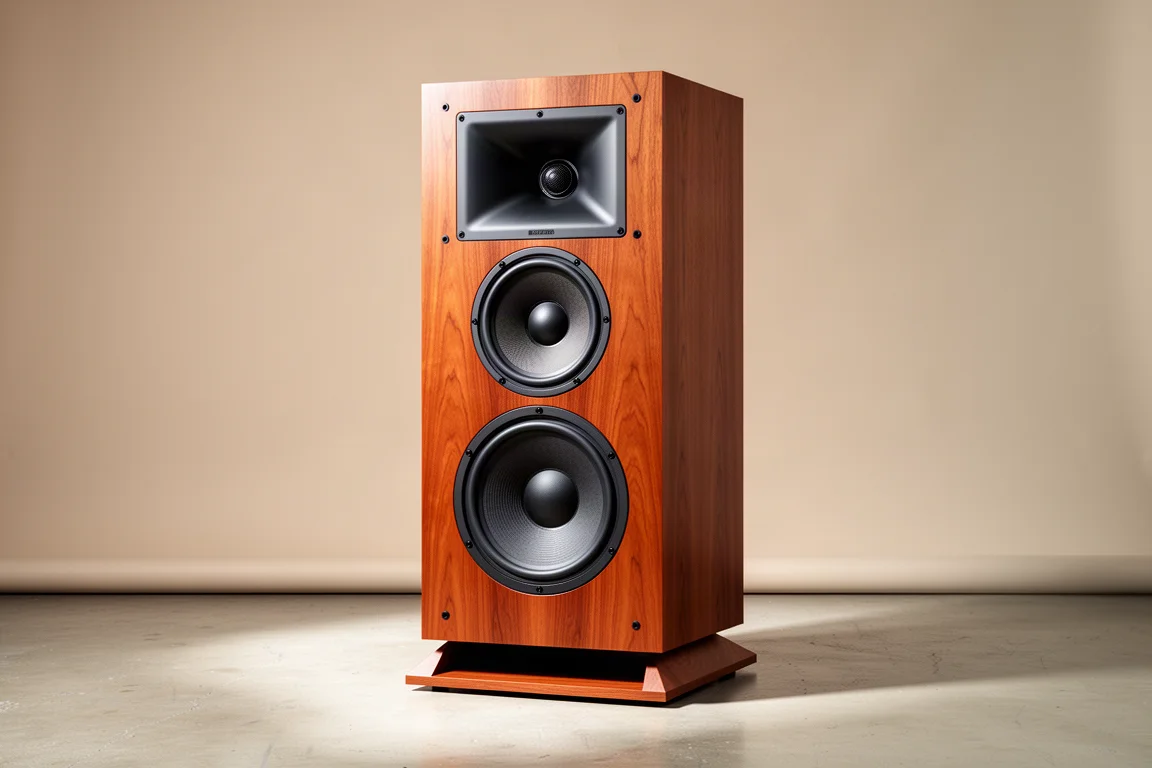
The Cornwall IV is a much larger speaker, built around a 15-inch woofer with horn-loaded midrange and tweeter, and rated at 102 dB. It costs around $6,000, so it sits in the same bracket as the Soul 6 despite being a completely different animal.
Its strengths are ease and power. It sounds like a big speaker because it is one, with a fuller, more relaxed presentation and a sense of effortlessness that smaller designs struggle to match.
Against the Soul 6, the Cornwall IV gives up some speed and immediacy. The Soul 6 images more precisely and sounds more textured and vivid, which is a real achievement given how capable the Cornwall IV is in those areas. Choose the Klipsch if you want scale and presence, and the Soul 6 if you want immediacy in a smaller footprint.
Zu Audio Soul Supreme: The Long-Term Companion
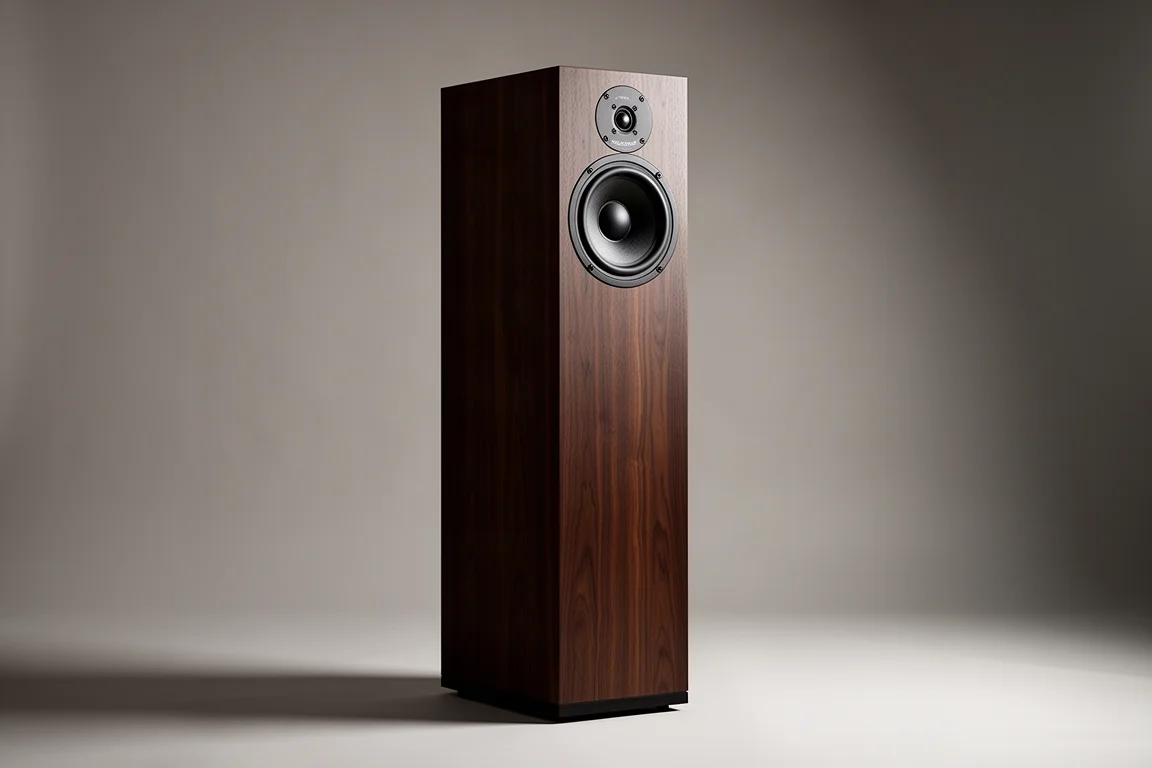
The Soul Supreme is the larger Zu Audio floorstander, using the same 10-inch full-range driver without the coaxial tweeter. It is a speaker people keep: one long-term owner has lived with a pair for about seven years without feeling any need to change.
In a direct comparison, the Soul 6 delivered deeper, better bass than the Soul Supreme despite being the smaller speaker, and it also stood out for the way individual instruments separate, each one in bold relief.
The Soul Supreme’s appeal is different. It is a proven, larger cabinet for listeners who value long-term familiarity, while the Soul 6 offers a more compact route into the same house sound with surprisingly strong low-frequency performance once placement is right.
Placement and Amplifier Pairing Notes
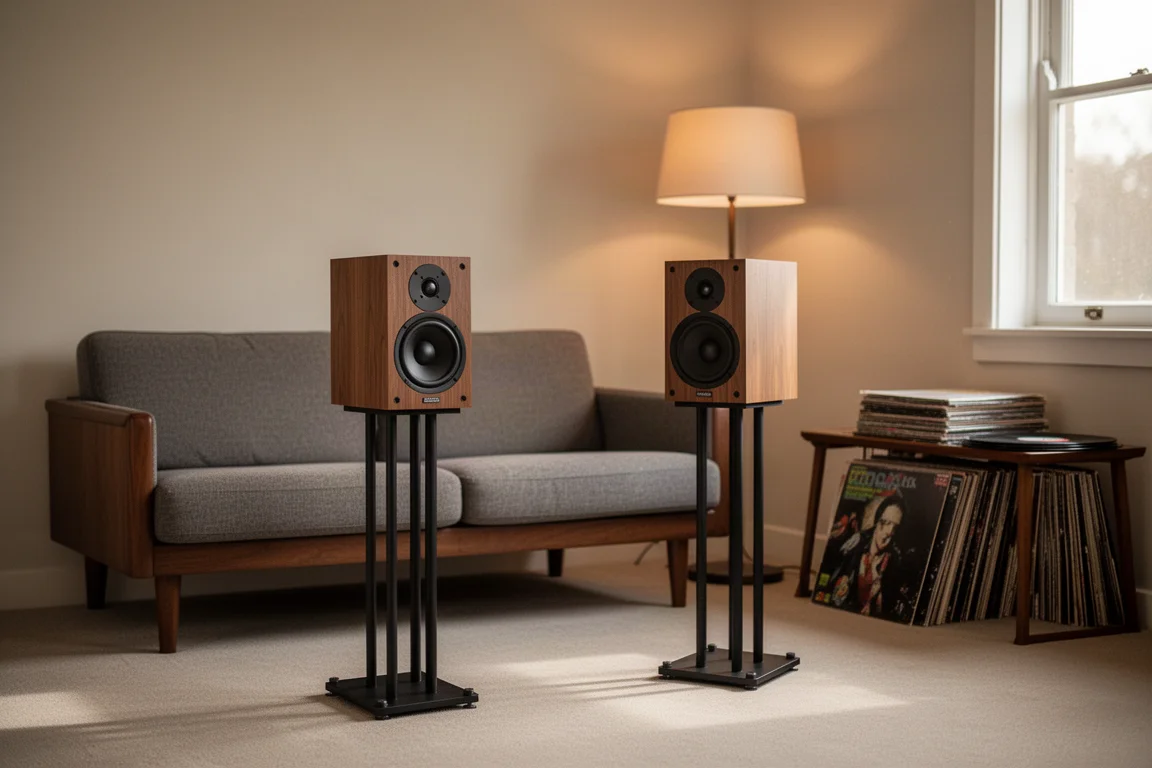
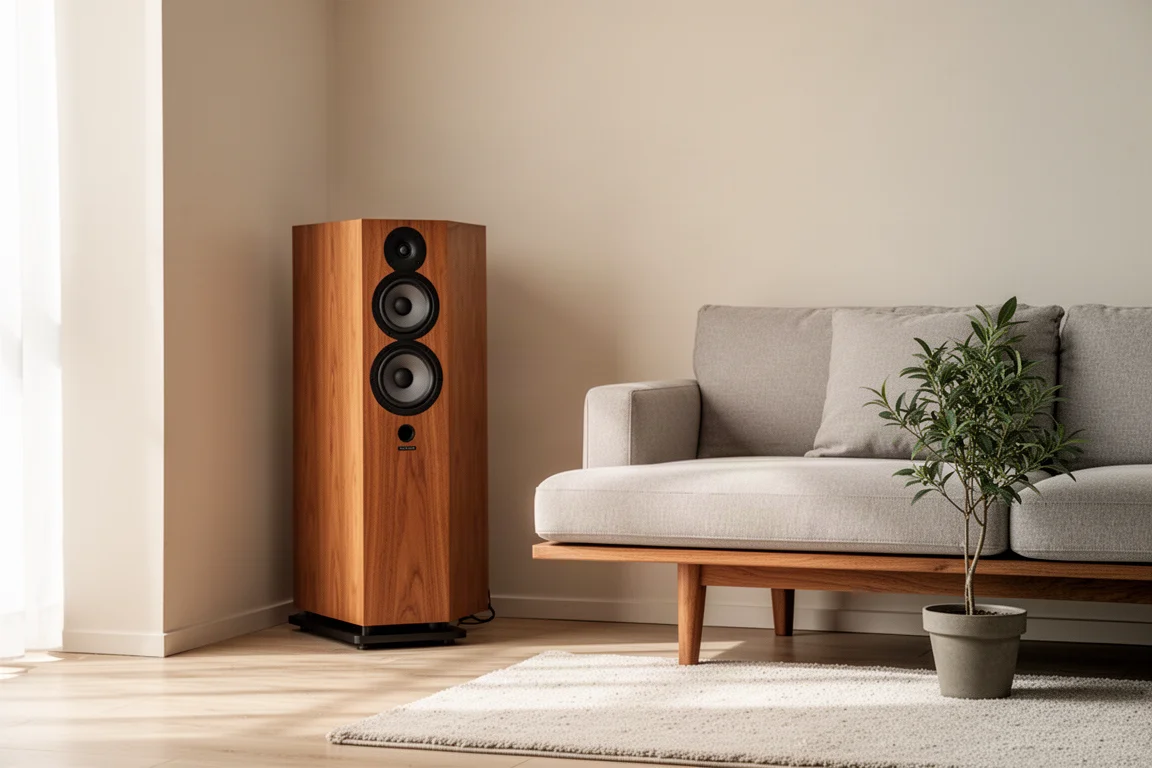
Room and listening height matter more with the Soul 6 than with most speakers. Its 32-inch cabinet puts the driver low, so a low couch works better than a tall chair. If your seating is high, tilting the speaker back with front spikes only is a practical fix.
A smaller, more enclosed room filled in the bass noticeably compared with an open space, where the sound was airier but thinner. If you cannot place these speakers near a wall or in a smaller room, expect to work harder for low-frequency weight.
Amplifier matching looks straightforward on paper thanks to the 8-ohm load and 100 dB sensitivity, but low-power designs did not flatter the Soul 6. A capable amplifier with genuine drive produced far better results.
Buying Advice: Matching the Speaker to Your Room
Start with the room, not the spec sheet. If you have a compact space and listen at moderate distances, the Soul 6 is the most room-friendly of the three and can deliver satisfying bass once positioned well. If you have the floor space and want a big, effortless presentation, the Cornwall IV is the obvious choice. If you want the larger Zu Audio cabinet and a long-term ownership proposition, the Soul Supreme remains the reference point.
Budget also matters. The Soul 6 starts at $5,999 a pair in standard finishes, with optional extra-cost finishes available, including the high-gloss red okoume sample used here. Zu Audio sells direct and offers a 60-day return policy along with a five-year warranty, which takes some of the risk out of buying a speaker you cannot audition at home first.
One final consideration: these speakers reward good recordings. If your library leans on heavily compressed, loudly mastered material, the Soul 6 in particular will show it. Feed it well-recorded acoustic music and dynamic rock, and it is genuinely exciting.
Conclusion
The Zu Audio Soul 6 is a mixed but memorable proposition. It demands placement work, a suitable listening height, and a competent amplifier, and its forward midrange and slightly glare-prone treble will not suit everyone. In return it offers speed, articulation, and a liveliness that keeps you listening.
The Cornwall IV and the Soul Supreme are not alternatives to dismiss. They are simply different answers to the same question, and the right one depends on your room, your seating, and the records you actually play.
Further reading
Related Reviews
Hi-Fi Speakers
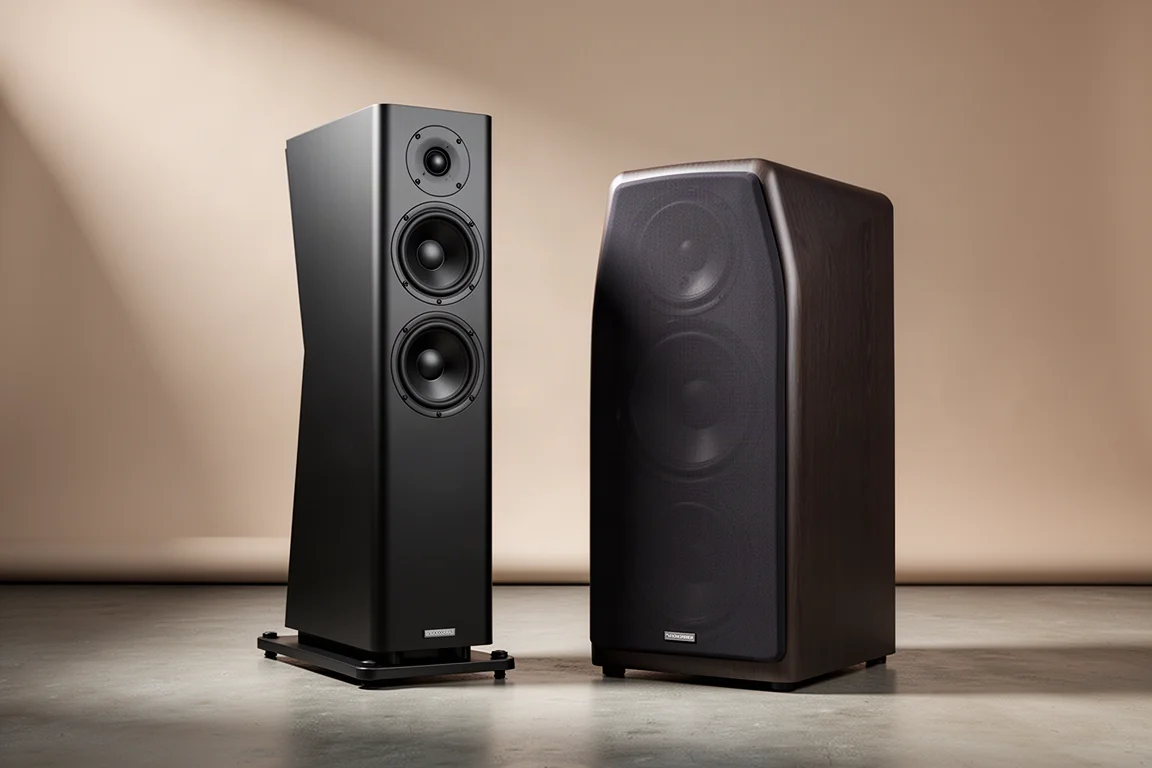
1723 THX Tower vs 1528 Bookshelf: Which Speaker Fits Your Room?
Two speakers at roughly the same price, built very differently. How the 1723 THX tower and the 1528 bookshelf compare on construction, bass, power needs, and sound.
Hi-Fi Speakers
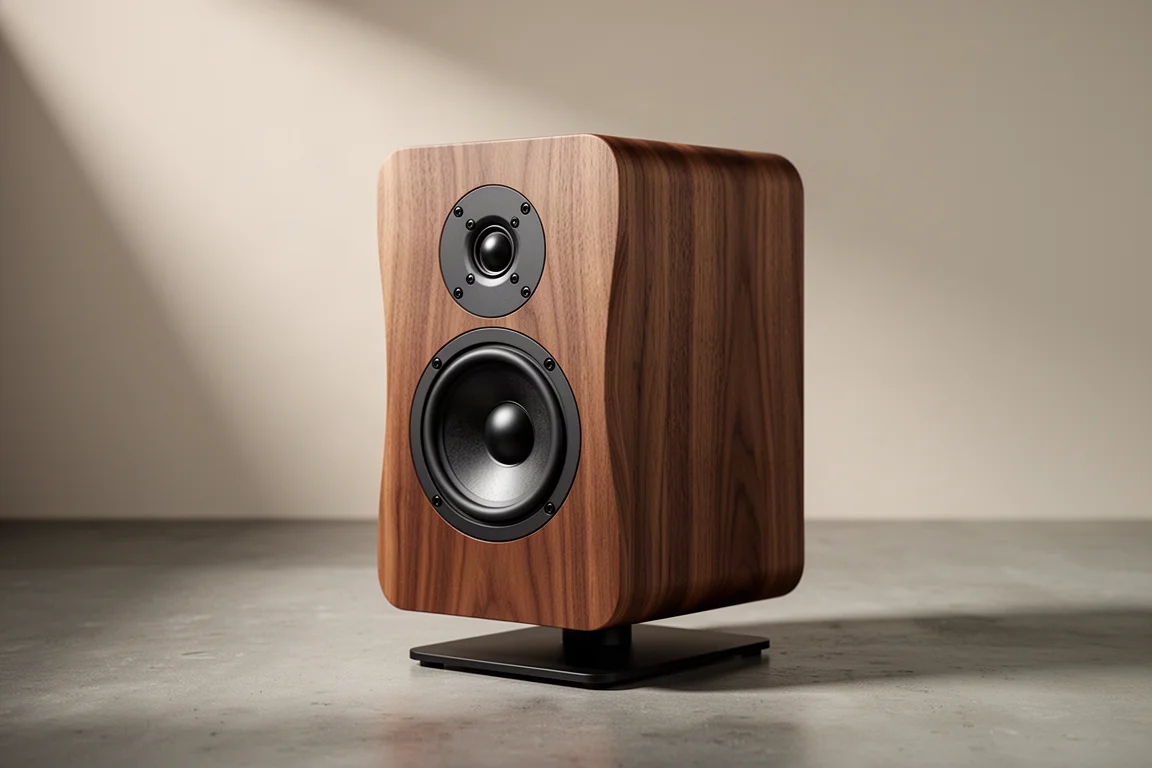
Acoustic Energy AE 300 Review: Deep Bass From a Compact Standmount
A two-way standmount with real wood veneer, surprising low-end weight, and a warm, easygoing character. Here is what to know before buying.
Hi-Fi Speakers
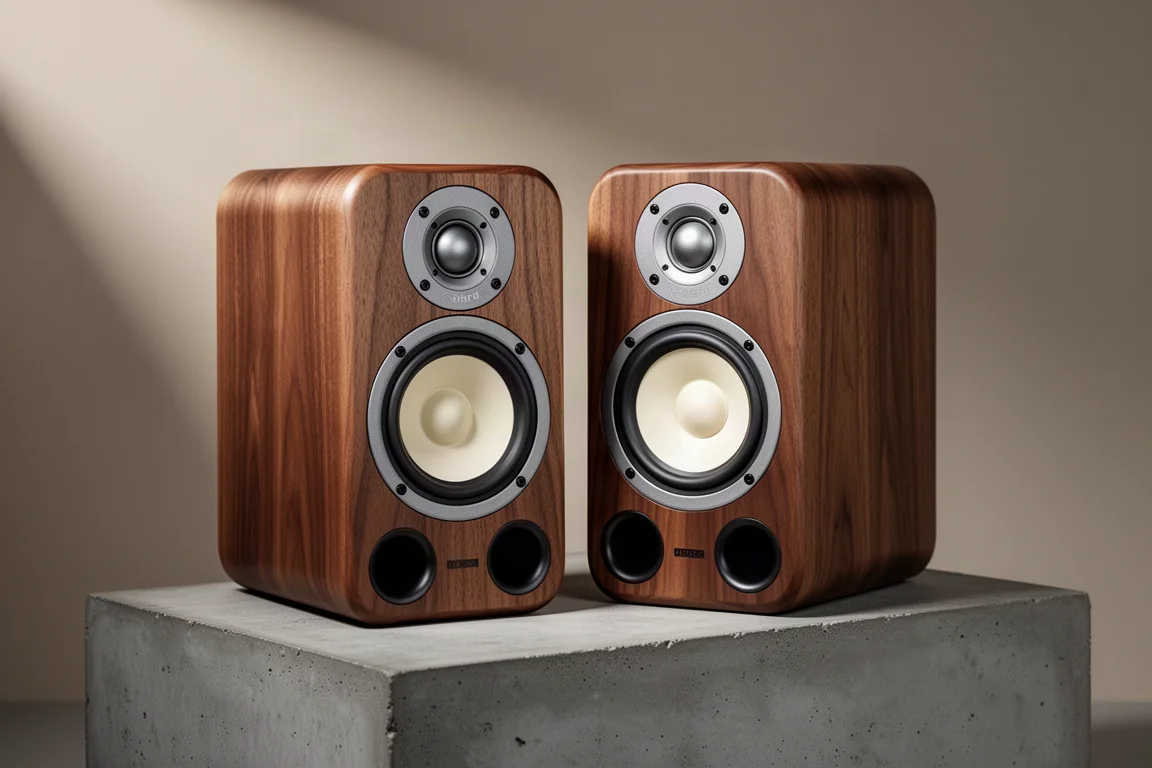
Acoustic Energy AE1 40th Anniversary Review: A Modern Take on a British Classic
A compact standmount that revives a 1980s favorite with all-new parts, a warm mid-centric balance, and a price of £1,499 per pair.