Hi-Fi Amplifiers
Best High-End Integrated Amplifiers: Rotel Michi X3 Series 2, Marantz Model 10, and T+A Symphonia
Three high-end integrated amplifiers compared on power, connectivity, phono stages, and sonic character, with clear guidance on which listener each one suits.
Introduction
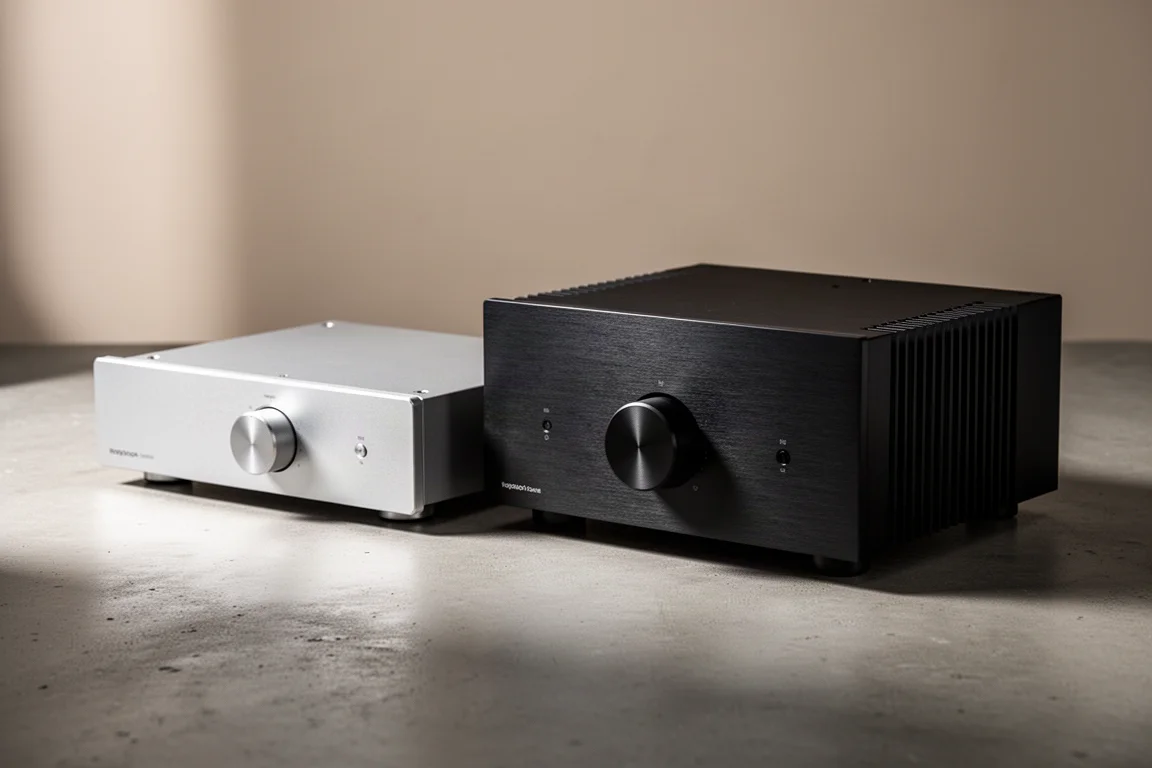
Three integrated amplifiers, three different answers to the same question: how much should one box do? The Rotel Michi X3 Series 2 is a large Class AB design made in China, priced at $7,500 or around 7,000 Euros, and weighing 29 kg. The Marantz Model 10 is a 34 kg Class D amplifier made in Japan that costs roughly twice as much. The T+A Symphonia is a 6.2 kg Class D integrated made in Germany that lands at a similar price to the Rotel.
Those price positions make the comparison unusually clear. Because the Symphonia sits near the Rotel, it shows what roughly the same money buys elsewhere. The Marantz, at twice the price, shows what more money adds. Neither is a substitute for the other, and the Rotel is framed most interestingly by the Marantz rather than by the T+A.
What follows is a practical look at what each amplifier offers, where each one excels, and which listener each is built for.
How These Three Integrated Amplifiers Compare
Power output separates them on paper. The Rotel Michi X3 Series 2 is rated at 200 watts per channel into 8 ohms and 350 watts into 4 ohms, with much of its 29 kg heft coming from a custom wound toroidal transformer inside. The Marantz Model 10, whose output stage was developed in collaboration with Purifi, is rated at 250 watts into 8 ohms and 500 watts into 4 ohms. The T+A Symphonia, built around a Purifi Eigentakt module, is rated at 125 watts into 8 ohms and 250 watts into 4 ohms.
Feature count is where the Rotel pulls ahead of the Marantz. The X3 includes a built-in ESS Sabre DAC that accepts Toslink, coaxial, USB and Bluetooth, alongside a moving magnet phono stage, one balanced XLR line level input and three RCA line level inputs. It also provides preamp outputs and twin subwoofer outputs, which are unfiltered, so crossover management falls to the subwoofer itself. One detail is worth knowing before buying: the Ethernet port on the back is not a streaming input. It exists for firmware updates and smart home integration.
The Marantz Model 10 takes the opposite approach. It contains no DAC at all, and its analog connectivity is broader than the Rotel’s, with two balanced XLR inputs, balanced XLR pre outputs, and a phono stage that covers both moving magnet and moving coil cartridges. The T+A Symphonia adds an onboard DAC and streaming, and its phono stage covers moving magnet plus high output moving coil cartridges only.
Both the Rotel and the Marantz carry a full-size 6.35 mm headphone socket on the front panel, so the character of each amplifier follows you when you listen on headphones.
Rotel Michi X3 Series 2: The All-in-One Value Case
Build quality on the X3 is very good. The front panel feels reassuringly substantial, the controls are nicely tactile, and there are no haptic or build quality niggles to report. A CNC machined aluminium source selector and volume knob flank a 4-inch OLED display, and the supplied slimline remote is a genuinely pleasant thing to hold.
That display can render VU meters or a spectrum analyzer, though a simpler readout showing volume level and the active input is the more useful option in daily use.
Where the X3 distinguishes itself most is character. It is a touch warmer and marginally more forgiving than the Marantz, which makes it a practical proposition for a mixed collection. Music that would sound thin or harsh through a more transparent amplifier sounds merely ordinary through the X3. Its phono stage is competent and unfussy, unlikely to embarrass a decent cartridge, and it smooths the edges of a recording slightly rather than exposing them.
Bass is the other headline. The X3 leads on bass dynamics and slam, edging out the Marantz by a small margin, and its macrodynamic authority and low-end wallop keep a listener engaged in a way that transparency alone cannot. The internal DAC will not trouble a dedicated outboard converter, but it is detailed and spacious in its own right.
Marantz Model 10: Analog Transparency at Twice the Price
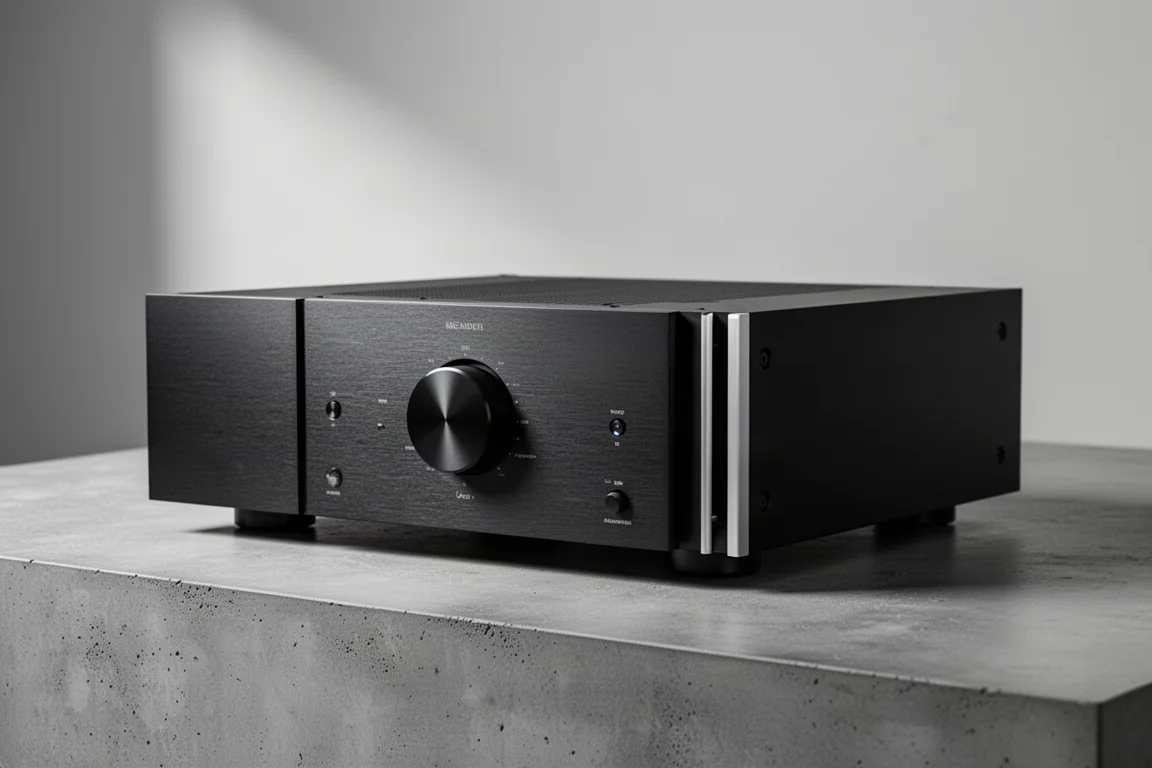
Build quality on the Model 10 is several steps above the Rotel, as the price difference would suggest. Every surface, every knob and every machined edge tells you where some of the extra money goes. The exception is the remote control, which carries an abundance of buttons compared with the Rotel’s slimline wand.
The analog credentials are the real argument for the Model 10. Its moving coil phono circuit holds more of a mirror up to every cartridge and every turntable swap, and it demands that you pay attention to the differences between them. Where the Rotel smooths the edges just a touch, the Marantz exposes them. Whether that counts as a virtue depends entirely on how resolving your cartridge is and how honest you want your system to be.
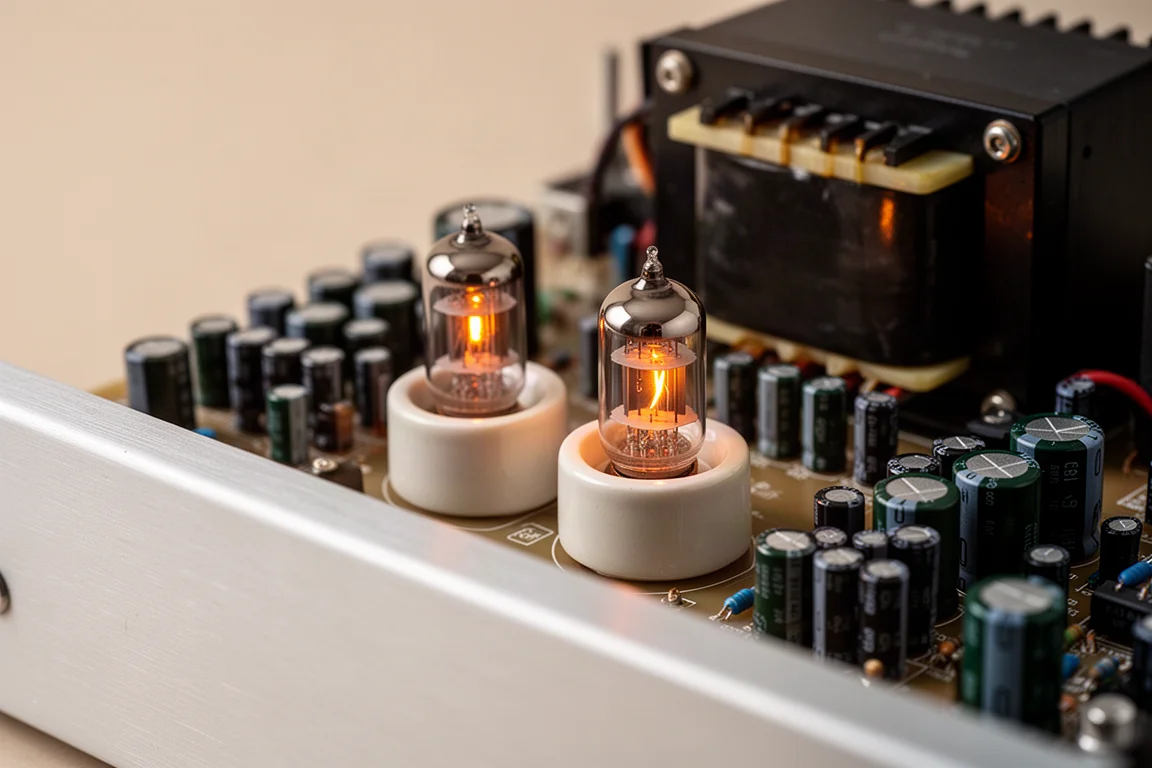
The purely analog signal path, and its unerring pursuit of whatever it is fed, means its character can be shaped by what sits upstream. A tube-loaded source device will sweeten it, while a leaner-sounding solid-state source will sharpen it up. System builders who enjoy that kind of tinkering will find the Marantz a willing partner. The Rotel’s lusher overlay, by contrast, is more or less baked in, so you get what you get.
In listening terms, the Model 10’s midrange is clearer and more forward, and its male vocal reproduction is more present than the Rotel’s. That transparency means it will expose every strength and every weakness in your source chain. Material that is brittle will not be flattered by it.
T+A Symphonia: A Compact Streaming Alternative
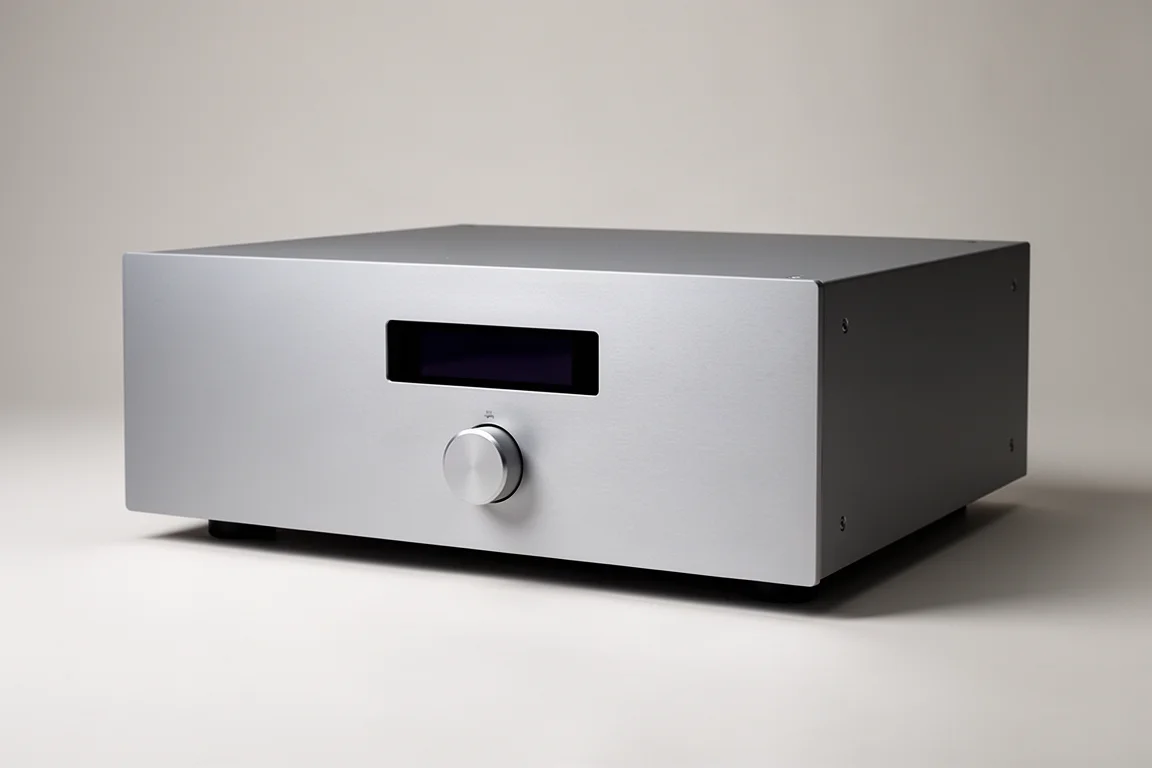
The Symphonia is the smallest of the three at 6.2 kg, a Class D integrated made in Germany and built around a Purifi Eigentakt module. It adds an onboard DAC and streaming, which makes it the most self-contained of the group for digital listening, and it is rated at 125 watts per channel into 8 ohms and 250 watts into 4 ohms.
Its phono stage is more limited than the other two, covering moving magnet and high output moving coil cartridges only, so owners of low output moving coil designs will need to look elsewhere for vinyl.
On timing and micro detail, the Symphonia pulls ahead of both the Rotel and the Marantz, with a forensic grip on transient detail that neither of the other two can fully match, although the Marantz gets closest. The trade-off is that it does not always flatter material. Intimate acoustic recordings that can turn brittle through overly analytical amplification are not always served well by it.
Sound Quality: Where Each Amplifier Differs
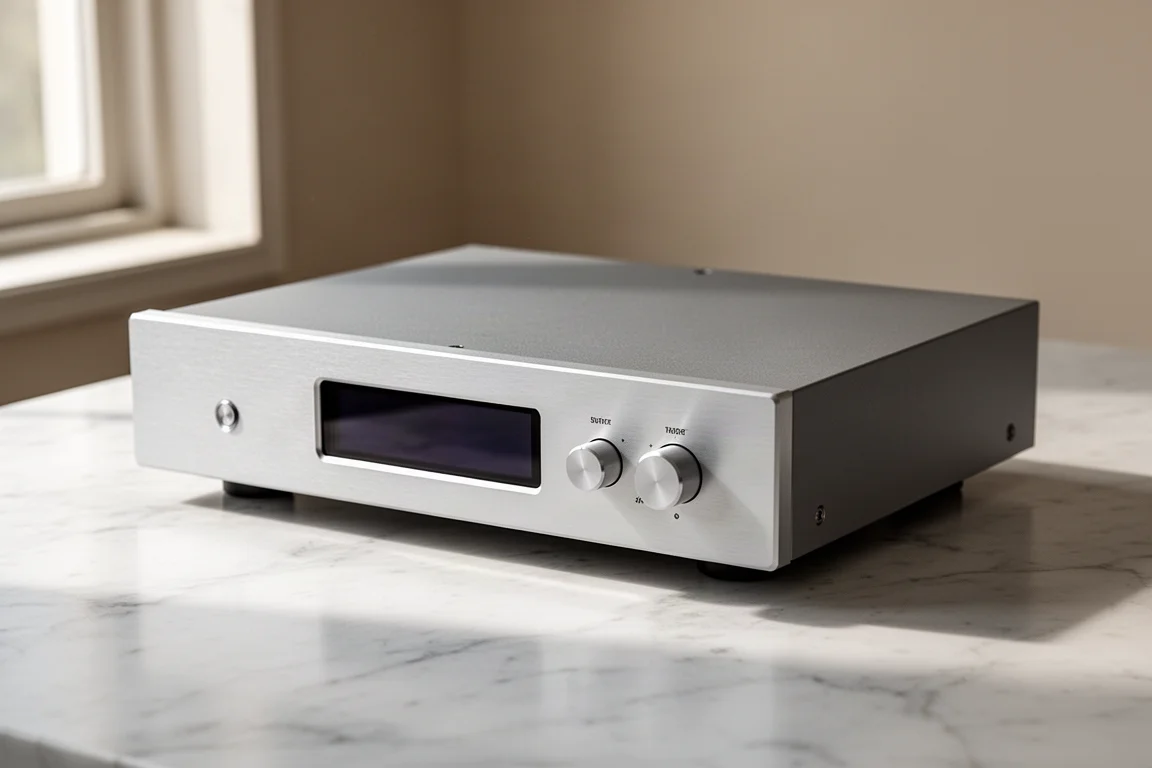
The three amplifiers split on dynamics in a way that is easy to describe. The Rotel leads on bass dynamics, the Marantz leads on midrange dynamics, and the T+A leads on timing and micro detail. Each strength points to a different priority in a system.
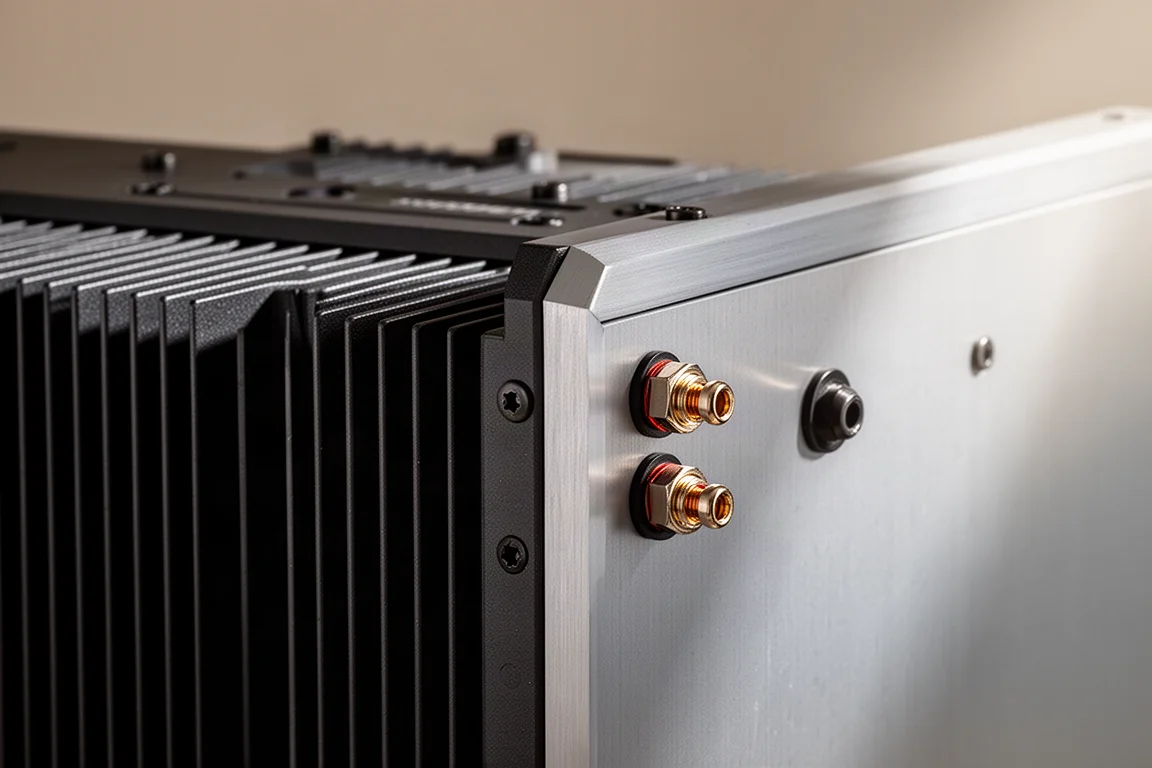
The Rotel softens the top of the mix slightly and pulls back on upper midrange presence relative to the Marantz, which makes its Class AB character the most sonically distinctive of the three. Its mids and upper mids sit a few degrees more laid-back, and that warmth carries through to intimate acoustic recordings, where it keeps things warm without turning them woolly. Voices sit naturally in the room rather than being projected at you.
Loudspeaker choices shape how these differences land. A crisper, cleaner, airier speaker benefits particularly from the Rotel’s warmer top end and fuller low end, while a more dynamic speaker with a woodier top end suits the Marantz’s clarity and perspicuity. Matching the amplifier to the speaker you already own matters more here than chasing an absolute ranking.
Overall Buying Advice
Where the Rotel wins on digital versatility, the Marantz counters with superior analog credentials and greater transparency. The X3 offers the broader comfort zone of the three: slightly warmer, marginally more forgiving, and easier to live with across a mixed record collection and eclectic streaming habits. Music that would sound thin or harsh through the Marantz sounds merely ordinary through the Michi.
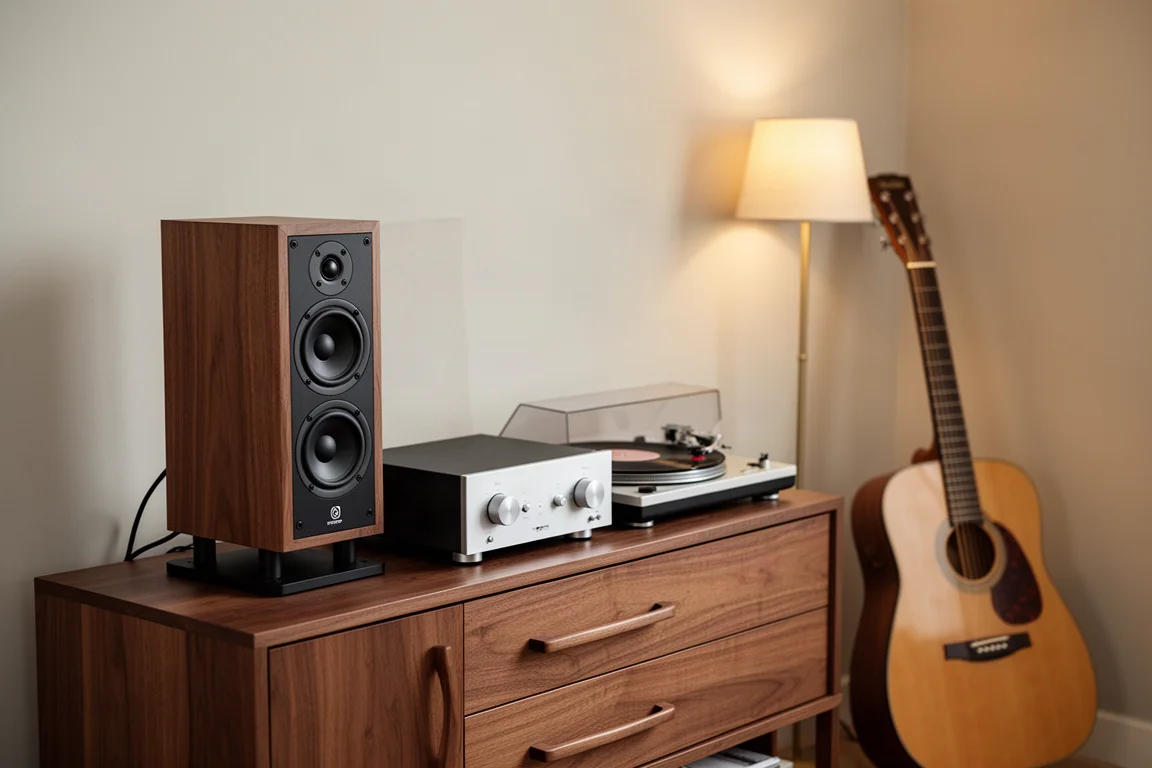
The direct verdict is simple. The Marantz Model 10 is the better amplifier, and it costs twice as much. The Rotel Michi X3 Series 2 does not outgun it and is not a giant killer, but for a listener who wants power, forgiveness and a strong feature set in a single box, the value case is hard to ignore. At $7,500 it asks a lot, and it earns it.
Choose the Rotel if you want one powerful integrated amplifier to handle everything across different formats and sources without demanding perfection from any of them. Choose the Marantz if you are building a system around a high-resolution analog source chain and want the amplifier to transmit that chain rather than interpret it. Choose the T+A Symphonia if a compact chassis, onboard streaming and a firm grip on timing matter more to you than raw power or a flexible phono stage.
Conclusion
Three amplifiers, three coherent philosophies. The Rotel Michi X3 Series 2 is the livable all-rounder with the deepest bass and the widest format support. The Marantz Model 10 is the transparent analog instrument that rewards investment in the rest of the chain. The T+A Symphonia is the compact streamer with the sharpest sense of timing. Match the amplifier to the sources you actually own, and any of the three will make a strong case for itself.
Further reading
Related Reviews
Hi-Fi Amplifiers
Accuphase E-280 Review: Entry-Level Accuphase With Flagship Attention to Detail
A close look at the Accuphase E-280 integrated amplifier, covering its champagne build, AAVA volume control, sound quality, and the speakers and sources that suit it best.
Hi-Fi Amplifiers
Advance Paris A10 Classic vs Yamaha A-S301: Two Integrated Amplifiers Compared
A practical comparison of a $350 integrated amplifier and a $2,500 reference model, covering the differences that matter and the ones that do not.
Hi-Fi Amplifiers
Affordable Chinese Amplifiers Worth Buying: Five Budget Hi-Fi Amps Compared
A practical look at five affordable amplifiers, what each one does well, and the trade-offs to weigh before you buy.