Home Audio
Best High-End In-Wall Speakers: What to Know Before You Buy
A close look at high-end in-wall speakers, covering measured performance, listening notes, and the practical trade-offs that matter for home theater buyers.
Introduction
In-wall speakers are one of the cleanest ways to build a home theater or a multi-purpose living room system, but they are also one of the hardest categories to shop for. Once a speaker is inside a wall, replacing it is a serious job, and the wall itself becomes part of the acoustic system rather than a neutral container.
This comparison covers high-end in-wall models priced from roughly $500 to about $3,000 each. It focuses on how each speaker measures, how it sounds in practice, and which trade-offs are worth accepting.
How These In-Wall Speakers Were Evaluated
Testing in-wall speakers normally means cutting into drywall, which is not practical for a comparison. Each model here was instead mounted in a large test baffle so it could be measured with a nearfield scanner. That setup produces results similar to mounting the speaker on an effectively infinite wall, which preserves realistic bass loading and bass output.
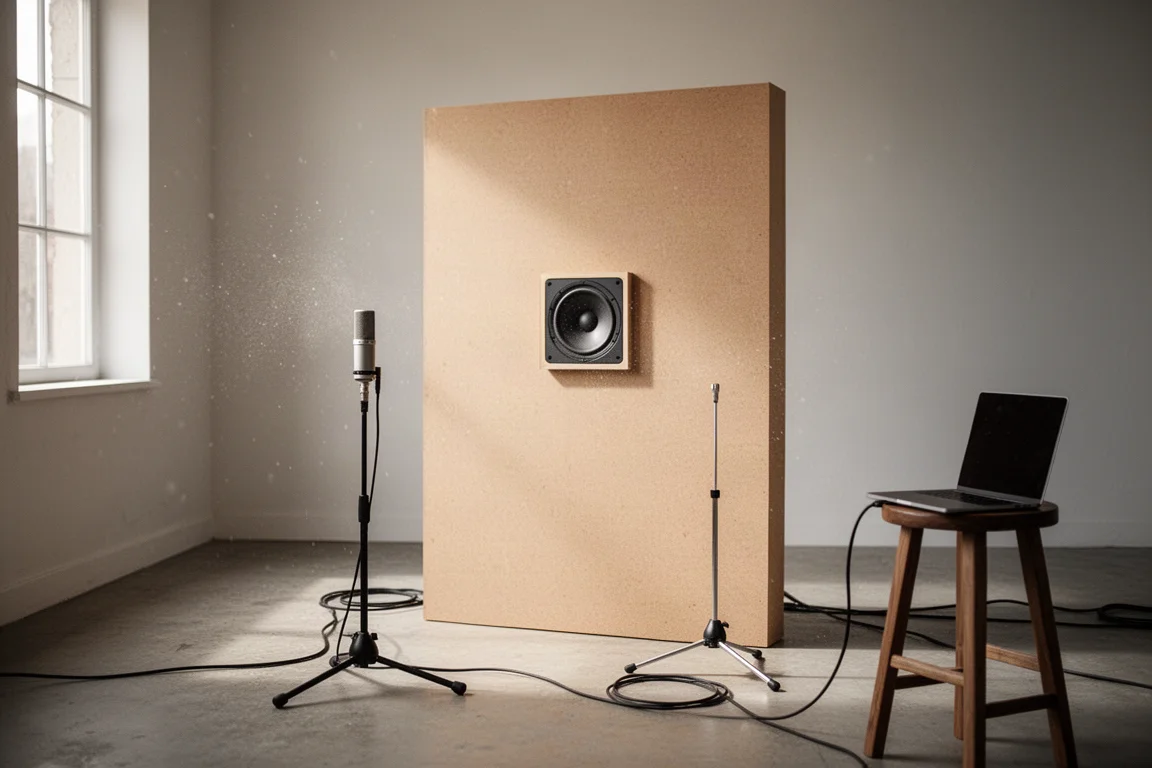
Every speaker was measured with the grille fitted and removed. The performance described below is with the grille off, which is the better configuration for all of these models. Listening notes were then compared against the measurements and checked again with equalization to see whether problem areas could be smoothed out. Taking that extra step matters, because a measurement error can lead to the wrong conclusion about a speaker.
Bowers & Wilkins CWM7.3 S2: Solid Construction, Uneven Response
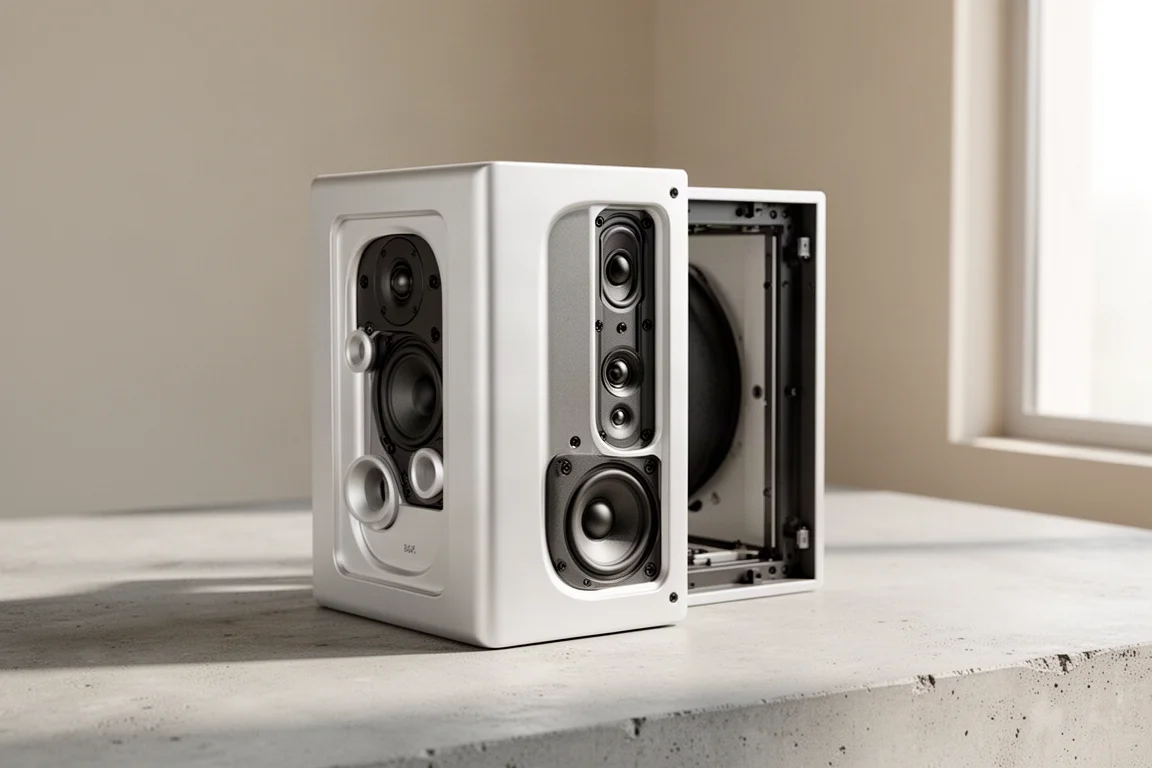
The CWM7.3 S2 ships with its own backing box. Installation uses small T-nuts that seal the enclosure, blanking plates can be fitted at the top and bottom, and an optional extension increases the internal volume. The baffle carries a port, a tweeter, a mid-range driver and two mid-woofers, and the parts look genuinely high quality.
Measured performance tells a different story. In the ported configuration there is a high-Q peak in the midbass around 125 Hz, a broad dip between roughly 2 kHz and 4 kHz, and elevated treble. Stuffing the supplied foam into the port reduces the low-frequency resonance by a few dB and improves both the measurements and the sound, but the dip in the upper mid-range remains.
Reversing the tweeter connection to check polarity changed the response noticeably, narrowing the wide dip into a much smaller notch around 5 to 6 kHz. In listening tests, this was the most sibilant model of the group, with mid-range guitar losing level and male vocals sounding boxy. Horizontal coverage holds to about 30 degrees. Distortion is well controlled until the low end, which is expected from a smaller woofer, and compression is reasonable apart from the range above roughly 7 kHz, where output falls away and dynamic range becomes limited.
The elevated treble is not a compensation curve for acoustically transparent screens. Its shape does not match the high-frequency loss those screens produce. At around $2,100 each, this is a lot to pay for a design with these issues.
Focal 1000 IWLCR6: Small Enclosure, Significant Trade-offs
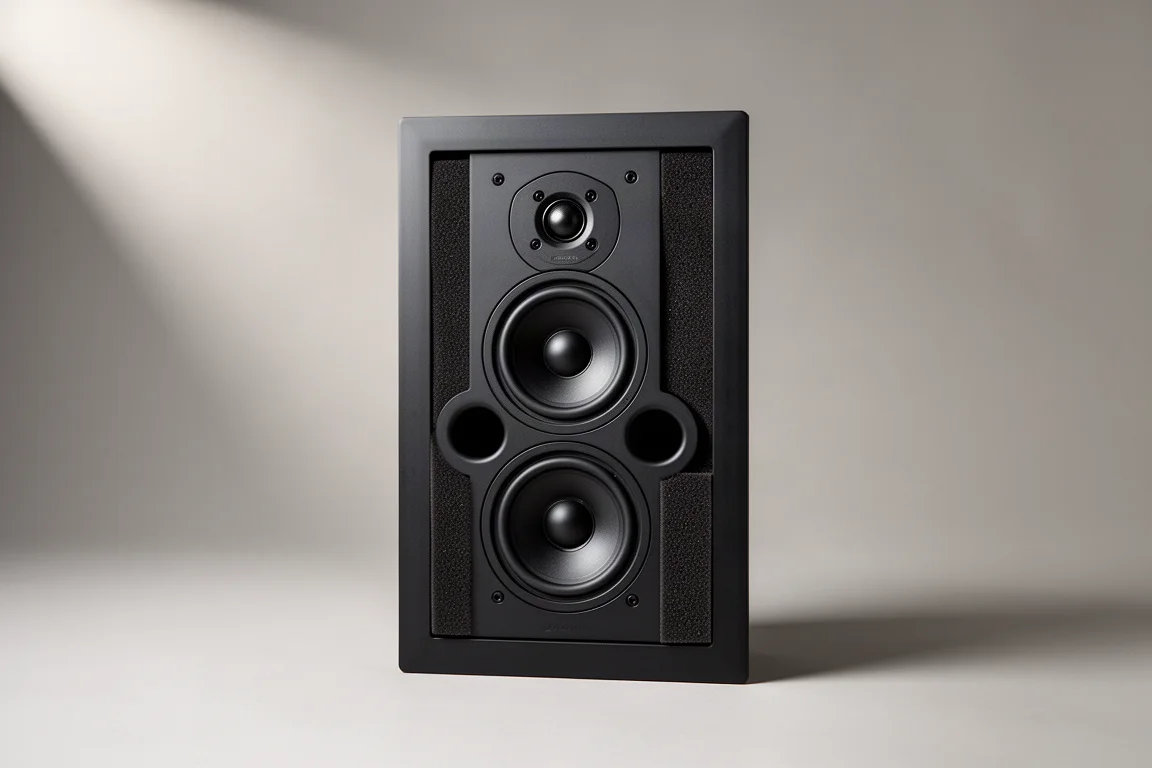
At around $2,700 each, the Focal 1000 IWLCR6 is one of the most expensive models in this group. It includes a -3 dB tweeter level switch, which usefully tames the treble and reduces sibilance, plus a +3 dB mid-range switch that does not appear to help much.
Average sensitivity is about 87 dB. The most serious issue is a strong resonance around 200 Hz. It remains when the speaker is measured away from the baffle wall, which points to something internal to the enclosure or the driver rather than the test setup. Because of the shape of the dip and the return peak that follows it, this is not something equalization can correct.
There is also a broad bump of roughly +10 dB in the midbass, which suggests the enclosure is too small for the drivers. High frequencies sit about +5 dB above the mid-range, and that is likely why the mid-range sounds recessed even though it is fairly smooth from about 400 Hz to 3 kHz. Compression in the mid-range looks good and distortion is respectable, but compression at the very low end climbs higher than is acceptable.
KEF Ci3160RL-THX: Neutral and Consistent
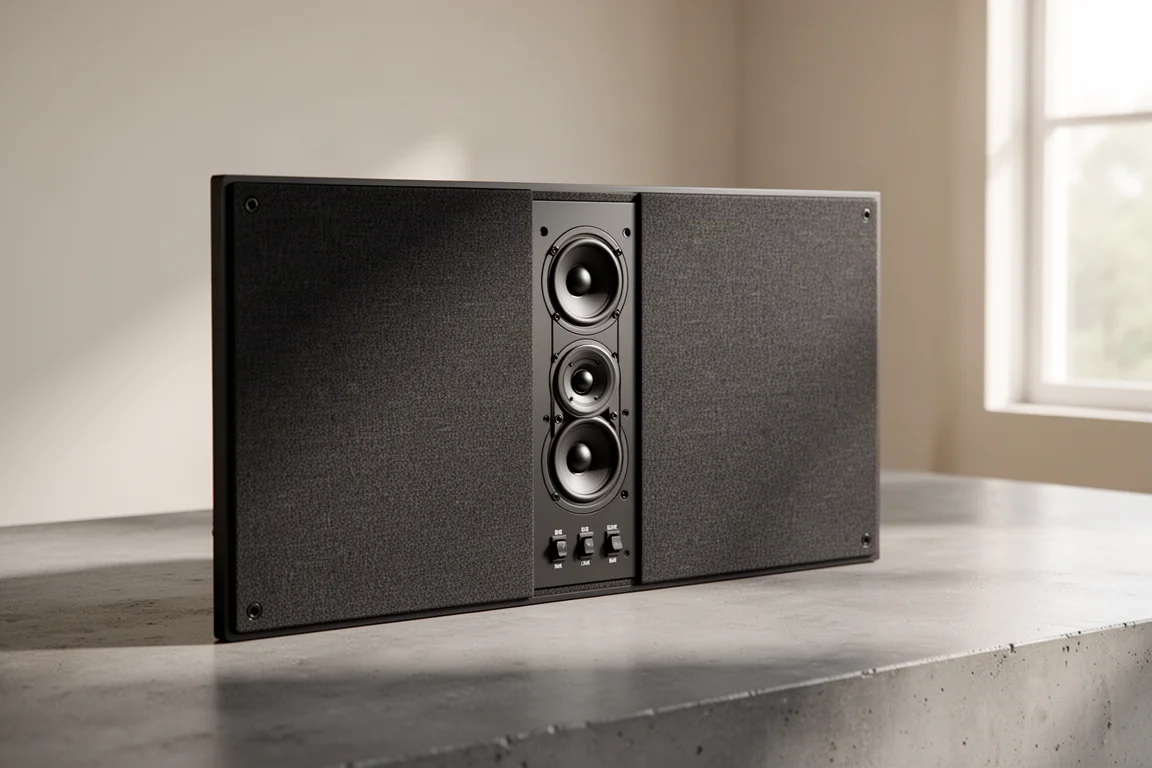
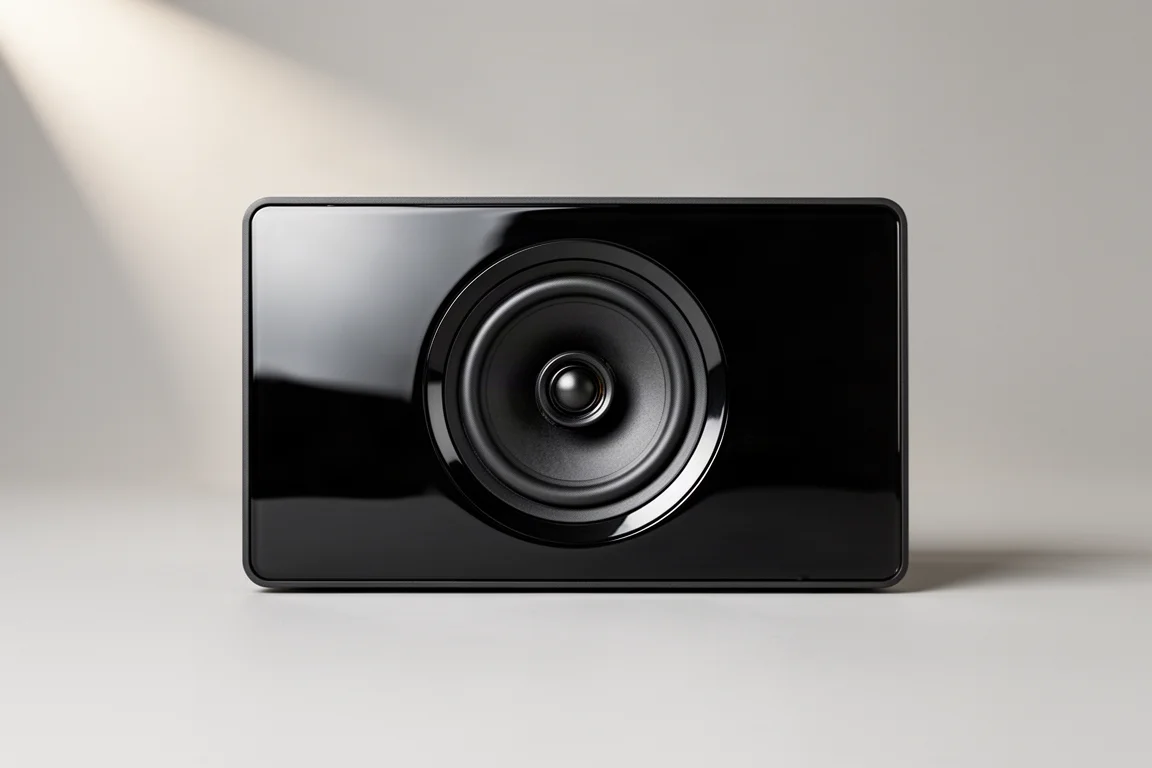
The KEF Ci3160RL-THX sells for about $2,000 each and does not include a backbox, although one can be bought separately. The fascia is neatly finished, and the concentric mid-range and tweeter arrangement delivers a true point-source response.
Tonality is neutral through the mid-range and treble, and the speaker sounds practically the same even at 45 degrees off axis. That consistency is valuable in a home theater, where several seats need to hear a similar balance rather than a narrow sweet spot. There is a broad bump in the midbass, but it is not a resonance and responds well to a modest equalization cut.
Mean sensitivity is about 87.3 dB. Distortion at 96 dB is well controlled, compression is good, and in terms of sheer output capability this is one of the strongest performers here. That is notable given that several competitors use more or larger woofers.
Martin Logan In-Wall Speaker: Nonlinear and Hard to Recommend
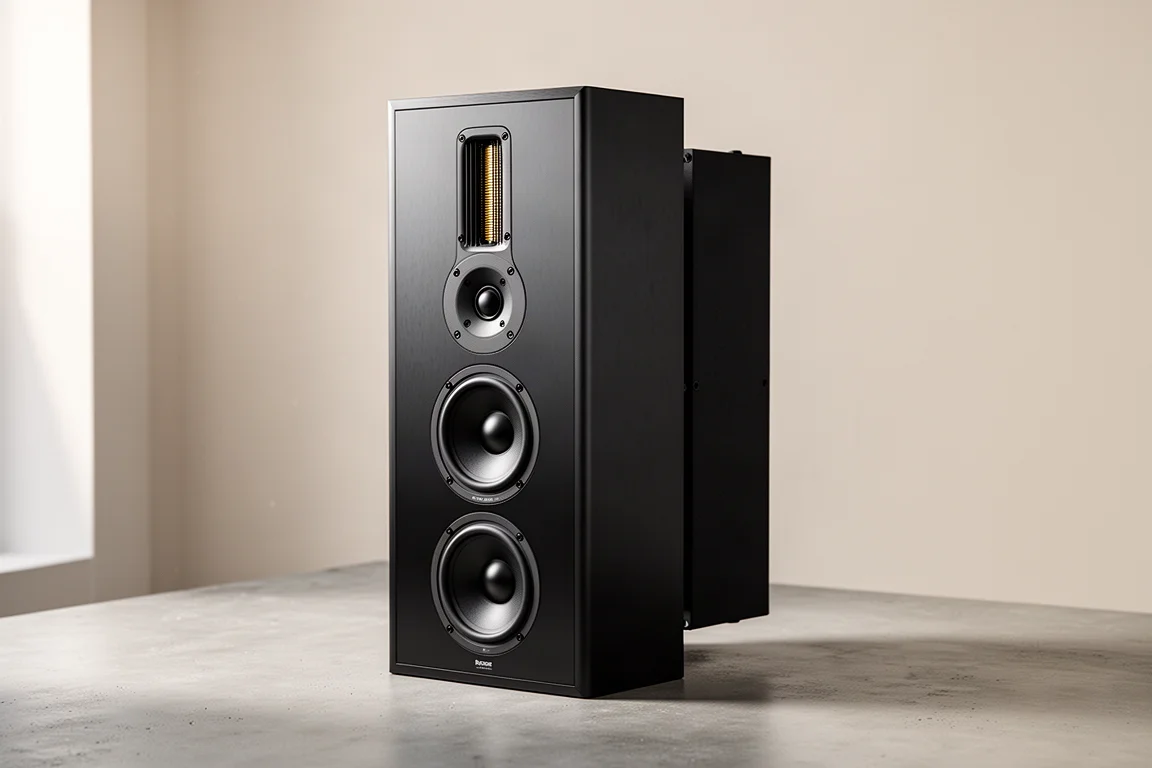
The Martin Logan model tested here is a fully enclosed design priced at about $3,000 each. It uses an air motion transformer style tweeter along with dual mid-range drivers and dual mid-woofers.
This is the most nonlinear speaker measured in this group, and possibly the most nonlinear measured overall. Average sensitivity is about 88.1 dB, with the midbass sitting roughly 6 dB above that level. Tonality and timbre vary widely across the range, so some material sounds bright while other material sounds dull, and the mismatch is audible.
Listening impressions describe a dull speaker with recessed mids and little attack, where mainly the lower mid-range stands out. It is also easy to localize rather than disappearing into the sound field. Distortion is acceptable through the mid-range but rises in the midbass and below, while compression is reasonable apart from issues in the higher frequencies around 2 kHz and additional distortion at the low end.
The data suggests the speaker would respond reasonably well to equalization within limits, but correcting this much nonlinearity raises an obvious question about whether a better speaker would be the simpler choice.
Miller & Kreisel IW150: Asymmetric Layout, Uneven Coverage
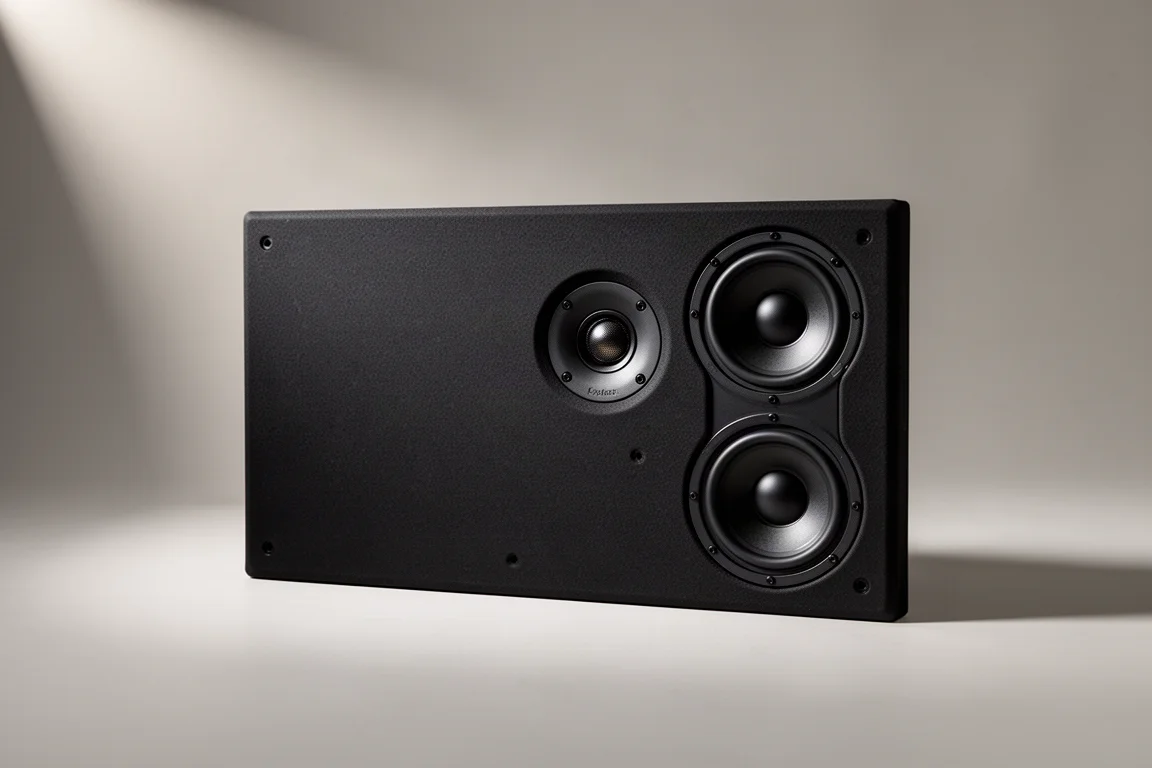
The IW150 had a list price of about $2,100 but appears to be discontinued. It can still be found new in box for around $1,000. Above roughly 300 Hz it sounds reasonably neutral, although lower vocals show some resonance. The measurements show a +6 dB bump centered on 150 Hz, which matches what was heard.
The driver layout is the real limitation. Two woofers sit on one side of the tweeter but none sit on the other, so the design is not symmetric. Moving to one side of the speaker produces a hole in the sound that does not appear on the other side. In a room, that means listeners on one side hear something different from listeners on the other, and sidewall reflections make it worse. That alone makes the speaker difficult to recommend for a multiseat room, even though its overall measured performance is not poor.
Average sensitivity is about 88.2 dB, with a boosted treble region that is less pronounced than on some rivals, plus the usual boosted midbass.
Revel W893: A Balanced Performer at a Lower Price
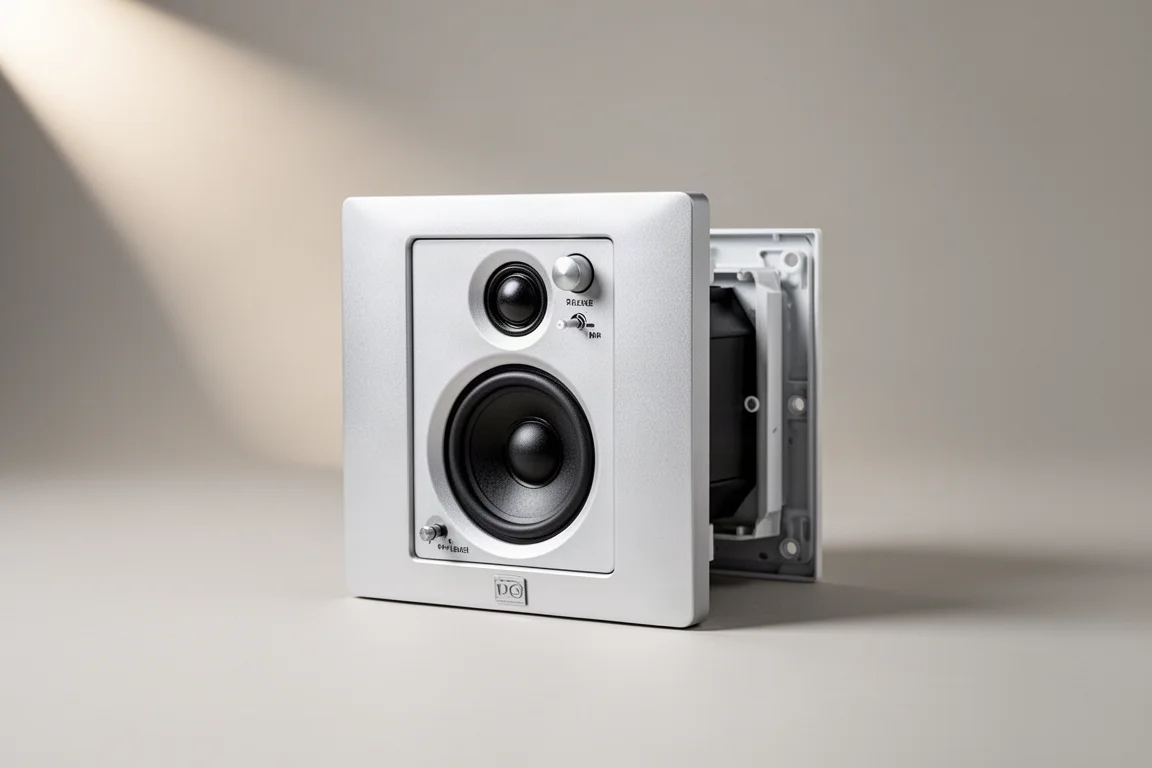
At around $1,100 each, the Revel W893 is one of the more affordable models in this comparison. It is an open-back design with no sealed enclosure, so the wall cavity becomes the volume. That is a meaningful advantage, because the low-frequency behaviour avoids the high-Q midbass bump that appears in so many closed-back designs.
Tonality is largely free of obvious problems apart from a sharpness in the upper mid-range around 2 to 4 kHz, and that sharpness does show up in the measurements. Horizontal coverage extends to about 50 degrees, and the sound stage is surprisingly deep.
The overall response is fairly smooth, with a bump near 3.5 kHz. Compression shows some unusual behaviour in the high frequencies that will limit dynamic range there, and below roughly 80 Hz compression rises. Front-panel adjustments are available for fine tuning. Given the performance on offer relative to the price, this is one of the easier models to recommend.
Revel W553L: A Strong Choice for Surround Duty
The W553L is the smallest and least expensive speaker here at about $495 each. It is also open-back, so it avoids the large midbass resonance seen in sealed designs. It sounds fairly neutral, although the mid-range can seem slightly thin at times. The measurements suggest why: the bass region runs about 1 to 2 dB above the mid-range across a very broad area, which is a simple fix with a broad parametric cut of about 1 dB centered near 200 to 300 Hz.
Horizontal coverage is wide, around plus or minus 50 degrees, and vertical response holds up reasonably well until about 10 to 20 degrees. A tweeter level adjustment sits on the front panel. Compression behaves oddly at higher volumes, particularly in the treble, and rises below about 80 Hz. For surround duty those limits matter far less, which is why this model makes the most sense as a side surround speaker in a moderate-budget in-wall home theater.
JBL SCL6: A Reference Point for In-Wall Performance
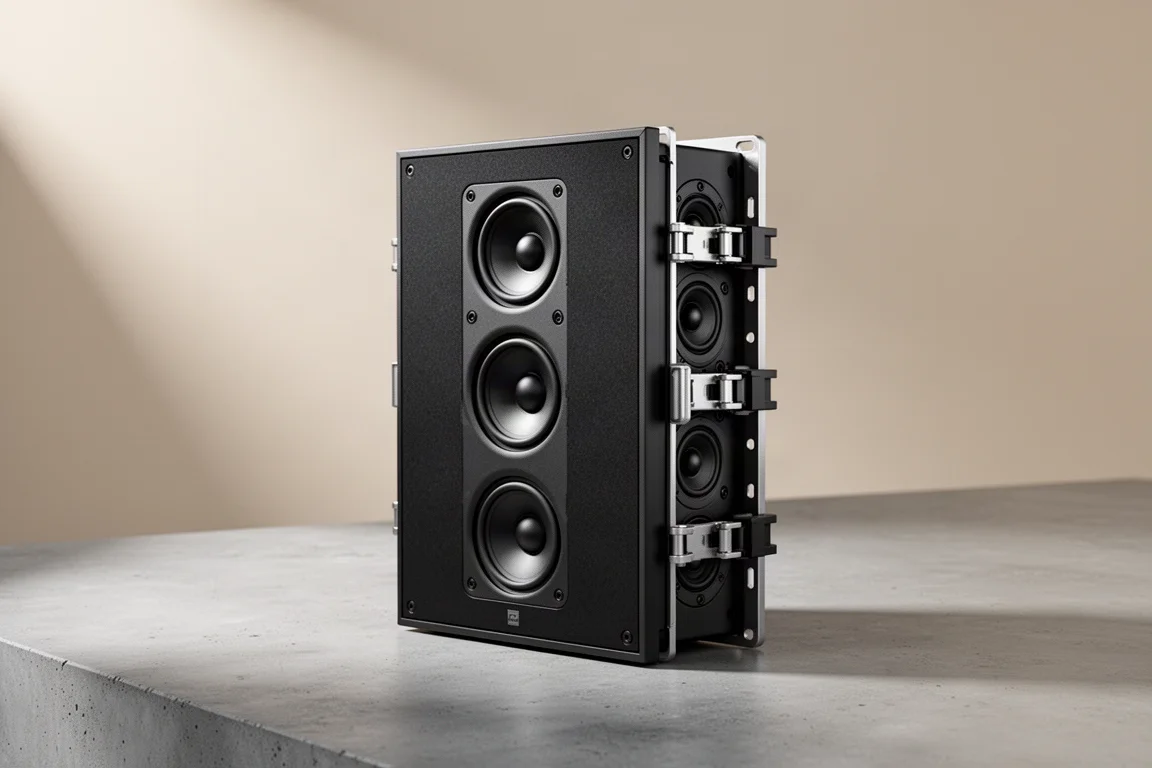
The JBL SCL6 is the strongest in-wall speaker measured so far in terms of overall quality. The KEF Ci3160RL-THX sits right alongside it, and a direct side-by-side data comparison would likely show give and take between the two.
One clear difference is the vertical response window, which is noticeably narrower on the JBL than on the KEF. For rooms where listeners sit at different heights, that is a real advantage for the KEF. Otherwise the choice comes down to personal preference. Distortion and compression are both very good, and response linearity is strong on both models.
Buying Advice
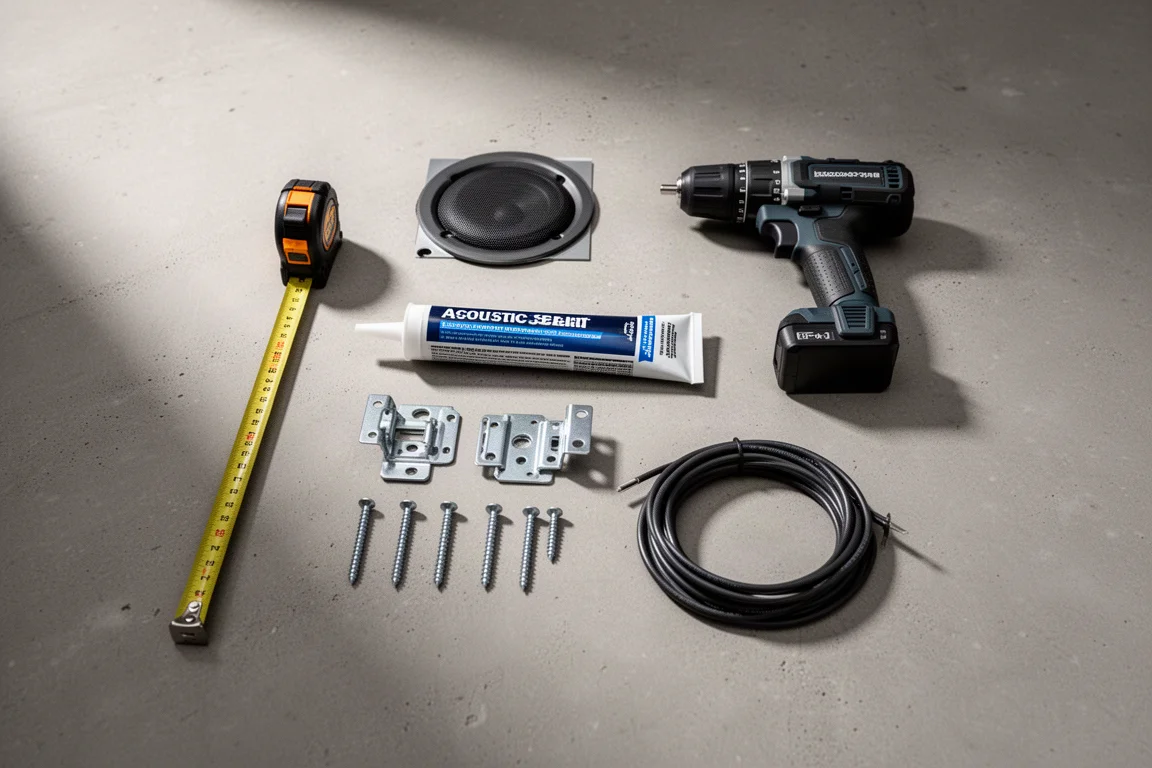
A clear pattern runs through this group: closed-back in-wall speakers often show a resonance in the midbass that lifts lower vocals and makes them sound boomy or muddy. If the wall is being built or opened up, sealing the cavity behind the speaker and giving it roughly 2 cubic feet of air is a better approach than relying on a closed-back cabinet. Sealant between the braces helps keep that volume airtight.
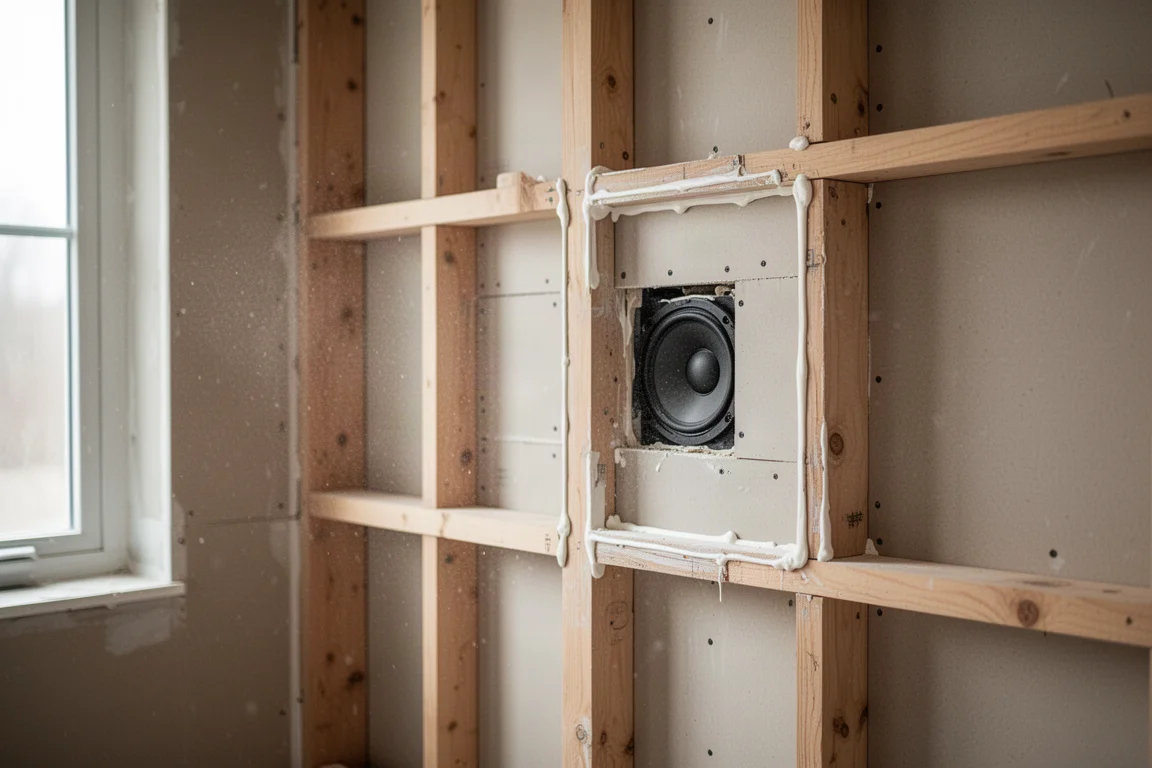
It is also worth remembering that automatic room correction cannot tell speaker response apart from room response. It sees a single combined sound field, so it cannot reliably separate the two. Starting with a speaker that does not have a pronounced midbass resonance makes the whole system far easier to tune.
Price is not a reliable guide here either. The most expensive models in this comparison, and the ones with the strongest heritage behind their names, were not the best performers. If any of the less impressive speakers are on your shortlist, hearing them in person before buying is strongly worthwhile. For most buyers, the Revel models and the KEF offer the most sensible balance of performance and cost, while the JBL remains the benchmark.
Conclusion
In-wall speakers reward careful selection because they are difficult and expensive to change later. In this group, the KEF Ci3160RL-THX stands out for neutral tonality and consistent off-axis behaviour, the JBL SCL6 remains the strongest overall performer, and the Revel W893 and W553L deliver solid results for considerably less money. The Bowers & Wilkins, Focal and Martin Logan models ask for premium prices without matching that level of performance, and the Miller & Kreisel IW150 is held back by an asymmetric layout that makes even coverage hard to achieve.
Further reading
Related Reviews
Home Audio
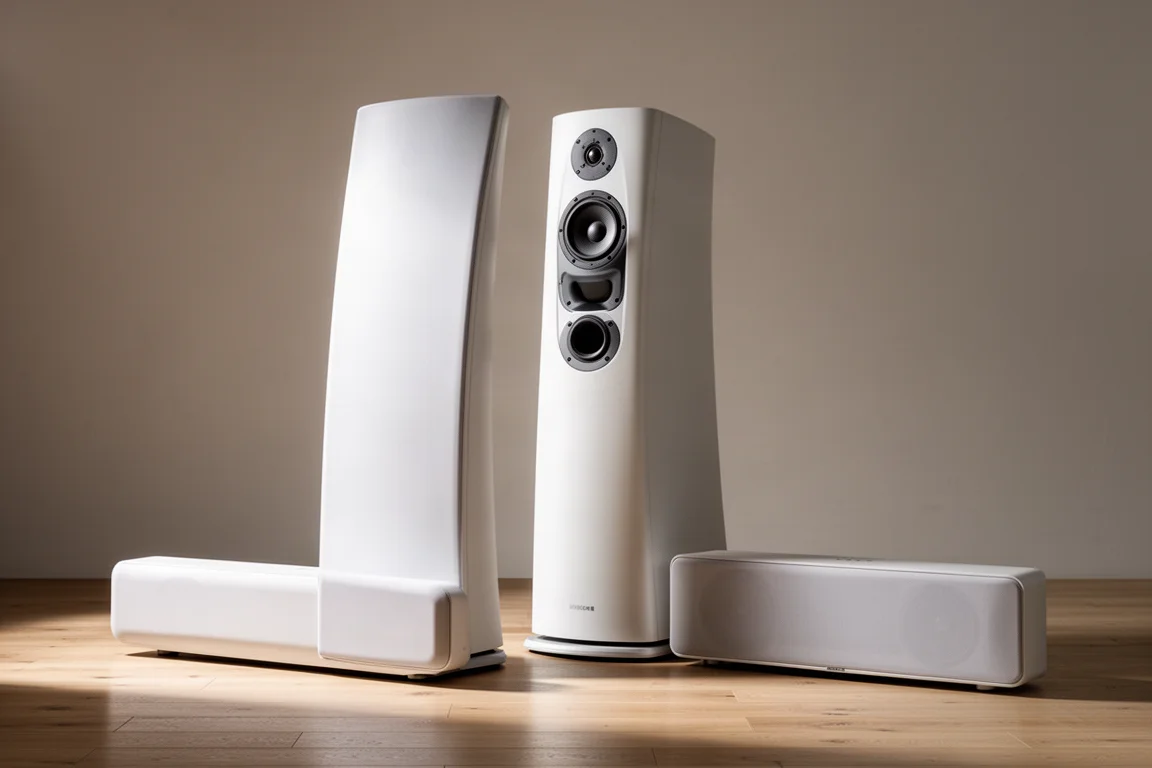
Aperion Novus Tower and Center Review: Punchy Home Theater Sound With Real Refinement
A close look at the Aperion Novus tower and center speakers, from their layered paint finish and punchy bass to the 4-ohm load and what the price actually buys.
Home Audio
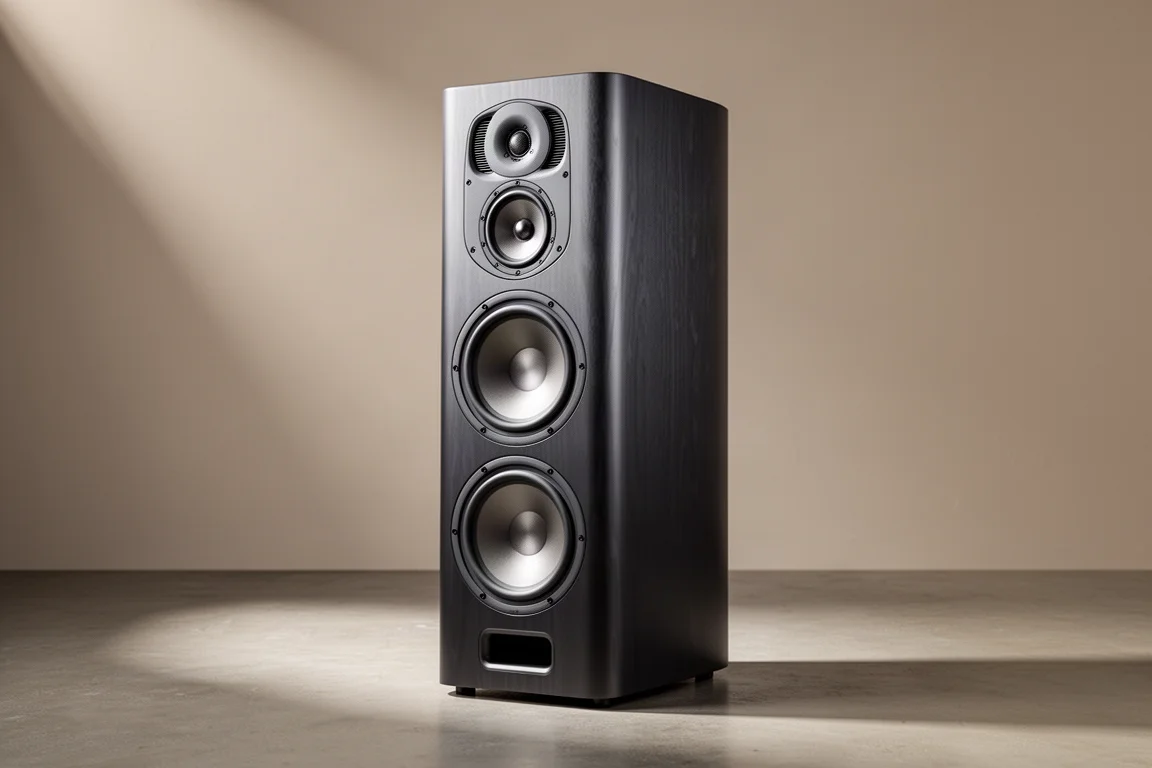
Arendal 1610 Tower Review: Flagship Dynamics in a Room-Friendly Tower
A compact floorstanding tower with three 8-inch aluminium woofers, a 5-inch carbon midrange, and the kind of bass heft usually reserved for much larger speakers.
Home Audio
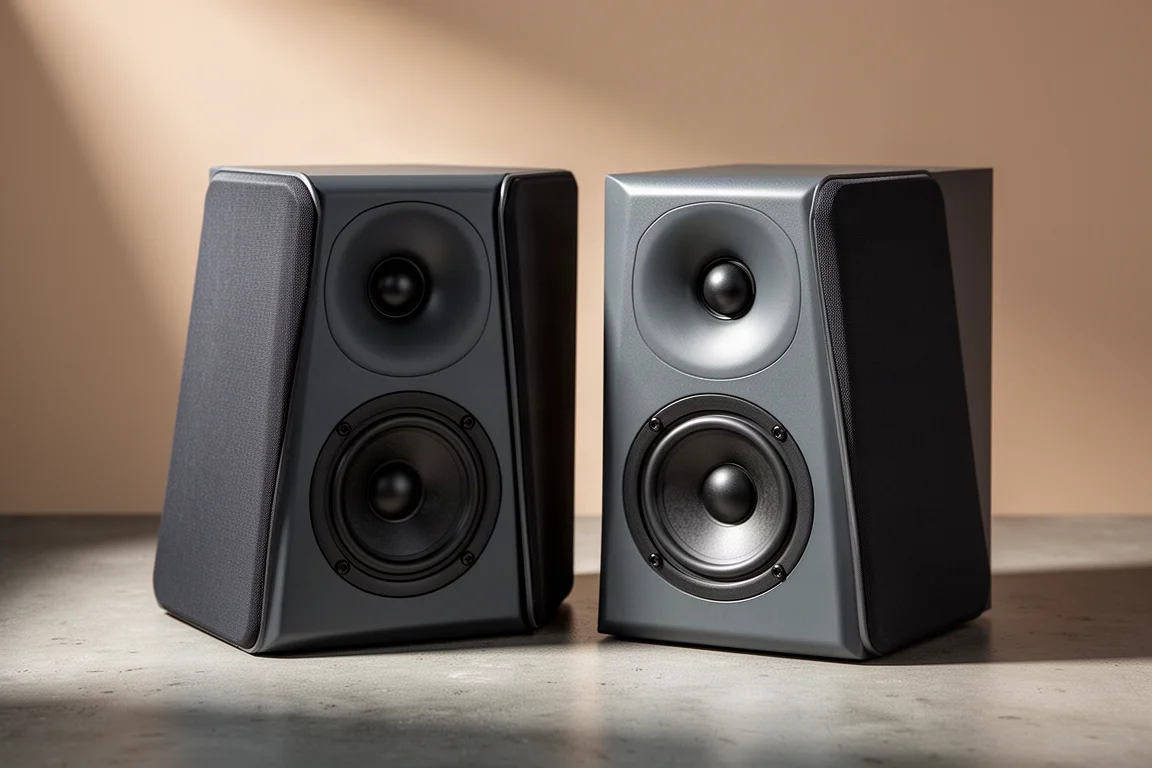
Arendal 1723 S THX Review: A Reference Speaker Built Like a Tank
A practical look at the Arendal 1723 S THX, a sealed, THX-certified speaker with exceptional build quality, a very flat top end, and a midrange that responds beautifully to EQ.