Hi-Fi Audio
Best High-End Hi-Fi Components 2026: Eight New Amplifiers, Speakers and Subwoofers
A practical look at eight new high-end hi-fi components, from a fully balanced preamplifier to a 15-inch flagship subwoofer, with the strengths and trade-offs that matter before you buy.
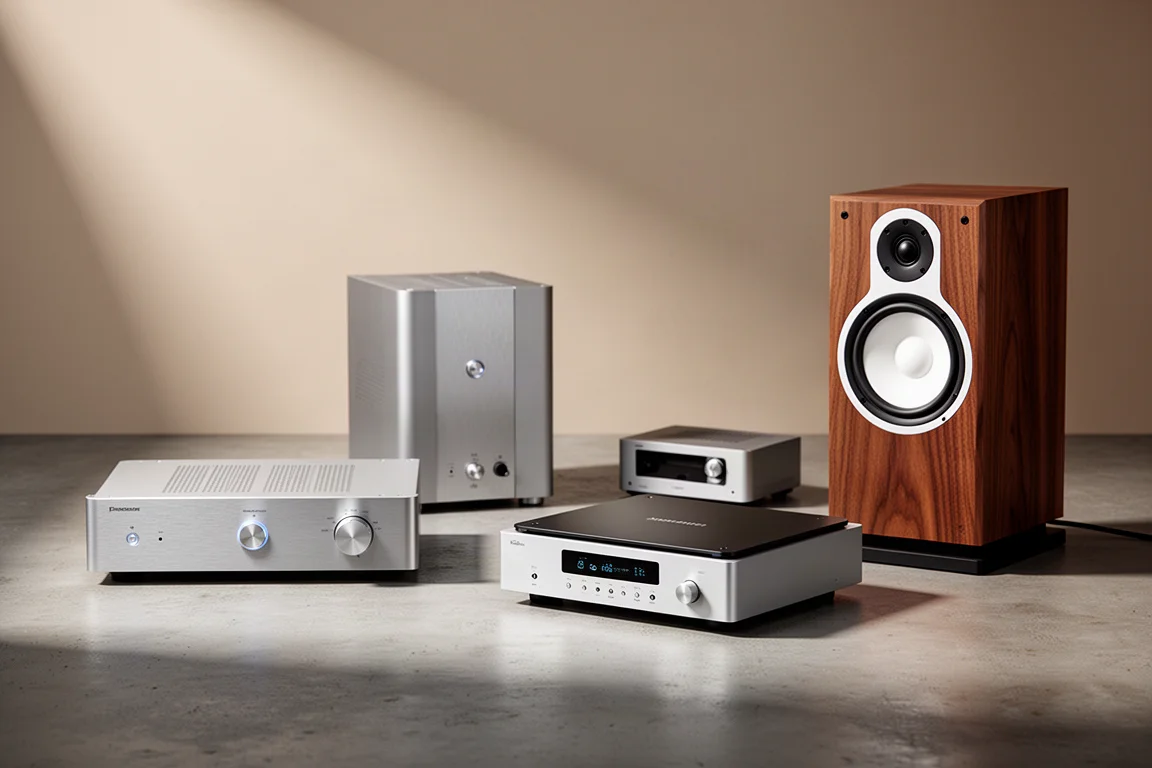
Introduction
High-end two-channel audio rarely moves in a straight line, and this year’s crop of new components shows why. Elipson, a French brand best known for its loudspeakers, has moved further into electronics with a new Reference series of amplifiers. Mission has followed the Retro 770 with a smaller standmount. REL has refreshed the top of its reference subwoofer range, while Luxman and Lumin have each rebuilt long-running platforms.
What follows is a practical look at eight of those components, with UK retail pricing where it has been published, the engineering details that actually matter, and the trade-offs worth weighing before you commit.
How These Components Fit Together
Two of the products here are electronics that feed a system, two are speakers and stands that turn the signal into sound, and two are subwoofers that extend the bottom end. That split matters more than any single specification, because the weakest link in the chain sets the ceiling for everything else.
A preamplifier and power amplifier pair gives you the most flexibility: you can change one half later without replacing the other. An integrated amplifier such as the Luxman L-507Z trades some of that flexibility for a simpler system with fewer boxes and one less pair of interconnects. A streamer sits upstream of either arrangement.
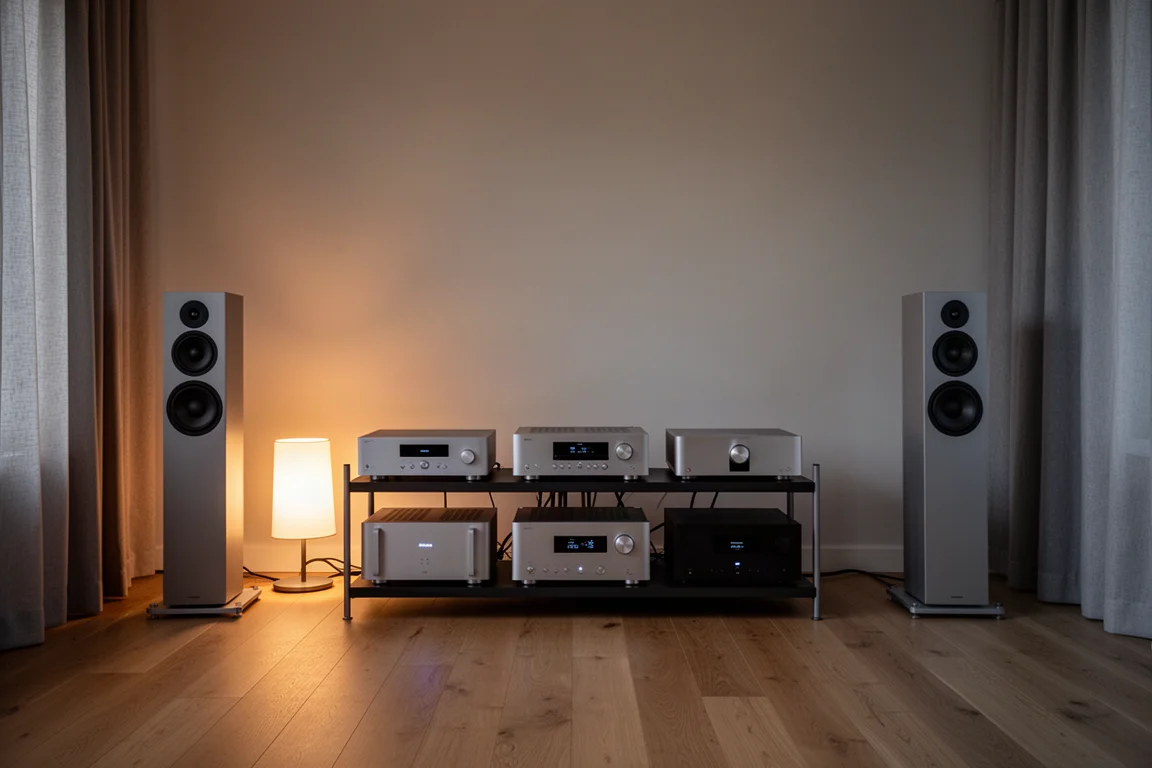
Price is the other variable. The components here span from a £299 pair of speaker stands to a £10,000 flagship subwoofer, and what you get for the money is not always proportional. Decide on the speakers first, then choose electronics that suit their sensitivity and impedance, and treat the source components as the last piece of the puzzle rather than the first.
Elipson Reference P1 Preamplifier
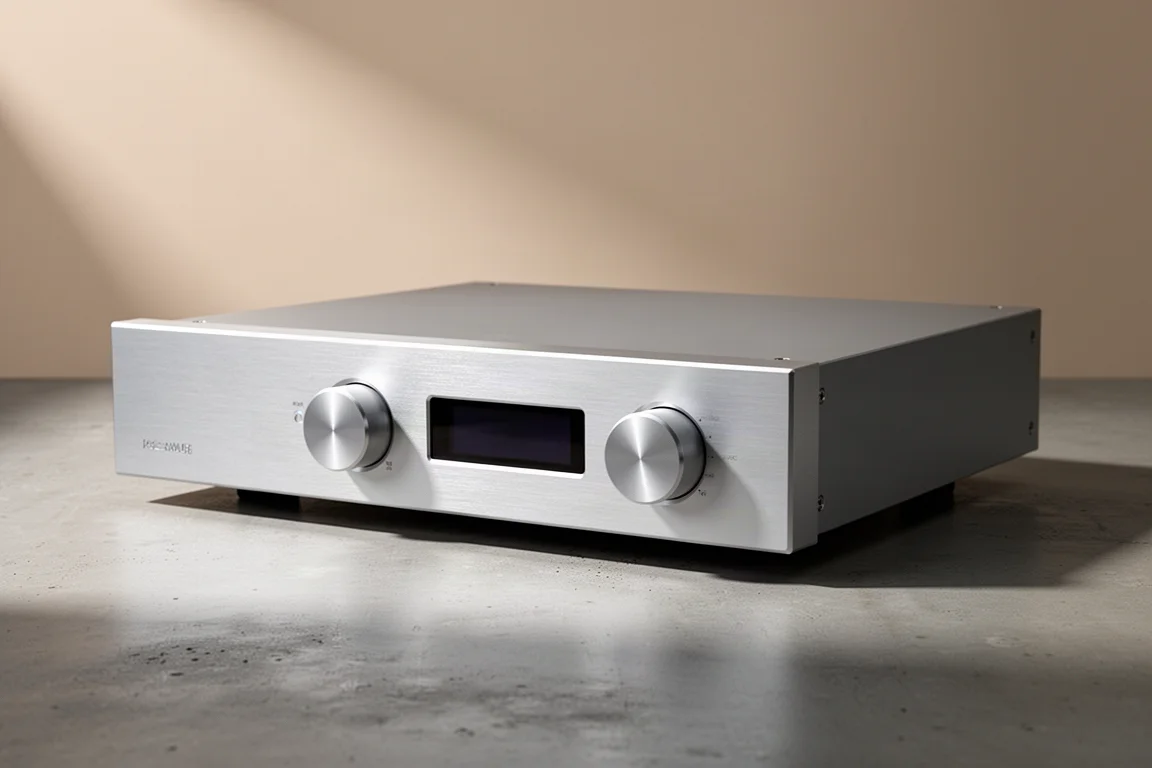
The Reference P1 is a fully balanced preamplifier with physical separation between the left and right channels. Its bespoke power supply switches at a very high frequency and delivers a pure sinusoidal signal to the AC to DC converter, which is heavily regulated before feeding the analogue sections of the preamplifier.
Two optional modules expand what the P1 can accept. An ESS Sabre DAC module adds USB, coaxial and optical digital connections for £699. A moving magnet and moving coil phono stage costs £499. Bought together as a fully loaded unit, the total is £2,799, a saving of £300 against buying the modules separately. The preamplifier on its own is £1,899.
Elipson A2700 Power Amplifier
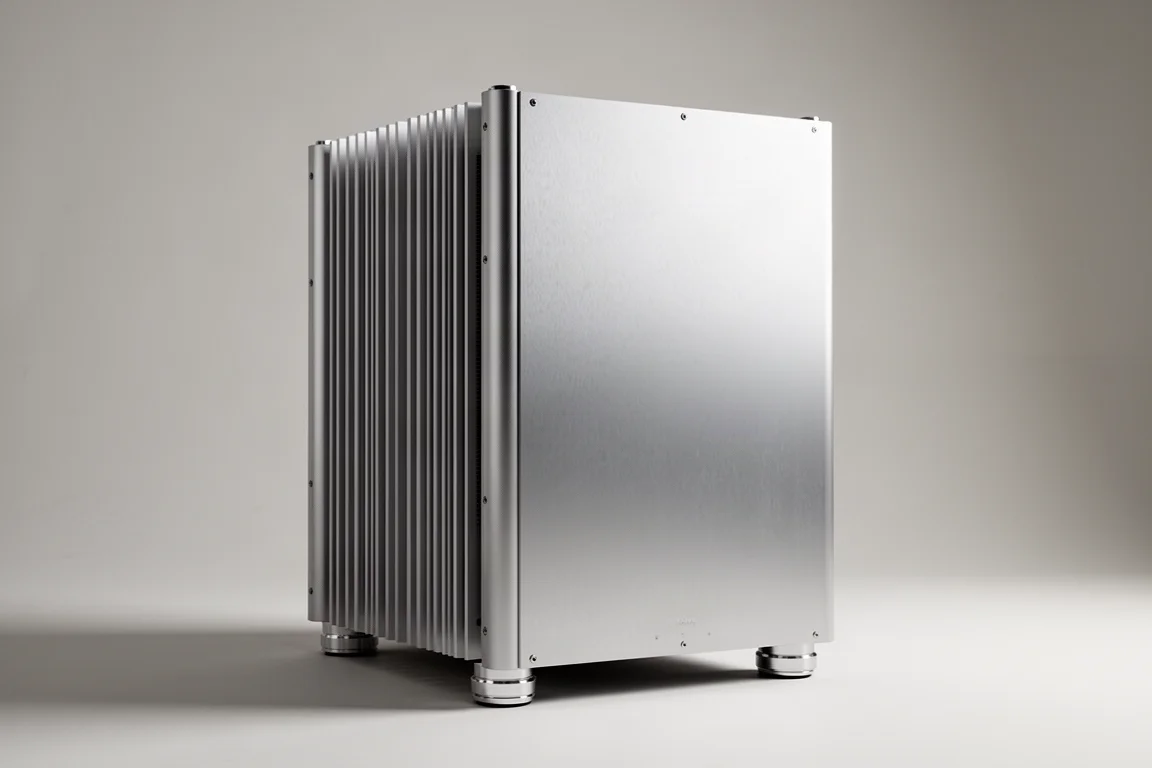
The matching A2700 is the muscle in Elipson’s new Reference pairing. It uses a Class D platform the company describes as state of the art, although the technical details are being kept under wraps for now. What has been published is the output figure: 400 watts per channel into 8 ohms, with Elipson claiming it can drive the most demanding speakers available.
That combination of a fully balanced preamplifier and a high-output Class D power amplifier is aimed at listeners with power-hungry loudspeakers and a preference for separate components rather than a single chassis doing everything.
Mission 700 Speaker
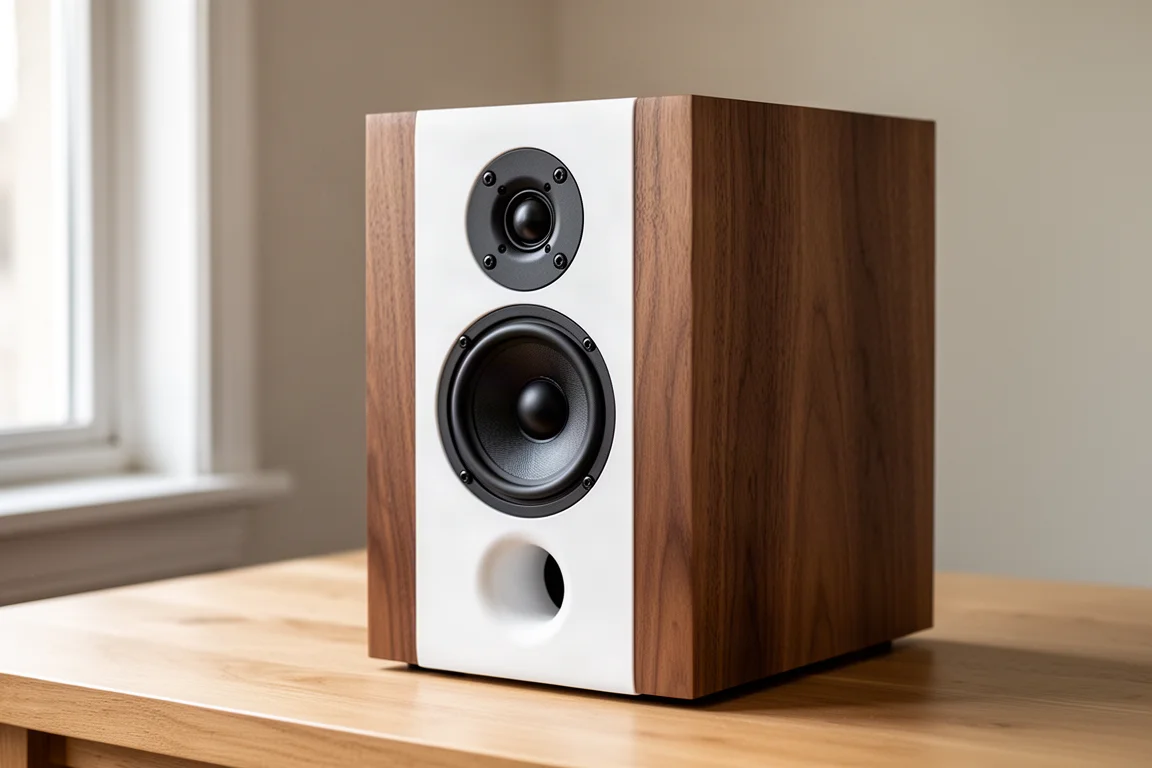
The Mission 700 follows the Retro 770 into the range as a smaller standmount, and its cabinet proportions, white front baffle and Mission 700 logo are a direct homage to the original launched in 1980. The modern version weighs 12.8 kilograms, twice as much as the British classic.
The original 700 was one of the first speakers in the world to use inverted driver geometry, with the tweeter positioned below the mid-bass driver. Placing the mid-bass unit closer to ear level lengthened the path the tweeter’s sound waves had to travel, which was intended to achieve better time alignment between the two drivers, along with improved stereo imaging and transparency. The new model keeps that layout.
The 165 mm (6.5 inch) mid-bass cone is made from polypropylene loaded with minerals to stiffen the diaphragm, and as with the 770 the driver is built into a die-cast chassis. A front-firing flared port extends the in-room response down to 38 Hz, and the 28 mm microfiber dome tweeter uses a damped rear chamber to push its fundamental resonances below the crossover region. The cabinet is a sandwich construction of MDF and particle board bonded with a layer of high-damping adhesive, with internal bracing that adds strength to the front baffle and ties the drive units to the cabinet.
The 700 is available in black or real walnut for £1,299, or £1,499 when bought with the matching stands.
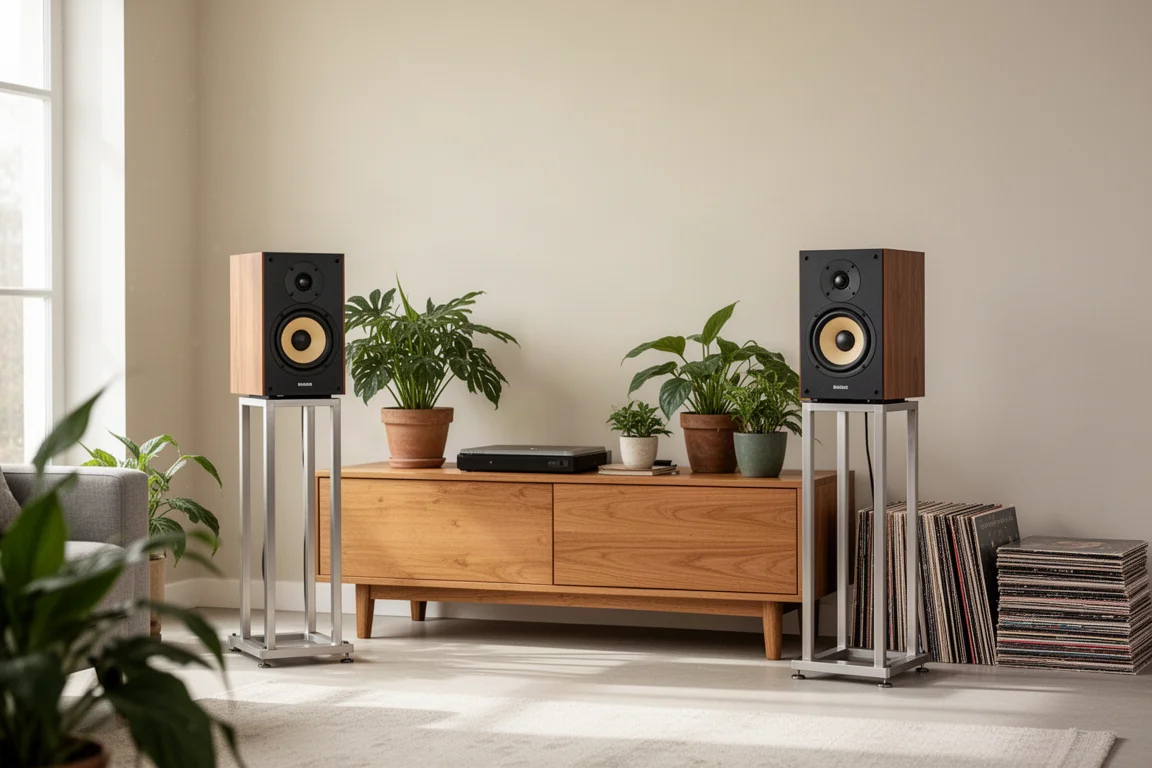
Worth noting is how far the 700 sits below its larger sibling. The 770 costs over £3,000, which is a substantial gap for two speakers in the same range that share a design language. Buyers comparing the two should weigh room size and amplifier headroom as much as the price difference.
Mission 700 Open-Frame Stands
Mission has designed a pair of optional open-frame stands to match the 700. They are made from carbon steel, with damping material fitted inside the four uprights. At £299 they look like reasonable value, and buying them together with the speakers brings the total to £1,499.

REL No.32 Subwoofer
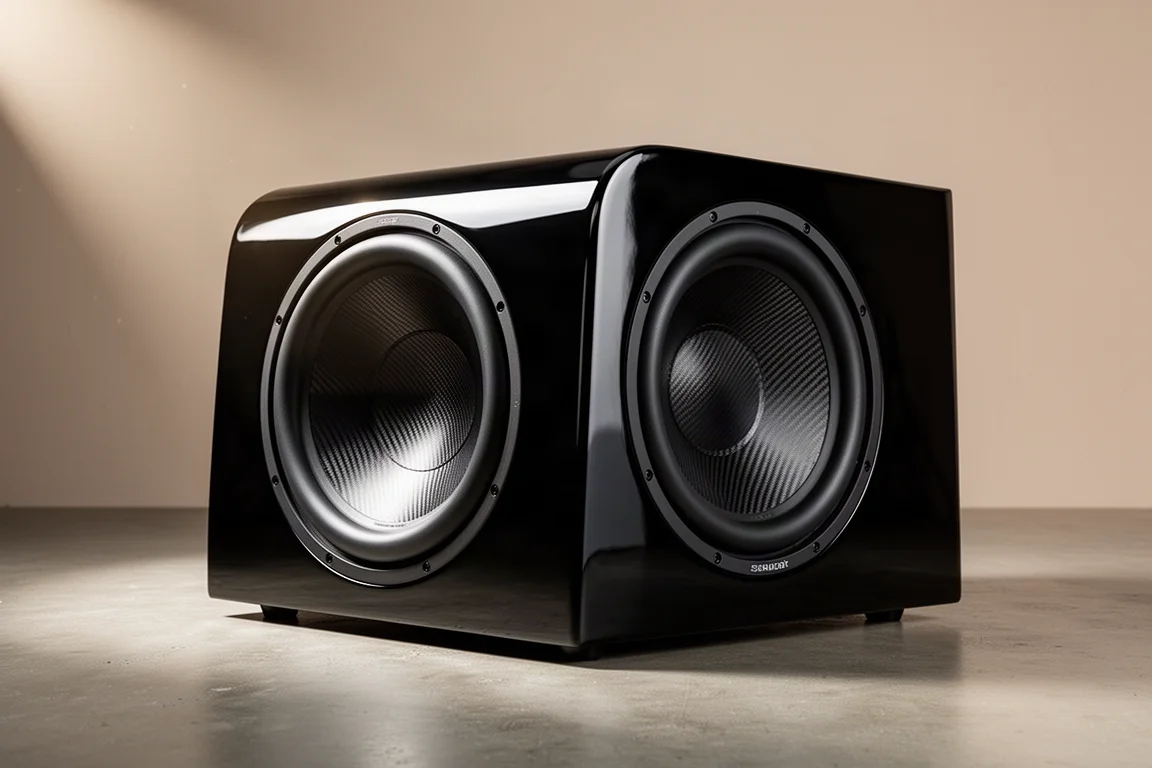
The No.32 takes over as REL’s flagship subwoofer, replacing the No.25. It pairs 1,000 watts of amplification with a 15 inch (380 mm) pure carbon fibre driver capable of four inches (100 mm) of travel fore and aft. The cabinet is curved, and REL reports that each one takes three weeks to construct and complete.
Low-frequency extension is quoted at 15 Hz at the -6 dB point, and the whole assembly weighs 102 kilograms (225 pounds). At £10,000 each, the No.32 is aimed at dedicated listening rooms rather than typical living spaces. It is available in gloss white as well as gloss black.
REL No.31 Subwoofer
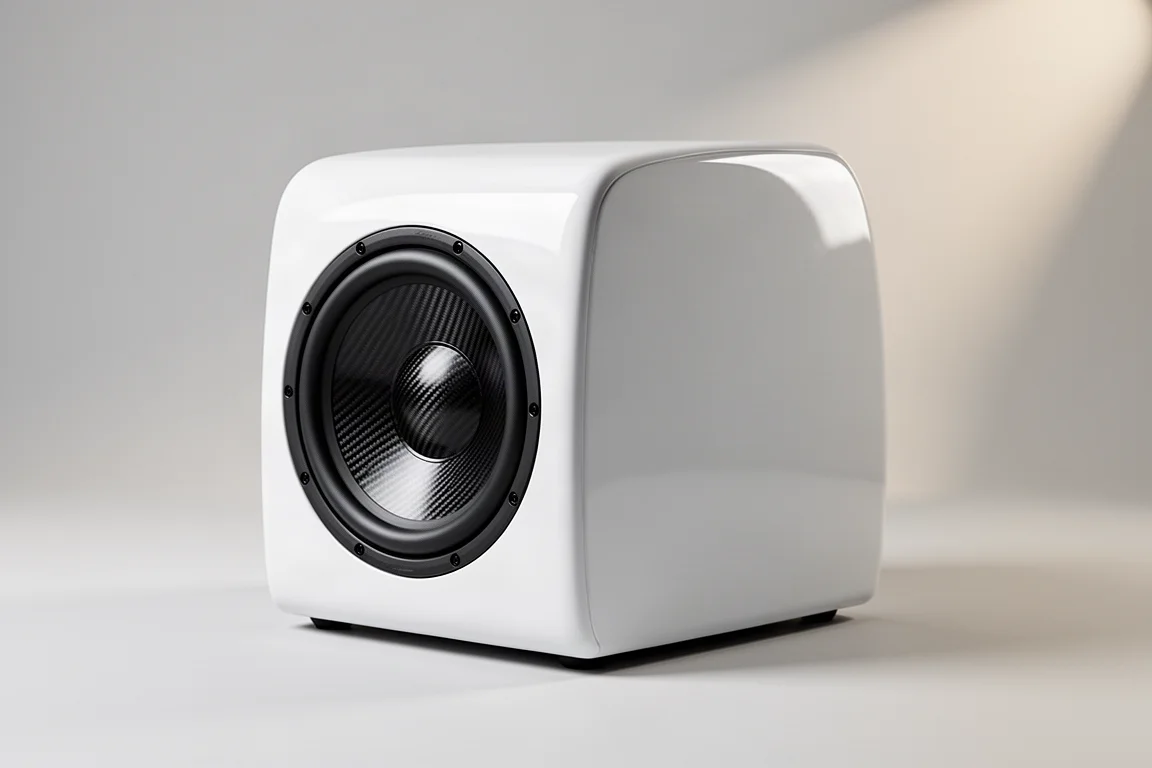
The No.31 is the more approachable half of the pair, replacing the outgoing G1 Mark II in REL’s reference series. It uses the same 1,000 watt Class T amplifier as its big brother, but output is limited to 900 watts here to avoid over-taxing the driver. The carbon fibre driver measures 12 inches (300 mm), and the cabinet uses identical construction to the No.32, scaled down accordingly.
That brings the weight to 52 kilograms (115 pounds), and the trade-off is output capability and frequency extension: the -6 dB point moves from 15 Hz to 17 Hz. The No.31 retails for £7,000 and is also offered in gloss white or gloss black.
Luxman L-507Z Integrated Amplifier
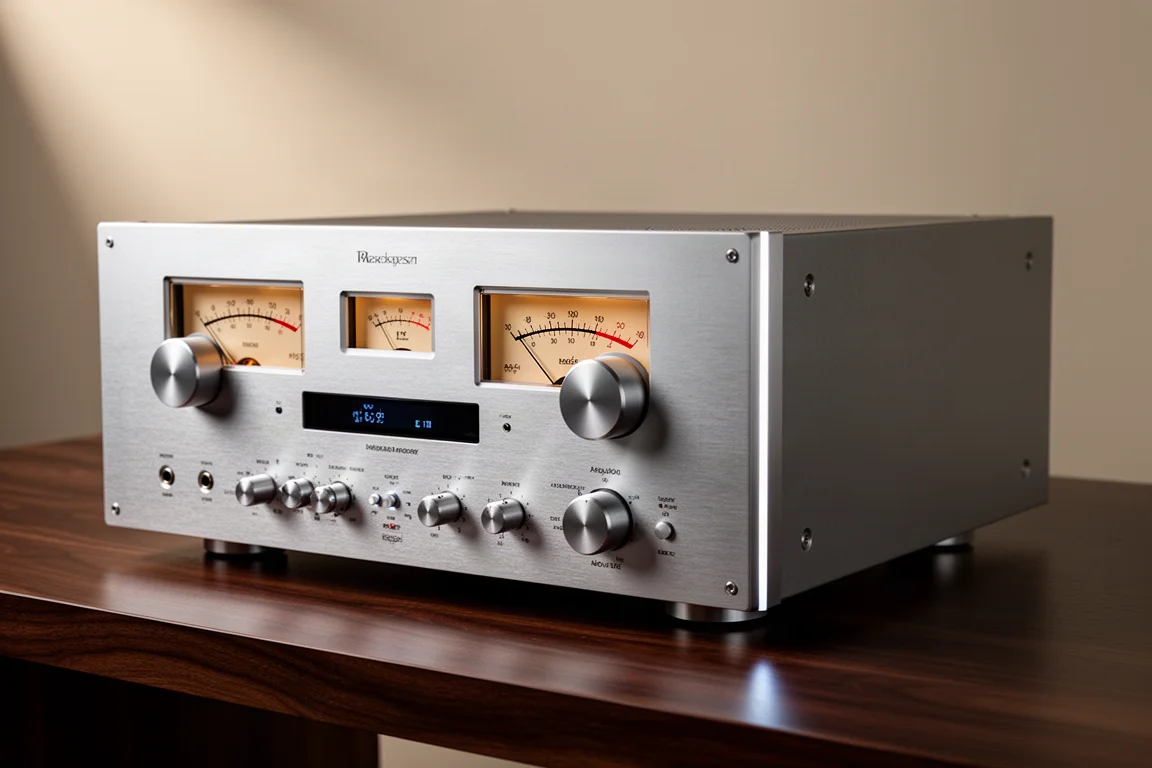
The L-507Z is the first amplifier in Luxman’s Z series, and its centrepiece is a newly developed feedback circuit the company calls LIFES, short for Luxman Integrated Feedback Engine System. It develops concepts introduced in the outgoing ODNF circuit, which has been part of Luxman amplifiers since 1999. None of the audio signal is fed back to the input of the main amplifier, an approach intended to achieve a more natural sound quality while reducing distortion in the amplification stage to less than half that of the previous system.
The familiar heavy-duty aluminium chassis and analogue VU meters remain, but the seven-segment LED display showing volume level is new. Attenuation is handled by a new 88-step electronically controlled circuit, which Luxman says offers better clarity and linearity across the full volume range. The amplifier weighs 25.4 kilograms (56 pounds) and is rated at 110 watts per channel into 8 ohms and 210 watts per channel into 4 ohms. UK retail is £8,000, and it should be available through Luxman’s retail outlets now.
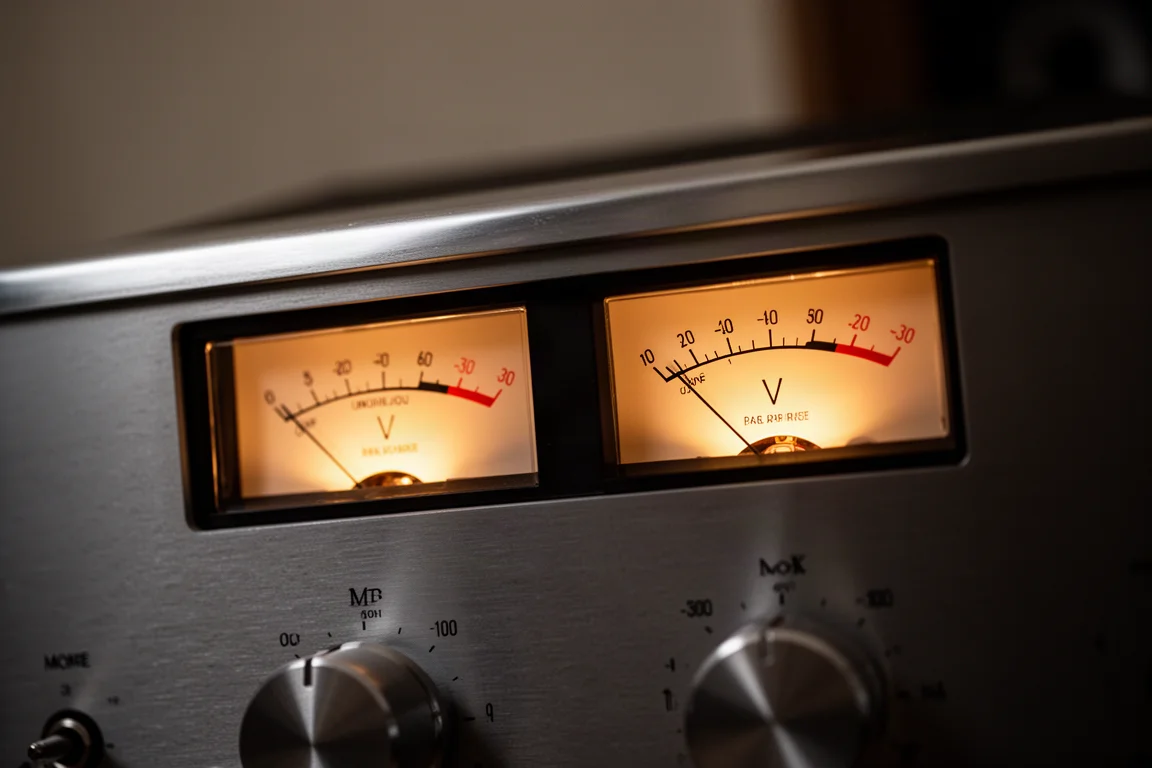
The wider context here is the long-running debate over negative feedback. Class D designs, including many affordable amplifiers, use generous amounts of it because it delivers excellent measured performance, low distortion and good linearity. Some designers and listeners argue that heavy feedback also introduces subtle timing changes that affect natural timbre, soundstaging and imaging. The L-507Z is Luxman’s response to that argument: reduce the feedback, improve linearity, and drive distortion down at the same time.
Lumin T3 Streamer
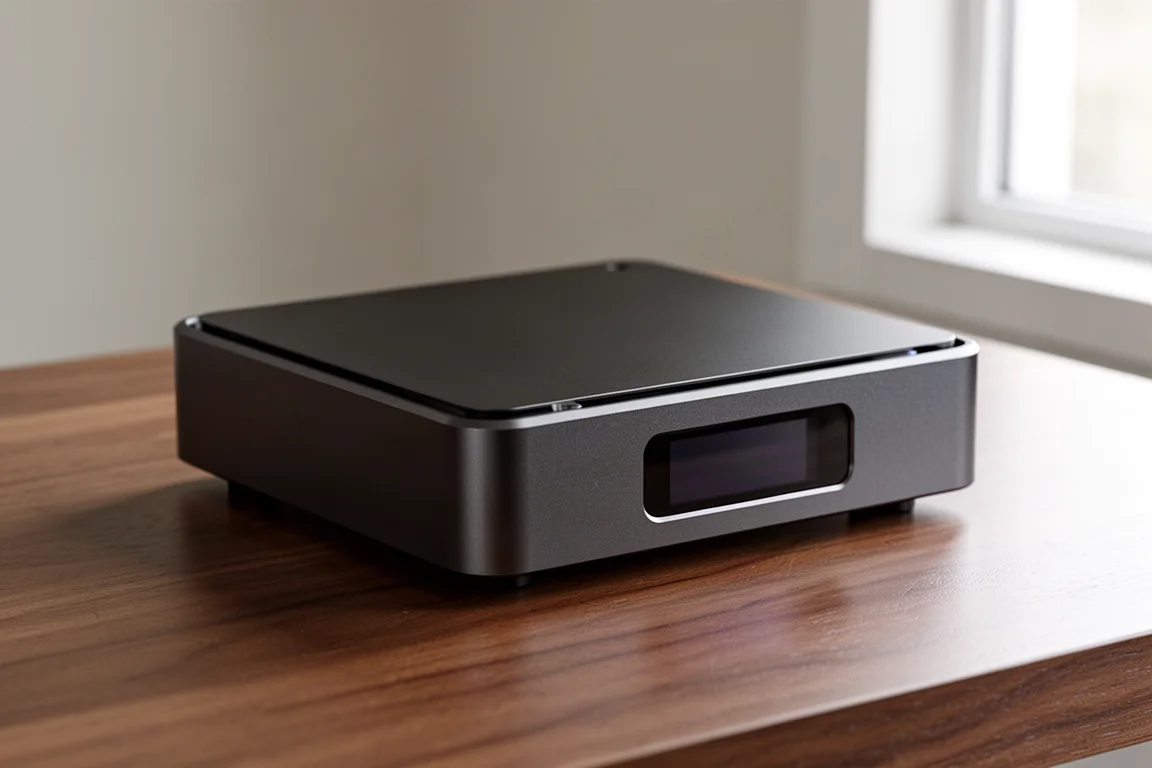
The T3 replaces Lumin’s T2 streamer with completely revised hardware and software, providing a new foundation for the brand going forward. Increased processing power and storage capacity are intended to deliver greater flexibility for resampling and to keep the platform current for longer.
Carried over from the T2 are the dual ES9028 Pro Sabre DACs in dual mono operation, along with Lumin’s lossless digital volume control, which is designed to eliminate rounding errors and preserve the exact amplitude of the digital signal. The thick CNC chassis returns for rigidity and shielding, now with a new surface finish shared with a higher model in the range, which Lumin says is more forgiving of finger marks and easier to clean.
The analogue output stage borrows technology from the flagship X1, including the analogue buffer and dual mono circuitry throughout. That is the basis for Lumin’s claims of reduced noise and higher dynamic range. The T3 is available in natural or anodised black for £4,195.
Buying Advice
Start with the room and the speakers, because everything else is easier to change later. A standmount like the Mission 700 suits smaller spaces and will reward a capable amplifier, while the Elipson pairing of the Reference P1 and A2700 makes more sense for listeners who already own demanding loudspeakers and want the flexibility of separate components.
Subwoofer integration is where most systems are won or lost. A single subwoofer that is properly positioned and dialled in will usually outperform two that are fighting the room, so budget for time and measurement as well as hardware. The REL No.31 is the more practical starting point of the two, while the No.32 is a genuinely room-scale proposition at 102 kilograms.
On the electronics side, decide whether you want one box or two. The Luxman L-507Z keeps the system simple and brings a genuinely new feedback platform to the table, whereas the Elipson separates give you upgrade paths and optional modules. The Lumin T3 sits comfortably upstream of either, and its dual mono DAC architecture and X1-derived output stage make it the natural source choice for a system at this level.
Finally, factor in the extras. The Mission stands, the Elipson DAC and phono modules, and the difference between the two REL models are all meaningful costs, and they are easy to overlook when comparing headline prices.
Conclusion
The strongest options here are the ones that solve a specific problem. The Mission 700 brings a classic inverted-driver layout to a much lower price than its larger sibling. The Elipson Reference P1 and A2700 offer a balanced, high-output separate system with sensible module pricing. The REL No.31 delivers most of the flagship’s construction and amplifier platform in a cabinet you can actually move. The Luxman L-507Z and Lumin T3 show two established brands rebuilding their long-running platforms rather than simply refreshing them.
Match any of them to the room you have, and the money spent on electronics will be easier to justify than the money spent chasing the last increment of specification.
Further reading
Related Reviews
Hi-Fi Audio
Accuphase C-57 vs Allnic H-7000V: Two High-End Phono Stages Compared
A fully balanced solid-state phono stage with a pitch-black noise floor meets a tube design built for well-loved records. Here is how to choose between them.
Hi-Fi Audio
Active vs Passive Hi-Fi: Five Components for a Modern System
Five components that define modern active and passive hi-fi systems, with the strengths, trade-offs and setup details worth weighing before you buy.
Hi-Fi Audio
Advance Paris A10 Apex Review: A Hybrid Integrated Amplifier That Covers a Lot of Ground
A French hybrid integrated amplifier with a class A tube preamp stage, analogue power meters, and an internal DAC and phono stage good enough to make extra boxes unnecessary.