Hi-Fi Audio
Three High-End DACs Compared: Topping D90 Mark III, SMSL VMV D2R and Denafrips Ares 12th-1
A practical comparison of three desktop DACs at the upper mid-range price point, covering conversion design, inputs, sound character and which system each one suits.
Introduction
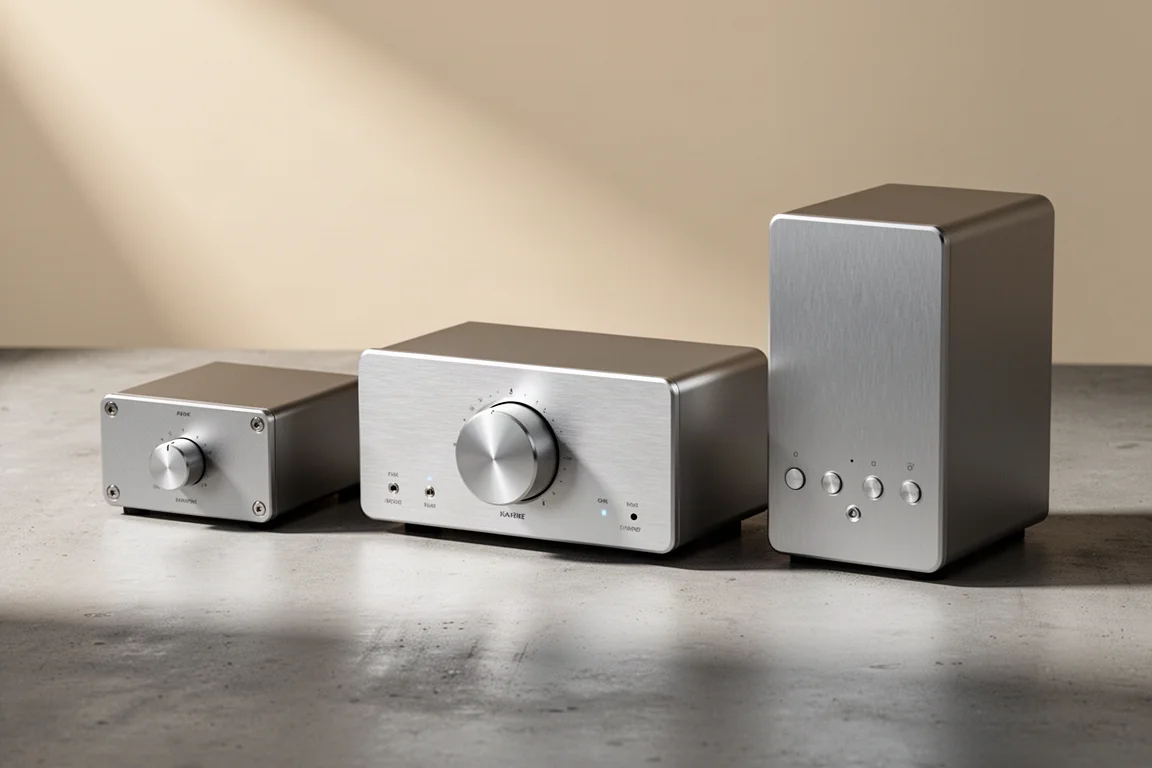
Three desktop DACs, three genuinely different engineering philosophies, and a price band where most listeners start expecting real refinement rather than simply clean measurements. The Topping D90 Mark III takes a dual-chip delta-sigma route. The SMSL VMV D2R builds around a flagship ROHM converter with an emphasis on digital filtering. The Denafrips Ares 12th-1 goes its own way with an R-2R resistor ladder and a heavily overspecified power supply.
All three land within a similar budget, yet they are not interchangeable in the listening chair. This comparison looks at what each one actually offers, where each one gives ground, and which kind of system each is likely to suit.

Each can sit at the centre of a serious desk or rack system, but they ask for different things from the rest of your chain. One wants a preamplifier, one wants a well-balanced speaker or headphone, and one rewards a system that is already neutral.
What Separates These Three DACs
Two of these units rely on delta-sigma converter chips: a pair of them in the Topping, one for each channel, and a single flagship chip in the SMSL. Chips of this kind are prized for very high signal-to-noise ratios and, in the Topping’s case, a claimed dynamic range of 135 dB.
The Denafrips takes the other path. An R-2R ladder network built from precision resistors handles conversion instead. Designs like this generally do not quote the same headline signal-to-noise figures as chip-based rivals, but they are often valued for a more natural tonality and a more immersive sense of space, which is usually attributed to the lighter signal processing involved.
Practical differences matter just as much as conversion topology. The Topping and the SMSL both include a digital volume control, so each can drive a power amplifier directly. The Denafrips is a pure DAC with no volume control and no remote, which means a preamplifier is part of the deal.
Topping D90 Mark III: The Most Resolving of the Three
The D90 Mark III replaces the outgoing D90 SE and keeps the folded steel chassis approach, though it still feels solidly assembled and neatly finished. Dimensions come in at 220 x 160 x 45 mm. It is listed at $899 in the US, with UK availability expected.
Inside, the design moves to two ESS 9039S Pro chips, one per channel, where the earlier SE model used a single ESS 9038 Pro. The current-to-voltage conversion stage has been redesigned to lower noise and distortion, and the claimed 135 dB dynamic range places the unit high on objective measurement charts.
Connectivity covers USB, Bluetooth, optical, coaxial, I2S and AES/EBU. I2S is best paired with transports and digital-to-digital converters that have strong clocking, while AES/EBU is the preferred route with pro audio equipment. The standby button doubles as an input selector, and the rear panel groups the digital inputs in the centre with single-ended RCA and balanced XLR outputs to the left.
The front knob controls a well-integrated digital volume control that degrades the signal surprisingly little as you attenuate, which makes the D90 Mark III an effective digital preamp. Pressing the dial selects the analogue output: RCA, XLR, or both. Some functions live only on the supplied remote, which is plastic but adequate.
Seven filter settings come with the ESS chip, and most of them make an imperceptible difference. Modes four and five sound more natural, with mode four a touch more open at the top. There are also DSP presets labelled valve sound and transistor sound, or you can switch them off for the best resolution.
Tonally, this is the most resolving of the three, by a whisker, but it does not shove detail in your face. Balance across lows, mids and highs is good, with a slight lightness in the bass and vocal region that keeps it just short of a fully natural presentation. Leading edges of notes are superbly defined without sounding etched, and note decay is exquisite. The trade-off is a sound stage that is a little narrower than the Denafrips and considerably shallower in depth. It never sounds dry or analytical.
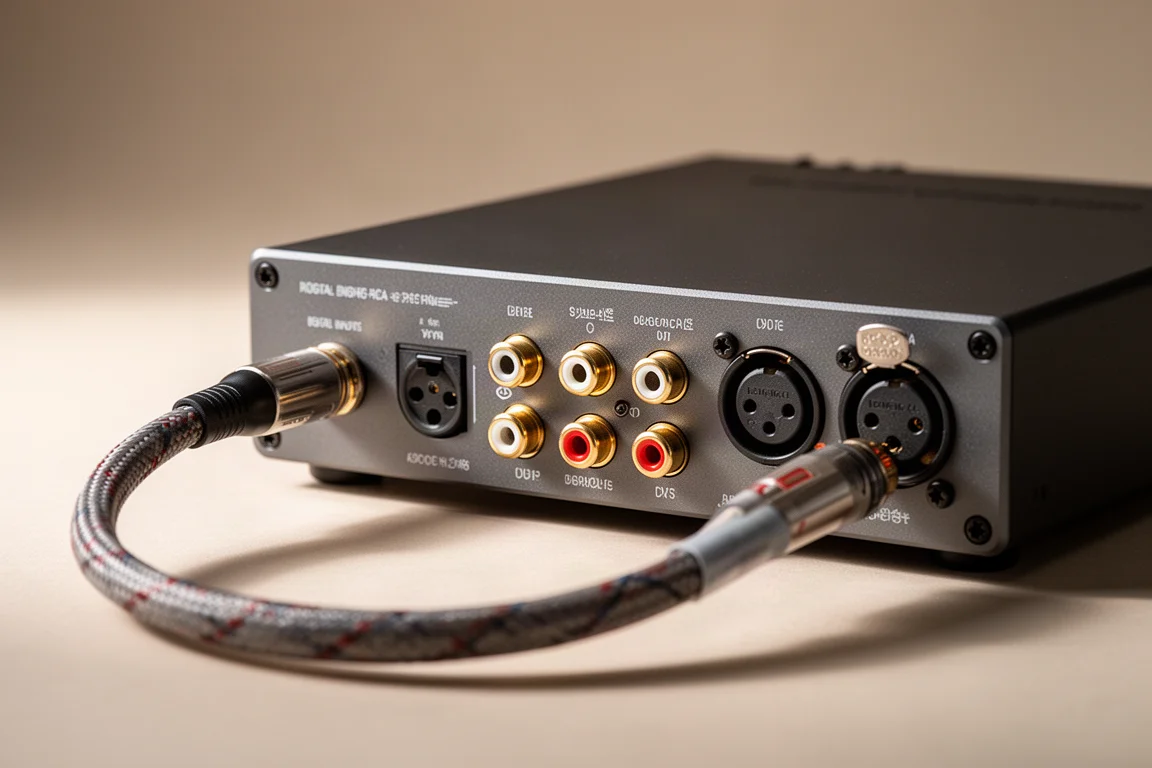
The digital volume control is the practical highlight here. If your system runs straight into a power amplifier, the D90 Mark III removes the need for a separate preamp without giving up much, and the input set covers almost every source you are likely to own.
SMSL VMV D2R: Scale, Bass and a Wide Stage
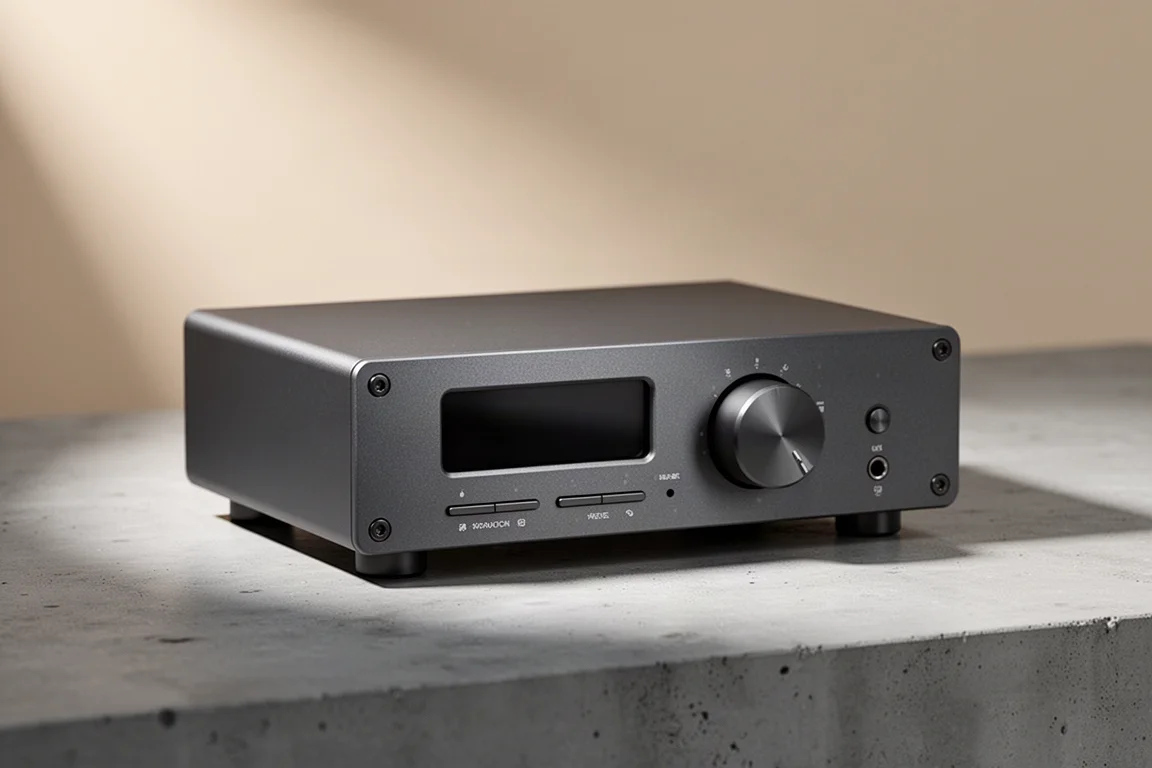
The VMV D2R is the largest unit in this group, a three-quarter rack width design measuring 280 x 236 x 43 mm. Its build is arguably the best of the three, with the top and sides machined from a single billet of aluminium. It retails for just under 1,000.
At its heart sits a flagship BD34301 converter chip from ROHM. Rather than chasing signal-to-noise figures against ESS and AKM designs, the emphasis here falls on digital filtering. Premium parts back that up, including crystal oscillators for the clock and a toroidal transformer in the power supply.
Operation takes some adjusting to. Holding the central dial brings the unit out of standby, and a short press opens the menus, since there is no dedicated input selection button on the side. From there you can step through inputs including AES/EBU and I2S. Two PCM digital filters are available and the slow rolloff option is the clear winner, sounding more open and refined. DSP presets labelled OSR and HPC are also on board; the high setting sounds more open at the top, while the low setting offers better spatial presentation and refinement. The digital volume control does not limit performance, though a dedicated preamp still makes sense on more expensive DACs. A small all-aluminium remote is included.
This is a big-sounding DAC. It produces the widest sound stage in the group and gives up nothing in depth to the Denafrips, which is a notable result for a chip-based design. The bass is the strongest of the three, with weight, depth and definition, and the mids carry noticeably more body than the Topping manages. Notes do not start and stop quite as quickly as they do on the D90 Mark III, but placement of performers and instrument separation are excellent.
The one real criticism is a slightly dark character. Airiness at the top and the harmonic structure of midrange vocals and instruments are a little curtailed. That makes it a strong match for bright systems or for listeners who are sensitive to sibilance, and a slight compromise for everyone else.
Denafrips Ares 12th-1: Natural Tone and a Deeper Stage
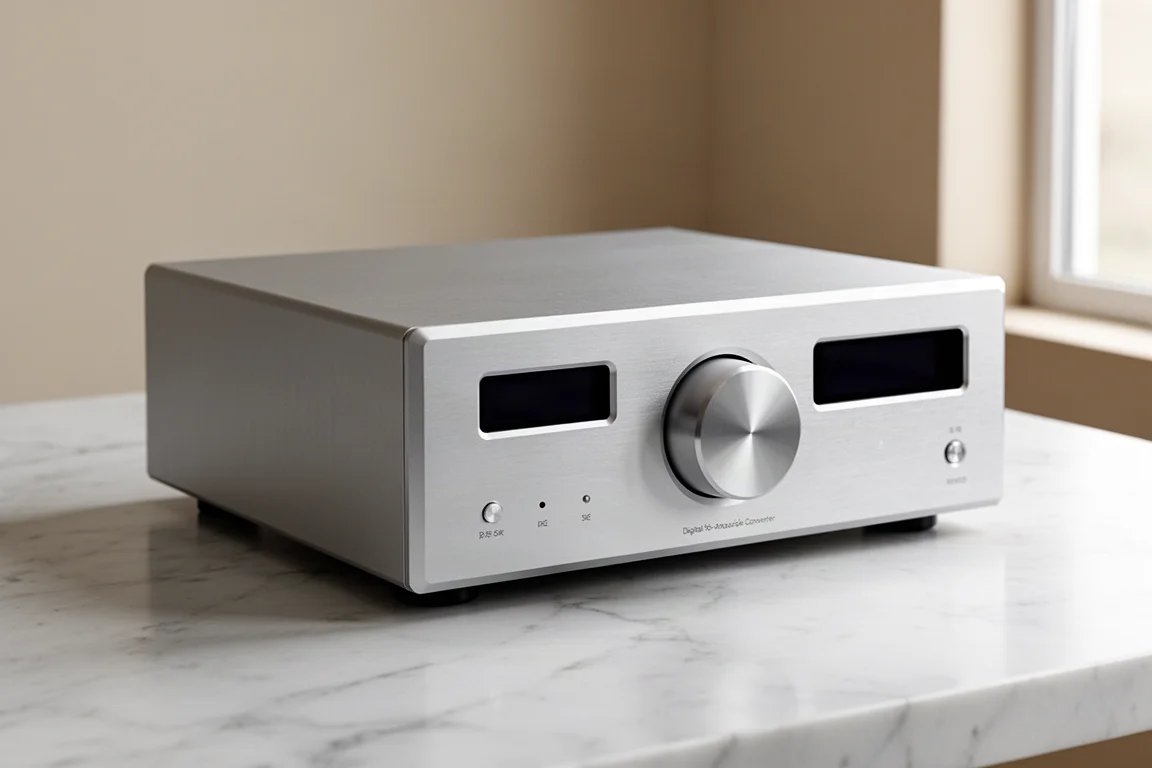
The 12th-1 version of the Ares brings a new chassis, with slabs of brushed aluminium replacing the thin folded steel of the earlier 12th anniversary model. It measures 215 x 230 x 63 mm and weighs 3.5 kg thanks to the heavier exterior. Expect to pay around £1,000.
This is a pure DAC. There is no volume control and no remote, just a standby button and direct access to four digital inputs, I2S included. AES/EBU is the one connection left out. The unit is not a true non-oversampling design, but it can be switched between oversampling and a pseudo non-oversampling mode; oversampling is the better-sounding option. A phase inversion button is more useful for mixing than playback, though it can suit certain recordings, and a final button mutes the device.
Conversion is handled by a resistor ladder rather than a converter chip. Precision resistors do the digital-to-analogue work, and the payoff is a more natural tone and a more immersive sound stage. The power supply is heavily overspecified for the price, with a 60 VA core transformer and a substantial bank of filter capacitance feeding a stable, low-impedance supply. Internally the Ares is fully balanced, and its single-ended RCA connectors are a step up in quality over the other two units here, with balanced XLR outputs alongside them.
Bass remains the weak point. It is far from bad and has improved with recent firmware, but the Denafrips cannot match the Topping for bass speed and it trails the SMSL for both definition and authority. The midrange is where it pulls ahead. Voices and instruments sit in a warm, detailed and unhurried space that is hard to fault, with crisp but never sharp leading edges, plenty of body through the middle of notes without masking timbre, and highs revealing enough to express harmonic structures clearly. Some listeners will call the presentation coloured on the warm side; in a balanced, resolving system it brings you a little closer to the feeling of being at the performance.
That midrange advantage is the reason this DAC still earns attention at its price. If the rest of your system is neutral and you already own a preamplifier, the Ares adds a sense of occasion that the two chip-based designs approach but do not quite match.
Which One Should You Buy?
All three sit within a similar budget, so the decision comes down to what the rest of your system needs rather than to any single specification. Work out whether you need a volume control, whether your speakers or headphones already lean bright, and how much shelf space you have. The choice usually makes itself from there.
Choose the Topping D90 Mark III if resolution is the priority and you want a digital preamp. It is the most detailed of the three, its volume control is good enough to drive a power amplifier directly, and its input set is the most flexible, with Bluetooth, AES/EBU and I2S all present. Expect a slightly lighter bass and a more compact sound stage.
Choose the SMSL VMV D2R if you want scale, weight and the best low-frequency performance in the group. Its wide stage and full-bodied mids suit systems that lean bright, and the machined aluminium build with premium clock and power supply parts justifies the price. Just be aware that input switching lives in the menus and the top end is a touch dark.
Choose the Denafrips Ares 12th-1 if your system already has a preamplifier and you are chasing natural tone rather than the last word in detail. The midrange and stage depth are the strengths, and the fully balanced internal design with higher-grade connectors is a genuine plus. Bass speed and definition are where it gives ground.
Conclusion
This comparison was closer than the price tags suggest. The Denafrips Ares 12th-1 remains the most convincing all-rounder for a balanced, resolving system thanks to its midrange and sound stage depth, but the Topping D90 Mark III wins on pure resolution and everyday convenience, and the SMSL VMV D2R delivers the scale and bass authority that neither of the others can match. All three are serious components, and the right choice depends far more on the rest of your chain than on any single number on a specification sheet.
Further reading
Related Reviews
Hi-Fi Audio
Accuphase C-57 vs Allnic H-7000V: Two High-End Phono Stages Compared
A fully balanced solid-state phono stage with a pitch-black noise floor meets a tube design built for well-loved records. Here is how to choose between them.
Hi-Fi Audio
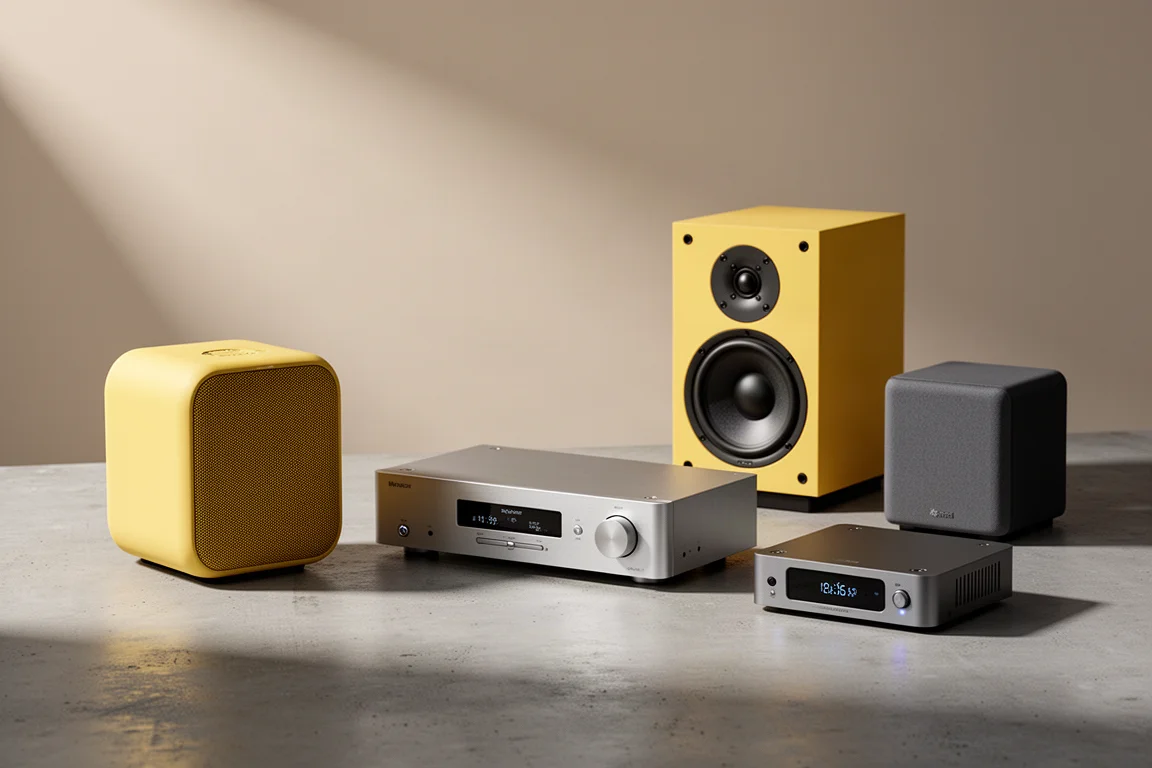
Active vs Passive Hi-Fi: Five Components for a Modern System
Five components that define modern active and passive hi-fi systems, with the strengths, trade-offs and setup details worth weighing before you buy.
Hi-Fi Audio
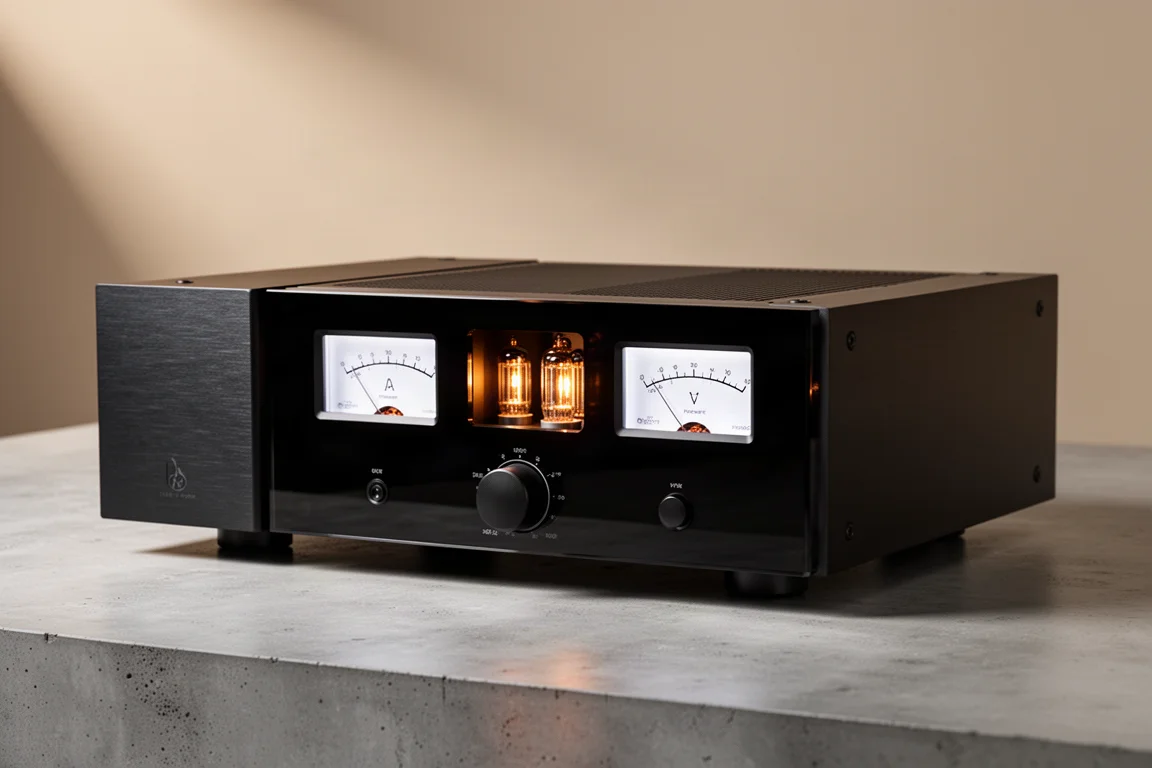
Advance Paris A10 Apex Review: A Hybrid Integrated Amplifier That Covers a Lot of Ground
A French hybrid integrated amplifier with a class A tube preamp stage, analogue power meters, and an internal DAC and phono stage good enough to make extra boxes unnecessary.