Hi-Fi Audio
Best Hi-Fi Systems Under $1,000: Five Builds and the Components Behind Them
Five sub-$1,000 hi-fi builds, from a speaker-first separates system to a vinyl-focused rig and a single-box streaming setup, with the components that make each one work.
Introduction
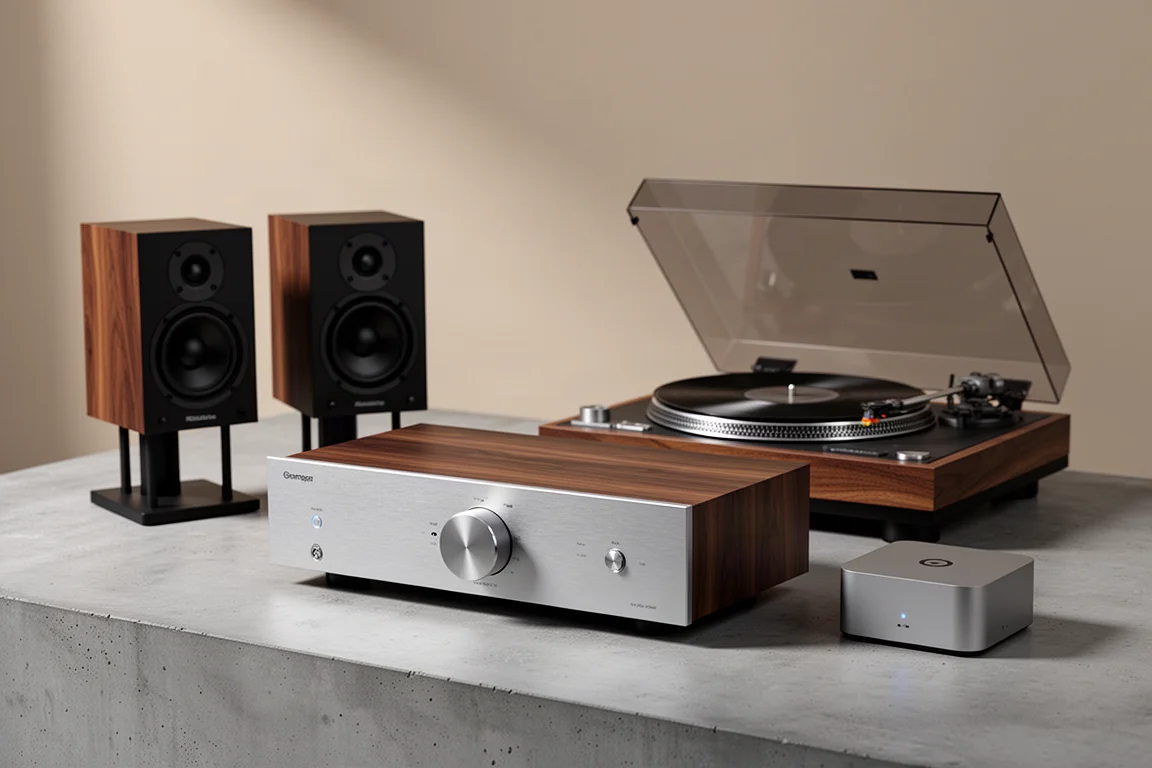
Building a real hi-fi system for around $1,000 is less about chasing specifications and more about putting money where it changes what you actually hear. The five builds below each take a different route to the same budget. One leans on a pair of speakers and a traditional integrated amplifier, one is built around a turntable, one puts a subwoofer at the centre, one removes the amplifier question altogether, and one combines everything into a single system.
Because every build is assembled from separate components, you can borrow ideas from one and fold them into another. Prices for each component are listed throughout, so it is easy to see where the money goes.
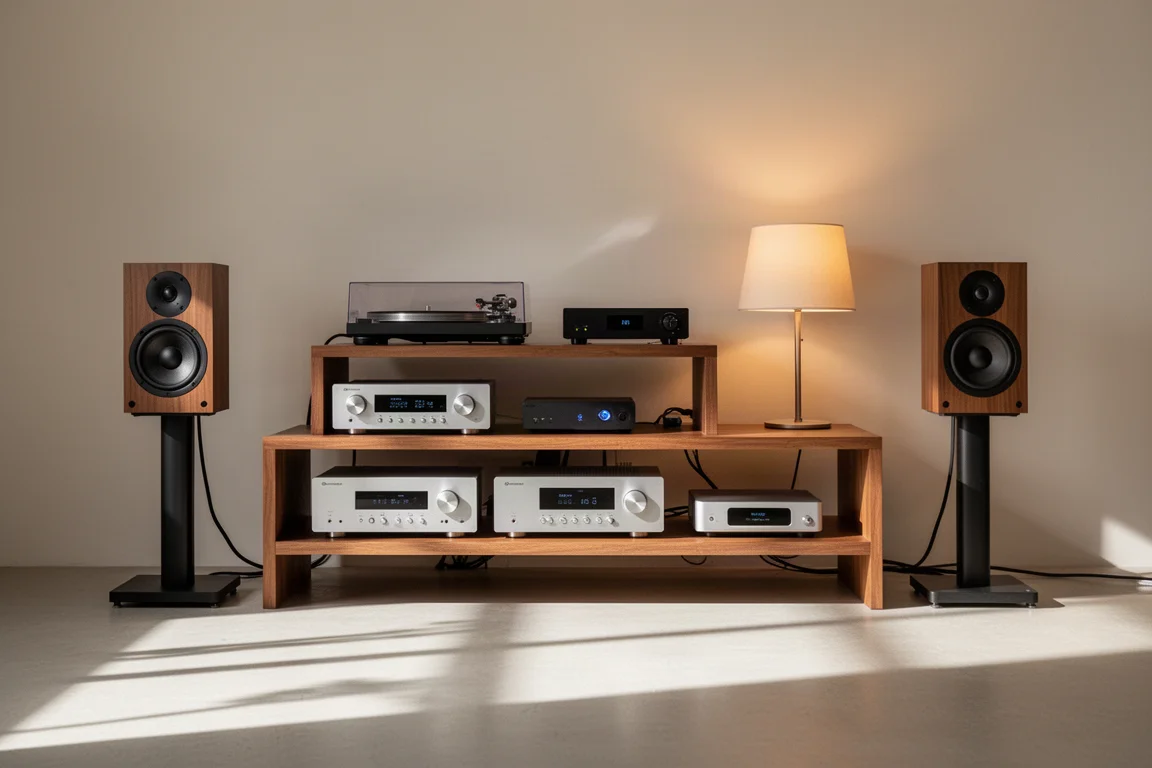
What the builds share is a refusal to compromise on the fundamentals: proper amplification, a sensible source, and speakers that suit the room they will live in.
What to Look For in a Sub-$1,000 Hi-Fi System
At this budget, the balance between amplifier, speakers, and source matters more than any single number on a specification sheet.
The first decision is separates or a simpler path. A traditional integrated amplifier with passive speakers gives the most flexibility and the clearest upgrade route, because each part can be changed on its own. A powered speaker with a built-in amplifier removes the matching question entirely, at the cost of some future flexibility.
The second is inputs. A turntable without a built-in phono preamp needs an amplifier with a phono stage, or a separate preamp. A streamer is easiest to add when the amplifier has a spare digital or line input. A subwoofer output and high-pass filtering matter if you plan to add a subwoofer now or later.
The third is budget arithmetic. Component prices add up quickly, so it helps to decide which part of the system you want to be strongest before you start buying.
System 1: The Speaker-Focused Build
This build puts the largest share of the budget into the speakers and pairs them with a traditional integrated amplifier. The Yamaha A-S301 comes in at $350 and the Emotiva XB2 speakers at $500, which brings the core of the system to $850. Add the WiiM Pro streamer and the complete build lands right around $1,000.
Yamaha A-S301 Integrated Amplifier
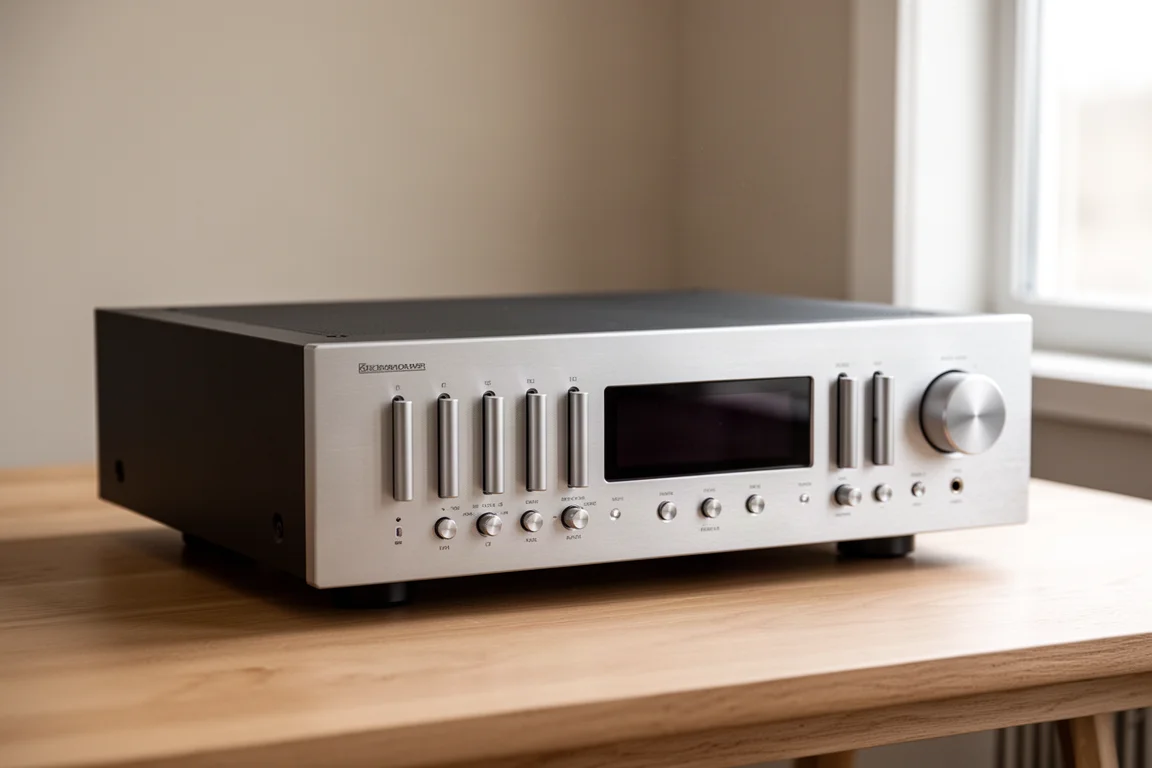
The A-S301 is a traditional component in the best sense. It includes an internal DAC, a subwoofer output for adding a sub later, plenty of power, and a remote control. It also gives you a straightforward upgrade path, because the amplifier can stay in place while speakers, source, or subwoofer change around it.
Emotiva XB2 Speakers
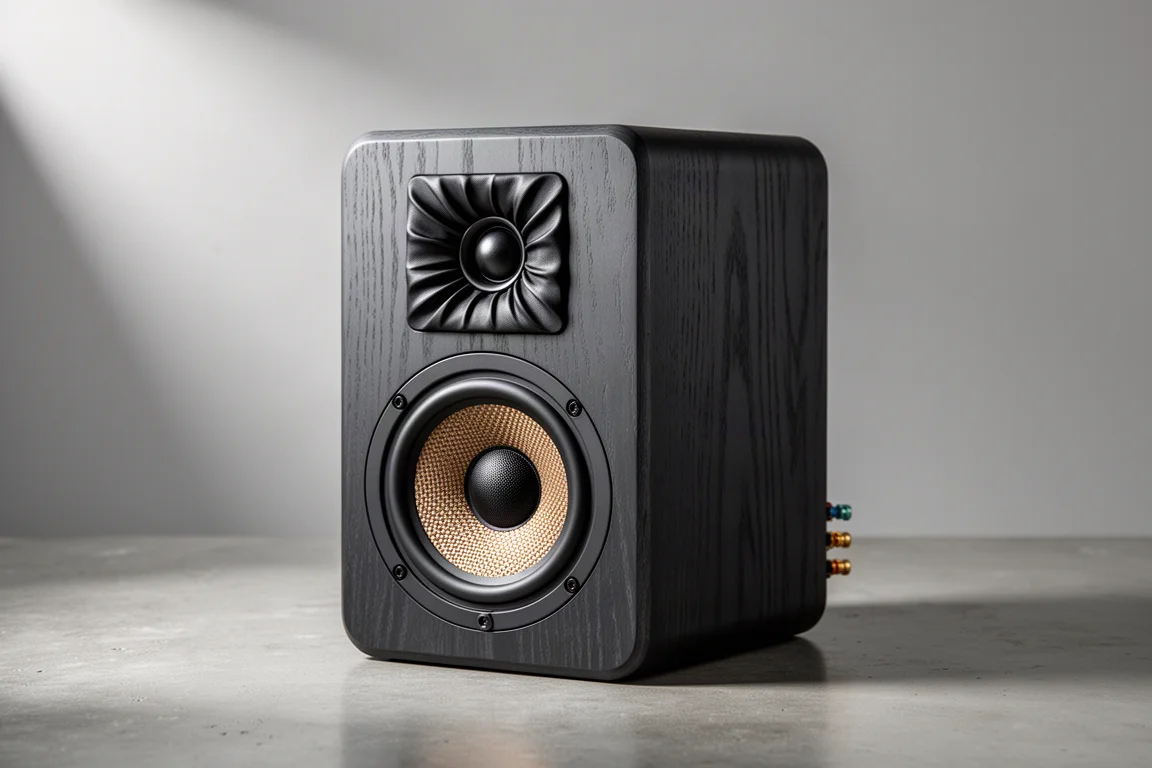
The XB2 is where most of this build’s budget goes, and that is deliberate. Pairing a $500 pair of speakers with the A-S301 gives a system with strong clarity from the first listen, and the speakers remain the part that most shapes its overall character.
WiiM Pro Streamer
The WiiM Pro turns the amplifier into a streaming system. Run an optical cable from the streamer into the back of the A-S301 and you get AirPlay 2, Chromecast, Amazon Music, Spotify Connect, Tidal Connect, Roon readiness, and a 10-band EQ. That feature set is what makes this build feel considerably more expensive than its price suggests.
System 2: The Vinyl Enthusiast Build
This build is for listeners whose library lives on records. It starts with a turntable that keeps money in the budget for the rest of the system, and pairs it with an amplifier whose phono stage handles the job the turntable does not.
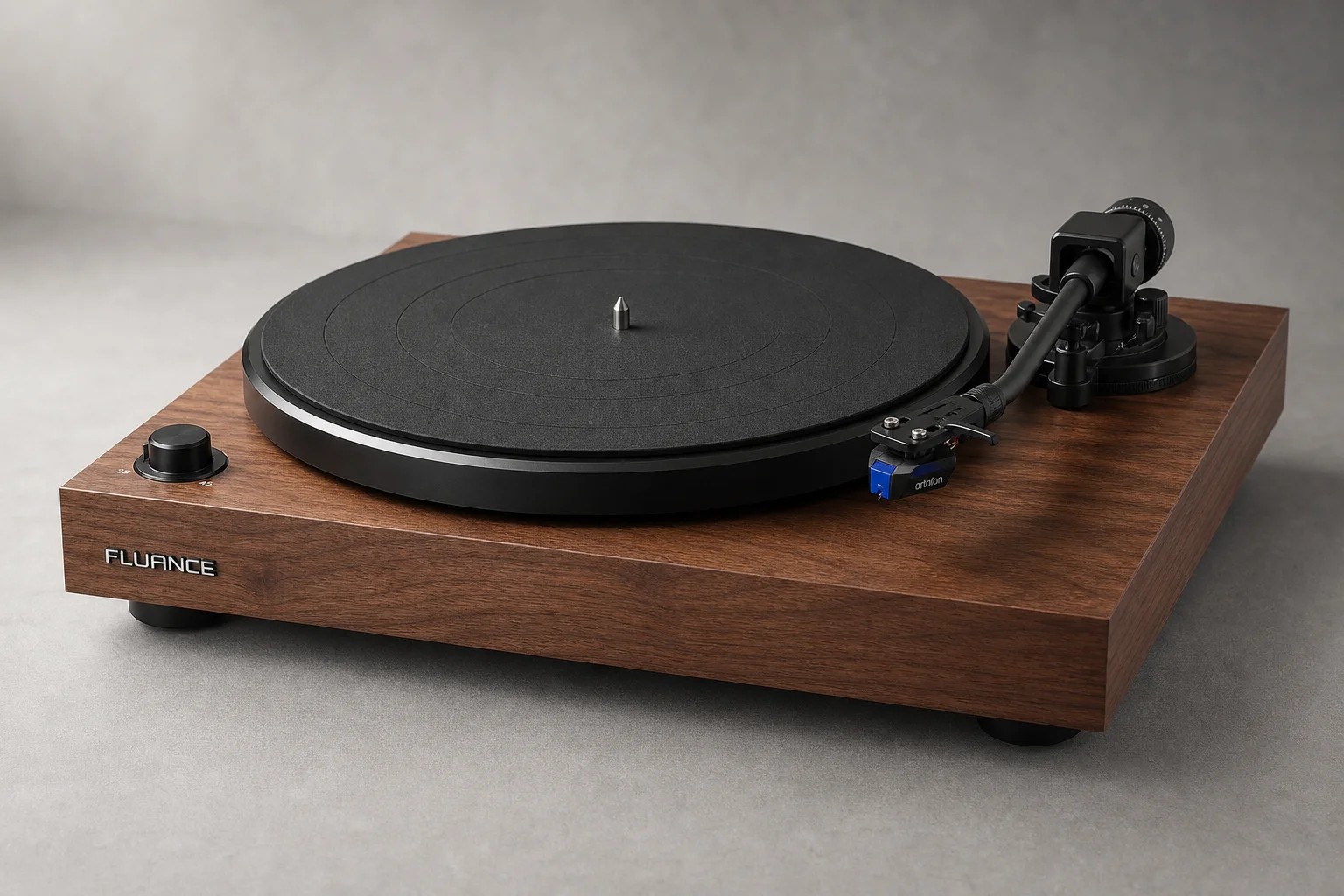
Fluance RT82 Turntable
At $300, the RT82 is the entry point into a family of turntables that share the same motor as the models above it. That means the core drive system is available at the lowest price in the range, with the option to upgrade the cartridge and the platter later.
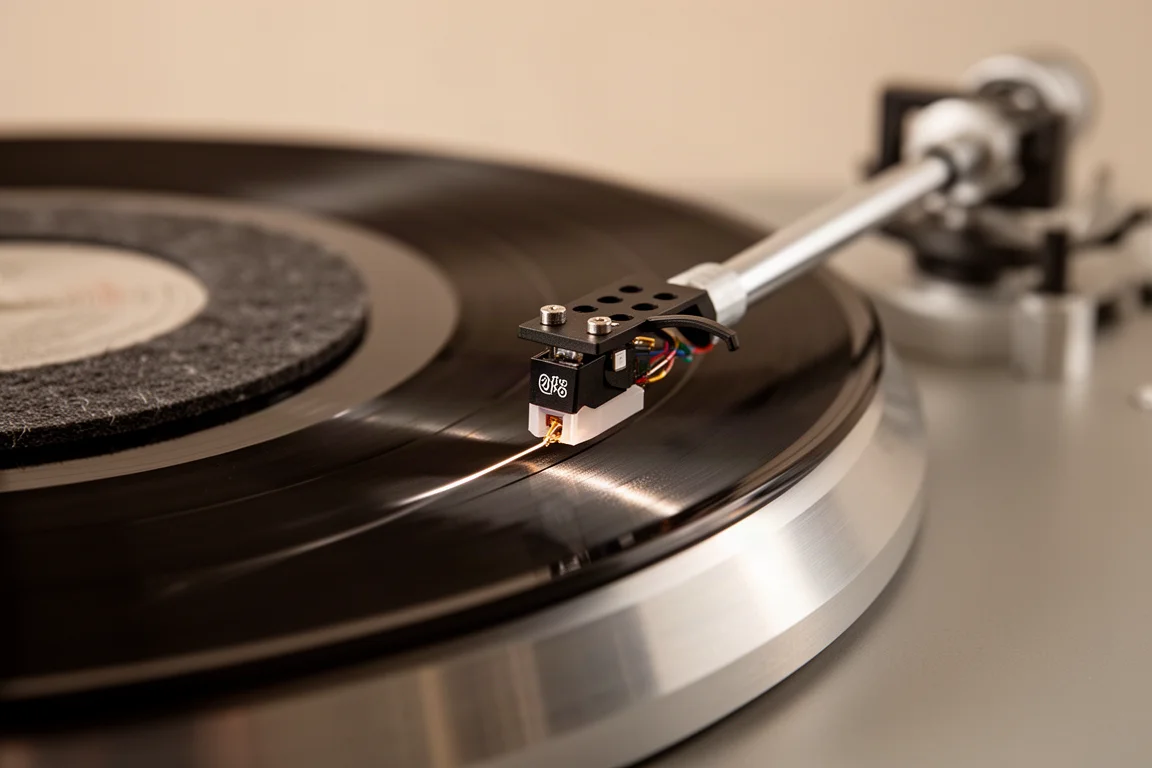
The RT82 does not include a phono preamp, so the amplifier paired with it needs one. That single requirement shapes the rest of this build.
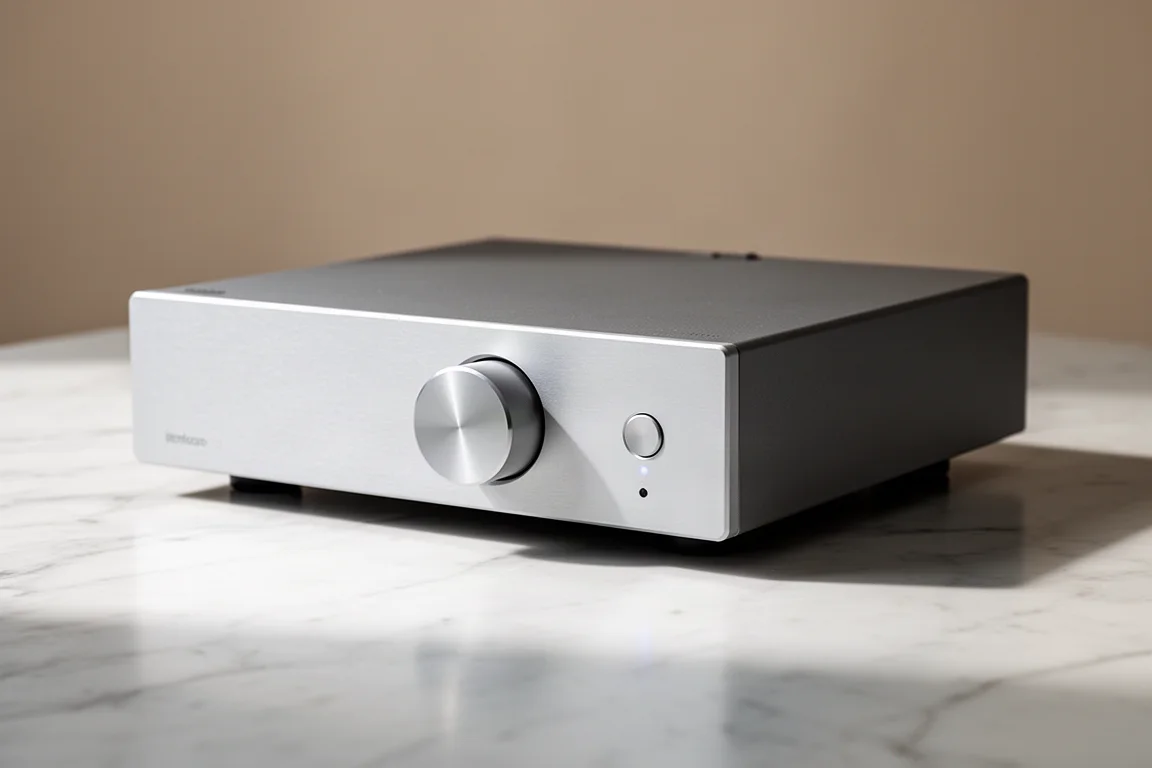
Cambridge Audio AXA25 Integrated Amplifier
The AXA25 is the natural partner here because it has an excellent phono stage, which is exactly what the RT82 needs. Rather than adding a separate phono preamp, the turntable connects to the amplifier directly and the budget stays focused on the parts that make sound.
System 3: The Bass-Head Build
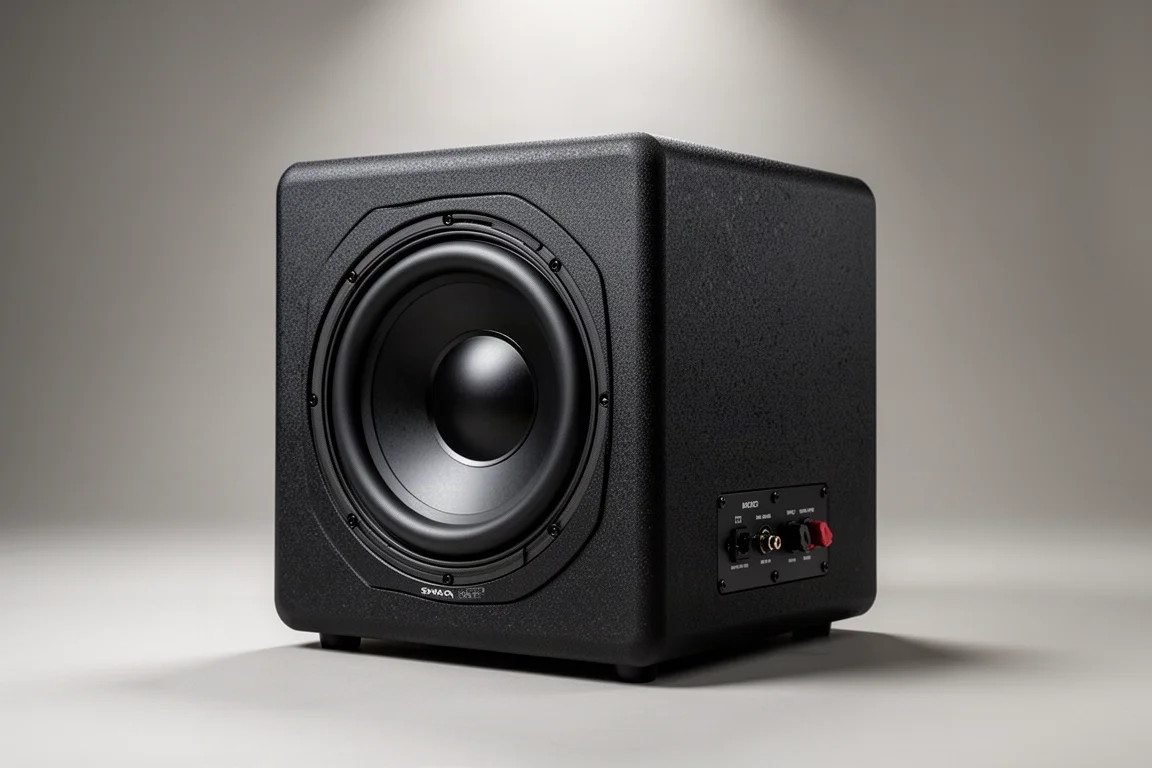
This build puts low-frequency output close to the centre of the plan. It is organised around the RSL Speedwoofer 10E, a new subwoofer at $300, combined with the Yamaha A-S301 at $350, the WiiM Mini streamer at $80, and the ELAC B5.2 speakers at $230.
RSL Speedwoofer 10E Subwoofer
A dedicated subwoofer is the most direct way to add weight and scale to a budget system, and the Speedwoofer 10E is the component this build is organised around. Handling the low end separately lets the main speakers concentrate on the range they cover best.
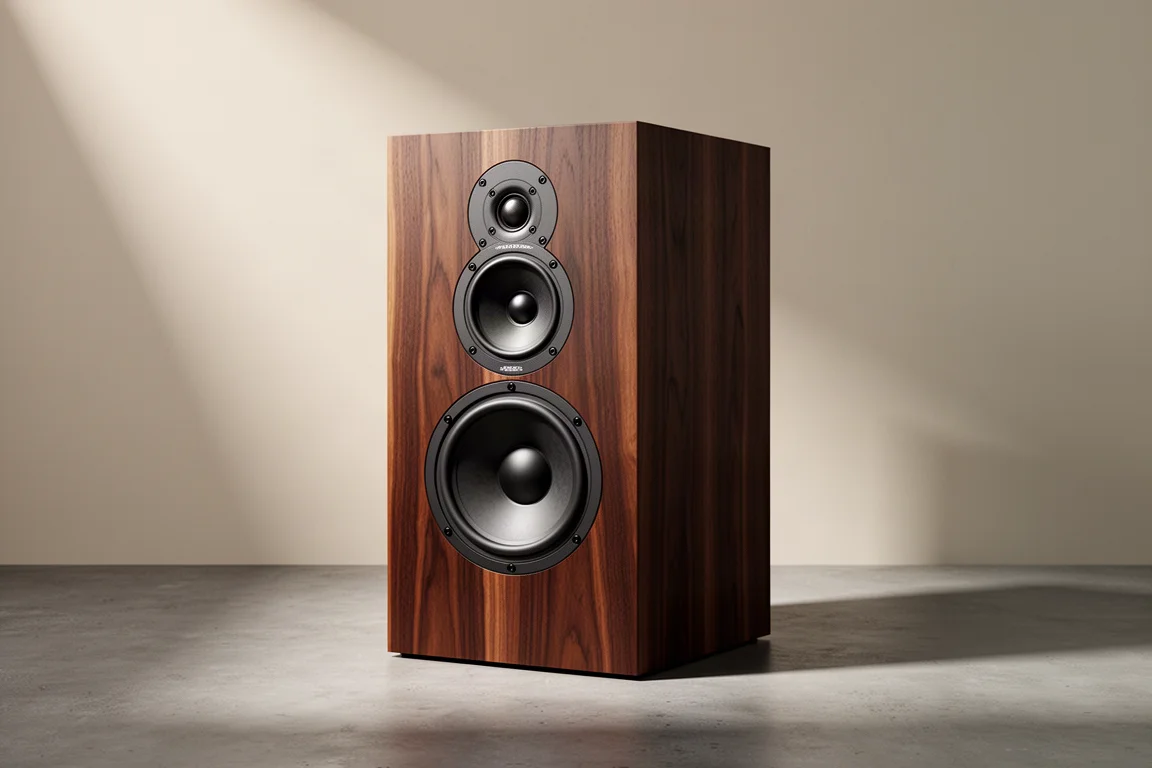
ELAC B5.2 Bookshelf Speakers
At $230, the B5.2 keeps the speaker spend modest so the subwoofer can take a meaningful share of the budget. With a subwoofer in the system, they are not asked to produce the deepest frequencies, which suits a build where the low end is handled elsewhere.
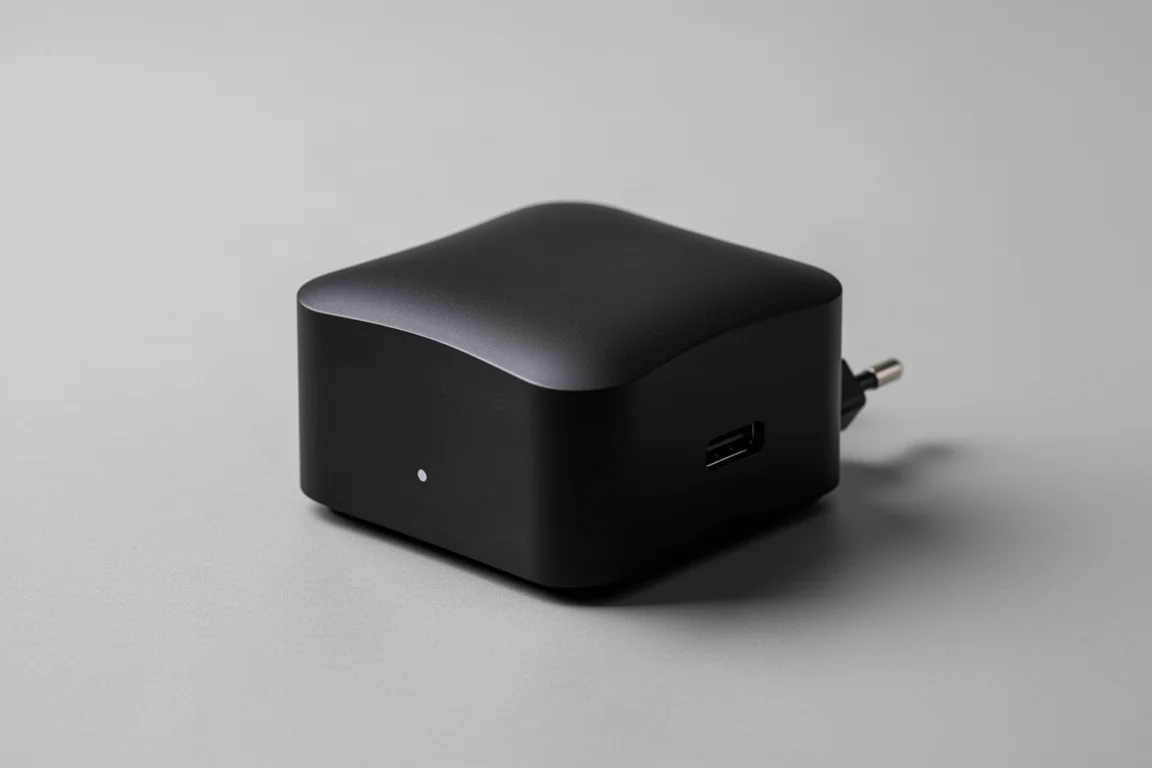
WiiM Mini Streamer
The WiiM Mini adds streaming for $80, a small fraction of the total. It slots into the same amplifier and keeps the source side of the system straightforward.
System 4: The All-in-One Powered Build
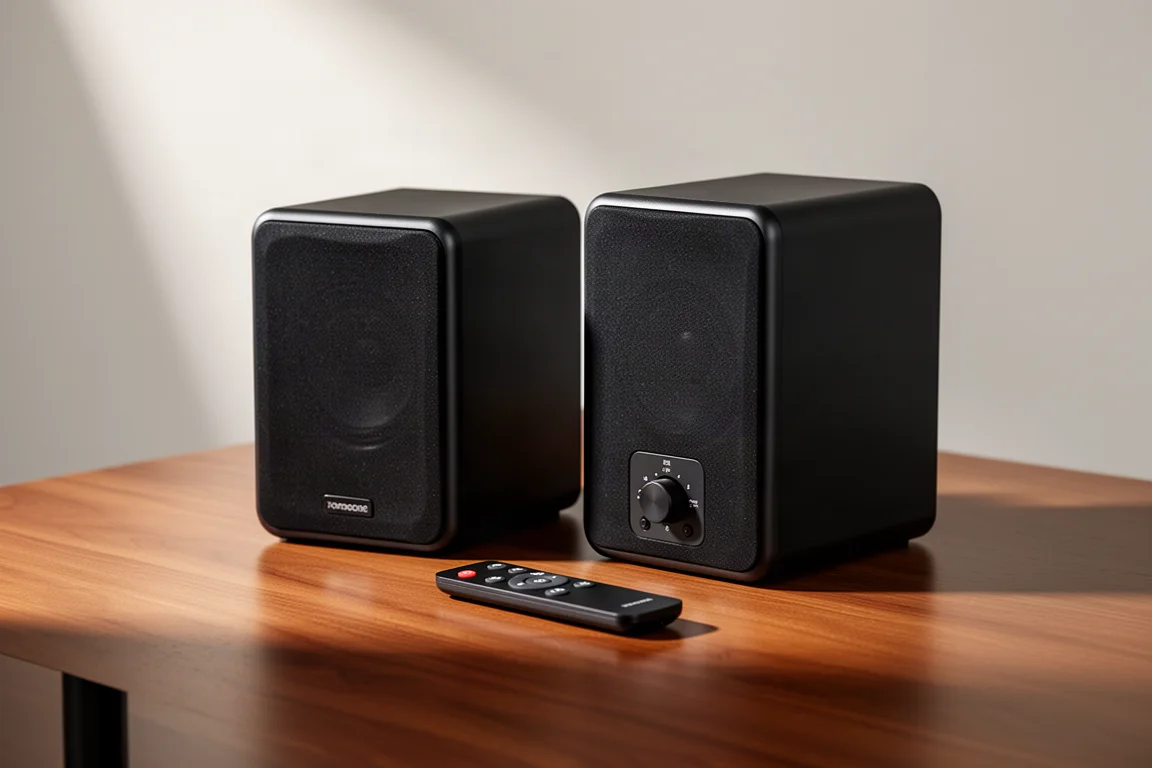
This build suits listeners who want everything without worrying about amplifier and speaker pairings. The Vanatoo Transparent One Encore is a powered speaker at $600 with built-in DSP and a remote control. Add the WiiM Mini streamer and the U-Turn Basic turntable, and you have vinyl, streaming, and amplification covered in one system that comes in just over $1,000.
Vanatoo Transparent One Encore Powered Speaker
The Transparent One Encore is the reason this build works without a separate amplifier. It is a powered speaker with DSP and a remote control, so the matching work that normally falls to the buyer has already been done.
U-Turn Basic Turntable
The U-Turn Basic adds the vinyl side of the system. Combined with the streamer, it means this build covers records and streaming through a single pair of speakers, with no amplifier to choose.
System 5: The Entire Enchilada Build
If you want the whole picture in one system, this is it. Start with the ELAC B5.2 speakers, add the Fluance RT80 turntable at $200, add the RSL Speedwoofer 10E subwoofer, and run everything from the WiiM Amp. The RT80 does not need a separate phono preamp here, the WiiM Amp provides a subwoofer output, and its high-pass filtering lets the ELAC B5.2 speakers work within the range they handle best while the subwoofer covers the low end.
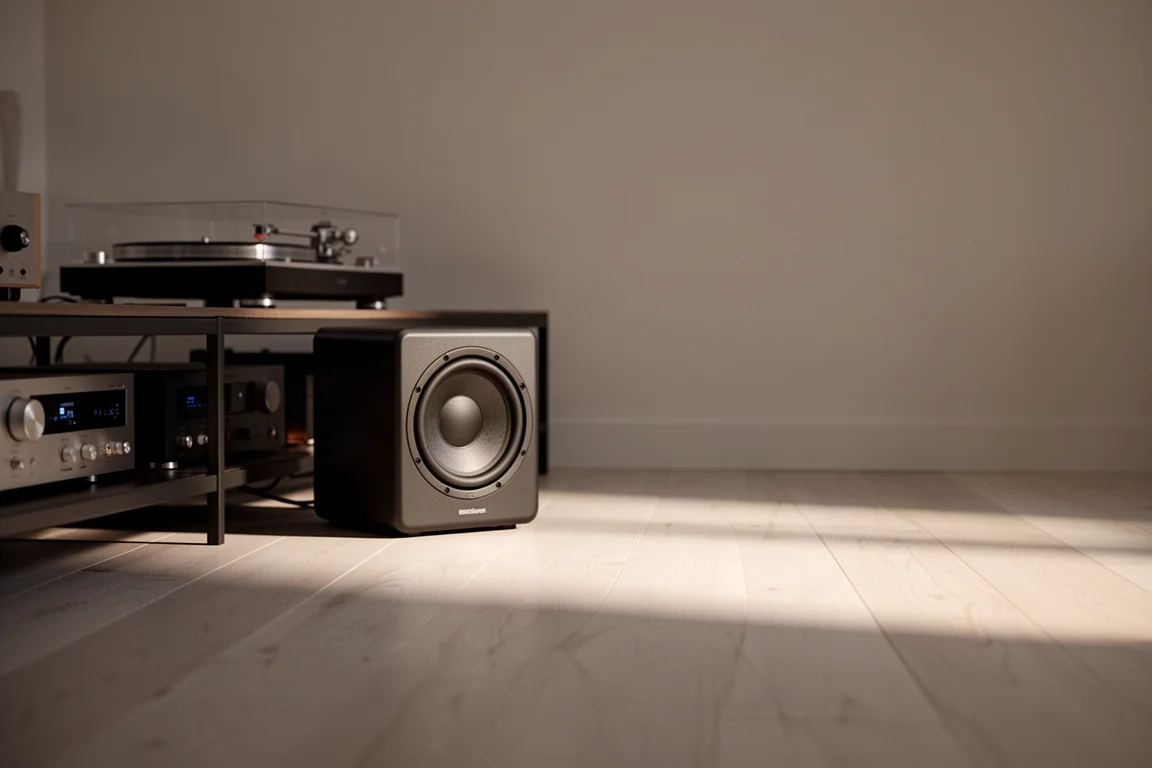
The result covers vinyl, streaming, and a dedicated subwoofer without a rack full of separate boxes, which is the appeal of building around a streaming amplifier.
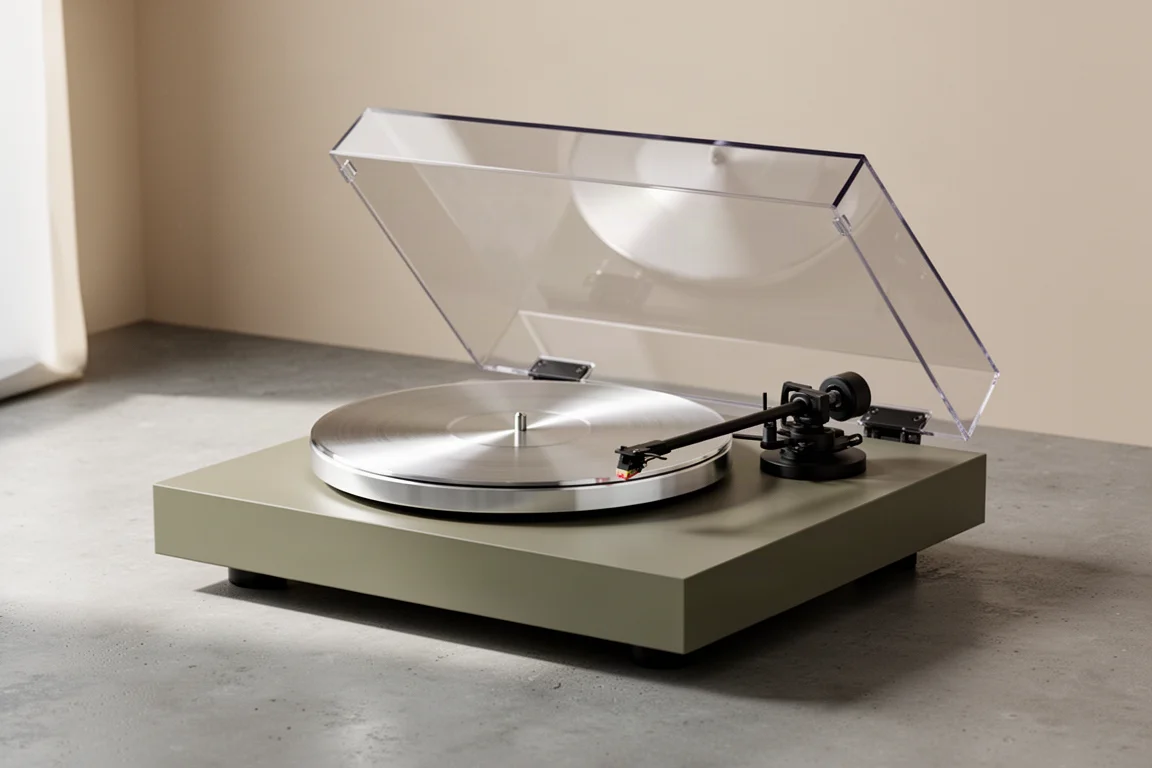
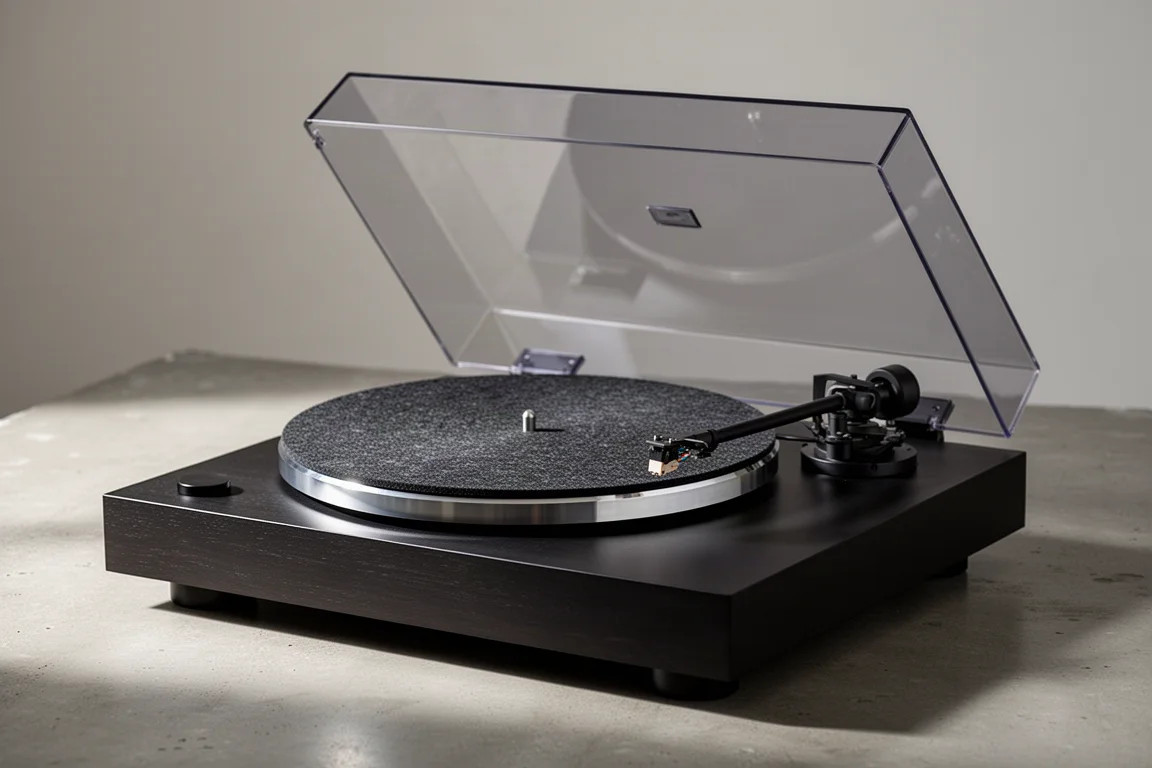
Fluance RT80 Turntable
At $200, the RT80 is the most affordable way into this build. Because the WiiM Amp supplies the phono stage, there is no separate preamp to add.
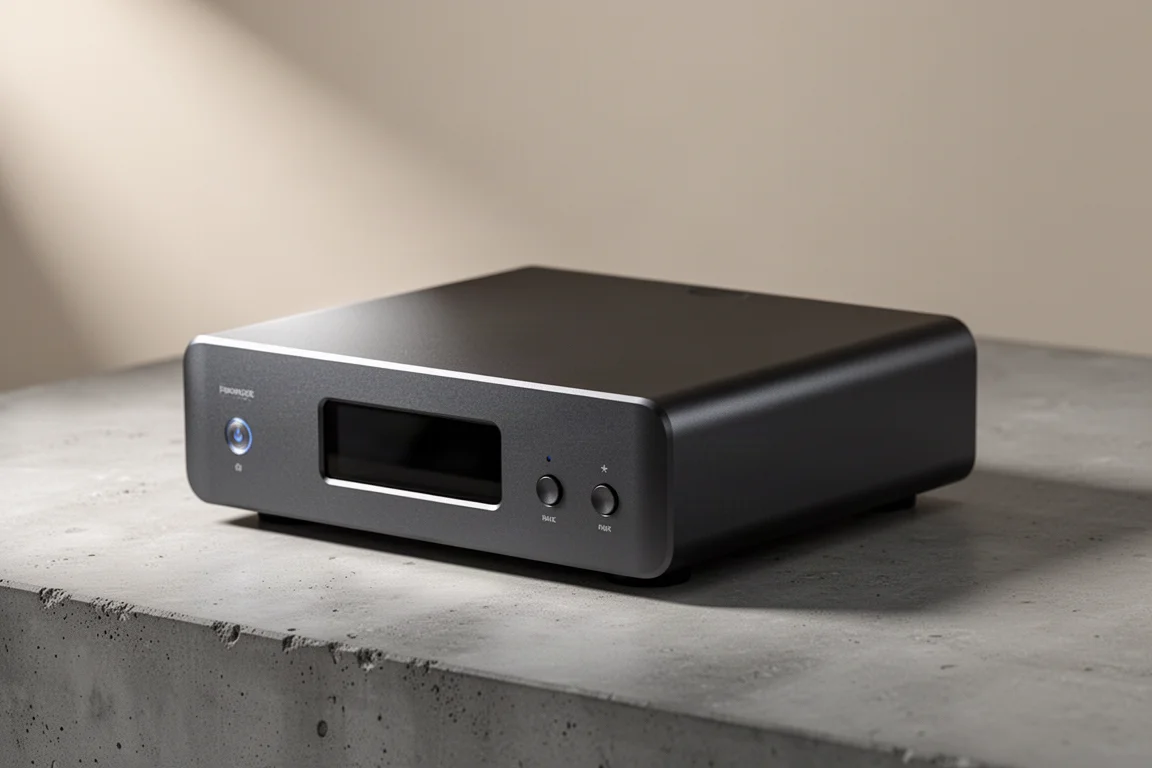
WiiM Amp
The WiiM Amp is the hub of this build. It has a phono stage for the turntable, a subwoofer output, and high-pass filtering, so the ELAC B5.2 speakers can be run to their limit while the subwoofer handles the lowest frequencies.
Buying Advice
Choosing between these builds comes down to how you listen. If most of your music is digital, the speaker-focused build and the bass-head build put money into the parts you will hear most. If records are the priority, the vinyl enthusiast build answers the phono stage question in a single step. If you would rather not think about matching components at all, the powered build is the simplest route. And if you want one system that handles everything, the WiiM Amp build covers vinyl, streaming, and low frequencies together.
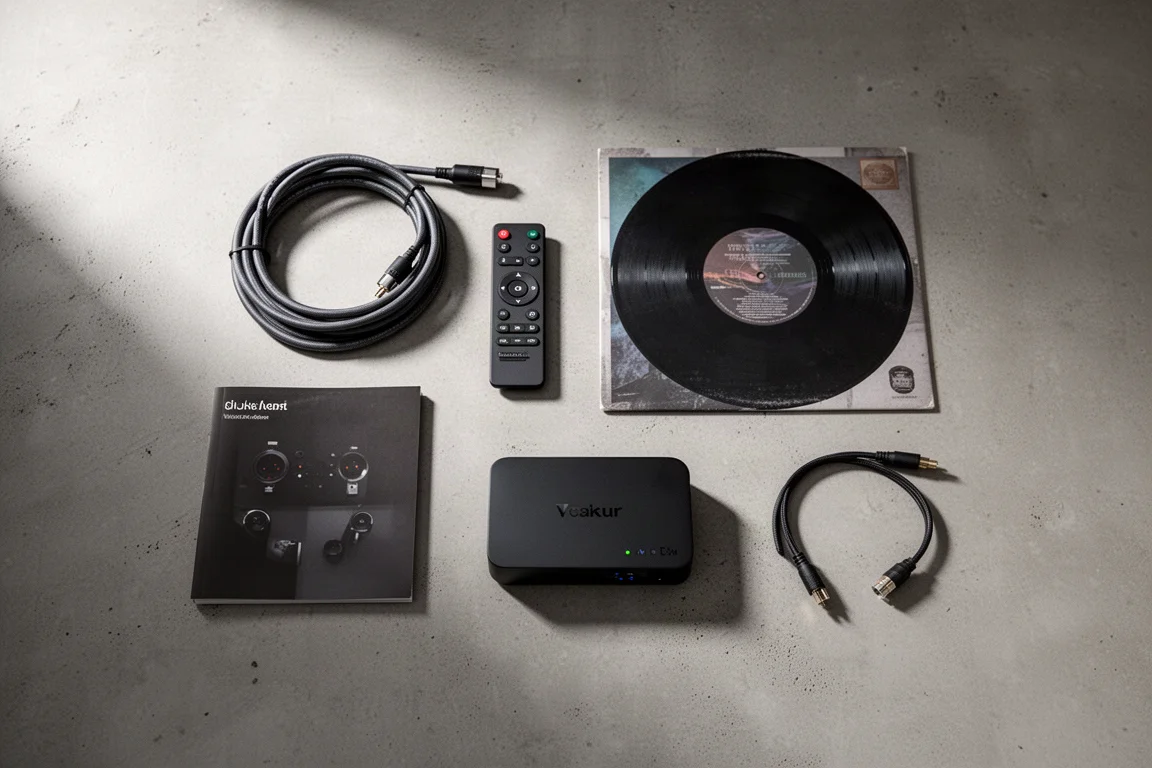
A practical way to decide is to work backwards from your sources. Count the inputs you need, check whether your turntable requires a phono stage, and decide up front whether a subwoofer is part of the plan or a later addition. Each build above can absorb an upgrade in one area without being replaced entirely, which is the main advantage of buying separates at this price.
If your budget stretches a little further, several integrated amplifiers are worth a look as a step up: the Emotiva TA1, the Cambridge Audio AXA35, and the Rotel A10 or A11 Mark II.
Conclusion
Five builds, one budget, and five different sets of priorities. The speaker-focused system puts the money into clarity, the vinyl build solves the phono stage question first, the bass-head build buys low-frequency weight, the powered build removes matching entirely, and the WiiM Amp build ties everything together. Pick the one that matches how you actually listen, and the rest of the system will follow.
Further reading
Related Reviews
Hi-Fi Audio
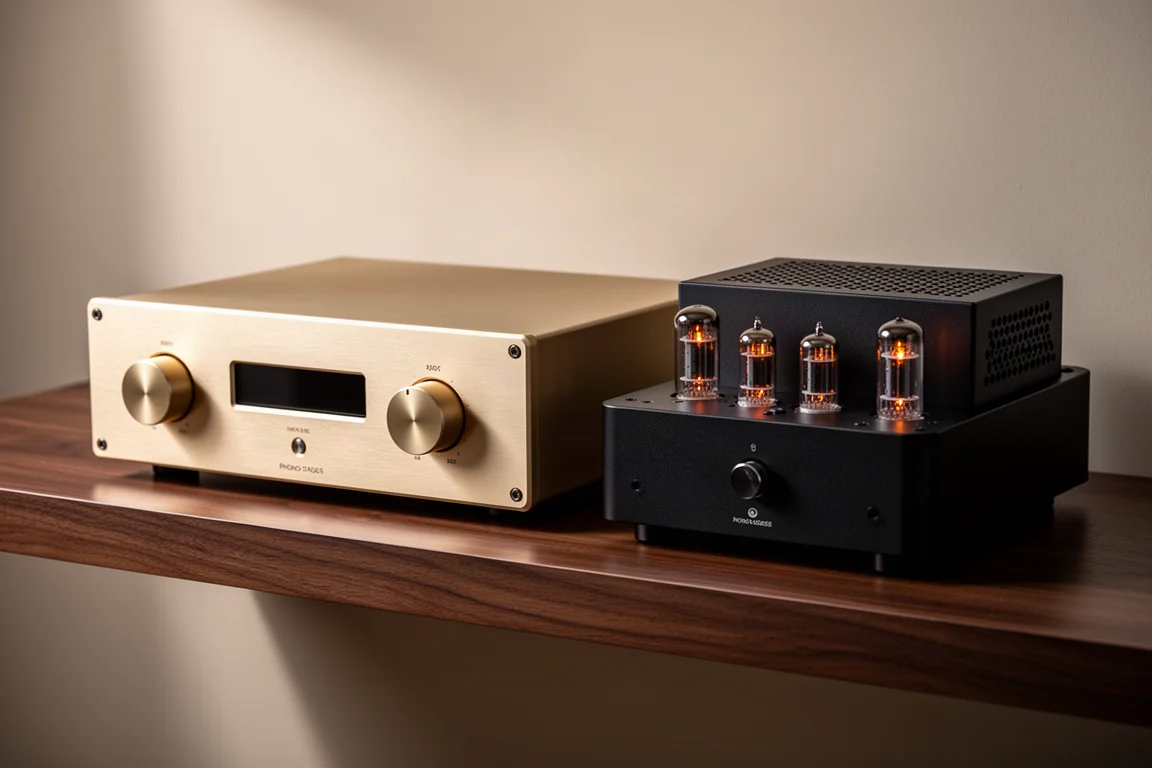
Accuphase C-57 vs Allnic H-7000V: Two High-End Phono Stages Compared
A fully balanced solid-state phono stage with a pitch-black noise floor meets a tube design built for well-loved records. Here is how to choose between them.
Hi-Fi Audio
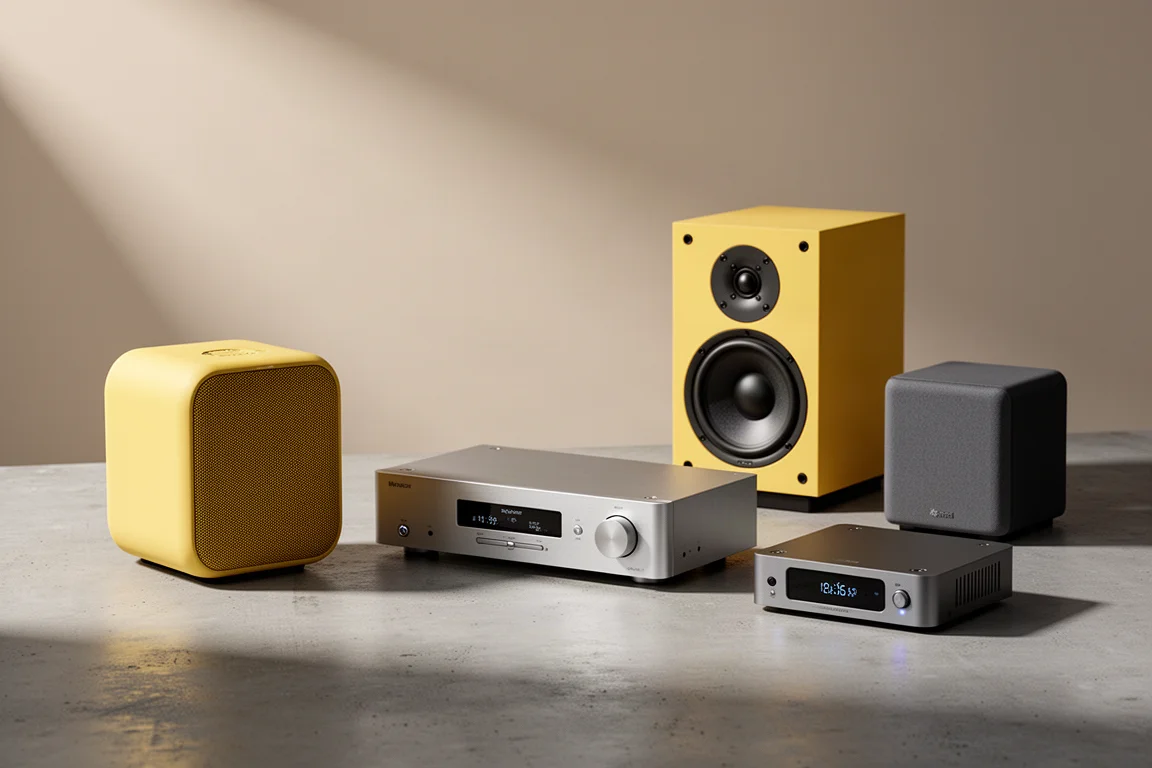
Active vs Passive Hi-Fi: Five Components for a Modern System
Five components that define modern active and passive hi-fi systems, with the strengths, trade-offs and setup details worth weighing before you buy.
Hi-Fi Audio
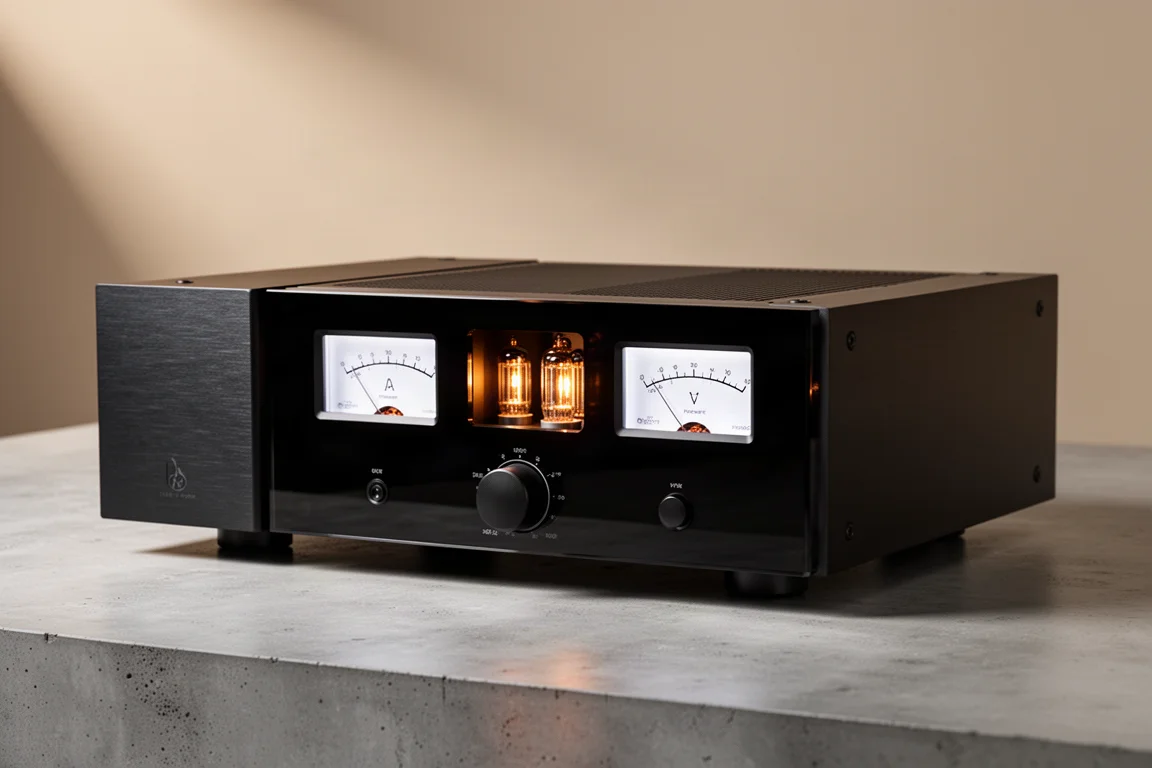
Advance Paris A10 Apex Review: A Hybrid Integrated Amplifier That Covers a Lot of Ground
A French hybrid integrated amplifier with a class A tube preamp stage, analogue power meters, and an internal DAC and phono stage good enough to make extra boxes unnecessary.