Hi-Fi Speakers
Best Hi-Fi Speakers: Five Standout Pairs Worth Considering
Five memorable stereo speakers, from a $570 BBC-inspired bookshelf pair to a $22,000 active studio monitor, with the trade-offs each one asks you to accept.
Introduction
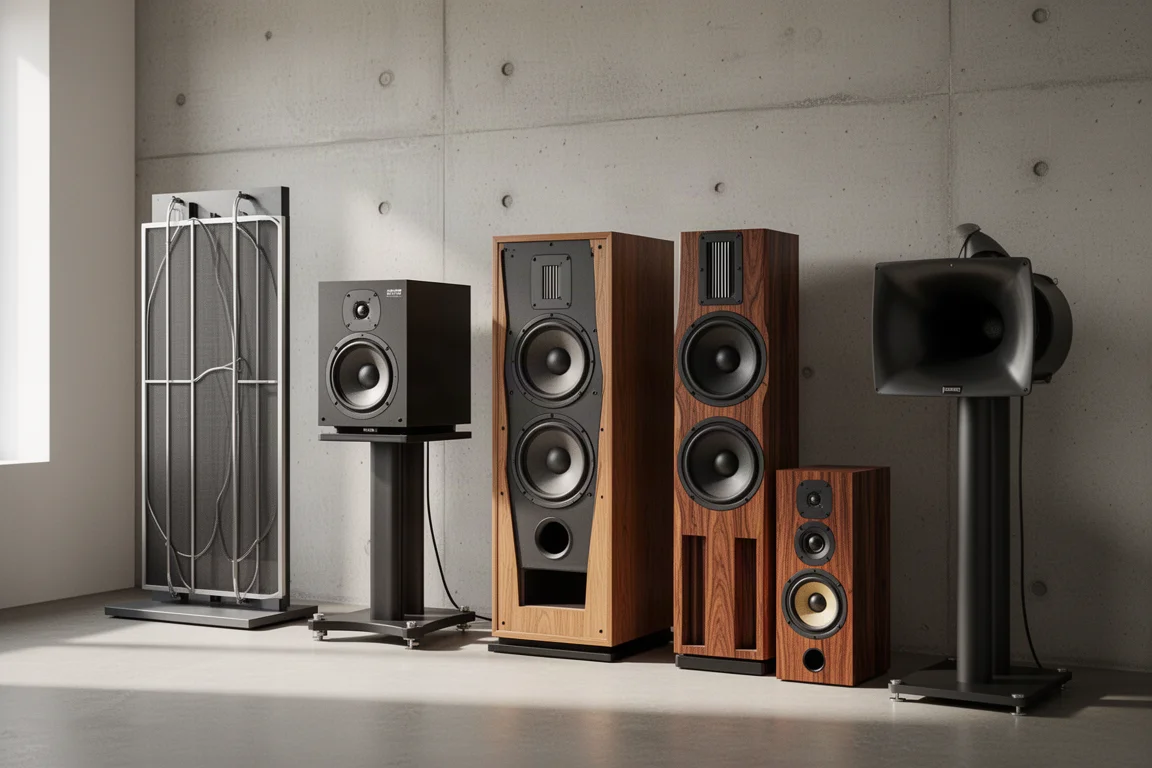
Choosing a speaker is one of the most personal decisions in a hi-fi system, and the five models gathered here prove how wide the useful range can be. Prices run from under $600 a pair up to $22,000 a pair, though most of these sit well below the top of that spread. What they share is a quality that is difficult to design on purpose: each one stayed memorable long after it left the listening room. Plenty of competent speakers exist. These five did something extra, and that is why they are worth a closer look.
How These Speakers Were Selected
Every model here was lived with over an extended period rather than auditioned briefly in a shop. The criteria were straightforward: dynamic liveliness, transparency, build quality, and how gracefully each speaker handled ordinary recordings rather than only pristine ones. Price was never a filter. A speaker earned its place by being convincing at its own price point, whether that point is a few hundred dollars or five figures.
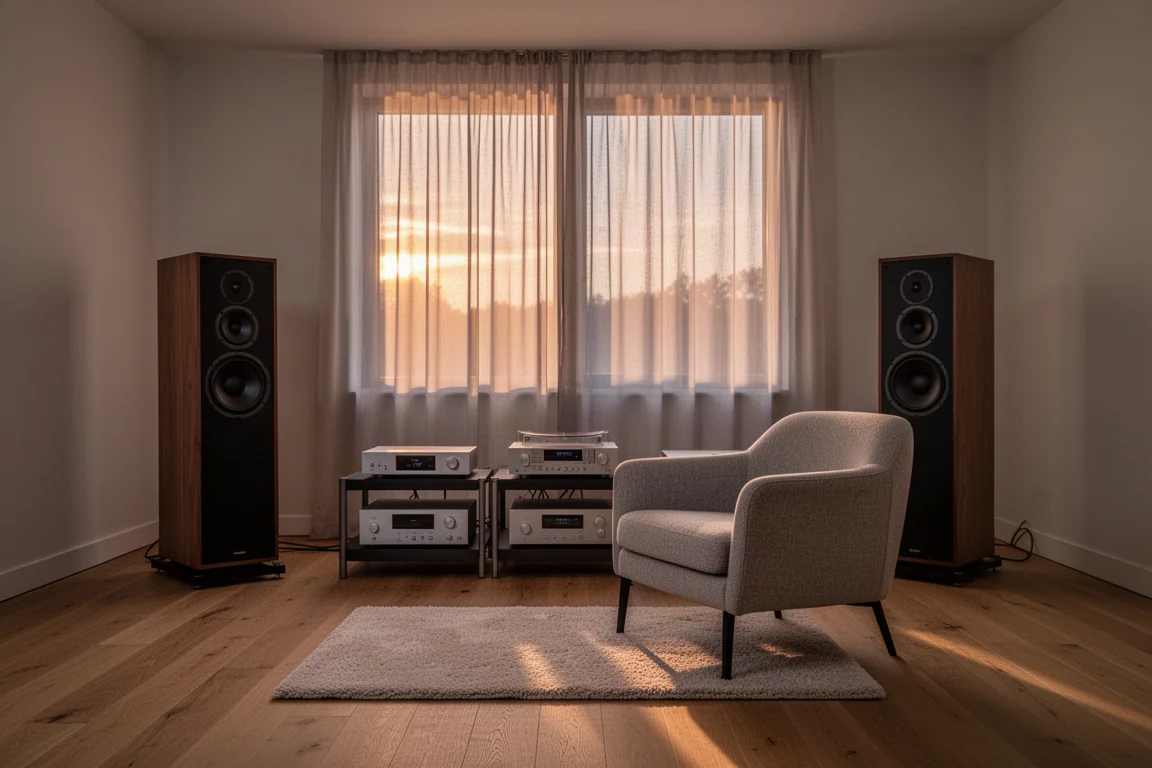
The list is presented in the order the speakers were evaluated, which happens to run from the most unusual design to the most familiar one. Read it as a set of distinct approaches to the same problem, not as a ranking, because the right answer depends heavily on the room and the amplifier waiting at home.
Dipti DP 140 Mark 2
The Dipti DP 140 Mark 2 is a dipole planar magnetic loudspeaker, which places it in the same broad family as planar panels, but its construction sets it apart. It is entirely handcrafted in France, and the build standard is immediately apparent in the finished cabinet and frame.
Sonically, it does not behave like a typical planar. It sounds dynamically alive, with a punchier and faster bottom end than the category norm, clear highs, and a lively yet hyper transparent character overall. Poor recordings are exposed rather than smoothed over, yet the speaker stays easy to listen to, which is a rare balance to strike.
One practical point matters before buying: the DP 140 Mark 2 draws a great deal of power. A low-powered amplifier will not get the best from it, so plan on a serious amplifier with genuine current delivery. Given that, it plays loud with ease.
ATC SCM50
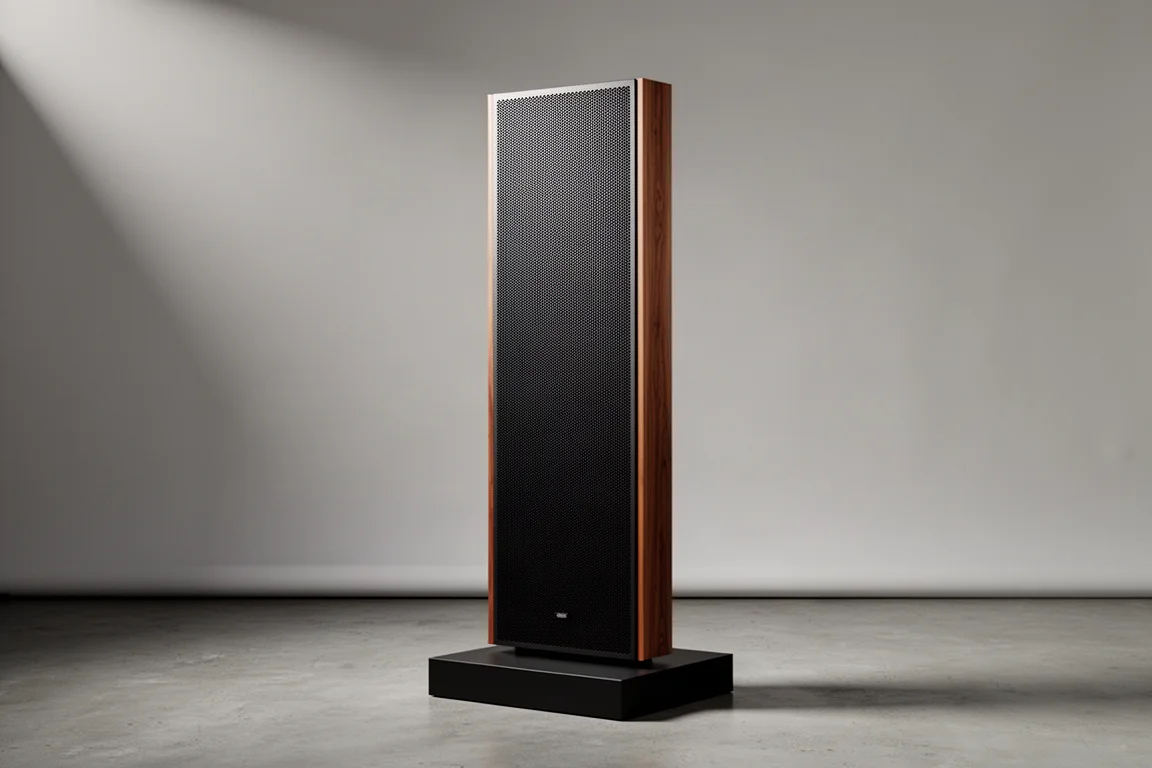
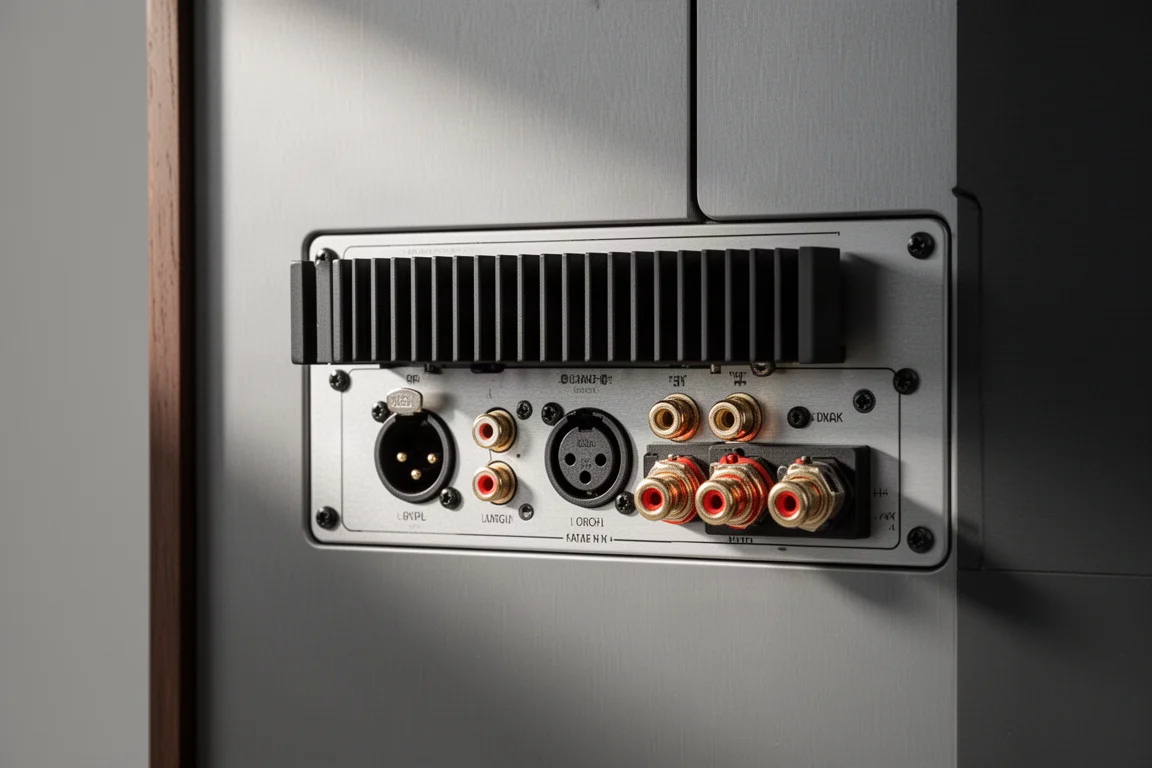
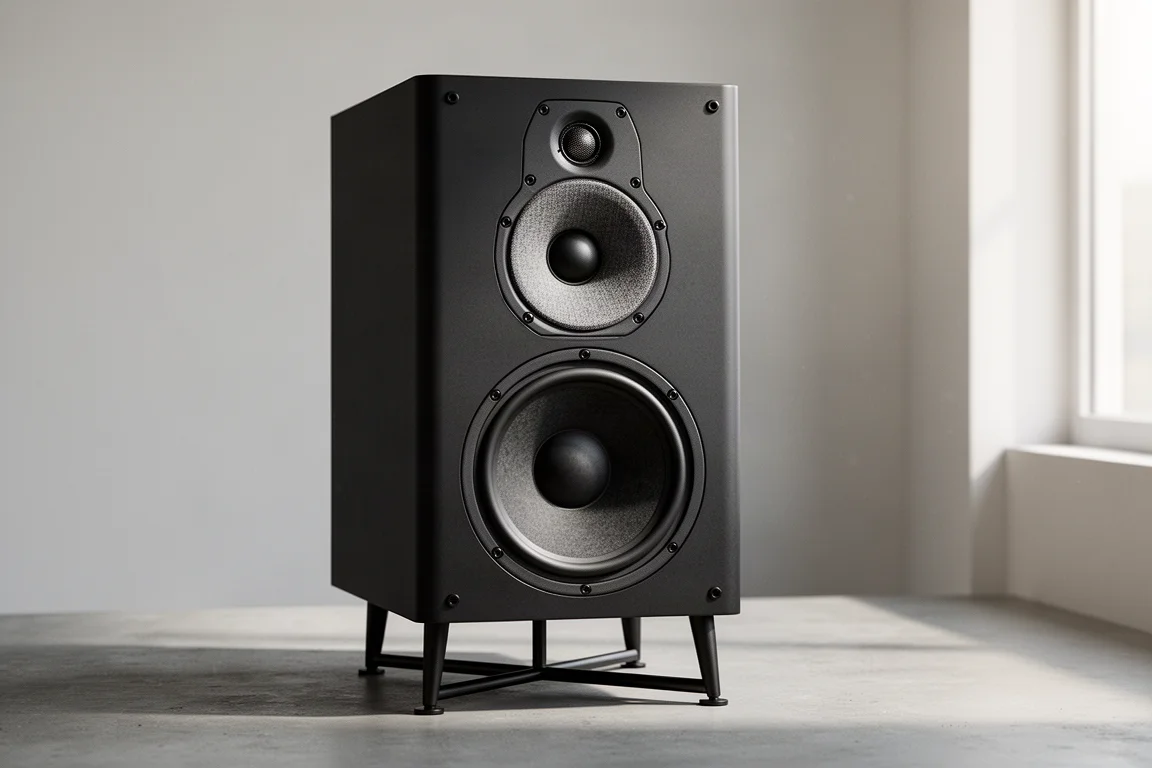
ATC is a professional audio manufacturer, and most of its speakers end up in studios, but the SCM50 crosses over comfortably into a home system. It is a three-way active design with a tri-amp architecture: three Class AB amplifiers, one each for the tweeter, the midrange and the woofer. That configuration is unusual in itself, and so is the decision to leave digital signal processing out entirely. There is no DSP and no digital input. The speaker accepts a normal line-level signal through XLR or RCA connections.
Ownership terms are unusually generous for an active speaker. The SCM50 carries a six-year warranty covering both the speaker and its electronics, and the amplifier modules are removable, so service does not mean shipping an entire cabinet back to the factory.
The sound is that of a professional monitor: highly revealing, neutral, and punchy in the bass, with enough headroom to play loud when the material calls for it. Poor recordings will sound poor, and there is no attempt to disguise that. The price is $22,000 a pair including the stands, and a passive version with the same driver complement is available for listeners who would rather use their own amplifiers.
Pure Audio Project Trio10 Heil AMT
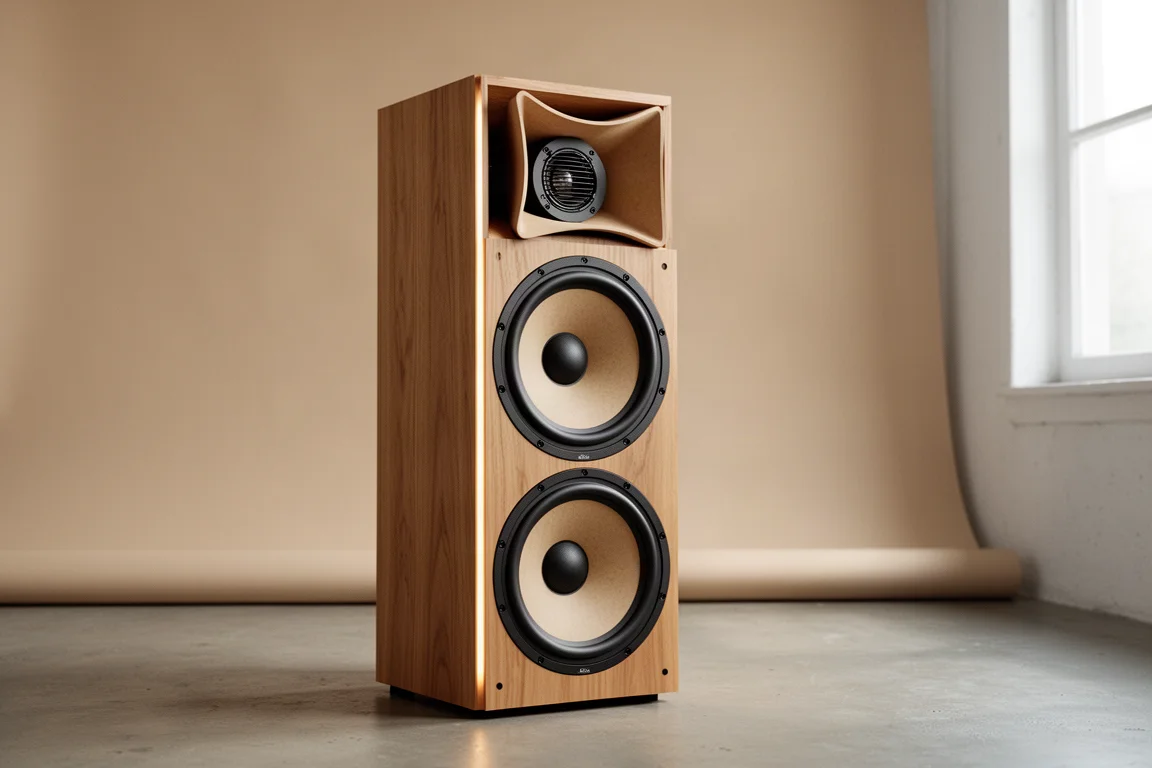
Pure Audio Project specialises in open-baffle speakers, and the Trio10 Heil AMT takes a different route from the larger single-woofer designs in the range. It uses two 10-inch open-baffle woofers, and its tweeter is the genuinely unusual part: a dipole air motion transformer that radiates as much energy from the rear as from the front, with wave guides on both faces. It also crosses over at 600 Hz, far lower than most air motion transformers, which typically hand over somewhere between 1.5 and 2 kHz. The driver is made in California by ESS, a company that has been building this type of tweeter since the 1970s rather than chasing a trend.
The result is a speaker that is faster, clearer and more transparent than a larger reference design, and closer in character to an electrostatic panel, except that it can deliver real dynamics where most electrostatics cannot.
Pure Audio Project ships worldwide. The Trio10 Heil AMT is $5,900 a pair in the US and comes in a range of finishes. That price is scheduled to rise by roughly 10 percent on January 1, so anyone weighing it up may want to move before then.
Sound Artist LS3/5A
The Sound Artist LS3/5A is a Chinese-made interpretation of the classic BBC specification LS3/5A. It does not officially meet that specification, and it costs far less than the UK-built originals, which generally start around $3,000 and climb from there. The Sound Artist version sells for $570 a pair including worldwide shipping.
The cabinet is finished in real rosewood rather than a vinyl imitation, and it looks the part in daylight. Inside, it uses a 4.5-inch woofer and a 0.75-inch dome tweeter, and outwardly it resembles the original closely.
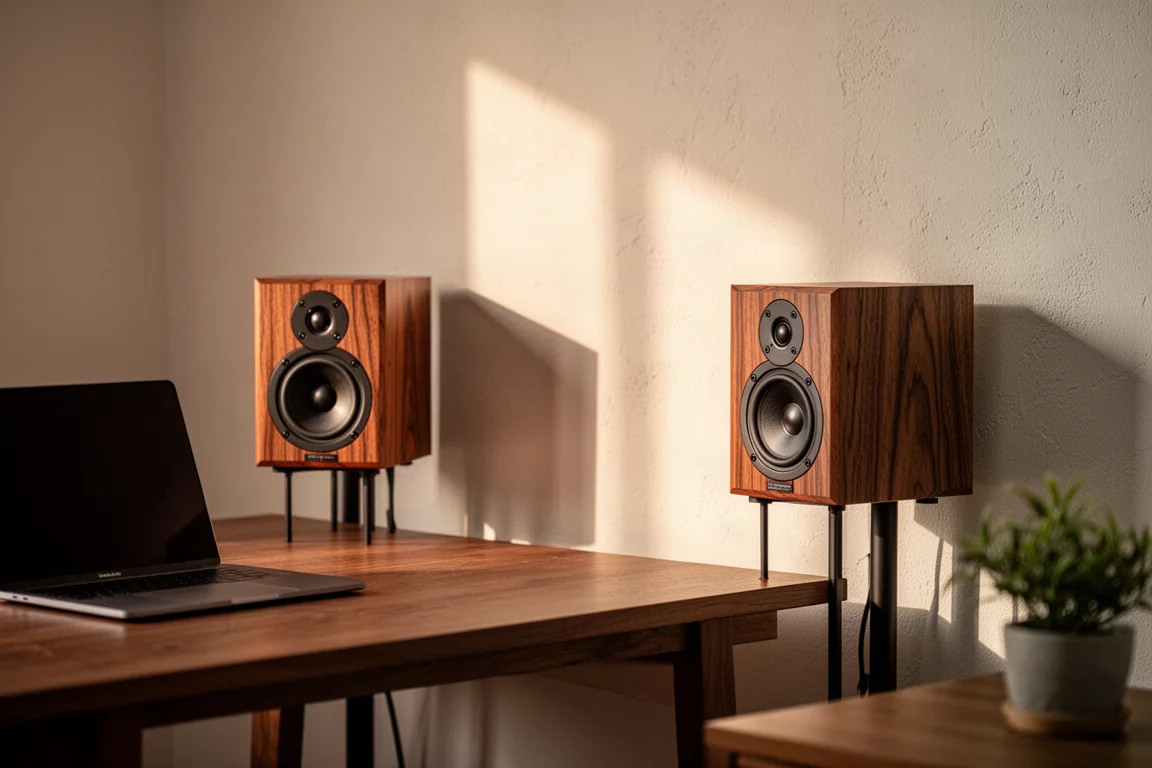
The sound is where it separates itself from expectations. The soundstage is huge for a speaker this small, the midrange is exceptional, and the bass is surprisingly full given the cabinet size. It works beautifully as a nearfield monitor in a small room, and it also held up in a larger room without sounding as though it were crying out for a subwoofer.
At this price it is the most accessible speaker on the list, and arguably the most surprising.
Klipsch Ojas KR1 2A
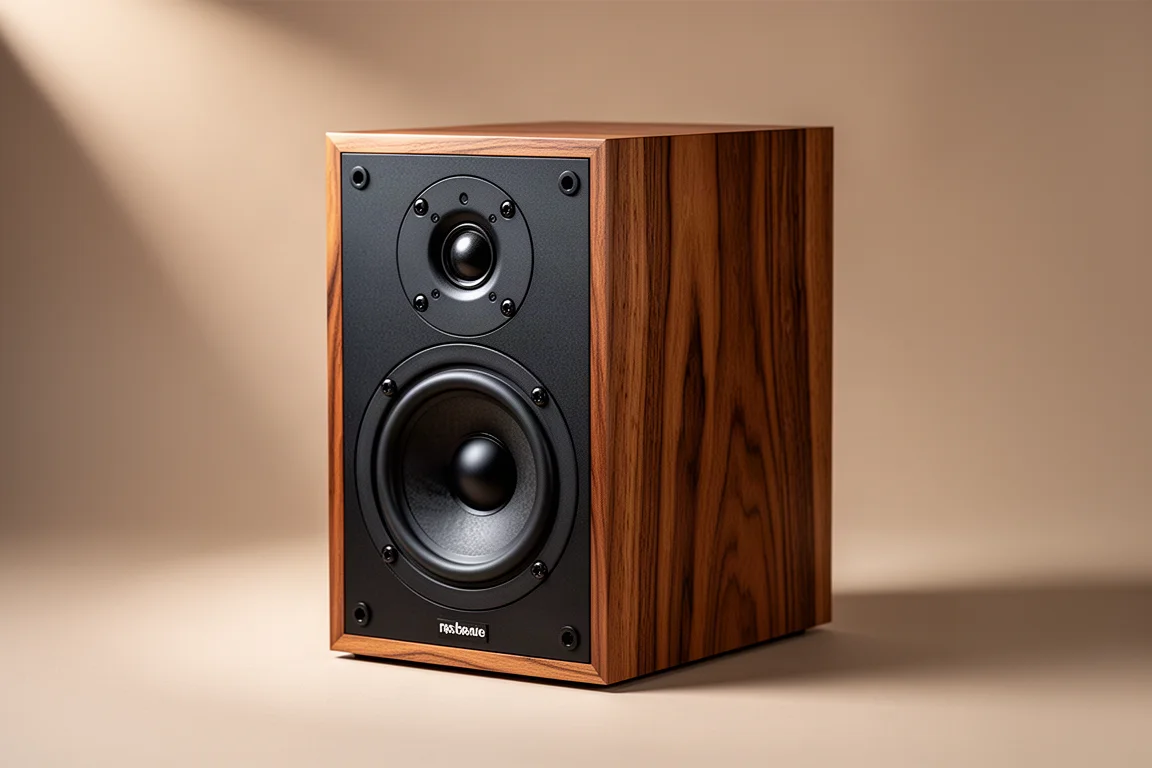
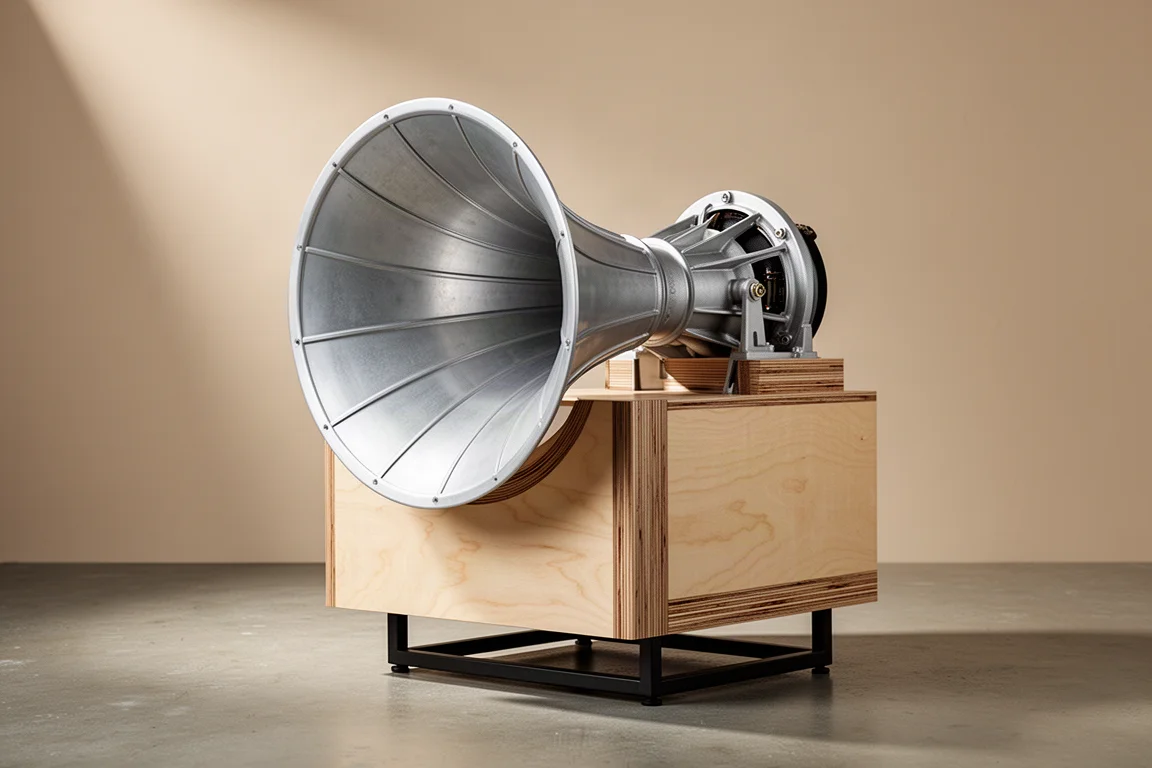
The KR1 2A is a collaboration between Klipsch and Ojas, and the first project of its kind for the two companies. It borrows from both houses, but it does not look like any previous Klipsch speaker. The horn is cast aluminium with a radial profile, and a Klipsch compression driver sits at its rear, where nearly every other horn in that family uses molded plastic. The cabinet is 13-ply birch plywood rather than MDF, and it is heavily braced. Build quality is exceptionally good, and the speaker feels solidly put together.
It sounds like a good horn speaker should, with the immediacy of live music. Pushed with highly dynamic material, it stays clean rather than developing a sense of strain as the level rises. Sensitivity is high, quoted around 97 dB, so it partners happily with low-powered amplifiers and still holds up with high-powered ones. The KR1 2A is $8,498 a pair, and that price includes the stands.
Buying Advice: Matching a Speaker to Your Room and Amplifier
With this much spread in price and design, the sensible question is not which speaker is best but which one fits a given system and room.
Amplifier matching matters more here than in most buying decisions. The Dipti DP 140 Mark 2 wants substantial power behind it, while the Klipsch Ojas KR1 2A is efficient enough to run from a modest amplifier. The ATC SCM50 brings its own amplification, so the only requirement is a line-level source with XLR or RCA outputs.
Room size should shape the shortlist as well. The Sound Artist LS3/5A is the natural choice for a small room or a nearfield desk setup, and it is the least expensive route onto this list. The open-baffle Trio10 Heil AMT and the dipole DP 140 Mark 2 both reward a listener who can give them space behind and around them.
Timing is also worth noting. The Trio10 Heil AMT is scheduled for a price increase on January 1, and both the SCM50 and the KR1 2A include stands in their asking prices, which makes a straight price comparison less meaningful than it first appears.
Conclusion
Five speakers, five distinct design philosophies, and one shared trait: each is worth remembering. The Sound Artist LS3/5A delivers the biggest surprise per dollar. The Klipsch Ojas KR1 2A brings horn immediacy and serious construction. The Pure Audio Project Trio10 Heil AMT offers open-baffle transparency with real dynamic capability. The ATC SCM50 is the neutral, revealing studio tool with unusual serviceability and warranty coverage. And the Dipti DP 140 Mark 2 is the hand-built French planar that behaves unlike anything else in its category. Match any of them to a suitable room and amplifier, and the purchase should feel well judged for years.
Further reading
Related Reviews
Hi-Fi Speakers
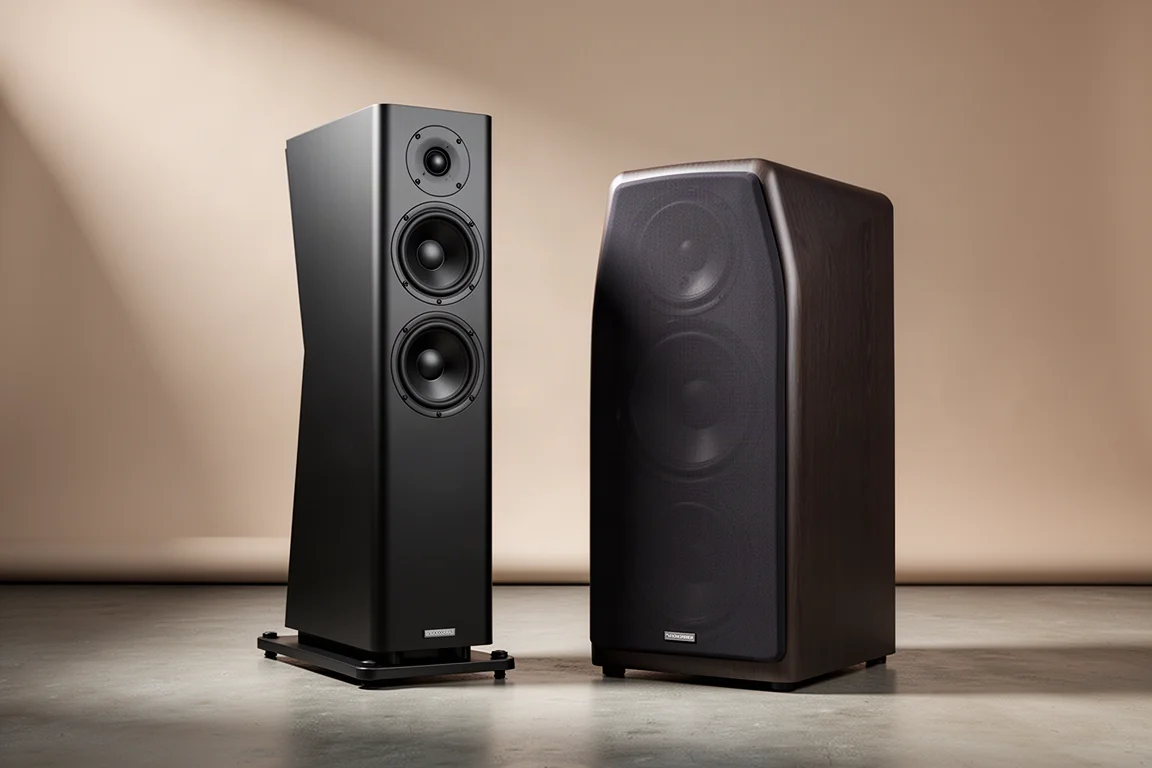
1723 THX Tower vs 1528 Bookshelf: Which Speaker Fits Your Room?
Two speakers at roughly the same price, built very differently. How the 1723 THX tower and the 1528 bookshelf compare on construction, bass, power needs, and sound.
Hi-Fi Speakers
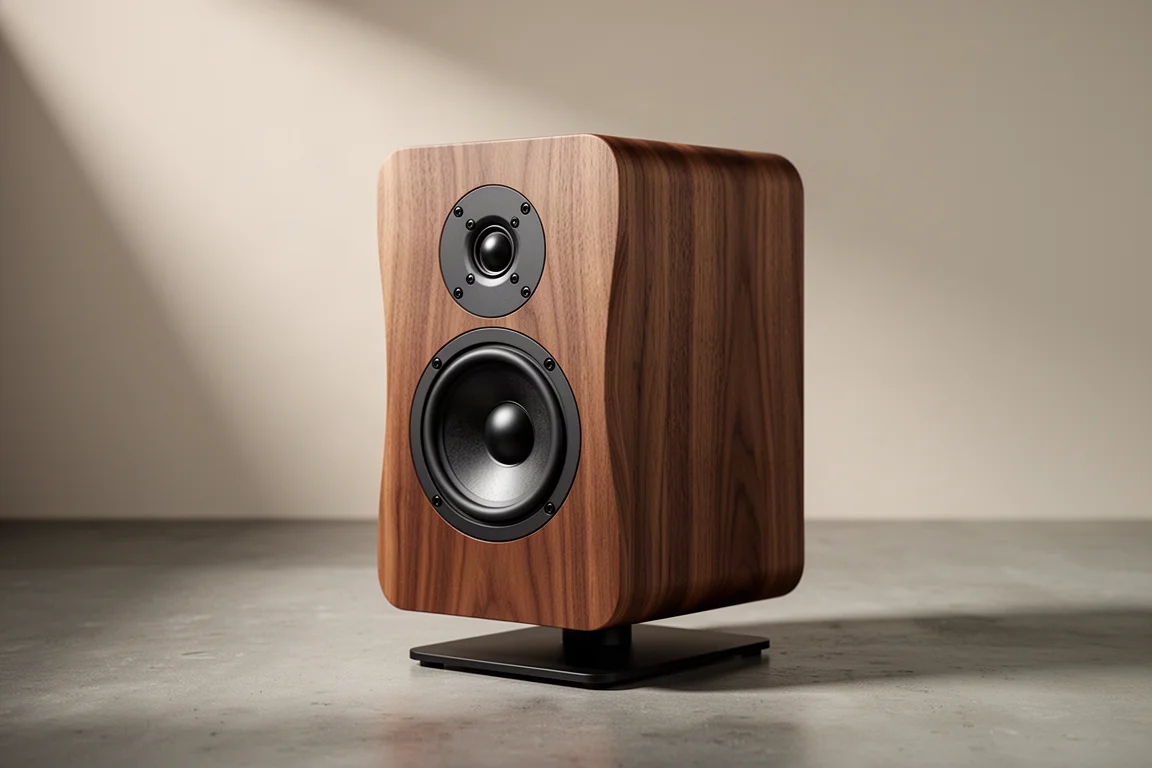
Acoustic Energy AE 300 Review: Deep Bass From a Compact Standmount
A two-way standmount with real wood veneer, surprising low-end weight, and a warm, easygoing character. Here is what to know before buying.
Hi-Fi Speakers
Acoustic Energy AE1 40th Anniversary Review: A Modern Take on a British Classic
A compact standmount that revives a 1980s favorite with all-new parts, a warm mid-centric balance, and a price of £1,499 per pair.