Hi-Fi Speakers
Best Hi-Fi Speakers for Music and Movies: Eight Models Worth Considering
Eight speakers that stand out for value, balance, and long-session comfort, from budget bookshelf models to refined floorstanding towers.
Introduction
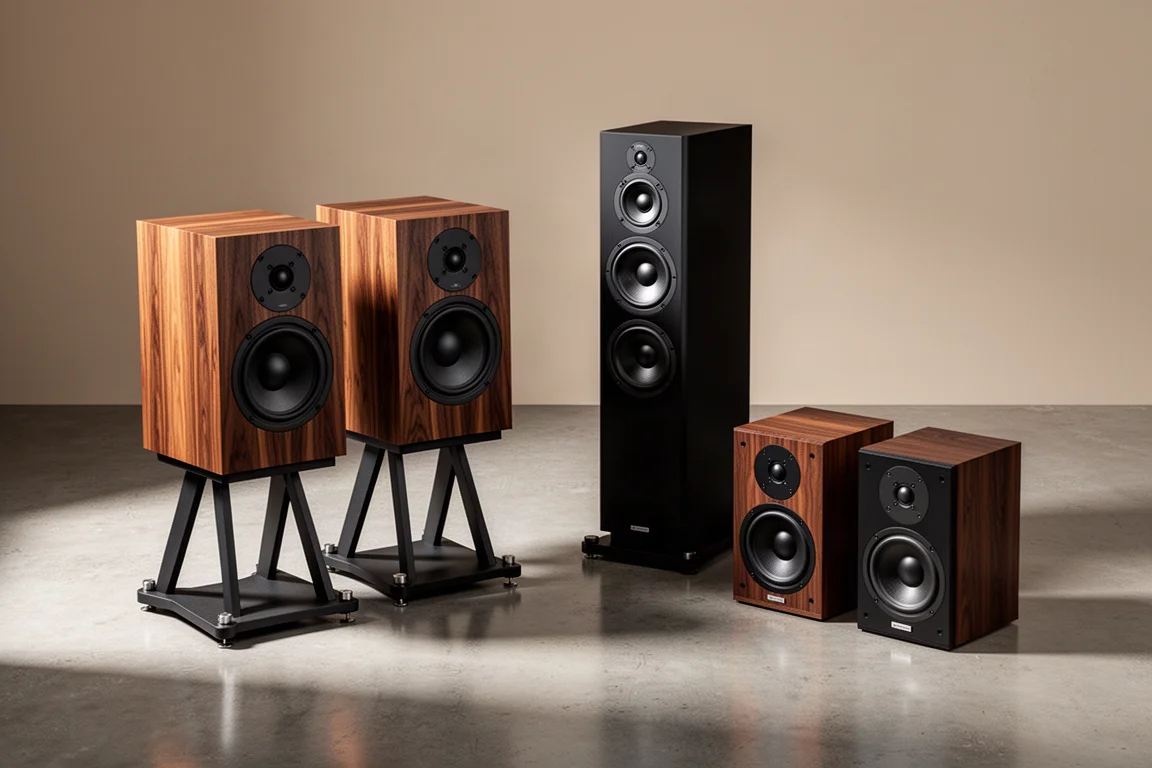
Great speakers rarely win you over with a single party trick. What makes a model worth keeping is how it handles the music and films you actually return to, night after night, at the volumes your room and your neighbours allow. The eight speakers in this roundup share that quality: each one is honest about what it does well, and none of them needs an exotic room to sound convincing.
The selection spans a wide range of budgets, from compact bookshelf models that cost less than a good pair of headphones to floorstanding designs that ask for a more serious commitment. Some are tuned for relaxed, extended listening. Others are built for impact and energy. A few sit in the middle and do almost everything well. Prices are noted where they are known, and several of these models are at their most compelling when a sale arrives.
How These Speakers Were Compared
Every speaker was judged on the things that matter in a real room: tonal accuracy, how convincingly voices and acoustic instruments come across, soundstage depth and imaging, bass quantity and quality, and how forgiving the design is of imperfect placement.
Price was weighed alongside performance rather than on its own. A speaker that costs twice as much is not automatically twice as good, and a discount can change the value calculation entirely. Where a design has a distinct character, that character is described plainly so you can decide whether it suits your taste.
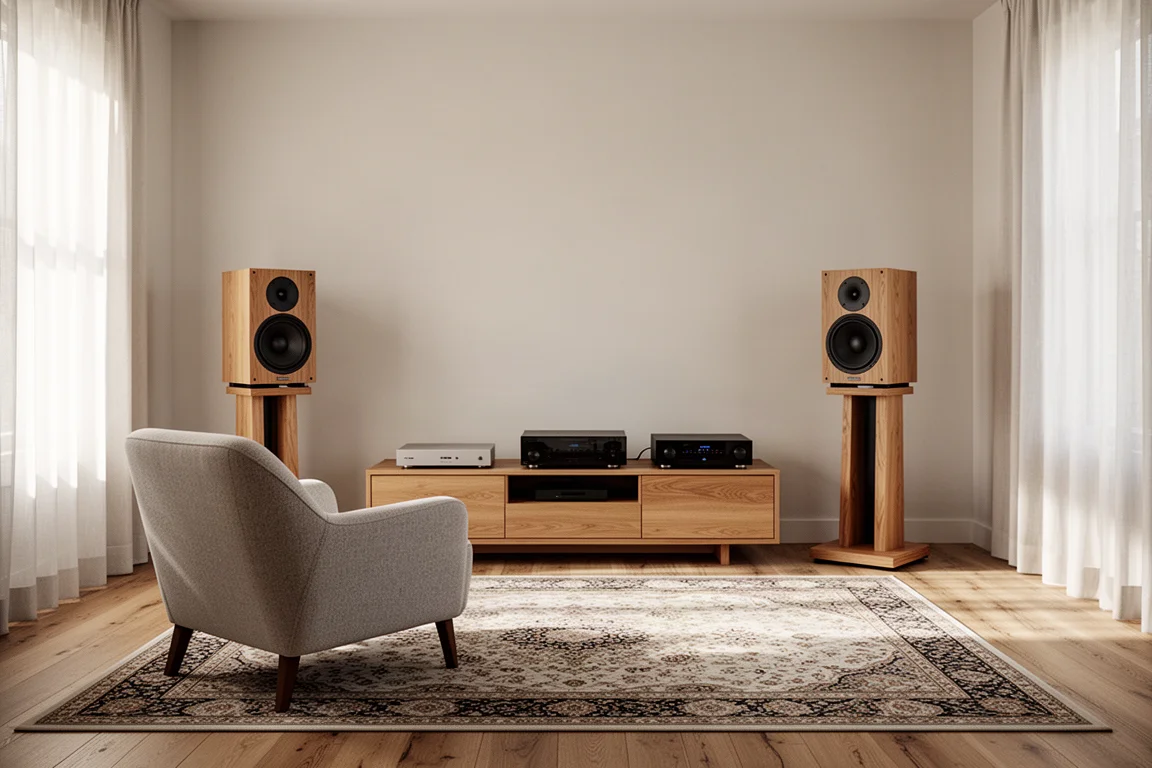
Long listening sessions mattered as much as first impressions. A speaker that sounds spectacular for twenty minutes but tiring after two hours is a poor long-term investment, so each model was also assessed at lower volumes and over extended periods. All of the speakers here benefit from a subwoofer for full-range bass, though several manage well without one.
Wharfedale Linton: The Most Immersive Presentation
The Linton is the most convincing speaker in this group at creating the impression that performers occupy real space. Its tone is among the more accurate presentations available here, so pianos, cymbals, and voices simply sound the way they should. Just as importantly, it separates the rear of the soundstage into distinct layers, placing musicians at different depths instead of flattening everything onto one plane.
Compared with the ELAC Debut Reference, the Linton offers a wider soundstage, stronger mid-range presence for voices, and a taller image. Against the Wharfedale Evo 4.2, which extracts a little more fine detail, the Linton is the easier speaker to dial in. It still responds to toe-in adjustments, but it settles into a sweet spot far more quickly and is less sensitive to height and positioning.
At around $1,500, or roughly $1,800 with the matching stands, it costs less than several well-known competitors in its class. It is equally persuasive at low and high volumes, which makes it unusually easy to live with. The trade-off is deliberate: listeners who chase the last degree of detail and microscopic cymbal accuracy will find more of it elsewhere. Everyone else gets a speaker that encourages whole albums rather than skipped tracks.
SVS Prime Tower: The Balanced All-Rounder
The Prime Tower is the closest thing here to a speaker that handles everything competently. It is clean and detailed across the range, so dialogue in films and television stays consistently intelligible, and no part of the frequency response is heavily emphasised. For listeners who want a linear, unfussy presentation for music, that neutrality is a genuine strength.
It is not a warm speaker. Anyone chasing mid-range richness or an overtly cosy signature should look elsewhere. What it does offer is excellent imaging and a well-defined soundstage while keeping enough energy up top to stay engaging. The aluminium dome tweeter leaves a recognisable character, but it never becomes overbearing. The speaker also responds well to equalisation, so small adjustments on an AV receiver can warm the sound or tame the treble without upsetting the balance.
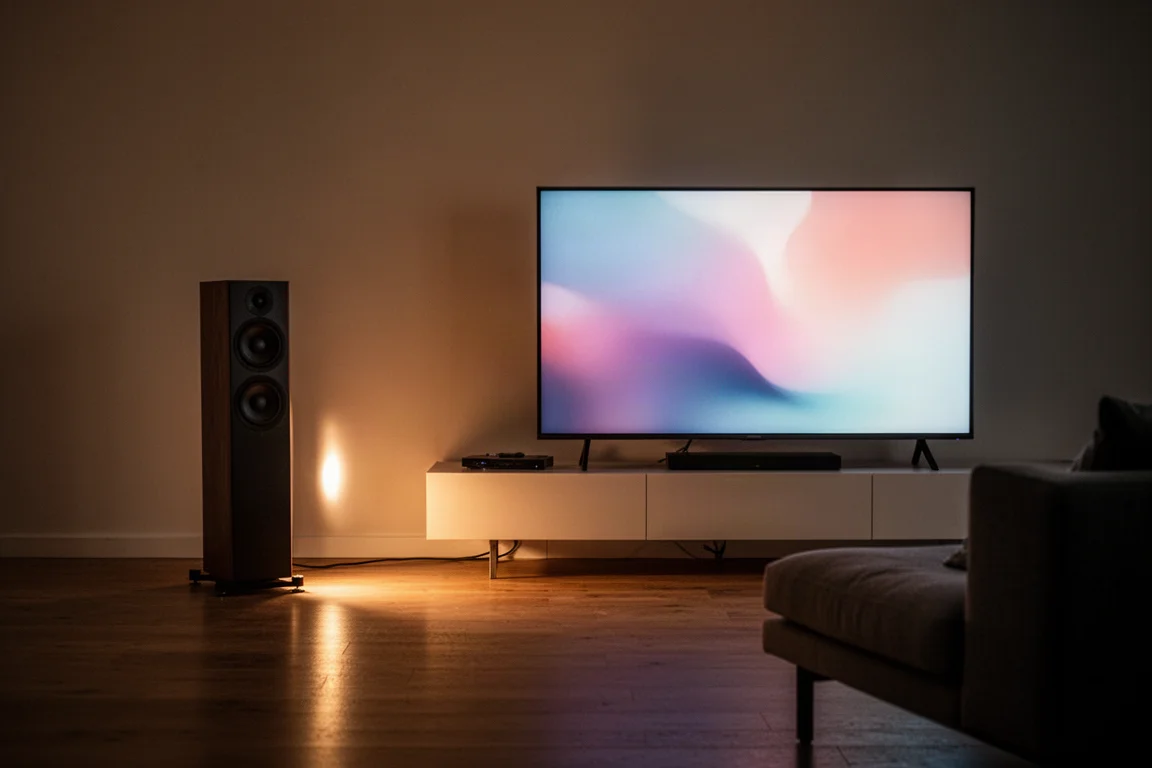
Physically it is a sensible size, compact enough for most living rooms or bedrooms and nowhere near as deep as the Klipsch RP-6000F. It can sit close to a wall for film and television duty, or be pulled out into the room for music, where the soundstage and imaging improve and bass boominess reduces. The bass is restrained enough that wall placement does not smother the mid-range.
At roughly $1,200 per pair it sits about $500 above the Emotiva T1+, which offers a little more clarity at the top end. The Klipsch RP-6000F lands in a similar bracket with a much more forward, lively, hard-hitting presentation. Between the three, the Prime Tower is the balanced choice, and it is refined enough to recommend without hesitation.
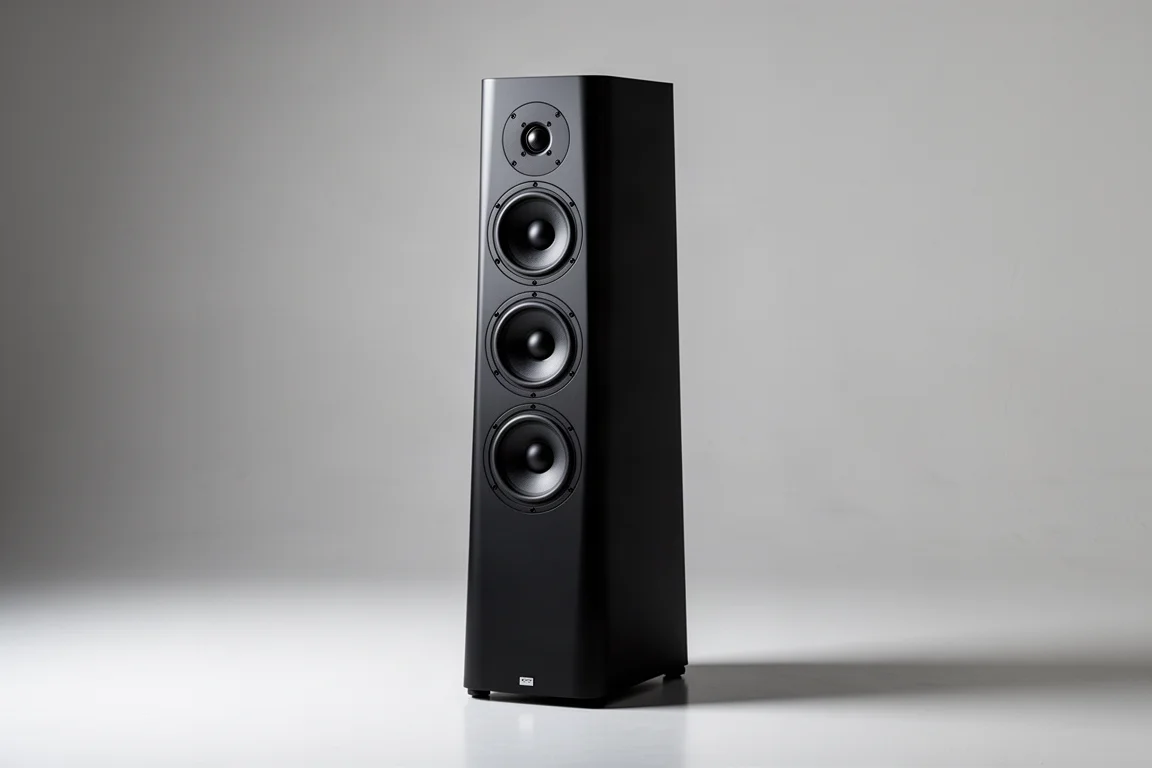
Polk ES15: The Long-Session Favourite
The ES15 is the speaker to choose if comfort matters more than fireworks. Its warmer tone and generous bass output make it easy to listen to for hours, and its cabinet is arguably the best built in this group. The transition between bass and mid-range can sound slightly thick, but that softness is part of what gives the mid-range its rich, smooth character rather than feeling obscured.
It will not deliver the excitement of the livelier models here, and it is not the most refined speaker in this roundup. For long listening sessions, though, it is the runaway favourite, and it is one of the two models worth shortlisting if you are choosing a single pair.
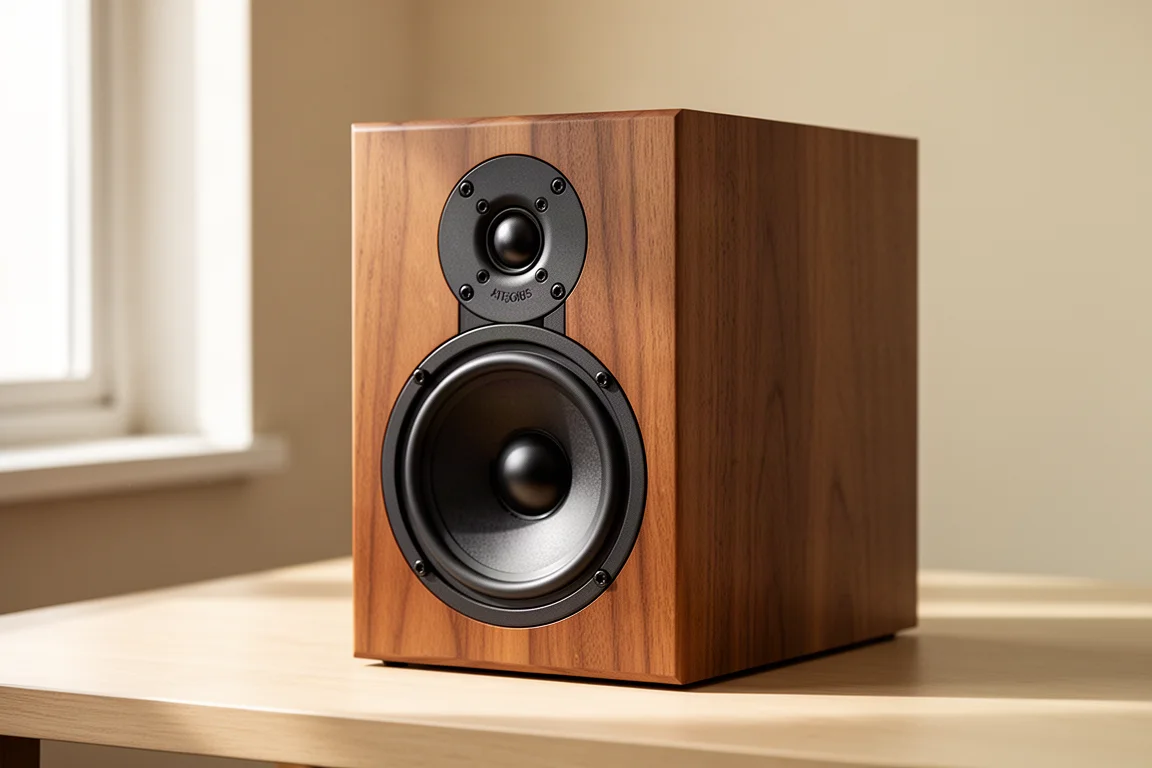
Sony SSCS5: The Budget Benchmark
The SSCS5 remains the reference point for affordable bookshelf speakers. Its retail price is around $170, and while it is a serious performer at that figure, it becomes difficult to argue with when it drops to about $130, or lower during deeper promotions. The quality of sound it produces is remarkable for the money.
The mid-range can sound slightly forward for some tastes and the bass can feel lean for others, but placement helps, and a subwoofer fills in the bottom end properly. For anyone building a first system on a tight budget, this is the model to watch for discounts.
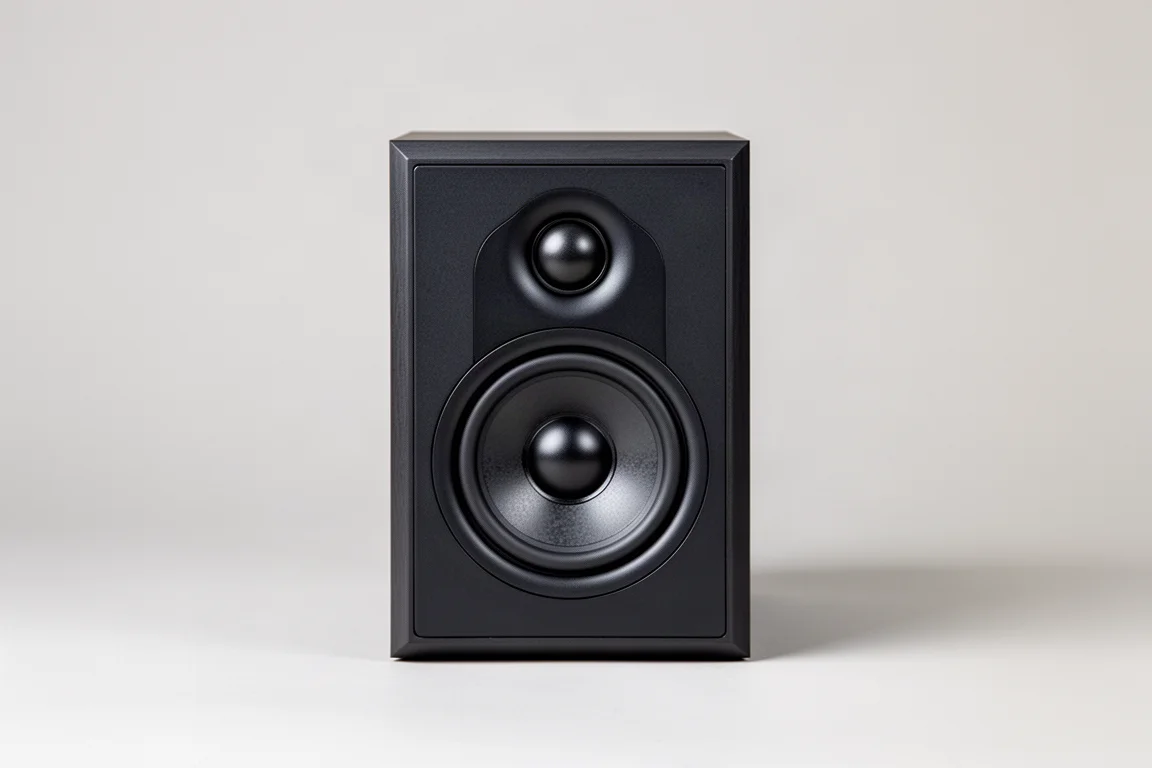
JBL Stage A130: Remarkable Value at $200
At around $200, the Stage A130 is remarkably accomplished. It produces a very good soundstage, strong imaging, and a convincing mid-range. There is a hint of metallic character in the tweeter on first listen, although it largely fades as you adjust to the presentation, and the speaker can lean slightly forward. Toe-in adjustments control that tendency effectively.
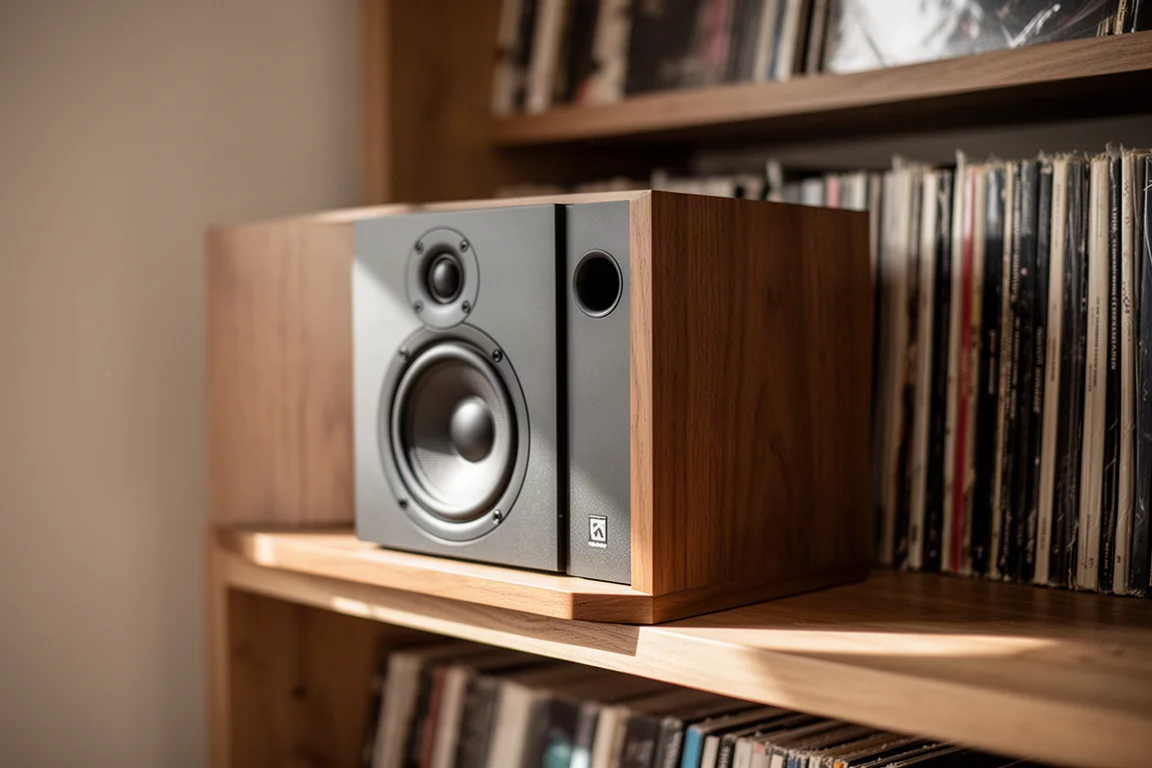
For the price, it is one of the more impressive all-rounders in this roundup, and a strong option for anyone who wants a lively but controlled bookshelf speaker without spending much.
Dayton Audio XT-20: The Party Speaker
The XT-20 is built for energy rather than neutrality. Its mid-range is slightly scooped, its treble is sparkly, and its decay is less natural than the more refined designs here. It is not the most sophisticated speaker on this list, but it is undeniably fun, and at a sale price of around $225 it offers a lot of character for the money.
This is the speaker to consider if a linear frequency response is not a priority and you simply want something that plays loud, enthusiastic music with a grin. Pairing it with a subwoofer helps complete the low end, and it works well in a near-field setup.
Polk Reserve R100 vs Polk Reserve R200
These two share a family resemblance in the treble, but they are not simply a small and a large version of the same speaker. Mid-range and bass behaviour differ enough that the decision comes down to taste rather than room size alone.
Polk Reserve R100
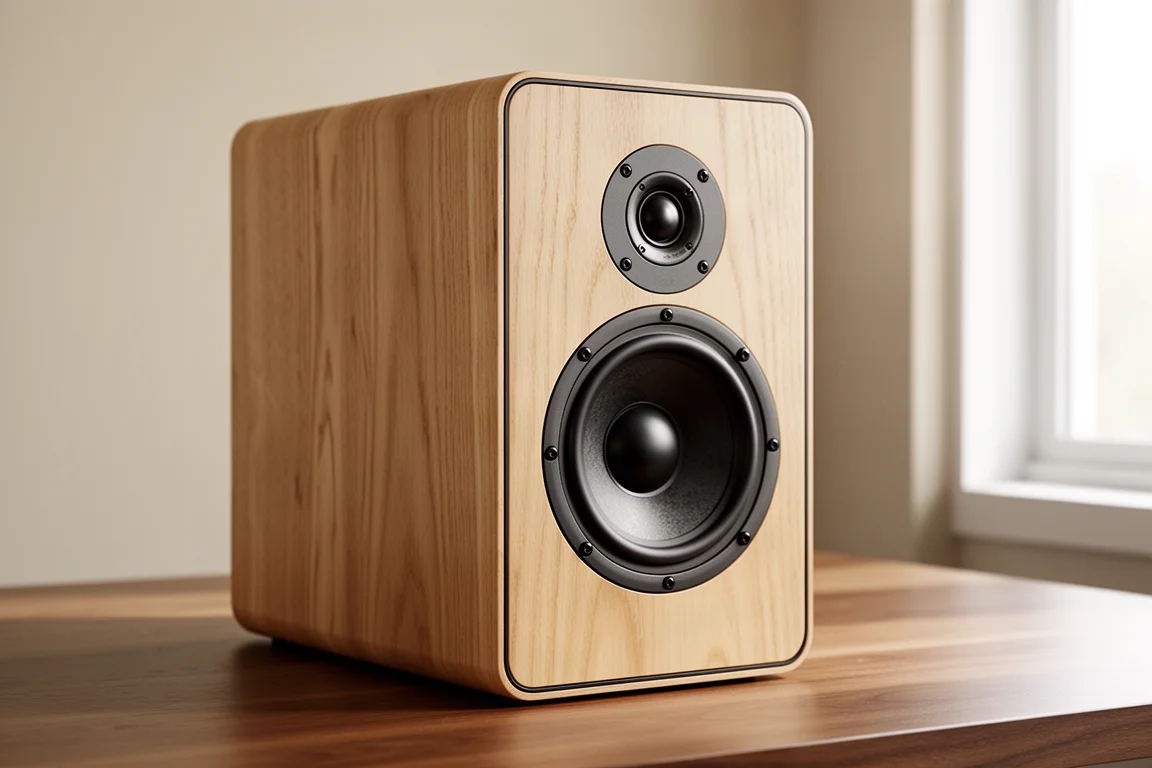
The R100 has the cooler mid-range of the two, with faster, punchier bass and a more articulate overall presentation. It gives up some dynamic range next to its larger sibling and does not hit as hard, but it is more forgiving of placement and far less likely to sound boomy close to a wall. Across most material, it is the more accomplished speaker of the pair.
Polk Reserve R200
The R200 is richer and warmer through the mid-range, with greater dynamic contrast: it moves from quiet passages to loud ones more convincingly and handles heavy hits with more authority. That makes it especially suited to electronic music, rock, and metal. It is also physically larger, and in a small room placed too close to a wall it can lose mid-range clarity while the bass becomes boomy. Given adequate space, it is a genuinely impressive speaker, and at around $750 it is priced a step above the R100 at around $650.
Buying Advice: Matching a Speaker to Your Room and Taste
The right choice depends on what you actually want from a speaker. If you can only pick one pair and value long, relaxed listening, the Polk ES15 is the clear pick, and the Sony SSCS5 is the strongest budget option, particularly when it is discounted. Both reward careful placement and a subwoofer.
If your priority is realism and immersion, the Wharfedale Linton is the most convincing speaker in this group, provided the budget stretches to it and to the matching stands. For a balanced all-rounder that handles music and film equally well, the SVS Prime Tower is hard to fault.
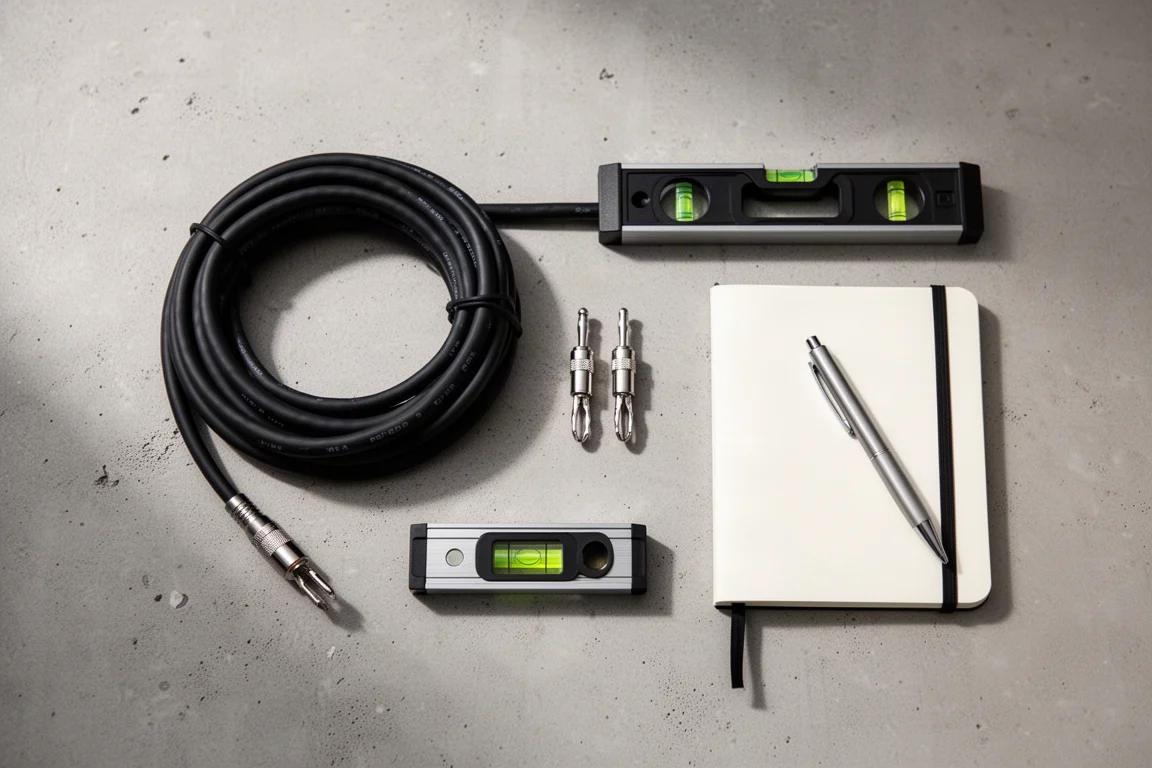
Room size and placement deserve real thought. Larger speakers, including the Polk Reserve R200 and the tower models here, need some space from the wall to give their best, while compact designs such as the Polk Reserve R100 and the JBL Stage A130 are far easier to accommodate. Toe-in is a free upgrade: it sharpens imaging and tames a forward treble on several of these models. A subwoofer is worthwhile with any of them, and it is close to essential with the leaner bookshelf designs.
Conclusion
There is no single winner here, because the speakers in this roundup are tuned for different priorities. The Wharfedale Linton wins on realism and immersion. The SVS Prime Tower wins on balance and versatility. The Polk ES15 wins on long-session comfort, the Sony SSCS5 on budget value, and the JBL Stage A130 on how much performance it delivers for a modest outlay. The Polk Reserve R100 and R200 split the difference between articulation and dynamic punch.
Buy for the way you listen, not for the specification sheet. Any of these models will reward a careful setup, and most of them become considerably more attractive when a sale arrives.
Further reading
Related Reviews
Hi-Fi Speakers
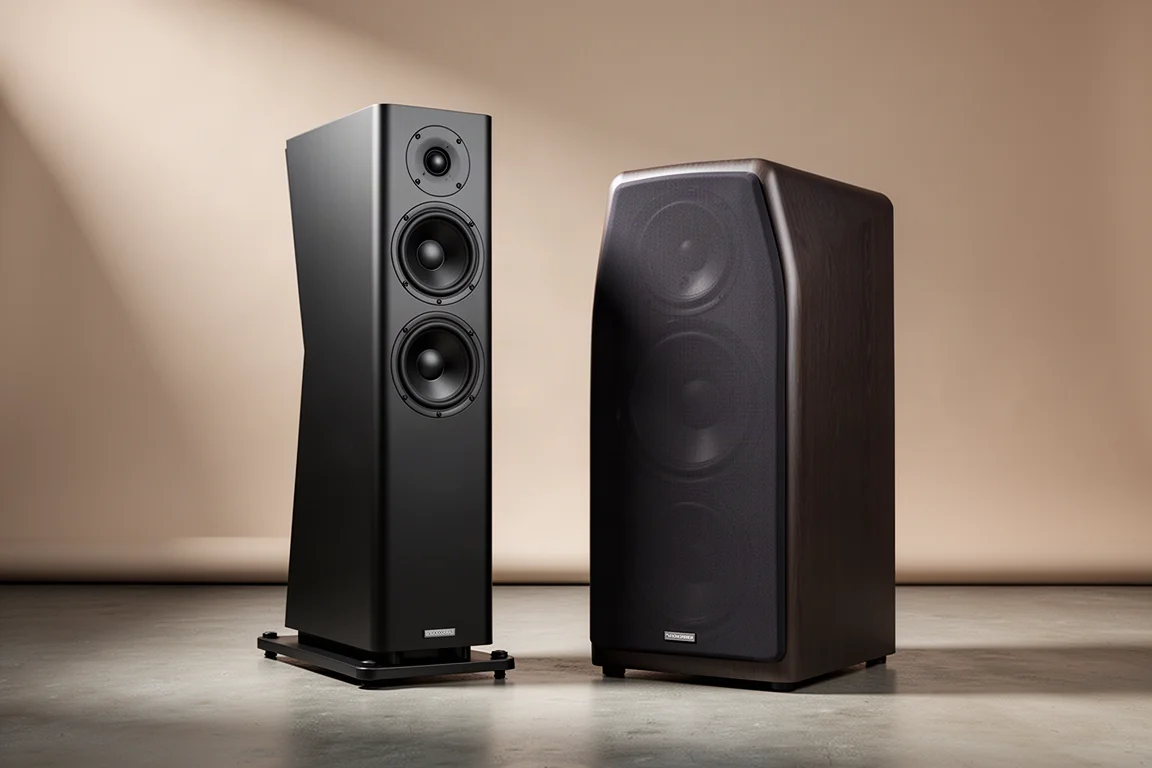
1723 THX Tower vs 1528 Bookshelf: Which Speaker Fits Your Room?
Two speakers at roughly the same price, built very differently. How the 1723 THX tower and the 1528 bookshelf compare on construction, bass, power needs, and sound.
Hi-Fi Speakers
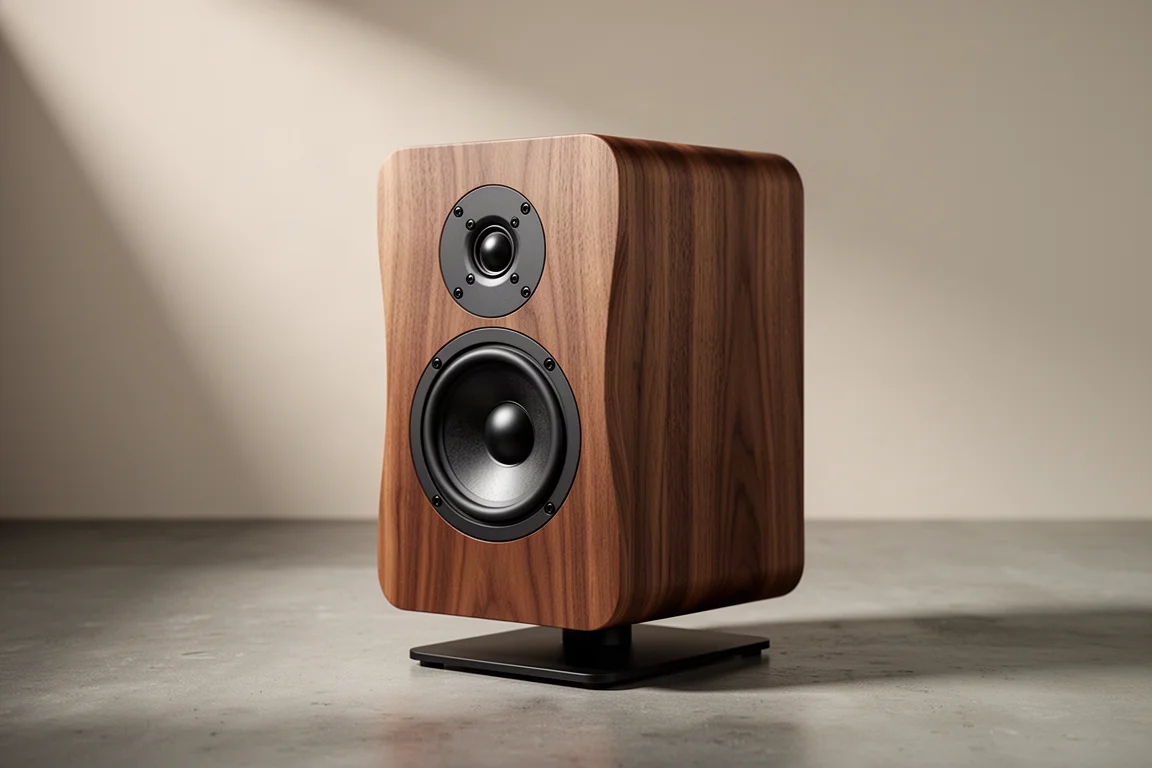
Acoustic Energy AE 300 Review: Deep Bass From a Compact Standmount
A two-way standmount with real wood veneer, surprising low-end weight, and a warm, easygoing character. Here is what to know before buying.
Hi-Fi Speakers
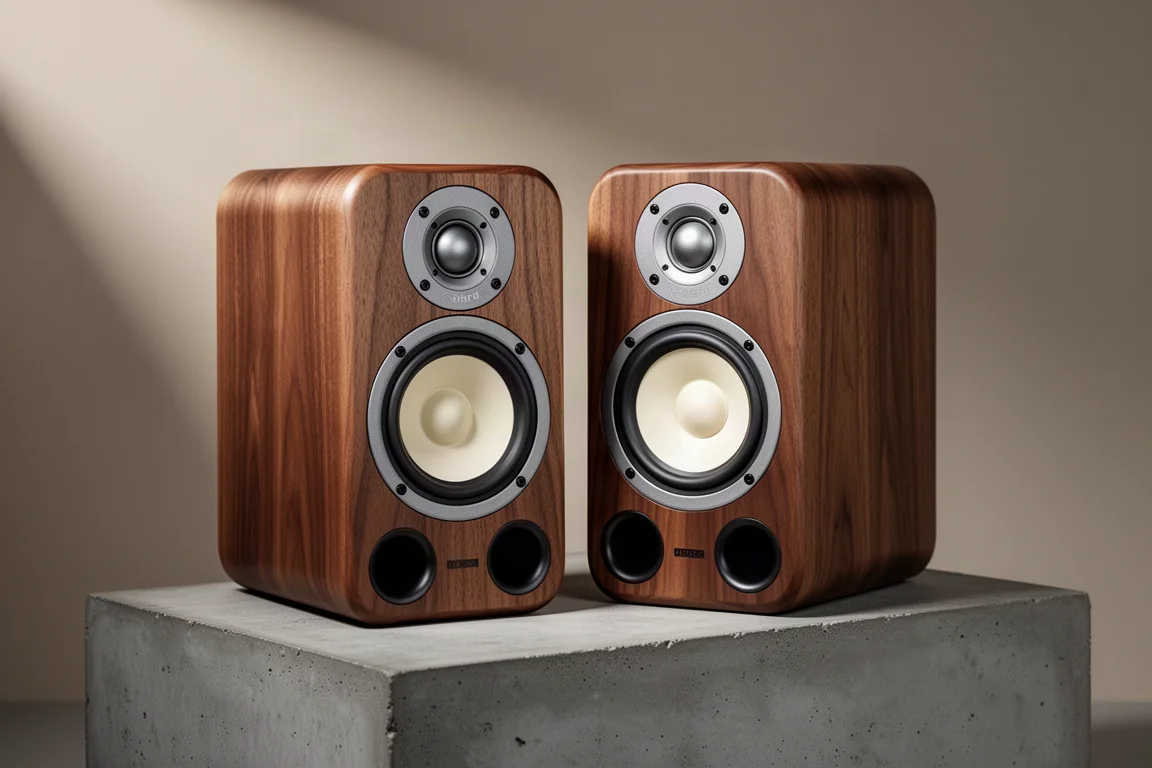
Acoustic Energy AE1 40th Anniversary Review: A Modern Take on a British Classic
A compact standmount that revives a 1980s favorite with all-new parts, a warm mid-centric balance, and a price of £1,499 per pair.