Hi-Fi Speakers
Eight Standout Hi-Fi Speakers by Price Tier: A Practical Buying Guide
Eight speakers across three price bands, with the strengths, trade-offs and room-matching advice that matter before you buy.
Introduction
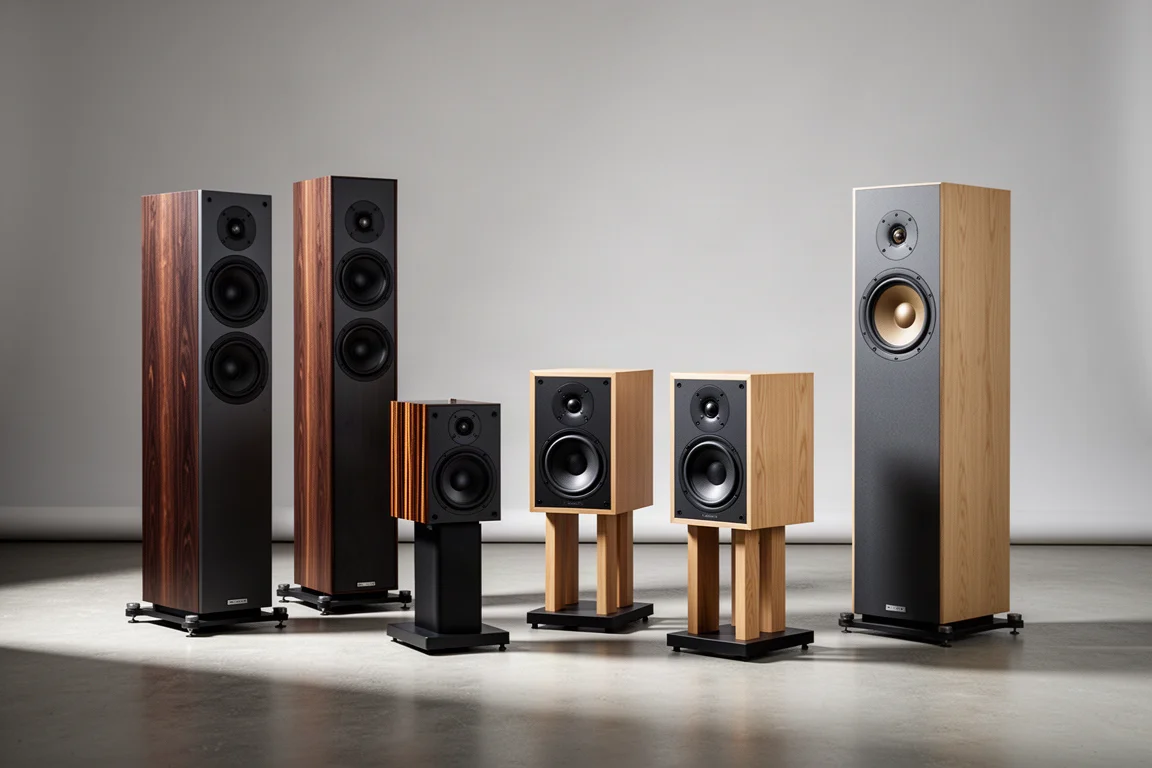
The speakers below are grouped into three price bands: under £1,000, between £1,000 and £3,000, and above £3,000. Each band marks a point where a system tends to take its next natural step, and where spending more starts to buy a different kind of performance rather than simply a louder version of the same thing.
Every pair here earns its place on sound quality first. Some are floorstanders, some are standmounts, and two take unusual technical routes that shape what they do well and what they ask of the rest of the system.
For anyone shopping at the entry point, the news is good. Speakers under £1,000 have improved a great deal, and the pairs in the first group deliver clarity, timing and tonal balance that would have been notable at the price only a few years ago.
How These Speakers Were Grouped
The bands are not arbitrary. They reflect where listeners tend to move next: a £500 pair replaced by a £1,500 pair, and those in turn by a £4,500 pair. Spending roughly three times what you spent previously is a reasonable rule of thumb for an upgrade that feels genuinely worthwhile rather than merely different.
It also helps to know that sound quality diverges as prices rise. Two speakers at £1,000 are more likely to share sonic characteristics than two speakers at £5,000, because manufacturers at higher price points pursue specific design philosophies to make gains in particular areas. A pair that improves in every direction at once is unusual, which is why the sections below set out trade-offs alongside strengths.
Under £1,000
Three pairs stood out in this band, and in most years any one of them could have carried the category on its own. All three sit at or near £599 in the UK.
Acoustic Energy AE109 MkII
The AE109 MkII is the floorstanding sibling of the AE100 MkII standmount, and it sells for £599 in the UK. It stands under a metre tall and only 165 mm (6.5 in) wide, which is unusually slim for a floorstander. The narrow cabinet is possible because the enclosure is built from high-density fibreboard rather than MDF, giving the stiffness needed at that width.
The 2.5-way design uses two 130 mm (5.25 in) paper cone woofers and a 25 mm (1 in) soft dome tweeter set in a shallow waveguide. Floorstanders at this price have a reputation for being little more than boom boxes, with cheap drivers and cabinets that ring like a bell. This one is not that. Clarity is excellent, timing cues are not smeared, and the speakers soundstage and image without hindrance. Bass output exceeds what a smaller standmount can manage, yet stays well defined, and there is plenty of body through the midrange, which gives a warmer tonal balance. It is a strong argument that a floorstander at £600 can compete with the best standmounts for the same money.
Q Acoustics 5020
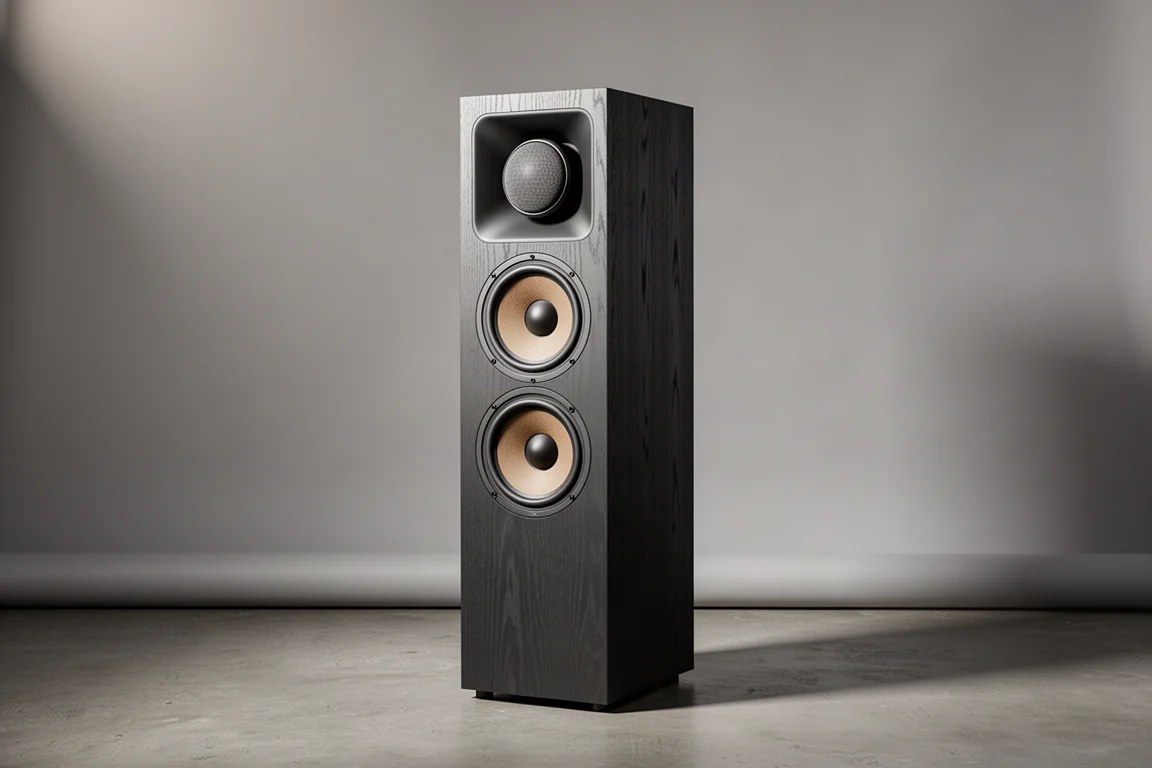
The 5020 costs the same £599, and the vinyl wrap finish is the clearest sign of where costs were trimmed. The drivers were developed from scratch for this model. The 5 in midwoofer is the first Q Acoustics driver to replace a central dust cap with a conical cone, and the 25 mm (1 in) tweeter is hermetically sealed so that pressure changes inside the cabinet do not affect it. It is also mechanically isolated from the front baffle to reduce distortion further.
Bass weight gives up surprisingly little ground to the AE109 MkII. It does not extend as low as the compact floorstander, but the mid-bass punch is satisfying, the midrange is well fleshed out and the top end is extended, which adds up to a balanced tonal presentation. It digs out slightly more detail than the Acoustic Energy pair and is arguably less coloured, while the AE109 MkII answers with more dynamic range and a warmer, fuller midrange.
Monitor Audio Silver 50 7G
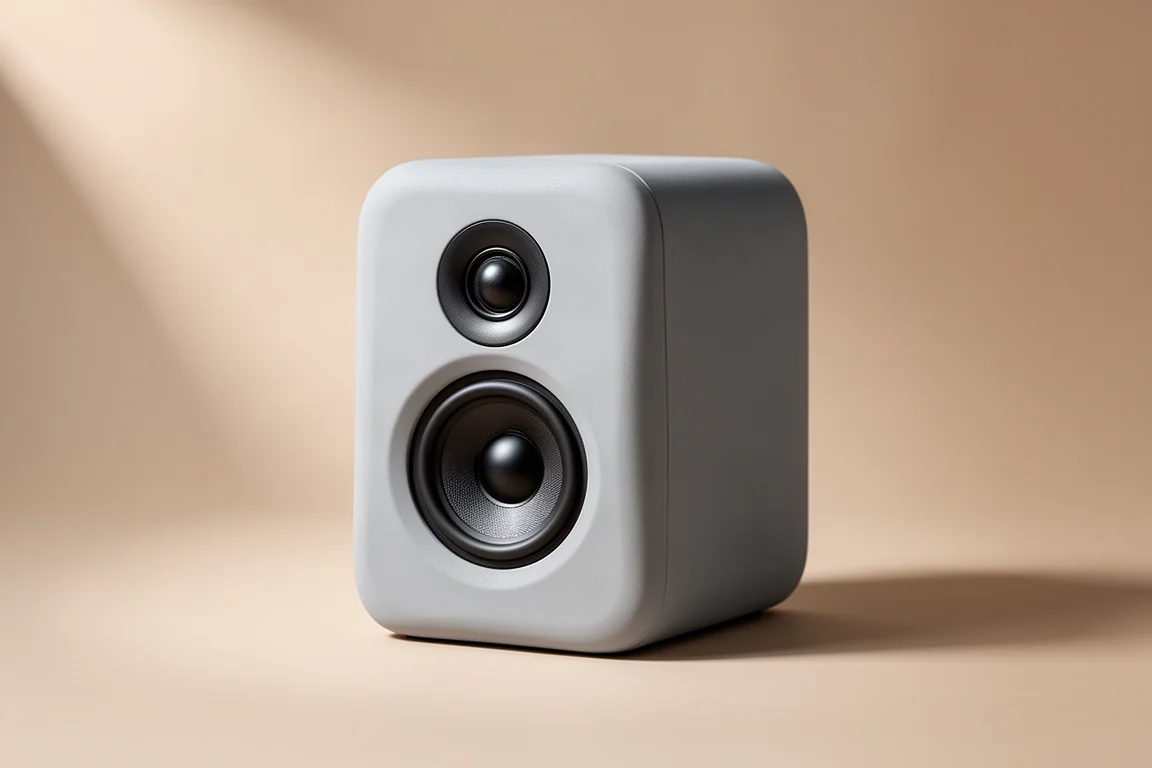
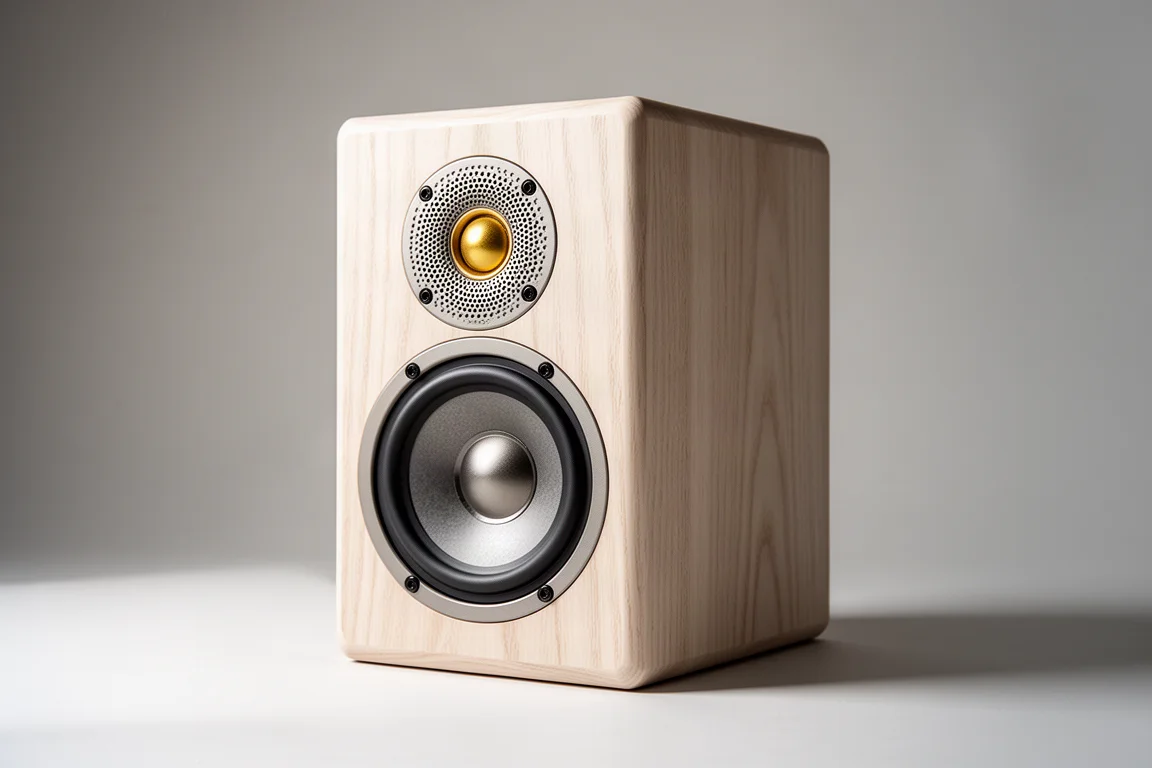
For roughly £100 more, the Silver 50 7G arrives in a real wood veneer cabinet offered in several finishes, with ash veneer a particular favourite. Aesthetically it gives nothing away to speakers costing several times as much. The 134 mm (5.25 in) midwoofer uses a coated metal alloy cone made from a ceramic-coated aluminium magnesium compound originally developed for the aircraft industry, and the 25 mm (1 in) tweeter uses the same material, finished in gold and protected by a grille. Both were evolved from the previous generation to improve stability above 10 kHz and lower distortion.
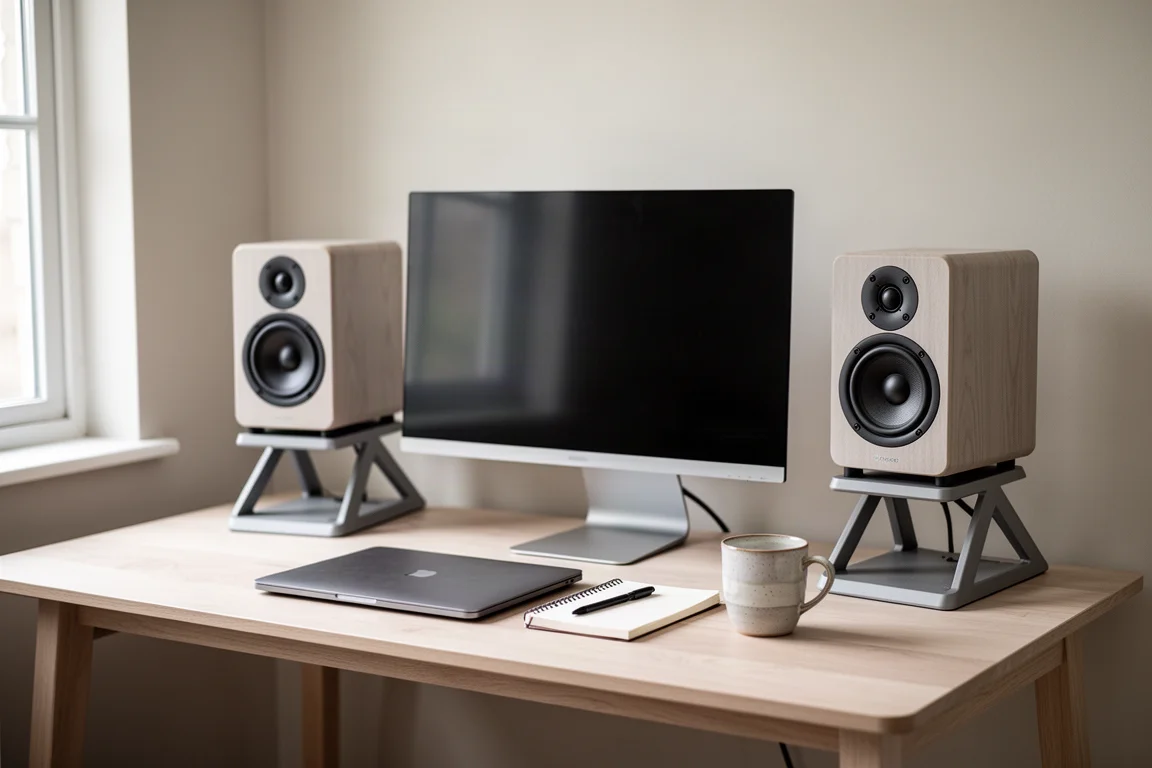
These are the most resolving speakers in this band, though the margin over the Q Acoustics 5020 is closer to half a step than a full one. They lean slightly analytical without ever becoming bright. Size is the trade-off: bass extension is limited and they sound more compressed than larger designs, but they are small enough to sit at the end of a desk or in a small room, and a subwoofer can add the low end they lack. Their real strength is scaling, and they are not out of place alongside amplifiers costing around £2,000.
Between £1,000 and £3,000
Two designs here take routes that are unusual at the price. One is a standmount built around time alignment and a simple crossover, the other a floorstanding transmission line speaker. Both retail for under £2,000.
3 Square Audio AR
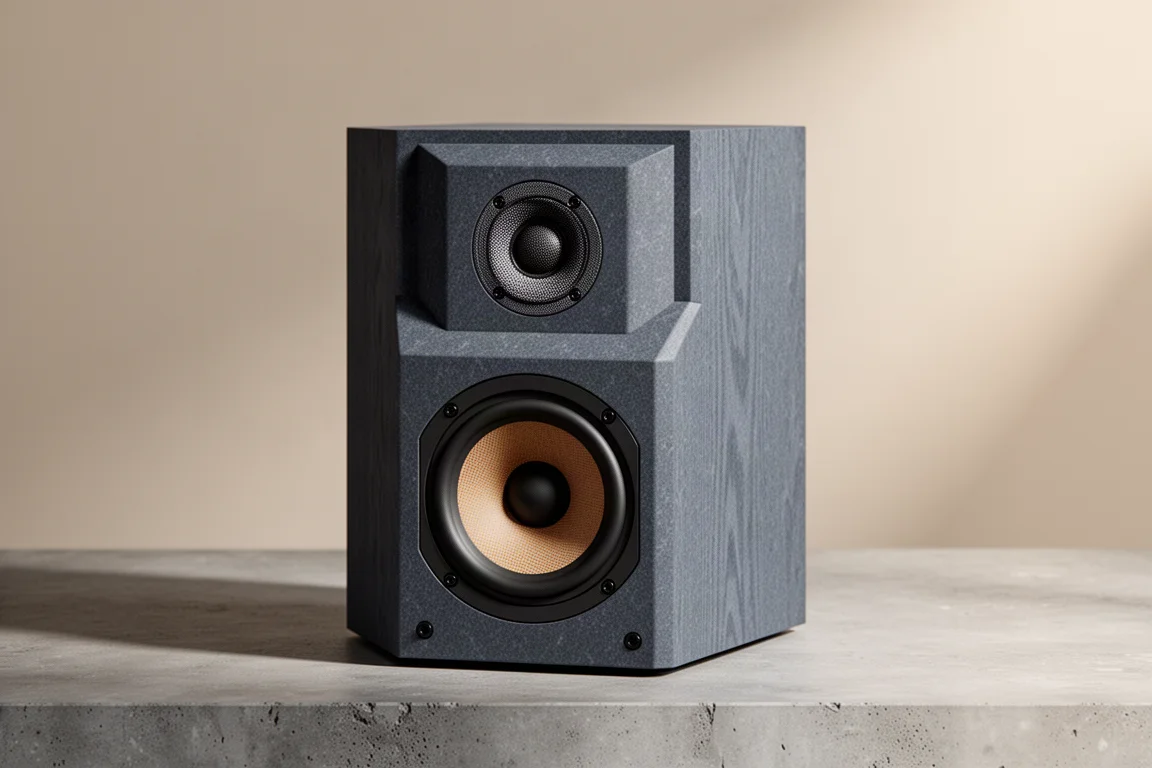
The AR from 3 Square Audio divides opinion on looks, and the stepped front baffle is the reason it exists. That step time-aligns the drivers, which in turn allows the use of first-order crossovers. True time alignment is not achievable with high-order crossovers, and the extra components they require introduce time smearing. The few parts used here are of high quality, and the drivers are premium units: a 120 mm (4.7 in) coated paper cone midwoofer and a 27 mm (1.1 in) fabric dome tweeter.
The cabinet is made from a wood fibre resin that can be dyed in different colours and is superbly inert. That attention to detail shows up in the performance, which leads its class for detail and natural tonality. Imaging is excellent, and the depth of the soundstage is remarkable. Two caveats are worth knowing before buying. A 4.7 in midwoofer will not produce much bass extension or dynamic slam, so a subwoofer is close to essential unless you listen nearfield, and the tweeter could use a little more energy, even though it never sounds dark or rolled off. Partner them with electronics capable of showing what they do well. They retail for just under £2,000.
PMC Prodigy 5
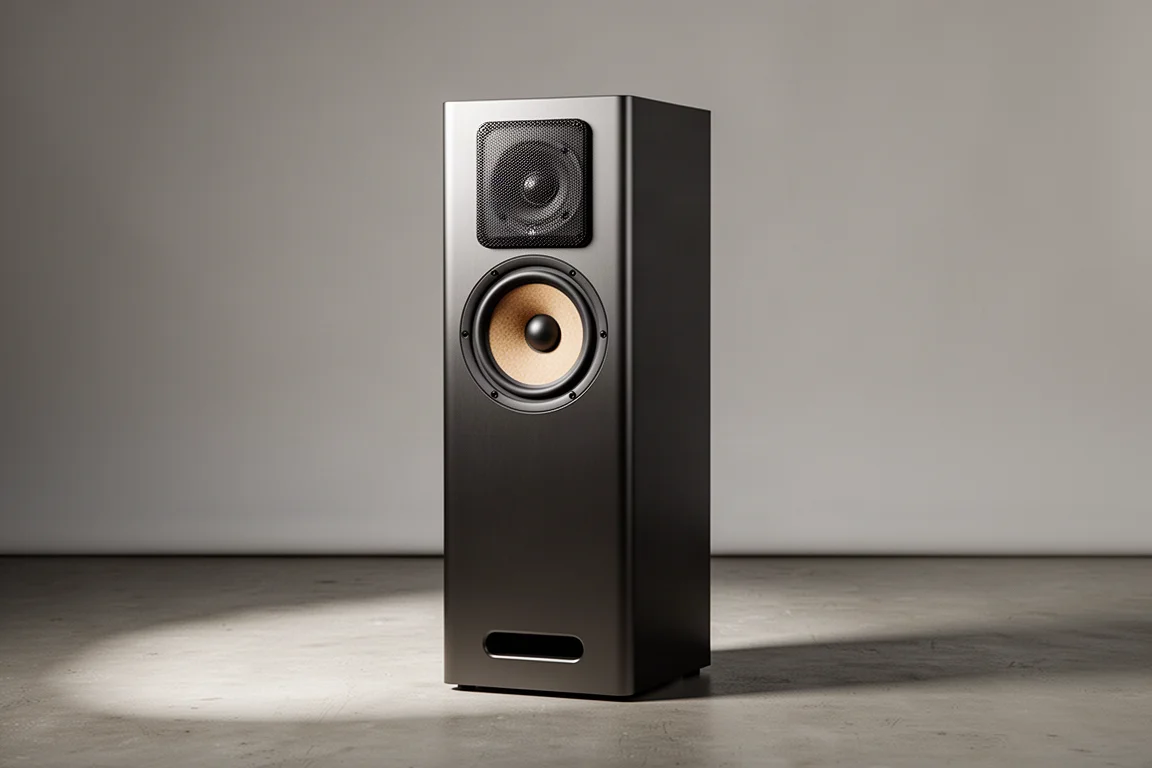
The Prodigy 5 looks like an ordinary compact floorstander at 905 mm (35.6 in) tall, but it is a transmission line design rather than a ported box. Transmission lines are more complex and more expensive to design and build, which is why they rarely appear at lower prices, and a commercially available floorstanding transmission line speaker under £2,000 is unusual. The route there involved plenty of smart design choices and trickle-down technology: the 27 mm (1.1 in) soft dome tweeter, hidden behind a mesh grille, comes from a professional range, while the 133 mm (5.25 in) midwoofer with a natural fibre cone comes from a custom install range.
A transmission line done properly delivers deep, clean bass that other cabinet topologies struggle to match, and that is only part of what impresses here. These speakers are detailed, dynamic, refined and neutral, and above all natural in tone. They soundstage and image superbly as well. Below £2,000, it is hard to find a more complete pair.
Above £3,000
At this level, specialisation is the norm rather than the exception, and the three designs below each take a distinctly different route to a high standard.
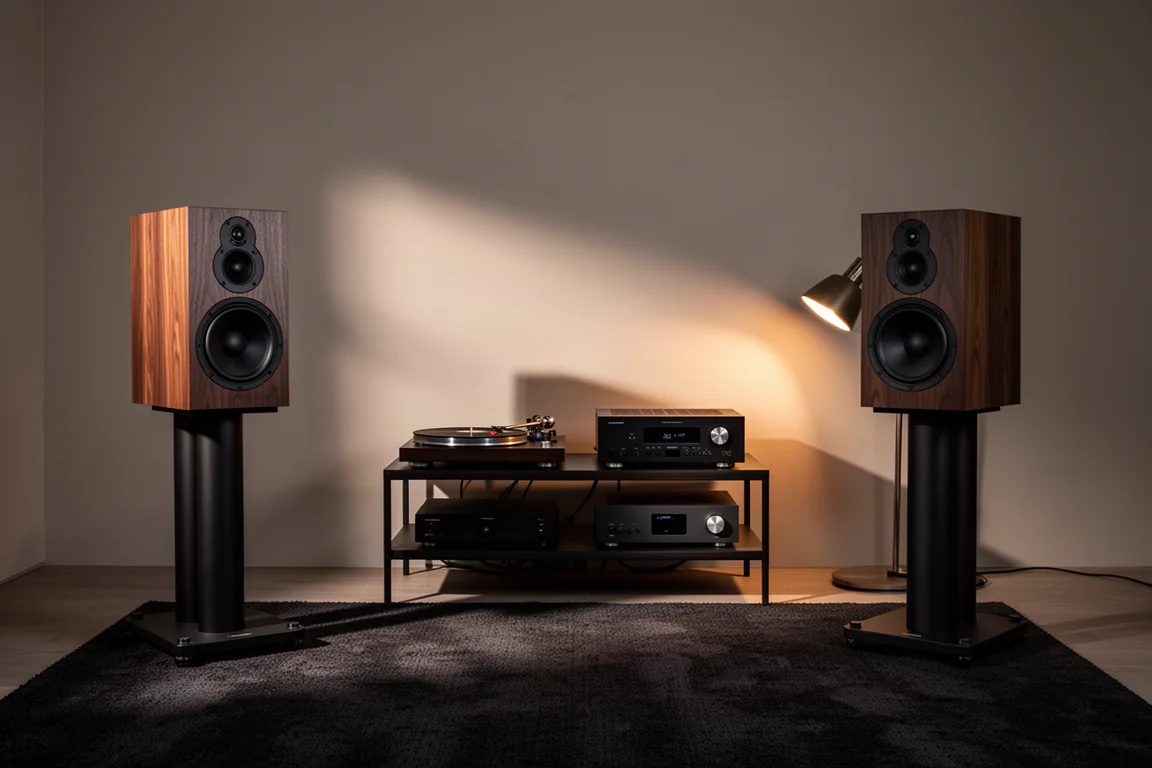
One is a flagship standmount built around a sculpted, layered cabinet. One abandons the crossover entirely in favour of a single full-range driver. The third aims for a well-rounded balance with a warm tonal character.
Dali Epicon 2
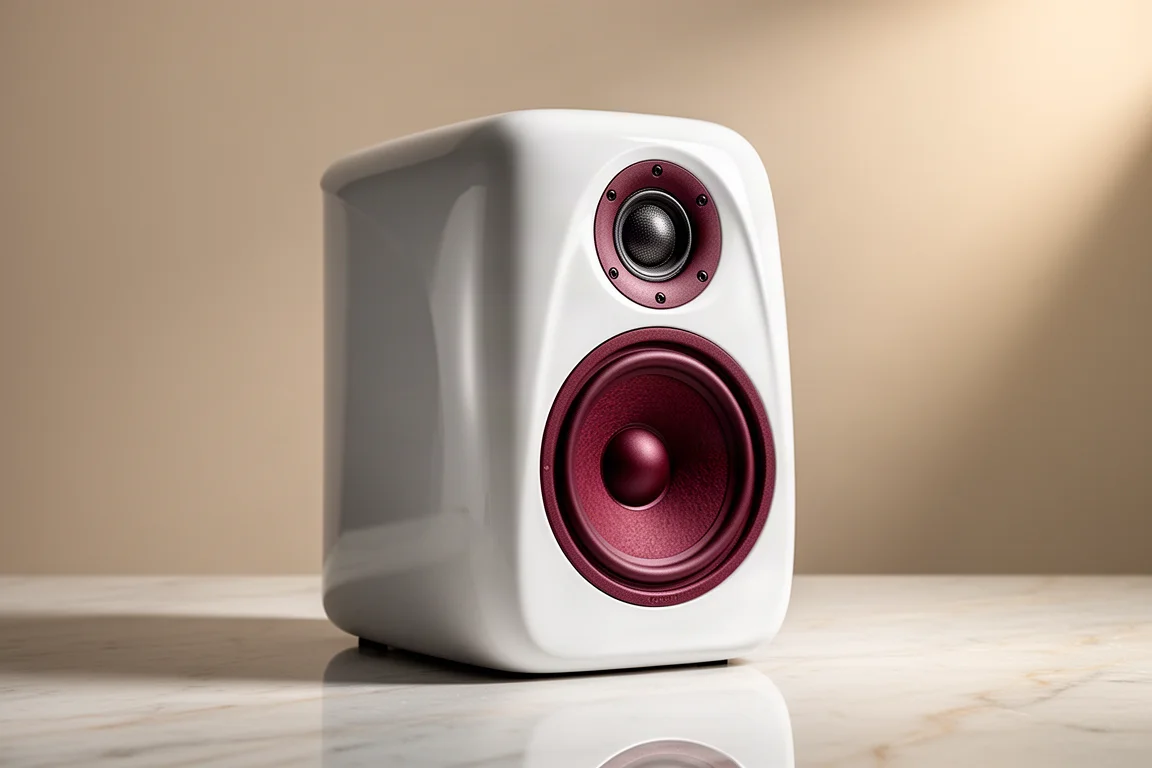
The Epicon 2 is Dali’s flagship standmount and currently retails for £5,199. High-gloss wood veneer finishes are available, and the sculpted cabinet is formed by bonding six layers of MDF, a construction intended to reduce internal standing waves. The 165 mm (6.5 in) midwoofer is instantly recognisable by its burgundy wood fibre infused paper cone, and the soft dome tweeter is larger than usual at 29 mm (1.2 in), roughly 30 percent lighter than a typical 1 in soft dome, with output extending to 30,000 Hz. The motor structure uses a soft magnetic compound chosen for better mechanical and electrical properties than a ferromagnet.
Detail retrieval is excellent, the midrange sounds organic, and the speakers have a genuine ability to disappear in the room. They are not the most dynamic designs available, particularly at lower volumes, and a little more low-frequency weight would be welcome.
Pearl Acoustics Sibelius
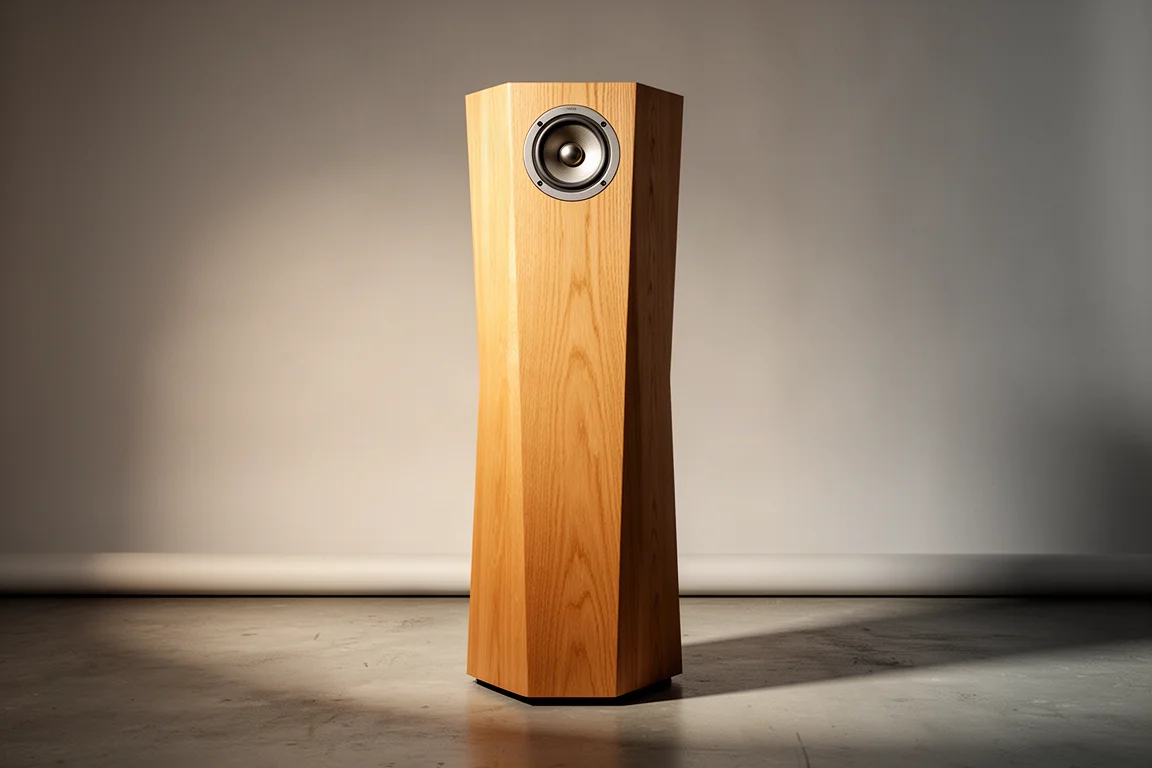
The Sibelius is sold direct from Belgium for $4,950 plus shipping in its solid oak cabinet version. Painted finishes add €1,000 because of higher labour costs, a premium that is hard to justify on appearance alone. The enclosure is related to a transmission line: a tapered quarter-wave tube, also known as a Voigt pipe, named after the founder who first brought the design to market in the 1930s. It is paired with a single full-range driver using a 100 mm (4 in) metal alloy cone, and there is no crossover at all, so the driver couples directly to the amplifier much as it would in an active design.
Bass is the standout. It is deep, detailed and textured in a way that is rare in a domestic room, and the midrange has superb clarity thanks to the driver running without a crossover, free of the hardness or brightness sometimes associated with metal cones. The upper two octaves are where the design cannot compete with the best dedicated tweeters, which is a limitation of the single-driver approach rather than a fault in execution.
Castle Windsor SS
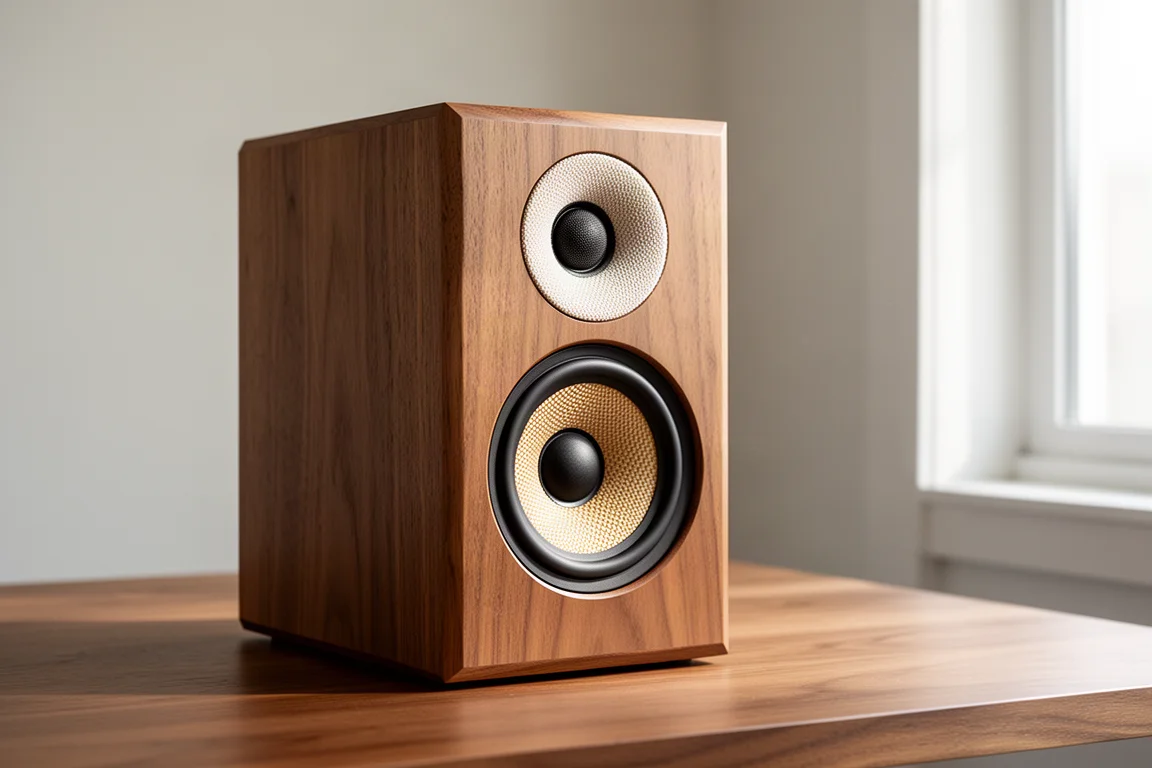
At £3,850, the Windsor SS is unusually well-rounded. The cabinet follows Castle’s cabinetry tradition and uses architectural-grade veneers from sustainable sources. The 165 mm (6.5 in) midwoofer was developed specifically for this model with a woven polypropylene cone, which is said to produce a flatter frequency response than a standard polypropylene cone. The 28 mm (1.1 in) polyester dome tweeter is based on a unit from a sister brand, adjusted for this application.
These are decently sized standmounts with plenty of bass weight and very good bass definition, and the balance between virtues holds across the whole performance. Tonally they sit on the warm side without going as far as some rivals. Detail is very good even if they extract slightly less micro detail than some reference designs, and they sound considerably bigger, with more bass that stays well controlled, a slightly less compressed midrange and better instrument separation. The tweeter is capable, extended and refined, preserving spatial cues and timing information. No single trait dominates; it is the overall blend that makes them among the most accomplished speakers available for the money.
Buying Advice
Start with the room and the amplifier rather than the specification. In a larger room, or in a system used for films as well as music, a floorstander such as the AE109 MkII makes sense at the entry price, and it avoids the boom-box trap that catches many inexpensive towers. In a small room or at the end of a desk, a compact standmount such as the Silver 50 7G or the 3 Square Audio AR is the better fit, and a subwoofer can restore the low frequencies a small cabinet cannot deliver.
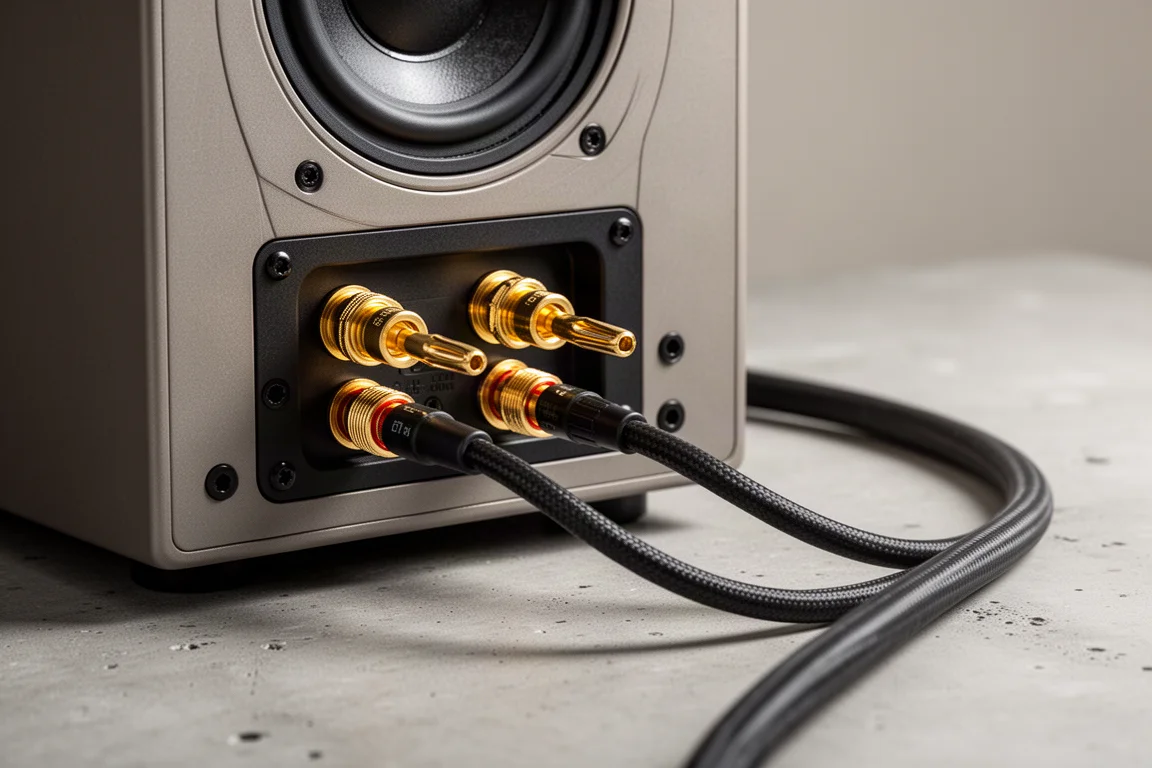
As you move up in price, decide what you want more of. The Dali Epicon 2 excels at detail and midrange naturalness. The Pearl Acoustics Sibelius is unmatched here for bass texture and midrange clarity, with a known limitation in the top octaves. The Castle Windsor SS spreads its strengths more evenly and suits listeners who want warmth without losing detail. All three reward careful matching with the rest of the system, and the Castle in particular sounds bigger than its cabinet suggests.
Finally, the upgrade arithmetic matters. Tripling your previous spend is a reasonable threshold for a step that feels worthwhile, and speakers at this level will reveal the quality of the electronics in front of them. Budget for an amplifier that can do them justice.
Conclusion
Each price band has a clear answer. Under £1,000, the Monitor Audio Silver 50 7G is the most resolving of the three, the AE109 MkII is the warmer and more dynamic floorstander, and the Q Acoustics 5020 sits neatly between them with a balanced presentation and a little more detail than the Acoustic Energy pair. Between £1,000 and £3,000, the PMC Prodigy 5 is the most complete pair available below £2,000, while the 3 Square Audio AR trades bass extension for exceptional imaging and tonal honesty. Above £3,000, the Dali Epicon 2, the Pearl Acoustics Sibelius and the Castle Windsor SS each do something different at a very high level, and the right choice depends on which of those strengths matters most in your room.
Further reading
Related Reviews
Hi-Fi Speakers
1723 THX Tower vs 1528 Bookshelf: Which Speaker Fits Your Room?
Two speakers at roughly the same price, built very differently. How the 1723 THX tower and the 1528 bookshelf compare on construction, bass, power needs, and sound.
Hi-Fi Speakers
Acoustic Energy AE 300 Review: Deep Bass From a Compact Standmount
A two-way standmount with real wood veneer, surprising low-end weight, and a warm, easygoing character. Here is what to know before buying.
Hi-Fi Speakers
Acoustic Energy AE1 40th Anniversary Review: A Modern Take on a British Classic
A compact standmount that revives a 1980s favorite with all-new parts, a warm mid-centric balance, and a price of £1,499 per pair.