Hi-Fi Audio
Best Hi-Fi Speakers and Amplifiers in the 5,000 to 10,000 Range
Three stand-mount speakers and three integrated amplifiers in the 5,000 to 10,000 band, with the strengths, trade-offs and matching notes that matter before buying.
Introduction
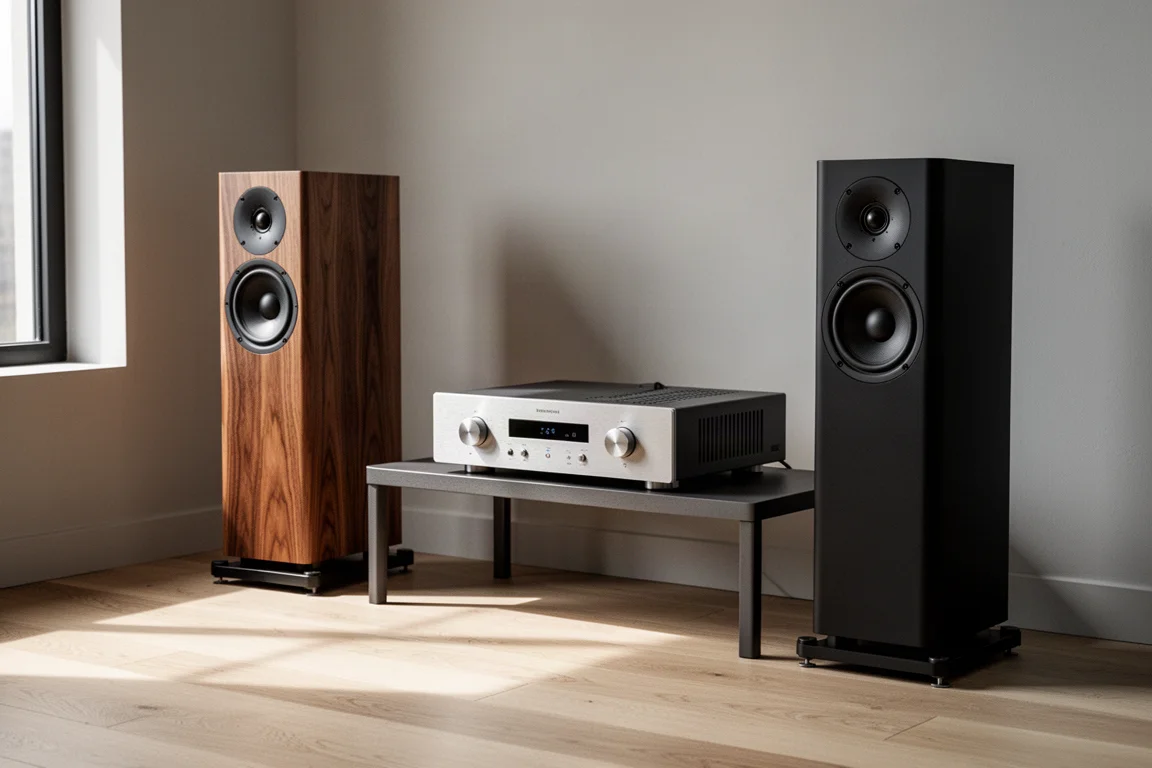
Stand-mount speakers and integrated amplifiers in the 5,000 to 10,000 band occupy a rewarding but demanding part of the market. They cost enough that matching genuinely matters, and they are built well enough that the matching pays off. This roundup covers six components in that bracket: three pairs of speakers and three integrated amplifiers, each with a distinct character and a distinct set of demands.
Two of the speakers here, the Kerr Acoustic K300 Mark II and the Alta Audio Alyssa, stand out as the strongest all-round performers of the group. The CSS Typhon takes a different route, trading some resolution for scale and an easygoing presentation. On the amplification side, the Trilogy 921 and the Hegel H190 are solid state designs with very different priorities, while the Gallion TS120 SE shows what a well-built valve amplifier can do with simple material and where it struggles when the music gets busy.
What This Price Band Buys
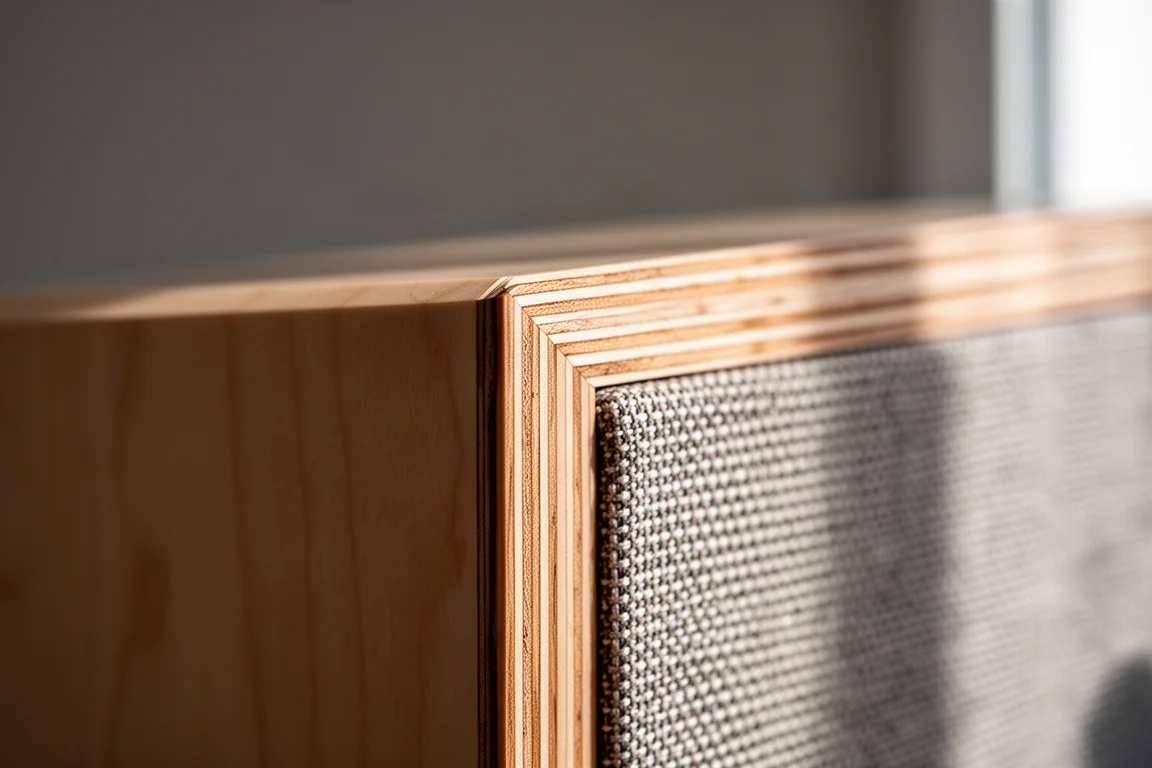
Spending this much does not buy a badge. It buys cabinet materials, drivers and crossover parts that rarely appear further down the market. The Kerr Acoustic K300 Mark II, for example, uses a Baltic birch plywood cabinet rather than MDF, on the reasoning that a fine musical instrument would not be built from MDF. Its midwoofer is a 165 mm ScanSpeak Revelator unit with a wood pulp cone, chosen over the standard paper variant for more low-end output and better peak power handling.
Ribbon tweeters are the other recurring theme. A 60 mm pure ribbon is faster than an AMT or a conventional dome, and it can be crossed low enough to stay clear of the 2 to 4 kHz region where hearing is most sensitive. Crossover parts matter just as much, and here that means bespoke air-core inductors, ClarityCap and Jansen polypropylene capacitors and Kiwami carbon film resistors, selected by ear.
Enclosure loading is the third variable. A sealed box traps the rear energy and uses it as a spring, which helps transient response but is inefficient. A bass reflex design ports that energy below the driver’s resonant frequency, extending bass and improving efficiency, though the phase response of the port is harder to integrate and the low end can end up tubbier or more smeared. A transmission line feeds the rear wave down a folded, lined tunnel so that only the lowest frequencies emerge, in phase with the woofer. Done well, that can deliver deep, clean bass alongside clean mids, because the back wave is not reflecting into the driver.
Kerr Acoustic K300 Mark II
The K300 Mark II is the smallest model in the Kerr Acoustic range and retails at £6,395 in satin real-wood finishes. Gloss finishes and custom colours take that to £7,245. It is a narrow but deep stand mount measuring 420 by 195 by 395 mm and weighing 12 kg, which makes it one of the larger stand mounts in this group.
The two-way design pairs a 165 mm ScanSpeak Revelator midwoofer with a wood pulp cone and a 60 mm pure ribbon tweeter that plays down to 1,950 Hz. That low crossover point keeps the handover out of the critical 2 to 4 kHz band. The cabinet is Baltic birch plywood, the transmission line port sits behind a cloth grille, and the rear metal plate carries the logo, model number and a single set of good quality five-way binding posts. The crossover is second order, close to a Linkwitz-Riley slope, using only six components in total.
In use, the bass hits harder and cleaner than the ProAc Response 1 SC reference stand mount, with considerably more extension. It does not quite match the Alta Audio Alyssa for note-to-note definition, but it carries a little more authority, closer to what you would expect from a compact floorstander than from a stand mount. There is slightly more presence between 2 and 4 kHz than the Alyssa, which gives vocals and lead instruments a touch more prominence, though the speaker is nowhere near forward or bright. Timing is excellent and the soundstage has good depth and width, even if imaging is not quite as open and precise as the Alyssa’s.
Two practical points stand out. The K300 Mark II needs a long run-in, on the order of a couple of hundred hours, before it should be judged. It also produces a great deal of bass, so positioning takes more work than with almost any other stand mount, and it is worth treating it like a compact floorstander when planning a room.
CSS Typhon
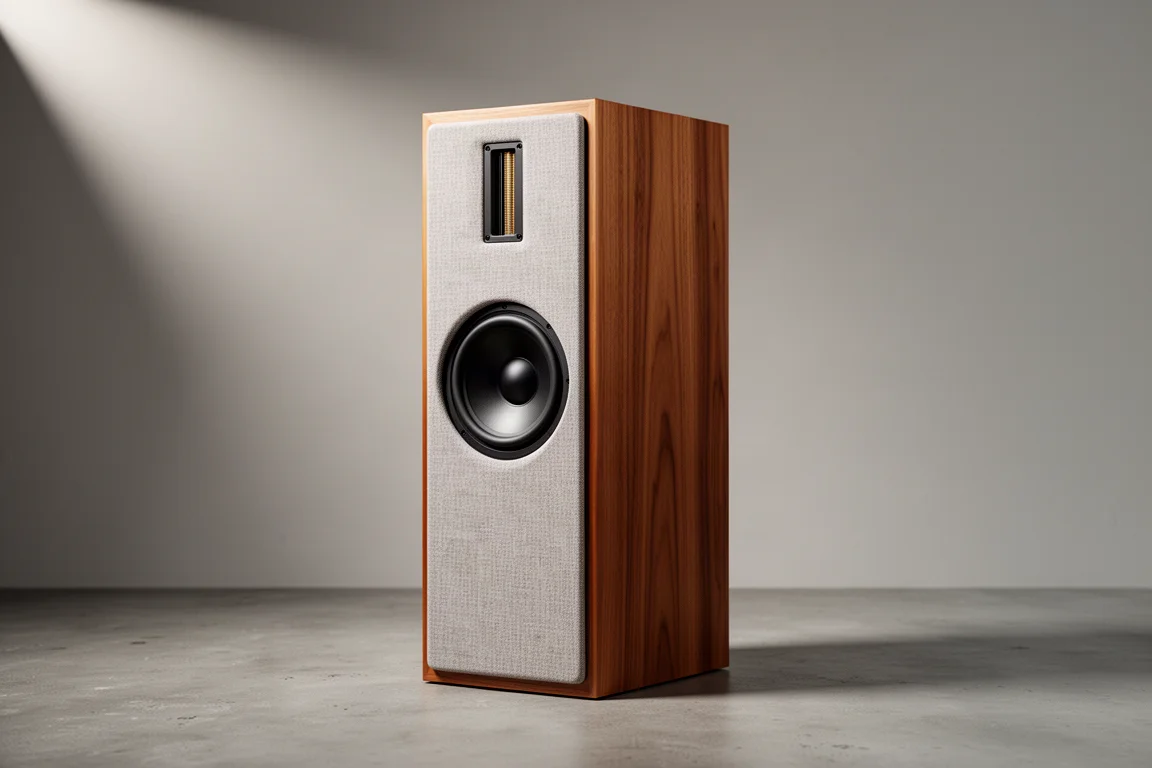
The CSS Typhon is sold direct at $5,500 plus shipping and taxes. It is not the last word in resolution at its price, but it would be too simple to call it short of detail. Instead it softens the leading edges of notes in the midrange and rolls off the lower treble, producing a fluid, easygoing presentation. Where it stands apart is bass delivery and instrument separation, both of which are exceptional.
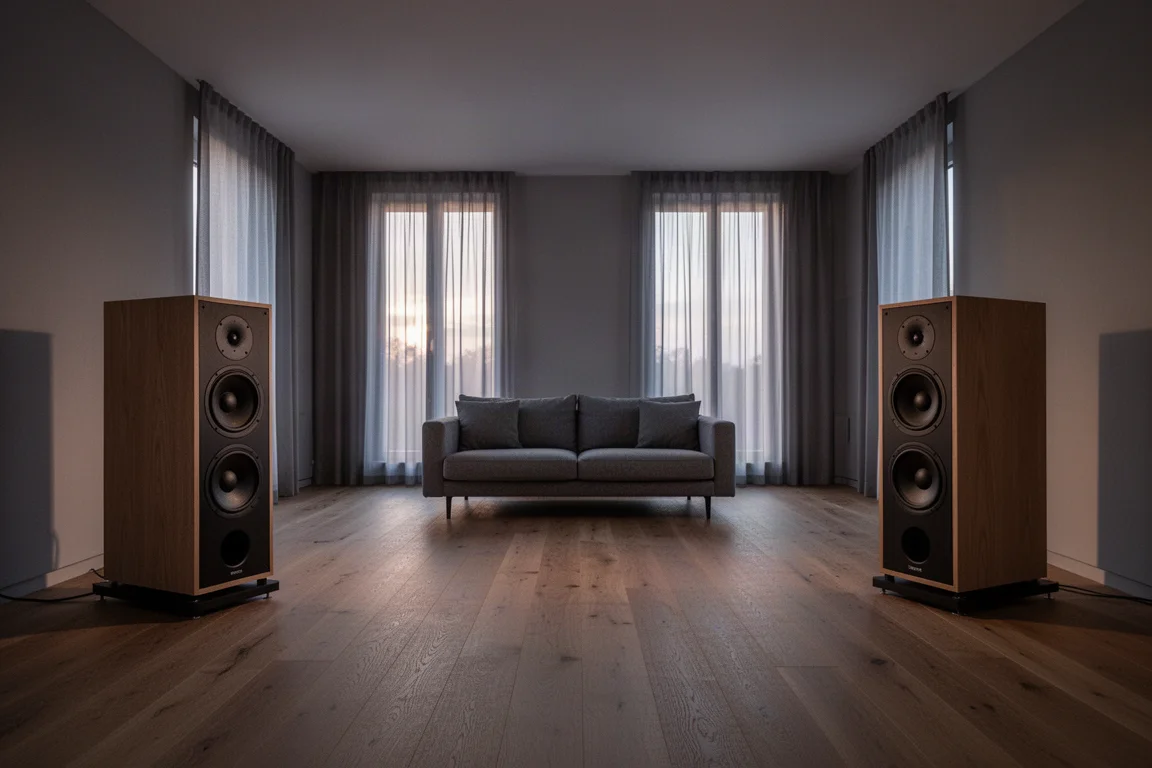
It also plays louder and fills larger spaces than any other speaker in this roundup, which makes it the natural pick for a big room or for a listener who values scale above the last degree of insight.
Alta Audio Alyssa
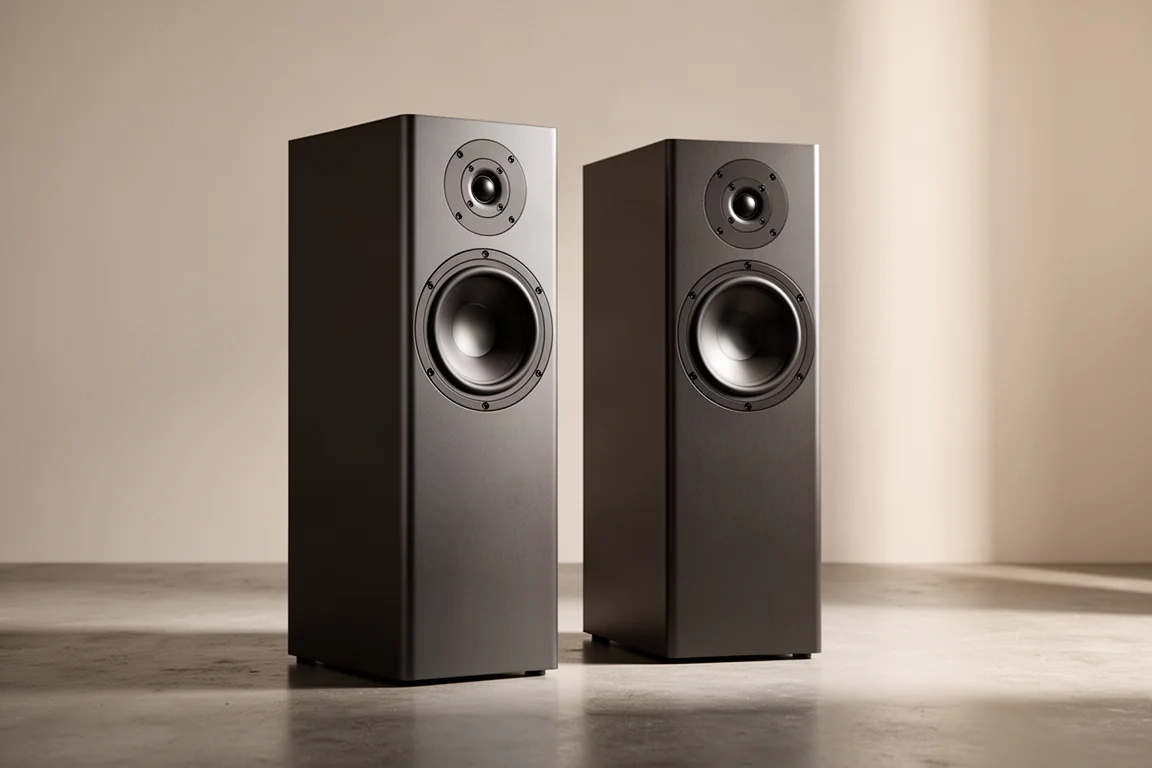
Alta Audio is based in New York, and the Alyssa is the company’s entry-level speaker. It retails for just under £5,000 in the UK, and the US price is understood to be the same figure in dollars.
It is a large stand mount, and it is the first speaker in this group to outperform the ProAc Response 1 SC in every area: better resolution, better dynamics and less sonic coloration. Its bass clarity is remarkable, and it unearths micro textures and tones that the Kerr Acoustic K300 Mark II does not quite reach. Like the Kerr, it uses a pure ribbon tweeter, and the two are very hard to separate at the top end.
Gallion TS120 SE
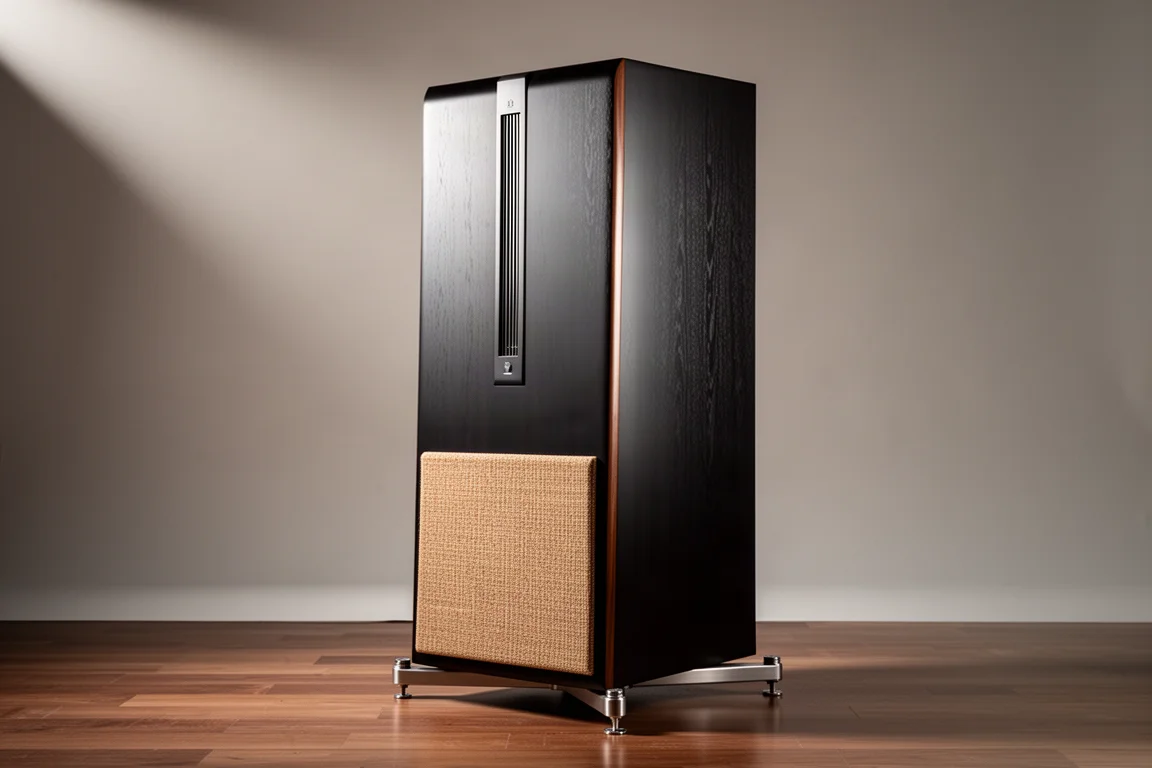
The Gallion TS120 SE is a special edition valve amplifier sold direct at $4,495 plus shipping and taxes. Build quality is on another level entirely, with the chassis weighing more than 30 kg, or 66 lb.
Its character depends completely on how it is configured. Running in class A with the stock PSVane KT88 tubes, performance is mediocre. Switch to class A with sound profile B, the low feedback setting, and the picture changes: the three-dimensional soundstage that the best valve amplifiers are prized for, along with excellent levels of detail. A little more bass weight would be welcome, and the treble leans slightly bright, though partnering equipment and some tube rolling can address both.
Paired with the Kerr Acoustic K300 Mark II, the Gallion sounded magnificent on simple recordings, layered, detailed and rich. On busier material the lack of control over the midwoofer became obvious, which is the central lesson of that pairing.
Trilogy 921
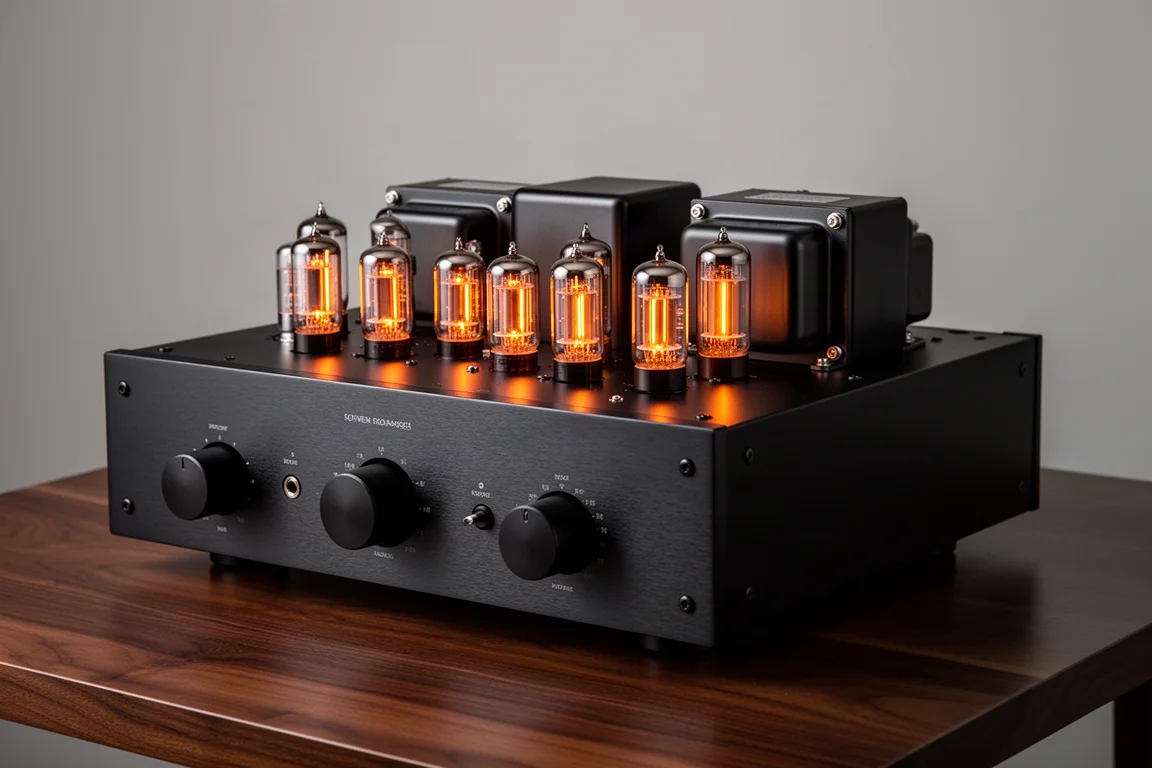
The Trilogy 921 integrated amplifier sells for £5,995 and delivers striking levels of information retrieval and neutrality. With the Kerr Acoustic K300 Mark II it lifted clarity, focus and stereo imaging considerably, and the combination flatters jazz, blues, vocal and acoustic material in particular.
The trade-off is scale. Against a pre and monoblock pairing, the 921 gives away some dynamics and some sense of size, even though it is the more neutral and transparent performer of the two approaches.
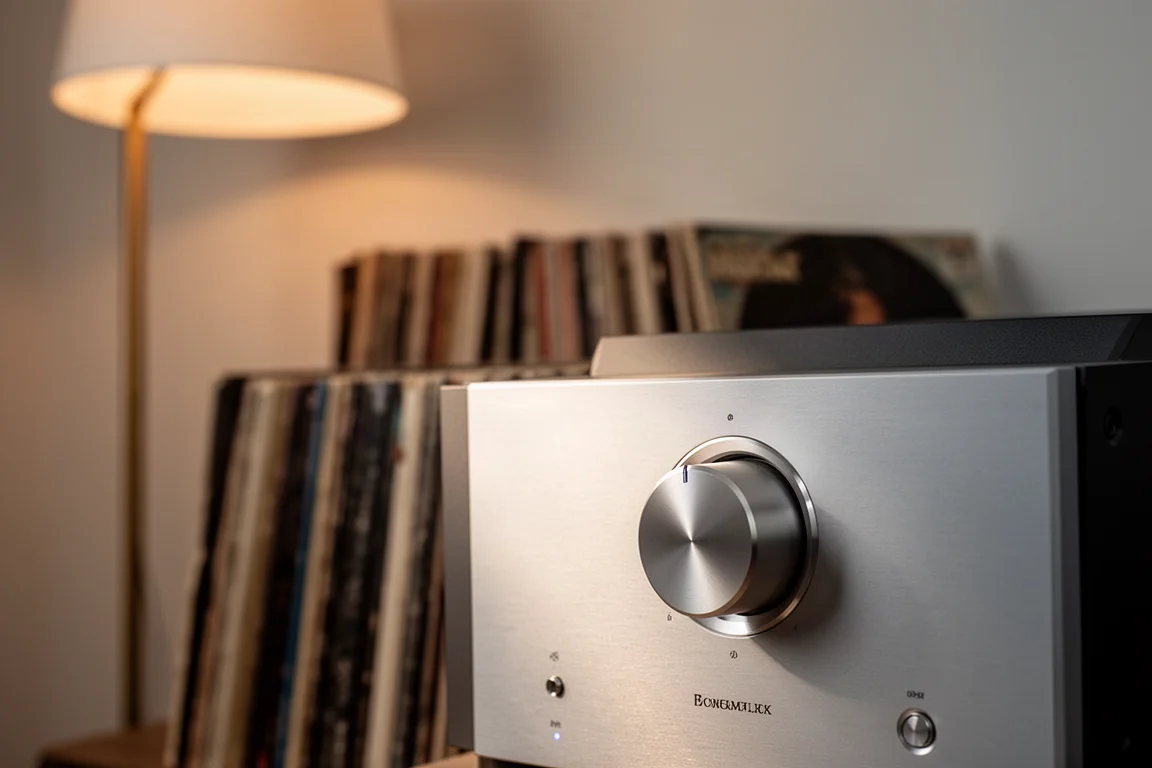
For a listener who values tonality and insight above sheer heft, that is an easy trade to accept.
Hegel H190
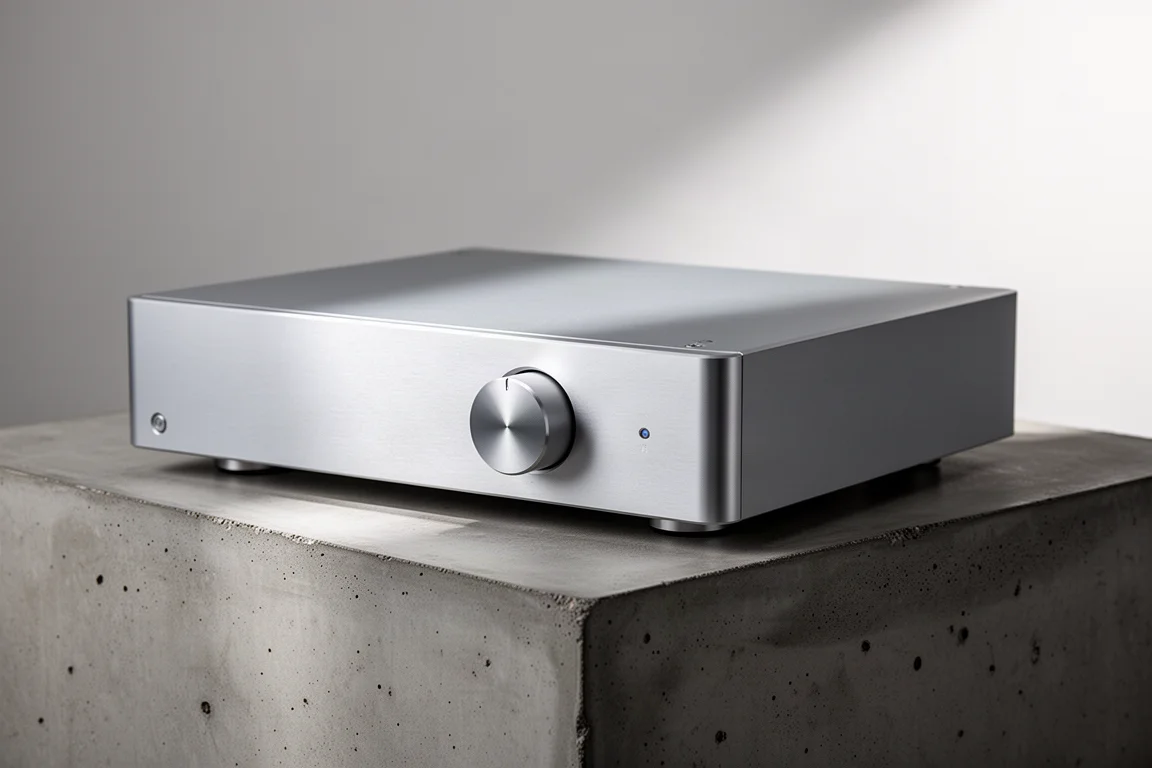
The Hegel H190 is the least expensive amplifier here at £3,250, and it is also the most dependable starting point. Its damping factor of 4,000 keeps the K300 Mark II’s transmission line bass firmly in check, and its resolution and neutrality make it an obvious partner for speakers that cost considerably more than it does.
If the speakers are the stretch purchase, the H190 is the amplifier you can live with until a larger budget arrives, and it gives away less than its price suggests.
System Matching and Buying Advice
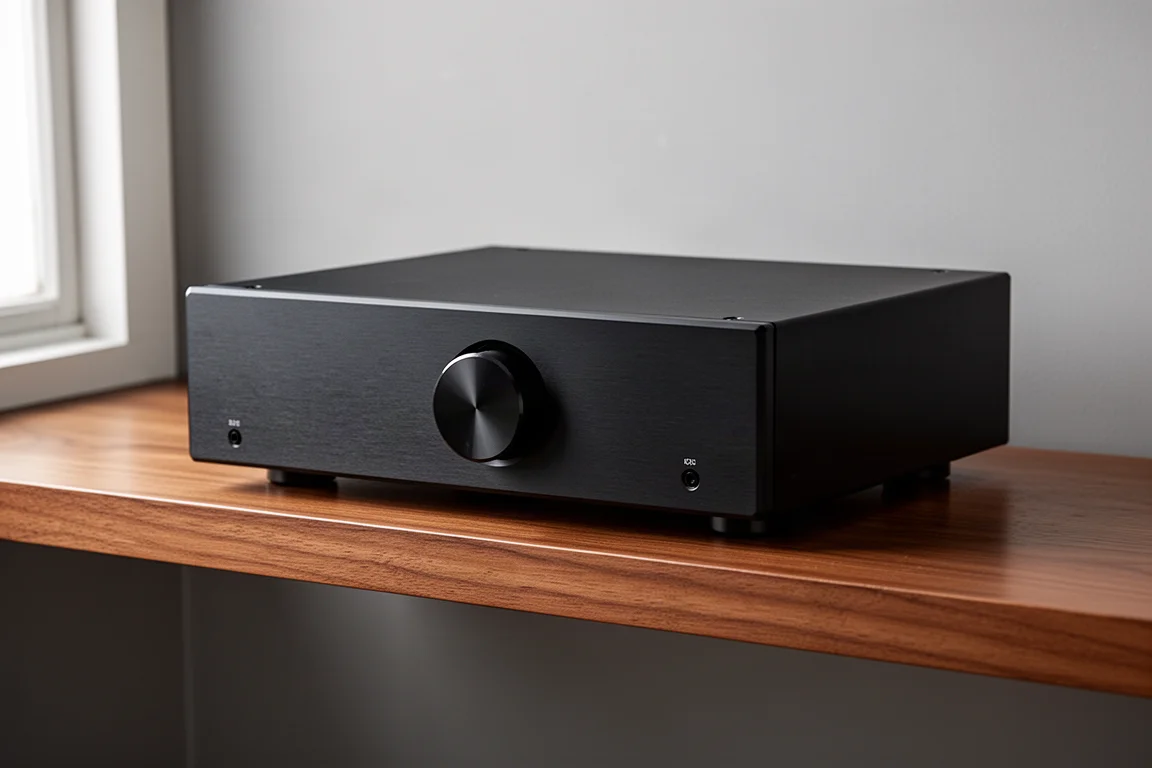
Matching matters more than usual at this level. The Kerr Acoustic K300 Mark II rewards neutral amplifiers, or those with a slight lean towards the cool side. Its own warmth combined with a warm amplifier proved to be too much of a good thing, and bass control suffered as a result. The advice for the K300 Mark II is straightforward: use good quality solid state amplification with a stiff power supply and a fair amount of power, and keep the transmission line bass under control.
Valve amplification can sound superb with the Kerr on simple, well-recorded material, but low wattage and a low damping factor leave the midwoofer under-controlled once the music gets motoring. That makes the Gallion TS120 SE a specialist choice rather than a general one in this system.
Between the two standout speakers, the decision comes down to availability and partnering equipment. The Alta Audio Alyssa is the more transparent and precise of the pair, while the Kerr Acoustic K300 Mark II adds warmth, bass weight and gravitas that flatters a great deal of acoustic, vocal and jazz material. The CSS Typhon remains the pick for large rooms and for listeners who want an easygoing, high-output presentation.
The K300 Mark II comfortably surpasses anything in the sub-£3,000 category, which is what its price implies, and only the Alyssa betters it on all-round performance. The Kerr runs it close, and that is what makes it special.
Conclusion
Three speakers and three amplifiers, and a clear set of conclusions. The Kerr Acoustic K300 Mark II is a superbly dynamic and resolving stand mount with just enough warmth to flatter a wide range of music, and it needs a neutral, powerful solid state amplifier to give its bass proper control. The Alta Audio Alyssa is the more transparent alternative when precision and micro detail come first, and the CSS Typhon is the easygoing option for bigger rooms. Among the amplifiers, the Hegel H190 is the sensible place to start, the Trilogy 921 is the step up in neutrality and insight, and the Gallion TS120 SE is a specialist valve design that shines with simple material.
Further reading
Related Reviews
Hi-Fi Audio
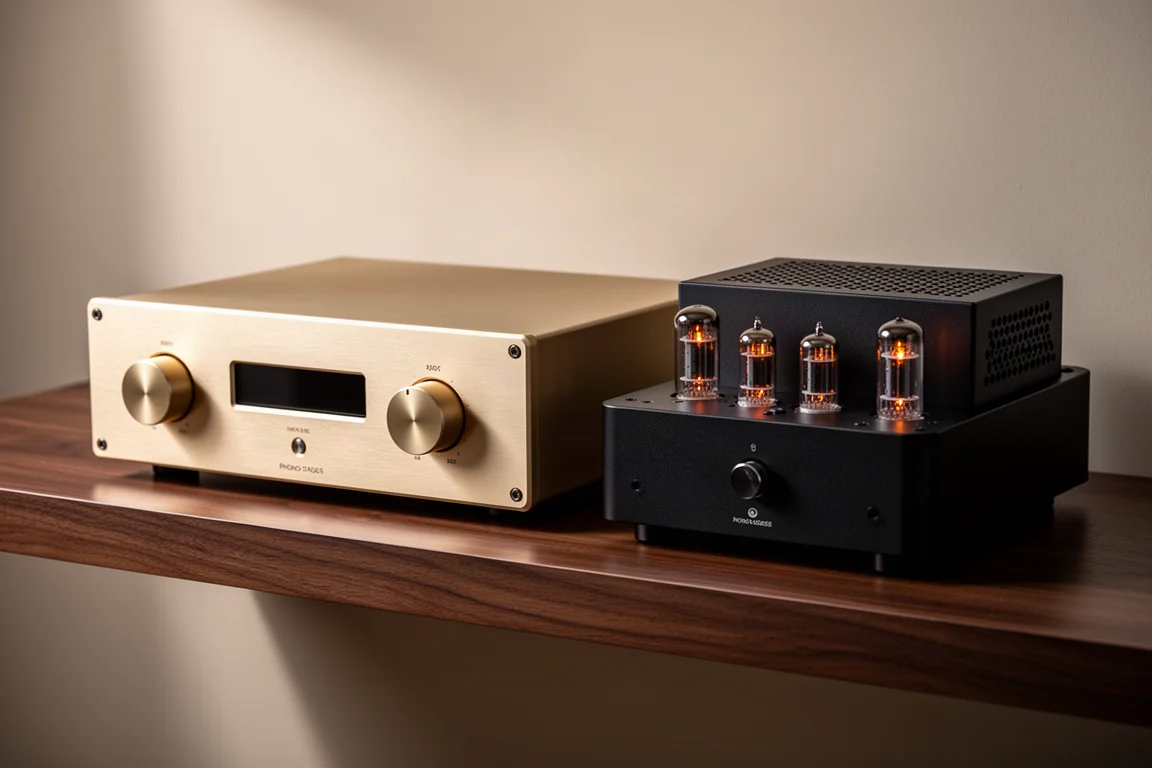
Accuphase C-57 vs Allnic H-7000V: Two High-End Phono Stages Compared
A fully balanced solid-state phono stage with a pitch-black noise floor meets a tube design built for well-loved records. Here is how to choose between them.
Hi-Fi Audio
Active vs Passive Hi-Fi: Five Components for a Modern System
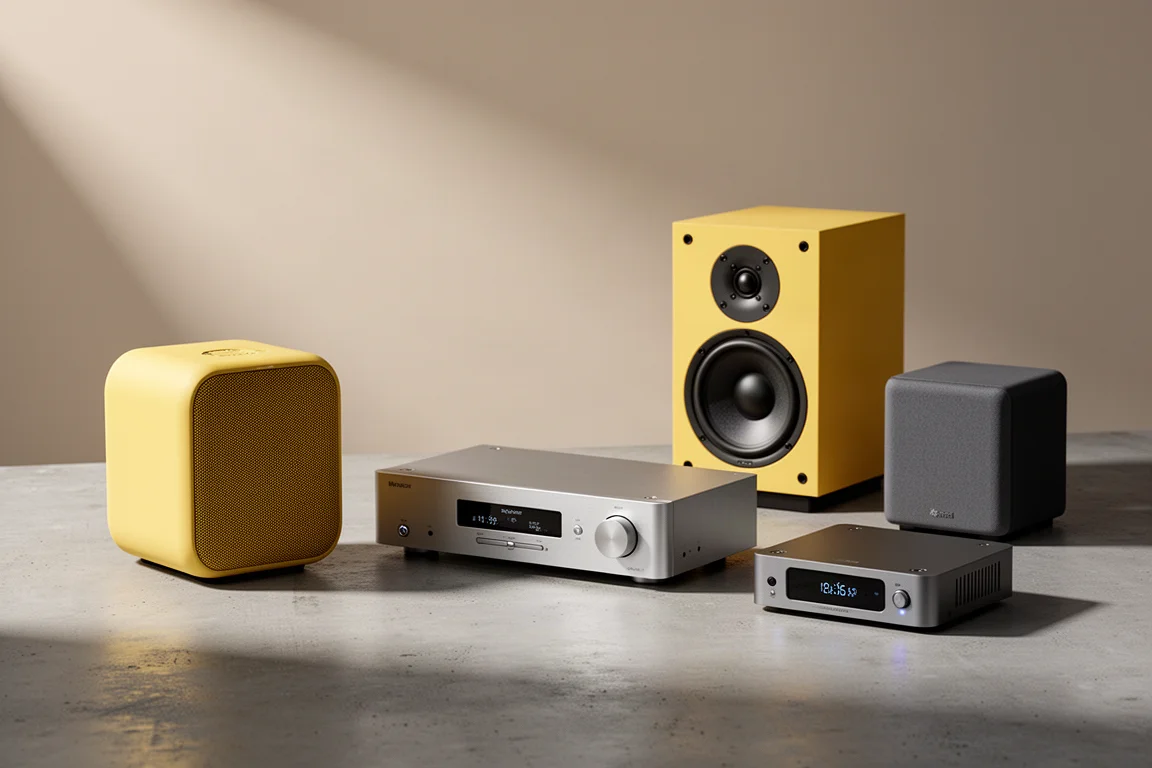
Five components that define modern active and passive hi-fi systems, with the strengths, trade-offs and setup details worth weighing before you buy.
Hi-Fi Audio
Advance Paris A10 Apex Review: A Hybrid Integrated Amplifier That Covers a Lot of Ground
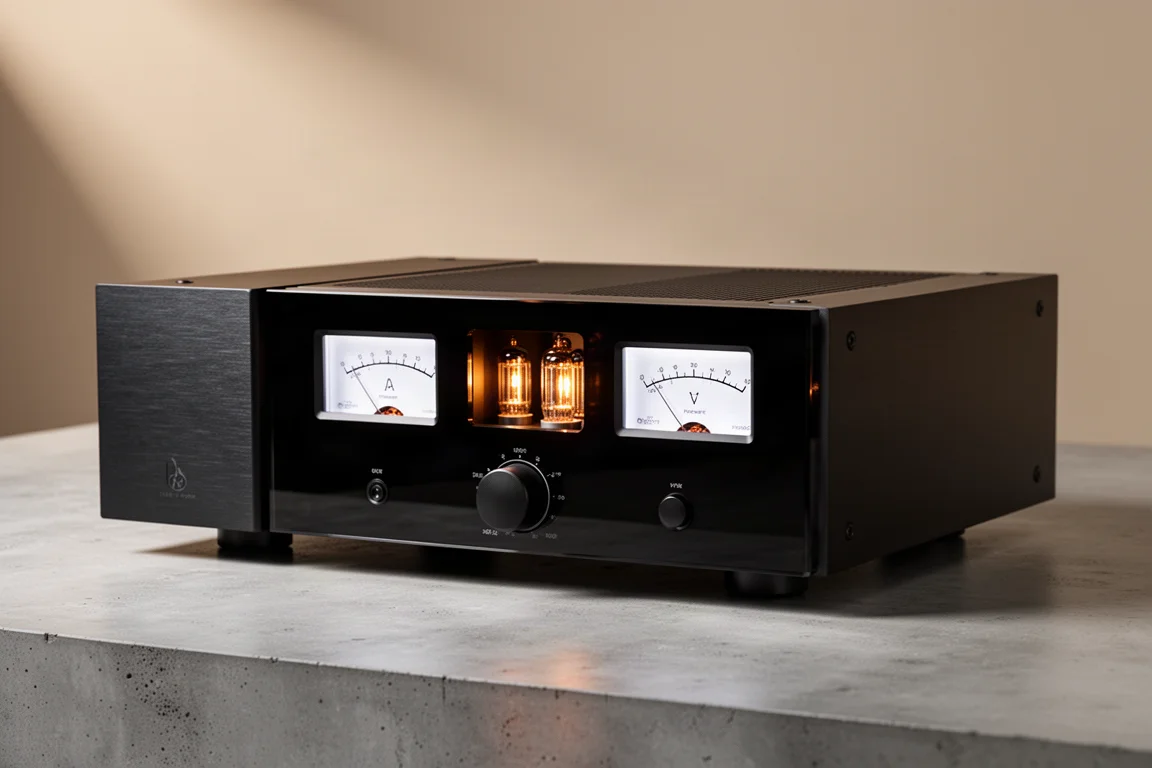
A French hybrid integrated amplifier with a class A tube preamp stage, analogue power meters, and an internal DAC and phono stage good enough to make extra boxes unnecessary.